

Business
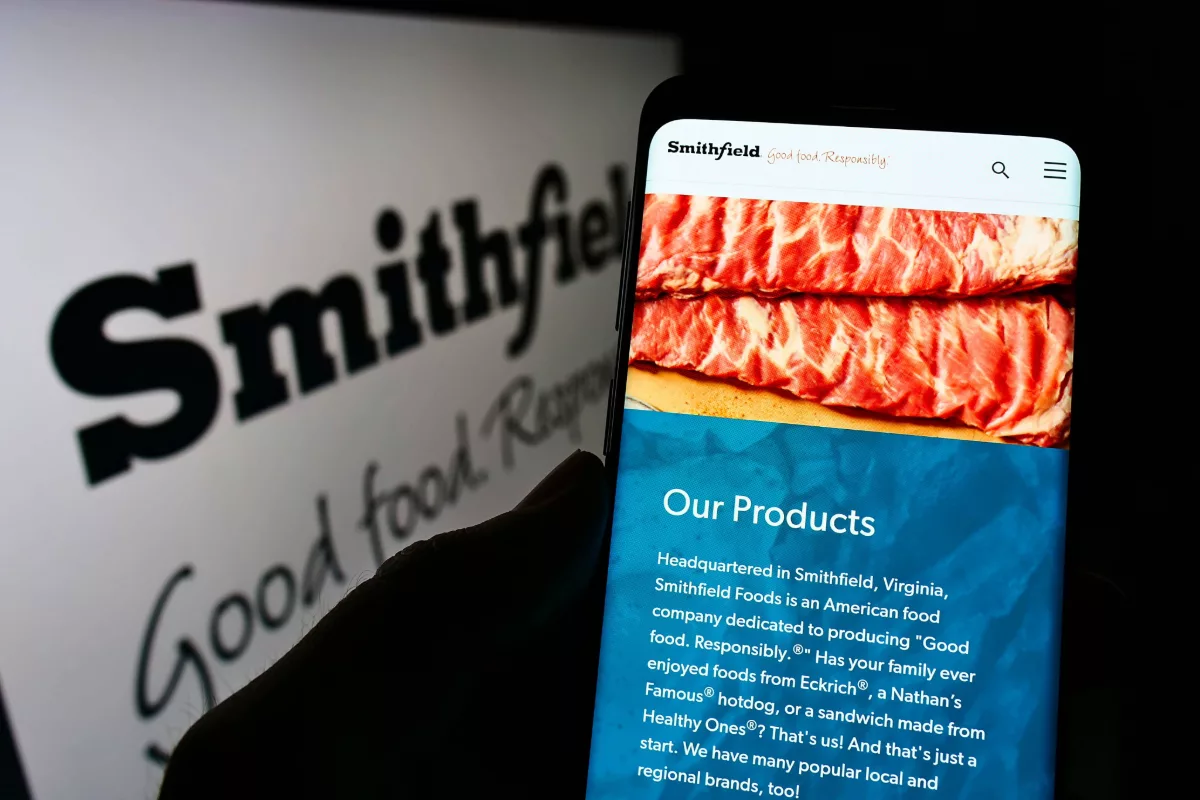
Smithfield to build $1.3 billion pork plant




Open a phone today and the browser is no longer the starting point. For many users, daily digital life begins and ends inside apps — checking messages, managing finances, following news, or booking services without ever typing a web address.
This shift hasn’t happened by accident. It reflects a deeper change in how people expect technology to fit into their routines.
Apps have reshaped digital behavior by removing effort. They remember preferences, load instantly, and offer a sense of continuity that browsers rarely provide. What once required multiple steps and repeated logins now happens with a single tap. Over time, convenience becomes habit, and habit becomes preference.
For businesses, this trend signals more than a design choice. It marks a fundamental transformation in how users interact with digital services — one where efficiency, familiarity, and control outweigh the openness of the traditional web.
The Shift From Open Web to App-Centric Behavior
The open web once symbolized freedom — endless tabs, searchable answers, and the sense that everything was just a click away. But convenience has quietly rewritten that ideal. Today, most users no longer browse for daily tasks; they return to familiar apps. This isn’t a rejection of the web, but a reordering of priorities driven by habit, speed, and predictability.
App-centric behavior grows out of repetition. When people perform the same actions every day — checking scores, managing accounts, following updates — they don’t want to navigate menus or re-enter information. Apps eliminate those small points of friction. They open where users left off, remember preferences, and respond instantly. Over time, the browser starts to feel like a detour rather than a destination.
This shift is especially visible in mobile-first regions, where smartphones are the primary computing device. Users adapt to ecosystems built around apps that work smoothly on limited connections and modest hardware. In such environments, downloading a dedicated app — whether for news, finance, or platforms accessed through options like 1xbet indonesia apk — feels practical rather than deliberate. It’s simply the fastest path to what the user already knows they want.
As behavior becomes more app-centric, the open web doesn’t disappear — it recedes into the background. Apps become the front doors of digital life, shaping routines through familiarity and ease. The shift isn’t about closing off access, but about choosing efficiency over exploration in everyday digital moments.
Speed, Familiarity, and Reduced Friction
Speed has become the quiet benchmark of modern digital satisfaction. Users may not consciously measure load times or interface efficiency, but they feel the difference immediately. When an app opens instantly and responds without hesitation, it creates a sense of momentum. There is no waiting, no recalibration — just action. In daily digital tasks, that immediacy matters more than features users rarely touch.
Familiarity builds on that speed. Apps succeed because they feel predictable in the best possible way. Buttons stay where users expect them, flows don’t change without reason, and progress resumes exactly where it left off. Over time, this consistency removes the need to think about how to do something. Users simply do it. That comfort turns apps into default tools rather than conscious choices.
Reduced friction is where speed and familiarity converge. Apps eliminate repeated logins, unnecessary steps, and redundant decisions. Notifications replace manual checking, saved preferences replace setup screens, and one-tap access replaces navigation. Even platforms people engage with casually, including services accessed through apps like 1xbet aplikasi, benefit from this streamlined experience because ease of use lowers the barrier to return.
In the end, users don’t choose apps because they are closed ecosystems — they choose them because they respect time and attention. Speed keeps users moving, familiarity keeps them confident, and reduced friction keeps them coming back.
Personalization and Control Drive Habit Formation
Habit doesn’t form through novelty — it forms through comfort and control. In the digital world, users return to the tools that adapt to them, not the ones that demand constant adjustment. Personalization has become the engine behind this dynamic, quietly shaping routines by making each interaction feel familiar and relevant.
When apps remember preferences, surface relevant content, and organize information around individual behavior, they reduce mental effort. Users don’t need to search, filter, or reset their experience every time they open an app. This sense of continuity creates trust. The platform feels less like a tool and more like a personalized space that reflects how the user thinks and acts.
Control strengthens this relationship. The ability to manage notifications, customize dashboards, or choose how and when to engage gives users ownership over their digital habits. Instead of being pulled into experiences, they opt in on their own terms. That autonomy turns occasional use into consistent behavior.
Over time, personalization and control reinforce each other. The app becomes easier to return to because it already understands the user, and the user feels comfortable returning because they remain in charge. This is how digital habits are built — not through pressure, but through alignment with everyday routines.
Offline Reliability and Infrastructure Realities
Digital products are often designed for ideal conditions — fast connections, stable networks, uninterrupted power. Real life looks very different. Users move through spaces with weak signals, fluctuating data speeds, and occasional outages. In these environments, offline reliability stops being a bonus feature and becomes a deciding factor in what people actually use.
Apps tend to perform better under these realities because they anticipate disruption. Cached data, background syncing, and lightweight interfaces allow users to continue tasks even when connections drop. Instead of failing completely, apps degrade gracefully, preserving progress and restoring functionality when access returns. Browsers, by contrast, often require a continuous connection to remain usable, turning minor network issues into full stop moments.
Infrastructure realities also shape trust. When a tool works reliably on a crowded commute, in rural areas, or during network congestion, users remember it. Reliability builds confidence, and confidence builds routine. People return to platforms that respect their constraints rather than assuming perfect conditions.
As digital access expands globally, infrastructure gaps will persist longer than ideal networks. Products that succeed are those designed for the world as it is, not as it should be. Offline reliability isn’t about removing connectivity — it’s about acknowledging reality and building experiences that remain useful when conditions are less than perfect.
What This Means for Businesses Going Forward
The shift in user behavior toward apps over browsers is not a passing trend — it’s a structural change with clear implications for businesses. Companies are no longer competing simply on features or pricing, but on how seamlessly they fit into a user’s daily routine. Attention has become scarce, and the products that win are those that reduce effort rather than add to it.
For businesses, this means rethinking digital strategy from the ground up. An app is no longer just an extension of a website; it is often the primary relationship channel. Investment in performance, personalization, and reliability directly translates into retention and lifetime value. Users who feel understood and in control are more likely to return, engage, and stay loyal.
It also means designing for real-world conditions. Products must perform well across devices, network qualities, and usage patterns. Flexibility and resilience are now competitive advantages, not technical details. Companies that acknowledge infrastructure realities and user behavior gain trust in markets others struggle to reach.
Going forward, successful businesses will be those that treat digital experiences as living systems, not static products. By prioritizing ease, adaptability, and user-centric design, they position themselves not just to attract users — but to become part of everyday life.


IMF urges Japan to keep raising rates, avoid reducing sales tax
Business
(VIDEO) ‘Bridgerton’ Season 4 Part 2 Trailer Teases High-Stakes Romance for Benedict and Sophie

Netflix has released the official trailer for the second part of “Bridgerton” Season 4, heightening anticipation for the conclusion of Benedict Bridgerton’s love story with Sophie Baek as the Regency-era drama returns Feb. 26.

The trailer, dropped Feb. 13, 2026, opens with the tagline “True love is worth the risk,” spotlighting the deepening connection between Benedict (Luke Thompson) and Sophie (Yerin Ha). It picks up from the Part 1 cliffhanger, where Benedict — the eternal bachelor of the Bridgerton family — propositions Sophie to become his mistress after their intense stairwell encounter, prompting her to flee in distress.
Viewers see glimpses of emotional turmoil, societal pressures and passionate moments as the pair navigates class divides. Sophie, a hardworking lady’s maid with a Cinderella-inspired backstory, grapples with her past and the implications of Benedict’s offer. The footage teases Benedict’s internal conflict, family interventions — including a notable scene with Anthony Bridgerton (Jonathan Bailey) — and the question of whether their forbidden romance can overcome the rigid demands of the ton.
Supporting storylines also get attention in the trailer, including updates on Violet Bridgerton (Ruth Gemmell) and Lord Anderson (Daniel Francis), as well as ongoing developments for Francesca (Hannah Dodd) and John Stirling (Victor Alli), and Colin (Luke Newton) and Penelope Bridgerton (Nicola Coughlan).
Season 4 adapts elements from Julia Quinn’s novel “An Offer from a Gentleman,” reimagined with Sophie as Sophie Baek, a lady’s maid in disguise who captivates Benedict at a masquerade ball. Part 1, consisting of the first four episodes, premiered Jan. 29, 2026, and has drawn praise for its performances, particularly from Thompson and Ha, as well as its steamy tension and emotional depth.
The eight-episode season splits into two four-episode parts, a format Netflix has used for recent seasons to build suspense. Part 2 will stream exclusively on Netflix starting at 12 a.m. PT Feb. 26, 2026 (3 a.m. ET / 9 a.m. KST).
Fan reactions have been swift and enthusiastic since the trailer’s release, with social media buzzing over the chemistry between leads and speculation about the resolution. Comments on platforms like YouTube and Reddit highlight excitement for the romance’s progression, with many calling it one of the series’ strongest storylines yet.
“Bridgerton” showrunner Jess Brownell and executive producer Shonda Rhimes continue to helm the production, which remains one of Netflix’s biggest hits. The series has already been renewed through Season 6, ensuring more tales from the ton beyond Benedict’s arc.
With only days until the premiere, fans are counting down to see if Benedict and Sophie will defy convention for a happily ever after — or if societal barriers will prove too formidable.


SGH, Steel Dynamics bid $10.6 billion for BlueScope Steel in ’best and final’ offer

The continual evolution of digital entertainment has given rise to a vibrant ecosystem within the UK’s online gaming sector. Among the numerous offerings available, slot sites have emerged as a particularly dynamic segment.
Their rapid development, driven by technological innovations and changing consumer preferences, demands not only an understanding of market trends but also careful attention to regulatory and business challenges. For UK entrepreneurs and business founders, exploring the factors that influence these platforms offers valuable insights into both consumer behavior and industry growth.
The Evolution of Online Slot Sites
From their humble beginnings as simple mechanical machines in casinos to the sophisticated online platforms of today, slot sites have undergone a remarkable transformation. Recent years have seen a surge in popularity as online gaming draws a diverse audience, eager for engaging and immersive experiences. Operators have been quick to adopt innovative technologies—from advanced graphics engines to secure payment systems—to tailor their offerings to an increasingly tech-savvy customer base.
A pivotal factor in this evolution is the emphasis on transparency and user feedback. Curated review systems and rating methodologies have emerged as essential tools for players aiming to make informed decisions. As the market matures, independent review platforms play an integral role in establishing trust and credibility. In this context, unbiased guides that compare platforms based on game variety, bonus offers, RTP percentages, and consumer protection measures are highly valuable.
Innovations in Slot Site Offerings
Technological advancements and customer-centric approaches have disproportionately shaped the online slots space. Modern slot sites leverage detailed analytics and interactive interfaces to ensure that players enjoy a seamless experience. The integration of mobile-friendly platforms and real-time gaming capabilities has further stimulated interest across a broader demographic. The rise in user-centric design not only enhances engagement but also streamlines the process of comparing various platforms.
Among the available resources, the site slot sites offers in-depth insights that detail the performance and reliability of numerous online gaming portals. These resources help players navigate the complexities of bonus terms, responsible gaming tools, and withdrawal policies. By focusing on transparency and verified customer feedback, these guides have become an indispensable resource in an industry that is constantly redefining its boundaries.
Furthermore, the drive toward personalized experiences has led operators to explore various themes and gaming styles—from traditional fruit machines to advanced video slots that incorporate cinematic storytelling. Such innovations are not only designed to entertain but also to appeal to a demographic that values diversity and quality in digital content. As market demands evolve, the range of slot offerings continues to expand, stimulating competition and encouraging further investment in technology.
Regulatory Influences and Consumer Protection
Amid rapid technological advancements, the regulatory environment surrounding online gaming remains critically important. Robust oversight by bodies such as the UK Gambling Commission plays a key role in ensuring that operators adhere to strict standards of fairness and security. Detailed data from the UK Gambling Commission’s Annual Report on Industry Statistics underscores the financial magnitude of the sector, noting that slots contribute significantly to the overall yield in the online gaming market. This level of activity not only reflects consumer enthusiasm but also prompts ongoing discussions around regulation and responsible gaming.
Simultaneously, recent reforms aimed at safeguarding players have introduced measures that balance market innovation with consumer welfare. The UK Government’s approach, as outlined in the UK Government Publication: High Stakes – Gambling Reform for the Digital Age, has redefined regulatory frameworks with the objective of enhancing consumer confidence. These initiatives include reinforcing stake limits and mandating clear communication of the risks involved in online gaming, an essential step given the sector’s rapid expansion.
Such regulatory measures are crucial in maintaining a level playing field where businesses can innovate while ensuring that consumer protection remains paramount. Transparent accreditation processes and regular compliance checks form the backbone of this effort, presenting a balanced model for industry growth that benefits both operators and players.
Business Insights and Future Trends
The intersection of technology, regulation, and consumer behavior creates a fertile ground for innovative business models within the online gaming sector. As slot games continue to evolve, careful analysis of market trends offers valuable lessons for business leaders. Adapting traditional business practices to incorporate digital analytics and real-time user feedback can significantly enhance operational efficiency and strategic planning.
For instance, companies are increasingly investing in data-driven insights to track consumer preferences and design more engaging product offerings. This approach not only improves customer retention but also streamlines the development process. In an era where visual consistency plays a pivotal role in brand perception, businesses can draw lessons from sites that maintain strong design integrity. An article discussing design strategies, how visual consistency creates brand trust in digital spaces, serves as a reminder of the impact that detailed, thoughtful design can have on consumer engagement.
Forward-looking trends suggest that the integration of artificial intelligence and green technology holds promise for further revolutionising slot site operations. AI-driven customer support and personalised gaming experiences can redefine user engagement, while sustainable practices in digital operations might soon become a competitive differentiator. With advancements in secure payment systems and fraud prevention technologies, businesses are better equipped to manage risk amid increasing digital transactions.
Industry analysts are also focusing on emerging consumer trends such as the shift to mobile gaming and the growing demand for instant-play formats. These developments not only create opportunities for enhanced monetisation but also mandate that operators frequently update their platforms to stay competitive. By continuously adapting to market needs, slot sites can secure a robust position within the broader online gaming ecosystem.
Strategies for Sustainable Growth
Sustainable growth in the online gaming sector is underpinned by a commitment to innovation, transparency, and customer-centric practices. Businesses that can effectively balance these elements are well poised to benefit from the sector’s lucrative prospects. Regular investment in technology upgrades and adherence to regulatory standards ensure that platforms remain resilient amidst rapid market shifts.
Additionally, strategic partnerships and collaborations have proven effective in driving growth. By forging alliances with technology providers, financial institutions, and regulatory bodies, operators can enhance their service offerings and reinforce consumer confidence. Continued collaboration with industry experts and sites that audit and review gaming portals reinforces best practices and contributes to a sustainable business model.
As competition intensifies, businesses will benefit from adopting a holistic strategy that integrates rigorous data analytics with creative content delivery. This dual approach not only drives operational efficiencies but also enables companies to offer a differentiated user experience. Maintaining an agile business model that is ready to capitalize on emerging trends will be crucial for long-term success in this rapidly evolving landscape.
Looking Ahead: Opportunities and Innovations
The future of online slot sites is poised for significant transformation, driven by technological breakthroughs and shifting consumer expectations. As operators refine their strategies and consumers become increasingly discerning, the market is expected to witness even greater diversification in product offerings. This period of transition will likely see the introduction of new gameplay mechanics, innovative bonus systems, and enhanced security protocols.
Additionally, the continued evolution of digital payment systems and blockchain technology may offer unprecedented levels of transparency and efficiency within the industry. Investors and business leaders alike should observe these trends closely, as they hold the potential to reshape risk profiles and open up new revenue streams. The balancing act between innovation and regulation will remain a central theme as the industry matures.
As slot sites continue to establish their value both as a source of entertainment and as a profitable business model, maintaining an informed perspective becomes imperative. For stakeholders, the ability to anticipate market movements, stay compliant with evolving regulatory requirements, and commit to technological innovation will determine success in an increasingly competitive arena. This market, rich with opportunity and fraught with challenges, serves as a compelling case study in how modern business environments can adapt and thrive.
In conclusion, the dynamic landscape of slot sites underscores the intersection of digital innovation, regulatory evolution, and strategic business planning. For those looking to invest in or better understand this segment, a comprehensive review of current market trends and regulatory shifts provides invaluable insights. As the industry continues to evolve, informed decision-making and a commitment to sustainable practices will remain key drivers for success.


Almond-based dip startup launches white corn chips fried in almond oil.

Check out what’s clicking on FoxBusiness.com.
Warehouse club Costco is issuing a recall for certain gift cards sold at its locations nationwide.
The retailer said in a letter to members that customers who purchased Synergy restaurant gift cards between Oct. 27, 2025, and Jan. 26, 2026, are eligible for a refund for the remaining card balance.
The recall comes after Synergy World, a gift and loyalty card company, abruptly shut down last month after filing for Chapter 7 bankruptcy protection. As a result, its gift cards can no longer be redeemed, leaving some consumers holding unusable balances with little immediate recourse.
SOME GIFT CARDS SOLD AT COSTCO ARE NOW WORTHLESS

Synergy World filed for Chapter 7 bankruptcy protection in late January. (Angus Mordant/Bloomberg via Getty Images)
Synergy’s gift cards were third-party products. While they were sold at Costco and redeemable at hundreds of participating restaurants nationwide, the cards were issued and managed by Synergy – not Costco or the restaurants themselves.
SALMON SOLD AT BJ’S WHOLESALE CLUB RECALLED OVER POTENTIAL LISTERIA CONTAMINATION
Once Synergy shut down, the cards effectively became worthless.
“One of the biggest lessons that people should learn from this is that gift cards should be used sooner rather than later,” Matt Schulz, LendingTree’s chief consumer finance analyst, told FOX Business. “That’s especially true if the company involved is on shaky footing. However, with any gift card, you’re better off not letting it gather dust. Otherwise, you risk losing it, forgetting about it or just having it lose value. That’s the last thing anyone needs today.”
GET FOX BUSINESS ON THE GO BY CLICKING HERE
Synergy initially said gift cards would be honored through early February, but later halted redemptions altogether, citing a surge in demand. The total amount of money tied up in unredeemed cards will not be known until bankruptcy filings are made public.
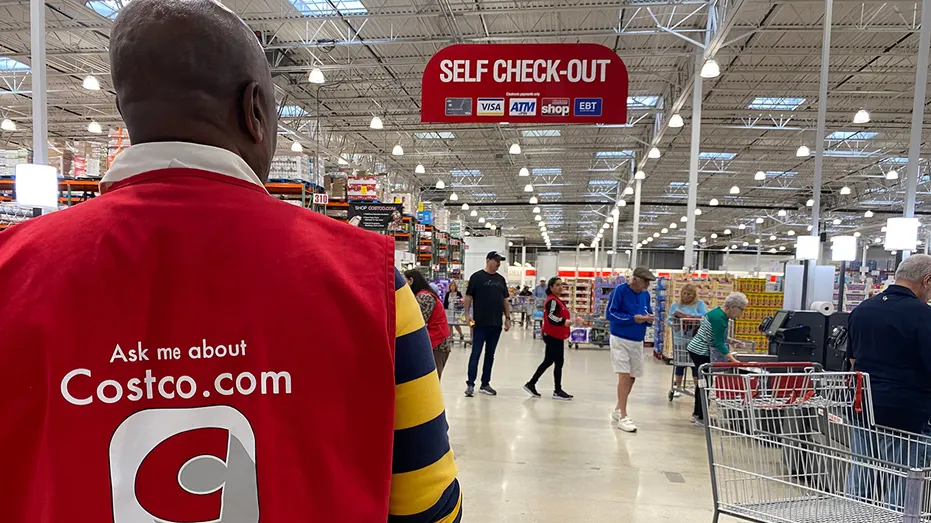
The gift cards were sold by Costco but issued by Synergy World. (Lindsey Nicholson/UCG/Universal Images Group)
Expert tips when it comes to gift cards
Schulz suggested that consumers keep the gift card’s receipt until it’s been used. That way, the refund process is more likely to be more hassle-free.
He also advised registering the gift card, when possible, which can help if the card gets lost. And, Schulz said paying for a gift card with a credit card can be beneficial to the consumer in the event that there is fraudulent activity that needs to be reported.


Seeking Alpha’s transcripts team is responsible for the development of all of our transcript-related projects. We currently publish thousands of quarterly earnings calls per quarter on our site and are continuing to grow and expand our coverage. The purpose of this profile is to allow us to share with our readers new transcript-related developments. Thanks, SA Transcripts Team

Saia EVP operations Sugar sells $1m in shares

Earnings call transcript: Medifast Q4 2025 shows significant EPS miss

Erik Voorhees’ Venice AI Leads Altcoin Market

Demi Engemann Wants Marciano Brunette’s Suit Against Her Dismissed

Hermes is NOT gonna like this episode of Financial Tea… watch the full thing on my channel


-

 Sports6 days ago
Big Tech enters cricket ecosystem as ICC partners Google ahead of T20 WC | T20 World Cup 2026
-

 Tech7 days ago
SpaceX’s mighty Starship rocket enters final testing for 12th flight
-

 Video1 day ago
Bitcoin: We’re Entering The Most Dangerous Phase
-

 Tech3 days ago
Luxman Enters Its Second Century with the D-100 SACD Player and L-100 Integrated Amplifier
-

 Video5 days ago
The Final Warning: XRP Is Entering The Chaos Zone
-
 Tech20 hours ago
The Music Industry Enters Its Less-Is-More Era
-

 Video15 hours ago
Financial Statement Analysis | Complete Chapter Revision in 10 Minutes | Class 12 Board exam 2026
-
 Crypto World6 days ago
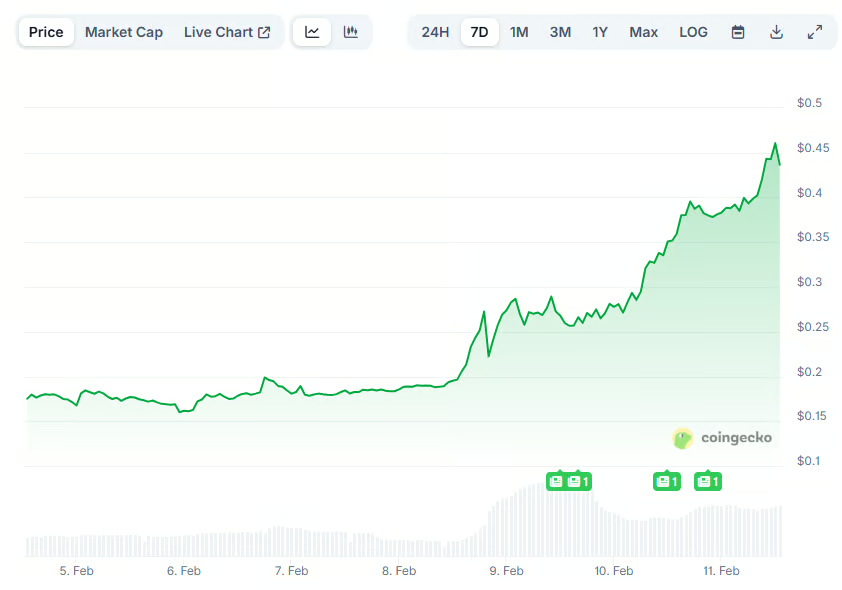
Pippin (PIPPIN) Enters Crypto’s Top 100 Club After Soaring 30% in a Day: More Room for Growth?
-

 Crypto World4 days ago
Bhutan’s Bitcoin sales enter third straight week with $6.7M BTC offload
-

 Video6 days ago
Prepare: We Are Entering Phase 3 Of The Investing Cycle
-

 Crypto World14 hours ago
Can XRP Price Successfully Register a 33% Breakout Past $2?
-

 Sports20 hours ago
GB's semi-final hopes hang by thread after loss to Switzerland
-
 NewsBeat2 days ago
The strange Cambridgeshire cemetery that forbade church rectors from entering
-

 Business5 days ago
Barbeques Galore Enters Voluntary Administration
-

 Crypto World7 days ago
Crypto Speculation Era Ending As Institutions Enter Market
-

 Crypto World5 days ago
Ethereum Price Struggles Below $2,000 Despite Entering Buy Zone
-
 NewsBeat2 days ago
Man dies after entering floodwater during police pursuit
-

 Crypto World4 days ago
Kalshi enters $9B sports insurance market with new brokerage deal
-

 NewsBeat3 days ago
UK construction company enters administration, records show
-
 Crypto World4 days ago
BlackRock Enters DeFi Via UniSwap, Bitcoin Stages Modest Recovery