
Business
Private label’s rising role in beverage innovation

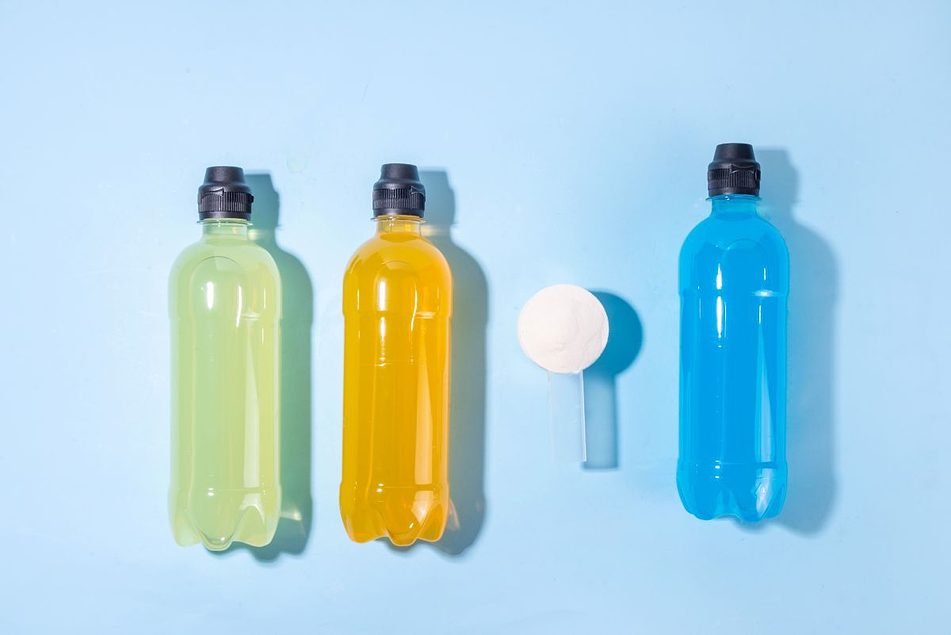
WILMINGTON, NC. — With consumers turning to functional beverages, private label manufacturers are benefiting from the trend by helping their clients succeed in the category.
FedUp Foods, one of the largest private label fermented and functional beverage manufacturers in the United States, has had positive experiences with transforming product concepts into market results.
“We’re at the forefront of charting out the innovation roadmap for functional beverages, which is a focus for our business,” said Ravi Jhala, vice president of commercialization. “It’s a very collaborative role on the commercialization side because we work all the way from concept to product launch.”
Beverages were one of food retail’s strongest growth categories in 2025, according to the “Power of Beverage” report from FMI — The Food Industry Association. Almost $295 billion in sales were recorded last year, a 3% boost from 2024.
Along with functional benefits such as hydration, protein, energy, mood support, immune health and digestive health, the report found the better-for-you qualities consumers most want from beverages are caffeine content, low or no added sugar, electrolyte content and natural flavors.
Jhala told Food Business News FedUp Foods recently worked on a regional cold-brew coffee product featuring responsibly sourced organic coffee sold in 48-oz post-consumer plastic bottles.
“We are pretty proud of it because that business has actually grown for us, and we have more than a few products that we serve through that,” he said. “It’s making products available to people at a reasonable price.”
Not to be left behind, branded beverage products are taking advantage of the favorable trend as well. In addition, foodservice operators like McDonald’s Corp. have jumped on the bandwagon by introducing cold coffee, craft sodas, refreshers and Red Bull “energizer” drinks in the United States and elsewhere.
The pivot to private label
Founded in 2008, FedUp Foods pivoted to a private label business model in 2017 and now primarily is focused on kombucha, prebiotic and probiotic soda and, since last year, cold-brew coffee.
The timing of the shift has been fortuitous since private label volume growth was highest for the first half of 2026 in the beverage and refrigerated categories, according to the Private Label Manufacturers Association.
Private label sales in the United States hit $330 billion last year, according to the market researcher Circana. That total was 24% of retail food and beverage dollar share in the country, which was up 0.4 percentage points from 2024.

Private label sales in the United States hit $330 billion last year, according to the market researcher Circana.
| Photo: ©JAMMER GENE – STOCK.ADOBE.COMYounger consumers are helping to drive the private label trend by their interest in product transparency and by being less brand loyal, Jhala said.
“They’re not necessarily seeking out brands as other generations do,” he said. “This is one thing helping private label brands rise.”
A survey conducted by FMI — The Food Industry Association found millennial and Generation Z shoppers are influencing the increase in private label purchases. Fifty-nine percent of Gen Z and 53% of millennials said they had increased their private label purchases in the past year, compared with 49% of shoppers overall.
Private label innovation
Private label brands benefit by being able to offer retailers the product innovation and variety today’s consumers are looking for, Jhala said.
“We definitely can do agile manufacturing and conversion of consumer insights to launch premium products faster compared to what legacy brands can do,” he said.
The company’s private label clients also don’t shy away from putting limited-time brands on the shelf, which he said is another advantage.
“Legacy brands take much more of a time commitment to pursue that,” Jhala said. “The cycle time for a private label brand to work directly with a retailer is much faster. That’s what makes private label brands stand out.”
Nurturing the soil
FedUp Foods is “one of the companies that believes in values-oriented business,” Jhala said.
As a Public Benefit Corporation, it must factor social and environmental goals into its business decisions. The company also prioritizes working with certified partners, including suppliers holding B Corp status.
Jhala said FedUp Foods applies values-based sourcing and literally nurtures the soil from organic inputs for tea and kombucha.
“By being a responsible manufacturer in the communities where we operate, we nurture the community soil as well,” he said.
The third way is by “making good food we actually make accessible to more people,” he said. “Through the private label system we operate in, we are able to do that by working directly with retailers on their brands and making products accessible at a good price point.”
Jhala said he thinks functional beverages align well with private label because people want novelty and to know about the latest flavor trend, plus they want the functional benefits of clean energy, gut health and immunity.
“As long as you can deliver this functionality through the beverage by keeping them tasting good, I think that’s what makes private label more exciting,” he said. “We are definitely enjoying this moment.”

Check out what’s clicking on FoxBusiness.com.
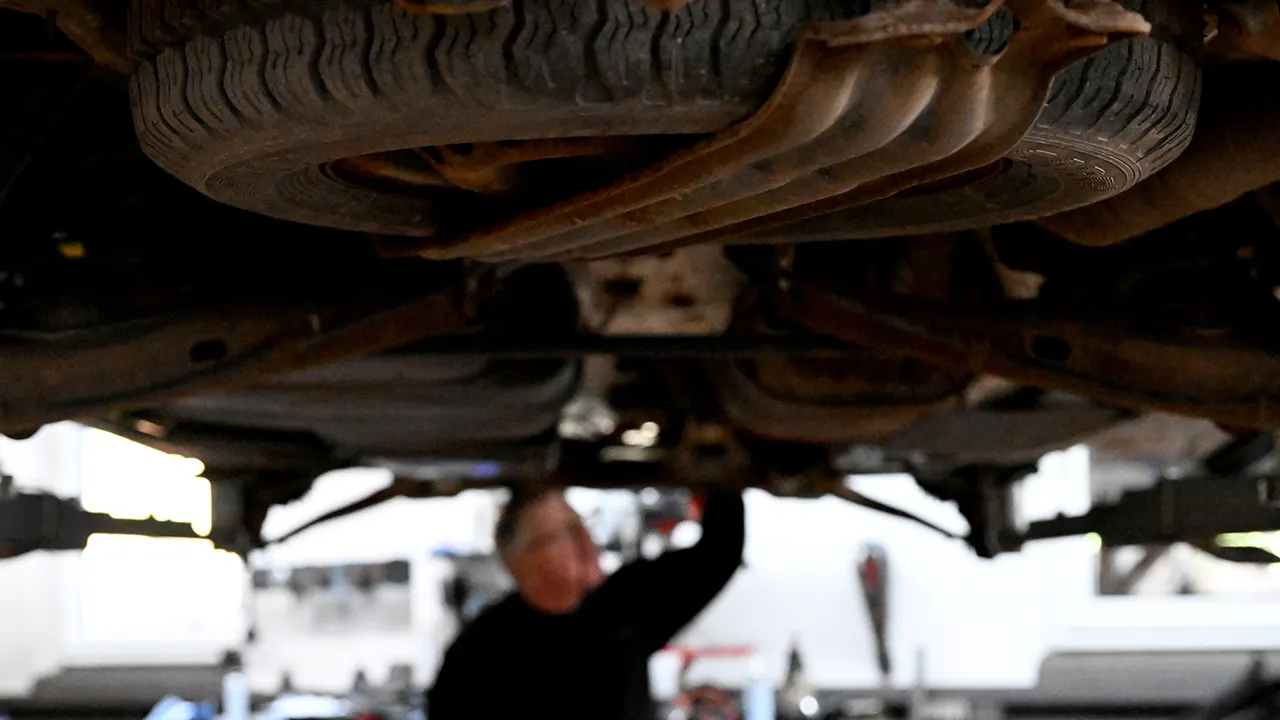
Chrysler has recalled nearly 75,000 SUVs over a manufacturing defect that could cause certain parts to break loose while driving, creating unexpected road hazards and significantly increasing the risk of a crash, according to federal regulators.
Nearly 74,578 Dodge Durango vehicles from the 2021-2023 model years are affected by the recall, which was submitted to regulators on Aug. 13, the National Highway Traffic Safety Administration (NHTSA) said.
According to the recall notice, the vehicles may have rear spoilers that were improperly aligned during installation, causing the spoiler to strike the vehicle’s roof whenever the liftgate opens and closes. Over time, the impact can weaken the spoiler’s structural integrity and cause it to detach while the vehicle is in motion.
“Rear spoilers which detach from a vehicle may create road debris and increase the risk of a vehicle crash,” the notice said.
TESLA FILES PLANS FOR PROPOSED $10.1B TEXAS SOLAR MANUFACTURING PLANT

A brown Dodge Durango SUV is shown with a rear spoiler attached to its liftgate. (AFP PHOTO/Stan HONDA / Getty Images)
Regulators said the safety defect was previously addressed under two recall campaigns filed in 2021 and 2023 but warned that owners must return for additional repairs due to persistent issues.
The affected vehicles were manufactured between July 13, 2020, and March 28, 2023.
Approximately 0.8% of the recalled vehicles are estimated to contain the defect. No crashes or injuries have been reported.
MORE THAN 20,000 OFF-ROAD MOTORCYCLES RECALLED OVER DANGEROUS BRAKE DEFECT THAT COULD LEAD TO DEATH
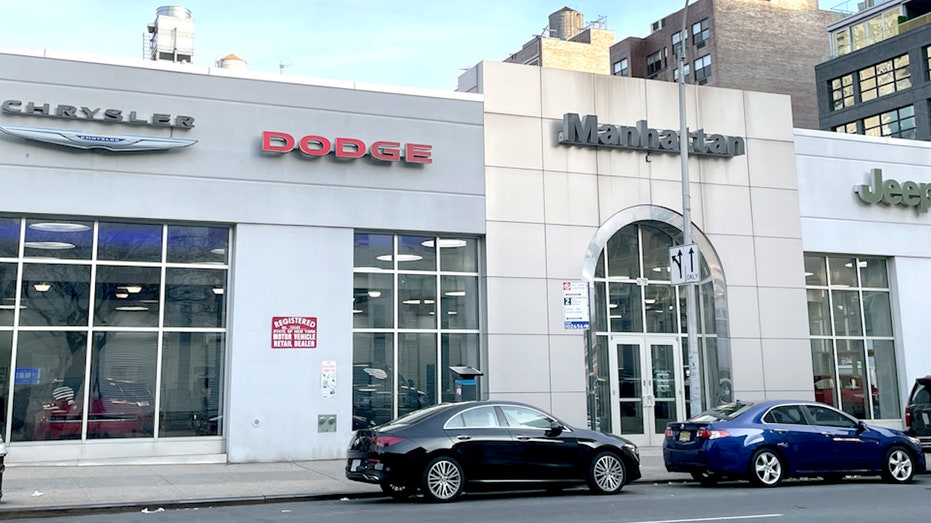
Cars are parked outside a Chrysler, Dodge, Jeep, and Ram showroom in New York. (Deb Cohn-Orbach/UCG/Universal Images Group / Getty Images)
As of July 29, 2026, Chrysler reportedly identified 116 warranty claims, eight customer assistance records and 37 other service reports related to post-remedy failures.
The final, permanent technical repair is currently under development by Chrysler, according to officials.
| Ticker | Security | Last | Change | Change % |
|---|---|---|---|---|
| STLA | STELLANTIS NV | 5.26 | +0.04 | +0.77% |
Dealers were formally notified on Aug. 20, and searchable vehicle identification numbers became available on NHTSA.gov the same day, officials said.
Owner notification letters are scheduled to begin mailing on Sept. 10, 2026.
The Chrysler logo is displayed on the service department at a Chrysler Jeep and Dodge dealership on May 2, 2011, in Vallejo, California. (Justin Sullivan / Getty Images)
CLICK HERE TO GET FOX BUSINESS ON THE GO
Owners can contact Chrysler customer service at 1-800-853-1403 or the NHTSA Vehicle Safety Hotline at 1-888-327-4236.

Symbotic CTO James Kuffner sells $160,421 in stock

Firms across Europe have been switching to electricity from fossil fuels for their industrial needs, encouraged by subsidies from EU funds.
While that is helping bring down emissions of climate-warming gases, it has also made firms more vulnerable to power cuts.
And in Spain and Portugal that threat was made painfully clear last year.
On both sides of the border, firms are looking for ways to avoid disruption.
“The industrial sector has been one of the first to look at storage systems, since it can’t have its production drop off too abruptly,” says Miguel Matias, founder of the Portuguese energy services company Self Energy, headquartered in the UK.
“A backup for a few hours, or even minutes, might guarantee that machines don’t get damaged,” he says.
And there have been more recent incidents to spur investment.
At the end of January, Storm Kristin toppled thousands of electricity and telecom poles across central Portugal, cutting power and communications to hundreds of thousands of people – some for weeks.
So, companies and other organisations have been taking action.
In Spain, battery storage capacity has risen almost sevenfold since last April, from about 28 MW before the blackout to 193MW in April 2026, according to the grid operator Red Eléctrica.
And much more capacity is planned.
In December, the IDAE, Spain’s Institute for the Diversification and Saving of Energy, awarded €827m in EU funds to 133 energy storage projects totalling 2,400MW. Around 80% of that is battery storage.
The new capacity will be close to 10 times the amount that Red Eléctrica currently registers on the Spanish grid.
It’s all good news for battery suppliers.
“We are seeing not only an increase in demand, but also a clear evolution in customer requirements,” says Alberto Bodegas, from battery storage company Sungrow.
Traditionally, commercial and industrial clients were looking for partial or full backup solutions, Bodegas says.
Today, Bodegas says customers are demanding more advanced capabilities, such as seamless backup, meaning the switch from grid to backup occurs instantaneously and without any noticeable interruption.
This is particularly critical for sensitive environments such as hospitals and data centres.
Delivery times are also crucial for buyers, currently under tight deadlines linked to EU funding programmes. Battery companies are being pressed to meet increasingly shorter delivery dates, Bodegas says.

Explainer-What are H-1B visas for skilled workers and what changes loom?
Business
Starbucks Unveils PSL Society Merchandise as Pumpkin Spice Latte Returns to Menus Aug. 25 With New Chaider

Starbucks officially welcomed fall back to its menus Tuesday, bringing back the beloved Pumpkin Spice Latte alongside a new PSL Society merchandise collection and an expanded lineup of seasonal drinks, including a debut fall-meets-winter beverage called the Chaider.
The Pumpkin Spice Latte, one of Starbucks’ most iconic and consistently popular seasonal offerings, returned to coffeehouses nationwide Aug. 25, marking the start of what has become one of the coffee chain’s most anticipated annual traditions. According to Starbucks, the fall lineup extends well beyond the PSL itself, including new pumpkin spice beverages, returning pecan-flavored favorites, banana bread-inspired drinks and the newly introduced Chaider, a cozy, cider-inspired take on chai.
To mark the occasion, Starbucks launched a dedicated PSL Society merchandise collection in U.S. coffeehouses the same day. According to the company’s official announcement, the collection is inspired by the colors and cozy rituals of the season, featuring vibrant drinkware and a hat designed specifically with fall’s biggest PSL fans in mind. The lineup includes a PSL hat priced at $29.95, featuring an embroidered pumpkin design alongside the letters “PSL.” A stainless steel, 16-ounce orange cold cup, also priced at $29.95, features a vibrant orange finish accented with a pop of purple inspired by the season’s color palette. Rounding out the collection is a 12-ounce PSL ceramic mug priced at $19.95, pairing a warm orange hue with a soft pastel purple handle for what Starbucks described as an unexpected twist on traditional fall colors.
Beyond the PSL itself, Starbucks’ expanded fall drink lineup includes several new additions alongside returning customer favorites. According to Starbucks, new offerings this season include the Iced Pumpkin Cream Shaken Espresso, Pumpkin Spice Chai and Iced Pumpkin Cream Matcha, while returning fan favorites include the Pumpkin Cream Cold Brew, Iced Pumpkin Cream Chai and the Pumpkin Spice Frappuccino blended beverage. The Pumpkin Cream Cold Brew is crafted with cold brew coffee and vanilla syrup, topped with velvety pumpkin cream cold foam, while the Iced Pumpkin Cream Chai blends black tea infused with cinnamon and other spices with milk and pumpkin cream cold foam.
The newly introduced Chaider represents one of the more notable additions to this year’s fall menu. According to Yahoo News, the drink combines cinnamon, warm spices and apple cider-inspired flavors with chai, and is available in both hot and iced versions. Starbucks is also expanding its banana-flavored offerings this fall with two new beverages inspired by freshly baked banana bread, including an iced banana bread latte and an iced banana bread chai, both of which Starbucks has indicated will remain available on the menu beyond the fall season specifically, unlike the more strictly seasonal PSL and pumpkin-flavored offerings.
On the food side, returning items include the Pumpkin Cream Cheese Muffin, featuring a spiced pumpkin muffin with sweet cream cheese filling topped with spicy chopped pepitas. According to LiveNOW from Fox, new menu additions this fall also include a Chicken Bacon Protein Pocket, part of Starbucks’ broader push to expand protein-forward food offerings, along with a Hedgehog Cake Pop.
Starbucks Chairman and Chief Executive Brian Niccol addressed persistent speculation about whether the company might eventually make the Pumpkin Spice Latte a permanent, year-round menu item, telling Yahoo Finance the company has no such plans. “We’ve talked about this a couple times, and we come back to the conclusion that it’s really the defining drink of a season,” Niccol said. “And as of right now, we’ve got no plans to put it on permanently. But we will make the most out of people wanting to experience a great pumpkin spice latte season. And it’s not too far away.”
To celebrate the return of the seasonal favorite, Starbucks partnered with lifestyle icon Martha Stewart, alongside actor Belmont Cameli, to promote what the company has framed as an invitation for fans to unapologetically embrace everything they love about fall. According to Starbucks, the partnership is intended to remind customers to fully lean into the season’s traditions and rituals surrounding the drink’s return each year.
This year’s Aug. 25 return date lands slightly later than in some recent years but still fits within Starbucks’ well-established pattern of launching its fall menu in the final week of August, regardless of actual weather conditions or the calendar date of the official autumn equinox, which does not arrive until Sept. 22. According to Yahoo News, Starbucks’ announcement this year came earlier than usual relative to the actual reveal of the specific return date, even though the return date itself, Aug. 25, closely tracks the timing of the chain’s launches in prior years, including a 2021 return that also fell on Aug. 24, one day earlier.
The Pumpkin Spice Latte first debuted in 2003 and has grown into Starbucks’ most successful seasonal beverage in company history, according to LiveNOW from Fox, with hundreds of millions of the drinks sold since its introduction. Its popularity has also spawned a wide range of imitators across the food and beverage industry over the years, with Dunkin’ introducing its own pumpkin-flavored drinks in 2007 and McDonald’s launching a competing pumpkin spice latte in 2013.
The PSL’s return also arrives at a significant moment for Starbucks’ broader business strategy. The coffee chain has faced ongoing challenges in recent years, including slumping sales and intensifying competition, developments that contributed to the company bringing in Niccol as its new chief executive with a mandate to, in his own words, “fundamentally change” the company’s strategic direction. Given the Pumpkin Spice Latte’s status as one of the company’s most reliable revenue drivers each year, this year’s seasonal rollout, paired with the new PSL Society merchandise collection and the debut of the Chaider, represents a significant piece of Starbucks’ broader effort to reinvigorate customer engagement and sales momentum heading into the final months of 2026.
With the full fall menu now live in U.S. coffeehouses, Starbucks customers looking to bring the seasonal flavors home can also find a range of Starbucks-branded fall products, including Doubleshot Energy Pumpkin Spice, Iced Espresso Pumpkin Spice Latte and Pumpkin Spice Latte-inspired coffee creamers, already available on grocery store shelves nationwide.
Business
Max Gawn Claims Record 9th All Australian Blazer as Jordan Dawson’s Mental Health Speech Steals Show

Melbourne ruckman Max Gawn claimed a record-breaking ninth All Australian blazer and was named captain of the 2026 team, while Collingwood’s Nick Daicos swept the league’s top individual awards, but it was Adelaide captain Jordan Dawson’s emotional speech about mental health that dominated the evening at the AFL Awards.
Dawson won both Best Captain and the Robert Rose Most Courageous Player Award before being named vice captain of the All Australian team, using his acceptance speech to speak candidly about his struggles following the death of his brother, who died at age 35 earlier this year.
“It’s been a struggle. It’s not easy. It’s a range of emotions and they come at different times,” Dawson said. “For me it’s about creating safe spaces in the footy club and at home, and understanding there will be times when it’s hard to go to work and that it is OK to feel a certain type of way.” He acknowledged the ongoing difficulty of discussing the loss publicly. “It’s still raw, it’s always going to be hard to talk about. I’m so lucky I have such supportive people around me.” Dawson went on to describe his evolving relationship with mental health awareness more broadly, and offered a direct message to others facing similar struggles. “The mental health space is something new to me, but something I want to learn more about. I want everyone to know who is struggling with their mental health that you are definitely loved and that the world is a better place with you in it. You are enough. We all love you, you have friends and family around you.”
Gawn was named captain of the 2026 All Australian team despite Dawson having beaten him for the Best Captain award earlier in the night, a selection commentators suggested reflected the honorary weight of Gawn’s record ninth blazer selection. Gawn himself reportedly said he felt the honor should have gone to Dawson instead, given the power of his mental health speech earlier in the evening.
Daicos, selected to the All Australian team for the fourth time in the first five years of his career, swept both the Coaches Association Champion Player of the Year award and the Leigh Matthews Trophy for Most Valuable Player, edging out finalists Marcus Bontempelli and Dawson for the MVP honor. Bontempelli earned his own milestone selection, claiming his eighth career All Australian blazer.
Carlton’s Charlie Curnow claimed his third Coleman Medal as the league’s leading goalkicker, finishing the season with 69 goals, six clear of Brisbane’s Logan Morris. Curnow was not present in the building to accept the award, instead appearing via a pre-recorded video message from Sydney.
Carlton’s Jagga Smith was named the AFL’s Rising Star for 2026, capping a breakout season after the club’s number three pick in the 2024 draft had missed the previous year’s award race entirely due to a torn ACL suffered in preseason. Smith finished ahead of runner-up Harry Dean, with Willem Duursma, Cooper Trembath and Jobe Shanahan rounding out the top five in voting.
Harry Dean, also of Carlton, was separately named the AFLPA’s Best First Year Player, recognized for stepping into a challenging key defensive role as a debut-season player. St Kilda’s Callum Wilkie won the inaugural Coaches Association Defensive Player of the Year award, offering a self-deprecating explanation for his success following the win. “I’ve set a good precedent. I don’t actually do any defending, I just drop off and intercept,” Wilkie said.
The Coaches Association’s Best Emerging Player award, given to the player in his first two seasons who accrued the most weekly coach’s votes, ended in a tie between St Kilda’s Max Hall and Fremantle’s Murphy Reid.
The full 2026 All Australian team named Willem Milera, Callum Wilkie and Jeremy Impey across the back pocket and full-back positions, with Luke Ash, Harris Andrews and Jack Clark rounding out the defensive six. The midfield featured Bailey Smith, Bontempelli and Ollie Dempsey on the wings and center, with Gawn, Dawson and Daicos filling the ruck and rover positions. The forward line included Shai Bolton, Jaeger Treacy and Kysaiah Pickett across the half-forward line, with Nick Watson, Curnow and Logan Morris completing the full-forward positions. The interchange bench featured Luke Jackson, Nasiah Wanganeen-Milera, Matt Reid, Zac Bailey and Zak Butters.
AFL Chief Executive Andrew Dillon addressed attendees earlier in the evening, using his remarks to reinforce a message about safety and inclusion within the sport. “Keeping footy strong from the grassroots up depends on everyone feeling welcome, safe and respected. We are the biggest game in the country, and we must never lose sight of the responsibility that carries. Starting with the example we set for the millions of girls and boys who dream of playing at the highest level,” Dillon said.
The awards night capped the end of the AFL’s regular home-and-away season, with attention now turning to the league’s Wildcard Round, featuring games scheduled for Friday and Saturday, as the competition moves into its finals series. Dawson’s speech, delivered with what those in attendance described as visible emotion, is expected to remain one of the most widely discussed moments of the awards season, resonating well beyond the football community given its candid focus on grief and mental health.

The Lanier Law Firm lead attorney Mark Lanier joins ‘Varney & Co.’ to discuss the social media addiction trial verdict against Meta and Google, comparing it to tobacco litigation.
Pennsylvania Attorney General Dave Sunday sued Snap Inc., the parent company of Snapchat, on Tuesday, accusing the company of designing the social media app to keep young users compulsively engaged while misleading parents about its safety and age-appropriate content.
The lawsuit, filed in Philadelphia County Court, takes aim at features including Snapstreaks, infinite scrolling, push notifications, autoplay and disappearing messages. Pennsylvania alleges the features encourage young people to spend more time on Snapchat, helping the company generate advertising revenue while exposing minors to potential harms.
The state alleges Snapchat has millions of users in Pennsylvania, including tens of thousands under 16, while Snap generates millions of dollars in annual revenue from users in the state. Snap’s North American operations generated more than $5.3 billion in revenue in 2024, according to the complaint.
The lawsuit also targets how Snapchat monetizes engagement. Users can pay to restore an expired Snapstreak, which tracks the number of consecutive days two people have exchanged Snaps. Pennsylvania alleges younger users can feel pressure to maintain streaks because they associate them with the strength of their real-life friendships.
GOOGLE’S YOUTUBE REACHES SETTLEMENT IN LAWSUIT ALLEGING CHILD SOCIAL MEDIA ADDICTION

Pennsylvania Attorney General Dave Sunday sued Snapchat parent Snap Inc. over allegations involving the platform’s design and safety for younger users. (istock / iStock)
“Snapchat has designed its platform to lure children into constant, compulsive use that is detrimental to healthy adolescent development,” Sunday said in a statement. “This lawsuit demands that Snapchat finally admit publicly that its platform is highly addictive and that it takes real action to keep kids safe.”
Pennsylvania separately accuses Snap of misleading consumers about the content available to minors.
According to the complaint, information provided by Snap results in Snapchat receiving a 13+ rating in Apple’s App Store and a “T for Teen” rating in the Google Play and Microsoft stores. The state alleges those ratings do not accurately reflect the mature content available through the platform.
The complaint says an investigator with the Pennsylvania Attorney General’s Office created a Snapchat account using a 13-year-old’s birthday and found the account could access content containing profanity, drug and alcohol references and sexual material.
Snap disputed the allegations in a statement provided to FOX Business.
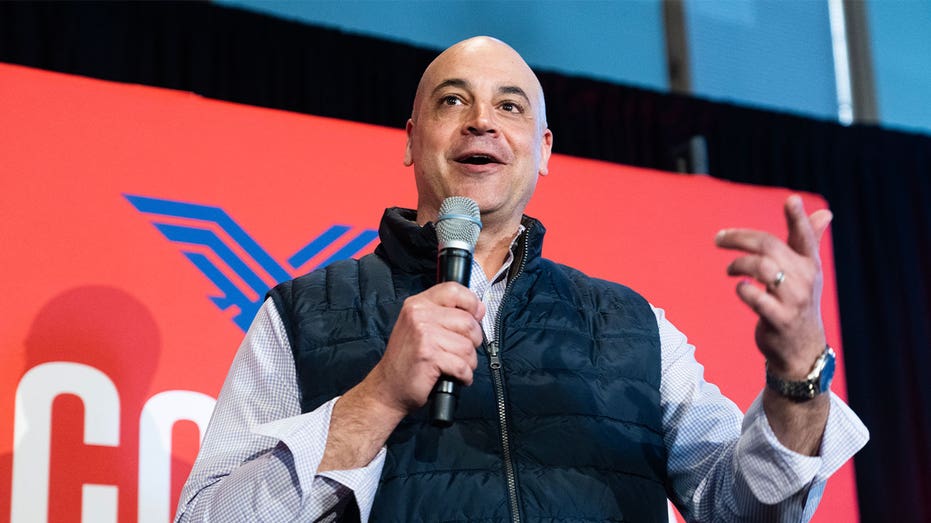
Pennsylvania Attorney General Dave Sunday sued Snap Inc., the parent company of Snapchat, on Tuesday. (Tom Williams/CQ-Roll Call, Inc via Getty Images, File / Getty Images)
“The allegations against Snap fundamentally misrepresent our platform and our approach to teen safety,” the statement read. “Snapchat was designed differently from the beginning: it opens to a camera, not a feed of content, and was built to encourage self-expression and authentic connection with friends,” the statement read.
A representative for the company added: “We share the Attorney General’s commitment to protecting young people online and are disappointed they have chosen litigation rather than working with us toward that shared goal,” the statement continued. “We remain focused on strengthening and enhancing the safeguards, tools and educational resources that support the safety, privacy and well-being of all Snapchatters.”
| Ticker | Security | Last | Change | Change % |
|---|---|---|---|---|
| SNAP | SNAP INC. | 5.92 | +0.39 | +7.05% |
Pennsylvania is asking the court to declare Snap’s practices unlawful under the state’s Unfair Trade Practices and Consumer Protection Law, impose civil penalties and issue injunctions aimed at preventing future violations.
CLICK HERE TO GET FOX BUSINESS ON THE GO
The lawsuit follows a similar consumer protection case Sunday filed against TikTok earlier this month over alleged addictive features and content safety ratings.
Business
Xiaomi’s XRING O3 Chip Debuts With Record AnTuTu Score, First-Ever CXMT LPDDR6 Memory in China Chip Milestone
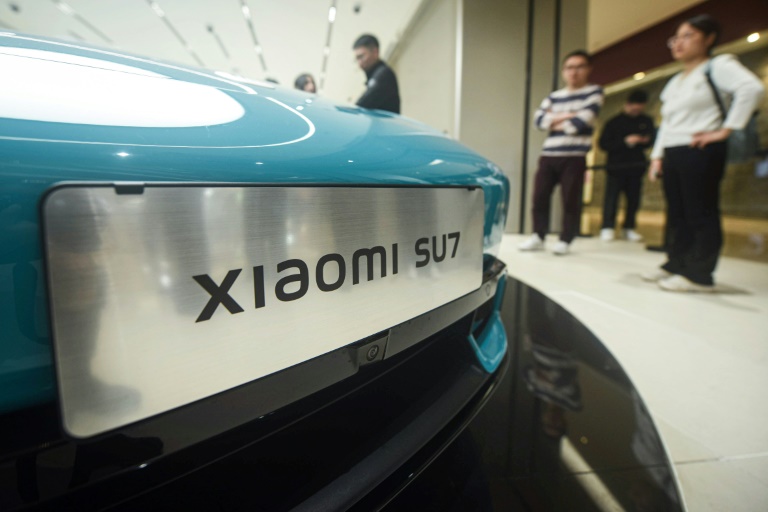
Xiaomi unveiled its new flagship XRING O3 mobile processor Aug. 24, becoming the world’s first smartphone chip to support next-generation LPDDR6 memory and shattering benchmark records, in a launch that also marked a significant milestone for China’s domestic memory chip industry after Chinese manufacturer CXMT was confirmed as the chip’s key LPDDR6 supplier.
According to Notebookcheck, the XRING O3 is Xiaomi’s second-generation self-developed flagship system-on-chip, following the original XRING O1 launched in May 2025. Manufactured on TSMC’s advanced 3-nanometer N3P process node, the chip packs roughly 24 billion transistors into a 133-square-millimeter die, up from 19 billion transistors on the previous generation. The processor achieved an AnTuTu v11 benchmark score exceeding 5.22 million points, according to multiple outlets including HotHardware, becoming the first flagship smartphone SoC ever to surpass the 5 million point threshold on the widely used benchmarking platform.
The chip’s CPU architecture abandons the conventional mix of high-performance and power-efficient cores typically found in mobile processors. According to Notebookcheck, the XRING O3 uses an all-big-core design consisting of two C1-Ultra cores running at up to 4.35 GHz, four C1-Premium cores at up to 3.68 GHz, and four C1-Pro cores at up to 3.15 GHz, a 10-core configuration that eliminates traditional low-power efficiency cores entirely.
The chip’s most significant technical distinction, however, centers on its memory support. According to Gigazine, the XRING O3 is being promoted as the world’s first mobile processor to support the LPDDR6 low-power memory standard, delivering maximum memory bandwidth of 113.8 gigabytes per second, a 48% improvement over the XRING O1. Notebookcheck reported the chip natively supports LPDDR6 memory running at 10,667 megatransfers per second across four 24-bit channels, with Xiaomi citing a memory access latency of just 82 nanoseconds, enabled by a unified fusion bus, redesigned high-level metal routing and prefetch technology.
The supplier behind that groundbreaking LPDDR6 memory has proven to be the most significant part of the story. According to Huawei Central, sources revealed that Chinese memory manufacturer CXMT is supplying the LPDDR6 memory paired with the XRING O3, marking the first-ever use of domestically developed Chinese LPDDR6 memory in a flagship smartphone chipset. TrendForce, citing Cailian Press, confirmed that report, noting the launch represents a milestone specifically because it marks the first use of Chinese-made LPDDR6 in a top-tier mobile processor, with CXMT serving as Xiaomi’s key memory partner even as TSMC continues manufacturing the chip itself.
That development carries particular significance given prior market expectations. According to Huawei Central, CXMT has already completed research and development testing along with documentation for its new LPDDR6 memory chips and is now moving toward mass production. The outlet reported that if CXMT completes full mass production of its LPDDR6 memory during the second half of this year, the company would become the first LPDDR6 supplier in the global memory chip race, ahead of established competitors including SK Hynix. Notably, CXMT appears to be prioritizing Chinese customers for its early LPDDR6 supply; Huawei Central reported that CXMT has asked Apple to wait in the supply queue amid an ongoing broader memory chip shortage, as the Chinese manufacturer’s capacity remains occupied by domestic customers including Xiaomi and Huawei through 2027.
Global competition to bring LPDDR6 to market has intensified significantly this year. According to XenoSpectrum, SK Hynix announced its initial LPDDR6 memory in March 2026, running at 10.7 gigabits per second and offering 33% higher speed alongside more than 20% lower power consumption compared with LPDDR5X. Samsung Electronics separately showcased its own LPDDR6 technology at CES 2026 in January, though the company has not yet disclosed a specific mass production timeline. Micron also signaled growing market interest in LPDDR6 during a June conference call, according to the earlier Korean-language reporting on the development, indicating all three of the world’s traditionally dominant memory manufacturers are actively racing to bring the next-generation memory standard to market.
Beyond its groundbreaking memory support, the XRING O3 includes substantial artificial intelligence-focused enhancements. According to Gigazine, the chip’s NPU architecture was completely redesigned specifically to accelerate large-scale AI models running on Xiaomi’s own MiMo AI system, delivering tensor computation performance of 200 TOPS and vector computation performance of 3.13 TFLOPS, representing a 45% improvement in on-device AI performance compared with the prior generation. The chip integrates AI acceleration hardware across virtually every module, including dual SME2 acceleration units within the CPU, eight new NX neural network accelerators in the GPU, an integrated AI super-resolution unit in the display processing unit, and a dedicated AI engine within the audio digital signal processor.
Cache architecture received similarly significant upgrades to support the chip’s memory demands. According to XenoSpectrum, the XRING O3 includes 12 megabytes of total CPU L2 cache, a 16-megabyte shared L3 cache, and a 16-megabyte system-level cache, combined with an additional 16 megabytes dedicated to the GPU and NPU, bringing total key cache capacity to 60 megabytes, a design intended to reduce both latency and power consumption by minimizing how frequently data must be fetched from main memory.
The chip also incorporates dedicated security hardware. According to Notebookcheck, a RISC-V-based XRing security core handles trusted execution functions, carrying certifications for SM-series cryptography standards and CCRC EAL5+, a security certification level, while the chip additionally supports H.266 hardware video decoding.
Xiaomi announced the XRING O3 will debut in two upcoming devices: the Xiaomi 18 Fold and the Xiaomi Pad 9 Pro Max, both scheduled for release in September, according to TrendForce. TrendForce also reported that Xiaomi’s chip development relationship with TSMC extends beyond the O3 alone, with the company separately revealing the XRING O100, a 6-nanometer NPU built for multi-device AI tasks, and the XRING D100, a 3-nanometer custom automotive chip.
With CXMT positioned to potentially become the first company globally to reach full LPDDR6 mass production, and Xiaomi’s XRING O3 already demonstrating the memory standard’s real-world performance advantages in benchmark testing, the launch is likely to accelerate the broader industry race among SK Hynix, Samsung, Micron and CXMT to bring next-generation low-power mobile memory to market, with significant implications for how quickly Chinese domestic chipmakers can continue closing the technological gap with established global memory leaders in the years ahead.

.webp?t=1787661458)
DALLAS, NC. — GNT has filed a safflower color additive petition with the US Food and Drug Administration to use safflower-based colors across a range of categories, including beverages, confections, frozen desserts, dairy and non-dairy applications, cereal, soup, dressings, and pickled vegetables.
Color from safflower, an edible plant, may be used to deliver yellow shades, according to GNT, which has a US office in Dallas, NC, and offers a portfolio of Exberry brand colors. Exberry safflower concentrate is recognized as a coloring food in the European Union.
The petition filing comes as food and beverage companies work to replace artificial colors with naturally sourced colors, which would include safflower extract, and as the FDA seeks to phase out petroleum-based synthetic food dyes, including Yellow No. 5 and No. 6, from the nation’s food and beverage supply.
Safflower concentrate, according to GNT, offers technical advantages such as good pH, heat and light stability as well as water-soluble properties that make it relevant for beverages and other applications where a clear yellow appearance is desired.
“This filing marks an important step in a long and rigorous process,” said Jeannette O’Brien, vice president of sales and marketing at GNT USA. “Bringing a new color additive petition to this stage takes deep technical understanding, comprehensive scientific work and careful regulatory preparation to support the safety and intended use of the color. For safflower, that has meant significant investment and nearly a decade of research and safety evaluation.”

Multi-billionaire Elon Musk’s rocket company SpaceX has announced that it will build its largest launch site yet in the southern US state of Louisiana.
Construction of the $100bn (£73bn) project – named Starbase, Louisiana – is due to start next year, with the 125,000-acre (50,585-hectare) site expanding on the company’s operations beyond its current Texas headquarters and locations in Florida.
It will be used to “support thousands of Starship flights a year with missions launching to Earth orbit, the Moon, Mars and beyond,” SpaceX said on Tuesday.
In June, SpaceX shares started trading on New York’s technology-focused Nasdaq in the world’s biggest ever stock market debut.
SpaceX said it aims to launch its first Starship flight from the new Louisiana base in 2029.
The facility will add more than 3,000 jobs to the region, the company said, external.
The Louisiana Economic Development agency said the average wage of workers at the base – the largest of its kind in the world – would be 192% more than the region’s current average salary.
It will also create more than 8,100 new jobs indirectly, the agency estimated.
“The historic project will establish Louisiana as a global hub for next-generation aerospace, with the capacity and infrastructure needed to dramatically increase launch frequency and expand access to space,” it added.
The facility in Louisiana will share its name with another SpaceX site on the southern tip of Texas.
In 2025, residents in an area of Cameron County, where the company has testing and development operations, approved incorporating the patch of land as a city called Starbase.

As Ukraine hits Russia’s refineries, Russia targets Ukraine’s petrol pumps

Chrysler recalls nearly 75K Dodge Durango SUVs over loose spoilers

Term Finance closes Meta Vaults after estimated $8.5M attack





-

 Fashion4 days ago
Weekend Open Thread: Madewell – Corporette.com
-

 Business3 days ago
Musk’s Tesla, SpaceX Confirm $16.8 Billion ‘Terafab’ Chip Plant as World’s Largest Building in Texas
-

 Crypto World4 days ago
anatomy of crypto’s biggest liquidation event since 2021
-

 Crypto World1 day ago
A $30 Billion AI Fund Implodes, Now the SEC Is Investigating Wall Street’s Role
-

 Politics4 days ago
6 months on, Irish renters crushed by effects of government housing bill
-
 NewsBeat4 days ago
The ‘Lucky Dip Gang’ causing carnage for clicks: After five thugs were killed speeding in the wrong direction on a motorway, GUY ADAMS investigates a sick new trend… and why police aren’t even allowed to pursue them
-

 Tech7 days ago
GLM-5.3 hits the API at $1.4/$4.4 per million tokens
-

 Business3 days ago
Mystery AI Model ‘Ox Alpha’ Draws Developers With Free Access as Chinese Lab Origins Remain Debated
-

 News Videos6 days ago
Don’t Leave Your Financial Future To Chance | August 19, 2026
-

 Business6 days ago
Marvell Shares Jump 7% as Google Chip Deal Confirms Custom AI Silicon Partnership, Analysts
-

 Business5 days ago
Five Below: Kids Discount Retailer Reaps Rich Rewards
-

 Business1 day ago
Moderna CEO warns China is pouring state money into mRNA technology
-

 Business5 days ago
UK firms in critical financial distress rise 9% to 53,756
-

 Fashion7 days ago
Jimmy Choo Autumn 2026 collection
-

 Sports3 days ago
Deshaun Watson fires back at Browns fans after being booed: ‘It’s a disrespectful thing’
-

 Business1 day ago
NVIDIA Stock Drops Nearly 2 Percent to $210 on Seventh Losing Day Ahead of Critical AI Earnings
-
 Entertainment6 days ago
10 Most Perfect Fantasy Shows of the Last 25 Years
-

 Tech6 days ago
OpenAI confirms ChatGPT is down as logins and signups fail
-
 Business6 days ago
PayPal and Venmo now accepted for tuition at several universities
-

 Crypto World6 days ago
Optimism-funded team's deciding vote shifts $49 million in OP tokens away from users
You must be logged in to post a comment Login