Connect with us

Tech

SpaceX plans to plant $100B Starbase on Louisiana coast

Published

on

OFFBEAT

Plans to break ground in 2027, produce own propellent, power in ‘self-sustaining’ spaceport. All before Starship ships v1.0 orbit

SpaceX has announced plans to spend $100 billion on a Louisiana spaceport designed to support thousands of launches annually.

Advertisement

According to SpaceX, construction is planned to start in 2027, and the first Starship launch from the facility is earmarked for 2029. The spaceport will have its own propellant production, power generation, deep-water shipping capabilities, vehicle processing facilities, and an airport.

Louisiana Economic Development (LED) was cock-a-hoop about the plans and estimated that the project would generate 3,000 direct new jobs over the next decade, and 8,100 indirect new jobs. When complete, the project will comprise five launch complexes, each with two launch pads and a propellant farm.

Vermilion Parish is the intended location and, according to LED, “SpaceX has also already engaged the Louisiana Department of Wildlife and Fisheries, Coastal Protection and Restoration Authority and other appropriate state agencies to proactively address potential impacts to wildlife, fisheries and their supporting habitats.”

SpaceX performs its Starship flight tests from its Boca Chica facility in Texas. The company has come under criticism and scrutiny over its environmental record over the years, and we can only hope it has learned some lessons in the meantime.

Advertisement

According to SpaceX, the Vermilion Parish shoreline “is eroding between 3.3 and 23 feet [between 1 and 7 meters] per year.” It says it’ll work with state and federal agencies on projects including Gulf shoreline protection breakwaters, marshland restoration, and coastal wildlife preservation.

Louisiana authorities would be wise to remember the experience of the Boca Chica facility, which has hosted a good many exploding Starships over the vehicle’s test program, and seen concrete sprayed from a damaged launchpad. Starship has also yet to reach orbit, let alone demonstrate the reusability required by the “thousands of launches” for which the Louisiana facility is designed.

“With Starbase, Louisiana,” SpaceX wrote, “we will enable frequent missions to Earth orbit to support the expansion of internet connectivity, launch Starmind (AI data centers), build a city on the Moon, make life multiplanetary, and extend the light of consciousness to the stars!”

A lofty goal, and one that omits the commitment made by SpaceX to NASA’s Artemis missions or the fact that Starship has yet to reach orbit, let alone venture beyond. ®

Advertisement

Source link

Continue Reading
Click to comment

You must be logged in to post a comment Login

Leave a Reply

Tech

FBI disrupts proxy network enabling Chinese espionage operations

Published

on

FBI disrupts proxy network enabling Chinese espionage operations

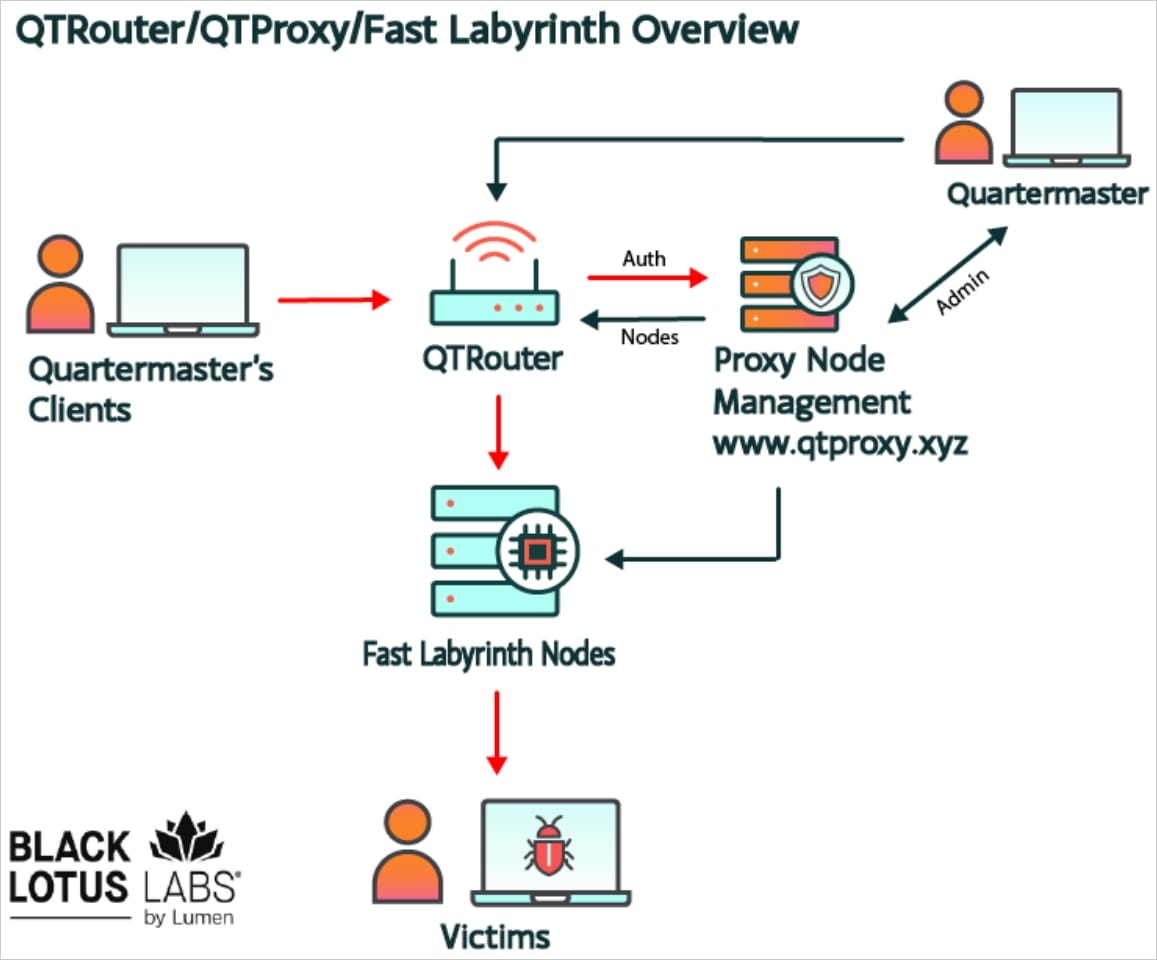
The FBI has disrupted infrastructure associated with a technical “quartermaster” that provided reconnaissance, proxy management, and operational routing capabilities for Chinese cyber espionage activities.

Black Lotus Labs, the threat research arm of Lumen Technologies, has been tracking the infrastructure for the past year and discovered the components of the framework used in attacks against U.S. critical infrastructure.

According to the researchers, the provider offers a reusable service consisting of four distinct operational elements:

image
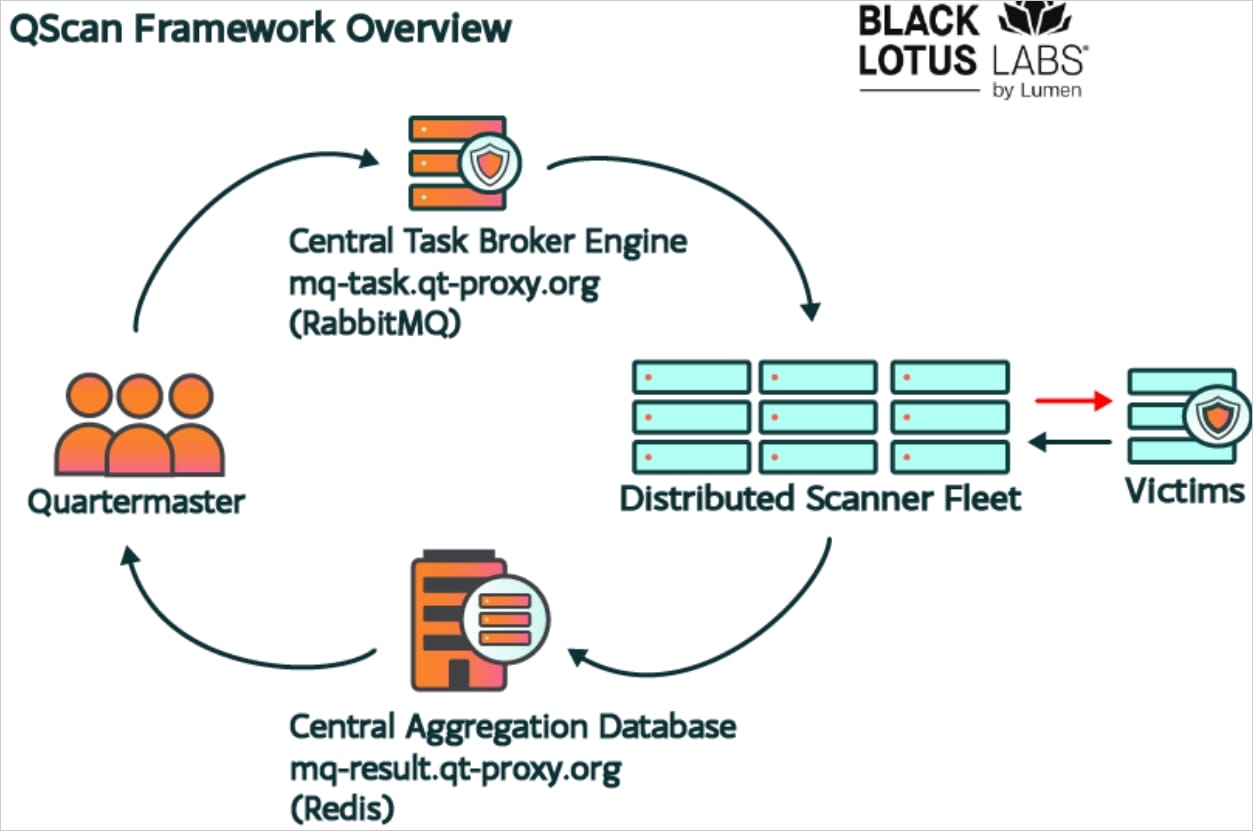
  • QScan: a reconnaissance component that identifies and profiles high-value targets, collecting open ports, application banners, operating-system fingerprints, and configuration data
  • Fast Labyrinth: an encrypted relay network that conceals communications to and from victim organizations
  • QTRouter: provides a preconfigured physical device that handles access to the proxy infrastructure and the node management system
  • QTProxy: a management tool that lets users select relays and configure custom routes through Fast Labyrinth
Overview of the Quartermaster infrastructure
Overview of the quartermaster infrastructure
Source: Lumen

The infrastructure was used to profile and steal data from U.S. military and defense organizations, government networks, universities and research institutions, aerospace and bioinformatics organizations, healthcare orgs, financial firms, critical infrastructure and energy companies, and enterprise software vendors.

“Lumen Technologies would like to commend the FBI and DOJ for their efforts to counter Chinese cyber activity targeting U.S. critical infrastructure,” reads the report.

Advertisement

“During our investigation, Black Lotus Labs shared threat intelligence to warn agencies across the U.S. Government of emerging risks that could impact our nation’s strategic assets.”

The researchers also note that they have disrupted the infrastructure by null-routing the traffic to known infrastructure points used by the quartermaster operators.

Building an evasive ORB network

Lumen says the “quartermaster” industrialized the creation of Operational Relay Box (ORB) networks for China-linked espionage operators.

ORBs are decentralized networks of compromised infrastructure, such as SOHO routers, IoT devices, VPS servers, and commercial proxy nodes, used for relaying malicious traffic and to obscure its true source.

Advertisement

Chinese threat actors have increasingly leveraged ORBs in cyber operations since 2024 and intensified this activity earlier this year.

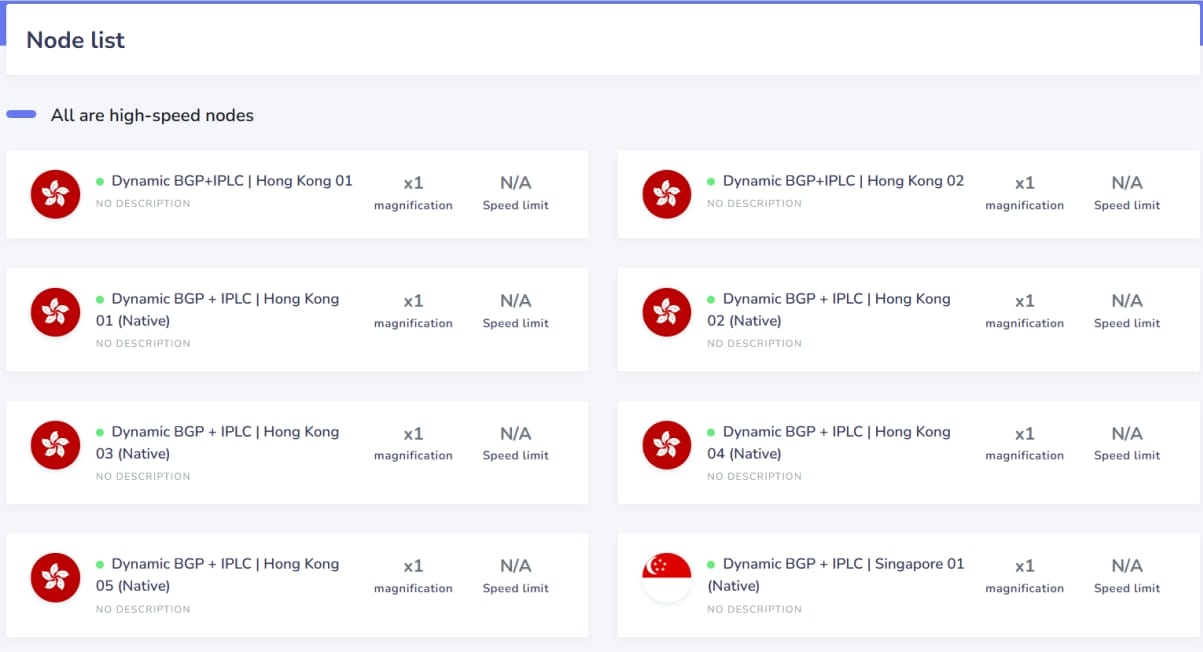
In the case of the “quartermaster,” instead of building a conventional ORB network from thousands of compromised devices, the platform purchased premium access to selected nodes operated by the Chinese commercial proxy service fastlink.ws.

Fastlink nodes
Fastlink nodes
Source: Lumen

These nodes formed Fast Labyrinth, an ORB-style relay network that blended espionage traffic with legitimate consumer proxy traffic and automatically rotated its egress infrastructure.

The researchers highlight the overlap between QScan targets and organizations later contacted through Fast Labyrinth as the strongest piece of evidence connecting reconnaissance to follow-up operations.

QScan information pipeline
Source: Lumen

Lumen assesses that the observed bidirectional connections from the proxy network likely represent attempted exploitation, lateral movement, persistent access, or data collection.

Although disrupting this provider is significant, Lumen warns that static blocking alone is unlikely to be effective in this case because the quartermaster’s traffic passes through dynamically rotating commercial proxy services.

Advertisement

Defenders are recommended to follow CISA and NCSC guidance for mitigating China-nexus threats and to keep routers, firewalls, and IoT devices up to date and securely configured.


article image

Overall prevention scores can hide what happens after initial access. Once attackers are using valid credentials, prevention drops sharply.

The Blue Report 2026 measures defenses technique by technique across 338 million simulations run in customer production environments.

Get the report

Source link

Advertisement
Continue Reading

Tech

Jeff Bezos’ Washington Post Forced To Rehire Columnist Fired For Quoting Deceased Bigot Charlie Kirk

Published

on

from the how-did-that-work-out-for-you dept

Jeff Bezos’ Washington Post simply isn’t what it used to be. During the Trump era Bezos and his lackeys have fired all of the paper’s black columnists, turned the op-ed section into pro-corporatist agitprop, censored cartoonists that criticized Jeff, and generally shifted the paper’s journalistic tone in a more right wing, corporate/autocrat-friendly direction.

You know, like the majority of other U.S. corporate media outlets owned by rich, tone-deaf assholes.

Last fall you might remember that WaPo’s management fired opinion columnist Karen Attiah. Her crime? According to a letter sent by Post leadership obtained by Oliver Darcy, Attiah had made “unacceptable Bluesky posts” that criticized “white men,” including this one that simply quoted deceased right wing bigot Charlie Kirk’s own racist and sexist words:

Karen Attiah Bluesky post quoting Charlie Kirk: 

"Black women do not have the brain processing power to be taken seriously. You have to go steal a white person's slot".
-Charlie Kirk

Even before Trumpism, major papers just didn’t really like it when their writers (journalists or opinion columnists) expressed human opinions on social media. They feel it reflects poorly on the reputation and impartiality of the paper; that columnists and journalists somehow can’t separate their own beliefs from factual reality and should, in effect, display no meaningful personality while using social media.

It’s a very dated and silly idea; long-since made irrelevant by autocracy’s industrialized racism (why would a human journalist not be allowed to express an honest opinion on systemic, racist evil?), and the WaPo’s ownership’s clear goal of destroying the paper’s reputation all by themselves.

Advertisement

In this case it was clear Attiah, who hired Saudi-murdered columnist Jamal Khashoggi in 2017 and was central in shaping the former WaPo’s opinion pages, was fired for the cardinal sin of upsetting thin-skinned Republicans and rich people.

Unfortunately for the latter, Attiah took her complaint to binding arbitration and recently won, forcing WaPo to immediately reinstate her.

BREAKING: After the Washington Post fired me last year for speaking the truth in the wake of the Charlie Kirk killing, I fought back. And I’m happy to announce: I won my case against the Washington Post. They have been ordered to reinstate me immediately. www.nytimes.com/2026/08/24/b…

Karen Attiah (@karenattiah.bsky.social) 2026-08-24T11:12:05.503Z

The arbitrator ruled that WaPo management’s decision wasn’t based on any actual, meaningful offense:

Advertisement

Sarah Miller Espinosa, the arbitrator, said in a written decision Thursday that The Post “did not have good and sufficient cause” to terminate Ms. Attiah and “violated” its labor agreement, according to a copy of the decision shared with The New York Times by Ms. Attiah’s lawyers.

“The Washington Post failed to establish the grievant engaged in gross misconduct,” Ms. Espinosa wrote.

That’s a real bummer for Bezos, who has tried to reshape the Post’s opinion columns so they focus exclusively on “personal liberties and free markets” (again that’s code for coddling Republicans, rich people, and corporations). Amusingly Attiah outlasted Adam O’Neill and Will Lewis, the two WaPo “leaders” who fired her for expressing human opinions about insufferable bigots.

Filed Under: arbitration, bigots, cancel culture, charlie kirk, jeff bezos, karen attiah, media, opinion

Companies: washington post

Advertisement

Source link

Continue Reading

Tech

Can a Letter From Washington Actually Change How Schools Buy Technology?

Published

on

The Department of Education has just released its first major guidance on classroom technology in years, urging states and districts to focus on outcomes rather than logins or screen time. The letter draws a firm line between recreational and instructional screen use, and it leaves the actual rulemaking entirely up to states and districts. On this episode of This Week with EdSurge, Ira Apfel sits down with Digital Promise president and CEO Jean-Claude Brizard and outcomes-based contracting expert Brittany Miller to unpack what the guidance actually changes and what it still leaves unresolved. Both guests welcome the letter, but neither is convinced it accomplishes enough.

Jean-Claude Brizard

As president and CEO of Digital Promise, Jean-Claude Brizard has watched federal guidance play out across hundreds of school systems, and he does not think this letter goes far enough. He welcomes the emphasis on outcomes, but he argues the guidance leaves practitioners without enough direct support and worries that state by state inconsistency could widen gaps between districts. He also draws an unexpected comparison between the pushback edtech is getting and a very different public health debate.

Brittany Miller

Brittany Miller spends her days inside the contracts this guidance is speaking to. As a leader at the Center for Outcomes Based Contracting, she sees the letter as validation of work already underway in ten states, and she is far less concerned about the lack of federal specifics than Brizard is. Her focus is on what actually changes once a district and a vendor sit down to write the fine print, and on who ends up carrying the risk when that fine print gets tested.

Listen to the episode:

Advertisement

Stories Mentioned in This Episode:

Department of Education Issues Long-Awaited Edtech Guidance for States and Districts

This Week with EdSurge is a weekly podcast from EdSurge. Subscribe to the EdSurge newsletters for more news and analysis on education and technology.

Source link

Advertisement
Continue Reading

Tech

Claimed folding iPhone motherboards shown in leaked images

Published

on

Apple has kept iPhone Ultra production details under lock and key better than it did with the iPhone Air, but at last there’s a component leak. Or an over-detailed hoax.

AppleInsider has long argued that if the much-rumored folding iPhone were to be launched in September, that we should be seeing leaked components. There’s now been so much other evidence that it seems inevitable, but finally there has been a component leak. Allegedly.

We won’t know if these shots are really of the iPhone Ultra’s motherboard until someone buys the costly device just to strip it apart. But now two seemingly separate leakers have produced different images of what do appear to be the same thing.

As first spotted by MacRumors, little-known leaker Lusi Roy has posted a 10-second video showing what is purported to be the iPhone Ultra’s motherboard. The leaker has also posted still images of the motherboard, including an annotated version.

Advertisement

Separately, leaker “Findmeow~” on Chinese social media site Weibo has shown a graphic of what is again purported to be the motherboard. This one is also annotated, although chiefly with component numbers.

Diagram of a smartphone motherboard showing six labeled circuit board views, with Chinese text, part names, and connector labels on a white background with a blue header containing website and brand information

Those annotations that are more than numbers do appear to align with the ones on the Lusi Roy leak. This Weibo one, though, claims to have been produced by Mijing Tools, a Chinese iPhone repair firm.

If that’s correct, it seems early for Apple to be sharing repair information with third-party companies. But then if this is a fake, it is an extremely detailed one.

Plus while one leaker has actual photos and the other has a schematic of sorts, they are of the same device. That’s no guarantee that they are not both from a faked source, of course.

However, this plus how close the launch is, makes it more likely than not that these are indeed the iPhone Ultra’s motherboard.

Advertisement

Apple is expected to announce its first folding iPhone on September 9, 2026.

Source link

Advertisement
Continue Reading

Tech

Bill Gates warns of AI-led societal upheaval if leaders don’t act

Published

on

‘The operative word is ‘can’. AI can improve life for people…but it won’t do that automatically,’ says Gates.

In a thinly-veiled warning, Bill Gates says that AI is here to cause economic upheaval; and the overarching forces of capitalism are accelerating the pace at which it is heading our way.

Gates, in a lengthy blog post today (26 August) lists out why the AI revolution is incomparable to previous technological breakthroughs, how it could stunt our development, render widespread unemployment and better arm bad actors.

“AI will either be the greatest equaliser ever invented, or the worst source of injustice,” he says. What it does depends on how we transition into the AI era.

Advertisement

There are still caveats, the billionaire philanthropist and Microsoft founder adds. “The good things we do with AI could be very, very good.”

Not preparing for what’s coming

“Analogies to the effects of past innovations are misleading. We have no experience with a technology that can be adopted quickly or that can think and move like a human,” writes Gates.

“I believe we need time to prepare for the period of social, political and economic upheaval we are about to enter.”

Generative AI’s (GenAI) accelerated development and widespread adoption across the workforce and for personal use – in just the past five years – is unlike anything we have witnessed before.

Advertisement

Older technologies, including the internet, were still mediums that required human cognition and creativity as a key element. “In this case, the technology can substitute for human cognition,” says Gates.

Since ChatGPT’s launch in November 2022, GenAI has taken over the world, redirecting hundreds of billions in investment towards advancing the technology, setting up data centres and deploying the tools across organisations, governments and schools – to devices we carry in our pockets.

“Even under the best circumstances, the transition to this new AI era will be one of the most turbulent times in human history,” says Gates. Unfortunately, we haven’t started preparing, he adds.

“I don’t see evidence that leaders, experts and communities are confronting the challenges adequately. There is no plan to ease the entry into the AI era. If someone had a credible plan for slowing down AI advances globally, I would likely support it. However, I don’t think that’s going to happen.

Advertisement

“The geopolitical and economic incentives are pushing too hard to go full speed ahead,” he says.

Things could get very bad

AI’s effect on employment is perhaps its most obvious impact on society today. Technology companies have reported collective layoffs of more than 127,000 so far just this year alone, thousands more than the entirety of 2025. Jobs across other sectors are also being rapidly transformed to include AI in their workflow.

“I’m especially worried about young people, who will enter a workforce with fewer entry-level openings,” says Gates.

Entry-level roles, across sectors, are disproportionately affected. In Ireland, the Economic and Social Research Institute, earlier this year, found that AI adoption in Ireland is likely to lead to “moderate increases in income inequality” in the short run.

Advertisement

Meanwhile, rising geopolitical conflicts, including widespread fuel crises have further exacerbated the divide. The World Economic Forum, earlier this year, reported that geoeconomic confrontation between conflicting nations and the adverse outcomes of AI are some of the biggest concerns for communities globally.

AI led disruption to the workforce will reach “much further”, says Gates, as the technology takes over jobs that still require trained workers. “The biggest shift for workers will happen when AI provides nearly error-free work.”

Physical AI – AI designed to interact with the physical world, such as factory robots and humanoids – is another major concern for Gates. He believes that robots and AI combined can create a “vicious cycle”.

Much of the development in the Physical AI space and robot development relies on China, which holds more than 97pc of the humanoid market, while representing more than 85pc of global demand.

Advertisement

Gates proposes the introduction of a new term – ‘human reserved’ work – which would include jobs such a caregiving and some education sector jobs that “no robot could or should” do.

“Although robots are not as far along as AI, eventually their cost will be dramatically lower too. Market forces will make adoption go faster and faster and, unless we intervene, there will be fewer good jobs available and the benefits will accrue to a small group.”

Moreover, the widespread availability of AI technology, with newer advancements making it easy to run advanced tasks on a single GPU also enable bad actors to access and exploit the technology. Evidence for this is already widespread, with major companies being hit in sophisticated AI-powered attacks in recent years.

AI isn’t inherently ‘bad’. Like everything else, the technology’s impact on society is reliant on how it is put to use.

Advertisement

Research organisations, drug manufacturers, healthcare workers and security professionals already utilise the technology to accelerate solutions that address societal challenges such as the climate crisis and disease prevention.

“In all these areas, the operative word is ‘can’ – AI can improve life for people at every income level. But it won’t do that automatically. As with any new technology, we have to be deliberate about ensuring that it benefits everyone and not just a wealthy few,” says Gates.

In a direct message to world leaders, the Microsoft founder says: “You have a chance to act now, before unemployment rises sharply, communities are hurting and public trust has eroded.

“You can make sure that your government handles the problem holistically, rather than divvying it up into multiple bureaucratic fiefdoms.

Advertisement

“You can make sure AI benefits everyone. And you can work with other governments to meet this national and global challenge.”

Don’t miss out on the knowledge you need to succeed. Sign up for the Daily Brief, Silicon Republic’s digest of need-to-know sci-tech news.

Source link

Advertisement
Continue Reading

Tech

QueryStory wants you to believe what AI is telling you

Published

on

Shapor Naghibzadeh learned the value of a good story in 2009 as a Google sysops engineer. When hackers backed by China set their sights on the search giant as part of an effort dubbed Operation Aurora, he was called into a hastily assembled war room to explain what exactly was going on in the company’s servers.

Tracing cyberattacks through disparate networks taught Naghibzadeh the value of verified knowledge. But it was a costly and time-consuming task. He thinks that LLMs can bring that same functionality to databases of all kinds in a fraction of the time.

Naghibzadeh would spend the next six years focused on the nexus of data and cybersecurity, using Google’s resources to build tools that allowed security analysts to query complex data. In 2016, he co-founded a startup in Google’s X Labs called Chronicle that would bring that same functionality to other companies.

Last year, as large language models took a larger role in data analysis, Naghibzadeh saw a new opportunity to take the techniques he developed for cybersecurity and apply them to a variety of analytics. He co-founded QueryStory, where he is CEO, alongside CTO Stanley Yang, a former Google colleague and lead engineer at EvolutionIQ, and CPO David Glusic, an Accenture veteran. The startup emerged from stealth today.

Advertisement

“You get this pattern of an investigation — you ask a bunch of questions of the data, and after you have been able to ask a number of questions, you assemble that together into a narrative,” Naghibzadeh said. “That became the genesis for the name QueryStory. It’s about telling stories with data, right? Putting a narrative together that’s grounded in truth.”

QueryStory raised a $6 million seed round in late 2025 from Brightmind Ventures and New York Life Ventures at a valuation of $60 million, and has spent the intervening time developing and piloting its product with customers. QueryStory is aimed squarely at large enterprises that manage big, proprietary databases; it serves as a platform to unite data analysis and review for users like sales teams or operations managers.

“What we’re doing is bridging that trust gap for AI to give enterprises answers that they can act on,” Naghibzadeh said. “Instead of, you know, like renting human judgment and armies of forward deployed engineers, we productized that.”

Tim Del Bello, a partner at New York Life Ventures, invested in the company. He is also using the platform to replace the work of several people and produce a quarterly business review, which he now hopes will become a real-time dashboard.

Advertisement

“The product was built for people like me: decision-makers seeking the ground truth who need to work with complex, disparate data sources but don’t have a data science or BI team at their disposal, especially when operating in a highly regulated industry,” he told TechCrunch.

Solving the problem of brittle AI systems

I shared a database of space activity that’s useful for understanding what companies like SpaceX are doing on orbit. QueryStory produced a visualization of that data in a few hours, a project I once did with a developer that took several weeks. It produced sophisticated dashboards and analysis, and perhaps most notably, broke out a confidence indicator that showed why the AI agents believed the analyses were accurate.

This kind of work can be done with co-working tools built by the frontier labs, but those tools are intentionally limited in their user experiences. Part of the bet that QueryStory is making is that users, especially at large companies, want more transparency, reliability and control as they integrate AI into their workflows.

As an example, an executive at a tech company recently told TechCrunch about querying a company database using Claude Cowork, then asking the model to show him the SQL queries it wrote to make sure they made sense before he sent them off to a data analyst for human review. In QueryStory, those SQL queries surface automatically, and users can flag analyses for human coworkers to review, with those reviews then recorded in the platform.

“AI is more brittle than people realize when it comes to like building things that have to be durable and have large scale businesses relying upon them,” Tayler Sipperly, a partner at Brightmind Partners, told TechCrunch.

Advertisement

Naghibzadeh points out that when companies connect their data to an LLM’s chat UI, “you get hundreds or thousands of people within an organization all asking their questions and getting their version of the truth and putting that in a slide deck and sharing it—you just end up with this huge sprawl of content, and there’s no real place to hang that content that ties back to the data.”

There are also economics to contend with. QueryStory is built to be model-agnostic, although for now it mainly uses the latest models provided by frontier labs. While his company competes with frontier labs on a product basis, Naghibzadeh believes that customers will prefer working with a service provider that isn’t incentivized to sell as much intelligence as possible.

“We have a lot of things going for us here in not being one of those companies that built their business around this consumption model of compute or storage or tokens,” Naghibzadeh said. He argues that a purpose-built tool like QueryStory can be more efficient and accurate than a general-purpose agent by understanding and preserving context.

“The thing that we are selling is the trust in the answers, right?” he said. “The thing that we’re selling them is the value that we’re adding to the business, and our whole goal is giving the CFO the ability to understand ‘what is this thing going to cost?’”

Advertisement

When you purchase through links in our articles, we may earn a small commission. This doesn’t affect our editorial independence.

Source link

Continue Reading

Tech

ClownAss DOJ Reduced To Quoting James Comey’s Novel As Evidence In ‘8647’ Case

Published

on

from the i’m-just-surprised-the-remaining-prosecutors-can-read dept

The first attempted revenge prosecution of former FBI director James Comey has gone nowhere. Whatever the DOJ didn’t botch directly was undone by Trump’s persistent refusal to adhere to the rules of political appointments.

The second attempted prosecution of James Comey isn’t going any better. The Trump DOJ willfully pretended an Instagram photo taken by Comey of seashells arranged to read “8647” was a “true threat.” As everyone but the deliberately ignorant knows, “86” generally means getting rid of something. In bar parlance, this means cutting someone off or kicking them out of the bar. In restaurant parlance, it means a menu option is no longer available.

This prosecution is even more shaky than the last one — the one where the administration pretended being misleading during congressional testimony was a criminal act worthy of indictment, even though everybody (and especially Trump appointees) do it all the time. Since the government couldn’t find a universal definition of “86” that meant “kill,” it had to rely on anything from AI prompts to motherfucking Mafia hitman/rat Sammy “The Bull” Gravano to press its case.

Now that it’s floundering again, the DOJ has decided it should double-down on the floundering. Comey is still fighting to have the case dismissed, while also seeking to hold the government accountable for its vindictive prosecution. The DOJ is hoping to hold this together long enough that everyone involved won’t be immediately dismissed for failing to accomplish the impossible.

Advertisement

The end result is that the DOJ’s arguments are more desperate and less minimally coherent. In its latest filing, the DOJ has decided to throw the First Amendment — along with any remaining logic — under the bus.

You read that headline correctly. The DOJ is now seriously (and while under oath) quoting Comey’s 2025 “legal thriller” in a last-ditch attempt to connect seashells with inciting violence against Trump. It has to be read to be believed. I won’t make you suffer through Comey’s sub-Grisham writing. But the DOJ will! Here’s the DOJ Vengeance Squad [PDF] attempting to turn protected expression into evidence of criminal activity:

On May 15, 2025, Comey was staying at a beachfront residence in Emerald Isle, North Carolina. Comey’s novel “FDR Drive” was only five days from public release. As Publisher’s Weekly described the novel, and as posted on Comey’s Instagram, the protagonist is a federal prosecutor “trying to take down Samuel Buchanan, a far-right media personality with a popular podcast.” FDR Drive, Publisher’s Weekly, https://perma.cc/6V82-HQ9A4. [Exhibit 1] The prosecutor “believes Buchanan went far beyond the protection of the First Amendment when he singled out his enemies by name and suggested ‘something should be done’ about them. His fans have obliged, killing or grievously injuring some of his foes.” Id. The novel itself describes the “stochastic terrorism” theory of Buchanan’s offense at length:

Sean nodded. “It’s where a charismatic leader jacks people up but, through the wonder of the internet, avoids a direct connection to what comes next. Stochastic is a term from statistics that means you can estimate the likelihood of something happening, even if you can’t predict who will do it and when and where.”

The words in bold are quoted directly from Comey’s novel. This is only part of it. The DOJ filing quotes Comey’s novel at length. If you want to read more, you can. But considering the argument being made by the DOJ, combined with what I assume is general disinterest in reading Comey’s fictional works, this is the part that matters… at least to the DOJ.

Advertisement

Several paragraphs of subpar political thriller later, the DOJ attempts to connect the dots… or at least the seashells and its pull quote from a book that was published “only days later.” 2+2=CRIME! says the DOJ:

On May 15, 2025, a charismatic leader named James Comey, through the wonder of the internet, posted a coded message to his followers meaning “kill” or “get rid of” (a euphemism for “kill”) President Trump.

Stupid and dangerous: that’s the DOJ we have now. But this is deliberate stupidity — prosecutors closing themselves in hopes of scoring a pair of poorly fitting Florsheims or landing a spot on Trump’s personal legal team post-2028, where anyone sufficiently devoid of personal morality or professional ethics will be rewarded with hundreds of billable hours.

From there, the DOJ continues with its conspiracy theory concoction, claiming there’s no way anyone but Comey could have arranged the “8647” seashells, even though it happened “four miles” away from Comey’s beachfront residence. The filing then cites “evidence” it has had for awhile, hoping that the court will draw inferences that can’t plausibly be implied by the DOJ:

In any event, at 3:12 pm, Comey’s wife sent him a screenshot including what appeared to have been a cropped definition of “U.S. English slang” indicating that “86” means “to get rid of or refuse service.” [Exhibit 5]. Two minutes later, at 3:14 pm, Comey posted a picture of the seashells on his Instagram account with the caption “Cool shell formation on my beach walk.”

If that hurt your head, prepare to bleed out:

Advertisement

There is no serious dispute that an objective viewer of Comey’s post could read it to mean “Kill President Trump.”

If that were true, the DOJ wouldn’t be in court hoping to salvage its case by suffering through Comey novels and trying to turn a hasty seashell-based joke into a federal crime.

But probably the stupidest thing about this is that the citation of Comey’s novel ignores the context. That section is about the government dreaming up a way to punish someone for something that — on its own — isn’t actually a criminal act. The main characters (government prosecutors) discuss the assassination of Thomas Becket in 1170 AD at the (inferred) urging of King Henry II. Then they arrive at this conclusion/miscarriage of justice:

The room was quiet for a moment before Nora said, “But that’s okay. I don’t think we need to base his intent on the perfect-attack-record thing. I think we just argue that he had to know his words would result in the attacks. He may not have known the identity of his knights, but he knew they were out there and would act on his words. So he just shouted that they were—what were the king’s words? ‘Miserable drones and traitors’?—if they didn’t get rid of the people he named. He knew what his knights would do. That should be enough to prove he intended it to happen.

Comey’s novel is a similarly unconcerned with First Amendment rights as Trump’s DOJ. If this hadn’t been written by a former prosecutor and FBI director, someone might have stepped in to shut this shit down. The incredible irony is that the DOJ is doing exactly what the characters in Comey’s book did while simultaneously insisting the man who wrote this book was trying to pull a King Henry II against Donald Trump even though stuff Comey wrote himself made it clear doing so might give the government a path to convict him of threatening the president.

What’s most amazing about all of this is that DOJ prosecutors apparently have the time and discretion to actually read James Comey’s fictional works and parse them for possible “evidence.” I can’t imagine doing this for free. And I think I might even have a problem doing this for pay. But here we are, watching the DOJ claim that Comey knew what he was doing because this one time a bunch of people who never existed said words that Comey put in their mouths. Ridiculous.

Advertisement

Filed Under: 8647, doj, donald trump, james comey, true threats, trump admininstration, vindictive prosecution

Source link

Advertisement
Continue Reading

Tech

The post-doc rebuilding damaged bone and fighting infection

Published

on

Dr Gabrielė Meižytė discusses the work she is conducting in the life science space and its potential to create a more environmentally conscious STEM ecosystem.

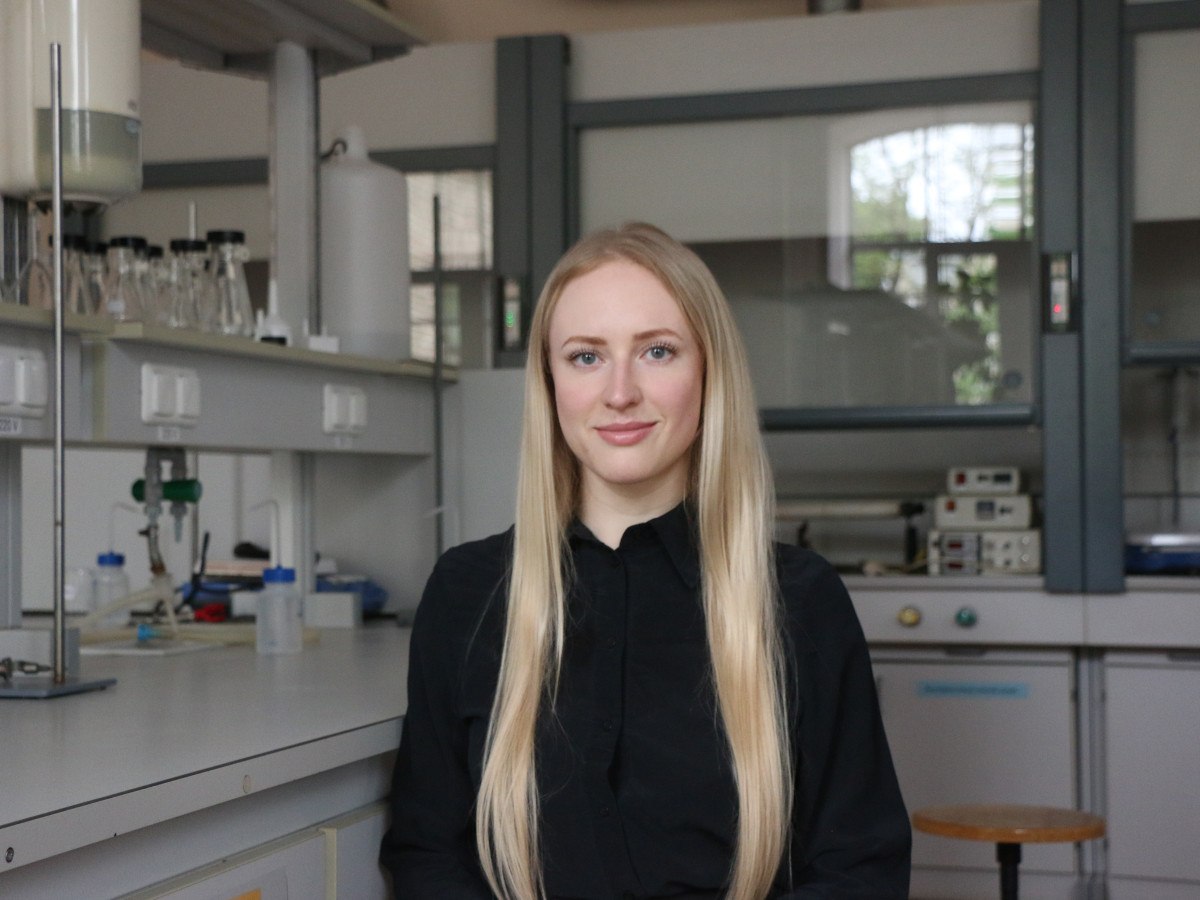
Dr Gabrielė Meižytė, a postdoctoral researcher at Vilnius University, began professional studies in chemistry at the University of Glasgow as part of an integrated master’s programme. 

Further studies took her all around the globe, to Saudi Arabia’s University of Science and Technology, the University of Oxford and London’s UCL. It was at University College London where she took her first steps into a clinical biomedical setting, as she carried out clinical biomarker research using mass spectrometry.

She told SiliconRepublic.com, “I am especially drawn to studying materials at the molecular level, so when I saw the opportunity to compete for a postdoctoral fellowship, I realised I had the experience to contribute something valuable to the field of synthetic bone substitutes.”

Advertisement

Meižytė’s main area of focus is the investigation of biological materials at a molecular level, more specifically, their mechanisms and how they can be applied. 

She added, “I am also motivated by the direction the field is taking towards greener chemistry, developing effective biomaterials with a lighter environmental footprint. My work aligns with global trends in biomaterials research and being part of that momentum is exciting.”

Bones and bacteria 

Currently she is working on developing materials that can do two jobs at once, help rebuild damaged bone tissue and fight infection causing bacteria. 

This is achieved by functionalising calcium hydroxyapatite bioceramics, specifically carbonated hydroxyapatite, which she explained are the main inorganic components of natural bone and therefore are more compatible with the human body. 

Advertisement

She said, “The antibacterial part matters because infections after an implant is placed can be serious. The need for such materials in bone regeneration medicine is very high, especially in orthopaedics and dentistry and materials that support healing while lowering infection risk could make implant procedures safer for patients.

“The idea is to enrich these calcium phosphate materials with antibacterial agents that release gradually at the implant site. This gradual release would help suppress inflammation and we expect, reduce the risk of implant rejection.”

Meižytė explained that this area of research and innovation is becoming increasingly important in an environment where antibiotic resistant micro-organisms are more widespread.

People and planet

Another area that is important to Meižytė is green chemistry, which is very much in line with how she intends to further advance her work in bone regeneration. 

Advertisement

As part of her research and development she uses readily available calcium sulfate, which is a naturally occurring mineral. She then carries out the combination of components at a low temperature, without organic solvents, contributing to a process that is more environmentally conscious. 

She said, “This low-temperature approach produces a low-crystallinity material that closely matches human bone tissue not only in chemical composition but also at the microscopic level. Similar materials are being explored by other researchers around the world. 

“Beyond bone regeneration, hydroxyapatite and related calcium phosphates are versatile, they have diverse uses, including gas sensing, chromatography, drug delivery and water purification.”

There are challenges however, in securing the right conditions under which to make the materials so they have the correct properties.

Advertisement

She said, “Over the two year project, the aim is to produce durable composite granules of a specific size, with antibacterial properties and controlled solubility in a physiological environment. I plan to overcome these challenges through iterative synthesis experiments to identify the optimal conditions and antibacterial testing to verify the materials’ efficacy.”

She noted the project has significant commercial potential, but explained that, like all advancements in critical spaces, the road towards a practical, approved and safe final product is both long and complex. 

She said, “The theoretical route involves preclinical, in vitro and in vivo studies, setting up a manufacturing quality system and certifying the product under EU regulation. 

“An alternative is to partner with industry or implant manufacturers who already have the infrastructure and experience to bring such products into clinical practice. I am still in the process of considering the available pathways.”

Advertisement

For now, Meižytė is completing her research in her native Lithuania, where the fellowship she is a part of is, for her, far “more than a professional step”. She said, it is a homecoming, where she is being given the opportunity to contribute to her country’s future, strengthen its science and carry out meaningful work that benefits society. 

Don’t miss out on the knowledge you need to succeed. Sign up for the Daily Brief, Silicon Republic’s digest of need-to-know sci-tech news.

Source link

Advertisement
Continue Reading

Tech

Microsoft tests new privacy controls for Windows 11 desktop apps

Published

on

Windows 11

Microsoft has begun testing new privacy controls that will let Windows 11 users choose which desktop applications can access their camera, microphone, and precise location.

This new feature is shipping to systems upgraded to Windows 11 Insider Experimental Preview Build 26340.9233, and the goal is to make privacy permissions easier to understand in Windows 11 and quicker to manage for each desktop app.

“Windows Insiders can now manage camera, microphone, and location permissions for individual desktop apps. Previously, access for traditional desktop applications was managed through a single device-wide setting,” Microsoft explained.

image

“With this update, you can review and control access on an app-by-app basis, giving you greater visibility into which apps are requesting access to sensitive resources and more control over your privacy choices.”

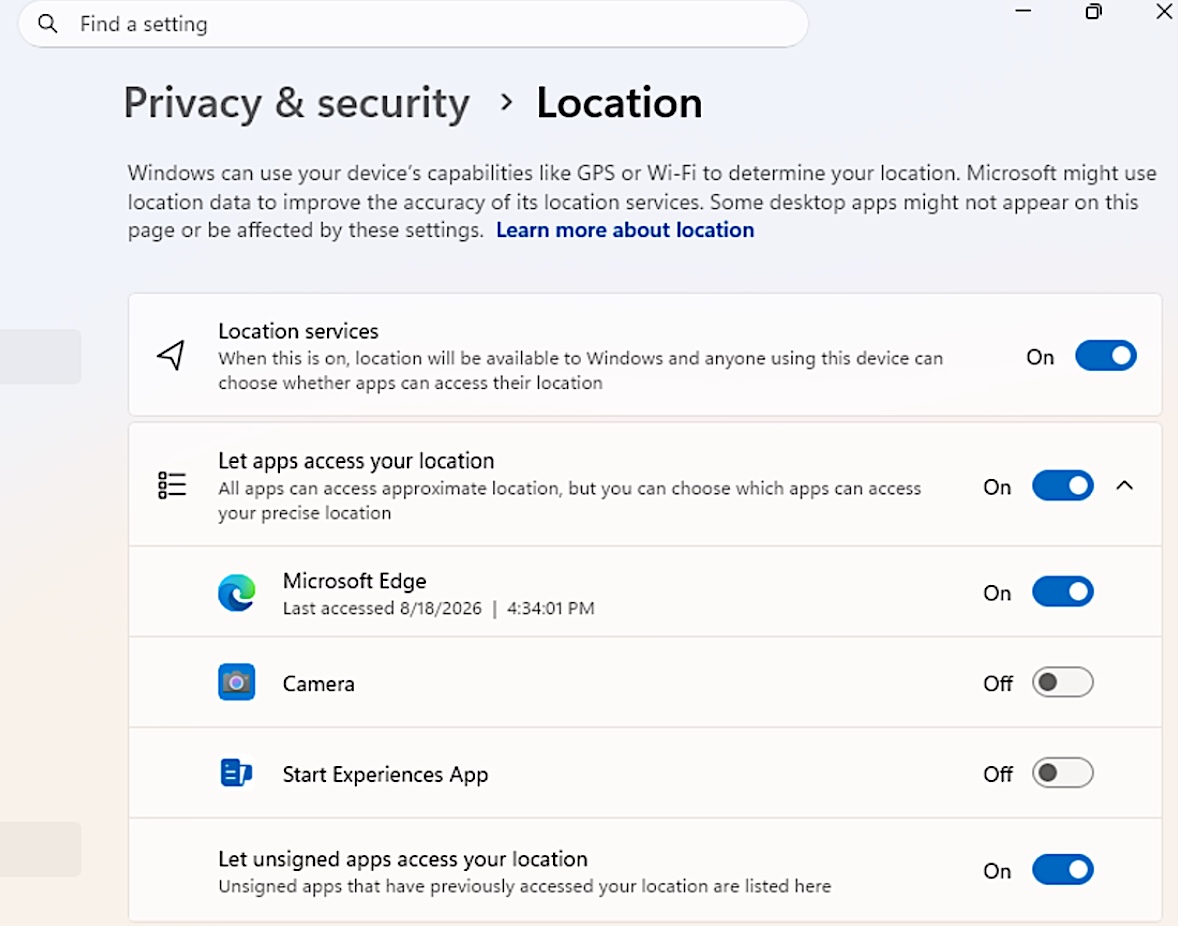
To review and manage permissions for individual apps, Insiders have to go to Settings > Privacy & security > Camera, Microphone, or Location, where they can grant access using dedicated toggles.

Advertisement

Microsoft also warned users to grant access only to apps they trust and recognize, since some apps using shared system components, browser-hosted experiences, or similar technologies may appear under a different name or as unsigned if Windows can’t verify the publisher’s information.

Windows 11 granular location privacy controls
Windows 11 granular location privacy controls (Microsoft)

​This follows Microsoft’s February announcement that it plans to introduce smartphone-style app permission prompts in Windows 11, which would request user consent before apps can access sensitive resources such as cameras and microphones.

As Windows Platform engineer Logan Iyer said at the time, the new security model was prompted by apps increasingly installing unwanted software, overriding settings, or even modifying core Windows experiences without prior user consent.

“Users will have transparency and consent control over how apps access their personal data and device features,” Iyer said.

“They will receive clear prompts to grant or deny apps permission to access protected data and hardware. Users will also be able to revoke permissions they have previously granted.”

Advertisement

The new mobile-style Windows security controls are part of the “Windows Baseline Security Mode” and “User Transparency and Consent” initiatives, and they will roll out in a phased approach, with Microsoft planning to adjust the controls and the rollout speed based on feedback.

On Friday, Microsoft also announced that it’s now testing a new accessibility setting that automatically maximizes app windows when they open for those who work in tablet mode, use a screen reader or magnification, or prefer a full-screen workspace.


article image

Overall prevention scores can hide what happens after initial access. Once attackers are using valid credentials, prevention drops sharply.

The Blue Report 2026 measures defenses technique by technique across 338 million simulations run in customer production environments.

Get the report

Source link

Advertisement
Continue Reading

Tech

Claude Plays DOOM | Hackaday

Published

on

Large language models (LLMs) are generally thought of as machines that accept textual prompts and spit out textual content. However, if you’re creative in the way you interface with them, you can get them to do a wider range of tasks. For example, [Andrea Ricci] figured out how to get one to play DOOM.

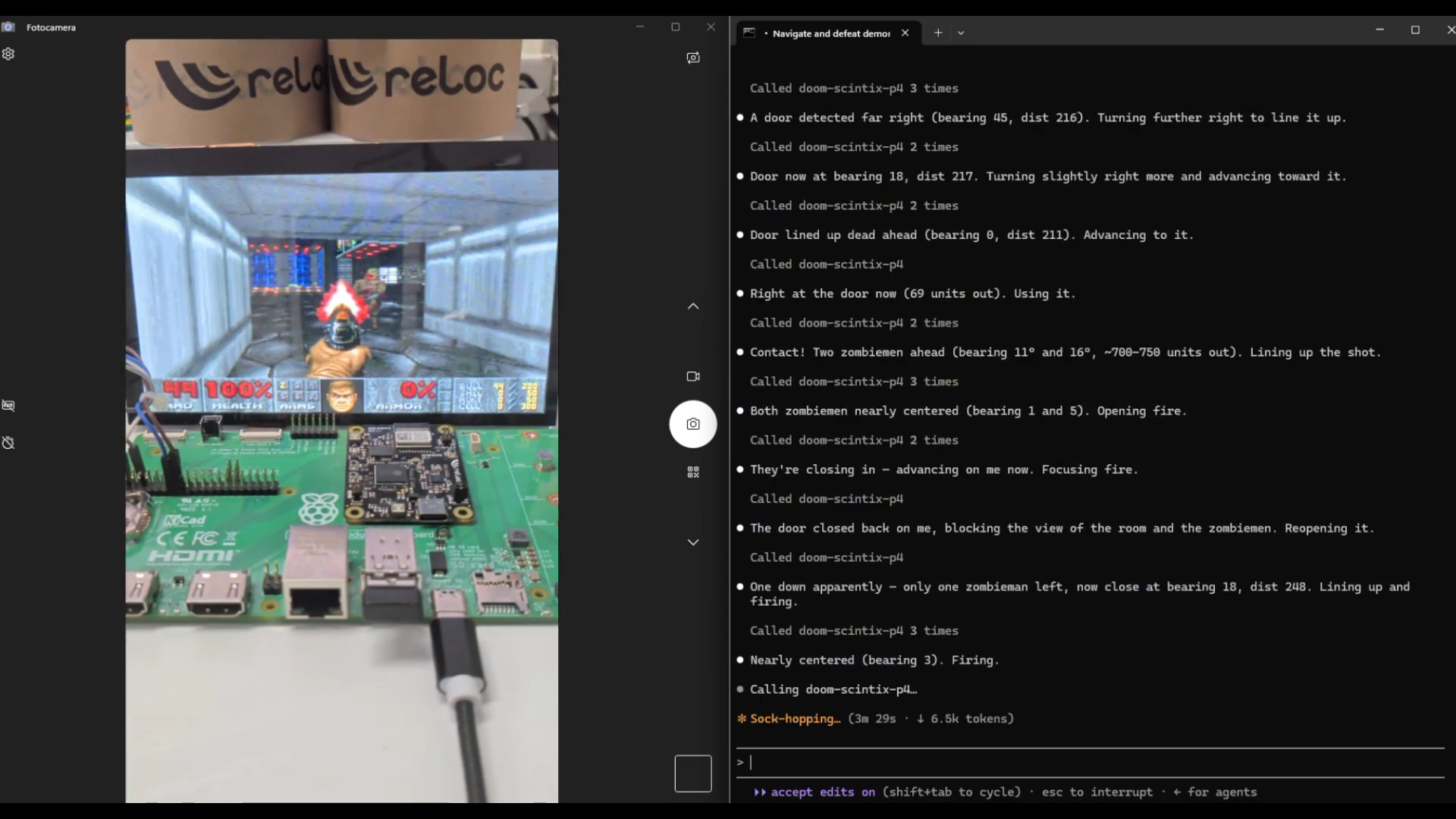
For this project, [Andrea] began by porting the game to the SCINTIX P4. It’s a rather interesting device, being a single board designed in the Raspberry Pi CM4/CM5 form factor, but carrying an ESP32-P4 and an ESP32-C6 instead. The game runs on the P4 and is displayed on a 1024×600 MIPI DSI panel, but it’s only stepped through a few frames at a time. These frames are then passed to Claude Sonnet via a WebSockets setup. With only the same information as a human player would get, the LLM has to figure out what it’s looking at, and then respond with movement and fire commands to play the game.

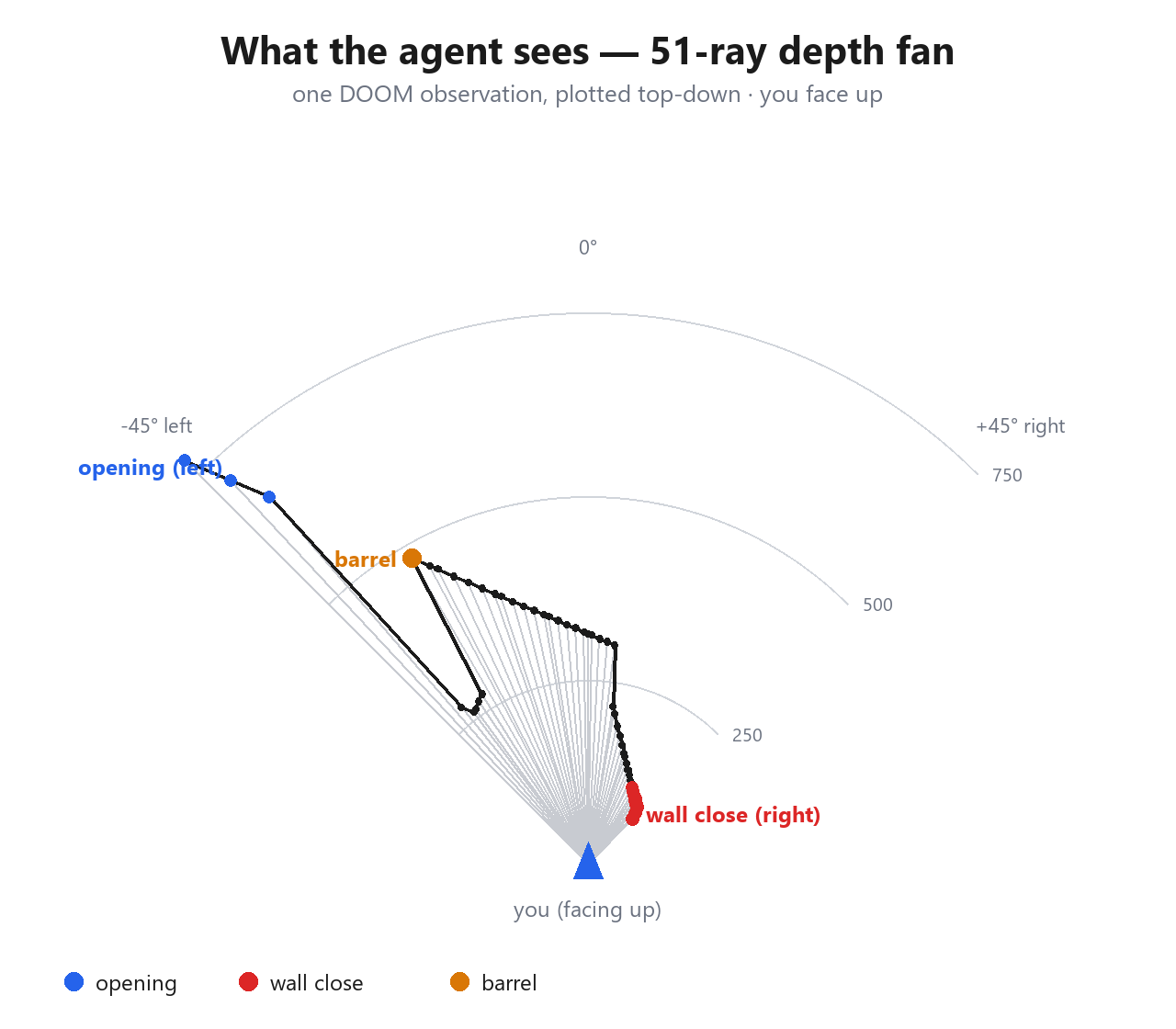
It’s quite interesting to watch the system play—the LLM mostly accurately describes the game world, navigates down corridors, opens doors, and shoots at enemies. There is a bit of work behind the scenes to enable it to see and understand the game world—namely, using a depth fan across the field of view so it can figure out where walls are and how not to bang into them. There’s also an ASCII automap used to allow the system to keep track of where it has already been. But fundamentally, the LLM is playing the game without any other sort of additional assistance.

We’ve seen some other great ways in which AIs have been whipped up to play various games, like Trackmania.

Advertisement

Source link

Advertisement
Continue Reading

Trending

Copyright © 2025