



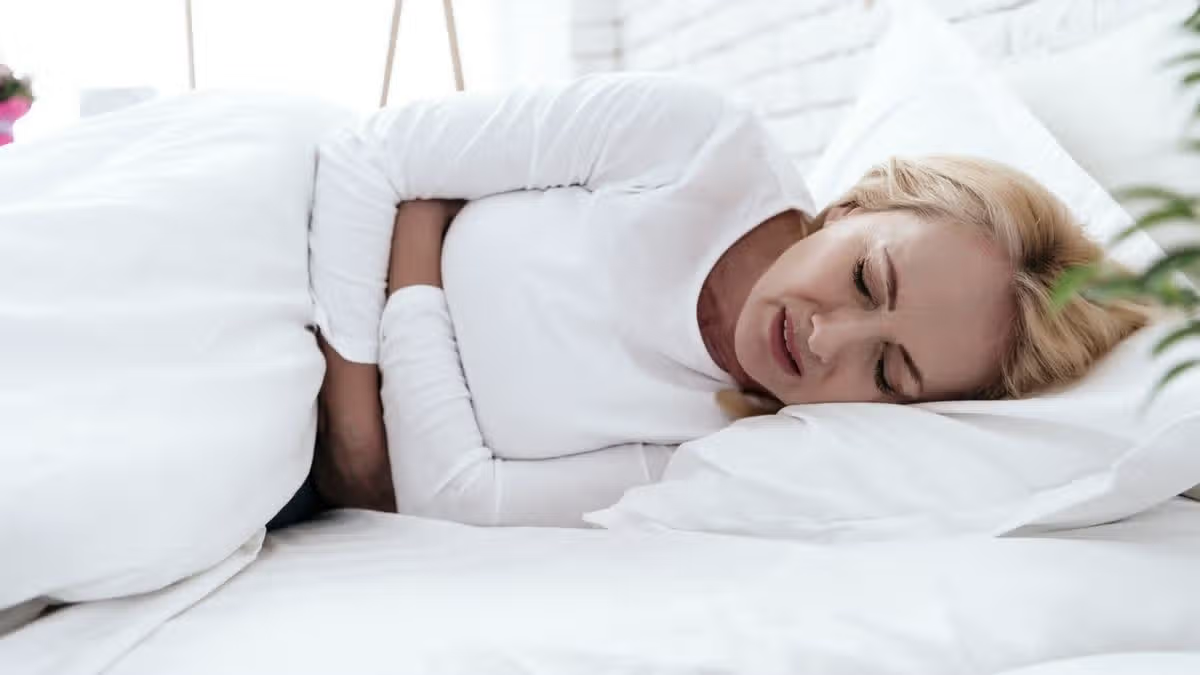
Giardia can cause diarrhoea, bloating, burping, wind, weight loss, or even stunted growth or malnutrition in rare, untreated cases affecting children
Brits have been warned to take extra precautions travelling abroad as cases of a parasitic stomach bug have surged by more than 10 per cent.
Cases of giardiasis, a stomach bug which causes diarrhoea, bloating, burping, wind and weight loss, have risen by 11.4 per cent year-on-year, according to data shared by the UK Health Security Agency (UKHSA).
The UKHSA revealed that there were 6,069 cases of giardiasis in England in 2025 – the highest since 2016 and up from 5,450 a year earlier.
Click here to get the biggest stories straight to your inbox in our Daily Newsletter
London reported the highest number of cases (1,568), following by the north west (1,029). Cases peaked in autumn, with the highest number of reports in October (599 cases), followed by September (580 cases) and November (574 cases).
Giardia infection can be picked up in the UK as well as overseas, and is spread by consuming contaminated food or water, or through direct contact with infected people or animals. It can also be sexually transmitted.
In rare untreated cases, children with the infection can suffer malnutrition and stunted growth.
Health officials said the 11.4 per cent annual rise in cases may be linked to increased travel since the pandemic, climate change, or better testing.
Nicola Love, senior food safety surveillance lead at UKHSA, said: “We are seeing a rise in giardiasis in the UK. Symptoms can last from weeks to several months and if left untreated, it can cause serious complications especially in young children, the elderly and those with weakened immune systems.”
According to the UKHSA, infections are being seen in people returning from Southern Asia, South-Eastern Asia, Africa and South America.
Those travelling should drink bottled water and eat cooked food rather than raw items, such as salads that have been washed in tap water.
The UKHSA also advised people to avoid swimming in rivers, lakes or the sea when abroad.
Ms Love said: “There are some simple precautions everyone can take to reduce their risk, whether you are planning an autumn getaway somewhere warm or staying in the UK. Good hygiene can help prevent giardiasis and other common gastro illnesses.
“Wash your hands with soap and water after using the toilet, after changing nappies, and before preparing food. Encourage children to wash their hands regularly too. If you have a giardia infection, continue to hydrate yourself and see your GP – do not go swimming until two weeks after your diarrhoea has stopped.
“Parents should contact their GP or NHS 111 if they or their children are ill with dehydration, or if diarrhoea worsens or lasts longer than three days.”
Precautions to take while travelling to avoid picking up giardia
- Drink bottled water
- Eat cooked food rather than raw items including salads
- Good hygiene – wash hands well with soap and water after using the toilet, changing nappies and before preparing or eating food
- Don’t swim in rivers, lakes or the sea while abroad
- Stay hydrated if you have a giardia infection
- Do not swim for at least two weeks after diarrhoea stops if you had giardia





















































You must be logged in to post a comment Login