
Business
ETMarkets Smart Talk | Large caps look better for next 24 months, but hidden gems remain in smallcaps: Divam Sharma


Divam Sharma, Co-Founder and Fund Manager at Green Portfolio, believes the market is entering a phase where earnings, rather than valuation re-rating, will be the key driver of returns. With the Nifty trading around its long-term valuation average, he expects low-to-mid teens returns over the next 2-3 years if earnings deliver.
Sharma sees a stronger case for large caps over the next 24 months, particularly given the steep valuation premium commanded by small caps.
However, he believes investors should not dismiss the smaller end of the market altogether, as pockets of genuine mispricing remain among companies with real cash flows, strong promoters and limited analyst coverage.
For him, the opportunity is less about choosing between large and small caps and more about identifying businesses where growth expectations are not already fully priced in. Edited Excerpts –

Q) Market showing signs of stability. How do you read it?
A) The market has stopped falling. It has not started running. Recovery in small caps has been good so far so was their fall in FY26.Nifty peaked at 26,373 in January, fell to 22,182 — nearly 16% — because a war shut the Strait of Hormuz and crude went through the roof. Today we are back at 24,395.
Three things steadied us: crude has cooled from $110 to $87, June-quarter results were better than feared, and the RBI on 5 August held rates, raised its growth forecast and cut its inflation forecast.
But the real story is who owns this market. Foreigners sold roughly ₹3.4 lakh crore in six months. Indians bought ₹4.5 lakh crore.
With geopolitics seeing stability, US India relation easing, EU FTA coming into effect soon – FII money inflow can pick up (it has already improved since June 2026).
Q) Household debt at ~48% of GDP. Is consumption now credit-dependent?
A) The number is right, and I’d argue it’s if anything on the low side.
RBI’s official figure is 45.5%. But that’s already stale. Gold loans jumped from ₹3.16 lakh crore in September 2025 to ₹4.89 lakh crore by April 2026 — 55% in seven months. So, 48% today is fair.
Is 45–48% dangerous by itself? No. Thailand and China are higher. The problem is not the size of the debt. It is the purpose of it.
Look at what people are actually borrowing. Fintechs now dominate small loans below ₹50,000, and the average ticket is ₹16,238. That is not a wealth-creating loan. That is white goods, phone and daily use items.
And the line that worries me most: RBI says the gold-loan surge is mostly existing borrowers using higher gold prices to borrow more — often to repay old loans. When a family refinances with gold instead of income, that is not consumption. That is stress.
Meanwhile rural wages are growing about 4% — the weakest in four years.
Thirty years has taught us one thing: every credit accident in India — 2007, 2018 — happened while the overall number still looked fine. The average tells you nothing. The marginal borrower tells you everything.
Q) Should returns now come from earnings rather than re-rating?
A) Yes. And let’s go further — assume zero re-rating. If it comes, treat it as a bonus, never as the reason you bought.
Nifty is at about 20.6x earnings against a long-term average of 20–21x. Fairly valued. Not cheap, not expensive.
When you start at fair value, your return is earnings growth plus dividend. There is no third source of money.
Here’s history worth remembering. Between 2003 and 2007 the Sensex went up five times, and everyone calls it a great re-rating. It wasn’t. Company profits went up nearly four times. The multiple did barely a quarter of the work.
That is the healthy kind of bull market.
The other kind — where the P/E does the heavy lifting — always asks for the money back, usually at the worst moment.
My honest expectation: low-to-mid-teens returns over 2–3 years if earnings deliver. Every rupee has to be earned. That is a far better market for stock-pickers than for index buyers.
Q) Earnings outlook after Q1? Can upgrades become a catalyst?
A) Q1FY27 was the first genuinely good surprise after a long time.
The street expected profits to fall but it rose. Strip out the oil marketing companies and earnings grew 17%. Banks grew 20%, metals 53%. Small caps grew earnings 32%. And notice — the weak spots were cost problems, not demand problems. The OMCs absorbed the crude shock on the country’s behalf.
But the most important line in the whole results season was quieter: downgrades have slowed.
The sequence never changes. Downgrades stop → estimates settle → upgrades begin → market rises. We are between step two and three. Not step four.
So we should hold back on celebration. The street is already building in massive EPS growth for FY27. Upgrades matter when they are delivered, not when they are forecast.
Everything hangs on one thing — crude. Simply:
• Brent at $75–80 → real upgrades by Q3, this becomes a proper earnings market
• Brent at $85–95 → growth trims, market grinds sideways
• Brent above $100 → we retest the lows
Until September and December results settle it: own earnings you can already see, not earnings that need a peace treaty.
Q) What brings FIIs back decisively?
A) The rupee first. Then oil. Then earnings. Valuations last — and I say that deliberately, because most people put it first.
Think from a foreigner’s chair. The rupee fell 11% in a year, to about ₹96 making it lucrative to bring fresh dollars.
Then oil, because to a global investor India is basically a bet against crude.
Valuations come last because India has always been expensive. Nobody ever bought this market because it was cheap. They buy it when growth and currency work together.
And the turn has started — ₹20,200 crore in July, another ₹12,900 crore in the first week of August – FII inflow.
Let’s hope this sustains.
Q) How much of India’s premium over other emerging markets is justified?
A) India trades around 20–22x against 12–14x for emerging markets — a premium of roughly 60–70%. Sounds high, but our own long-run average is 55–60%, and in mid-2024 it hit 104%. So the premium has already compressed sharply.
What justifies it: nominal GDP growing 10–11%, better returns on capital, and a domestic investor and consumer base no other emerging market has. ₹31,961 crore of SIPs a month, and Indian equity funds have seen 63 straight months of inflows — right through the war. That deserves a premium, because it permanently lowers the cost of capital for Indian companies.
But there are pockets where there’s too much optimism. Anything sold on a “ten-year story.” Parts of new-age tech, some EMS, quick commerce. The order books are real. The margins are not proven. When you pay 60–80x FY28 earnings, you are demanding five years of flawless execution with no competition and no fundraise. That has rarely happened in Indian corporate history.
Also, small caps as a class, and FMCG, which has been priced for a volume recovery that has been “many quarters away”.
Where the market is too pessimistic: the oil-sensitive lot — OMCs, aviation, paints, tyres, chemicals — priced as if $100 crude is permanent. And IT, where AI fear is fully in the price but the benefit of a ₹95 rupee is barely counted.
I have heard “India is expensive” every single year since 1996. Anyone who sat out on that basis missed a thirty-year compounding story. Expensive alone doesn’t kill you. Expensive plus no earnings growth kills you. Watch the second one.
Q) Which sectors can beat the market on earnings over 2–3 years?
A) There are many such sectors, and I’ll be honest about which are structural and which are just cyclical.
Power, transmission and grid equipment — government capex, rising electricity demand, data centres on top. The cleanest 20%+ growth available, and it doesn’t depend on the consumer’s mood.
Defence and defence electronics — private order books have gone from ₹40,000 cr to an estimated ₹55,000 cr. But the bigger point is that the war moved procurement from committee timelines to emergency timelines. That’s a decade, not a quarter.
Capital goods and EPC tied to government spending. Telecom — three players, real pricing power for the first time in a decade. Pharma and CDMO — China de-risking, and at ₹95 every export rupee is worth more.
Metals — up 53% last quarter. But be clear: that’s supply disruption. Trade it, don’t marry it.
Underweight: staples, where growth is only price increases; two-wheelers and rural discretionary if wages stay at 4%; and any sector which survives only if crude remain low.
Read more: ETMarkets Smart Talk | India enters earnings-led phase; Anil Rego favours financials, autos, industrials
Q) Is rotation into reasonably valued large caps the dominant theme?
A) On merit, yes. In terms of where money is actually going, no — the opposite. And that gap is the most interesting thing in this market.
Look at July’s flows. Small-cap funds got ₹7,768 crore. Mid-caps ₹6,192 crore. Large-cap funds saw an outflow. Retail money is still travelling down the size curve, not up.
Foreigners, who have just started buying, always begin at the top with liquid large names. So the two big buyers are pulling in opposite directions.
On valuation, large caps should win the next 24 months. Nifty is at 20.8x, Smallcap 250 at 35.5x — small caps are demanding a 71% premium for earnings that are more volatile, less researched and much harder to sell.
But let me reframe the question. It isn’t large versus small. It’s priced-in versus not-priced-in. There are large caps expensive for their growth and small caps genuinely cheap for theirs. At Green Portfolio we still find more mispricing in the ₹2,000–15,000 crore range — real cash flows, promoters we can sit across the table from, no analyst coverage — than in the Nifty 50.
One memory for your readers. In early 2018 everyone “knew” large caps were safe and small caps were frothy. The rotation did happen — Nifty made new highs while the small-cap index fell nearly 40%. But it took two full years and exhausted almost everyone’s patience. Rotations in India are slow, then violent. Never smooth.
Q) How worried are you about valuation and liquidity risk in mid and small caps?
A) Worried in pockets, not everywhere — and the difference between mid and small now matters a lot.
Mid-caps have normalised: Nifty Midcap 150 at 30.2x is roughly in line with its five-year median. Small caps have not: Smallcap 250 at 34.4x is about 22% above its median.
But let me separate two things’ people constantly confuse.
Valuation risk costs you time. Liquidity risk costs you money. Overpay for a good business and you wait three years for earnings to catch up. Own an illiquid business into a redemption wave and the price detaches from value for months — because the exit door is the same size for everybody.
Now add supply. FY26 saw 108 IPOs raise ₹1.76 lakh crore, with PE-backed listings rising to 35% of issuance. Read that plainly — promoters and PE funds are selling, retail is buying. That transfer always tells you where you are in the cycle.
Three rules we follow, and any investor can copy them:
1. Size your position to liquidity, not to conviction. However, much you love the business.
2. Demand cash flow, not just profit. In a squeeze, what breaks is the company funding growth on debt and stretched receivables. Profit is an opinion. Cash flow is a fact.
3. Accept that quality won’t save you in the first three months of a fall. It saves you in the recovery.
January 2018 is the lesson I keep going back to. The small-cap index peaked and didn’t recover until late 2020.
Most people who lost money there did not own bad companies. They owned good companies bought at the wrong price with borrowed patience. The businesses survived. The investors didn’t stay.
(Disclaimer: Recommendations, suggestions, views, and opinions given by experts are their own. These do not represent the views of the Economic Times)


Mark Walter’s TWG is working with regulators, says ’no fraud’

DENVER – New product innovation abounded at the Newtopia Now tradeshow, held Aug. 18-20. Exhibitors ranged from startups not yet in the market to established brands promoting new concepts ready for market. But as one speaker noted, there is a wide divide between being consumer ready versus retail ready.
Several brands stood out at the show. For example, early-stage brand Lil’ Melts, Austin, Texas, showcased its beef tallow cooking cubes. The cubes are intended to melt quickly, require no scooping and simplify portioning for home cooks.
Boca Raton, Fla.-based startup Notchee introduced a dairy spread promoted as a clean label condiment featuring protein. The perishable spread comes in 5.5-oz glass jars in three varieties: original, garlic herb and date honey.
And GoodBelly from NextFoods, Boulder, Colo., a 20-year-old refrigerated probiotic drink brand debuted For a Clear Mind. The no-added-sugar beverage is formulated to support mental clarity through the gut-brain connection, the company said. It is formulated with L-theanine, green coffee extract, fruit polyphenols and postbiotics.
While each innovation is unique, that’s not enough to make it in today’s marketplace, said Brian Gould, founder and chief executive officer of TruLife Distribution, Boca Raton, Fla. Retail readiness is becoming just as important as product innovation.
Having a great product is only the first step, Gould said. Retailers are evaluating businesses, not just products. Strong ingredients, attractive packaging and consumer interest are important, but buyers also assess whether a company can consistently deliver product, maintain margins, support demand and become a reliable long-term retail partner.
“Retailers evaluate the entire business behind the product,” Gould said. “Brands need to demonstrate not only what makes their product different, but why it belongs on that retailer’s shelf, who will buy it and how the business will support a successful launch.”

Retailers are evaluating businesses, not just products when considering bringing a new product into its stores.
| Source: Sosland Publishing Co.While emerging brands have more tools to develop products, build direct-to-consumer audiences and generate online sales, achieving sustainable retail growth requires a different level of preparation and infrastructure, Gould said. For international brands, the challenge is often even greater. Companies entering the US must adapt to different retailer expectations, regulatory requirements, pricing structures and distribution economics.
“Success in another market is valuable validation,” Gould said. “But the US retail ecosystem is unique. Strategies that work elsewhere often require significant localization and preparation before they can succeed here.”
The distinction highlights the difference between being consumer-ready and retail-ready.
“Some of our most productive conversations (at Newtopia Now) were not about whether we liked a product,” Gould said. “They were about what steps would make that product truly compelling to a major US retailer.”
For some brands, the steps may involve refining pricing or positioning. For others, it may include strengthening retail materials, improving operational capabilities or identifying the most appropriate retail channel.
“The goal is not simply to get products in front of more buyers,” Gould said. “It is to ensure the right product reaches the right buyer at the right time.”
Business
Bluesky Down? Users Report New Outage as Platform Faces Third Major Disruption Following DDoS Attack
Some Bluesky users reported difficulty accessing the social media platform Wednesday, according to outage-tracking service Downdetector, marking at least the third significant disruption the decentralized network has faced this month.
Downdetector posted on its official account on the social platform X that “user reports indicate problems with Bluesky since 11:51 AM EDT,” tagging the post with the hashtag #BlueskyDown and directing affected users to its outage-tracking page. The post had drawn more than 1,600 views within roughly the first hour of being published.
Independent status monitoring offered a somewhat measured picture of Wednesday’s disruption compared with some of Bluesky’s more severe recent outages. According to StatusGator, Bluesky was listed as operational as of a check conducted around noon UTC Wednesday, though the service had logged 35 user-submitted outage reports over the preceding 24-hour period, a notably elevated figure suggesting genuine, if not necessarily platform-wide, connectivity issues affecting at least some portion of Bluesky’s user base.
Wednesday’s reports add to a pattern of recurring instability that has affected Bluesky throughout August. The platform experienced a significant outage Aug. 16, when thousands of users across the United States and other countries, including the UK, Portugal and Canada, reported being unable to load feeds, log in or use the app at all. According to IBTimes UK, complaints on Downdetector began climbing sharply around 10:37 a.m. EDT that day, with reported issues surpassing 2,000 complaints within about an hour. According to Windows Report’s coverage of that same incident, Bluesky’s own status account identified the disruption as affecting accounts connected to a specific server component within its infrastructure, known as the suillus.us-west.host.bsky.network personal data server, suggesting the outage did not affect every account on the platform equally.
Just two days later, on Aug. 18, Bluesky confirmed a separate, day-long disruption was caused by a distributed denial-of-service attack, commonly known as a DDoS attack, which flooded the platform’s servers with junk traffic specifically intended to overwhelm its infrastructure and knock the service offline. Bluesky confirmed the attack in a post acknowledging the incident had unfolded over the preceding 24 hours. “We have upgraded our defenses in response, and we continue to monitor the situation,” the company said, without disclosing further technical detail regarding the source or scale of the attack. A Bluesky spokesperson did not immediately respond to questions from TechCrunch regarding the incident at the time.
An earlier disruption on Aug. 5 similarly affected Bluesky’s backend infrastructure. According to Windows Report, the company confirmed at the time that multiple instances of its Personal Data Server fleet, the distributed backend components that store and serve user data across Bluesky’s decentralized network, had gone down simultaneously, suggesting the issue stemmed from core platform infrastructure rather than isolated individual account problems. User reports on Downdetector spiked sharply during that incident as well, jumping from a normal baseline of roughly one report to 589 reports within about half an hour.
Bluesky’s decentralized architecture, built on what the company calls the AT Protocol, has occasionally raised questions among users about why a distributed system remains vulnerable to widespread outages in the first place. According to TechCrunch’s earlier reporting on a separate 2025 outage, the answer lies in how most users actually interact with the network in practice. While the underlying protocol is designed so that different organizations and communities can theoretically run their own independent infrastructure, including personal data servers and relays, the vast majority of Bluesky’s current user base still relies on the company’s own official app and centrally operated infrastructure, meaning problems affecting Bluesky’s own servers can still cause widespread disruption for most users, even though the platform’s underlying protocol is technically decentralized. Users who have set up and rely on independently operated infrastructure outside Bluesky’s own servers have generally remained unaffected during these company-side outages, according to TechCrunch.
The recurring nature of Bluesky’s outages this month has generated visible frustration among users, many of whom have questioned why similar disruptions have continued occurring in relatively close succession. According to Rolling Out’s coverage of the Aug. 16 outage specifically, most affected users at that time reported problems primarily with the platform’s mobile app rather than its browser-based version, with some users describing being repeatedly logged out of their accounts or experiencing the app working briefly before crashing again.
Given Wednesday’s more moderate spike in reports compared with the platform’s more severe mid-August incidents, the current disruption may reflect a more limited or regionally concentrated issue rather than a full-scale, company-wide outage comparable to the Aug. 16 and Aug. 18 incidents. Users experiencing difficulty accessing Bluesky Wednesday were generally advised by monitoring services to check the platform’s official status page directly, restart the app, or verify their own internet connection before assuming a broader, confirmed outage is underway.
As of this report, Bluesky had not issued a public statement specifically addressing Wednesday’s reported issues, and the underlying cause, if any beyond routine, isolated connectivity problems, remained unconfirmed. Given the platform’s documented pattern of recurring outages throughout August, including at least one confirmed DDoS attack and a separate backend infrastructure failure affecting its Personal Data Server fleet, users and industry observers are likely to continue closely monitoring whether Wednesday’s reports represent another isolated incident or the beginning of a further, more significant disruption to the platform’s service.
Available for over a year
“More Chinese companies are put out of business by other Chinese companies. Chinese companies are not put out of business because of Western companies, so this whole competition is not, from a Chinese guy’s mind, like a US-China competition. It’s more ‘how do I survive this gym?’ because it’s damn hard to keep staying alive at home. That in turn makes you very competitive in the rest of the world.”
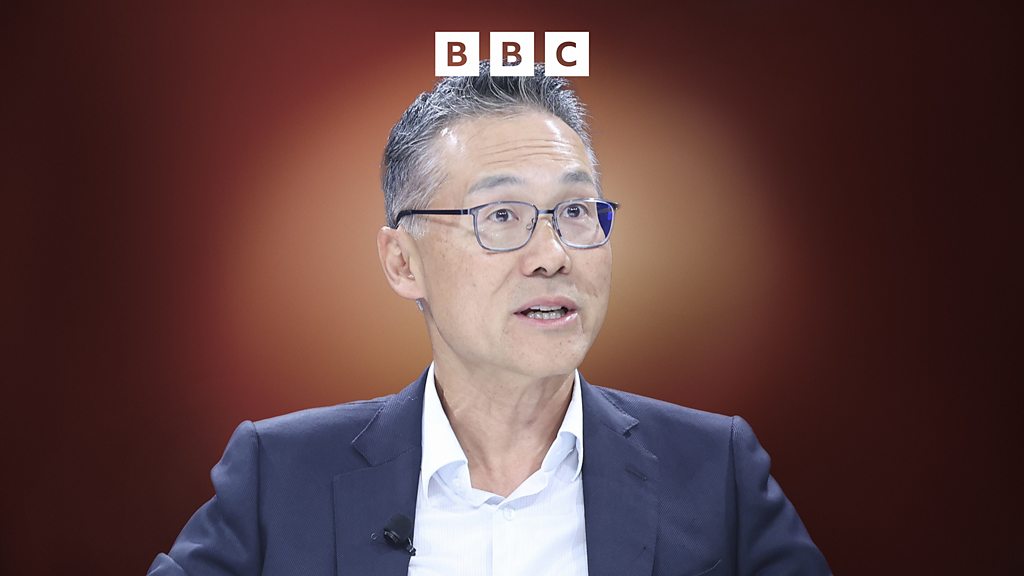
Maura Fogarty speaks to Joe Ngai, Chairman of the China region for global consulting firm McKinsey.
He advises senior management at Chinese and multinational corporations in the region which gives him a unique insight into the world’s second-largest economy.
Having written numerous books and reports on China’s economic landscape, Ngai’s expertise has been recognised by accolades from the likes of Forbes China and Bloomberg.
In this interview, we hear his thoughts about how the Chinese market has changed in the 25 years since the country joined the World Trade Organisation, and on how AI is developing and managing tensions with US competitors.
Thank you to the Asia Business team for their help in making this programme.
The Interview brings you conversations with people shaping our world, from all over the world. The best interviews from the BBC, including episodes with tech billionaire Reid Hoffman, director Chloé Zhao, and Dr Ngozi Okonjo-Iweala, head of the World Trade Organisation. You can listen on the BBC World Service on Mondays, Wednesdays and Fridays at 0800 GMT. Or you can listen to The Interview as a podcast, out three times a week on BBC Sounds or wherever you get your podcasts.
Presenter: Maura Fogarty
Producers: Ben Cooper and Jaltson Akkanath Chummar
Editor: Damon Rose
Get in touch with us on email TheInterview@bbc.co.uk and use the hashtag #TheInterviewBBC on social media.
(Image: Joe Ngai. Credit: Getty)

An aerial view of the Warner Bros. Studio lot on July 13, 2026 in Burbank, California.
Justin Sullivan | Getty Images
Warner Bros. Discovery is feeling whiplash.
It was only last summer that the company said it would split itself in two and began the process of creating separate, publicly traded entities: Warner Bros., which would have housed the streaming and film units, and Discovery Global, which would have run its global linear TV networks.
Change seemed to be happening at breakneck speed. The company was in the midst of an aggressive buildout for its HBO Max streaming platform, pushing into new markets and chasing subscriber and profitability growth. Its film studio was showing signs of much awaited momentum. CFO Gunnar Wiedenfels had begun strategizing with fellow executives on how to run a business of just TV networks in a period of rapid decline.
But after a sale process and a delayed merger with David Ellison’s Paramount Skydance, much of that change has ground to a halt.
WBD CEO David Zaslav said during an earnings call earlier this month that executives have “been trying to drive the value of the company” in order to have WBD in the best shape possible for when the merger would close.
That was after a group of states led by California Attorney General Rob Bonta filed to block the deal on antitrust grounds — and before preliminary settlement talks between the California AG and Paramount seemed to fall apart earlier this week.
The start-and-stop means Warner Bros. Discovery has fewer options on the table at a time when the media industry as a whole is charting new paths. The company — made up of the storied film studio, a portfolio of TV networks and a prestige streaming business — once looked agile. Now it’s forced into being cautious.
“This is as good a deal as Warner Bros. Discovery’s going to get, and they are going to have a difficult time totally walking away here with no more than a breakup fee,” said Tom Rogers, a media veteran who’s currently senior advisor to Versant Media Group and executive chairman of AI film and TV production company Fountain 0. “So I think they have plenty of incentive to also figure out how this deal could get done.”

The proposed $110 billion sale price should be a windfall for WBD, Zaslav included. Paramount has agreed to pay $31 per share to acquire WBD, and if regulatory approval is delayed beyond September, Paramount will start owing a “ticking fee,” raising the deal value.
The questions that remain are what will Paramount be buying if the deal goes through after an extended delay, and what happens to WBD if it doesn’t?
What can WBD do?
WBD doesn’t necessarily need to stand still as it waits for the merger to move forward.
Interim operating covenants laid out in the merger agreement allow for WBD to run itself as an independent entity while the deal moves toward closing. That flexibility was a particular point of emphasis for Warner Bros. Discovery executives when it was negotiating a deal to sell itself — first with Netflix, then Paramount — according to a person familiar with the matter.
In situations where WBD would need Paramount’s blessing to do something while the transaction is pending, the agreement states those permissions can’t be “unreasonably withheld.”
The agreement accounted for a merger closing process that could take 12 months or more, giving WBD some cushion in the event of a delay.
While WBD is unable to take part in major M&A, it is still able to ink licensing deals and other types of agreements or partnerships with media peers. From a creative perspective there hasn’t been much holdup on that front, according to another person familiar with the matter. Film and TV content creators are still pitching themselves to WBD, said the person.
CNBC’s sources spoke on the condition of anonymity because they weren’t authorized to speak publicly.
Licensing out content to other platforms and networks has proven to be a lucrative business model for WBD, as well as its peers.
Since the merger between Warner Bros. and Discovery in 2022, the company has licensed out content from the highly coveted HBO library, like “Sex and the City,” “Insecure” and “Band of Brothers” to Netflix, and series like “Westworld” to free ad-supported streamers.
During the company’s August earnings call, CFO Wiedenfels touted “very healthy demand” for WBD content.
Streaming strides or sidelines
At the same time, media’s appetite has been growing for different streaming business models, such as bundling platforms for one subscription fee or ingesting content from one platform into another. NBCUniversal’s Peacock, for example, agreed to embed its content into YouTube Premium in a deal that many onlookers say could set a new precedent.
Leadership for both NBCUniversal and Fox Corp. have said their companies are open to future combinations or bundles with other platforms.
HBO Max is already offered as part of a bundle with Disney’s streaming services, and media reports have recently surfaced that Netflix is considering teaming up with some of its peers. WBD CEO Zaslav himself has long been an advocate for a bundling model, which stems from the pay TV world.
Yet with more streamers finding their dancing partners, it’s hard to imagine which, if any, companies would want to strike new agreements with HBO Max while its future remains up in the air.
Paramount’s Ellison has said upon completion of the WBD merger, Paramount+ and HBO Max would become a single service. The uncertainty of those streamers’ futures likely leaves them on the outs while other smaller players make new in-roads.
And if WBD were to strike such deals now, per the interim operating covenants they would be relatively short-lived regardless.
“It’s certainly not easy to run the WBD business with this overhang of not knowing the direction of where it’s headed and the constraints on what they can do that the merger agreement sets out. It makes life more difficult,” Rogers said.
Jaque Silva | Nurphoto | Getty Images
Meanwhile, the longer WBD and Paramount wait to combine their streaming services, the more lead time competitors may have to outpace them individually.
“Currently, both Paramount Skydance and Warner Bros. Discovery own and operate subscale streaming services; combined, we believe they have a better chance competing with the bigger DTC players (namely Disney and Amazon, with Netflix and YouTube still in a league of their own),” MoffetNathanson analyst Robert Fishman said in an Aug. 5 note following Paramount’s earnings report.
“If the deal falls through, then both streamers are going to find themselves saddled with standalone platforms that are unlikely to be able to compete longer term,” Fishman said.
Earlier this month WBD’s earnings report showcased record-breaking revenue growth for its streaming segment, while linear TV and the film studios weighed on results.
However, that same momentum could soon slow. Much of HBO Max’s recent growth has taken place internationally, and this past quarter marked the end of its expansion into major international markets.
Smaller markets remain, but executives have been told not to expect streaming growth as significant as WBD has reported recently, said a third person familiar with the matter, who spoke on the condition of anonymity because they weren’t authorized to speak publicly.
WBD expects to hit its goal of surpassing 150 million global streaming subscribers by the end of this year, and says future growth will stem from its ad-supported tier and additions in various markets.
Circling WBD

With Paramount’s deal hung up, speculation has begun about what assets Ellison would be willing to lose in order to preserve the merger. And, even with a question mark in its future, WBD’s assets are still attractive to other potential buyers.
California’s Bonta told CNBC last week that settling the states’ antitrust case against Paramount would require “robust structural remedies” — particularly in the pay TV and film studios businesses.
While preliminary settlement discussions were quickly paused following media reports about potential stipulations, bankers and insiders have considered which assets could realistically be most appetizing if they were to hit the chopping block.
WBD subsidiary New Line Cinema is likely to attract bidders, CNBC reported on Tuesday. The nearly 60-year-old film and TV production company is behind films like the Lord of the Rings and Final Destination franchises and more recently the Mortal Kombat installments.
Some of WBD’s pay TV networks may also be attractive to would-be buyers if Paramount needs to shave the portfolio down, CNBC reported, including the Turner channels such as TNT and TBS, or even its lifestyle networks like HGTV.
Of course, the dark cloud hanging over all of this dealmaking — real or hypothetical — is the fresh threat that states could take up the regulatory mantle from federal regulators and challenge more deals on antitrust grounds.
— CNBC’s Julia Boorstin contributed to this article.

SSE to buy back shares after dividend scrip take-up exceeds cap
Business
(VIDEO) Prince Harry and Meghan Markle Land in UK With No Police Presence Days After Announcing Return

Prince Harry and Meghan Markle have arrived back in the United Kingdom, landing in Birmingham shortly before midday Wednesday just days after their office confirmed plans for the couple’s extended return, BBC News reported.
The Duke and Duchess of Sussex, along with their children, Archie and Lilibet, are believed to have flown into the country privately from California. A spokesman for the couple declined to comment on the arrival, telling the BBC only that “this is not something we would comment on.” According to a source who spoke with the BBC, there did not appear to be a police presence as Harry and his family left the airport.
The family is expected to base themselves at a private property outside London in the Cotswolds, according to the BBC. Archie and Lilibet have been enrolled in school, with the new academic term due to begin next week. Harry and Meghan will not resume official royal duties during their time in Britain, continuing instead as private, non-working members of the royal family, consistent with the arrangement they entered when they stepped back from senior royal roles in early 2020 before relocating to California that March.
King Charles III was informed of the couple’s return plans earlier this month. The family had visited the king at his Highgrove residence in July, though it is understood the planned move was not discussed during that visit. Prior to that July reunion, Harry and Meghan had not been in the UK together since attending Queen Elizabeth II’s funeral in 2022. The Prince and Princess of Wales have also been informed of the couple’s plans, according to the BBC.
The question of security arrangements for the Sussexes while in Britain has remained a significant point of debate since news of their return first broke. Harry lost a legal challenge last year over the level of security afforded to him and his family in the UK, after seeking to overturn a decision that had downgraded his security detail once he stopped serving as a working royal and relocated to the United States. It remains unclear what specific security provisions will be made for the family during their UK stay, or who will bear the cost of arranging them.
Following the announcement of the Sussexes’ intended return, a Home Office spokesperson addressed the broader security process without confirming specific arrangements for Harry’s family. The spokesperson said decisions regarding the security of royals are made by the Executive Committee for the Protection of Royalty and Public Figures, commonly known as Ravec, and characterized the UK government’s overall protective security system as “rigorous and proportionate.” Harry has previously said that concerns about safety have been a central factor preventing him from bringing his wife and children to Britain in the past.
The couple’s return also comes amid significant ongoing legal costs stemming from a separate case. Last month, Harry and six other public figures lost a High Court privacy case against the publisher of the Daily Mail and MailOnline. According to the BBC, the group faces paying up to £34.5 million in legal costs to Associated Newspapers, with the seven claimants required to pay an initial £9.54 million within seven days of the ruling.
Beyond the security and legal questions surrounding the family’s return, speculation has continued to build regarding what Harry and Meghan’s day-to-day life in Britain might actually look like. The BBC has separately reported that Meghan is in talks for a role in Netflix’s series “The Gentlemen,” which would mark her first significant acting role since her marriage to Harry. Sources close to the couple have not denied those reports.
The return also raises renewed questions about whether Harry’s relationship with his brother, Prince William, might improve now that the family is based in the same country for the first time in years. According to the BBC’s own reporting on the matter, however, William remains in no mood to forgive and forget, with the underlying hurt he feels toward Harry described as still lingering, suggesting any reconciliation between the two brothers is unlikely to happen quickly or easily despite their newfound geographic proximity.
Harry’s broader relationship with Britain has continued evolving in other respects as well. The duke recently stepped down from the board of an African wildlife charity, according to related BBC coverage, part of a broader recalibration of his public commitments as the family transitions into this new chapter based in the UK.
With Harry, Meghan and their children now physically back on British soil, attention is likely to shift toward how the family settles into their new life in the Cotswolds in the coming days, including how the unresolved security question is ultimately addressed, whether King Charles and the couple have any further private engagements planned, and whether Meghan’s reported talks over the Netflix acting role move any closer to a formal announcement now that the family has completed their relocation to Britain.
Burger King U.S. and Canada President Tom Curtis and Head Chef Amy Alarcon discuss the fast-food giant’s turnaround strategy highlighting an 8.5% sales jump, restaurant upgrades and a new chicken nugget launch on ‘Mornings with Maria.’
One of the country’s largest fast-food chains has reclaimed its “throne” as the nation’s No. 2 burger chain, with Burger King betting that better food without higher prices can keep cost-strained customers coming through the door.
“You can outrun costs with traffic if you’re building your business and that’s what we’ve been doing and that’s what we’ll continue to do in each chapter of elevation as we move through the menu… to elevate everything on there,” Burger King U.S. and Canada President Tom Curtis told FOX Business.
“We’ll ask our owners to hold tight because consumers need it right now,” he added.
AMERICA’S FAVORITE FAST-FOOD CHAIN NAMED: MCDONALD’S WINS HEARTS BUT NOT BEST BURGER, SURVEY SAYS
In this photo illustration, a Whopper meal is seen at a Burger King restaurant on Oct. 25, 2024 in New York City. (Michael M. Santiago/Getty Images / Getty Images)
Curtis joined “Mornings with Maria” alongside Burger King U.S. and Canada Head Chef Amy Alarcon as the chain celebrates reclaiming the No. 2 spot from Wendy’s in U.S. systemwide sales, behind industry leader McDonald’s, while posting 8.5% U.S. same-store sales growth in the second quarter.
The comeback has been years in the making. Burger King launched its “Reclaim the Flame” plan in 2022, investing hundreds of millions of dollars in the brand to improve restaurant operations, food quality and company culture, Curtis said.
BURGER KING FANS SWEAR A SIMPLE TRICK GETS YOU A FRESHER WHOPPER, BUT NOT EVERYONE IS CONVINCED

Organic ground beef from the supermarket is shown in a bowl. Ground beef prices have soared recently, with President Trump announcing a plan to import beef from outside nations. (Daniel Karmann/picture alliance via Getty Images / Getty Images)
“Really the last nine months have been about us telling that story, and it’s really resonated with consumers,” he added.
A key part of that strategy has been listening to customers, even when their feedback is tough to swallow.
After customers offered what Curtis described as “sometimes scathing feedback” about the chain’s chicken nuggets, Alarcon and her team went back to the kitchen. The result is a revamped nugget recipe designed to be crispier on the outside and juicier on the inside.
The “elevated” nugget is rolling out nationwide Sept. 1, along with revamped dipping sauces.
“It hurt me to the core,” Alarcon said of the criticism. “You don’t ever want someone saying that about your food. So we fixed it.”
GET FOX BUSINESS ON THE GO BY CLICKING HERE
American ranchers are facing the smallest cattle herd in 75 years. On Friday, President Trump said he would waiver beef tariffs on imported ground beef for 90 days in an attempt to bring beef prices down and rebuild the U.S. cattle herd.
The nuggets follow Burger King’s effort to upgrade its signature Whopper, a change Curtis said required franchisees to absorb additional costs rather than immediately pass them along to customers.
“We asked our franchisees once again when we relaunched the Whopper, when we elevated the Whopper, ‘Hey, we need you to hold price here. Consumers are hurting, and we’ve got to be there for them in these tough times,’” he said.
That strategy is being tested as soaring beef prices squeeze restaurants and consumers alike. Curtis acknowledged that the pressure has been difficult for Burger King franchisees but said the company is trying to offset higher costs by attracting more customers rather than simply raising menu prices.
“I think it’s just holding the line and giving people more for the same amount,” he added.
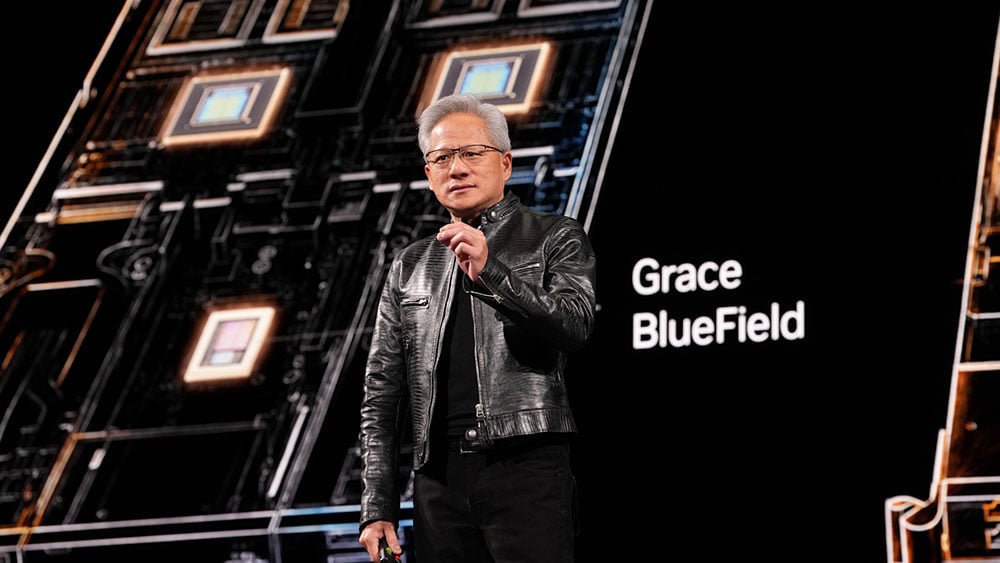
Nvidia (NVDA) stock was quiet in early trading Wednesday as investors weighed a litany of concerns about the chipmaker and artificial intelligence market maker. The world’s most valuable company is due to report fiscal second-quarter results after the market close. With a market capitalization of $5.16 trillion, Nvidia is heavily owned and closely watched. Its quarterly reports are used as…
Copyright ©2026 Investor’s Business Daily, LLC. All rights reserved. 87990cbe856818d5eddac44c7b1cdeb8


KANSAS CITY — The sports nutrition segment continues to expand, with sales of energy and sports drinks rising over $35 billion in 2025, according to data from SPINS. The category is growing with innovations targeting a broader range of active consumers and applications, ranging from beverages and powders to bars and even pastas.
“Sports nutrition is evolving,” said Floor van der Horst, global marketing director, performance and active nutrition for FrieslandCampina Ingredients. “It’s no longer just about performance in the gym or on the track, but about supporting the body and mind as a whole to fuel performance. Athletes and active consumers increasingly want to feel their best to help perform at their best, and they’re starting to understand that the two are intrinsically connected.”
The Coca-Cola Co. is aiming to bring its BodyArmor brand to more consumers and consumer occasions with a ready-to-drink canned product. BodyArmor Fit is formulated with 290 mg of electrolytes, 60 mg of caffeine, choline and green tea extract, with zero sugar per serving.
“BodyArmor Fit represents a natural evolution of our portfolio as we continue to meet consumers where they are,” said Sara Weaver, vice president of brand marketing, BodyArmor. “People are staying active in different ways throughout the day, and BodyArmor Fit was designed to fit seamlessly into those routines with a new sparkling format that still delivers the functional hydration expected from us.”
For consumers seeking alternatives to protein shakes, PepsiCo, Inc. developed Propel Clear Protein. The beverage powder combines protein, fiber and electrolyte benefits into one product, with 20 grams of whey protein and 3 grams of fiber per serving.
“Our priority was solving a real human need through a science-backed, multifunctional product,” said Damian Browne, senior vice president of research and development, US Beverages at PepsiCo. “What we’ve created with Propel Clear Protein is a real breakthrough for consumers, who can now get their protein, fiber and hydration in one great-tasting beverage, without the heaviness of a traditional protein shake.”
Creatine also is becoming more prevalent as an ingredient beyond the supplement category. SPINS identified creatine as one of the fastest growing functional ingredients, with 44% year-over-year growth.
“It’s an interesting ingredient because it was so heavily in just the powdered version, or capsules full of powder,” said Scott Dicker, senior director and head of research and insights for SPINS. “The new forms, such as bars, gummies and ready-to-drink beverages, have taken it more mainstream.”
KA-EX, a manufacturer of functional beverages and supplements, is experimenting with creatine in the beverage aisle with its Creatine EAA + Booster. The product is intended to combat creatine degradation in beverage formats with its push-cap technology, which preserves a dose of powdered creatine separately in the cap until users dispense the powder before consumption. The drink features 3 grams of creatine, 105 mg of caffeine, 500 mg of sodium, 57 mg of magnesium, 370 mg of potassium, 115 mg of calcium, 1 gram of L-citrulline and essential amino acids.
“Creatine is having a mainstream moment,” said Pedro Schmidt, chief executive officer and founder of KA-EX. “Awareness has expanded well beyond the gym, driven by a growing body of evidence around cognitive performance, healthy aging, and everyday energy, amplified by consumer education. The category is no longer niche. Now, we’re providing consumers with an option they haven’t had before — creatine in a convenient ready-to-drink format that actually delivers what it says on the label.”

Dolly Parton through the ages: How the late ‘Queen of Country’ embraced ‘more is more’ fashion, wearing huge wigs, high heels and rhinestones for seven decades
CoinMarketCap Obtains SOC 1 & 2 Attestations and Dual ISO Certifications

Sport England claws back parts of its power to protect playing fields





-

 Fashion5 days ago
Weekend Open Thread: Madewell – Corporette.com
-

 Business4 days ago
Musk’s Tesla, SpaceX Confirm $16.8 Billion ‘Terafab’ Chip Plant as World’s Largest Building in Texas
-

 Crypto World5 days ago
anatomy of crypto’s biggest liquidation event since 2021
-

 Crypto World2 days ago
A $30 Billion AI Fund Implodes, Now the SEC Is Investigating Wall Street’s Role
-

 Crypto World17 hours ago
SpaceX stock could rise 75% to $240, JPMorgan says
-

 Politics4 days ago
6 months on, Irish renters crushed by effects of government housing bill
-
 NewsBeat4 days ago
The ‘Lucky Dip Gang’ causing carnage for clicks: After five thugs were killed speeding in the wrong direction on a motorway, GUY ADAMS investigates a sick new trend… and why police aren’t even allowed to pursue them
-

 Business3 days ago
Mystery AI Model ‘Ox Alpha’ Draws Developers With Free Access as Chinese Lab Origins Remain Debated
-

 News Videos6 days ago
Don’t Leave Your Financial Future To Chance | August 19, 2026
-

 Business7 days ago
Marvell Shares Jump 7% as Google Chip Deal Confirms Custom AI Silicon Partnership, Analysts
-

 Business6 days ago
Five Below: Kids Discount Retailer Reaps Rich Rewards
-

 Business2 days ago
Moderna CEO warns China is pouring state money into mRNA technology
-

 Business5 days ago
UK firms in critical financial distress rise 9% to 53,756
-

 Business2 days ago
NVIDIA Stock Drops Nearly 2 Percent to $210 on Seventh Losing Day Ahead of Critical AI Earnings
-

 Sports4 days ago
Deshaun Watson fires back at Browns fans after being booed: ‘It’s a disrespectful thing’
-

 Crypto World6 days ago
Optimism-funded team's deciding vote shifts $49 million in OP tokens away from users
-
 Entertainment7 days ago
10 Most Perfect Fantasy Shows of the Last 25 Years
-

 Tech7 days ago
OpenAI confirms ChatGPT is down as logins and signups fail
-

 Crypto World3 days ago
Google Gemini AI Predicts Ethereum Could Become the Trade Retail Misses in 2026
-

 Business6 days ago
PayPal and Venmo now accepted for tuition at several universities
You must be logged in to post a comment Login