
Business
Half of America’s Planned Data Centers Risk Delays or Cancellation, Energy Investor Kimmeridge Warns

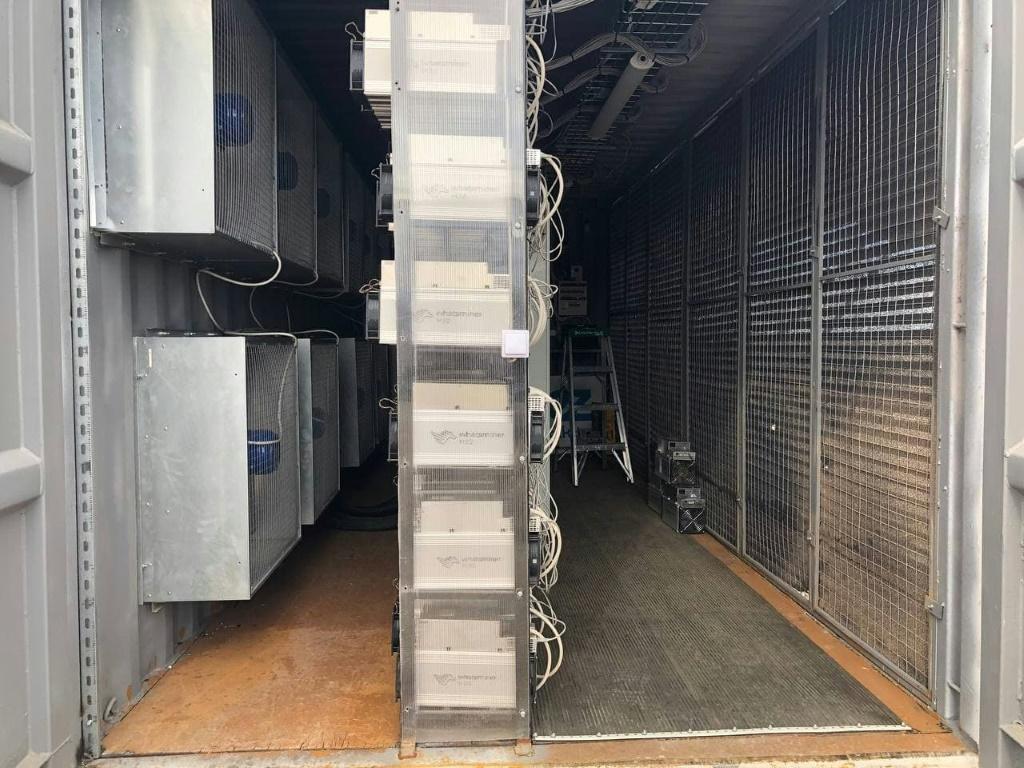
NEW YORK — As much as half of the data centers planned across the United States are at risk of delays or outright cancellation, according to investment firm Kimmeridge Energy Management Co., a warning that could dampen expectations for a natural gas demand surge tied to the artificial intelligence boom.
Ben Dell, managing partner and co-founder of Kimmeridge, said the obstacles facing data center developers go beyond simple permitting delays and reflect a deeper mismatch between the pace of Silicon Valley’s ambitions and the realities of large-scale infrastructure construction. “The sort of Silicon Valley model is running into a real-world infrastructure constraint,” Dell said in an interview Wednesday at Bloomberg News headquarters in New York.
Political backlash and physical constraints
Dell attributed the risk of delays to two main forces: growing political backlash against data center construction in communities across the country, and the sheer complexity of building large physical infrastructure projects on tight timelines. Together, those pressures are creating headwinds for a construction boom that technology companies have been counting on to support the enormous computing demands of artificial intelligence.
Public opposition to data centers has intensified in numerous communities, driven by concerns over water usage, noise, land use and rising local electricity costs. That resistance, combined with the practical challenges of securing permits, materials, labor and power connections fast enough to meet the industry’s aggressive buildout schedules, is now colliding with what had been treated as a near-certain wave of new construction.
A hit to natural gas demand forecasts
Kimmeridge holds financial stakes in natural gas producers as well as in Commonwealth LNG, a planned liquefied natural gas export terminal under development in Louisiana, giving the firm a direct financial interest in the pace of gas demand growth. Dell said that while overall U.S. gas demand is still expected to rise as new power plants come online to supply electricity for AI operations, delays to data center projects would likely force downward revisions to current demand forecasts.
U.S. natural gas producers have been counting on the AI boom to drive a meaningful increase in consumption of a fuel that has traded at relatively low domestic prices for most of the past decade, a legacy of oversupply from the fracking boom. Investor skepticism over the scale of Big Tech’s capital spending, combined with mounting public opposition to data center construction, is now creating additional headwinds for that thesis, according to Kimmeridge’s assessment.
Breaking down the numbers
Of the roughly 30 billion cubic feet per day of expected growth in U.S. natural gas demand, the majority is projected to come from liquefied natural gas exports rather than domestic data centers. Dell estimated that data centers themselves could drive somewhere between 5 billion and 10 billion cubic feet per day of additional gas consumption — but cautioned that widespread project delays could push actual AI-related demand toward the lower end of that range rather than the higher one.
A broader industry shift toward off-grid power
Kimmeridge’s warning arrives as data center developers increasingly look to bypass the traditional electric grid altogether, opting instead for so-called “behind-the-meter” power generation built directly on-site. That shift has been driven largely by multiyear delays in securing permission to connect new facilities to existing grid infrastructure, pushing technology companies toward building their own natural gas-fired power plants rather than waiting years for utility interconnection approval.
Energy research firm Enverus has projected that roughly 40% of new U.S. data center capacity additions through 2030 will be powered off-grid, a shift that would require an estimated $5 trillion in investment and add roughly 62 gigawatts of natural gas-fired generation capacity. That growth is expected to concentrate heavily in Texas, the PJM grid region covering states including Pennsylvania and Ohio, and parts of the Western United States, with off-grid natural gas demand from data centers potentially reaching 1.3 billion cubic feet per day by 2030.
Executives in the natural gas pipeline industry have echoed the rationale behind that shift. Chad Zamarin, chief executive of pipeline operator Williams Companies, said at a recent industry conference that his company is focused on directly powering data center facilities so they don’t have to wait for grid expansions that can take years to complete in the United States. Zamarin also argued that natural gas plays an essential role in supporting regions with significant renewable energy capacity, providing backup power when solar and wind output declines.
Deals already taking shape
Some of that shift toward direct, off-grid power arrangements is already visible in signed contracts. Natural gas producer Energy Transfer signed an agreement earlier this year with data center operator CloudBurst to supply 1.2 gigawatts of off-grid power for a facility outside San Marcos, Texas. Separately, asset manager Blackstone purchased a natural gas plant in Pennsylvania for more than $1 billion, a bet on continued demand growth from data center customers. Meta has also been developing a data center site spanning more than 2,000 acres in Richland Parish, Louisiana, tied to a reported $10 billion investment.
Grid strain adds urgency
The pressure on traditional grid infrastructure has already produced visible reliability concerns. In one widely cited episode in northern Virginia, a voltage fluctuation triggered the simultaneous disconnection of 60 data centers, prompting a 1,500-megawatt swing in grid conditions — an incident that underscored how concentrated data center demand can strain regional power systems even before accounting for future growth.
The Lawrence Berkeley National Laboratory has projected that data center electricity demand nationwide could grow from about 176 terawatt-hours in 2023, roughly 4.4% of total U.S. electricity consumption, to somewhere between 325 and 580 terawatt-hours by 2028, representing as much as 12% of total consumption.
What it means going forward
Kimmeridge’s assessment suggests that even as natural gas producers and pipeline operators race to build out infrastructure to meet anticipated AI-driven demand, the underlying growth in data center construction itself may prove less certain than widely assumed. With political resistance mounting in local communities and the logistical challenges of large-scale construction projects becoming more apparent, the gap between projected data center buildout and what actually gets built could shape not only the natural gas sector’s demand outlook, but the broader trajectory of the AI infrastructure race in the years ahead.

Civmec boss Pat Tallon says the company’s diverse range of work has played a key role in a successful FY26.

National Investment Fund Uzbekistan reports 6.1% NAV increase

Imaging Biometrics secures US medical center subscription

A consortium of major contractors has been selected to deliver the $700 million Kwinana Freeway upgrade, which will increase capacity along the southern suburbs stretch.
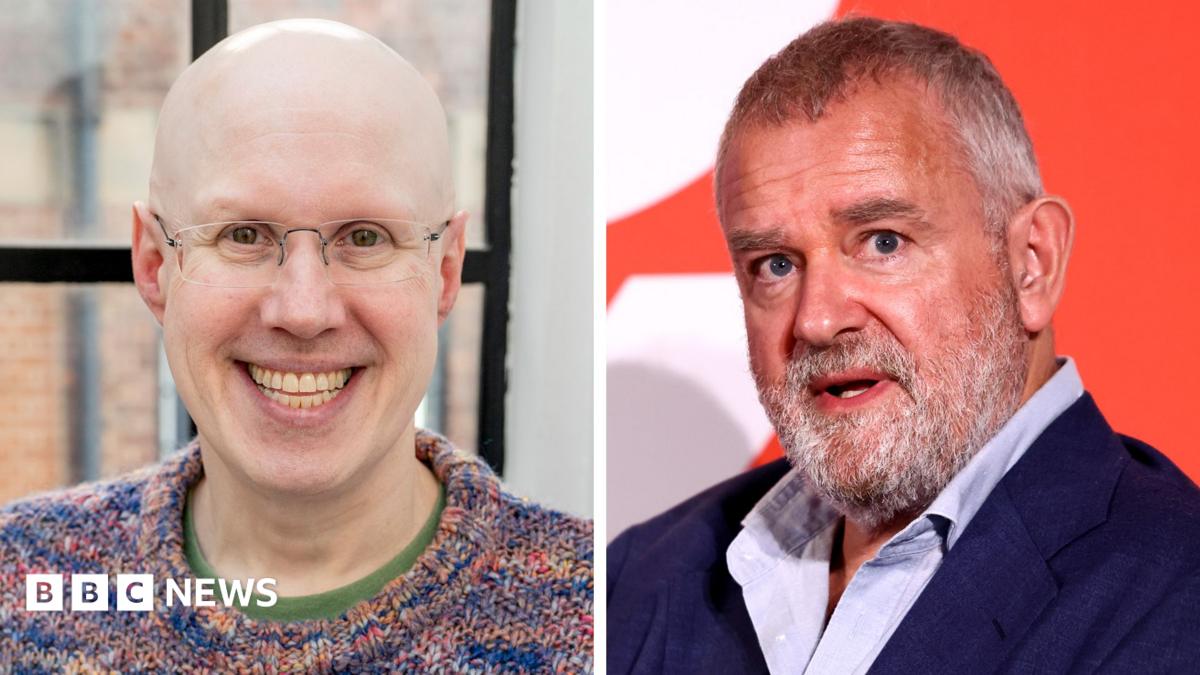
More than 80 performers have signed the letter, with Derry Girls actor Siobhán McSweeney saying she was “deeply worried” that the government was lagging behind.
“There is a way to work alongside AI and to use it as a tool that benefits us rather than rendering us obsolete,” she said.
“Our audiences want that human connection. Not AI.”
As well as actors, other signatories include those working in other performing industries.
That includes Scottish singer Sandi Thom, known for her 2006 hit I Wish I Was a Punk Rocker (With Flowers in My Hair).
She said she was signing the letter because her voice was “unique to me and was handed to me at birth”.
“Behind that voice is the emotion, the life, the pain, the tears and joy that I’ve felt along the way,” she said.
“Without creativity, we are nothing.”
It comes a few months after lawyers warned UK legislation has become “unfit for purpose” because of the advancements of AI tech.
“The law comes close, but it doesn’t fully protect your voice, your face or your identity,” Dr Mathilde Pavis said in June.
However, some people – for example those who are unable so speak properly because of illness – have welcomed technology that can replicate a person’s voice.
Yvonne Johnson, who lost her voice due to motor neurone disease, told the BBC’s Tech Life programme in February how having it cloned by AI had “totally blown her mind”, and brought her closer to her family, who had forgotten what she sounded like.
Others have gone a step further and used AI not only to replicate a person’s voice, but to create a holographic representation of them.
Pam Cronrath, from Washington state, used the tech to surprise mourners at her husband’s funeral, where a digital version of her deceased partner addressed those who attended his wake.
“I was completely impressed,” she told BBC News. “It stayed with me.”
OPINION: First-person data recorded over the past year shows how inefficient Perth’s inner-city public transport is.
Business
Six Flags’ X2 Roller Coaster Tied to Two Deaths and Dozens of Brain Injuries Over Nearly Two Decades
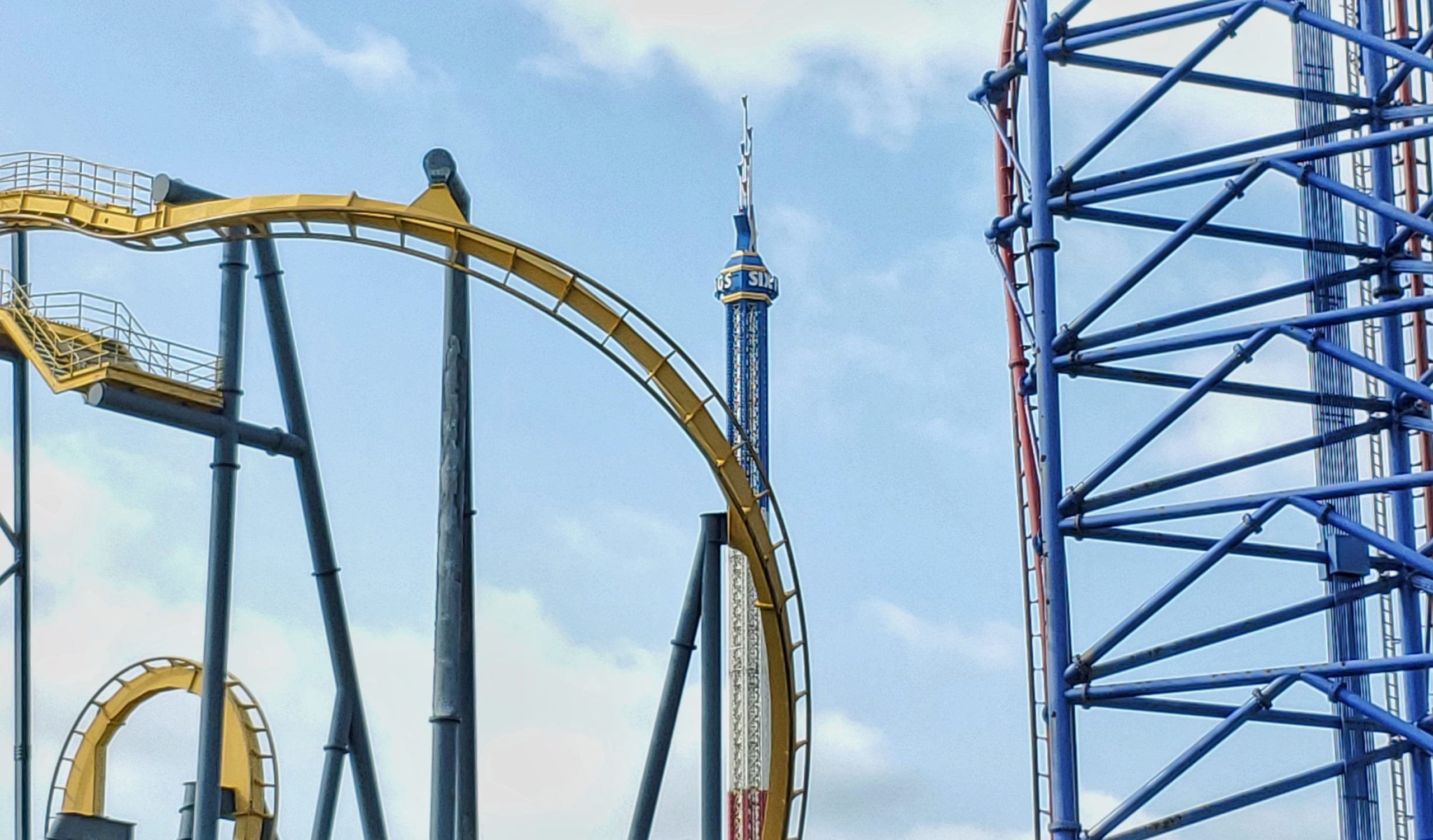
VALENCIA, Calif. — A CNN investigation has found that X2, the marquee thrill ride at Six Flags Magic Mountain, has been linked to more than a dozen serious injuries and hospitalizations over nearly two decades, including two deaths and multiple cases of traumatic brain injury, raising new questions about why the ride remained operational despite years of documented harm.
The park closed the roller coaster the evening of July 12, according to a Six Flags spokesperson, nearly a full day after the most recent reported injury. Park officials have not disclosed what prompted the closure, and the ride remains shut down.
Two women hospitalized in the same week
The investigation’s findings come after surgeons at a Southern California hospital treated two women within days of each other in July for severe brain hemorrhages consistent with high-speed collisions, despite neither woman having been involved in a crash or fall. Both had ridden X2, known for its rotating seats, near-vertical drops and unpredictable movements during a roughly two-minute ride that reaches speeds close to 80 miles per hour.
Three neurosurgeons who treated the two women wrote in an email reviewed by CNN that the injuries were the result of “a traumatic rapid acceleration-deceleration event experienced while on the X2 ride.”
A ride unlike any other
X2’s defining feature is its so-called fourth-dimensional design, in which riders’ seats rotate a full 360 degrees around the track independently of the train’s motion. Only two similar roller coasters exist elsewhere in the world — one in China and another in Japan, the latter of which closed temporarily last year following a fatal injury involving a park worker conducting an inspection.
Lyndia Wu, a mechanical engineering professor at the University of British Columbia who studies the effects of roller coasters on the brain, said the overall risk of traumatic brain injury from coasters is generally considered low, though much of the underlying research is dated. She said rides like X2 may warrant further scrutiny. “I personally don’t think head injury should be an expected risk from going on a roller coaster ride,” Wu said.
A pattern stretching back years
Court records reviewed by CNN show a recurring pattern of serious injuries tied to the ride dating back more than a decade. In September 2014, then-17-year-old Selena O’Neill was diagnosed with a subdural hematoma after riding X2, an injury doctors directly attributed to the coaster. Internal Six Flags records later obtained by her attorney showed at least five other riders had gone to the hospital complaining of head pain before her injury.
In February 2020, Sheila Katerelos, then 50, was hospitalized for five days and diagnosed with a traumatic brain injury and multiple subdural hematomas after riding X2, according to court records. A year later, in 2021, Lucy Alvarez, a 46-year-old phlebotomist, was diagnosed with a traumatic subdural hematoma after riding the coaster; her attorney said the injury derailed her nursing studies and left her with lasting memory loss, balance issues and chronic migraines.
A fatal injury in 2022
The pattern turned deadly in June 2022, when 22-year-old recent college graduate Christopher Hawley rode X2 with his cousin and brother. According to court records, the three hit their heads multiple times against their seats during the ride. Hawley collapsed and lost consciousness shortly after exiting, and was rushed to a nearby hospital, where surgeons found bleeding severe enough to push his brain toward one side of his skull. He died less than 10 hours later.
The medical examiner ruled his death was caused by blunt head trauma from “a park ride accident,” according to the coroner’s report. An expert hired by Hawley’s family found that Six Flags’ internal records showed at least 70 prior complaints of head and neck injuries from X2 riders in the three years before his death. Hawley’s parents sued the theme park in 2023; the case had been scheduled for trial in September but was settled this week, according to court records.
Hawley’s was the second death linked to the ride. In 2010, 28-year-old Hilda Farias died after riding X2; medical experts at the time suspected an underlying brain abnormality had ruptured due to the ride’s intensity. A lawsuit filed by her family was settled for an undisclosed amount.
Regulatory oversight questioned
Following Hawley’s death, state officials ordered Six Flags to immediately shut down X2 for inspection. The park was allowed to reopen within days, though records reviewed during a deposition of the park’s maintenance director indicate state inspectors were unaware that a wheel on one of the train cars had been replaced beforehand. Inspectors relied on safety data supplied by Six Flags showing the ride met state safety standards — standards developed by a committee that includes ride manufacturers and theme park operators.
Brian Avery, a University of Florida professor specializing in ride safety and risk management who has served as an expert witness for both riders and theme parks but has not worked on an X2 case, said repeated brain injuries linked to a single ride “constitute a clear safety signal” warranting a comprehensive review.
Two more women hospitalized this July
The most recent cases involve 40-year-old Pamela Guillen, who lost consciousness after riding X2 with her daughter on July 12 and was rushed into emergency surgery for a severe subdural hematoma and brain compression. She spent weeks recovering and said she still experiences headaches, brain fog and requires medication to prevent seizures. “I’m very lucky to be alive,” Guillen said.
Six days later, 25-year-old Naomi Greer-Wilkinson lost consciousness after riding the same coaster and underwent emergency brain surgery. Her mother, Artemis Greer, said her daughter “should have never ever in a million years even had the option to get on that ride.” Greer-Wilkinson remains in a coma more than a month later, according to her family.
Six Flags’ response
Six Flags has declined to answer detailed questions from CNN about the ride’s history, saying only that it “remains closed at this time.” In court filings, attorneys for the park have argued that posted signage warns riders of inherent risks and that the physical forces involved do not exceed what a “normal” rider can safely withstand. The California Division of Occupational Safety and Health, which oversees amusement ride operations, said an inspection into X2 remains ongoing but did not respond to questions about the ride’s injury history.
OPINION: Hopefully most Australians recognise the benefits that come with providing accurate census information.

The company’s board has approved a proposal to buy back up to 58.82 lakh equity shares, equivalent to 4.12% of its total paid-up equity share capital. The buyback will be carried out through the open market route, with the maximum buyback price set at Rs 1,530 per share. This represents a 15.99% premium to the stock’s closing price of Rs 1,319 on Thursday.
Under the open market mechanism, Great Eastern Shipping will acquire its shares through the stock exchanges over a period of time, subject to applicable limits.
If the company buys back the maximum number of shares at the maximum price, it will repurchase up to 58.82 lakh shares. The proposed buyback accounts for less than 25% of the company’s existing paid-up equity capital.
According to the company’s latest shareholding data, promoters and the promoter group own a 30.07% stake. Foreign investors, including FPIs, FIIs, NRIs, foreign banks and overseas corporate bodies, hold a 29.83% stake.

Mutual funds, financial institutions, banks, AIFs, NBFCs and insurance companies together own a 12.49% stake. The remaining 27.60% is held by other shareholders, including individuals, corporates and trusts.
GE Shipping Q1 resultsThe Great Eastern Shipping Company (GE Shipping) reported more than a two-fold rise in net profit for the June quarter, supported by strong growth in its shipping business and an improvement in operating margins.
Consolidated net profit climbed to Rs 1,309 crore in the first quarter of FY27, compared with Rs 505 crore in the corresponding quarter a year earlier. Revenue from operations grew 66.9% year-on-year to Rs 2,005.4 crore from Rs 1,201.5 crore in the year-ago period.
The company also posted a stronger operating performance, with EBITDA nearly doubling to Rs 1,337.7 crore from Rs 642.8 crore. EBITDA margin widened to 66.7% from 53.5% a year earlier.
The shipping segment continued to account for the bulk of the company’s revenue. Revenue from shipping operations rose to Rs 1,890.97 crore in the June quarter from Rs 994.21 crore in the year-ago period.
Revenue from the offshore services business also increased to Rs 406.02 crore from Rs 350.41 crore in the same period last year.
(Disclaimer: Recommendations, suggestions, views and opinions given by the experts are their own. These do not represent the views of The Economic Times)

Shoppers in central London reveal what they love to splash out on – and share their tips for not overspending.

Canadian PM Mark Carney Opposes Trumps Lake Ontario Name Change

Winston-Salem Open: Arthur Fery beats Aleksandar Kovacevic to reach semi-finals

Stripe-Led Group Is Reportedly Abandoning Its PayPal Acquisition





-

 Fashion7 days ago
Weekend Open Thread: Madewell – Corporette.com
-

 Crypto World2 days ago
SpaceX stock could rise 75% to $240, JPMorgan says
-

 Business6 days ago
Musk’s Tesla, SpaceX Confirm $16.8 Billion ‘Terafab’ Chip Plant as World’s Largest Building in Texas
-

 Crypto World6 days ago
anatomy of crypto’s biggest liquidation event since 2021
-

 Crypto World3 days ago
A $30 Billion AI Fund Implodes, Now the SEC Is Investigating Wall Street’s Role
-

 Politics6 days ago
6 months on, Irish renters crushed by effects of government housing bill
-

 Crypto World2 days ago
Did Trump Just Move SpaceX Stock With One Truth Social Post?
-

 Business5 days ago
Mystery AI Model ‘Ox Alpha’ Draws Developers With Free Access as Chinese Lab Origins Remain Debated
-
 NewsBeat6 days ago
The ‘Lucky Dip Gang’ causing carnage for clicks: After five thugs were killed speeding in the wrong direction on a motorway, GUY ADAMS investigates a sick new trend… and why police aren’t even allowed to pursue them
-

 Crypto World2 days ago
Warsh Jackson Hole keynote puts financial innovation first
-
 Crypto World6 days ago
Nvidia Stock Suffers Longest Losing Streak Since 2022: Will Q2 Earnings End It?
-

 Business4 days ago
Moderna CEO warns China is pouring state money into mRNA technology
-

 Business3 days ago
NVIDIA Stock Drops Nearly 2 Percent to $210 on Seventh Losing Day Ahead of Critical AI Earnings
-

 Business2 days ago
Walmart takes aim at younger shoppers with new fashion brand
-
 Tech6 days ago
Unitree’s New Superman Robot Claims to Outjump and Outrun Every Human, Usain Bolt Included
-

 Business7 days ago
UK firms in critical financial distress rise 9% to 53,756
-

 Business6 days ago
Will Tesla Stock Be Higher or Lower a Year From Now? Here’s What Wall Street Analysts Are Saying
-

 Sports5 days ago
Deshaun Watson fires back at Browns fans after being booed: ‘It’s a disrespectful thing’
-

 Crypto World5 days ago
Google Gemini AI Predicts Ethereum Could Become the Trade Retail Misses in 2026
-

 Tech7 days ago
Faster chip in a familiar form factor
You must be logged in to post a comment Login