Connect with us

Business

Six Flags’ X2 Roller Coaster Tied to Two Deaths and Dozens of Brain Injuries Over Nearly Two Decades

Published

on

Death Toll Rises to 31 as Massive Flash Flood Devastates

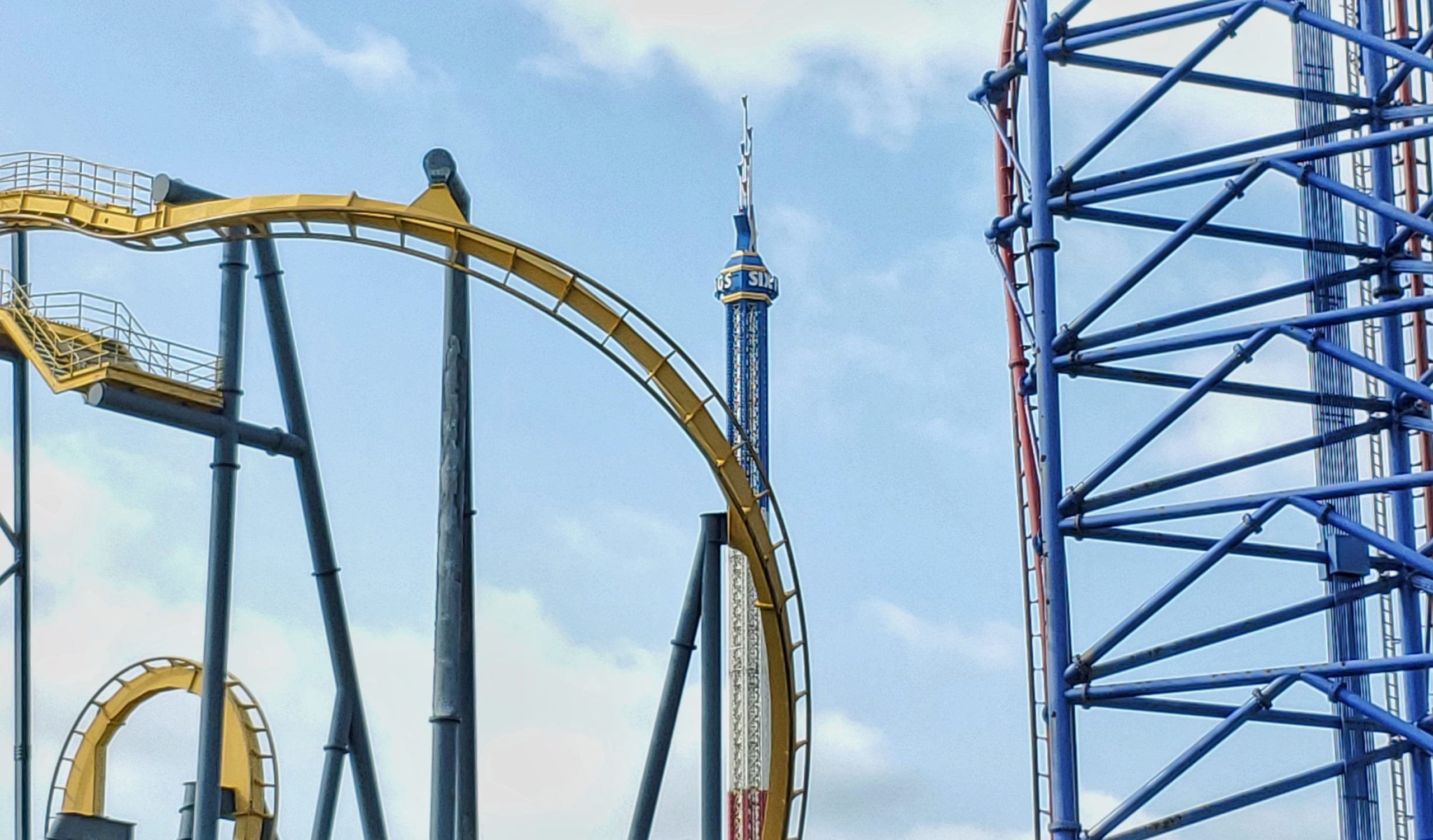
VALENCIA, Calif. — A CNN investigation has found that X2, the marquee thrill ride at Six Flags Magic Mountain, has been linked to more than a dozen serious injuries and hospitalizations over nearly two decades, including two deaths and multiple cases of traumatic brain injury, raising new questions about why the ride remained operational despite years of documented harm.

The park closed the roller coaster the evening of July 12, according to a Six Flags spokesperson, nearly a full day after the most recent reported injury. Park officials have not disclosed what prompted the closure, and the ride remains shut down.

Two women hospitalized in the same week

The investigation’s findings come after surgeons at a Southern California hospital treated two women within days of each other in July for severe brain hemorrhages consistent with high-speed collisions, despite neither woman having been involved in a crash or fall. Both had ridden X2, known for its rotating seats, near-vertical drops and unpredictable movements during a roughly two-minute ride that reaches speeds close to 80 miles per hour.

Advertisement

Three neurosurgeons who treated the two women wrote in an email reviewed by CNN that the injuries were the result of “a traumatic rapid acceleration-deceleration event experienced while on the X2 ride.”

A ride unlike any other

X2’s defining feature is its so-called fourth-dimensional design, in which riders’ seats rotate a full 360 degrees around the track independently of the train’s motion. Only two similar roller coasters exist elsewhere in the world — one in China and another in Japan, the latter of which closed temporarily last year following a fatal injury involving a park worker conducting an inspection.

Lyndia Wu, a mechanical engineering professor at the University of British Columbia who studies the effects of roller coasters on the brain, said the overall risk of traumatic brain injury from coasters is generally considered low, though much of the underlying research is dated. She said rides like X2 may warrant further scrutiny. “I personally don’t think head injury should be an expected risk from going on a roller coaster ride,” Wu said.

Advertisement

A pattern stretching back years

Court records reviewed by CNN show a recurring pattern of serious injuries tied to the ride dating back more than a decade. In September 2014, then-17-year-old Selena O’Neill was diagnosed with a subdural hematoma after riding X2, an injury doctors directly attributed to the coaster. Internal Six Flags records later obtained by her attorney showed at least five other riders had gone to the hospital complaining of head pain before her injury.

In February 2020, Sheila Katerelos, then 50, was hospitalized for five days and diagnosed with a traumatic brain injury and multiple subdural hematomas after riding X2, according to court records. A year later, in 2021, Lucy Alvarez, a 46-year-old phlebotomist, was diagnosed with a traumatic subdural hematoma after riding the coaster; her attorney said the injury derailed her nursing studies and left her with lasting memory loss, balance issues and chronic migraines.

A fatal injury in 2022

Advertisement

The pattern turned deadly in June 2022, when 22-year-old recent college graduate Christopher Hawley rode X2 with his cousin and brother. According to court records, the three hit their heads multiple times against their seats during the ride. Hawley collapsed and lost consciousness shortly after exiting, and was rushed to a nearby hospital, where surgeons found bleeding severe enough to push his brain toward one side of his skull. He died less than 10 hours later.

The medical examiner ruled his death was caused by blunt head trauma from “a park ride accident,” according to the coroner’s report. An expert hired by Hawley’s family found that Six Flags’ internal records showed at least 70 prior complaints of head and neck injuries from X2 riders in the three years before his death. Hawley’s parents sued the theme park in 2023; the case had been scheduled for trial in September but was settled this week, according to court records.

Hawley’s was the second death linked to the ride. In 2010, 28-year-old Hilda Farias died after riding X2; medical experts at the time suspected an underlying brain abnormality had ruptured due to the ride’s intensity. A lawsuit filed by her family was settled for an undisclosed amount.

Regulatory oversight questioned

Advertisement

Following Hawley’s death, state officials ordered Six Flags to immediately shut down X2 for inspection. The park was allowed to reopen within days, though records reviewed during a deposition of the park’s maintenance director indicate state inspectors were unaware that a wheel on one of the train cars had been replaced beforehand. Inspectors relied on safety data supplied by Six Flags showing the ride met state safety standards — standards developed by a committee that includes ride manufacturers and theme park operators.

Brian Avery, a University of Florida professor specializing in ride safety and risk management who has served as an expert witness for both riders and theme parks but has not worked on an X2 case, said repeated brain injuries linked to a single ride “constitute a clear safety signal” warranting a comprehensive review.

Two more women hospitalized this July

The most recent cases involve 40-year-old Pamela Guillen, who lost consciousness after riding X2 with her daughter on July 12 and was rushed into emergency surgery for a severe subdural hematoma and brain compression. She spent weeks recovering and said she still experiences headaches, brain fog and requires medication to prevent seizures. “I’m very lucky to be alive,” Guillen said.

Advertisement

Six days later, 25-year-old Naomi Greer-Wilkinson lost consciousness after riding the same coaster and underwent emergency brain surgery. Her mother, Artemis Greer, said her daughter “should have never ever in a million years even had the option to get on that ride.” Greer-Wilkinson remains in a coma more than a month later, according to her family.

Six Flags’ response

Six Flags has declined to answer detailed questions from CNN about the ride’s history, saying only that it “remains closed at this time.” In court filings, attorneys for the park have argued that posted signage warns riders of inherent risks and that the physical forces involved do not exceed what a “normal” rider can safely withstand. The California Division of Occupational Safety and Health, which oversees amusement ride operations, said an inspection into X2 remains ongoing but did not respond to questions about the ride’s injury history.

Advertisement
Continue Reading
Click to comment

You must be logged in to post a comment Login

Leave a Reply

Business

Colman’s Mustard sale ahead of Unilever McCormick merger

Published

on

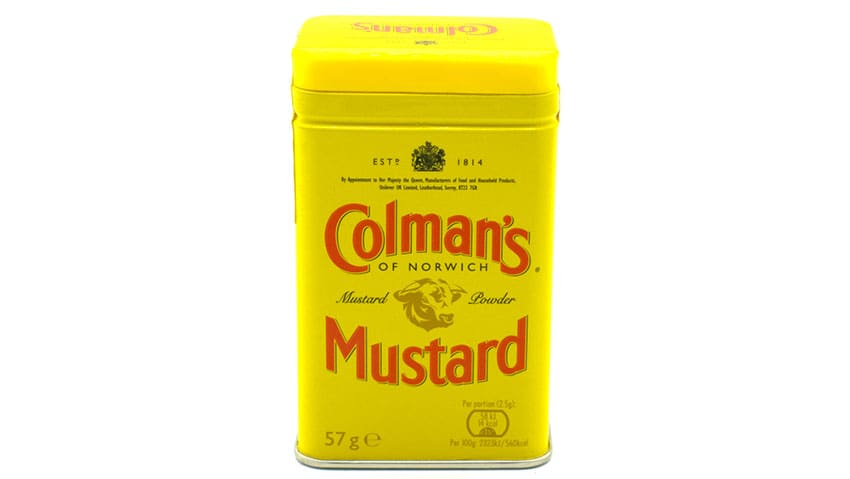
Colman's Mustard sale ahead of Unilever McCormick merger

Colman’s Mustard has been put up for sale by Unilever, as the FTSE 100 group moves to head off competition concerns ahead of the planned merger of its food division with the American spice giant McCormick.

Bankers from Rothschild have been hired to handle the sale, which was first reported by Sky News.

Under the terms of Unilever’s spin off of its food business, Colman’s and other major Unilever brands such as Marmite were due to move into McCormick as part of a deal creating a £48bn giant. Colman’s will now be sold before the transaction completes, while the rest of the food division is still expected to transfer to the US group. Unilever announced the combination of Unilever Foods with McCormick at the end of March, and the deal is expected to close in mid 2027, subject to McCormick shareholder approval and regulatory clearances.

The mustard pot is the sticking point. McCormick already owns French’s Mustard, and Unilever’s advisers had feared that adding Colman’s to the same portfolio would create a mustard monopoly, handing regulators ammunition to block the wider deal.

“A decision has been taken to market the Colman’s brand and assets to potential buyers in order to proactively seek to address potential competition concerns from the planned combination of Unilever Foods and McCormick,” a Unilever spokesman said. “Discussions are ongoing and the operations continue as usual.”

Advertisement

The Competition and Markets Authority in the UK and the Federal Trade Commission in the US are both set to scrutinise the merger. Companies facing monopoly concerns are regularly forced to carve out and sell parts of their businesses to allay regulatory fears, and the Colman’s disposal follows that well worn playbook.

For the brand itself, the carve out could amount to a reprieve. Selling Colman’s to McCormick alongside the rest of the food division had drawn criticism from experts, who said it was a “shame” that heritage brands were to be owned by US conglomerates. The separate sale means the English mustard could remain in Britain if a domestic buyer comes forward.

Colman’s has been under British ownership throughout its 212 year history. The business was founded in 1814 by Jeremiah Colman, a flour miller who began processing mustard seed at a watermill in Bawburgh, Norfolk. The famous bull’s head logo, symbolising the mustard’s fiery strength and its pairing with British beef, was introduced later by a member of the Colman family, and the brand won a Royal Warrant from Queen Victoria in 1866.

The mustard was owned by Reckitt and Colman, the former UK consumer goods giant, before Unilever acquired the brand in 2005. It is also closely associated with Norwich City FC, whose canary yellow strip matches Colman’s branding; the mustard maker sponsored the club in the 1990s.

Advertisement

The disposal is the latest reshaping of Unilever’s food interests as it slims down ahead of the McCormick tie up. The group recently agreed to sell its Graze snacks brand to Candy Kittens in a £36m deal, part of a broader restructuring of its portfolio. McCormick, for its part, has history in the UK market: the US group previously made a takeover approach for Premier Foods, an offer the British company rejected as significantly undervaluing the business.

For prospective buyers, the auction offers something rare: a household name with more than two centuries of heritage, a Royal Warrant dating back to Queen Victoria, and a place on Sunday dinner tables across the country. Who ends up holding the pot, and whether the buyer is British, will now be watched almost as closely as the merger itself.


Amy Ingham

Amy Ingham

Amy Ingham is a reporter at Business Matters, covering UK business news with a focus on breaking news, business policy, late payments and insolvency. She joined the magazine in 2026 after completing the NCTJ Diploma in Journalism at Harlow College’s journalism school. Her recent reporting includes British Steel’s nationalisation and its impact on SME suppliers, the decline in late payments by large firms, and Insolvency Service director disqualifications. Reach her at aingham@cbmeg.co.uk.

Advertisement

Continue Reading

Business

Tejas Networks shares zoom 13% after TCS’s Rs 1,537-crore LOI for BSNL 4G rollout

Published

on

Tejas Networks shares zoom 13% after TCS’s Rs 1,537-crore LOI for BSNL 4G rollout
Tejas Networks shares rallied nearly 13% on Friday after the company announced a potential Rs 1,537-crore opportunity from Tata Consultancy Services (TCS).

The stock hit an intraday high of Rs 576.85 on the NSE, up Rs 65.7, or 12.8%, from its previous close of Rs 511.15.

In an exchange filing dated August 27, Tejas Networks said it had received a “Letter of Intent” from TCS to supply RAN equipment, accessories and installation materials for BSNL’s 4G network.

The proposed project covers 18,685 sites and is valued at Rs 1,537 crore. A detailed purchase order for the contract would be issued by TCS to the company in due course, Tejas Networks added in the filing.

Advertisement

In May 2025, TCS had secured an add-on purchase order worth Rs 2,903.22 crore from BSNL for deploying 18,685 4G network sites. Under the order, TCS was tasked with planning, engineering, supply, installation, testing, commissioning and annual maintenance of the sites.


The latest order is part of TCS’s broader role in BSNL’s indigenous 4G rollout. In May 2023, TCS, in partnership with the government’s Centre for Development of Telematics (C-DOT), secured a Rs 15,000-crore contract from BSNL to deploy an end-to-end indigenous 4G network.

Tejas Networks share price

Over the past month, the stock climbed 12.75%, comfortably outpacing its benchmark’s 1.68% gain. Tejas Networks’ free-float market capitalisation stood at Rs 4,641.57 crore, while its face value was Rs 10.

Tejas Networks Q1 results

Tejas Networks’ Q1 FY27 performance showed strong revenue growth but continued pressure on profitability. Revenue rose 99.1% year-on-year to Rs 402.16 crore from Rs 201.98 crore a year earlier. However, the company reported a net loss of Rs 202.24 crore, compared with a loss of Rs 193.87 crore in the year-ago quarter. Its operating EBITDA loss stood at Rs 91.39 crore.

(Disclaimer: Recommendations, suggestions, views and opinions given by the experts are their own. These do not represent the views of The Economic Times)

Advertisement
Continue Reading

Business

Small-Cap Stocks Step Out Of Big Tech’s Shadow

Published

on

Don’t Confuse Small-Cap Benchmark With Small-Cap Strategy

Small Cap write on sticky notes isolated on Office Desk. Stock market concept

syahrir maulana/iStock via Getty Images

By Samantha S. Lau, CFA & James MacGregor, CFA

Beyond the AI battleground issues, the rebound in smaller stocks points to broader return potential.

In markets that have faced multiple sources of uncertainty this

Advertisement
Continue Reading

Business

SomnoMed Limited (SOMNF) Q4 2026 Earnings Call Transcript

Published

on

OneWater Marine Inc. (ONEW) Q1 2026 Earnings Call Transcript