A 68-year-old has been sentenced in the U.K. to more than six years in prison for operating an illegal IPTV (Internet Protocol Television) service that generated £980,812 ($1.3 million) over three years.
An investigation by the Police Intellectual Property Crime Unit (PIPCU) at the City of London Police found that Milan Ibrahim ran a “sophisticated operation” that provided illegal IPTV services to users in the UK and abroad.
According to PIPCU, Ibrahim sold illegal broadcasts from major rights holders such as the BBC, ITV, Sky, the Premier League and the Motion Picture Association.
The police seized and shut down all servers they found during the operation, disrupting the illegal streams that users of the IPTV service received.
“The investigation revealed that the business operated on 80 servers from premises in Chorley and generated £980,812 over a three-year period,” announced the City of London Police.
Advertisement
“During enforcement activity, all 80 servers were seized and shut down, significantly disrupting the operation’s ability to provide illegal streaming services.”
The seizure of the servers may lead to the identification of users of the service, who could pay fines or face other ramifications for funding and participating in copyright infringement activities.
The police say Ibrahim will also face Proceeds of Crime Act proceedings aimed at recovering the money generated by the service.
Stefan Sergot, Director of Legal Enforcement at the Premier League, called the law enforcement operation “significant,” characterizing the seized IPTV service as “one of the UK’s most prominent and long-standing suppliers of pirate services.”
Advertisement
UK government records show that Ibrahim was a director of CTU Systems, a now-dissolved company that marketed IPTV software, but authorities have not identified CTU Systems as being connected to the illegal service prosecuted in this case.
BleepingComputer has contacted the Federation Against Copyright Theft (FACT), which participated in the action, and the PIPCU for more information about the illegal IPTV service, and we will update this post with their response once received.
Overall prevention scores can hide what happens after initial access. Once attackers are using valid credentials, prevention drops sharply.
The Blue Report 2026 measures defenses technique by technique across 338 million simulations run in customer production environments.
Someone did, in fact, buy the Steve Jobs 8th-grade science fair project for roughly the same price as a brand-new midsize sedan.
Earlier in August, I’d reported on yet another Steve Jobs-based auction. These seem to be happening with increased frequency, and I suspect it has something to do with Jobs’ stepbrother, John Chovanec, cleaning out the family home.
Among the usual collection of computer parts, Apple-1 units, and some sealed first-generation iPhones, there were more personal effects. One, of course, being Jobs’ 8th grade science project, which sold for $34,375.
The Apple logo sun catcher, which was my personal favorite, commanded a respectable $4,365.
Advertisement
The biggest ticket item of the auction was an Apple-1 dubbed the “Neumark” Apple-1. It featured a unique Smith-Corona Typewriter case and sold for nearly a half million dollars, coming in at $499,363 by auction’s end.
A “stealth iPod” development prototype nearly doubled its $50,000 estimate, bringing in $91,479 by the time the auction ended.
Other notable items included:
Whoever wound up with the lot of vintage employee apparel got a deal, though. It sold for $875, below the $1,000 estimate.
Advertisement
Unsurprisingly, the Twitter flotsam largely came in barely above the estimates.
One is likely to make a bigger difference in your listening experience.
Adnan Ahmed for Engadget
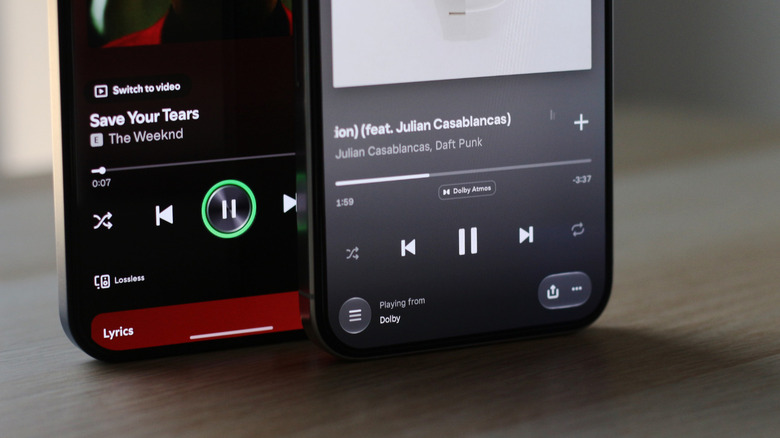
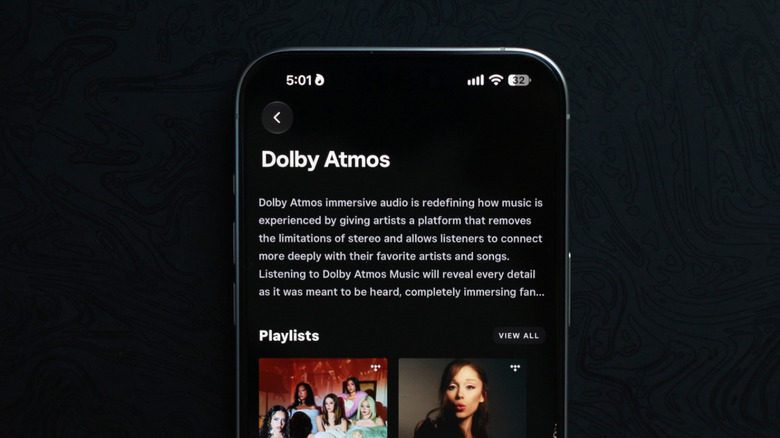
If you’ve spent any time browsing on Apple Music or Tidal, you’ve likely come across the “Dolby Atmos” or “Lossless” tags next to certain albums and tracks. Though both of these features are marketed as premium listening experiences, they are fundamentally different technologies. Dolby Atmos is an object-based audio system that utilizes both vertical and horizontal positioning to create a three-dimensional soundstage. Compared to traditional stereo, which places sound between the left and right channels, Dolby Atmos can pick any point in 3D space and position individual sounds there.
Lossless audio, on the other hand, tackles an entirely different part of the listening experience. It’s concerned more about the preservation of the track’s quality. Popular formats like MP3 and AAC benefit from much smaller file sizes, but to achieve this, they undergo lossy compression that discards some of the audio data. Lossless audio aims to deliver bit-perfect playback, essentially allowing you to experience music the way the producer intended.
Although Dolby Atmos and lossless audio work independently, there are virtually no streaming platforms that let you enjoy both at the same time. Dolby Atmos tracks often use the Dolby Digital Plus audio codec, which is lossy by nature. By contrast, lossless audio uses codecs like FLAC or ALAC, which preserve all the original audio data. Though it’s technically possible to deliver Dolby Atmos using a lossless codec like Dolby TrueHD, it’s mostly exclusive to physical media like Blu-ray discs.
Advertisement
Does lossless audio actually make a difference?
Adnan Ahmed for Engadget
By definition, lossless audio requires the right setup if you want to take full advantage of it. You’ll need a streaming service that actually offers bit-perfect lossless playback and playback hardware capable of actually handling all that additional detail.
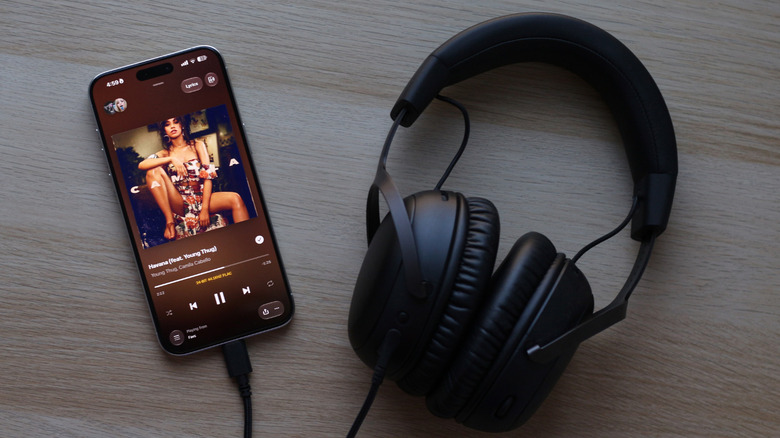
More importantly, though streaming platforms like Apple Music and Tidal let you stream lossless audio over Bluetooth, the signal itself is encoded in lossy codecs like SBC and AAC before it reaches your headphones. You’d therefore need a wired connection for true lossless playback, which is what Apple recommends, too. There are a few exceptions to this rule. For instance, Qualcomm’s aptX lossless codec boasts bit-perfect lossless transmission via Bluetooth, but you’ll need an Android phone and wireless headphones that support the technology.
When tweaking sound quality options in Apple Music or Tidal, you may have come across numbers like 16-bit/44.1kHz or 24-bit/192kHz. The 44.1kHz or 192kHz number is the sample rate of the recording and tells you how many times the audio signal is measured every second. The 16-bit or 24-bit figure represents the bit depth, which determines how precisely each of those measurements can be recorded.
Advertisement
CD quality lossless audio is 16-bit/44.1kHz, while Hi-Res Lossless is a digital audio format that goes beyond CD quality, such as 24-bit/96kHz or 24-bit/192kHz. To turn all of this digital information into something your headphones can play, you need a digital-to-audio converter (DAC). Though your phone or laptop’s built-in DAC should be able to handle CD-quality lossless audio, you may need an external DAC to enjoy hi-res lossless content.
Dolby Atmos content is easier to enjoy
Adnan Ahmed for Engadget
In my opinion, and this might be a hot take, Dolby Atmos delivers a more noticeable upgrade to the listening experience than lossless audio does, for everyday listening anyway. Apple Music, Tidal and Amazon Music Unlimited are currently among the major streaming services that hold Dolby Atmos content in their catalogs. You’ll need a device that’s Dolby Atmos-enabled. All modern Apple products support Dolby Atmos out of the box, but you’ll need to check your Android phone’s spec sheet to confirm availability.
Though you don’t need special headphones to enjoy Atmos music, a pair that generally has good instrument separation or a wider soundstage can make the effect more convincing. My AirPods Pro 2 are surprisingly amazing at delivering spatial audio. Depending on which music streaming app you’re using, you will have to jump through a few submenus to toggle Dolby Atmos on.
Advertisement
Apple Music, in my experience, handles its catalog of Dolby Atmos content the most elegantly. Tracks that are available in Dolby Atmos are labeled, and Apple Music automatically plays the Atmos version when you’re using compatible hardware. Tidal, on the other hand, lists the Atmos versions of tracks and albums separately from their stereo counterparts. While this makes for a slightly messier browsing experience, it does make it easier when you wish to deliberately choose one or the other.
Not all tracks available in Dolby Atmos elevate the experience, though it’ll be immediately apparent when you come across a song that’s been mixed well. Some of my favorite Atmos mixes come courtesy of The Weeknd, Daft Punk and Billie Eilish. “Poker Face” by Lady Gaga sounds like a completely different track in Dolby Atmos (in a good way) and even has an extended outro with additional vocals.
Stripe and private equity firm Advent International have ditched their $53 billion pursuit of PayPal, ending a deal that would have been the largest fintech acquisition ever. “Stripe last week agreed to pay $8 billion for AI model marketplace OpenRouter, but a source said that the OpenRouter and PayPal deals were operating on independent tracks,” reports Axios.
An X investigation just found 200k Chinese bot accounts, including 200 posting anti-AI content
The posts were targeting and amplifying legitimate US citizen concerns about data centers
Is this part of a Chinese effort to slow down American innovation, to race ahead?
X’s Global Government Affairs account has revealed it “identified a bot farm of approximately 200,000 accounts,” 200 of which “posting in a manner that could manipulate a legitimate debate about American AI and energy policy.”
Some of the narratives that these 200 accounts were promoting included that: AI data centers are pushing up household electricity prices, rapid data centre construction is placing excessive strain on the US grid, and ordinary households are subsidising wealthy AI and data center companies.
Among the post types were visual, cartoon-like illustrations depicting data center operators getting rich, while consumers picked up the cost.
Latest Videos FromTechRadar
Advertisement
X Chinese bot accounts
X described the activity as an attempt to interfere with what it explicitly acknowledged as “legitimate debate” about American AI and energy – many of the underlying concerns about electricity demand and consumer bills are indeed supported by genuine data, but the platform worries these accounts could skew public discourse.
The company now says it’s suspended the accounts that violate its authentication policy, stressing that while it wants X to remain an “open and authentic platform,” fake accounts and bots are not welcome.
The post describes the offenders as “suspected Chinese inauthentic accounts,” but no further detail was shared about the operators, the ties to China, engagement and reach figures, and what the other 199,000+ accounts were doing.
Is China targeting US AI?
In a similar vein, OpenAI also recently uncovered a similar operation, implying this X case isn’t alone. The ChatGPT maker called that earlier operation a ‘Data Center Bandwagon’, when it banned a cluster of likely Chinese accounts using ChatGPT to produce propaganda-like material and other similar social media content criticizing US AI data centers.
Sign up to the TechRadar Pro newsletter to get all the top news, opinion, features and guidance your business needs to succeed!
Advertisement
According to the company, the accounts responsible prompted in Simplified Chinese, often requested English outputs and used VPNs to avoid the restrictions placed on mainland China.
More broadly, Axios previously reported pro-AI organizations were worried that China-linked bot campaigns were promoting opposition to US data centers, possibly in a bid to slow America’s ability to build out its AI infrastructure while buying China time to get ahead.
“Industry, governments, civil society and the public should remain alert for similar attempts to scale these messages and foreign interference activities,” OpenAI warned in its June 2026 report.
Together, these two cases imply that China-linked operators are deliberately experimenting with ways to boost American opposition to AI infrastructure using existing concerns, but what sort of an impact these accounts are actually having on public perception is not yet so clear.
Advertisement
“We take seriously any attempts to undermine the integrity of the global town square and suspend accounts that violate our Authenticity policy,” X wrote.
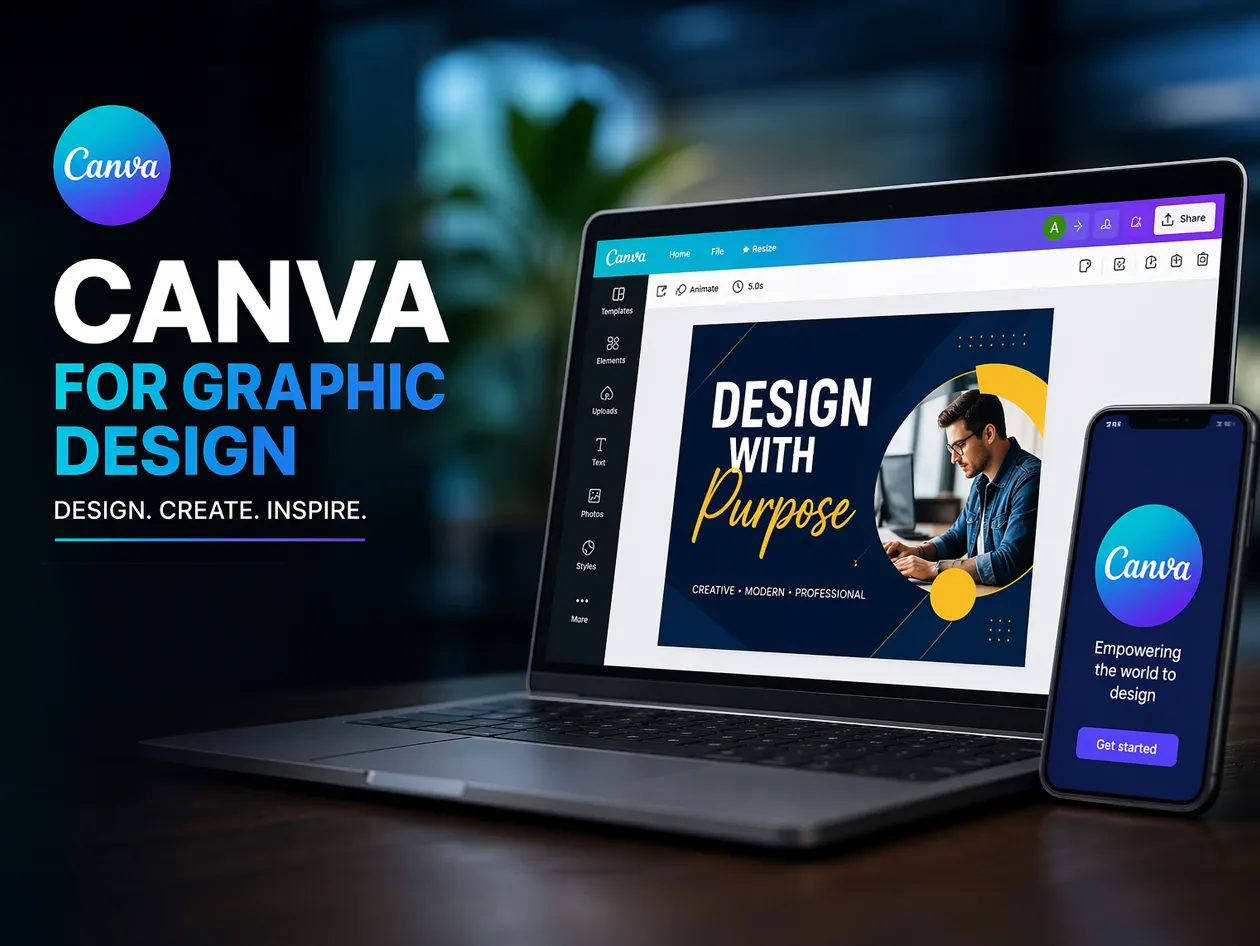
Take your design skills to the next level with the 2026 Canva Creator Mastery Bundle, a powerful all-in-one course for modern creators and business owners. This program teaches you how to use Canva effectively to produce professional-quality visuals for any purpose. You’ll explore practical design techniques, creative workflows and branding strategies that make your content stand out. This bundle is perfect for anyone ready to upgrade their digital presence and design skills. It’s on sale for $30.
Note: The Techdirt Deals Store is powered and curated by StackSocial. A portion of all sales from Techdirt Deals helps support Techdirt. The products featured do not reflect endorsements by our editorial team.
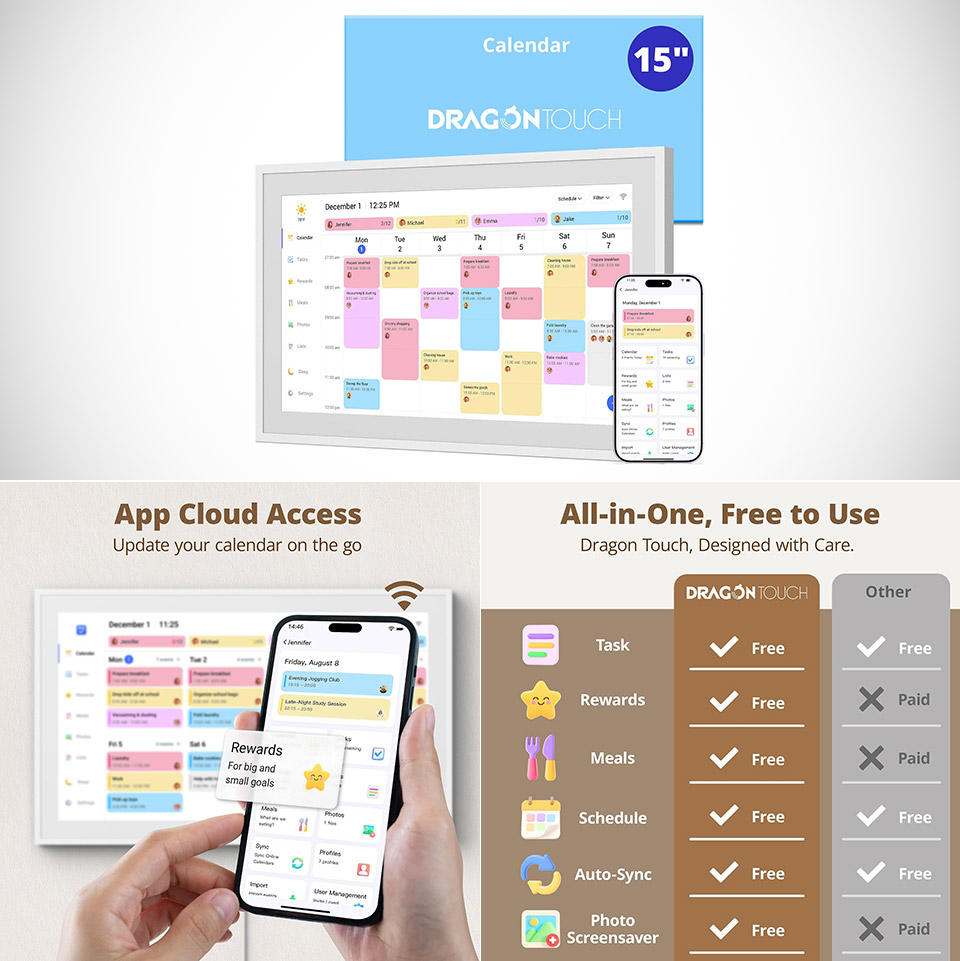
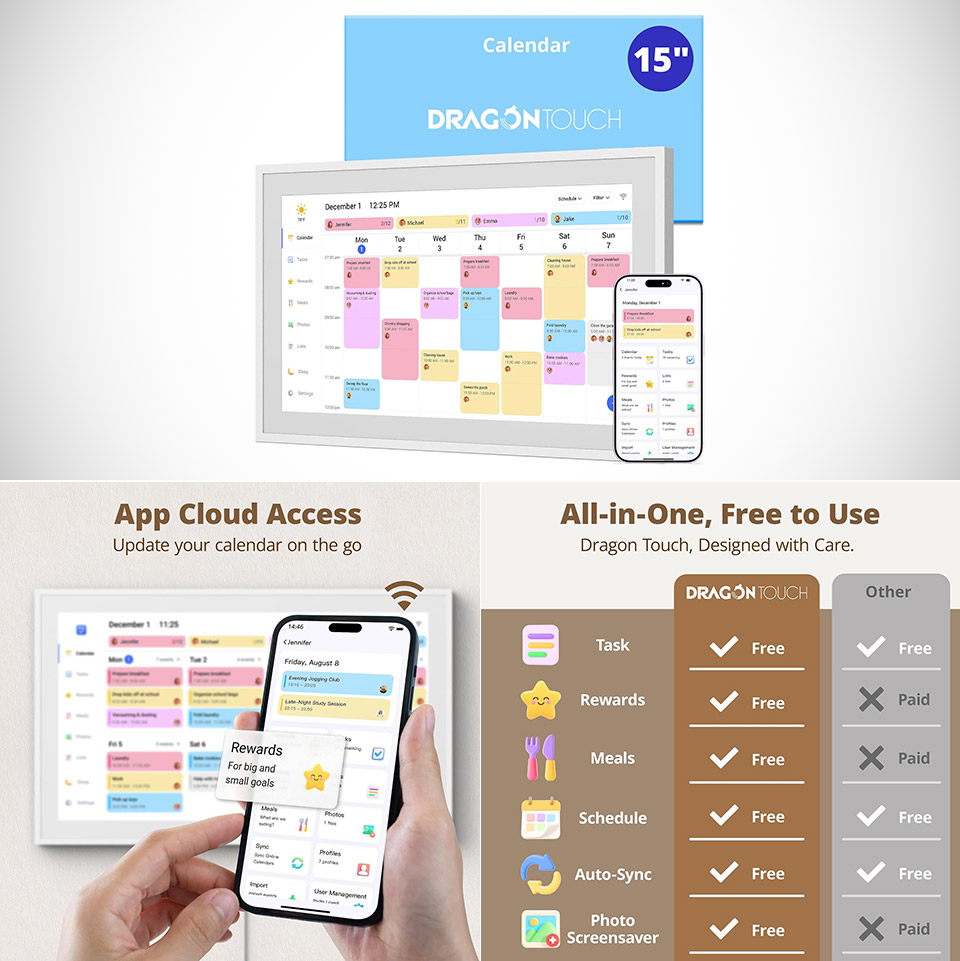
Every year, families forget the same dates, a birthday passes by, and an anniversary card is bought two days late. Three phones and a scrap of paper attached to the refrigerator are used to keep holiday shopping lists. Dragon Touch’s 15.6-inch TM15 digital calendar, priced at $149.99 (was $160), is a plug-in device that sits on the same wall or counter, keeping everything in one place and visible from across the room.
A 1920 x 1080 IPS display dominates the device’s front panel. You simply tap out events on the glass, assign a color to each person, and watch the week develop before you. Simply plug it into the wall, link it to your WiFi network, and launch the free eCalendar app on your phone. You can then connect your Google, Apple, Outlook, Yahoo, and Cozi calendars to the display, and any events you create on the screen will sync back to those accounts. Dual-band WiFi maintains a stable connection even in locations with high wireless traffic. Inside, you’ll find 32GB of storage, a decent quad-core ARM chip, 2GB of RAM to keep things running smoothly, a light sensor that dims the panel when it gets dark, sleep modes you can tailor to your needs, local weather updates, and a tiny speaker for reminders or short videos you can send to the display via your phone.
【All-In-One Smart Family Calendar】: Dragon Touch digital frame effortlessly organizes and tracks every family schedule with the crystal-clear…
【Easy Setup and Auto-Sync】: Enjoy a user-friendly design that our smart picture frame allows for quick setup—just plug in, connect to Wi-Fi, and…
【Interactive Chores Chart & Dinner Planner】: Our digital calendar keeps housework organized and motivates family members, especially children, to…
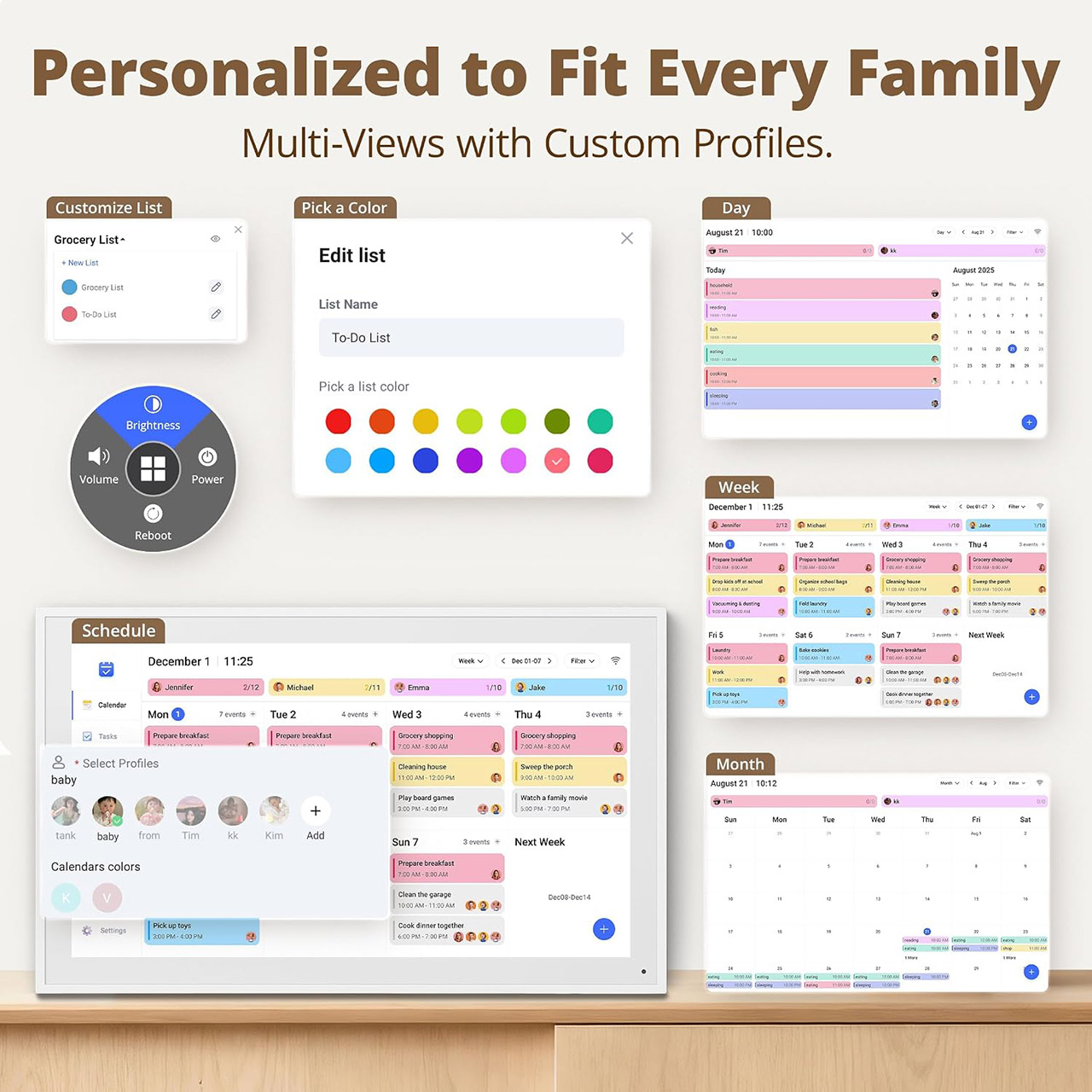
Since there’s no internal battery, it must be plugged in at all times, thus keep the wall socket close by. The packaging includes a desk stand and hanging gear for mounting the display on your wall, and the screen can swivel between portrait and landscape mode if you want. According to testers, the device weighs between three and four pounds and measures approximately 16 inches tall by 10 inches wide, making it slim enough to hang without hogging your kitchen. In terms of software, it runs a locked-down version of Android 8.1, and you won’t be able to install any additional apps from the store. You will work within Dragon Touch’s existing calendar, chores, food planning, task lists, and photo tabs.
Advertisement
The chores page allows you to list all of the jobs that need to be done, and the kids can check them off as they finish to earn points that you can then redeem for a gift of your choice. Meals now has its own page, allowing you to see what’s cooking for the week and making the everyday “what’s for dinner?” inquiry much less unpleasant. Your to-do and grocery lists replace the traditional sticky notes, and when nobody is messing with the screen, the device shows a slideshow of your favorite images. You can add events and lists directly to the device or from your phone anywhere. The essential tools are free of charge on a monthly basis, but if you want additional features, you can subscribe to Magic Import.
Don’t be fooled by the question mark in the title of an article published this month in the Journal of the American Medical Association. When the authors, including medical superstar Ezekiel Emanuel and venture capitalist Vinod Khosla, asked, “Will Autonomous AI Exceed AI-Physicians as the Best Medical Care?” they were being rhetorical. Their answer is an emphatic YES. Many in the medical world are begrudgingly coming to terms with the premise that patients can get the best treatment by a hybrid approach where doctors work in consultation with well-trained bots. But this article’s thesis is that AI alone can deliver the best outcomes.
“Review of all published articles on AI in medicine since January 1, 2024, shows that medicine is rapidly approaching the transition point at which AI alone will exceed physicians and physician AI-hybrids in providing the best care at five fundamental medical tasks,” they write. Those tasks include taking medical histories, establishing a diagnosis, identifying what tests are needed, prescribing treatment, and managing chronic diseases. You know, doctoring. AI is now so good, they argue, that clinicians should refrain from meddling, because “humans in the loop degrade AI performance.” Stand back, doc, and let AI do its thing. Which used to be your thing.
Lead author Emanuel—brother of Ari and Rahm, chair of the Department of Medical Ethics and Health Policy at Penn and a renowned oncologist—told me that for many years, he’d dismissed the idea that AI could perform core medical functions. He would run into Khosla at conferences in the 2010s, and the VC would bend his ear about how AI would be doing 85 percent of what doctors did by 2035. It was a hobbyhorse Khosla had been riding for years, writing a 2012 piece in TechCrunch asking, “Do We Need Doctors or Algorithms?”(again, rhetorical) and penning a 101-page treatise in 2016 to that effect. “I said bullshit, there’s no way,” says Emanuel. “What doctors do is too complicated.”
But about a year ago, Emanuel’s friend Robert Wachter sent him galleys of his book A Giant Leap, where Wachter, who is head of medicine at UCSF, outlined a world where first-class medicine would be a collaborative process between AI and doctors, but the masses in “economy class” would mostly make do with AI alone. Emanuel began to think that Khosla might be right. He suddenly flashed on a frightening question: “If AI takes over, what’s left for doctors to do?”
Advertisement
First he needed to validate the premise. He asked Khosla to collaborate, and the VC suggested that his son Neal Khosla join the effort, along with Emanuel’s researcher. Neal runs Curai Health, an online company that uses AI to treat patients, with a staff of doctors to prescribe medicine and handle more complicated issues. (This conflict of interest is disclosed in the paper, along with Vinod Khosla’s relevant investments and Emanuel’s various grants and consultancies.) The coauthors set out to look at all the studies on AI medicine that they could find from January 2024 to the present and concluded that, in many cases, a “superior autonomous AI” will likely surpass humans using AI by 2030. That prediction, they admit, is “unsettling but seems probable.”
Unsettling is an understatement. One of the loudest dissenting voices is John Whyte, CEO of the American Medical Association, which represents all those doctors who will be worrying about what’s left. When I talked to him, Whyte began by noting what he saw as the paper’s shortcomings, including that some of the studies it surveyed are simulations, not blind experiments, and they don’t all support the article’s conclusion. Notably, a February 2026 Nature article found that in real-life cases, most patients were unable to effectively converse with large language models to access their expertise. Whyte unsurprisingly bristled at the idea of removing humans from the clinical loop. “The AMA does see the potential in these tools, but they have to be utilized in the context of a care plan that’s governed by a physician,” he says.
Six years ago, when Trump first tried to force ByteDance to sell TikTok’s US operations to his billionaire buddy Larry Ellison at Oracle, we wondered if this would finally get Oracle to change its tune on Section 230. While not as widely known outside of Silicon Valley, Oracle has been a driving force behind the scenes to get Congress to kill Section 230, appearing to do so almost entirely out of spite directed at Google.
It never made much sense. For most of that time, Oracle was busy trying to build itself into a leading cloud service provider — and cloud services rely on the exact same Section 230 protections Oracle was paying people to attack. But it’s not like Oracle is known for being particularly successful in its ability to think things out long term.
While Trump’s first attempt to hand TikTok to Oracle flopped, the second attempt (helped along by Democrats succumbing to a bogus moral panic about TikTok’s alleged dangers) resulted in Oracle ending up with a 15% stake in TikTok (as well as a lucrative hosting deal). In fact, Oracle’s long-term top lobbying exec, Ken Glueck (who was the architect of Oracle’s funding of a bunch of dark money groups that attacked Section 230) actually ended up with a seat on TikTok’s board.
And TikTok is already suffering from the attacks on Section 230. Remember, the wacky Anderson v. TikTok ruling that bizarrely said TikTok didn’t qualify for Section 230? That kind of ruling doesn’t happen without the widespread drumbeat of “Section 230 has gone too far” that Oracle spent years helping to push. TikTok is in a way worse position legally because of Ken Glueck’s advocacy. And now he’s on their board.
Advertisement
Meanwhile, Oracle, while not in the top tier of cloud providers — AWS, Microsoft, and Google together account for around 63% of enterprise cloud spending — is solidly at the top of the second tier. And while there aren’t that many Section 230 cases targeting the underlying cloud hosting providers, they’re not totally unheard of.
So, Section 230 protects both Oracle, and its large investment in TikTok. Yet Oracle spent years funding attacks on Section 230 (mainly just to piss off Google) and the main architect of that strategy is now on TikTok’s board.
Which puts us right back where we were six years ago, wondering if Oracle will ever change its tune. The company’s disclosures offer a partial answer. Section 230 is still under attack in DC, but the courts have been dismantling the law via judicial decisions that it’s not even clear what’s left for Congress to do. Looking at Oracle’s “Political Activity Reports” we see that while back in 2019 it was funding anti-tech groups which promoted attacks on Section 230 (like the Internet Accountability Project, the Free and Fair Markets Initiative, and the Copyright Alliance), these days it only funds the Copyright Alliance whose remit is larger than just attacking tech (though it still does that too).
Indeed, the IAP and FFMI, who were these huge fake grassroots non-profits designed to hold Google and Amazon to account, barely seem to exist any more. FFMI’s website stopped updating in 2023 and IAP’s in 2024. It’s almost as if they were astroturfed operations that suddenly became unnecessary once Ellison could get what he wanted directly, having spent $45 million to work his way deeper into Trump’s circle.
Advertisement
It looks like a large segment of the “grassroots” movement against Section 230 was conjured into existence with Oracle’s quiet backing, and seems to have evaporated once Oracle no longer needed it to exist.
Of course, there’s also the separate issue of the ongoing attempt by Ellison to also buy up half of Hollywood. Hollywood itself has probably been the second biggest force, behind Oracle, in the anti-Section 230 lobbying effort over the past decade. Ellison already owns Paramount, and may still end up with Warner Bros., as well, which might pull Oracle’s efforts back towards hating the open internet rather than defending the thing its own business runs on.
The simple fact, though, is that if you want a dynamic, competitive open internet, you need a strong Section 230. Gutting it won’t hurt the internet giants. They have buildings full of lawyers and can survive the onslaught of misguided lawsuits (most of which they’ll end up winning in the end). However, it will hurt all the small sites, the forums, the upstarts, the blogs that can’t afford to find out whether a case would get dismissed after a couple years and a million dollars of discovery. Who knows… perhaps that’s Ellison’s strategy all along: make the open internet weaker, so the companies he controls have way more power.
The next time Section 230 lands on the chopping block — and it will — Oracle (and, for that matter, TikTok) will have to pick a side. The smart move would be to defend it. But, then again, the smart move all along would have been for Oracle to defend it, and it chose the opposite for many years. The real question is whether Oracle’s years-long campaign against Section 230 comes back to bite it: devaluing the TikTok stake it worked so hard to get, and eating away at the legal protections its entire cloud business sits on top of.
The Crystal Palace vs Man City live stream kicks off the Premier League weekend on Friday night. Man City are targeting a second victory of the season under their new boss Enzo Maresca, while Crystal Palace are looking to get off the mark in 2026/27 following defeat on the opening weekend.
Man City did not have everything their own way last time out. They fell behind to Bournemouth and were still trailing until the latter stages, before former Crystal Palace captain Marc Guehi notched an equaliser. Josko Gvardiol then completed the comeback in stoppage time.
Crystal Palace, for their part, had poor finishing to blame for their 2-0 loss to Everton, who have been a bogey side for the Eagles for over a decade. It has been a disruptive few days for Pierre Sage, who has had to deal with reports linking Jean-Philippe Mateta and Ismaila Sarr with moves away from Selhurst Park.
Advertisement
Man City will look to take advantage of Crystal Palace’s current difficulties. Even though they are the away team, we will likely see Maresca’s charges dominate possession in south London, with Crystal Palace adopting a counter-attacking strategy. One thing is for sure: if they want to cause an upset, the Eagles cannot be as wasteful in front of goal as they were on matchday one.
Here’s how to watch Crystal Palace vs Man City in the 2026/27 Premier League from anywhere in the world.
Advertisement
Can you watch Crystal Palace vs Man City for free?
Crystal Palace vs Man City is locked behind a paywall, but there are some free trials available that will let you stream the game for free.
Traveling abroad right now? You can use a VPN to watch Crystal Palace vs Man City for free as if you were right at home.
Advertisement
How to watch Crystal Palace vs Man City from anywhere
A VPN is handy piece of software that can make your device appear as if it’s back in your home country, so you can unlock your usual service. The best VPN right now? We recommend NordVPN – it does everything and comes with up to 75% off.
How to watch Crystal Palace vs Man City live streams in the US
Crystal Palace vs Man City is being televised on USA Network in the US.
It’s worth noting that games are also being shown on Peacock, NBC and NBCSN this season.
Advertisement
Sling TV carries USA Network on its Blue plan, as well as NBC, ABC and Fox in select locations, plus FS1, FX and more. Prices start at $45.99.
Alternatively, USA Network, NBC and NBCSN are all carried by YouTube TV and Fubo, which both offer free trials.
Outside the US for the game? Use NordVPN to access your usual coverage.
Advertisement
How to watch Crystal Palace vs Man City live streams in the UK
In the UK, Crystal Palace vs Man City is being shown on Sky Sports Main Event and Sky Sports Premier League.
Sky Sports packages start at £22/month for existing Sky subscribers, rising to £35/month for new customers. Now is a great time to sign up, with the start of the football season, England’s Test series against Pakistan and the US Open tennis upon us.
You can also tune in via a NOW Sports membership that carries the Sky Sports channels.
Advertisement
If you’re out of the UK but still want to watch Crystal Palace vs Man City, explore the VPN route set out above, which will help you access your subscriptions from anywhere.
How to watch Crystal Palace vs Man City live streams in Canada
Crystal Palace vs Man City is available to watch on Fubo in Canada.
Prices start at CA$31.49/month for Fubo’s Sports Monthly package.
Advertisement
You can also access Fubo’s Premier League coverage through an eligible DAZN subscription.
Not in Canada? Use NordVPN if you’re away from home, in order to tap into your preferred Crystal Palace vs Man City coverage from anywhere.
How to watch Crystal Palace vs Man City live streams in Australia
Stan Sport is showing the Crystal Palace vs Man City game in Australia.
Not in Australia right now? You can simply use a VPN like NordVPN to watch all the action as if you were back home.
What is the Crystal Palace vs Man City start time?
The scheduled Crystal Palace vs Man City kick-off time on Friday, August 28 is 8pm BST local time in London, which is 12pm PT / 3pm ET.
That’s 5am AEST on Saturday, August 29 in Australia.
Advertisement
What is the Crystal Palace vs Man City head-to-head?
Crystal Palace and Man City have contested 76 competitive games. Man City have won 41 of them, and Palace have triumphed 18 times. Seventeen have been drawn.
Can I watch Crystal Palace vs Man City on my mobile?
Of course, most broadcasters have streaming services that you can access through mobile apps or via your phone’s browser.
You can also stay up-to-date with all the key Premier League 2026/27 moments on the official social media channels on Instagram (@PremierLeague), TikTok (@PremierLeague) and YouTube (@PremierLeague).
We test and review VPN services in the context of legal recreational uses. For example: 1. Accessing a service from another country (subject to the terms and conditions of that service). 2. Protecting your online security and strengthening your online privacy when abroad. We do not support or condone the illegal or malicious use of VPN services. Consuming pirated content that is paid-for is neither endorsed nor approved by Future Publishing.
Roblox is restricting games that reward younger players for endlessly consuming autoplaying media feeds. The new restrictions are specifically targeting Roblox experiences like “Steal an Egg,” which encouraged players to watch TikTok-style clips for in-game benefits. “Roblox’s official alert does not expressly mention SAE, but the new policy is most certainly targeting the viral game first and foremost,” reports TechSpot. From the report: The company said games that reward ongoing media consumption are now unavailable to players with a Roblox Kids (ages 5 to 8) or Roblox Select (ages 9 to 15) account. The policy will affect games designed to combine media feeds, autoplay, infinite scrolling, and systems that reward players for doomscrolling through TikTok videos of questionable value.
“Steal an Egg” fits perfectly into this new category. The game tasks players with raising eggs, but they can also steal eggs from other NPCs. Players are incentivized to increase their characters’ speed either by spending in-game currency (Robux) or by watching a video feed on a virtual treadmill. “Steal an Egg” was recently removed from Roblox but is now back in the store without its troublesome video-feed feature.
[…] Roblox also highlights that the new anti-doomscrolling restriction does not apply to the rewarded video ads feature, which rewards players for watching a short clip but does not include autoplay or other infinite-scroll-like design choices.

























































You must be logged in to post a comment Login