
Business
Salmonella outbreak linked to moringa powder prompts massive recall


Check out what’s clicking on FoxBusiness.com.
Federal regulators warned Friday that a multistate outbreak of a highly drug-resistant salmonella infection has been linked to moringa powder, a nutrient-dense plant supplement that has recently surged in popularity as a trendy “superfood.”
The Food and Drug Administration (FDA) conducting a traceback investigation said the outbreak has been linked to certain Rosabella-brand capsules distributed nationwide by Ambrosia Brands LLC.
Moringa powder, used for medicinal and dietary purposes, is made from the dried leaves of the Moringa oleifera tree, which is native to India and often referred to as the “miracle tree.”
At least seven people across seven states were infected with the outbreak strain between Nov. 7 and Jan. 8, according to the Centers for Disease Control and Prevention (CDC). Regulators said cases were reported in Washington, Arizona, Iowa, Illinois, Indiana, Tennessee and Florida.
SALMON SOLD AT BJ’S WHOLESALE CLUB RECALLED OVER POTENTIAL LISTERIA CONTAMINATION

The moringa tree (Moringa oleifera) is cultivated in tropical and subtropical regions and is known as the ”miracle tree” or ”tree of life” due to its many medicinal uses. (Soumyabrata Roy/NurPhoto via Getty Images / Getty Images)
Three people were hospitalized, and no deaths have been reported.
The FDA said investigators have interviewed three infected individuals, all of whom reported consuming the capsules.
Regulators emphasized that the salmonella strain linked to the outbreak is resistant to all first-line and alternative antibiotics commonly used to treat salmonella infections.
The FDA also announced that Ambrosia Brands LLC has agreed to recall certain lots of Rosabella-brand moringa powder capsules from the market.
SOME GIFT CARDS SOLD AT COSTCO ARE NOW WORTHLESS
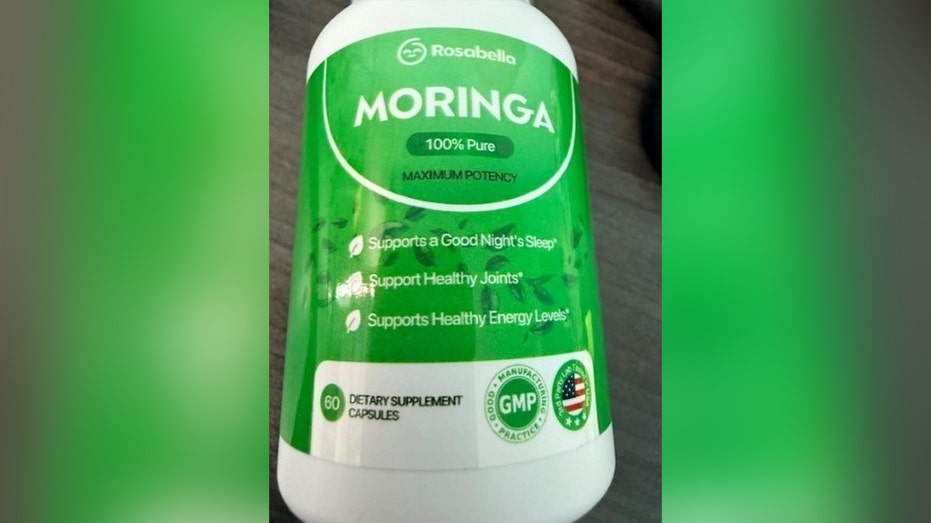
Rosabella recalls moringa powder products after regulators linked a salmonella outbreak to the green supplement. (FDA / Fox News)
The products were sold nationwide through Ambrosia Brands’ direct-to-consumer website, TikTok Shop and Amazon.
The company emphasized that none of the affected lots were sold by them on Amazon and that it does not have any authorized resellers on the platform.
They added that some unauthorized third-party sales to consumers may have occurred through eBay, Shein or other websites.
The recalled products are 60-count capsule bottles with expiration dates ranging from March 2027 to November 2027.
Lot codes include 5020591, 5020592, 5020593, 5020594, 5020595, 5020596, 5030246, 5030247, 5030248, 5030249, 5030250, 5030251, 5040270, 5040271, 5040272, 5040273, 5040274, 5040275, 5040276, 5040277, 5040278, 5040279, 5050053, 5050054, 5050055, 5050056, 5060069, 5060070, 5060071, 5060072, 5060073, 5060074, 5060075, 5060076, 5060077, 5060078, 5060079, 5060080, 5080084, 5080085, 5080086, 5090107, 5090108, 5090109, 5090113, 5090114, 5090115, 5090116, 5090117, 5090118, 5100039, and 5100048.
MORE THAN 191,000 AROEVE AIR PURIFIERS RECALLED OVER OVERHEATING, FIRE RISK

Three people have been hospitalized due to a moringa-linked salmonella outbreak. (Philip Dulian/picture alliance via Getty Images / Getty Images)
“We continue to diligently investigate, in collaboration with FDA, this possible link of the salmonella outbreak to Rosebella Moringa Capsule,” the company said in a statement. “We have discontinued use and purchase of all raw moringa leaf powder from the raw material supplier of the above referenced lots.”
“Ambrosia Brands is conducting this recall voluntarily and takes this matter very seriously,” it added. “We apologize for the inconvenience and concern this recall may cause our customers.”
The company advised that consumers who purchased the lots should dispose of the product and not consume, sell or distribute it.
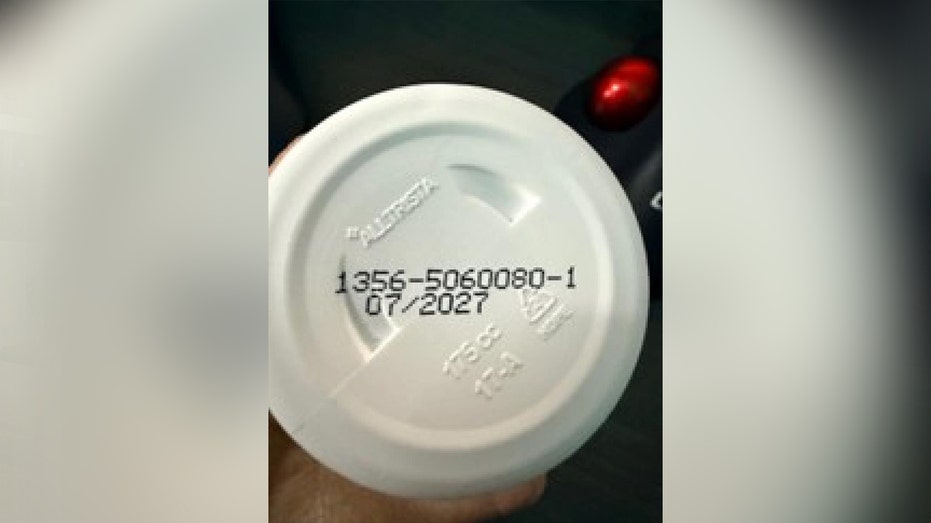
Lot codes can be found at the bottom of the 60-capsule bottles. (FDA / Fox News)
GET FOX BUSINESS ON THE GO BY CLICKING HERE
Salmonella is an organism that can cause serious and sometimes fatal infections within 12 to 72 hours of ingesting in young children, elderly people and those with weakened immune systems.
Healthy people with the infection can often experience fever, diarrhea, nausea, vomiting and abdominal pain. In more serious and rare circumstances, the organism can get into the bloodstream and produce more severe illnesses such as arterial infections, endocarditis and arthritis.



At least 11 killed in Israeli airstrikes in Lebanon on Easter Sunday
Business
Is Domino’s Pizza Open on Easter Sunday 2026? Most US Stores Offering Delivery with Varying Hours
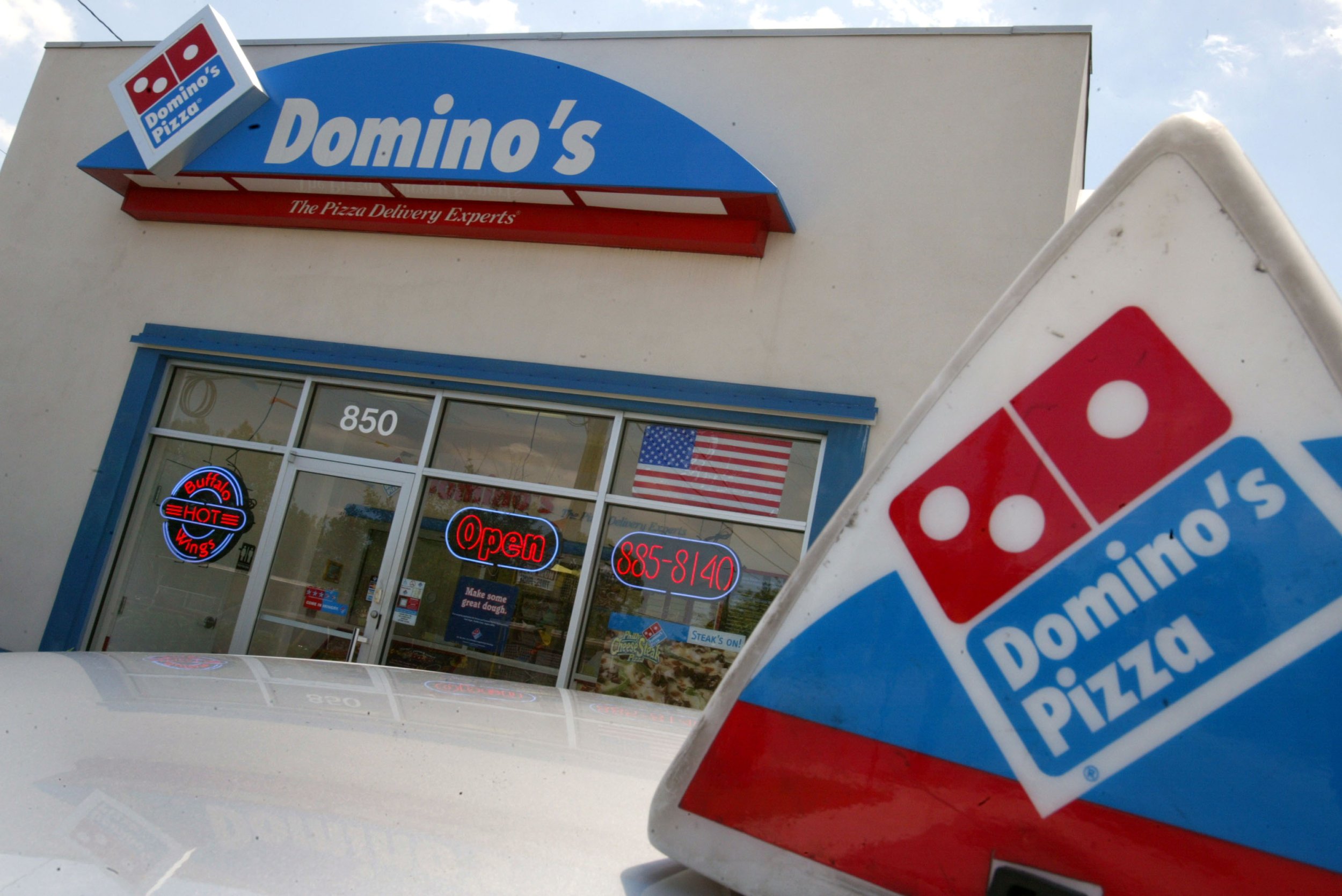
Domino’s Pizza stores across the United States will largely remain open on Easter Sunday, April 5, 2026, delivering hot pies, cheesy breadsticks and wings to customers celebrating the holiday or seeking a convenient meal option.
The pizza chain does not enforce a nationwide closure for Easter, unlike some retailers and restaurants that shut down completely. Instead, hours typically follow regular Sunday schedules or see minor adjustments based on local demand, staffing and franchisee decisions, according to multiple holiday hour guides and media reports.
Domino’s representatives and aggregated data confirm that most locations operate on Easter Sunday with standard weekend hours, often opening around 10 a.m. or 10:30 a.m. and closing between midnight and 1 a.m., though some stores may shorten evening operations due to reduced staffing. Delivery times could face slight delays in high-demand areas.
Easter 2026 falls on Sunday, April 5, marking the Christian celebration of Jesus Christ’s resurrection. Many families attend church services, participate in egg hunts or gather for traditional dinners, yet others opt for easy takeout or delivery rather than cooking. Domino’s positions itself as a go-to choice for hassle-free pizza on busy or relaxed holiday days.
Most U.S. stores are expected to maintain typical Sunday availability, with carryout and delivery options widely accessible. High-volume urban, suburban and highway-adjacent locations tend to stay busier longer, while smaller or rural outlets might close earlier if foot traffic or orders slow. Airport or travel plaza Domino’s could extend hours to serve passengers.
In recent Easter observances, including patterns observed in 2025, the overwhelming majority of Domino’s locations stayed open, providing continuity for loyal customers. Outlets such as TODAY.com, USA TODAY and regional news sources list Domino’s among chains reliably welcoming patrons on April 5, 2026, with only occasional variations rather than blanket closures.
For comparison, competitors show varied approaches. Chipotle Mexican Grill plans full closures on Easter Sunday 2026, while McDonald’s, Wendy’s, Taco Bell, Dunkin’ and Starbucks generally operate with adjusted or standard hours. Grocery giants like Costco will close, but Walmart and many supermarkets plan to open. Domino’s flexible model, driven heavily by franchisees, allows adaptation without a strict corporate shutdown.
To confirm exact hours and availability, customers should:
- Visit the official Domino’s website at dominos.com and use the store locator by entering a ZIP code or address.
- Download the Domino’s mobile app for real-time store status, menu browsing and easy ordering.
- Call the local store directly, as individual franchisees set operational details.
The app and website support contactless delivery, carryout and payment, plus access to Domino’s Rewards for earning points toward free items. No major Easter-specific promotions were highlighted in recent announcements, but ongoing value deals like mix-and-match offers or new menu tests may still apply depending on the location.
Domino’s operates thousands of stores in the U.S., nearly all franchised, which contributes to hour variations. A location inside a shopping center or near a university might align with surrounding activity, while standalone spots respond directly to neighborhood patterns.
Industry analysts point out that pizza delivery thrives on holidays when home cooking feels burdensome or when families want variety without extra effort. Domino’s has built its reputation on convenience, keeping most operations running even on observances like Memorial Day or Labor Day. Widespread closures remain rare, reserved mainly for Thanksgiving and Christmas.
Spring weather forecasts for April 5, 2026, indicate mild conditions in many regions, potentially boosting delivery demand as people enjoy outdoor activities or host gatherings. Warmer states in the South and West may see steadier orders, while northern areas could experience lighter mornings tied to church schedules.
Travelers benefit particularly from Domino’s approach. Stores near major highways, airports and tourist spots often maintain extended availability to accommodate road trippers and flyers. Still, verifying via the app or site is advised, as transportation venues sometimes shift schedules.
The company has managed recent industry headwinds, including supply chain fluctuations, labor availability and rising ingredient costs, while investing in technology such as improved tracking, AI-assisted ordering and electric delivery vehicles in select markets. These enhancements aim to keep service reliable even during holiday periods with potentially thinner staffing.
Menu favorites like the ExtravaganZZa, Pepperoni Passion or specialty crusts remain available at open locations, alongside sides, desserts and beverages. Customers with dietary preferences can customize orders for vegetarian, gluten-free crust options where offered, or lighter choices.
Families navigating Easter activities might turn to Domino’s for a simple dinner after services or as a crowd-pleasing addition to brunch leftovers. The chain’s dense network — present in cities, suburbs and many small towns — makes it one of the most reachable delivery options nationwide.
While Domino’s does not release precise nationwide holiday statistics, consistent reporting from holiday guides and consumer surveys suggests well over 90% of locations typically serve customers on Easter Sunday. Exceptions usually arise from individual franchise decisions related to local staffing or expected order volume rather than any central policy.
Team members staffing holiday shifts help maintain the brand’s signature “30 minutes or less” heritage in spirit, though actual times vary. Domino’s has not detailed specific 2026 incentives but emphasizes reliable service as a core value.
For those staying in, the Domino’s app and site enable seamless ordering with delivery through the company’s own drivers or, in some areas, third-party partners. E-gift cards provide another way to enjoy pizza without leaving home.
As Easter Sunday progresses, Domino’s aims to blend respect for the holiday’s meaning with its commitment to feeding communities. With millions of pizzas delivered annually, the chain quietly supports both routine evenings and special occasions.
In major metropolitan areas like New York, Los Angeles and Chicago, busy stores often see sustained demand. Smaller communities may have more modest hours, reinforcing the need to check locally.
Domino’s decentralized franchise system empowers store owners to tailor operations to real-time conditions — a strategy that has sustained the brand through evolving consumer habits and competitive pressures in the quick-service sector.
Looking ahead, Domino’s 2026 holiday guidance treats Easter as a standard operating day with regular or slightly modified Sunday hours, aligning with other non-major holidays. Only Thanksgiving and Christmas typically prompt broader reductions.
Households mixing traditions with convenience can easily add a Domino’s order to their plans. Whether feeding extended family, satisfying late-night cravings or providing a break from ham and lamb, the chain stands ready at most outposts.
In conclusion, yes — Domino’s Pizza is open today, Easter Sunday, April 5, 2026, at the vast majority of U.S. locations. Hours and services vary by store, so using the official website, app or a direct call ensures accurate details for your area and avoids any holiday surprises.
The pizza leader continues prioritizing accessibility while operating within the practical realities of a vast franchise network on a day rich with religious and family significance for many Americans.

The Investment Doctor is a financial writer, highlighting European small-caps with a 5-7 year investment horizon. He strongly believes a portfolio should consist of a mixture of dividend and growth stocks.
He is the leader of the investment group European Small Cap Ideas which offers exclusive access to actionable research on appealing Europe-focused investment opportunities not found elsewhere. The a focus is on high-quality ideas in the small-cap space, with emphasis on capital gains and dividend income for continuous cash flow. Features include: two model portfolios – the European Small Cap Ideas portfolio and the European REIT Portfolio, weekly updates, educational content to learn more about the European investing opportunities, and an active chat room to discuss the latest developments of the portfolio holdings. Learn more.
Analyst’s Disclosure: I/we have no stock, option or similar derivative position in any of the companies mentioned, and no plans to initiate any such positions within the next 72 hours. I wrote this article myself, and it expresses my own opinions. I am not receiving compensation for it (other than from Seeking Alpha). I have no business relationship with any company whose stock is mentioned in this article.
Seeking Alpha’s Disclosure: Past performance is no guarantee of future results. No recommendation or advice is being given as to whether any investment is suitable for a particular investor. Any views or opinions expressed above may not reflect those of Seeking Alpha as a whole. Seeking Alpha is not a licensed securities dealer, broker or US investment adviser or investment bank. Our analysts are third party authors that include both professional investors and individual investors who may not be licensed or certified by any institute or regulatory body.

CANBERRA, Australia — Australia is grappling with a serious fuel supply crunch in April 2026, driven by geopolitical turmoil in the Middle East that has disrupted global oil flows and exposed the nation’s heavy reliance on imports. The crisis, centered on diesel shortages affecting farmers and regional communities, has triggered empty service stations, surging prices and warnings of broader economic pain including higher grocery bills.

engin akyurt / Unsplash
Energy Minister Chris Bowen has sought to reassure the public, noting that 53 ships carrying 3.7 billion litres of fuel are en route and expected this month. Yet industry stakeholders and farmers express ongoing concern, with hundreds of stations still reporting outages amid high demand and panic buying.
Here are 10 critical facts about the unfolding situation as of April 5, 2026:
- Geopolitical Trigger: The crisis stems primarily from conflict involving Iran, including the closure or severe disruption of the Strait of Hormuz, a chokepoint for much of the world’s oil supply. While Australia imports little crude directly from the Middle East, up to 70-80% of its refined petrol and diesel comes via Asian refineries dependent on those routes. This has led to cancelled or delayed shipments and inventory drawdowns in supplier nations.
- Current Stock Levels: National emergency fuel reserves stand at approximately 39 days of petrol, 29 days of diesel and 30 days of jet fuel. These figures have remained relatively stable in recent days but sit well below the International Energy Agency’s recommended 90 days of import cover. Australia relies on a minimum stockholding obligation imposed on industry rather than a dedicated government strategic reserve.
- Service Station Outages: As many as 410 stations nationwide ran out of diesel at peak recent reports, with numbers improving slightly to around 312 in the latest updates. New South Wales has been hardest hit, with 150-182 stations without diesel and dozens fully out of stock. Victoria, Queensland and other states have also seen significant shortages, though restocking is occurring gradually in some areas.
- Diesel Squeeze Hits Farmers Hardest: Regional and remote Australia faces acute diesel shortages, with 400-500 stations affected at times. Farmers report running low on fuel needed for planting winter crops, harvesting and livestock transport. Cattle and grain producers warn that without swift resolution, food production could suffer, potentially driving grocery prices up by as much as 20% by Anzac Day.
- Price Spikes: Diesel prices are set to soar to new highs in coming days, while petrol has shown some stabilization in major cities. National averages have jumped sharply since late February, with diesel rising more than 50% in some periods. The government halved fuel excise for three months — a cut of about 26.3 cents per litre — as part of efforts to ease the burden on households and businesses.
- Government Response: Prime Minister Anthony Albanese has delivered a rare national address urging calm and outlining a multi-pronged strategy, including fuel taskforce meetings, release of reserves, excise relief and diplomatic efforts to secure supplies. The government has released portions of mandated stocks and secured replacement shipments, insisting the situation is manageable in the short term.
- High Demand and Panic Buying: Petrol stations have reported demand surges of up to 25% in recent weeks on top of earlier spikes. This panic buying has exacerbated local shortages even as overall reserves hold steady. Officials continue to advise against hoarding, noting that normal consumption patterns would stretch current stocks further.
- Economic Ripple Effects: Economists warn of cost-push inflation, with fuel costs feeding into transport, agriculture and manufacturing. Inflation could climb toward 6% if disruptions persist, raising recession fears. Grocery retailers and suppliers are already signaling price increases, with 90% reporting rising fuel-related expenses that may soon pass to consumers.
- Vulnerability Exposed: Australia imports about 90% of its liquid fuel needs after closing most domestic refineries years ago. The nation has among the lowest fuel reserves among IEA members, a situation critics have highlighted for over a decade. Long-term solutions discussed include boosting domestic production or storage, though immediate fixes focus on imports and conservation.
- Potential for Rationing: Experts suggest rationing could become a last resort if diesel stocks drop toward 10 days under certain modeling scenarios. While not imminent, contingency planning includes possible restrictions after Easter if the Strait of Hormuz remains disrupted. Some Australians have even resorted to homemade biodiesel from cooking oil, though authorities warn of safety and legality risks.
The crisis has highlighted Australia’s thin fuel buffers at a time when global energy markets remain volatile. Bowen has emphasized that incoming shipments will help, but analysts caution the situation may worsen before improving, with a potential supply “cliff” looming later in April if Asian refinery inventories stay depleted.
Farmers in particular are sounding alarms, describing the timing as among the worst possible — coinciding with critical sowing seasons for cereals and other crops. Reduced planting or transport delays could ripple through the food supply chain, affecting everything from bread to meat prices in supermarkets.
In urban areas, the impact has been felt mainly through higher pump prices and occasional queues, though most city stations have maintained supply. Regional drivers, truckers and emergency services face greater challenges, with some stations imposing informal limits.
The Albanese government has pursued a “triple-intervention” approach combining fiscal relief, stock releases and international engagement. Meetings with key allies aim to diversify supply sources, while domestic measures encourage conservation without mandatory restrictions for now.
Public sentiment reflects a mix of anxiety and frustration. Consumer confidence has dipped amid cost-of-living pressures already strained by prior inflation. Some motorists report switching to public transport or carpooling where possible, heeding calls to “do their bit.”
Longer-term questions linger about fuel security policy. Australia’s shift away from domestic refining left it exposed to international shocks, a vulnerability compounded by limited storage infrastructure. Lobby groups from the resources sector have used the moment to advocate for increased local exploration and production.
As ships approach Australian ports, relief may arrive in coming weeks, but experts like those at MST Financial warn that mid-April remains a crunch point. Even if the Middle East conflict eases quickly, rebuilding supply chains takes time, potentially sustaining elevated prices and inflation for six months or more.
For everyday Australians, the advice remains consistent: avoid panic buying, plan trips efficiently and monitor local station updates via apps or fuel price websites. Truck drivers and farmers continue prioritizing essential movements, sometimes rationing fuel for critical operations.
The situation also carries aviation implications, though jet fuel stocks at 30 days have held steady so far. Airports and airlines monitor developments closely given the sector’s dependence on reliable supplies.
In summary, while catastrophic nationwide shortages are not expected immediately thanks to incoming cargoes and government actions, the diesel-focused crisis in rural Australia underscores deep structural risks. The coming weeks will test resilience across the supply chain, from farms to family dinner tables.
Economists and security analysts urge preparation for prolonged effects, including possible further price volatility and targeted conservation measures. As Easter Sunday passes and Anzac Day approaches, many hope diplomatic and logistical efforts will prevent the worst-case scenarios from materializing.
Australia’s fuel crisis of 2026 serves as a stark reminder of global interdependence in energy markets. With reserves improving marginally and shipments inbound, officials project stabilization, yet farmers and regional communities continue calling for faster, more decisive intervention to safeguard food production and livelihoods.
The federal opposition and industry voices have criticized past policy settings that left stocks low, pushing for a comprehensive review of fuel security once the immediate pressures ease. For now, the focus remains on navigating the current squeeze without broader disruption to daily life and the economy.

NEW YORK — Pop superstar Taylor Swift and Kansas City Chiefs tight end Travis Kelce have reportedly finalized plans to wed on Saturday, June 13, 2026, at the luxurious Ocean House resort in Watch Hill, Rhode Island, according to multiple entertainment outlets citing insiders close to the couple.

The date holds special significance for Swift, whose lucky number is 13. She was born on Dec. 13, 1989, and frequently incorporates the numeral into her music, tours and personal life as a symbol of good fortune. June 13, 2026, marks the only Saturday falling on the 13th that year, adding a layer of numerological meaning to the high-profile nuptials.
Reports first surfaced in December 2025 that the couple targeted the date and venue, with Swift reportedly paying a substantial sum to buy out another bride who had already booked Ocean House for that day. Recent updates from Us Weekly and other sources in early April 2026 indicate the plans have solidified, with the couple working through details amid their busy schedules.
The couple announced their engagement on Aug. 26, 2025, via a joint Instagram post captioned “Your English teacher and your gym teacher are getting married,” featuring images from the proposal moment in their backyard garden surrounded by flowers. Kelce reportedly proposed on Aug. 13, another nod to Swift’s affinity for the number.
Ocean House, a historic and exclusive waterfront property in Watch Hill, sits near one of Swift’s known residences in Rhode Island. The venue offers privacy and luxury, making it an ideal choice for a celebrity wedding expected to draw significant attention. Insiders describe the setting as “dreamy” and fitting for the couple’s blended worlds of music and sports.
The wedding timing aligns with Kelce’s NFL commitments. The tight end, who recently signed a new contract with the Chiefs, has indicated he plans to return for the 2026 season. Chiefs training camp typically begins in late July, giving the couple a window for ceremonies and a potential honeymoon before football obligations resume. Kelce has spoken publicly about how Swift’s passion for her career motivates him to continue playing.
Guest list estimates hover around 150 people, including a mix of family, close friends, celebrity musicians and athletes. Speculation swirls about possible attendees such as Swift’s longtime collaborators, Chiefs teammates and high-profile figures from entertainment. Details on bridesmaids, groomsmen or specific entertainment remain closely guarded.
The relationship between Swift and Kelce began in mid-2023 when the singer attended a Chiefs game after Kelce publicly expressed interest in meeting her on his “New Heights” podcast with brother Jason Kelce. Their romance quickly became a cultural phenomenon, boosting NFL viewership and inspiring countless fan discussions and media coverage.
They made their first public appearance together at the 2024 Super Bowl and have since attended numerous events, including Swift’s Eras Tour shows and Kelce’s games. The couple navigated the spotlight with a mix of openness and privacy, often sharing subtle moments while keeping major personal milestones under wraps until the engagement reveal.
Swift, 36, released her latest album “The Life of a Showgirl” in recent months and continues to dominate the music industry with multiple Grammy wins and record-breaking tours. Kelce, 36, remains one of the NFL’s top tight ends, contributing to the Chiefs’ success in recent seasons.
Planning a wedding of this magnitude involves balancing two demanding careers. Sources say the couple has leaned on trusted planners and prioritized a celebration that feels intimate despite the inevitable public interest. Security will likely be tight around the Rhode Island coastal town, which has already seen increased curiosity from fans drawn by the rumors.
The choice of June 13 has thrilled Swift’s dedicated fan base, known as Swifties, who view the date as a perfect culmination of personal symbolism and romantic timing. Social media has lit up with theories about possible Easter eggs in Swift’s recent work that might reference the upcoming nuptials.
Rhode Island officials and locals in Watch Hill have noted a surge in interest in the area, with some businesses anticipating a boost from wedding-related tourism if details leak further. The Ocean House itself maintains discretion about bookings.
While neither Swift nor Kelce has officially confirmed the exact date or venue, the consistency across reports from Page Six, Us Weekly, Harper’s Bazaar and others lends credibility to the timeline. The couple appeared together at the 2026 iHeartRadio Music Awards in March, where Swift thanked her fiancé during an acceptance speech, fueling further speculation about their future.
Challenges in planning include coordinating schedules around Swift’s potential touring or recording commitments and Kelce’s preseason preparations. Insiders emphasize the couple’s focus on making the day meaningful rather than extravagant, though expectations for celebrity weddings often lean toward the spectacular.
The union would represent a blending of two powerhouse personal brands. Swift’s global influence in music and fashion pairs with Kelce’s prominence in sports and growing media presence. Their relationship has been credited with bridging audiences, drawing new fans to football and introducing sports enthusiasts to Swift’s catalog.
Family plays a central role. Jason Kelce and his wife have been vocal supporters, while Swift’s inner circle of friends and collaborators are expected to feature prominently. Details about any pre-wedding events, such as bachelorette or bachelor parties, remain private.
As the countdown to June 2026 begins, anticipation builds for what many call a modern fairy tale wedding. The couple’s journey from a podcast crush to engagement has captivated the public, with every sighting and subtle social media post dissected for clues.
Experts in celebrity culture note that high-profile weddings often generate massive media value, though Swift and Kelce have shown a preference for controlling their narrative. Past relationships for both have been heavily scrutinized, making their current stability noteworthy.
Financial aspects of the wedding, including the reported buyout of the original booking, highlight Swift’s resources and determination to secure symbolic details. Ocean House, known for its elegant architecture and ocean views, provides a romantic backdrop suitable for vows exchanged before family and friends.
In the broader context, the wedding arrives amid ongoing discussions about work-life balance for athletes and entertainers. Kelce’s decision to continue his career post-engagement demonstrates commitment to both his profession and personal life.
Fans continue to speculate on every detail, from the dress designer to the menu and musical performances. Some predict Swift might incorporate original music or special tributes into the celebration.
As of April 2026, the couple appears focused and united, with recent public appearances showing affection and mutual support. Their ability to maintain a relatively low-key planning process amid constant attention speaks to their established dynamic.
The reported finalization of the June 13 date marks a significant milestone in one of the most-watched relationships in recent pop culture history. Whether the ceremony stays intimate or draws wider attention, it promises to be a memorable event for the couple and their loved ones.
For now, Swifties and sports fans alike mark their calendars and await any official word or subtle hints from the pair. In a world of constant scrutiny, Taylor Swift and Travis Kelce seem intent on crafting a wedding that honors their love story while protecting its most personal moments.
The coming months will likely bring more details as preparations intensify, but the core elements — a meaningful date, a scenic Rhode Island venue and a union of two beloved figures — have already set the stage for what could become one of the decade’s defining celebrity celebrations.


Rida Morwa is a former investment and commercial Banker, with over 35 years of experience. He has been advising individual and institutional clients on high-yield investment strategies since 1991. Rida Morwa leads the Investing Group High Dividend Opportunities where he teams up with some of Seeking Alpha’s top income investing analysts. The service focuses on sustainable income through a variety of high yield investments with a targeted safe +9% yield. Features include: model portfolio with buy/sell alerts, preferred and baby bond portfolios for more conservative investors, vibrant and active chat with access to the service’s leaders, dividend and portfolio trackers, and regular market updates. The service philosophy focuses on community, education, and the belief that nobody should invest alone. Learn More.
Analyst’s Disclosure: I/we have a beneficial long position in the shares of ET, DFP either through stock ownership, options, or other derivatives. I wrote this article myself, and it expresses my own opinions. I am not receiving compensation for it (other than from Seeking Alpha). I have no business relationship with any company whose stock is mentioned in this article.
Beyond Saving, Philip Mause, and Hidden Opportunities, all are supporting contributors for High Dividend Opportunities. Any recommendation posted in this article is not indefinite. We closely monitor all of our positions. We issue Buy and Sell alerts on our recommendations, which are exclusive to our members.
Seeking Alpha’s Disclosure: Past performance is no guarantee of future results. No recommendation or advice is being given as to whether any investment is suitable for a particular investor. Any views or opinions expressed above may not reflect those of Seeking Alpha as a whole. Seeking Alpha is not a licensed securities dealer, broker or US investment adviser or investment bank. Our analysts are third party authors that include both professional investors and individual investors who may not be licensed or certified by any institute or regulatory body.
SANTA CLARA, Calif. — NVIDIA Corp. shares, trading around $177 as of early April 2026, continue to draw strong buy recommendations from Wall Street analysts amid explosive demand for artificial intelligence infrastructure, even as some investors question lofty valuations and potential near-term hurdles.

Justin Sullivan/Getty Images
The chipmaker, whose stock has been a standout performer in recent years, closed at $177.39 on April 2, up about 0.93% for the day but down modestly from peaks reached in late 2025. Fiscal 2026 results showed record revenue of $215.9 billion, up 65% from the prior year, driven largely by data center sales tied to AI accelerators.
With the company’s Blackwell architecture ramping and hyperscalers pouring billions into AI factories, most analysts maintain a strong buy consensus and project significant upside through the rest of 2026 and into 2027. Yet risks including high multiples, geopolitical export restrictions and competition warrant caution for some investors weighing whether to buy, hold or sell.
Here is a balanced look at the factors shaping the NVIDIA investment case in April 2026.
NVIDIA’s dominance in accelerated computing remains unmatched. Data center revenue — the heart of its AI business — reached $62.3 billion in the fiscal fourth quarter ended January 2026, up 75% year-over-year. For the full fiscal year, the segment powered the bulk of the company’s 65% revenue surge. CEO Jensen Huang has highlighted “insane” demand for Blackwell GPUs, with the company reporting visibility into hundreds of billions in orders.
Analysts project continued robust growth. Wall Street’s average 12-month price target sits near $268 to $275, implying roughly 50% to 55% upside from current levels. Firms including JPMorgan, Rosenblatt, Bank of America and Wolfe Research have recently raised targets, citing sustained hyperscaler capital spending and the shift toward AI inference workloads. Consensus ratings show more than 50 buy or overweight calls against just a handful of holds and virtually no sells.
Fiscal 2027 earnings per share estimates hover around $7.46, with some models forecasting even stronger figures if Blackwell and future Rubin platforms exceed expectations. At a forward price-to-earnings multiple in the mid- to high-40s, the stock trades at a premium, but supporters argue it reflects NVIDIA’s software moat via CUDA, networking leadership and expanding addressable market beyond traditional GPUs.
Demand signals appear strong. Major cloud providers — Microsoft, Amazon, Google and Meta — are accelerating AI-related capital expenditures, with combined spending projected in the hundreds of billions for 2026. Sovereign AI initiatives in dozens of countries and enterprise adoption add further tailwinds. Huang noted at recent events that AI infrastructure demand could top $1 trillion cumulatively through 2027, more than doubling earlier forecasts.
Blackwell revenue is already contributing meaningfully, with early indications that supply constraints persist despite production ramps. Gaming and automotive segments also posted gains, though data center remains the clear growth engine. Professional visualization benefited from AI-accelerated workflows.
Yet challenges exist. U.S. export restrictions on certain chips to China led to a $4.5 billion inventory charge in the fiscal first quarter of 2026, highlighting geopolitical risks. While NVIDIA adapted by redirecting materials and focusing on compliant products, ongoing tensions could cap growth in a key market.
Valuation concerns surface regularly. After years of explosive gains, some analysts warn that expectations are sky-high and any slowdown in AI spending could trigger a sharp correction. Short-term forecasts vary, with some models projecting modest pullbacks or range-bound trading in coming months before longer-term catalysts take hold. One technical assessment recently downgraded the stock to a sell candidate on short-term signals.
Competition is intensifying. AMD continues pushing its MI series chips, while hyperscalers develop custom silicon. Google, Amazon and others invest heavily in in-house AI accelerators, potentially eroding NVIDIA’s share over time. However, NVIDIA’s full-stack offering — combining hardware, networking via InfiniBand and Ethernet, and software tools — gives it a durable edge that many customers find difficult to replace quickly.
Broader market context matters. NVIDIA’s performance increasingly influences major indices, raising questions about concentration risk. A broader tech or AI sentiment shift, perhaps tied to economic slowdown or ROI scrutiny on massive AI investments, could pressure the stock. Some observers point to an emerging “ROI reckoning” in 2026 as companies evaluate returns on earlier AI infrastructure outlays.
For long-term investors, the bull case rests on structural AI adoption. Applications spanning generative AI, inference, recommendation systems, autonomous vehicles and scientific computing continue expanding. NVIDIA’s roadmap, including upcoming platforms, positions it at the center of this transformation. Huang has described the company as an “AI systems” provider rather than simply a GPU maker.
Short-term traders face more nuance. Recent trading shows volatility, with the stock pulling back from 2025 highs near $207 before rebounding modestly. Options activity and hedge fund positioning reflect mixed sentiment, though institutional ownership remains high.
Dividend and capital return policies add appeal for some. While the yield is modest at about 0.02%, NVIDIA has increased payouts and pursued share buybacks, signaling confidence in cash flow generation.
Diversification remains key. Financial advisers generally caution against over-concentration in any single stock, even one with NVIDIA’s track record. Investors considering new positions or adding to existing ones should weigh time horizon, risk tolerance and portfolio balance.
Those leaning toward buying cite analyst enthusiasm, visible revenue pipelines and AI’s transformative potential. Projections for fiscal 2027 revenue growth in the 50% to 65% range, if realized, could support further multiple expansion or at least sustain premium valuations.
Skeptics point to execution risks around supply ramps, potential margin pressure from competition or mix shifts, and the possibility that AI hype outpaces near-term monetization. A slower-than-expected transition to inference-optimized chips or delays in next-generation platforms could disappoint.
NVIDIA’s next earnings, expected in May 2026, will provide fresh data on Blackwell traction, gross margins and forward guidance. Historically, the company has beaten estimates consistently, often prompting positive stock reactions.
In the meantime, investors can monitor AI-related news, hyperscaler earnings calls and semiconductor supply chain updates for signals. Tools such as the company’s investor relations site, analyst reports and financial data platforms offer detailed metrics.
Ultimately, whether to buy or sell NVIDIA stock in 2026 depends on individual circumstances. For believers in sustained AI investment cycles, the current dip or consolidation phase may represent an opportunity. For those concerned about valuations or macroeconomic risks, trimming positions or waiting for clearer catalysts could make sense.
Most professional analysts, however, tilt decisively bullish. With an average price target well above current trading levels and overwhelming buy ratings, the prevailing view is that NVIDIA remains a core holding for growth-oriented portfolios despite its size and premium pricing.
As AI evolves from experimental deployments to production-scale factories, NVIDIA’s role as the pick-and-shovel provider keeps it central to the narrative. The coming quarters will test whether demand momentum can overcome valuation gravity and external pressures.
Investors should conduct their own due diligence, consider consulting a financial adviser and avoid decisions based solely on any single article or forecast. Stock prices can fluctuate rapidly, and past performance offers no guarantee of future results.
In summary, the consensus among analysts as of April 2026 favors buying or holding NVIDIA shares for those with a multi-year horizon, driven by powerful secular tailwinds in artificial intelligence. Near-term volatility remains possible, but the underlying growth story appears intact for now.


Trump says deal with Iran possible by Monday, Fox News reports


I am a full-time analyst interested in a wide range of stocks. With my unique insights and knowledge, I hope to provide other investors with a contrasting view of my portfolio, given my particular background.If you have any questions, feel free to reach out to me via a direct message on Seeking Alpha or leave a comment on one of my articles.
Analyst’s Disclosure: I/we have no stock, option or similar derivative position in any of the companies mentioned, and no plans to initiate any such positions within the next 72 hours. I wrote this article myself, and it expresses my own opinions. I am not receiving compensation for it (other than from Seeking Alpha). I have no business relationship with any company whose stock is mentioned in this article.
The analysis is provided exclusively for informational purposes and should not be considered professional investment advice. Before investing, please conduct personal in-depth research and utmost due diligence, as there are many risks associated with the trade, including capital loss.
Seeking Alpha’s Disclosure: Past performance is no guarantee of future results. No recommendation or advice is being given as to whether any investment is suitable for a particular investor. Any views or opinions expressed above may not reflect those of Seeking Alpha as a whole. Seeking Alpha is not a licensed securities dealer, broker or US investment adviser or investment bank. Our analysts are third party authors that include both professional investors and individual investors who may not be licensed or certified by any institute or regulatory body.
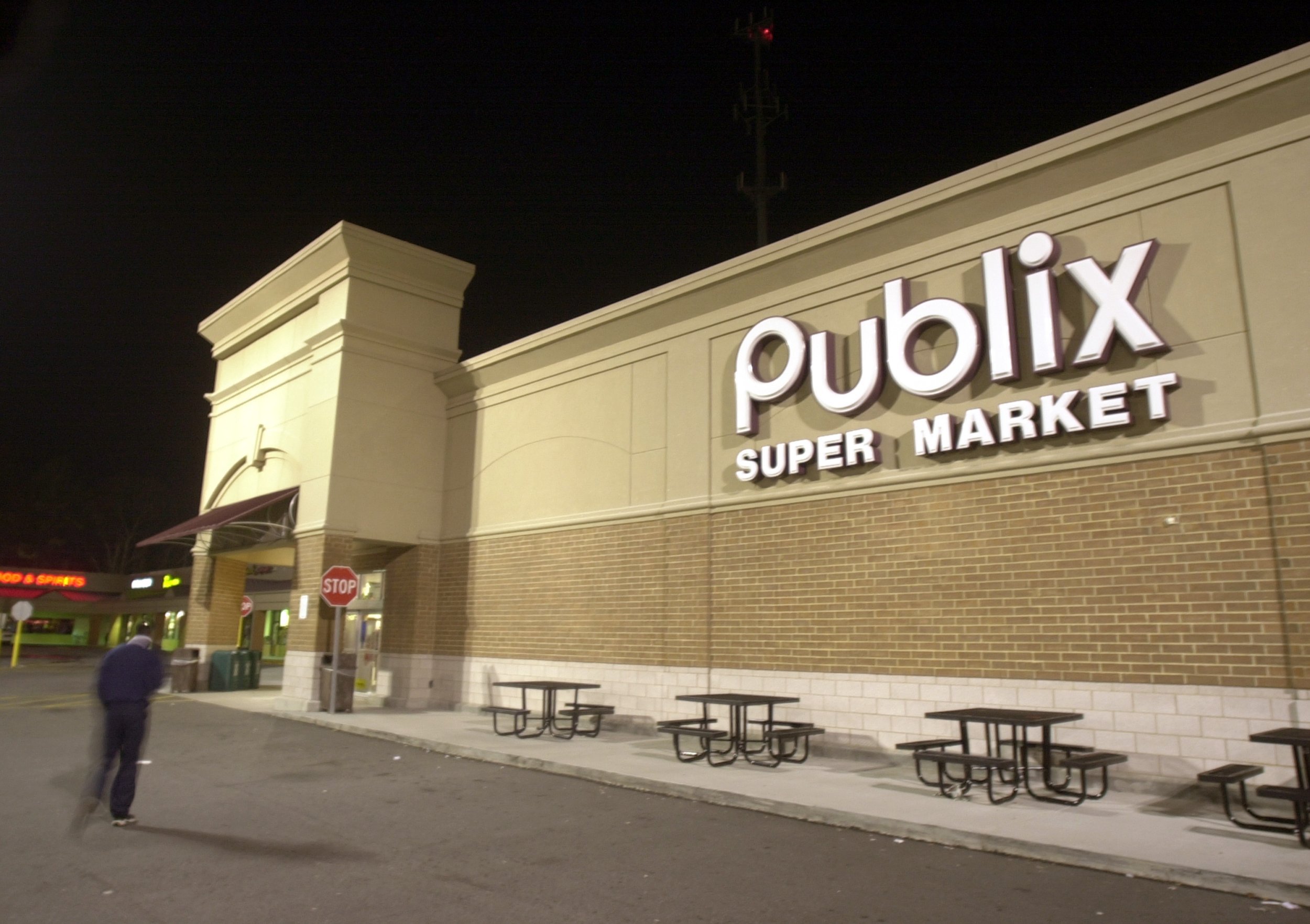
LAKELAND, Fla. — Publix Super Markets stores across the Southeast United States are closed today, Easter Sunday, April 5, 2026, honoring a long-standing company tradition that gives associates the day off to spend with family and observe the Christian holiday.

The popular grocery chain, which operates more than 1,300 stores primarily in Florida, Georgia, Alabama, South Carolina, North Carolina, Tennessee, Virginia and Kentucky, shuts down completely on only three days each year: Thanksgiving, Christmas and Easter. All Publix locations, including pharmacies and attached liquor stores where applicable, will remain closed for the full day and resume normal business hours on Monday, April 6.
A Publix spokesperson confirmed to multiple news outlets that “Publix stores will be open normal operating hours on Saturday, April 4, the day before Easter Sunday. Our stores will be closed on Easter Sunday in observance of the holiday and to allow our associates the opportunity to spend time with family and friends.” The policy reflects founder George Jenkins’ vision of balancing business with respect for employees and community traditions.
Easter 2026 falls on Sunday, April 5, marking the resurrection of Jesus Christ and a major day of family gatherings, church services, egg hunts and festive meals for millions. Publix’s decision to close enables its workforce — known for friendly service and the famous “Pub Sub” sandwiches — to participate without work demands, a practice the company has maintained consistently.
While physical stores are dark today, customers can still access Publix.com and the Publix app for browsing, though orders placed on Easter will typically process and become available for pickup or delivery starting Monday, subject to standard fulfillment times. Club Publix loyalty members continue to earn and redeem rewards, with digital coupons and weekly ads remaining active.
For comparison, other major retailers follow varied approaches on Easter Sunday 2026. Walmart stores are open with regular or slightly adjusted hours in most locations, offering groceries and essentials. Kroger, Whole Foods and some regional chains also plan to operate. In contrast, Costco, Sam’s Club, Aldi, Target and several others join Publix in full closures. Fast-food and convenience options like McDonald’s, Starbucks, Dunkin’ and 7-Eleven largely remain open with varying hours.
Shoppers seeking last-minute Easter groceries — ham, eggs, candy, flowers or side dishes — needed to visit Publix on Saturday or turn to open alternatives. Regional media across Florida and the Southeast, including outlets in Tampa, Miami, Jacksonville and Atlanta, have highlighted the closure, urging customers to plan ahead for holiday meals.
Publix has operated with this limited holiday closure schedule for decades, rooted in the company’s founding principles established in Winter Haven, Florida, in 1930. Jenkins initially kept stores closed on Sundays entirely until 1983, when competitive pressure led to regular Sunday hours — with the notable exception of Easter. This approach has helped Publix earn loyalty among customers who value the chain’s employee-focused culture and community involvement.
Online alternatives extend beyond Publix’s platform. Walmart.com, Instacart partners and other grocery delivery services remain active, with many offering same-day or next-day options depending on location and participating stores. For those needing perishables or specific items, open competitors provide coverage, though selection, prices and crowds may differ.
The closure affects not only grocery aisles but also in-store services such as pharmacies, deli counters, bakeries and prepared foods sections. Guests with existing pickup orders should have collected them before Easter or wait until Monday. Publix pharmacies follow the same holiday schedule and will reopen Monday.
Industry analysts note that grocery chains like Publix use selective closures to support work-life balance in a sector with demanding schedules. Easter, falling on a Sunday, aligns naturally with many associates’ regular days off, making the full shutdown feasible while maintaining strong performance the rest of the year. This policy differentiates Publix from 24/7 or always-open models.
In preparation for the closure, many Publix locations saw increased traffic in the days leading to Easter, with promotions on seasonal items, hams, desserts and everyday essentials. Clearance sections and weekly deals helped customers stock up.
For those planning post-Easter shopping, stores will resume standard hours Monday, typically 7 a.m. to 10 p.m. or similar depending on the location. The Publix app and website store locator provide precise details, including any temporary modifications.
Publix’s strong e-commerce and delivery capabilities, often powered through Instacart partnerships, have grown in recent years, offering greater convenience during closures. The company redirects focus to digital channels on major holidays, ensuring continuity for customers who prefer shopping from home.
Families coordinating Easter activities may have relied on Publix for affordable ingredients, fresh produce, bakery items or the iconic subs earlier in the week. The chain’s clean stores, knowledgeable staff and Southern hospitality have made it a staple for holiday preparations across its operating region.
While some consumers voice minor frustration over limited in-person options on a busy weekend, many appreciate the gesture toward retail workers. Social media and local discussions reflect mixed feelings, praising family time for associates alongside practical tips for alternatives.
Publix operates in a competitive grocery landscape where holiday policies influence brand perception. By closing on Easter, the company signals respect for cultural and religious traditions while prioritizing employee well-being. This consistent approach has remained stable across recent years, including Easter 2025.
Travelers or those in areas with limited alternatives should note that all Publix stores, including those in malls, airports or tourist spots, follow the uniform corporate policy and will not open. No exceptions are made for high-traffic locations.
The decision also impacts seasonal staffing. Publix often adjusts hiring around peak periods but scales back on major closure days, reducing overtime and allowing full-time associates prioritized time off.
Economists tracking consumer spending observe that Easter closures shift some revenue to preceding days or competing retailers. Overall grocery sales around the holiday remain solid, supported by dining out, home cooking and experiential family activities.
For urgent needs on Easter Sunday, nearby Walmart, convenience stores, gas stations or open grocers like certain Kroger or Whole Foods locations may stock basics, though Publix’s signature items and atmosphere will be missed until Monday.
Publix continues investing in technology, sustainability and associate benefits, reinforcing its reputation as an employer of choice. During holiday closures, the emphasis stays on community values and family time.
As Easter Sunday unfolds across the Southeast, Publix emphasizes respect for the holiday’s significance while maintaining digital accessibility. Customers planning Monday errands can expect fully restocked shelves and refreshed teams ready to assist with smiles and “where shopping is a pleasure” service.
In bustling Florida cities like Miami, Tampa and Orlando, the absence of open Publix stores is noticeable in shopping centers, yet online orders and alternatives keep supply chains moving. Similar patterns hold in Georgia, the Carolinas and other states.
Publix’s holiday policy reflects broader retail trends toward employee-centric practices amid labor considerations. Granting the day off aims to boost morale and retention in an industry with high demands.
Looking ahead, Publix’s 2026 holiday calendar treats Easter as one of the three standard full closures, alongside Thanksgiving and Christmas. Other dates typically see normal or adjusted operations.
Households blending traditions with convenience can still engage with Publix digitally today and return in person tomorrow. Whether restocking after holiday feasts or preparing for the week ahead, the grocer will resume full service promptly.
In conclusion, no — Publix stores are not open today, Easter Sunday, April 5, 2026. All locations across the company’s footprint are closed in observance of the holiday, with online browsing available but fulfillment resuming Monday. Shoppers should use alternatives for immediate needs and plan physical visits for April 6 onward to ensure a smooth post-holiday experience.
The retailer’s thoughtful approach to major holidays underscores its commitment to associates and community values while adapting to modern shopping behaviors in a competitive grocery market. As Americans celebrate Easter with family and faith, Publix doors remain closed but its spirit of service continues through dedicated employees enjoying well-deserved time off.

Virgil van Dijk makes revealing admission over Liverpool’s season after FA Cup defeat: ‘It’s mentally very tough’

The US Navy Wants This Autonomous Sub For Deploying Heavy Payloads Under The Sea

Tree removed from rail track between York and Malton


-

 NewsBeat3 days ago
Steven Gerrard disagrees with Gary Neville over ‘shock’ Chelsea and Arsenal claim | Football
-

 Business3 days ago
No Jackpot Winner and $194 Million Prize Rolls Over
-

 Fashion2 days ago
Weekend Open Thread: Spanx – Corporette.com
-
Entertainment6 days ago
Fans slam 'heartbreaking' Barbie Dream Fest convention debacle with 'cardboard cutout' experience
-

 Crypto World4 days ago
Gold Price Prediction: Worst Month in 17 Years fo Save Haven Rock
-

 Tech7 days ago
The Pixel 10a doesn’t have a camera bump, and it’s great
-
Crypto World5 days ago
Dems press CFTC, ethics board on prediction-market insider trades
-

 Tech6 days ago
Avatar Legends: The Fighting Game comes out in July and it looks pretty slick
-

 Business4 days ago
Login and Checkout Issues Spark Merchant Frustration
-

 Sports18 hours ago
India men’s 4x400m and mixed 4x100m relay teams register big progress | Other Sports News
-

 Tech6 days ago
Apple will hide your email address from apps and websites, but not cops
-

 Sports5 days ago
Tallest college basketball player ever, standing at 7-foot-9, entering transfer portal
-

 Tech5 days ago
EE TV is using AI to help you find something to watch
-

 Politics6 days ago
Should Trump Be Scared Strait?
-

 Tech5 days ago
Flipsnack and the shift toward motion-first business content with living visuals
-

 Fashion6 days ago
The Best Spring Trends of 2026
-

 Sports6 days ago
Women’s hockey camp eyes fitness boost, tactics ahead of WC 2026 campaign | Other Sports News
-

 Tech5 days ago
How to back up your iPhone & iPad to your Mac before something goes wrong
-
 Crypto World7 days ago
Bitcoin’s Six-Month Losing Streak: What On-Chain Data Says About the Market’s Next Move
-

 Politics6 days ago
BBC slammed for ignoring author of The Fraud
You must be logged in to post a comment Login