The Hackett Group, Inc. (HCKT) Q4 2025 Earnings Call February 17, 2026 5:00 PM EST
Company Participants
Robert Ramirez – CFO & Executive VP of Finance Ted Fernandez – Co-Founder, Chairman & CEO
Advertisement
Conference Call Participants
George Sutton – Craig-Hallum Capital Group LLC, Research Division Jeff Martin – ROTH Capital Partners, LLC, Research Division Vincent Colicchio – Barrington Research Associates, Inc., Research Division
Advertisement
Presentation
Operator
Welcome to The Hackett Group Fourth Quarter Earnings Conference Call. [Operator Instructions] Please be advised the conference is being recorded.
Hosting tonight’s call are Mr. Ted Fernandez, Chairman and CEO; and Mr. Rob Ramirez, Chief Financial Officer. Mr. Ramirez, you may begin, sir.
Advertisement
Robert Ramirez CFO & Executive VP of Finance
Good afternoon, everyone, and thank you for joining us to discuss the Hackett Group’s fourth quarter results. Speaking on the call today and here to answer your questions are Ted Fernandez, Chairman and CEO of the Hackett Group; and myself, Rob Ramirez, Chief Financial Officer. A press announcement was released over the wires at 4:08 p.m. Eastern Time. For a copy of the release, please visit our website at www.thehackettgroup.com. We will also place any additional financial or statistical data that’s discussed on this call that is not contained in the release on the Investor Relations page of our website.
Before we begin, I would like to remind you that in the following comments and in the question-and-answer session, we will be making statements about expected future results, which may be forward-looking statements for the purposes of the federal securities laws. These statements relate to our current expectations, estimates and projections and are not a guarantee of future performance. They involve risks, uncertainties and are considered difficult to predict and which may not be accurate. Actual results may vary. These forward-looking statements should be considered only in conjunction with the detailed information, particularly the risk
Samsung Electronics is poised to raise prices for its upcoming Galaxy S26 flagship smartphone series — the first such increase in three years — as surging costs for memory chips and advanced processors driven by the global AI boom make stable pricing increasingly difficult to maintain.
Samsung Galaxy S25
Industry sources told South Korean media outlets, including Korea JoongAng Daily and Yonhap News Agency, that the base 256GB model of the standard Galaxy S26 could see a hike of up to 99,000 won (about $68) from the previous generation’s starting price of around 1.15 million won (approximately $790-$800 in equivalent U.S. terms). Similar adjustments are expected for the Galaxy S26+ and potentially the premium Galaxy S26 Ultra, though the extent varies by market and model.
The anticipated price revision stems from a confluence of factors: skyrocketing demand for high-bandwidth memory (HBM) used in AI applications has strained supply chains, forcing manufacturers like Samsung — the world’s largest memory chip producer — to redirect capacity and drive up costs for standard DRAM and NAND flash used in smartphones. Reports also highlight elevated production expenses for Samsung’s own Exynos 2600 processor, expected in many Galaxy S26 models outside the U.S. and China, built on an advanced 2nm gate-all-around (GAA) process with reportedly lower yields and higher wafer costs.
Even though Samsung fabs its Exynos chips internally, sources indicate the company “is not in a position to purchase Exynos at a cheaper price than its competitors,” suggesting internal pricing pressures and absorbed costs to retain clients in both consumer and enterprise segments.
Samsung’s co-CEO Roh Tae-moon, who heads the Mobile eXperience (MX) division, hinted at potential impacts during a January briefing with reporters, noting that “stronger chip performance required for AI devices is making a price increase inevitable.” Last year, Roh reportedly intervened at the last minute to keep Galaxy S25 prices aligned with the S24 series despite similar pressures. Industry insiders now say even his influence may not suffice for the S26 lineup, with decisions potentially finalized “at the very last minute” ahead of the February 25 unveiling.
Advertisement
The Galaxy Unpacked event, set for February 25, 2026, in San Francisco, will officially reveal the Galaxy S26, S26+ and S26 Ultra, with pre-orders likely opening immediately and devices hitting shelves around March 11. Samsung has teased enhancements focused on Galaxy AI integration, including improved low-light video recording, a new “Privacy Display” feature, and more seamless everyday AI interactions to simplify user tasks.
Expected hardware upgrades remain evolutionary: the S26 Ultra is rumored to feature a 6.9-inch Dynamic LTPO AMOLED display with peak brightness exceeding 3,000 nits, a Qualcomm Snapdragon 8 Elite Gen 5 processor (or Exynos 2600 in select regions), up to 16GB RAM, storage options from 256GB to 1TB, and a camera system headlined by a 200MP main sensor. Battery capacities could see modest increases with stacked technology for better efficiency, while charging remains at 60W wired and Qi2-compatible wireless.
Pricing in major markets like the U.S. remains uncertain but could hold steady at previous levels — $799 for the Galaxy S26, $999 for the S26+, and $1,299 for the S26 Ultra — to stay competitive against Apple’s expected iPhone 17 lineup. In contrast, European and Korean markets face clearer upward pressure, with some leaks suggesting regional variations to offset component inflation.
Analysts express concern that any notable hike could challenge Samsung’s market position in a highly competitive segment, particularly if rivals absorb costs or offer aggressive promotions. Pre-order incentives, including trade-in values up to $900 in some cases, appear scaled back compared to prior years, with reduced free storage upgrades and store credits signaling tighter margins.
Advertisement
Samsung has not commented officially on pricing, emphasizing instead the series’ AI-driven advancements to “make your life easier.” The company continues to promote the event heavily, inviting consumers to register for updates and exclusive perks. As the February 25 Unpacked approaches, the final pricing decision will clarify whether Samsung opts to pass on rising costs or finds ways to mitigate them through efficiencies, higher base storage allocations, or targeted regional strategies.
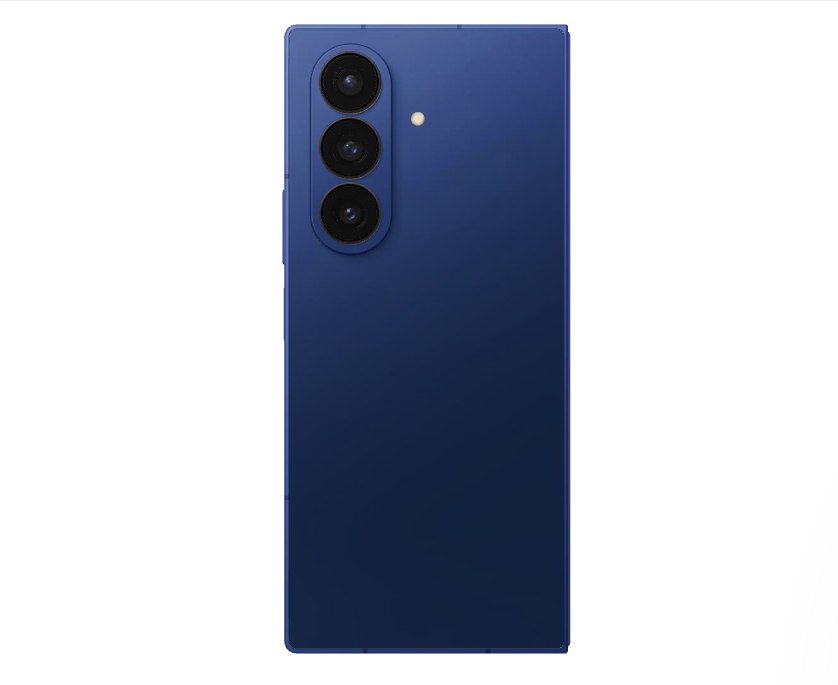
Samsung Electronics is preparing to launch a significantly redesigned variant of its upcoming Galaxy Z Fold 8 series this summer, with the so-called “Wide” model confirmed for a third-quarter debut alongside the standard Galaxy Z Fold 8 and Galaxy Z Flip 8, according to multiple industry reports and recent software leaks.
Samsung Galaxy Z Fold 7
South Korean outlet ET News reported in late January that the Galaxy Z Fold 8 Wide — internally referred to in some contexts as a broader book-style foldable — will unveil at Samsung’s traditional summer Galaxy Unpacked event, typically held in July or August. Tipster Ice Universe reinforced the timeline on X, pointing to a likely July launch. This marks a shift from earlier speculation that the wider model might arrive later in the year to more directly rival an anticipated Apple foldable iPhone.
The Wide variant represents Samsung’s most substantial design evolution in the book-style foldable category since the line’s inception. Leaked animations from early One UI 9 test builds — Samsung’s upcoming software based on Android 17 — surfaced in mid-February, providing the first near-official glimpses of the device. Codenamed H8 with model number SM-F971U in U.S. variants, the renders show a noticeably wider aspect ratio on both the cover and inner displays compared to the current Galaxy Z Fold 7’s tall, narrow profile.
When folded, the external screen adopts a near-16:10 ratio, making it feel more phone-like and less elongated than predecessors. Unfolded, the main display shifts toward a roughly 9:7 aspect ratio, offering a more tablet-oriented experience optimized for multitasking, media consumption and productivity. This contrasts sharply with the Z Fold 7’s approximately 1.11:1 inner ratio, addressing long-standing user feedback about the traditional Fold’s awkward proportions for video and split-screen use.
Industry analysts view the Wide model as a strategic response to competitive pressures, particularly rumors of Apple’s first foldable — expected later in 2026 with a landscape-oriented, wider design. By launching in summer, Samsung aims to establish market dominance early. Production estimates suggest Samsung plans around 3.5 million units of the overall Z Fold 8 family, with approximately 1 million allocated to the Wide variant, indicating a meaningful but targeted rollout.
Advertisement
Beyond the form factor, the Galaxy Z Fold 8 series — including the standard and Wide models — is expected to build on recent foldable advancements. Rumors point to a continued focus on durability, with potential improvements to hinge mechanisms and reduced crease visibility on inner displays. Battery capacities could approach 5,000mAh in some configurations, supported by efficient chipsets like Qualcomm’s next-generation Snapdragon or Samsung’s Exynos options. Camera systems are slated for upgrades, emphasizing better low-light performance and AI-enhanced processing via Galaxy AI features.
S Pen support remains a staple for productivity, while One UI 9 integration promises deeper AI capabilities for seamless multitasking across the expanded screen real estate. Pricing details are scarce, but the Wide model may position as a more accessible entry into premium foldables, potentially undercutting the flagship Z Fold 8’s expected $1,999 starting point to broaden appeal.
Samsung has not officially commented on the Wide variant or specific launch dates, but thepresence of dedicated firmware flags and animations in One UI 9 builds strongly corroborates development progress. The company continues to expand its foldable portfolio, following the recent U.S. availability of the Galaxy Z TriFold — a triple-folding device priced at $2,899 and featuring a 10-inch inner display — which launched in late January.
As foldables gain mainstream traction, Samsung’s dual-Fold strategy for 2026 positions the company to capture diverse user preferences: the classic tall design for one-handed use and the new wider format for immersive content and work. The summer Unpacked event will likely clarify final specs, pricing and availability when Samsung takes the stage.
Walser Wealth Management President Rebecca Walser reacts to more than three dozen states suing Meta alleging that Facebook and Instagram features are harmful to children on ‘Making Money.’
Meta CEO Mark Zuckerberg will testify Wednesday in Los Angeles Superior Court in a landmark trial over claims that social media platforms harm children — his first time answering youth safety allegations before a jury.
The bellwether lawsuit, K.G.M. v. Meta Platforms, Inc., et al., was filed by a 20-year-old California woman identified by her initials. She alleges that Meta and other social media companies engineered their platforms to hook young users, fueling her depression and suicidal thoughts, and is seeking to hold the companies accountable.
Advertisement
Meta’s Instagram and Google’s YouTube deny the allegations, citing years of expanded safety features and parental controls as part of their defense. The tech titans are expected to point to other factors in K.G.M.’s life, highlight their investments in youth safety and argue they should not be held responsible for harmful content uploaded by users.
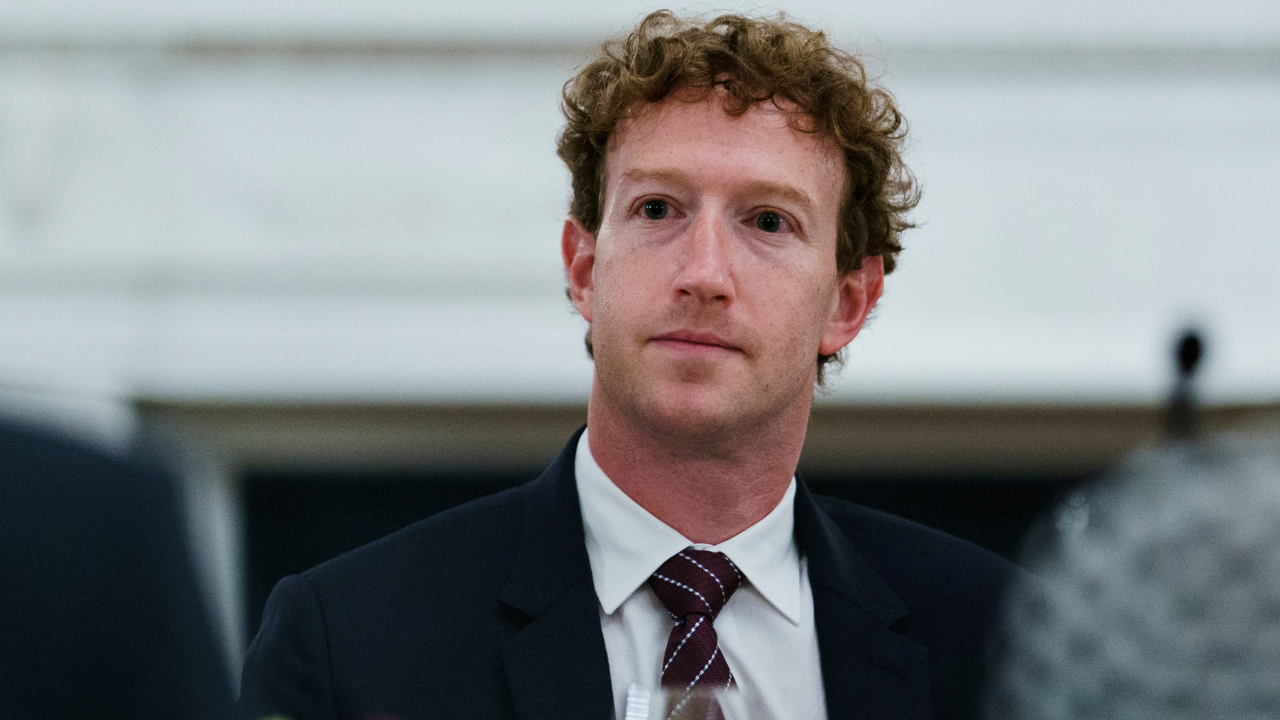
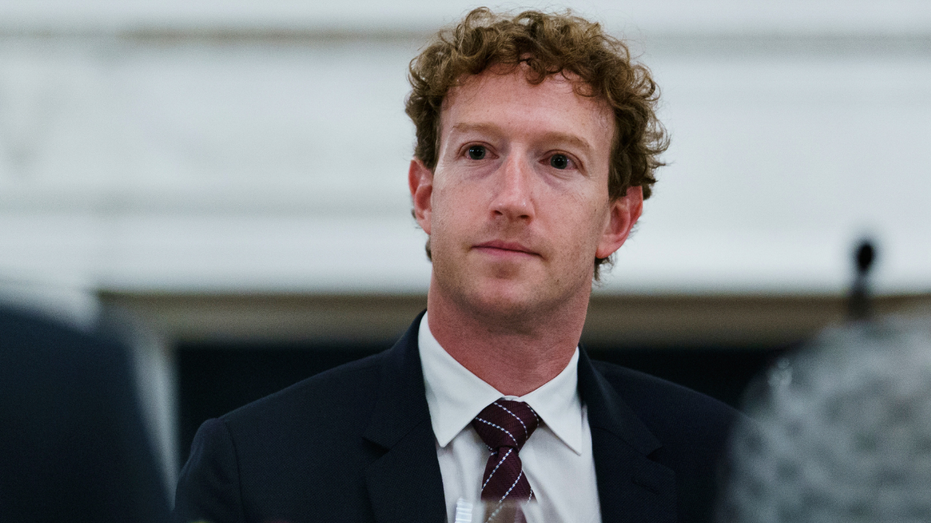
Mark Zuckerberg, chief executive officer of Meta Platforms Inc., during a dinner with tech leaders in the State Dining Room of the White House in Washington, D.C., on Thursday, Sept. 4, 2025. (Will Oliver/EPA/Bloomberg/Getty Images / Getty Images)
A verdict for the plaintiff, K.G.M., could set a precedent for holding tech companies responsible for harmful design decisions, despite years of successfully invoking Section 230’s content liability shield. Section 230 is a federal law that largely shields online platforms from lawsuits related to user-posted content.
A rejection of that defense could pave the way for similar lawsuits across the country, exposing Meta and other tech companies to billions in damages and pressuring them to redesign their platforms.
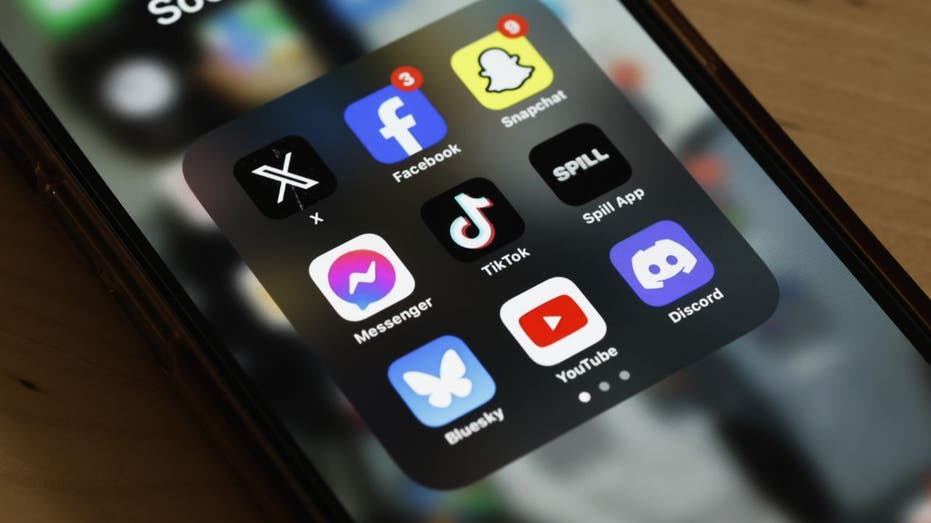
In this photo illustration, the TikTok app is seen on a phone on March 13, 2024, in New York City. (Michael M. Santiago/Getty Images / Getty Images)
Beyond this case, Meta and Google face more than 2,300 related lawsuits filed by parents, school districts and state attorneys general in federal court.
The wave of lawsuits reflects a growing backlash against social media companies over concerns about their impact on children’s mental health and safety. Lawmakers, parents and regulators have increasingly accused platforms of prioritizing growth and engagement over protecting young users.
In New Mexico, opening statements began Monday in a separate case brought by the state’s attorney general accusing Meta of exposing minors to sexual exploitation and profiting from it — allegations the company denies.
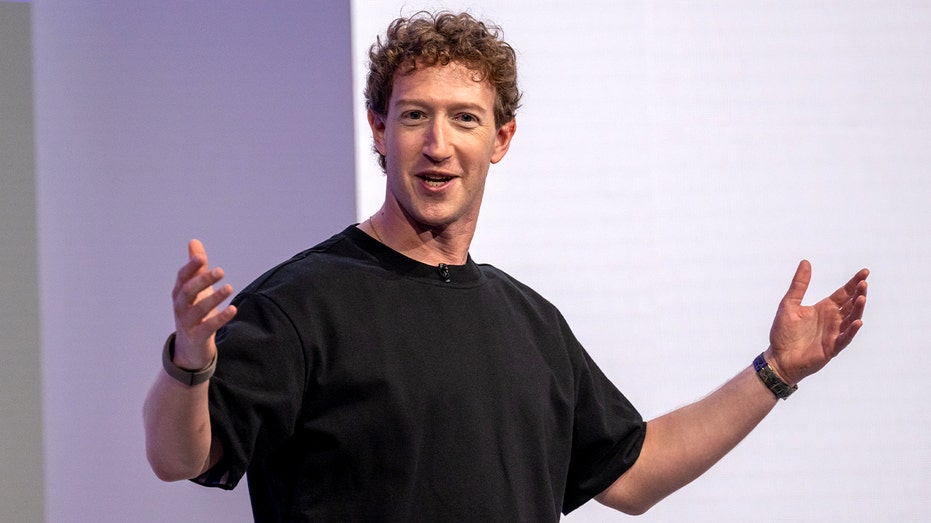
Meta and Google face more than 2,300 related lawsuits filed by parents, school districts and state attorneys general in federal court. (David Paul Morris/Bloomberg via Getty Images / Getty Images)
The scrutiny isn’t limited to the United States.
Countries including Australia and Spain have moved to restrict social media access for users under 16, citing concerns about addiction, online harms and mental health. Other governments are weighing similar age-based limits as pressure mounts worldwide.
With over 15 years of experience in the markets and a degree in economics, I focus on breaking down companies with clarity and discipline. My goal is to give individual investors a straightforward, honest view—what’s working, what isn’t, and where the risks and opportunities actually are. I don’t chase narratives. I follow the numbers and the business underneath.
Analyst’s Disclosure: I/we have no stock, option or similar derivative position in any of the companies mentioned, and no plans to initiate any such positions within the next 72 hours. I wrote this article myself, and it expresses my own opinions. I am not receiving compensation for it (other than from Seeking Alpha). I have no business relationship with any company whose stock is mentioned in this article.
Seeking Alpha’s Disclosure: Past performance is no guarantee of future results. No recommendation or advice is being given as to whether any investment is suitable for a particular investor. Any views or opinions expressed above may not reflect those of Seeking Alpha as a whole. Seeking Alpha is not a licensed securities dealer, broker or US investment adviser or investment bank. Our analysts are third party authors that include both professional investors and individual investors who may not be licensed or certified by any institute or regulatory body.
Iluka Resources has plunged to a $288 million loss following a bruising year for its mineral sands division, as it prepares to commission its Eneabba rare earths refinery in 2027.
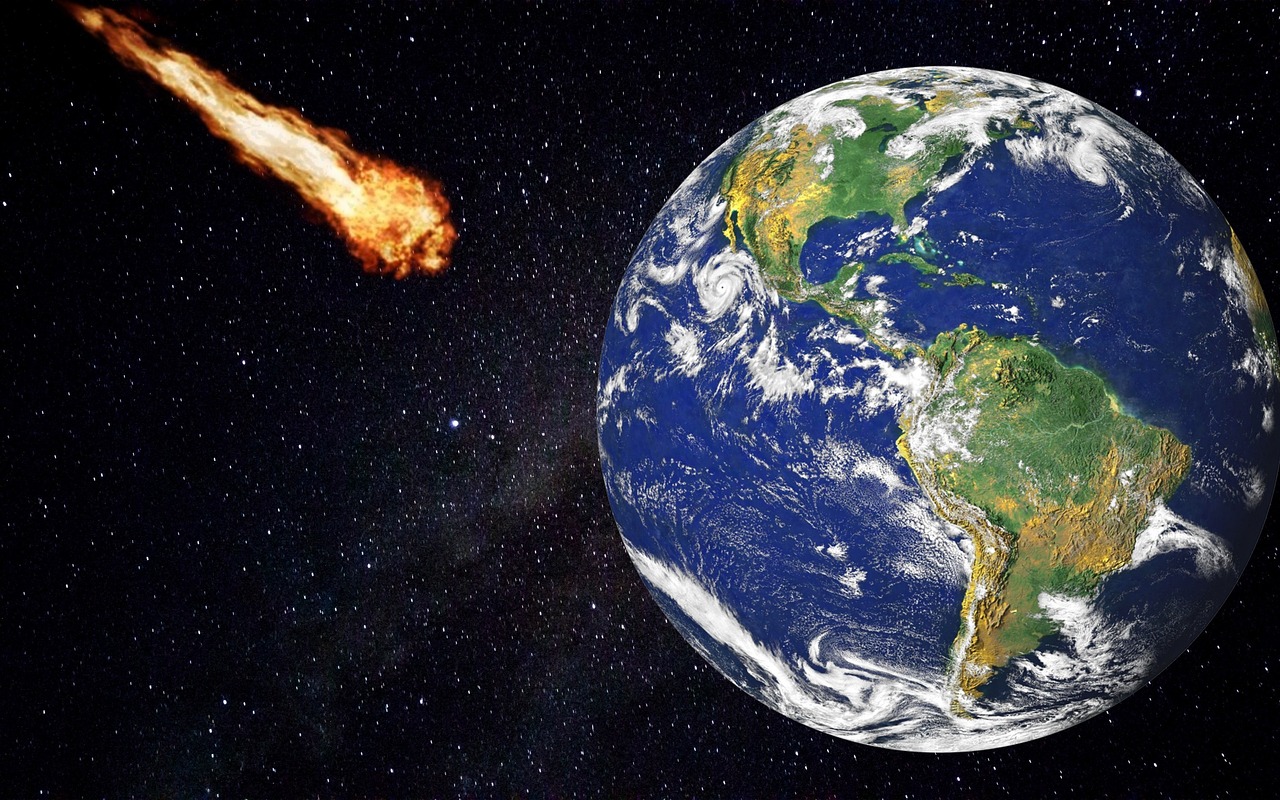
A senior NASA planetary defense official warned that humanity remains vulnerable to thousands of undetected near-Earth asteroids capable of devastating entire cities, emphasizing that current detection efforts have cataloged only about 40% of potentially hazardous objects in the 140-meter (460-foot) size range and that no ready-to-deploy deflection system exists for an imminent threat.
Kelly Fast, acting Planetary Defense Officer at NASA’s Planetary Defense Coordination Office, delivered the stark assessment during a presentation at the American Association for the Advancement of Science annual meeting in Phoenix on Feb. 16, 2026. She estimated that roughly 25,000 near-Earth objects of at least 140 meters exist, with approximately 15,000 still unaccounted for.
NASA Planetary Defense Expert Warns of 15,000 Undetected ‘City-Killer’ Asteroids
“What keeps me up at night is the asteroids we don’t know about,” Fast said, according to multiple reports from the event. She distinguished the threat from Hollywood-style “planet killers” — massive asteroids larger than 1 kilometer, which are largely tracked and pose minimal near-term risk — and tiny meteoroids that burn up harmlessly in the atmosphere daily. The real concern centers on mid-sized “city killers” that could cause regional devastation, including massive blast waves, fires and potential tsunamis if striking populated areas or oceans.
An impact from a 140-meter asteroid releases energy equivalent to tens or hundreds of megatons of TNT — far exceeding the most powerful nuclear weapons ever tested — capable of leveling urban centers and causing widespread casualties and infrastructure damage without triggering global extinction-level effects.
Fast noted that while NASA’s Center for Near-Earth Object Studies continuously monitors known objects via the Sentry and Scout systems, no significant impact risk exists in the next century for cataloged bodies. However, undetected asteroids remain a blind spot, particularly those approaching from the sunward direction or lingering in observational gaps. The comments echo ongoing challenges in planetary defense despite progress. NASA’s 2022 Double Asteroid Redirection Test (DART) mission successfully demonstrated kinetic impact deflection by slamming a spacecraft into the moonlet Dimorphos, shortening its orbit around parent asteroid Didymos by about 32 minutes — confirming the technique’s viability in principle.
Advertisement
Nancy Chabot, a Johns Hopkins Applied Physics Laboratory planetary scientist who led DART, addressed the same AAAS session and reinforced the limitations. “Dart was a great demonstration but we don’t have that sitting around ready to go if there was a threat we needed to use it for,” she said. “We would not have any way to go and actively deflect one right now.”
Experts stress that deflection requires years — ideally a decade or more — of lead time to launch a mission, whether kinetic impactor, gravity tractor, nuclear deflection or other methods under study. Short-warning scenarios leave few options beyond civil defense measures like evacuation.
To close detection gaps, NASA plans to launch the Near-Earth Object Surveyor (NEO Surveyor) infrared space telescope in 2027. The mission aims to discover at least 90% of near-Earth asteroids 140 meters and larger within a decade of operations, dramatically improving catalog completeness and early warning capabilities. International collaboration, including ESA’s Hera mission — which will rendezvous with the Didymos system in late 2026 to study DART’s long-term effects — bolsters global efforts.
NASA’s Planetary Defense Coordination Office continues hypothetical impact exercises with federal, state and international partners to refine response protocols. The agency maintains that while the overall risk remains low — with most large objects tracked and no imminent threats identified — mid-sized undetected asteroids represent the highest uncertainty in near-term hazard assessments.
Advertisement
Fast’s remarks have renewed public and scientific discussion on funding priorities for planetary defense amid competing space exploration goals. Proponents argue that incremental investments in telescopes, rapid-response missions and international coordination could substantially mitigate the threat.
No immediate action is required based on current knowledge, but officials urge sustained support for detection and deflection technologies to ensure preparedness if a threatening asteroid emerges.
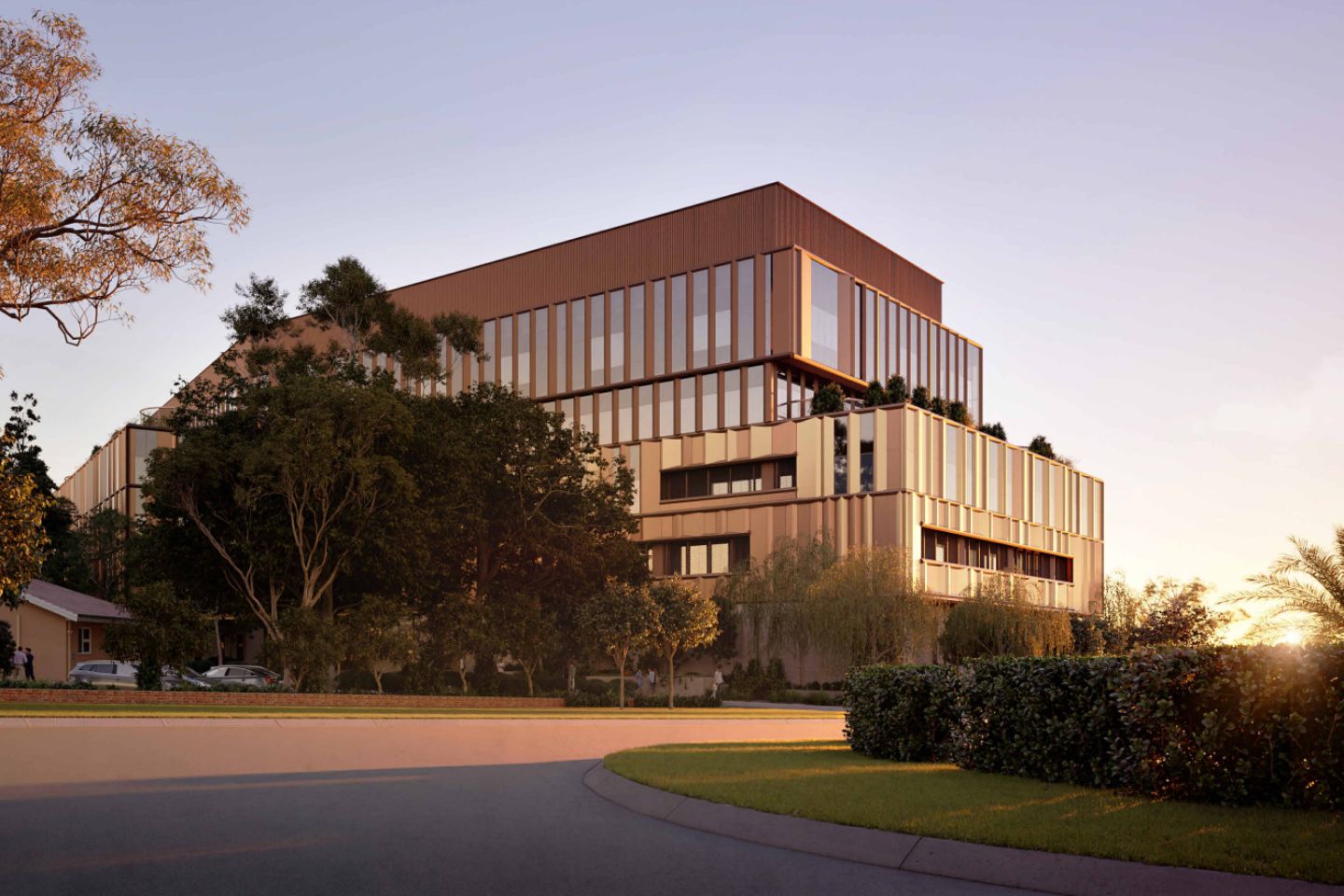
A state planning committee has approved an expansion of the Osborne Park hospital, as part of the next stage of the $1.8 billion Women and Babies Hospital project.
Australia’s share market has ended the session higher as NAB became the latest large-cap to outshine forecasts in a so-far encouraging earnings season.