With leaves turning orange and starting to fall, now is the time to get gardens ready for the colder months ahead.
September is a transitional month, acting as a bridge between summer and winter and giving gardeners a chance to carry out essential maintenance and planting.
Simon Parry, a gardening expert at Trex, and Craig Wilson, co-founder, director and gardening expert at Gardeners Dream, have shared their top tips for September garden tasks.
What do you need to do in your garden in September?
Prepare your lawn for winter
Wilson said that as we begin to see an increased level of rainfall in September, the threat of lawns becoming waterlogged increases.
He advised aerating the lawn using a garden fork or scarifier to prevent waterlogging and soil compaction.
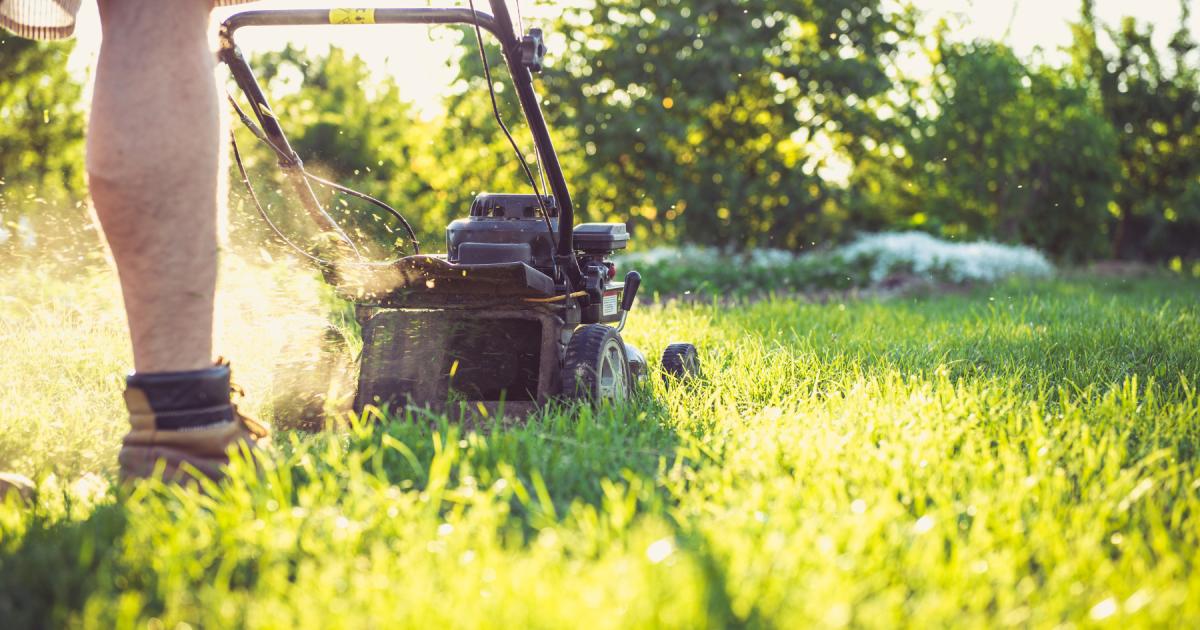
Meanwhile, Parry said that cutting the lawn regularly is helpful, but make sure to do it in dry weather as cutting wet grass can damage roots.
He explained: “At the beginning of the month, cutting every 1-2 weeks with high mower blades will help the grass absorb the rain it didn’t get in summer.
“Towards the end of September when growth slows down, fortnightly cuts will suffice.”
![]() Aerating the lawn using a garden fork or scarifier can prevent waterlogging in the lattter months of the year (Image: Canva)
Aerating the lawn using a garden fork or scarifier can prevent waterlogging in the lattter months of the year (Image: Canva)
He also recommended applying an autumn lawn feed high in potassium and phosphorus to strengthen roots if growth is poor.
For any summer damage, Mr Parry suggested raking out dead moss and spiking the lawn before feeding to boost growth.
Plant spring bulbs, shrubs and trees
Both experts agree that September is also a good time to begin planting for next season.
Wilson said that once autumn comes along, he’d recommend planting spring bulbs like daffodils and bluebells.
He shared: “Whilst the hottest days are past us, planting shrubs and trees now will allow the roots to establish and grow before the first frosts and, ultimately, will result in an amazing display come spring.”
![]() Various plants, shrubs and trees can be planted in September in preparation for the spring (Image: Getty Images)
Various plants, shrubs and trees can be planted in September in preparation for the spring (Image: Getty Images)
Parry echoed this advice, encouraging gardeners to sow hardy annuals and spring-flowering bulbs while the soil remains warm.
He said: “Sowing spring flowering bulbs, such as daffodils and hyacinths, will also allow them to establish strong roots before winter.”
Plant vegetables and herbs
Wilson advised planting some varieties of vegetables and herbs that will then be ready in the winter.
He said: “If you want to be able to harvest greens throughout the winter, then now is the right time to start planting hardy varieties such as kale, pak-choi and mustard, ready for those winter salads.”
Wilson continued: “Before the temperatures drop and the frosts begin, September is the perfect time to pot up some herbs such as parsley, chives and coriander, ready for cosy winter recipes.
“Once potted, place them on a sunny window ledge for fresh herbs all winter long.”
Start harvesting
The autumn period is also a good time to start harvesting seeds from existing flowers and plants to go again in the spring.
Wilson explained: “This month is a good time to get out in the garden to harvest ripe seeds from all of your favourite flowers, ready to plant them in spring.
“All you need to do is store them in envelopes and keep them in a cool dry place.
“Don’t forget to label them, too.”
Meanwhile, Parry discussed some fruit and vegetables reaching their growing peak around this period.
![]() Gardeners can harvest seeds to plant in the near future (Image: Getty Images)
Gardeners can harvest seeds to plant in the near future (Image: Getty Images)
He said: “Fruits such as apples, pears and plums should be ready now along with vegetables like, tomatoes, courgettes, beans, onions and potatoes, too.
“Make sure to pick off any rotting fruits.
“Any spent, healthy plants can be composted and finished summer crops should be removed.”
Make leaf mould for future use
Parry also recommended making leaf mould from fallen leaves as a long-term soil conditioner.
He said: “All you need to do is gather fallen leaves and stuff them into sturdy black plastic bags.
“Poke holes into the bag and leave it to decompose over 1-2 years, resulting in organic matter.”
While it will take a while to form, it will pay dividends in the future.
What are you planning to do in your garden in September? Let us know in the comments.

































































You must be logged in to post a comment Login