



Connect with us

Business

Release Date Set for Summer 2026

Published

on

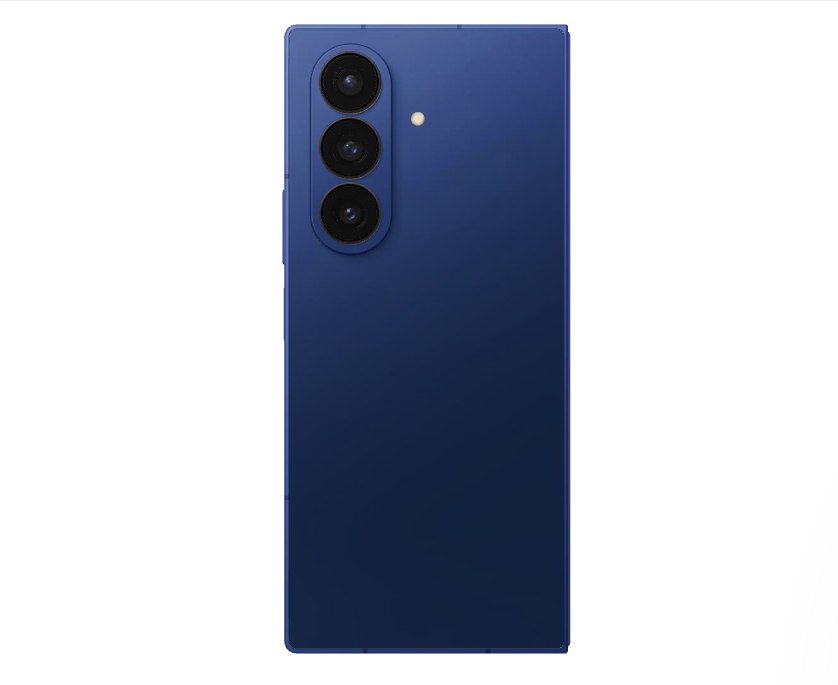
Samsung Galaxy Z Fold 7

Samsung Electronics is preparing to launch a significantly redesigned variant of its upcoming Galaxy Z Fold 8 series this summer, with the so-called “Wide” model confirmed for a third-quarter debut alongside the standard Galaxy Z Fold 8 and Galaxy Z Flip 8, according to multiple industry reports and recent software leaks.

Samsung Galaxy Z Fold 7

South Korean outlet ET News reported in late January that the Galaxy Z Fold 8 Wide — internally referred to in some contexts as a broader book-style foldable — will unveil at Samsung’s traditional summer Galaxy Unpacked event, typically held in July or August. Tipster Ice Universe reinforced the timeline on X, pointing to a likely July launch. This marks a shift from earlier speculation that the wider model might arrive later in the year to more directly rival an anticipated Apple foldable iPhone.

The Wide variant represents Samsung’s most substantial design evolution in the book-style foldable category since the line’s inception. Leaked animations from early One UI 9 test builds — Samsung’s upcoming software based on Android 17 — surfaced in mid-February, providing the first near-official glimpses of the device. Codenamed H8 with model number SM-F971U in U.S. variants, the renders show a noticeably wider aspect ratio on both the cover and inner displays compared to the current Galaxy Z Fold 7’s tall, narrow profile.

When folded, the external screen adopts a near-16:10 ratio, making it feel more phone-like and less elongated than predecessors. Unfolded, the main display shifts toward a roughly 9:7 aspect ratio, offering a more tablet-oriented experience optimized for multitasking, media consumption and productivity. This contrasts sharply with the Z Fold 7’s approximately 1.11:1 inner ratio, addressing long-standing user feedback about the traditional Fold’s awkward proportions for video and split-screen use.

Industry analysts view the Wide model as a strategic response to competitive pressures, particularly rumors of Apple’s first foldable — expected later in 2026 with a landscape-oriented, wider design. By launching in summer, Samsung aims to establish market dominance early. Production estimates suggest Samsung plans around 3.5 million units of the overall Z Fold 8 family, with approximately 1 million allocated to the Wide variant, indicating a meaningful but targeted rollout.

Advertisement

Beyond the form factor, the Galaxy Z Fold 8 series — including the standard and Wide models — is expected to build on recent foldable advancements. Rumors point to a continued focus on durability, with potential improvements to hinge mechanisms and reduced crease visibility on inner displays. Battery capacities could approach 5,000mAh in some configurations, supported by efficient chipsets like Qualcomm’s next-generation Snapdragon or Samsung’s Exynos options. Camera systems are slated for upgrades, emphasizing better low-light performance and AI-enhanced processing via Galaxy AI features.

S Pen support remains a staple for productivity, while One UI 9 integration promises deeper AI capabilities for seamless multitasking across the expanded screen real estate. Pricing details are scarce, but the Wide model may position as a more accessible entry into premium foldables, potentially undercutting the flagship Z Fold 8’s expected $1,999 starting point to broaden appeal.

Samsung has not officially commented on the Wide variant or specific launch dates, but thepresence of dedicated firmware flags and animations in One UI 9 builds strongly corroborates development progress. The company continues to expand its foldable portfolio, following the recent U.S. availability of the Galaxy Z TriFold — a triple-folding device priced at $2,899 and featuring a 10-inch inner display — which launched in late January.

As foldables gain mainstream traction, Samsung’s dual-Fold strategy for 2026 positions the company to capture diverse user preferences: the classic tall design for one-handed use and the new wider format for immersive content and work. The summer Unpacked event will likely clarify final specs, pricing and availability when Samsung takes the stage.

Advertisement

Continue Reading
Click to comment

Leave a Reply

Your email address will not be published. Required fields are marked *

Business

Bank of Hawaii stock hits 52-week high at 80.25 USD

Published

on


Bank of Hawaii stock hits 52-week high at 80.25 USD

Continue Reading

Business

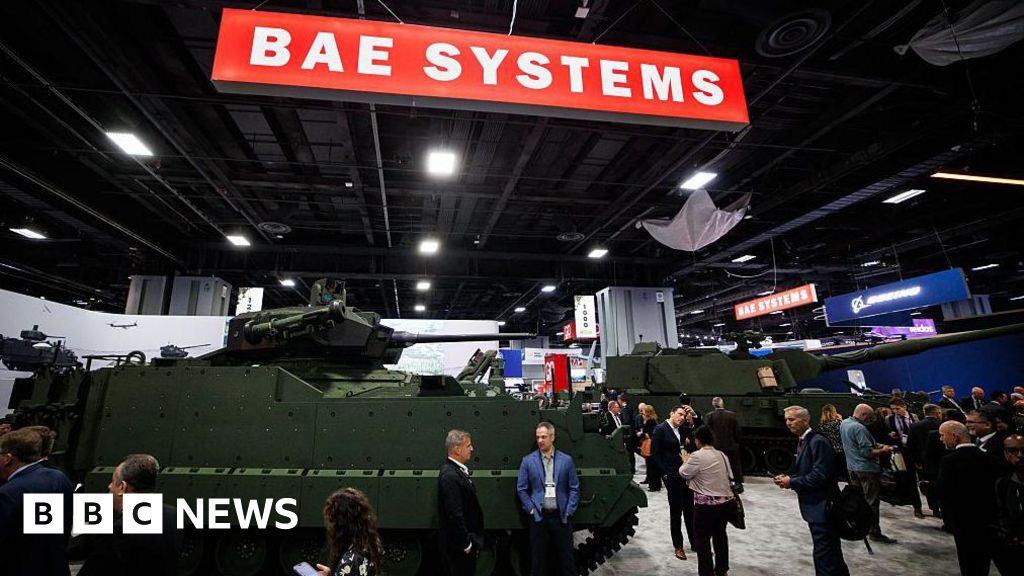
Defence giant BAE hails record sales as workers remain on strike

Published

on

Defence giant BAE hails record sales as workers remain on strike

Speaking after the company’s record results, Woodburn, who has run BAE since 2017, said: “In a new era of defence spending, driven by escalating security challenges, we’re well-positioned to provide both the advanced conventional systems and disruptive technologies needed to protect the nations we serve now and into the future.”

Continue Reading

Business

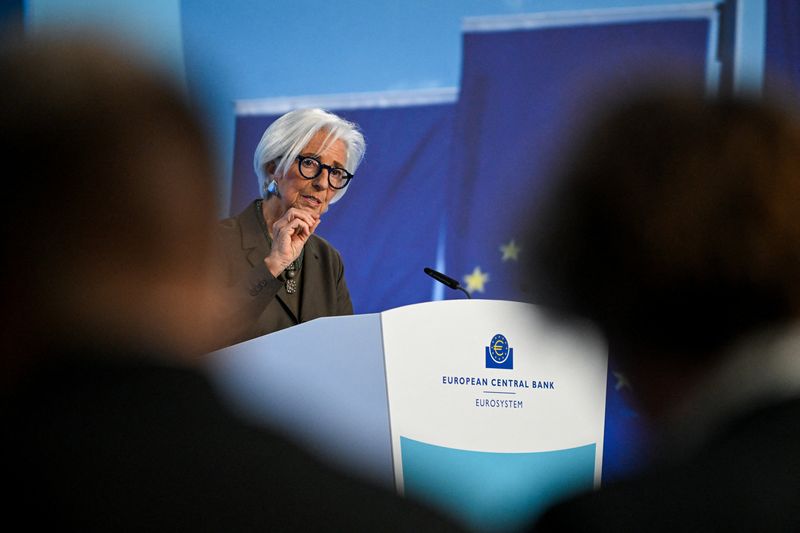
Lagarde’s possible early departure leaves investors pondering replacements

Published

on

Lagarde’s possible early departure leaves investors pondering replacements


Lagarde’s possible early departure leaves investors pondering replacements

Continue Reading

Business

Upstart’s Technology Has Taken The Next Step (Rating Upgrade) (NASDAQ:UPST)

Published

on

Upstart's Technology Has Taken The Next Step (Rating Upgrade) (NASDAQ:UPST)

This article was written by

I am an individual investor, working at a global technology company. I have an academic background in engineering and business economics and am currently pursuing a PhD in economics. I started investing while attending university in 2012 and have a focus in technology-based growth stocks, particularly in the fields of renewable energy, hydrogen, new mobility and space. As I aim to identify growth stocks for a diversified portfolio early on, the companies I invest in are usually small or micro caps which are not covered by a lot of analysts and SA contributors. I will thus share my thoughts from time to time with articles if I feel there are interesting yet under-evaluated investment ideas to contribute. My investment style is long only and I invest to hold for the long-term. In my analyses, I focus on fundamental topics such as technology, business model and valuation relative to the addressed market.

Analyst’s Disclosure: I/we have a beneficial long position in the shares of UPST, PGY either through stock ownership, options, or other derivatives. I wrote this article myself, and it expresses my own opinions. I am not receiving compensation for it (other than from Seeking Alpha). I have no business relationship with any company whose stock is mentioned in this article.

Seeking Alpha’s Disclosure: Past performance is no guarantee of future results. No recommendation or advice is being given as to whether any investment is suitable for a particular investor. Any views or opinions expressed above may not reflect those of Seeking Alpha as a whole. Seeking Alpha is not a licensed securities dealer, broker or US investment adviser or investment bank. Our analysts are third party authors that include both professional investors and individual investors who may not be licensed or certified by any institute or regulatory body.

Advertisement
Continue Reading

Business

General Mills reduces forecast for fiscal 2026

Published

on

General Mills reduces forecast for fiscal 2026

“Challenging consumer environment” cited for guidance adjustment.

Continue Reading

Business

More drugs should be over-the-counter

Published

on

More drugs should be over-the-counter
FDA's Marty Makary: Everything should be over-the-counter unless it's unsafe or requires monitoring

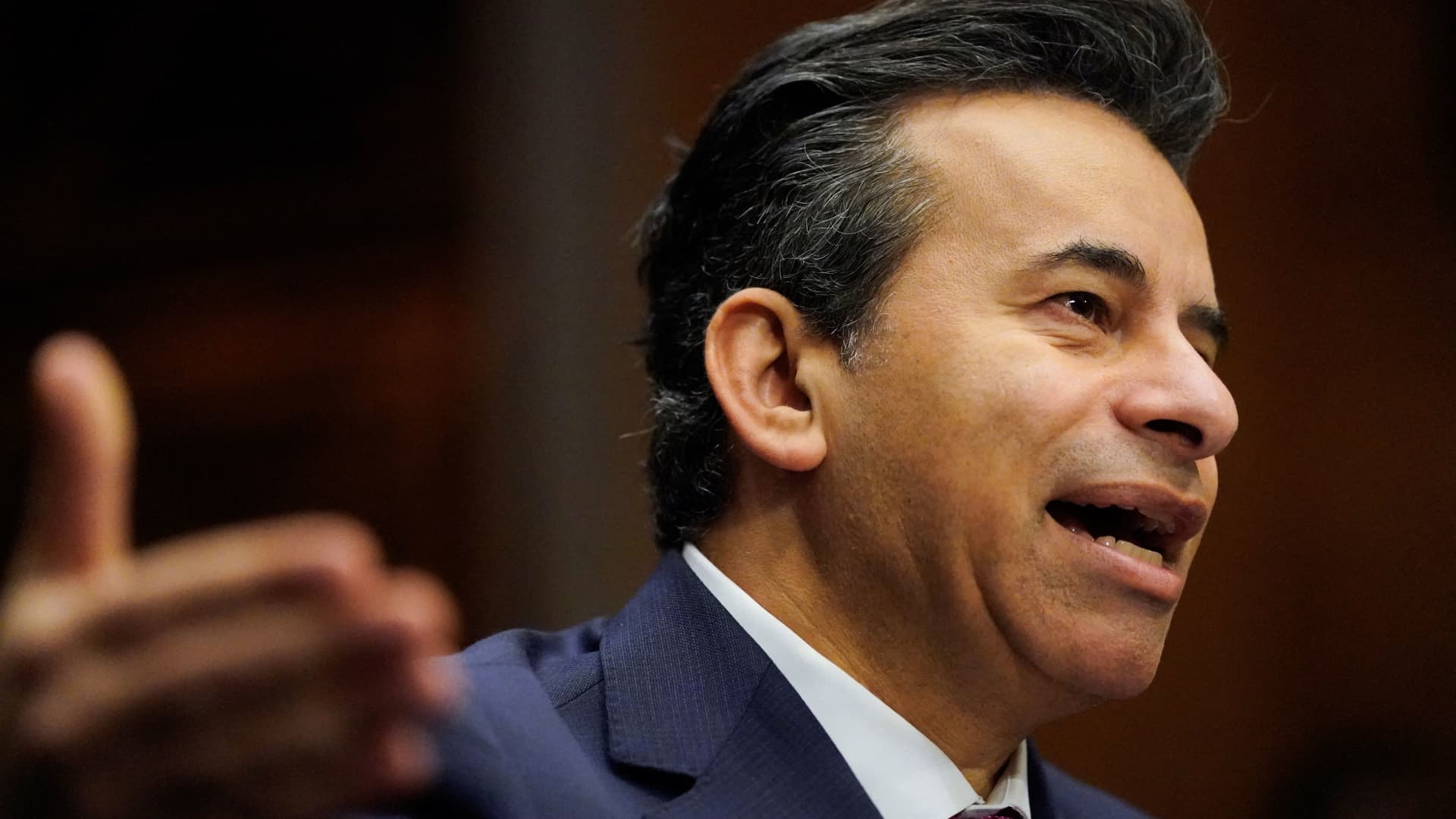
Food and Drug Administration Commissioner Marty Makary told CNBC that he believes “everything should be over-the-counter” unless a drug is unsafe, addictive or requires monitoring – doubling down on a push that some in the pharmaceutical industry have questioned

In an interview on Wednesday in Washington, D.C., Makary said the FDA’s aims to make changes this year that allow more companies to make their prescription medicines available over-the-counter, or OTC. He noted that the agency is going through “the proper regulatory processes” to update OTC monographs –  the rulebooks that determine which drugs can be sold without a prescription. 

Makary said the FDA is looking at “basic, safe” prescription drugs like nausea medications and vaginal estrogen, which is used to treat menopausal symptoms like dryness and pain. 

“In my opinion, everything should be over-the-counter and not requiring a prescription, unless it’s unsafe, unless you need laboratory test to monitor how it’s being received by your body, or if it could be used for some nefarious purpose or it’s addictive,” Makary told CNBC after the PhRMA Forum, a one-day event organized by the pharmaceutical industry’s largest lobbying group. 

Advertisement

“If it doesn’t meet those criteria, why shouldn’t a drug be over the counter? So we should be asking, why not? Instead of, ‘Oh, you want to move over the counter, you got to go through a long, tedious process,’” he added. 

Marty Makary, U.S. President Donald Trump’s nominee to be U.S. Food and Drug Administration (FDA) commissioner, testifies before a Health, Education, Labor, and Pensions (HELP) Senate Committee confirmation hearing on Capitol Hill in Washington, D.C., U.S., March 6, 2025. 

Kent Nishimura | Reuters

The FDA has long considered making some prescription drugs available OTC to improve accessibility, reduce health-care costs and help patients stay on their medications. For example, patients wouldn’t have to take time off work to see a doctor for a prescription or could refill a drug without delay.

Advertisement

Congress boosted the effort through legislation in November that streamlines the regulatory process for prescription-to-OTC transitions, including full, conditional and partial “switch” pathways.

Makary framed the FDA’s latest push to expand OTC access as another way to lower drug costs, a key priority of the Trump administration. He argued that placing medications directly on store shelves would bypass insurers and pharmacy benefit managers, eliminating the rebate-driven system that often obscures a drug’s true price.

He also said selling drugs over the counter promotes transparency that “keeps prices in check.” In some cases, Makary said cash prices for OTC medicines are lower than patients’ copays for prescription drugs “when there’s a money game going on behind the pharmacy counter,” with employers and insurers sharing the cost.

Pharma questions OTC push

Some in the pharmaceutical industry have pushed back on that argument. Most OTC drugs are not covered by insurance, meaning their prices could eclipse those of generic prescription medicines and potentially make them less affordable for patients who rely on coverage. 

Advertisement

In comments to the FDA earlier this month, the Association for Accessible Medicines argued that “the shift of many prescription drugs to nonprescription status could actually increase costs to patients, thereby decreasing patient access to treatments.” That organization represents manufacturers and distributors of generic prescription medicines. 

The FDA also doesn’t have the authority to regulate drug prices. In its own comments this month, PhRMA said the agency must respect “the core principle that pricing considerations may not factor into FDA regulatory decision-making.”

PhRMA added that the FDA should not attempt to transition any prescription drugs to OTC without first consulting manufacturers. But the group emphasized that it supports the FDA’s effort to expand access to crucial medicines. 

In its own comment this month, AstraZeneca said several previous attempts to transition cholesterol-cutting statins to OTC status have been “unsuccessful, with consumers consistently having difficulty making proper self-selection decisions.” 

Advertisement

Meanwhile, Makary told CNBC on Wednesday that “we have to trust people to make their decisions. We’ve got to get away from this paternalistic mindset.”

The FDA removed the longtime director of the office of over-the-counter drugs, Theresa Michele, from her position in December, STAT news reported at the time. 

Continue Reading

Business

Mondelez CEO on the five things that worry him

Published

on

Mondelez CEO on the five things that worry him

Consumer sentiment and ultra-processed foods top the list. 

Continue Reading

Business

More than 150 jobs lost as East Yorkshire maker collapses into administration

Published

on

Business Live

Administrators confirm the Goole-based emergency vehicle manufacturer has shut down after more than 30 years

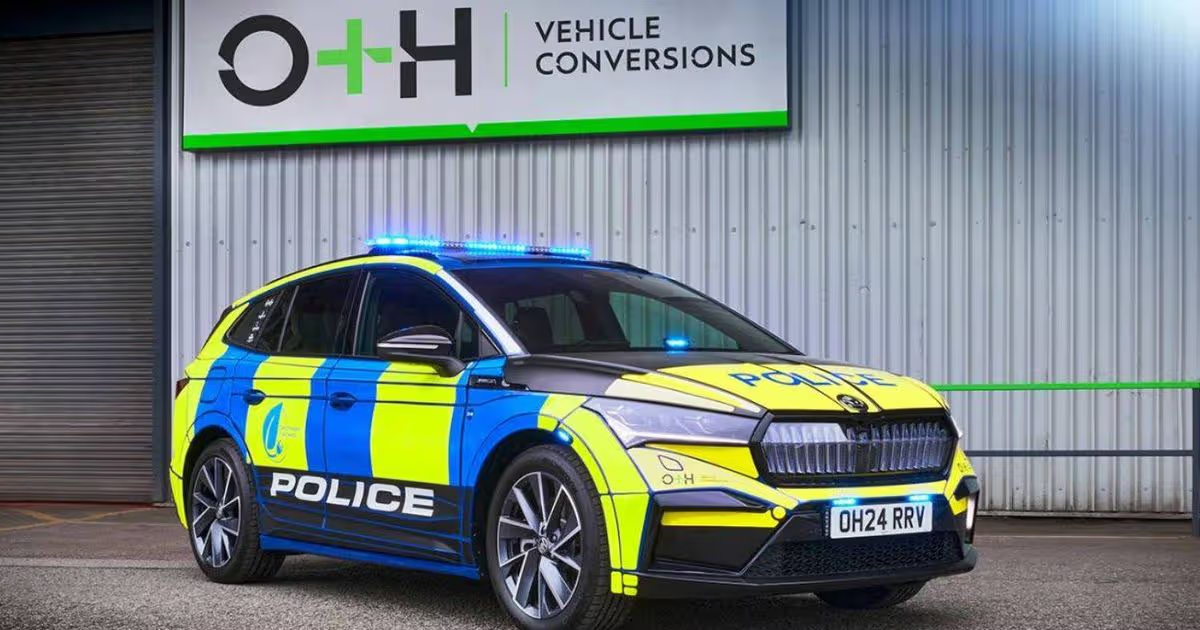
O&H Vehicle Conversions has filed a notice of intention to appoint administrators

O&H Vehicle Conversions had filed a notice of intention to appoint administrators(Image: O&H Vehicle Conversions)

Hopes that jobs could be saved at a Goole-based manufacturer of emergency vehicles have been dashed after administrators were officially appointed. Insolvency experts were brought in to O&H Vehicle Conversions last week amid financial difficulties.

The development brings to an end more than three decades of production at the firm’s Larsen Road facility, and results in the loss of 157 positions. Administrators from BDO LLP said the business had been affected by delivery delays which impacted revenue and cashflow, with the directors believed to be left with no alternative but to place the company into administration.

Attempts to market the business had been ongoing even before BDO’s appointment but a sale as a solvent, going concern could not be achieved. O&H’s 64,000 sqft plant which manufactured ambulances and other rapid response emergency vehicles is now shut.

Mark Thornton, one of the joint administrators said: “It is always a sad day when a longstanding business is forced to close. Given the financial position and outlook for the company, securing a sale of the business as a going concern was not possible.

Advertisement

“The priority of the joint administrators will now be to support employees impacted by the closure and realise assets in line with our duties in order to maximise the return for creditors.”, reports Hull Live.

The shuttering of O&H comes just weeks after CEO Mark Brickhill released a statement saying that since November of the previous year, approximately £2.2m in sales had been postponed. He stated that O&H had received support from shareholders for years, amounting to over £25m in a “very challenging industry”.

The most recent accounts for O&H Vehicle Conversions Group Ltd, spanning the year up to the end of February 2024, reveal a turnover of £22.3m and operating losses exceeding £9.7m. In those accounts, executives attributed delays to multi-year NHS Trust orders for ambulances which needed new post-Brexit accreditations.

Several O&H employees have taken to social media in recent days in search of new employment opportunities. A former director said: “It’s a difficult day, saying goodbye to so many talented and dedicated colleagues at O&H. People who showed up every day with pride, resilience, and a genuine commitment to doing things the right way. Watching a team like that be broken apart is heart breaking.

Advertisement

“I’m incredibly proud of what we achieved together, and I’m grateful for the friendships, the support, and the professionalism you all brought to work every single day. To everyone affected, I wish you nothing but success in finding your next role and hope our paths cross again. If anyone reading this can help my colleagues into their next opportunity, please do reach out to them.”
Continue Reading

Business

Newcastle Airport boosts global cargo power with expansion

Published

on

Business Live

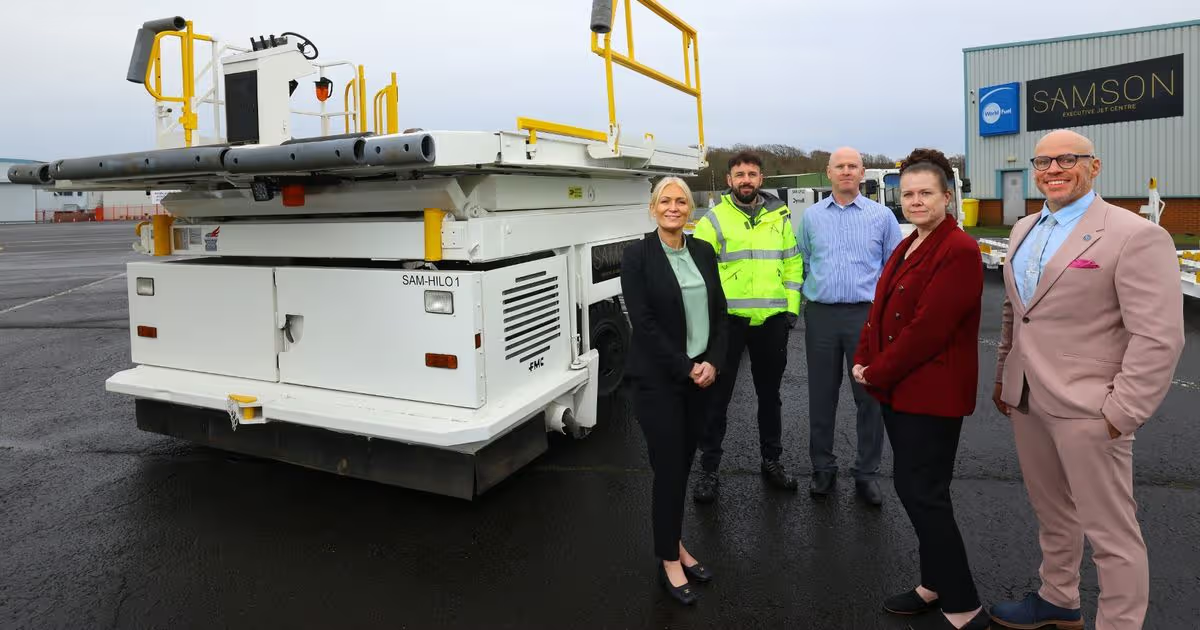
On-site business partner Samson Aviation has invested in a range of new equipment to handle more cargo

Paula Ives, general manager at Samson Aviation; Liam Adams, Samson operations team leader; David Grace, business development manager at Samson Aviation; Aileen Wallace, cargo business development manager at Newcastle Airport and Leon McQuaid, director of aviation development at Newcastle Airport.

Paula Ives, general manager at Samson Aviation; Liam Adams, Samson operations team leader; David Grace, business development manager at Samson Aviation; Aileen Wallace, cargo business development manager at Newcastle Airport and Leon McQuaid, director of aviation development at Newcastle Airport.(Image: Newcastle Airport.)

Newcastle Airport has strengthened its role as a major logistics hub after expanding cargo services to meet growing demand. The airport’s on-site business partner, Samson Aviation, has invested in a range of new equipment, including a main deck loader capable of handling both widebody and narrowbody passenger and cargo aircraft.

The upgrade enables the airport to handle larger and more specialised cargo, such as heavy machinery, aircraft components, and luxury vehicle, across a wider range of aircraft. The move supports growth beyond the 4,000 tonnes of cargo it currently imports and exports for the region.

The airport supports global trade through its round-the-clock operations and transport connectivity. Emirates’ daily Dubai service can carry up to 21 tonnes of cargo, transporting a wide range of goods including automotive parts and pharmaceuticals.

From Dubai, cargo can be transported to more than 130 destinations worldwide, with Shanghai in China, Melbourne in Australia and Johannesburg in South Africa being among the most popular destinations for exports from Newcastle.

Advertisement

Meanwhile, the freight village offers a range of freight processing facilities, allowing imported goods to be cleared quickly through customs before being transported across the UK and beyond.

A CGI of AirLink, the new new cargo hub earmarked to be built at Newcastle Airport

A CGI of AirLink, the new new cargo hub earmarked to be built at Newcastle Airport(Image: Newcastle Airport)

In its 2040 Masterplan, the airport has outlined plans to further expand its cargo operations, including building AirLink, a new 750,000sq ft cargo hub, which could create thousands of jobs and boost the regional economy by up to £165m a year.

Leon McQuaid, director of aviation development at Newcastle Airport, said: “We are delighted to further strengthen Newcastle Airport’s position as a leading cargo gateway with the addition of this new equipment. It significantly enhances our capability to handle a wider range of cargo and underlines our ability to support the growing number of businesses choosing the Airport for their import and export needs.

“Our continued investment in our cargo infrastructure demonstrates a clear commitment to growth and we continue to welcome conversations with any cargo or aviation related businesses looking to invest in the region.”

Advertisement

Paula Ives, general manager at Samson Aviation, said: “The investment in the new equipment demonstrates Samson Aviation’s commitment to supporting Newcastle Airport’s growing cargo operations. It will create more opportunities for businesses in the North East, across the UK and internationally to transport larger and more specialised cargo efficiently and connect with key markets around the world.”

Continue Reading

Business

Satellite images show Iran repairing and fortifying sites amid US tensions

Published

on

Satellite images show Iran repairing and fortifying sites amid US tensions


Satellite images show Iran repairing and fortifying sites amid US tensions

Continue Reading

Trending

Copyright © 2025