Fiserv’s Colm O’Donaill discusses the ever-more-vital issue of security in a finance landscape being transformed by AI innovation.
Now a senior vice-president and CIO for EMEA at global fintech and payments platform Fiserv, Colm O’Donaill took his first steps into the space aged 11 or 12 when he picked up some new skills on an amber-screen, DOS-based PC his mother brought home in the late 80s.
O’Donaill told SiliconRepublic.com, “It was a business machine so I couldn’t play games on it, so instead I self-learnt how to code. My first job was typing up theses and university papers for my older sibling’s college classmates.”
Education has been for him, like it is for so many in the STEM space, a vehicle through which one can stay abreast of evolution in a vastly changing world and, now more than ever, he finds that professionals can’t let their skills stagnate.
Advertisement
“Computer engineering is constantly evolving and like other professional disciplines such as medicine and science, a practitioner needs to be continually investing in their own learning,” he said.
“The advancement of AI since GPT-5 was released this time last year has been staggering and continues to accelerate, so if we are to participate, we can’t take any breaks in self-education.
“With new cyber models of AI, we are learning that it is able to expose lack of diligence in security systems, meaning we have to really fulfil our obligation to resolving zero-day issues and continuous remediation of findings instead of lip-service to those ideals.
“Companies that don’t protect in depth will be discovered by automated agents and will be exploited. This requires that we take investment in these areas seriously.”
Advertisement
A tale of two landscapes
O’Donaill noted Ireland’s strong reputation in the fintech industry, due in part to the many natively-grown companies that have shown what Irish fintechs can contribute, and the talent pipeline consisting of professionals trained at large multinationals.
However, the challenge, he finds, is in better understanding other markets so fintech companies can scale and grow, while also navigating industry turmoil and complexity.
“It’s no secret that there have been layoffs in Ireland since the beginning of the year in the finance and tech sectors. This may indicate that the Irish advantage is being eroded – likely by high costs of living making Ireland less attractive to foreign investors – and this means there’s less security in the industry.
“This, however, underlines the need to continuously self-educate and avoid complacency. If there are disruptions in the Market News International sector, this releases many experts into the domestic market to drive Irish innovation forward – entrepreneurs would be wise to take advantage.”
Advertisement
To that point, he shared an anecdote in which “a previous employer hired technology staff directly from the carpark of a liquidation competitor”.
Primarily, for O’Donaill, one of the biggest mistakes a young person looking to move into a finance career can make today would be to neglect their AI education, noting the similarity of the technology’s emergence to other impactful innovations.
“The current AI offerings are the worst they will ever be – they will only improve. They will become as much a fact of working as computers became in the 80s or virtual meetings became in the 2010s,” he said.
“Any young professional that is not deeply exploiting this innovation will lose out to others. It is a key aspect of improving the quality and volume of output a contributing employee can make – don’t miss out.”
Advertisement
Don’t miss out on the knowledge you need to succeed. Sign up for the Daily Brief, Silicon Republic’s digest of need-to-know sci-tech news.
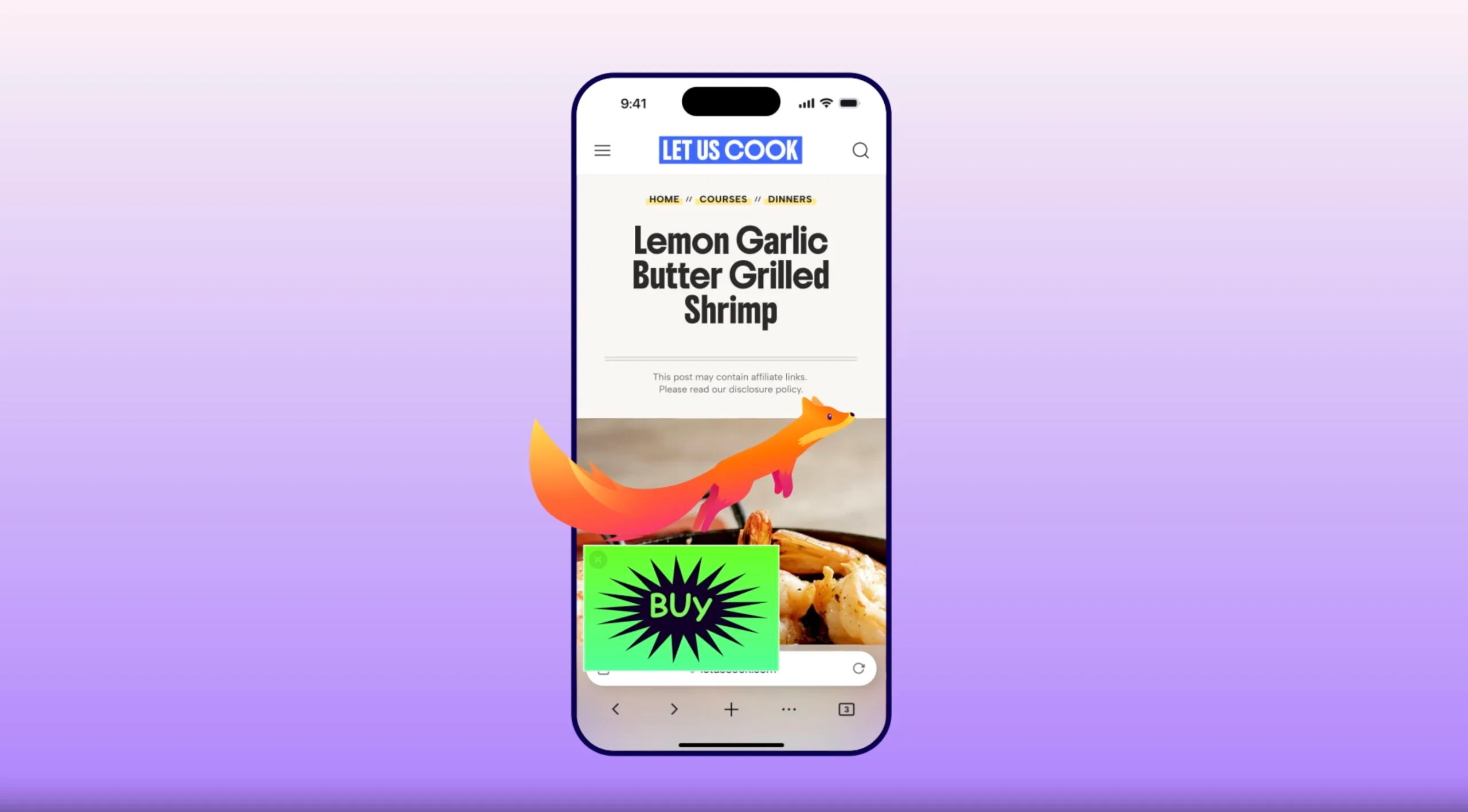
Firefox users on iPhone finally get something Android and desktop users have enjoyed for a while: a real way to block ads without hunting down a separate extension for Firefox. Mozilla officially launched Ad Blocker for Firefox on iOS today, after testing it over the past few weeks.
How the new ad blocker works on iOS
The feature relies on Apple’s WebKit Content Blocker technology paired with the EasyList filter, which is a community-maintained list that identifies known ad and tracker sources. That combination lets Firefox strip out most third-party ads and trackers before they even load, cutting down on clutter and saving you some bandwidth along the way. This is the latest move in Mozilla’s yearslong campaign against ad-based tracking.
However, you should also know what this feature can (and cannot) do. Ads served directly by the website itself will still show up, as will ads inside search results. Firefox’s own sponsored shortcuts on the new tab page are treated separately too, so don’t expect those to disappear.
How to turn on Firefox’s ad blocker on iOS?
Mozilla
You’ll need to turn this on yourself, since Mozilla is keeping it off by default. First, go to Settings, then Browsing, then Ad Blocker to enable it, or toggle it quickly from the site menu whenever you’re browsing.
The ad-blocker works alongside Firefox’s existing Enhanced Tracking Protection, giving iOS users two layers of privacy tools. Notably, Firefox is actually late to this particular party, since Brave, Opera, and Vivaldi already offer built-in ad blocking on their own iOS browsers.
Advertisement
Firefox 155 update: what else is new?
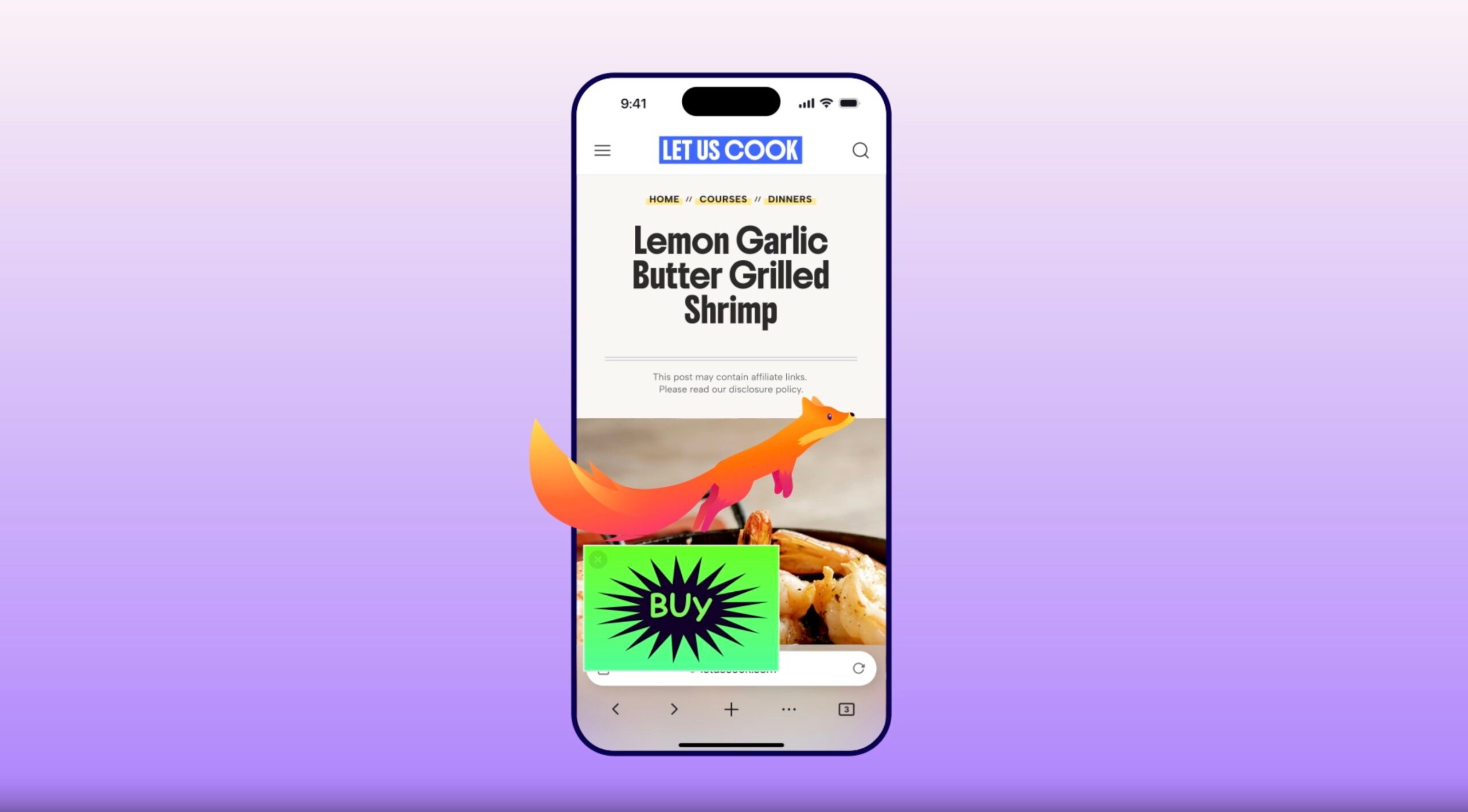
This rollout lands alongside Firefox 155, which brings a handful of other changes too. Smart Window, Mozilla’s AI-assisted browsing feature, is expanding to more users in the US, Canada, and France, picking up faster responses and smarter tab organization along the way.
Mozilla
Organize Tabs feature also got smarter. It now suggests better grouping for related tabs and gives each group a clear descriptive name. The update also adds a visible tracker count right in the address bar, plus a batch of smaller bug fixes across desktop and mobile.
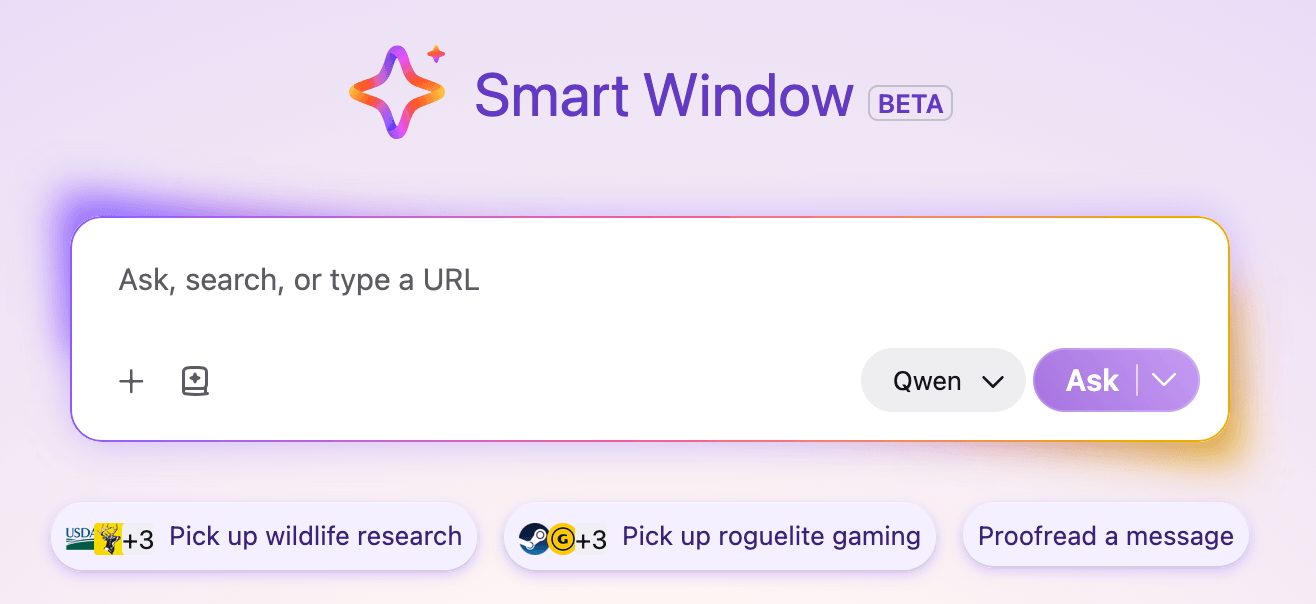
In brief: A small team of engineers and scientists have announced what they are describing as humanity’s first mission to another star. It’s an ambitious mission, but one that’d barely put a dent in the budgets of major space players like NASA or SpaceX.
The Fermi Explorer Mission aims to launch in just three years and arrive at Alpha Centauri in roughly 80,000 years at a cost of less than $15 million – an absolute bargain, relatively speaking. The non-profit is co-founded by Philip Johnston, Ezra Feilden, and Adi Oltean, who recently brought startup Starcloud to life. An 81-page PDF is available to download, outlining the full mission plan and analysis.
The team expects its spacecraft to be the first to set sail but the last to actually arrive at its destination. Advances in technology should allow humanity to build spacecraft in the not-too-distant future that can travel through space at much faster speeds. Even with the head start, Fermi Explorer will lose the race by a wide margin.
Why bother with the mission at all if craft built just 50 years from now will get there first? Well, someone has to be first, and the mission could spark interest from other groups with deeper pockets and better technology. There’s also something to be said about the spirit of human exploration and our thirst for knowledge. A project like this certainly scratches those itches.
Advertisement
The non-profit is soliciting donations via a crowdfunding model, complete with typical reward tiers. A donation of $10 will get your name on a website as an official mission supporter, while a minimum contribution of $100 is needed for your name to be engraved on the craft. There’s also a merch store where you can purchase branded swag to support the effort.
The next step in humanity’s exploration of space involves returning humans to the Moon and eventually, sending them to Mars. A crewed mission to our nearby satellite is targeted for 2028; no date is yet set for our first trip to the Red Planet.
Roku has launched its first-ever OLED TVs, the Roku Pro Series OLED and Roku Pro Series LX OLED, replacing its older LCD-based Pro lineup entirely. For a brand known mostly for budget friendly streaming hardware, jumping straight into OLED territory is a bold move, especially with pricing this aggressive.
The Roku Pro Series OLED undercuts Samsung and LG
The base model starts at just $999 for the 55-inch size, a number worth pausing on. Samsung’s entry-level S85 OLED currently lists for $1,499, while LG’s B6E OLED runs $1,299. Roku is undercutting both by a real margin.
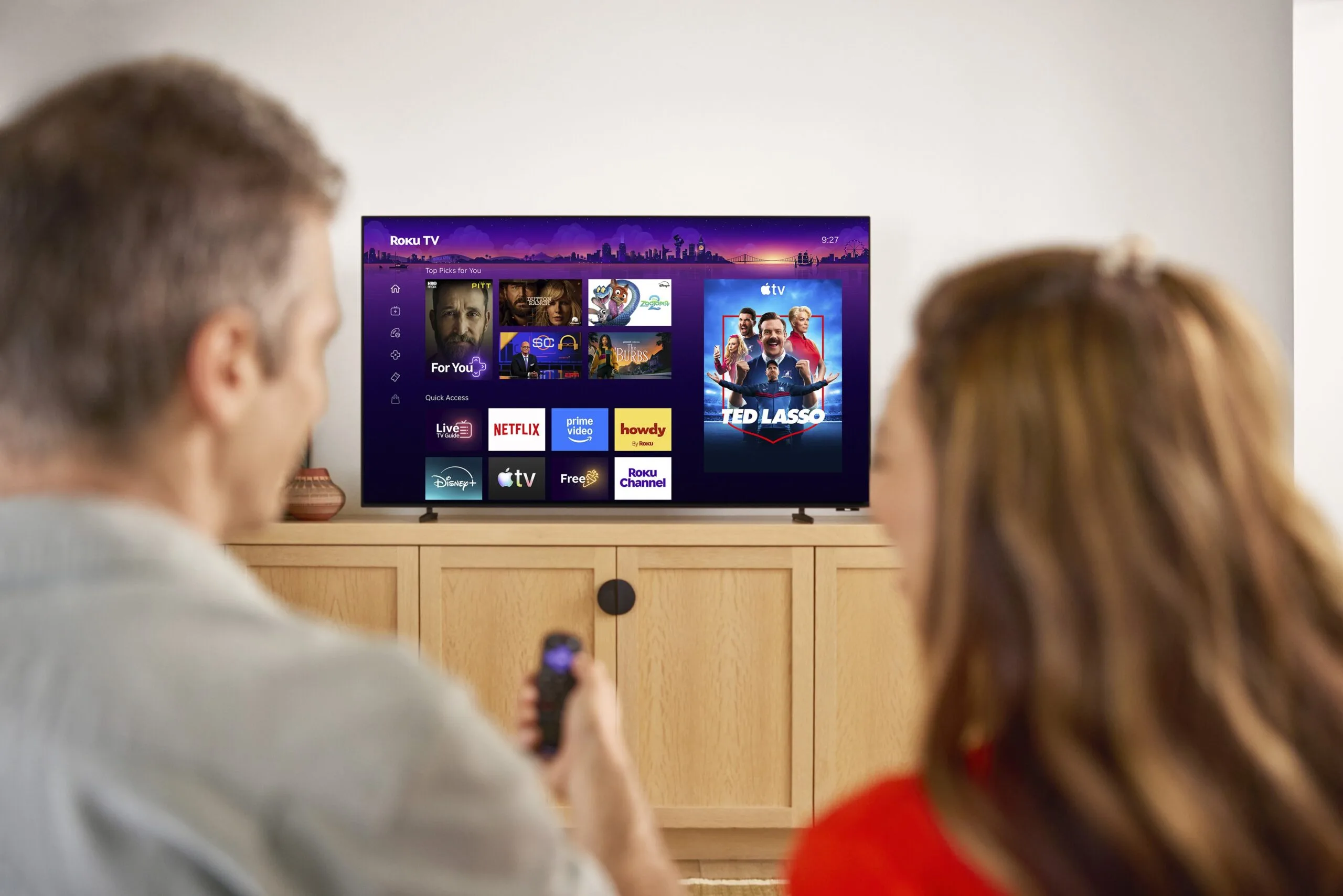
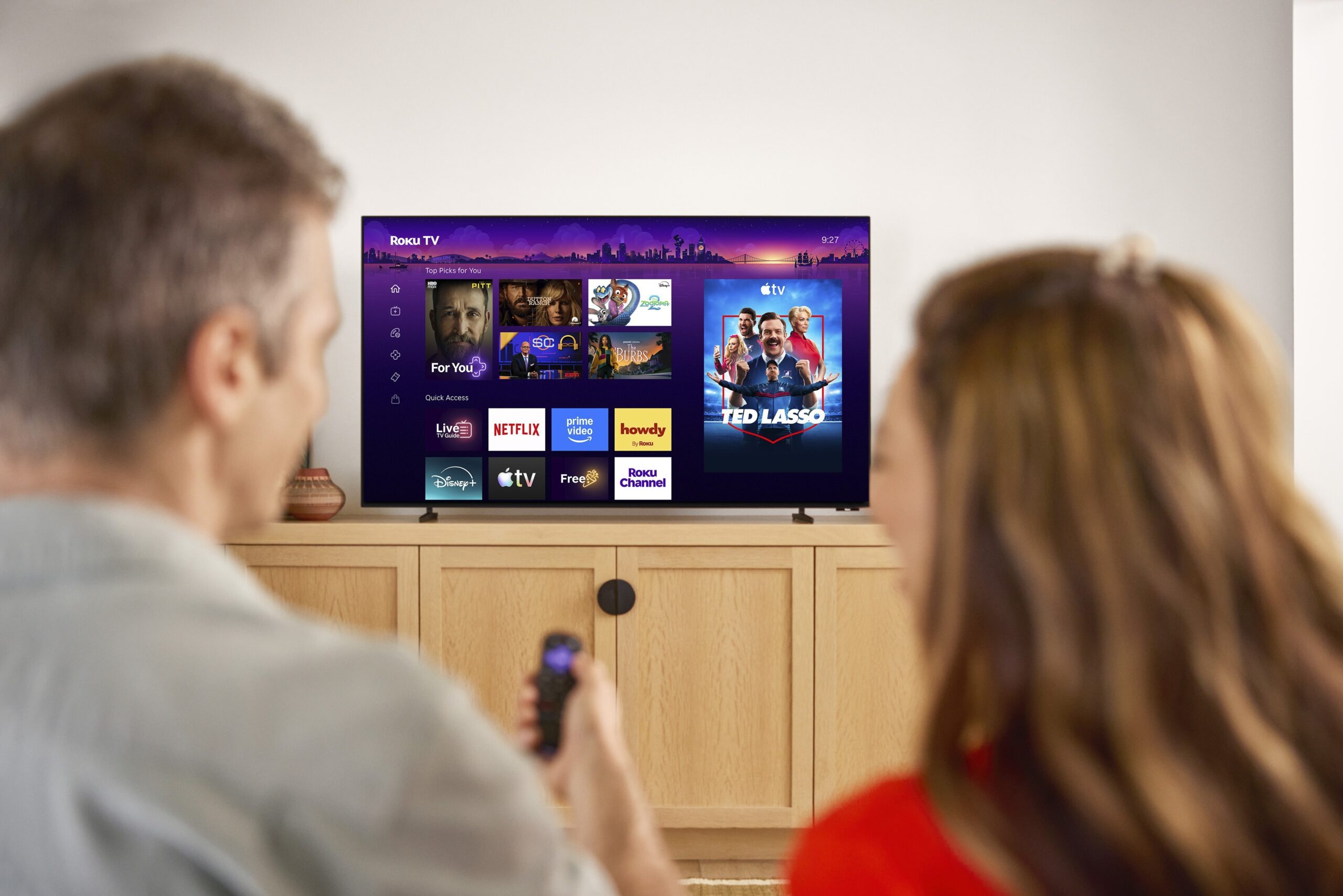
Roku Pro Series OLED features a 4K, 120Hz panel with Dolby Vision, Roku’s Smart Picture Max for automatic picture tuning, and gaming perks like FreeSync Premium and variable refresh rate. It’s also available now in both 55 and 65 inch sizes, exclusively through Amazon.
The Roku Pro Series OLED TVRoku
The Pro Series LX OLED is the pricier, sharper option
Roku’s step-up model adds a brighter panel, a wider color range, a faster 144Hz refresh rate, and an anti-reflective filter that cuts down on glare. It’s not yet confirmed which exact type of OLED panel this model uses, though it’s likely a brightness-optimized variant similar to what LG uses in its C Series. The LX OLED is available for preorder now, officially launching in October for $1,299.
What’s new, and what’s missing, in Roku’s OLED TVs
Both new TVs share Roku’s signature simplicity. You get an adjustable tool-free stand, velcro cable straps, and a push to talk voice remote with backlit buttons that pairs directly with Bluetooth headphones.
Advertisement
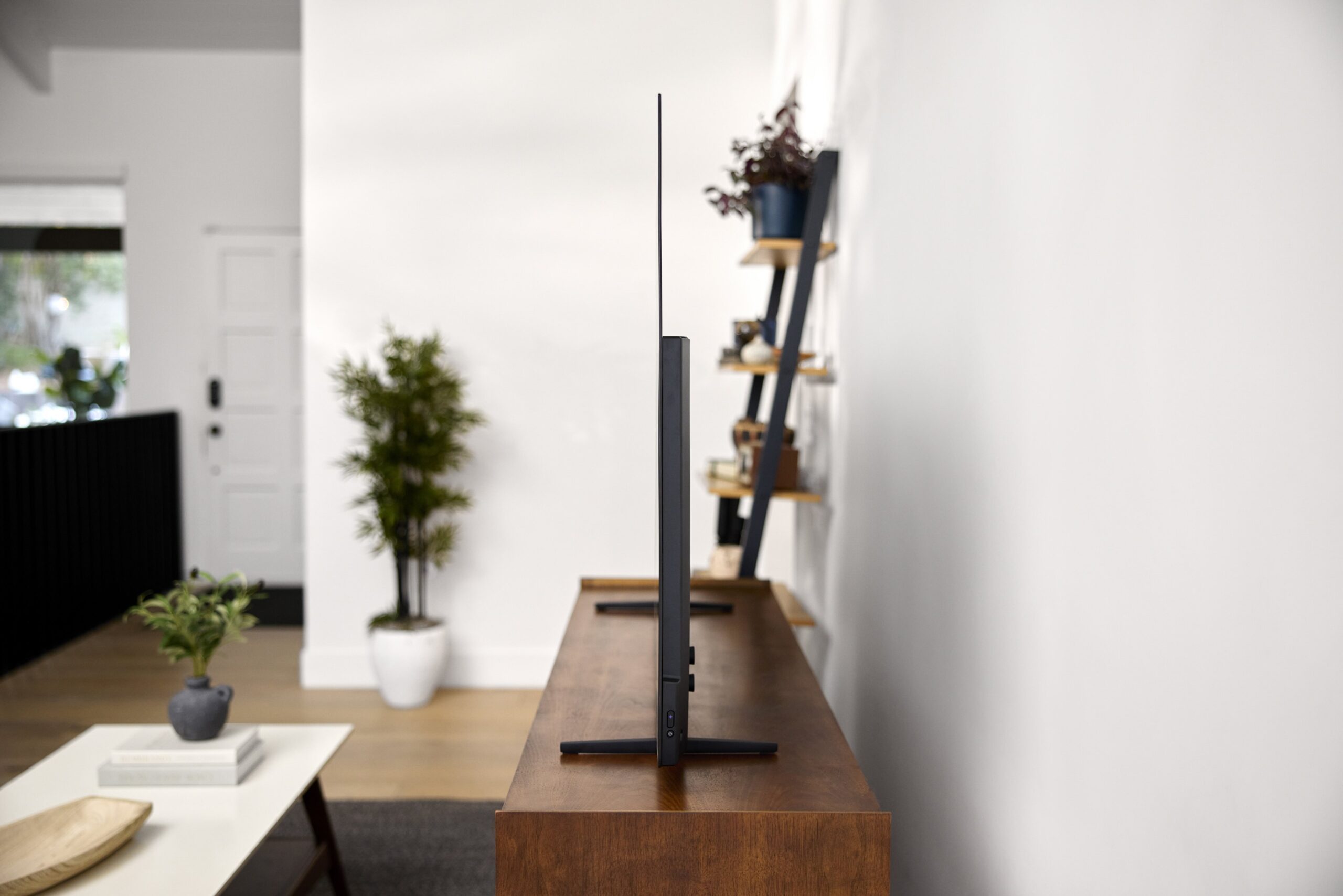
The Roku Pro Series OLED and Pro Series LX OLED featuring a metal bezel with a thin profileRoku
There’s also a tradeoff here. Roku’s ultra-thin metal bezel design meant sacrificing the Soundstage audio port that shipped on the older Pro TV. Roku’s VP of retail strategy, Chris Larson, confirmed the feature would have made the new design too thick to pull off.
For years, Roku has built its reputation on simple software and affordable streaming devices. Now it is bringing that same strategy to OLED TVs. Whether it can challenge LG and Samsung on picture quality remains to be seen, but it has already made the premium TV market far more competitive.
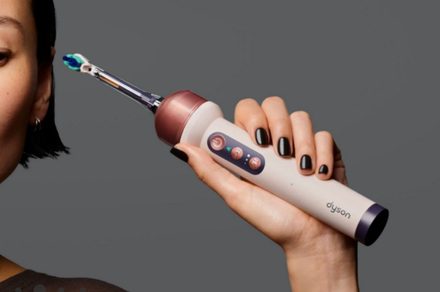
I never thought I’d type this sentence, but there’s a toothbrush that costs as much as a mid-range Android smartphone and has Wi-Fi connectivity and a built-in camera.
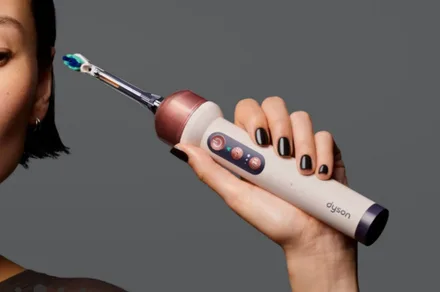
Dyson just unveiled the CameraJet, a toothbrush that packs an actual camera and an AI detection system. It is built specifically to find and flush out the gaps between your teeth that regular brushes miss.
So how does this camera toothbrush actually work?
Like its other products, Dyson has made this one a high-tech engineering showcase. The company has devised something called Gap Optical Targeting. It uses a tiny 100,000-pixel camera paired with an AI system that hunts for gaps between your teeth.
The moment it spots one, it fires a cone-shaped jet of mouthrinse into it, which spreads wider on contact and sweeps plaque off in one motion. At the same time, the spray is gentle enough so that it doesn’t irritate your gums or damage enamel.
Advertisement
Instead of the typical straw-in-a-cup water tank that ends up sputtering air bubbles when tilted, the CameraJet features a diaphragm pump and pressure chamber that keep the 12.5 ml tank. The unique design helps it eject mouthrinse with a steady pace, no matter how you’re holding the brush.
What will it actually cost you?
The charging dock also refills in three seconds at the push of a button. You also get a travel case. Speaking of the brush itself, it uses two bristle types: firmer ones on the inside to lift stains and softer ones on the outside to protect your gumline.
Each head also carries an RFID chip to track your usage. The device connects over Wi-Fi and Bluetooth to the MyDyson app, where you can also watch a live camera feed so you can actually watch your own teeth the way a dentist would. It also maps which spots you’re covering well and the ones you’re missing.
Advertisement
If you didn’t already see this coming, the Dyson CameraJet starts from $499. That’s how much the Google Pixel 10a costs in the US. In the box, you get the electronic brush, the dock, two brush heads, and a charging cable. It’s available today in Ceramic Ultra Blue or Ceramic Pink, through Dyson Demo Stores or directly at the official website.
A wholesome story has gone viral on Facebook after California Highway Patrol – Auburn shared a heartwarming image of a man being reunited with a vehicle stolen from him more than 30 years ago. According to the CHP, a 1971 Chevrolet Chevelle SS was reported stolen in San Mateo County in 1993. However, during a VIN inspection of a ’71 Chevelle SS 33 years later, officers realized they were looking at the exact car that had been stolen all those years ago.
After working with the San Mateo Police Department, they confirmed that it was indeed the same Chevelle SS. The CHP then returned the classic muscle car to its original owner. “After more than three decades,” the CHP wrote on Facebook, “this classic is finally back where it belongs.”
Advertisement
The 1971 Chevrolet Chevelle SS appeared quite clean and well cared for in the image released by the CHP, leaving some to wonder whether the then-owner wasn’t aware that their Chevelle had been stolen. They had clearly put a lot of money and time into the car, which is easily worth $30,000 to $70,000 depending on the mileage and condition, and even more for the Chevelle SS, some of which have sold for six-figure sums. The Chevelle SS is one of the most iconic Chevy models ever made due to its aggressive looks and powerful engine options, with the ’71 model maxing out at 365 hp from the 454 V8.
Advertisement
How to protect your classic car from getting stolen
Rattankun Thongbun/Getty Images
This is not the first time a classic car has been reunited with its owner many years after being stolen. In mid-2026, a Vietnam Vet’s 1969 Chevrolet Camaro was returned to his son nearly 20 years after going missing. Unfortunately, classic cars are considered pretty easy to steal due to their simplicity — no alarms, no dashcams, no modern door features. You really only need a screwdriver, a bent coat hanger, and the ability to hotwire a car.
However, there are some ways to protect your classic car from getting stolen. First, always lock the doors and take the keys — even if you live in a relatively quiet area. If you can, park the car indoors, such as in a temperature-controlled garage, and not out in the street. If you have to do the latter, make sure it’s in a visible and well-lit area to deter would-be thieves.
You can also install anti-theft devices like a battery cut-off switch, an alarm, and a tracker. Finally, be aware of the warning signs that thieves are targeting your classic car, like scratches near your door lock or strange activity around your home.
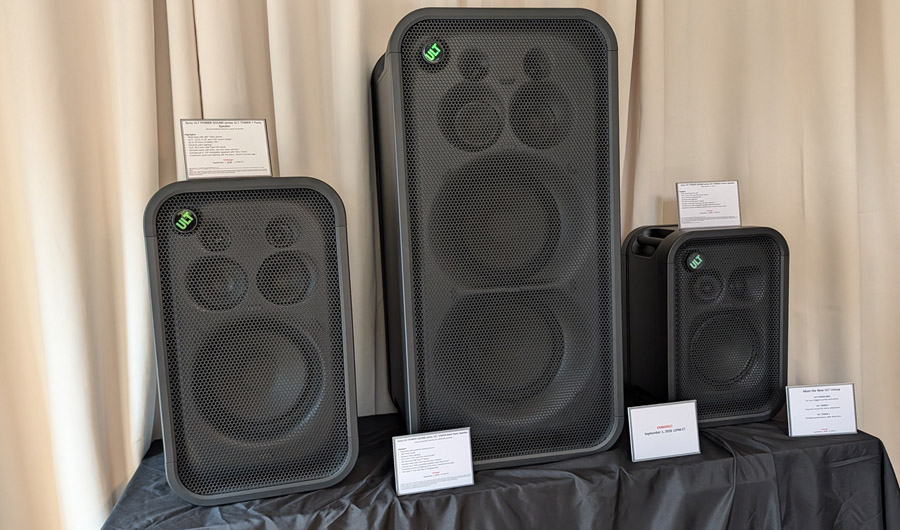
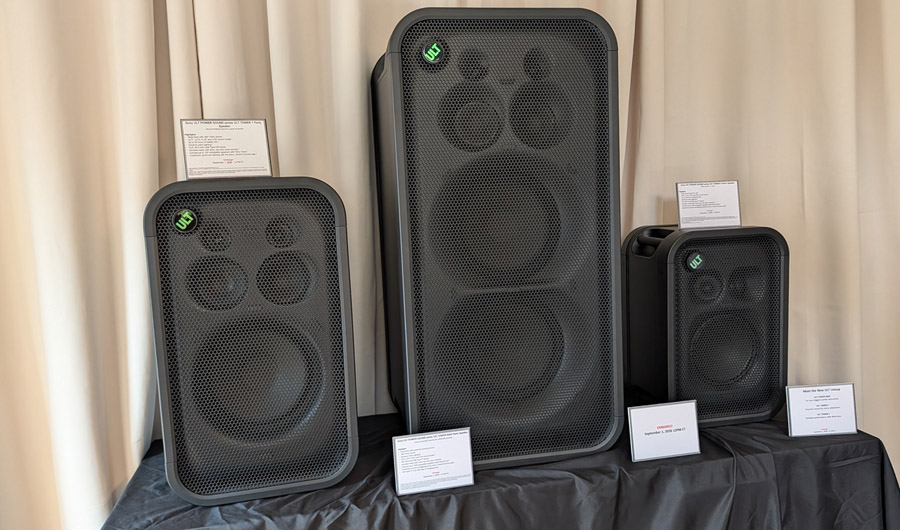
Two years ago, Sony launched its ULT POWER SOUND line of Bluetooth party speakers. They offered powerful high quality sound and a feature set that was hard to match. Today the company unveiled three new models in its floor-standing ULT POWER TOWER line, the ULT Tower 5, ULT Tower 7 and the new flagship ULT Tower Max. While all three offer dynamic punchy sound, the ULT Tower Max brings things to the next level with the kind of gut-wrenching power we normally only hear from multi-thousand dollar speakers or banks of PA speakers at a live concert.
From left to right: ULT Tower 7, ULT Tower MAX and ULT Tower 5.
Based on demos we heard in New York City last month, we wouldn’t be surprised if the ULT Tower Max could reproduce the sound of a Boeing 787 taking off at realistic SPL levels. According to the specs, the MAX can hit a max SPL of 112 dB, and that’s just for one speaker. Link a few together and you’re going to rival the sheer volume level of a classic concert by “The Who.” We’d suggest keeping some earplugs on hand in case things get crazy.
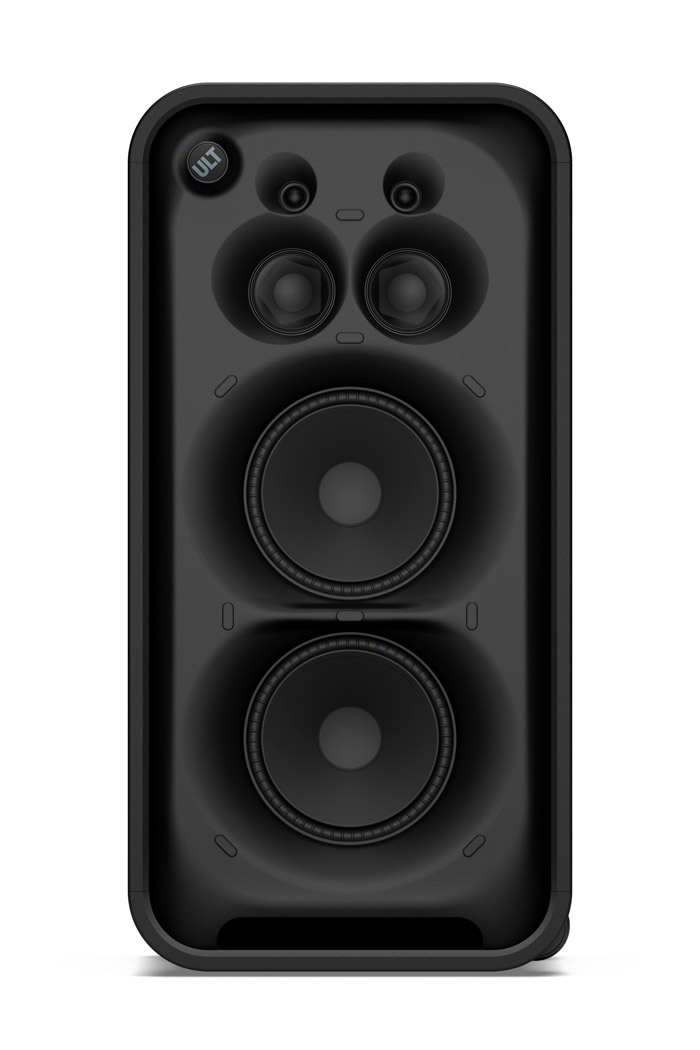
A Peek Behind the Grille: The ULT Tower Max features six speaker drivers in the front and another three speakers in the back for 360 degree sound.
We listened to several tracks: rock, jazz, pop and EDM, and all were reproduced with clarity and power. On the EDM track “Alive,” from KX5/deadmau5, the bass drop brought a level of deep bass impact and precision I’ve literally never heard before from a “Party Speaker.” Watch out, JBL Party Box Ultimate, the Sony ULT Tower Max has got you in its sights.
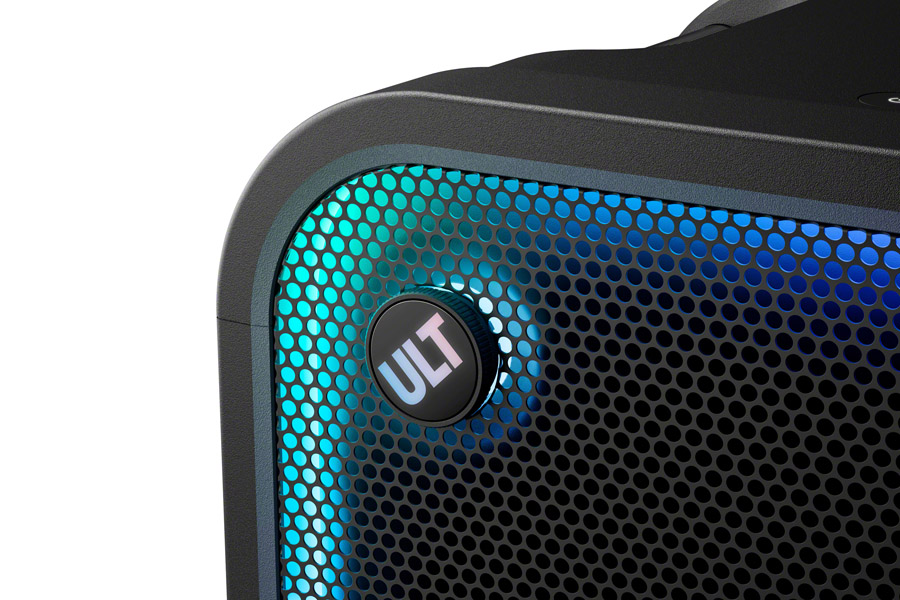
The ULT button/dial on the front of each speaker controls volume and ULT sound mode.
The new models also feature a revamped industrial design that looks more “pro” than “party.” All of the new models feature a new tactile illuminated ULT volume knob on the front for simplified volume and sound field control. The light show has been enhanced over previous models with more lighting elements, more lighting modes and more color options as well as a feature that uses the integrated lights to reflect changes to the volume level in real time.
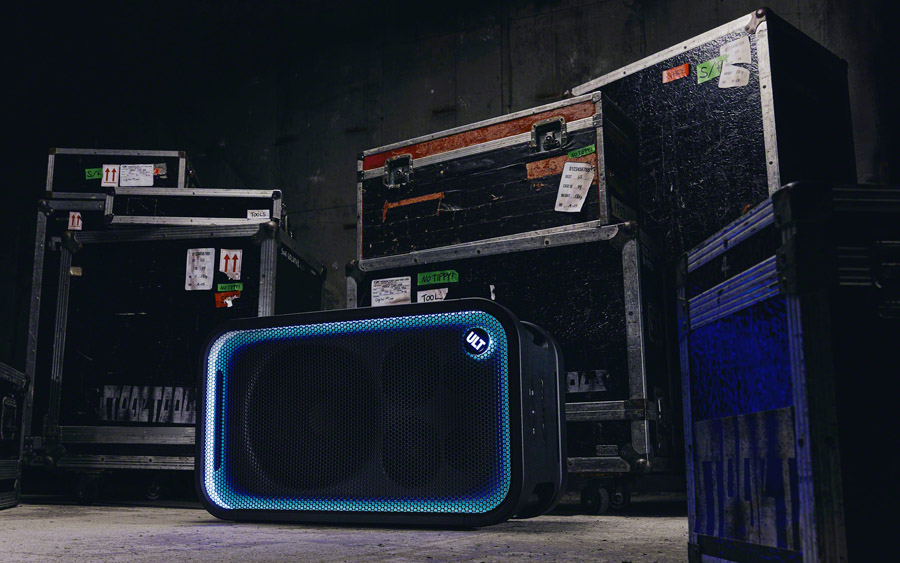
Sony’s new ULT Tower speakers look more at home with pro and touring gear than their flashier predecessors.
The speaker drivers and amplifiers have also been revised for improved efficiency and dynamic impact. The ULT Tower Max features three 11-inch (280mm) circular woofers (2 front, 1 rear), two midrange units (front only) and four tweeters (2 front and 2 rear) for 360 degree sound.
While the ULT Tower Max requires AC power, the ULT Tower 5 and ULT Tower 7 feature beefy built-in battery packs for off-grid entertainment. The ULT Tower 5 can last up to 20 hours and the ULT Tower 7 can last up to 30 hours on a single charge (at moderate volumes, with lighting disabled). If you activate the lighting features, battery life is cut approximately in half. In case you forget to charge your speakers in advance, a 10-minute quick charge gets you about 100 minutes of playback on the Tower 5 or 180 minutes of playback on the Tower 7.
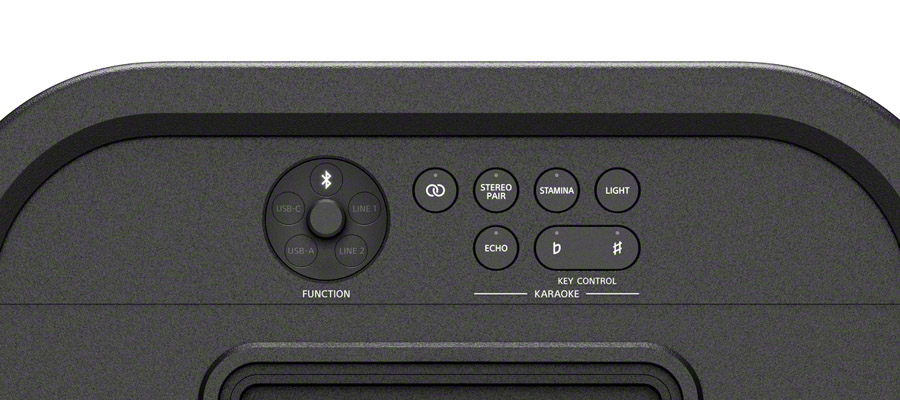
Some controls which used to be on top with previous models have been moved to the back. This makes sense as a karaoke singer or DJ is likely to be behind the speaker, not on top of it. Rear controls include input selection, Party Chain, Stereo Pair and the lighting and Karaoke controls. A “Stamina” mode extends battery life by disabling the light show. Power, Bluetooth pairing and Play/Pause buttons remain on the top of the unit in the new design.
All three of the new speakers include four rubber feet on the bottom and four more rubber feet on the right side, so they can be placed vertically or horizontally depending on your needs or available space.
Advertisement
Each of the new ULT Tower Speakers can be matched with another of the same model for true stereo. Pictured here is a pair of ULT Tower Maxes.
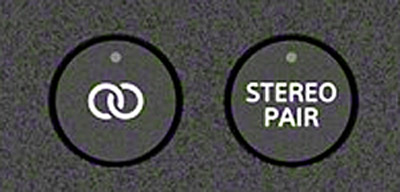
The new ULT Tower Speakers can be run solo, of course, or paired for true stereo in the Sony Sound Connect app or via a stereo pairing button on the back of each unit. You can also daisy chain multiple speakers together to fill larger indoor or outdoor spaces with sound. But the new speakers do this a bit differently from their predecessors.
Back on the Chain Gang
One welcome change from previous models is the new “Party Chain” feature. While synching multiple speakers together is something that most Bluetooth party speakers can do, sometimes actually using the feature gets complicated and most party speakers use proprietary systems that exclude working with other brands. Sony’s “Party Chain” offers true one-touch operation. Push the party chain button on one speaker to make it the host or master device, then hit the button on any compatible speaker within range and that speaker immediately becomes a slave – or maybe a “servant?” – to the master, playing the same content in perfect synchronization.
Linking speakers together requires a single push of the “Party Chain” button (left) on the host speaker and on any speaker you wish to add to the chain.
While each chained speaker maintains its own independent volume controls, the master device volume control operates all chained speakers. So if the police show up at your door, it’s quite easy to control the mayhem, with the turn of a single dial. “What noise, officer?”
Advertisement. Scroll to continue reading.
The Party Chain feature uses Bluetooth Auracast to broadcast out to multiple devices. And because it’s an “open” Auracast protocol, it supports other brands of speakers as well. Sony doesn’t discriminate. A Sony rep told us that Party Chain supports up to 100 speakers and each speaker can be up to 20 meters from each other, but honestly this seems like it may be an error as it doesn’t reflect how Auracast actually works.
Bluetooth Auracast normally has an unlimited number of clients that can receive the broadcast from the main casting speaker. It’s similar to an FM radio station broadcasting out to an unlimited number of FM tuners. However, since one device acts as the “Caster,” all speakers normally need to be within a certain distance of that speaker in order to receive the broadcast. Auracast broadcasts can typically range up to 100 meters (330 feet) outdoors, or around 25 to 50 meters indoors (depending on obstructions like walls or furniture). We’d be surprised if Sony is putting an artificial cap on the number of linked speakers, but we’ll be sure to update this story if/when we confirm the specs.
Advertisement
The main drawback to this switch to Auracast is that earlier Sony speakers, including earlier SRS models as well as ULT speakers released in 2024 and 2025, are not compatible with “Party Chain.” Similarly, the new models are not compatible with Sony’s previous “Party Connect” feature. We expect future models will maintain compatibility with these new speakers so the number of compatible speakers will grow over time.
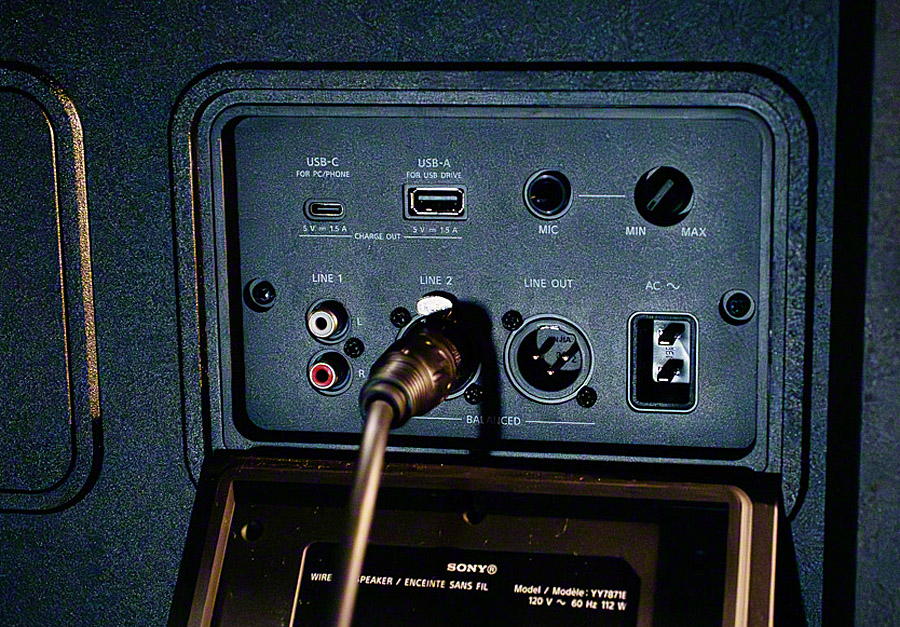
Also new this year is an expanded set of inputs, including wireless Bluetooth, XLR, RCA, Quarter-Inch (6.3mm) analog, USB-A and USB-C. While the ULT Tower Max replaces the ULT Tower 10 in the line-up, the Max does not include dedicated Karaoke mics, which the ULT Tower 10 did include. If you want to add karaoke, you can get Sony’s ULT Mic wireless kit or plug a wired mic into the XLR or quarter inch mic jacks.
All three of the new ULT Tower speakers now include XLR inputs and outputs, in addition to Bluetooth, USB-A, USB-C, RCA and 1/4-inch jacks.
As we step down the line, the ULT Tower 7 and ULT Tower 5 offer a similar cosmetic design, including the lighting effects and controls. In our more extended listening tests with the ULT Tower 7, we found that it captured a fair amount of the impact of the Tower Max, but in a much smaller box and at a lower cost. The Tower 5 is even more diminutive (and much lighter) making it a good choice for the beach, camping or lake parties. But it is the only one of the new speakers that lacks wheels, so make sure you can handle the .
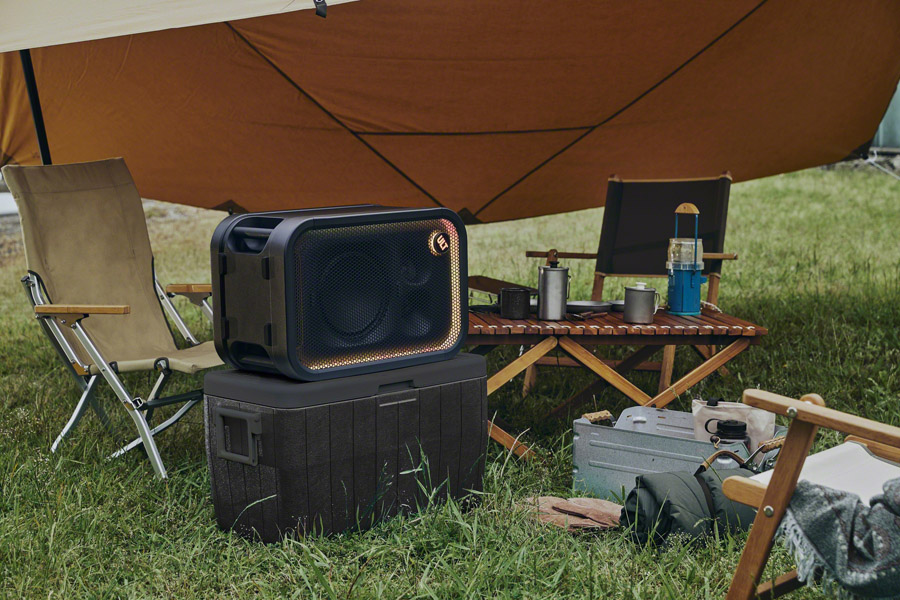
With 20 hours of continuous playback, and a more compact form factor, the ULT Tower 5 would be a welcome addition to your next camping trip. It does weigh 29 pounds however, so maybe bring a roadie.
All three speakers feature Sony’s ULT Power Sound modes, which have been expanded to include new “Live” and “Flat” EQ modes to suit different situations. ULT1 sound mode provides a low bass boost that will rattle your guts, while ULT2 is like a loudness button on steroids, boosting the punchy mid bass and SPL level to provide a more impactful sound overall. “Live” mode adds reverb to make your music sound more like a live performance and “Flat” provides a neutral sound curve, for those who want to skip the theatrics. A 10-Band EQ is available in the Sony Connect app in case you want to customize the sound for your particular preferences. You can cycle through sound modes by pressing the ULT button on each speaker or in the mobile app.
All three of the new speakers feature four handles (two on the top and two on the bottom), and the Tower 7 and Tower Max feature large heavy duty wheels to make them easy to transport. This is particularly welcome on the ULT Tower MAX which weighs in at 121 pounds.
The Bottom Line
While JBL dominates the party speaker space, Sony’s latest enhancements to its ULT Power Sound line-up might just challenge the party speaker king. The ULT Tower Max offers extreme bass and SPL output to fill the largest indoor or outdoor space. And the switch from a proprietary “Party Connect” feature to the more open Auracast-based “Party Chain” means Sony party speakers can play nicely with other brands, though at the expense of backward compatibility with the company’s own earlier models.
Advertisement
We like to see the inclusion of XLR inputs (and outputs) as it makes them more suited to pro or semi-pro use. While an HDMI port would also have been nice to connect one to a TV or a projector, you can use one of the analog inputs for that (1/4-inch or RCA). Analog RCA or headphone outputs are available on some TVs and on most lifestyle and portable projectors. Many modern TVs and projectors have Bluetooth outputs as well so you can create a wireless link from your TV to one of these new Towers.
The ULT Tower 5 offers a fairly compact footprint, while still offering punchy dynamic sound, and the ULT Tower 7 walks the line between ultimate performance and portability with a reasonably compact design, four handles and heavy duty wheels that make transportation a fairly simple matter. Check out our full review of the Ult Tower 7 for more details.
If you’re looking for a portable speaker that can fill a large space with dynamic, punchy sound, while providing seamless multi-speaker support and a flexible assortment of inputs, these new ULT Tower party speakers are definitely worth a look… and a listen.
Sony 2026 ULT Tower Speakers Pricing
The ULT Tower 5, ULT Tower 7 and ULT Tower Max will begin shipping today (September 1, 2026) from authorized Sony retailers.
John Ternus has officially taken the reins as Apple CEO, succeeding Tim Cook, who held the role for fifteen years.
The company’s former senior Vice President of Hardware Engineering, Ternus enters the CEO role at a critical time for Apple. On September 9, the company will host its annual iPhone event, which is rumored to include the launch of Apple’s first foldable iPhone. Apple is also expected to roll out its new-and-improved Siri AI more broadly, which marks an important opportunity for the company to position Siri as an equal to chatbots like OpenAI’s ChatGPT or Anthropic’s Claude.
“We have a huge launch next week that’s going to be phenomenal,” Ternus wrote in a memo to staff on Tuesday, according to Bloomberg. “I’m just as excited about what lies beyond that, including the incredible products already in the works and the ones we haven’t even imagined yet that we’ll dream up and create together.”
“I take enormous comfort in handing the helm to someone as brilliant and wonderful and capable as John,” Tim Cook wrote to staff on his last day as CEO. “Few people understand what it takes to build products that change the world the way John does and I could not be more excited for his leadership.”
Aesto LLC, operating as Aesto Health, disclosed that a data breach discovered recently affects more than 9.5 million individuals.
The private technology company provides software-as-a-service solutions that help healthcare organizations migrate, archive, and access patient data when replacing electronic health record systems or acquiring medical practices.
The company first informed the public of the attack on June 24 via a notification on its website, stating that “a limited portion” of its Amazon Web Services infrastructure had been compromised.
However, the intrusion occurred in December 2025 and was confirmed internally on May 26, following a forensic investigation by external specialists.
Advertisement
“After an extensive forensic investigation and manual document review, on May 26, 2026, we confirmed that between on or about December 2, 2025, and December 18, 2025, certain protected health information belonging to patients of various Covered Entity clients stored within Aesto’s network may have been accessed and/or acquired by an unauthorized actor,” reads the statement.
In a report to the U.S. Department of Health and Human Services, Aesto Health said that the data breach affects 9,540,683 individuals.
“The information included full names, dates of birth, medical information, driver’s license numbers, financial account numbers only, health insurance information, individual taxpayer identification numbers, other government identification numbers, and Social Security numbers.”
HIPAA Journal says that the incident indirectly impacts 29 healthcare providers, including VillageMD, Everside Health (Marathon Health), Marana Health, and Together Women’s Health.
Advertisement
On August 21, the company started to inform impacted individuals of the data breach, providing details about the incident and instructions on how to enroll in a 24-month identity theft protection and credit monitoring service through Experian.
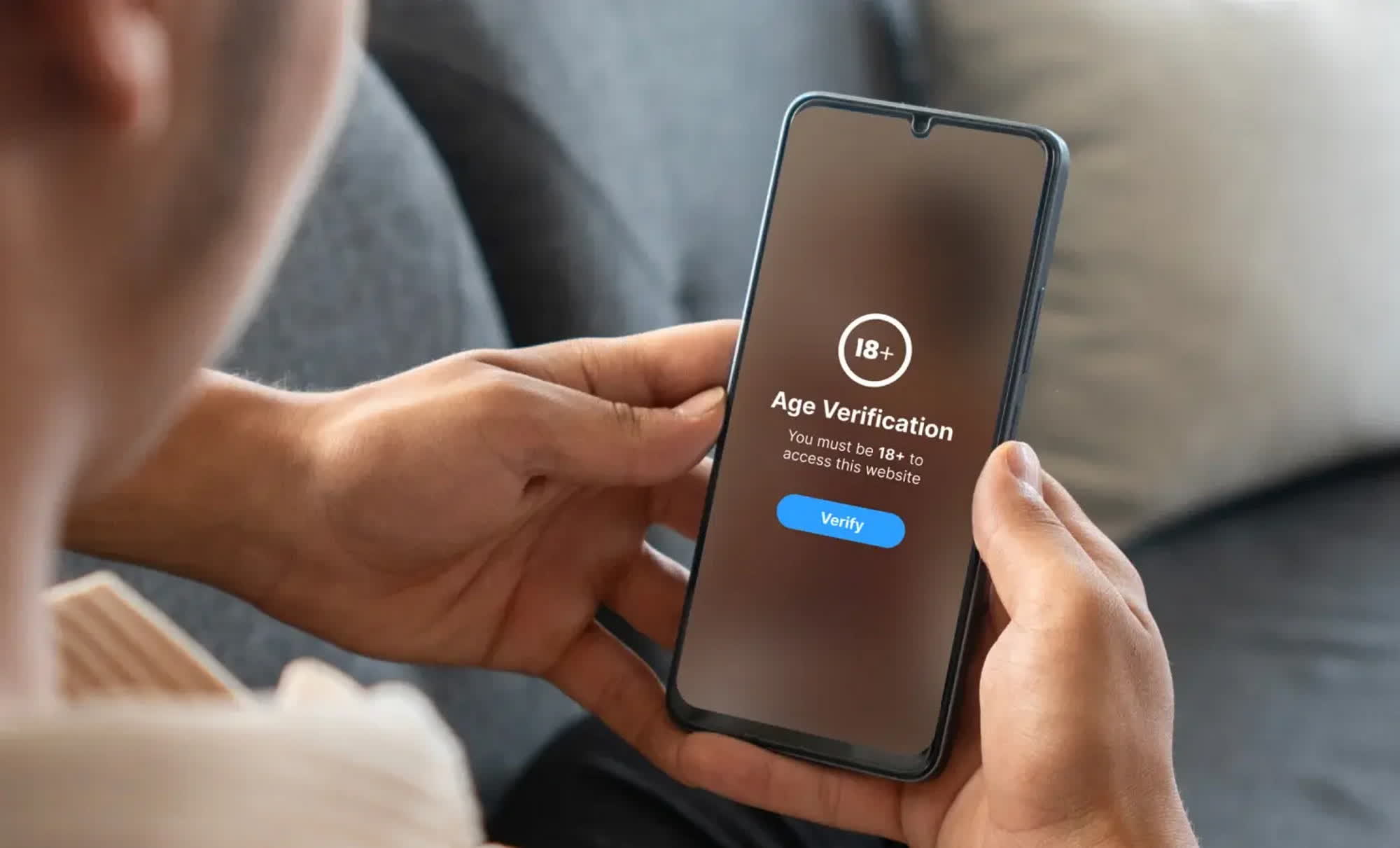
Recap: California will require software vendors to verify users’ ages at the operating system level in the coming months. Thanks to the latest changes approved by the state’s Assembly, the new draconian requirements will not apply to software projects designed to be modified or copied.
For the time being, Linux and other open-source software projects are safe from California’s upcoming age-verification law. State lawmakers recently passed Bill 1856, which introduces several significant amendments to the original Digital Age Assurance Act (DAAA) and its age-verification requirements.
Bill 1856 defines an “operating system provider” as a person or organization that develops, licenses, or otherwise controls an OS product for computers, phones, or other general-purpose computing devices. The law also states that operating systems or software applications intended to be copied, redistributed, or modified do not have “providers” under the legislation and therefore should not be required to verify users’ ages.
Many popular OS projects, including Linux distributions used by both consumers and enterprise organizations, should now be exempt from the DAAA’s provisions. However, some Linux-derived projects, such as SteamOS, might still be forced to impose age verification on their users. The gaming-focused operating system is based on the Arch Linux project, but Valve provides its own “official” OS images along with a proprietary Steam client.
Advertisement
Bill 1856 provides other important clarifications to the DAAA. The original law contained a badly mangled definition of a “user,” essentially turning every Californian consumer into a child. Lawmakers have also added a new prohibition against potential misuse of the “age signal” provided by an operating system. Under the revised law, OS providers and app store owners will only be required to disclose a user’s age when law enforcement agencies or other state authorities request it.
The full DAAA package will take effect on January 1, 2027. While Linux distros should be safe, other commercial platforms such as Windows, Android, and iOS will be required to verify a user’s age during the operating system’s setup process. Furthermore, devices configured before January 1 will have until July 1, 2027, to implement the new age check.
Age-verification requirements are growing in both scope and popularity, but some users are fighting the new rules. The Electronic Frontier Foundation has heavily criticized California’s DAAA, stating that the law will impose new and potentially unconstitutional barriers preventing adults and younger citizens from freely accessing information online.
30 years on, it’s still alpha, but 0.4.16 brings plenty of bug fixes and quality-of-life improvements – just in time for Windows XP’s 25th anniversary
If you’re pining away for the days when Windows ran well on 64 MB of RAM, there’s a new version of open source NT clone ReactOS promising easier installation and fewer bugs.
Advertisement
ReactOS 0.4.16 was announced over the weekend after a year and a half of development, and its list of improvements is substantial. For those unfamiliar with the ReactOS project, it’s a long-running effort (it spun up in 1996) to create an open source equivalent of Windows NT, with the aim of running Windows applications and drivers.
If you miss the halcyon days of Windows XP that began a quarter of a century ago, in other words, it’s the project for you.
Given that it’s an open source project driven by a group of volunteers who’ve had to dodge accusations that they’re just ripping off old copies of a research kernel, compatibility, ease of installation, and stability have all been sore spots for ReactOS. A number of essential elements have been fixed and improved as of 0.4.16, per the team.
“We’re excited to showcase the improvements we’ve made,” the ReactOS builders said in their release notes, with “a unified bootcd and livecd image; video, audio, networking, and storage stack improvements; a new installation type; and third-party code syncs” all mentioned as having been added.
Advertisement
The unified bootcd and livecd mean a single disc can now be used to boot into a temporary version of ReactOS to have a poke around, and to install the OS itself. A graphical installer is also included in the new unified disk image, meaning that there’s no longer a need to navigate a truly old-fashioned interface to get up and running.
Fixed OS functions
Running old-fashioned software (or modern iterations of it) on newer hardware is bound to be a complicated mess, and that’s true for ReactOS.
Video drivers from “all major … vendors” have been causing issues in the experimental OS for years, the team notes, but apparently one source of the problem has finally been identified and addressed in 0.4.16. The kernel’s system page table entries, it turns out, were filling up when loading third-party graphics drivers because they eat up more memory than most others, so the memory manager layout was modified to increase the number of system PTEs.
A different problem with blank OpenGL windows on AMD video drivers was resolved separately. Both improvements “fixed many edge case bugs in our win32k.sys driver,” the ReactOS team noted.
Advertisement
A new HD audio bus driver was brought in to replace an older implementation that was never quite finished, addressing frequent bugchecks when attempting to install HD audio controller drivers.
As for storage, the 2009 implementation of UniATA gave ReactOS the ability to recognize disk partitions over 8 GB, but the aging driver has since begun to cause slow boot times and load failures. It’s been replaced with a new ATA driver that also allows ReactOS to boot in more environments, including first-generation Hyper-V VMs. A disk cleanup utility was also added.
Networking support has also been improved, with support for more adapters and virtual environments added. Asynchronous connections are now supported as well.
There’s also a new headless Server Core installation type of ReactOS available with this release that loads a full Win32 subsystem without the GUI, similar to Windows Server Core that Microsoft released with Windows Server 2008.
Advertisement
Finally, the ReactOS team has abandoned Windows Server 2003 compatibility restrictions, meaning that its Wine fork designed to interface with Windows-like kernels is no longer limited to Wine 2.x and 3.x, the latest of which was released in 2018. The abandonment of that restriction means ReactOS has been able to update its Wine fork toward Wine 10.0, which was released in early 2025, with 0.4.16 incorporating a significant amount of that work. Support for WineVDM, which increases compatibility for 16-bit Windows applications, was also added in the release.
“The mission for ReactOS is to ‘[Run] your favorite Windows applications and drivers in an open-source environment you can trust,’” the team said. “With each release we come closer to fulfilling this goal.”
You can download version 0.4.16 of ReactOS here, but the team’s usual warning applies: Despite being a 30-year-old project, it is still in an alpha state “and provides no guarantee of stability, of safety for your files, or that it will work at all on your hardware.” ®

























































You must be logged in to post a comment Login