
Crypto World
Remixpoint Cuts ETH, XRP Exposure After Market Review, Keeps 1,506 BTC in Treasury


Remixpoint made ¥117.8 million ($746,800) from selling its altcoin holdings, and the gain is slated for recognition as business-segment revenue in the second quarter of fiscal 2027.
The company said its decision to dispose of all its altcoins and become a Bitcoin-only treasury was based on market conditions, the assets’ risk-return profiles, and its financial strategy.
Dogecoin Sale Ends in Loss
According to the official document shared by Remixpoint, Ethereum generated the largest profit at ¥60.2 million ($381,000), followed by Solana at ¥49.3 million ($312,000) and XRP at ¥11.5 million ($72,900). Dogecoin was the only outlier as the meme coin produced a ¥3.3 million ($21,000) loss.
Remixpoint still holds roughly 1,506 BTC, worth more than $115 million. Its Bitcoin strategy has also produced additional income through lending. The company reportedly earned 14.92 BTC in fees between February 24 and August 31. Those fees were valued at ¥164.2 million ($1 million) using the relevant month-end exchange rates.
The funds generated from this sale are being considered to expand assets in growth areas, including grid-scale battery storage, strengthen its financial foundation, and pursue other measures that contribute to increasing corporate value and shareholder value.
The Japanese energy consulting firm secured around ¥31.5 billion in financing back in July 2025, the proceeds of which were earmarked entirely for BTC purchases. Remixpoint had set an initial target of reaching 3,000 BTC.
During the same period, Remixpoint had also announced that its President and CEO would receive his full executive compensation in Bitcoin. The move made it the first listed company in Japan to adopt BTC-only compensation for its top executive. The company linked the decision to its goal of “shareholder-oriented management.” By paying the CEO in Bitcoin, Remixpoint said management would share economic risks and rewards with shareholders.
Fresh Pressure
Bitcoin has struggled to break above $79,000 over the past few days. The crypto asset briefly fell to around $76,500 earlier this week, its lowest level since August 23. It has since recovered and was trading near $77,700 on Thursday. Ethereum also faced pressure, falling 3.5% over the past week to around $2,400.
Meanwhile, Solana recovered slightly and was trading just above $100. Dogecoin also saw a small rebound. The meme coin gained 1.13% over the past 24 hours, which pushed its price to $0.083.
The post Remixpoint Cuts ETH, XRP Exposure After Market Review, Keeps 1,506 BTC in Treasury appeared first on CryptoPotato.



Hargreaves Lansdown opened access to nine Bitcoin and Ether exchange-traded notes on Sept. 3, bringing regulated cryptocurrency exposure to eligible users of the United Kingdom’s largest retail investment platform.
Summary
- Hargreaves Lansdown added nine Bitcoin and Ether ETNs for eligible users through Advanced Investing service.
- Approximately two million platform clients may access products after successfully completing required investor protection checks.
- Investors must self-certify, pass an appropriateness assessment, and complete a 24-hour cooling-off period before access.
- The FCA reopened eligible crypto ETNs to retail investors in October 2025 under safeguards nationally.
- Crypto ETNs track asset prices without giving investors direct ownership of Bitcoin or Ether themselves.
The products come from BlackRock’s iShares, WisdomTree, 21Shares, Invesco, CoinShares and Bitwise, according to a Financial Times report. The issuers charge annual product fees ranging from 0% to 0.35%.
Hargreaves Lansdown serves approximately two million investors. However, the crypto ETNs are only available through its Advanced Investing service and are not automatically accessible to every customer.
Hargreaves Lansdown adds crypto after long delay
The launch comes almost 11 months after the Financial Conduct Authority ended its four-year restriction on retail access to qualifying crypto ETNs. Other major British investment platforms had already introduced the products.
Hargreaves Lansdown initially adopted a more cautious position. In October 2025, the platform told investors that “Bitcoin is not an asset class,” while acknowledging that some customers might still want speculative exposure.
Doug Abbott, Hargreaves Lansdown’s chief product officer, said the platform delayed its launch to ensure client testing and safeguards were properly designed. He said customers should understand the products and encounter the “right level of friction” before investing.
The company’s current crypto ETN page warns that the instruments are volatile and high risk. It says investors could lose all the money they commit.
Investors face eligibility checks and a waiting period
Customers must first self-certify as advanced investors. They must then complete an online appropriateness assessment designed to test whether they understand the products and associated risks.
Eligible customers must also complete a 24-hour cooling-off period before viewing the available ETNs. They need either a Fund and Share Account or a self-invested personal pension to buy, hold or sell the instruments.
Hargreaves Lansdown charges a 0.35% annual platform fee for holding crypto ETNs, capped at £12.50 per month. Dealing charges range from £3.95 to £6.95, depending on the customer’s trading frequency. These charges are separate from each product’s management fee.
The notes trade during London Stock Exchange market hours. They do not provide continuous 24-hour trading like cryptocurrency exchanges.
Crypto ETNs provide exposure without direct ownership
Crypto ETNs are listed financial instruments designed to follow the price of an underlying digital asset. Investors purchase a note issued by a financial institution rather than buying Bitcoin or Ether directly.
The issuer arranges custody of the underlying cryptocurrency. Customers therefore do not control private keys, manage wallets or withdraw the digital assets represented by their investment.
This structure introduces risks that differ from direct cryptocurrency ownership. Investors depend on the issuer, custodian, trading venue and investment platform. Product fees and market spreads may also cause returns to differ from movements in the underlying asset.
Crypto.news previously reported that BlackRock listed its Bitcoin product on the London Stock Exchange after the retail restrictions changed. The listing was among several products introduced as regulated providers prepared for wider individual access.
FCA rules restrict how platforms offer crypto ETNs
The FCA lifted its retail prohibition on qualifying crypto ETNs on Oct. 8, 2025. Products must appear on the regulator’s Official List and trade through a recognized U.K. investment exchange.
The regulator classifies the products as restricted mass-market investments. Its official guidance requires appropriateness assessments, customer categorization, cooling-off periods and prominent risk warnings.
Platforms cannot offer incentives encouraging customers to invest. They must also identify an appropriate target market and take reasonable measures to prevent foreseeable consumer harm.
As crypto.news reported when the policy was announced, the FCA reopened retail access while keeping crypto derivatives prohibited. The regulator said investors would not receive the same protections available for conventional regulated investments.
Demand remains an open question
Hargreaves Lansdown said it had received a consistent level of customer enquiries about crypto ETNs, particularly from experienced investors. That interest has not yet established how many eligible clients will invest.
Other platforms have described British retail uptake as modest. Restrictions preventing newly purchased crypto ETNs from being held in conventional stocks-and-shares ISAs may also limit demand.
The launch nevertheless gives Hargreaves Lansdown customers a regulated route to Bitcoin and Ether price exposure without opening an exchange account. Future adoption will depend on investor demand, cryptocurrency prices and whether the available product range expands.

Scammers running crypto-related “investment” fraud operations are increasingly the target of coordinated international policing, with the United States and the United Kingdom announcing a new cross-border law enforcement partnership designed to disrupt organized scam centers.
On Thursday, the US Department of Justice (DOJ) said the US Attorney’s Office for the District of Columbia, the Crown Prosecution Service for England and Wales, and the UK National Crime Agency signed a memorandum of understanding to enable “first-of-its-kind” cooperation against scam centers involved in crypto and cyber-enabled investment fraud. The DOJ also linked the effort to a growing volume of losses attributed to these crimes, citing FBI Internet Crime Complaint Center reporting.
Key takeaways
- The US and UK have signed a memorandum of understanding to run parallel investigations into cross-border scam center targets tied to crypto and cyber-enabled investment fraud.
- Under the agreement, agencies plan to share information on organized crime syndicates and coordinate which jurisdictions should prosecute specific cases.
- The DOJ says an early October in-person disruption operation is planned in London with private-sector partners.
- The new pact builds on the DOJ’s “Scam Center Strike Force,” created to target organized networks linked to scam centers operating in parts of Southeast Asia.
- US-reported losses from crypto investment fraud have risen sharply, according to DOJ figures referencing FBI Internet Crime Complaint Center data.
A US-UK framework for joint investigations
The memorandum of understanding announced by the DOJ formalizes how agencies from both sides of the Atlantic will investigate shared targets. According to the DOJ, the participating authorities will conduct investigations in parallel into overlapping scam center cases, exchange information about organized crime syndicates, and discuss which jurisdictions are best positioned to pursue prosecutions.
The DOJ said authorities have already identified overlapping cases and intend to take further steps that move beyond information sharing—specifically, an in-person disruption operation in London scheduled for early October. The plan includes collaboration with private-sector partners, reflecting the reality that many crypto fraud ecosystems rely on services, infrastructure, and payment channels that sit outside traditional law enforcement boundaries.
This type of coordination matters because scam centers often operate as part of wider networks. Victims can be recruited online, funds can be routed across multiple platforms and jurisdictions, and enforcement challenges multiply when different stages of the scheme fall under different legal systems. By aligning investigative work, the US and UK aim to reduce the “handoff gaps” that criminals exploit.
Why the crackdown is accelerating
The DOJ’s announcement comes alongside escalating reported losses tied to crypto investment fraud. In its statement, the agency pointed to FBI Internet Crime Complaint Center data indicating US losses rose 89% from $4.57 billion in 2023 to $8.65 billion in 2025. The implication for readers is straightforward: while enforcement actions continue, the scale of the harm—at least as measured through US reporting—has been increasing rapidly.
Just as importantly, the DOJ’s focus is not limited to isolated hacking or single-offender schemes. The agency tied the new cooperation to scam centers—physical or semi-physical operations that enable large-volume fraud, often using fraudulent websites, fake “investment” platforms, and other cyber-enabled recruitment methods. These operations can persist for long periods if criminals can rotate locations, compartmentalize teams, or move money through layers that are difficult to unwind quickly.
Expansion of the Scam Center Strike Force
According to the DOJ, the agreement expands the “Scam Center Strike Force,” an initiative US Attorney Jeanine Ferris Pirro launched in November 2025. The strike force is described as targeting Chinese organized crime networks that operate scam centers primarily in Southeast Asia, where schemes can include crypto investment fraud and are frequently linked, according to the DOJ, to human trafficking and money laundering.
The strike force includes a broad range of US agencies: the FBI, US Secret Service, Internal Revenue Service Criminal Investigation, and Homeland Security Investigations, along with Justice Department components. The DOJ said it also coordinates with the US Treasury and State departments and works with private companies to disrupt scam operations and recover victims’ funds.
That mix of responsibilities—investigation, financial accountability, and victim recovery—reflects the structure of many crypto investment fraud cases. Even when scams originate through social engineering or fake platforms, the proceeds often move through financial rails that require different expertise to identify, freeze, and trace.
Other international actions and tougher domestic proposals
The US-UK memorandum fits into a broader pattern of cross-border activity targeting scam operations connected to crypto fraud. The DOJ previously highlighted an operation led by Dubai police, working with the FBI and China’s Ministry of Public Security, which it said took place on April 29. That effort resulted in 276 arrests and the closure of at least nine crypto scam centers, according to the DOJ. The DOJ’s earlier report also said six people were charged over alleged schemes using fake crypto investment platforms to solicit deposits from victims.
Meanwhile, enforcement pressure is also showing up in domestic legislation in parts of Southeast Asia. According to earlier coverage cited in the DOJ-related article, Myanmar’s military government released draft legislation on May 15 proposing sentences ranging from 10 years to life for digital currency fraud, with the death penalty possible where victims coerced into working at scam centers were killed. That bill, according to the same coverage, was approved by Parliament on July 28, though presidential assent had not been confirmed at the time.
Taken together, these developments suggest a gradual tightening of both investigation coordination and legal deterrence. For investors and users, the practical takeaway is not that fraud will disappear quickly, but that authorities are increasingly treating crypto-enabled investment scams as a cross-border organized crime issue rather than a series of isolated cyber incidents.
What to watch next
The immediate next milestone is the planned early October in-person disruption operation in London, alongside the information-sharing and parallel investigation mechanics outlined in the US-UK memorandum. As authorities continue to align cases across jurisdictions and work with private-sector partners, victims and compliance teams should expect more coordinated takedowns—and also pay close attention to how governments define responsibility across the entire fraud pipeline, from recruitment to money movement to platform infrastructure.
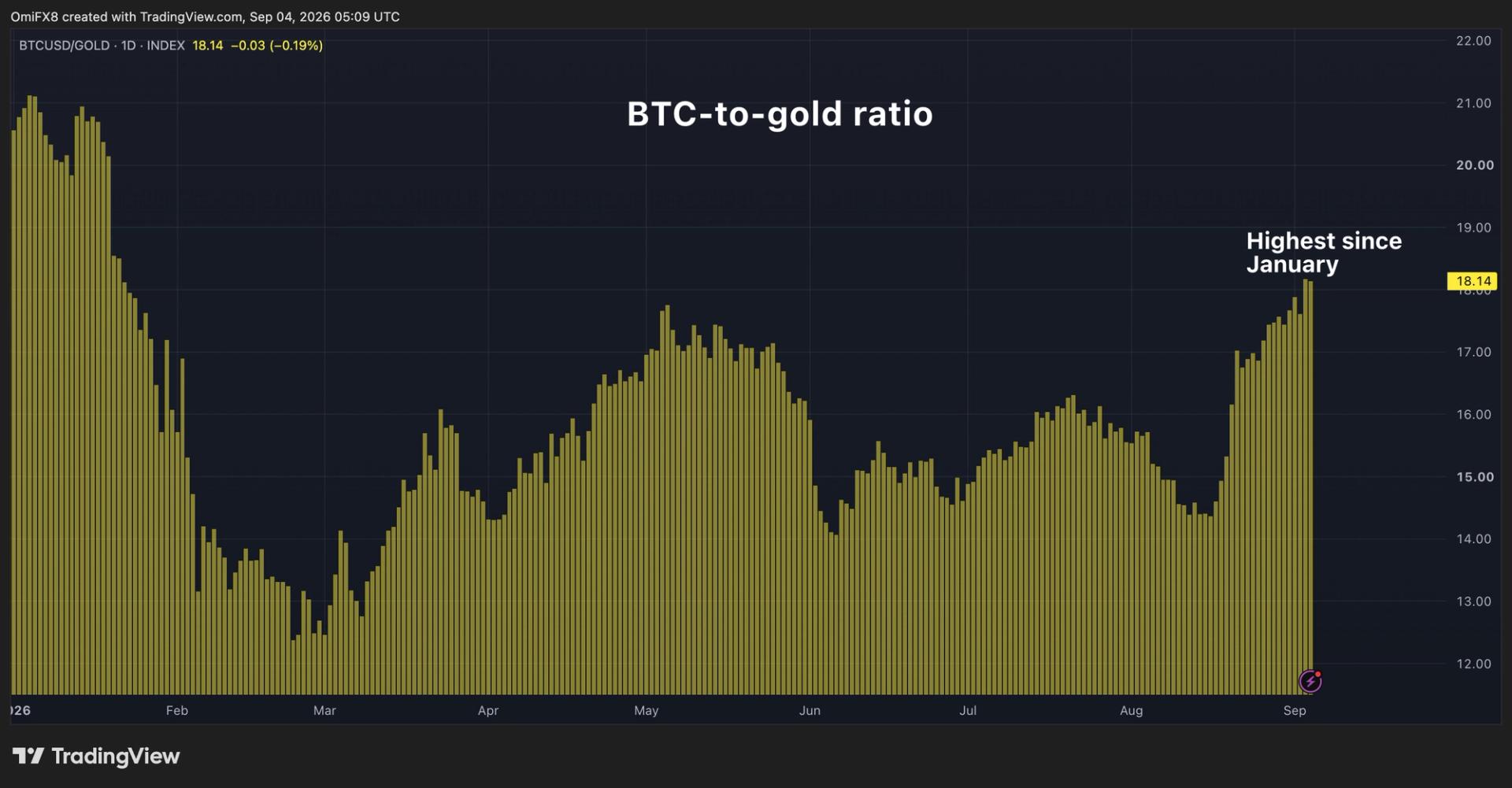
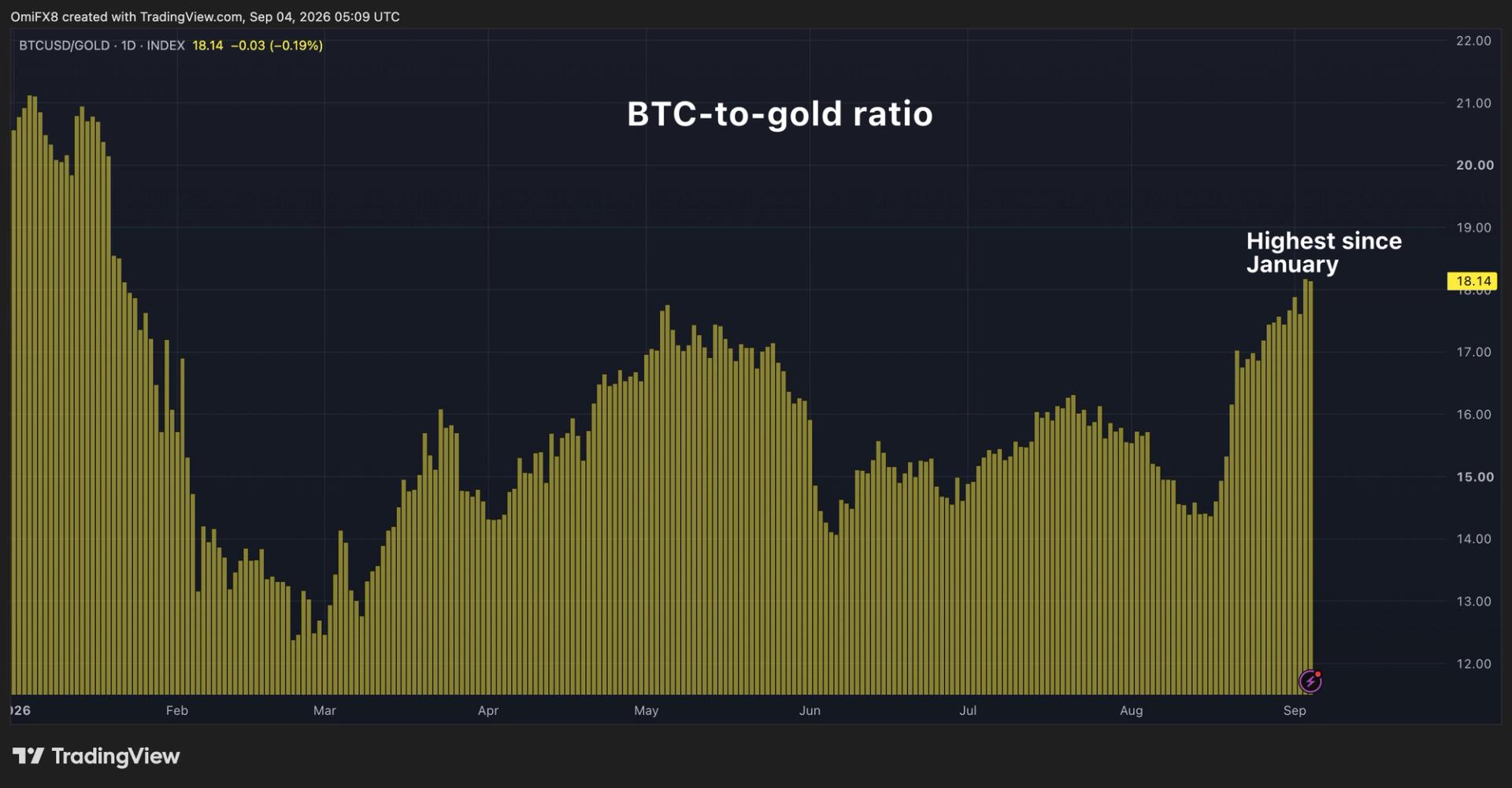
Bitcoin is pulling ahead of gold even as both hard assets rally together, driven by fears that governments will inflate away their debt rather than by bond yields.


El Salvador has provided documentation showing that its Bitcoin accumulation since June 27, 2025, came from private donations rather than public resources, according to the International Monetary Fund.
Summary
- El Salvador documented that Bitcoin received after June 2025 came from private donations, IMF says.
- No public resources funded the documented accumulation, according to the IMF’s preliminary staff-level agreement announcement.
- El Salvador could access approximately $140 million after Executive Board approval and completing prior actions.
- Chivo’s majority ownership and operations moved privately, while government retained custody responsibilities and minority ownership.
- The IMF expects no additional Bitcoin accumulation beyond the private donations already documented by authorities.
The disclosure appeared in a Sept. 3 IMF statement announcing a staff-level agreement covering the combined second and third reviews of the country’s Extended Fund Facility.
The IMF said it also reached an understanding with Salvadoran authorities that no further Bitcoin accumulation beyond the documented donations is expected. The announcement does not identify the donors or specify the amount of Bitcoin received privately.
El Salvador Bitcoin records address funding questions
The latest disclosure helps explain apparent increases in wallets associated with El Salvador’s Strategic Bitcoin Reserve. Those increases had raised questions about whether the government was continuing to purchase Bitcoin despite its IMF commitments.
The IMF said Salvadoran authorities supplied documentation verifying that the accumulation recorded after the first EFF review reflected private donations. It stated that no public money financed those additions.
The distinction matters because blockchain records can show assets entering a wallet but do not automatically identify whether they came from purchases, internal transfers or donations. Crypto.news previously examined how government wallet movements can create misleading impressions of sovereign Bitcoin purchases.
In July 2025, IMF documentation said the total amount held across government-controlled wallets remained unchanged. It explained that some reported increases reflected Bitcoin consolidation among different state-controlled addresses.
Earlier crypto.news reporting also found that daily Bitcoin purchase claims conflicted with IMF program disclosures. The new documentation introduces private donations as the source of accumulation recorded after June 27, 2025.
IMF agreement could release another $140 million
IMF staff and Salvadoran authorities reached their agreement following the combined second and third EFF reviews. The arrangement remains subject to approval by the IMF Executive Board and completion of agreed prior actions.
If those requirements are met, El Salvador would receive approximately $140 million, equivalent to SDR 101.96 million. The IMF approved the 40-month EFF in February 2025 with total access of approximately $1.4 billion.
The country has received SDR 172.32 million under the program so far. The IMF described the latest agreement as preliminary because its Executive Board has not approved the reviews or authorized the additional disbursement.
The Fund said El Salvador’s economic activity had exceeded earlier expectations. It projects real gross domestic product growth of 4.5% in 2026, supported by investment, consumption, remittances, tourism and capital inflows.
That forecast remains subject to economic conditions. IMF staff also called for continued fiscal consolidation, stronger governance and a reduction in public debt toward 80% of GDP by 2030.
Chivo wallet moves under private control
El Salvador has substantially reduced public participation in Chivo, the electronic wallet introduced alongside its Bitcoin policy. Majority ownership and operational control have been transferred to an unidentified private operator.
The government retained a minority stake and custodial responsibilities for customer assets. The IMF said authorities were also working to improve transparency surrounding Bitcoin held across different wallets.
The transfer follows prolonged discussions over reducing the government’s direct role in crypto services. As crypto.news previously reported, negotiations over Chivo formed part of the wider IMF funding arrangement.
Under the original EFF conditions, El Salvador made private-sector Bitcoin acceptance voluntary, required taxes to be paid in U.S. dollars and limited public-sector participation in Bitcoin-related activities.
No further Bitcoin accumulation is expected
The IMF said it reached an understanding that El Salvador would not accumulate more Bitcoin beyond the documented private donations. The wording describes an expectation under the staff-level agreement rather than an independently enforceable ban announced by the Fund.
“Going forward, no further Bitcoin accumulation beyond the documented donations is expected,” IMF staff said.
The two sides also agreed to pursue changes to El Salvador’s legal, regulatory and supervisory framework for digital assets. Planned work includes strengthening governance and risk controls for crypto assets held by the public sector.
The Executive Board must now consider the staff report. Until it approves the reviews and El Salvador completes the required actions, the additional $140 million remains unavailable.


Bitcoin recorded its strongest monthly gain since November 2024 during August, but Fidelity said the advance does not prove that the latest crypto bear market has ended.
Summary
- Bitcoin posted its strongest monthly gain since November 2024, according to Fidelity’s fourth-quarter outlook report.
- Fidelity said August’s rally does not confirm that Bitcoin’s latest bear market has already ended.
- Bitcoin gained more than 25% during August’s third week as market volatility sharply increased again.
- The SEC’s Regulation Crypto Assets comment period remains open through October 20, 2026, for comments.
- Senate lawmakers face a September 15 procedural vote determining whether CLARITY formally advances toward debate.
In its fourth-quarter crypto market outlook, Fidelity said Bitcoin, Ethereum and several altcoins recorded their strongest positive months since late 2025. Bitcoin gained more than 25% during the third week of August alone.
Ethereum rose 34.1% during the same period, while Solana advanced 28%, according to Fidelity. The gains followed relatively subdued market activity from June through the middle of August.
However, Fidelity warned that the rally could represent either the beginning of a sustained recovery or a temporary move within a continuing bear market.
Bitcoin bear market faces a November cycle test
Some investors are watching November 2026 as a possible market-bottom period based on Bitcoin’s historical four-year cycle. Bitcoin’s previous major bear-market bottom occurred in November 2022.
Applying the same approximate interval would place the next potential bottom around November 2026. Fidelity stressed that historical cycles have never followed precise four-year schedules and cannot reliably identify market turning points.
The firm said Bitcoin may have already reached its low in July. It could also decline again and establish another low during November or later.
“Despite the recent push higher in price, there is no guarantee the bear market is over,” Fidelity said.
Chris Kuiper, vice president of research at Fidelity Digital Assets, said adoption has historically occurred in waves that can help sustain market cycles. He argued that a longer holding period has generally proved more useful than attempting to time exact bottoms.
That view remains an observation based on historical performance. It does not establish that Bitcoin will repeat an earlier cycle or continue appreciating.
Volatility shift offers a possible recovery signal
Fidelity identified Bitcoin’s transition from lower volatility to a sharp upward expansion as one possible sign that sellers were becoming exhausted.
Kuiper said digital assets experienced relatively low volatility between June and mid-August. Fidelity’s analysis placed assets such as Bitcoin near the lower, or “value,” end of their historical ranges during that period.
The subsequent rally resembled volatility patterns seen near some previous bear-market endings. Bitcoin’s rapid advance above $80,000 was followed by a retreat toward $79,250, as crypto.news reported in its analysis of overbought conditions increasing short-term pullback risks.
That technical reading did not establish a new bear market. It showed that Bitcoin had risen rapidly enough to increase the probability of consolidation after the advance.
Kuiper also noted that developments which might previously have pressured prices, including a hardware-wallet security incident and delays surrounding the CLARITY Act, did not reverse the August rally.
This resilience “could further strengthen the case” that cryptocurrencies are near a bottom, Kuiper said, while stopping short of confirming one.
Adoption continued while cryptocurrency prices weakened
Fidelity said digital-asset adoption remained resilient during the earlier market decline. Stablecoin transaction volume, tokenized real-world assets and institutional participation continued growing even as the broader market capitalization weakened.
The firm described network adoption measures as comparable to fundamental indicators used when evaluating traditional businesses. Rising transaction activity can demonstrate continued use, although it does not guarantee higher token prices.
Institutional investment products also showed mixed allocation patterns before Bitcoin’s August rally. In related coverage, crypto.news reported that Ethereum funds attracted more capital than Bitcoin funds during July.
Bitcoin exchange-traded fund demand subsequently recovered during August. Fidelity listed stronger institutional adoption among the factors that could support another bull market, alongside regulatory changes, monetary policy and new blockchain use cases.
U.S. policy decisions remain key fourth-quarter catalysts
The U.S. regulatory calendar could provide two major tests during the fourth quarter. The CLARITY Act remains pending in the Senate after the Senate Banking Committee advanced it by a bipartisan 15–9 vote in May.
A procedural vote is scheduled for Sept. 15 and requires 60 votes to advance the bill toward debate. The legislation would divide elements of digital-asset oversight between the SEC and CFTC. However, passage remains uncertain, and further amendments could require additional House consideration.
As crypto.news reported, the bill now faces a tight congressional timetable before the midterm elections.
Separately, the SEC proposed Regulation Crypto Assets on Aug. 18. The proposed framework would create two securities-registration exemptions for qualifying crypto investment contracts.
The SEC’s formal proposal would allow eligible offerings of up to $5 million over four years or $75 million during a 12-month period, subject to specific conditions. Public comments are due by Oct. 20.
Crypto.news previously examined how the proposed exemptions would reshape token fundraising. The proposal is not final and may change following public feedback.
These policy proceedings, monetary conditions and institutional participation could shape Bitcoin’s fourth-quarter direction. None provides confirmation that the bear market has ended, leaving price action and adoption data as continuing tests of the August recovery.
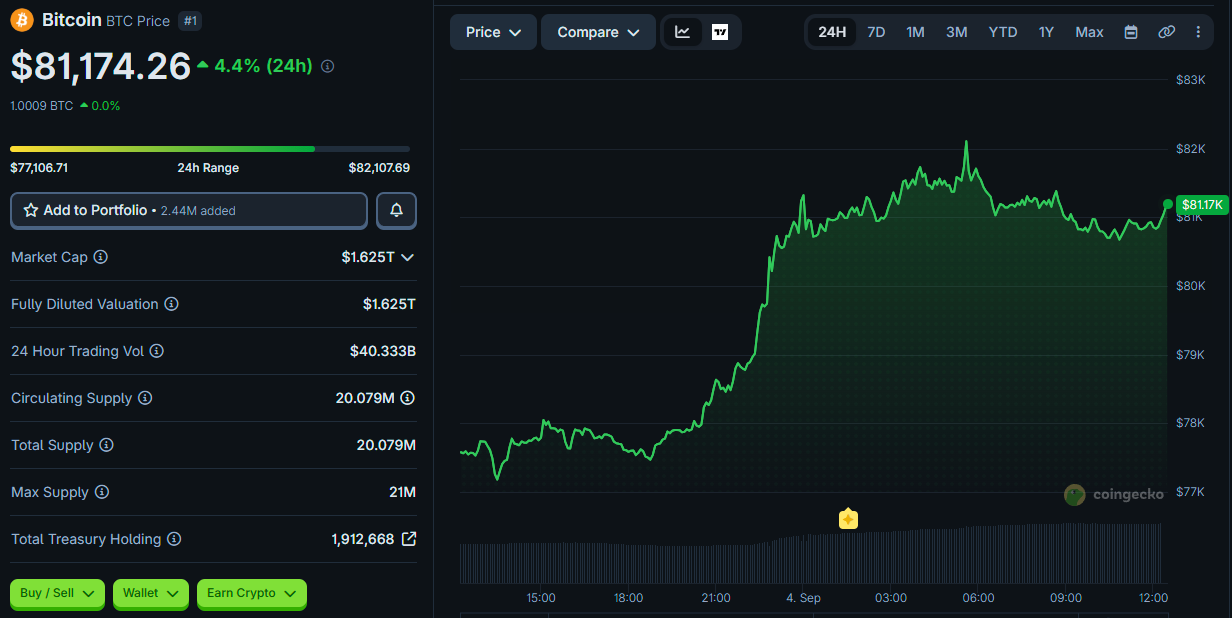
Bitcoin (BTC) hit an intraday high of $82,108 before easing to trade near $81,050. That is up 4.5% over the past 24 hours, according to CoinGecko data.
The move extends an August rally. Fidelity Digital Assets says the jump alone does not confirm the bear market has ended.
Why Fidelity Is Still Cautious
Bitcoin logged its strongest monthly gain since November 2024 in August. Ether (ETH) and Solana (SOL) climbed even harder over the same stretch.

Fidelity’s Chris Kuiper points to a pattern seen before past bull runs. Low volatility tends to precede a sharp upward move. That is roughly what played out from June into late August, he says.
Some traders are also watching bitcoin’s four-year cycle theory. The idea holds that bear-market bottoms have historically landed about four years apart. That points to a possible bottom near November 2026, based on the November 2022 low.
Kuiper cautions the pattern has never repeated on a precise schedule and should not be used to time entries. This cycle’s low may already have formed in July, he adds, or a fresh low could arrive later this year.
Others Are Ready for a Bitcoin Bull Market
Not every analyst agrees. Eric Crown argues in a recent bear market call that the downturn already ended in August.
“The more important point for investors is that adoption of digital assets has happened in waves, which can perpetuate cycles.”
— Chris Kuiper, Vice President of Research, Fidelity Digital Assets
Kuiper adds that recent negative headlines failed to drag prices lower. A hardware wallet security incident is one example he cites. He calls this a sign that sellers may be running low on room to push the market down.
The CLARITY Act, a bill meant to clarify federal oversight of crypto, remains stuck in the Senate. A voting day cut makes quick passage unlikely. Separately, the SEC’s Regulation Crypto Assets, a framework for early-stage crypto offerings, remains open for public comment.
Fidelity points to growth in stablecoins and real-world assets, tokenized versions of things like bonds and real estate. That growth shows network fundamentals held up even as price lagged, it says.
It argues adoption and Bitcoin’s price action are now moving back in step. Whether that holds through the rest of the year is what Fidelity says investors should watch next.
The post Bitcoin Hits $82,000 and Fidelity Says It's Unsure If the Bear Market Is Over appeared first on BeInCrypto.


The United States and United Kingdom have formed a joint law enforcement alliance targeting scam centers involved in crypto and cyber-enabled investment fraud.
On Thursday, the US Department of Justice announced that the US Attorney’s Office for the District of Columbia, the Crown Prosecution Service of England and Wales and the UK National Crime Agency signed a memorandum of understanding. The DOJ described it as the “first-of-its-kind” international cooperation agreement aimed at disabling such scam centers.
Under the agreement, the agencies will conduct parallel investigations into common targets, share information on organized crime syndicates and discuss which jurisdictions should prosecute specific cases. The DOJ said the authorities have already identified overlapping cases and plan an in-person disruption operation with private-sector partners in London in early October.
The cross-border pact comes as reported US losses from crypto investment fraud continue to climb. Losses reported to the FBI’s Internet Crime Complaint Center rose 89% from $4.57 billion in 2023 to $8.65 billion in 2025, according to the DOJ.
International efforts target crypto scam compounds
The agreement expands the Scam Center Strike Force, which US Attorney Jeanine Ferris Pirro launched in November 2025 to target Chinese organized crime networks operating scam centers primarily in Southeast Asia. Their schemes include crypto investment fraud and are often linked to human trafficking and money laundering, according to the DOJ.
The task force includes the FBI, US Secret Service, Internal Revenue Service Criminal Investigation, Homeland Security Investigations and Justice Department offices. It also works with the US Treasury and State departments and private companies to disrupt scam operations and recover victims’ funds.
Related: Chinese newspaper warns of Bitcoin extortion scam using its name
International authorities have coordinated raids against similar operations. On April 29, the DOJ reported a Dubai police-led operation involving the FBI and China’s Ministry of Public Security, which resulted in 276 arrests and the closure of at least nine crypto scam centers. Six people were charged over schemes that allegedly used fake crypto investment platforms to solicit deposits from victims.
Governments in Southeast Asia have also pursued tougher domestic measures. On May 15, Myanmar’s military government had released draft legislation proposing sentences ranging from 10 years to life in prison for digital currency fraud, with the death penalty possible when people coerced into working at scam centers were killed.
On July 28, Parliament approved the bill, though presidential assent had not been confirmed.
Magazine: Recovery specialists crack $1B crypto wallet… but find just $10
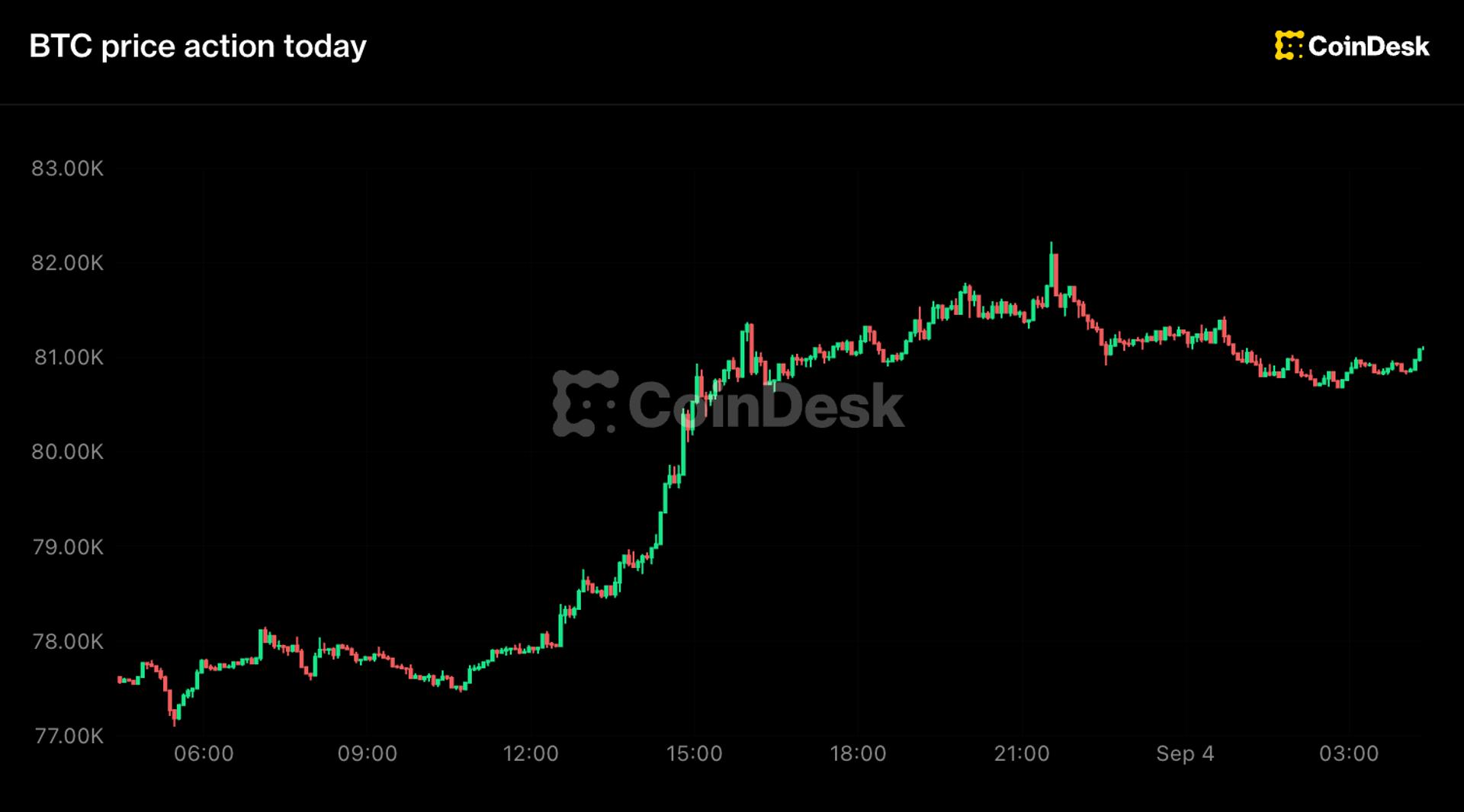
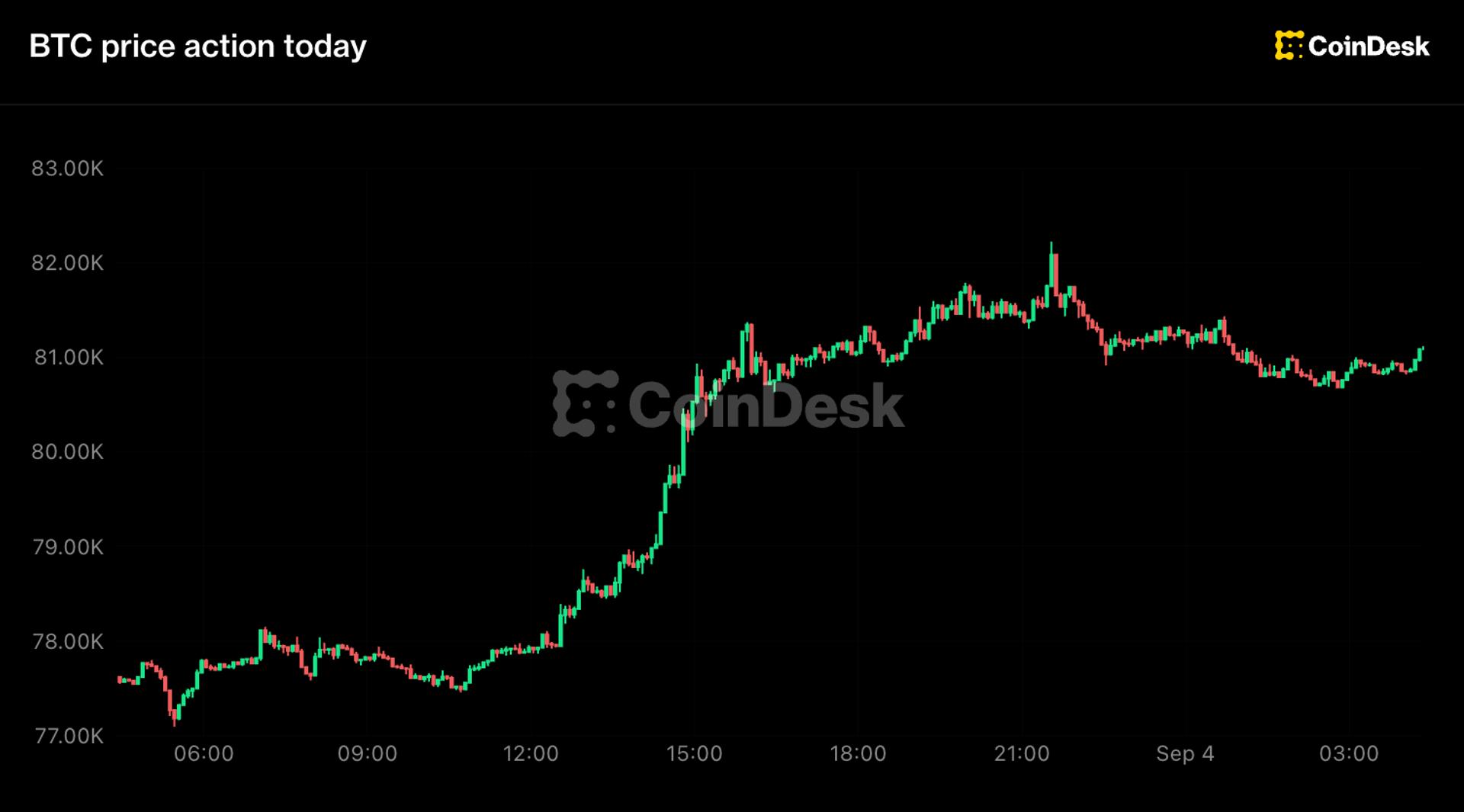
Every major token gained on Friday as traders cut bets on a September Federal Reserve rate increase to a coin flip, though most of the majors are barely changed on the week.


The Office of the Comptroller of the Currency granted a provisional charter to the new full-service bank, adding it to the growing mix of crypto-native institutions.
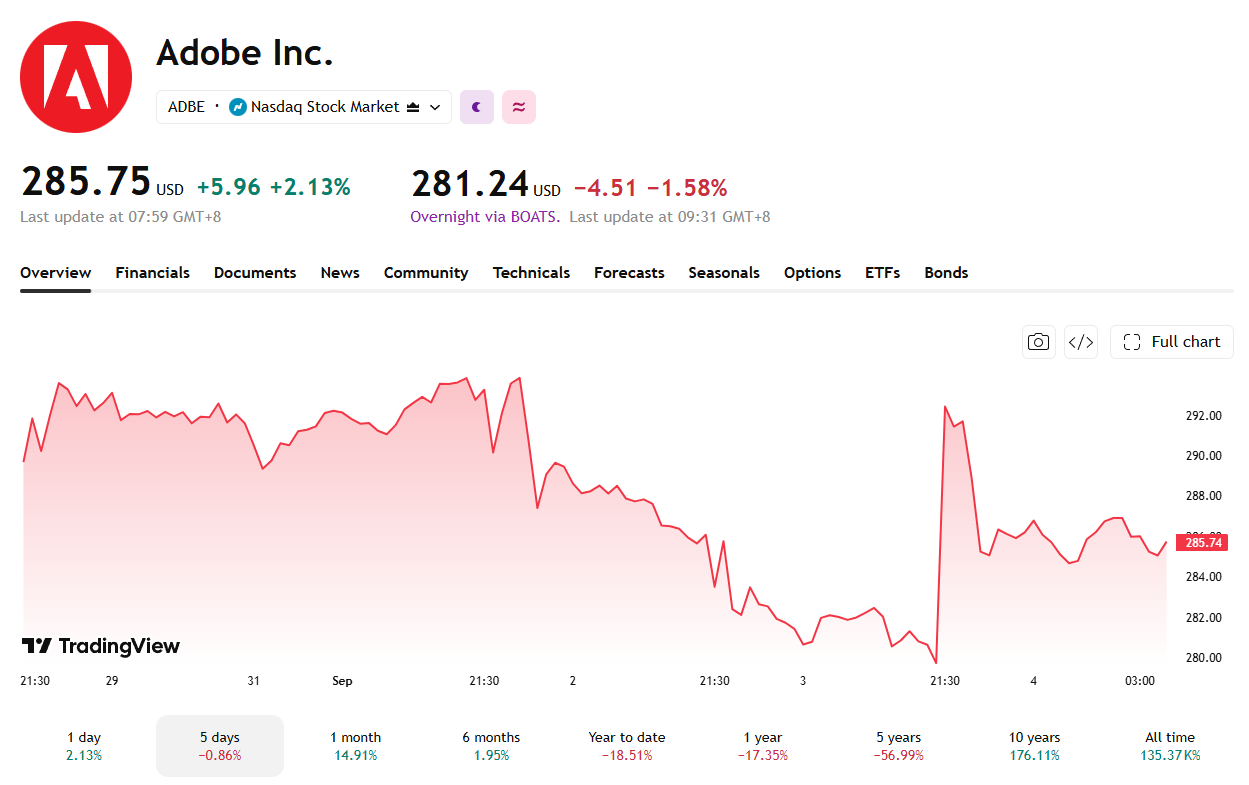
Adobe (ADBE) named Anil Chakravarthy as its next president and CEO on Thursday. He replaces Shantanu Narayen, who is stepping down after 18 years as AI concerns weigh on Adobe’s stock.
Narayen will become executive chair and support Chakravarthy through the handover, which takes effect Dec. 1. Chakravarthy will also join Adobe’s board at that time.
The Leadership Handoff
Chakravarthy most recently led Adobe’s customer experience orchestration unit and its worldwide field operations. He joined Adobe nearly seven years ago after serving as chief executive of Informatica, an enterprise data management company. That company had partnered with Adobe under Narayen.
“Adobe’s opportunity ahead is limitless with our track record in creating new market categories and world-class products. Anil is an experienced transformational leader who leads with values, integrity and a deep knowledge of our business.”
Shantanu Narayen, Adobe’s outgoing CEO, in a statement
“A lot of the reason I came was the opportunity to work with him and work with the leadership team at Adobe.”
Anil Chakravarthy, Adobe’s incoming CEO, in a 2021 interview with CNBC
In contrast, David Wadhwani announced he will leave Adobe after leading its creativity and productivity business for nearly five years.
Observers once viewed him as a top CEO contender for his role in Adobe’s bid to acquire design firm Figma. Regulators forced the companies to scrap that deal in 2023.
Why Adobe Stock Keeps Falling
The CEO change comes as Adobe shares remain under pressure. The stock fell 25% in 2024 and another 21% in 2025, and it is down 18% so far in 2026. Shares slipped roughly 2% in extended trading following Thursday’s announcement.

Meanwhile, the decline mirrors a wider retreat among software stocks slumping on AI fears. Investors worry generative AI tools could erode demand for subscription software.
Software peers have faced similar pressure as free or low-cost AI tools threaten legacy subscription models.
However, whether Chakravarthy can reverse the trend depends on Adobe’s own AI tools. He will need to show they can outpace cheaper rivals starting in December.
The post Adobe Names Anil Chakravarthy CEO But AI Fears Are Impacting the Stock appeared first on BeInCrypto.

Hargreaves Lansdown opens 9 crypto ETNs to investors

KJ Biermann’s Indictment After Arrest, More Top Us Stories

Best Sony Headphones 2026: Our favourite Sony headphones





-

 Fashion6 days ago
Weekend Open Thread: Maeve – Corporette.com
-

 Crypto World1 day ago
CLARITY Act could advance within weeks, Atkins says
-

 Business6 days ago
Onto Innovation Stock: AI’s Next Bottleneck Is Yield (NYSE:ONTO)
-

 Crypto World6 days ago
Bitcoin price tests $82K resistance as Brandt stays long
-
 Tech5 days ago
Hugging Face built a $4.5 billion empire on free AI models. Now Nvidia is buying it for $12.9 billion
-

 Business7 days ago
iPhone 18 Pro Pre-Orders Could Shift to Saturday as Apple Reportedly Avoids September 11 Anniversary
-

 Crypto World2 days ago
Elon Musk Says Grok 4.7 Lands in 10 Days and Will Beat Every Model
-
 Entertainment7 days ago
‘Adults’ Creators Break Down Season 2’s Most Shocking Moments and Tease a Potential Season 3
-

 News Videos5 days ago
Charlie Munger on Robinhood: No one should believe that Robinhood’s trades are free
-

 Tech6 days ago
PaperCut releases second emergency patch for exploited flaws
-
 Crypto World2 days ago
Bitcoin slips below $77.5K as macro pressure offsets ETF inflows
-

 Crypto World1 day ago
Kalshi seeks CFTC approval for WTI perpetual
-

 Tech5 days ago
Tamagotchi Ring Takes the 30-Year Digital Pet and Places it on Your Finger
-

 Tech5 days ago
As the influencer economy drives retail sales, Seattle startup raises $22M to play matchmaker
-

 News Videos5 days ago
News kii Crypto ugu danbeeyey & Suuqa oo dhaqaaqey
-
 Entertainment4 days ago
Taylor Swift Reportedly ‘Frustrated’ With Travis Kelce After ‘Short’ Honeymoon
-
 Business2 days ago
Oil Price Today (September 2): Crude oil nears $97 as war tensions escalate. Will it hit $100 again?
-

 Business6 days ago
Apple Confirms September 9 iPhone Launch Event as Tim Cook Prepares to Hand CEO Reins to John Ternus
-
 NewsBeat5 days ago
Trump posts AI video of ‘Lake America’ being protected by an army of bequiffed ‘Donald Ducks’
-
 Entertainment6 days ago
Kendall Jenner’s Circle Concerned About Jacob Elordi Romance
You must be logged in to post a comment Login