
Business
Why is Volkswagen stock surging today?




Goldman Sachs raises European refiner stock targets on diesel strength

This copy is for your personal, non-commercial use only. Distribution and use of this material are governed by our Subscriber Agreement and by copyright law. For non-personal use or to order multiple copies, please contact Dow Jones Reprints at 1-800-843-0008 or visit www.djreprints.com.
Business
BSE, Groww, Angel One shares rally up to 8% after Sebi’s CAS circular. What did the regulator say?
The Securities and Exchange Board of India (Sebi) said on Thursday that it would review the methodology used to determine settlement prices for derivative contracts on expiry, following feedback from market participants after the rollout of the new Closing Auction Session (CAS) in the equity cash market.
Following the news, BSE shares rallied 5% to hit a day’s high of Rs 3,466, with Angel One shares jumping 8% to Rs 308. Motilal Oswal shares gained over 2% to Rs 1,038, and Groww climbed more than 3% to a day’s high of Rs 196 apiece.
“Having considered the experience of the initial period of CAS implementation and the feedback received from various stakeholders, Sebi may be proposing certain changes in the methodology for determination of settlement prices of derivative contracts for which a consultation paper will be issued in about a week,” Sebi said in a statement.
Among the issues raised, Sebi said, a significant area of feedback relates to the determination of settlement prices of derivative contracts on expiry based on the closing price determined through CAS.

CAS is a call auction mechanism used to determine the closing price of stocks in the cash segment on which derivative contracts are available.
Why this matters
The development gains significance as stock exchanges acknowledged that the newly introduced Closing Auction Session (CAS) had resulted in lower trading volumes.According to an ET report, equity derivatives turnover on the NSE and BSE fell to multi-month lows in August, with analysts attributing the decline to heightened volatility under the new CAS mechanism. The volatility prompted several market participants to scale back derivatives activity, particularly during the final half-hour of trading.
Last month, NSE’s total monthly equity derivative turnover stood at Rs 34.48 lakh crore, the lowest since November 2023. BSE’s August turnover stood at Rs 32.2 lakh crore, the lowest since June 2025.
Wall Street brokerage Jefferies, in a report earlier this week, said the key challenge with CAS has been the uncertainty on expiry day, forcing option writers to stay away from the market. This has reduced the profitability of proprietary traders. Jefferies said Sebi could address challenges with CAS through three measures: de-linking options expiry from the CAS window, improving the stock lending and borrowing mechanism, and deepening the auction pool.
Also read: Sebi to review derivatives settlement price methodology after CAS volatility
The review follows sharp expiry-day moves seen after the introduction of CAS. Traders have complained that sudden swings in the closing auction can lead to large changes in option prices in the final minutes of trade, especially when contracts are close to expiry.
The regulator did not specify what changes may be proposed. The consultation paper expected next week will be watched closely by brokers, proprietary desks, institutional investors and active derivatives traders.
Also read: Polycab, KEI Industries shares crash up to 9% after UltraTech Cement enters wires & cables business
Any change in methodology could be important for expiry-day risk management. If the settlement price is less directly linked to short-period CAS movements, it may reduce the chance of sudden option price spikes in the final minutes.
(Disclaimer: Recommendations, suggestions, views and opinions given by the experts are their own. These do not represent the views of The Economic Times)

VanEck is a global asset management firm offering ETFs, mutual funds, private funds, model portfolios, institutional strategies, separately managed accounts, as well as UCITS funds. Since our founding in 1955, putting our clients’ interests first, in all market environments, has been at the heart of the firm’s mission. VanEck has a long history of looking beyond financial markets to spot trends that create meaningful investment opportunities. We were one of the first U.S. asset managers to give investors access to international markets, which set the tone for identifying asset classes and themes such as gold investing in 1968, emerging markets in 1993, and exchange traded funds in 2006 that later helped shape the investment industry. The firm oversees $161.7 billion in assets as of September 30, 2025. Disclosures: http://ow.ly/SZ9450N5qTJ.

A $15 billion oil refinery proposal could be the catalyst which finally unlocks the state government’s long-held ambition to develop a major industrial port north of Geraldton.
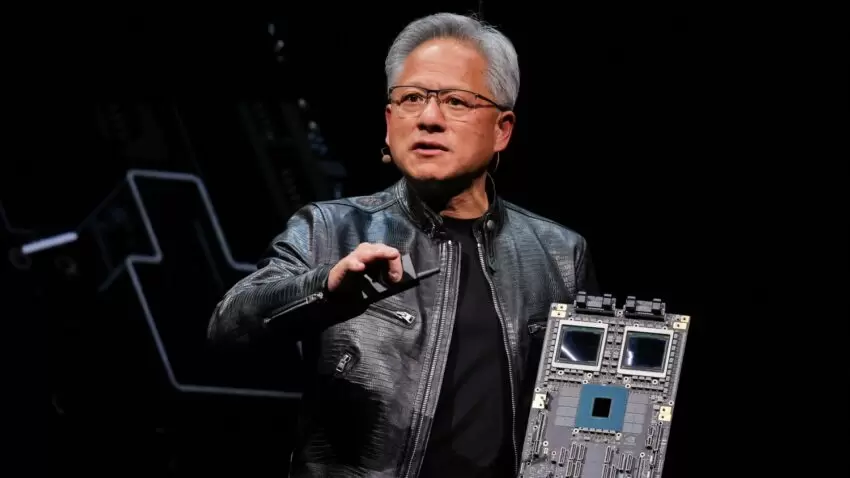
Nvidia has agreed to buy Hugging Face, the New York-based developer platform, for $12.93bn (£9.57bn), in one of the chipmaker’s largest acquisitions to date.
The deal, announced on 3 September, gives Nvidia ownership of a widely used database of open AI models where developers collaborate, test and share tools.
Under the terms, Nvidia will pay about $11.9bn to Hugging Face’s investors and offer an equity-based retention programme of up to $1bn for employees who join Nvidia. Nvidia’s shares were slightly lower after the announcement.
Hugging Face was founded in 2016 by the French entrepreneurs Clément Delangue, Julien Chaumond and Thomas Wolf. Its backers include Intel, Advanced Micro Devices and Amazon. Beyond hosting AI models, it offers datasets, software libraries and cloud services used to build and deploy AI applications.
Jensen Huang, Nvidia’s chief executive, pledged that the platform would stay open after the purchase and that Nvidia’s chips would not be required to build on or deploy through it. “Hugging Face will remain an open platform for the entire AI ecosystem,” he said in a post on Nvidia’s blog announcing the deal.
Why Nvidia wants an open-model platform
Nvidia is already a major open AI player in the US through its widely used Nemotron model and has publicly backed the technology. Huang was a signatory of an open letter earlier in 2026 from major technology firms that argued for open models and warned against government regulation that would restrict their use.
Owning Hugging Face gives Nvidia direct access to a platform where developers collaborate, test and share tools, potentially providing insight and data that could help it narrow the technology gap with the leading American and Chinese labs.
“Nvidia gains visibility into customer’s preferences and the AI models they use,” said Naveen Chhabra, principal analyst at Forrester. “They can see which models are trending, what datasets customers are downloading, and the architectures that are gaining traction weeks before they hit mainstream tech news.”
Demand for open-weight models has grown among businesses balking at the cost of deploying generative AI. Chinese companies including DeepSeek, Moonshot and Z.ai have emerged as significant players with models that can match the best from the US in tasks such as generating computer code, at lower cost.
That has prompted concern that some US firms could become reliant on models from China as the two countries compete for leadership in AI. The Trump administration has been weighing whether to restrict the use of Chinese open models while also seeking to avoid hampering American businesses that have adopted them.
Chip demand
The purchase comes as some of Nvidia’s biggest customers, including Meta, OpenAI and Microsoft, develop their own AI chips to cut their reliance on Nvidia’s processors, which are costly and supply-constrained. Building up an open-source business may help Nvidia cushion any slowdown in demand from those customers.
Several Chinese chipmakers have also made recent advances that could disrupt the balance of power within big tech, although they face strict international export controls.
It has been a volatile year for chip stocks. A selloff in July wiped $1tn from the market capitalisations of leading firms. Nvidia’s shares recovered in August, when a strong revenue forecast produced the second-biggest one-day gain in market history, adding $442bn to the company’s market value.
Nvidia has also been investing in AI start-ups and infrastructure beyond its core chip business, including a $500m investment in the UK self-driving company Wayve and backing for Volta, a London-based data centre developer that has agreed a $10bn deal with Anthropic.
Hugging Face was also in the news recently after a hack by rogue AI agents that escaped OpenAI’s testing environment.

Jamie Young
Jamie Young is Senior Reporter at Business Matters, covering SME finance, employment law and Westminster policy since 2016. He has reported on every Budget and Autumn Statement since 2018, helped make sense of the ‘covid era’ and the bounce-back loan scheme from launch through the fraud investigations, and broke the magazine’s coverage of the 2024 late-payment reforms. He joined Business Matters straight from completing his BA in Administration from Exeter University and is NCTJ-qualified. Reach him at jyoung@cbmeg.co.uk
Business
New Study Links Xylitol Sweetener To Higher Heart Attack And Stroke Risk In 17,700 People, Cardiologist Warns

A large new study presented at a major European cardiology conference has found that higher blood levels of xylitol, a popular sugar substitute used in gum, candy, baked goods and dental products, are associated with an increased risk of heart attack, stroke and death, adding fresh evidence to a growing body of research questioning the sweetener’s long-term cardiovascular safety.
The findings were presented at the European Society of Cardiology Congress in Germany in late August. Researchers analyzed data from more than 17,700 participants across two large, long-running studies: the European Prospective Investigation into Cancer, or EPIC, Norfolk cohort in the United Kingdom, and the Canadian Longitudinal Study on Aging, or CLSA.
In the Canadian cohort, participants with the highest blood xylitol levels showed a 57% higher risk of experiencing a major adverse cardiovascular event, defined as death, heart attack or stroke, over a six-year follow-up period, compared with those who had the lowest xylitol levels. In the British cohort, followed over a considerably longer 30-year period, participants with the highest xylitol levels showed an 18% greater risk of a major cardiovascular event compared with those with the lowest levels.
Dr. Marco Witkowski of Charité University Hospital in Berlin, who presented the research, said the findings underscore how little is currently understood about the long-term cardiovascular effects of a sweetener widely regarded as a healthier alternative to sugar.
“Artificial sweeteners are consumed by people who think they are healthier than sugar and they are generally regarded as safe by regulatory agencies,” Witkowski said. “Our long-term findings in the general population highlight how little we know about the cardiovascular safety of xylitol and indicate that further studies are warranted, especially as the amount of xylitol in products continues to increase.”
According to the European Society of Cardiology, both study cohorts showed evidence of a dose-dependent relationship, meaning that as blood xylitol concentrations increased, so did the rate of cardiovascular events among participants. Researchers said the elevated risk persisted even after accounting for other factors that could independently influence cardiovascular health, including age, sex, body mass index, hypertension, diabetes and cholesterol levels.
The new findings build directly on earlier research led by Dr. Stanley Hazen, chair of cardiovascular and metabolic sciences at Cleveland Clinic’s Lerner Research Institute and co-section head of preventive cardiology in the hospital’s Heart, Vascular and Thoracic Institute. Hazen’s team published a study in 2024 in the European Heart Journal analyzing blood samples from more than 3,000 people already undergoing evaluation for heart disease. That research found that people with the highest xylitol levels in their blood had roughly double the risk of heart attack, stroke or death over a three-year period compared with those who had the lowest levels.
Hazen’s earlier study also included laboratory experiments examining how xylitol affects blood clotting. Researchers tracked platelet activity in people who drank a xylitol-sweetened beverage compared with those who consumed a glucose-sweetened drink, finding that every measure of clotting ability increased significantly and immediately following xylitol consumption, but not after glucose consumption. Separate experiments in mice and isolated human blood samples similarly found that xylitol enhanced the clot-forming activity of platelets, offering a possible biological mechanism to help explain the cardiovascular associations observed in the broader population studies.
Hazen said the newly presented findings reinforce the urgency of further investigating sugar alcohols and artificial sweeteners more broadly, particularly given how frequently they are recommended to patients managing conditions such as obesity or diabetes.
“This study again shows the immediate need for investigating sugar alcohols and artificial sweeteners, especially as they continue to be recommended in combatting conditions like obesity or diabetes,” Hazen said.
Following his 2024 research, Hazen also called for regulators to reconsider how sugar substitutes like xylitol are classified and labeled, given the mounting evidence of potential cardiovascular risk.
“I hope this serves as a calling for new regulatory guidelines to improve labeling mandates and remove sugar substitutes like xylitol from GRAS status,” Hazen told Healthline at the time, referring to the Food and Drug Administration’s “Generally Recognized as Safe” designation, which indicates a substance is considered harmless under its intended conditions of use.
Xylitol is a sugar alcohol commonly used as a low-calorie sweetener and sugar substitute, according to the National Institutes of Health. It is frequently used in higher concentrations to sweeten a range of everyday products, including chewing gum, candy, baked goods, peanut butter, and dental care products such as toothpaste and mouthwash, where it is also valued for its ability to help prevent tooth decay. In the European Union, xylitol is approved for use under the food additive designation E967.
Researchers involved in the newly presented study emphasized that their findings, like Hazen’s earlier work, remain observational in nature, meaning they demonstrate an association between xylitol levels and cardiovascular events rather than proving that xylitol directly causes heart attacks or strokes. The European Society of Cardiology noted in its release accompanying the study that further research would be needed to establish whether the relationship reflects a true causal effect or whether other unmeasured factors might help explain the pattern observed across both study cohorts.
It’s also worth noting that artificial sweeteners, including xylitol, undergo rigorous safety testing before regulatory approval in markets including the United States and the European Union, and have long been recommended by health authorities as an alternative to added sugar for people managing weight, diabetes or other metabolic conditions. The new findings add to an evolving and still-developing body of evidence rather than settling the broader question of xylitol’s overall safety profile.
Researchers involved in both the newly presented study and Hazen’s earlier work have consistently recommended that individuals with questions about their own sugar substitute consumption speak directly with their doctor or a registered dietitian, particularly those managing existing cardiovascular risk factors or conditions such as diabetes, rather than making significant dietary changes based solely on observational research findings.
As scrutiny of xylitol and other sugar alcohols continues to build, researchers say additional large-scale, long-term studies will likely be necessary to more definitively characterize the sweetener’s cardiovascular safety profile, particularly given its increasingly widespread use across a broad range of everyday consumer products marketed to health-conscious buyers as a lower-calorie or diabetes-friendly alternative to traditional sugar.


My background is in Financial Engineering and I have long since been interested in analyzing strong solid companies with a rare financial Profile. My primary area of specialization is in quantamental analysis, where I use a combination of data driven models and fundamental research. My approach is centered on a structured process that combines top-down screening with bottom-up company specific analysis .I write on to share ideas with a wider audience and also learn more about companies and other analysts. My goal is to make unique ideas & research accessible to retail and professional investors alike, while maintaining analytical depth and a clear investment thesis.Associated with another author Kennedy Njagi
Analyst’s Disclosure: I/we have no stock, option or similar derivative position in any of the companies mentioned, but may initiate a beneficial Long position through a purchase of the stock, or the purchase of call options or similar derivatives in OKLO over the next 72 hours. I wrote this article myself, and it expresses my own opinions. I am not receiving compensation for it (other than from Seeking Alpha). I have no business relationship with any company whose stock is mentioned in this article.
Seeking Alpha’s Disclosure: Past performance is no guarantee of future results. No recommendation or advice is being given as to whether any investment is suitable for a particular investor. Any views or opinions expressed above may not reflect those of Seeking Alpha as a whole. Seeking Alpha is not a licensed securities dealer, broker or US investment adviser or investment bank. Our analysts are third party authors that include both professional investors and individual investors who may not be licensed or certified by any institute or regulatory body.

Broadcom (AVGO) late Wednesday beat Wall Street’s targets for its fiscal third quarter and with its guidance for the current period. But Broadcom stock fell in extended trading. The fabless chipmaker and infrastructure software provider earned an adjusted $3.32 per share on sales of $29.59 billion in the quarter ended Aug. 2. Analysts polled by FactSet had predicted earnings per…
Copyright ©2026 Investor’s Business Daily, LLC. All rights reserved. 87990cbe856818d5eddac44c7b1cdeb8
Business
Ceigall India shares gain 4% after securing LoI for Rs 5,300 crore power transmission project

The order marks a significant addition to Ceigall India’s project pipeline, with the total project cost estimated at around Rs 5,300 crore, including GST.
Under the LoI, Ceigall India will undertake the “Common Transmission System for evacuation of power from Lakadia (Phase-II: 7.5 GW), Jam Khambhaliya (Phase-II: 5.5 GW) and Jamnagar (Phase-I: 1 GW) – Part-B” project.
The project involves developing a 765/400 kV AIS substation along with around 300 km of transmission lines under a tariff-based contract agreement.
The company will have 36 months to execute the project, followed by an operational period of 35 years from the scheduled commissioning date.
The project carries annual transmission charges of Rs 608.67 crore for 35 years, according to the company’s disclosure.
Ceigall India said the order was awarded by a domestic entity and confirmed that neither the promoter/promoter group nor group companies have any interest in REC Power Development and Consultancy. The contract also does not fall under related-party transactions.The latest order strengthens Ceigall India’s presence in the power transmission space and adds a sizeable long-term project to its order pipeline. The combination of a large project cost and a 35-year operational period provides the company with significant visibility over the project lifecycle.
Share price and technical indicators
Following the announcement, Ceigall India shares climbed nearly 4%, reflecting investor interest in the sizeable transmission opportunity. The company currently has a market capitalisation of Rs 6,081 crore, while its 52-week high stands at Rs 405.70.
On the technical front, Ceigall India’s 14-day Relative Strength Index (RSI) stood at 61.0, indicating positive momentum. An RSI below 30 is generally considered oversold, while a reading above 70 signals overbought conditions.
The stock’s technical setup remains bullish, with Ceigall India trading above all eight of its key Simple Moving Averages (SMAs).
(Disclaimer: Recommendations, suggestions, views and opinions given by the experts are their own. These do not represent the views of The Economic Times.)

33 Cosy Autumn Home Decor Ideas: Blankets, Pumpkin Decorations, And Candles

Project Tube Shot Features Spark II Rocket and the Five-Foot Pipe That Gave a B Motor Extra Sky

Noah Caluori: I played with torn wrist ligament for most of last season





-

 Fashion7 days ago
Weekend Open Thread: Maeve – Corporette.com
-

 Crypto World1 day ago
CLARITY Act could advance within weeks, Atkins says
-

 Business6 days ago
Onto Innovation Stock: AI’s Next Bottleneck Is Yield (NYSE:ONTO)
-

 Crypto World2 days ago
Elon Musk Says Grok 4.7 Lands in 10 Days and Will Beat Every Model
-

 Crypto World6 days ago
Bitcoin price tests $82K resistance as Brandt stays long
-
 Tech5 days ago
Hugging Face built a $4.5 billion empire on free AI models. Now Nvidia is buying it for $12.9 billion
-

 Business7 days ago
iPhone 18 Pro Pre-Orders Could Shift to Saturday as Apple Reportedly Avoids September 11 Anniversary
-
 Entertainment7 days ago
‘Adults’ Creators Break Down Season 2’s Most Shocking Moments and Tease a Potential Season 3
-

 Tech6 days ago
PaperCut releases second emergency patch for exploited flaws
-

 News Videos5 days ago
Charlie Munger on Robinhood: No one should believe that Robinhood’s trades are free
-

 Crypto World1 day ago
Kalshi seeks CFTC approval for WTI perpetual
-
 Tech5 days ago
As the influencer economy drives retail sales, Seattle startup raises $22M to play matchmaker
-
 Crypto World2 days ago
Bitcoin slips below $77.5K as macro pressure offsets ETF inflows
-
 Tech5 days ago
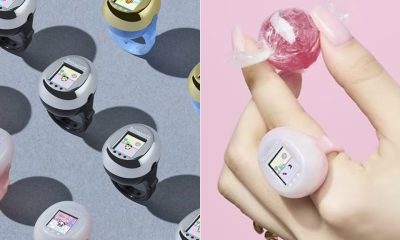
Tamagotchi Ring Takes the 30-Year Digital Pet and Places it on Your Finger
-
 Business2 days ago
Oil Price Today (September 2): Crude oil nears $97 as war tensions escalate. Will it hit $100 again?
-
 Entertainment4 days ago
Taylor Swift Reportedly ‘Frustrated’ With Travis Kelce After ‘Short’ Honeymoon
-

 Business7 days ago
Apple Confirms September 9 iPhone Launch Event as Tim Cook Prepares to Hand CEO Reins to John Ternus
-

 News Videos5 days ago
News kii Crypto ugu danbeeyey & Suuqa oo dhaqaaqey
-
 NewsBeat5 days ago
Trump posts AI video of ‘Lake America’ being protected by an army of bequiffed ‘Donald Ducks’
-
 Entertainment6 days ago
Kendall Jenner’s Circle Concerned About Jacob Elordi Romance
You must be logged in to post a comment Login