


Connect with us

Business

Overview of Recent Events in Thailand Covering Political, Economic, Tourism, and Social Matters

Published

on

Major Highlights Spanning Government, Finance, Travel, and Culture

Extended Deployment Comes to an End

The USS Abraham Lincoln aircraft carrier has docked in Thailand after an extended 286-day deployment, marking a significant milestone for the vessel and its crew. The carrier strike group, which spent months in the Middle East region, finally arrived in Pattaya, Thailand’s famous resort town, providing approximately 5,000 sailors and marines with their first substantial shore leave in nearly nine months at sea. This port call represents the first full port stop since November 2025 and comes as a welcome relief for service members who have endured an arduous and demanding deployment marked by supply shortages and challenging living conditions aboard the troubled vessel.

Long and Grueling Deployment

The USS Abraham Lincoln’s deployment was notably extended and demanding, with the carrier experiencing various operational challenges and maintenance concerns throughout its time at sea. Reports indicate that the vessel showed visible signs of wear after the extended assignment, with observers noting significant rust and deterioration on the hull. The crew has faced difficulties related to supply chain issues and suboptimal conditions during the lengthy mission, which underscores the importance of this port call for rest and recuperation. The extended timeframe at sea without a major port stop has made this Thailand visit particularly anticipated by the approximately 5,000 personnel aboard the strike group.

Pattaya’s Reputation and Local Preparations

Pattaya has long been known as Thailand’s “Sin City,” a resort destination famous for its beaches, nightlife, and entertainment venues. The city has braced for the arrival of thousands of American sailors, with local authorities and business owners preparing for the influx of service members seeking recreation and leisure activities. The mayor of Pattaya welcomed the sailors, recognizing both the economic opportunity and the potential challenges associated with such a large number of visiting military personnel. Local establishments, including bars and shopping venues, have readied themselves to accommodate the surge in visitors.

Shore Leave Activities and Recreation

Upon arrival, American sailors have engaged in typical shore leave activities, including shopping, bar-hopping, and exploring local attractions. Many service members have expressed enthusiasm about finally having the opportunity to spend time off the vessel after months of confinement. The crew has dispersed throughout Pattaya to experience Thai culture, cuisine, and entertainment. These recreational opportunities provide crucial mental and physical relief for personnel who have endured an extended period at sea under challenging conditions. The ability to engage in normal leisure activities contributes significantly to crew morale and well-being.

Advertisement

Warnings to Sailors Regarding Local Laws and Conduct

Thai authorities and U.S. military officials have issued important warnings to sailors regarding local laws and conduct expectations during their stay in Thailand. Specifically, warnings have been issued about prostitution and other potentially illegal activities that could result in serious legal consequences. Thai law enforcement conducted raids on sex workers in Pattaya coinciding with the carrier’s arrival, emphasizing local authorities’ commitment to maintaining order during this period. Military leadership has stressed the importance of responsible behavior and compliance with Thai laws to ensure positive relations between American servicemembers and the local community.

Economic Impact on Thailand

The arrival of approximately 5,000 American sailors is expected to provide a significant economic boost to Pattaya and the surrounding region. Local businesses, including hotels, restaurants, bars, and shops, anticipate increased revenue from American military personnel spending during their port call. The infusion of consumer spending can support local employment and economic activity, though the concentrated nature of the visit may create temporary strains on local services and infrastructure. Economic analysts have noted that such port calls contribute meaningfully to the local economy when managed appropriately.

Strategic Military Positioning

The USS Abraham Lincoln’s arrival in Thailand follows its deployment in the Middle East, where it participated in operations amid regional tensions and security concerns. The carrier’s presence in Southeast Asia reflects broader U.S. military strategy in the Indo-Pacific region, emphasizing America’s commitment to maintaining naval presence and partnerships in strategically important areas. Thailand serves as an important ally in the region, and port calls such as this strengthen military relationships and demonstrate ongoing commitment to regional security partnerships.

Vessel Condition and Maintenance Concerns

Observers have noted that the USS Abraham Lincoln shows visible signs of wear after its 286-day deployment, including rust and surface deterioration on the hull. These conditions highlight the demanding nature of extended deployments and underscore the importance of regular maintenance and port visits. The vessel’s condition may necessitate substantial repair and maintenance work during or after this port call to ensure continued operational readiness and structural integrity.

Advertisement

Crew Morale and Well-Being

The shore leave opportunity represents a critical morale boost for service members who have faced supply shortages and challenging conditions during their extended deployment. Access to recreational facilities, comfortable accommodations, and time away from the vessel significantly impacts crew mental health and overall well-being. Military leadership recognizes the importance of these rest periods in maintaining force effectiveness and personnel retention. The ability to decompress and experience normal leisure activities helps personnel recharge for the remainder of their deployment and future assignments.

Source : Google News – Search

Continue Reading
Click to comment

You must be logged in to post a comment Login

Leave a Reply

Business

Stock Market Screens Like This One Capture Shifts In Market Leadership

Published

on

Stock Market Screens Like This One Capture Shifts In Market Leadership

It’s exciting to see shifts in stock market leadership. Because with it usually comes a new round of breakouts, especially when the stock indexes are on strong uptrends. Selling pressure started to build in the Nasdaq composite in mid-August, but support held at the 50-day moving average. The index jumped Thursday as software stocks soared, helped by a bullish earnings…

Copyright ©2026 Investor’s Business Daily, LLC. All rights reserved. 87990cbe856818d5eddac44c7b1cdeb8

Continue Reading

Business

Newcastle’s Siemens Energy Byker plant wins deal to build UK nuclear power station parts

Published

on

Business Live

Energy Secretary Miatta Fahnbulleh visited the Siemens Energy plant in Byker on Thursday to announce the deal to manufacture steam turbines for Rolls-Royce’s small modular reactors planned for Anglesey

Energy secretary Miatta Fahnbulleh visits Siemens Energy's Shields Road facility in Byker, Newcastle.

Energy secretary Miatta Fahnbulleh visits Siemens Energy’s Shields Road facility in Byker, Newcastle.(Image: Copyright Unknown)

Critical components for a new UK nuclear power station will be manufactured in Newcastle. The Siemens Energy facility in Byker will produce steam turbines for Rolls-Royce’s flagship small modular reactors (SMRs) under construction on Anglesey in North Wales.

Advertisement

It marks the first occasion that such equipment will be built for a small modular reactor anywhere across Europe. Energy Secretary Miatta Fahnbulleh toured Siemens Energy’s Shields Road site last Thursday morning and stated that the agreement demonstrated “what our golden age of nuclear looks like in practice”.

The Labour minister told the Local Democracy Reporting Service: “This part of the world has a huge history in engineering. We have good, high-skilled workers, and a history of training people up. The opportunity, for me, with reindustrialisation is this – it is using clean energy, which we know we need more of, building out a supply chain here in Newcastle. We want to see this and we need to see far more of it.”

Siemens Energy occupies the site of the historic works established by engineer Charles Parsons in the 1800s and currently employs approximately 600 people on Tyneside, with dozens of new apprentices set to join next week. The works was also where the steam turbine was constructed for the world’s first commercial nuclear power plant, Calder Hall in West Cumbria, which commenced generating in 1956.

Energy secretary Miatta Fahnbulleh visits Siemens Energy's Shields Road facility in Byker, Newcastle.

Energy secretary Miatta Fahnbulleh visits Siemens Energy’s Shields Road facility in Byker, Newcastle.(Image: LDRS)

Ms Fahnbulleh said the SMR station, scheduled to become operational in the mid-2030s, would contribute to delivering sustained energy bill reductions for households. She added: “My number one job is getting bills down. That is the thing the Prime Minister has asked me to do and every time we see the price cap increase it is tough for families and hugely frustrating for me. Part of the way we are going to bring bills down for good is, firstly, we need to diversify the energy mix.”, reports Chronicle Live.

Advertisement

“When we talk about clean power it is because one of the things that is driving up bills is our reliance on global fossil fuel markets. The more we have nuclear, the more we have wind, the more we are relying on homegrown energy, the more we can break that link. But at the same time, we also have to do things to make sure the market is working for consumers. A big part of what we need to do is look across the piece and say ‘how are we doing everything we can to push coats down so it impacts on people’s pockets and the cost of business’.”

Rolls-Royce SMR appointed Siemens Energy as its international turbine supplier in 2025 and has also secured deals for comparable nuclear power facilities in Sweden and Czechia. Darren Davidson, UK Vice President for Siemens Energy, said he was optimistic the partnership would trigger further investment into the firm’s Newcastle facility.

He added: “We have 600 jobs here and we have seen significant growth over the last two years. We have seen the creation of more than 100 jobs in the last two years on this site and the collaboration with Rolls-Royce will allow us to grow further and provide further investment.”

Rolls-Royce SMR chief executive Chris Cholerton described Siemens Energy as a “world class” supplier, stating: “This is a perfect example of reindustrialisation and the golden age of nuclear bringing that to life.”

Advertisement

Labour’s Business Secretary Jonathan Reynolds said: “When the Prime Minister promised growth in every postcode, this is what he meant. This investment will support more than 550 good jobs for people in Newcastle and delivers on our pledge to reindustrialise Britain. Building small modular reactors here in the UK presents huge benefits for us, from more export opportunities to more jobs on the ground at home.

“Through our Modern Industrial Strategy, we are creating the conditions for businesses to invest in high-skilled jobs, strengthen supply chains and back the industries that can put more money in people’s pockets.”


Continue Reading

Business

Nvidia Shares Rise 2.6% Amid Hugging Face Deal, Blowout Earnings As Analysts Stay Bullish Heading Into Fall

Published

on

Nvidia To Report Quarterly Earnings

SANTA CLARA, Calif. — Shares of Nvidia Corp. climbed $5.91, or 2.59%, to $234.36 as of 9:55 a.m. ET Friday, extending a week of strong gains for the chipmaker following its confirmed acquisition of AI platform Hugging Face and continued momentum from a blowout quarterly earnings report last week.

Nvidia officially confirmed Thursday that it has agreed to acquire Hugging Face, one of the world’s most widely used platforms for sharing and deploying open-source artificial intelligence models, in a deal valued at $12.93 billion. CEO Jensen Huang and Hugging Face CEO Clément Delangue joined CNBC’s “Squawk Box” to discuss the transaction, emphasizing the strategic importance of keeping AI development open rather than centralized around a small number of proprietary providers.

Huang told CNBC that open models “matter greatly to our company,” reinforcing comments he made in the deal’s official announcement, in which he pledged that Hugging Face would remain a neutral platform available to developers regardless of which computing hardware or cloud provider they choose to use.

Patrick Moorhead, an industry analyst who covers the semiconductor sector, offered his own assessment of the strategic logic behind the acquisition in remarks to CNBC.

Advertisement

“It’s about accelerating open source growth,” Moorhead said of Nvidia’s rationale for acquiring Hugging Face.

Rosenblatt analysts weighed in on the deal as well, framing it within the broader context of Nvidia’s expanding role across the AI industry’s financial ecosystem. According to Rosenblatt, Nvidia is increasingly using its balance sheet to help maintain the overall health of the broader AI ecosystem, extending its influence beyond simply selling computing hardware to actively investing in and acquiring key pieces of AI infrastructure and software.

Friday’s gains build on Nvidia’s continued momentum following its fiscal second-quarter earnings report released in late August, which significantly exceeded Wall Street’s expectations. The company reported revenue of $96.2 billion, up 106% year over year, with its data center segment alone contributing $89 billion of that total. Non-GAAP earnings per share rose 120% to $2.22, comfortably beating analyst estimates of $2.09 on revenue of $92.3 billion. Diluted earnings per share on a GAAP basis soared 128% to $2.46.

For the current quarter, Nvidia guided for revenue of $108 billion, plus or minus 2%, implying year-over-year growth of roughly 89%, with non-GAAP gross margin expected to hold around 75%. Huang described the company’s outlook in terms of continued supply constraints rather than any weakening in underlying demand.

Advertisement

“A supply-constrained outlook,” Huang said of the company’s near-term production capacity, adding that Nvidia expects “supply to remain a bottleneck at least through the end of fiscal year 28.”

Supporting that assessment, industry data cited by analysts shows the cloud computing industry’s backlog of orders now exceeds $2 trillion, with capital expenditures among the top five hyperscale cloud providers tracking toward nearly $800 billion in 2026 and an estimated $1.3 trillion in 2027. Nvidia’s next-generation Vera Rubin computing platform is expected to generate approximately $40 billion in revenue per gigawatt of deployed capacity, a significant step up from the $25 billion figure associated with the company’s current Blackwell architecture.

Wall Street analyst sentiment toward Nvidia has remained overwhelmingly positive following the earnings report and the Hugging Face deal. According to compiled analyst ratings, Nvidia currently holds 48 “buy” ratings and 10 “strong buy” ratings, with a consensus price target of $305.79, implying meaningful upside from current trading levels. The stock’s forward price-to-earnings ratio of 24 remains below the average multiple of the broader Nasdaq-100 index, which some analysts argue makes the stock reasonably valued given its projected growth trajectory and 65.6% operating margins.

Despite the bullish near-term outlook, some risks remain on the horizon. Analysts have noted that Nvidia’s third-quarter guidance does not include any revenue contribution from China data center compute sales, a market that has faced ongoing export restrictions and regulatory uncertainty. Gross margins are also expected to bottom out in the fourth quarter, in a range of 71% to 72%, as the company ramps up production of its newer Vera Rubin platform, a transition that historically introduces temporary cost pressures before yields improve.

Advertisement

Insider trading activity at Nvidia has also drawn some investor attention this week. Nvidia board member Mark Stevens filed a Form 144 notice with the U.S. Securities and Exchange Commission on Sept. 2, signaling intent to sell shares totaling approximately $1.5 billion, according to data compiled by financial trackers. Such filings are a routine disclosure requirement for insider stock sales and do not necessarily indicate any change in a company’s underlying business outlook, though large insider sales are often closely watched by investors regardless of the specific circumstances.

Nvidia’s stock has now climbed 901% over the trailing five years, according to Motley Fool analysis, transforming the company into a $5.4 trillion market capitalization giant and one of the most closely watched stocks in global markets. Sell-side analysts project the company’s revenue will continue expanding at a roughly 58% annual rate between fiscal 2026 and fiscal 2029, supported by sustained pricing power tied to persistent supply constraints across the broader AI computing hardware market.

Some market commentators have flagged September’s historically weak seasonal performance for equities broadly, noting that the S&P 500 and Nasdaq Composite have both typically posted negative average returns during the month. Despite that historical pattern, several analysts have argued that Nvidia’s current fundamental momentum, bolstered by the Hugging Face acquisition and continued strong demand signals from hyperscale cloud customers, could allow the stock to buck the broader seasonal trend this year.

With Nvidia’s next major earnings report not expected until November, investors are likely to continue focusing in the near term on integration details surrounding the Hugging Face acquisition, along with broader industry data points from other major semiconductor companies reporting quarterly results this month, including Broadcom, which reported its fiscal third-quarter results Sept. 2, and Micron Technology, which is scheduled to report on Sept. 30. Both companies’ results are expected to offer additional insight into the broader health of the AI hardware supply chain heading into the final months of 2026.

Advertisement
Continue Reading

Business

Firmus Energy: Customers face price increase in October

Published

on

Person wearing white jumper and jeans placing their hands on a radiator.

Firmus Energy has announced an 8.98% price increase for customers in the Ten Towns area and 12.5% for Greater Belfast.

The Ten Towns new tariff will be effective from 1 October and equates to an extra £7 per month on the average bill for customers.

In greater Belfast, around 54,000 customers’ new tariffs will be effective from 8 October and equates to an extra £12 per month.

They said the increase was “due to the increased cost of gas on the global energy markets caused by the prolonged conflict in the Middle East”.

Advertisement

About 77,000 households and small businesses are in the Ten Towns area which includes Antrim, Armagh, Banbridge, Ballymena, Coleraine, Craigavon, Newry, Londonderry and more than 25 other towns and villages in the surrounding area,

Announcing the tariff change, Sharleen Winning, head of regulation at Firmus Energy, said they “cannot ignore the impact the situation in the Middle East is having on the cost of energy”.

“Unfortunately this has left us with no option other than to increase our tariffs.”

Winning said Firmus Energy have “held off for as long as we could in the hope of a resolution that would lead to a reduction in the global wholesale prices”.

Advertisement

“We have demonstrated that when we are in a position to reduce tariffs, we do so without delay, and we hope to be able to do so again, once the global markets allow this.”

It comes after last week, Northern Ireland’s largest provider of natural gas, SSE Airtricity, announced it is increasing prices by almost 19% from 1 October for its 200,000 customers.

Leigh Greer from the the Utility Regulator said if customers are worried about paying for gas or electricity they should contact their supplier as soon as possible.

“Suppliers will work with customers to discuss payment options and the support available.

Advertisement

“We recognise that another increase in energy bills will be deeply concerning for households and small businesses, particularly for those already under pressure from the wider cost of living.”

Raymond Gormley, from the Consumer Council, said the increase hadn’t come as a shock to him, but acknowledged it “could be a really tough winter for consumers”.

“We consume about two-thirds of our energy in the winter months, so this is the time we’re going to be using the energy and paying that bit more for it.

“Think about ways of saving money, think about the way you pay for your energy and the supplier you’re with. Every little bit will help at this stage.”

Advertisement
Continue Reading

Business

Interest grows for hosting NFL matches in Australia

Published

on

Interest grows for hosting NFL matches in Australia

Yes. Corporate subscriptions are available for teams and organisations, with discounted rates as user numbers increase. Pricing starts from $1,625 + GST per user.
Get in touch
to discuss the right option for your organisation.

Business News subscriptions are used by executives, investors, consultants and professionals who need to stay informed and make better decisions about the WA market. When you subscribe you’ll get

  • Unlimited access to WA’s most trusted business journalism
  • Data & Insights — detailed profiles of WA companies, people, projects and deals
  • MyBN — a personalised feed based on the companies, people and sectors you follow
  • Special publications and industry reports
  • Daily and weekly email newsletters

Data & Insights is a research tool built specifically for the WA market. It draws on more than 30 years of Business News reporting, updated regularly to reflect what’s happening now. Use it to:

  • Look up detailed profiles of WA companies, including financials, directors and ownership
  • Find decision-makers and track their career movements
  • Research live and completed projects across WA industries
  • Monitor deals, appointments and market activity
  • Access industry rankings and league tables

Data & Insights is updated daily by our dedicated research team, which uses the latest announcements, ASX filings and editorial coverage to keep our person, company, list and project records up to date.

Business News welcome all opportunities to make our dataset accurate, complete and current, so if you have an update request, please email the team at
general@businessnews.com.au, and we’d be happy to assist.

Advertisement

MyBN
is part of every subscription. It’s your personalised view of Business News. You can follow the companies, people, sectors and projects that matter to you, and get a news feed and alerts tailored to your interests. You can save articles to read later and retain only what you need.

Only subscribers have full access to all content on the Business News website.

Advertisement

If staying informed about the WA economy is part of your job, and/or you’re looking for networking opportunities in WA, Business News is built for you.

Business News subscribers are:

  • Executives and directors tracking competitors, clients and market movements
  • Investors and advisers researching companies, deals and industry trends
  • Consultants and professionals staying across sectors relevant to their clients
  • Business owners looking for leads, context and market intelligence

Most Business News publications cover national or global markets. Business News is focused entirely on Western Australia, which means the journalism, the data and the intelligence are all built around WA companies, people and projects — not adapted from a national feed. Data & Insights, included with every subscription, combines more than 30 years of WA-specific editorial research with live business data. There’s no comparable product for the WA market.

Advertisement

The Morning Digest Email provides a comprehensive wrap of the major headlines, relevant to WA business, and includes with a snapshot of the overnight news covering oil, gold and ASX-listed companies.

The Afternoon Wrap Email focuses on the news covered by our team of journalists during the course of the working day, including exclusive stories and analysis, all of which relates to WA business and the local economy.

The BN Weekender Email contains a wrap of the Business News from the week that was, highlighting the top stories in each area of WA business.
Sign up for free.

Advertisement

We’re happy to help.
Get in touch
and our team will come back to you.

Advertisement
Continue Reading

Business

Labor Day kicks off fall travel surge as wealthy avoid crowds

Published

on

Labor Day kicks off fall travel surge as wealthy avoid crowds

The cliffside village of Atrani at sunset along the Amalfi Coast, Campania, southern Italy.

© Marco Bottigelli | Moment | Getty Images

Fall is the new peak season for luxury travel, as the wealthy continue to shift their holidays to September and October to avoid the summer crowds, according to a new study.

Advertisement

Fall bookings for luxury travel and experiences are up 59% compared with last year, while sales surged 69%, according to Virtuoso, the global luxury travel network. September is now a peak month, with sales up 77%. October and November sales are up 54% and 71%, respectively.

Virtuoso calls it the “fallcation,” with the wealthy moving their typical summer getaways to autumn.

“Especially for the high-net-worth and ultra-high-net-worth group, we’re seeing huge gains for fall this year,” said Misty Belles, vice president at Virtuoso. “September is really eclipsing August. That shoulder season is no longer really a shoulder season. It’s becoming a peak season unto itself.”

While the shift to fall has been happening for years, it accelerated in 2025 and 2026, travel experts said.

Advertisement
Why there's no 'offseason' travel anymore

Summer heat waves in Europe have made travel in July or August increasingly unpleasant. Growing wealth and the shift in spending from goods to experiences have fueled more luxury travel and ever-growing crowds in popular destinations like southern Italy and France. Top hotels and restaurants are often fully booked and charging ever higher prices, making a summer trip to Europe often an exercise in disappointment.

Demographics also play a role. Most wealth is now held by baby boomers, who are often retired and enjoying global travel. Gen Xers are joining them, since their kids are often grown and are no longer tied to the school calendar. Add in the millennial and Gen Z digital nomads, who aren’t tied to the office, and the population of wealthy travelers who can ditch the traditional summer months in favor of fall is growing.

Get Inside Wealth directly to your inbox

“Wealthy travelers have more experience. They have experienced destinations in the summer,” Belles said. “They know it’s hot. They know it’s crowded. They know it’s not often the best time to see a destination, so they’re shifting over to fall because the lines are going to be shorter, less crowded and the temperatures are more moderate.”

The most popular destinations for wealthy Americans this fall are largely in Europe, according to Virtuoso. Paris is the top destination, followed by the Amalfi Coast, the French Riviera, Tuscany and then New York. London, Lake Como, Maui and Rome are also popular.

There are signs, however, that the fallcation is recreating some of same problems travelers are trying to avoid in the summer. Hotel rates in Europe for September are now close to summer rates, with some charging even more, travel experts said. Average daily hotel rates are up 131% in the Greek Isles, 78% in Puglia and 179% in the French Riviera, according to Virtuoso. 

Advertisement

© Marco Bottigelli | Moment | Getty Images

Crowds in Southern Europe could start to rival July and August, especially in wealthier resorts.

“I don’t think they’re expecting no crowds,” Belles said. “But they are expecting a better experience than they would see in the summer and I think that’s going to continue for a while.”

Belles recommended traveling in November to avoid the September and October crowds, although November bookings are also up 70%.

Advertisement

More broadly, demand for luxury travel is pushing up high-end hotel rates around the world. Bookings at hotels charging $1,500 or more per night are up 37% compared with last year. Luxury international hotels now average $1,653 a night, up from $985 in 2019, according to Virtuoso.

“Rates are growing at a faster clip [for luxury] than the lower-rate hotels, so that tells us there is a premium placed on the experience,” Belles said. “The demand is certainly strong.”

Choose CNBC as your preferred source on Google and never miss a moment from the most trusted name in business news.
Continue Reading

Business

Improving Customer Experience Through Integrated Contact Centre Platforms

Published

on

Improving Customer Experience Through Integrated Contact Centre Platforms

Integrated contact centre platforms offer the potential for more streamlined service, faster resolutions, and fewer handoffs for customers. Many companies are evaluating these technologies to improve both satisfaction and business outcomes.

Delivering an effective customer journey relies not just on brand promises but on responsive, coherent operational design. As expectations increase for quick, consistent support across multiple channels, businesses are assessing how modern platforms can meet these requirements. Contact centre as a service solutions, frequently chosen for their flexibility, play a significant role in supporting integrated approaches that help minimise friction and support organisational priorities. Understanding what genuine integration means, and how it can impact outcomes, remains important for decision makers seeking operational improvements.

Customer experience as a driver of operations

Customer experience is closely linked to tangible operational metrics such as retention, revenue, and cost-to-serve. When customers receive prompt responses and achieve first-time resolution, they are more likely to remain loyal and recommend the business.

Consistency in handling queries, regardless of communication channel, further increases satisfaction. High rates of unresolved contacts or repeated requests can drive up service costs and affect trust in the organisation.

Responsive service is not simply a branding concern; it affects operational figures, such as repeat contact rates and average handle times. Operational inefficiency can result in longer queue times and increased frustration, directly influencing customers’ perception of an organisation.

Advertisement

Cyber security reseller services are now often included within contact centre systems to help improve data protection and support consistent service delivery. Balancing information security with smooth customer interactions has become an essential operational consideration.

Defining integration in modern contact centres

Integration involves more than connecting channels at a basic level. In a modern contact centre, it includes bringing together voice, email, chat, Customer Relationship Management (CRM), ticketing, and workforce management tools into a unified system.

This lessens the chances of customers having to repeat themselves or experience multiple handoffs between agents. When an agent can see interaction history, preferences, and recent tickets in one place, each contact is more efficient and relevant.

Integrated workflows remove data silos, allowing processes to operate across departments and platforms smoothly. This supports root-cause analysis of recurring issues, so teams can proactively address underlying service challenges.

Advertisement

Technological integration also provides adaptability, as platforms designed for interoperability can accommodate new business needs without the need for ongoing replacement or extensive staff retraining.

Customer experience gains and measurable outcomes

One advantage of integration is improved first-contact resolution, where customer issues can be resolved during the first interaction, reducing the need for follow-up. This minimises customer effort and can lead to higher satisfaction scores.

Faster call routing and user-friendly self-service tools may lead to shorter waiting times. When agents have immediate access to customer details and prior interactions, conversations are more relevant and tailored to individual requirements.

Providing consistent service across channels ensures customers receive comparable support whether they reach out by phone, email, or chat. Reducing handoffs between teams prevents confusion and helps move queries towards resolution efficiently.

Advertisement

Integrated performance reporting enables organisations to identify and address recurring customer challenges, adding clear value to their platform investments.

Operational changes, risks, and best practices

For managers and team leaders, integration creates new visibility into live performance metrics. Real-time dashboards can display queue lengths, abandonment rates, and agent availability, making resource planning and workload management more straightforward.

Clearer reporting enables targeted coaching, helping teams lower average handle time and improve quality scores. However, without careful planning, integration initiatives can lead to fragmented data or difficulty with user adoption.

Managing data quality and compliance is essential as platforms gather more personal information. Implementing robust access controls and keeping customer records accurate across interconnected systems are key for reliable operations.

Advertisement

Successfully deploying integrated contact centre solutions involves reviewing current customer journeys and finding friction points. Organisations benefit from phased integrations, comprehensive training, and adjusting processes using insights from metrics such as first-contact resolution, average handle time, and customer effort. Avoiding excessive tool complexity and maintaining clear reporting responsibilities are also important for long-term results.

Advertisement
Continue Reading

Business

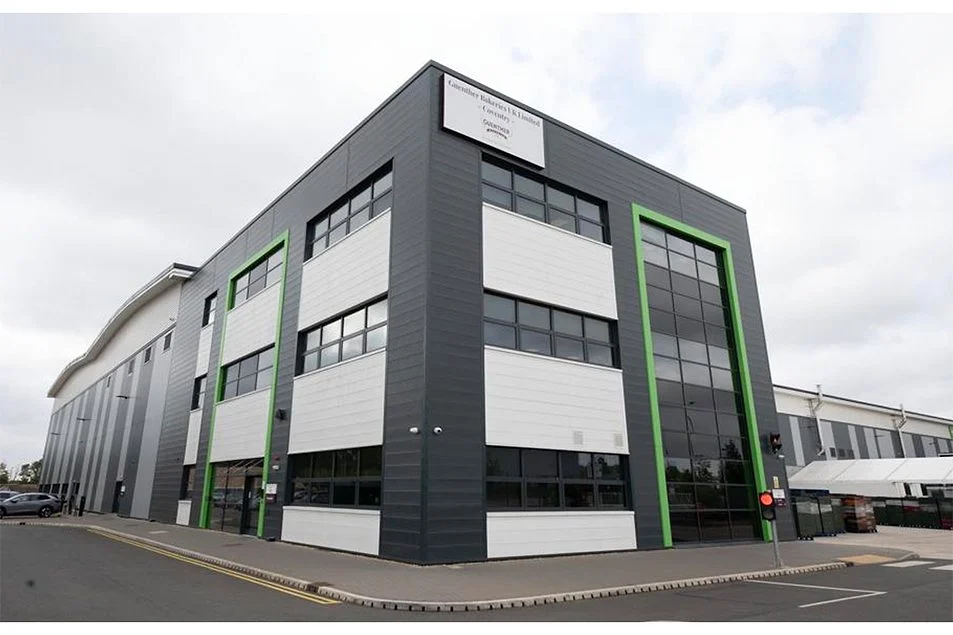
C.H. Guenther’s new UK center of excellence makes debut

Published

on

C.H. Guenther’s new UK center of excellence makes debut


Advertisement


C.H. Guenther’s new UK center of excellence makes debut | Food Business News

Advertisement

Advertisement


Skip To Content

Advertisement

Continue Reading

Business

How Integrated Payments Improve E-commerce Performance and Support Business Growth

Published

on

How Integrated Payments Improve E-commerce Performance and Support Business Growth

As technology continues evolving in 2026, seamless payments play a bigger role in growth for companies of all sizes, especially those seeking guidance on how to start selling online and how to build online store 2026.

Payment friction remains a significant obstacle for digital sellers, particularly smaller enterprises balancing growth with finite resources. Even if you master how to start selling online, a cumbersome or unreliable payment process can cause abandonment at the very last step. Integrating payments directly into your online store website, combined with effective online store software, allows transactions, inventory, and customer data to flow automatically without manual re-entry or confusion. For those planning how to build online store 2026, ensuring seamless integration from the start is essential.

Reducing friction by connecting payments and operations

Proper integration involves more than just adding a checkout button. It connects payment functionality with your storefront, links directly to order management and inventory, and ensures customer communications and accounting records are all updated in real time, making online store software more effective for day-to-day control.

When deciding how to build online store 2026 and developing workflows, integrated setups save time on daily tasks. Instead of switching between systems to reconcile sales or issue refunds, everything from payment authorisation to receipt generation happens in one place, minimising administrative effort and the risk of error. Using online store software to automate these processes supports smoother operations and business growth.

Enhancing customer confidence and increasing conversion

Fast, reliable checkouts improve success when you are learning how to start selling online by letting customers choose from preferred payment methods and quickly save their details for future purchases. Storing encrypted data securely also reduces payment failures and supports smoother refund or exchange processes, which builds trust in your platform.

Advertisement

Businesses benefit from online store software that can automate failed payment follow-ups and streamline communication. If chargebacks or disputes arise, clear integration helps keep documentation consistent. Merging customer and sales history across touchpoints strengthens relationships and reinforces confidence in your platform, especially as you plan how to build online store 2026 with advanced features.

Simpler reconciliation, cash flow, and omnichannel growth

With unified transaction reporting, you spend less time matching card payments to individual orders. Clear visibility over fees and settlement speeds helps you forecast available funds and plan for restocking or promotional activity. Integrated data also allows for smarter inventory management decisions, based on real sales instead of estimates, supporting your efforts with accurate reporting.

For those looking into how to build online store 2026 capability that supports growth, choosing integrated payments prepares a business for expansion across new channels. Whether you sell through social platforms or accept in-person payments, keeping all payment flows and customer data in sync means fewer errors and more adaptable business operations.

Minimising risk and avoiding common payment pitfalls

Integrated systems can increase security by employing tokenisation and industry-standard fraud checks, without burdening staff with complex manual reviews. This approach also supports smoother resolution of chargebacks and consistent compliance across both online and offline sales.

Advertisement

Avoiding fragmented payment tools, monitoring hidden processing costs, and ensuring your mobile checkout is optimised can improve performance. Neglecting to track payments as a core part of commercial infrastructure, rather than a secondary concern, can leave growth potential untapped, even for those who have learned how to start selling online.

Advertisement
Continue Reading

Business

DHT Holdings stock hits 52-week high at 20.63 USD

Published

on


DHT Holdings stock hits 52-week high at 20.63 USD

Continue Reading

Trending

Copyright © 2025