
Business
How Welcome Packs Boost Employee Morale and Retention


Most HR teams spend months finding the right candidate and then hand them a laptop and a pile of paperwork on day one. It’s a missed opportunity.
The first few days of a new job are when impressions are formed, loyalties are built and decisions about whether to stay are quietly made. Welcome packs are one of the simplest ways to get that critical window right, and one of the most consistently underused tools in the HR toolkit.
What is a welcome pack and why does it matter?
A welcome pack, sometimes called a welcome box or employee kit, is a curated collection of items given to a new employee on their first day. The idea is simple enough: make someone feel appreciated and part of the team from the moment they sit at their desk.
But a welcome pack is about more than the contents. It’s a statement of intent. It shows a new employee that the company thought about them before they walked through the door. This kind of early investment in the relationship sets a tone that’s difficult to undo once it’s been established.
For HR teams, it’s also one of the few tools that works equally well, no matter the company size. Whether you’re onboarding one person at a time or fifty, a thoughtful welcome pack sends the same message which is “we’re glad you’re here, and we want you to feel that from day one.”
Why welcome packs work
While making a first impression is an important part of a welcome kit, it is not the only use-case. Research consistently shows that the onboarding experience has a direct impact on how long an employee stays, how quickly they become productive and how they talk about the company to others.
When a new starter receives a thoughtful welcome pack, it does something that a contract and a meeting schedule simply cannot. This simple yet powerful gift creates an emotional connection. It signals that the company sees them as a person, not just a new hire filling a headcount gap. That feeling of being genuinely welcomed is one of the strongest predictors of early engagement and long-term loyalty.
For HR teams under pressure to reduce turnover and improve retention, that matters enormously. The cost of losing an employee is significant and welcome packs are a relatively small investment that can have a meaningful impact on the numbers that matter most.
What to include in an employee welcome pack
There’s no single formula for the perfect welcome pack, it will vary depending on your company culture, budget and team size. The most effective ones tend to strike a balance between the practical and the personal.
Trial and error is a great way to see what makes sense in a welcome kit. HR professionals can also consider adding in a few seasonal items to keep the boxes fresh and fun all year round.
Practical essentials
Every welcome pack should give a new starter what they need to hit the ground running. This means the basics, a company handbook, an IT setup guide, an overview of key tools and processes and any information they’ll need for their first week. Getting these things right reduces anxiety and helps new starters feel prepared rather than overwhelmed.
Branded items and corporate gifts for employees
This is where a welcome pack goes from functional to memorable. Branded items that a new starter can actually use, whether that’s a quality notebook, a reusable water bottle, a tote bag or branded umbrellas help them feel part of the team from day one. These items travel with employees into their everyday lives, keeping the company’s culture visible in a way that an email or a Slack message simply cannot.
More ideas for memorable corporate merch include:
- Laptop bags or backpacks
- Company apparel – jumpers, socks, hats, sunglasses
- Stationery – pens, notebooks, sticky notes
A personalised touch goes a long way too, a handwritten note from a manager, a small treat or something tailored to their interests shows the company pays attention.
Combine all these elements together in a fun and interesting package and the welcome kit is done.
How to hand out welcome packs effectively
A welcome pack is only as good as the moment it’s delivered. Timing and presentation matter more than most HR teams realise. A box that arrives a week after someone starts has already missed the point.
Ideally, a welcome pack should be ready on or before day one. For office-based employees, having it waiting on their desk when they arrive creates an immediate, memorable moment. For remote starters, sending it directly to their home address ahead of their start date achieves the same effect. For remote employees working from home, it can make a significant difference to how connected they feel from the very beginning.
A few things worth keeping in mind when it comes to delivery
- Timing is everything: aim to have the pack arrive before or on the first day, never after
- Presentation counts: a well-packaged box feels intentional and considered; a loose collection of items in a plastic bag does not
- Personalise where possible: including the employee’s name on the welcome note or on a branded item instantly makes the pack feel less generic
- Don’t forget remote employees: out of sight should never mean out of mind; remote starters deserve the same level of thought and care as those coming into the office
Corporate gifts for employees beyond onboarding
Welcome packs are a powerful starting point but the most engaged workplaces don’t stop there. Corporate gifts and merchandise for employees have a role to play throughout the entire employee lifecycle, not just on day one.
Recognising milestones like a work anniversary or a personal achievement with a thoughtful gift sends the same message as a welcome pack. That kind of consistent recognition builds a culture where employees feel genuinely valued, which in turn drives the loyalty and retention that every HR team is working towards.
Company gifts for employees also work well at team events, away days and seasonal moments like Christmas or end of year celebrations. These touchpoints don’t need to be expensive to be effective, a well-chosen branded item or a small personalised gesture can have an outsized impact on how an employee feels about the company they work for.
For HR teams looking to build a broader strategy around employee recognition and in-business culture, gifting is one of the most tangible and immediate levers available, one that doesn’t require a lengthy approval process or a significant budget to get right.
The simplest investment in your people
Welcome kits and packs won’t transform your company culture overnight but they’re one of the clearest signals an employer can send that people matter here. In a job market where candidates have choices and retention is a genuine challenge for businesses of every size, that signal carries real weight.
The best welcome packs aren’t the most expensive ones. They’re the ones that feel considered like someone actually thought about the person receiving them, not just the process of onboarding them. And that’s something any HR team, regardless of budget or headcount, can get right.
If your onboarding process currently starts and ends with a laptop and a list of logins, a welcome pack is the simplest and most immediate way to change that.


Integrated contact centre platforms offer the potential for more streamlined service, faster resolutions, and fewer handoffs for customers. Many companies are evaluating these technologies to improve both satisfaction and business outcomes.
Delivering an effective customer journey relies not just on brand promises but on responsive, coherent operational design. As expectations increase for quick, consistent support across multiple channels, businesses are assessing how modern platforms can meet these requirements. Contact centre as a service solutions, frequently chosen for their flexibility, play a significant role in supporting integrated approaches that help minimise friction and support organisational priorities. Understanding what genuine integration means, and how it can impact outcomes, remains important for decision makers seeking operational improvements.
Customer experience as a driver of operations
Customer experience is closely linked to tangible operational metrics such as retention, revenue, and cost-to-serve. When customers receive prompt responses and achieve first-time resolution, they are more likely to remain loyal and recommend the business.
Consistency in handling queries, regardless of communication channel, further increases satisfaction. High rates of unresolved contacts or repeated requests can drive up service costs and affect trust in the organisation.
Responsive service is not simply a branding concern; it affects operational figures, such as repeat contact rates and average handle times. Operational inefficiency can result in longer queue times and increased frustration, directly influencing customers’ perception of an organisation.
Cyber security reseller services are now often included within contact centre systems to help improve data protection and support consistent service delivery. Balancing information security with smooth customer interactions has become an essential operational consideration.
Defining integration in modern contact centres
Integration involves more than connecting channels at a basic level. In a modern contact centre, it includes bringing together voice, email, chat, Customer Relationship Management (CRM), ticketing, and workforce management tools into a unified system.
This lessens the chances of customers having to repeat themselves or experience multiple handoffs between agents. When an agent can see interaction history, preferences, and recent tickets in one place, each contact is more efficient and relevant.
Integrated workflows remove data silos, allowing processes to operate across departments and platforms smoothly. This supports root-cause analysis of recurring issues, so teams can proactively address underlying service challenges.
Technological integration also provides adaptability, as platforms designed for interoperability can accommodate new business needs without the need for ongoing replacement or extensive staff retraining.
Customer experience gains and measurable outcomes
One advantage of integration is improved first-contact resolution, where customer issues can be resolved during the first interaction, reducing the need for follow-up. This minimises customer effort and can lead to higher satisfaction scores.
Faster call routing and user-friendly self-service tools may lead to shorter waiting times. When agents have immediate access to customer details and prior interactions, conversations are more relevant and tailored to individual requirements.
Providing consistent service across channels ensures customers receive comparable support whether they reach out by phone, email, or chat. Reducing handoffs between teams prevents confusion and helps move queries towards resolution efficiently.
Integrated performance reporting enables organisations to identify and address recurring customer challenges, adding clear value to their platform investments.
Operational changes, risks, and best practices
For managers and team leaders, integration creates new visibility into live performance metrics. Real-time dashboards can display queue lengths, abandonment rates, and agent availability, making resource planning and workload management more straightforward.
Clearer reporting enables targeted coaching, helping teams lower average handle time and improve quality scores. However, without careful planning, integration initiatives can lead to fragmented data or difficulty with user adoption.
Managing data quality and compliance is essential as platforms gather more personal information. Implementing robust access controls and keeping customer records accurate across interconnected systems are key for reliable operations.
Successfully deploying integrated contact centre solutions involves reviewing current customer journeys and finding friction points. Organisations benefit from phased integrations, comprehensive training, and adjusting processes using insights from metrics such as first-contact resolution, average handle time, and customer effort. Avoiding excessive tool complexity and maintaining clear reporting responsibilities are also important for long-term results.


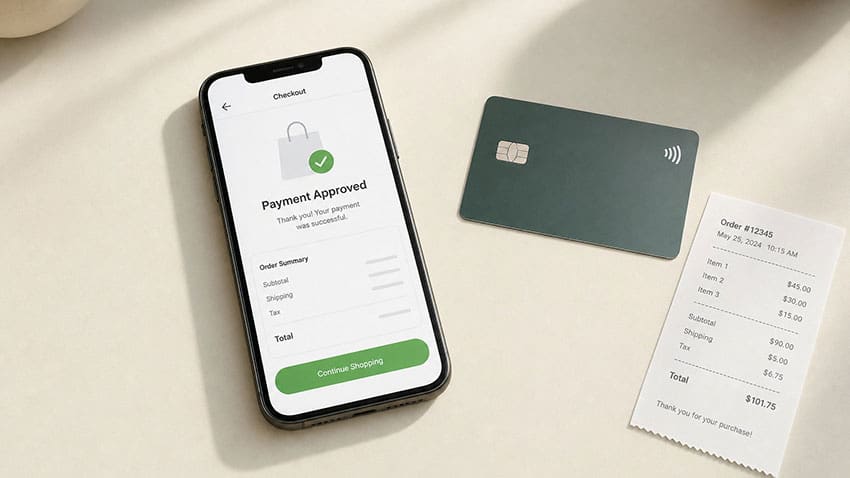
As technology continues evolving in 2026, seamless payments play a bigger role in growth for companies of all sizes, especially those seeking guidance on how to start selling online and how to build online store 2026.
Payment friction remains a significant obstacle for digital sellers, particularly smaller enterprises balancing growth with finite resources. Even if you master how to start selling online, a cumbersome or unreliable payment process can cause abandonment at the very last step. Integrating payments directly into your online store website, combined with effective online store software, allows transactions, inventory, and customer data to flow automatically without manual re-entry or confusion. For those planning how to build online store 2026, ensuring seamless integration from the start is essential.
Reducing friction by connecting payments and operations
Proper integration involves more than just adding a checkout button. It connects payment functionality with your storefront, links directly to order management and inventory, and ensures customer communications and accounting records are all updated in real time, making online store software more effective for day-to-day control.
When deciding how to build online store 2026 and developing workflows, integrated setups save time on daily tasks. Instead of switching between systems to reconcile sales or issue refunds, everything from payment authorisation to receipt generation happens in one place, minimising administrative effort and the risk of error. Using online store software to automate these processes supports smoother operations and business growth.
Enhancing customer confidence and increasing conversion
Fast, reliable checkouts improve success when you are learning how to start selling online by letting customers choose from preferred payment methods and quickly save their details for future purchases. Storing encrypted data securely also reduces payment failures and supports smoother refund or exchange processes, which builds trust in your platform.
Businesses benefit from online store software that can automate failed payment follow-ups and streamline communication. If chargebacks or disputes arise, clear integration helps keep documentation consistent. Merging customer and sales history across touchpoints strengthens relationships and reinforces confidence in your platform, especially as you plan how to build online store 2026 with advanced features.
Simpler reconciliation, cash flow, and omnichannel growth
With unified transaction reporting, you spend less time matching card payments to individual orders. Clear visibility over fees and settlement speeds helps you forecast available funds and plan for restocking or promotional activity. Integrated data also allows for smarter inventory management decisions, based on real sales instead of estimates, supporting your efforts with accurate reporting.
For those looking into how to build online store 2026 capability that supports growth, choosing integrated payments prepares a business for expansion across new channels. Whether you sell through social platforms or accept in-person payments, keeping all payment flows and customer data in sync means fewer errors and more adaptable business operations.
Minimising risk and avoiding common payment pitfalls
Integrated systems can increase security by employing tokenisation and industry-standard fraud checks, without burdening staff with complex manual reviews. This approach also supports smoother resolution of chargebacks and consistent compliance across both online and offline sales.
Avoiding fragmented payment tools, monitoring hidden processing costs, and ensuring your mobile checkout is optimised can improve performance. Neglecting to track payments as a core part of commercial infrastructure, rather than a secondary concern, can leave growth potential untapped, even for those who have learned how to start selling online.

DHT Holdings stock hits 52-week high at 20.63 USD

The target implies an upside of about 28% from the brokerage’s reference price of Rs 301. JM Financial valued the stock at two times its estimated FY28 book value, against 1.6 times at the reference price.
Following the coverage, OnEMI Technology shares rose as much as 3.8% to an intraday high of Rs 316.90 on the National Stock Exchange (NSE).
Over the past month, OnEMI Technology shares gained 1.41%, underperforming the benchmark’s 5.34% rise. The stock recorded a traded value of Rs 10.96 crore, while its free-float market capitalisation stood at Rs 1,627.82 crore. OnEMI is a digital-first non-banking financial company catering primarily to mass-market borrowers. It offers personal loans and loans against property through the Kissht mobile application.
JM Financial expects the company’s AUM to grow at a compound annual rate of 44% between FY26 and FY28, increasing from around Rs 7,100 crore to Rs 14,700 crore. Profit after tax is projected to grow at a CAGR of 49% over the same period, rising from Rs 281.5 crore in FY26 to Rs 445.8 crore in FY27 and Rs 629.1 crore in FY28.

The brokerage expects average return on assets and return on equity to remain at around 5.1% and 21.8%, respectively, during FY27 and FY28, even as the company lowers lending rates to attract better-quality borrowers.
JM Financial said this repricing would be offset by operating leverage, lower borrowing costs and an improvement in credit costs. Operating expenses as a percentage of average AUM are estimated to decline to 15.2% by FY28 from around 19.6% in FY26, while credit cost is projected to fall to 6.2% from 8.2%.The company’s AUM stood at Rs 8,000 crore at the end of the first quarter of FY27, representing growth of 61% year-on-year and 13% sequentially. This was ahead of management’s guidance for AUM growth of more than 40% in FY27.
The brokerage also highlighted an improvement in the quality of new borrowers. About 95.5% of borrowers added during FY26 had credit scores above 700, while the fixed-obligation-to-income ratio for new customers declined to 30.2% from 34.4% in FY25.
On the funding side, OnEMI’s average cost of borrowings declined to 14.45% in the first quarter of FY27 from 15.68% a year earlier. JM Financial expects the borrowing cost to decline further to 12.8% by FY28.
LAP assets rose nearly fivefold year-on-year to Rs 617 crore in the June quarter, increasing their share of total AUM to 7.7% from 2.5%. More than 40% of LAP customers come from the existing personal-loan customer base, reducing acquisition costs.
The secured-lending business operates through 101 branches and is expected to break even around the third quarter of FY27. JM Financial expects its share of AUM to increase to 11% by FY28, helping reduce the portfolio’s credit risk and improve capital efficiency.
The brokerage expects gross non-performing assets to moderate from 2.12% in FY26 to 2.02% in FY28. OnEMI’s strong post-IPO capital position, with a capital adequacy ratio above 40% in the June quarter, also provides headroom for further loan-book expansion.
Disclosure: This article has been written by [Somanjali Das], who is not a SEBI-registered Research Analyst or an investment advisor. [Somanjali Das] does not hold any financial interest in [OnEMI Technology] as of the date of publication. The views/recommendations mentioned in this article, wherever applicable, are those of the respective SEBI-registered Research Analyst/brokerage and have been reproduced/reported with due attribution. They should not be construed as the views or recommendations of the EconomicTimes Digital or the journalist. Readers are advised to consider the original research report and make their investment decisions based on their own assessment.
The Research Analyst is [Shubham Karvande]. The RA is registered with SEBI under registration number [INH000000610]. The RA does not hold any financial interest in the [OnEMI Technology Solutions Ltd (Kissht)].
Business
Overview of Recent Events in Thailand Covering Political, Economic, Tourism, and Social Matters

Extended Deployment Comes to an End
The USS Abraham Lincoln aircraft carrier has docked in Thailand after an extended 286-day deployment, marking a significant milestone for the vessel and its crew. The carrier strike group, which spent months in the Middle East region, finally arrived in Pattaya, Thailand’s famous resort town, providing approximately 5,000 sailors and marines with their first substantial shore leave in nearly nine months at sea. This port call represents the first full port stop since November 2025 and comes as a welcome relief for service members who have endured an arduous and demanding deployment marked by supply shortages and challenging living conditions aboard the troubled vessel.
Long and Grueling Deployment
The USS Abraham Lincoln’s deployment was notably extended and demanding, with the carrier experiencing various operational challenges and maintenance concerns throughout its time at sea. Reports indicate that the vessel showed visible signs of wear after the extended assignment, with observers noting significant rust and deterioration on the hull. The crew has faced difficulties related to supply chain issues and suboptimal conditions during the lengthy mission, which underscores the importance of this port call for rest and recuperation. The extended timeframe at sea without a major port stop has made this Thailand visit particularly anticipated by the approximately 5,000 personnel aboard the strike group.
Pattaya’s Reputation and Local Preparations
Pattaya has long been known as Thailand’s “Sin City,” a resort destination famous for its beaches, nightlife, and entertainment venues. The city has braced for the arrival of thousands of American sailors, with local authorities and business owners preparing for the influx of service members seeking recreation and leisure activities. The mayor of Pattaya welcomed the sailors, recognizing both the economic opportunity and the potential challenges associated with such a large number of visiting military personnel. Local establishments, including bars and shopping venues, have readied themselves to accommodate the surge in visitors.
Shore Leave Activities and Recreation
Upon arrival, American sailors have engaged in typical shore leave activities, including shopping, bar-hopping, and exploring local attractions. Many service members have expressed enthusiasm about finally having the opportunity to spend time off the vessel after months of confinement. The crew has dispersed throughout Pattaya to experience Thai culture, cuisine, and entertainment. These recreational opportunities provide crucial mental and physical relief for personnel who have endured an extended period at sea under challenging conditions. The ability to engage in normal leisure activities contributes significantly to crew morale and well-being.
Warnings to Sailors Regarding Local Laws and Conduct
Thai authorities and U.S. military officials have issued important warnings to sailors regarding local laws and conduct expectations during their stay in Thailand. Specifically, warnings have been issued about prostitution and other potentially illegal activities that could result in serious legal consequences. Thai law enforcement conducted raids on sex workers in Pattaya coinciding with the carrier’s arrival, emphasizing local authorities’ commitment to maintaining order during this period. Military leadership has stressed the importance of responsible behavior and compliance with Thai laws to ensure positive relations between American servicemembers and the local community.
Economic Impact on Thailand
The arrival of approximately 5,000 American sailors is expected to provide a significant economic boost to Pattaya and the surrounding region. Local businesses, including hotels, restaurants, bars, and shops, anticipate increased revenue from American military personnel spending during their port call. The infusion of consumer spending can support local employment and economic activity, though the concentrated nature of the visit may create temporary strains on local services and infrastructure. Economic analysts have noted that such port calls contribute meaningfully to the local economy when managed appropriately.
Strategic Military Positioning
The USS Abraham Lincoln’s arrival in Thailand follows its deployment in the Middle East, where it participated in operations amid regional tensions and security concerns. The carrier’s presence in Southeast Asia reflects broader U.S. military strategy in the Indo-Pacific region, emphasizing America’s commitment to maintaining naval presence and partnerships in strategically important areas. Thailand serves as an important ally in the region, and port calls such as this strengthen military relationships and demonstrate ongoing commitment to regional security partnerships.
Vessel Condition and Maintenance Concerns
Observers have noted that the USS Abraham Lincoln shows visible signs of wear after its 286-day deployment, including rust and surface deterioration on the hull. These conditions highlight the demanding nature of extended deployments and underscore the importance of regular maintenance and port visits. The vessel’s condition may necessitate substantial repair and maintenance work during or after this port call to ensure continued operational readiness and structural integrity.
Crew Morale and Well-Being
The shore leave opportunity represents a critical morale boost for service members who have faced supply shortages and challenging conditions during their extended deployment. Access to recreational facilities, comfortable accommodations, and time away from the vessel significantly impacts crew mental health and overall well-being. Military leadership recognizes the importance of these rest periods in maintaining force effectiveness and personnel retention. The ability to decompress and experience normal leisure activities helps personnel recharge for the remainder of their deployment and future assignments.
Source : Google News – Search
Business
5 Countries Hit Hardest By AI-Driven Tech Layoffs In 2026, Led By The United States As Amazon Leads Cuts

Global technology layoffs have surpassed 30,000 just weeks into 2026, according to industry tracking data, with a small handful of countries absorbing the overwhelming majority of the losses as companies restructure their workforces around artificial intelligence.
The figures come from a report by financial research platform RationalFX, which compiled data from sources including TrueUp, TechCrunch, WARN Act filings and other industry trackers. According to the analysis, more than 30,700 layoffs were recorded globally in just over a month at the start of the year, a pace that, if sustained, would push global technology job losses past last year’s total.
Here are the five countries that have absorbed the largest share of those job losses so far.
- United States. The U.S. accounts for the overwhelming majority of global tech layoffs recorded this year, with approximately 24,600 job cuts, representing just over four-fifths of the worldwide total. Amazon has served as the single largest contributor to the U.S. total, having announced plans in January to eliminate approximately 16,000 corporate positions, one of the largest workforce reductions in the company’s history. That cut followed a separate round of 14,000 job losses the company announced in October 2025. Amazon management has framed the reductions as an effort to streamline decision-making, reduce organizational layers and redirect resources toward artificial intelligence investment, even as the company reported $716.9 billion in revenue last year and is preparing capital expenditures that could approach $200 billion this year, much of it directed toward cloud computing and AI infrastructure. Seattle, home to Amazon’s headquarters, leads all cities worldwide in total layoffs, with more than 16,500 workers affected, while San Francisco and Menlo Park, California, follow as the next most heavily affected tech hubs.
- Sweden. Sweden ranks second globally with roughly 1,900 recorded job cuts, driven primarily by layoffs at telecommunications equipment manufacturer Ericsson. The company has been reducing staff as part of an effort to strengthen its competitive position amid a slower global market for 5G network equipment, according to the report.
- Netherlands. The Netherlands follows closely with about 1,700 layoffs, reflecting job cuts at semiconductor equipment maker ASML. Notably, ASML’s restructuring of management and technical roles has come even as the company continues reporting strong demand and record sales, illustrating a broader pattern in which companies are cutting positions not necessarily because of weak financial performance, but as part of a deliberate shift toward leaner organizational structures built around automation and AI-driven productivity gains.
- India. India has recorded approximately 920 layoffs so far this year, leading the broader Asian region in recorded technology job losses, according to the report.
- Israel. Israel rounds out the top five with roughly 774 recorded layoffs. Additional, smaller reductions have also been reported in the Czech Republic, Germany, Argentina, France and the British Virgin Islands, indicating that workforce contraction tied to the current wave of restructuring is affecting both major global economies and smaller financial or technology hubs alike.
Beyond the country-level breakdown, the report noted that several major technology markets, including Japan, Indonesia and China, have not reported confirmed layoffs so far this year, though the report cautioned that disclosure standards vary significantly by country and could affect how completely the true scale of job losses in those markets is being captured.
Analysts tracking the layoffs said the speed and geographic distribution of the cuts point to a structural shift in how technology companies operate, rather than a temporary slowdown tied to broader economic cycles. Nearly 1 million technology jobs have been eliminated globally since 2021, following the industry’s post-pandemic correction, when many companies that had expanded aggressively during the pandemic began reassessing costs, staffing levels and organizational structures.
The report also found that this year’s layoffs have not been confined to entry-level or support positions. Recent job reductions have increasingly included senior roles and specialized technical positions, suggesting that restructuring tied to automation and AI adoption is reaching deeper into corporate hierarchies than in previous rounds of tech-sector layoffs. Employers are increasingly prioritizing candidates with AI-specific expertise while reducing roles tied to routine, repeatable corporate processes, according to the analysis.
Beyond Amazon, several other major companies have contributed to this year’s layoff totals. Meta Platforms has cut more than 1,000 roles from its Reality Labs division, the unit focused on virtual and augmented reality technologies, as the company redirects resources toward artificial intelligence and its core platform products. Payments company Block has announced plans to eliminate roughly 1,100 positions as part of a broader restructuring effort aimed at streamlining operations and integrating services. Software companies Autodesk and Salesforce have each disclosed layoffs of approximately 1,000 employees as they reorganize their respective teams around cloud computing and enterprise platform priorities.
Looking ahead, RationalFX’s analysis projects that if layoffs continue at the current pace observed early in the year, global technology job losses could reach approximately 273,000 by the end of 2026, surpassing the roughly 245,000 job losses recorded across the technology sector the previous year. Researchers involved in the analysis attributed the trend to a longer-term shift toward leaner corporate structures, tighter cost controls, and technology-driven productivity improvements rather than a short-term response to broader economic weakness.
Industry experts cited in the report expect hiring demand to remain highly uneven across different types of roles going forward. Positions requiring advanced technical skills, data expertise and direct experience working with artificial intelligence systems are expected to continue expanding, even as administrative and operational roles face sustained pressure from continued automation. Whether job creation in emerging technology fields, including AI development itself, can meaningfully offset the ongoing wave of workforce reductions elsewhere in the industry remains an open question that analysts say will likely become clearer over the coming months as more companies finalize their restructuring plans for the remainder of 2026.

Team USA opens its pursuit of a fifth consecutive FIBA Women’s World Cup gold medal Friday, facing China in the tournament’s opening group-stage matchup, with tipoff scheduled for 8:15 a.m. ET at Max-Schmeling-Halle in Berlin, Germany.
The 2026 FIBA Women’s Basketball World Cup runs Sept. 4-13, marking the tournament’s return after a four-year gap since the last edition was held in Australia in 2022. Because this year’s tournament is being played in Germany, which is six hours ahead of Eastern time, American fans hoping to watch Team USA’s opener will need to tune in early, with the game tipping off at 8:15 a.m. ET, or 5:15 a.m. Pacific time.
For viewers in the United States, Friday’s USA-China matchup will be broadcast live on TNT, with the game also airing on truTV. TNT holds exclusive U.S. English-language broadcast rights to the tournament. Every U.S. national team game throughout the tournament, along with all knockout-round matchups from the qualifying rounds through the championship game, will air on TNT and truTV.
For fans without access to traditional cable or satellite television, multiple streaming options are available. All 36 games of the tournament, including every Team USA matchup, will stream live on HBO Max. Cord-cutters can also access the TNT and truTV broadcasts through live TV streaming platforms including YouTube TV and DirecTV. Additionally, every game of the tournament will be available in the U.S. through Courtside 1891, FIBA’s dedicated streaming platform, which can be accessed through a subscription to DAZN.
Team USA enters this year’s tournament as the sport’s most dominant national program, having won nine of the last 12 FIBA Women’s World Cups, including four consecutive titles. The Americans have not lost at the tournament since the semifinal round in 2006, a streak of sustained international dominance that has made them the heavy favorite once again heading into this year’s competition.
This year’s U.S. roster, coached by Kara Lawson, features a mix of established WNBA stars and rising talents, including Napheesa Collier, Breanna Stewart, Caitlin Clark, Paige Bueckers, Chelsea Gray, Kelsey Plum, Aliyah Boston and Angel Reese. Despite that considerable depth, Team USA will be without four-time WNBA MVP A’ja Wilson, who was also named MVP of the 2022 World Cup, as she will not play in Germany due to health reasons. Kelsey Plum was also listed among players who will not be available for the tournament for health-related reasons.
China, meanwhile, will be missing a key piece of its own roster ahead of Friday’s opener. Two-time Olympian and Dallas Wings center Li Yueru will not suit up for the Chinese national team after her passport was lost in the mail, preventing her from traveling to Germany in time for the tournament. Despite that setback, China’s roster still features significant size, including Liberty center Han Xu, who stands 6-foot-8, giving the Chinese team a notable height advantage that could pose challenges for Team USA on both ends of the floor, even against a heavily favored American squad.
Friday’s USA-China game kicks off Group D play, which also includes Italy and Czechia. Team USA’s full group-stage schedule includes Friday’s opener against China at 8:15 a.m. ET, followed by a matchup against Italy on Sunday, Sept. 6, at 2:45 p.m. ET, and a game against Czechia on Monday, Sept. 7, at 2:45 p.m. ET. Should the Americans advance out of group play as expected, they would move on to the quarterfinals on Sept. 10, followed by the semifinals on Sept. 12 and the championship game on Sept. 13, which will also mark the conclusion of the overall tournament.
Friday’s opening day of the tournament features a full slate of games beyond the marquee USA-China matchup. Earlier games Friday include Japan versus Mali and Australia versus Puerto Rico, both at 5:30 a.m. ET, followed by Korea versus Nigeria at 8:30 a.m. ET. Later in the day, additional first-round matchups include Belgium versus Turkiye at 11:30 a.m. ET, Spain versus Germany at 11:45 a.m. ET, Czechia versus Italy at 2:15 p.m. ET, and Hungary versus France at 3 p.m. ET. All of those games will be available to stream via Courtside 1891 and HBO Max, though only select matchups, primarily those involving Team USA and later knockout-round games, will also air on TNT or truTV.
Ahead of the tournament, WNBA standout and Team USA guard Caitlin Clark has continued training with the national team as she prepares for her role in the U.S. lineup, adding another significant storyline to an American roster already stacked with recognizable names from across the WNBA.
The tournament’s overall broadcast structure reflects a broader shift in how major international women’s basketball events are being distributed to U.S. audiences, with the combination of traditional cable broadcasts on TNT and truTV alongside expansive streaming access through HBO Max and the dedicated Courtside 1891 platform offering fans a wide range of ways to follow the tournament regardless of their specific cable or streaming subscriptions.
With Team USA opening tournament play against a Chinese squad that, despite missing a key contributor in Li Yueru, still brings considerable size to the matchup through players like Han Xu, Friday’s early-morning tipoff marks the beginning of what the Americans hope will be another dominant run toward a fifth consecutive world championship, continuing a streak of success that has defined the program for nearly two decades. Fans looking to follow the action live have a wide array of viewing options available across both traditional broadcast and streaming platforms to catch every moment of Team USA’s title defense as it begins in Berlin.

Yes. Corporate subscriptions are available for teams and organisations, with discounted rates as user numbers increase. Pricing starts from $1,625 + GST per user.
Get in touch
to discuss the right option for your organisation.
Business News subscriptions are used by executives, investors, consultants and professionals who need to stay informed and make better decisions about the WA market. When you subscribe you’ll get
- Unlimited access to WA’s most trusted business journalism
- Data & Insights — detailed profiles of WA companies, people, projects and deals
- MyBN — a personalised feed based on the companies, people and sectors you follow
- Special publications and industry reports
- Daily and weekly email newsletters
Data & Insights is a research tool built specifically for the WA market. It draws on more than 30 years of Business News reporting, updated regularly to reflect what’s happening now. Use it to:
- Look up detailed profiles of WA companies, including financials, directors and ownership
- Find decision-makers and track their career movements
- Research live and completed projects across WA industries
- Monitor deals, appointments and market activity
- Access industry rankings and league tables
Data & Insights is updated daily by our dedicated research team, which uses the latest announcements, ASX filings and editorial coverage to keep our person, company, list and project records up to date.
Business News welcome all opportunities to make our dataset accurate, complete and current, so if you have an update request, please email the team at
general@businessnews.com.au, and we’d be happy to assist.
MyBN
is part of every subscription. It’s your personalised view of Business News. You can follow the companies, people, sectors and projects that matter to you, and get a news feed and alerts tailored to your interests. You can save articles to read later and retain only what you need.
Only subscribers have full access to all content on the Business News website.
If staying informed about the WA economy is part of your job, and/or you’re looking for networking opportunities in WA, Business News is built for you.
Business News subscribers are:
- Executives and directors tracking competitors, clients and market movements
- Investors and advisers researching companies, deals and industry trends
- Consultants and professionals staying across sectors relevant to their clients
- Business owners looking for leads, context and market intelligence
Most Business News publications cover national or global markets. Business News is focused entirely on Western Australia, which means the journalism, the data and the intelligence are all built around WA companies, people and projects — not adapted from a national feed. Data & Insights, included with every subscription, combines more than 30 years of WA-specific editorial research with live business data. There’s no comparable product for the WA market.
The Morning Digest Email provides a comprehensive wrap of the major headlines, relevant to WA business, and includes with a snapshot of the overnight news covering oil, gold and ASX-listed companies.
The Afternoon Wrap Email focuses on the news covered by our team of journalists during the course of the working day, including exclusive stories and analysis, all of which relates to WA business and the local economy.
The BN Weekender Email contains a wrap of the Business News from the week that was, highlighting the top stories in each area of WA business.
Sign up for free.
We’re happy to help.
Get in touch
and our team will come back to you.

A boost in hospitality and education employment drove the US economy to create tens of thousands more jobs than expected last month, latest figures suggest.
The number of roles added to the world’s biggest economy increased by 162,000 in August, almost triple the 56,000 forecast by analysts.
An increase in employment during the final month of the summer in restaurants and bars, as well as in local government education ahead of the new school year, was behind the rise.
The stronger jobs figures are likely to add to growing expectations that the Federal Reserve will increase interest rates later this month.
Weaker job figures released earlier in the summer were also revised up, revealing a stronger labour market than previously thought.

Improving Customer Experience Through Integrated Contact Centre Platforms

American Outdoors Soars 35% After Recovering From Tariff Losses

Witney Carson Reveals What She ‘Lost’ During Her Competitive ‘DWTS’ Years





-

 Fashion7 days ago
Weekend Open Thread: Maeve – Corporette.com
-

 Crypto World2 days ago
CLARITY Act could advance within weeks, Atkins says
-

 Business6 days ago
Onto Innovation Stock: AI’s Next Bottleneck Is Yield (NYSE:ONTO)
-

 Crypto World2 days ago
Elon Musk Says Grok 4.7 Lands in 10 Days and Will Beat Every Model
-

 Sports9 hours ago
Devon Dampier throws for 3 TDs as No. 21 Utah demolishes Idaho
-
Crypto World8 hours ago
XRP Trading Activity Hits Highest Level Since February as Price Jumps 8%
-

 Crypto World7 days ago
Bitcoin price tests $82K resistance as Brandt stays long
-
 Tech6 days ago
Hugging Face built a $4.5 billion empire on free AI models. Now Nvidia is buying it for $12.9 billion
-

 Tech5 hours ago
Project Tube Shot Features Spark II Rocket and the Five-Foot Pipe That Gave a B Motor Extra Sky
-

 Politics7 hours ago
A new European chapter for Gibraltar
-

 Business7 days ago
iPhone 18 Pro Pre-Orders Could Shift to Saturday as Apple Reportedly Avoids September 11 Anniversary
-

 Crypto World5 hours ago
IMF Says El Salvador’s Post-Review Bitcoin Purchases Used No Public Funds
-

 Tech7 days ago
PaperCut releases second emergency patch for exploited flaws
-

 News Videos5 days ago
Charlie Munger on Robinhood: No one should believe that Robinhood’s trades are free
-

 Crypto World1 day ago
Kalshi seeks CFTC approval for WTI perpetual
-

 Tech6 days ago
As the influencer economy drives retail sales, Seattle startup raises $22M to play matchmaker
-

 Crypto World3 days ago
Bitcoin slips below $77.5K as macro pressure offsets ETF inflows
-

 Tech6 days ago
Tamagotchi Ring Takes the 30-Year Digital Pet and Places it on Your Finger
-

 Sports5 hours ago
Commanders’ Chig Okonkwo is a top breakout fantasy football candidate
-
 Business2 days ago
Oil Price Today (September 2): Crude oil nears $97 as war tensions escalate. Will it hit $100 again?
You must be logged in to post a comment Login