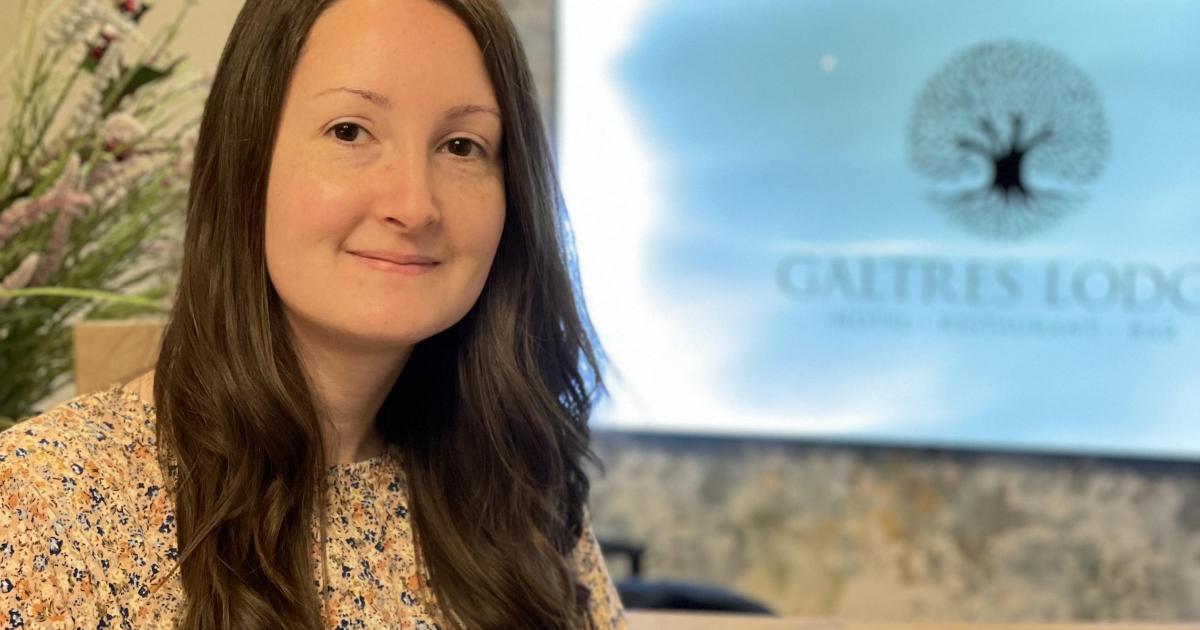
Rebecca Layton, spokesperson for Hospitality Association York (HAY), said proposals for a visitor levy come as businesses face difficult trading conditions while trying to appeal to price-conscious consumers.
The spokesperson added if charges put potential visitors off it would mean fewer shifts and jobs in an industry which tends to employ people at the start of their careers.
It comes after Labour Mayor David Skaith said he was focussed on getting any potential future charges right after speaking with more than 100 York and North Yorkshire businesses.
RECOMMENDED READING:
The mayor said the tourism industry was a local success story but it put pressure on services.
He added a visitor levy would drive investment into communities and bring in cash which could be used to support hospitality businesses.
Research from the York and North Yorkshire Policy Lab, which was set up by the combined authority and York St John University, found £2-a-night charges could raise £52 million-a-year.
The mayor’s talks with hospitality businesses comes as a national consultation into visitor levies, also dubbed tourist taxes, closed on Wednesday, February 18.
Further work is set to be done on how the charges would be implemented in York and North Yorkshire, including whether to exempt residents from them.
![]() Labour York and North Yorkshire Mayor David Skaith talking to Harrogate businesses about his plans for a visitor levy. Picture is from York and North Yorkshire Combined Authority
Labour York and North Yorkshire Mayor David Skaith talking to Harrogate businesses about his plans for a visitor levy. Picture is from York and North Yorkshire Combined Authority
York Council’s Labour administration has been among those calling for local authorities to get powers to levy the charges, saying it could help fund services including for tourists and businesses.
But York hotels and the HAY industry body have said extra fees could put visitors off and warned of the knock-on effects on the wider local economy.
HAY spokesperson Ms Layton said hotels already supported local areas with jobs and investment and it was unknown how taking profits away from them would help the region.
She added although they were told up to a quarter of funds raised could be spent on benefits for hospitality and tourism, the rest could be lost plugging budget gaps.
The spokesperson said: “Hoteliers remain deeply concerned about the impact of further costs, tourism tax supporters often cite that similar tourism levies are commonplace in other overseas destinations, however this does not consider the fact those countries pay an average of 10 per cent VAT on hospitality, compared to 20 per cent in the UK.
“Furthermore, data highlights that of the 32 million tourists to York and North Yorkshire, only 6.1 million stay overnight, meaning less than 20 per cent of tourists are to be targeted for this tourist tax.
“This means 80 per cent of tourists will not be paying this tax back into the local economy, and further emphasises hospitality is being unfairly penalised.
“Whilst the City of York Council may have been able to garner some support from York’s residents, the campaign for a tourism levy has little to no support in North Yorkshire, who overwhelmingly feel that the idea of doing anything to deter tourism is outrageous.
“This tax will also be a further cost for businesses, the wider events sector will also be affected.”
Mr Skaith said he would make sure he prioritised the places and services that feel the most pressure without costing residents if the charges are brought in.
The mayor said: “A visitor levy could be a total game changer for our region, it’s an opportunity to drive investment into our communities, and back businesses in our tourism and hospitality sectors with the support we all know we need, but nobody has the money for right now.
“We must get this right for our region and that’s what I’m focussed on as we go through this process.”