
Crypto World
Gate Integrates Arc Support: Gate Trenches to Exclusively Support 0-Gas Trading



Gate announced that, starting from September 16, it will partner with Circle for a full integration of Arc blockchain across core Web3 use cases, including Gate Trenches, Gate Wallet, and on-chain market data, providing users with one-stop services spanning asset discovery, wallet management, market tracking, on-chain trading, and cross-chain interactions. The integration further expands Gate’s multi-chain ecosystem, enabling users to more conveniently explore popular assets and emerging projects on Arc.
For new asset discovery and trading, Gate Trenches will also integrate Arc, supporting the discovery and trading of Arc ecosystem launch platforms and related assets. Users can quickly identify popular and newly issued tokens on Arc and participate in related on-chain trading, significantly shortening the path from asset discovery to trading.
At the same time, Gate Trenches will offer exclusive 0-Gas trading, eliminating gas fees to lower on-chain costs. By bridging asset discovery and trading, Gate Trenches will deliver a more efficient Arc new asset trading experience for users.
Gate Web3 will provide comprehensive support for Arc across core capabilities, including wallets, swaps, trading, market data, and ecosystem exploration. Users can manage Arc assets directly through Gate Wallet, including viewing, sending, and receiving native coins and contract tokens, checking transaction history, and connecting to DApps for on-chain interactions. Additionally, Gate Web3 will support market and limit trading on Arc, along with Pro Trading and Quick Trading, providing users with a more comprehensive on-chain trading experience.
In terms of on-chain trading infrastructure, Gate Web3 has completed the integration and compatibility with major Web3 protocols in the Arc ecosystem, including Uniswap V2, V3, and V4, providing Arc assets with more diverse liquidity sources. At the same time, Gate will continue to enhance trading and liquidity support on Arc to improve users’ trading experience and execution efficiency.
The full integration of Arc marks another important step in Gate’s ongoing enhancement of its multi-chain Web3 infrastructure. As emerging blockchain ecosystems continue to develop, user demand for popular asset discovery, on-chain trading, and cross-chain interactions continues to grow. Going forward, Gate will continue to expand its connections with blockchain ecosystems and refine services including asset discovery, trading, and cross-chain interactions, providing global users with a richer and smoother on-chain experience.
How to Experience the Arc Ecosystem
Users can log in to the Gate App or the relevant Gate Web3 page to experience the functions on the Arc Chain via the following path:
- Explore Arc ecosystem assets: Gate Web3 Mode – [Market Data] – [Markets] – [All Networks] – Select the Arc network
- Swap assets on Arc: Gate Web3 Mode – [Trade] – [Swap] – Select the Arc network
- Use Pro Trading: Gate Web3 Mode – [Trade] – [Pro] – Select the Arc network
- Explore popular new assets: Go to Gate [Trenches] and select the Arc network
About Gate
Gate, founded in 2013 by Dr. Han, is one of the world’s leading cryptocurrency and integrated financial services platforms. Serving over 60 million users globally, it supports trading across 5,200+ digital assets and 12,800+ stock assets, while providing access to a comprehensive range of TradFi assets, including metals, stocks, indices, forex, and commodities, delivering users a one-stop, multi-asset trading experience and blockchain-related services.
As an industry benchmark, Gate was among the first platforms to implement 100% Proof of Reserves. Its ecosystem includes Gate Wallet, Gate Ventures, Gate for AI Agent, and a wide range of products and services.
For more information, please visit: Website | X | Telegram | LinkedIn| Instagram | YouTube
Disclaimer:
This content does not constitute an offer, solicitation, or recommendation. You should always seek independent professional advice before making investment decisions. Note that Gate may restrict or prohibit certain services in specific jurisdictions. For more information, please read the User Agreement.
The post Gate Integrates Arc Support: Gate Trenches to Exclusively Support 0-Gas Trading appeared first on BeInCrypto.


The controversial crypto project has unveiled multiple updates over the past few weeks, yet the price of the native token has failed to capitalize on these developments significantly, though it’s still in the green monthly.
A major development scheduled for today (September 15) may finally benefit PI’s valuation, yet a delay is also possible.
Big Day for Pioneers or Another Disappointment?
The Core Team started the long process of protocol updates at the beginning of 2026. First, it implemented version 19.6, followed by many others, including v20.2, which laid the foundation for smart contract capabilities.
During the summer, it introduced versions 25 and 26, which actually surpassed their initial deadlines. Now all eyes are on v27, which is supposed to add more flexible and secure smart-contract authentication, giving accounts and apps better ways to authorize transactions. It will be the last update on that list and should be deployed later today (September 15).
Pioneers and community members have shared their enthusiasm for the upcoming development. X user drealFx, for instance, claimed the date is one of those “Pi watchers will remember.”
“Whatever happens after the upgrade, the real test begins when developers start turning the infrastructure into products people actually use,” they added.
Of course, a delay is also plausible because, as we mentioned above, Pi Network’s team has the habit of postponing important upgrades.
Other Dates to Monitor
Besides the protocol v27, set for today, the Pi Network community has also shifted its focus to September 24 and October 7-8. Some X users, including sunday peter, suggested that the project may unveil an announcement this month.
“The community is speculating because the Pi Core Team sometimes drops updates mid-month. No confirmation from Pi News or the Core Team so far. Treat it as rumor until they post,” they explained.
Meanwhile, rumors are circulating that Pi Network may have some form of presence at the crypto conference TOKEN2049 in Singapore, scheduled for October 7-8. Again, this is far from guaranteed and is likely speculation, given that the project served as a Gold Sponsor of the event last year.
PI Price Outlook
The project’s native token has posted an 11% monthly increase, following the broader crypto market’s resurgence during that period. Nonetheless, it remains 97% down from its all-time high of around $3 and currently trades at roughly $0.09 (according to CoinGecko).
Some analysts believe a further rebound could be in the cards. X user Crypto With Gopal claimed that the price is compressing between support and descending resistance, with volatility tightening and setting the stage for a decisive move.
“A breakout above the $0.096-$0.098 zone could push toward $0.103, while a breakdown risks the lower target near $0.086. Bullish bias — watching for the breakout,” he added.
Meanwhile, certain industry participants have floated the idea that Pi Network is about to introduce a burning mechanism that could positively impact PI’s price. However, the X account BSCN and others have rejected the development.
The post Important Pi Network News and PI Price Update: September 15 appeared first on CryptoPotato.


Poland has been drawn into a $378 million criminal case over failed Venezuelan oil contracts after new reporting traced part of a $230 million payment through USDT.
Summary
- Poland’s Orlen faces a $378 million criminal case over three failed Venezuelan crude oil contracts.
- OTS sent $330 million through Dubai intermediaries while contracted Venezuelan crude largely never arrived thereafter.
- Financial Times reporting says much of Hannon’s $230 million payment was converted into USDT afterward.
- Three former Orlen managers were indicted in August and could face 25 years imprisonment each.
- Former OTS chief Samer remains subject to Poland’s extradition request from the United Arab Emirates.
The FT reported on Sept. 15 that Orlen Trading Switzerland, the Swiss trading arm of Poland’s state-controlled energy group Orlen, agreed in late 2023 to purchase roughly six million barrels of Venezuelan Merey 16 crude in a transaction valued near $345 million. OTS advanced approximately $230 million through Dubai-based Hannon International, with much of the money reportedly converted into Tether’s USDT as brokers attempted to arrange payment inside Venezuela.
Polish authorities are examining a larger set of transactions. Warsaw prosecutors indicted three former managers on Aug. 7 over three oil contracts signed between August and December 2023, alleging their decisions caused $378 million, or around PLN 1.5 billion, in damage to Orlen and OTS. The defendants could face sentences of up to 25 years if convicted.
Poland’s oil deal sent $330 million through Dubai firms
The Venezuelan trade involved more than the $230 million payment now linked to Hannon. Reuters reported in 2024 that OTS sent a combined $330 million to two Dubai-based intermediaries, with Hannon receiving approximately $230 million and Horizon Global receiving another $100 million.
Venezuela’s state oil producer PDVSA did not receive the expected money, according to the Reuters investigation. Sources familiar with the transactions said the producer therefore did not allocate the crude cargoes that OTS expected to collect. Tankers chartered for the trade spent time waiting near Venezuela before leaving without the planned shipments.
The FT’s later investigation provided new detail on the $230 million Hannon leg. Its reporting said much of the payment was “largely transferred as Tether (USDT)” through a series of intermediaries. The report described traders moving information needed to conduct digital-asset transactions while attempting to complete payments to Venezuelan brokers.
The available reporting does not establish that cryptocurrency itself caused the commercial loss. Investigators are examining the contracts, counterparties, supervision and flow of funds, while the criminal charges concern alleged failures by executives to protect Orlen’s assets when the agreements were approved.
OTS ultimately received only a limited amount of petroleum product from the planned Venezuelan purchase, according to the FT. The bulk of the six million barrels covered by the contract did not arrive, while chartered tankers generated extra costs as they waited for cargo.
USDT became part of Venezuela’s oil payment system
The use of USDT in the Orlen transaction came during a period when Venezuela was increasing its use of cryptocurrency in oil sales.
As crypto.news previously reported, PDVSA began moving more crude and fuel transactions toward USDT as U.S. sanctions complicated access to conventional banking channels. Venezuelan oil officials said at the time that contracts could use different currencies and that cryptocurrency could be preferred in certain transactions.
Reuters had reported in April 2024 that PDVSA was gradually moving oil transactions toward Tether and had begun requiring some new customers to hold cryptocurrency in digital wallets. Sources told the publication that the company was requesting 50% prepayment in USDT for some spot cargoes as U.S. restrictions returned.
For trading firms, such structures could involve additional intermediaries because some established financial institutions would not process the payment routes required by PDVSA. The reported use of intermediaries does not by itself establish illegal conduct, and each transaction remains subject to its own sanctions, compliance and contractual circumstances.
Venezuela’s reliance on USDT has continued expanding outside oil transactions. Binance’s Venezuelan peer-to-peer market processed an estimated 1.389 billion USDT between June 11 and July 13, 2026, based on data from Ecoanalítica. The estimate concerns domestic P2P activity and is unrelated to the Orlen criminal proceedings.
Poland’s prosecutors put alleged damage at $378 million
Poland’s official loss figure is lower than some recent estimates of the total cost of the affair.
The Aug. 7 indictment states that three unfavorable crude contracts caused $378 million in alleged damage, equivalent to approximately PLN 1.5 billion. Prosecutors charged former Orlen board member Michał R., former OTS board member Marcin O., and former Orlen and OTS executive Filip W.
According to the filing, prosecutors allege the men acted jointly by failing to carry out supervisory duties and protect the interests of Orlen and its subsidiaries. The charges remain allegations and have not been proven in court. One defendant faces a separate accusation related to allegedly concealing assets from potential seizure.
The Polish Internal Security Agency, or ABW, said investigators carried out searches, questioned witnesses, reviewed documents and secured assets belonging to suspects during the investigation. The agency confirmed that the indictment concerns contracts entered into between August and December 2023.
The often-cited figure of roughly $424 million refers to a wider estimate. The FT calculated a higher overall cost after taking into account expenses beyond the alleged contract losses, including shipping and legal costs. Polish prosecutors have not adopted $424 million as the damage figure in the criminal indictment.
The distinction is important for reporting the case accurately: $378 million is the loss alleged by prosecutors, while approximately $424 million is a broader estimate that includes related costs.
Former OTS chief remains in separate extradition case
The criminal proceedings against the three indicted former managers do not cover former OTS chief Samer A., whose case remains separate.
Poland’s National Prosecutor’s Office said Samer was detained in the United Arab Emirates in January 2025 after authorities sought him through an Interpol Red Notice. The proceedings against him concern the same group of contracts that prosecutors say caused hundreds of millions of dollars in losses.
The August indictment confirms that Polish authorities are still seeking his extradition from the UAE. Prosecutors separated his case from the proceedings against the other three defendants because the extradition process had not been completed.
The ABW said its investigation into Samer remains active even though the other three defendants have now been sent for trial.
Polish investigators initially placed the suspected losses connected to Samer and other executives at approximately $370 million before refining the figure to $378 million in later proceedings. The current indictment uses the $378 million figure for the three contracts covered by the case.
The defendants indicted in August could each face up to 25 years in prison under the charges filed by the Warsaw Regional Prosecutor’s Office. Samer’s case will proceed separately if the UAE extradition process results in his return to Poland.


The US House Ways and Means Committee will consider a 114-page crypto tax package on Wednesday that leaves out a provision that would have allowed miners and stakers to defer taxation of rewards until the tokens are sold.
The Digital Asset Tax Certainty Act, H.R. 10357, was published alongside the committee’s markup notice on Monday. The package does not include the reward-timing provision contained in Representative Mike Carey’s Tax Clarity for Mining and Staking Act, introduced in June.
The provision would have allowed taxpayers to choose between recognizing newly created tokens as income when received or treating them similarly to self-created property and paying tax when sold.
Without the provision, mining and staking rewards would remain taxable when received or brought under the recipient’s control, potentially before they are sold for cash.
The package comes just as the Senate is considering whether to advance the CLARITY Act, which would determine how the US Securities and Exchange Commission and Commodity Futures Trading Commission divide oversight of the US crypto market.
House crypto package covers fees, stablecoins, wash sales
To be sure, the bill retains some of its mining and staking provisions. It would classify income from blockchain validator activities as ordinary income, establish whether it is sourced inside or outside of the United States and allow qualifying investment trusts to stake digital assets without losing their trust status.
The package would also prevent taxpayers from recognizing gains or losses when crypto is used to pay network or transaction fees of up to $10. It proposes special tax treatment for qualifying US dollar stablecoins and would allow qualifying digital asset loans to occur without being treated as taxable sales.
Other provisions would offer simplified accounting for widely traded crypto assets, extend wash-sale and constructive-sale rules to crypto and establish a voluntary disclosure program for taxpayers seeking to correct earlier digital asset tax violations.
Related: Trade groups seek to block Illinois crypto tax before January effective date
In June, the committee circulated seven crypto tax drafts ahead of a hearing on digital asset taxation. The proposals covered stablecoins, mining, staking and measures aimed at reducing the tax-reporting burden associated with crypto transactions.
In response, the Blockchain Association, Crypto Council for Innovation and Digital Chamber urged Congress to pass Carey’s legislation as introduced. The groups argued that taxing rewards before they can be sold creates liquidity problems for miners and stakers, while opposing an amendment that would have limited the deferral to five years.
Magazine: Why are AI’s biggest companies suddenly asking to slow down?
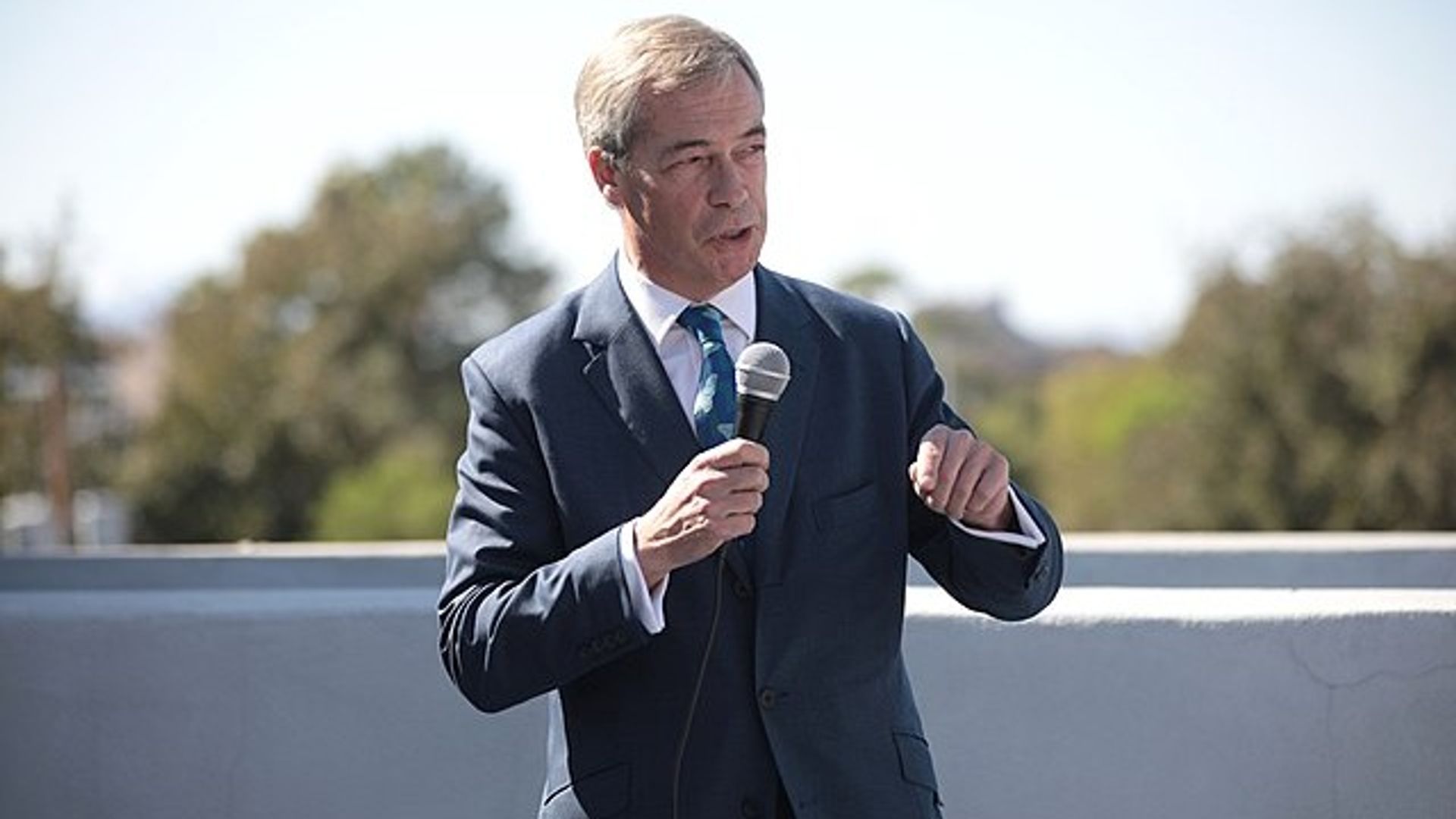
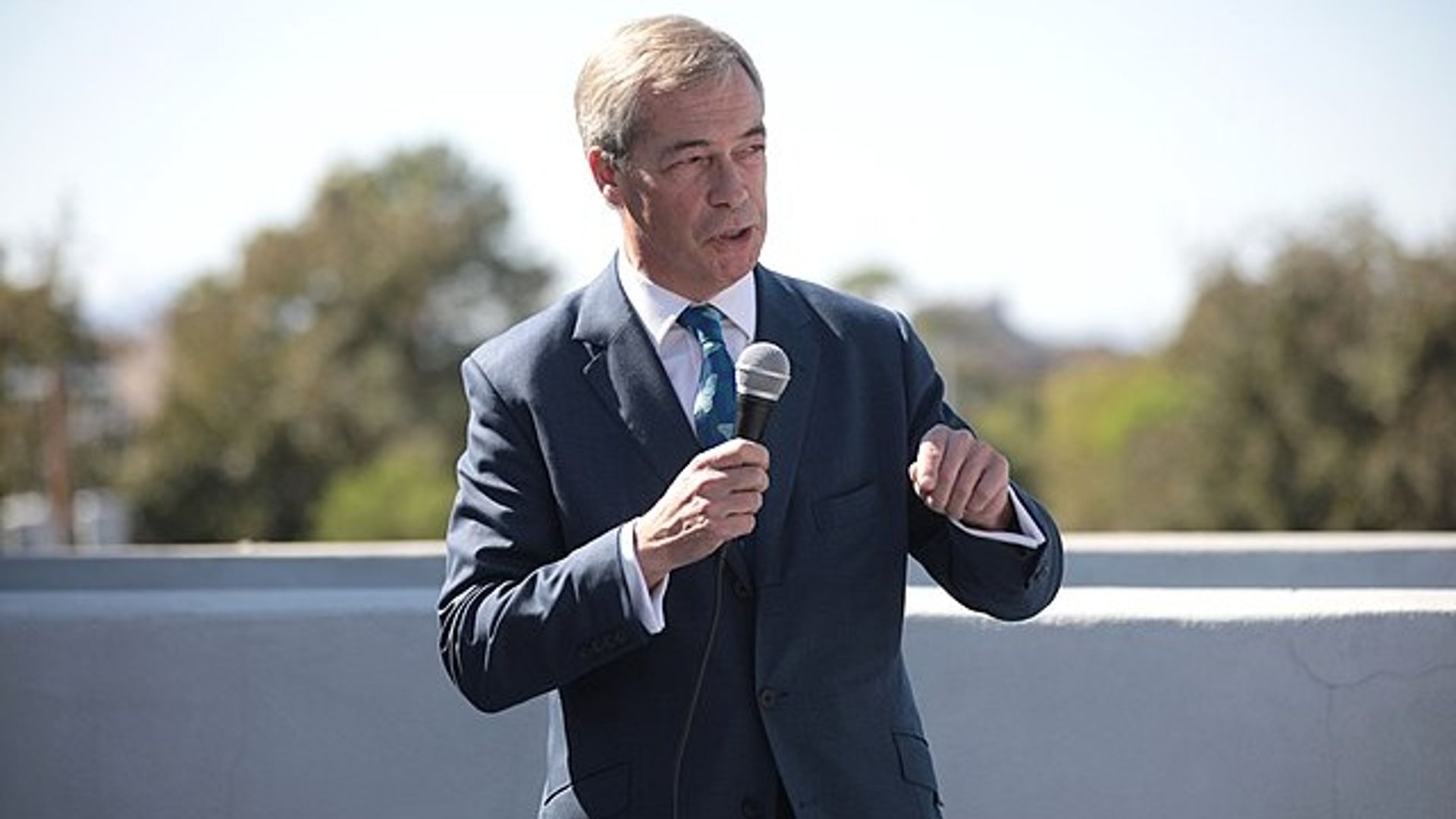
The proposed acquisition would use cash flow from precious metals sales to build bitcoin holdings.


Ethereum and Base are set to implement different account abstraction standards after efforts to agree on a shared account abstraction standard broke down last week.
Interoperability standards became secondary to each chain’s core goals, leading both to go their separate ways and “putting the burden on wallets,” Derek Chiang, founding member and researcher at Ethlabs, as well as a co-author of Ethereum’s EIP-8141 proposal, said in a Monday X post.
The divergence could require wallet developers to support separate transaction formats to provide a consistent experience across networks. Account abstraction allows programmable rules for authorizing transactions and paying fees.
Ethereum is now advancing Frame Transactions under EIP-8141 as a “headliner” item under its Hegotá upgrade, which would introduce native account abstraction and create a path toward post-quantum authentication. Separately, Base is developing native account abstraction via Keystore under EIP-8130, currently live on devnet.
The divergence also highlights different priorities between layer-1 and layer-2 blockchain networks. Chiang said L1s are increasingly focused on censorship, capture-resistance, open-source, privacy and security features, favoring different account standards, while scalability-focused L2s are more aligned with standards such as EIP-8130.
The researcher argued that the separation won’t necessarily result in a bad outcome, as both Ethereum and Base are now “free to innovate on AA to the maximal extent in accordance with their own visions.”
Ethereum developers could begin implementing Hegotá in late 2026 following Glamsterdam, arguably one of the most consequential upgrades of the year. Glamsterdam is designed to improve scalability, harden the L1, and make the network easier to use, with a mainnet launch expected sometime in the second half of 2026, according to Ethereum’s public roadmap.
Related: Standard Chartered forecasts SKY rising fivefold to $0.325 by 2028

A Senate cloture vote, a Federal Reserve decision where hike odds just jumped to 86.5%, Pi Network’s final planned upgrade, and the Bank of Japan. Three of the four are scheduled. The one driving everything was not on anyone’s calendar two weeks ago.
Summary
- The Senate holds a cloture vote on the CLARITY Act at 2:15 p.m. Eastern on September 15, requiring 60 votes against a 53-seat Republican majority.
- Pi Network activates Protocol 27, its final planned core upgrade, on mainnet the same day, with node operators required to reach version 27.1 or fall out of sync.
- The Federal Open Market Committee meets September 16, with market-implied odds of a 25 basis point hike jumping to 86.5% on Monday from 69.4% the previous Friday.
- The Bank of Japan follows on September 18, completing four market-moving events inside five days.
- Total crypto market capitalisation sits near $2.69 trillion, down roughly 0.9%, with the Fear and Greed Index at 57 against 71 a week earlier.
Crypto spends most of its time waiting for things that never quite happen. This week is the opposite problem. Between Tuesday and Friday, the Senate votes on whether to begin debating the bill that would define every digital asset in America, Pi Network ships the last upgrade on its published roadmap, the Federal Reserve announces a decision that markets have suddenly repriced toward a rate hike, and the Bank of Japan meets. Four events, five days, and each of them capable of moving prices on its own. What makes the week unusual is not the density. It is that the three events everyone has been watching for months are probably less consequential than the one that appeared out of nowhere: a jump in hike expectations from 69.4% on Friday to 86.5% on Monday, driven substantially by an oil spike following attacks on Saudi infrastructure. Crypto has never traded through a Federal Reserve tightening cycle as an institutional asset class. It is about to find out what that looks like, and it is looking the wrong way.
Tuesday: the vote that is not a vote
The CLARITY Act cloture vote lands at 2:15 p.m. Eastern, and precision about what it is prevents a great deal of misreading.
This is cloture on the motion to proceed to H.R. 3633. It requires sixty votes. Passing it means the Senate begins debating the bill. It does not enact anything, and success would leave a second cloture vote, an amendment process, and House concurrence still ahead.
The arithmetic has not moved. Republicans hold 53 seats with at least two defections expected, which requires seven or more Democrats to cross. The Democrats who negotiated through the summer walked away in July over the ethics provision, and what has changed since is a reported White House concession on expanded conflict-of-interest rules and state-level enforcement powers, which addresses their specific objection.
Senate Republicans also released a revised text hours before the vote, expanding the bill from roughly 616 pages to 635, including a definition that would classify XRP as a commodity in secondary markets regardless of Ripple’s holdings.
Estimates of eventual passage sit between ten and twenty percent depending on the source, with prediction markets at the higher end and research desks at the lower. Our status page tracks where the bill stands.
Tuesday: Pi ships its last planned upgrade
The same day, Pi Network activates Protocol 27 on mainnet, the final upgrade on its published core roadmap, adding flexible smart contract authentication and groundwork for a native decentralised exchange. Node operators must reach version 27.1 or fall out of sync with the network.
The context is what makes it interesting. PI trades near $0.098 with a market capitalisation around $1.09 billion and daily volume of roughly $7.85 million, which is thin against that capitalisation. The token sits roughly 96.7% below its $2.99 high. Total value locked in Pi’s decentralised finance ecosystem is zero dollars.
Its testnet launchpad drew 242,000 participants and 15.92 million in test commitments, which is genuine engagement. Against that, roughly 16.6 million of a claimed 60 million engaged users have migrated to mainnet, a conversion rate near 27.6%, and approximately 6.5 million PI unlock daily against a network that has never burned a token.
So an upgrade delivering decentralised exchange infrastructure arrives at a chain with no decentralised finance activity, where roughly three quarters of the userbase cannot reach what it delivers. Our coverage of that gap examined the economics underneath it.
Wednesday: the one that actually matters
Here is where the week turns, and it is the event nobody was positioned for.
Market-implied odds of a 25 basis point rate increase at Wednesday’s Federal Open Market Committee meeting jumped to 86.5% on Monday, from 69.4% the previous Friday. That is a substantial repricing inside one trading session.
The driver was geopolitical. Attacks on Saudi pipeline infrastructure, including reported strikes on residential areas and a mosque, pushed oil roughly 11% higher over five days. Higher energy prices feed directly into inflation expectations, and inflation expectations feed directly into the case for tightening.
Two things about this deserve emphasis.
Crypto has no experience of this. Bitcoin existed through the 2022 tightening cycle, but as a considerably smaller, less institutionally held asset. Spot ETFs did not exist. Treasury companies held a fraction of what they hold now. Pension and endowment allocations were negligible. The asset class that faces a hike on Wednesday is structurally different from the one that faced the last cycle, with far more of its holder base subject to conventional portfolio construction rules that respond mechanically to rate moves.
And the market is watching the wrong thing. Crypto coverage this week has been dominated by the cloture vote. A cloture vote determines whether a legislative process continues. A rate decision determines the discount rate applied to every risk asset on earth, including this one. If the Fed hikes and crypto falls, the coverage will search for a crypto explanation, and the explanation will be in the dollar.
Friday: Japan closes the week
The Bank of Japan’s decision on September 18 completes the set, and it matters for a reason that is indirect and historically underestimated.
Japanese policy has been the anchor of global carry trades for years. When the BOJ moves, leveraged positions funded in yen get repriced, and the unwinding that follows reaches assets with no obvious connection to Japan. August 2024 provided the demonstration: a BOJ adjustment triggered a global deleveraging in which crypto fell sharply alongside equities, for reasons that had nothing to do with anything happening in crypto.
That is the tail risk in this week. Not that any single event is catastrophic, but that a hawkish Fed on Wednesday followed by a BOJ move on Friday compounds into a funding-conditions shift, and funding conditions are what leveraged crypto positions are made of.
What is actually priced
Reading the market’s positioning matters more than the calendar, and the signals are mixed in an informative way.
Total crypto market capitalisation sits near $2.69 trillion, down roughly 0.9%. Bitcoin trades around $77,453 with dominance at 57.9%, ether near $2,502, XRP at $1.40, and Solana at $101.92.
The Fear and Greed Index reads 57, down from 61 the previous day and 71 a week earlier. That is a market drifting from greed toward neutral, which is a positioning signal, not a panic one.
Bitcoin dominance near 58% is the more informative number. Rising dominance in a flat-to-down market means capital rotating toward the largest asset, which is what participants do when they expect volatility and want liquidity. The market is not selling; it is consolidating into the position it wants to hold through an uncertain week.
What that pricing does not obviously reflect is the Fed. The hike repricing happened Monday. Crypto’s move was modest. Either the market has concluded a 25 basis point increase is already absorbed, or it has not finished processing a repricing that occurred less than a day ago. Those are very different conclusions and only one of them is comfortable.
The asymmetry in each event
Worth separating, because the four are not equivalent in how they can move things.
CLARITY is asymmetric to the upside and small in both directions. Failure changes nothing operationally; the framework governing crypto today is a joint SEC-CFTC interpretive release that continues regardless. Success starts a process. The token most exposed is XRP, which has rallied on procedural CLARITY news twice this year and given both moves back.
Protocol 27 is contained. A Pi-specific event affecting a $1.09 billion token with $7.85 million in daily volume. It matters enormously to Pi holders and barely registers elsewhere.
The Fed is asymmetric to the downside and large. A hike is now the expected outcome, so the hike itself is partly priced. What is not priced is the guidance: whether this is the start of a cycle or a one-off response to an energy shock. A hawkish path repriced on Wednesday reaches every asset.
And the BOJ is a tail. Most likely nothing. Occasionally the thing that unwinds global leverage in seventy-two hours.
Ranked by expected impact, the order is almost exactly the inverse of the attention each is receiving in crypto media this week.
The scenario table
Because the events interact, the useful exercise is not forecasting each one but mapping how the combinations land. Four rough configurations cover most of the probability.
Cloture fails, Fed hikes hawkishly. The worst combination and not the least likely. Crypto loses a narrative catalyst it had partly priced and takes a discount-rate hit in the same week, with the coverage attributing the whole move to the vote because the vote is the crypto-native story. Bitcoin dominance would likely rise further as capital consolidates, and the assets most exposed are the ones that rallied on legislative hope, XRP foremost among them.
Cloture fails, Fed hikes with dovish guidance. The energy shock is framed as transitory, the path stays shallow, and the legislative disappointment is absorbed within days because nothing operational changed. This is the most probable configuration by most readings and the least dramatic.
Cloture succeeds, Fed hikes hawkishly. The confusing one. A crypto-positive procedural outcome into a tightening signal, producing a market that cannot decide which input dominates. Expect a sharp move in either direction followed by a reversal, which is what markets do when two large signals conflict.
Cloture succeeds, Fed hikes with dovish guidance. The favourable case, and the one where the risk is overreaction. A cloture vote is a procedural step toward a bill that still needs a second cloture vote, an amendment process, and House concurrence. XRP has priced legislative progress as legislative success twice this year and given both moves back.
The Bank of Japan sits across all four as a multiplier. In three of them it is probably irrelevant. In the first, a hawkish BOJ on Friday turns a bad week into a deleveraging event.
What the table is for is not prediction. It is to have decided in advance what each combination means, because the one thing guaranteed this week is that the explanations offered in real time will be wrong at least half the time.
Why this week is a test of the institutional thesis
Underneath the calendar sits a question the sector has been arguing about since the ETFs launched, and this week supplies unusually clean evidence.
The institutional thesis holds that crypto has matured into an asset class held by allocators with mandates, risk frameworks, and portfolio construction rules. The implication, usually left unstated, is that this makes the market more stable, because professional holders do not panic the way retail does.
The counter-thesis is that institutionalisation changes the correlation instead of reducing the volatility. Allocators with mandates respond to macro inputs mechanically. When the discount rate rises, risk assets get repriced across the board, and an asset held inside conventional portfolios gets repriced with them regardless of its own fundamentals.
This week distinguishes between them. If crypto absorbs a hawkish Fed with limited damage while crypto-specific news drives the tape, the first thesis has evidence. If a rate decision moves crypto more than a Senate vote on the bill defining its legal existence, the second one does.
The structural change since the last tightening cycle makes the test meaningful. Spot ETFs now hold substantial assets. Treasury companies hold hundreds of thousands of bitcoin, and as our coverage of the largest one documented, several have stopped accumulating. Pension and endowment allocations exist where they did not. Each of those is a holder whose behaviour is governed by something other than conviction about the asset.
The honest expectation is that the second thesis wins this week, because it has won every comparable week since the ETFs launched. What would be genuinely informative is if it did not.
What a hike would actually do to crypto
Worth being concrete, because “rates up, risk assets down” is a slogan, not a mechanism, and the mechanism has several distinct channels.
The discount rate channel. Every asset with cash flows far in the future gets valued by discounting them, and a higher rate makes distant cash flows worth less today. Bitcoin has no cash flows, which sounds like immunity and is the opposite: an asset valued entirely on expectations of future adoption is pure duration, and pure duration is what a rate move hits hardest.
The opportunity cost channel. When Treasury bills pay a meaningful risk-free rate, the bar an alternative asset must clear rises. This is the channel that reaches allocators most directly, because a portfolio construction model with a higher risk-free input mechanically reduces the weight assigned to volatile assets without anyone forming an opinion about crypto.
The funding channel. Leveraged positions cost more to carry when rates rise. In crypto this compounds because perpetual futures funding, margin lending, and the basis trade all reprice together, and a large share of open interest exists specifically to harvest spreads that narrow when funding costs rise.
And the dollar channel. Tightening generally strengthens the dollar, and a stronger dollar is a headwind for anything priced in it. This channel is why crypto frequently moves inversely to the dollar index on days with no crypto news at all.
Four channels, all pointing the same direction, none of them requiring any participant to change their view of the technology. That is why the Fed matters more than the Senate this week, and it is also why the coverage will miss it: none of these channels produces a headline with a crypto noun in it.
The events nobody scheduled
Three of this week’s four were on the calendar months ago. The one driving the repricing was not, and that asymmetry is the durable lesson rather than anything specific to September.
Attacks on Saudi pipeline infrastructure pushed oil roughly 11% higher over five days, and that move did more to change market expectations than anything on the crypto calendar. Nobody’s positioning accounted for it, because nobody’s positioning could.
This happens with some regularity and crypto handles it badly, for a structural reason. The sector maintains an extensive calendar of its own: unlock schedules, upgrade dates, ETF decision deadlines, regulatory milestones, conference keynotes. That calendar is genuinely useful and it creates a habit of attention that points inward. A market conditioned to watch its own schedule is poorly positioned for the events that arrive from outside it.
The August 2024 episode is the cleanest example. A Bank of Japan adjustment triggered a global deleveraging and crypto fell sharply, and for two days the sector searched for a crypto-native explanation because the actual cause was a central bank most crypto participants had never thought about.
The practical adjustment is not to abandon the crypto calendar, which contains real information. It is to hold it alongside the macro one and to recognise which is more likely to move prices on any given week. This week, three scheduled crypto events sit alongside two central bank decisions and one geopolitical shock, and the ranking by expected impact runs almost exactly opposite to the ranking by coverage volume.
That inversion is not unusual. It is the normal state of the sector’s attention, visible this week because the calendar happens to make it obvious.
The week after
Whatever happens between Tuesday and Friday, the following week is where the consequences actually appear, and three of them are worth anticipating now.
The CLARITY aftermath resolves fast. If cloture succeeds, the amendment process begins immediately and the newest provisions in the 635-page text become targets. If it fails, leadership makes a statement within a day about refiling, restructuring, or moving on, and that statement is more informative than the vote itself. Either way, the question is answered by roughly Thursday.
The Fed’s effect takes longer to read. A single day’s price reaction to a rate decision is mostly noise, because positioning unwinds and rebuilds over several sessions. The meaningful signal is where funding rates, open interest, and the futures basis sit a week later, since those describe whether leverage is being rebuilt or has actually left. Watching the price on Wednesday afternoon tells you very little.
And Pi’s upgrade is measurable on a different clock entirely. Total value locked at zero is the baseline, and whether decentralised exchange infrastructure produces any activity is a question answered over weeks, not days. Node operator compliance with version 27.1 is the immediate test; ecosystem usage is the real one.
One further thing worth holding. Weeks like this generate an enormous volume of explanation, and most of it is written within hours of events by people who have not seen the second-order effects. The 635-page bill has not been read by anyone describing it. The Fed’s guidance has not been parsed. The interaction between a hawkish Fed and a BOJ decision three days later cannot be assessed until both have happened.
The useful posture is to decide in advance what each outcome would mean, which is what the scenario section above is for, and then to check the interpretation against what actually happens instead of against what the coverage says happened. In a week with this much scheduled noise, the gap between those two is where most of the mistakes get made.
What to watch
The CLARITY roll call, not the result. Which Democrats vote yes determines whether a second attempt is viable and what it would cost.
Fed guidance, not the decision. A 25 basis point increase is now the base case at 86.5%. The dot plot and the press conference determine whether this is one move or a path, and the path is what gets repriced.
Oil. The proximate cause of the hike repricing. If the Saudi disruption resolves and crude retreats, the rate expectation follows it down, and the entire framing of the week changes.
Bitcoin dominance through the week. Rising dominance into events signals defensive positioning. If it keeps climbing after Wednesday, the market is expecting more volatility rather than less.
Pi’s on-chain activity after Protocol 27. Total value locked at zero is the baseline. Whether an upgrade delivering decentralised exchange infrastructure produces any is answerable within weeks and is the only real test of whether the roadmap mattered.
Frequently Asked Questions
What is happening in crypto this week?
Four events in five days. The Senate holds a CLARITY Act cloture vote at 2:15 p.m. Eastern on September 15. Pi Network activates Protocol 27 on mainnet the same day. The Federal Open Market Committee announces its decision on September 16. The Bank of Japan follows on September 18.
Is the Fed expected to raise rates?
Market-implied odds of a 25 basis point increase jumped to 86.5% on Monday from 69.4% the previous Friday. The repricing followed attacks on Saudi pipeline infrastructure that pushed oil roughly 11% higher over five days, feeding inflation expectations and strengthening the case for tightening.
Why does a Fed hike matter more than the crypto-specific events?
Because a rate decision sets the discount rate for every risk asset, while a cloture vote determines whether a legislative process continues. Crypto also has limited experience of tightening as an institutionally held asset class: spot ETFs, treasury companies, and conventional portfolio allocations were all far smaller during the last cycle.
What is the CLARITY Act vote deciding?
Cloture on the motion to proceed, meaning whether the Senate begins debating the bill. It requires 60 votes against a 53-seat Republican majority. It does not enact anything, and success would leave a second cloture vote, an amendment process, and House concurrence ahead. Estimates of 2026 passage run between ten and twenty percent.
What is Pi Network’s Protocol 27?
The final upgrade on Pi’s published core roadmap, activating on mainnet September 15, adding flexible smart contract authentication and groundwork for a native decentralised exchange. Node operators must reach version 27.1 or fall out of sync. It arrives at a network with zero total value locked in decentralised finance and a mainnet migration rate near 27.6%.
Why does the Bank of Japan matter for crypto?
Japanese policy anchors global carry trades funded in yen. When the BOJ moves, leveraged positions get repriced and the unwinding reaches assets with no direct connection to Japan. In August 2024 a BOJ adjustment triggered a global deleveraging in which crypto fell sharply alongside equities.
What is the market pricing right now?
Total capitalisation near $2.69 trillion, down about 0.9%, with bitcoin around $77,453 and dominance at 57.9%. The Fear and Greed Index reads 57, down from 71 a week earlier. Rising bitcoin dominance in a flat market indicates rotation toward liquidity, which is defensive positioning ahead of volatility.
What is the biggest risk this week?
Compounding. No single event is likely to be decisive on its own, but a hawkish Federal Reserve on Wednesday followed by a Bank of Japan move on Friday would tighten global funding conditions in the same week, and leveraged crypto positions are built on funding conditions. This is educational analysis, not investment advice.
Disclaimer: This article is for information and educational purposes only and does not constitute financial or investment advice. Market data, rate expectations, and scheduled events reflect information available at the time of writing and change continuously. Nothing here predicts any outcome. Always do your own research. Information is accurate as of September 15, 2026.


Key takeaways
- Dogecoin is trading near $0.083 after finding support around its key moving averages.
- Spot DOGE ETF activity remains quiet, signaling weak institutional conviction.
- DOGE’s long-to-short ratio has fallen to a one-month low of 0.66, reflecting bearish positioning.
- Positive funding of 0.0010% provides a modest bullish signal but does not eliminate downside risks.
Dogecoin (DOGE) traded below $0.083 on Tuesday after finding support around a crucial technical zone during the previous session.
The meme coin remains above its 50-day and 100-day exponential moving averages, providing a foundation for a potential recovery. However, subdued institutional demand, bearish long-to-short positioning, and cautious on-chain signals indicate that buyers have yet to regain strong conviction.
DOGE is now at a make-or-break level. Holding above its nearby moving averages could support another advance, while a breakdown may expose the token to a deeper correction.
Dogecoin ETF demand remains subdued
SoSoValue data shows that US spot Dogecoin exchange-traded funds have recorded little activity since last week.
The lack of meaningful inflows suggests institutional investors remain hesitant to increase exposure despite DOGE’s recovery from approximately $0.070.
Continued stagnation would deprive the token of an important source of demand. If ETF flows turn negative, selling pressure could increase and undermine Dogecoin’s attempt to establish a short-term bottom.
Dogecoin’s derivatives market offers conflicting indications about trader sentiment. CoinGlass data shows that DOGE’s long-to-short ratio fell to 0.84 on Tuesday, its lowest level in more than a month.
A reading below 1 means short positions outnumber longs, indicating that more traders expect the price to decline.
Funding rates paint a slightly more optimistic picture. Dogecoin’s open interest-weighted funding rate turned positive on September 9 and stood at 0.0010% on Tuesday.
A positive funding rate means long-position holders are paying short sellers, reflecting some demand for bullish leveraged positions. However, the rate remains modest and does not fully offset the bearish message from the long-to-short ratio.
CryptoQuant’s market summary also points to a mildly bearish outlook. Large whale orders are appearing in Dogecoin’s futures market, but sell-side activity remains dominant. Spot-market conditions are heating up, while several other indicators remain neutral.
Together, these readings suggest that larger traders are active but are not necessarily accumulating DOGE aggressively. The market remains vulnerable to further weakness unless buying pressure strengthens.
DOGE holds above short-term moving averages
Dogecoin is trading above its 50-day EMA at $0.081 and its 100-day EMA at $0.082. This cluster forms the token’s immediate support zone.
However, DOGE remains below the 200-day EMA at $0.092, keeping its broader technical structure neutral to bearish.
The Relative Strength Index sits near 47, indicating balanced momentum between buyers and sellers. Meanwhile, the Moving Average Convergence Divergence line remains slightly below zero, showing that bullish momentum is still limited.

DOGE’s first notable resistance sits near $0.088. A breakout above that level could allow buyers to challenge the 200-day EMA at $0.092. If that barrier is cleared, the next significant supply zone would emerge around $0.102.
On the downside, losing the $0.081–$0.082 EMA cluster would weaken the short-term recovery. The next major support lies at $0.070, and a daily close below that level could trigger a more substantial retracement.
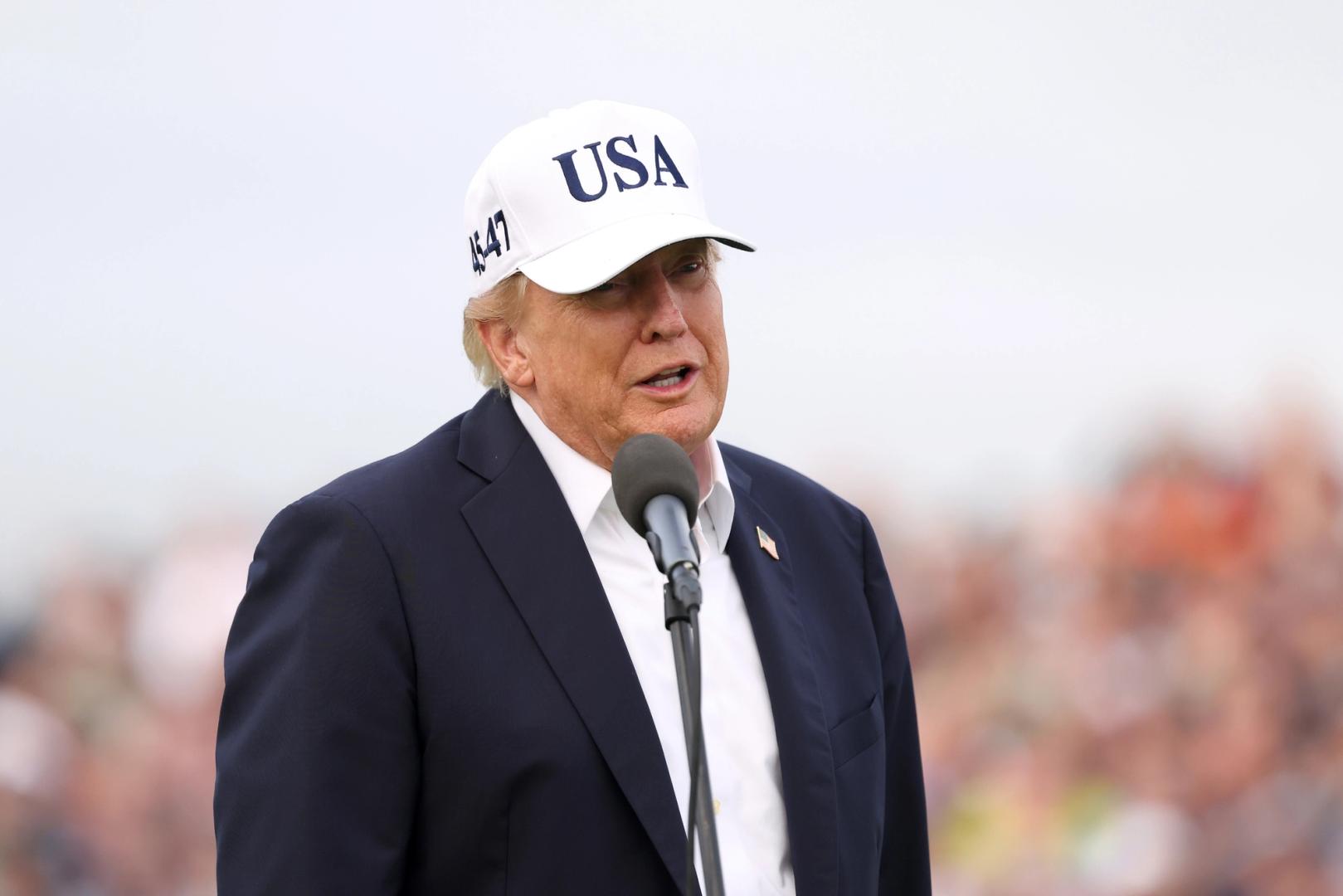

The new Clarity Act draft would force divestiture and give state attorneys general the ability to sue to enforce the ethics provision.

Bitcoin price is trading below $77,000 after a brief spike toward $80K was erased in a matter of hours, dismantling its bullish prediction. The reversal wasn’t random. It was legislative, and it exposed just how fragile this rally’s foundation really is.
Odds of the Clarity Act passing this year jumped above 30% on Polymarket during Monday’s US session, then collapsed back to 18% by early Tuesday in Asian hours. Bitcoin followed the odds almost tick-for-tick, retreating from an intraday high of $79,500 to below $78,000 within hours.
BREAKING: — ᴛʀᴀᴄᴇʀ (@DeFiTracer) September 15, 2026
 Democrats just officially rejected the Republican Crypto Clarity Act draft proposal
The US Senate was expected to vote on this Act today at 2:15 PM
Odds for approval this year have immediately dropped below 19%
This is not good for markets… pic.twitter.com/05xR10iYsg
Senator Mark Warner confirmed Democratic negotiators would send Republicans a counteroffer ahead of Tuesday’s procedural vote. This is a signal the bill isn’t dead, but hardly a signal it’s close to passing either. “That is a market with no stable read,” said BTC Markets analyst Rachael Lucas, referencing prediction-market whiplash that saw signing odds swing from above 70% in May to the low teens by August.
The pattern here is instructive: BTC price action is now trading almost entirely on regulatory headlines, not organic demand. That’s a fragile setup heading into a binary vote.
Earn $50 and Enter $300K Prize Draw on EdgeX
Bitcoin Price Prediction: Can BTC Hit $80K This Week?
BTC sits at $76,800 after shedding by a percent in 24 hours, with the failed push above $79,500 now acting as fresh overhead resistance. The $77K level is the immediate line to hold; lose it decisively, and the next stop is the mid-$70s, a zone Bitcoin has repeatedly tested over the past week.
Volume has been elevated but directionless, consistent with a market pricing in a binary political outcome rather than following a technical structure.

Bull case: the Senate counteroffer gains traction, procedural odds recover toward 30%+, and BTC reclaims $79K–$80K on relief buying. Base case: negotiations drag, price grinds sideways in the $76K–$78K band while traders wait for the next headline. Bear case: talks stall entirely, prediction markets crater toward single digits, and BTC retests support below $76K.
Broader macro risk factors compound the downside if the Fed’s tone shifts alongside a failed vote. Traders watching the CLARITY Act’s ethics provisions should note that these remain the single biggest sticking point blocking Democratic votes.
Discover: The Best Token Presales
Bitcoin Hyper Targets Early Mover Upside as Bitcoin Tests Key Levels
Bitcoin’s whipsaw around a Senate procedural vote is a reminder of what happens in a $1.5 trillion market cap: even a genuine catalyst moves the price only a few percentage points before mean reversion kicks in.
Anyone holding BTC through this week already knows the ceiling on this trade. Legislative clarity might add a leg up, but it’s not going to double anyone’s stack. That asymmetry is pushing traders further down the risk curve, toward assets still in price discovery.
Bitcoin Hyper is refining the developer experience with clearer documentation, familiar tooling, predictable APIs, and better feedback for builders. — Bitcoin Hyper (@BTC_Hyper2) September 2, 2026
The goal: make the network easier to understand, connect existing tools, and start building with less friction. 

Read the… pic.twitter.com/kAo1w7Xa06
Bitcoin Hyper ($HYPER) is positioning itself as the first Bitcoin Layer 2 with native SVM integration, meaning smart contract execution faster than Solana itself, built directly on Bitcoin’s security base. The presale has raised $33,125,552.12 at a current token price of $0.0136862, with staking rewards available.
Its Decentralized Canonical Bridge aims to solve BTC’s long-standing programmability gap without abandoning its trust model. Research Bitcoin Hyper before the presale buying window closes.
Trade Bitcoin on Bybit and Get a Chance to Win Our $1,000 USDT Airdrop
The post Bitcoin Price Prediction: BTC Hits $80K, Then Falls as Clarity Act Hopes Fade appeared first on Cryptonews.

Several years into our friendship, I found her essay “Revaluing Economics” in Moving Beyond Words. Published in 1994—years before the National Domestic Workers Alliance was even the germ of an idea—she wrote about care as an essential resource that our economic model has never adequately valued, in no small part because of its association with women. She argued that if we are to not only survive but thrive in the future, we must fundamentally protect and revalue care. The last 15 years of my work have been deeply shaped by these ideas.
More recently, I spent much of my time with Gloria through an intergenerational, multi-racial circle of women who affectionately call ourselves the “G Squad”—composed of a writer, two artists, a pro-democracy organizer, me, and Gloria. We gathered over the years to celebrate Gloria’s birthday, to strategize big moments in the women’s movement, or vet a new love interest in the mix. We learned about Gloria’s life and adventures from one another, and we learned about other women through Gloria.

The 10 Greatest Psychological Thrillers of the Last 90 Years, Ranked

Macklemore’s Response To Being Dropped From Ed Sheeran Tour Over Palestine Support

India ODI Squad: BCCI To Pick 3 IPL Captains, Pant May Return vs West Indies: Report

Memory prices are slowing because buyers ran out of money

Micron Stock Climbs Above $1,031 as AI Memory Crunch and a $50 Billion Outlook Fuel the Rally

The Latest Weird Thing to Play Doom Is the Mapped-Out Brain of a Fruit Fly

WILL TODAY BE A SELL THE NEWS EVENT? – XRP RALLIES BUT WILL IT CONTINUE? – XRP ETF VOLUME RISING!

Do you really need a financial advisor?

September 15th: After 5 Minutes You Will Receive A Huge Amount Of Money ~ Open ALL Doors NOW ~ 888Hz
-
Tech7 days ago
Memory prices are slowing because buyers ran out of money
-
 Business5 days ago
Micron Stock Climbs Above $1,031 as AI Memory Crunch and a $50 Billion Outlook Fuel the Rally
-
 Tech2 days ago
The Latest Weird Thing to Play Doom Is the Mapped-Out Brain of a Fruit Fly
-

 Fashion4 days ago
Weekend Open Thread – Corporette.com
-

 Business5 days ago
AMD Stock Climbs After Management Lifts 2027 Data Center Outlook Toward $70 Billion in AI Sales
-

 Crypto World7 days ago
Robinhood Stock: How To Take Advantage With Reduced Risk
-
 Crypto World6 days ago
Bitcoin price risks $76K drop as $78K support weakens
-

 Crypto World4 days ago
XAG/USD: Silver’s Short-Term Rally Meets Its Moment of Truth
-
 Crypto World5 days ago
2 Chip Stocks Broke Out This Week. Neither Was Nvidia
-
 Crypto World6 days ago
Ethereum price stalls below $2,500 as ADX drops to 11
-

 Business4 days ago
10 Most-Streamed Songs On Spotify In 2026 So Far, Led By Ella Langley’s Dominant Run On The Charts This Year
-

 NewsBeat7 days ago
England up in reading, maths and science rankings as Scotland and Wales dip
-

 Tech5 days ago
Battery life is the only iPhone 18 Pro and iPhone Duo upgrade I care about. Apple didn’t disappoint
-

 Crypto World4 days ago
OKX launches 10x OpenAI, Anthropic X-Perps in Europe
-
 Crypto World7 days ago
Intel Stock Jumps 9% on Chip Price Hike Report, US Stake Gains $36 Billion
-

 Crypto World4 days ago
Diesel Tops $6 a Gallon for the First Time as 28 States Set Records
-

 Tech6 days ago
Apple Watch Ultra 4 vs Watch Ultra 3: Should you really spend another $799?
-

 Crypto World5 days ago
Pi Network ships Protocol 27 on a network with 14 million users and zero DeFi
-

 News Videos4 days ago
Facing Financial Fears
-
 Crypto World5 days ago
Bitcoin price risks $70K if $78K neckline breaks
You must be logged in to post a comment Login