
Entertainment
The 10 Greatest Psychological Thrillers of the Last 90 Years, Ranked

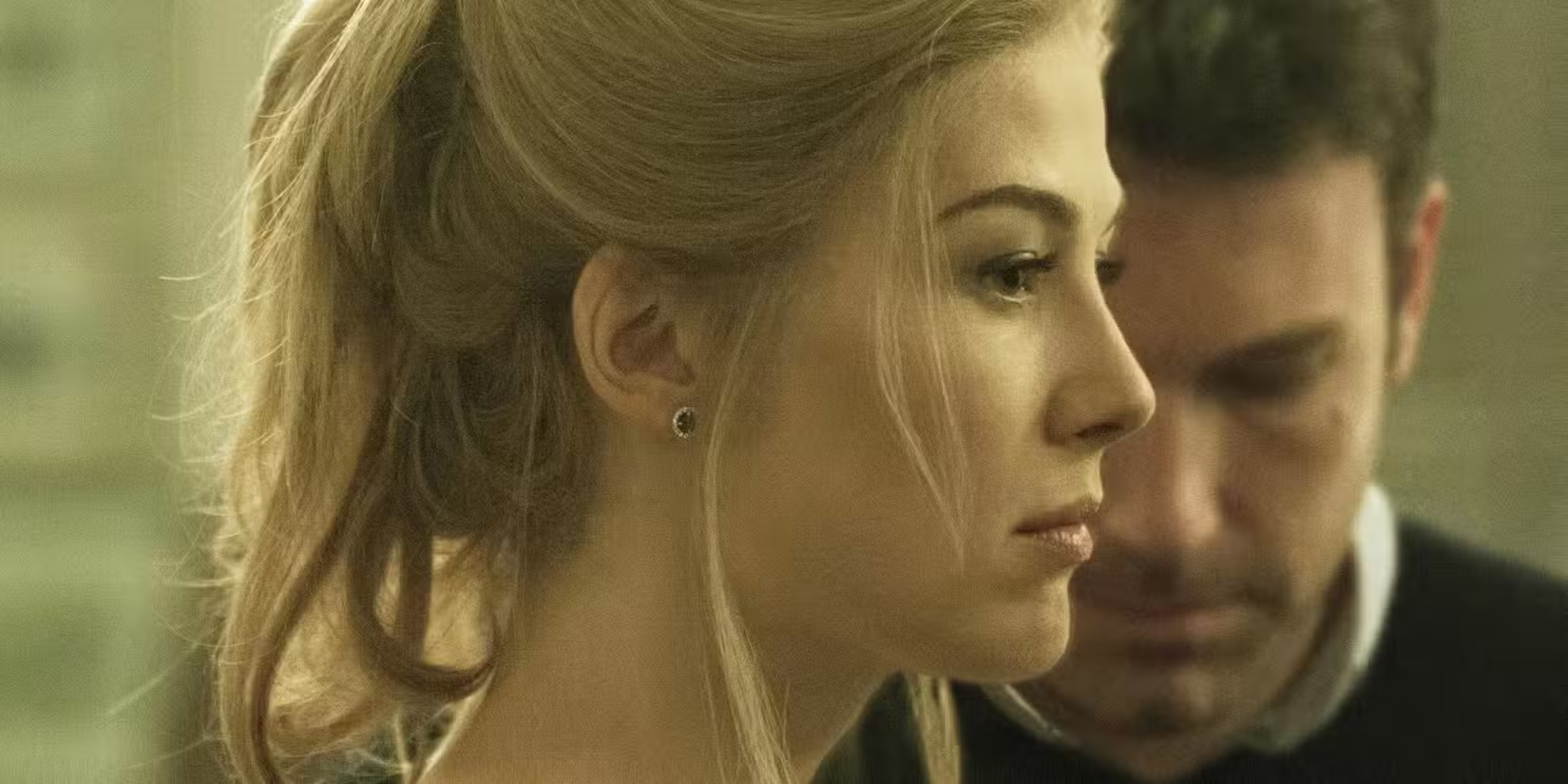
It may blow your mind that movies have been made for more than a century. That’s a lot of incredible films! With such a rich history and evolution, part of the joy we cinephiles have is comparing films of yore with modern classics. And when it comes to psychological thrillers, though the stories have changed, the core elements have stayed the same.
With hundreds of excellent films over the last 90 years, ten titles stand out as the greatest. From films that literally invented filmmaking devices to movies that reshaped award-show conversations, these movies remain brilliantly influential and timeless. While many films could be swapped in, these ten represent a strong history of the genre.
10
‘Gone Girl’ (2014)

Bringing one of the juiciest thrillers from page to screen takes a genius director who knows their way around a crime thriller. Thankfully, David Fincher masterfully adapted Gillian Flynn’s psychological thriller, Gone Girl. The story follows Nick Dunne (Ben Affleck), who discovers his wife Amy (Rosamund Pike) missing, setting off a media frenzy and a dark psychological game of deception. A twisted series of mind games, Gone Girl takes a typical missing person story and flips the script in glorious fashion. Gone Girl is a wonderfully enthralling thriller that showcases the depths individuals will go to in a toxic relationship.
Morality is out the window as there is no genuine “villain” in the classic sense. Both Nick and Amy are deceitful. It only comes to light when it’s revealed that Amy is alive and meticulously framing Nick for her murder out of revenge. Neither character tells the absolute truth, forcing viewers to question who the real villain is and who the victim is. Fincher also targets the 24-hour news cycle by depicting how quickly the public turns a complex human tragedy into a media circus. Gone Girl exposes the dark side of relationships and why extreme personal grievances have lethal consequences.
9
‘Misery’ (1990)

While The Shining easily could earn this spot, since Stephen King was unhappy with the execution, we’ll give it to a movie adaptation he praised: Misery. The hit thriller tells the tale of famous author Paul Sheldon (James Caan), who suffers broken legs following a severe car crash in a blizzard. Annie Wilkes (Kathy Bates), a former nurse and his “number-one fan,” rescues him, only to hold him captive in exchange for a new manuscript that brings her favorite character back to life. A battle of wits, Misery turns a thrilling two-hander into a masterclass of claustrophobic tension and human terror.
Directed by Rob Reiner, Misery thrives thanks to its petrifying premise and career-defining performances. The film dives deep into the unhealthy extremes of obsession and control for a perfect power play. Mostly confined to a single setting, Misery amplifies the terror by forcing its protagonist to be at the whims of an unhinged individual. With Annie being the surrogate for unpredictability, viewers are left questioning what might happen next. Bates’ exceptional performance as she switches from a seemingly sweet nurse to an unstable monster. Misery is a masterpiece of psychological dread.
8
‘Psycho’ (1960)

Alfred Hitchcock and Psycho forever changed the future of movies. Adapted from Robert Bloch’s novel, Psycho follows a secretary named Marion Crane (Janet Leigh) who is on the run after stealing $40,000. She checks into the Bates Motel, where she meets the shy owner, Norman Bates (Anthony Perkins), who says he lives with his overbearing mother in the house up the hill. When Marion goes missing, a search begins as Norman’s twisted truth is revealed. Psycho redefined fear by shifting the image of a horror monster while proving that no one is safe— especially your top-line star.
Psycho reminded audiences that anything can happen in movies. A brilliant bait-and-switch, by killing off Leigh’s character within the first act, Hitchcock kept the audience on edge as to what might happen next. Then, making Norman, a seemingly normal appearing man, the killer proved even the scariest may be lurking right around the corner. With a shrieking score by Bernard Herrmann and masterful direction from Hitchcock, the film’s execution is sublime. It’s a haunting treat that set the tone for years to come. Psycho became the blueprint for the modern horror and psychological thriller.
7
‘Gaslight’ (1944)

If you’re curious where the term we use often came from, you’re in luck. A movie had a major factor in it. Directed by George Cukor, Gaslight tells the story of Paula Alquist (Ingrid Bergman), a young woman, who marries the charming musician Gregory Anton (Charles Boyer) after a whirlwind romance. Gregory convinces Paula to move back into her London childhood home, where he slowly begins to isolate her while driving her to insanity by telling her the dimming and flickering of the gaslights are merely a hallucination. Both a literal and figurative popularization of the term, the film brilliantly depicted how a person can be slowly driven to doubt their own sanity through calculated mental abuse.
Gaslight builds its suspense not by making you wonder whether Gregory is the source of the action, but by watching Paula break down under the abuse. Gregory hides items, accuses her of losing things, isolates her from friends, and intentionally dims the gaslights, showcasing the dark lengths he’ll go to drive his wife to the brink. Director George Cukor uses dark shadows, claustrophobic Victorian sets, and shifting lighting to make the audience feel as trapped as Paula. Bergman earned an Academy Award for her work, balancing a woman teetering on the edge. A highly influential work, Gaslight is the epitome of a psychological thriller.
6
‘Se7en’ (1995)

The ultimate cop-versus-killer mind game comes in the mind-blowing Se7en. Directed by David Fincher, the thriller follows two homicide detectives, William Somerset (Morgan Freeman) and David Mills (Brad Pitt), as they hunt a sadistic serial killer (Kevin Spacey) whose murders are inspired by the seven deadly sins. As the hunters dive further into the mystery, Se7en paints a terrifying portrait of human morality. Se7en builds suspense through a dark, claustrophobic atmosphere in a gritty, unnamed city where dread and hopelessness are the moral of the story.
Fincher builds a world where a dreary color palette, constant rain, and a claustrophobic locale evoke the mood revolving around the protagonists. It’s an unsettling atmosphere to work under, but the crimes they’re pursuing are graphic in nature and completely demoralizing. We don’t get to see the crimes, so filling in the blanks becomes a horrifying game. Spacey’s John Doe is a calculated mastermind whose compelling final act wrapped up the story perfectly. The film’s epic finale remains one of the greatest in cinema history. The final confrontation is a devastating trap that subverts traditional Hollywood resolutions with a bleak, emotional gut-punch.
5
‘Vertigo’ (1958)

Alfred Hitchcock invented a new way of filming that will forever be tied to his masterpiece, Vertigo. The titillating thriller follows retired detective John “Scottie” Ferguson (James Stewart), whose fear of heights is triggered when he becomes dangerously obsessed with Madeleine (Kim Novak), a woman he was hired to follow at the request of her husband, Gavin Elster (Tom Helmore). Scottie trails Madeleine, falling in love in the process, only for a shocking twist to reveal the truth about Gavin and Madeleine. Vertigo transforms a standard mystery into a deeply haunting exploration of human obsession, guilt, and the toxic nature of romantic illusion.
Vertigo taps into fears many viewers share. But the film’s influence on filmmaking is much bigger. Hitchcock’s innovation from the film is the “vertigo effect,” better known as the dolly zoom. The effect simultaneously zooms in while dollying out. This allowed Hitchcock to drop the audience inside Scottie’s terrifying experience of acrophobia. Hitchcock uses intense, expressive lighting and recurring color motifs for Scottie to navigate through. Vertigo doesn’t hide the twist for too long, allowing the story to shift to Scottie’s psychological breakdown as he tries to forcefully recreate a dead woman out of a living one. There are many sensational Hitchcock films; this is the very best.
4
‘Parasite’ (2019)

It’s a battle of the social classes in Bong Joon-ho’s game-changing dark comedy thriller Parasite. The Oscar-winning film centers on the Kim family, a struggling, poor family, who infiltrates the lives of the wealthy Park family. While enjoying the perks of the Park’s home, the family eventually discovers a dark secret hidden in the basement that threatens their scam, turning it into a violent nightmare. Showcasing the discrepancy of the rich and the poor, Parasite highlights how the wealthy rely entirely on the labor of the poor while remaining wistfully unaware of their everyday strife. Parasite uses biting commentary to describe how a competitive economic system forces desperate people to fight one another just to survive.
Parasite blends a believable, high-stakes con game with a harrowing exploration of class struggle and the human desperation that comes with it. What begins as a witty dark-comedy heist swiftly becomes a tense thriller with a bloody finale. Bong swiftly shifts the mood effortlessly, proving that the descent into chaos can come when least expected. It represents those at the bottom of the food chain who desperately try to claw themselves out, only to face more hurdles in their path. The film is grounded in realism, as this could be any ordinary family at both ends of the class spectrum. There are no heroes or villains; only individuals stuck in a pressure cooker. Parasite proudly brought foreign language films into the mainstream, changing the genre forever.
3
‘Get Out’ (2017)

Mixing a brilliant social commentary with a high-tension psychological thriller, Get Out flipped the script on traditional horror tropes. Directed by Jordan Peele, Get Out tells the story of a young Black photographer, Chris Washington (Daniel Kaluuya), who takes a trip to visit his white girlfriend Rose Armitage’s (Allison Williams) family’s secluded country estate. As the weekend carries on, Chris discovers a terrifying plot where wealthy white individuals have their consciousness surgically transplanted into the bodies of healthy Black bodies. He now must fight to survive.
Using psychological paranoia and gaslighting as a means to scare, Get Out traps the audience in a story where the “monster” is the performative act of well-meaning neighbors who overcompensate to prove they’re not prejudiced. Get Out showcases how microaggressions escalate before the Sunken Place is introduced as an allegory for the loss of agency. Peele builds tension through lingering and subtle moments. The world he establishes seems ordinary, only for the mask to whisk away into an uneasy environment where sinister forces lurk within the surrounding individuals.
2
‘Inception’ (2010)

There are certainly many extraordinary Christopher Nolan films, but in the world of psychological thrillers, it doesn’t get much better than Inception. The multi-layered heist thriller tells the story of professional thief Dom Cobb (Leonardo DiCaprio), who is given a mission to perform inception and plant an idea into the mind of CEO Robert Fischer (Cillian Murphy) in exchange for a clean criminal record. Plagued by trauma and grief, Cobb assembles a team of specialists who go deep within dream layers to complete his mission. Inception brilliantly blends illusion and reality in a high-concept, ticking-clock thriller.
Inception showcases Nolan at his finest, marrying a brilliant concept with a tangible production. With practical effects, a stunning score by Hans Zimmer, and an all-star ensemble willing to play, Nolan presented an intellectually sound narrative that was thoroughly gripping. Even at the end, as the totem kept spinning, it left audiences debating it to this day. Inception is a beast of a film that gets better with every watch.
1
‘The Silence of the Lambs’ (1991)

Award show victories don’t necessarily define greatness, but for The Silence of the Lambs, it was simply icing on the cake. Based on Thomas Harris‘ novel, the film tells the story of Clarice Starling (Jodie Foster), a fledgling FBI trainee who seeks out the assistance of imprisoned serial killer Hannibal Lecter (Anthony Hopkins) to catch another active murderer. Lecter only agrees to give clues through a quid pro quo where Clarice exchanges traumatizing personal details about her childhood. A gripping thriller that uses intense mind games to build extraordinary tension, The Silence of the Lambs is a thrilling classic.
Director Jonathan Demme brings a claustrophobic feeling to the screen through his shot framing. By using extreme close-ups on actors staring down the barrel, viewers feel as if they are just as exposed and intimately a part of the psychological mind games. The film masterfully focuses on Clarice’s journey. Not only is she forced to rehash her past, but she fights against a male-dominated world she must navigate. Foster does remarkable work, especially in her scenes with Hopkins, who embodies pure terror. Horror doesn’t get quite better than The Silence of the Lambs.

The Silence of the Lambs
- Release Date
-
February 14, 1991
- Runtime
-
119 minutes
- Director
-
Jonathan Demme
- Writers
-
Ted Tally, Thomas Harris
WordUp Morning
Ten stories, both sides of each, in five minutes. Free, every weekday at 7am, plus a Saturday weekend edition.
We'll email you a link to confirm. Unsubscribe any time.

Entertainment
Steve Ellis, the voice of Everlasting Love, dies aged 76 after a career that began at 15

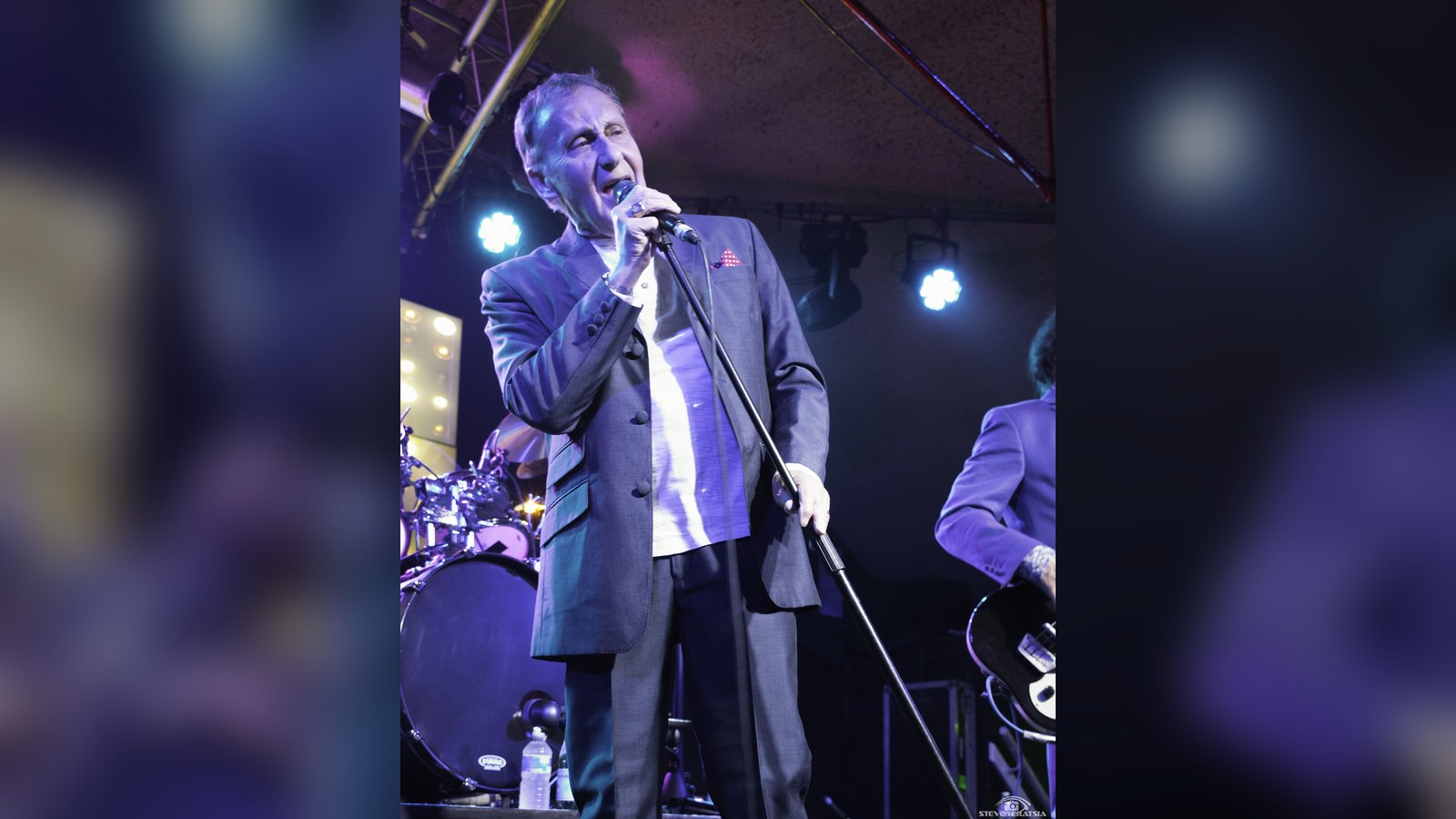
Steve Ellis, the singer whose voice carried Love Affair’s Everlasting Love to the top of the UK charts, has died at the age of 76. An announcement on his official social media accounts said he “peacefully left the world” on the evening of Friday 30 October, surrounded by loved ones, following complications from a chronic illness.
A teenage singer with a hit for the ages
Born in Edgware, north-west London, in 1950, Ellis was a teenager when he started his first group, the Soul Survivors, at 15. His musical education came partly from home, where his mother bought him Ray Charles records, and partly from the stage. Seeing James Brown perform live was a turning point. “He blew our socks off, he was phenomenal. I thought, that’s how a singer has to be, so I started doing gymnastics,” Ellis told the Express in 2021.
The group reportedly cut its teeth at weddings, youth clubs and bar mitzvahs, sometimes pretending to have been booked. As it grew it graduated to soul clubs in cities such as Manchester and Stoke. By the mid-1960s it had become Love Affair, with Rex Brayley, Mick Jackson, Lynton Guest and Maurice Bacon alongside Ellis, and had signed to Decca.
The start was rocky. Debut single She Smiled Sweetly, a cover released within weeks of the Rolling Stones’ own version, flopped. The follow-up, another cover, changed everything. Everlasting Love had been recorded earlier by the American singer Robert Knight, but Ellis’s version, reportedly sung when he was 17 and squeezed in between shifts on a building site, spent two weeks at number one in the UK.
The sources differ on exactly when the song hit the top. The Guardian places its chart-topping run in 1968, while the Independent and the Standard point to 1967. All agree on the outcome: a record that has outlasted nearly every rival version. Carl Carlton’s take reached the US top ten in 1974, yet the Love Affair recording remains the most streamed and a fixture at weddings. It has also turned up on screen, including in Bridget Jones: The Edge of Reason and Kenneth Branagh’s Belfast.
Beyond the hits, a long second act
Love Affair followed up with Rainbow Valley, which spent 11 weeks in the Top 40, then A Day Without Love and Bringing On Back the Good Times, giving them four Top 10 hits in total. But the fame came with friction. Ellis said the band wanted to move towards progressive rock, while he had “always been a soul-boy”, and that the noise of screaming fans meant the group could barely hear themselves play. He left at the end of the 1960s, according to the Independent.
He fronted other projects, including the band Ellis, whose debut album was produced by Roger Daltrey, and Widowmaker, and released solo albums such as The Last Angry Man in 1977 and Basement Days in 1983. Commercial success on the scale of Love Affair’s never returned. The Mirror reports that audiences at his university shows wanted little beyond Everlasting Love, a song he described as both a “blessing and a curse”. It also reports that he stepped away from music for a time and worked as a docker after an accident in which he broke both feet, before a friend persuaded him to start gigging again.
The final chapter was a productive one. His 2008 album Best of Days reunited him with Daltrey and began a lasting partnership with Paul Weller, who featured on two tracks, including a live acoustic Everlasting Love. Weller co-wrote and co-produced 2018’s Boom! Bang! Twang!, and the two shared a song in 2022, Just to Simplify. Ellis’s latest record, Baby Faced Assassin, came out in September and includes three more songs created with Weller.
Tributes from friends and fellow musicians
Weller wrote in a social media post: “God bless ya Stevie safe travels everlasting love for sure.” Blues musician Norman Beaker, who played on a track of the new album, called Ellis “a good friend and a great voice” and “a legend with the mod movement”. Kent festival company BCM Entertainments said he “always brought something special to our events”.
The Independent reports that songwriter David Courtney first announced the death before it was confirmed on Ellis’s Facebook page. The family’s message invited fans to leave memories and condolences in the comments, and signed off with the title of the song that defined him: “Everlasting Love.”
For a singer who said that having such a record at 17 had “served me very well”, it is a fitting epitaph. Steve Ellis recorded a teenage vocal that is still sung at weddings nearly six decades later, and he was making new music with one of Britain’s most respected songwriters only weeks before he died.
- Steve Ellis, frontman of Everlasting Love hitmakers Love Affair, dies aged 76 (The Guardian)
- ‘Everlasting Love’ singer Steve Ellis dies aged 76 (The Independent)
- Love Affair frontman and Everlasting Love singer Steve Ellis dies aged 76 (standard.co.uk)
- Love Affair singer's Steve Ellis' incredible life – from Everlasting Love at 17 to horrifying accident (mirror.co.uk)
File photo: Steve Ellis performing in 2022.jpg by Spartacus103uk, CC BY-SA 4.0, via Wikimedia Commons.
WordUp Morning
Ten stories, both sides of each, in five minutes. Free, every weekday at 7am, plus a Saturday weekend edition.
We'll email you a link to confirm. Unsubscribe any time.
Entertainment
Kennedy Center Honors 2026: Five Icons Named for Dec. 7 Gala Held Off-Site for the First Time

The Kennedy Center Honors named its 49th class on Monday: singer-songwriter Paul Anka, composer David Foster, actor Andy Garcia, playwright David Mamet and country singer Barbara Mandrell. The December 7 gala will be the first held away from the Kennedy Center itself, at Washington’s Capital One Arena.
The lineup spans pop, Broadway, film, theater and country. The announcement also lands in the middle of one of the most turbulent periods in the institution’s history.
Who Is Being Honored
Anka has been a hitmaker for nearly seven decades. He broke through at 15 with “Diana” in 1957, wrote “My Way” for Frank Sinatra, and composed the theme for “The Tonight Show Starring Johnny Carson.” He also released a new album, “Inspirations of Life and Love,” this year.
Foster arrives with 16 Grammy Awards, an Emmy, a Golden Globe and three Oscar nominations. Variety notes he helped launch the careers of Celine Dion and Michael Bublé. His songwriting credits include “The Prayer,” “After the Love Has Gone” and “I Have Nothing.” More recently he composed the Broadway musical “Boop!”, which is headed for a national tour.
Garcia earned an Oscar nomination for “The Godfather: Part III” and had a breakout role in “The Untouchables.” This year he wrote, directed and starred in “Diamond,” which premiered at Cannes.
Mamet won the 1984 Pulitzer Prize for “Glengarry Glen Ross” and received Oscar nominations for the screenplays of “The Verdict” and “Wag the Dog.” The Independent describes him as a known supporter of President Donald Trump.
Mandrell, a multi-instrumentalist, won the Country Music Association’s Entertainer of the Year award twice. Her hits include “Sleeping Single in a Double Bed” and “I Was Country When Country Wasn’t Cool.” She retired in 1997 and was inducted into the Country Music Hall of Fame in 2009. She is also the only woman in the Steel Guitar Hall of Fame.
A Ceremony Without Its Home
The move to Capital One Arena follows a fight over the building’s future. The board, which Trump chairs, voted in December 2025 to add his name to the center. In May a federal judge ruled that only Congress can rename it, and the name came down in June. After a judge blocked a second attempt in September, the board voted to close the center, citing structural deterioration.
Trump has said renovations will not proceed unless his name returns. He has also warned the complex could be “ripped down.” A federal judge ruled September 17 that the administration must give the court 30 days’ notice before any demolition or physical changes. The Independent reports the proposed project is a two-year, $257 million renovation. It also reports that Ohio Democratic Rep. Joyce Beatty has sued to challenge the closure. Members of the National Symphony Orchestra have reportedly kept rehearsing inside the shuttered building.
Open Questions for the Broadcast
Several basics are still unsettled. No host has been announced. Trump hosted last year’s show, which honored Sylvester Stallone, George Strait, Michael Crawford, Gloria Gaynor and KISS. No network has been named either. CBS aired the event from 1978, but its rights deal expired last year.
That matters because the 2025 telecast drew its smallest audience ever. The Independent puts the drop at 35 percent from the year before. Variety also points out that this year’s announcement came unusually late. Honorees are typically revealed between July and September, and this one arrived in November.
In a statement, Trump said the honorees are “amazing artists whose lifelong work has shaped American culture and inspired generations of audiences.” He added that the class continues “a tradition that has defined the Center for nearly 50 years.”
The artists themselves are widely admired and span genres. Whether the Kennedy Center Honors can keep its traditional prestige, without its usual venue, a confirmed broadcaster or a settled legal fight, is the larger question as December 7 approaches.
- Kennedy Center Honorees Class Of 2026: Paul Anka, David Foster, Andy Garcia, David Mamet & Barbara Mandrell (Deadline)
- Andy Garcia, David Foster, Paul Anka Lead Kennedy Center Honors (rollingstone.com)
- Kennedy Center names the 2026 honorees as Trump renovation battle moves the show offsite (The Independent)
- Kennedy Center Sets 2026 Honorees: David Mamet, Paul Anka, Andy Garcia and More (Variety)
File photo: John F. Kennedy Center and Watergate Complex – DC Aerial.jpg by OhanaSurf, CC BY-SA 4.0, via Wikimedia Commons.
WordUp Morning
Ten stories, both sides of each, in five minutes. Free, every weekday at 7am, plus a Saturday weekend edition.
We'll email you a link to confirm. Unsubscribe any time.
Entertainment
Martha Stewart apology: Why her first statement on the homeless Halloween costume fell short
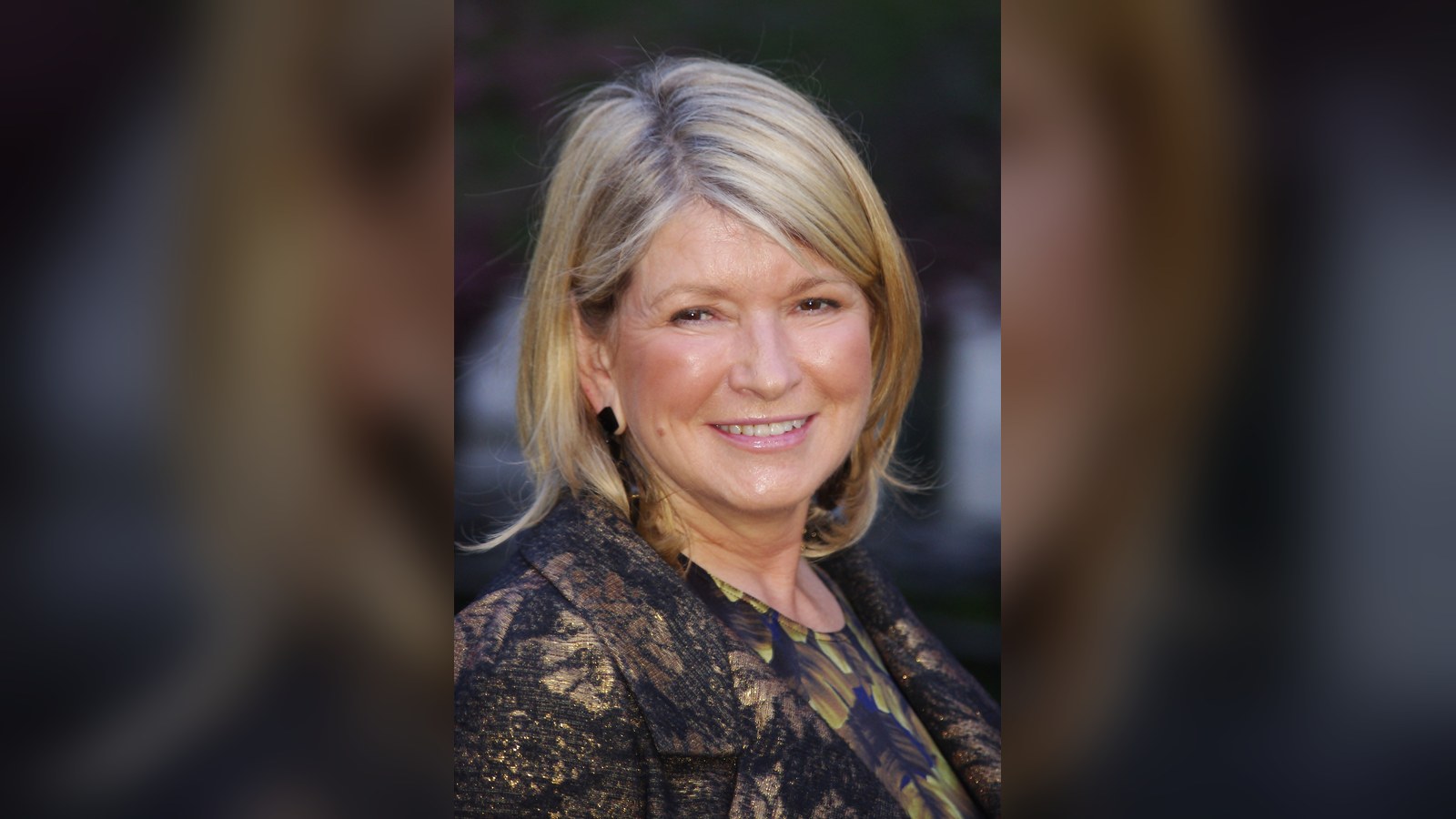
The Martha Stewart apology that finally arrived on Sunday came only after a first attempt at damage control made matters worse. The 85-year-old lifestyle mogul admitted she had “really screwed up” by dressing as a homeless person for Halloween, a costume that drew swift condemnation online.
What happened with the costume
On Saturday, 31 October, a photo appeared on Stewart’s Instagram showing her in torn clothes with dirt smudged on her face, holding a sign that read “I AM HUNGRY HELP ME!!” The caption read: “My QVC candles are perfect for Halloween!!!” According to the Evening Standard, the image appeared to have been included by accident in a carousel of posts promoting her candle collection on the shopping channel. That detail is the outlet’s reading of events, not something Stewart has confirmed. The post has since been deleted.
Whatever the cause, the pairing of a poverty costume with a product plug was hard to ignore. Users pushed back almost immediately. “Poverty isn’t a costume,” wrote one. Another asked who Stewart expected to find the joke funny, and answered their own question with: “Billionaires?” PR specialist Molly McPherson summed up the confusion in a post of her own, asking whether the look was “insulting? Demeaning? Confusing? All of the above.”
A first statement that missed the mark
Stewart’s initial response on Sunday said she was “distressed” that the costume had offended people. She said it had been meant to raise awareness of homelessness and that offense was “never my intention.” She also described homelessness as one of America’s greatest ongoing crises and said she had spent significant time and effort supporting charities that tackle it.
Many readers were not persuaded. The statement defended her motives without apologising, and some critics argued that someone with her wealth has better ways to raise awareness. “You have enough money to raise awareness without turning homelessness into a Halloween costume,” one person wrote. Another suggested she could have funded a soup kitchen or donated to a women’s shelter instead.
The fuller apology
A second statement followed. “It’s hard to admit when you’ve really screwed up,” Stewart wrote. “My earlier statement didn’t go far enough. I know many people are suffering economically. Wearing a costume like I did was insensitive and not funny. I am very sorry.”
The Martha Stewart apology is notable for what it drops. The talk of awareness is gone, and so is any suggestion that the offense lay in how people reacted rather than in the costume itself. Crisis communications often turn on that distinction: an apology tends to land better when it names the harm directly than when it explains the intent behind it.
Why the backlash cut deep
The reaction was sharpened by the scale of the problem Stewart was seen to be mocking. The Evening Standard noted that official figures put the number of homeless people in the United States at no fewer than 770,000. Against that, a billionaire-turned-brand-mogul posing with a “hungry” sign to sell candles struck many as tone deaf.
Stewart is also a public figure with a long history of reinvention. She built a catering business in the 1970s and became a household name in the 1990s with Martha Stewart Living. She was sentenced to five months in prison in 2004 after being found guilty on charges linked to an insider trading scandal. She then rebuilt her brand through television, food products and a series with her friend Snoop Dogg. In 2015 she sold her media company for more than $350m. A reputation that survived a prison term is unlikely to be ended by a deleted Instagram post, but the episode shows how quickly a promotional misstep can turn into a public reckoning.
For now, Stewart’s message is clear, even if it took two attempts: she says the costume was a mistake, and she has said sorry.
- Martha Stewart says she 'really screwed up' with homeless Halloween costume (BBC)
- Martha Stewart addresses backlash to homeless Halloween costume: 'I really screwed up' (standard.co.uk)
- Martha Stewart apologises for Halloween costume mocking the homeless (The Independent)
- Martha Stewart addresses backlash after dressing as homeless person for Halloween (foxnews.com)
Explore more on this topic with Vexel Search.
File photo: Martha Stewart 2011 Shankbone.JPG by David Shankbone, CC BY 3.0, via Wikimedia Commons.
WordUp Morning
Ten stories, both sides of each, in five minutes. Free, every weekday at 7am, plus a Saturday weekend edition.
We'll email you a link to confirm. Unsubscribe any time.
Entertainment
Strictly triple dance-off ends Lawrence Robb’s run as fifth couple exits and 10 remain

Header image: AI-generated illustration by WordUp News.
The first Strictly triple dance-off in the show’s history ended with Emmerdale actor Lawrence Robb and his professional partner Jowita Przystal leaving the competition on Sunday, after the judges voted them out.
Robb and Przystal landed in the bottom three alongside House of the Dragon actress Bethany Antonia and partner Nancy Xu, and actress Jaime Winstone and partner Carlos Gu. All three couples had ended up there through the combination of judges’ scores and public votes. Each danced their Halloween-week routine again: Antonia and Xu their jive, Winstone and Gu their salsa, and Robb and Przystal their tango to Ghostbusters.
How the judges decided
The format added a twist for the panel. Rather than choosing which couple to save, the judges had to name the one they wanted to eliminate. Shirley Ballas, Anton Du Beke and Craig Revel Horwood all picked Robb and Przystal, which settled the result. Motsi Mabuse’s casting vote was not needed, though she said she would have made the same choice.
The result is slightly surprising on paper. Robb and Przystal scored 26 on the Halloween leaderboard, above Tabby Stoecker and Mark Karmalita and Graeme Hall and Lauren Oakley, who were tied on 25. The sources do not give the public vote breakdown, but the pair’s position suggests viewer support was a factor in their landing in the bottom three.
Who topped the leaderboard
At the other end of the table, Lacey Turner and Vito Coppola led the week with a Charleston to Crazy Stupid Love, with each judge giving them a nine. The reports differ slightly on their total: one lists 36, the other 37. Four nines make 36, which is the figure that fits. John Nellis and Katya Jones followed on 35, with Cach Mercer and Maddie Ingoldsby and Delta Goodrem and Kai Widdrington both on 33.
One notable fall was Stoecker and Karmalita. They had topped the previous week’s scoreboard but dropped to the bottom of this one with their Quickstep to Black Magic.
A one-off twist, and a Halloween cameo
The Strictly triple dance-off appears to be a one-off. The show goes back to the usual two-couple dance-off for the rest of the series, so this week’s three-way contest was a Halloween-week special rather than a permanent change.
The results show stayed on theme. The professional dancers performed a vampire-themed group routine to Dracula by Tame Impala, which was recorded earlier in the year. It was narrated by Sir Ian McKellen, who read from Bram Stoker’s novel at the climax. Becky Hill also performed.
The remaining 10 couples return to BBC One on Saturday 7 November at 6.30pm, with the results show at 7.10pm the following night. After the first Strictly triple dance-off, the competition now enters a stage where every elimination is a straight two-way contest.
Explore more on this topic with Vexel Search.
WordUp Morning
Ten stories, both sides of each, in five minutes. Free, every weekday at 7am, plus a Saturday weekend edition.
We'll email you a link to confirm. Unsubscribe any time.
Entertainment
Halloween Box Office Sinks to Roughly $60 Million as Holmes Documentary Edges Out ‘Clayface’

Header image: AI-generated illustration by WordUp News.
The Halloween box office was a quiet affair in North America, and the film that came out on top was a near-three-hour documentary in its third weekend. A24’s “You Can See Everything,” about Elizabeth Holmes, took the top spot with an estimated $10.6 million. It beat Warner Bros.’ “Clayface” by about $200,000, according to studio estimates released Sunday.
Final numbers arrive Monday, and a photo finish can flip. Still, the estimates point to a modest victory for a film that cost only $7 million to make.
Why the Halloween box office stalled
Total ticket sales for the weekend came to roughly $60 million, according to Rentrak. That ranks among the slowest weekends of 2026, and one estimate suggested it would not climb past $63 million. There were no major new wide releases, and the holiday fell on a Saturday, usually the biggest moviegoing night.
“With costume parties, trick-or-treating and countless other Halloween activities, theaters were facing some pretty stiff competition for people’s time and attention,” said Rentrak’s Paul Dergarabedian. Families tend to choose trick-or-treating over the multiplex when the holiday lands on a weekend.
The weekend was still an improvement on last year’s. The 2025 Halloween frame totaled about $49 million, led by “Regretting You” and “Black Phone 2.” The year as a whole is also running well ahead, with domestic box office up more than 17% from 2025 at nearly $8.5 billion.
A documentary’s unlikely run
“You Can See Everything” has now earned about $63.9 million in North America, and it hasn’t opened internationally yet. This was its first weekend at No. 1. Dergarabedian called that “a rare achievement for any film, let alone a documentary running more than three hours.”
Variety reports that enthusiastic word of mouth and repeat viewings are driving the run, as audiences return to process what the film shows. It is expected to finish as one of the biggest documentaries in decades.
‘Clayface’ and the economics of a smaller superhero film
“Clayface,” an R-rated origin story for the Batman villain, fell 57% in its second weekend. It has made $44.1 million domestically and $83 million worldwide, against a reported $44 million budget. That is lean for DC. Last year’s “Superman” cost $225 million, and July’s “Supergirl” cost $175 million. Variety attributes the lower spending to the film’s darker tone and a title character less famous than DC’s headliners. Bigger bets follow with “Superman: Man of Tomorrow” next summer and “The Batman: Part II” in 2028.
The rest of the top five
Laika’s stop-motion fantasy “Wildwood” held third with $7.5 million, down 39%, for a $25.9 million domestic total. Its $100 million budget makes a theatrical profit unlikely, Variety notes.
“Wicker,” a comedy with Olivia Colman and Alexander Skarsgård, took fourth with $4.1 million, a 28% drop. Its $13.2 million total looks healthy for a Sundance pickup that cost $2.5 million to acquire. “Street Fighter” was fifth with $3.2 million after a 63% decline. It has made $53 million in North America and $91.9 million worldwide, but its $82 million budget and the share of ticket sales theaters keep leave it far from breaking even.
Further down, the Sundance title “The Only Living Pickpocket in New York” added more than 1,000 locations and earned $1.9 million for eighth place. Netflix’s World War II film “The Mosquito Bowl” made $455,000 from 349 theaters. Variety also noted that Zach Cregger’s “Resident Evil” reboot has reached $400 million globally.
Taken together, the results show a market that is healthy over the year but sensitive to the calendar. The Halloween box office was held back by the date, and the weekend’s winner was a small documentary rather than a studio tentpole.
Explore more on this topic with Vexel Search.
WordUp Morning
Ten stories, both sides of each, in five minutes. Free, every weekday at 7am, plus a Saturday weekend edition.
We'll email you a link to confirm. Unsubscribe any time.
Entertainment
Tovah Feldshuh Says ‘Tensions Are Not Rising’ on ‘Nobody Wants This’ as Season 4 Remains Unrenewed
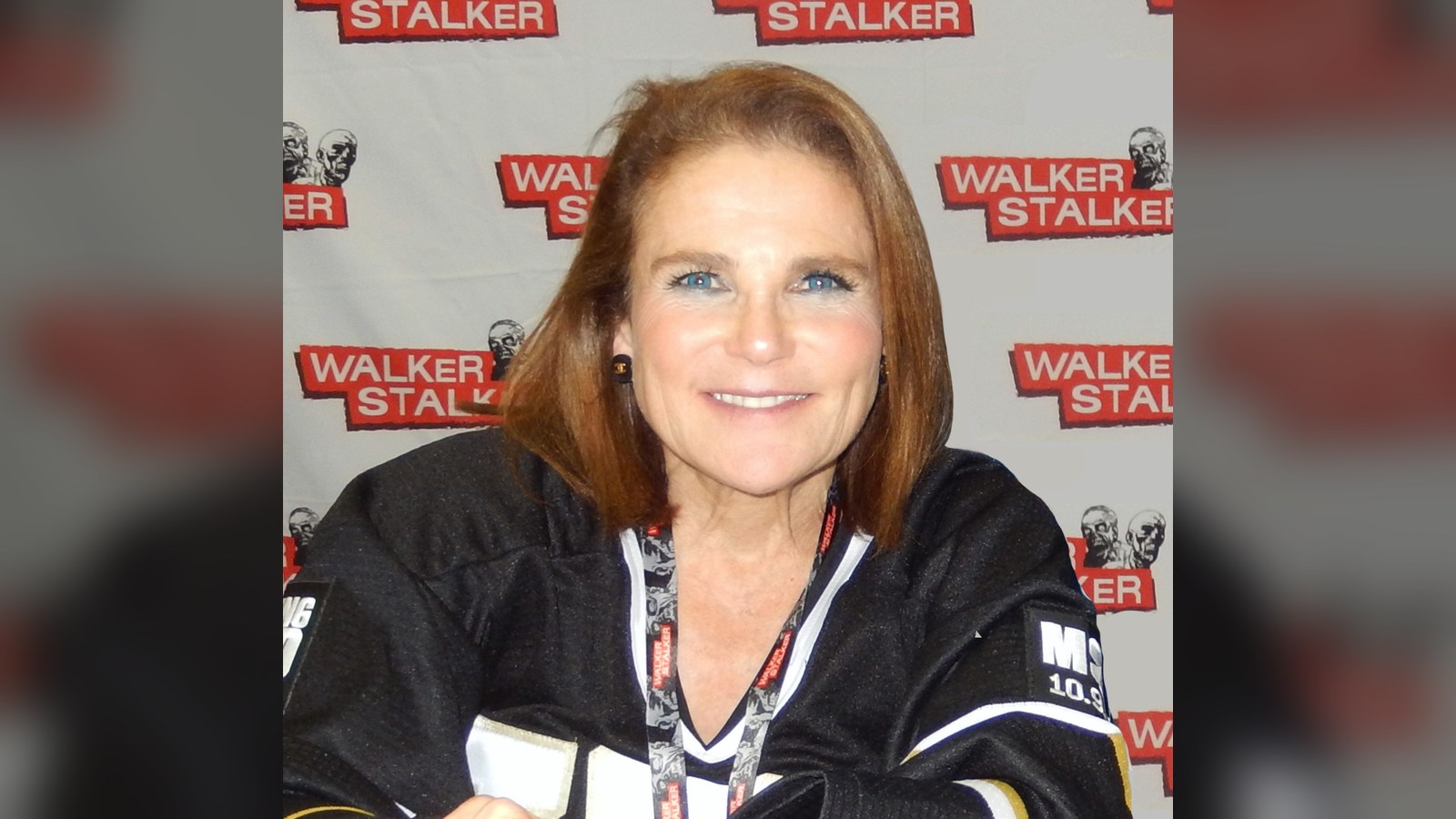
Tovah Feldshuh is drawing a line between disagreement and discord on the set of Netflix’s “Nobody Wants This.” The actress, who plays Bina, the mother of Adam Brody’s Rabbi Noah, says the cast’s split over the Israel-Palestine conflict is real but is not turning into friction at work.
Tovah Feldshuh Separates ‘Tensions’ From ‘Profound Differences’
Feldshuh responded on Threads to a user who claimed “tensions are emerging” on the show. Her reply was pointed: “Tensions are NOT RISING. Profound differences of opinion are.” She asked people not to “conflate the two” and said none of it “will be brought to the set.” She added that she deeply enjoys filming the series and hopes it is “chosen” to continue for a fourth season.
That last line matters because the show has not been renewed. Creator Erin Foster has said she has “more story to tell,” but Netflix has not committed to a Season 4.
How the Disagreement Began
The debate traces back to a September GQ interview in which Brody spoke plainly about the war in Gaza. “Put me down as thinking it’s a genocide,” he said. “Put me down as wanting a free Palestine.” He called the death and misery “awful” and said the situation seemed to be reaching a breaking point. Deadline’s account of the interview adds that he voiced hope that “another administration” could correct policies he believes worsen the crisis.
Foster, who is Jewish and drew on her own relationship with her husband for the show, responded more cautiously. She called the issue “complicated” and said she loves Brody but disagrees with him. She likened the set to “dinner tables around the world where people are having debate and discussion and disagreeing,” and added, “that’s OK.”
Feldshuh’s reaction was much sharper. She told The New York Post that accusing the Jewish people of genocide is “wild” and “right out of Hitler’s playbook,” arguing that it takes the victim and makes the victim the perpetrator. Her Threads post suggests she wants the dispute understood as a clash of convictions, not a breakdown in working relationships.
A Show That Has Steered Clear of Politics
The public argument is striking partly because the series itself has avoided the conflict. “Nobody Wants This” follows Joanne (Kristen Bell), an agnostic podcaster who falls for the progressive Rabbi Noah and starts exploring conversion to Judaism, a choice that unsettles both of their families. Its themes are faith, identity and family expectations, not geopolitics.
Still, a series built on Jewish identity can hardly keep real-world debates at bay once its stars start speaking publicly. The cast’s comments suggest Foster’s “dinner table” comparison is what the production is aiming for: open disagreement without turning the set into a battleground.
Whether that holds will be tested only if Netflix orders more episodes. For now, Tovah Feldshuh is making clear that she wants to return, and that, in her telling, the disagreement stays off the soundstage.
Explore more on this topic with Vexel Search.
File photo: Tovah Feldshuh 2016 (cropped).png by Neshamasheli, CC BY-SA 4.0, via Wikimedia Commons.
WordUp Morning
Ten stories, both sides of each, in five minutes. Free, every weekday at 7am, plus a Saturday weekend edition.
We'll email you a link to confirm. Unsubscribe any time.
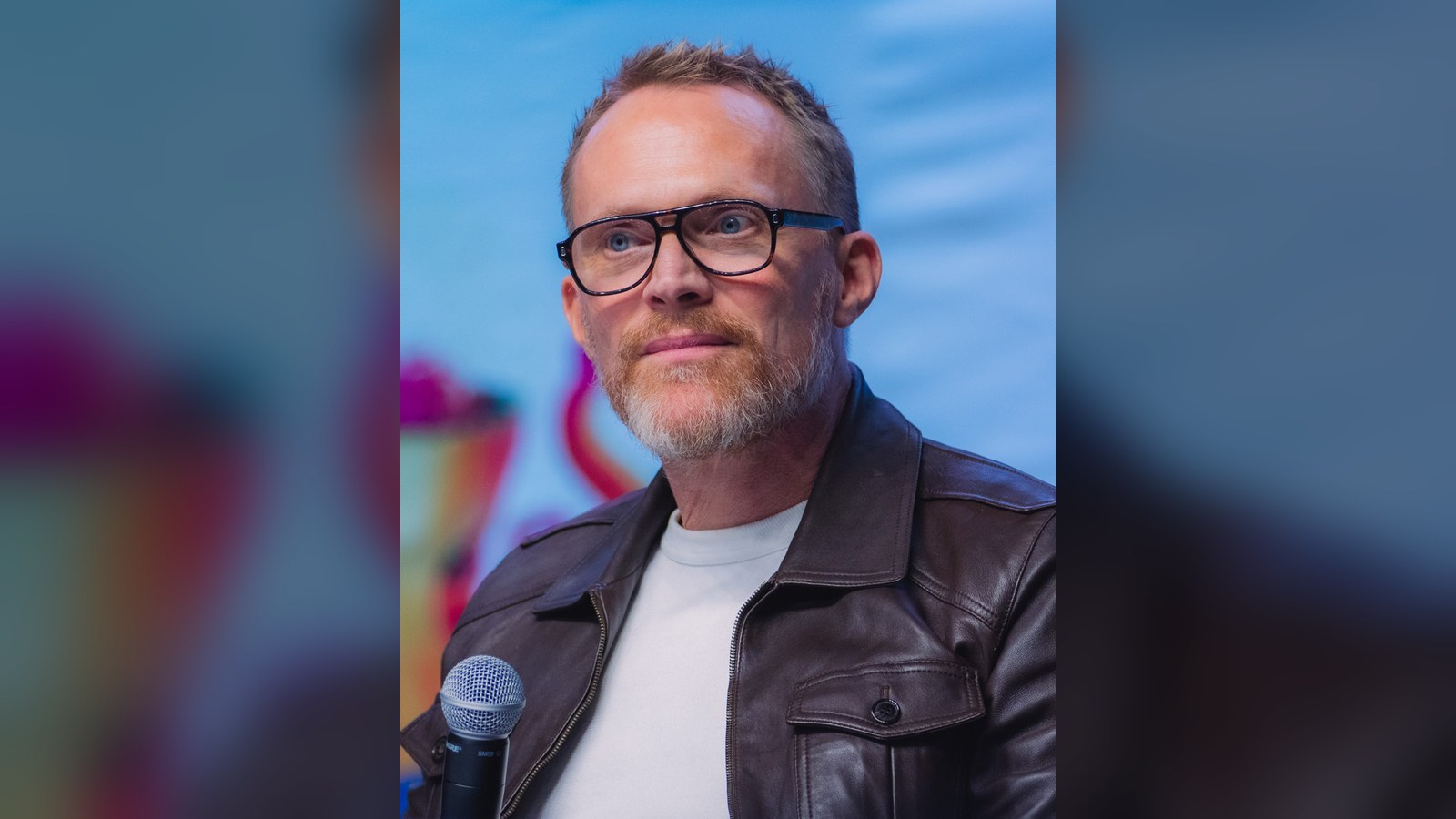
Playing a near-indestructible android didn’t spare him from a very human injury. Paul Bettany says he burst about 10 blood vessels in one eye while filming Marvel’s VisionQuest, the result of what he calls some seriously overcooked acting.
What Paul Bettany said about the blood vessels
Bettany shared the story on Jimmy Kimmel Live, as reported by Deadline and Variety. The scene called for him to pretend a device on his head was messing with his brain. “I was just wildly overacting,” he said, “and I blew out about 10 blood vessels in my eye.” His verdict: “It was a lesson in less is more.”
According to Variety, Kimmel then showed the audience a photo of the blood-filled eyeball. Bettany said the redness lasted “like two weeks.” He assumes it “must’ve cost production so much” to remove it with CGI. That is his own guess about how the show handled it, not a confirmed account of the visual effects work.
A joke about the actor’s own eyesight
Bettany also found some irony in the mishap. “The actor playing Vision is kind of myopic,” he joked, adding that he “can’t see a thing” without his glasses. He said that is “great depending on the actor you’re working with.”
The anecdote fits the show’s premise, which asks Vision to look inward. VisionQuest is set after WandaVision (2021). It follows the character as he communicates with several AI personas embedded in his programming while trying to work out who he is. With a bounty on his head, he goes on the run with a mysterious teen played by Ruaridh Mollica, who may be his reincarnated son.
Where VisionQuest stands now
Variety reports that the eight-episode series debuted on Disney+ on October 14. Deadline says the Season 1 finale airs November 10. Bettany first appeared in the Marvel Cinematic Universe as the voice of J.A.R.V.I.S. in the first Iron Man. He then played Vision in Avengers: Age of Ultron, Captain America: Civil War, Avengers: Infinity War and WandaVision.
James Spader returns as Ultron, and the cast also includes Henry Lewis, Jonathan Sayer, James D’Arcy, Orla Brady and Emily Hampshire. The coverage doesn’t say which episode or scene the injury happened in, so viewers will have to guess whether the brain-device sequence is the one.
The sources don’t say whether Bettany needed any medical treatment beyond waiting for the redness to fade. What they do show is an actor laughing at himself. Paul Bettany’s blood vessels paid the price for a scene he now says would have worked better with a lighter touch.
- ‘Vision Quest’s Paul Bettany On How He Blew 10 Blood Vessels In His Eye While “Wildly Overacting”: “A Lesson In Less Is More” (Deadline)
- Paul Bettany Says He ‘Blew Out’ 10 Blood Vessels in His Eye While Filming ‘VisionQuest’: ‘I Was Just Wildly Overacting’ (Variety)
- Marvel star Paul Bettany blew out 10 blood vessels in his eye during wild ‘VisionQuest’ scene (foxnews.com)
File photo: Paul Bettany – Los Angeles Comic Con 2025.jpg by Kevin Paul, CC BY 4.0, via Wikimedia Commons.
WordUp Morning
Ten stories, both sides of each, in five minutes. Free, every weekday at 7am, plus a Saturday weekend edition.
We'll email you a link to confirm. Unsubscribe any time.
Entertainment
Taika Waititi Calls Critics “Obsolete” as Klara and the Sun Earns Just $1.7M Worldwide
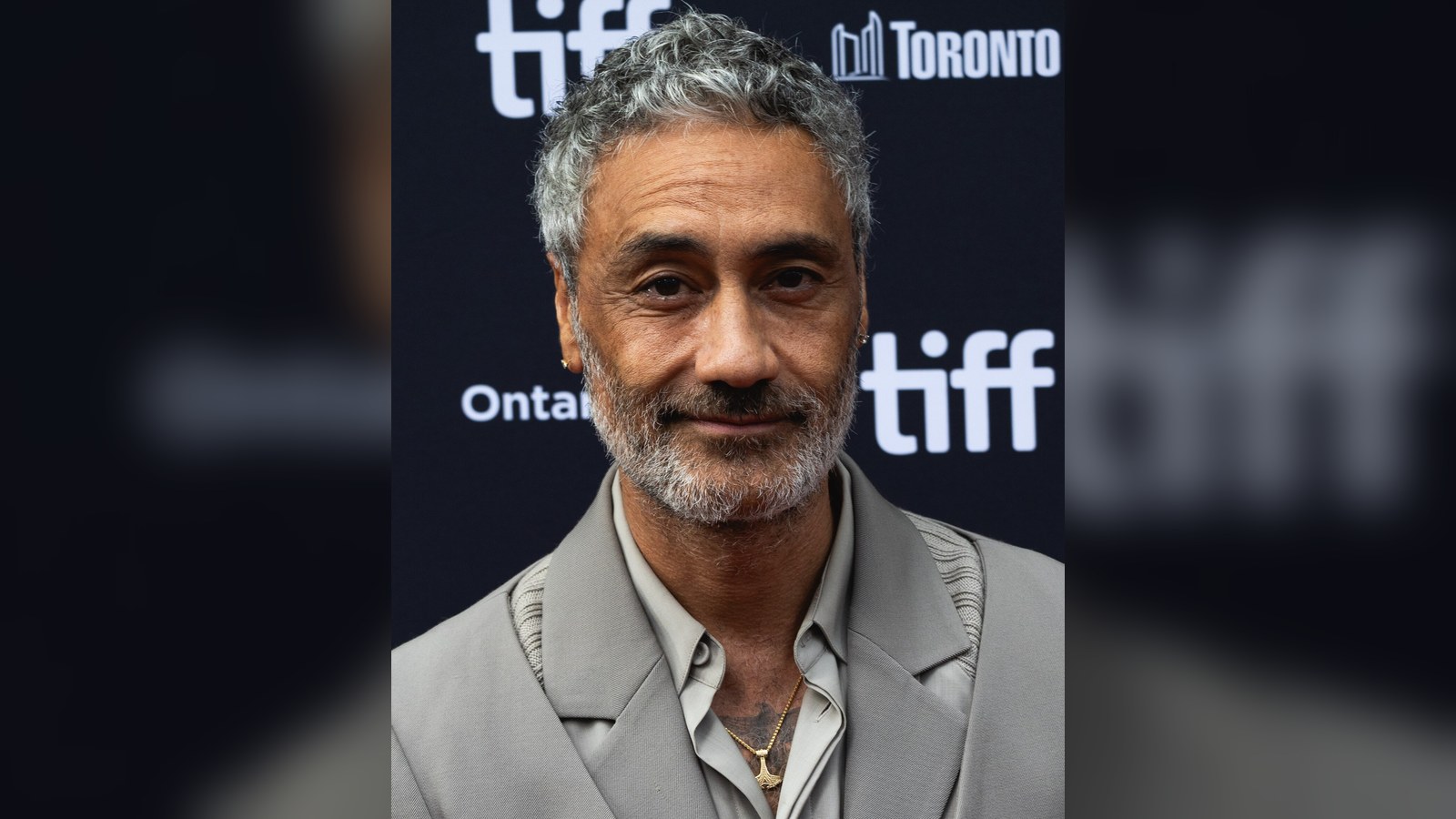
Taika Waititi has told critics they are “irrelevant, out of touch, obsolete” and “in the bin” after Klara and the Sun opened to a rotten Rotten Tomatoes score and a box office launch that barely registered. The film had grossed about $1.7 million worldwide at the time of reporting.
The Oscar-winning director posted the broadside on Instagram on Halloween, sharing the film’s poster along with its Rotten Tomatoes audience and critics scores. “I haven’t read a review of anything aimed at me or my peers in almost 15 years. But I do listen to the people,” he wrote. He then urged followers to “spare a thought for those sad lost souls who couldn’t achieve their dreams of becoming artists, and thus became critics,” adding that they were “the same people who also hated Jojo Rabbit.”
What the Klara and the Sun scores show
The gap Waititi highlighted is real, though the exact figures shift depending on the outlet and the hour. Reports put the critics’ score between 26 and 28 percent. The audience score was cited at 78 percent in his post, and Deadline noted it had slipped to 73 percent by its report. IGN put it at 74 percent. Either way, viewers have been far kinder than reviewers.
Deadline’s own review said the director seemed a natural fit for Kazuo Ishiguro’s 2021 novel, given his taste for peculiar, cringe-tinged comedy. It concluded that the film “just doesn’t deliver on any of the fronts it promises.” Deadline also reported that the negative notes began with the film’s screening at the BFI London Film Festival this month.
His Jojo Rabbit jab is less clear-cut. IGN pointed out that the 2019 film holds an 81 percent critics’ score on Rotten Tomatoes and drew strong notices, including an 8.5/10 from IGN itself. It is not obvious which negative reaction he means.
A box office launch that barely registered
The commercial picture is harder to spin. Sony reportedly cut the release of Klara and the Sun to roughly 880 North American theaters, down from an anticipated 2,000, according to the sources. The film opened to an estimated $701,000 to $725,000 domestically, depending on the report, and landed outside the top 10. IGN, citing Deadline, said Sony stopped reporting the film’s earnings over the following weekend. Reported budgets range from about $20 million to $40 million.
Some commenters on Deadline’s story blamed thin marketing rather than the reviews, saying they had seen almost no trailers. Others said a film tracking that low would never get a big promotional push. The sources don’t settle that argument, and it’s impossible to say from the numbers alone how much the reviews, the marketing or the material itself drove the result.
The film, and Waititi’s view of AI
The adaptation stars Jenna Ortega as Klara, an “Artificial Friend” bought for a gravely ill teenager, with Amy Adams as the girl’s mother. Waititi’s AI comments at the New York premiere, reported by The Hollywood Reporter, now sit awkwardly beside the public spat. He said AI use in the industry is probably inevitable, but that he wants it used “as a tool, as opposed to a replacement.” He added, “I don’t want to replace humans. I want to work with them.”
Directors pushing back on critics is hardly new, and the audience scores give Waititi some ground to stand on. But with Klara and the Sun struggling to find moviegoers at all, a public attack on reviewers is unlikely to change the box office story. The film is a small-scale test of how far a director’s name and a famous novel can carry a project when both reviews and release plans go wrong.
- Taika Waititi Blasts Critics as 'Irrelevant, Out of Touch, Obsolete' Following Klara and the Sun's Negative Reviews (IGN)
- Taika Waititi Calls ‘Klara and the Sun’ Critics “Irrelevant, Out Of Touch, Obsolete” (Deadline)
- ‘Klara and the Sun’ Director Taika Waititi Calls Critics “Sad Lost Souls” Over Negative Reviews (The Hollywood Reporter)
Explore more on this topic with Vexel Search.
File photo: Taika Waititi photo by pouria afkhami (cropped).jpg by Pixoos, CC BY-SA 4.0, via Wikimedia Commons.
WordUp Morning
Ten stories, both sides of each, in five minutes. Free, every weekday at 7am, plus a Saturday weekend edition.
We'll email you a link to confirm. Unsubscribe any time.
Entertainment
Michael Mann gun range accident: Heat director, 83, treated for “superficial” leg wound
Michael Mann, the 83-year-old director of Heat, was treated at a hospital and released after a Michael Mann gun range accident in Los Angeles on Saturday, according to his representative. The injury was described as superficial, and the filmmaker is now said to be on his way home.
The Associated Press reported the news after speaking with Mann’s representative on Sunday. The story first surfaced on the celebrity site TMZ. In a statement quoted by several outlets, the representative said: “On Saturday, at a gun range, a weapon accidentally discharged while holstered resulting in a superficial injury to film director Michael Mann. He was treated and is being released.”
What we know about the incident
The core facts are consistent across the coverage. The accident happened Saturday, which was Halloween, at a Los Angeles gun range. The Guardian names the venue as The Range LA. A gun went off while still in its holster, and the bullet struck Mann in the leg. Emergency services were called and he was taken to a hospital.
The finer details differ slightly between outlets, and some remain unclear. TMZ, as relayed by the Guardian, said Mann had been trying to holster the weapon when it discharged. IGN, also citing TMZ, said the incident happened during a training exercise of some kind and that Mann had no intention of harming himself. The representative’s statement says only that the gun discharged while holstered. IGN itself noted that additional details are unclear.
Several reports stressed Mann’s familiarity with firearms. The Independent said he has apparently been an experienced target shooter for decades and that the accident happened at a sanctioned range. That detail fits a long-standing reputation for rigorous, hands-on preparation in his crime films, though none of the sources suggest the film work was connected to Saturday’s events.
What it means for Heat 2
The timing will draw attention because Mann is in the middle of preparing his long-awaited follow-up to Heat. According to IGN, Christian Bale confirmed in February that he would soon begin filming in Chicago, and Leonardo DiCaprio joined the project in July. Both are reportedly set to play Vincent Hanna and Chris Shiherlis, though IGN framed the casting details as reported rather than confirmed. Stephen Graham and Ebon Moss-Bachrach are also expected to appear, and the film will draw on Mann’s novel of the same name.
The sources disagree on the schedule. IGN said filming had been expected to begin this month, while the Independent, citing the AP, said the sequel is supposed to begin filming early next year. Nothing in the reporting says the injury will delay production, and the description of the wound as superficial suggests no major disruption. Still, no one involved has commented on the production calendar since the incident.
A busy stretch for a veteran filmmaker
The Michael Mann gun range accident comes during an active period for the director, whose credits include Manhunter, The Last of the Mohicans, Collateral, Thief, Public Enemies and the 2023 drama Ferrari with Adam Driver and Penélope Cruz. He also helped create the 1980s TV series Miami Vice. IGN reports that last month he premiered a director’s cut of his 2006 Miami Vice film and discussed his latest changes at a Q&A at Beyond Fest.
For now, the picture is reassuring. A holstered weapon discharged, an experienced shooter was hurt, and the injury was minor enough that he was released the same weekend. Further details, including how the discharge happened, have not been made public, and Mann’s representative has so far offered only the brief statement above.
- Director Michael Mann accidentally shoots himself in the leg at gun range (The Guardian)
- Heat Director Michael Mann Hospitalized After Accidentally Shooting Himself in the Leg (IGN)
- Hollywood director Michael Mann hospitalized after accidentally shooting himself at Los Angeles gun range (foxnews.com)
- ‘Heat’ director Michael Mann sustains ‘superficial injury’ at gun range (The Independent)
Explore more on this topic with Vexel Search.
File photo: Michael Mann – French Cinematheque – 4th July 2009.jpg by Thbz, CC BY-SA 3.0, via Wikimedia Commons.
WordUp Morning
Ten stories, both sides of each, in five minutes. Free, every weekday at 7am, plus a Saturday weekend edition.
We'll email you a link to confirm. Unsubscribe any time.
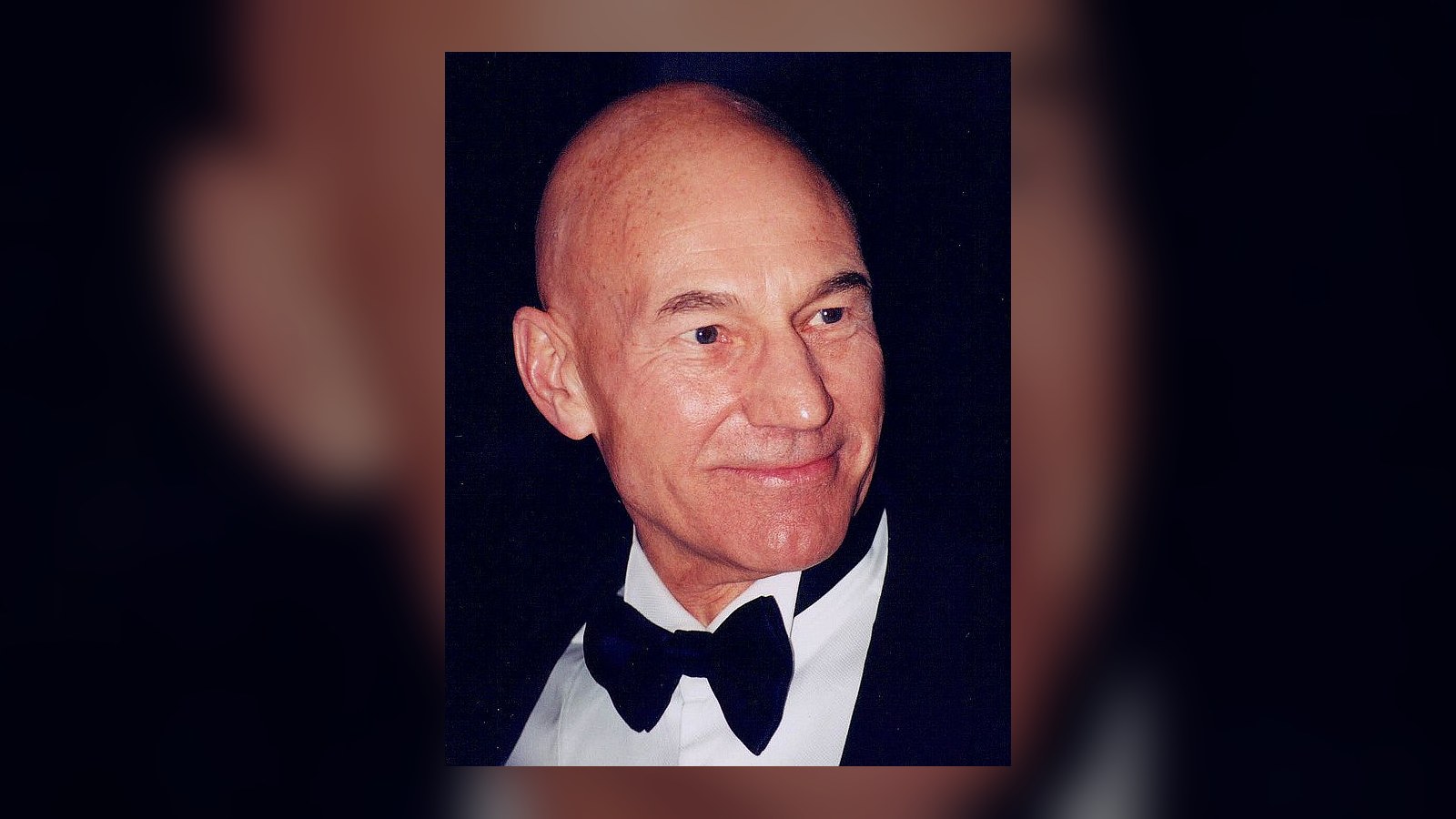
The Patrick Stewart death, announced after the actor died at 86 at his Los Angeles home on Wednesday evening, has drawn tributes from across theatre, film and politics, with Dame Judi Dench among the first of his contemporaries to speak publicly about the loss.
Speaking to the Press Association at an event marking 50 years of the National Theatre building, Dame Judi, 91, said she was “very, very shocked” and “very surprised” by the news. She described a colleague who never coasted. “He’s never been one of those actors who never felt like it that night, he was always very, very committed,” she said. “He’ll be much missed and he was much admired.”
A shared stage and a shared classroom
Dench and Stewart both belonged to the Royal Shakespeare Company. Stewart joined in 1966 and went on to appear in dozens of its productions, building a stage reputation long before television made him a household name. The two also appeared together in Playing Shakespeare, a 1982 television masterclass series.
That grounding in classical theatre was the thread running through many of the tributes. Sir David Suchet, Dame Harriet Walter, James McAvoy and Sir Ian McKellen were among those who paid their respects. Downing Street said Stewart “never forgot his working-class Yorkshire roots” and brought “joy to millions”. On Friday’s edition of BBC’s The One Show, presenters Roman Kemp and Clara Amfo closed the programme with a 2023 clip in which Stewart recalled his first time on a stage. “I felt safer than I’d ever felt in my life,” he said.
What the family statement said
A statement on Stewart’s Instagram page said he died after a “brief and poignant journey with Alzheimer’s disease and Lewy body dementia”. The Mirror reported that his wife, Sunny, confirmed the news. The statement said he was surrounded by family and friends, live music, prayers and laughter, and it remembered him for “the dignity, compassion and humanity he brought to every role – in his art and life.”
It also highlighted his philanthropy and activism, including work for survivors of domestic violence, refugees, veterans’ mental health services and animal welfare. It described him as a Knight, Chancellor, motor sport enthusiast and lifelong Huddersfield fan. Rather than flowers, the family asked for contributions to the Johns Hopkins Alzheimer’s Disease Research Centre Fund and the Alzheimer’s Foundation of America’s caregiver resources.
A career from Shakespeare to the Starship Enterprise
Born in Mirfield, West Yorkshire, in 1940, Stewart had a career of six decades. He won two Olivier Awards for supporting roles in Shakespeare, for Antony and Cleopatra in 1979 and Hamlet in 2009. He also earned four Emmy nominations and a Grammy for a children’s recording of Peter and the Wolf. Global fame came as Captain Jean-Luc Picard in Star Trek: The Next Generation from 1987, and later as Professor Charles Xavier in the X-Men films, beginning in 2000. Fans will see him once more as Xavier in Avengers: Doomsday, due in mid-December.
Understanding the conditions behind his death
Coverage of the Patrick Stewart death has also prompted questions about the two conditions named. Lewy body dementia, also called dementia with Lewy bodies, is caused by clumps of protein in the brain’s nerve cells. The Independent reports that it is thought to affect around 100,000 people in the UK. Around 5 per cent of diagnosed dementia cases are recorded as this type, but specialists argue it is under-diagnosed and the true share could be as high as 20 per cent.
Symptoms can include hallucinations, confusion, slow movement, tremors, disturbed sleep and fainting spells. Many of these overlap with Alzheimer’s, which makes diagnosis difficult. A US physician told HuffPost there is no single definitive test. There is no cure, though medication and therapies can ease symptoms. Survival after diagnosis is estimated at five to seven years on average, though it can be far longer.
Public awareness of the condition rose after Robin Williams was diagnosed with it posthumously following his 2014 death. For Stewart’s admirers, the Patrick Stewart death is a reminder of how little warning these illnesses can give, and of the dedication Dench says he brought to every performance.
- Judi Dench ‘shocked’ and ‘very sad’ to hear of death of Sir Patrick Stewart (standard.co.uk)
- Lewy Body Dementia and Alzheimer’s: Symptoms and what you need to know after Patrick Stewart’s death (The Independent)
- BBC presenters pay touching tribute to Sir Patrick Stewart after tragic death (mirror.co.uk)
- Patrick Stewart Had Lewy Body Dementia. Here's What To Know About The Condition (huffingtonpost.co.uk)
Explore more on this topic with Vexel Search.
File photo: Patrick Stewart 1999.jpg by Kingkongphoto & www.celebrity-photos.com from Laurel Maryland, USA, CC BY-SA 2.0, via Wikimedia Commons.
WordUp Morning
Ten stories, both sides of each, in five minutes. Free, every weekday at 7am, plus a Saturday weekend edition.
We'll email you a link to confirm. Unsubscribe any time.

Wilbon Leave of Absence: ESPN’s PTI Co-Host Steps Away After 25 Years Over “Multiple Health Issues”

Steve Ellis, the voice of Everlasting Love, dies aged 76 after a career that began at 15

Brent Crude Slides 7% to Under $106 as US-Iran Diplomacy Hopes Grow


-

 Tech & AI4 days ago
Meta’s Style Sketch AI Fashion App Debuts in 3 Countries, Joining a Crowded Virtual Try-On Race
-

 Tech & AI4 days ago
CMA Meta Investigation Targets Terms Affecting “Thousands of UK Businesses”
-

 Tech & AI6 days ago
University of Copenhagen Data Breach Exposes 525,000 People, and 20,000 Campus PINs
-
 Fashion6 days ago
From Zurbarán to Rothko: How Art Shaped the Spring 2027 Runways
-

 Business & Hustles6 days ago
NBC News Creates New Head of Digital Content Job, Hires Quartz Co-Founder Kevin Delaney
-

 Crime6 days ago
RAF Fairford plot: two men charged, court told of alleged £70,000 from handler police link to Iran
-

 Entertainment6 days ago
Meghan to Co-Host Junior MasterChef Australia in 2027, Ending a Six-Year Hiatus for the Show
-

 Crypto6 days ago
Zcash Grants Funding Could End: Co-Founder Says $125 Million Treasury Is Enough
-

 Crypto6 days ago
VanEck Wealth Builder ETF Puts Indirect Bitcoin in One 0.26% Fund
-

 Crypto4 days ago
Binance Hack Losses: $6.34B Set Aside, $5B Already Held in Matching Tokens
-

 Crypto6 days ago
Tokenized Nasdaq-100 Fund Launches on Stellar as Janus Henderson’s Onchain Assets Top $1 Billion
-

 Crime6 days ago
Road rage van driver jailed for 3.5 years after deliberately running over cyclist while delivering blood
-

 Fashion3 days ago
7 Honorees, 1 Night at MoMA: Dua Lipa and A$AP Rocky Toast Blazy at the 2026 WSJ Innovator Awards
-

 Fashion7 days ago
Tabi Demand Up Fourfold Since 2022 as Freaky Footwear Goes Mainstream
-

 Business & Hustles6 days ago
Reckitt sales outlook cut to 3.5%-4.5% growth as shares drop 6% and European prices rise 4%
-
 Sports6 days ago
England’s Tri-Series Exit Sealed as Sri Lanka Bowl Pakistan Out for 110
-
 Tech & AI2 days ago
Sam Altman RAM Remark: ‘Quite Terrible’ for PCs, and What We Can Confirm
-

 Sports6 days ago
Eight-Minute Drone Delay at Fleetwood vs Arsenal: Why Play Was Stopped
-

 Business & Hustles6 days ago
Dollar General Lawsuit: FTC and 20 States Cite 29,265 Overcharge Complaints
-

 Entertainment7 days ago
How the Zombies made Time of the Season on a £1,000 budget
You must be logged in to post a comment Login