Connect with us

Business

CenTax says top earners pay lower rates

Published

on

CenTax says top earners pay lower rates

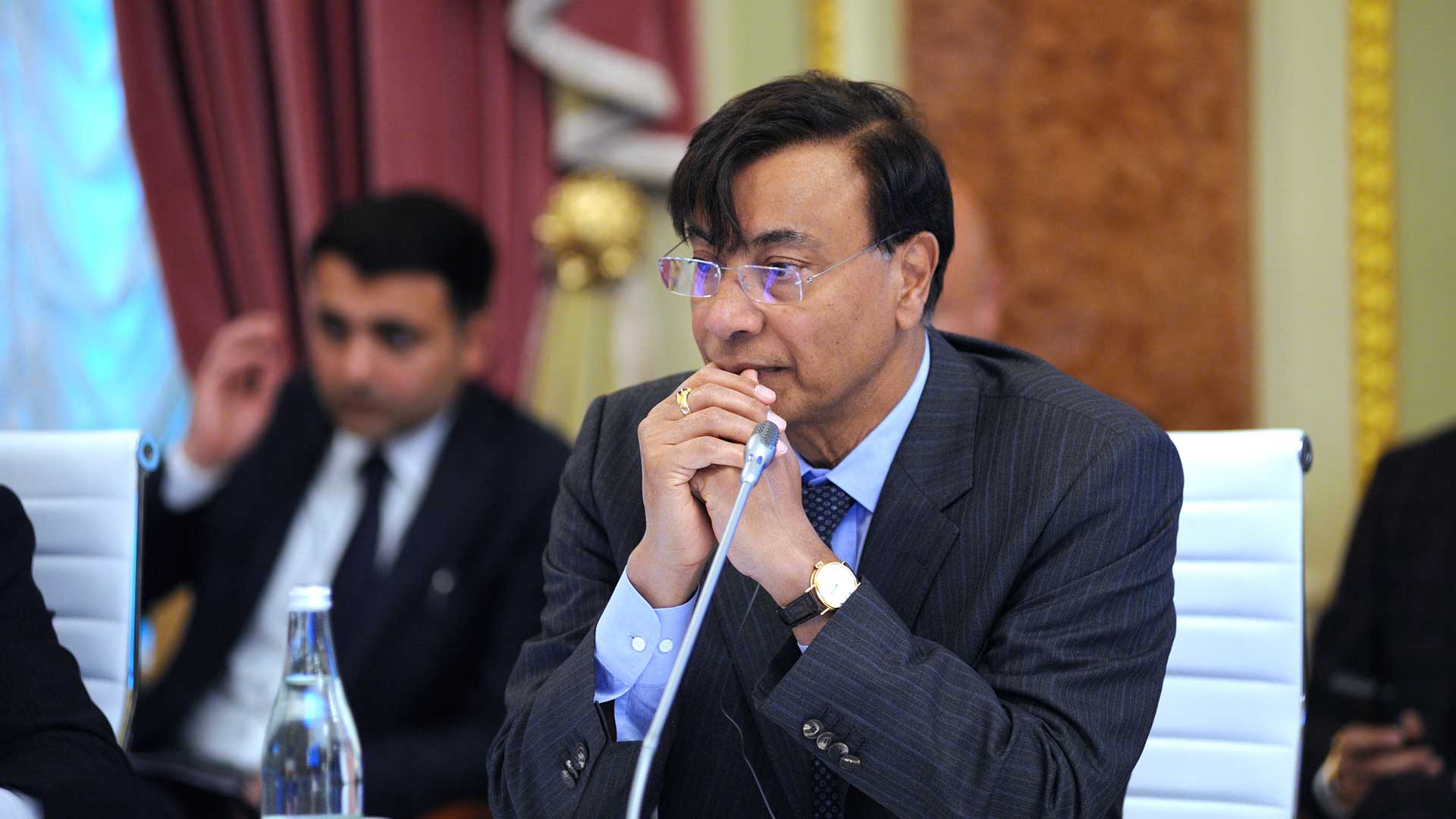
Only one in ten of the UK’s highest earners pay close to the top headline rate of tax, according to research published today by the Centre for the Analysis of Taxation (CenTax), which is calling on John Healey to equalise capital gains and income tax rates in next month’s budget.

The researchers said only 10 per cent of the richest 0.01 per cent of the population paid close to the top 47 per cent rate on earnings. A quarter of that group paid an effective average tax rate of 20 per cent or less, the report said.

CenTax estimated that aligning the rates of capital gains tax and income tax at the budget on 28 October could raise an extra £19.7bn for the Treasury by 2030.

Free newsletters
Advertisement

The stories that matter to UK business, straight to your inbox.

Advertisement

The findings are based on an analysis of anonymised HM Revenue & Customs data on top earners from 2022. The lower effective rates are likely to reflect the richest individuals generating a bigger share of their income from capital gains, which are taxed at a lower rate than earnings.

Earnings are subject to income tax and national insurance contributions, with the combined top rate reaching 47 per cent. Capital gains tax is charged on profits from the sale of assets such as shares, or a property that is not the seller’s main home.

According to HMRC guidance on capital gains tax rates, higher rate taxpayers pay 24 per cent on gains from 6 April 2026, while basic rate taxpayers pay 18 per cent on gains within the basic income tax band. Gains qualifying for Business Asset Disposal Relief are taxed at 18 per cent, and the tax-free allowance for 2026-27 is £3,000. An additional charge applies to workers predominantly in the private equity industry.

CenTax said the effective rate paid by the richest individuals was likely to have risen to 23 per cent after Rachel Reeves increased the lower and higher rates of capital gains tax in the October 2024 budget.

Advertisement

According to its analysis, tax rates paid by the top 1 per cent of earners have increased since 2008, but have fallen for the top 0.01 per cent over the same period. For the average earner, tax rates declined.

Andy Summers, director of CenTax and a professor of law at the London School of Economics, said: “The assumption that our tax system is already steeply progressive only holds for some top earners and is frequently not true at the very top.”

Arun Advani, director of CenTax and professor of economics at the University of Warwick, said: “By creating inequalities across individuals with otherwise similar incomes, the current tax system is getting in the way of growth, encouraging individuals to chase low rates rather than working in the most productive way.”

Opponents of equalisation argue that it would drive down investment and deter entrepreneurship by reducing the profits made from risk taking. Others have said it would lead to more billionaires leaving Britain, following the departures of hedge fund manager Chris Rokos and Lakshmi Mittal. Conservative leader Kemi Badenoch has blamed Labour’s tax plans for an exodus of wealth creators.

Advertisement

The report lands as Healey, who succeeded Reeves as chancellor, and prime minister Andy Burnham prepare the budget. Economists have estimated that fiscal headroom, the margin against the government’s fiscal rules, has fallen to £10bn from £23.7bn because of the rise in government bond yields since the start of the Iran war nearly seven months ago. Business Matters reported last week that Healey faces a £10bn gap as borrowing costs hit a 19-year high.

Whitehall sources said last week that the prime minister and chancellor had considered lowering the valuation threshold for the incoming mansion tax to £1.5m, in what was described as a more “aggressive” approach to taxing wealth. In July, more than 100 millionaires signed a letter urging Burnham to introduce a wealth tax.

The Office for Budget Responsibility forecasts that the tax burden, public revenues relative to GDP, is already on course for a post-Second World War high of 38 per cent.

The Treasury was contacted for comment.

Advertisement
Jamie Young
About the author

Jamie Young

Jamie Young is Senior Reporter at Business Matters, covering SME finance, employment law and Westminster policy since 2016. He has reported on every Budget and Autumn Statement since 2018, helped make sense of the ‘covid era’ and the bounce-back loan scheme from launch through the fraud investigations, and broke the magazine’s coverage of the 2024 late-payment reforms. He joined Business Matters straight from completing his BA in Administration from Exeter University and is NCTJ-qualified. Reach him at jyoung@cbmeg.co.uk

Advertisement

Continue Reading
Click to comment

You must be logged in to post a comment Login

Leave a Reply

Business

Wood River Capital sells $58.1 million of Aspen Aerogels stock

Published

on


Wood River Capital sells $58.1 million of Aspen Aerogels stock

Continue Reading

Business

Tratos UK CEO Maurizio Bragagni

Published

on

Tratos UK CEO Maurizio Bragagni

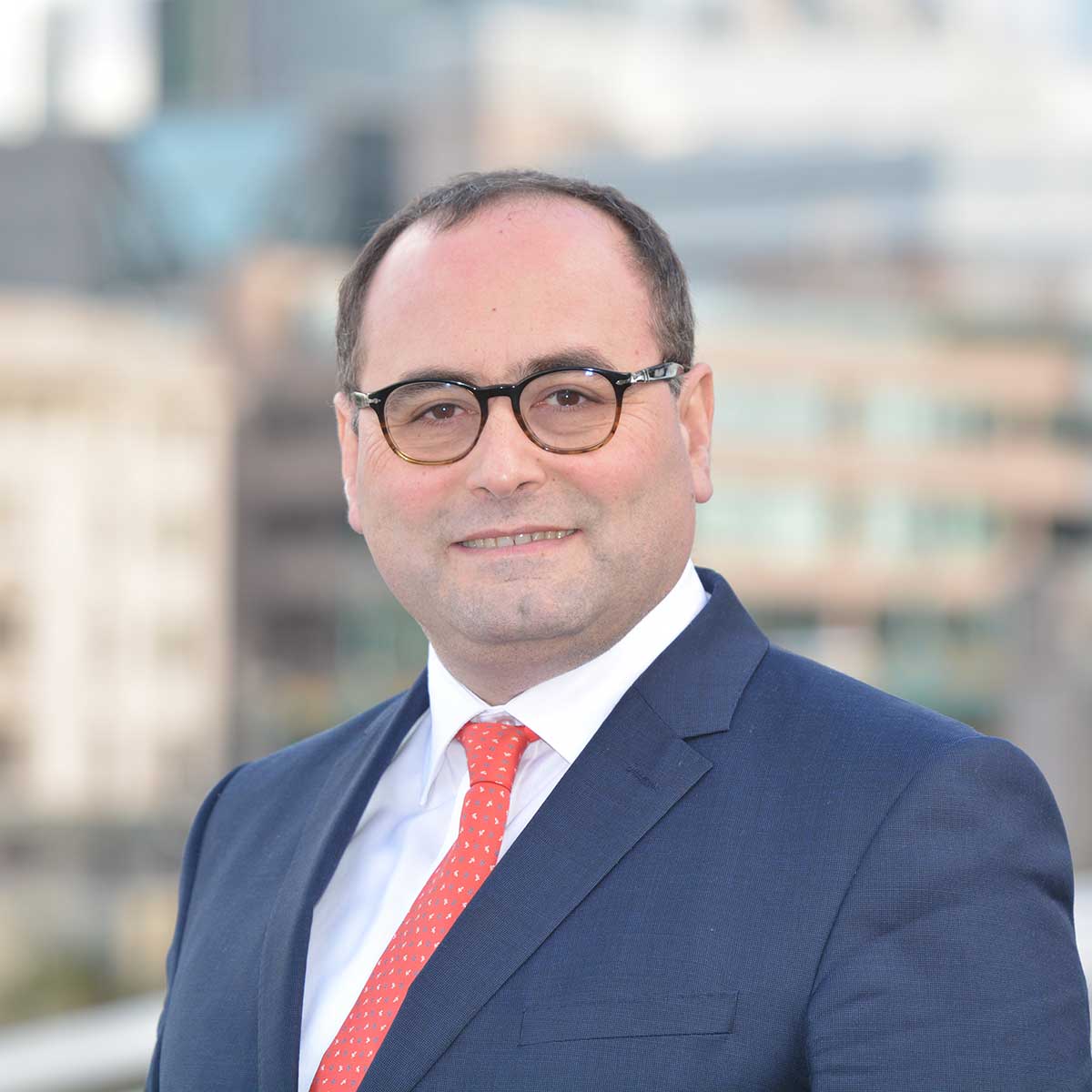
Maurizio Bragagni is chairman and CEO of Tratos UK, the British arm of the family-owned cable maker Tratos Group, which produces energy, telecommunications and specialist cables for customers the company says include National Grid and Network Rail. The group is marking 60 years of cable manufacturing in 2026, a milestone it celebrated at the TOC Europe 2026 exhibition in Hamburg. In the UK, Tratos runs its head office in London, two manufacturing sites in Knowsley, Merseyside, and a fibre optic cable facility in Swindon. He tells Business Matters why getting cables right makes a real difference, what he would change about his approach to digital transformation and why every business should aim for something bigger than making money.

What do you currently do at Tratos UK?

I am the Chairman and CEO of Tratos UK, with leadership responsibilities across the wider Tratos Group. Our business focuses on cable manufacturing, providing solutions used throughout modern infrastructure, and in the UK we make every element of our cables ourselves, from the conductors and insulating compounds to the fibre optics and the finished cable.

My role is to keep the business competitive and innovative while keeping pace with changing customer needs. That covers everything from strategy and business development to stakeholder engagement and long-term planning. On any given day I might be discussing major infrastructure projects with clients, reviewing manufacturing investment, meeting government representatives or working with supply chain partners.

Free newsletters
Advertisement

The stories that matter to UK business, straight to your inbox.

Advertisement

A big focus for me right now is the future of energy. Renewable power, grid modernisation, energy security, transport electrification and industrial decarbonisation are all changing the industry, so I spend a lot of time working on how Tratos can respond to that.

On the other side of that is people. Creating opportunities for our employees and ensuring Tratos grows sustainably are among the most rewarding parts of my role.

What was the inspiration behind your business?

I have always been drawn to businesses that solve practical problems. Cables are maybe not an obvious choice, but they are vital to nearly every aspect of modern life. So when you get cables right, it makes a genuine difference.

At Tratos, we want to create value through manufacturing excellence, innovation and entrepreneurship. That seems like a grand goal for a family-owned business, but I have seen how dynamic entrepreneurial businesses can be. We can move quickly without losing sight of our values, and I think that is really important.

Advertisement

I have also always been interested in international cooperation. Throughout my career I have worked across various countries and cultures, seeing how businesses can unite people, create opportunities and promote economic development, and that has become a priority for Tratos. Industry can play such a vital role in society, creating jobs and building skills as well as making products.

Ultimately, I suppose my inspiration has always been tied to building something lasting. I do not just want success now. I want to build a business that can keep creating opportunities and delivering value for future generations.

Who do you admire?

I admire a lot of people. Those who combine vision with action, like entrepreneurs who show so much resilience, determination and optimism, which is something I think we could all do with more of.

Equally, I admire industrial pioneers, for similar reasons. These are people who have transformed entire sectors through innovation and their willingness to challenge conventional thinking, and we need that to progress. Then there are the leaders who show integrity and courage, because character matters just as much as determination.

Advertisement

There are also the people I have worked with: the engineers, technicians and managers who contribute so much but never get the attention.

Perhaps most of all, I admire those who never stop learning. I am in awe of the people who stay curious and committed to continuous improvement.

Looking back, is there anything you would have done differently?

Like most people, there are many things I would have done differently, but I also try to view mistakes as an opportunity to learn. If I had to choose one thing to change, it would be my approach to digital transformation. Innovation has always been a priority for Tratos, but I was cautious, and there are areas where we would have benefited from adopting new technology more quickly.

Delegation is probably something else I could have learned earlier. I used to want to be involved in everything, but that never works. You achieve far more by building strong teams and trusting them

Advertisement

The same applies to patience. You have to learn to think in the long term if you really want success, and that was hard for me to begin with.

What defines your way of doing business?

I think it is probably “where there’s a will, there’s a way”. Nothing is unattainable if you have enough determination. But it helps if you also have integrity, long-term thinking, innovation and relationships.

Integrity is the foundation of trust, and you cannot succeed without it. Long-term thinking is equally important. It took a while for me to learn this, but you cannot be driven solely by short-term results.

That said, you cannot stand still either, and that is where innovation comes in. Markets change, technologies advance and customer expectations evolve, and you have to keep pace with that.

Advertisement

Finally, relationships are central to everything I do. Strong relationships build trust, foster collaboration and create opportunities. I have always believed in treating people with respect and fairness.

What advice would you give to someone starting out?

The first thing I would say is be ready to work hard. There is no substitute for effort.

Second, never stop learning. Things change so quickly in business, and you cannot afford to fall behind. So read widely, seek advice and stay curious.

I would also say do not fear failure. We learn from mistakes, and what matters is how you respond to them.

Advertisement

Then there is the value of relationships. Networks are not there for personal gain alone; they are built through genuine engagement, mutual respect and trust. But if you put in the effort, the people you know can become invaluable.

Integrity is also important. Protecting your reputation and your principles should always be a priority.

Lastly, think about the future. Legacy seems a long way off when you are just starting out, but your business should mean something more than your personal ability to make money. Aim for something bigger. If you can make a positive difference, you will be much more likely to achieve lasting success.

Advertisement

Continue Reading

Business

Unleashing Urban Productivity: How Thai Cities Can Drive High-Income Growth

Published

on

Bangkok's ultra-wealthy population boom - Thailand Business News

The World Bank urges Thailand to raise Bangkok’s productivity and strengthen secondary cities to boost investment, jobs, and national resilience. Thailand can accelerate its transition to a high-income economy if it unleashes the full productive potential of its cities, according to a new World Bank report.

Key Takeaways

  • The World Bank report Thailand Cities of the Future highlights that unleashing urban productivity is essential for Thailand to achieve high-income status by 2037.
  • Bangkok currently drives nearly half of the national output but faces mounting challenges from congestion, climate risks, and high urban costs.
  • To ensure sustainable growth, Thailand must complement Bangkok’s economic anchor role by strategically investing in secondary cities, improving infrastructure, and fostering better coordination between local and national governments

The study Thailand Cities of the Future: Urban Foundations for a High-Income Economy argues that the country’s economic growth is already concentrated in urban areas and that improving their productivity will be essential to meet the goal of achieving high-income economy status by 2037. According to the paper, about 89% of gross domestic product growth recorded between 2010 and 2020 came from urban districts. However, the country will need an annual per capita GDP growth of approximately 5.4% over the next decade to close the gap and reach its high-income target.

“Building Thailand’s cities of the future is not simply an urban planning agenda. It is an agenda for growth, competitiveness, jobs, and resilience,” said Stephen N. Ndegwa, World Bank Country Director for Thailand and Myanmar. The report suggests that Bangkok must continue to function as the main national economic anchor, but argues that secondary cities need to take on more relevant and complementary roles. The goal would not be to displace the capital, but to build a more balanced urban network.

Bangkok concentrates the economy

The capital generates nearly half of the national output and is almost 27 times larger than Chiang Mai, the country’s second city. This concentration has favored Thailand’s economic development, but has also created ever-increasing costs. Congestion accounts for between 7% and 10% of Bangkok’s gross regional product every year. At the same time, climate risks, pressure on infrastructure, and rising housing costs complicate the capital’s ability to maintain its pace of expansion.

The World Bank believes the question is no longer choosing between Bangkok and secondary cities. The priority is to establish a more efficient economic division: a productive and connected capital, supported by cities with their own specializations, better infrastructure, and the capacity to attract investment.

Advertisement

The report warns that many Thai cities have not yet reached the scale or productivity needed to become regional engines of growth. The problem is not limited to a lack of infrastructure. It also includes fragmented planning, weak coordination among agencies, and funding that does not always match the economic strengths of each territory.

The World Bank proposes concentrating investments in places where they can reinforce each other. A city with tourism potential, for example, not only needs new roads or airports. It also requires digital services, urban management, workforce training, climate resilience, and efficient connections with suppliers and markets.

“The key is to invest more strategically,” said Poon Thiengburanathum, Deputy Director of Strategic Planning and Management of the Program Management Unit for Area-Based Development.

The institutional challenge

Urban transformation will also depend on the ability of local and national governments to work in a coordinated manner. A city may receive new infrastructure and still fail to generate growth if it lacks planning, talent, efficient transportation, or institutions capable of executing projects.

Advertisement

The report was prepared by the World Bank together with the Program Management Unit on Area-Based Development and the Urban Design and Development Center. The study gathers international, national, and local knowledge on the challenges and opportunities of Thai urban development.

Bangkok will remain indispensable, but its size no longer guarantees a limitless advantage. Congestion, climate, and urban costs are turning economic concentration into a vulnerability. The alternative proposed by the World Bank is not to abandon the capital, but to build a network capable of making Chiang Mai and other cities play stronger economic roles.

For Thailand, the 2037 goal will depend less on a single megacity and more on the ability to connect urban centers with clear objectives, coordinated investments, and differentiated economic responsibilities. If the country succeeds in doing so, its cities could become the engine of a high-income economy. If not, Bangkok’s congestion and the untapped potential of secondary cities will continue to be a drag on the next phase of development.

Advertisement
Continue Reading

Business

Sebi approves new rules to widen investment avenues

Published

on

Sebi approves new rules to widen investment avenues
Mumbai: The Sebi board on Thursday approved new regulations for portfolio managers, allowing investment in foreign securities, and a revamped settlement framework, while permitting foreign portfolio investors to participate in a wider range of exchange-traded commodity derivatives.

Under the new rules, the regulator would be introducing a portfolio manager route for investing in mutual fund units, enabling portfolio managers to invest clients’ funds in direct plans of mutual funds, including ETFs, index funds and specialised investment funds. The minimum ticket size would be ₹25 lakh, while fixed management fees would be capped at 1% of client assets under management(AUM).

“The introduction of PRIM – allowing portfolio managers to offer mutual fund and SIF-based strategies – meaningfully widens access and brings more investors into a well-regulated, professionally managed framework,” said Vikas Khemani, founder, Carnelian Asset Managment.

Read more: Sebi clears PRIM route for PMS players to invest in mutual funds, SIFs; Rs 25 lakh minimum ticket

The regulator would also allow portfolio managers to invest in initial public offerings and primary issuances in the debt market. They would also be allowed to invest up to 10% of a client’s AUM in investment grade, non-convertible unlisted debt securities under discretionary PMS(portfolio management services).

Advertisement


Vikas Khemani said this gives managers flexibility to construct better risk- adjusted portfolios.
The framework provides greater flexibility for investment in exchange-traded derivatives, allowing exposure of up to 1.25 times the client’s AUM. It also permits investment in foreign securities under discretionary and non-discretionary PMS, including listed equity and debt, REITs, overseas mutual funds, exchange-traded funds, index funds and foreign government debt.Anshul Sharan, co-founder and chief executive of Ametra PMS said, the expanded investment universe would significantly broaden the reach of PMS.

Read more: Sebi board approves FPI play in non-agri commodity derivatives, expands scope of PMS

The new PMS framework also introduces independent fund managers who can manage client portfolios in association with registered portfolio managers. The registered portfolio manager will retain full responsibility and liability for the activities of the independent fund manager.

Aditya Agarwal, co- founder of Wealthy.in, a wealth management platform said, the new avenues would open up a wider set of people being able to offer fee based management of fund portfolios which was previously available only to investment advisers.

The Sebi board also approved significant changes to the Settlement Regulations, introducing a formula-based approach to settlement amounts, comprising a base amount linked to the minimum penalty prescribed under securities laws, adjusted for factors including the stage of proceedings, regulatory action, gravity, aggravating and mitigating circumstances, along with legal costs.

Advertisement

The framework expands access to settlement by introducing a settlement notice before a show-cause notice, giving entities 60 days to apply, while the period for filing an application after a show-cause notice has been increased from 60 to 90 days. It also introduces a fast-track route for certain cases, including those where the settlement amount does not exceed ₹10 lakh.

The new rules provide for settlement of cases involving misrepresentation of financial statements and diversion or siphoning of funds, subject to appropriate remedial and regulatory terms, including disclosures and bringing back diverted funds.

“In the recent past, there has been significant concern that settlements involving technical and minor violations resulted in large settlement amounts, causing such settlements to fail,” said Tomu Francis, partner, Khaitan & Co.

“If this issue is addressed, as appears to be the intent of Sebi, we could see a significant increase in the number of settlements. This, in turn, would help free up the bandwidth of adjudicating officers to focus on more important matters,” Francis said.

Advertisement

Sebi also approved wider participation by FPIs (foreign portfolio investors) in exchange-traded commodity derivatives. FPIs would be permitted to trade in non-agricultural index derivatives, irrespective of whether the underlying is cash-settled, as well as non-cash-settled non-agricultural commodity derivatives.

Add ET Logo as a Reliable and Trusted News Source

Continue Reading

Business

Satterley appoints Ben Rosser, restructures

Published

on

Satterley appoints Ben Rosser, restructures

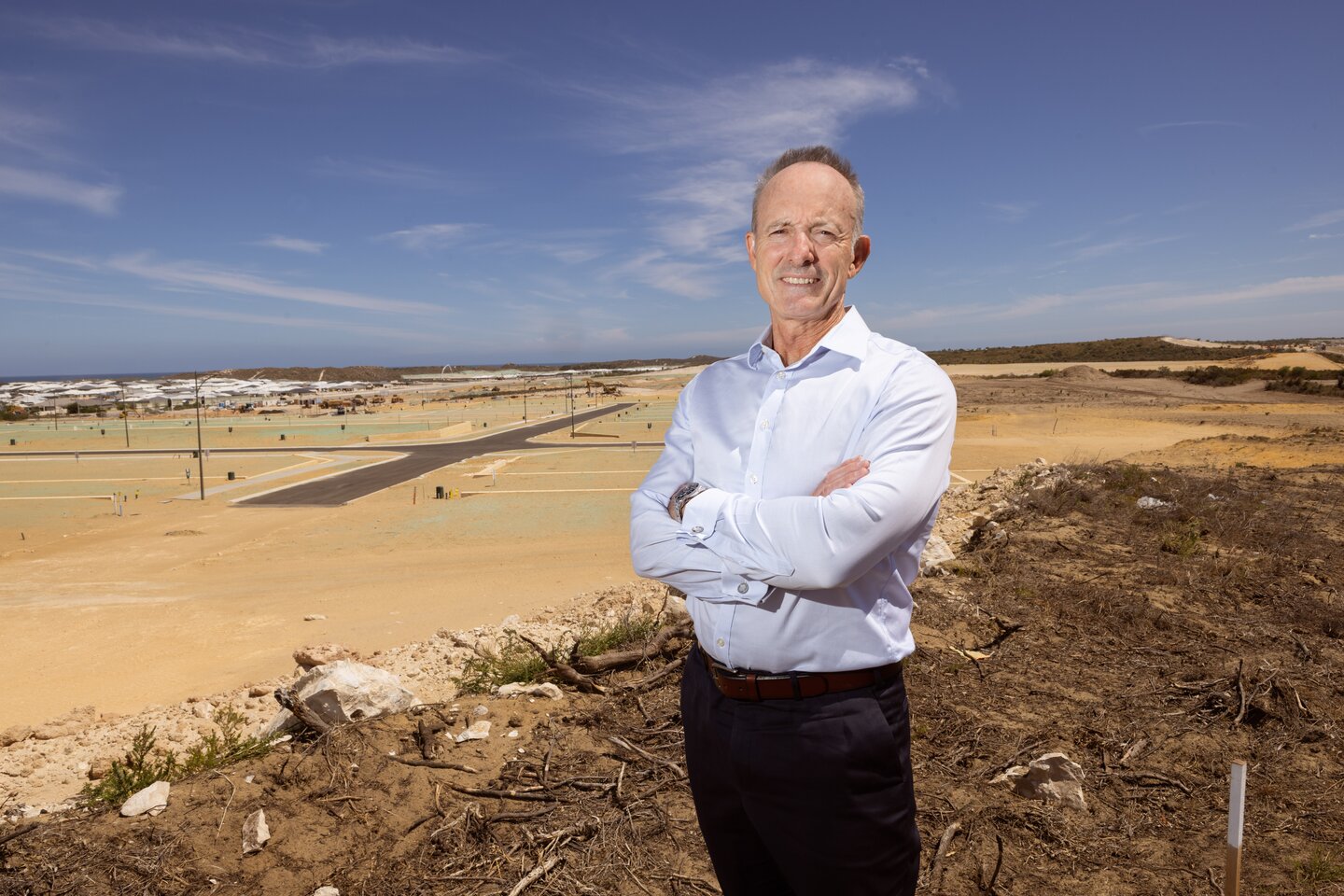
The West Perth-based land developer is making some changes at the top of its business as it continues its expansion into commercial property.

Continue Reading

Business

Akamai Technologies, Inc. (AKAM) Discusses Landmark Multi-Billion Dollar Cloud Infrastructure Contract and Impact on Business Growth Transcript

Published

on

OneWater Marine Inc. (ONEW) Q1 2026 Earnings Call Transcript