Connect with us

Business

Oil Price Today (September 23): Crude oil below $100 on hopes of US-Iran talks. What did Trump say?

Published

on

Oil Price Today (September 23): Crude oil below $100 on hopes of US-Iran talks. What did Trump say?
Oil prices edged lower on Wednesday as Saudi Arabia began restoring crude flows through a key pipeline to the Red Sea, while hopes of a diplomatic breakthrough in the US-Iran war grew ahead of talks at the United Nations in New York.

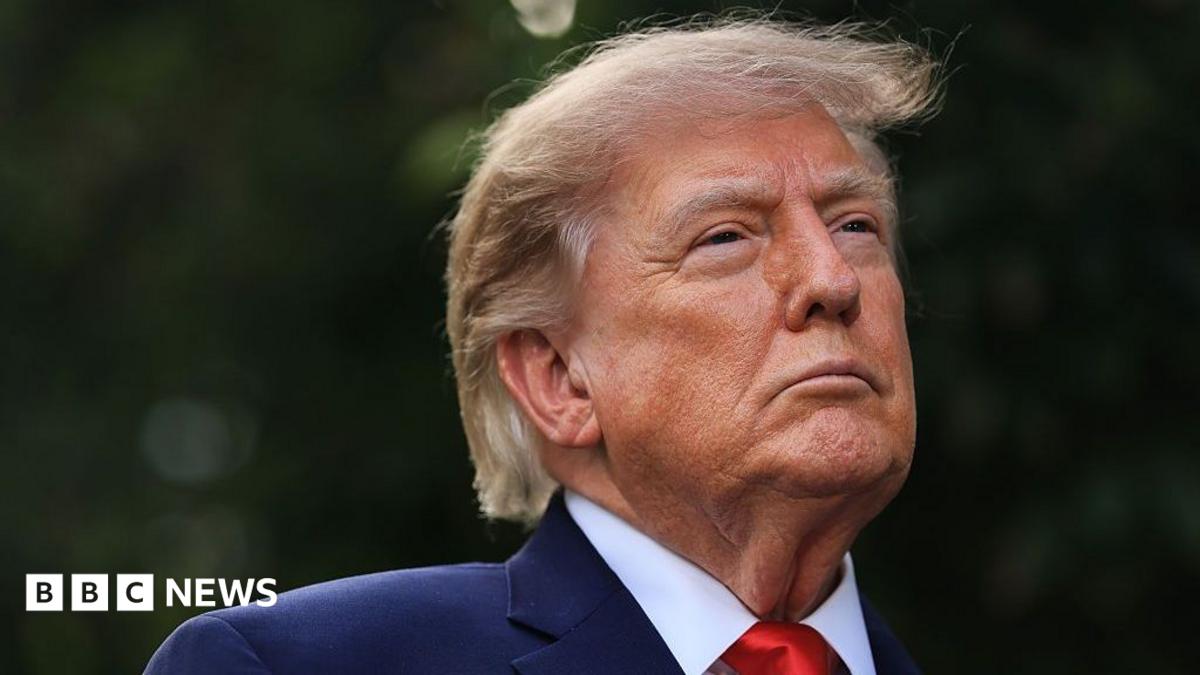
The moves came after US President Donald Trump on Tuesday warned that he could “annihilate” Iran, while also saying his envoys Steve Witkoff and Jared Kushner had held productive discussions with Iranian mediators aimed at ending the war.

Crude oil on September 23

Brent crude futures fell 7 cents, or 0.07%, to $99.18 a barrel, while West Texas Intermediate futures declined 35 cents, or 0.39%, to $90.17 a barrel.

Advertisement

“I think there’s a lot of momentum for them to make a deal,” Trump said. Expectations of stronger oil supply and the possibility of an end to the nearly seven-month conflict pushed Brent below $100 a barrel at Tuesday’s close for the first time since September 8. “I think that a settlement is going to be reached,” Trump said after a meeting with British Prime Minister Andy Burnham on the sidelines of the UN General Assembly ‌in ⁠New York.

Further, a sentiment boost also comes after Saudi Arabia restarted operations on its East-West Pipeline to the Red Sea on Tuesday, three sources briefed on the matter said, with signs that Middle Eastern oil flows were beginning to increase. The pipeline had been shut on September 11 after drone attacks, which Saudi Arabia blamed on Iraqi militia, halted crude loadings at the kingdom’s Yanbu port.


Before the disruption, Saudi Arabia had been using the pipeline to reroute around 4 million barrels per day, or roughly 4% of global supply, to Yanbu after the US-Israeli war on Iran disrupted oil flows from Saudi Arabia and other Gulf producers through the Strait of Hormuz.
Iraq is also raising its oil exports, Oil Minister Basim Mohammed said on Tuesday. The country is currently exporting more than 3 million bpd and expects shipments through Turkey to rise to more than 600,000 bpd.

Where are prices headed?

JPMorgan, meanwhile, has lost visibility on where oil prices are headed. For the first time since the Iran war began in February, the Wall Street bank no longer has a clear baseline scenario for the oil market, as escalating tensions add to concerns over an already worsening supply shock.

“We simply don’t know how to model the endgame,” JPMorgan analysts said, highlighting the uncertainty over how the conflict could develop. At the start of the conflict, the bank had assumed there were certain economic thresholds that the US administration would not cross. Six months into the war, however, many of those lines have been crossed, while there is still no clear exit strategy, JPMorgan said.

Advertisement

JPMorgan said on Thursday that it did not have a clear baseline view for oil markets for the first time since the US-Israeli war on Iran began, highlighting the uncertainty confronting the market.

The possibility of further supply disruptions has increasingly pushed the oil price outlook higher. Daan Struyven, co-head of global commodities research at Goldman Sachs, said recent attacks had shown that disruptions to shipping could spread and become more severe.

Goldman Sachs has outlined a scenario in which oil prices could climb to as much as $120 a barrel if attacks on vessels in the Middle East intensify. If exports return to normal, the bank expects oil prices to move back towards $80 a barrel.

Struyven told Bloomberg that shipping risks had become an important driver of oil prices. He said Goldman Sachs sees “meaningful upside to crude oil prices” and also expects natural gas and refined product prices to rise. He added that supply shocks in gas and fuels are larger than those in the crude market.

Advertisement

Disclaimer: The views/recommendations mentioned in this article, wherever applicable, are those of the respective SEBI-registered Research Analyst/brokerage and have been reproduced/reported with due attribution. They should not be construed as the views or recommendations of The Economic Times Digital or the journalist. Readers are advised to consider the original research report and make their investment decisions based on their own assessment. Brokerage disclaimers here

Continue Reading
Click to comment

You must be logged in to post a comment Login

Leave a Reply

Business

Viking Therapeutics, Inc. (VKTX) Discusses Top Line Data from VK2735 Maintenance Study in Obesity and Type 2 Diabetes – Slideshow (NASDAQ:VKTX) 2026-09-22

Published

on

OneWater Marine Inc. (ONEW) Q1 2026 Earnings Call Transcript

This article was written by

Seeking Alpha’s transcripts team is responsible for the development of all of our transcript-related projects. We currently publish thousands of quarterly earnings calls per quarter on our site and are continuing to grow and expand our coverage. The purpose of this profile is to allow us to share with our readers new transcript-related developments. Thanks, SA Transcripts Team

Continue Reading

Business

The Laughing Cow cheese wedges show frowning face on package in mystery campaign

Published

on

The Laughing Cow cheese wedges show frowning face on package in mystery campaign

The Laughing Cow is no longer laughing and shoppers want to know what wiped the iconic grin off her face.

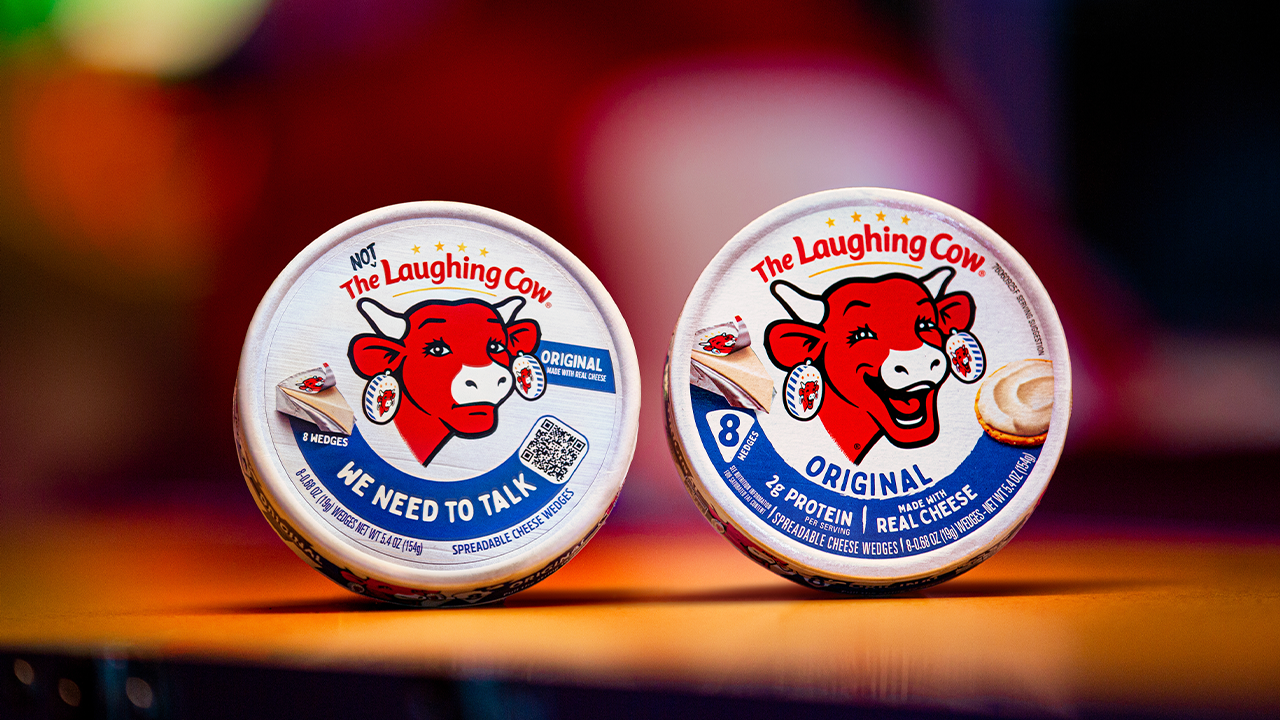
For the first time in more than 100 years, the laughing red cow has traded her trademark smile for a somber expression on select packages of The Laughing Cow Creamy Original cheese wedges rolling out nationwide.

Advertisement

The surprise makeover is part of a mysterious new campaign dubbed “The Not Laughing Cow,” but the company is keeping shoppers guessing about what wiped the smile from its mascot’s face.

SHOPPERS ARE GOING HOG WILD FOR PIGGLY WIGGLY’S RETRO PIG MERCHANDISE

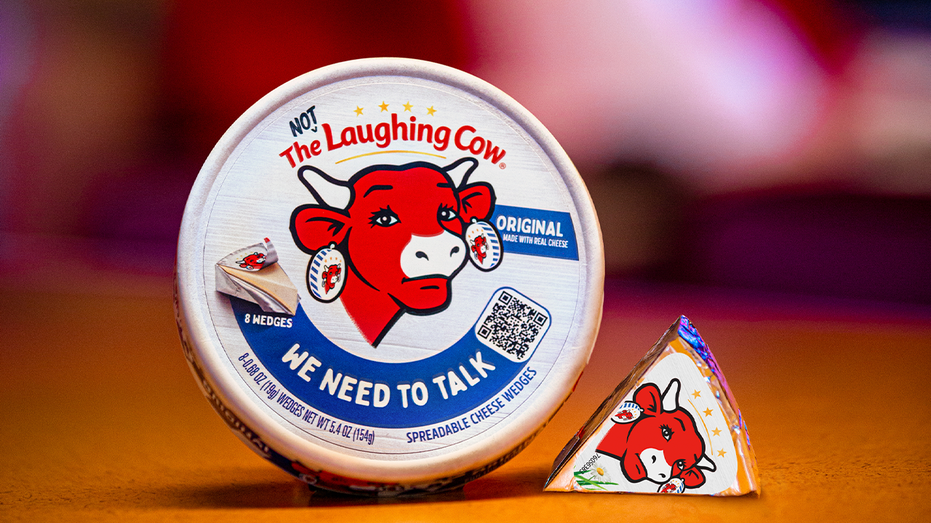
The Not Laughing Cow cheese package with a serious-faced mascot and

The Laughing Cow replaced its famous smiling mascot with a serious expression on select Creamy Original packages. (Bel Brands USA / Fox News)

Bel Brands told Fox News Digital the frown is only temporary and promised the mystery will begin to unravel in the coming days.

“The Laughing Cow has spent more than 100 years reminding us not to take life too seriously. So when she suddenly gets serious, you pay attention,” Jamee Pearlstein, chief marketing officer of Bel Brands USA, U.S. Cheese, said in a news release.

Advertisement

COSTCO BRINGS BACK A FAN-FAVORITE FOOD COURT TREAT AFTER YEARS OFF THE MENU

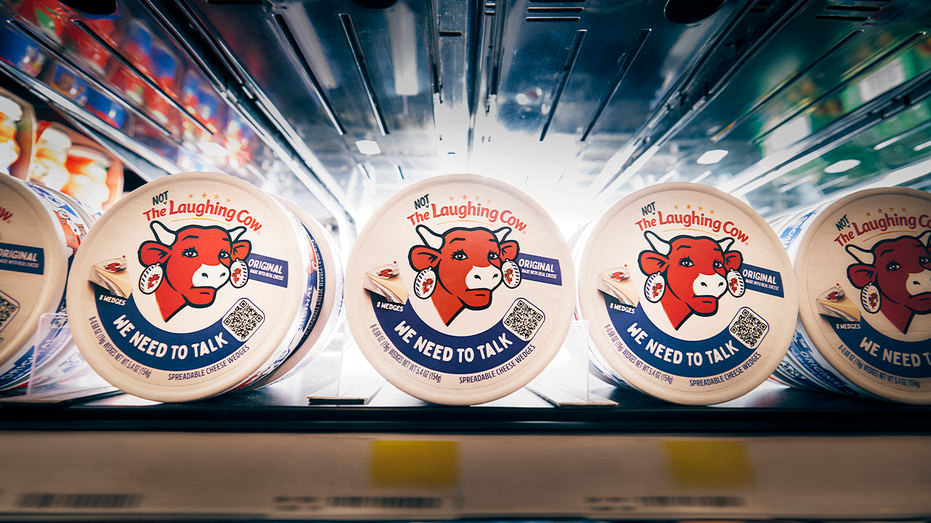
The Not Laughing Cow cheese packages featuring a frowning mascot sit on a refrigerated store shelf

The Not Laughing Cow packages are appearing in more than 4,700 stores across the continental United States. (Bel Brands USA / Fox News)

“Whatever finally got to her must be worth talking about. We’ll let her explain when she’s ready,” Pearlstein added.

The new packages feature the suddenly stone-faced cow alongside a QR code and the cryptic message, “We need to talk.” The code directs shoppers to TheNotLaughingCow.com, where the brand is inviting fans to speculate about the reason for her abrupt mood shift.

MCDONALD’S ONCE SOLD BELOVED COOKIES FEATURING FORGOTTEN CHARACTERS FROM THE CHAIN’S PAST

Advertisement
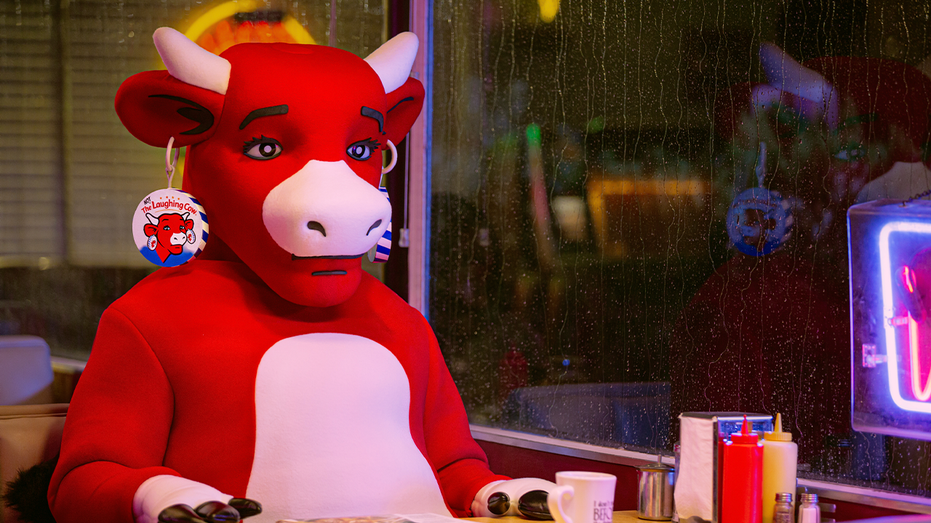
The Laughing Cow mascot sits alone at a diner counter with a somber expression

The Laughing Cow mascot sits alone in a diner as part of the mysterious “We need to talk” campaign. (Bel Brands USA / Fox News)

Videos on the campaign website lean into the mystery, showing the usually upbeat mascot looking downcast and alone. In one clip, she sits by herself in a diner. Another shows her somberly swinging alone as the words “The Laughing Cow stopped laughing” and “We need to talk” flash across the screen.

The serious-faced mascot has also appeared in parks, diners and across the brand’s social media channels, according to the company.

The company said shoppers began noticing the change even before the brand formally acknowledged it, with fans reaching out directly to ask what had happened to The Laughing Cow.

DANNON’S DECISION TO KILL BELOVED YOGURT SPARKS FAN REVOLT: ‘IT’S WHAT I GOT OUT OF BED FOR’

Advertisement
The Laughing Cow mascot sits alone on a swing with a serious expression

The usually cheerful Laughing Cow mascot appears stone-faced on a swing in the brand’s new campaign. (Bel Brands USA / Fox News)

“We’ve been excited to see that curiosity and conversation continue to build as more of The Not Laughing Cow packages appear on shelves,” Bel Brands told Fox News Digital.

The special packages are available in select markets in every state across the continental U.S. and can be found in more than 4,700 stores, according to the company.

CLICK HERE TO DOWNLOAD THE FOX NEWS APP

Bel Brands stressed that the new expression is not a permanent logo or packaging change. 

Advertisement

Once consumers learn why the mascot stopped laughing, the company said it is confident she will eventually smile again and the packaging and social media channels will return to the joyful expression shoppers have known for more than a century.

The temporary redesign marks a dramatic break from an image shoppers have recognized for generations. The Laughing Cow said its smiling mascot has promoted optimism and encouraged consumers to see the positive side of life since 1921.

Continue Reading

Business

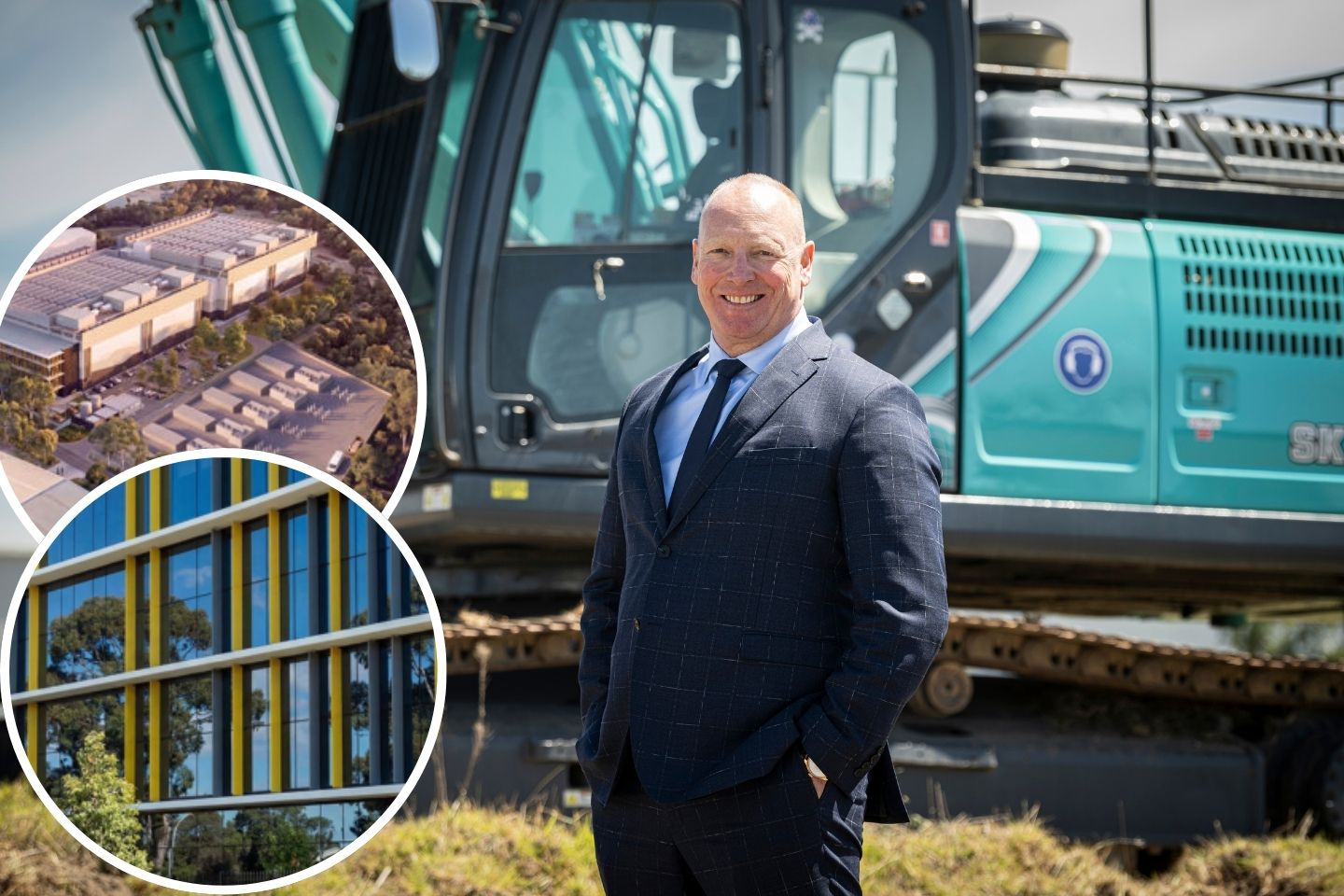
CDC plans 192MW Hazelmere data centre

Published

on

CDC plans 192MW Hazelmere data centre

Yes. Corporate subscriptions are available for teams and organisations, with discounted rates as user numbers increase. Pricing starts from $1,625 + GST per user.
Get in touch
to discuss the right option for your organisation.

Business News subscriptions are used by executives, investors, consultants and professionals who need to stay informed and make better decisions about the WA market. When you subscribe you’ll get

  • Unlimited access to WA’s most trusted business journalism
  • Data & Insights — detailed profiles of WA companies, people, projects and deals
  • MyBN — a personalised feed based on the companies, people and sectors you follow
  • Special publications and industry reports
  • Daily and weekly email newsletters

Data & Insights is a research tool built specifically for the WA market. It draws on more than 30 years of Business News reporting, updated regularly to reflect what’s happening now. Use it to:

  • Look up detailed profiles of WA companies, including financials, directors and ownership
  • Find decision-makers and track their career movements
  • Research live and completed projects across WA industries
  • Monitor deals, appointments and market activity
  • Access industry rankings and league tables

Data & Insights is updated daily by our dedicated research team, which uses the latest announcements, ASX filings and editorial coverage to keep our person, company, list and project records up to date.

Business News welcome all opportunities to make our dataset accurate, complete and current, so if you have an update request, please email the team at
general@businessnews.com.au, and we’d be happy to assist.

Advertisement

MyBN
is part of every subscription. It’s your personalised view of Business News. You can follow the companies, people, sectors and projects that matter to you, and get a news feed and alerts tailored to your interests. You can save articles to read later and retain only what you need.

Only subscribers have full access to all content on the Business News website.

Advertisement

If staying informed about the WA economy is part of your job, and/or you’re looking for networking opportunities in WA, Business News is built for you.

Business News subscribers are:

  • Executives and directors tracking competitors, clients and market movements
  • Investors and advisers researching companies, deals and industry trends
  • Consultants and professionals staying across sectors relevant to their clients
  • Business owners looking for leads, context and market intelligence

Most Business News publications cover national or global markets. Business News is focused entirely on Western Australia, which means the journalism, the data and the intelligence are all built around WA companies, people and projects — not adapted from a national feed. Data & Insights, included with every subscription, combines more than 30 years of WA-specific editorial research with live business data. There’s no comparable product for the WA market.

Advertisement

The Morning Digest Email provides a comprehensive wrap of the major headlines, relevant to WA business, and includes with a snapshot of the overnight news covering oil, gold and ASX-listed companies.

The Afternoon Wrap Email focuses on the news covered by our team of journalists during the course of the working day, including exclusive stories and analysis, all of which relates to WA business and the local economy.

The BN Weekender Email contains a wrap of the Business News from the week that was, highlighting the top stories in each area of WA business.
Sign up for free.

Advertisement

We’re happy to help.
Get in touch
and our team will come back to you.

Advertisement
Continue Reading

Business

IMF tells advanced economies to ‘bring debt down’ as borrowing costs rise

Published

on

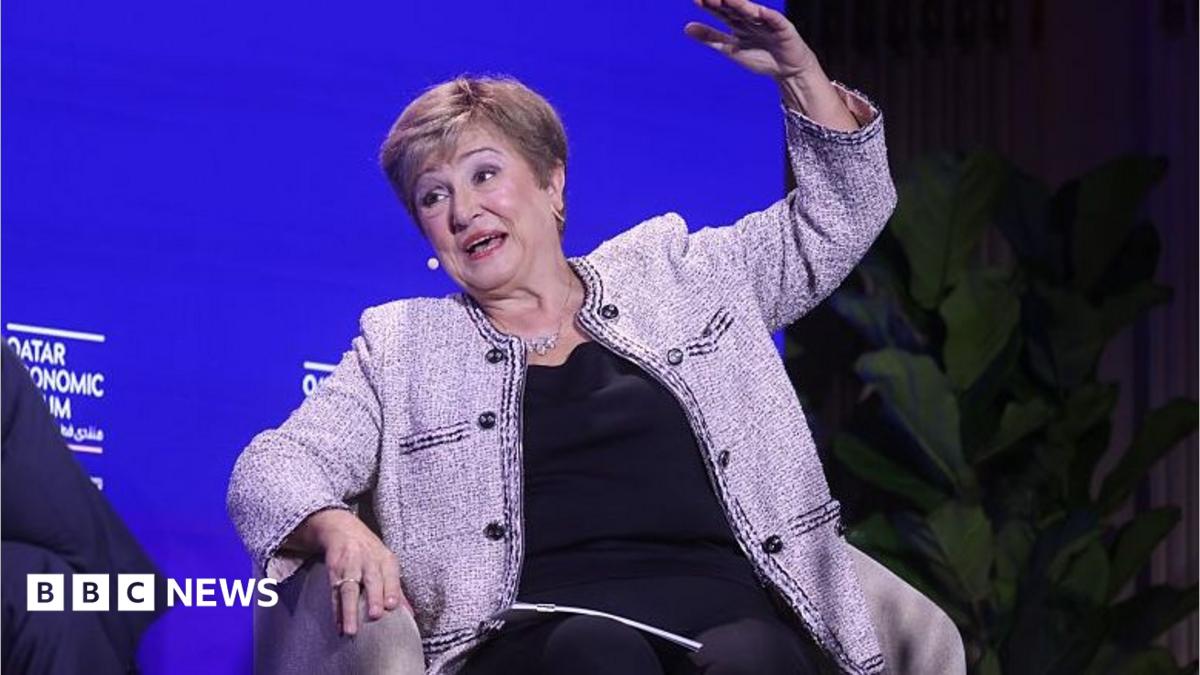
Kristalina Georgieva, managing director of the IMF, speaking during the Qatar Economic Forum in New York, US, this month. She sitting down in a chair explaining her answer to a question as she raises her left arm above her head.

The world’s advanced economies including the UK and US need to cut borrowing and reduce debt levels following weeks of spiralling government interest costs, the head of the International Monetary Fund (IMF) has warned.

In an exclusive interview, Kristalina Georgieva said global economic shocks had been “pushing debt levels up like a staircase not to heaven” but that governments had taken “no action to contain that service cost”.

“[It’s] time to take that action,” she said, adding that “courage” was needed by politicians to take the necessary steps.

The intervention comes as government borrowing costs have surged in response to wars disrupting the supply of oil, which has fuelled inflation.

Advertisement

Higher global borrowing costs have hit the UK government in the run-up to UK Prime Minister Andy Burnham’s first Budget next month, with speculation building over potential tax and spending policies.

The latest figures show borrowing – the difference between tax receipts and government spending – was £18.3bn ($24.4bn) in August, almost a fifth higher than the year before and higher than official forecasts. Meanwhile debt interest for the month was the highest August figure since monthly records began in 1997.

Higher borrowing costs have also hit the US, the world’s largest economy, which has seen its debt pile surpass $40tn. The amount has doubled within the space of a decade, prompting concerns at home and abroad.

On the sidelines of the United Nations General Assembly, Georgieva said the IMF’s message to advanced economies was that while there were economic factors occurring outside the control of governments, they did have command over domestic policies.

Advertisement

“There are these two things that must be done: bring debt levels down, put fiscal consolidation as a priority, and make sure that the central banks deliver on their mandate for price stability,” she said.

“It is impossible to stress strongly enough how critical it is to get the courage to take the steps that are necessary. These are politically tough steps to take, but necessary steps to take.”

Asked specifically about the UK’s higher interest costs compared to other major economies, Georgieva said its position was “not very different” from others.

She pointed to “fairly consistent action” on lowering debt and praised planning and housing reforms, adding that advanced economies “don’t have the cash” to boost growth and so had to rely on reforms to encourage the private sector to invest.

Advertisement
Continue Reading

Business

RBA Board Member Iain Ross Rejects Wage-Price Spiral Threat, Pointing to Enterprise Bargaining Protections

Published

on

RBA Board Member Lain Ross

MELBOURNE — Reserve Bank of Australia Monetary Policy Board member Iain Ross has firmly dismissed widespread warnings of an impending wage-price spiral in the domestic economy, arguing that modern institutional safeguards, enterprise bargaining frameworks, and well-anchored inflation expectations make such an outcome highly unlikely.

Delivering a keynote address at the University of Melbourne’s Centre for Employment and Labour Relations Law, the former Fair Work Commission president addressed persistent speculation regarding wage-driven inflation. Pointing to historical precedent and contemporary economic data, Ross emphasized that current wage growth trajectories reflect workers recovering lost purchasing power rather than an unsustainable inflationary feedback loop that could force aggressive central bank tightening.

Historical Contrast and Structural Evolution

To contextualize current market conditions, Ross drew sharp distinctions between contemporary economic settings and the damaging wage-price dynamics observed during the severe stagflation episodes of the 1970s. During that period, global oil supply shocks intersected with centralized wage-setting mechanisms that automatically indexed pay rates across entire industrial sectors without corresponding productivity gains.

Advertisement

In contrast, Australia’s modern industrial relations framework relies heavily on enterprise-level bargaining and multi-year workplace agreements that staggered wage adjustments over extended periods. This structural transition prevents sudden, economy-wide wage shocks from spilling into consumer price indices, effectively severing the automatic transmission mechanism that characterized past inflationary cycles.

“The overall thesis is that there is no evidence of the emergence of a wage-price spiral in the present circumstances and recent data suggest such an outcome is unlikely,” Ross stated during his address. “Historical experience shows that an acceleration in nominal wages does not, by itself, indicate that a persistent wage-price spiral is taking hold.”

Anchored Inflation Expectations and Labour Market Realities

Central to Ross’s assessment is the role of long-term inflation expectations among households, businesses, and institutional investors. International empirical research across 31 advanced economies indicates that nominal wage acceleration rarely evolves into self-perpetuating price spirals unless medium-term inflation expectations become unanchored from central bank targets.

Advertisement

In Australia, underlying wage growth metrics have remained broadly aligned with the RBA’s target inflation band of 2 to 3 percent when combined with trend productivity growth. Furthermore, employer survey data and workplace bargaining outcomes confirm that business managers continue to treat current cost pressures as temporary adjustments rather than permanent structural increases requiring continuous price hikes.

Financial markets and institutional economists have monitored the RBA’s public commentary closely as the central bank navigates complex monetary policy choices. Ross noted that treating normal wage adjustments as immediate inflation threats risks over-tightening policy, which could needlessly dampen economic activity and suppress broader employment opportunities without delivering meaningful supply-side benefits.

Enterprise Bargaining as an Economic Shock Absorber

The address highlighted the institutional design of Australia’s Fair Work framework as a vital shock absorber for the national economy. By anchoring major workplace agreements to multi-year cycles, enterprise bargaining builds predictability into corporate cost structures while ensuring that pay increases are negotiated alongside operational efficiency measures.

Advertisement

Moreover, the presence of safety net mechanisms administered through annual wage reviews provides targeted relief for low-paid workers without triggering generalized spillover effects across higher-income pay brackets. This balanced architecture allows real wages to stabilize gradually following external supply shocks without creating sustained inflationary momentum.

In analyzing international data from recent years, Ross noted that temporary spikes in nominal wage growth across developed markets have routinely stabilized alongside broader disinflation trends. As global supply chain bottlenecks ease and energy markets normalize, wage dynamics naturally adjust back toward long-term historical averages without intervention-driven systemic shocks.

Structural Drivers Mitigating Wage-Price Spiral Risks

  • Enterprise bargaining systems that stagger wage negotiations over multi-year periods, preventing economy-wide wage acceleration following single inflation spikes.
  • Medium-term inflation expectations that remain firmly anchored within the Reserve Bank of Australia’s target range of 2 to 3 percent.
  • Modern workplace frameworks that decouple broad-based safety net increases from executive and high-income enterprise negotiations, containing generalized price spillovers.

Policy Implications for Monetary Trajectory

The detailed perspective provided by Ross provides valuable insight into the deliberations occurring within the RBA’s Monetary Policy Board as it evaluates future interest rate settings. By downplaying wage-price spiral concerns, the senior policymaker signaled that the board remains focused on broader macroeconomic fundamentals, including aggregate demand, household consumption, and global economic volatility.

Advertisement

As economic indicators unfold over the coming quarters, financial analysts expect the central bank to maintain a data-dependent stance that balances inflation control with labour market preservation. The reassurances regarding workplace bargaining structures suggest that central bank leadership views current wage settings as a manageable, stabilizing component of Australia’s broader economic recovery.

Continue Reading

Business

Tuas Limited (TUALF) Q4 2026 Earnings Call Transcript

Published

on

OneWater Marine Inc. (ONEW) Q1 2026 Earnings Call Transcript