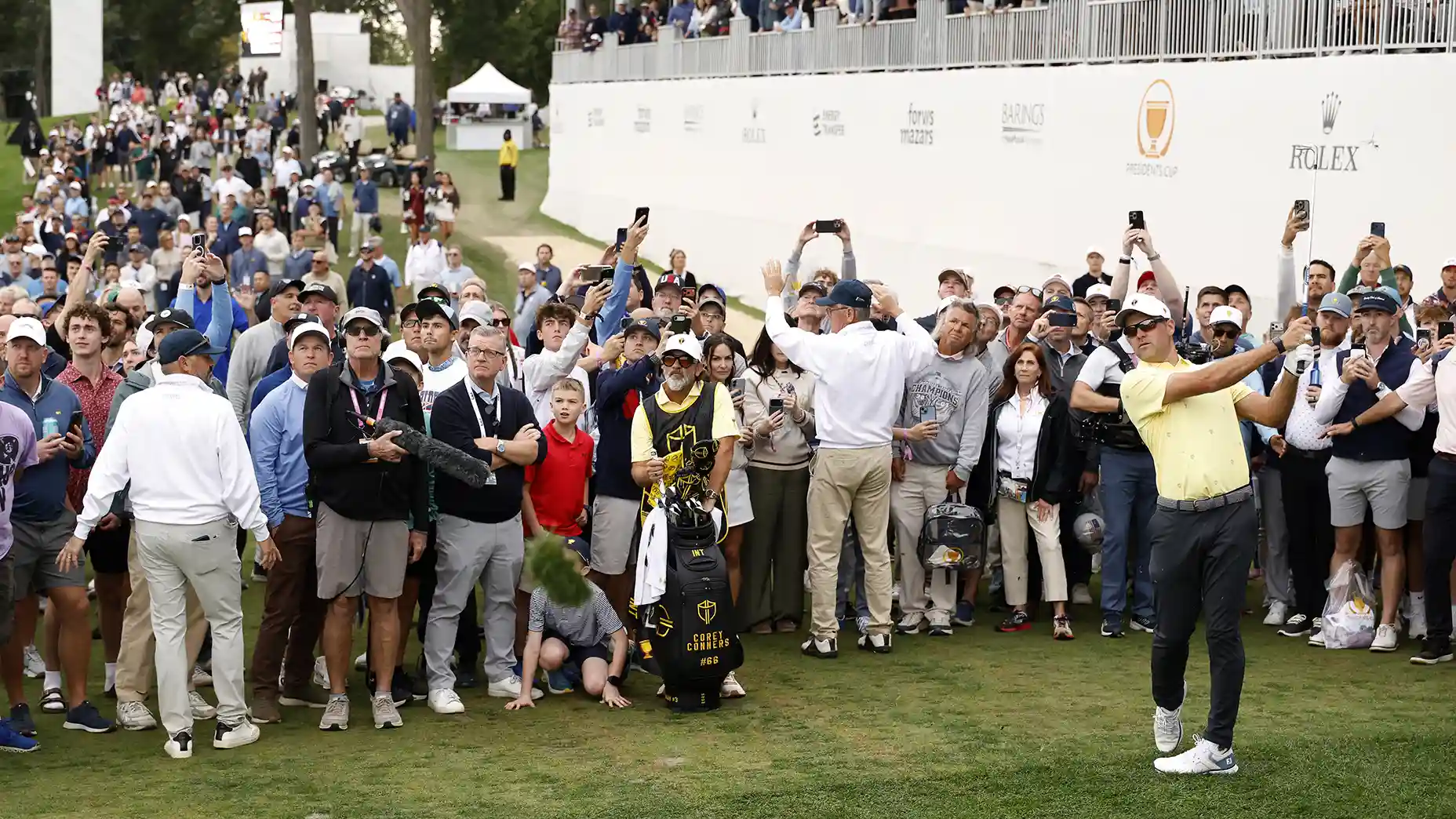
MEDINAH, Ill. — Wyndham Clark wanted noise, and he knew how that sounded.
“These guys are going to laugh,” Clark said, motioning to Scottie Scheffler and Sam Burns sitting next to him.
Clark, after all, had heard unpleasantries this year, even while winning the U.S. Open, which, by every account, should be a pleasant moment. There’d even been whispers that he was a villain, which here, in the Chicago area, is a term reserved for those who ask for a thin slice. But Thursday night, after Clark and partner Collin Morikawa won their Day 1 four-balls match at the Presidents Cup, Clark gave us the definition of irony.
“It was kind of dead out there,” he said. “I felt like the momentum could have been better, to be honest, because we weren’t really feeling the fans, I think, as much as normal.
Advertisement
“There was a few shots — I mean, Collin hit a 5-wood on, what was it, 11 to like 10 feet, and we didn’t even know if it was on the green because no one clapped. It was a little surprising. We’d make some big putts — I’m saying this more as a challenge that hopefully tomorrow and the weekend the fans are out there really rooting us on, and regardless of what happens, we have the momentum.”
A few minutes later, Brandt Snedeker, Clark’s American captain, agreed with him, saying “it was a weird day.” And maybe it was at Medinah Country Club, for a variety of reasons: perhaps it was just because it was a Thursday; perhaps it was due to some of the viewing areas; perhaps it was general malaise over the injury uncertainty of the local football club’s quarterback. Fandom can at times be fickle. But there’s also a bit of Goldilocks-ness to it.
You don’t want it too church-like.
But you don’t want whatever the hell you call what went down last September at the Ryder Cup at Bethpage Black on Long Island. In short, even Webster’s probably hadn’t heard some of the words expressed.
Advertisement
So what should be said, especially now, after a Friday stunner, where the Internationals dusted the Americans, 5-0, and lead 7-3 overall? Remember that things turned their nastiness at Bethpage on Saturday afternoon.
Thing is, maybe words shouldn’t be said, though.
They should be sung.
You know the hits. There’s this one, on Rory McIlroy, sung to the Cranberries’ “Zombie”:
Advertisement
He’s in your heeeeaaad He’s in your heeeeeeeaaaaaad Ro-ry, Ro-ry, Rory-y-y-y
And this one, on Team Europe, sung to “Freed from Desire,” from Gala:
Advertisement
Europe’s on fire U-S-A is terrified Europe’s on fire U-S-A is terrified Europe’s on fire U-S-A is terrified Europe’s on fire Whomp Nah, nah, nah, nah, nah
“>
There is a theme, of course. All centered on Europeans or the continent they come from. Most originate from the lyrical geniuses at the Guardians of the Cup, a European fan group; their website even includes songs going back a decade. The inspiration comes from European soccer; go to any match, and there’s hymn after hymn. Josh Crutchmer knows that. He’s written several books on music and his byline appears in Rolling Stone, and soccer is his passion.
Advertisement
“It’s absolutely the culture,” he texted me. “European sports generally predate our own, and the sports with collective fandom associated — golf, soccer, rugby — have been communal for centuries. Anything from a church hymn to a war cry to a sea shanty could naturally become a sports chant.
“Drop in modern pop culture on top of that history and major golf tournaments are great fodder for inventing chants like this.”
But why hasn’t that taken off in the U.S.?
Maybe it isn’t too late. Americans are creative, of course, but we also shouldn’t be afraid to sample.
Advertisement
“The easiest way for American sports fans to adopt these would be to simply take a cue from their foes,” Crutchmer says. “But if that’s a point of pride, then I think we would do well to look at our college sports culture. Chants like these are a major part of softball and soccer at the college level. And if we want to look at sports viewed as on par with top-level golf, we should look at how football fans celebrate touchdowns — fight songs in college and singalongs in the pros.
“We’re not as far away from this as we think. It’s just a matter of taking ourselves one step less seriously as fans.”
Unseriousness? I can do that.
Song writing, though? Some would say I struggle with website writing. Turns out Claude, the AI assistant, wasn’t all that great, either. My question was this: Hi, Claude. Could you please write five refrains from songs that include Presidents Cup American team names? The catchier the better! Wyndham Clark wants noise. Here’s a few of the responses:
Advertisement
Sung to the tune of “Sweet Caroline”:
Where it began I can’t begin to knowin’ But Scottie’s swing Man, it just keeps on flowin’! Burns and Cantlay Steady down the fairway So good, so good, so good
Sung to the tune of “Seven Nation Army”:
Oh-oh-oh-oh-oh-oh-oh Scottie’s comin’, better know it Burns is swingin’, watch him show it Red and white, we ain’t gonna fold — Medinah’s ours, the story’s told!
Advertisement
To the tune of “Livin’ on a Prayer”:
Whoa, we’re halfway there Whoa-oh, Schauffele’s puttin’ in the air! Take my hand, we’ll make it I swear, Whoa-oh, livin’ at Medinah!
Hmm. OK then. Let’s sample instead.
On Friday, talented GOLF.com videographer Will Moriarty and I talked to a few willing folks at Medinah about Clark’s comments — and my humble proposal. Most agreed with Clark. Most believed more noise would come over the Cup’s remaining days. Most thought that songs were a European thing.
Advertisement
But friends Gage and Leebo gave the Tommy Fleetwood song a try — using Scottie Scheffler’s name as per my suggestion.
Not bad! But the Americans may need something more. Bigger. Bolder.
Friday was an International incident. A Medinah mauling. Five alternate shot matches. Five International wins. Afterward, Snedeker said the support was better on Friday, but heading into Saturday, the red, white and blue are down bad.
Advertisement
They need Keenan Fitzpatrick.
He’s one of Clark’s childhood friends. He had heard about his friend’s comments.
Fitzpatrick said he then flew in from Colorado. He dressed up in a jumpsuit that had more than a few onlookers thinking he was Evil Knievel. He brought a second one in case someone else wanted to join him. He said that “this sport goes back ages and we’re going to learn to get loud.”
I asked him if he wanted to sing.
Advertisement
He did. He said doing so would make him bounce around. Which he did. And we got this.
Raul Rosas Jr. keeps making history. Already the youngest UFC signee and youngest ranked UFC fighter, Rosas becomes the youngest fighter to headline a UFC card on Saturday. Raoni Barcelos, his opponent, knows a thing about beating young studs.
Rosas Jr. (13-1) is a phenom. Rosas signed his UFC contract at 17 and cracked the bantamweight rankings before his 22nd birthday. There was an early setback against Christian Rodriguez between those two milestones, but he got back on track by stacking wins and forcing his way into contention. Saturday’s main event is another first, and the moment isn’t lost on him.
“I’m ready to die in that cage on Saturday night,” Rosas told CBS Sports’ Brian Campbell. “No matter what happens, I’m ready to die. I’m pretty sure I could say the same thing about him. I feel I have a lot to lose, but I have a lot to win, and I feel the same thing about him. If he loses to me, where does he go? And if I lose to him, my dreams of becoming a UFC champion could fade away, so I can’t let it fade away that easily.”
Sign up for Paramount+ and watch UFC Fight Night for no additional fee — every UFC numbered event and UFC Fight Night is included with your subscription! Plans start as low as $8.99/month or $89.99/year!
Advertisement
Barcelos (22-5) has taught many young fighters important lessons. The 39-year-old enters Saturday on a five-fight win streak with each victory over a younger opponent. That includes Payton Talbott, who entered their fight as a massive betting favorite and now co-headlines UFC 332 next week. When most fighters experience decline, Barcelos seems to get better.
“I compare to wine,” Barcelos said. “I think I age like fine wine.”
Rosas, 21, has lofty plans to become UFC champion and retire by 25. It reeks of the stubborn confidence of a fighter who has been competing since his teens. Rosas has largely succeeded, but Barcelos believes some lessons can’t be skipped no matter how talented the prodigy.
“He hasn’t walked through the same path that I have had, and I think he is still going to have some roadblocks in the way during his career,” Barcelos said. “I have seen a lot, and I have fought five rounds three times in my career [on the regional scene] and can tell you. I think I am the problem for him; I don’t think he is a problem for me.”
Saturday’s co-main event has women’s bantamweight title implications. Top five contenders Norma Dumont and Ailin Perez scrap, six weeks before Kayla Harrison and Amanda Nunes fight for the UFC title.
Japanese sensation Rinya Nakamura closes out the preliminary card. The Wrestling World Cup medalist fights Brady Hiestand, whom he was first scheduled to fight two years ago.
Advertisement
Let’s take a look at the rest of the fight card with the latest odds from DraftKings before getting to a prediction and expert pick on the main event below.
UFC Fight Night card, odds
UFC Fight Night viewing information
Date: Saturday, Sept. 26 | Start time: 8 p.m. ET (Main card), 5 p.m. ET (Prelims) Location: Meta APEX — Las Vegas TV Channel: Paramount+ (subscribe now for as low as $8.99 per month)
Prediction
Raul Rosas Jr. vs. Raoni Barcelos: At 39, you have to wonder when the bottom falls out for Barcelos. It hasn’t yet. He’s thrived as an underdog against younger opponents. Rosas gives Barcelos another matchup where his strengths are overlooked. Rosas’ striking output is pitiful, putting enormous pressure on his wrestling to win rounds. Barcelos has an 87% takedown defense and spent entire camps preparing for elite grapplers like Umar Nurmagomedov and Ricky Simon. Rosas’ takedown success will dictate the scorecards. If he gets Barcelos down, he should bank those rounds. But Barcelos should have a clear advantage whenever he keeps the fight standing. Rosas’ cardio failed him against Rodriguez. He’s improved since, but five rounds against a stubborn, seasoned veteran is a different test. Barcelos’ age makes him difficult to trust, particularly over 25 minutes, but Rosas doesn’t have the striking to punish him for slowing down. Expect a close fight with Barcelos stealing enough rounds on the feet. Pick: Barcelos via split decision
Asuka is currently away from WWE programming. Amid her absence from the squared circle, she has a significant reason to celebrate today.
The Empress of Tomorrow and Kairi Sane, collectively known as The Kabuki Warriors, were embroiled in a feud with IYO SKY on the Road to WrestleMania 42. Asuka and SKY were rumored to lock horns on The Show of Shows. Despite being insanely popular among fans, the duo was left off the mega event’s match card. After ‘Mania, WWE shockingly released Sane, impacting the storyline.
Thanks for the submission!
Advertisement
At Backlash 2026, the 45-year-old legend and The Genius of the Sky finally got the chance to settle their differences in the ring. SKY bested Asuka in an 18-plus minute back-and-forth showdown in Tampa. Following the show, the duo mended fences, and The Empress of Tomorrow seemingly walked away from WWE.
Advertisement
Asuka is celebrating her 45th birthday today. On the joyous occasion, the WWE icon shared a personal update on X. The Empress of Tomorrow revealed the gift she received from Bubblun Japan. The former Women’s Champion also visited Taito for a celebration.
“I received a birthday present 🎁 from Bubblun @bubblun_jp and Bobblun. Still, Bubblun and Bobblun were just too adorable, I swear 😍 And at @TAITO’s entrance, there was a super huge KING FOSSIL 😳💦 I’ll show you this scene later, so stay tuned,” she wrote.
You can view her post on X below.
We at Sportskeeda send our best wishes to the Japanese legend on the occasion of her 45th birthday.
Nattie Commented on Asuka’s Decision to Take a Break From WWE
In recent months, there have been contrary reports about Asuka’s future in WWE. The Wrestling Observer Newsletter reported that the legend was “semi-retired.” Meanwhile, WrestleVotes suggested that the company would love to have the legend back on the active roster.
Advertisement
In May, The Empress of Tomorrow revealed that she was still part of the sports entertainment juggernaut. On the Busted Open podcast, Nattie addressed the former Women’s Champion’s decision to take a break from TV. The Low-Key Legend seemed concerned about the veteran’s well-being.
“I felt like she also just had something weighing heavily on her heart. I don’t know exactly what it is. I’m a big believer, and I will say this now and I will stand by this, breaks are very healthy for people. Mental health and taking breaks, and I’m not saying it’s Asuka’s mental health; we don’t know exactly what’s going on, it could be a personal situation. I know Asuka’s very close to her family,” Nattie said.
It will be interesting to see what lies ahead for The Empress of Tomorrow in the world of pro wrestling.
Why did you not like this content?
Advertisement
Was this article helpful?
Thank You for feedback
Get all the hottest wrestling news FIRST by clicking here
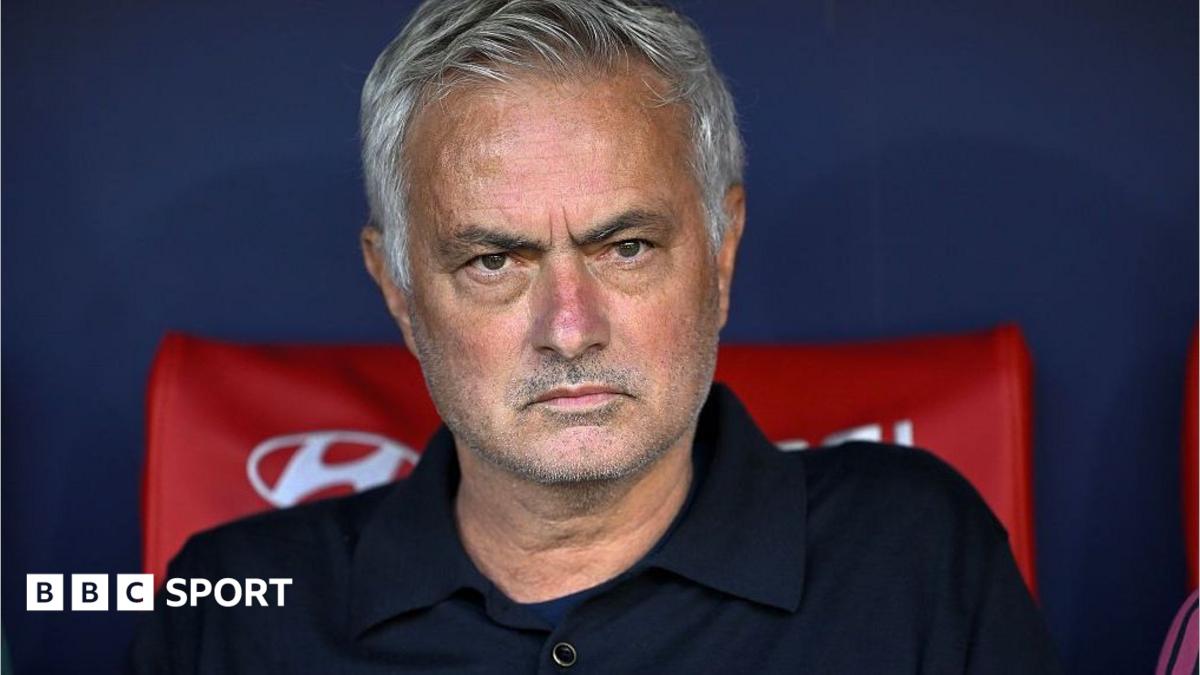
There is no shortage of individual attacking quality at Real Madrid. The problem is making it work consistently as a unit.
Against Atletico, Madrid struggled to create clear chances. Kylian Mbappe was largely ineffective and hardly touched the ball, while Vinicius Jr was substituted shortly after Dean Huijsen’s red card early in the second half.
Mourinho has three players, in Vinicius, Mbappe and Bellingham, capable of deciding matches on their own.
Bellingham’s ability to carry the ball forward, arrive late in the box and link midfield with attack is another important part of Madrid’s attacking threat, but Mourinho needs to ensure the trio complement rather than crowd each other.
Advertisement
Vinicius needs to rediscover the explosiveness and directness that makes him so difficult to defend, while Mbappe needs a greater supply of chances rather than being asked to create opportunities for himself.
There is another attacking option Mourinho could turn to more often.
The 21-year-old has therefore shown he can make an impact when given game time.
Advertisement
With Madrid still working out how best to balance Vinicius, Mbappe and Bellingham, Espi offers Mourinho another option – particularly when Madrid need a focal point in the final stages of matches.
His early impact suggests he deserves more opportunities to show what he can do.
Implementing a new style takes time, particularly when players are being asked to use space and accept risk in ways they are not accustomed to.
A common problem for coaches with an ambitious game model is becoming too attached to the final version of it and ignoring what the current squad needs.
Olid does not appear to be falling into that trap.
“The focus [against Arsenal] was the defensive shape,” she said. “It’s trying to get them more confidence.”
Advertisement
Attacking football in this more fluid manner may be the final goal but Olid appears willing to build towards it in steps.
Early on in her managerial role at Hearts, she showed similar flexibility, which won her points, the trust of her players, and a platform from which to create exciting football.
“The [attack] will come,” Olid has said. “But we need to keep this [defensive structure], then from there, little by little, be an attacking team, create chances, score more goals.”
And the League Cup victory did give some indication it has, although Sheffield United are bottom of WSL 2 in the early weeks of the season.
Advertisement
What will be key is to see how they build on that momentum for this weekend’s WSL match against West Ham on Sunday.
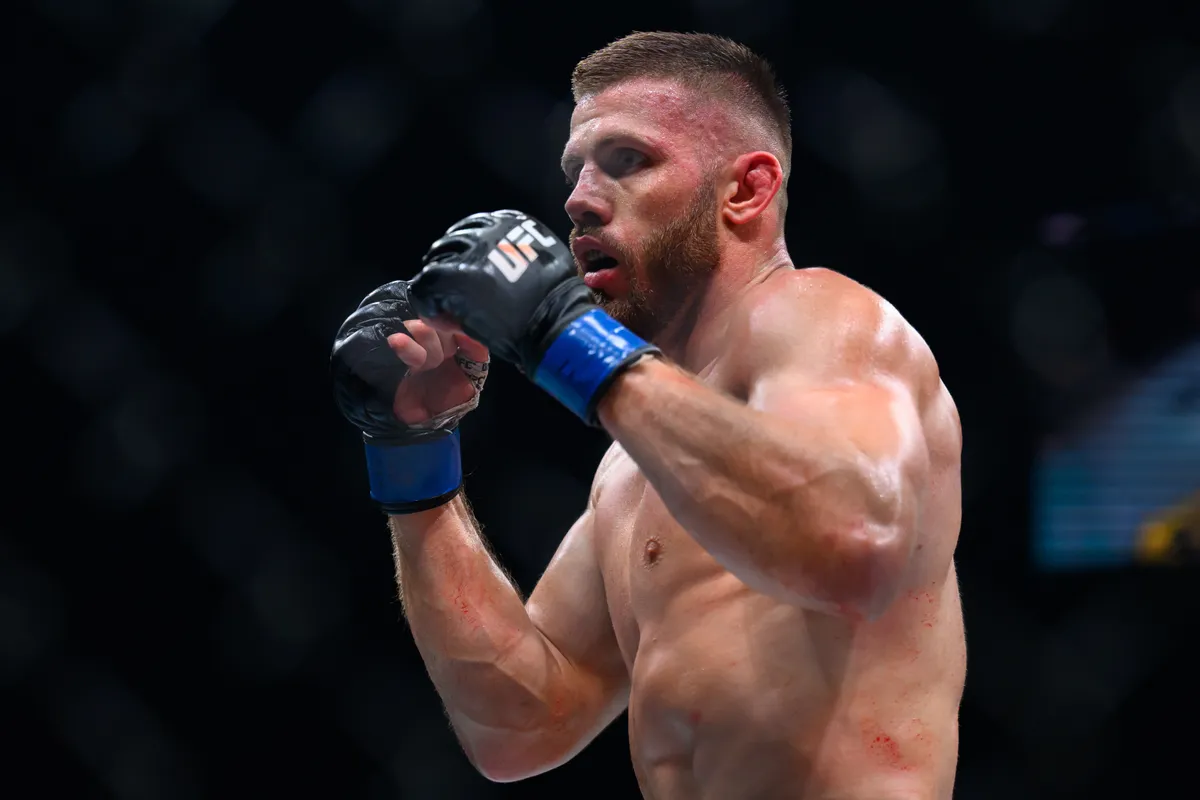
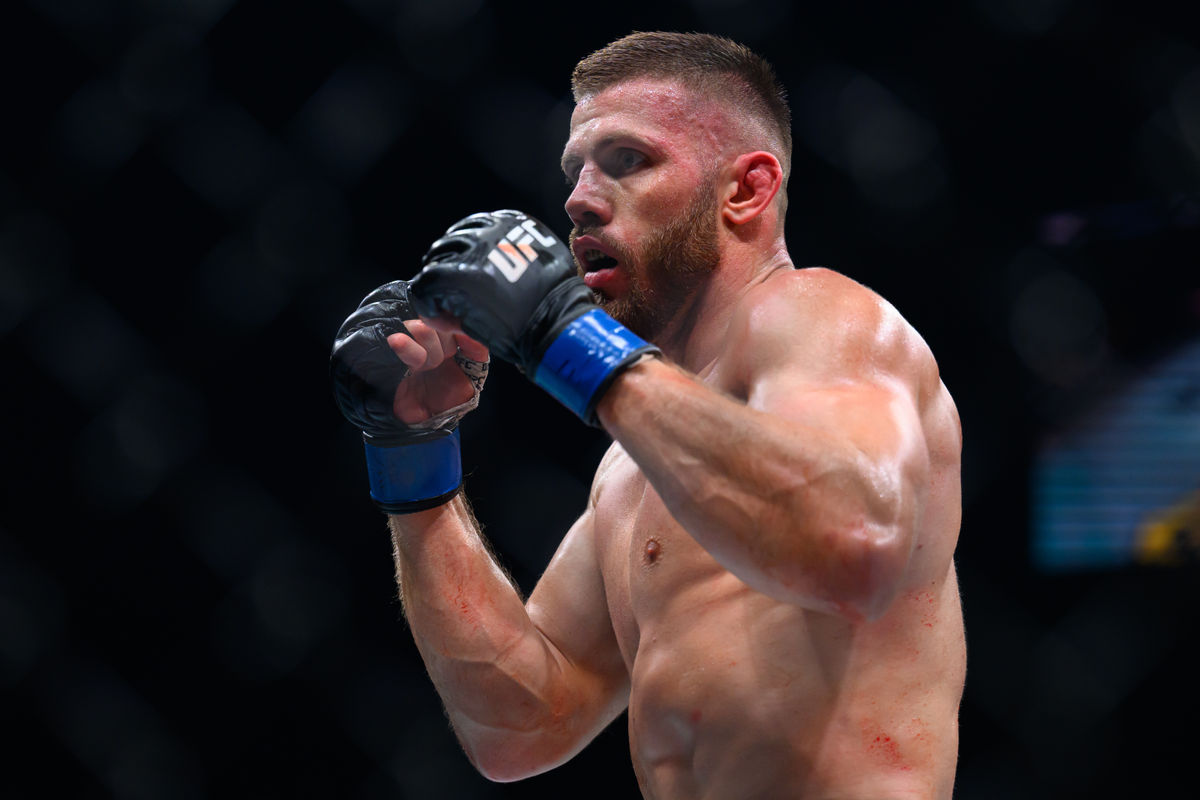
Sep 6, 2025; Paris, FRANCE; Robert Bryczek (blue gloves) fights Brad Tavares (red gloves) during UFC Fight Night at Accor Arena. Mandatory Credit: Per Haljestam-Imagn Images
UFC Vegas 121 takes place Saturday at the Meta APEX, where Raul Rosas Jr. meets Raoni Barcelos in a five-round bantamweight main event. Importantly, Rodolfo Vieira versus Robert Bryczek is not the co-main event on the latest fight-week lineup; Norma Dumont versus Ailin Perez occupies that slot, while Vieira-Bryczek appears on the preliminary card.
From a betting perspective, Vieira-Bryczek remains the card’s most dramatic market reversal. The Ultimate Fighter strawweight final between Tina Black and Melissa Amaya has also flipped decisively, while bettors have pushed back against several initially expensive favorites, including Rosas, Ailin Perez and Rinya Nakamura.
Vieira-Bryczek Flips Completely
No UFC Vegas 121 matchup has produced a more eye-catching reversal than Rodolfo Vieira versus Robert Bryczek. One of the earliest available markets installed Bryczek as a substantial -210 favorite and Vieira as a +177 underdog. Vieira is now approximately -145 to -164 across major books, with Bryczek returning around +122 to +136.
That is a complete change in market opinion. It must be noted that not every sportsbook opened the fight that wide, several initially posted Vieira between -110 and -133, but the overall direction has been unmistakable. The decorated Brazilian jiu-jitsu specialist is now the consensus favorite.
Why did bettors back Vieira? The simplest explanation is that his clearest strength attacks Bryczek’s biggest unanswered question. Vieira owns an elite submission game and has finished three of his last four victories by choke, giving him an obvious path if he can consistently force clinches and takedowns. Bryczek is the more dangerous conventional puncher, but backing him requires confidence that he can keep the fight standing or punish Vieira before the Brazilian establishes control.
Advertisement
There are reasons to resist the steam. Vieira is 36, has lost two consecutive fights and has dropped three of his last four, creating legitimate questions about his durability and conditioning. The market movement does not erase those concerns, it says bettors believe his grappling advantage outweighs them at this level of opposition.
Black Takes Over TUF Final
Our Current Best Offers
Channel debug: betting
The second major reversal comes in the Ultimate Fighter 34 strawweight final. Melissa Amaya opened as a narrow -115 favorite over Tina Black at -101, effectively making the matchup a pick’em with a slight lean toward Amaya. Black has since surged to approximately -210 to -230, leaving Amaya around +176 to +182.
Advertisement
This movement is especially meaningful because it developed steadily rather than following a publicly reported withdrawal or injury. The market appears to have re-evaluated the matchup after weighing the fighters’ experience and the stylistic evidence available from the season. Black brings a considerably deeper professional résumé into the final, while Amaya’s undefeated record may have attracted too much respect in the opening number. The current price implies bettors see Black as the more reliable fighter over three rounds rather than merely a small favorite.
Still, laying more than -200 is different from betting Black near even money. Much of the perceived value has already disappeared. Anyone joining the movement now is paying for the market’s correction rather than anticipating it.
Veterans Attract Underdog Money
The main event has moved toward Raoni Barcelos despite the promotional attention surrounding 21-year-old Raul Rosas Jr. Rosas opened around -205 to -210 but has traded between approximately -155 and -190 during fight week; Barcelos shortened from roughly +173 or +177 into the +130 to +150 range.
Rosas is 17 years younger and enters his first UFC headliner on a five-fight winning streak, but Barcelos is also riding a five-fight streak and represents the younger fighter’s most seasoned test. The movement suggests bettors are questioning whether Rosas can consistently impose his wrestling across five rounds against an experienced opponent with strong defensive fundamentals. This is less a rejection of Rosas’ potential than a declaration that his opening price undervalued Barcelos’ composure and all-around competence.
Advertisement
A similar correction has occurred in the actual co-main event. Perez opened around -200 against Dumont but has dropped to approximately -135 to -145, while Dumont has shortened from +169 to roughly +114 to +120. That is substantial support for Dumont in a potential title eliminator layered with genuine hostility: the fighters have traded personal accusations, and Perez described a previous confrontation at the UFC Performance Institute that required others to intervene.
The bad blood could encourage reckless exchanges, but the market appears to favor Dumont’s experience and measured approach over Perez’s wrestling pressure. Bettors may also believe the opening line overvalued Perez’s recent momentum and promotional visibility.
Big Favorites Come Down
Rinya Nakamura has fallen from an opening -500 against Brady Hiestand to approximately -350 or -360. Mehemmedeli Osmanli has similarly dropped from -400 to around -290, while Rodolfo Bellato has moved from -250 to approximately -180.
Those moves do not necessarily predict upsets. Instead, they suggest the opening prices demanded too much confidence in favorites who still carry meaningful unknowns. The market’s loudest UFC Vegas 121 message is not simply “bet underdogs”; it is that early numbers overrated several prospects while underrating proven skills—Vieira’s submissions, Black’s experience, Barcelos’ veteran craft and Dumont’s steadiness.
Advertisement
The best prices on those corrections are already gone. By Friday, bettors are no longer deciding whether the opening lines were wrong, they are deciding whether the market has corrected them far enough.
For a moment, before everything went very wrong, the U.S. Presidents Cup team jumped out to a 1-up lead in Friday’s first match. That flash of red was hardly a surprise, given the firepower involved on the U.S. side. But a favorite’s early lead can feel like a foregone conclusion — even when it’s not.
That first match was a massive mismatch, after all. It pitted arguably the two best golfers in the world (Scottie Scheffler and Sam Burns, who are 1-2 in DataGolf’s rankings) against arguably the two best golfers in Canada (Nick Taylor and Corey Conners), putting in sharp relief the imbalance between the respective sides.
More evidence of that imbalance? Consider that the U.S. team’s top eight players are ranked higher than the Internationals’ No. 1 (World No. 14 Si Woo Kim). Consider the U.S. team left a player home (No. 12 J.J. Spaun) who’s ranked higher than the Internationals’ No. 1. Consider the U.S. team has two assistant captains (World No. 43 Gary Woodland and No. 50 Keegan Bradley) ranked higher in the world than both Conners (No. 55) and Taylor (No. 85).
And then consider that the U.S. team did not win a single point in Friday’s five foursomes matches. A dream session for the International team was a nightmare for the U.S. side, which now faces a jarring 7-3 deficit heading to the weekend.
Advertisement
So how’d it spin out of control? Slowly, then quickly, and then, at the miserable (or glorious, depending on your perspective) end, all at once.
The ending to each match told the story of what came before. Here’s a snippet from all five:
Match I: Sam’s spinout
Nick Taylor picked an unfortunate time to hit a wayward tee shot — on the final hole, with a 1-up lead over the Scheffler-Burns behemoth, into jail down the right side — but it felt like a fitting result that the two sides would walk off with a tie, given they’d played to a near stalemate all day.
That seemed likely as Conners pitched out sideways with his second, leaving Taylor to hit their third before the Americans had played their approach.
Advertisement
But then Taylor did something heroic, something special, something that added an exclamation point to the first match of his Presidents Cup career: he stuffed his approach from 151 yards to kick-in range, providing redemption and then some.
Still, it seemed like it might not matter. Burns — left staring down a birdie putt from just inside 20 feet — nearly matched those heroics. His putt, line matched with speed, did everything but fall and instead spun out, turning what would have been a match-tying birdie 3 into a match-losing par 4 and leaving both him and Scheffler open-mouthed.
Match II: Sungjae’s session
As they reached the 16th green, a match that had felt in the International side’s control for several hours suddenly felt in doubt.
The high-powered duo of Sungjae Im and Hideki Matsuyama had won four holes in a row — 3-4-5-6 — to flip the match from 1 down to 3 up. But the U.S. side of Jacob Bridgeman and Russell Henley had held steady, and they’d reached the 16th hole just 2 down, and after each side had played two shots they looked like they soon might be 1 down; Matsuyama had 19 feet for par and Bridgeman had just 7.
Advertisement
But then came a classic reversal: Matsuyama’s par try found the bottom of the cup while Bridgeman’s caught the edge and slipped past, bringing the match to a jarring 3-and-2 conclusion.
If these results hold, the U.S. team will have gone 6-24 in alternate shot play in team events since 2023.
The most competitive session was Saturday in the ‘24 PCup in Montreal, when the U.S. went 3-1 after a 5-0 sweep by the Internationals on Friday.
As the day’s action moved to the back nine, the lone red flag on the board belonged to Collin Morikawa and Wyndham Clark, who took a 1-up lead with a birdie at No. 12 and looked determined to break up the International bloc.
But some match-play tropes are true, and one is this: the first ball in usually wins the hole. That proved to be the case at No. 15, when Ryan Fox walked in a 14-footer for birdie and then watched as Morikawa missed from 13 feet. It was also the case at No. 16, when Fox walked in a 19-footer for birdie and Morikawa missed from 10. Clark nearly holed his approach at No. 17, but Morikawa missed the ensuing 5-footer for birdie. When the sides tied the 18th, that match officially went yellow.
Match IV: Great Scott
It was particularly cruel that the only recorded birdie for the high-wattage U.S. twosome of Cameron Young and Justin Thomas came after the whistle.
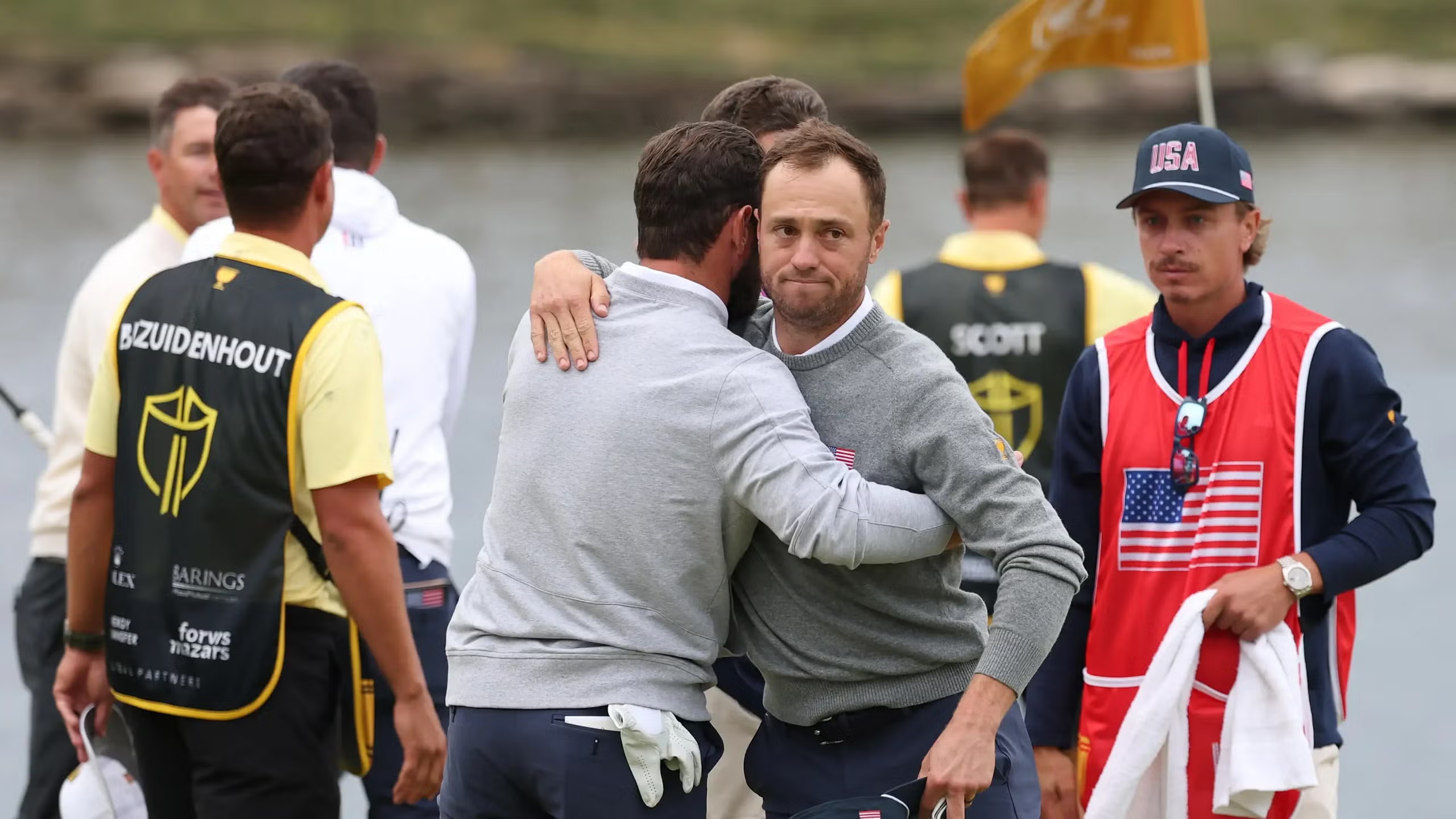
After Christiaan Bezuidenhout had made things official with a shocking 30-footer for birdie from the right edge of the 16th green — they shook hands, cementing the 3-and-2 result — Young rapped his birdie putt anyway, for practice or frustration, and it found the bottom of the cup. (Some U.S. fans cheered, either as general encouragement or just confusion, hard to say which.)
Advertisement
Snedeker was asked post-round about the pairing and said he’d wanted to keep both players in the lineup after what he’d seen from them Thursday.
“That’s one of the things as captain you look back on, maybe when this thing is all over, with it might not have been the right decision, but it seemed like the right decision at the time,” he said. “But love those guys. They battled their ass off today. Just didn’t quite get the right momentum we wanted.”
Match V: Let’s get out of here
Mere moments separated these last three layers of heartbreak: Fox finished the third match with a short putt at 18, then Bezuidenhout’s putt finding the bottom at No. 16, and then, as if to say, to hell with this whole day, Xander Schauffele horseshoed a 3-foot putt at No. 15, putting a quick if undignified end to the 4-and-3 drubbing he and partner Patrick Cantlay suffered at the hands of Si Woo Kim and Tom Kim.
“Luckily the session is over,” Schauffele said post-round. “And we’ve got 70 percent of the points in front of us.”
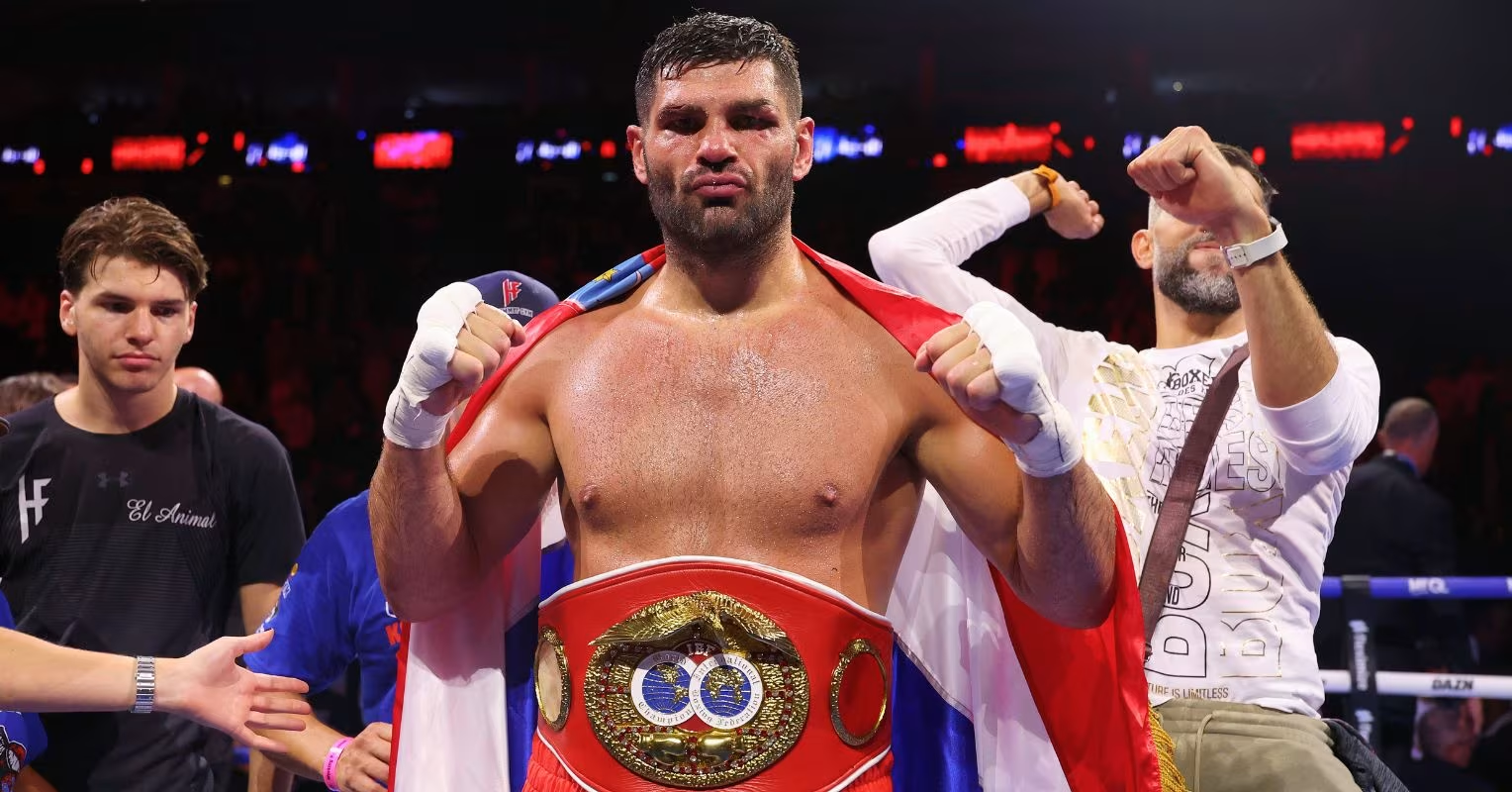
The Croatian became his nation’s first world heavyweight champion last month, causing a major upset by stopping Moses Itauma in round nine.
Not only was Itauma an almighty pre-fight favourite but, for the first eight rounds, he had built a sizable lead and was dominating their contest.
Advertisement
Then came a moment of pure drama when, despite seeming in full control – and having scored a second-round knockdown – the 21-year-old ran desperately short of gas and was suddenly there for the taking.
By claiming the IBF title, the 34-year-old has also positioned himself for a mandatory defence against Frank Sanchez, even if he would rather a unification match against Dubois or Kabayel.
Equally, Hrgovic has told talkSPORT that the respective WBC and IBF champions are unlikely to offer a greater test than Itauma.
Advertisement
“The only option on my mind now is to unify [the] division, because I think I beat the hardest guy in the division [Itauma].
I beat the most talented guy, the fastest guy – and, honestly, without any disrespect, I think fights against Kabayel and Dubois will be easier.
“They’re not so fast, they’re not southpaws … they’re maybe more experienced [than Itauma], and both will be tough fights, but I think I’ll handle them much easier than this kid [Itauma].”
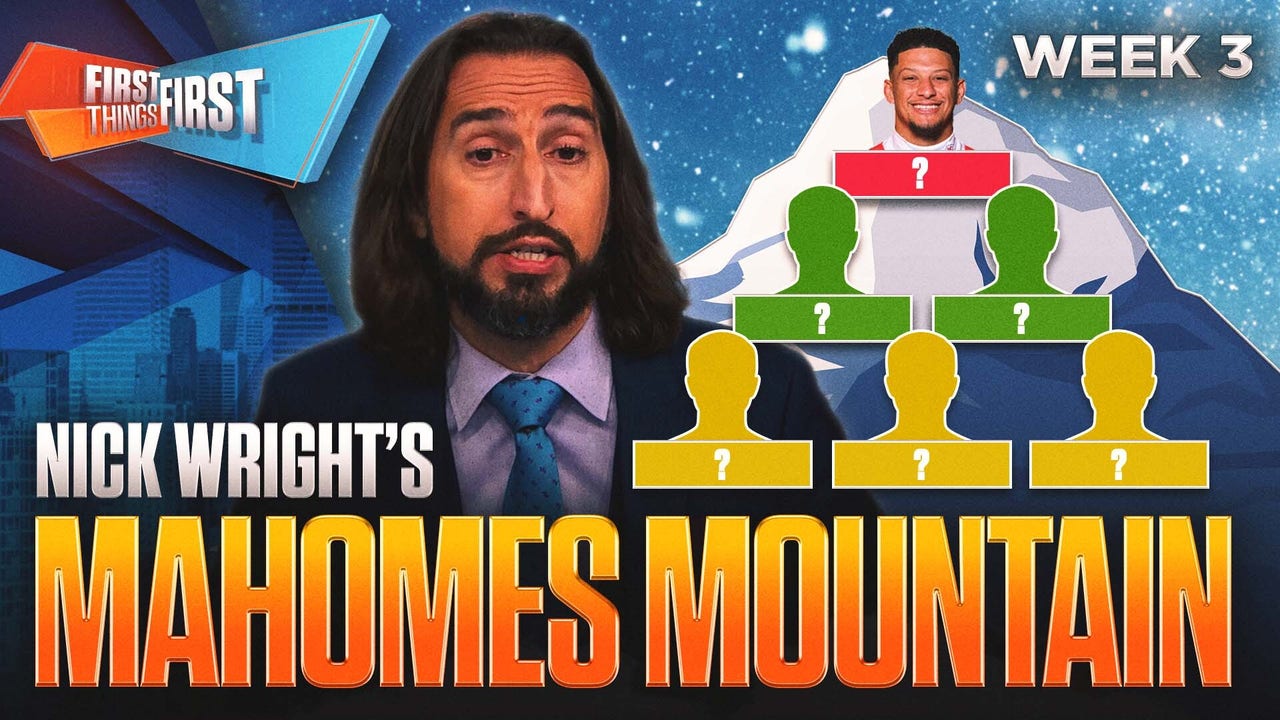
Nick Wright’s quarterback mountain has a new occupant at the top.
Trevor Lawrence’s stay at No. 1 lasted exactly one week, and after a Sunday that included a bad half from Lamar Jackson, a big statistical outing that still wasn’t enough for Patrick Mahomes to take the top spot.
The injury list keeps growing, too. Sam Darnold, Jayden Daniels and Jaxson Dart are all off the mountain due to injuries.
Advertisement
So who does that leave at the top? Here’s how Wright sees the league’s quarterbacks entering Week 3:
Off The Mountain:
Wright: “Sadly, we must start with off the mountain, and the growing list of quarterback injuries. Take a moment, pour one out for 42-year-old Aaron Rodgers. I don’t know if he gets back on the mountain. I don’t know how interested he is in climbing the mountain, and I’m sure it’s all Mike McCarthy’s fault.”
“Jameis Winston is going to be pressed into service. Cam Ward almost got the best win of his career. Malik Willis is in a tough spot.”
On the injury list, Wright said: “Jayden Daniels evidently might not want to have surgery. Jaxson Dart, we’re still awaiting the news on. Darnold could be back soon, but he’s been out, so he’s off the mountain.” Caleb Williams stays eligible: “Caleb hasn’t missed a game yet and might play, so he’s still mountain eligible.”
7th Row:
Wright: “Bake show, It hurts my heart, man. That was rough…I’m glad he got his money.”
“It’s been a rough going of it, Justin Herbert. It’s not your fault, man. What’s not your fault is that you are this polarizing figure in the NFL, that the sycophantic nerds have decided you’re the one $55 million-a-year quarterback in the league that has no accountability to the team’s offensive success whatsoever. It’s Trey Harris’s fault. It’s Jim Harbaugh’s fault. It’s the left guard’s fault.”
Advertisement
“Daniel Jones, Geno stay where they are. Penix makes the mountain just because I believe in him. Deep sleeper, Mariota — I thought he played well, and as far as limited time goes, that’s why he wasn’t on the mountain before now. Deshaun Watson makes the mountain for the first time all year. Couldn’t happen to a better guy.”
6th Row:
Wright: “Sixth row. Jordan Love stays where he is. Drew Lock’s playing well, man.”
“Bo Nix, again, the sliding-door stuff. The Broncos were one quarter away from full-blown panic. They have that. Trevor throws a pick, they have the fourth-quarter comeback, and now maybe they’re feeling like it’s last year all over again. Didn’t play well for three quarters, got it together in the fourth, defense stiffened. You’re not playing the juggernaut Kansas City Chiefs, but Bo Nix got his mojo back. He moves up.”
“Kyler moves up from off the mountain…He’s back. He’s going to be fine. He’s on the same row that he was going into the season.”
“Jacoby Brissett, again, was really good week one, tough week two. That’s going to be Jacoby Brissett. It’s fine.”
Advertisement
5th Row:
Wright: “Fifth row, which happens to be young quarterbacks in different states of transition. Caleb moved down because of his performance before he got injured. We’re not penalizing him for being injured, he just hasn’t missed time yet.”
“Drake Maye had a really, really poor start to this season. I don’t know what we want to attribute it to. I do know that thus far the Patriots’ defense has been better than I thought it would be, and I am more pessimistic about their team than I was going into the year. It’s almost entirely because I don’t know what version of Drake Maye we’re going to get. If you were to ask me what would surprise me more this week, an awesome Drake Maye game or another game like the first two weeks, the awesome game would be more surprising for me. That’s concerning.”
“C.J. (Stroud), I know they only scored six points, but I didn’t think he played terribly against Cincinnati. I thought he played pretty well, saved the final fumble against the Bills in Week One. I think C.J.’s been fine, which the Texans would probably sign up for.”
4th Row:
Advertisement
Wright: “Joe Burrow, who again has been fine, but he usually struggles early in the year. He’ll get better.”
“Jalen Hurts, very interesting game, where they dared him to pass. He did, and it didn’t go well at all until he beat them by passing.”
“Jared Goff, they’ve scored 30-plus in each of their games. That game against the Bills, his numbers were awesome. Now the game got out of hand pretty early, but Goff solidly deserved to move back up.”
3rd Row:
Wright: “The prince’s reign atop the mountain, sadly, was short-lived.”
“Lamar (Jackson) drops just a bit. Disappointing second half, took a couple bad sacks. The pick at the end, I’m not going to kill him for, but it obviously wasn’t great. So he moves down.”
Wright: “Now I know what everyone’s expecting — fresh off 400 yards, three touchdowns, a perfect pass rate, Patrick Mahomes to be atop the mountain. He is not. Row two of the mountain, along with Matthew Stafford. Patrick is going to climb his way up to the top. I am confident in that.”
“Stafford is obviously getting some last-year benefit of the doubt. He’s the reigning MVP. He had a bad game in Australia. He was great last night.”
1st Row:
Wright: “Josh Allen, who is arguably as good as any — not arguably. There is no player, maybe in the history of the NFL, certainly in the league right now, you would rather have quarterbacking your team when it’s pumpkin spice latte season. That is Josh Allen. He is atop the mountain.”
Lacy was called a game-time decision earlier in the week with a shoulder injury, but is now not considered likely to play against the Gators
•
1 min read
Advertisement
Ole Miss star running back Kewan Lacy has been downgraded to doubtful on the team’s Friday injury report due to his left shoulder injury.
Lacy injured his shoulder in the Rebels’ emotional victory over Lane Kiffin and LSU last week, but the initial updates out of Oxford were optimistic. An MRI revealed Lacy wouldn’t require surgery and he was initially listed as questionable, with Ole Miss coach Pete Golding indicating he would be a game-time decision for the Rebels’ ranked battle in The Swamp.
However, just under 24 hours from kickoff, Lacy has been downgraded to doubtful on the team’s injury report, and it seems Ole Miss will head into hostile territory without one of its top offensive weapons. Lacy has 39 carries for 191 yards and four touchdowns this season, rushing for 43 yards and a touchdown before being injured against LSU.
How will Ole Miss look without its star running back?
Should Lacy be unable to play, that further shifts the burden onto star quarterback Trinidad Chambliss‘ shoulders to ignite the Rebels on offense.
Advertisement
With Lacy limited to nine carries against LSU, Ole Miss effectively abandoned the run game after his injury. JT Lindsey had four carries for 20 yards in Lacy’s place, and Chambliss threw the ball 48 times in the victory.
It’d be an aggressive game plan to have a similarly lopsided pass-to-run split for an entire game on the road at Florida, but the Gators were shakier in pass defense than rush defense in their shootout win over Auburn last Saturday.
The Gators will expect a heavy dose of the passing attack if Lacy is unable to go, and the Rebels will need to prove they’re willing and able to run the ball without their star back if they are going to draw Florida’s defense up to the line of scrimmage.
When Nathaniel Spencer, who now is 41, was a high-school golfer at the chock-full-o-athletes IMG Academy in Bradenton, Fla., he talked his way into playing center-back in a scrimmage with the school’s supremely talented soccer team. Among the standouts on the field was Freddy Adu, an attacking midfielder who, at 14, had become the youngest athlete ever to sign a professional contract in the United States when he came to terms with the Major League Soccer team, D.C. United.
Spencer, who had played competetive soccer growing up but only at the local level, said he didn’t know who Adu was; he also didn’t care to know. He wanted only to shut Adu down, and shut him down he did, Spencer said. So suffocating was Spencer’s defense, he said, that the coaches inquired about his interest in joining the team.
“That was a turning point in my life,” Spencer told me the other day. “Do I choose soccer? Do I choose golf? Obviously, I chose golf.”
But it’s not quite that simple, because over the next two-plus decades, Spencer also chased many other pursuits, including but not limited to professional rock climbing, pro disc golf, motorcycle riding (he’s owned five of them), high-level table tennis, all-night Texas Hold ’Em, intensive gym training, the Air Force and making history as a contestant on the hit show, “American Ninja Warrior.” Oh, and did we mention Spencer also quit golf — for 15 years?
Advertisement
Today, Spencer has returned to the game, and in a big way. In 2023, he was named the Kansas Mid-Amateur Player of the Year, and this weekend he will make his first appearance in a United States Golf Association championship: the U.S. Mid-Amateur, which kicks off Saturday at Sand Valley, a sprawling golf resort in central Wisconsin about a nine-hour drive north of Spencer’s Lawrence, Kansas, home.
It’s not unusual for U.S. Mid-Am competitors to take long and winding roads to their first Mid-Am start; in fact, that’s one of the charms of the event. But you’d need to go deep down the tee sheet in this year’s field — or maybe any Mid-Am field — to find a player who took a more circuitous, adventurous or improbable route than Nathaniel Spencer, whose resume reads less middle-aged golfer than Marvel action hero.
Spencer has been lighting up the Kansas amateur golf circuit.
courtesy nathaniel spencer
***
Advertisement
SPENCER GREW UP IN the same town in which he now lives. As a toddler, he would follow his father, Daniel, then a University of Kansas professor, to a local park where Daniel hit golf balls. Soon enough, young Nathaniel was doing the same. That led to range visits, and at age 7, by which time his family had joined Lawrence Country Club, on-course rounds. Nathaniel mostly was self-taught but he improved quickly and soon began playing in local junior events. By his early teens — when he wasn’t blowing fastballs past batters as a standout pitcher — he was playing golf at the national level, in American Junior Golf Association tournaments, which raised his profile and led to his admission to IMG.
During his stint in Bradenton (he was there only for his junior year), Nathaniel was selected to play on a team of top U.S. juniors that included future PGA Tour winners Brian Harman and Patton Kizzire. Nathaniel also spent his time at IMG rebuilding his swing. He was a slender kid and had trained himself to sway through impact for power; his IMG coaches wanted him to put a more “modern” move on the ball, Spencer said, adding, “I probably didn’t come into my swing until maybe my senior year.”
As Spencer tells it, he wasn’t much interested in attending college. He’d seen some of his contemporaries go that route and believed he’d develop more quickly by testing his game in the pro ranks. For a short while, he had financial support from local boosters, but when that dried up, life got tough fast. He bounced among mini tours — the Dakotas Tour, the Gateway Pro Tour, the All Pro Tour — but was struggling to make ends meet. PGA Tour Q-school also was out of reach, because, he said, he couldn’t afford it.
“It was really frustrating for me, because here I was, I was a good player,” he said. “I wasn’t like winning every single time, but I was definitely good enough to be given that opportunity, and I just never was afforded the opportunity. It really upset me.”
Advertisement
Spencer was 23 and fed up with the game, or at least with the barriers that he perceived to be holding him back from progressing in the pro game.
He’d had enough. He was done with golf.
“And that kind of set me on a 15-year journey of just exploring life,” Spencer said.
***
Advertisement
DIVORCING HIMSELF FROM the game wasn’t easy for Spencer. “When you lose purpose in life — there’s a lot of people that, I guess, can relate to that, where they’re either good at something or, for whatever reason, they’re unable to do what they feel like their purpose is,” Spencer said. “For me, it was like, Well, what am I going to do now?”
Spencer needed work, and he found it, he said, by making contacts through pro-am appearances; one of those connections, he said, led to a job with an environmental consulting agency. Around this same time, Spencer said, he began feeding his competitiveness through fitness and weight training.
“Kind of became a gym bro for a little bit,” he said. “Just trying to gain some size since I was always skinny.” Size, speed, strength, agility. Spencer gained all of it. Through long hours at the gym, he said, “I ended up meeting some people that were in special operations, in special warfare and also three-letter agencies,” some of whom encouraged him to pursue that line of work.
Spencer considered it and even trained with his new military pals but ultimately decided the time wasn’t right for that kind of career move. Then one of those friends made another suggestion: Spencer should try out for the TV show “American Ninja Warrior,” which pits contestants against rigorous obstacle courses. As it turned out, the deadline for applying for Season 4 was the next day. Spencer mobilized quickly, shot a bio video and submitted it. The next morning at 4:45 he was awoken by a call from one of the show’s producers. Spencer was in.
Advertisement
A few weeks later, Spencer went to Texas for qualifying, one of about 4,000 hopefuls nationwide seeking one of the 100 finalist spots. He advanced though the first of two rounds and then in the second round announced himself as a legitimate contender when he became the first entrant to finish the course in the allotted time. He was moving on.
With a month between qualifying and the finals, Spencer settled in Houston to train with some of his fellow contestants. “Wiithin like a week of doing it, they were like, ‘Dude, you’re really strong. You just really need to get your finger strength for some of these obstacles that you’re going to go through. You should go head next door.”
Next door, as in the rock-climbing gym. Spencer had long wanted to try rock climbing, and he and his 140-pound frame took to it like a mountain goat to a cliff, progressing at a pace that, as he described it, no one at the facility had ever seen before. “I fell in love with it and I was like all in,” Spencer said. “I was like, okay, maybe this is my purpose.”
But first he had a TV show to try and win. In the first stage of the “American Ninja Warrior” Season 4 finals, which was held on a splashy outdoor set in Las Vegas, 25 of the 100 finalists attempted the course before Spencer — and all 25 failed. Then it was Spencer’s turn: 130 seconds to complete a series of daunting obstacles with names like the Step Slider, the Rolling Log and the Jumping Spider. Reality shows like to fit their contestants into archetypes (i.e., Marketing Specialist, Software Engineer, etc.); Spencer was “Former Pro Golfer.” As he made his way around the course, one of the announcers said, “He’s got great touch — just like a golfer.”
Advertisement
Spencer competing on “American Ninja Warrior.”
American Ninja Warrior
When Spencer hit the final obstacle, a rope wall, he had 16 seconds left to scale it, clamber onto a platform and cross the finish line. It was going to be tight, and it was. Spencer completed the course at the exact instant the clock hit 00:00:00, becoming the first contestant in “American Ninja Warrior” history to do so. Put another way, he had recorded the slowest-ever successful qualifying time in show history.
The producers, Spencer said, were elated that a contestant had finally completed the challenge. So, too, were Spencer’s fellow contestants, he said, “because they were like, ‘Finally, somebody made it. It is possible to make it.’ All the contestants were mobbing me, just congratulating me because they’re like,’Thank you for giving us hope.’”
Spencer didn’t have much time to celebrate. The second stage of qualifying was the next day, but it would not be Spencer’s night. When he was unable to complete the Salmon Ladder — by which competitors use a bar resting on parallel walls to pull themselves up a series of rungs — his “ANW” run was over.
Advertisement
Still, he had developed a new passion by way of his training: scaling walls. Spencer was so enthused by rock climbing that he moved to Texas to hone his skills at what he described as a “hole in the wall” climbing gym. Soon enough, he had a job there. Climbing became his life. Within 10 months, Spencer said, he had advanced to a V11 bouldering level, which is roughly the golf equivalent of a scratch handicap. “Most of the people that get to that level,” Spencer said, “it took them, like, five, six years, even 10 years.” (Spencer also was becoming a bit of a card shark. During this period, he said, he would frequent local casinos and play marathon sessions of Texas Hold ‘Em, once playing consecutively for nearly five days without sleeping.)
Spencer’s athleticism is the stuff of legend among his friends. Curt Wright, who is a 2 handicap and one of Spencer’s golf buddies from Lawrence Country Club, said Spencer is the best putter he’s ever seen — but that his talents extend far beyond taming slippery greens. In 2008, Wright and Spencer spent time together in Cedar Rapids, Iowa, helping to clear out homes after devastating flooding there. On that trip, Wright witnessed Spencer, motivated by a $20 bet, broad jump from the ground into the flatbed of a Ford F-250; that’s about a 40-inch leap. On that same trip, Wright watched in awe as Spencer dangled off stairwells and pulled himself up with one arm. “He was like the Six Million Dollar Man from back in the day,” Wright said. “He’s kind of freaky like that.”
In his Texas days, as Spencer gained confidence in his bouldering ability, he transitioned to outdoor climbing, though without proper training. On a solo expedition to Hueco Tanks State Park in El Paso, he found himself reaching for an unstable handhold. “I just didn’t understand risk, because I always push risk,” he said. The gamble proved costly. Spencer plummeted 35 feet and broke both of his heels. Surgery followed but Spencer bounced back and by the next year was competing internationally in professional climbing events. He also made acer run at qualifying for another season of “American Ninja Warrior” but that quest ended badly when he re-broke one of his heels. The injury resulted in more surgery, two titanium screws in his heel and the end of his “ANW” dreams.
Spencer on the wall.
courtesy nathaniel spencer
Advertisement
***
SPENCER WAS 27 by this point and coming to the same realization about rock-climbing that he had had about golf: It was a hard way to make a living. Through climbing he had made yet more military contacts who convinced him that his physical skills were well suited for a special warfare post. This time around, the timing felt right for Spencer. He entered Air Force training. “I was progressing pretty well,” he said. “I was selected to go to a certain base for top performers.”
But then came another injury, Spencer said, and a physical that turned up a heart issue. Spencer’s supervisors required him to take a break from training, and it soon became clear to him that a special-ops post was out of reach.
Still, Spencer served in the Air Force for four years. The experience, he said, wasn’t what he expected it to be, but he did, on occasion, find golf to be beneficial, because when word got out that he had played professionally, high-ranking officers wanted to play with him. The game provided him entrée. Ultimately, though, Spencer decided a military life wasn’t for him, and in 2020, he said, he was honorably discharged. (The military does not comment on individual discharge cases.)
Advertisement
Spencer was 31 and with more winding roadway still ahead of him.
Spencer wasn’t an Air Force pilot but he did hitch a ride now and again.
courtesy nathaniel spencer
***
AT YET ANOTHER crossroads, Spencer returned home to Lawrence to live with his parents. He was still fighting health issues, he said, including debilitating fatigue.
Advertisement
“I would just go for a run, like one mile, or I’d walking up a hill, and my body was not able to recover,” Spencer said. “It would take me anywhere from two to three or four days to recover. It was a little bit scary.” Spencer thought he might have Lyme disease or Rocky Mountain spotted fever or a food allergy, but a diagnosis eluded doctors. “They did a bunch of tests, and they’re like, ‘We don’t know what this is,’” Spencer said. Eventually, he learned it was a severe acute respiratory syndrome called the Coronavirus. Spencer believes he caught it in the Air Force well before Covid-19 became a household term in the U.S.
“It took two and half years for me to get over it,” he said. “I was not bedridden, but I was almost house-ridden. I wasn’t able to do very much, and I was just constantly tired.”
Finally, mercifully, he began to feel better. He wasn’t ready to get back into the gym but he was craving low-impact physical activity. One sport, in particular, offered exactly what Spencer was seeking: golf. Spencer returned to the game that he had abandoned. Just as valuable as the exercise that the game provided was time outdoors to clear his head. Shot by shot, he started to rediscover his love — and aptitude — for the game.
He regained his amateur status and quickly shot up the Kansas amateur ranks. By the end of the 2023 season, he was named the state’s Mid-Amateur Player of the Year.
Advertisement
Spencer’s competitiveness had returned and, with it, a belief that he could make another run at the pro game.
“It got me focused on a goal, and to kind of get out of what I was going through,” he said.
He found a sponsor and returned to the All Pro Tour, where most events pay out about $20,000 to the winners but require hefty entry fees. Then, Spencer said, his backer bailed on him, just as had happened in his early pro days. He also began experiencing what he described as uncontrollable physical changes, which included putting on 20 pounds “out of nowhere.” He said he lost feel in his game, in his swing. He missed 14 consecutive cuts on the APT.
He was bleeding money.
Advertisement
He was reeling.
Again.
***
SPENCER WAS FACING that familiar question: What do I do now?
Advertisement
He still wanted to play golf. He still wanted to compete. But he couldn’t afford to lay out two or three grand a week to chase his dream. He consulted with the USGA about regaining his amateur status — yes, again. This is the part of Spencer’s story that might draw eye rolls. Spencer gets that. But he also contends that there are professional golfers, and then there are whatever he was.
“If you look at my career in professional golf, I maybe played six or seven events each year,” he said. “Do you know how big of a joke that is? Like, if you were to consider yourself a pro golfer and you’re only playing six or seven events a year. And you’re not even getting a chance to do Monday qualifiers, you never get a chance to do a Q school. I think my total earnings that I’ve ever had was probably somewhere around 20 grand — accumulative for everything.”
The USGA granted Spencer’s request. Earlier this year, he regained his amateur status and didn’t waste time announcing his return. On Aug. 6, Spencer played in the U.S. Mid-Amateur qualifier at Wichita Country Club. Of the 93 players in the field, only three would earn a tee time at Sand Valley.
Spencer made a front-nine eagle and birdie to turn in three under, which left him well positioned to nab one of the qualifying spots. But when he bogeyed the 10th, he figured he’d need to play the last eight holes in at least one under to secure a place.
Advertisement
On 16, a par-5, he lipped out for birdie from seven feet. On 17, a par-3, he hit what he thought was a perfect 5-iron but the ball rolled just past the pin and over the green; another par. On 18, a par-4, he hit a horrid drive that left him by the 16th green. From there, he hit a blind shot over trees that left him short of the green and with a 40-foot chip. “As I’m walking up to my ball, I just kept telling myself, ‘I need to make this,’” Spencer recalled. “I’m gonna chip this in, and I can see that I can chip this in. I know I can do this.”
You know what happened next: Spencer’s visualization became a reality. That moment, he said, felt like a microcosm of his life’s journey. “I’ve done a lot of wild stuff, just truly unimaginable stuff,” he said. “And I’ve always found that I’ve had the ability to scramble to make things happen.”
Spencer’s pals at Lawrence Country Club can attest. So adept is Spencer at hitting a clutch shots and crushing souls in money games that his playing partners have dubbed him “One Upper.” When his friend Curt Wright, who is 65, recently shot his all-time low round of 66, Spencer congratulated his pal before informing him that earlier that day he’d posted a 64.
Spencer, who never has been to Sand Valley, has no expectations for the Mid-Amateur. “The world works in weird ways,” he said. “You can be really confident and it cannot work out for you. Or you can come in and be struggling, and then you tee it up and somehow you end up starting to play the most amazing golf of your life.”
Advertisement
Still, he can’t help but visualize how the week, in a dream scenario, could unfold.
“How crazy of a storyline would it be if I ended up winning?” he said. “And then I get to go to the Masters, and then the possibilities — if I was the first amateur to win the Masters, how crazy of a storyline would that be? That’s, I guess, the inspiration that I have: How crazy of a story can I make this?”












































































;)
;)
;)
;)










































You must be logged in to post a comment Login