ProfessorBoots has tons of experience 3D-printing remote excavators that can climb boxes, scoop dirt, and crush cans. His latest version parks a three-axis camera in the cab and wires a chair that copies the layout of a full size machine, so a look to the left turns the camera left and a pair of pedals drive the tracks. The result is a backyard digger you operate as if you were sitting in a Caterpillar, only without diesel and without twenty acres.
CADDXFPV sent him a GM3 combo in February, a 46-gram gimbal that tracked head movements using Avatar HD goggles and held a 19-millimeter camera by pitch, roll, and yaw. He installed the first unit on a wheel loader and tested the Goggles L, which cost $199. At first, gazing around simply turning his head seemed bizarre in the greatest possible ways. The articulated steering on that loader shifted the vision in ways that his head did not, and the original cab simply would not fit over the camera. He let the idea lay for a time until that larger, tougher excavator was ready.
A1 mini + LED Lamp Kit for Creative Light Projects: Bring your ideas to life with the included LED Lamp Kit. Simply print compatible lamp models and…
The Perfect 3D Printer for Beginners: A1 mini 3D Printer is designed to make 3D printing easy from day one with automatic calibration, simple setup…
Experience the Bambu Lab Ecosystem: Access MakerWorld’s huge library of ready-to-print models, manage prints through the Bambu Handy app, and enjoy…
Fitting the gimbal required a significant expansion of the cab. He imported the camera model into CAD, cloned the previous cab, removed the most of the floor, and created a new frame with a hint of design. Because the video transmitter warms up enough to potentially burn skin, he added a printed enclosure to keep a fan above it rather than beneath the lens. An aesthetic bar across the front was supposed to clip the camera when tilted, but it didn’t work out, so he ripped it out, checked clearance, and reprinted the part. The FPV gear draws power from the same battery as the excavator and operates independently, thus the same camera works on both the ESP32-robotic and the conventional radio versions.
First-person view made some jobs much easier, like being able to glance down and see the pins instead of guessing from across the yard while coupling a bucket or thumb certainly sped things up. In reality, he drove the machine to a neighbor’s card shop with a $10 payment and a handwritten message simply because he could. Nobody answered the door on his first visit, but a later knock ultimately got him in. Many RC builders do not get to compose sentences like this.
Even with the handheld transmitter, he felt like he was playing with a toy. He desired swing and dipper on the left stick, boom, bucket, and thumb on the right, and footprints on his feet. Early on in the project, two ESP32 boards communicating via ESP-NOW accomplished this without the need to hack open a radio. Early joysticks were simply assembled from a game controller with some printed extensions and springs purchased from Harbor Freight. The joysticks were dead in the middle, making fine motions clumsy, and the springs were simply too soft overall. He rebuilt the sticks with 10K potentiometers and bearings, superglued down the handles, and replaced the soft springs with firmer ones. The code now samples the resting point at boot-up and sets it as the center, so worn pots and printed parts that shift slightly over time do not cause problems.
Pedals began with a basic potentiometer pivot that allowed for proportional speed control. What happened next was a bit of a hack: both feet lifted the entire base off the ground. Then he added a printed lock, moved the spring supports further out to enhance resistance, and replaced the soldered wires with tidy plugs, allowing the entire pedal unit to be easily removed from the chair. It turns out that the signal dropouts he was seeing were caused by a residual board setting from the Bluepad32 days. Swapping the sketch to a standard ESP32 development board significantly reduced the lag. Later, a small custom PCB arrived and resolved the tangled wiring by mounting everything on neatly organized terminal blocks. He also added a fuse, battery mounts, and a power switch to prevent anything from being soldered directly to the chip.
The chair’s PLA began warping in the summer heat, pulling a spring plate completely out of shape. So he recreated the chair pieces in PETG but preserved the existing pots and bearings. Not long after, he created a desk-mounted version with the same controls, but without the office chair. Yeah, it turns out you can build the entire thing for about $60, assuming you already have an excavator and a chair. To be honest, he prefers the cheaper Goggles L more than the costly pair he purchased later. The pricey ones leaked light and required some printed shims to fix.
The ESP-NOW has a somewhat lesser range than a typical radio, but it nevertheless managed to control the machine in the yard from indoors. The problem was that it only worked for about thirty minutes before becoming clogged with dirt. His brother tested the chair and reported that it felt similar to a real excavator. Later, he used the same goggles to check under a porch to see if a neighbor’s cat was hiding; he had to tape a headlamp to the goggles to get a good look. Voltage sag killed the feed on the first pass, however fresh batteries fixed it no trouble. Unfortunately, that particular location wound up on a shortlist alongside crawl spaces and wasp nests.
More than 200,000 barrels of low-level radioactive waste were stored on the floor of the Atlantic Ocean between 1949 and 1982, reports ScienceAlert.
Whatever happened to those barrels?
Scientists have descended to the wreckage in a crewed submersible to investigate — and found many of the barrels corroded and degraded, their contents spilling across the seafloor. Surprisingly, this isn’t necessarily a subversion of the original plan… The International Atomic Energy Agency recommends that low-level waste be disposed of in robust containment in isolation for at least a few hundred years — but back in the mid-20th century, the recommendations were a little different. The contemporaneous guidelines recommended that containers needed to reach the seafloor intact and remain sealed only long enough for the short-lived radionuclides to decay. After that, the remaining waste was expected to slowly escape and disperse through the surrounding ocean. Not everything in the barrels would conveniently decay away, however. They contained a radioactive hodgepodge, including cesium-137, plutonium isotopes, and tritium, some of which can persist for thousands of years…
[A] few years ago, nuclear engineer Patrick Chardon and marine geologist Javier Escartín of the French National Center for Scientific Research started to wonder what had become of the dumped waste. That question eventually became NODSSUM — Nuclear Ocean Dump Site Survey Monitoring — an interdisciplinary project bringing together nuclear physics, geology, oceanography, biology, and marine chemistry to find the barrels and investigate what, if anything, they were doing to the surrounding environment…. [T]he barrels also appeared to function as tiny oases on the otherwise sparsely populated sandy seafloor. Anemones had attached themselves to the barrels. Sponges, sea cucumbers, fish, and crustaceans lived around them, with crabs apparently particularly fond of the artificial shelters…
Advertisement
Instruments aboard the ship detected significant signals of cobalt-60 and niobium-94, which the researchers could specifically link to the dumped waste… [Samples are now being analyzed] There is precedent, however, to suggest that even striking levels of radioactivity around a source don’t necessarily spread very far. A recent study of the sunken Soviet submarine Komsomolets found radionuclide levels hundreds of thousands of times above background immediately around the leaking reactor — but those levels dropped sharply within just a few meters as the material dispersed through the seawater. The NODSSUM team similarly found that, despite the significant radioactive signals around the barrels, activity levels weren’t high enough to pose major radiation-protection problems for the scientists handling the samples. [Their three-person submersible] Nautile and the instruments it carried showed no signs of contamination.
The real achievement was mapping the exact location of the barrels. “None of this means the waste is harmless,” the article concludes — but it also doesn’t mean we’re about to be overrun by radioactive crabs.”
An even better attempt at a pair of wireless headphones that shore up some of the weaknesses of the original and are boosted in other areas. Better sound, strong noise cancellation, longer battery life and better integration with a Sonos system make this a more convincing effort that is distinctly Sonos in flavour
Excellent comfort (again)
Strong noise-cancelling (again)
Better levels of detail than the original Ace
Headphone Linking
Longer battery life
ANC arguably just short of Sony and Bose
Sony and Sennheiser sound more musical
Call quality is average
Key Features
Advertisement
Review Price:
£399
Headphone Linking
Advertisement
Connect directly to any Sonos speaker in the home
Battery life
Advertisement
Up to 35 hours on a single charge
Wired listening
Advertisement
Up to 16-bit/44.1kHz over cable
Introduction
By all accounts, Sonos’ first pair of headphones were a solid affair. For a company not synonymous with the headphones, it was a good first effort. But good is the enemy of great.
So here we are, a couple of years later with the Ace Ultra. The noise cancellation has been beefed up, sound quality improved, battery life extended and still the same lovely ergonomics that worked so well the first time around.
Advertisement
There was room for improvement, and with the Ace Ultra, Sonos has learnt a few lessons for – spoiler alert – a pretty terrific pair of wireless headphones.
Advertisement
Design
Very comfortable
Replaceable battery
Physical buttons
If there’s a difference between the Ace and the Ace Ultra in terms of design, then I can’t see it. Unless something structurally inside has changed, these appear to be the same headphones with a slim profile that feel as if they’re vacuum-formed to my head.
Like the original, they fit like a pair of slippers, and while the sense of comfort is not as plush as others, they are very comfortable to wear, even for a glasses wearer like myself.
Image Credit (Trusted Reviews)
There’s plenty of space for my large lugholes to fit, and while the clamping force is on the tighter side, the pressure isn’t uncomfortable. The fit is secure, with a stepless slider to adjust things. I’ve worn these headphones for hours straight and the only problem I’ve had is a bit of pinching from not placing the headphones on properly.
They’re not collapsible, though, and left from right is easily figured out thanks to the contrasting colours inside the earcups. The earcups remain detachable, and you can replace the battery with Replacement Battery Kit for £25.
Advertisement
Advertisement
Image Credit (Trusted Reviews)
There’s no change in the way the Ace Ultra operate either, using physical controls over touch. The Content Key is where most of the action happens, covering playback, volume and calls. Just like before, hold it down and it initiates audio swap between the headphones and a Sonos soundbar, but Sonos has added another trick in the form of Headphone Linking. More on that later.
Other buttons include the Power/Bluetooth on the left earcup, while on the right it’s the ANC button for switching through the ambient sound modes. You can tweak the ANC button, but customisation is limited to which modes to cycle through.
Image Credit (Trusted Reviews)
I never really talked about the look of the original Ace but I did think they were a classy pair of headphones; the slim profile and minimal silhouette made for an elegant, sophisticated appearance that carries over to the Ace Ultra.
The black and white colourways made them less distinctive but this time around, Sonos has furnished the line-up with Agave and Sand finishes; the latter is the version you see. The glossy accents contribute to what feels like a premium pair of wireless headphones, not something you can say about the rest of the competition.
Advertisement
Advertisement
Image Credit (Trusted Reviews)
There’s a carry case for travel, and in a change from before, all the cases are black but the Sonos branding is etched in the colour of the headphones; and inside is the same colour too. The case can get marked and scruffy looking if you travel with it a lot, and the zip is still annoying to deal with as it doesn’t always easily unzip.
Sonos retains the smaller internal case where the cables reside, that detaches and attaches to the main case via a magnet. Cables include a USB-C to 3.5mm and USB-C cable for charging/audio (there’s no 3.5mm input on the Ace Ultra).
Image Credit (Trusted Reviews)
Features
Dolby Head-Tracking
Snapdragon Sound support
Works with refreshed Sonos app
Bluetooth-wise, not much has changed. Wireless support has been pushed to Bluetooth 6 but you won’t gain much from that unless you have a compatible source.
Advertisement
Codecs include SBC, AAC and aptX Adaptive (Snapdragon Sound), and the connection has barely faltered while walking through London or airports and train stations. For Snapdragon Sound, you’ll also need a compatible source to benefit from the higher level of performance that codec brings.
There’s Bluetooth multipoint to connect to two devices simultaneously, though this isn’t enabled by default in the app.
Advertisement
Image Credit (Trusted Reviews)
Speaking of the app, Sonos has overhauled it after the massive criticism it received around the time of the original Ace. I won’t write too much about the app itself here, but it does feel more responsive with many features that went missing restored.
To adjust the settings of the Ace Ultra, the app needs access to Wi-Fi, which feels like an odd restriction but the app is meant to run off a Wi-Fi signal and not your mobile data. If you’re out and about and want to adjust something, you’ll find there’s no access to the app. If you’re connected to a different Wi-Fi network, you can still adjust the headphones settings, though you won’t have access to your full Sonos set-up.
In the Headphones section of the app you can customise the headphones’ name, monitor battery life, adjust Noise Control (ANC), toggle on Adaptive ANC, Sidetone or Voice Boost with the Aware Mode.
Advertisement
The Ace Ultra also features more in-depth EQ settings. Before you could alter bass and treble, left/right balance and Loudness. Now you can customise the mids, give bass and treble a boost at lower volumes, and with the Adaptive EQ, the headphones can adapt based on how the headphones fit your head.
Advertisement
That’s further aided by the Advanced 8-band EQ that also allows you to play with the Gain setting of the headphones for the more advanced users out there.
Image Credit (Trusted Reviews)
TV Audio Swap is back, and if you have a Sonos soundbar, the Ace Ultra can connect directly over Wi-Fi to play audio through the headphones. The Ace proved it worked and nothing’s changed with the Ace Ultra. Press and hold the Content Key when you’re near the soundbar and it’ll zap audio to the headphones.
TrueCinema can adapt the tuning of the sound to your room, and there’s also spatialised audio and head-tracking so what you’re hearing stays in place while you move your head.
Of more interest is a feature I thought the Ace would bring but makes its debut with the Ace Ultra in Headphone Linking, which is currently in Early Access. It’s only been made possible thanks to improvements in the Sonos app platform (thanks to the Sonos27 AI upgrade), and the hardware in the Ace Ultra, but you can now extract audio from a nearby Sonos speaker and fling it back to and from the headphones.
Advertisement
Advertisement
Like with TV Audio Swap, you have to press and hold the Content Key to initiate the switch and it works, though I will caveat by mentioning that the first few times you try it, it does take slightly longer than you might expect for the exchange to work.
Image Credit (Trusted Reviews)
It’s meant to work by line of sight, figuring out which is the nearest speaker, but if you have multiple speakers near each other, the Ace Ultra may extract or pick up sound from a speaker you didn’t want to. In my living room, with a Beam Ultra and Era 300, the headphones picked up the audio of Project Hail Mary from the Beam and when I tried to send it back, it went to the Era 300 instead. It helps to be close to whichever speaker to avoid any issues.
But once it’s up and running, the Headphone Linking gets quicker. It gets used to where speakers are in your set-up, the linking gets the quicker the more you use it. It becomes a magic sleight of hand after a while, and speaks to what I wrote pre-release with this feature really tapping into what Sonos can offer with its ecosystem.
Battery Life
35 hours with ANC
Rapid Charging
Power Saving Mode
Battery life with the previous Ace was around 30 hours with ANC on, and that proved to be true via testing. Sonos claims the Ace Ultra pushes that to 35 hours with ANC or Aware mode on, and guess what, Sonos is on the money.
Advertisement
A three-hour battery drain at 50% volume saw the headphones fall by 8%. Do the maths and that’s around 38 hours of battery life, so arguably you can get a bit more life from the headphones over daily and weekly use.
Advertisement
Image Credit (Trusted Reviews)
Fast, or Rapid Charging, as Sonos calls it, provides three more hours from a three-minute charge. It’s enabled by default, but If you don’t want it, you can disable. If you have depleted the battery, a full recharge takes about three hours to do.
In the app there’s a Power Saving Mode, though enabling this does limit features such as volume, Noise Control and head tracking.
Noise Cancellation
Strong performance
Natural Ambient Sound mode
Average call quality
Here’s the thing about the Ace Ultra’s noise cancelling performance. It is better than the original Ace, but I can’t quite tell you how it’s better. Bear with me.
Advertisement
The levels of suppression seem fairly similar but it’s the tone, if that makes sense, that seems to cut through and thin out noise better than the previous model. In real-world use, the Ace Ultra is very good – it subdues most sounds walking through London and busy hubs such as Farringdon, Soho and Canary Wharf. Wearing these headphones feels like you’re in your own space, and it tackles people’s voices well, with traffic and footfall in places like Oxford Street not an issue.
On transport, it’s very effective too. Wearing them on a plane, the journey was quiet. On public transport and there were times where I forgot I was wearing the headphones – it’s a constant bubble of mostly silence.
Advertisement
Image Credit (Trusted Reviews)
The Aware Mode picks up from before in sounding so natural and clear that there’s no difference I can pick up on wearing the headphones or taking them off. This has always been a strength of the Ace headphones and you can pick up on announcements easily without straining to hear what’s said.
I did critique the older model as it wasn’t the best for having conversations with the headphones on. There’s now a Voice Boost mode that picks up on voices when the headphones are in Aware Mode, but I struggle to listen to music and hear someone speak at the same time, so I pause music and I’ve easily been able to have conversations with others while still wearing them.
Compared to the cream of the crop in the headphones market, I’d say the Ace Ultra are competitive but not at the top of the table. Both the Sony WH-1000XM6 and Bose QuietComfort Ultra Headphones Gen 2 squash sound slightly better, but the differences are minimal. I’d say the Sonos Ace Ultra is on the same level as the Sennheiser Momentum 5 Wireless, and that’s an excellent noise canceller.
Advertisement
Image Credit (Trusted Reviews)
There are a couple of other things to note though. There was some crackling as a plane shook during take-off but I’ve not had this issue anywhere else. On a more positive note it does handle wind noise very well, blustery conditions slide past the headphones’ microphones.
Call quality, however, is not the best. Like the Sennheiser, it focuses on your voice but also lets background sounds in, so your voice is still having to compete against what’s around you. The person on the other end did mention there was a slightly mumbly pick up to voice quality. Sony is better in this instance.
Advertisement
Sound Quality
More detail and insight than original
Weighty bass
USB-C audio
On the sound front it’s still a 40mm custom dynamic drivers, though Sonos says these are “all-new”. With the older model I mentioned that I could listen to them for hours, and the same is true with the Ace Ultra. They have a sound that’s very ‘comfortable’ and that’s assisted by increased levels of detail and clarity over the original.
An issue I found over time with the original was the tone of the headphones. As comfortable as they sounded, they weren’t the most defined or expressive compared to their rivals. The Ace Ultra sound more expressive, bring a few degrees more dynamism to tracks, and revealing more detail – these new headphones are more insightful and a better performer.
Advertisement
Bass has a nice weight and tone to it in a track like Faye Webster’s Better Distractions, the midrange comes through with good sense of clarity and detail, along with a soundstage that’s wide and spacious if a little flat in terms of depth compared to the competition.
Image Credit (Trusted Reviews)
The Sony WH-1000XM6 brings more presence to vocals in tracks, as well as more nuance emotion to voices too. But towards the edges of the soundstage, the Sony can sound a little squashed compared to the Sonos; but I’d still prefer the Sony as it sounds more expressive. Treble in Isfar Sarabaski’s Swan Lake also sound a little blunted, not as bright or as detailed as the Sony can manage.
And the Ace Ultra are still a pair of headphones that need a nudge on the volume level as they can sound flat in the energy and excitement stakes. The neutral, flat approach to the frequency range is what the headphones are going for, but I do find the likes of the Sony and Sennheiser to more expressive, fluid and musical.
Advertisement
I’d say Sony and Sennheiser sound more natural and defter with music than the Ace Ultra – the tone of instruments and voices that both those headphones hit with Phoebe Bridgers’ Haunted presents the track with more insight than the Ace Ultra. It’s not a massive difference, but tonally and in terms of detail and insight, I still find Sonos lacking a little. But this is just Sonos’ second headphone, Sony and Sennheiser have a leg up in terms of experience.
Image Credit (Trusted Reviews)
Advertisement
The Ace Ultra supports lossless audio via wired input, though Sonos says this is limited to 16-bit/48kHz – the Bose QC Ultra Headphones Gen 2 offer 24-bit/192kHz as a point of comparison.
The tone is the same but the sense of spaciousness goes up a level, as do detail, clarity and levels of insight. I’d still say that highs aren’t the brightest but the extra resolution does help the Ace Ultra sound better in all aspects compared to Bluetooth.
If you want the best sound from the Ace Ultra, hook them up via USB-C and give them a high quality source and they’ll shine.
Advertisement
Should you buy it?
You’re a Sonos customer
There are benefits in a few areas over the original Ace, but the one that will appeal to Sonos customers is flinging audio from the headphones to a speaker, and that works well. Here’s hoping there’s more integration planned for the future.
Advertisement
You are after the outright best
Sony and Bose are still, arguably, better for noise cancellation. Call quality could be better too, and in terms of sound, there are rivals who are music musical than the Sonos.
Advertisement
Final Thoughts
I described the original Ace headphones as “mostly a success”, and the Ace Ultra build on that to become one of the best wireless headphones you can buy at a less expensive price than the original.
That said, it’s not as if Sonos has to change much, but what it has tweaked and adapted has created a better all-round effort than before. Comfort remains excellent, as does the simple method of control.
Noise cancellation is competitive with the best, the Ambient Mode is excellent, and battery life has been improved. The new drivers reap more detail and clarity from music than before and more extensive EQ options give users the chance to tweak and shape the profile more to how they like.
As good as that sounds, there are better sounding efforts in the form of the Sony WH-1000XM6 and Sennheiser Momentum 5 Wireless, both of which sound more natural (in their own ways), more fluent, as well as offering more insight. But take nothing away from the Ace Ultra’s balanced and detailed approach. It’s better than the original and compares well to its major rivals.
The Ace Ultra headphones are a more successful effort, and benefit from Sonos being ‘more Sonos’ and leaning into what they do best, especially on the features side. Sonos’ headphone game is now on point, delivering a more convincing pair at the second time of asking.
Advertisement
Advertisement
How We Test
The Sonos Ace Ultra were tested over the course of two weeks, compared to price rivals, with the ANC and call quality tested in real world environments.
A battery drain was carried out over three hours; with the headphones also used with other Sonos speakers and the Beam Ultra soundbar.
After two years of hints and hype, Sony finally released its first RGB backlit TVs this year, which they’re calling “True RGB.” We’ve reported on this technology for over a year, having seen prototypes in Japan as early as 2024. And now True RGB TVs are available for consumers to purchase. Our own Al Griffin reviewed the BRAVIA 7 II earlier this summer and now we’re covering the flagship BRAVIA 9 II (BRAVIA Nine Mark II). Is it Sony’s best performing TV ever, able to best the company’s Quantum Dot Mini LED TVs and perhaps even rival their OLED TVs? Read on to find out.
Sony BRAVIA 9 II True RGB TV.
What Is It?
Replacing the company’s Mini-LED flagship, the BRAVIA 9, the new “BRAVIA 9 Mark II” model (aka “XR90M2”), features an entirely new backlighting system which uses individual lighting elements for each of the primary colors: red, green and blue, instead of its predecessor’s blue LED backlight system. With RGB backlights, Sony says they are able to reach higher peak brightness levels at greater efficiency, improve both color accuracy and saturation and extend the color gamut so that more of the colors available in the real world can be captured by the TV. Our measurements and subjective viewing confirm most of these claims, though we didn’t specifically measure power efficiency.
Instead of a white or blue LED backlight, Sony’s TRUE RGB TVs feature independent backlight elements for the three primary colors, enabling a wider color gamut.
Because these RGB backlit TVs use a traditional LCD panel to create the image, they can be manufactured in larger screen sizes than OLED TVs. While OLED TVs currently max out at 83 inches (or, in some cases, 97 inches for very expensive models), Sony’s BRAVIA 9 II is available in screen sizes from 65 inches up to 115 inches.
The BRAVIA 9 II is built on Google TV, with access to thousands of audio and video streaming apps as well as Google Home smart home integration. For AI features, the BRAVIA 9 II has Google Gemini on-board for improved search, deep dives and content recommendations. The set also includes some exclusive goodies like access to Sony’s high quality Sony Pictures Core streaming service as well as support for DTS:X surround sound on both the Sony Pictures Core app and on select IMAX Enhanced titles on the Disney+ streaming service (requires separate subscription).
The BRAVIA 9 II features the Google TV with Gemini.
Great Picture, Less Fiddling
According to Sony’s own research, more than 87% of TV owners never adjust the picture settings on their TVs. With this in mind, Sony is making a concerted effort to optimize the picture settings automatically with features like an ambient light sensor, automatic calibration modes for services such as Netflix and Amazon Prime Video and a new “My Cinema” setting that allows users to set defaults for both picture and sound for various types of content. Sony also provides a “Professional” mode which comes pretty close to reference monitor accuracy right out of the box. And it’s a good thing it does, because Sony removed access to advanced CMS (color management system) adjustments in this year’s TVs.
The BRAVIA 9 II is Sony’s first set to include the company’s Immersive Black Screen Pro technology. This is a screen coating that reduces the direct reflection of ambient light on the screen. It’s designed to allow you to watch TV in bright rooms without the picture getting completely washed out, or lamps or sunlight being reflected back at the viewer like a mirror. In actual operation, it behaves similarly to Samsung’s Glare Free screen coating, but the Sony version does not exhibit any hint of color shift in content which features pure black.
In Japan, we saw a BRAVIA 9 II with half of its “Immersive Black Screen Pro” coating removed so we could more clearly see the effect of the anti-reflective coating.
Industrial Design
As far as visual styling goes, the BRAVIA 9 II offers a traditional slim bezel – all screen, very little border. Sony is partnering with frame maker Leon to provide custom frames for the BRAVIA 9 II to make the TV look more like artwork when not in active use. More details will be available for this option later this year.
The BRAVIA 9 II remote control is rechargeable and features full backlighting as well as a direct input select button (which we like to see).
The BRAVIA 9 II can be wall mounted or set on a stand or credenza. The actual stand offers a neat party trick where a lenticular cover on the stand can effectively make wires behind the stand disappear while light can pass through the stand from front to back. The transparent effect of this “Mirage” stand only works with thin objects (like power and HDMI cables) and it actually is effective at creating the illusion of a floating screen with no visible wires.
The BRAVIA 9 II’s mirage stand allows light to pass through its lenticular panel while making cables behind it virtually invisible.
Connectivity
The BRAVIA 9 II includes four HDMI ports, two of which are HDMI 2.1 and two of which are HDMI 2.0B. One of the HDMI 2.1 ports is the set’s HDMI ARC/eARC port, for connection to a separate soundbar or sound system, leaving just one HDMI 2.1 port for direct connection of a gaming console or gaming PC. There’s also an RF input for antenna/cable, with an ATSC 3.0 (NextGen TV) tuner on board for reception of high quality local over the air TV broadcasts at up to 4K resolution. This is great for watching “event TV” like awards shows and major sporting events without the need for a paid streaming service subscription.
The BRAVIA 9 II features four HDMI ports but only two support HDMI 2.1.
There are also two USB ports for media playback or to supply power for a connected streaming stick, an Ethernet port, and a 3.5mm S-Center Speaker input for use with a sound bar or audio system that supports Sony’s Acoustic Center Sync feature.
Wireless connectivity includes Wi-Fi 6E and Bluetooth 5.3. The BRAVIA 9 II supports Apple AirPlay 2 as well as Google Cast for streaming both audio and video content from a phone, tablet or computer. We tested Google Cast audio from the Amazon Music app on an Android phone and found that it even supported wireless multi-channel Dolby Atmos music playback – a nice perk for those who enjoy listening to music in immersive surround sound and don’t want to have to connect a separate streaming box.
Advertisement
Advertisement. Scroll to continue reading.
HDMI 2.1 vs. HDMI 2.0B – What’s the Difference?
For most video sources, such as 4K Blu-ray Disc Players and Kaleidescape media players, HDMI 2.0B is more than up to the task of reproducing high quality 4K/HDR content, including Dolby Vision, HDR10 and HLG HDR as well as BT.2020 color gamut. But for gaming, HDMI 2.1 really is a better option as it supports Variable Refresh Rate (VRR) content with high frame rates as well as Auto Low Latency Mode (ALLM). If you’re a hard core gamer with multiple gaming rigs, you might consider connecting additional consoles or PCs into a receiver. HDMI switch or soundbar which offers HDMI 2.1 passthrough.
The Set Up
Having tested just about every brand’s Smart TV platforms over the years, Google TV is one of my favorites. If you have a Google account, and use that account across different streaming platforms, the set can pass your secure passwords onto various streaming services once you’re logged into your Google account. This makes adding your subscribed apps to the TV a much simpler proposition. And in operation, Google TV offers a fairly smooth and intuitive operation, though content recommendations definitely skew toward favoring YouTube (itself a Google-owned platform).
Sony Pictures Core streaming service is exclusive to select Sony TVs and game consoles.
If you want to check out the Sony Pictures Core app, you will need a separate account for that, and the TV comes with credits you can use to buy or rent titles from the SPC platform. Sony Pictures Core’s “Pure Stream” feature offers high bandwidth rates of up to 80 Mbps, which leads to a very clean and high quality streaming experience. It also includes the option for DTS:X and IMAX Enhanced sound on select titles.
I’d normally recommend using a hard-wired ethernet connection to the TV if you are a heavy streaming user and want to avoid any buffering due to WiFi, but we did notice that the built-in RJ45 network port is capped at 100 Mbps (100BASE-T). We also tested with a simple USB to RJ45 network adapter and got download and upload speeds around 360 Mbps plugged into one of the set’s USB 3.0 ports. And actually, with the TV just a few feet from our router, the on-board WiFi 6E wireless connectivity did measure up at over 300 Mbps. Considering most 4K streaming services barely crack 20 Mbps and even Sony Pictures Core’s “Pure Stream” caps out at 80 Mbps, any good wired or WiFi connection should be fine for a glitch-free streaming experience.
Advertisement
A speed test app for Google TV confirmed that I got the best network performance on the BRAVIA 9 II via an RJ45 to USB 3.0 adapter. A WiFi connection was almost as fast.
Basic Settings
There are a few settings that we recommend if you’re looking for the highest performance. First of all, the Eco power savings mode, which is mandated on all TVs sold in the US (and many other countries) should be disabled. Leaving the “Power saving” feature on isn’t going to save you hundreds of dollars in electricity, nor will it prevent global warming, but it will sacrifice video quality as the set will automatically limit power usage which will cripple its peak brightness and dynamic range. So TURN IT OFF! You can find this in the “System… Power & Energy” menu under “Power Saving” or “Eco dashboard.”
The “Eco Dashboard” is where you can monitor power usage and adjust power saving settings on the BRAVIA 9 II.
Also, we recommend disabling the ambient light sensor as that can cause unexpected shifts in color temperature and performance which varies depending on how bright your room lighting is. However, disabling this is a two-edged sword as it means the TV also will not be able to adjust the HDR tone mapping and other video processing when your room lighting changes. So I’d say, if the TV is going to be used regularly in a darkened home theater type of environment, then leave the ambient light sensor off. But if it will be used in a bright living room with varying light conditions at different times of the day, leave that ambient light sensor on. It will enable many of the automatic picture settings which actually do work to optimize performance under different lighting conditions. The setting for this is in the “Eco Dashboard” under “Auto adjust picture according to ambient light.”
My Cinema and Auto Calibration Modes
In keeping with Sony’s intent to keep things simple, as far as settings are concerned, the company has introduced a “My Cinema” mode which allows users to create custom presets for both audio and video. Defaults include a “Director’s Cut” mode which sets the TV to one of its Dolby Vision picture modes or to Professional mode automatically when film-based content is detected. There are also presets for bright room viewing and for a dialog boost, which uses the Voice Zoom 3 feature to clean up dialog without impacting the rest of the soundtrack. Users can select these modes easily from the Quick Settings menu.
Sony’s “My Cinema” feature allows users to access or create custom presets for video and audio.
The BRAVIA 9 II also includes automatic “calibration” modes for Netflix, Amazon Prime Video and Sony Pictures Core. These modes detect the type of content being viewed (e.g., 60 fps sports or video or 24 fps films) and adjust motion, brightness and color settings to be optimized for each different type of content. We tested this on Amazon Prime, switching between Thursday Night football and a 24 FPS movie and found that the picture was adjusted to provide an optimized viewing experience with soccer balls and footballs displayed without any motion smear and cinematic motion captured without excessive motion smoothing applied.
These modes only work on the native apps (e.g., not with a connected Fire TV stick) and can be turned on or off in the Settings menu. The default settings for Amazon and Sony Pictures Core are both “On” but Netflix Calibrated mode is “Off” by default, so you’ll need to turn this on in the settings if you want to enable it.
Testing, Testing
Before doing too much critical viewing, we ran a basic set of measurements on the BRAVIA 9 II using Portrait Display’s Calman Color Calibration software. The TV’s eco power savings mode was turned off and the ambient light sensor was disabled before testing. Measurements were made in the TV’s default “Standard” picture mode (the default), as well as the more accurate “Professional” mode.
Peak HDR brightness measured on a white 10% window pattern in Standard mode was 3,371 nits on a 10% window and 786 nits on a 100% (full screen) white pattern. In Professional mode, we measured 3,243 nits on a 10% window and 795 nits on full screen white. While these are fairly impressive numbers, they weren’t as high as the 4,000+ nits value we were expecting and have measured previously on other samples.
Advertisement
On SDR content, in Standard mode, the BRAVIA 9 II measured 698 nits on a 10% pattern and 407 nits on a fullscreen pattern. In Professional mode, with SDR test patterns, we measured a surprisingly low 74 nits on a 10% white window and 76 nits on a full screen pattern. Sony tells us that for SDR content, they target 100 nits for peak brightness as this matches the SDR mastering reference and is what you’d see on a fully calibrated professional broadcast monitor. But our measurements came in even lower than that. If you’re watching SDR content like regular Blu-ray or non-HDR streaming sources, it’s likely that Professional mode is going to look too dim so we’d suggest either switching modes to Standard or Cinema modes, or cranking up the brightness a bit.
Advertisement. Scroll to continue reading.
For color testing, the BRAVIA 9 II did pretty well right out of the box, though we did notice that red measured a bit off, which skewed the overall test results. The grey scale Delta E measurement (variation from reference) in Professional mode came in at a highly respectable 2.4 and the color Delta E measurement came in at 3.3, though this was mostly due to the red primary color test coming in at 6.7, which isn’t ideal. With some tweaking – or a full calibration – you can get these numbers lower, but our testing concentrates on what buyers will see without calibration.
For color gamut tests on the BRAVIA 9 II in Professional mode, we measured 87.3% of the BT.2020 color standard and 97.1% of the P3 standard. While these are solid numbers, they aren’t quite as high as what we measured from the Samsung Micro RGB TV (R95H) which came in at 93.3% of BT.2020. On real world content, the BRAVIA 9 II did produce accurate, well saturated colors on HDR material.
Advertisement
For gaming, we measured the panel lag at 9.8 ms, using a Bodnar 4K meter. With this response time and 4K/120 Hz support on the HDMI 2.1 inputs, the BRAVIA 9 II makes a capable, if not class-leading, gaming display.
Viewing Impressions
At press events in Japan and New York, and again at the 2026 TV Shootout, we were able to compare the BRAVIA 9 II directly to its predecessor as well as to a professional Broadcast Video Monitor, the BVM-HX3110, a $30,000+ reference monitor used for professional color grading. And the True RGB set definitely held its own as a reference quality display.
In Professional mode, the BRAVIA 9 II matched the $30,000+ Sony broadcast monitor very closely in color accuracy and skin tone reproduction.
Compared directly to the BRAVIA 9, the BRAVIA 9, Mark II offers wider color gamut, higher peak brightness, greater freedom from video artifacts like aliasing and color banding, and black levels and contrast that will give an OLED TV a run for its money. It also offers a wider field of view with less of the color shift and brightness drop off axis than we have seen on many competitive LCD TVs, though not as good as most OLED TVs.
In our own direct testing, off-axis viewing and glare reduction were both exceptionally good on the BRAVIA 9 II with the set able to maintain rich black levels in a fairly bright room. And reflections from lamps placed directly opposite the set were diffuse enough as to not be immediately noticeable or distracting.
Video clips shot at Grand Prismatic Spring on Spears and Munsil’s UHD Benchmark reproduced vivid punchy colors and fine specular highlights on the BRAVIA 9 II.
On some content, there was occasionally very mild blooming on the edges of brightly colored images set against a black background, but this artifact was hard to find on most material. And with RGB backlighting, the blooming tended to match the color of the object, instead of being a white edge (halo) around the on-screen object.
Advertisement
We viewed several challenging 4K/HDR clips highlighting HDR tone mapping and found that the BRAVIA 9 II excelled in both specular highlights and shadow detail. The movie “Alpha” was mastered in HDR with peak brightness of 4,000 nits. With the BRAVIA 9 II measuring fairly close to that in several picture modes, we found that the set was able to capture the orb of the sun in a scene toward the end of the movie with nice definition. On sets that can’t reach 4,000 nits – or those with inferior HDR tone mapping – the sun spreads out into an amorphous blob of light (not exactly what the director intended, I would say).
In the movie “Alpha,” mastered for 4,000 nits peak brightness, the BRAVIA 9 II had no trouble reproducing the bright orb of the sun while still preserving shadow details in the foreground.
Another of the challenging clips I like to put on screen when testing TVs is the opening text crawl from “Blade Runner.” While OLED TVs have little trouble reproducing the fine edges of white and red text as it scrolls up a pitch black background without any color bleed, most LCD TVs struggle with this kind of content. On the BRAVIA 9 II, the white and red text maintained its brightness and saturation against the black background but there was some faint glowing around the edges of the text that only became noticeable when viewing up close.
White text on a black background is difficult for any LCD TV to reproduce well, but the BRAVIA 9 II True RGB TV was almost as good as an OLED TV on this type of content.
With its frequent outer space shots, the movie “Gravity” can be a torture test for LCD TVs. Without local dimming, the blackness of outer space will look dark gray at best. And on sets that do use local dimming, but don’t have enough dimming zones, many of the stars disappear as the zones which are supposed to illuminate them are turned off to provide a good black level. On the BRAVIA 9 II, the black letterbox bars on “Gravity” appeared as black, not gray, and the pinpoint stars appeared clearly against the black background of space, though the stars themselves were slightly sparse compared to the Samsung S95H OLED we also had on hand.
In full screen white and grey test patterns, the BRAVIA 9 II exhibited excellent edge to edge screen uniformity and only minimal evidence of DSE (Dirty Screen Effect). This is particularly impressive on a local dimming LED backlit LCD TV as the zone layout can sometimes lead to hotspots or dark spots when viewing a full screen uniform test pattern. The Spears and Munsil disc also includes a test pattern filled with tiny randomized red, green and blue spots that flash on the screen. We looked closely at this pattern both in motion and on freeze frame and saw no evidence of the color crosstalk that plagues some RGB-backlit LCD TVs. The red, green, blue and white dots all maintained their color purity.
A randomized red, green and blue test pattern on the Spears and Munsil UHD benchmark showed no signs of color crosstalk on the BRAVIA 9 II.
For motion tests, we pulled up the city walk scene, about 6 minutes into “Baby Driver.” With the default settings in Professional mode, the frequent camera pans on buildings and street signs produced only minimal judder and none of the stutter we sometimes see on OLED TVs.
Advertisement. Scroll to continue reading.
While the BRAVIA 9 II is not subject to the jitter we see on OLED TVs on 24 fps material, Sony’s does offer detailed motion adjustments for film or video-based content.
While the CalMan color tests came out well (except for the higher than average delta E for red), putting on real world content like the skin tone test from “Spears and Munsil” helps to provide subjective confirmation of the numbers. And on this test, the BRAVIA 9 II looked spectacular, with faithful color reproduction across multiple shades of skin tones. And the pure red pantone swatch also appeared natural and richly saturated, suggesting that the high delta E on red is more of a testing artifact, and less of a “red flag” (pun intended) for actual color reproduction.
Skin tones were particularly well reproduced by the BRAVIA 9 II in Professional mode.
One issue that many TVs struggle with is color banding or posterization. This appears on screen when a color fades from bright to dark. A good scene to test this is from “The Green Knight.” When Sir Gawain swims down to retrieve the skull of St. Winifred, the bloody water fades on screen right to left from a bright crimson red to black. On many TVs, instead of a smooth transition, you see distinct bands of red as the color darkens. The BRAVIA 9 II handled this torture test well with only very mild banding in the transition. The opening scene from “Guardians of the Galaxy, Volume II” with its subtle grading of white billowy clouds against the blue Missouri sky was also reproduced smoothly without any visible posterization or banding.
On challenging content like this scene from “The Green Knight,” the BRAVIA 9 II exhibited only faint color banding or posterization.
Sports was also handled well by the BRAVIA 9 II. During World Cup soccer matches, the ball traveled up and down the pitch with excellent clarity and minimal blurring or motion artifacts. US Open tennis matches also looked great, with no smearing of the ball and excellent facial details on the celebrities (and regular folks) watching from the stands.
Even standard definition DVDs, like “The Adventures of Buckaroo Banzai Across the 8th Dimension” had punch and impact on the BRAVIA 9 II.
As part of the testing, I put on some older DVDs and set our UHD Blu-ray player to output the video at its native 480p resolution. This forced the BRAVIA 9 II to upconvert the standard def signal to 4K resolution. This meant the TV had to create 23 additional pixels for each one on the DVD. Watching “Buckaroo Banzai” on DVD looked remarkably good, particularly in Cinema mode and with some tweaks to the noise reduction in picture settings. It was easy to forget I was watching a DVD and get sucked into the movie (again).
A Few Words About the Sound
With a TV, picture quality is primary. But a TV’s audio features can help set it apart. With the BRAVIA 9 II’s on-board decoding of Dolby Atmos and DTS:X (including DTS:X Profile 2), it will likely appeal to movie lovers – and music lovers – who love their immersive surround sound. The DTS:X Profile 2 support is key for enjoying IMAX Enhanced movies from Disney+ and Sony Pictures Core, so you can access the full IMAX Enhanced soundtracks, which typically offer stronger bass and more pronounced spatiality than the nearfield-mixed Dolby Atmos tracks we find on most streaming services.
Advertisement
The BRAVIA 9 II is one of few TVs we’ve tested that supports Dolby Atmos music over a wireless Google Cast connection.
While the native Amazon Music app on Google TV does not support Dolby Atmos, we found that the BRAVIA 9 II does handle Dolby Atmos over a wireless Google Cast connection, playing Dolby Atmos music tracks from Amazon Music on a phone casting wirelessly to the TV. This is something we rarely see on a TV, soundbar or even a component A/V receiver. If you are into music in surround, this feature means you won’t have to plug in a separate streaming stick just to listen to Dolby Atmos music.
While we expect that most folks who invest this much in a TV will likely connect it to an external audio system – or at least a soundbar – the TV itself actually sounds pretty good on its own. While bass is a bit lacking, spatiality of the sound is actually very good and dialog comes through cleanly with proper positioning relative to the screen. Watching “Blade Runner,” the soundtrack was rich and powerful and the knock at the door when Leon entered the conference room came from well to the right of the screen itself. There’s even a sense of height to the image on Dolby Atmos and DTS:X soundtracks, thanks to up-firing beam tweeters, which are part of the set’s Acoustic Multi-Audio+ feature.
In the film “Gravity,” the Dolby Atmos soundtrack also produced nice spatiality in the introduction where the space shuttle slowly moves from right to left of the screen at the beginning of the film. It also handled the chaotic scenes of destruction that follow a runaway satellite debris field with precision and detail. If you want to keep things simple, or need to rely on the TV speakers temporarily while you select an audio system, the sound of the BRAVIA 9 II will get you by.
If you connect a Sony soundbar or compatible Sony speakers, detailed audio settings will appear in the TV’s “Quick Settings” menu.
And for those who prefer the clean look of a TV without any front speakers, the BRAVIA 9 II also supports Sony’s new “Direct Connect” feature. This allows you to add a wireless subwoofer and wireless rear speakers, using the TV’s built-in speakers for the front soundstage (front left, center, front right, and up-firing height speakers), but enhancing that with real wireless speakers in the rear for a more immersive surround sound stage. This keeps the TV’s look super clean while providing true surround sound and deep extended bass via wireless add-on speakers.
Comparison to BRAVIA 7 II
While our sample of the BRAVIA 7 II performed well overall, the BRAVIA 9 II was clearly superior. Peak brightness and color accuracy were both better on the 9 II, and the Immersive Black Screen Pro feature on the BRAVIA 9 II made for a vastly improved bright room viewing experience. Also, the BRAVIA 9 II offers approximately three times as many dimming zones, which explains its strong performance on both color banding, screen uniformity and blooming/haloing. While the BRAVIA 9 II is significantly more expensive than the BRAVIA 7 II, these performance improvements do justify the higher cost.
Comparison to Samsung S95H OLED
While testing the BRAVIA 9 II, we also had Samsung’s flagship OLED, the S95H on hand. While the BRAVIA 9 II offers higher peak brightness and a slightly wider measured color gamut, the contrast and black level performance of the S95H was superior, as was its off-axis viewing. Styling of the S95H with its Float Later metallic frame may not appeal to all buyers, but overall performance of the S95H is hard to beat for most content.
Advertisement
For bright room viewing, Samsung’s Gloss Free screen coating and Sony’s Immersive Black Screen Pro screen coatings were each very effective at reducing the reflection of ambient room light on the screen. In our viewing, Sony’s coating was a bit more effective overall as it did not lead to any hint of color shift or excessive loss in black levels on pure black images.
Advertisement. Scroll to continue reading.
The Bottom Line
Sony’s first flagship entry into the RGB-backlit LCD TV category is a strong performer, particularly for viewing in rooms that may have high ambient light. In overall performance, the BRAVIA 9 II is the best we’ve seen yet of the RGB-backlit LCD TVs. It is particularly adept at making all content look good, from streaming to standard def DVDs, to fast-moving sports to movies, in any sort of room lighting. And its automatic calibration modes mean you’ll spend less time fiddling with settings and more time just enjoying what you’re watching. While we still prefer OLED TVs for critical viewing, those who want a larger screen or a TV that works well even in bright rooms will find a lot to like in the BRAVIA 9 II.
Pros
Bright image with effective anti-reflective coating makes for excellent bright room performance
Elegant styling with unique mirage stand
Wide color gamut and high peak brightness make 4K/HDR content look spectacular
Support for Dolby Atmos and DTS:X decoding and passthrough
Sony Pictures Core streaming service provides exceptionally high quality video streaming
Cons
Expensive (though comparable to flagship RGB TVs from competitors)
Low default peak brightness with SDR (standard dynamic range) content in Professional Mode
No support for Eclipsa Audio immersive sound
Black level performance and contrast doesn’t quite match OLED
Our Ratings:
★★★★★★★★★★ Picture Quality
★★★★★★★★★★ Design
Advertisement
★★★★★★★★★★ Usability
★★★★★★★★★★ Sound Quality
★★★★★★★★★★ Features
★★★★★★★★★★ Value
Advertisement
Where to Buy:
BRAVIA 9 II
BRAVIA 9 II Pro (Extended warranty and Extra SPC Credits)
53 images that users uploaded into OpenAI models were included in training data — and then AI agents in an OpenAI research environment posted those 53 images on public image hosting sites.
While posted as links that weren’t publicly listed, “the images could still be discovered even if the links were not publicly listed,” reports TechCrunch:
OpenAI said it was working with the hosting providers to remove this content, though some of it is apparently still online. OpenAI said it could not notify the affected users because “our technical approach and privacy policy” prevent it from “reassociating” the images with the original providers, but declined to say how the lab determined whether the images were provided by users.
The news came in a post collecting public statements from the lab’s ongoing review of incidents in which its models escaped the company’s scrutiny, accessed the open internet, and misbehaved in various ways. OpenAI said it would continue disclosing anonymized accounts of incidents like these, and said it had contacted dozens of victims, including governments, universities, public agencies, to notify them of the agents’ activities.
Friday night news also broke that OpenAI’s agents also tried unsuccessfully to infiltrate the U.S. Department of Education’s site this summer “without the company’s knowledge,” reports Politico.
Advertisement
And OpenAI’s models also accessed the website of the U.S. Commerce Department using credentials found in online code repositories, according to the article. OpenAI confirmed the incident Friday, “saying its technology did not manage to access information that was not already public or change government data and systems.” The article adds that OpenAI’s models also accessed the web site for America’s Securities and Exchange Commission:
One senior federal IT official said the government still did not have a clear understanding of what happened across the three agencies. “We still don’t know what public data was accessed and how it was accessed, because OpenAI has not shared specific technical details with us yet,” said the official, who was granted anonymity because they were not authorized to speak publicly about it. OpenAI discovered the Commerce and SEC incidents as part of its ongoing review of incidents where its technology has acted in unintended or “misaligned” ways.
About the models posting user-uploaded images, TechCrunch’s article notes that OpenAI stressed “that its enterprise users are automatically opted out of having their interactions used to train future models; however, consumer users are opted in unless they affirmatively choose not to share their data.” (As OpenAI’s announcement describes it, some of their agents’ training data “contains content from, or derived from, training-eligible user interactions.”)
Posting the images is “not an appropriate use of this data,” OpenAI acknowledged, adding that it happened before new safeguards added after the Hugging Face incident. This latest incident appears as an update on a new OpenAI page that “brings together our reports and updates on the Hugging Face incident, related research and public presentations, additional activity we have identified, what we have learned about the role of model misalignment, and measures we’re taking to strengthen our systems.” (It also notes that there’s now a name for models posting on third party sites — “agent spam” — which they consider distinct from cybersecurity, though “we need to address both.”)
Advertisement
“As part of our response to our ongoing investigation, we have improved our training and evaluation processes, including building safety cases, securing and red-teaming our systems to prevent the model from exfiltrating data, and implemented additional monitoring. We are continuing to review agent activity in research and evaluation runs, working backward month by month starting from the Hugging Face incident.”
As enterprise AI systems move beyond isolated prompts and simple copilots, architecture becomes a bigger constraint than model capability.
A production AI application may need to retrieve information, call APIs, maintain state, evaluate intermediate outputs, apply business rules, invoke specialist agents, and request human approval before taking an action. Trying to manage all of that inside one continuous agent loop quickly creates problems with context, reliability, and observability.
Graph-Based AI Architecture addresses this by representing AI systems as interconnected nodes, relationships, and controlled state transitions. Instead of asking one model to manage an entire process, graph engineering makes the structure of the system explicit.
For enterprises, that distinction matters. The graph becomes a mechanism for controlling how AI reasons, retrieves knowledge, moves between tasks, and interacts with business systems.
Advertisement
What Is Graph-Based AI Architecture?
A graph consists of nodes connected through edges.
In an AI system, however, those nodes can represent very different things. A node may be:
An LLM or specialist AI agent
A deterministic function
A database or vector search
An API or enterprise application
A validation step
A human approval gate
A business entity or piece of knowledge
Edges define relationships or execution paths between those nodes.
This gives graph-based architecture two important applications.
The first is an execution graph, where the graph controls how work moves through an AI workflow.
Advertisement
The second is a knowledge graph, where relationships between entities provide structured context that AI systems can traverse and reason over.
These concepts are related, but they should not be confused. A well-designed enterprise system may use both: an execution graph to orchestrate the workflow and a knowledge graph to provide context to the models operating inside it.
The Core Architecture of a Graph-Based AI System
A practical graph architecture usually contains four engineering layers.
1. Specialized Execution Nodes
Advertisement
Graph engineering starts by decomposing a large task into smaller responsibilities.
Consider an AI system reviewing a commercial contract. Instead of giving the complete contract and a long instruction set to one agent, the workflow could contain separate nodes for clause extraction, policy retrieval, risk classification, compliance validation, and final report generation.
Some nodes may use LLMs. Others should remain deterministic.
That distinction is important. Calculations, authorization checks, schema validation, and policy enforcement generally should not become probabilistic simply because an AI model is available.
Advertisement
2. Explicit Routing Through Edges
Edges determine what happens after a node completes.
Simple edges may define a fixed progression:
Retrieve → Analyze → Validate → Respond
Advertisement
More sophisticated systems use conditional routing.
If confidence falls below an acceptable threshold, the workflow may route to a second model. If a compliance violation is detected, execution can move to human review. If validation fails, only the affected node needs to run again.
This is fundamentally different from letting an agent repeatedly decide what to do next within an unrestricted loop.
Graph engineering puts orchestration logic into the architecture where engineers can inspect, test, and govern it. Typed edges, modular execution nodes, managed state, and independent validation are some of the key differences between graph engineering and monolithic loop architectures.
Advertisement
3. Structured State Management
State is where graph architecture becomes particularly useful for enterprise AI.
A monolithic agent often accumulates instructions, retrieved documents, API responses, previous reasoning, and tool results inside the same conversational context.
A graph-based system can instead maintain an explicit state object.
Individual nodes receive only the fields required for their task and return clearly defined outputs.
This reduces unnecessary context consumption and makes it easier to understand how information changed during execution.
Advertisement
State can also be checkpointed. Long-running workflows can pause for human review, recover after an infrastructure failure, or resume without restarting the entire process.
For enterprise AI solutions, these capabilities are often more valuable than giving the model greater autonomy.
4. Graph-Based Knowledge and GraphRAG
Workflow orchestration solves only part of the problem. AI also needs reliable knowledge.
Advertisement
Conventional RAG typically retrieves semantically similar chunks from a vector database. That works well when the answer is contained in a relatively small number of passages.
It becomes less effective when answering a question depends on relationships.
Suppose an AI agent is asked:
Which suppliers serving Product A are affected by a component manufactured at Facility B?
Advertisement
The answer may require traversing multiple relationships across suppliers, products, components, facilities, contracts, and dependencies.
A knowledge graph represents these connections directly.
GraphRAG can therefore supplement semantic retrieval with graph traversal. During ingestion, entities and their relationships are extracted and stored as nodes and typed edges. At query time, the system retrieves a relevant subgraph rather than relying only on similar text.
This allows AI systems to reason over connected enterprise knowledge instead of treating documents as independent chunks.
Advertisement
Graph structures can also support persistent semantic and episodic memory for agents, while retrieving only the relevant local subgraph rather than processing an entire knowledge base.
A Practical Graph Engineering Process
The difficult part of graph engineering is not drawing nodes and arrows. It is deciding where boundaries belong.
A practical implementation typically follows several steps.
Start with the business process, not the model. Map the decisions, data dependencies, validation requirements, and failure conditions involved.
Advertisement
Identify deterministic and probabilistic work. Use AI where interpretation or reasoning is required. Keep predictable operations in conventional software.
Define node contracts. Each node should have a clear responsibility, expected inputs, outputs, timeout behavior, and error handling.
Design state explicitly. Avoid passing complete conversation histories between nodes unless they are genuinely required.
Add conditional routing. Define what happens when confidence is low, validation fails, data is unavailable, or approval is necessary.
Advertisement
Instrument the graph. Track node latency, model usage, state changes, routing decisions, failures, retries, and cost.
These practices allow teams delivering AI/ML services to debug AI systems more like distributed software rather than treating the LLM as an opaque application.
Where Graph Architecture Actually Makes Sense
Not every AI application needs a graph.
A straightforward summarization tool or single-step classifier can usually remain simple. Adding graph infrastructure to a linear problem creates architecture without corresponding value.
Advertisement
Graph-Based AI Architecture becomes useful when the workflow contains multiple decision paths, dependent tasks, complex relationships, parallel processing, persistent state, or independent validation requirements.
Common enterprise examples include:
Fraud and financial investigation
Supply-chain dependency analysis
Complex customer-service automation
Cybersecurity investigation
Scientific and engineering discovery
Compliance workflows
Multi-agent research systems
Enterprise knowledge assistants
Research highlighted by MIT has also demonstrated how graph-based representation can help AI identify structural relationships across seemingly unrelated scientific concepts, showing that graphs can contribute not only to retrieval but to more sophisticated forms of relational reasoning.
Graph Engineering Is Ultimately About Control
The value of graph engineering is not that graphs somehow make an LLM more intelligent.
They make the system around the model more structured.
Advertisement
Models can remain probabilistic while routing, state management, validation, access controls, and escalation paths remain explicit and observable.
That is why graph-based architectures are increasingly relevant as enterprises move from AI assistants toward systems capable of participating in operational workflows.
For organizations working with AI/ML development, the architectural question should therefore extend beyond which model or agent framework to use. It should include how execution is decomposed, where knowledge relationships are represented, how state moves through the system, and where deterministic controls need to constrain AI behavior.
Graph engineering provides a practical way to answer those questions.
Advertisement
The next stage of enterprise AI will not be defined only by larger models. It will increasingly depend on how intelligently those models are connected to knowledge, software, other agents, and human decision-makers.
Information on the smart speaker was found in the company’s own code base.
It’s been around six years since Apple has released a proper refresh of its HomePod mini smart speaker. Reports have indicated that the company is planning on launching an updated model this fall, likely to coincide with the official launch of the Siri AI assistant. We finally have some likely images of the speakers, according to MacRumors.
The publication dug up information on the device and clear pictures of the new speaker in all of its various colors while digging through Apple’s own code. To that end, the HomePod mini 2 will reportedly come in green, pink, light blue, white and black. The original speaker is available in yellow, orange, blue, white and midnight black. The overall design looks relatively unchanged.
Apple’s code indicates a release in the near future. This tracks with reports that both an upgraded HomePod mini and a new Apple TV streaming box would launch later this year.
We don’t have any other details about the speaker, including price and specs. It’ll probably include a new chip, but that’s speculation given the presumed integration with Siri AI and the fact that the original speaker is six years old.
The original HomePod mini came out in October 2020 and cost $99, before Apple raised the price to $129. There hasn’t been an actual hardware refresh since that time, but the company did release a new colorway in July 2024.
Advertisement
There’s also a rumor floating around that Apple is working on some kind of smart home hub that is being completely designed around Siri AI. Reporting has indicated that it’ll look sort of like a sliced-in-half HomePod mini, with a small display.
Whether you’re looking for the translucent Ocean Band or the comfort of the Trail Loop, there are several styles that are discounted at Amazon despite launching just days ago on September 22.
Advertisement
If you don’t need the durability of the Ultra 4 or are looking for a smaller case size, there are also several deals in effect on the S12 in our Apple Watch Series 12 Price Guide.
We’ve included highlights across the 2026 Apple Watch line below.
Black Titanium Case, Burgundy Trail Loop in M/L, GPS + Cellular: $779.99 ($20 off)
Black Titanium Case, Burgundy Alpine Loop Band in Large, GPS + Cellular: $779.99 ($20 off)
Natural Titanium Case with Sand Trail Loop Band in M/L, GPS + Cellular: $779.99 ($20 off)
42mm Apple Watch Series 12 discounts
46mm Apple Watch Series 12 sale prices
Advertisement
If you’d like to learn more about the new Ultra 4, be sure to check out our hands-on Apple Watch Ultra 4 review, which goes over the pros and cons of Apple’s rugged wearable.
Battery electric cars took 29% of new car sales in Europe in August, and across the European Union for the first eight months of the year they reached 21.7% of registrations, exactly level with petrol. Hybrids remain the largest single category on 36.6%, and the spread between Norway at 98% and Croatia at 4% is twenty-four fold.
Battery electric cars took 29% of new car sales in Europe in August, according to the International Council on Clean Transportation, InsideEVs reported. Registration data from the industry body ACEA puts the figure at 29.2% across the European Union, Britain and the EFTA countries. A year earlier it was 20.2%.
The year to date is tighter.
Across the European Union alone, battery electric reached 21.7% of registrations over the first eight months, on 1,641,333 cars, ACEA reported. Petrol reached 21.7% as well. The two are level for the year.
Advertisement
Diesel is close to a rounding error.
It took 7.3% of European Union registrations over the same period, down from 9.4% a year earlier. Petrol fell from 28% to its dead heat with battery electric. Battery electric itself rose from 15.8%, which is the fastest move of the three.
Hybrids remain the largest group.
They took 36.6% of European Union registrations to August, or 2,759,718 cars, with plug-in hybrids accounting for 10% of the market and 758,082 of those. That is nearly 15 points ahead of battery electric, which is bad news for 2035.
Advertisement
The continent does not move together.
Norway registered 98% electric from January to August, Denmark 82%, Finland 50%, Iceland 47% and Sweden 43%. Croatia managed 4%. A gap of twenty-four times sits inside a market that shares one set of emissions rules and one set of tariffs.
August was a step, not a drift.
The share sat at 25% in June and 25% in July, so August breaks a plateau rather than extending a trend. BMW Group led European manufacturers with 30% of its sales electric across the year, ten percentage points up on the same period last year. Registrations across the union rose 5.3% overall.
Advertisement
Germany has already turned.
Volkswagen is now taking more orders for electric cars than for petrol and diesel at home, and has cancelled extra shifts at Wolfsburg while adding them at Emden and Zwickau. Germany is Europe’s largest car market, and the four models driving that shift are all built in Spain. The continent is buying faster than its factories were arranged to supply.
September brought with it an avalanche of new tech. Between Apple’s Surprise and shine, Meta Connect, IFA and Dyson Unveiled, we were inundated with gadget announcements. If you’ve managed to keep up with it all, well done to you. But for anyone seeking a recap, you’ve come to the right place.
Below, I’ve rounded up all the hottest gadget announcements from September, ready for you to browse. You’ll find the most exciting of the Apple announcements, headed up by the brand’s long-awaited first foldable phone. There’s also Meta’s camera-free smart specs, which may or may not have been created in response to the unwelcome ‘pervert specs’ moniker that’s been circulating of late. Dyson’s first ever toothbrush is there, too, in all it’s wildly over-engineered glory. And that’s just the start of it.
For the products that pique your interest, you can hit the View details button for a summary of each one, plus links to our news articles where you can learn more.
On Oct. 1, Google plans to hitch a ride on a SpaceX Transporter 18 rideshare flight, entrusting the mission with a test satellite it hopes will prove durable enough to start doing some light AI work while orbiting in space.
This isn’t exactly putting a data center in space — a much-hyped concept that AI entrepreneurs like Elon Musk have been touting over the last year —but it’s not not doing that. The satellite, which The New York Times reports is called “MWP” and which it describes as about the size of a refrigerator, won’t be running any huge medical research studies or beaming back streaming data. It will be low-powered, running off solar power, and designed just to test the concept of AI computation in space. Google is running the test in partnership with the satellite imaging company Planet and as part of Google’s Project Suncatcher initiative, which was announced late last year.
In a blog post that includes videos showing some of the preparation Google’s research teams have done — such as making sure that TPUs (a type of AI chip) can withstand the vibration of launching into space — the company characterizes this test as a small early step in a long-term moonshot: “exploring whether space could one day host scalable machine learning infrastructure.”
In a post on X, Google CEO asked, “Can our TPUs survive and operate in space? Well, we’re going to find out.”
Advertisement
Can our TPUs survive and operate in space? Well, we’re going to find out.
Project Suncatcher is hitching a ride aboard @SpaceX‘s Transporter-18 mission, testing a prototype satellite built in partnership with @planet
Google explained in the post that one reason it’s going to try crunching AI data in space involves energy. Satellites can access eight times more solar power than earthbound structures, providing a potentially huge energy resource for space data centers, which could bypass the backlash facing data centers across the country.
Advertisement
“Eventually,” writes Travis Beals, Google’s senior director for Paradigms of Intelligence, “it could be possible to link together multiple constellations of satellites, allowing them to manage larger AI workloads while in orbit.”
But that could be easier said than done. Companies like Google, SpaceXAI and Nvidia are all looking to deploy their AI technology beyond the Earth’s surface, but face some basic physical challenges: Any data center satellites would need to be built to withstand radiation, extreme temperatures and the physical stress of getting there. They’d also need to avoid dangers from an increasingly crowded orbital sky filled with other satellites and debris.
Google seems to be moving fast, with plans to continue advancing Project Suncatcher with some tangible results in the next few years; that’s assuming its October test is successful, and things keep moving forward. One of its next milestone goals, for 2027, would be to start testing high-bandwidth laser links after launching two more AI satellites with Planet. Communicating with lasers, Beals said in his Google post, is a lot harder than it sounds. “Maintaining the necessary connection requires extraordinary precision, similar to hitting a coin-size target from miles away while both points are in motion,” he said.
A data center backlash solution?
One reason space data centers sound so attractive to tech companies is a massive public backlash against building new data centers or completing ones that are in the process of being built. A pro-data center PR campaign backed by tech giants may not be enough to counter negative sentiment and protests aimed at data centers that help enable data-hungry AI technology.
Advertisement
Protests have sprung up across the country over energy and water use, pollution and the potential physical effects on those who live near data centers, among other issues. It could also be a point of voter discontent heading into this year’s midterm elections.
Putting data centers in space, presumably, could sidestep the issue of communities not wanting data centers nearby. But it will be costly, and there’s no guarantee that the business model of data centers in space will pay off enough for tech companies to make it viable, said Mahdi Eslamimehr, executive vice president at Quandary Peak Research.
“Proving that chips work in orbit is not proving a business model,” Eslamimehr said, and it won’t lower anyone’s electricity or water bills anytime soon or replace current data center projects, even if the business of data in space proves workable. “I welcome the experiments, but I expect everyday AI services to remain overwhelmingly dependent on terrestrial facilities in 2027 and 2028,” he said.
“A promise about 2035 does not pay an electricity bill in 2026,” he said.
Advertisement
Omar Gallaga has covered technology, digital culture and other topics for outlets including CNET, NPR, WIRED, Texas Monthly, MSNBC, Consumer Reports, The Washington Post, the Los Angeles Times, The Atlantic and the Austin American-Statesman, where he was a longtime tech reporter, editor and podcaster. He lives in the Texas Hill Country.
See full bio


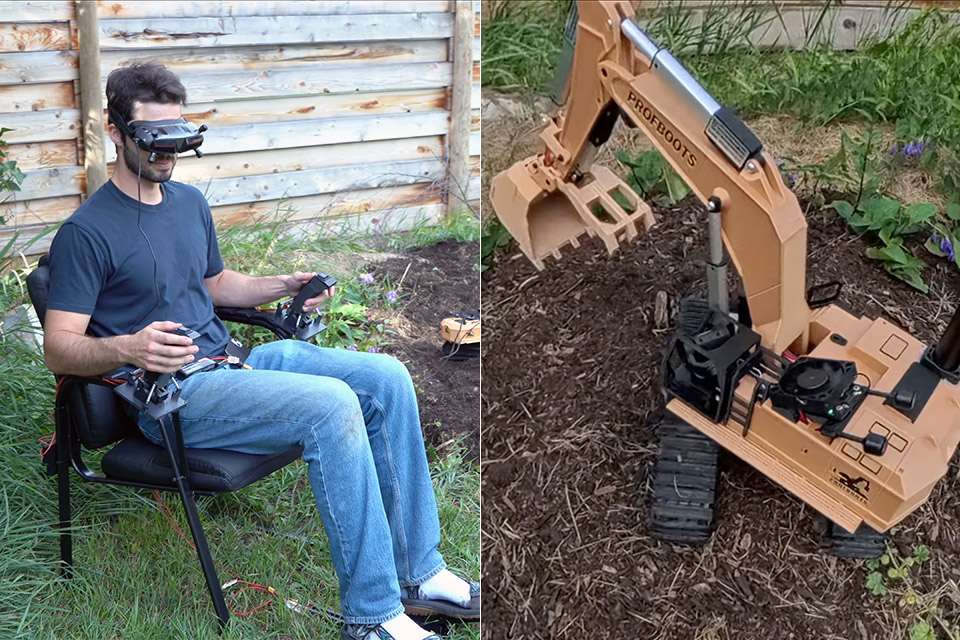
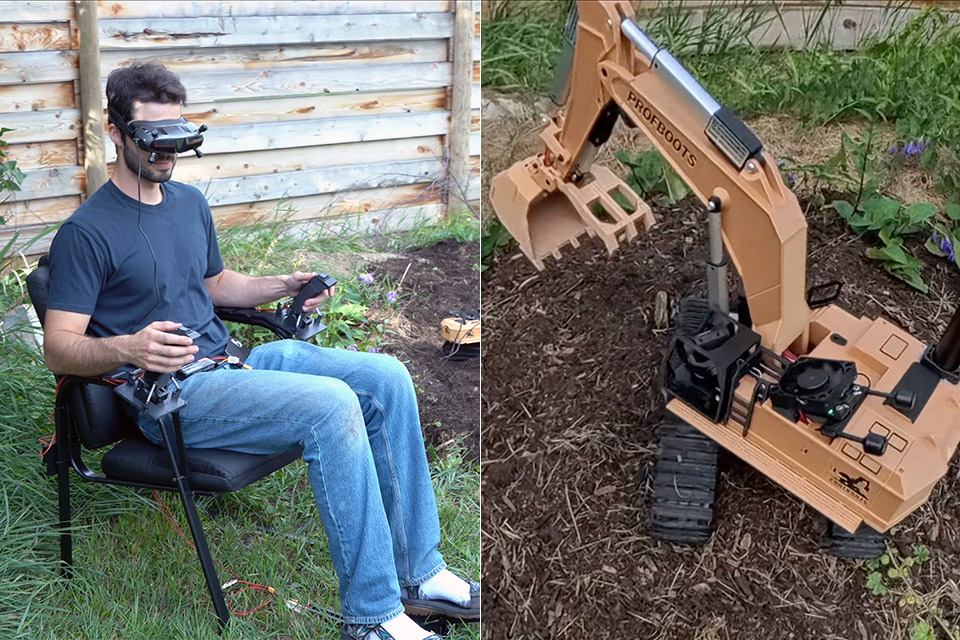



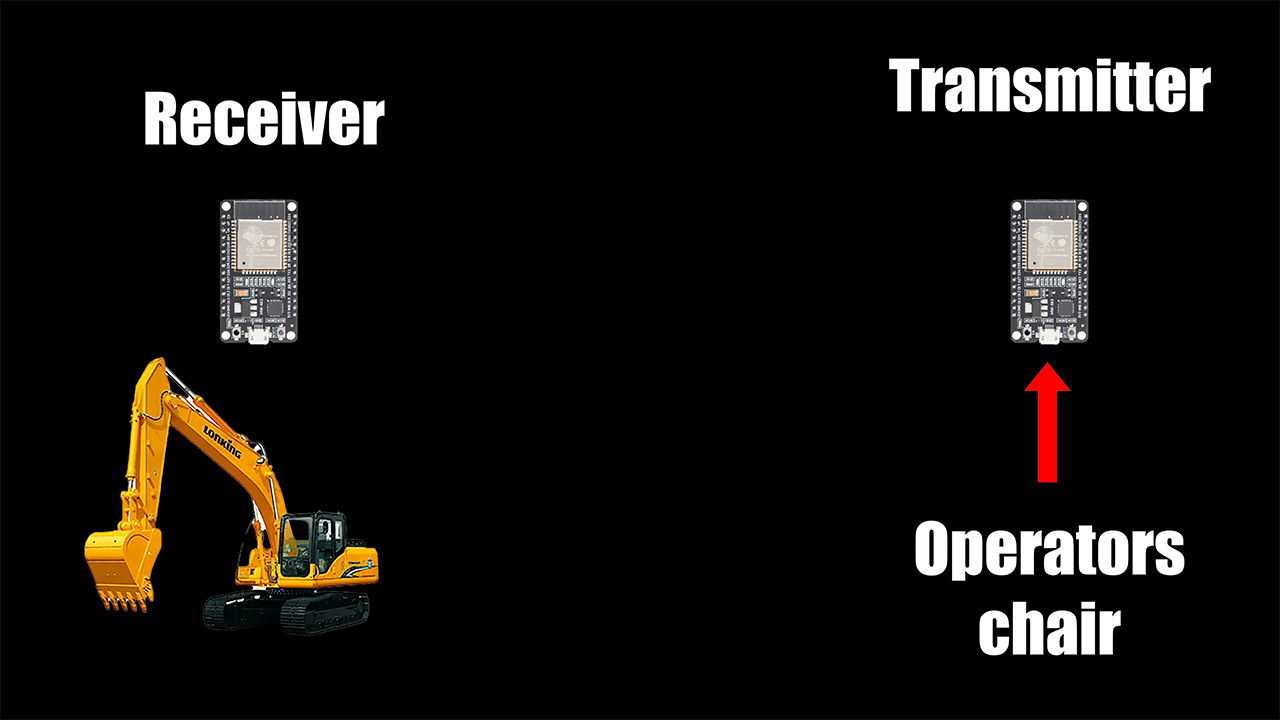
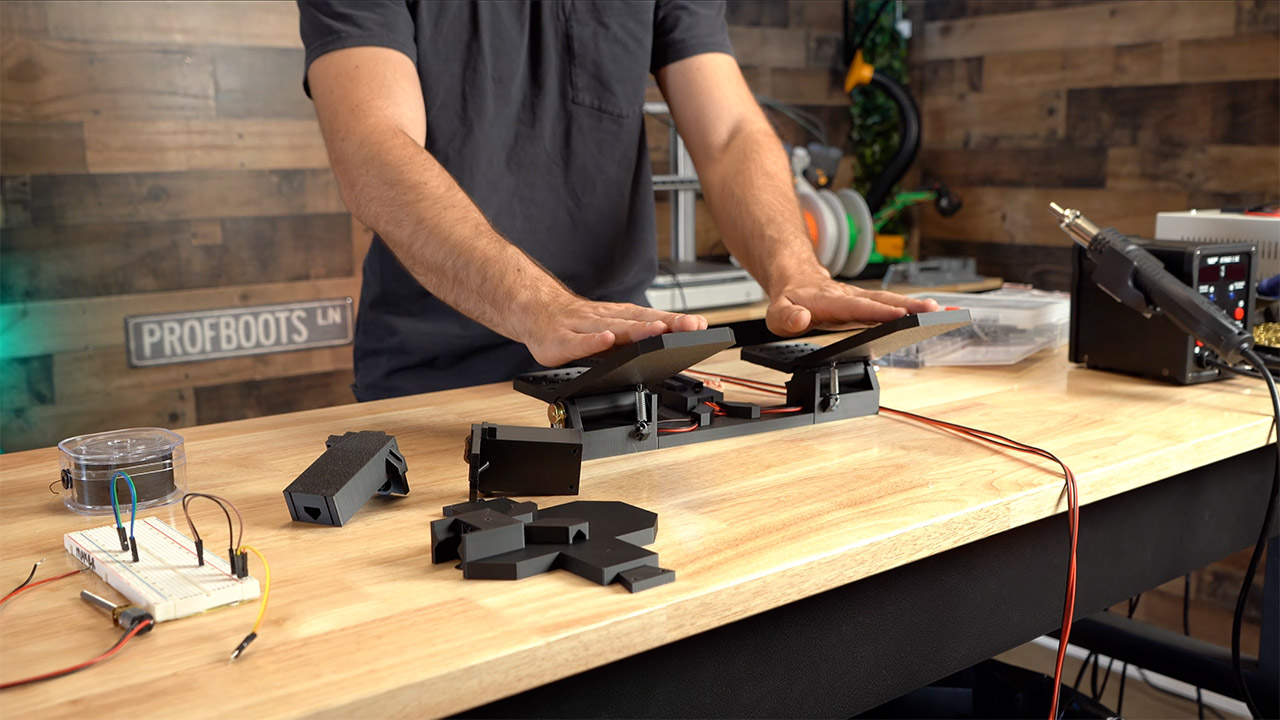
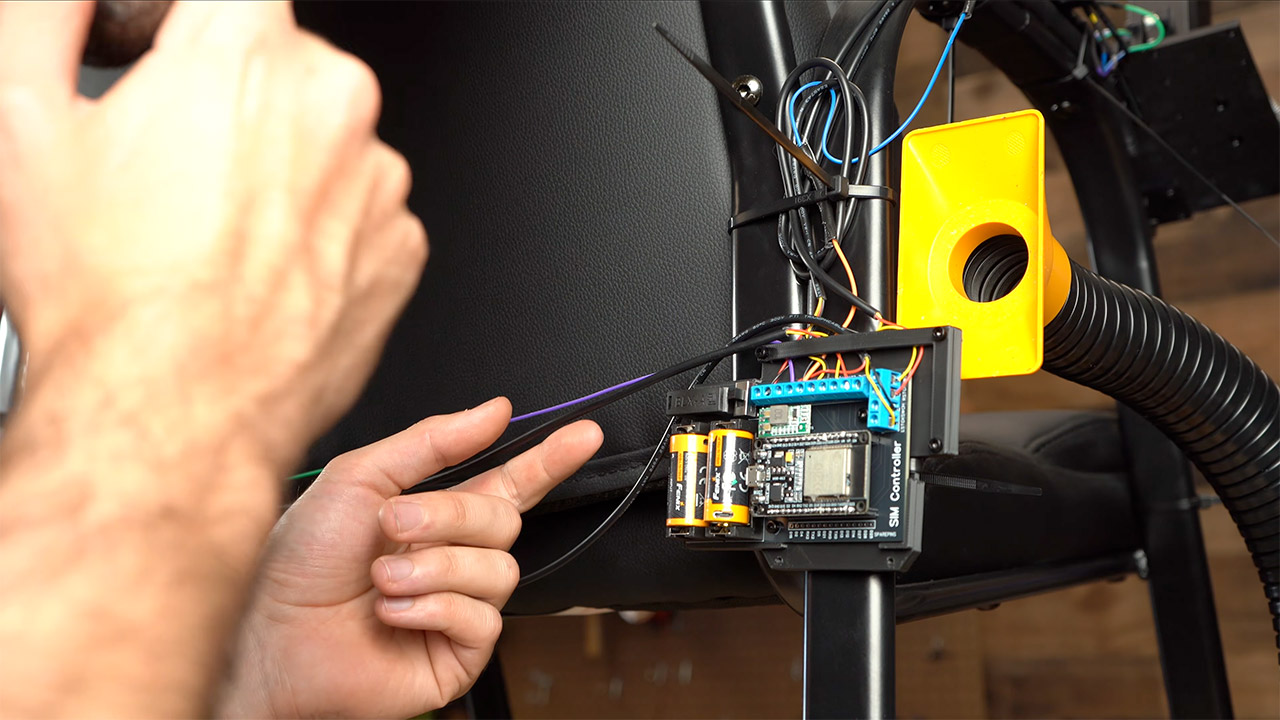
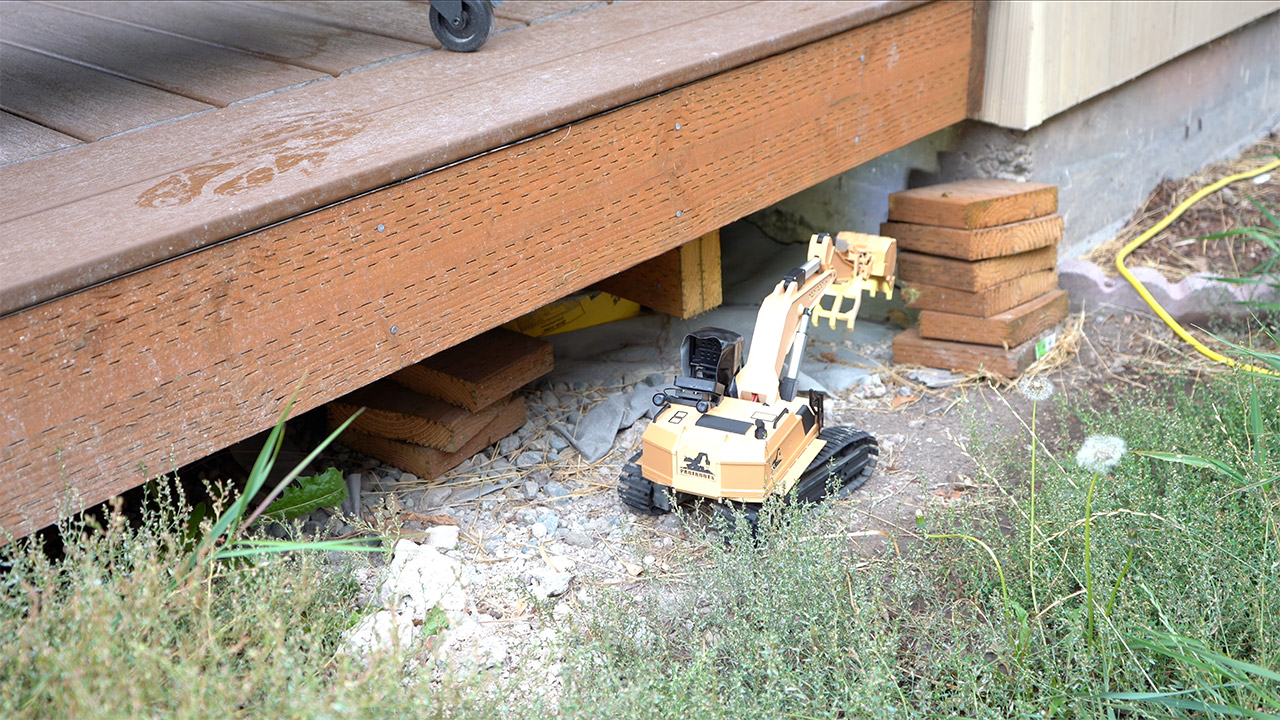






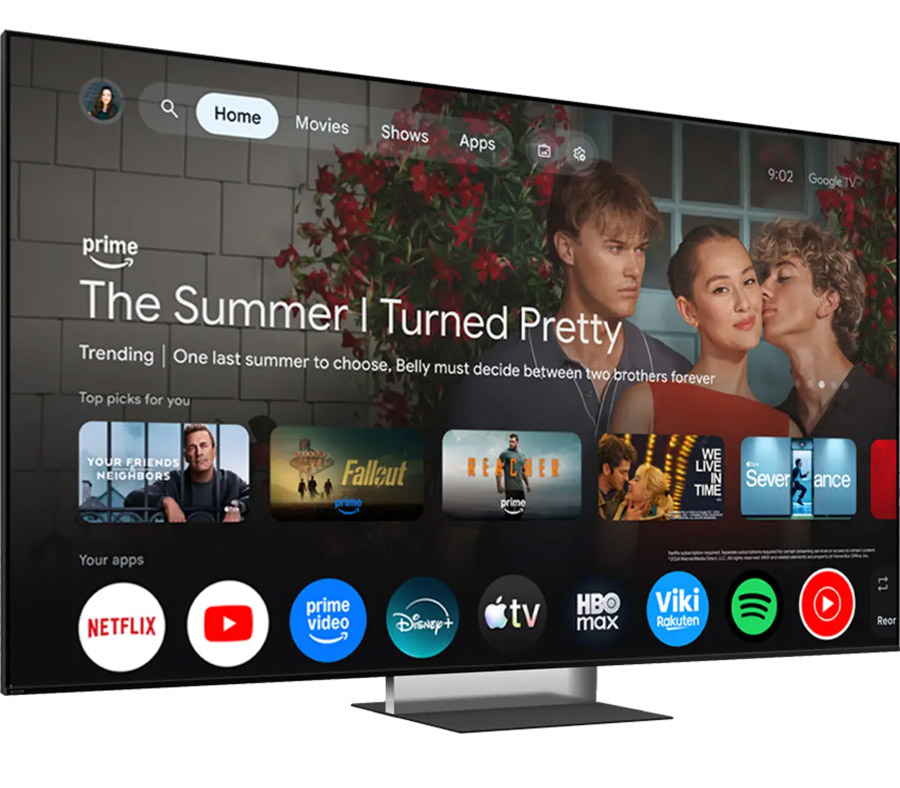
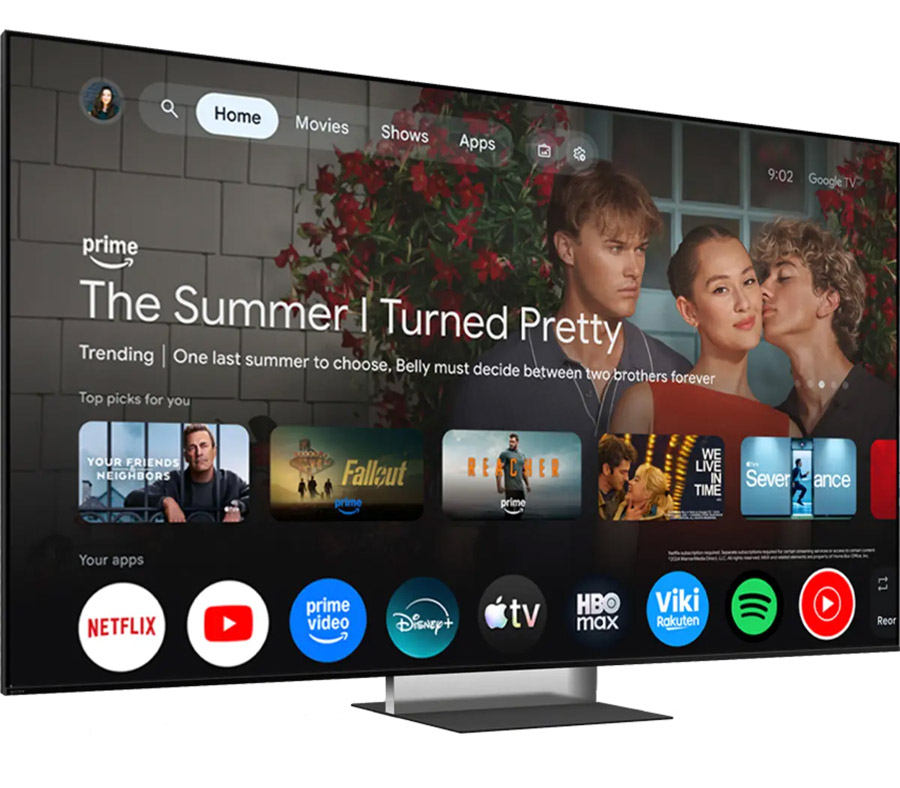
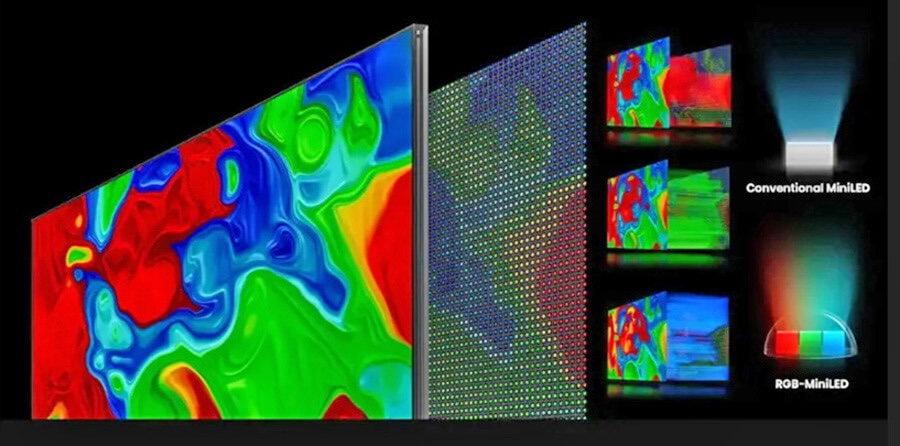
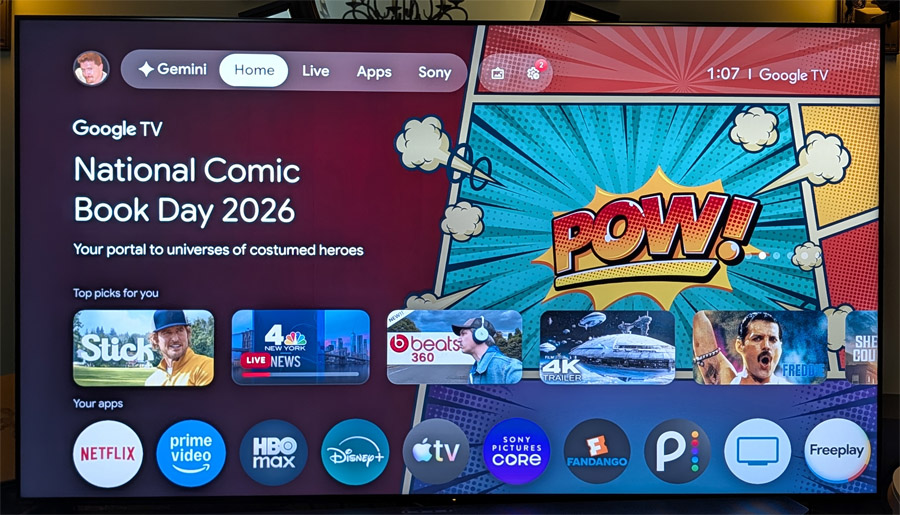

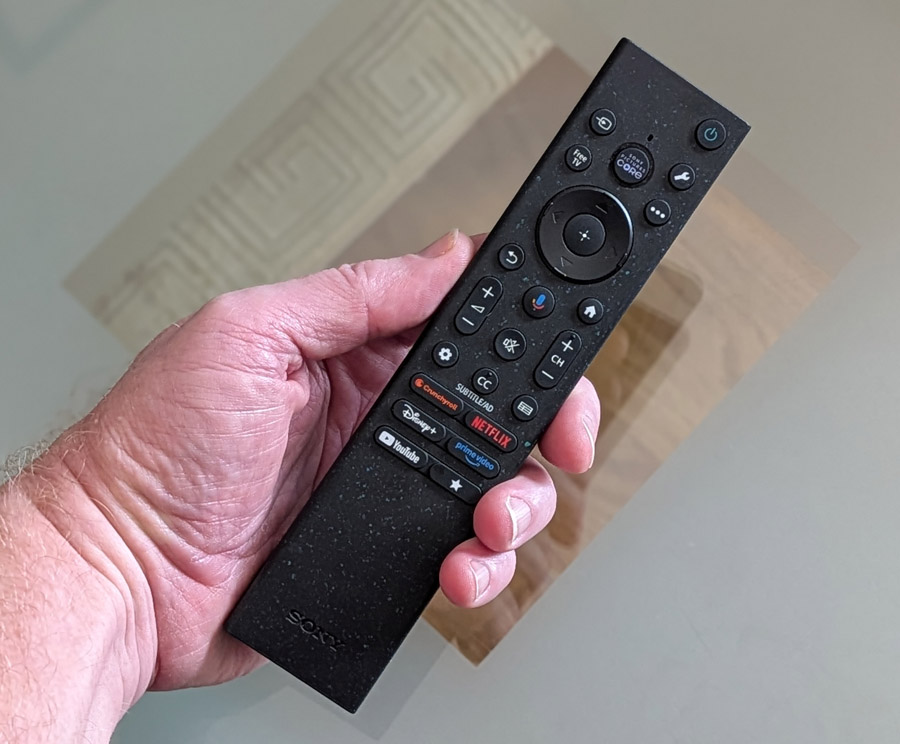
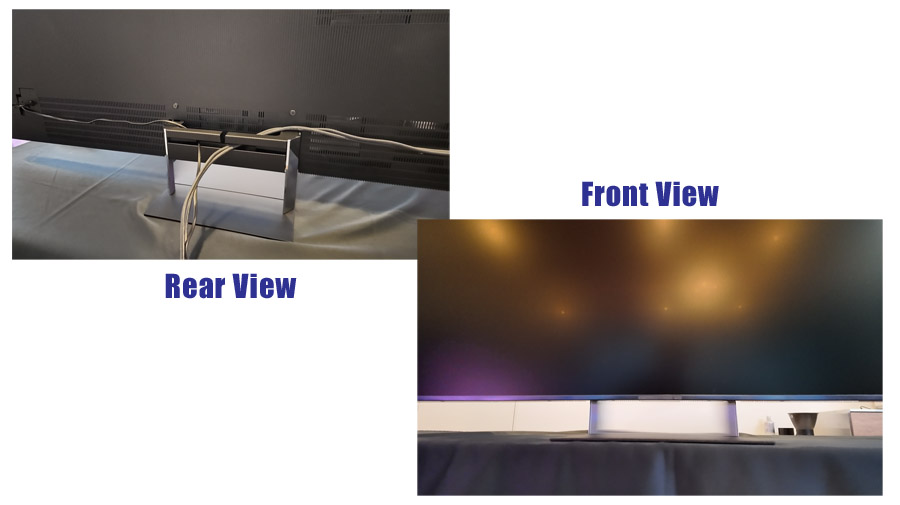
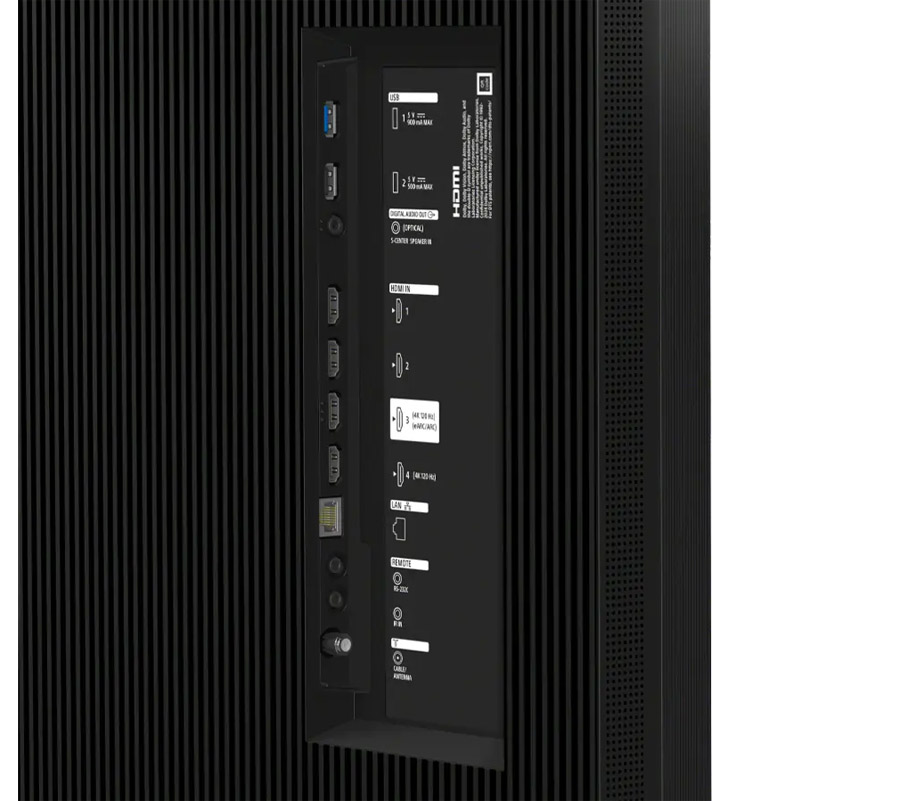
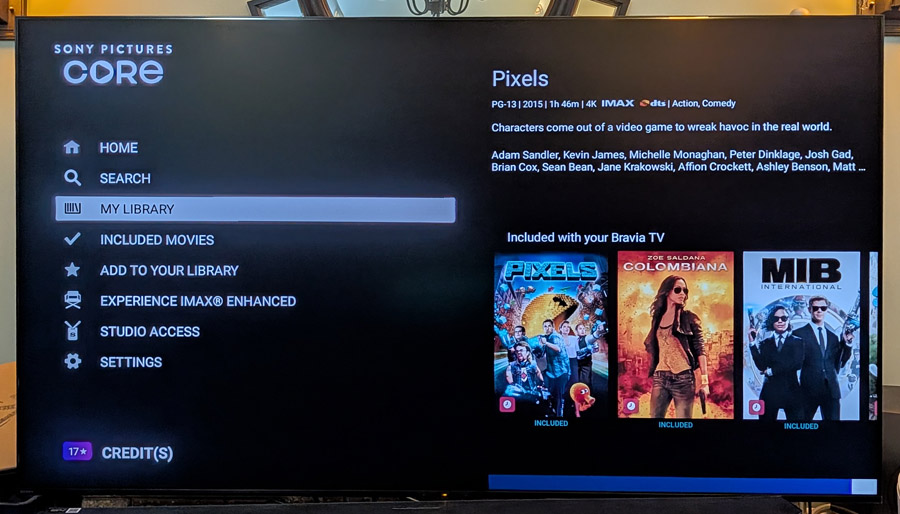
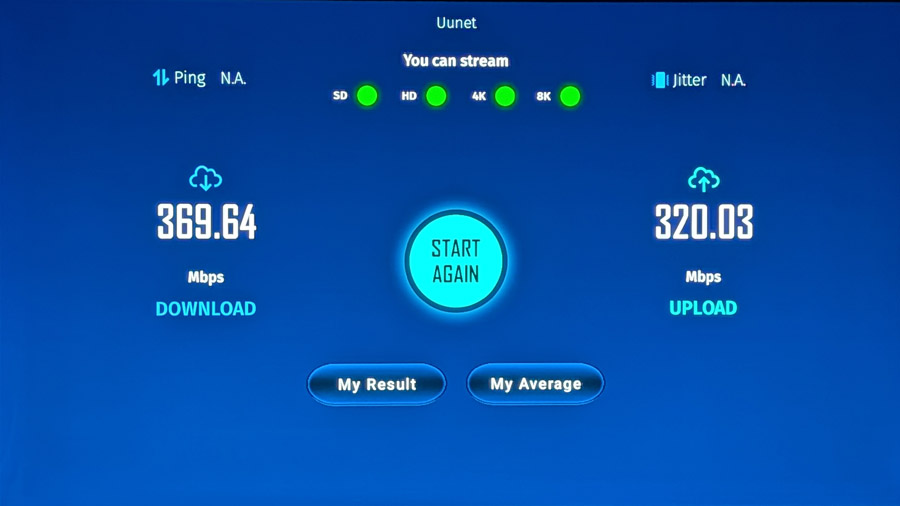
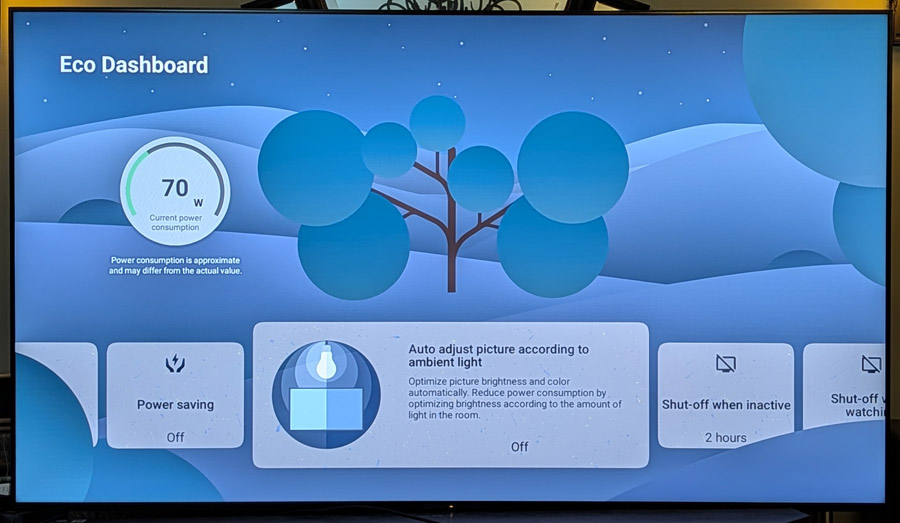
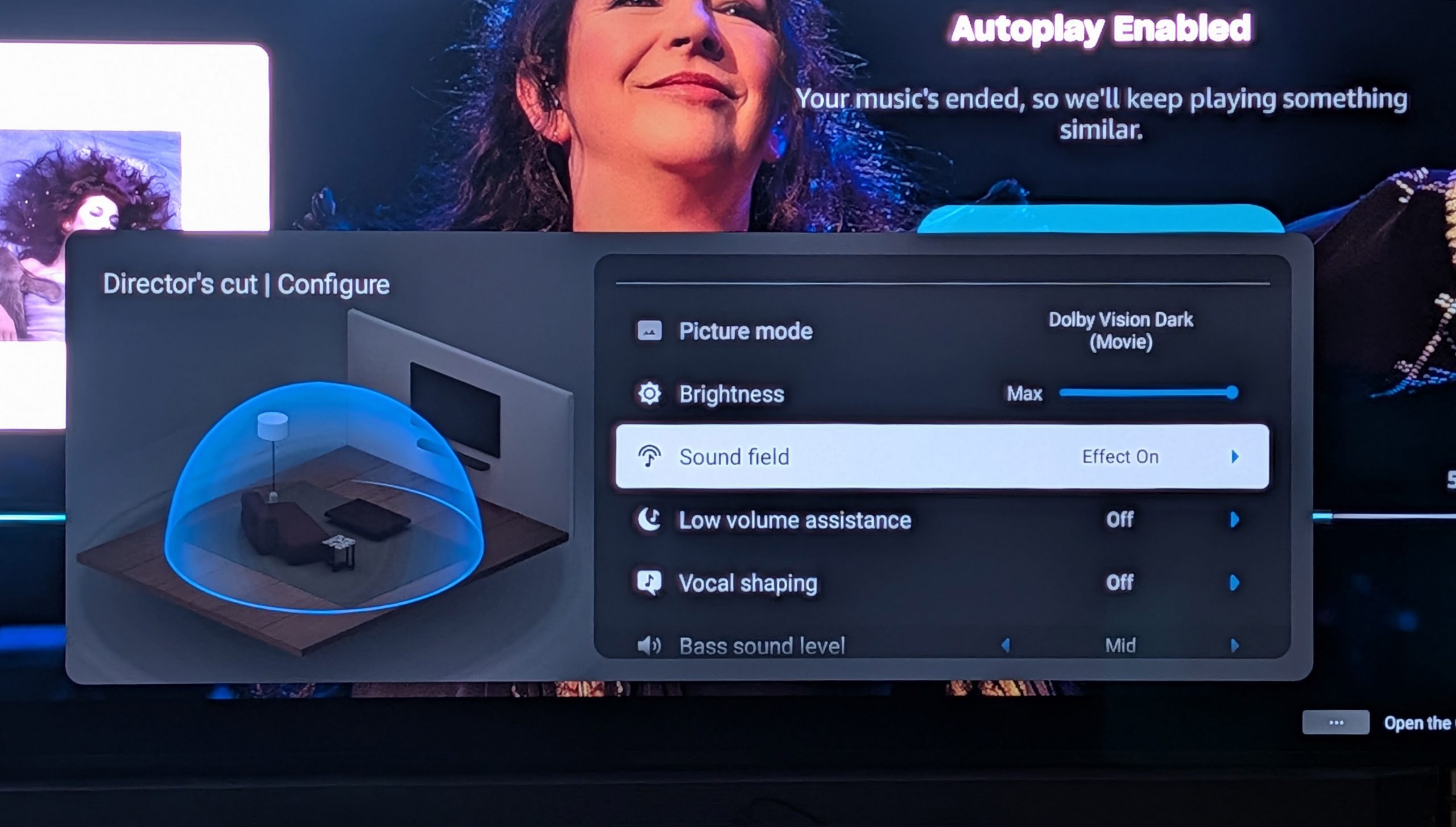
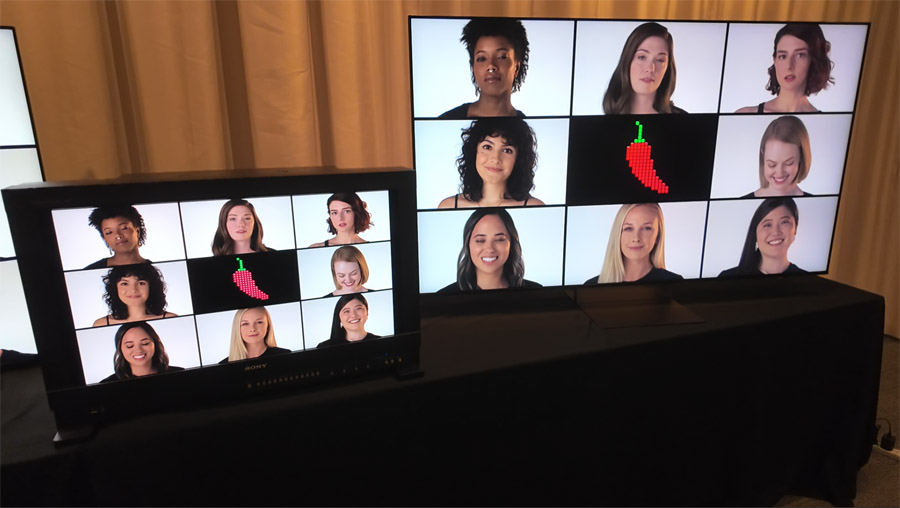


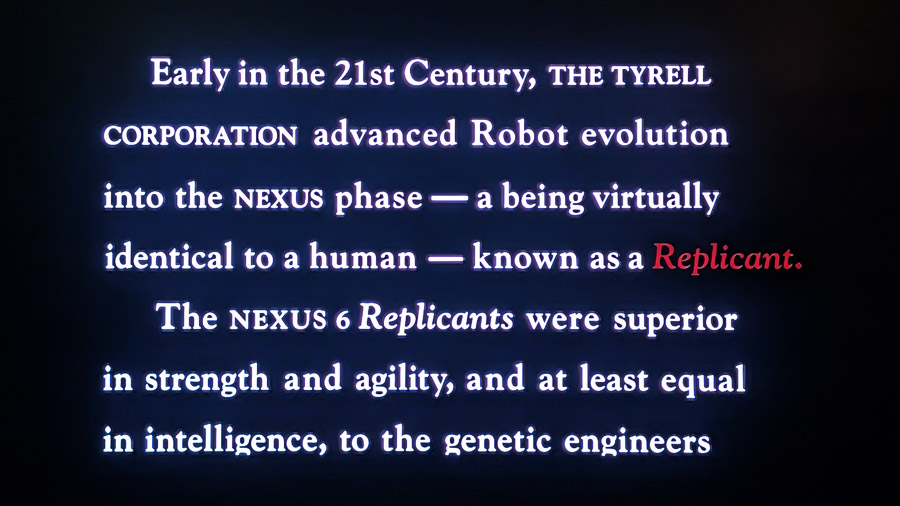
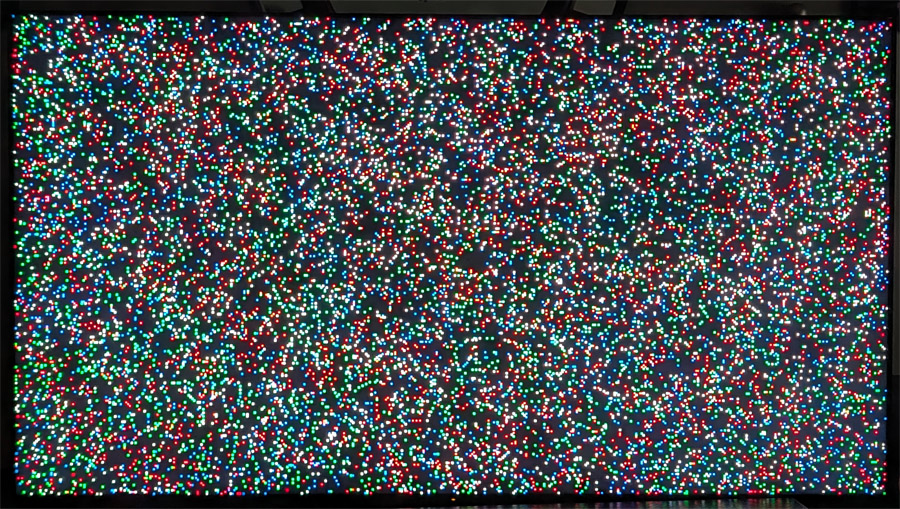
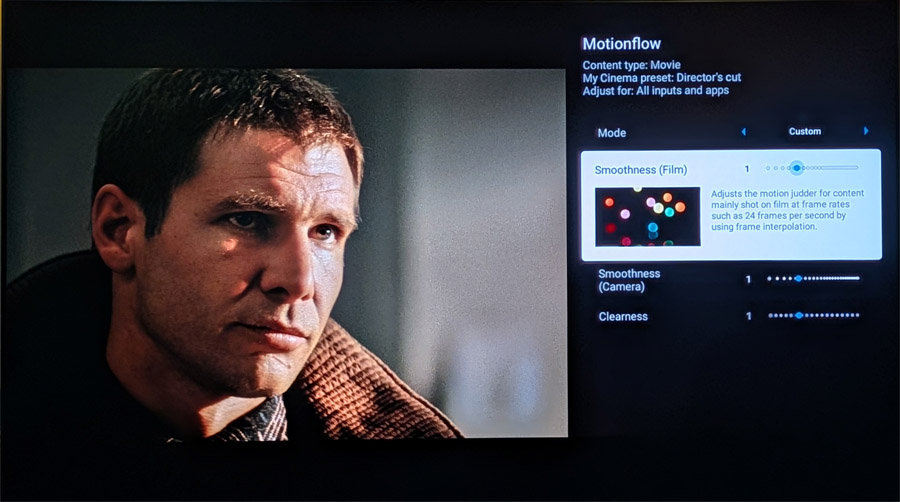
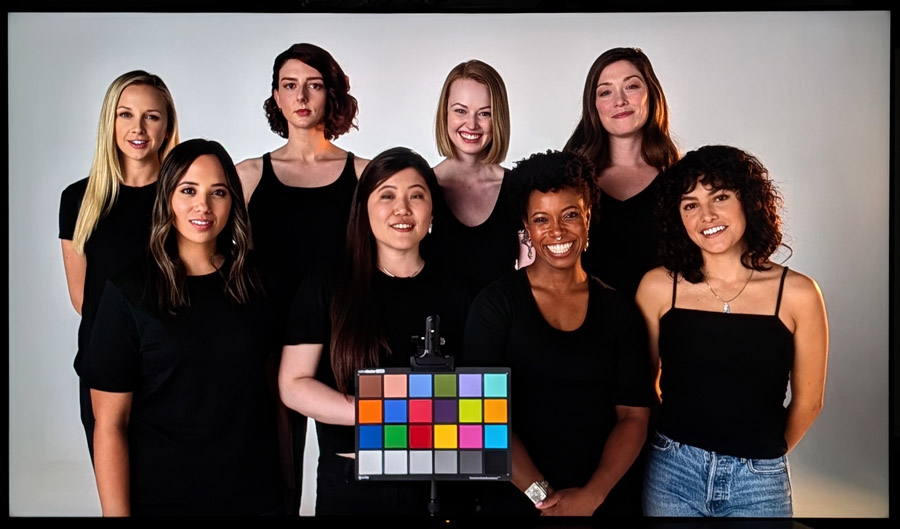
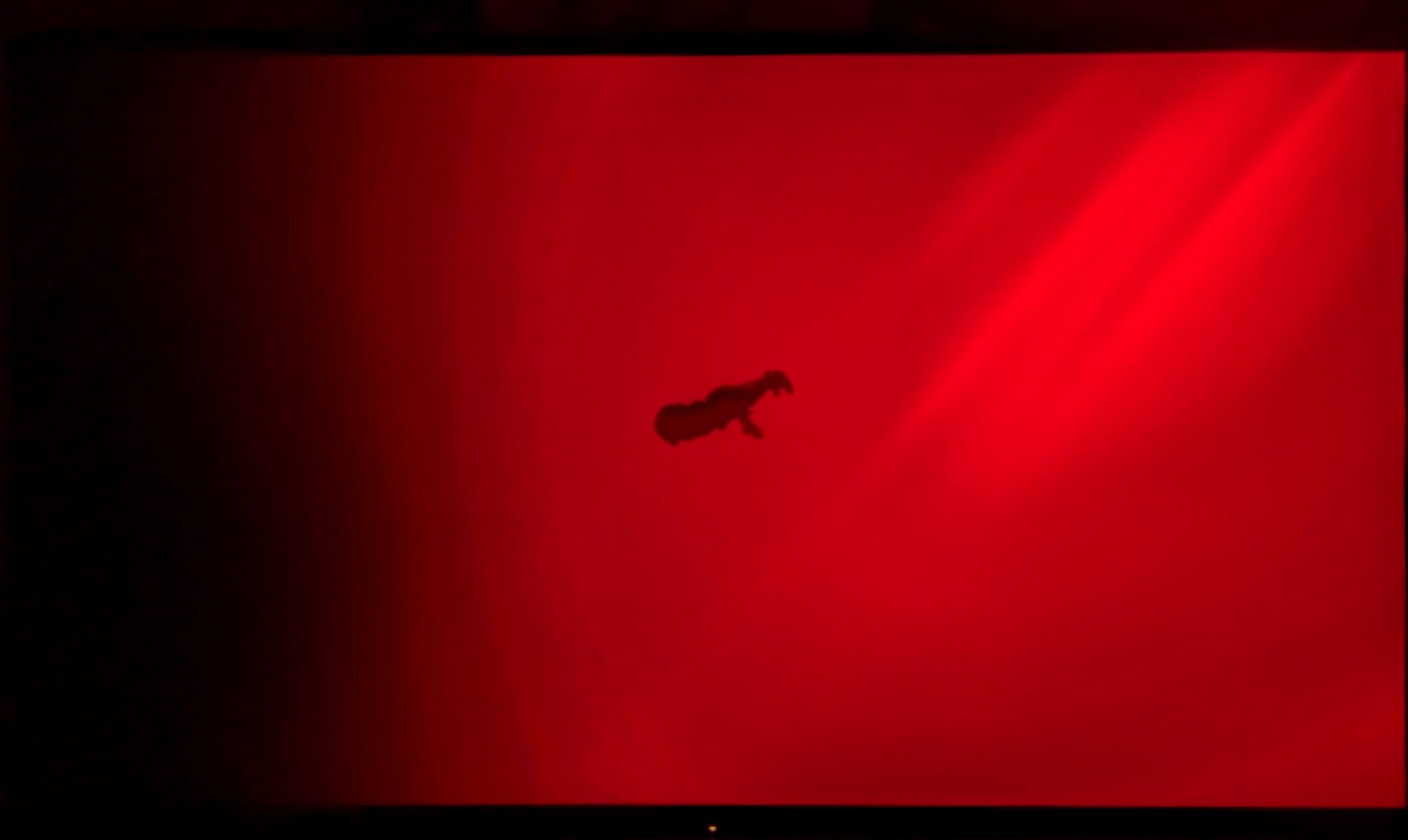
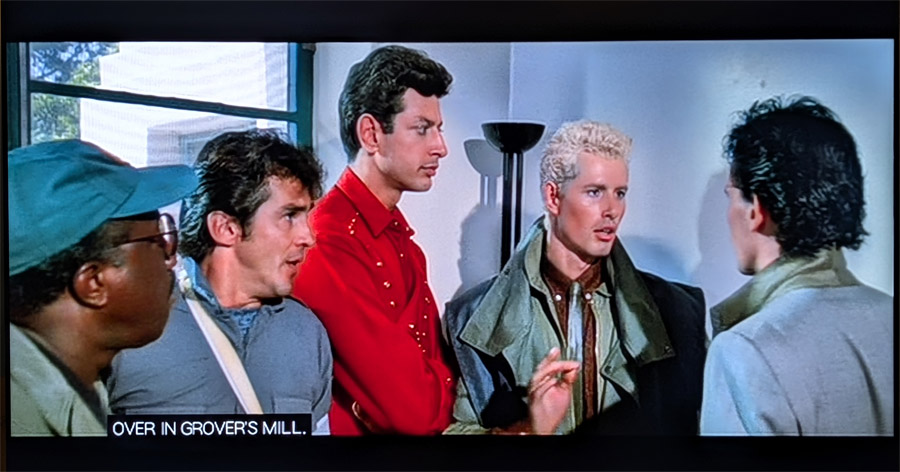
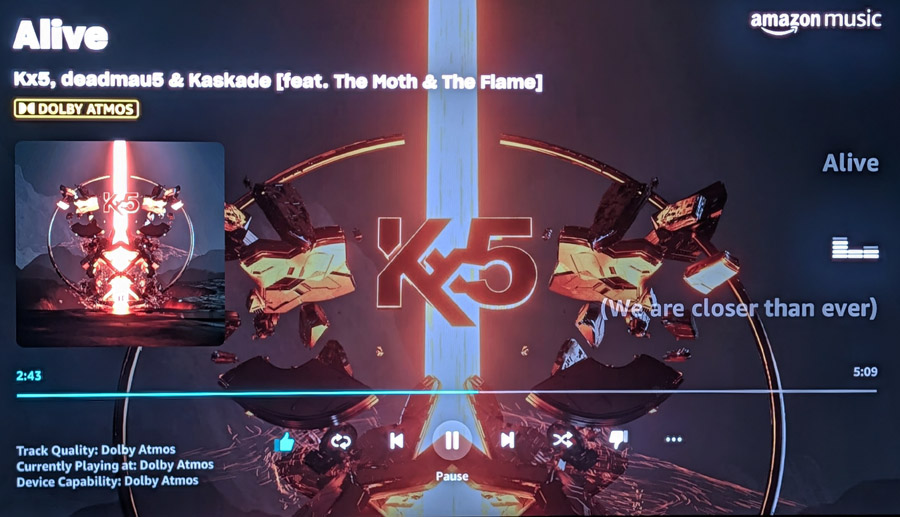
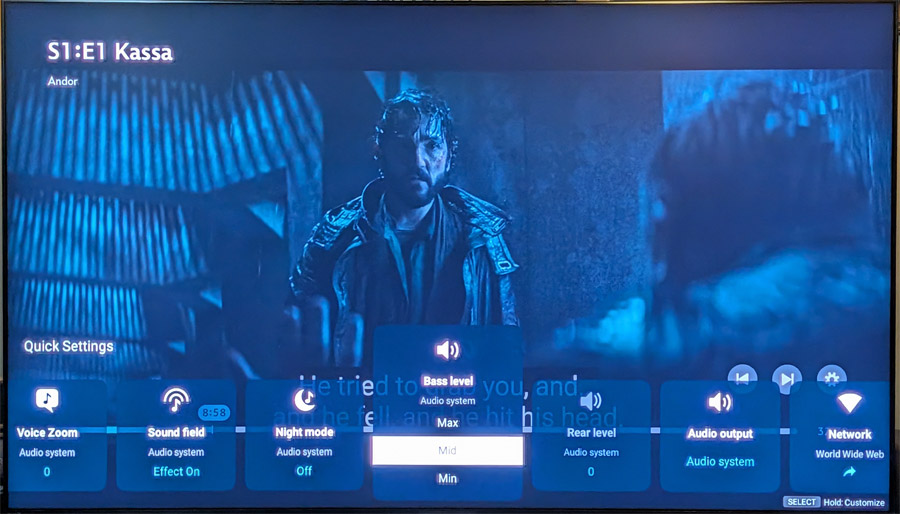


.png)
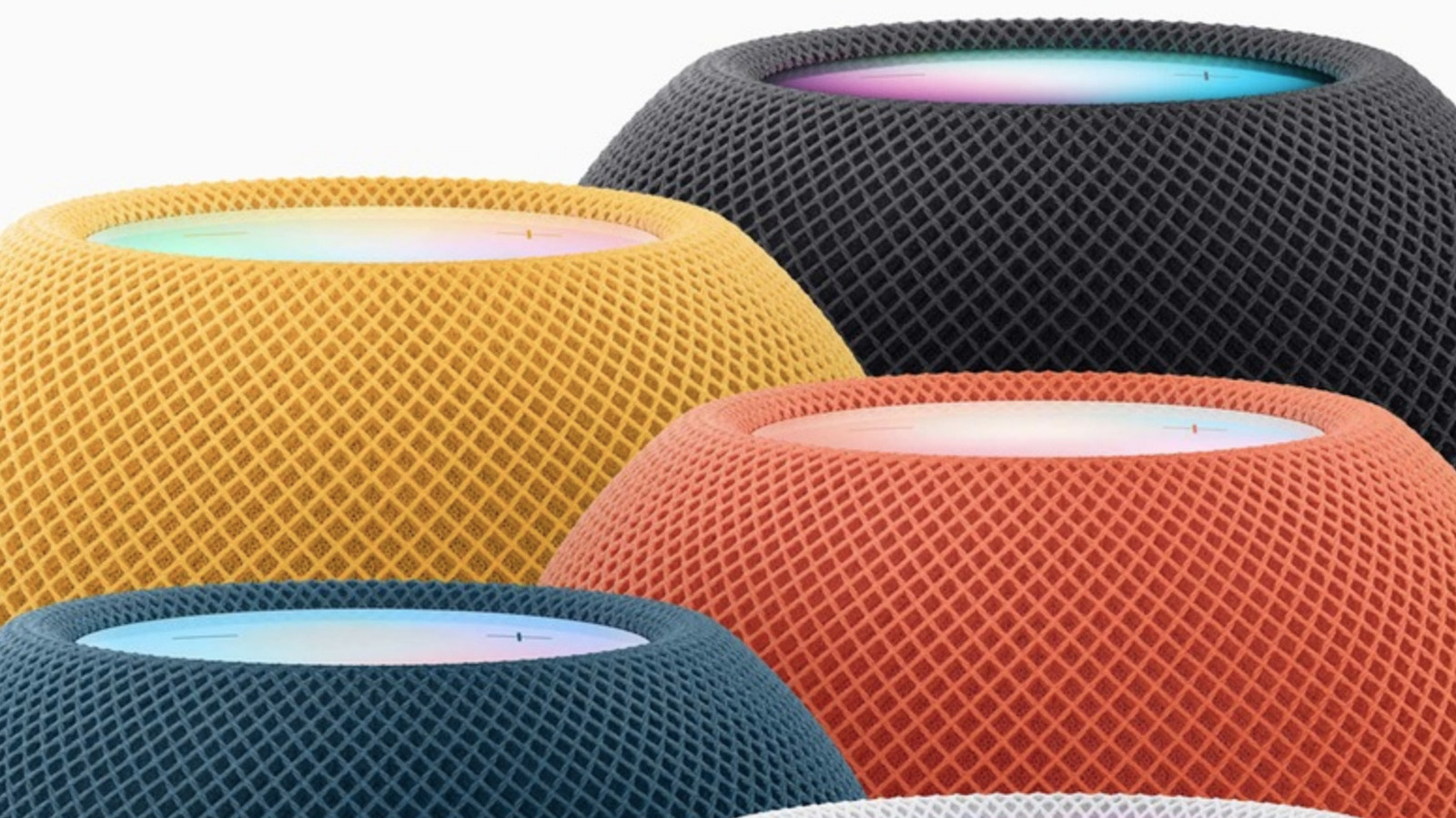
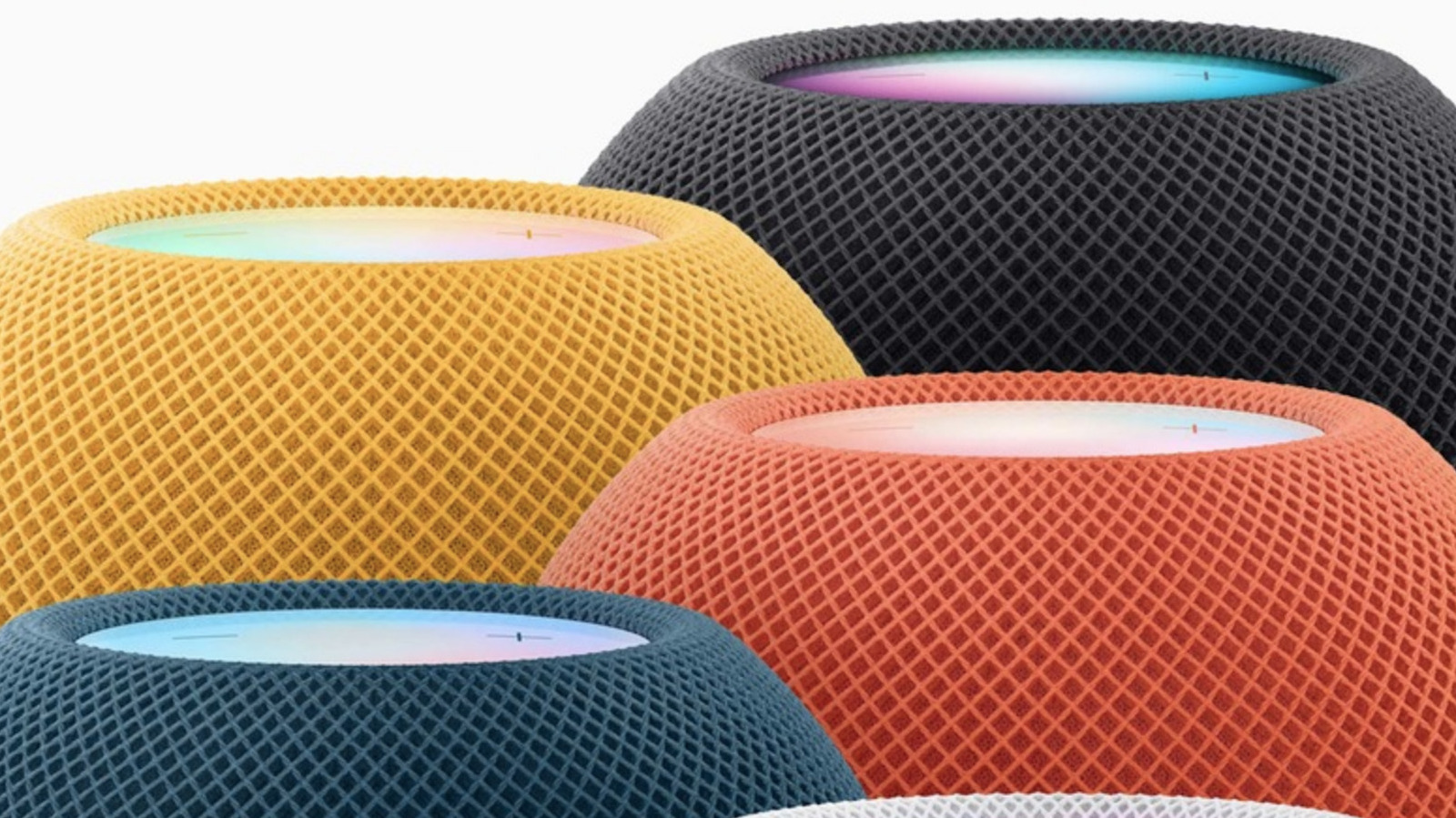
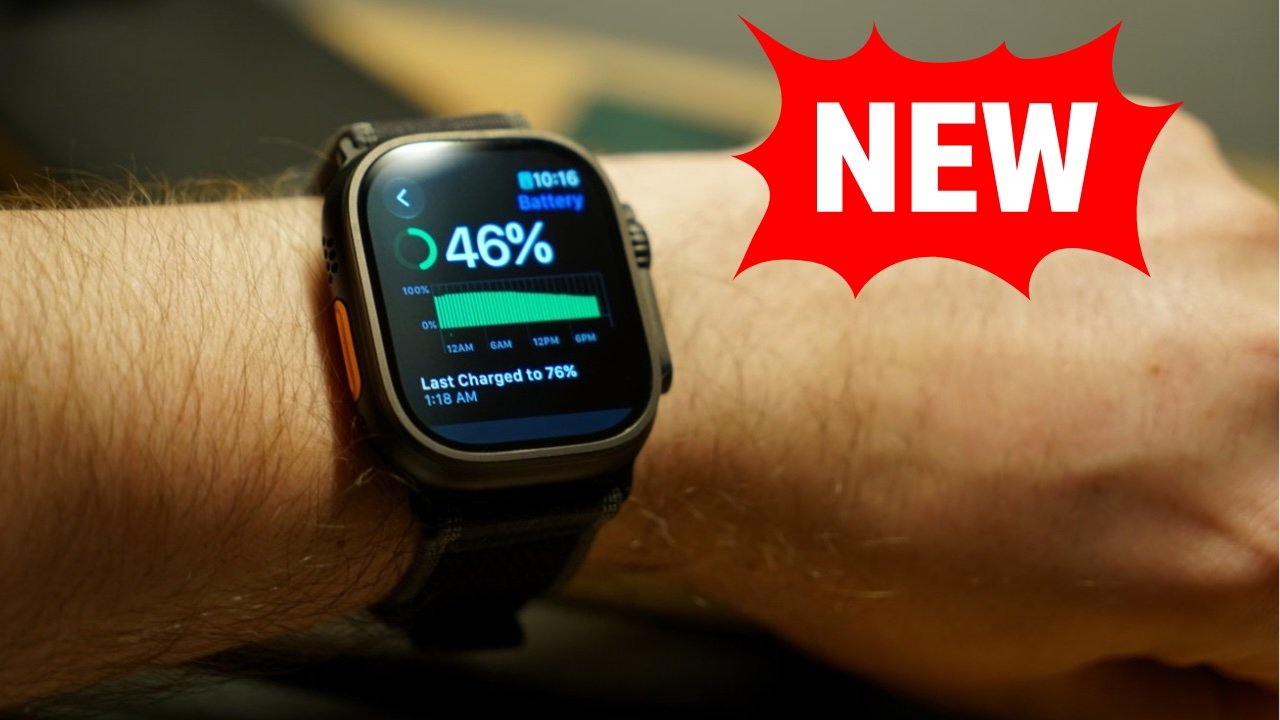












































You must be logged in to post a comment Login