Minivans offer enough capacity to accommodate even big families, with three rows of seats and the ability to seat seven or even eight people. When shopping for a minivan, Chrysler’s Pacifica is one of the models that should definitely be on your watchlist. In fact, the Chrysler Pacifica is a great choice, and that doesn’t come as a surprise for a company that single-handedly invented the segment in the ’80s and has been doing it for years.
If you do a quick online search, you’ll notice it rarely misses in listicles of the best minivans on the market. The Pacifica has several strengths that have earned it top marks from expert reviewers across publications. The 2026 Pacifica seats up to eight and is fitted with either a gas-only 3.6-liter V6 engine producing up to 287 hp (making it one of the most powerful minivans on the market) or a hybrid powertrain featuring a 3.6-liter V6 with two electric motors, with a total output of 260 hp.
Advertisement
However, while the Chrysler Pacifica is one of the best, it doesn’t rank high on every metric that matters and on every site. Some minivans have better ratings than the Chrysler Pacifica and might serve you better. We’ve rounded up a list of the best minivans that have performed better than the 2026 Chrysler Pacifica in reviews by earning higher scores. For more details on how we selected these minivans, see our methodology section at the end of the article.
Advertisement
1. 2026 Honda Odyssey
The first minivan you can consider instead of the Pacifica is the 2026 Honda Odyssey. While both the 2026 Chrysler Pacifica and the 2026 Honda Odyssey have earned a spot in Consumer Reports‘ (CR) list of the best minivans, the latter comes out on top, with better ratings. The Odyssey is ranked fifth in CR’s rankings and earns the site’s CR Recommended badge, while the Pacifica sits a position lower, at sixth. Behind the wheel, CR’s experts found the Odyssey to be a better car in its road test.
It also has higher predicted reliability and owner satisfaction scores, meaning you’re more likely to be satisfied with your purchase if you pick the Odyssey. In Car and Driver’s testing, the Honda Odyssey narrowly beats the Chrysler Pacifica. The Honda earned an overall rating of 8.5 out of 10, just 0.5 higher than the Pacifica. In J.D. Power’s rankings, the Chrysler still falls behind the Odyssey, earning 6 fewer points overall with a score of 75 vs. 81.
The Odyssey also ranked higher in quality and reliability, as well as driving experience. And if you’d like to sell it in the next three years, J.D. Power predicts it’ll fetch more on average than the Pacifica. Per U.S. News rankings, the Odyssey tops the charts of the best minivans and is the only model that scored better than the Pacifica. The 2026 Honda Odyssey has a starting MSRP of $42,795, with an additional $1,595 destination charge.
Advertisement
2. 2026 Kia Carnival
The 2026 model year of the Kia Carnival is also a better car than the Chrysler Pacifica, if ratings from different sites are anything to go by. Starting with J.D. Power’s ratings, the Carnival edges out the Pacifica by a small margin, scoring 78 out of 100 vs. 75. It’s pretty tight between the two, with the Pacifica performing better in quality and reliability by a single point while the Carnival offers a better driving experience and resale value. In Car and Driver’s testing, the Carnival stands out as a better car overall, scoring 9 out of 10, a point higher than the Pacifica.
In addition to these two rankings where the Carnival performs better, the same story plays out in CR’s ratings. The Kia Carnival rounds out the top three in CR’s rankings of the best minivans, while the Pacifica sits in sixth place. Additionally, this model performed well enough in testing to earn the site’s buy recommendation as one of the best options shoppers should consider, something that the 2026 model year of the Pacifica didn’t get.
Advertisement
According to CR, the Carnival is predicted to offer better reliability and satisfaction. On the road, it also offers better driving dynamics than the Chrysler. The only site where the Kia Carnival doesn’t outperform the Pacifica is U.S. News, where it earned an 8.8 out of 10 vs. 8.9. The 2026 Kia Carnival starts at $38,935, including a $1,455 destination and handling fee, and tops out at $53,035 for the high-end Carnival SX Prestige FWD trim with no additional options added.
Advertisement
3. 2026 Toyota Sienna
While the 2026 Toyota Sienna doesn’t sit at the top of J.D. Power’s rankings of the best minivans, it manages to beat the Pacifica, albeit by a small margin. The Toyota Sienna earned an overall score of 77 out of 100, clinching third place, while the Pacifica earned 75 and is ranked fourth. The 2025 model year of the Sienna was ranked as the most reliable minivan by J.D. Power, and interestingly, the 2026 variant fails to beat the Pacifica in quality and reliability. However, in other categories, the Sienna is a better car as it scores higher in driving experience, resale value, as well as the dealership experience.
That edge over the Pacifica can also be seen in Car and Driver’s test. The Sienna earned an overall score of 9.5 out of 10, while the Pacifica scored 8.0. Car and Driver has ranked the 2026 Sienna as the best minivan on the market as of this writing. CR has also tested this model, and it’s a similar story to the other sites.
In CR’s rankings, the Sienna comes in at second position, performing better than the Pacifica, with a better overall score and higher scores in individual categories, including predicted reliability, owner satisfaction, road test score, and one of the highest fuel economy figures thanks to its standard hybrid 2.5-liter four-cylinder engine. It’s only in U.S. News tests that the Pacifica came out ahead of the Sienna with an 8.9 overall score vs. 8.7. The Sienna starts at an MSRP of $42,915.
Advertisement
4. 2026 Kia Carnival Hybrid
The 2026 Kia Carnival comes in hybrid and non-hybrid options. The gas-only Kia Carnival boasts higher ratings than the Pacifica, and if you go the hybrid way, you’ll still get a solid car with better ratings. According to Car and Driver’s hands-on tests, the hybrid Kia Carnival scored an impressive 9 out of 10, similar to the gas-only variant. As a result, it’s a better car overall compared to the Pacifica, which scored 8 out of 10.
CR also rated the Kia Carnival Hybrid separately, and in the site’s testing, it topped the list with the highest overall score, beating the Sienna, non-hybrid Carnival, Honda Odyssey, as well as the Pacifica. It’s predicted to be highly reliable, more than twice as reliable as the Pacifica, and it boasts the highest owner satisfaction score of any minivan model in CR’s shortlist. It also scores better in driving experience, as depicted by its higher road test score in CR’s testing.
Advertisement
However, U.S. News testing results depict a different story. According to the site, the 2026 Pacifica is the better model overall, earning a higher 8.9 out of 10 score compared with the Carnival Hybrid’s 8.5. J.D. Power has yet to rate the 2026 Kia Carnival Hybrid as of this writing, so there’s no way we can pit it against the Pacifica’s 75 out of 100 score. The base trim of the 2026 Kia Carnival Hybrid, the HEV LXS FWD, starts at $41,390, plus a $1,545 destination charge.
Advertisement
How we selected these minivans
Travis Langness/SlashGear
Chrysler has already revealed the 2027 model year of the Pacifica. However, since some sites have yet to give that car a rating, we chose the 2026 model as our reference point, as it’s been widely reviewed by different automotive experts. We also chose the 2026 model year because some of its competitors from that year have been widely reviewed as well, unlike the 2027 variants.
Next, we scoured the web to find 2026 Chrysler Pacifica ratings from different reputable sources, including Consumer Reports, J.D. Power, Car and Driver, and U.S. News. Once we had ratings for the 2026 Pacifica, we searched for minivans that have earned scores equal to or higher than those of our reference model from the same site. While we strove to only include models with higher rankings in every reference site, we also included models that were ranked higher in at least two of the four sites.
Since each site has its own ranking and scoring system, we compared the scores that the Pacifica earned with those of competing minivan models from the same site to ensure an apples-to-apples comparison. Also, because of the differing scores and scoring systems from the reference sites, we have listed these models randomly.
VistaPrint specializes in custom physical and digital marketing products for small businesses, such as brochures and promotional products, along with personal products like invitations, T-shirts, business cards, and posters to meet your print and online personalization needs. Fortunately, you don’t have to pay an arm and a leg to shop for these trending products, thanks to our selection of deals for both new and returning customers.
Print memories you can hang on the wall, stash in your wallet, or just hold in your hand.
Use Top VistaPrint Promo Codes for up to 20% Off
We have a VistaPrint coupon to help you save big on personalized gifts for yourself or your loved ones. Right now, new customers get 20% off their first order of $100 or more with the VistaPrint promo code WIRED20 at checkout. Once you’ve personalized whatever you want—from greeting cards to full-size canvas prints and pillows—enter the code at checkout to save big on your purchase.
Get 25% Off with Vistaprint Promo Code for Drinkware
Custom drinkware makes a thoughtful gift for parents, alumni, or weddings. It’s also a great way to personalize your drinkware by showcasing your favorite sports team or child. Currently, you can enjoy a 25% discount on drinkware with the Vistaprint promo codeSAVEVP, valid through November 8. Shop early this year and take advantage of this exclusive discount—cheers!
15% Off All VistaPrint Orders
One of the easiest ways to save at VistaPrint is to sign up for their email newsletter. Once you sign up, you’ll receive a VistaPrint promo code for 15% off your first purchase. Along with the VistaPrint discount code, you’ll also receive special offers, news about product launches and services, and new design alerts.
Advertisement
Use Vistaprint Business and Get 20% Off
Launching a new small business is one of the toughest, most daunting tasks a person can take on. Running a new business requires meticulous attention to detail, from big-picture items to the smallest tasks. Vistaprint wants to soften the blow a bit by offering 20% off your first order of necessary tools and products with the Vistaprint promo code NEW20. Vistaprint offers valuable tools like a business name generator to spark ideas, AI-generated help with logos, and support for visibility on Yelp. Be sure to check out Vistaprint’s tools to help launch your business, and use this Vistaprint promo code for an extra 20% off—when you’re launching a new business, every cent saved counts.
Discover More Verified VistaPrint Coupons and Discounts
There are other VistaPrint promos, such as $10 off purchases of $100 or more, $20 off $150 or more, and $50 off $250 or more. In addition to using one of our handpicked VistaPrint voucher codes, you can get 15% off your next order when you sign up for texts. VistaPrint also offers premium memberships that renew annually and are ideal for small businesses and frequent users. Members get up to 40% off products, 30% off Deposit photo subscriptions, unbranded products and packaging, and global discounts. Best of all, you can try these services free for 30 days. Be sure to check out our VistaPrint promo codes and discounts page to see the rotating discounts available.
Discover the Latest Vistaprint Postcards With Up to 30% Off
Forget the old holiday or business card and upgrade to contemporary times with Vistaprint postcards. They offer a wide range of styles to fit your business, ideas, and budget. They have a huge range of styles and sizes, from coupons to mailers, in various price points, with classic designs to contemporary styles.
Advertisement
Redeem Your VistaPrint Promo Code in a Few Easy Steps
Whether you’re looking for the best deal on custom VistaPrint business cards for your small business or ordering custom t-shirts for your family reunion, it’s simple to apply a coupon to your next VistaPrint order. All you have to do is copy the code and paste it in the designated field at checkout. Be sure to also look out for other trending VistaPrint deals that don’t require a code to redeem your savings on your purchase. For limited-time promotions, just add the promo item to your cart to instantly save.
Find Everything You Need With VistaPrint Custom Items
VistaPrint has been with me through the years—for thank-you cards, holiday gifts, mugs with my friends’ faces, calendars to make myself a centerfold, family photo books, wedding invitations, and subsequent divorce-party invites. What can I say? I live a charmed life—and VistaPrint has been there through it all. It has been my go-to for personalized products for the past decade, offering good prices on all my oddball creations. So stock up and discover discounts on a selection of marketing must-haves like vinyl banners, business cards, posters, custom mugs, and more. Go ahead, check it out. You know you’ve always wanted to eat off a plate or sleep on a pillow with your loved one’s face on it.
Customize Your Vistaprint Wedding Invitations This Month
Vistaprint makes it easier (and cheaper) than ever to get big printing jobs done, with the ability to personalize as much as you want. You can save big on Vistaprint wedding invitations, with 100 starting at just $90 (half off!); Letterpress Wedding Invitations, with 80 starting at $260 (25% off); and Wedding Party Invitations, with 100 starting at just $90 (50% off). Be sure to check out their expansive, customizable line of wedding invitations to see if they’re the right fit for you.
Advertisement
50% Off Invitations & Announcements at Vistaprint
Wedding expenses add up quickly, so Vistaprint is offering up to half off invitations and announcements, and up to 25% off celebration day-of products with the Vistaprint promo code GET50 (through December 31). This means massive savings on stationery, invites, announcements, and party supplies—huge savings on the small things that add up.
A new India-based AI Research Lab is looking at how AI can support workers as the technology continues to change jobs and labor markets. The Institute for Human Flourishing (IHF), founded by Ravi Venkatesan and led by CEO Urvashi Aneja, launched in New York on September 23 during the high-level week of the United Nations General Assembly. It will begin by studying how AI can raise incomes, expand workers’ control, and create new opportunities in India, then take its findings to other parts of the Global South. The Rockefeller Foundation, Schmidt Philanthropies, and the Government of India back the initiative.
Why IHF Is Starting With India
IHF will begin its work in India because its large, diverse workforce will allow it to study AI’s influence. Around 90 percent of the Indian workforce is informal, including farmers, craftspeople, and micro enterprises. This means AI could help those workers improve efficiency and create new opportunities by learning how to apply it effectively. However, changes in the labor market also threaten entry-level IT and BPO positions. These roles have traditionally helped workers move into the middle class in India and other countries.
Automation is also pressuring growth models that rely on relatively cheap labor. IHF believes the bigger challenge is how AI reaches workers and small businesses. Changes in how people organize work and share information will also affect its impact. Institutions will play a role in deciding who benefits from these changes. Venkatesan believes India can demonstrate how AI can support wider economic opportunities. IHF plans to connect evidence, real-world work and policy to explore this approach.
IHF’s Labs and Programs Will Study AI’s Impact on Workers
IHF plans to create three initiatives to study how AI affects workers and jobs. The Livelihoods Lab will test human-AI collaboration with workers and organizations in real-world settings. Participants will help design these projects, while IHF will publish every finding as an open public good. The AI and Jobs Observatory will track workers’ experiences as AI changes different types of jobs.
Advertisement
It will also develop an Index of Human Flourishing that looks beyond income. The index will measure factors such as agency, dignity, capability, and economic security. The Policy and Narrative program will turn these findings into evidence-based policy advocacy. It will also connect a Global South advisory network around shared priorities. Together, these programs will help IHF find practical ways for workers and smaller businesses to benefit from AI.
Rainbow Six Tactics game director says Ubisoft moved away from the ‘smoke and mirrors’ experience and Mario + Rabbids helped it understand ‘the metrics of tactics’
Rainbow Six Tactics game director Martial Potron says Mario + Rabbids helped the team understand “the metrics of tactics”
He says it borrowed the “DNA” of the series, and it was a different experience from working on Ghost Recon
Potron adds that he had to change his developer habits when working on
Rainbow Six Tactics
Rainbow Six Tactics game director Martial Potron has said the development team borrowed the “DNA” of the studio’s turn-based game series, Mario + Rabbids, for tactical level design inspiration.
“Mario + Rabbids helped us shape some parts,” Potron told TechRadar Gaming in a recent interview about the upcoming Siege spin-off. “The team, especially the level design team that came from Mario + Rabbids, really helped us to understand the metrics of tactics.”
Speaking more on inspiration, Potron explained that some of the “core rules” for him as someone who worked on Ghost Recon are to design an experience that players would expect; “smoke and mirrors,” as he puts it, in terms of lethality or enemy behaviors to “make the experience cinematographic,” but the turn-based tactics genre is different.
“In tactical, everything is very precise,” he said. “It’s pure. It’s like chess. So we had to change a bit of our mindset to adjust to this philosophy.”
Poltron continued: “This is a bit of a paradigm shift for us in terms of habits. It’s 15 years of my habits that I need to shift.”
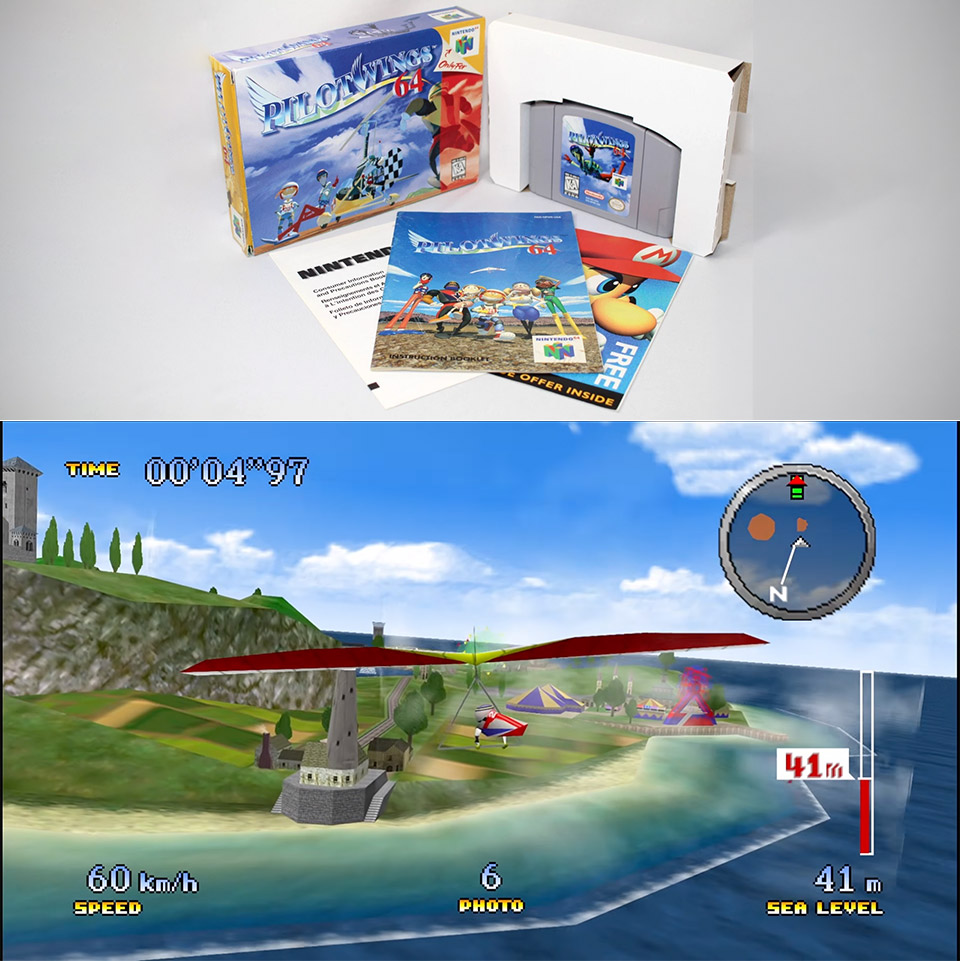
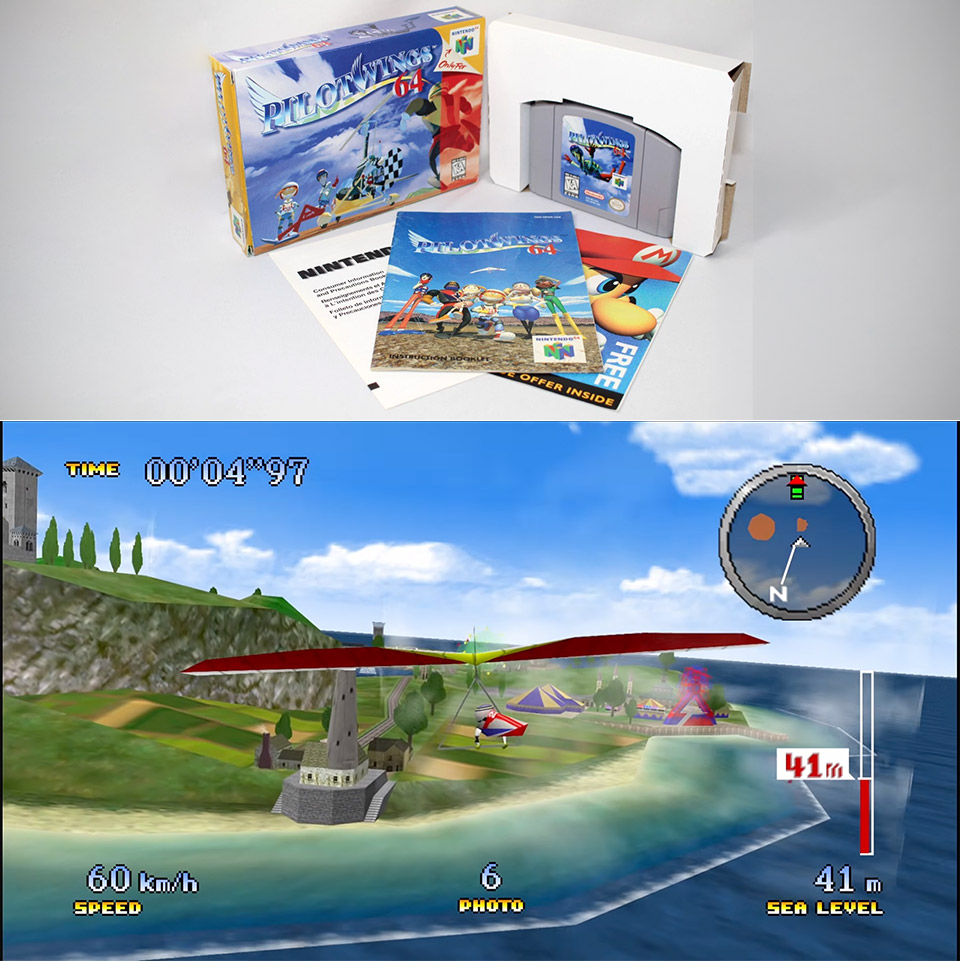
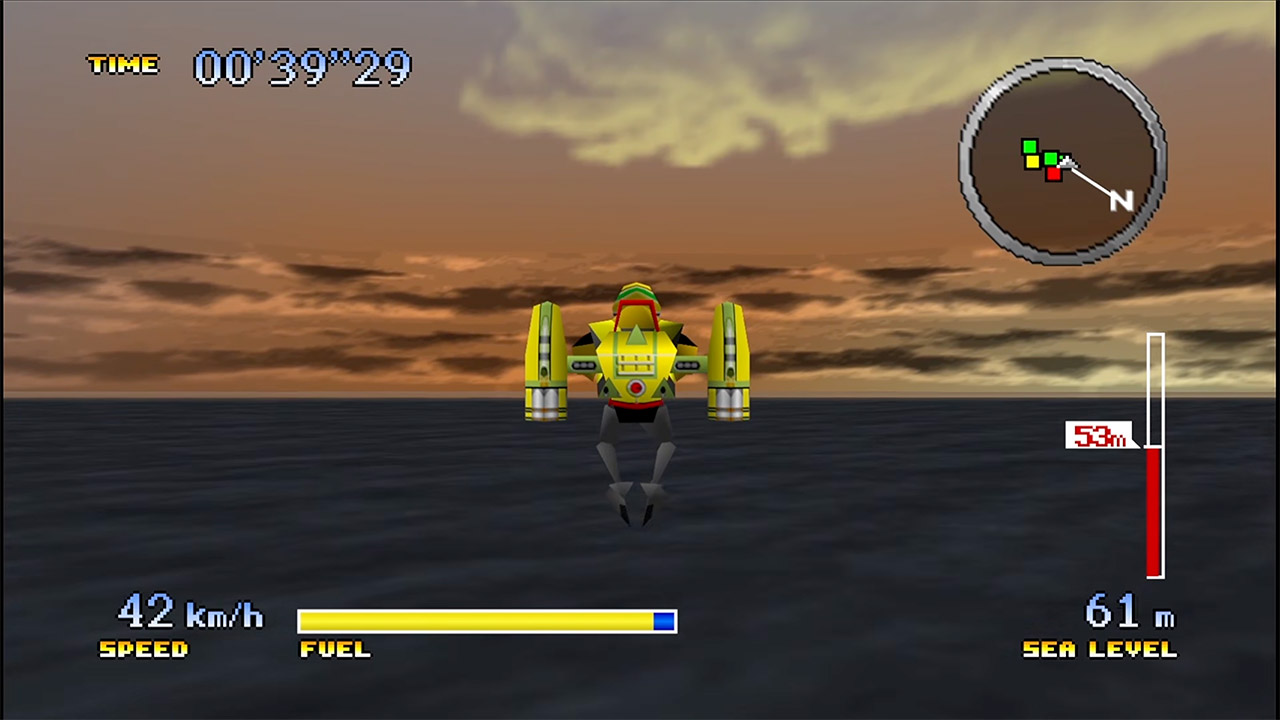
Nintendo 64 owners spent 1996 lining up hang gliders over Little States and hoping the analog stick would forgive a late flare. Nearly thirty years later, Pilotwings 64 Recompiled puts that same flight school on Windows and Linux as a native program you launch like any other PC game.
Static recompilation is the method that enables this project. Two crucial tools, N64Recomp and N64ModernRuntime, handle the heavy lifting, transforming the original machine code from the N64 into a PC executable that runs on your computer, with RT64 handling the graphics. This is all built on Garrett Smith’s remarkable decompilation work, which finally reached a full code match in April 2026, providing all subsequent builders with a very handy guide to what each and every part of the game code is doing. You can see how all the vehicles, menus, save screens, and so on fit together, and then, in mid-September 2026, an independent developer took that work and turned it into a playable game on Windows and Linux, with the first release being 0.1.0, followed by the 0.1.1 hotfix, and Claude has been assisting with patches, tools, documentation, and even the art.
When you launch the game, the first thing you notice is the widescreen mode. The view fills your current monitor, and all of the interface elements are neatly arranged at the screen’s edges. The old black border that used to cut off the image has been removed, and matrix interpolation now kicks in, providing silky smooth animation that matches your display’s refresh rate, even with all of the camera cuts and fast motions. You no longer have to go through those long, long menu stalls that used to take up to 6 seconds, because they now simply snap from one screen to another.
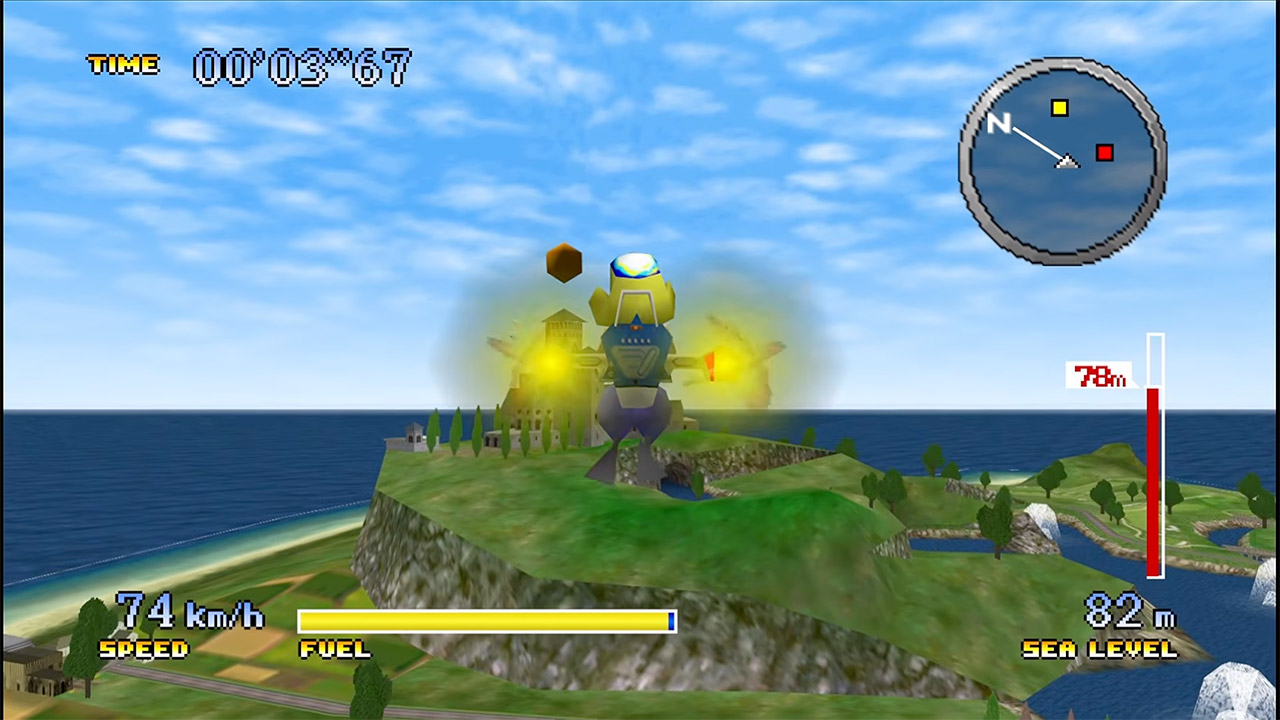
The launcher includes all of the settings you need to customize the graphics, sound, and even mods. You can use either a keyboard or a controller, so don’t worry about the fact that the original N64 pad doesn’t work well on modern desks. Every vehicle and bonus level are included, as are the game results panels and save system. There is some footage that showcases some of the important improvements, such as rocket belt hovers that now respond to minute throttle adjustments, gyrocopter runs that are readable even at high refresh rates, and ring courses that are no longer cut off by the old 4:3 window.
The cartridge data itself is not included since you must first locate a USA dump of Pilotwings 64 with a specific SHA-1 code and refer the launcher to it. The project is MIT licensed, and the runtime is GPL-3.0, so everything works out well. On the other side, running the Linux version requires a Vulkan driver, and macOS is not supported. There are a few things that don’t work as well as they could, such as the quick camera motions, which can get slightly out of sync at low frame rates because the camera is right inside every object’s math. Changing the aspect ratio when viewing the photo album simply blanks out the pages until you close and reopen it, though the 0.1.1 hotfix resolved a problem in which the photos were drawing twice as large as their spaces. Then there’s the interpolation on a true 120 Hz display, which still need some time to perfect, and the Linux packages were, ironically, produced on WSL2.
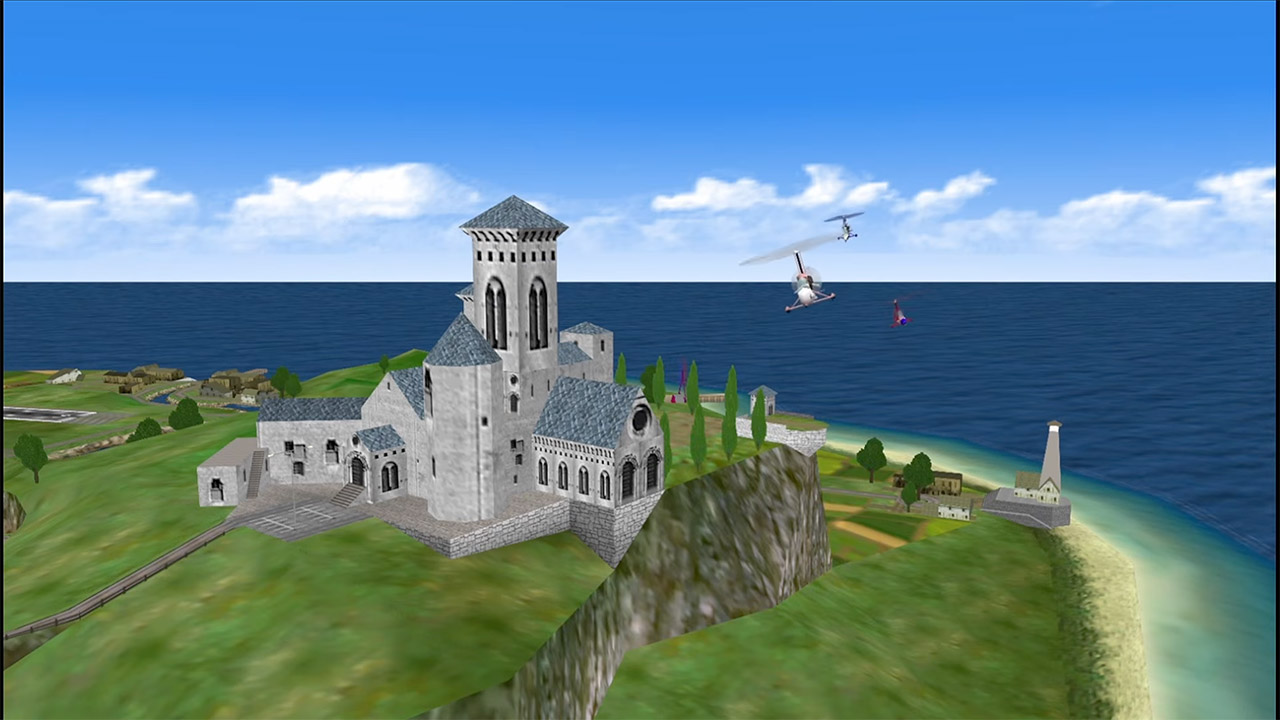
For anyone who spent their childhood playing on that old cartridge, the draw is immediate. Hang glider approaches, rocket belt landings, and gyrocopter passes look fantastic on a modern widescreen, yet the old game continues to function properly. The builds can be found on GitHub under danielgomesvieira2000/pilotwings-64-recomp. Simply download your own USA dump, select a controller setup that feels right, and take another trip around Little States. [Source]
The Cybersecurity and Infrastructure Security Agency (CISA) has ordered U.S. government agencies over the weekend to secure their systems against attacks exploiting two critical Citrix NetScaler vulnerabilities.
Citrix released security updates to address the flaws (tracked as CVE-2026-88771 and CVE-2026-88772) days after national cybersecurity agencies, IT suppliers, and security teams began privately contacting Citrix customers and advising them to shut down their NetScaler appliances.
For instance, the Dutch National Cyber Security Center (NCSC-NL) reportedly warned organizations in the Netherlands about two critical NetScaler zero-days without CVE IDs that allowed threat actors to place shellcode directly into memory.
On Sunday, Citrix confirmed active exploitation of the two vulnerabilities in zero-day attacks and urged customers to patch their systems immediately.
Advertisement
Both flaws allow unauthenticated attackers to gain remote code execution on vulnerable NetScaler appliances. The first affects all NetScaler ADC and NetScaler Gateway deployments with default configurations, while the second requires DTLS to be enabled (Citrix noted that DTLS is toggled on by default on VPN virtual servers).
“Exploitation of CVE-2026-88771 and CVE-2026-88772 on unmitigated NetScaler deployments has been observed. Citrix strongly urges affected customers to install the relevant updated versions as soon as possible,” the company warned in a Sunday blog post that has a ‘noindex’ meta tag which tells search engines not to index the page.
“These vulnerabilities vary by deployment configuration and enabled features, and include issues that could allow remote code execution, denial of service, HTTP request smuggling, policy bypass, and TCP initial sequence number prediction under specific conditions.”
Citrix has also shared what it describes as “generic Indicators of Compromise” through NetScaler Console to help security teams identify NetScaler deployments that may have already been compromised. However, it also warned that these IoCs “might be of limited forensic value and might fail to identify actual compromises” and advised customers “to retain the services of experienced forensic investigators.”
Advertisement
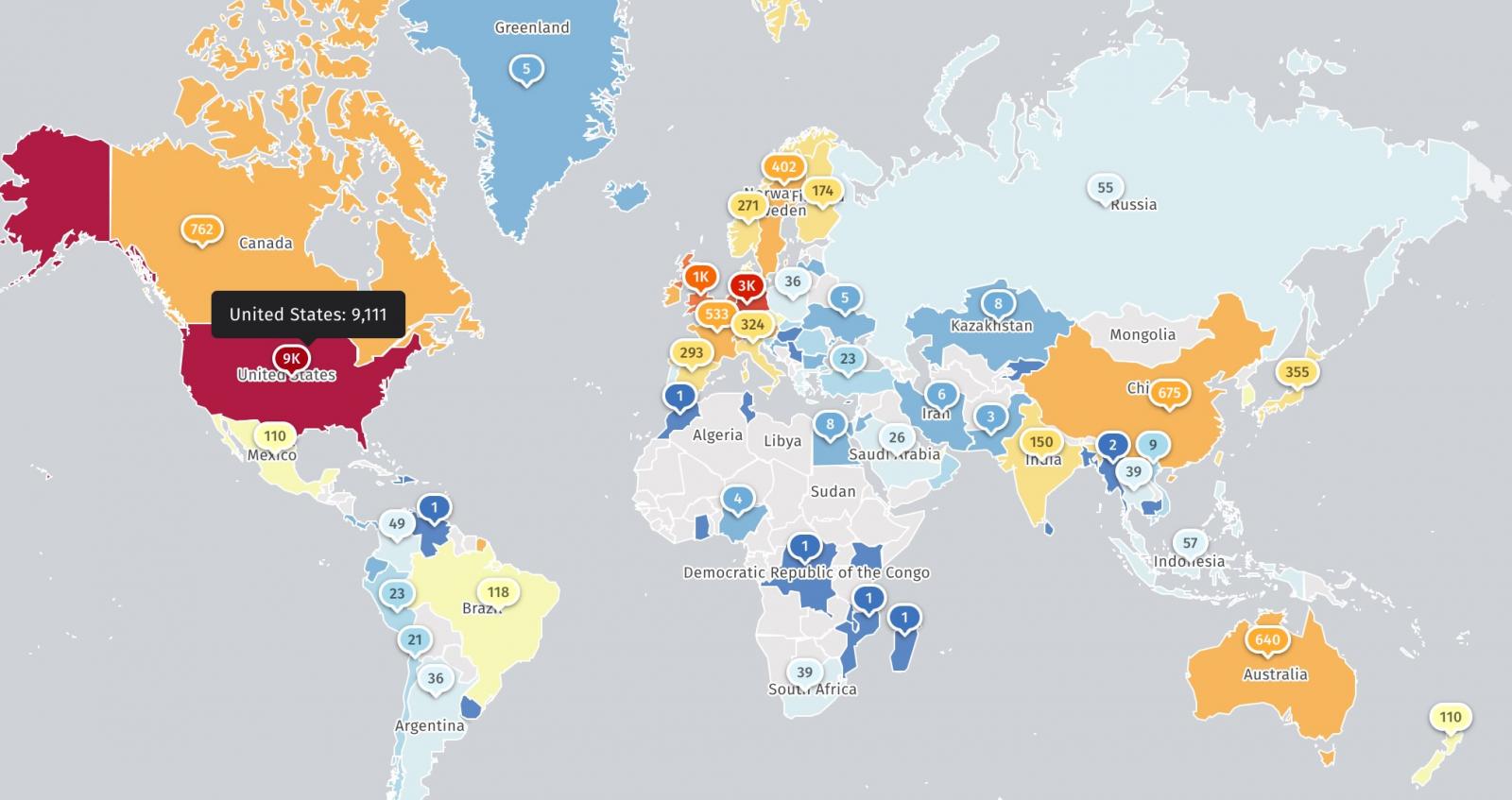
Currently, threat watchdog Shadowserver tracks over 23,000 IP addresses with NetScaler fingerprints exposed on the Internet (including nearly 22,000 NetScaler ADC appliances and just over 1,500 Gateway instances). However, there is no information on how many are honeypots, have already been patched, or have vulnerable configurations.
Map of Internet-exposed NetScaler instances (Shadowserver)
“Given the potential consequences of successful exploitation and the fact that malicious actors are exploiting at least some of these vulnerabilities, CISA urges users and administrators to review Citrix’s advisories,” the cybersecurity agency warned.
“If possible, users are encouraged to check for indication of compromise prior to patching. Citrix has made indicators of compromise available through NetScaler Console and published additional guidance. Should your organization suspect compromise, it is important to preserve forensic evidence prior to applying updates, as updates may result in loss of forensic visibility.”
These two flaws are just the latest of several other Citrix vulnerabilities that attackers have exploited in the wild since the start of the year.
Join Mikko Hyppönen and security leaders from the NFL, CHANEL, and Atlassian for a two-hour digital summit on what AI-speed attacks change, what defenders should stop doing, and how to validate, decide, fix, and re-validate at machine speed.
We spend hours testing every product or service we review, so you can be sure you’re buying the best. Find out more about how we test.
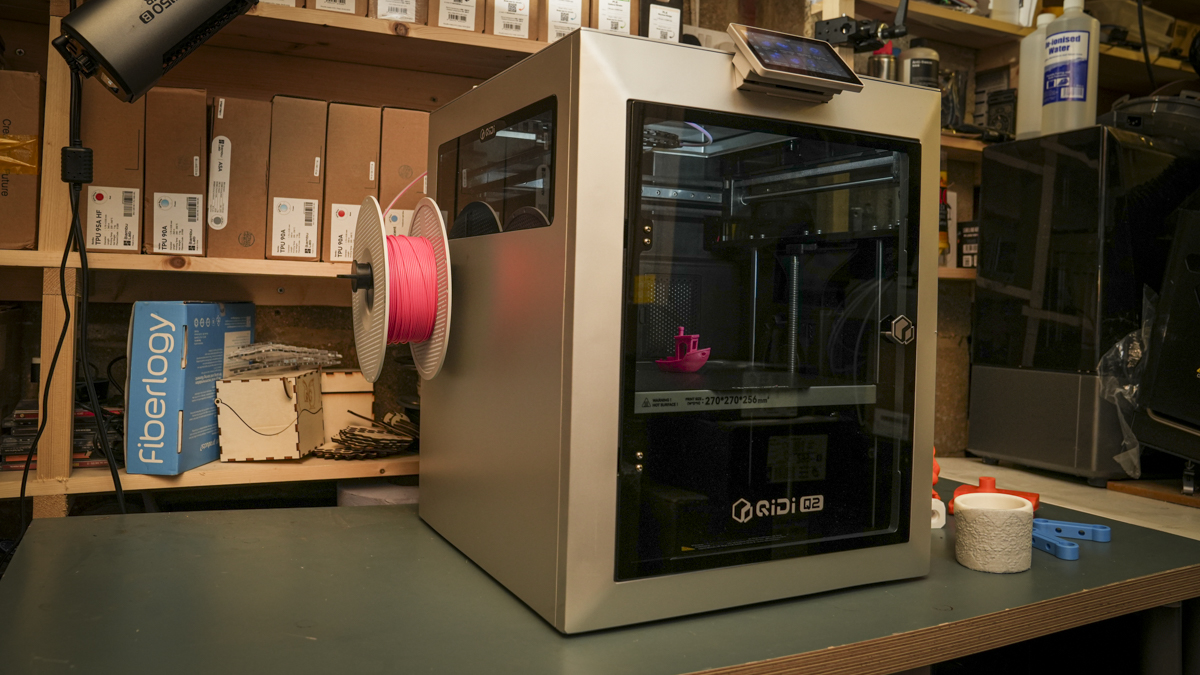
Removing the Qidi Q2 from the box, I was instantly pleased to see that this new machine reflected everything that I have liked about the Qidi Plus4 machine that I looked at a couple of years ago. However, this is a smaller version with a footprint that is better suited to smaller workshops and studios.
Once again, it’s easy to write off these machines. Qidi , while in the business for as long as many of the big-name brands, just isn’t as well-known, and their machines just don’t have that spark of innovation that we see from the likes of Prusa Research, Bambu Lab, Creality, Elegoo or AnyCubic; however, above all, bar possibly Prusa, Qidi have reliability.
Advertisement
It’s been a busy few months, and the Q2 review has been a long time coming. It’s essentially been sitting, printing for 6 months without issue or fuss: switch on, print, whichever material I need for any given job, usually PLA but ASA, ABS and PETG-CF, same reliability, same print quality.
Latest Videos FromTechRadar
The main issue is that when a machine starts to blend in, just works as part of the workshop and now classroom you don’t tend to think of it as anything other than having always been there, and that really sums up the Qidi , while it may not have the cutting edge features, what it does have is absolute refinement and reliability.
As I have found in both a business and an educational environment, reliability is far more important than any headline speed figures, multitool changers, or other cutting-edge features when all you need to do is print.
Advertisement
QIDI Q2 3D Printer: Design
(Image credit: Alastair Jennings)
Positioning the 402 x 438 x 494mm frame of the Qidi Q2 onto the workbench was something of a relief; the past three printers and laser engravers have all recently gone for scale, so to have something smaller and quite as neat and robust as the Q2 to move around is a welcome break. While it is smaller, it still offers a decent print area of 270x270x256; this will enable you to print most objects you’ll need for prototyping, although cosplay props and helmets will require the models to be split and produced in parts.
One of the key points for me was that the Q2 comes in at 18.1kg, so while that is still quite weighty, it’s not up to the backbreaking weight of many of the other new machines, which in smaller workshops means that it’s easy to move and store when needed.
Sign up to the TechRadar Pro newsletter to get all the top news, opinion, features and guidance your business needs to succeed!
Advertisement
The construction is all good and solid, and with the CoreXY mechanics and the full-metal frame it all feels a little more robust than some of the other printers that I have tested recently. I also like the fact that it, which has been product-designed, is more in line with workshop machinery, so slips into that environment neatly.
In the print workroom, which is where the Qidi machines tend to end up, the Q2 has sat alongside the larger Plus4 handling the smaller props prints and artworks that we’re required for the run-up to summer. The quality, speed and ultimately reliability have made this, alongside the other Qidi machine, a valuable addition.
All the features that are essential for education, especially, are here, with the fully enclosed construction which keeps students’ fingers away from the heated internal chamber and, more importantly, the hot end.
(Image credit: Alastair Jennings)
The interface is also extremely straightforward, with the 4.3-inch touchscreen making it easy to navigate. What I liked was that the calibration is automatic, so once the machine is set, you can just leave it.
Advertisement
The auto bed levelling with the standard dual-sided textured PEI build plate meant that there were few, if any, misprints, and once prints cool, they’re easy to remove.
When it comes to the build, the Qidi has been designed as a solid and reliable part of the studio, and a printer that blends in rather than standing out and demanding constant attention.
QIDI Q2 3D Printer: Features
(Image credit: Alastair Jennings)
Taking a look at the Q2’s features, while impressive, it positions this fully enclosed printer at entry level these days, which, compared with printers just a couple of years ago, shows just how far the technology has progressed.
Advertisement
The fully enclosed design gives the machine its premium look and feel and houses the CoreXY motion system using heavier-weight 1.5GT belts, with linear guide rail used rather than rods on the X-axis and dual independent lead-screw motors controlling the Z-axis. These are all features that ensured Bambu Lab’s position when they launched, and now even in this entry-level machine they’re a standard.
Toolhead speed is 600mm/s, fast but not unusual at this level, with acceleration of up to 20,000mm/s². Compared with the old Cartesian machines, this is impressive, but with many machines now reaching 1000mm/s, it puts this machine’s print speeds at a reliable and steady pace.
The machine is shipped with QidiSlicer, which, as with most slicers these days, is a derivative of Prusa Slicer, although here it has been heavily adapted to enable ease of use. What I liked through the test is that the default profiles are solid and well tested. If you’re new to 3D printing, then it’s just a case of selecting your filament type and the software then the machine sorts the rest. Through this test, I stuck to these default profiles, and the consistency with the QIDI and other manufacturer filaments was superb.
The print volume is 270 x 270 x 256mm, which is a decent size, with most standard 3D printers offering around the 250 x 250 x 250 mm volume. The platform itself is an aluminium-substrate heated bed topped by a removable dual-sided textured PEI plate with a bed temperature that can reach 120°C.
Advertisement
The standard hotend nozzle impressively reaches a temperature of 370°C, meaning that out of the box the bimetal 0.4mm nozzle is equipped to deal with engineering materials. As one feature point that really highlights the direction of the QIDI 3D printers, it uses a direct-drive extrusion system with hardened-steel gears, again built for durability and maximum filament support.
As I mentioned, the 0.4mm bimetal nozzle is fitted as standard; however, if you want to swap it out for something else, then there are 0.2, 0.6 and 0.8mm alternatives available. While you can print with abrasive materials as I did through the test, there is a Tungsten Carbide nozzle available which will last far longer.
The material compatibility list is extensive, with the usual PLA, PETG and TPU, and support for ABS, ASA, PA and PC. The BiMetal nozzle will also print carbon- and glass-fibre reinforced polymers, although this is where I would invest the additional £60/$60 for the Tungsten Carbide hotend.
The Q2 is a fully enclosed machine with active PTC chamber heating system that can push the internal temperature up to 65°C; this is ideal for materials such as ABS, ASA and engineering polymers. The heat around the print enables better control over warping and other print problems for these more advanced material types.
Advertisement
There are several points around the engineering materials that are worth knowing before you start using them on this printer. While it can print with them out of the box, if you’re going to be using carbon-fibre or nylon on a regular basis, I would invest in a filament dryer and that hardened hotend.
Looking at a few of the features that have been introduced that actually make this machine an interesting option for small studios and education are additions such as the G3 pre-filter, H12 HEPA filter and coconut-shell activated-carbon filter. These essentially take out some of the fumes and smaller particles that some of the more advanced materials can make.
The Q2 uses hands-free automatic levelling with a load-cell sensor integrated directly into the hotend. The nozzle itself can therefore be used during the levelling process, removing the need for a separate offset probe.
Specs
Advertisement
Print Technology: Fused Deposition Modelling (FDM), CoreXY Build Area: 270 x 270 x 256mm Minimum Layer Resolution: Dependent on nozzle/profile Maximum Layer Resolution: Dependent on nozzle/profile Dimensions: 402 x 438 x 494mm Weight: 18.1kg Bed: Aluminium heated bed, up to 120°C Print Surface: Dual-sided textured PEI plate Software: QIDI Studio; compatible with third-party slicers including OrcaSlicer and PrusaSlicer Materials: PLA, ABS, ASA, PETG, TPU, PA, PC and carbon/glass-fibre reinforced polymers Print Speed: Up to 600mm/s; acceleration up to 20,000mm/s²
In everyday use, the important point is that calibration is straightforward and, once complete, I’ve found little reason to start making manual fine adjustments.
That’s exactly what I want from a machine being used in education.
The purpose of the printer is to make things. If you’re continually adjusting the printer itself, something has gone wrong with that relationship.
Advertisement
Other advanced features include the 1080p resolution camera that enables you to monitor prints and create time-lapse sequences; this camera is now AI-enhanced, so it will spot defects automatically.
More standard features, including WiFi across a 2.4GHz connection, Ethernet and USB, are all available, and the 4.3-inch, 480 x 272 touchscreen enables you to easily switch through settings.
QIDI Q2 3D Printer: Performance
(Image credit: Alastair Jennings)
After having the relative complexity of the multi-filament machines over the last year, it’s actually quite nice to go back to the simplicity of a single filament. There is the option to go multifilament, but in this review I’m just looking at the base machine, and as the first few prints finished, I was instantly impressed by the quality of the PLA prints.
Advertisement
As I ran through the stock models that had been provided and then the additional test prints, the quality and speed were consistent. This is a mid-speed printer, and while it’s not as fast as some of the machines I’ve looked at recently, at this price the speed and quality are well balanced.
What is apparent is that, consistently and unusually due to the volume of printers and engravers that have been coming through the workshop, this machine has been printing consistently for six months without issue. This is part of the reason that I’ve delayed the review: firstly, waiting for the Qidi Box, and secondly, it just became a part of the workshop that was in constant use.
This reliability has been seen with the other QIDI printers that I’ve used, with the Plus4 now having been run for almost two years in the college; it’s the one printer of many that has consistently worked and meets the safety requirements.
(Image credit: Alastair Jennings)
Checking the quality of the prints and the first layer after the auto calibration is always slow and precise, and at no point have I had to make any adjustments to that initial calibration height.
Advertisement
The prints also hold firm during printing, and if printing multiple prints across the heated bed, they all stick firmly through the process, releasing easily when the platform cools.
What was also apparent was that after a six-week break at the college, where the machine has sat mostly unused, all it took to get it back into action was to power it on. A quick bench test, and the machine was printing perfectly.
Taking a look at the benchmark tests, the results were impressive.
Adding up the totals gives a final score of 29 out of 30.
QIDI Q2 3D Printer: Final verdict
(Image credit: Alastair Jennings)
The review of this 3D printer has stretched over a far longer period than most, with the machine being set up and used for the last six months. While the pricing places this at the entry level, the build quality and reliability make it clear that this machine strikes a careful balance.
It gives you a standard out-of-the-box machine that is a reliable tool in the workshop, and if you work in education or have a small business or design studio, then that is exactly what it provides.
Advertisement
The Q2, used as a single-filament machine as I have looked at it in this review, offers a solid, no-fuss approach and huge support for a good range of materials. Key features include the CoreXY design, cooling system, filter and fully enclosed design that enable everyone from a complete beginner through to professionals to have a machine that will be reliable and easy to use.
The Qidi software is again well thought out, and the stripped-down approach again makes it an ideal option for those who are new to 3D printing; the machine connection and the slicing workflow are all well thought through.
This might not be a machine that shouts. out with the latest features and cutting-edge additions, but instead it refines this style of machine perfectly. If you want more, then there are the other hotend options, and there’s the QIDI box for multifilament printing.
Essentially if you need a no fuss, solid and reliable 3D printer then the Qidi Q2 is a great option, while there is the multifilament option at present as a single filament machine it’s a great price and close to perfect for what it is.
Advertisement
Should You Buy the Qidi Q2 3D printer?
Swipe to scroll horizontally
Row 0 – Cell 0
Row 0 – Cell 1
Row 0 – Cell 2
Value:
Excellent value with a fully enclosed design and robust build that should last for years
4.5
Advertisement
Design:
Relatively compact design, with expansion options and built-in filters
4.5
Features:
Advertisement
Heated chamber, filtration and multi-material expansion future-proof the machine
4.5
Performance:
Six months of reliable printing highlighted just how refined this machine is
Advertisement
5
Total:
Compact, capable and exceptionally reliable all make this a great choice for education.
4.5
Advertisement
See what I rate as the best 3D printers you can buy based on my workshop tests
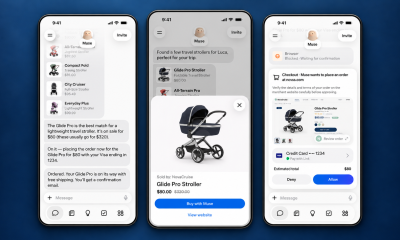
Agentic Clash: Amazon and Meta are clashing over AIs running shopping errands on behalf of human users. One of the world’s largest e-commerce companies wants AI agents to properly identify themselves, while Mark Zuckerberg’s social giant is just trying to play dumb.
Amazon has decided to stop Meta’s latest foray into the agentic AI business from shopping on its service. The retailer said that Muse AI’s programmed behavior is a security and privacy risk. Furthermore, the AI agent is failing to prove its identity like any other third-party bot would be obliged to do under Amazon’s TOS.
Meta launched Muse a few days ago, presenting the service as an AI agent designed to do work on behalf of its users. Muse’s capabilities include completing purchases when authorized, with Amazon’s popular e-shopping platform being a major player in the field.
Amazon apparently asked Meta to exclude its service from Muse, but the Facebook company declined. Now, Amazon says that Muse has started to access its store, capture users’ credentials, and perform its shopping tasks without disclosing its agentic nature or the company behind it.
Advertisement
An Amazon spokesman told Forbes that “third-party applications that offer to make purchases on behalf of customers from other businesses should operate openly and respect service provider decisions about whether or not to participate.”
Amazon argues that agentic AIs such as Muse should all follow the same rules, which is why it asked Meta to remove the service from its new LLM experience. Now, Muse-related shopping attempts on Amazon are now met with a pop-up window explaining that the AI is not authorized to access the platform.
While introducing Muse, Meta said that the AI agent had no way to directly access a user’s password or payment methods. The agent would run from a secure VM within the company’s cloud platform, storing account credentials provided by the user in a secure storage system that Muse’s AI would never actually “see” by itself. Amazon’s statements about the agent’s capabilities appear to partially contradict Meta’s reassurances.
Amazon has long tried to fend off AI agents from freely using its platform. The company threatened Perplexity AI browser Comet and is actively working to block other third-party agents, such as those from Google and OpenAI.
Advertisement
Forbes highlights what could be one of Amazon’s main reasons for blocking third-party agentic AIs. Besides operating the world’s largest online shopping service, the Seattle-based megacorporation is also earning a pretty penny from advertising shown on sponsored pages. Last year alone, Amazon’s ad-related revenue amounted to $68 billion – around 10% of the company’s total revenue.
Surround sound offers maximum audio immersion, but there are cost and space barriers.
Simpson33/Getty Images
No matter which TV you have, it’s almost certain that its built-in speakers are terrible. They might be fine for news or casually watching YouTube videos, but for a proper movie, you’re probably struggling to hear dialogue, let alone details in the bass and mids. Moreover, modern surround sound technologies like Dolby Atmos and DTS:X have moved from channel-based to object-based mixing, requiring sound to originate from overhead in addition to around you for the full experience.
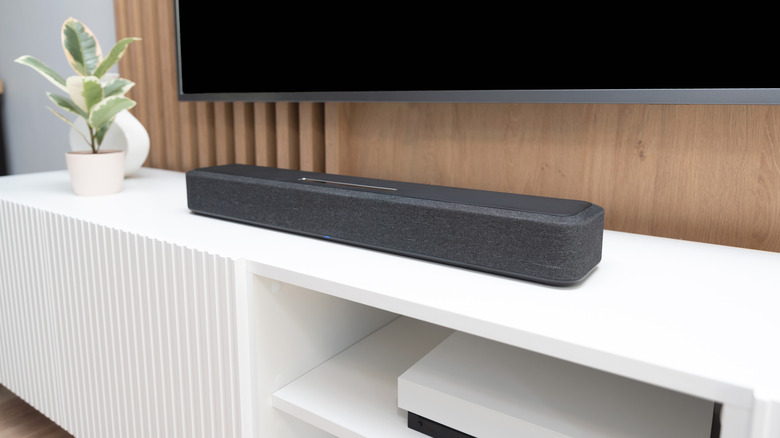
If you want to upgrade your TV speakers, you’ve got two options. You can furnish your living room with a surround sound system, placing speakers around the room to envelop you in sound, or you can go the cheaper, easier route: plug a soundbar in and call it a day. Given the substantial difference in price and convenience, many people wonder whether a true surround sound system is worth it.
The answer is, frustratingly, that it’s a personal decision. Which sound system you’ll prefer for your home theater comes down to your wallet, willpower and physical dimensions of the room your TV is in. How much of an audio enthusiast you are also factors into the decision. A soundbar is simple, cheaper and still a big upgrade over built-in speakers, whereas a surround sound system is more complex, pricier and packs a bigger sonic punch.
Advertisement
Soundbars can’t match a real surround sound system
Max Miller for Engadget
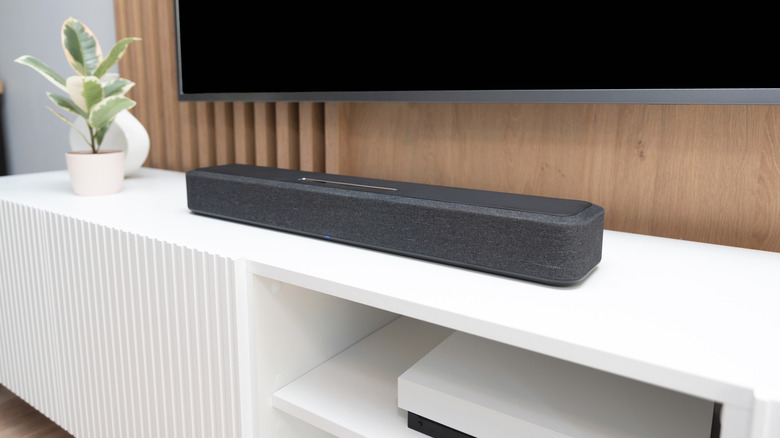
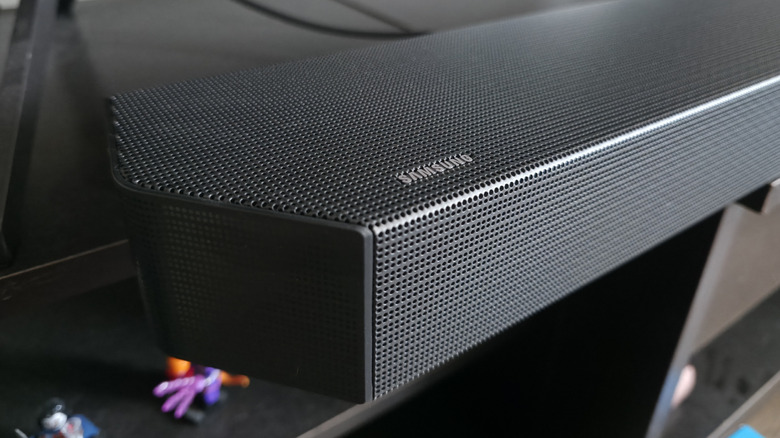
Soundbars almost always underperform compared to real surround sound. That’s not to say they have poor audio, but rather that they cannot blanket the listener in a bubble of three-dimensional sound the way a modern surround sound system composed of discrete speaker units can. Traditional 5.1-channel surround sound is difficult enough to approximate with a single soundbar. When you add Dolby Atmos and DTS:X into the equation, you also have to account for extra channels placed overhead.
Many soundbars make a mighty effort to overcome their physical limitations. If you’ve seen soundbars advertising Dolby Atmos surround sound capabilities, what actually happens is that the soundbar has some internal drivers (the part of a speaker that produces sound) pointed at an upward angle. The sound from those drivers bounces off of your ceiling and, ideally, back down to you, creating an Atmos-lite experience that’s a bit more immersive. It’s a neat trick, but it only works in perfect conditions. If your ceiling is arched, textured, has light fixtures or similar, the sound from those upward-firing speakers can get disrupted and fail to reach you.
If you have the right room, and if you place your Dolby Atmos soundbar correctly, you can begin to approximate what a real object-based surround sound system is like… in the same way you might begin to understand the taste of fruit by drinking a LaCroix. While almost any soundbar will bring a noticeable upgrade from your TV’s built-in speakers, that’s an extremely low bar (pun unintended).
Advertisement
In a blind test conducted by The New York Times, the paper of record found that pretty much everyone can tell the difference between a fancy soundbar and a custom surround sound array. When listening to the surround sound system, participants were better able to understand dialogue and to feel, well, surrounded by sound. The two catches were space and friction. Few participants said they’d buy the surround sound system over the soundbar, either because the former wouldn’t fit well in their living room or because they weren’t confident in their ability to install and set it up correctly.
Soundbars are simple, but pick surround sound for the best experience
Axeiz77/Getty Images
Soundbars are most worth it when you have a box-shaped room that cannot accommodate multiple speakers for whatever reason, or if you cannot afford a full surround sound system. They’re also a suitable choice when you simply want to plug one gadget into your TV and never worry about sound again.
There’s nothing wrong with being in one of those camps. Not everyone cares about being fully immersed in a spatial audio mix where each explosion or voice is directionally precise. And not everyone who does want that experience can afford it or has the space for it. Again, even a middling soundbar is likely a decent upgrade over your TV’s onboard speakers, and there’s always going to be a better option you can jealousy compare your current setup to. You have to make a call somewhere. A good middle ground is opting for a 5.1.2 soundbar that offers two rear speakers and a subwoofer along with the bar. It’s not as intensive as a proper surround system, but might hit the sweet spot for you.
Advertisement
The difference in price alone is enough to scare most people off of a surround sound system. You can get decent sound on a budget, especially if you know where to hunt for deals. But even an entry-level surround sound system, whether a package with speakers of your choosing or a home cinema pack (HCP) that comes as a set, can run you close to a thousand dollars. You can get a bit closer to $700 if you find a bargain or an overperforming system for its price. At the mid-range or higher, expect to pay mid four-figures.
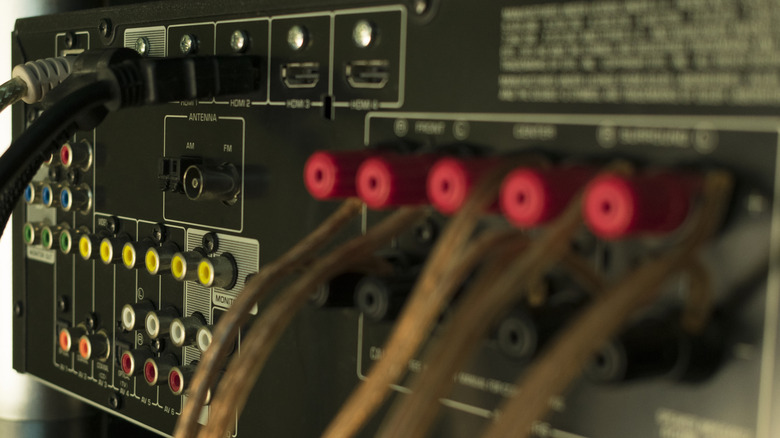
But say you do have the space, money and know-how to install a proper surround sound system with DTS:X and Dolby Atmos configured. If you care about a detailed home theater audio experience, skip the soundbar and invest in a receiver and speakers.
After more than a decade building a caller ID business serving over 500 million users, Truecaller is now taking the scam intelligence it gathered along the way to the open web, with no app or sign-in required.
The Swedish company on Sunday launched Scam Checker, a new web and Android service that lets users paste in a suspicious phone number, link, or message to find out if it’s fraudulent. To work, the service surfaces related reports from Truecaller’s community, ScamFeed. However, more detailed information about a phone number, including the name associated with it, remains available only through Truecaller’s existing service, which requires a sign-in.
The free-to-access tool will initially be available in India and is set to expand to Latin America, the Middle East and Africa, and Southeast Asia, the company said.
In addition to serving as lead generation for its app, the community reports can give Truecaller a better view of the scams circulating at a given time. This could also help the company with its fraud and risk products sold to enterprises through Truecaller for Business, although Jhunjhunwala said Scam Checker itself is aimed at consumers.
Advertisement
To work, Truecaller’s Scam Checker checks the link the user submits, expanding shortened URLs and following redirects to the final destination. It then checks these against its proprietary risk database and other fraud signals. Users can also paste a suspicious message, allowing the service to pick out a phone number or link and surface related reports from the Truecaller community.
Truecaller’s scam checkerImage Credits:Truecaller
The launch comes as scams have grown well beyond phone calls to text messages, messaging apps, and web links. In a 2025 GSMA survey of Indian adults (PDF), 46% of those who reported being scammed said they were approached through messaging apps, while 37% via SMS and 32% through voice calls.
Truecaller estimates that people make about 14 million web searches a month to check suspicious links and phone numbers, based on its analysis of search volumes and traffic to existing verification services. That behavior helped shape Scam Checker, CEO Rishit Jhunjhunwala told TechCrunch.
“When you need it, you’re usually somewhere else. The link shows up on WhatsApp. Your mum gets a message about a traffic fine. A friend forwards you a screenshot and asks, ‘Is this real?’” Jhunjhunwala said. “What people do in that moment is search.”
Truecaller’s community is becoming a crucial piece of its scam-detection effort. The company told TechCrunch that about 20,000 scam reports are live on ScamFeed, its crowdsourced feed where users can post and discuss scams, in India, with around 1,300 new reports added each week. Between September 14 and 20, the company also said it evaluated 12.9 billion messages globally and flagged 20.3 million as fraudulent.
Advertisement
In the near future, Truecaller says it plans to broaden the types of scams Scam Checker can detect and add screenshot uploads for further analysis.
The company’s push beyond caller ID comes as its core business faces new pressures in India, its largest market with more than 350 million users. Telecom operators are rolling out the federal government-backed Calling Name Presentation service, while Apple and Google have added their own caller identification and spam-protection features. Last week, India’s telecom regulator also ordered caller-ID apps to share user-submitted spam reports with telecom operators, a move Truecaller criticized as a “one-way exchange.”
As a result, Truecaller’s focus is evolving beyond caller ID.
“Caller ID was the first problem we solved, and it’s still how most people find us,” he said. “But scams moved to a more multi-channel approach with links and messages, and increasingly to voice and video. Our protection has to follow the scammer.”
Advertisement
When you purchase through links in our articles, we may earn a small commission. This doesn’t affect our editorial independence.
Winners & losers: Nintendo, a company that’s as famous for aggressively going after pirates as it is for its games and consoles, has just been awarded $4.5 million in damages in a lawsuit over pirated Switch games. This was an easy win for the firm, given that it won by default when the defendant did not answer the complaint in court.
Nintendo sued James Williams, also known online as Archbox, in June 2024 over claims he was the operator, overseer and driving force behind several Pirate Shops.
As reported by Aftermath, the judgment also requires Williams to disable access to any shops he operates or controls that offered pirated Switch games. US District Judge Lauren King granted Nintendo’s motion on September 23.
It was reported last October that Nintendo was seeking $4.5 million from Williams, a leading moderator of the r/SwitchPirates subreddit. The company accused him of using the community, which had nearly 190,000 members, to direct users toward websites offering unauthorized downloads.
Advertisement
Nintendo also alleged that Williams solicited Nintendo eShop gift cards to buy games that could then be copied and distributed. He reportedly provided tools and technical help for bypassing the Switch’s protections, giving users assistance with getting those pirated titles running.
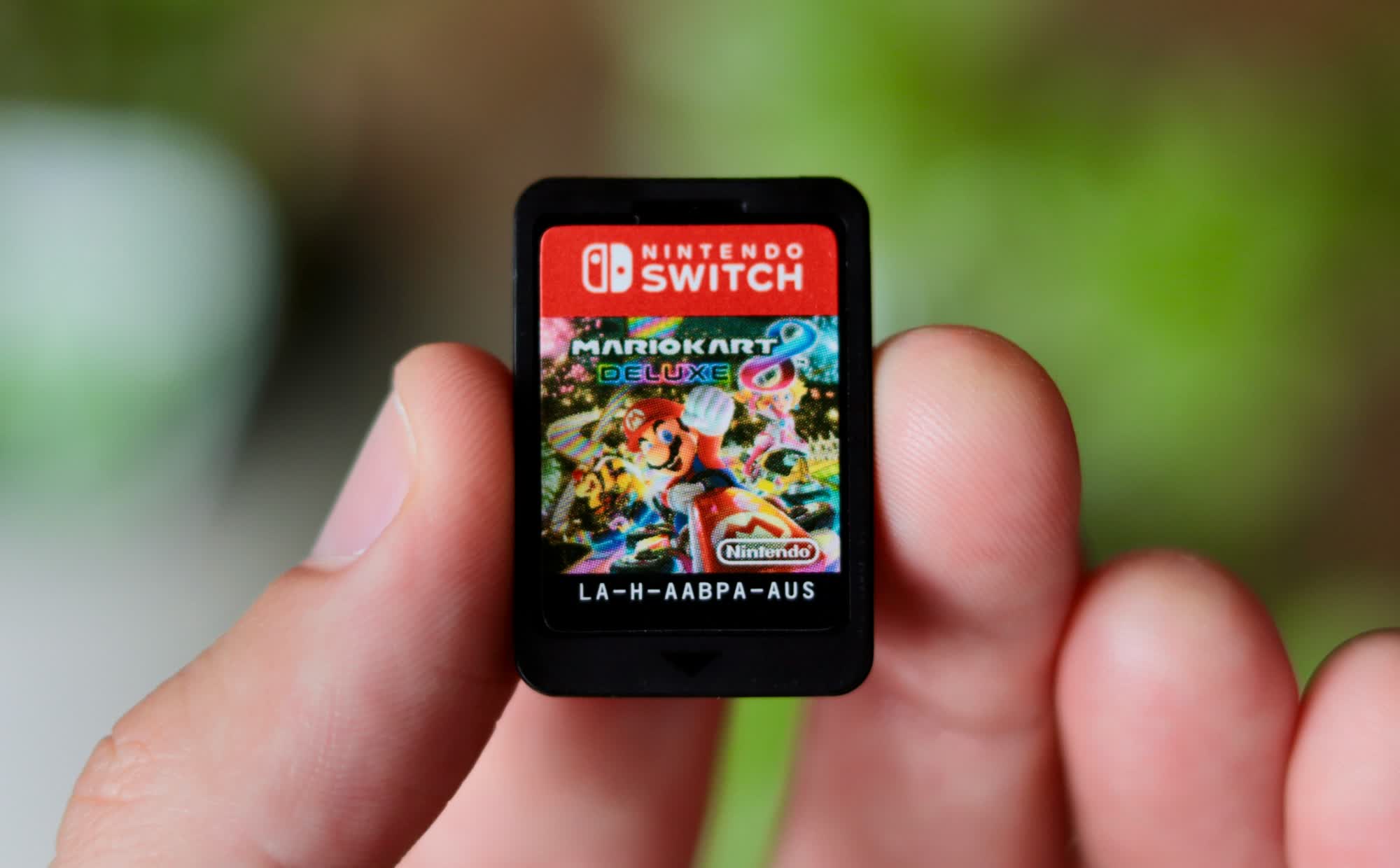
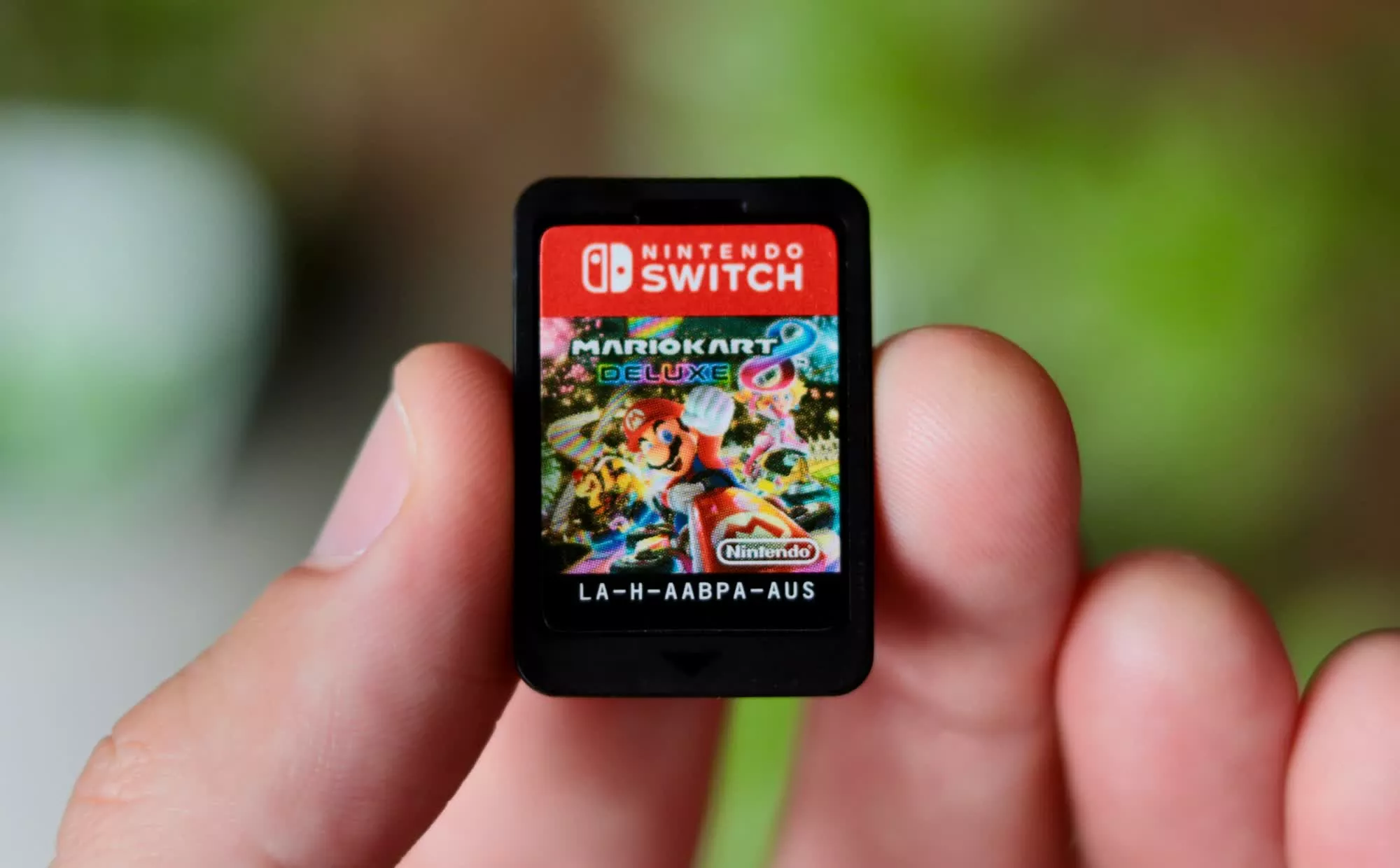
The $4.5 million figure comes from the maximum statutory damages of $150,000 for each of 30 copyrighted games. The titles included The Legend of Zelda: Tears of the Kingdom, Mario Kart 8 Deluxe, and Super Smash Bros. Ultimate. The court found the infringement was willful.
According to the court order, Williams hired a lawyer specifically to respond to Nintendo’s subpoena to Google. However, that involvement never extended to answering the complaint, leaving Nintendo’s allegations uncontested.
The permanent injunction bars Williams from distributing pirated Nintendo games and circumvention software, or encouraging others to obtain them. It also requires him to disable accounts used to distribute or promote the infringing material.
Advertisement
Perhaps the most ironic part is how Nintendo tracked him down. Aftermath notes that investigators connected his Reddit activity to a Nintendo account used for hardware repairs. The company had shipped repaired hardware to his address just days before sending its cease-and-desist letter.
Williams wasn’t the only target of Nintendo’s lawyers. The company sued Modded Hardware on the same day in June 2024, targeting a business that sold modified Switch consoles and offered modding services. That separate case ended in 2025 with its operator agreeing to a $2 million judgment as part of a settlement.
Whether Nintendo actually collects $4.5 million is another matter. Archbox’s Reddit account is already deleted and the shops named in the complaint closed long ago, most after Nintendo’s March 2024 warning.

























































You must be logged in to post a comment Login