
Gaming
12 Years in the Making: Mike Tomlin’s Minecraft City Reveals Gaming’s Quiet Grip on the NFL

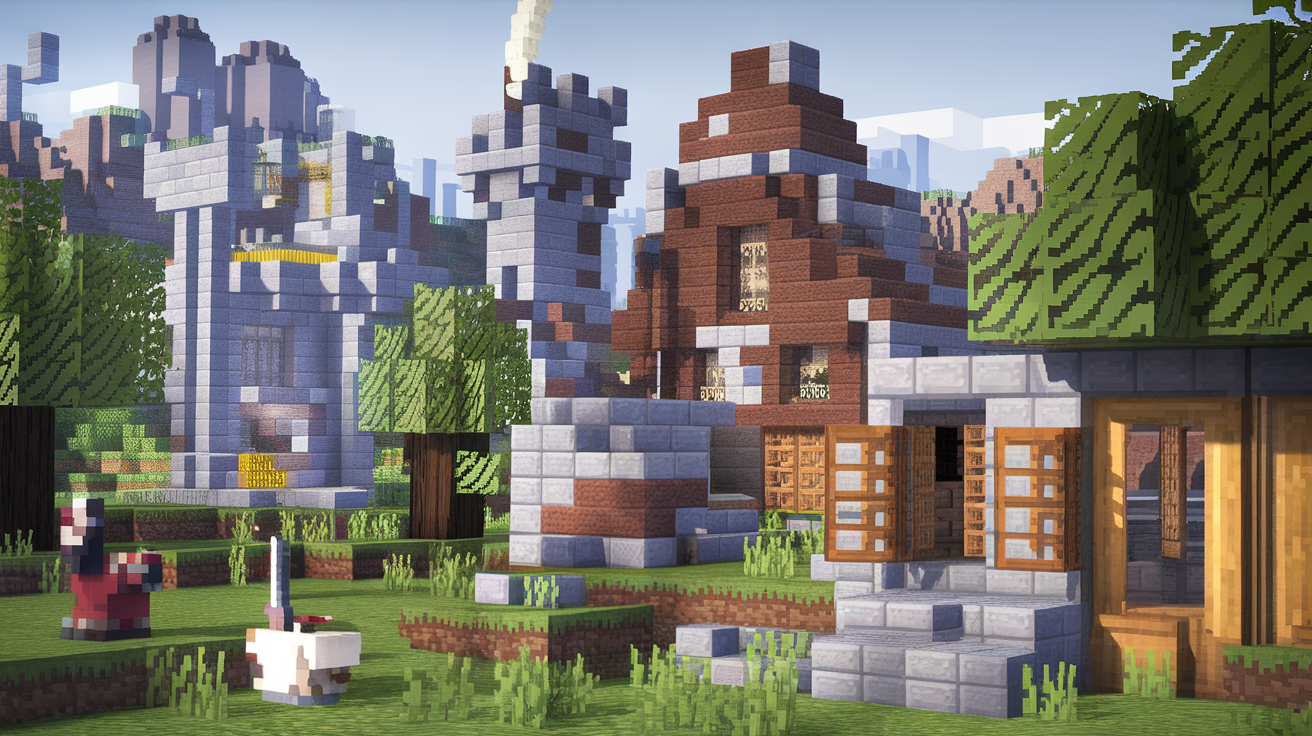
TITLE: 12 Years in the Making: Mike Tomlin’s Minecraft City Reveals Gaming’s Quiet Grip on the NFL
KEYWORD: minecraft city
DESCRIPTION: Steelers coach Mike Tomlin spent 12 years secretly building a sprawling Minecraft city, a reminder of how deeply video games now run through sports.
Mike Tomlin’s Minecraft city has finally seen daylight, and it turns out the Pittsburgh Steelers’ head coach has been quietly running a second franchise for more than a decade — one built not from draft picks and film sessions, but from blocks, lighting plans and a very particular obsession with public restrooms.
Tomlin revealed this week that he spent 12 years constructing an elaborate virtual metropolis in Minecraft, the block-building game that has become one of the most enduring phenomena in video games. The project began around 2014, during the Steelers’ AFC North title run, and continued through some of the most chaotic chapters of his coaching tenure — the Le’Veon Bell contract standoff, the Antonio Brown saga, years of playoff frustration. Through all of it, Tomlin says, he was quietly laying foundations, wiring lighting, and planning sightlines in a digital city that only his family knew existed.
Inside the Minecraft City That Took 12 Years to Build
What Tomlin unveiled is not a hobbyist’s sandbox but something closer to an urban planning thesis. The city is arranged around a central lake, an echo of the three rivers that meet in downtown Pittsburgh, and it fans outward into skyscrapers, a boutique hotel with a spa and therapy rooms, an aquarium-themed apartment tower, a CVS, an MLS stadium and a baseball field modeled loosely on PNC Park. Tomlin describes himself as “view-conscious,” making sure residents of his towers get a good look at the ballpark below, and “very lighting conscious,” repeatedly building glass ceilings and tall windows into his structures wherever the design allows.
His son Dino, a former college receiver who now helps produce the reveal video, says the lake alone was a years-long headache to get right. That kind of granular, almost architectural patience is exactly what has made Minecraft such a durable cultural force since its release: it rewards obsessive tinkering in a way few other games do, turning “mindless entertainment,” as Tomlin first called it, into something far more deliberate.
Why Video Games Have Become the NFL’s Favorite Escape
Tomlin’s confession fits a broader pattern among professional athletes and coaches who have turned to video games as a release valve from high-pressure jobs. Where football demands public accountability every single week, a Minecraft city offers total control — no referees, no media scrutiny, no front office second-guessing a glass roof. It is not hard to see why a coach who spent years fielding questions about playoff droughts might find comfort in a private world where every outcome is exactly what he designed.
That crossover between gaming culture and professional sports is only deepening. Madden NFL, Electronic Arts’ long-running football franchise, has effectively become the visual shorthand for NFL broadcasts and marketing, appearing in promotional art for major games including this season’s Super Bowl coverage. EA itself is now navigating a major ownership shift after being acquired by Saudi Arabia’s Public Investment Fund alongside private equity partners, a deal that underscores how much money and influence now flows through sports-adjacent video games. Meanwhile, streaming platforms are locking up NFL rights the way publishers once locked up console exclusives, with Disney Plus set to stream Super Bowl LXI in February 2027 across more than 55 international markets, joining Prime Video, Netflix and Peacock in a scramble that mirrors the competitive instincts of the gaming industry itself.
None of that diminishes what Tomlin built. If anything, it reinforces the point: video games have quietly become infrastructure for how athletes relax, how leagues market themselves, and how fans engage with sports outside the stadium. A Super Bowl broadcast now arrives dressed in the visual language of a football video game, streamed through apps battling for subscribers the same way studios battle for players. Tomlin’s Minecraft city, patient and strange and twelve years in the making, is simply the most human version of that story — a reminder that even the person calling plays on Sundays needed somewhere else to build.
Whatever Tomlin’s win-loss record says about his final years in Pittsburgh, his Minecraft city stands as proof of a different kind of legacy: one measured in lake water, glass ceilings, and a baseball field nobody but his family knew was coming.
Explore more on this topic with Vexel Search.

Gaming
GTA 6 Won’t Stream to PC at Launch: Xbox Exec Denies Exclusive Cloud Deal Ahead of Nov. 19 Release

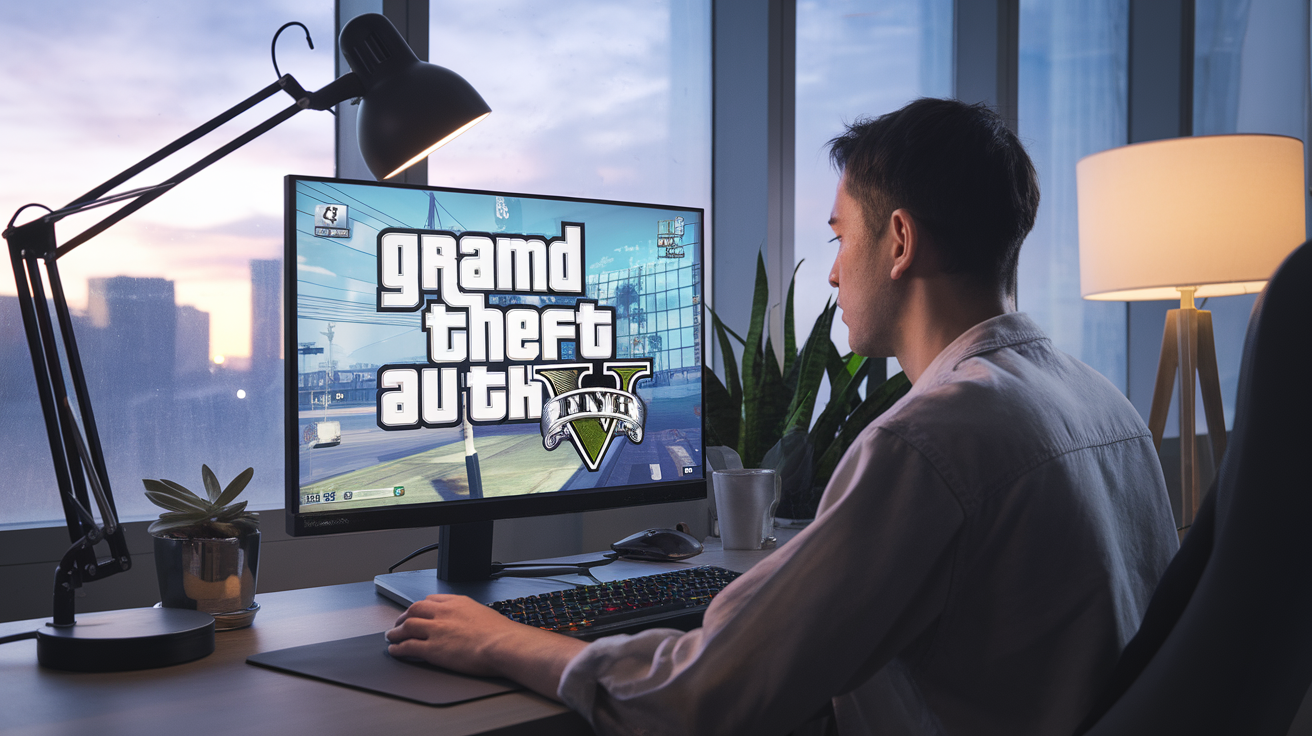
Hopes that players without a console might sneak into Grand Theft Auto VI through the cloud on day one have been dashed. Xbox chief strategy officer Matthew Ball has publicly shot down a report claiming Microsoft secured an exclusive streaming deal for GTA 6 that would have let PC users stream the game before an official GTA 6 PC port arrives.
The speculation began after The Verge reported that Xbox CEO Asha Sharma had teased, during an internal all-hands meeting, that Microsoft was “doing something no other platform holder is doing” with Rockstar’s blockbuster. Sources cited by the outlet suggested that tease referred to an exclusive cloud-streaming arrangement for GTA 6, one that could theoretically have let PC players access the game through Xbox’s streaming infrastructure ahead of a native PC release.
Ball moved quickly to quash that narrative. “While the excitement for GTA 6 and Xbox is great to see, it has also led to some misreporting,” he wrote, confirming that Xbox is “looking forward to launching GTAVI on XBOX November 19,” but clarifying unambiguously that the game “will not be streaming exclusively or to PC.”
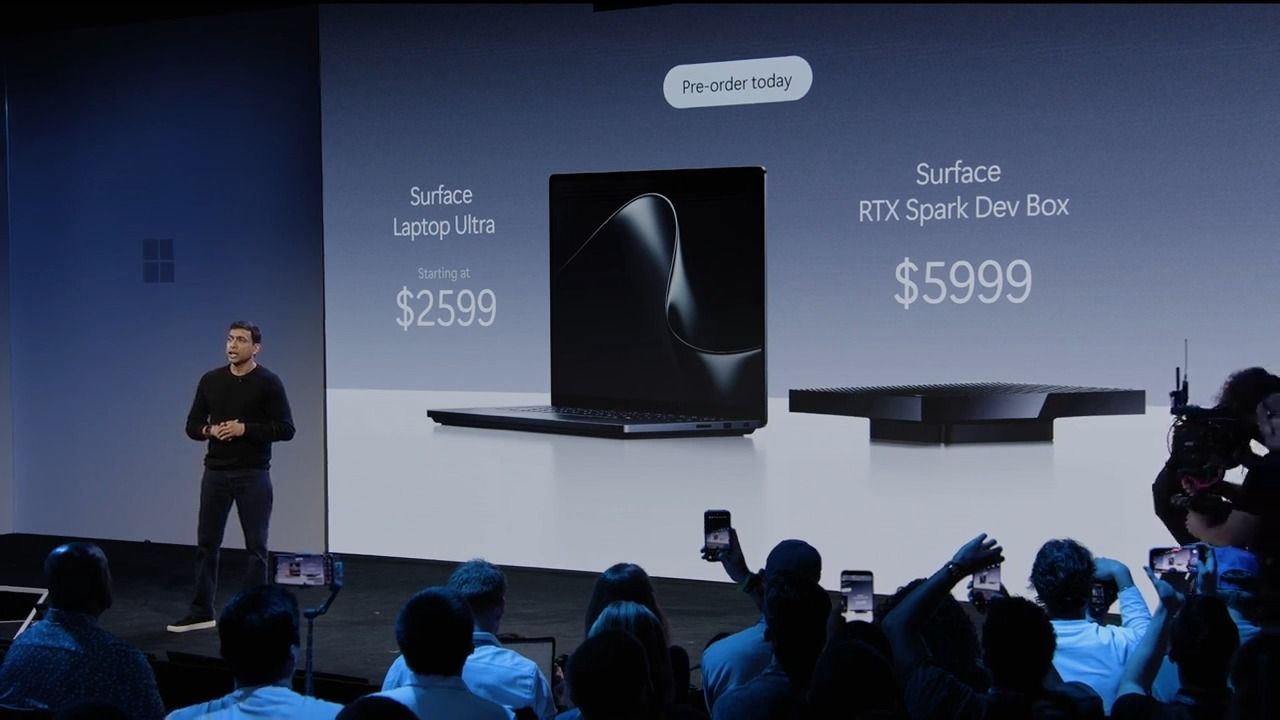
Why the GTA 6 PC Question Matters So Much
Rockstar still hasn’t confirmed a release window for GTA 6’s eventual arrival on PC, a silence that has only fueled speculation and wishful thinking among the platform’s enormous player base. Given that previous entries in the series, including GTA 5, eventually made their way to PC after console-first launches, most observers expect history to repeat itself. But “eventually” has done little to satisfy fans hungry for any legitimate way to play sooner.
That’s precisely why the cloud-streaming rumor took off. There’s no obvious technical reason a streamed version of GTA 6 couldn’t function on a PC the same way it would on a tablet or a budget laptop — streaming simply routes the game’s processing to remote servers and beams video back to the device. If anything was blocking that path, the thinking went, it would be a business decision rather than an engineering one.
With Ball’s statement, that door appears closed, at least for now. Players hoping to experience the game on GTA 6 PC hardware, whether through native installation or streaming, will have to wait for Rockstar to make its next move, and the company has given no indication of timing.
Scarcity by Design?
The framing of Ball’s denial leaves plenty of room for scrutiny. By ruling out streaming “exclusively or to PC” while confirming the November 19 console launch, Microsoft has effectively confirmed that whatever advantage it negotiated with Rockstar doesn’t extend to the platform most clamored for. Critics have pointed out that this looks less like a technical limitation and more like a calculated move to preserve console sales momentum and make a future PC release, whenever it comes, feel like a genuine event rather than a redundant option.
For a series with the cultural weight of Grand Theft Auto, that kind of staggered rollout is nothing new, but it does mean PC players are once again left in limbo, uncertain whether their wait will be measured in months or years.
A Launch Overshadowed by Legal Battles
The streaming controversy arrives at an already turbulent moment for Rockstar. The studio is currently in the midst of an employment tribunal hearing concerning its dismissal of 34 developers last year. Rockstar has alleged the employees risked leaking sensitive information about GTA 6, while the union representing the workers has countered that the firings amounted to union-busting. The final hearing began with a rally organized by the union, whose members have described the fight as a matter of basic workplace justice.
None of that legal drama appears to be affecting the game’s scheduled console debut, but it adds another layer of tension to what is already one of the most scrutinized releases in gaming history.
For now, the message from Microsoft is clear: GTA 6 is coming to Xbox on November 19, and whatever innovation Asha Sharma was alluding to, it isn’t a shortcut to playing on a PC. Until Rockstar says otherwise, anyone waiting for the game to land on their desktop will simply have to keep waiting.
Explore more on this topic with Vexel Search.
Gaming
Fan-Made Diablo 2 VR Mod Lets Players See Sanctuary Through Their Character’s Eyes for the First Time
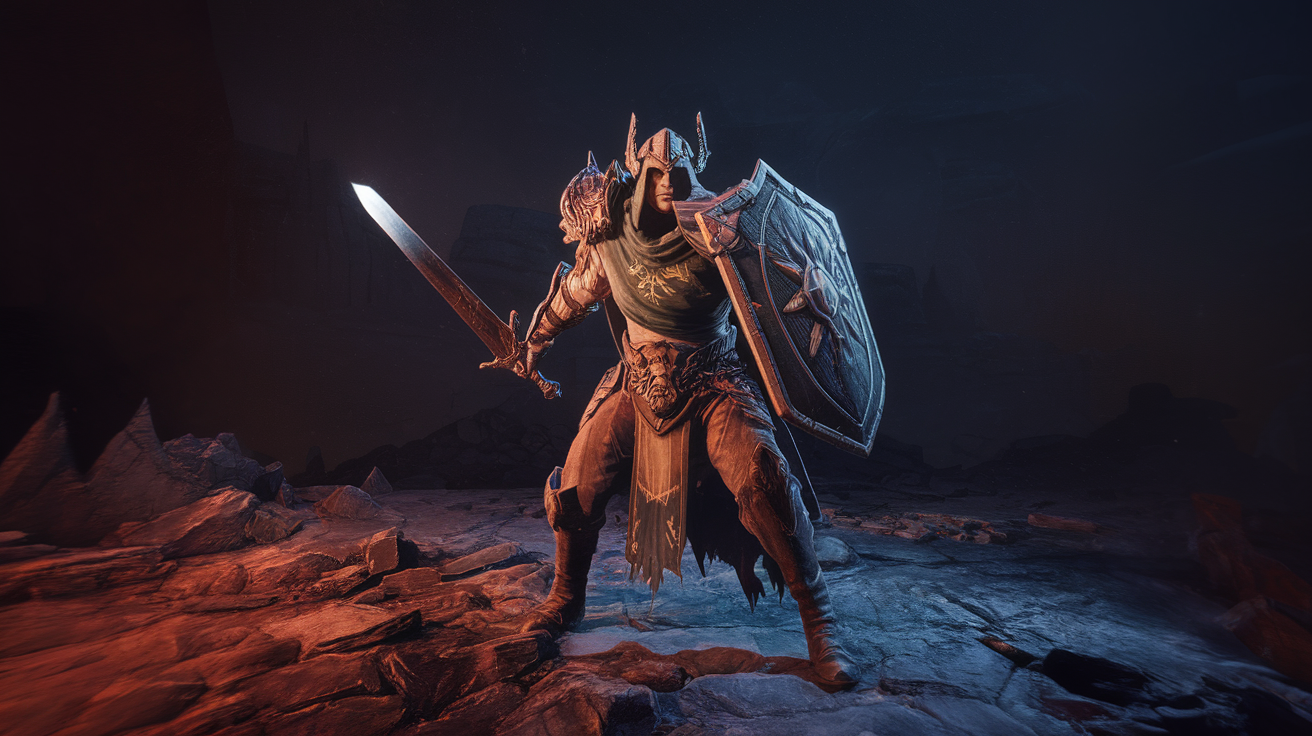
A new Diablo 2 VR mod is giving players a reason to dust off their headsets and revisit one of gaming’s most beloved dungeon crawlers, transforming the classic isometric view into an immersive first-person experience that puts you directly inside the Sorceress’s boots.
The project, created by a modder going by Sergious on Reddit, reworks Blizzard’s 2000 classic so that instead of hovering above the action like a distant deity, players walk through Sanctuary at ground level, flinging fireballs at shambling zombies and watching the dingy starting fields unfold right in front of their eyes. Footage shared online shows the Sorceress’s health and mana orbs mapped onto the player’s forearm, with the inventory tucked onto a virtual belt and the map held in hand, like something out of a tactical RPG reimagined for virtual reality hardware.
How the Diablo 2 VR Mod Works
Built using the FlatVR and BodyWalk frameworks, the mod doesn’t actually require BodyWalk to function, making it more accessible to anyone curious enough to try it themselves. The files are publicly available on Github, meaning the broader modding community can now pick up where Sergious left off, tweak the experience, or adapt it further as development continues.
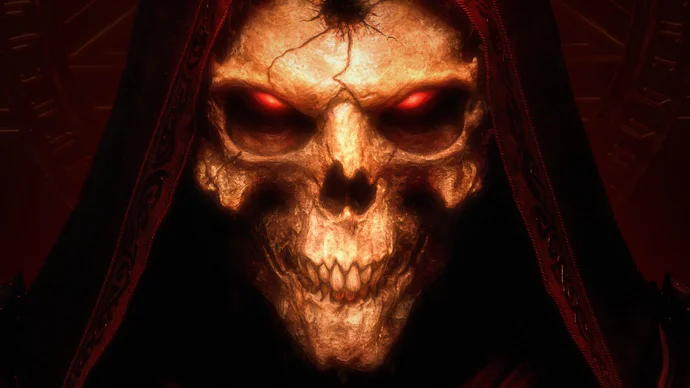
What makes the conversion so striking isn’t just the novelty of VR compatibility, but how differently Diablo 2 feels once the camera drops down to eye level. The series has always been defined by its top-down, almost god’s-eye perspective, letting players survey hordes of demons from a safe remove. Strip that away, and the claustrophobic, grimy atmosphere of the original game suddenly feels much more immediate and unsettling, with enemies closing in from angles that the isometric view never fully conveyed.
A Longstanding “What If” for the Franchise
The mod also reignites a question longtime fans have asked for years: what would Diablo look like with a closer, over-the-shoulder or fully first-person camera baked into the core design, rather than bolted on after the fact? Many had wondered whether Diablo 4.5, excuse the phrase: Diablo 5, recently revealed at BlizzCon, might finally experiment with that kind of perspective shift. So far, though, Blizzard appears to be sticking with the series’ traditional viewpoint rather than following the fan-made VR route.
That leaves projects like this Diablo 2 VR mod to fill the gap, offering a glimpse of an alternate version of the franchise that official development hasn’t pursued. It’s a reminder that some of the most interesting experiments in long-running game series continue to come from passionate individuals working outside the studio system, armed with nothing more than curiosity, free tools, and a love for the original game.
The Bigger VR Picture
The timing is notable given the broader momentum building in virtual reality gaming right now. Valve recently launched its long-awaited Steam Frame headset, which early reviews describe as a genuinely impressive and comfortable wireless experience, capable of running flat, non-VR games through a kind of hybrid mode. The catch is price: the base model starts at £889, a steep barrier for casual players even if the hardware itself delivers on performance.
Still, for those willing to invest, headsets like the Steam Frame raise an intriguing possibility: using modern VR hardware not just for games built from the ground up for the format, but for beloved classics reimagined by dedicated fans. The Diablo 2 VR mod fits neatly into that trend, suggesting that older titles still have untapped potential when viewed, quite literally, from a new angle.
For now, Sergious’s project remains a work in progress rather than a polished product, but it’s already proving that there’s an appetite for reexamining classic RPGs through immersive technology. Whether Blizzard ever takes official notice remains to be seen, but for curious players willing to tinker, the Diablo 2 VR mod offers a surprisingly atmospheric way to revisit familiar demon-slaying fields through entirely fresh eyes.
Explore more on this topic with Vexel Search.
Gaming
Resident Evil Games Saw Player Numbers Jump 50% After the Movie — But Analysts Say the Real Win Is Brand Power
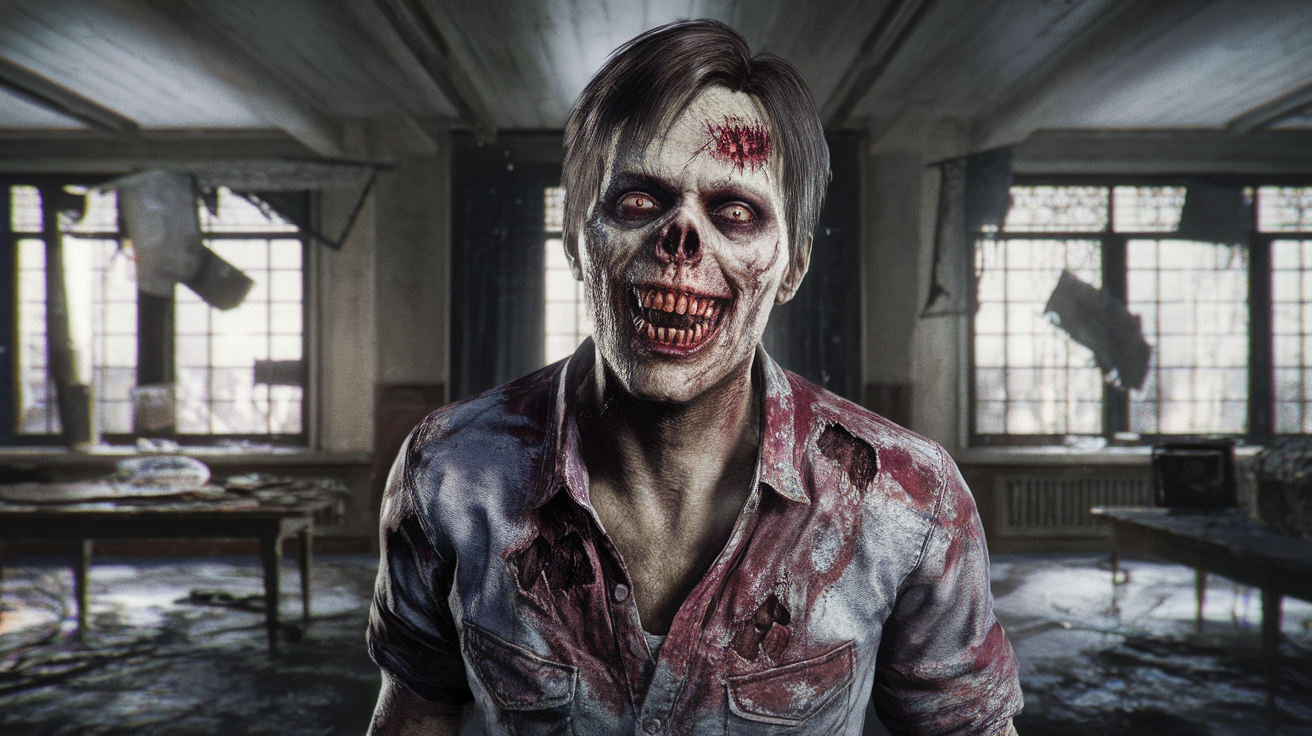
Resident Evil games experienced one of their biggest engagement spikes in years following the September release of Zach Cregger’s Resident Evil movie, with daily active users climbing as much as 50% in a matter of weeks. Yet according to industry analysts, the real story isn’t the short-term sales bump — it’s what the surge reveals about the enduring power of cross-media brand building.
New data shared with GamesIndustry.biz paints a vivid picture of how a single film can ripple across an entire gaming portfolio. Sensor Tower tracked five titles in the franchise — Requiem, Resident Evil 2, Resident Evil 4, Village, and Biohazard — across Steam, PlayStation, and Xbox. Daily active users rose from 500,000 on August 30 to 750,000 by September 20, a 50% jump, while daily unit sales nearly doubled from 34,000 to almost 80,000 over the same stretch.
Ampere Analysis, looking at the franchise more broadly, found daily active users for Resident Evil games grew from 140,000 to 680,000 across two consecutive weekends bracketing the film’s September 18 premiere. The audience grew 11% in the week before the movie opened, then jumped a further 13% in the days immediately following its release. Newzoo’s figures, drawn from 37 markets excluding China, showed engagement across PC, PlayStation, and Xbox running 72% above late-summer baselines in the five days after launch, peaking at 282,526 daily users on September 20.
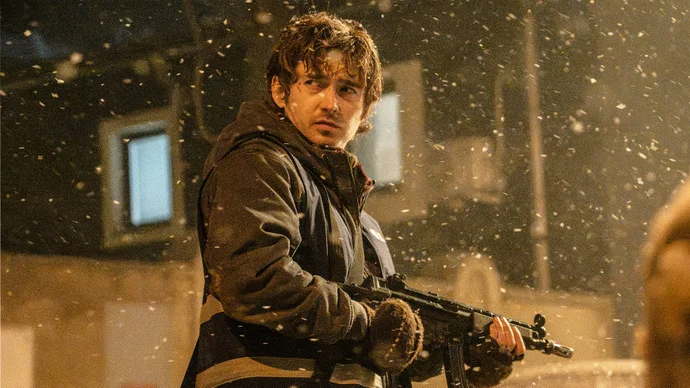
Why Resident Evil Games Engagement Spiked So Fast
Much of the surge can be traced to timing and price. Capcom slashed prices across the catalog starting September 8 on Steam and September 10 on consoles, a move Ampere’s Piers Harding-Rolls says lifted daily active users by 21% even before the film arrived in theaters. Requiem, the newest entry, also carried a 30% discount from September 7 timed to the movie’s release — though Harding-Rolls notes its effect on raw sales volume was “relatively lightweight,” partly because an earlier discount campaign in late May and June had already blunted demand.
Interestingly, it wasn’t the newest or most heavily promoted title that benefited most. Newzoo’s data shows Resident Evil 2 drove the sharpest spike in engagement, a pattern director of marketing intelligence Emmanuel Rosier attributes to the film’s setting. Cregger has described his movie as unfolding parallel to the outbreak in Raccoon City — the same setting as Resident Evil 2 — and viewers appear to have gravitated toward that entry point rather than the franchise’s latest release. At $7.99, a sixth of Requiem’s discounted price, Resident Evil 2 offered what Rosier calls “the cheapest way in.” Its daily active user count reportedly climbed to nearly five times its baseline after the film’s release, up from under twice baseline during the earlier price cut alone, with growth recorded simultaneously across PC, PlayStation, and Xbox.
Sensor Tower’s numbers tell a slightly different story, showing Resident Evil 4 and Requiem generating more engagement than Resident Evil 2 — a discrepancy that underscores how differently analytics firms can read the same cultural moment, even when tracking the same underlying trend.
A Big Percentage, a Small Slice of the Pie
Despite the headline-grabbing percentages, analysts are quick to caution against overstating the impact. Karl Kontus, SVP and general manager of Video Game Insights at Sensor Tower, points out that these gains start from a modest base. “If we take a longer time frame view — the last 12 months — these relative increases in DAU and unit sales from the movie’s launch are very, very small compared to the portfolio’s overall performance,” he said, adding that the movie’s release “barely affects” Requiem’s cumulative unit sales when viewed over a full year.
Harding-Rolls echoes that sentiment, noting that with an estimated 6 million-plus tickets sold for the film, the resulting uptick in game activity has been “relatively minor” by comparison. Kontus says the pattern mirrors what’s been observed with other franchises that straddle film, television, and gaming — including The Last of Us and Fallout — where transmedia tie-ins reliably produce only a “single-digit percentage uplift” in units and revenue.
So if the sales bump is modest, why do publishers keep chasing these moments? Both analysts point to a longer game. “The benefit of these transmedia initiatives isn’t the short-term increase in game sales,” Kontus said. “It’s IP and brand building. Staying relevant in the players’ and watchers’ minds. It guarantees that future game launches will remain successful.” Harding-Rolls agrees, calling the movie’s impact on game activity and sales “sizable” and “noteworthy,” even if the actual volumes remain small relative to the film’s box office reach.
Taken together, the figures suggest that the Resident Evil movie did exactly what franchise owners hope a successful adaptation will do: it pulled lapsed players back in, introduced new ones to an accessible entry point, and kept the brand culturally visible — even if the games’ bottom line barely moved. For Capcom and the analysts watching closely, that kind of quiet, long-term brand reinforcement may matter far more than any single week of inflated engagement numbers for Resident Evil games.
Explore more on this topic with Vexel Search.
Gaming
Overwatch’s China-Only Skins Spark Global Backlash: Players Demand Blizzard Close the Quality Gap
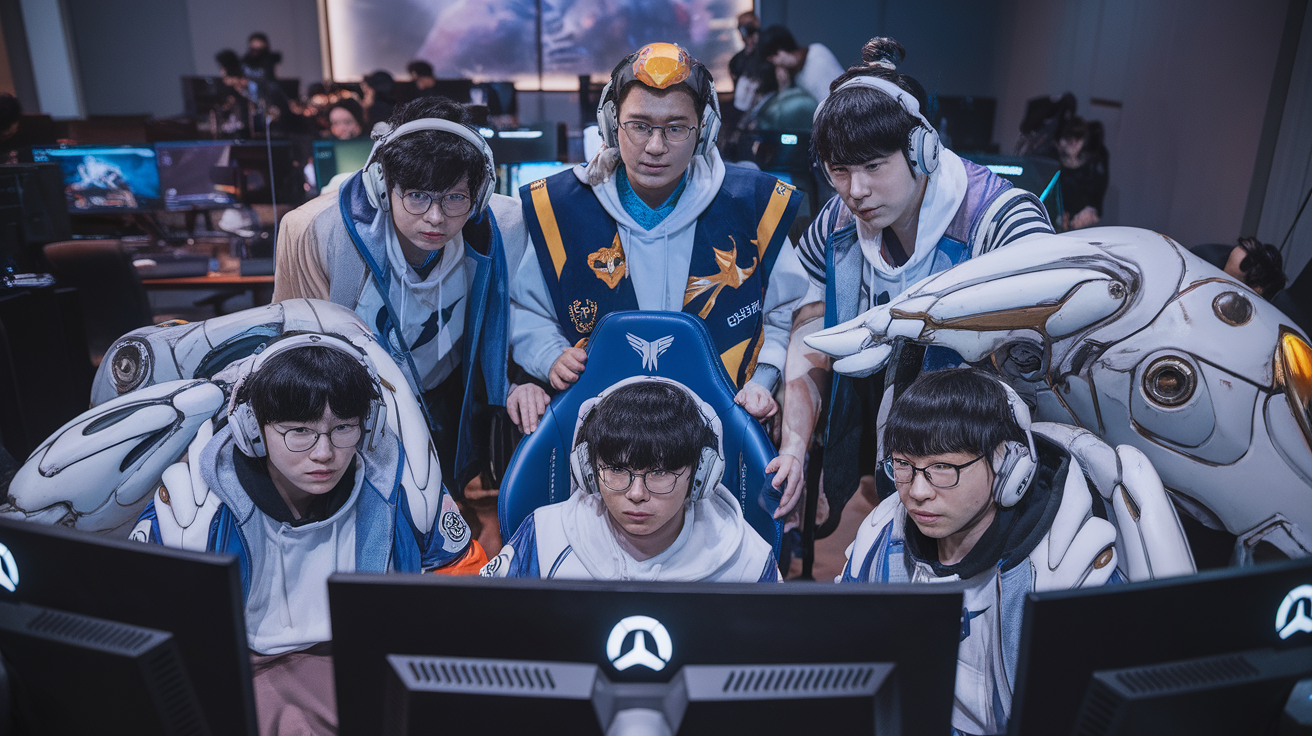
Overwatch players around the world are once again venting their frustration over a familiar sore spot: China-exclusive skins that, by nearly every account, outclass anything available to the rest of the game’s player base. The latest batch, dubbed the “Defiled Anthem” line, has reignited a long-simmering debate about fairness, favoritism, and what some fans see as a widening quality gap between what NetEase produces for Chinese players and what Blizzard ships everywhere else.
The new cosmetics cover heroes Shion, Kiriko, D.Mon, Reaper, and Emre, and they are only available to players in China thanks to Blizzard’s publishing partnership with NetEase. That arrangement, in place since the two companies patched things up after a 2022 split, has repeatedly produced region-locked content that global players can only watch from afar. This time, the standout is Shion’s “Evolution”-rarity skin, which transforms visually over the course of a match and includes flashy kill effects, a motorcycle that leaves a fiery trail, and other touches typically reserved for the game’s priciest Mythic and Ultra-tier offerings.
It’s not just Shion. The other heroes in the set are getting exclusive highlight intros and emotes that, as far as players can tell, have no plans to appear outside China. For a game that already charges a premium for its flashiest cosmetics, the sight of China getting superior effects for free — or at least without the same price tag attached — has struck a nerve.
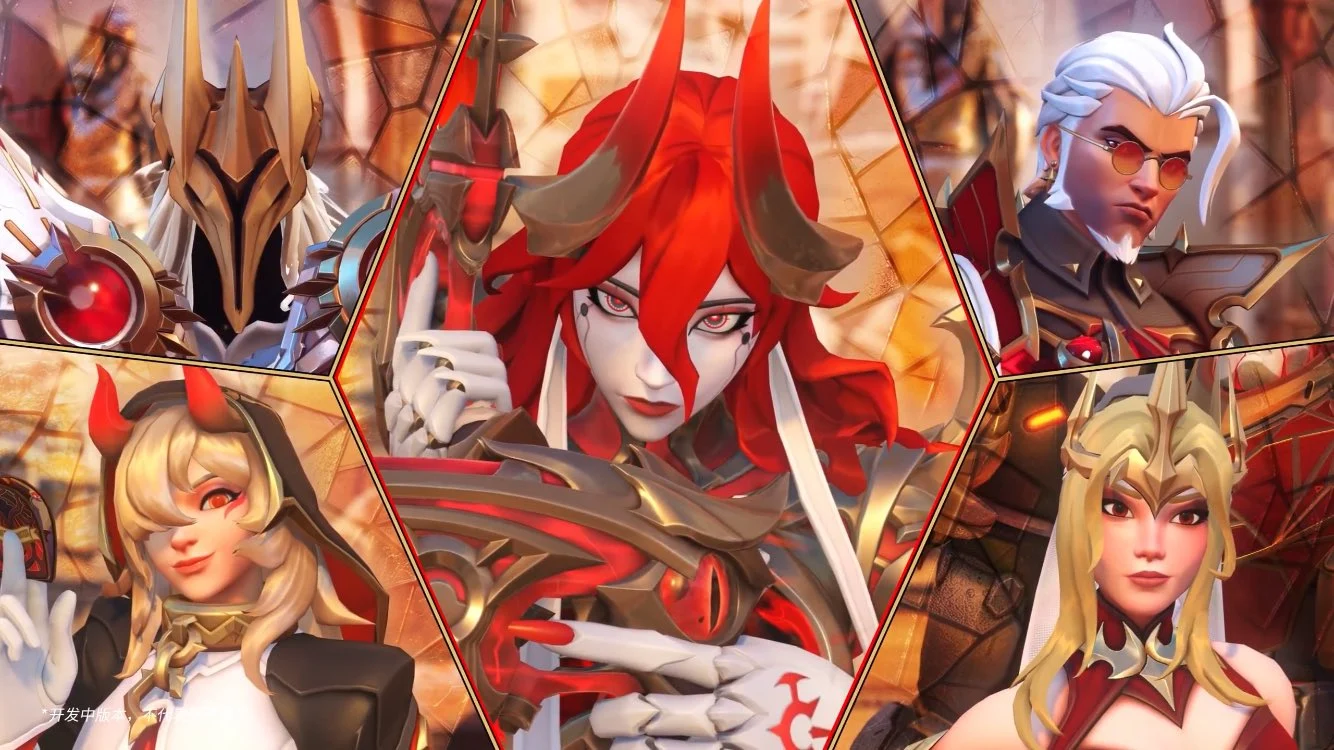
Why the Overwatch China exclusive skins keep going viral
Social media exploded almost immediately after the Defiled Anthem trailer surfaced, with players comparing side-by-side images of the China-only designs against recent global releases. The reaction wasn’t subtle. One widely shared post argued the Shion skin alone surpassed every Mythic or Ultra skin currently available elsewhere. Others joked, bitterly, that NetEase’s designers were “mogging” their Blizzard counterparts, while still more simply expressed exhaustion at watching the same pattern repeat every few months.
On Reddit, one of the more pointed complaints cut to the heart of the frustration: that defending Blizzard by pointing out NetEase designs China’s cosmetics misses the point entirely. The real issue, as that fan put it, is that Blizzard’s own in-house skins have felt increasingly underwhelming by comparison — citing a $40 Ultra skin with minimal customization and a Mythic skin offering almost nothing in the way of unique flair. For players already skeptical of Overwatch’s monetization, seeing NetEase outdo Blizzard on its own turf, using the same game, is salt in the wound.
This isn’t the first time an Evolution-rarity, shapeshifting skin has caused a stir. A Widowmaker skin introduced the mechanic earlier this year, and a Jetpack Cat variant followed in August with its own transforming fur and costume changes. Shion’s new look continues that trend, but its China-only status has turned what could have been a celebrated feature into another flashpoint.
Blizzard’s defense of the arrangement
Walter Kong, head of development for Blizzard’s live games and mobile division, has previously addressed the criticism directly, framing the exclusives as a natural consequence of NetEase’s role as Overwatch’s publisher in China. According to Kong, NetEase carries responsibility for tailoring events and content specifically to its market, and Blizzard’s broader goal is ensuring players everywhere feel valued, even if that doesn’t mean identical treatment.
Kong has said the companies weigh each regional event against the question of whether it’s “the right way to run the event” and whether things “balance out” holistically across markets. For many fans, though, that explanation rings hollow when the visible result, year after year, is China receiving the flashiest, most technically impressive skins while other regions are left with comparatively modest releases.
The timing of the backlash is notable. Overwatch is in the midst of a story-driven reboot that launched earlier this year, and season five begins October 6 with the addition of a new hero. That means the game is actively trying to pull players back in with fresh content and narrative stakes — making the optics of a glaring cosmetic double standard particularly awkward for Blizzard’s broader relaunch efforts.
A pattern players say they’re tired of
What makes this latest round of outrage distinct isn’t the exclusivity itself — players have grudgingly accepted that regional publishing deals can produce different content — but the perceived gap in craftsmanship. Multiple posts circulating this week included direct comparisons between China-only designs and the most recent global cosmetic drops, with commenters arguing the disparity has grown too obvious to ignore.
Whether Blizzard adjusts its approach to China-exclusive content remains to be seen. For now, the company has signaled no intention of changing the underlying agreement with NetEase, meaning players outside China should expect this cycle — flashy reveal, viral backlash, muted response — to continue with the next exclusive drop.
Explore more on this topic with Vexel Search.

Ninja Theory layoffs have begun in earnest, as employees at the acclaimed Hellblade studio started confirming on LinkedIn this week that their jobs are at risk or already gone. The announcements mark the grim culmination of months of uncertainty for the UK developer, which Microsoft had been quietly trying to offload to a buyer since announcing a sweeping “reset” of its Xbox division back in July.
According to posts spotted by journalist Chris Kerr and reported across multiple outlets, staff including gameplay programmer Katrin Mair, technical director Loong-Wei Ding, performance capture specialist Xoe Suvari, principal sound designer Daniele Galante, and principal programmer Stefano Prosperi have either been made redundant or placed at risk of redundancy. Technical sound designer Alessio Mellina, who had spent 12 years at the studio, said he is “on the lookout for new opportunities” after being told his role is at risk. The exact number of people affected by the Ninja Theory layoffs has not been officially disclosed, and the dripfeed of individual posts suggests staff may be learning their fate in staggered waves.
How the Ninja Theory layoffs came about
The studio’s troubles trace back to Xbox’s July announcement of a major restructuring that included roughly 3,200 planned job cuts and the shuttering or sale of several studios. Ninja Theory was among those caught up in the overhaul, alongside Double Fine, Arkane, Undead Labs, and Compulsion. Unlike Double Fine, which was eventually spun off as an independent studio, Microsoft instead sought to sell Ninja Theory outright so it could continue developing Senua, the third entry in the Hellblade series that had only just been revealed at the June Xbox Games Showcase.
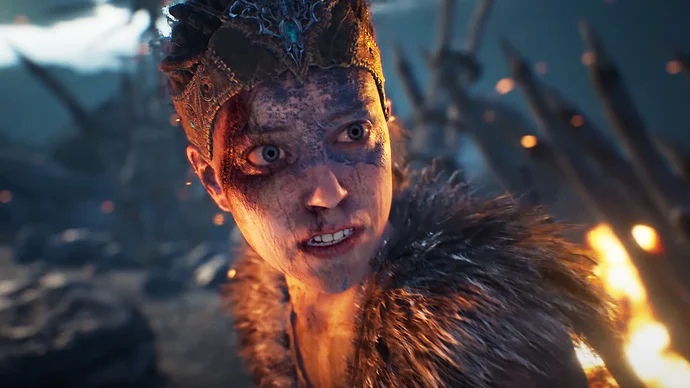
That plan fell apart. In a letter from Xbox COO Matt Booty on September 22, the company confirmed that “two separate agreements for Ninja Theory fell through,” pushing the studio toward formal closure and the start of a consultation process with staff. Booty insisted Xbox would “continue to explore other paths forward,” leaving the studio’s ultimate survival technically undecided even as redundancy notices began circulating.
Now, roughly two weeks later, the Ninja Theory layoffs appear to be moving from threat to reality. Mair, who had been at the studio for four years, wrote that “it’s incredibly sad knowing that we won’t get to finish what we were working on. So much care, talent and effort went into it, and I really wish we’d had the chance to see what it could have become.”
Developers reflect on the studio’s legacy
Several of the departing staff used their posts to look back fondly on their time at the studio despite the circumstances. Suvari, quoting a colleague, wrote: “Even if I knew how it would end, I would do it again.” Prosperi, reflecting on 13 years at the company, said he felt “incredibly fortunate” to have worked with people “at the very top of their craft” on a studio that “created things we genuinely cared about.”
Galante, who had been with Ninja Theory for almost nine years, recalled working on the very first scene of the original Hellblade and said he felt “ready for my next adventure” despite the sadness of the moment. Other developers who posted about redundancy or job searches last week include sound designer Matteo Tummino, senior technical artist Matt Le-Fevre, and character artist Pietro Berto.
Ninja Theory had built a strong reputation in recent years as one of the UK’s standout studios, largely on the strength of the Hellblade series. Senua’s Saga: Hellblade II earned widespread critical acclaim following its 2024 release, with reviewers praising its visual and narrative achievements. That legacy makes the current wave of layoffs especially bitter for a team that had, until recently, appeared to be thriving under Xbox’s ownership.
Part of a wider wave of Xbox cuts
The Ninja Theory layoffs are not an isolated incident but the latest chapter in a broader restructuring that has rattled Microsoft’s gaming division throughout the back half of 2026. In September, Xbox transferred the storied Rare studio and ownership of the Halo franchise to Activision, while also enacting significant cuts at Halo Studios. Reports of further layoffs across other Xbox-owned studios have left employees elsewhere bracing for similar news, with the overall reorganization still described as ongoing and unresolved.
For now, the fate of Senua, the game Ninja Theory’s team had been building before the cuts began, remains unconfirmed. With so many of the developers who worked on it departing or facing redundancy, its future looks increasingly uncertain, even as Microsoft maintains it is still weighing options for the studio beyond closure.
- Ninja Theory begins laying off staff, according to employee posts (GamesIndustry.biz)
- Ninja Theory developers announce they are facing redundancy, as the studio starts laying off staff following widespread Xbox cuts (Eurogamer)
- "Even if I knew how it would end, I would do it again": Hellblade developers Ninja Theory appear to have kicked off the redundancy process (Rock Paper Shotgun)
Explore more on this topic with Vexel Search.
Gaming
No Video Games Headlines Today: Our Source Material Was Actually About the Avatar-Endgame Box Office Battle
Readers searching for fresh video games news today may be disappointed, because the only source material supplied for this article has nothing to do with video games at all. Instead, it concerns a familiar Hollywood rivalry: Avengers: Endgame reclaiming its title as the highest-grossing movie of all time, narrowly edging past Avatar once again thanks to a limited theatrical re-release called Endgame Encore.
At WordUp News, we aim to give readers accurate, well-sourced coverage on the topics we promise. When a topic like video games is requested but the underlying reporting is entirely about something else — in this case, a box-office rematch between two Marvel and 20th Century Fox blockbusters — the responsible move is to say so plainly rather than stretch unrelated material into a story it was never meant to be.
What the Source Actually Says, Since It Isn’t Video Games
For transparency’s sake, here’s a quick rundown of what was actually reported. According to IGN, Avengers: Endgame has once again overtaken Avatar at the global box office, pushing its lifetime total to roughly $2.9255 billion, just ahead of Avatar’s $2.9237 billion. The boost came from “Endgame Encore,” a theatrical re-release that included a handful of new bonus scenes tied to the upcoming film Avengers: Doomsday. Despite a strong $86 million opening weekend, the re-release’s momentum slowed quickly, landing outside the domestic top five and raising questions about whether it can cross the symbolic $3 billion mark before Avatar potentially reclaims the crown with a re-release of its own, as it has done before.
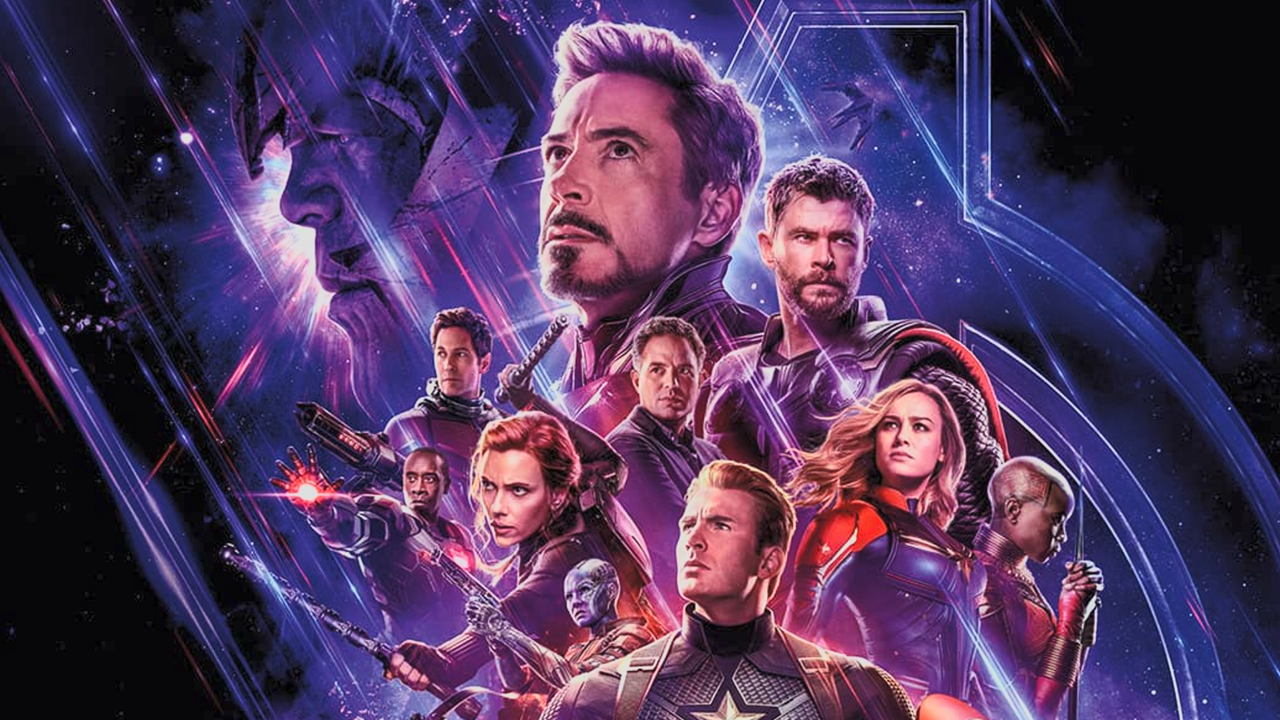
It’s a genuinely interesting entertainment story — a back-and-forth rivalry between two franchises that has played out for years — but it belongs squarely in the world of film, not video games. There’s no mention of consoles, publishers, esports, or any of the usual beats that define video games journalism, and inventing such connections would mean fabricating claims the source simply does not support.
Why Accuracy Matters More Than Filling a Video Games Quota
It might be tempting to force a tenuous link — noting, for instance, that many of these franchises have inspired video games adaptations, or that studios like Disney increasingly treat games as part of broader media strategies. But without sourcing to back up specific claims about video games tied to these movies, any such detour would be speculation dressed up as reporting. Our commitment is to only state what the evidence actually shows.
So for now, the honest answer is that today’s available reporting offers nothing substantive about video games — no new releases, no industry shifts, no major updates from publishers or platforms. We’d rather tell readers that plainly than manufacture a story about video games that the facts don’t support. Check back soon, and we’ll have dedicated coverage of video games as soon as source material that actually addresses the industry becomes available.
Explore more on this topic with Vexel Search.

TITLE: Xbox Layoffs Threaten Bonus Payouts for Gears of War Developers Just Before E-Day Launch
KEYWORD: xbox layoffs
DESCRIPTION: The Coalition braces for Xbox layoffs right as Gears of War: E-Day ships, leaving developers unsure if they’ll ever see their earned bonuses.
Fresh reporting this week on the fallout from repeated Xbox layoffs reveals a particularly bitter twist for developers at The Coalition, the studio behind the long-running Gears of War franchise, who are bracing for cuts just as their next big game, Gears of War: E-Day, reaches store shelves.
According to developers who spoke with Eurogamer and whose account was aggregated in Rock Paper Shotgun’s latest Sunday Papers roundup, staff at The Coalition have grown resigned to the idea that layoffs will follow almost immediately after launch. As one source bluntly put it, “that’s what Xbox do now.” It’s a grim acknowledgment of a pattern that has become distressingly familiar across Microsoft’s first-party stable, where shipping a flagship title no longer guarantees job security — it may actually trigger the opposite.
Xbox Layoffs Collide With Bonus Season
The sting here isn’t just the layoffs themselves, but their timing against a standard industry practice: Metacritic-tied bonus schemes. An internal email verified by Eurogamer confirms that The Coalition’s bonus structure is fairly typical of the games industry, rewarding staff financially if a title hits certain critical-reception thresholds. The catch is that employees must still be on the payroll at the time the bonus is actually paid out — and that payout is expected “near the end of October,” according to studio leadership.

That creates an uncomfortable window. Workers who are laid off before the bonus disburses could, in theory, miss out entirely, even if they spent years building the very game whose reviews determine the payout. Eurogamer reports that at least one recently departed developer, Juan Vaca, has been told he will still receive his bonus despite no longer being employed, since he remains technically on payroll through the payout date. But that reassurance hasn’t settled nerves among current staff, who fear a different outcome: being let go immediately after E-Day’s release, before the late-October payout, and losing the bonus altogether.
It’s a scenario that crystallizes a broader anxiety running through the games industry right now. Xbox layoffs have hit multiple studios over the past two years, often arriving with little warning and sometimes within days of a major release. For developers, the fear isn’t hypothetical — it’s a lived pattern, and it’s reshaping how teams think about job security even while they’re still celebrating a launch.
A Recurring Pattern Across Microsoft’s Studios
What makes the situation at The Coalition especially pointed is the studio’s status: a first-party Xbox team working on what amounts to a flagship console franchise. If job security isn’t guaranteed even there, developers elsewhere in the Xbox ecosystem have reason to worry too. The recurring cycle of Xbox layoffs following big releases has become something of grim shorthand within the industry, with staff increasingly treating launch day not as a finish line but as the start of a waiting game.
For now, Eurogamer notes that it remains unclear what will happen to current Coalition staff’s bonuses if they’re laid off right after E-Day ships. Studio leadership has offered some clarity for those already departed, but the uncertainty for employees still clocking in is very much unresolved — a limbo that underscores how little control developers often have over the financial rewards tied to their own labor.
Beyond the Layoffs: Games Writing Worth Your Time
Away from the boardroom anxieties, this week’s crop of games writing offered a reminder of why people fall in love with the medium in the first place. Writing for Deleted Saves, Micaela Deitz revisited Lucas Pope’s border-crossing simulator Papers, Please through the lens of her own experience as a trans American navigating inconsistent identification documents, finding in the game’s bureaucratic tension an unsettling mirror of real government control over gender-marked paperwork.
Elsewhere, a review of the VR shooter Gunman Contracts leaned into the genre’s familiar physical comedy — belts clipping through floors, hands snapping to gun grips with magnetic insistence — while still finding genuine joy in the rare moments when the game’s shooting mechanics click into place.
Taken together, the week’s coverage paints an industry of contrasts: on one hand, intimate, personal storytelling that finds new resonance in old games; on the other, the increasingly routine spectacle of Xbox layoffs shadowing even its most anticipated releases. As E-Day approaches its launch window, all eyes at The Coalition will be on two dates at once — the day the game ships, and the day, weeks later, when bonuses are supposed to land.
- The Sunday Papers (Rock Paper Shotgun)
Explore more on this topic with Vexel Search.
Gaming
Final Fantasy 7 Revelation Director Opens Up on Fan Fidelity, Physical Media Battles, and the Trilogy’s Endgame

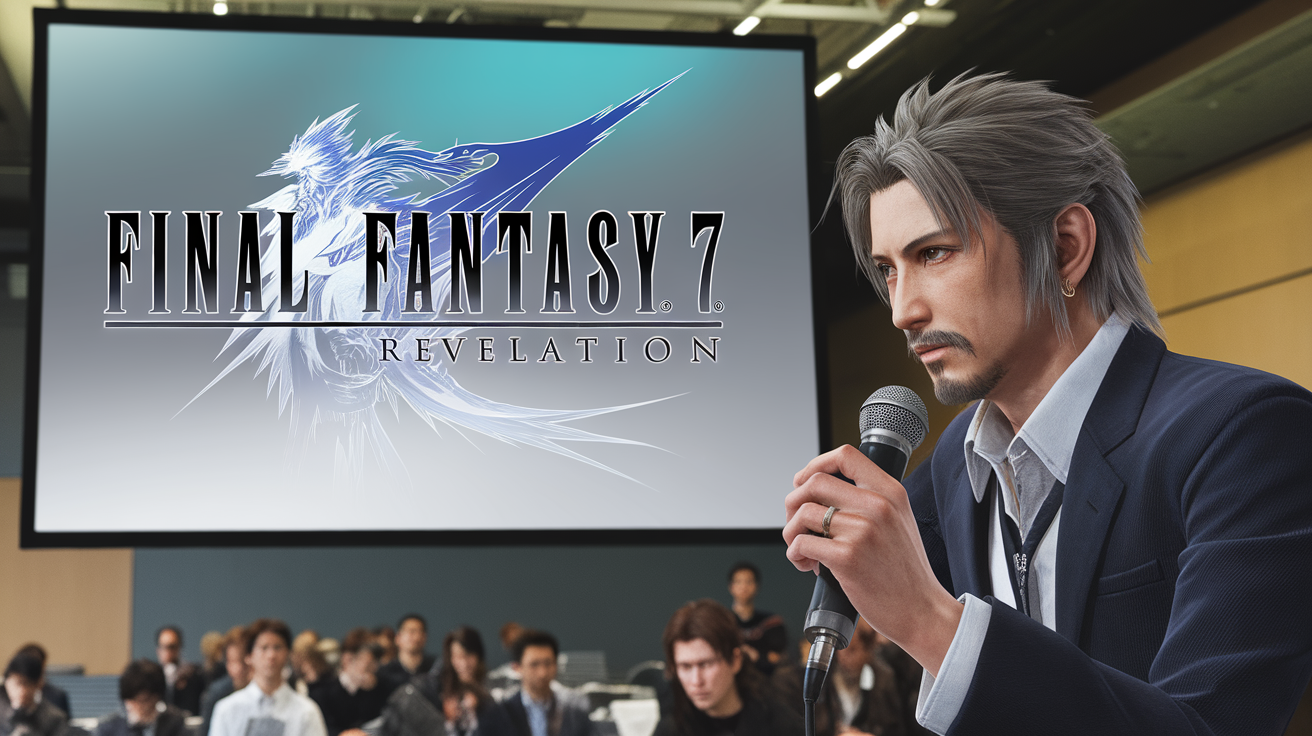
Final Fantasy 7 Revelation is barreling toward its April 2027 release, and the game’s director has spent the past week pulling back the curtain on the pressures of closing out one of gaming’s most scrutinized remake projects. In a flurry of interviews, Naoki Hamaguchi addressed the question fans have been asking since Rebirth’s cliffhanger ending: how much of the beloved 1997 original will survive the trip to its conclusion, and what did it cost to get there?
Speaking to Edge magazine, as relayed by GamesRadar, Hamaguchi was blunt about the tightrope he’s walked across three enormous games. “We haven’t altered the core of the story based on reactions at any given time,” he said. “It feels as though we’ve built up each title one-by-one without wavering from the central theme we established at the very start of the Remake series.” That discipline, he admitted, wasn’t easy to maintain. “I felt it was absolutely essential to avoid turning a masterpiece like FFVII into something that felt like my own personal fan project.”
Why Final Fantasy 7 Revelation Won’t Just Give Fans a Happy Ending
It’s a telling admission. The remake trilogy has already bent the original’s timeline with the ghostly Whispers, creatures that exist to keep the story on its “intended” path, and has layered in meta commentary about fate and authorship along the way. Yet despite all that structural tinkering, Hamaguchi insists no major plot beat has actually diverged from the PS1 original. The temptation to rewrite history looms large over Revelation in particular, since the finale will finally confront the game’s most infamous moment — one that countless fans have spent decades hoping could somehow be undone.
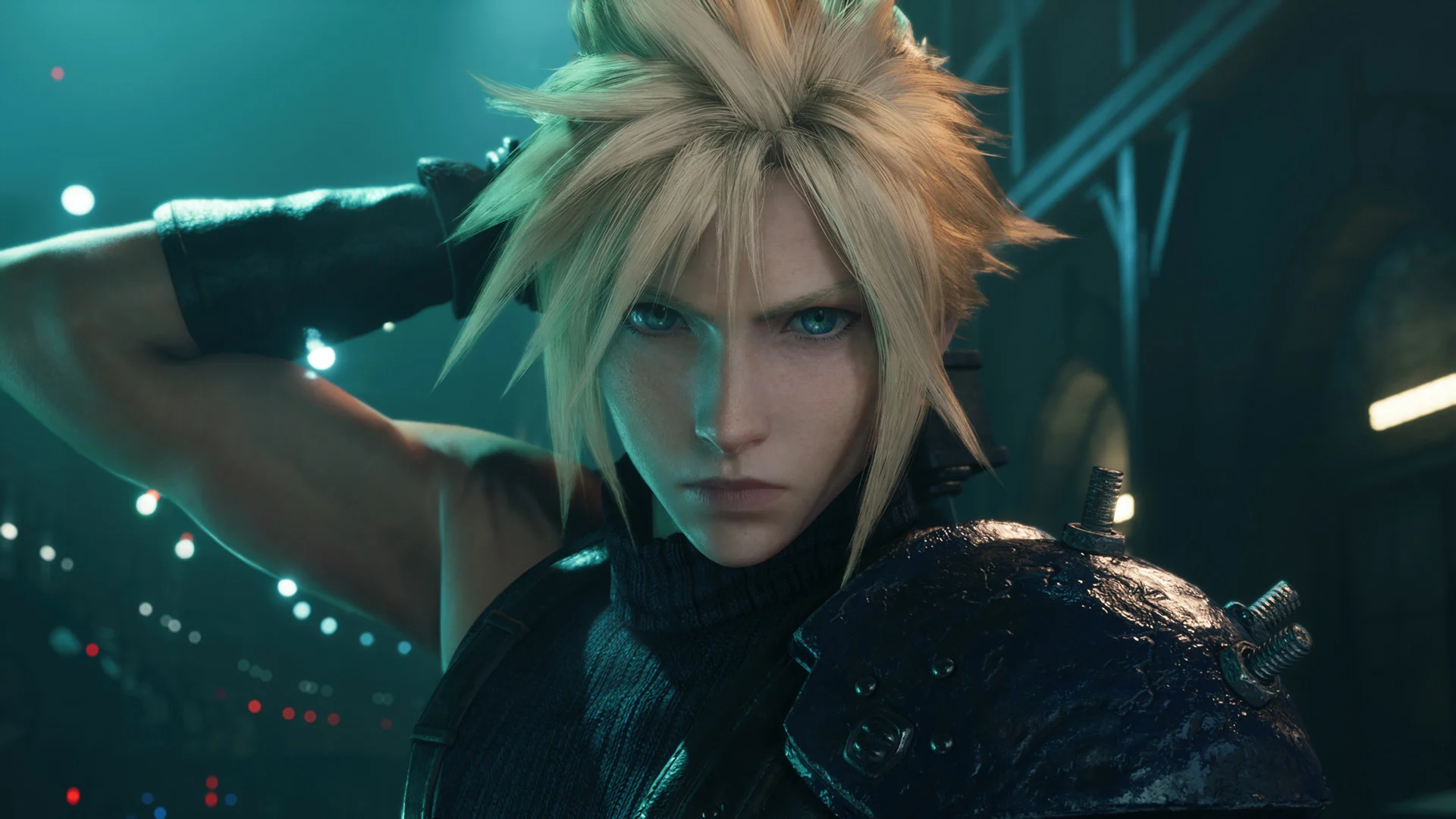
“The real challenge wasn’t simply incorporating elements that differed from the original or introducing new interpretations,” Hamaguchi explained. “It was constantly asking ourselves whether what we were creating could truly be called FFVIIR.” In other words, the team’s guiding question wasn’t “what would be satisfying?” but “what would still be Final Fantasy VII?” Modern games, as Hamaguchi noted, rarely end on the kind of bleak, unresolved note the original did — which makes the restraint required here all the more unusual for a 2027 blockbuster.
A Fight Over Physical Media
While the narrative questions dominate fan speculation, Hamaguchi also used the press run to address a messier, more industry-wide problem: the slow death of physical game releases. Speaking to Radio Times, as picked up by Eurogamer, he described personally lobbying for a full disc version of Final Fantasy 7 Revelation, pushing back against a broader shift toward all-digital distribution.
“Personally, obviously, I bought lots of physical editions of games as a child,” Hamaguchi said, adding that when he’s especially attached to a title, he still wants the physical copy for himself, and for colleagues to sign. He called the topic “particularly sensitive” in the current climate.
The compromise that emerged isn’t quite what disc purists wanted. Final Fantasy 7 Revelation will ship with a physical disc on PS5 and Xbox Series X, but that disc only contains the game’s opening segment — players will still need to download a substantial portion of the roughly 200GB release to play the whole thing. Hamaguchi acknowledged the frustration this has caused, noting he understands why some fans have adopted a “no disc, no purchase” stance.
He was also candid about the limits of his own authority. “As the director, it’s my responsibility to look after the content of the game to make sure it’s fun, really exciting,” he said. “The product line-up, the SKUs, how it’s going on sale — that is the responsibility of the publishing team. So my authority there is somewhat limited.” Even so, he said he pushed “as much as possible,” leading to negotiations “both internally and with first parties” that resulted in the partial-disc compromise now shipping with the game. “I completely understand there are those out there who may not really agree with that direction,” he added. “But I would just say that I hope you understand that I completely see where you’re coming from, and that I did my best.”
Hamaguchi predicted physical media “will remain in some form going forward,” citing the continued strength of PC digital storefronts as evidence the format landscape is more complicated than a simple shift to downloads. Still, he conceded he can “see a world in the not-too-distant future where physical media is essentially disc-less,” reduced to a code printed on cardboard. The timing is notable: Sony confirmed earlier this year it will stop manufacturing discs for PlayStation games entirely by January 2028, after which titles sold at retail will be digital-only despite remaining on store shelves in box form.
Closing the Trilogy on Its Own Terms
Beyond the disc debate, Hamaguchi and the broader development team have emphasized that each entry in the remake trilogy was designed to stand as a complete experience in its own right, rather than functioning as a mere placeholder for the next installment. That approach was described as “non-negotiable” from the project’s earliest planning stages, a philosophy that explains why both Remake and Rebirth delivered fully realized arcs even while setting up a larger story still to come.
For a project that has spanned nearly a decade, multiple console generations, and three enormous budgets, that commitment to each game standing alone — paired with a refusal to chase an easy, crowd-pleasing rewrite of the ending — suggests Square Enix is betting that fidelity, not fan service, is what will make Final Fantasy 7 Revelation land when it finally closes the book next April.
- Final Fantasy 7 Revelation Director Says It Was ‘Absolutely Essential’ Not To Turn The Remake Into ‘My Own Personal Fan Project’ (Kotaku)
- Final Fantasy 7 Revelation director says he "did his best" to fight for a full disc release (Eurogamer)
- Final Fantasy 7 Revelation lead says making each game in the trilogy complete was "non-negotiable" (GamesRadar)
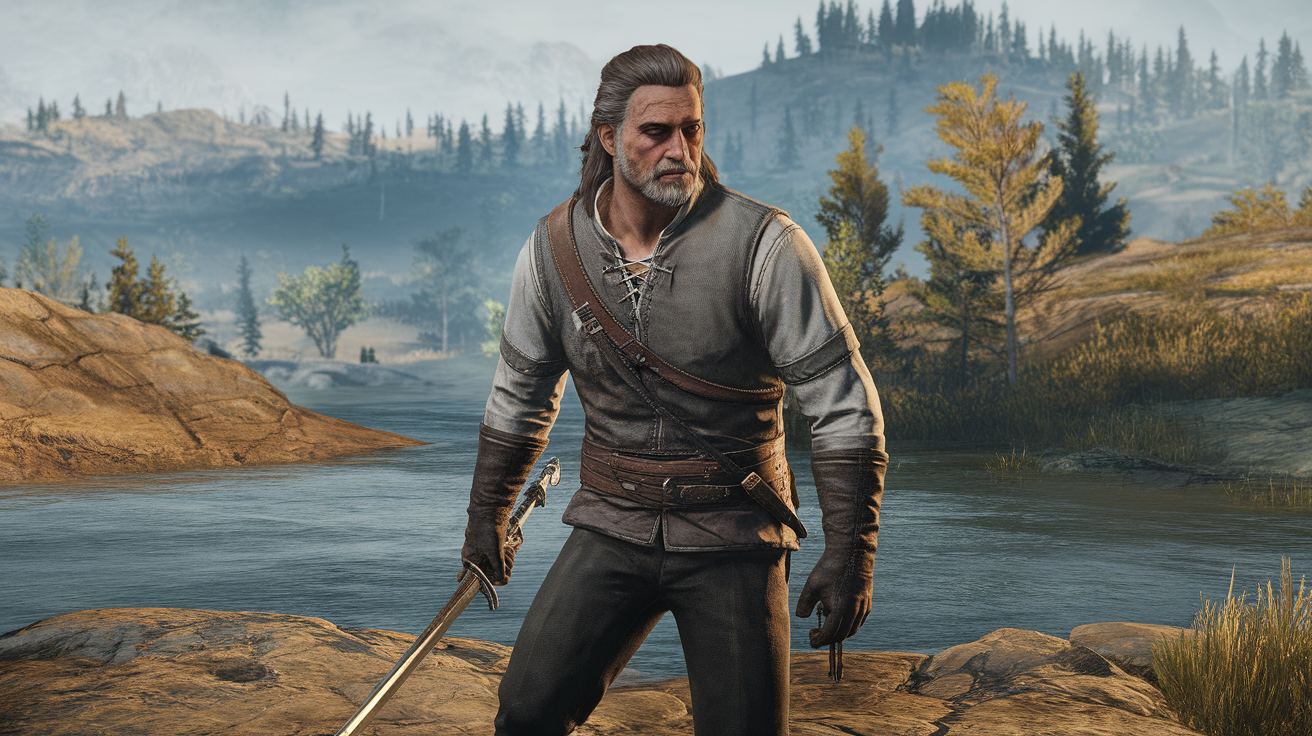
The Witcher 3’s concurrent player count has just hit a new all-time high, years after the original release and well into the lifespan of its free next-gen remaster. For a single-player RPG first launched back in 2015, that’s a remarkable milestone, and it says as much about the enduring appeal of Geralt of Rivia’s final adventure as it does about the power of a well-timed remaster to breathe new life into an old favorite.
CD Projekt Red’s decision to release a free upgrade for owners of the original game, rather than charge for a separate remaster, has clearly paid dividends in terms of goodwill and renewed engagement. Rather than fragmenting the audience between an “old” and “new” version, the studio funneled everyone toward the improved build, which brought updated visuals, ray tracing support, and a host of quality-of-life fixes. That decision appears to be a major factor behind the latest concurrent player count peak, as returning fans and newcomers alike flood back into the Continent at the same time.
Why the concurrent player count keeps climbing
It’s worth remembering that The Witcher 3 was already considered a commercial and critical phenomenon well before this latest surge. The game has sold tens of millions of copies worldwide, won numerous Game of the Year awards, and is routinely cited among the greatest role-playing games ever made. What’s unusual is that, a decade on, it’s still setting new records rather than settling into a steady decline, which is the more typical trajectory for games of its age.
Several factors seem to be converging here. The remaster itself continues to draw curious players checking out the visual overhaul, while sales and bundle promotions periodically introduce the game to entirely new audiences. There’s also a strong halo effect from the wider Witcher franchise staying in the public conversation, thanks to ongoing discussion of the Netflix adaptation and growing anticipation for CD Projekt Red’s next entry in the series, The Witcher 4. Anytime interest in that upcoming title spikes, it seems to translate into renewed curiosity about the game that made the studio a household name in the first place.
Concurrent player count figures, typically tracked through platforms like Steam, offer a useful snapshot of how many people are playing a game at a single moment rather than total lifetime sales. Hitting a new peak years after launch is a much rarer feat than a strong debut week, since it requires sustained or renewed interest rather than simple hype around a release date. For The Witcher 3 to top its own previous high-water mark now suggests the game is pulling in both nostalgic veterans replaying a classic and first-timers finally getting around to it.
It also reflects a broader trend across the industry, where strong remasters and enhanced editions can meaningfully reset a game’s audience. Titles originally released a decade or more ago are increasingly finding second lives on modern hardware, often outperforming their original launch windows in terms of visibility if not raw sales. The Witcher 3’s remaster fits squarely into that pattern, and this new concurrent player count peak is a strong signal that the approach works when executed with enough care and generosity toward existing fans.
For CD Projekt Red, the timing couldn’t be better. With The Witcher 4 in development and expectations running high, keeping The Witcher 3 thriving in the public eye only strengthens the case that the studio can deliver a worthy successor. If the current concurrent player count trend is any indication, plenty of players are more than happy to spend a little more time in Geralt’s world while they wait.
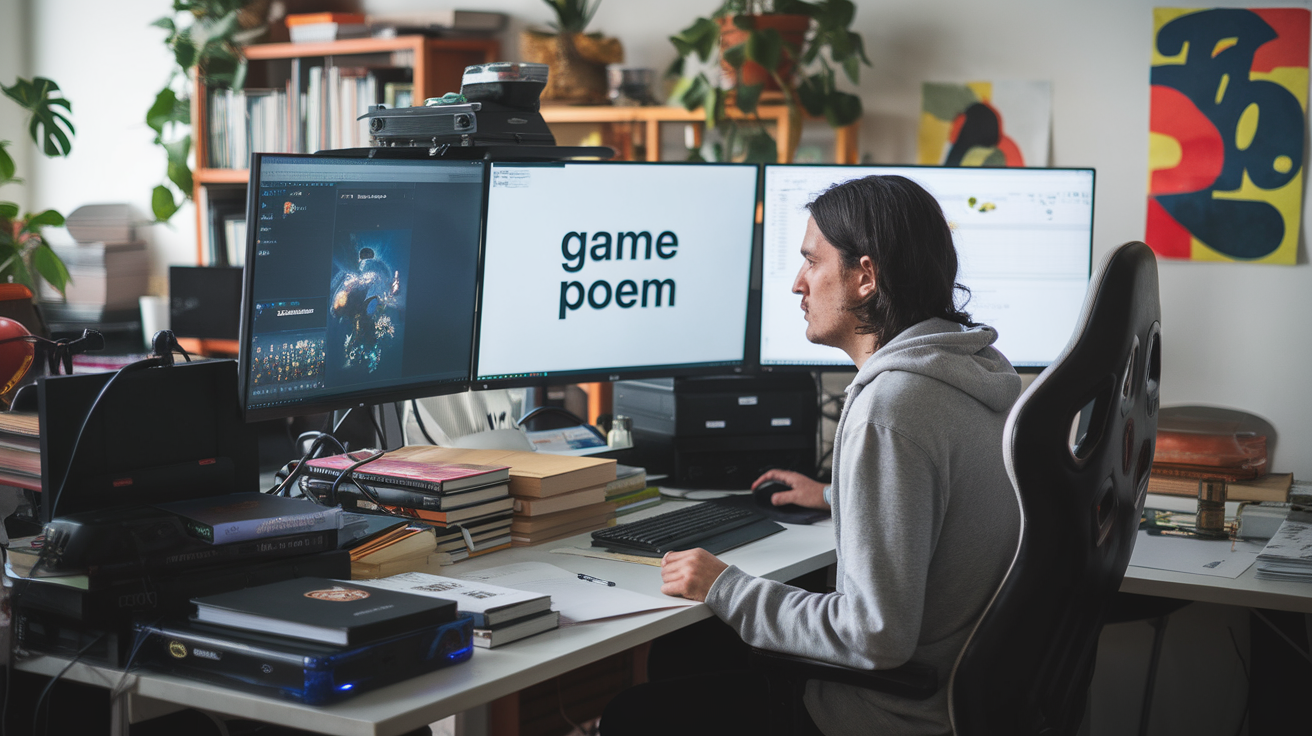
What happens when you treat a video game less like a product and more like a poem? That question sat at the heart of a recent 24-hour game jam that drew roughly 90 submissions from developers experimenting with a format increasingly known as game poems — short, deliberately uneconomical works that trade blockbuster spectacle for ambiguity, mood, and metaphor.
The jam, held on September 7th and 8th, was organized around a deceptively simple prompt: “the other one.” It was co-run by the UK’s National Film and Television School and overseen by a panel that included Shuhei Yoshida, the former head of PlayStation Indies, lending a surprising amount of industry weight to what is otherwise a fairly underground corner of game design. The event was the brainchild of designer and academic Jordan Magnuson, who has spent years arguing that some games function more like lyric poetry than like interactive fiction or systems-driven entertainment.
What Exactly Are Game Poems?
Magnuson lays out his thinking in an open-access book, Game Poems: Videogame Design as Lyric Practice, in which he defines the category loosely — “by family resemblance rather than hard boundaries” — as games that tend to be short and subjective, that use poetic address, that exist in something like a ritual space, and that lean on hyperbole and metaphor rather than straightforward storytelling. Crucially, these works juxtapose what they literally represent with what they materially are as pieces of software, blurring the line between signified meaning and the mechanical reality of play.
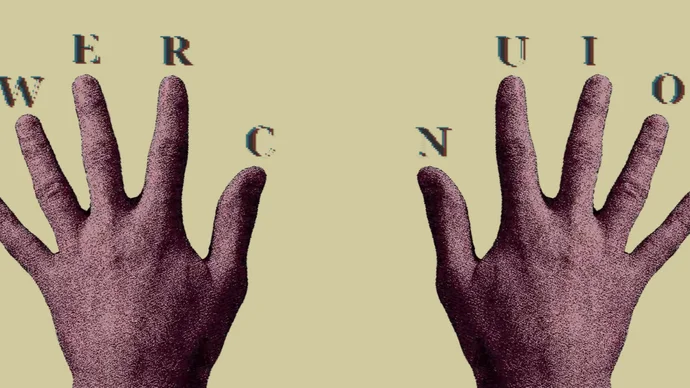
That framing deliberately pushes against the dominant conventions of mainstream development, where narrative design and realism tend to rule. Magnuson’s pitch is that poetry isn’t really a medium at all, but a “mode of intervention” that can surface inside any medium — including one built from code, controllers, and pixels. He’s careful, too, about the risk of imposing old literary habits onto a newer art form, warning against the impulse to “colonize” games with techniques lifted wholesale from print poetry.
To make his case, Magnuson’s book pulls together an eclectic cast of reference points, moving from game design figures like Anna Anthropy, Jason Rohrer, and Pippin Barr to poets such as Robert Frost, Emily Dickinson, and Maya Angelou, while also gesturing toward Japanese haiku traditions and the computational verse of writers like Stephanie Strickland. The result is less a manifesto than a patient argument: that the instincts guiding a handful of experimental developers overlap, more than anyone usually admits, with the instincts guiding poets.
A Jam Built Around Doubling and Loss
One of the standout entries from the jam, Sometimes I Wonder About The Other Me, illustrates the idea in practice. Created by developer Luis “Ludipe” Díaz Peralta, it’s a small 2D platformer broken into single-screen vignettes, each triggering a fragment of an ongoing monologue when the player bumps a Mario-style block. Eventually the player reaches a fork and controls duplicate characters moving through a split screen; whichever direction they choose, one half of the screen simply fades to darkness, and the surviving character loops back to wonder again about its lost double.
There’s no branching plot to complete, no alternate ending waiting to be unlocked — just a repeating gesture of choice and erasure. It’s a markedly different use of player agency than the “sliding door” decision trees common in big-budget role-playing games, and it resists conventional ideas about replay value. Rather than rewarding repetition with new content, the game offers something closer to contemplation: open-ended, unresolved, and oddly moving precisely because it refuses to resolve.
Magnuson’s own earlier work points in a similar direction. In a piece called Loneliness, black squares drift across a darkening landscape in patterns that are only half-legible, scattering the moment the player gets close — a piece of interactive art that behaves more like a mood than a mechanic.
Why This Matters Beyond the Indie Scene
It would be easy to dismiss game poems as a fringe curiosity, the kind of thing that only matters to academics and die-hard indie enthusiasts. But the jam’s scale — 90 submissions in a single day, judged by a figure with genuine mainstream industry credibility — suggests the idea is gaining traction beyond the circles that have long debated whether games can be “art” in the first place.
Magnuson’s project also traces back to a more famous legacy: he founded TIGSource back in 2005, an online community that incubated now-iconic independent titles, including early conversations around what would become Minecraft, alongside oddities like QWOP and Fez. That lineage matters, because it underscores how much of today’s innovative, boundary-pushing game design — the kind that eventually reshapes what mainstream audiences expect — tends to start in small, experimental spaces like this one.
Whether or not “game poem” becomes a term with staying power, the jam and Magnuson’s book both make a convincing case that video games don’t have to choose between being systems to master and stories to follow. Sometimes, as Ludipe’s splitscreen wanderer suggests, a game can simply ask a player to sit with a feeling, loop back, and wonder — no walkthrough required.

Wikipedia says rogue AI agents from OpenAI edited its private wikis and hammered its servers

12 Years in the Making: Mike Tomlin’s Minecraft City Reveals Gaming’s Quiet Grip on the NFL

How Some Small, Rural Districts Are Winning the Attendance Struggle


-

 Fashion5 days ago
Weekend Open Thread: Veronica Beard
-

 Tech & AI3 days ago
Common Mistakes You Should Avoid When Using Foldable Phones
-
 Tech & AI6 days ago
Fireflies.ai Launches Fireflies Talk for Free, Unlimited Voice Dictation
-

 Tech & AI6 days ago
Excellent hardware badly hampered by too-small SSD
-

 Crypto7 days ago
NEAR Intents hacked days after freezing stolen Bitget funds
-

 Tech & AI7 days ago
Whatever AI Safety Is, It’s Not This
-
 Tech & AI6 days ago
Mystery AMD Chip “Gainsborough” Fuels Steam Deck 2 Speculation — But Don’t Get Too Excited Yet
-

 Tech & AI7 days ago
Can Schools Trust AI Features in Edtech Products?
-
 Tech & AI6 days ago
Sony’s new PS5 Pro lottery requires 60 hours of playtime just to apply
-

 Gaming6 days ago
Reigns Studio Nerial Shuts Down as Founders Step Back “To Our Roots”
-

 Tech & AI5 days ago
Koreans Left With Spoiled Food Due To Borked Samsung Firmware Update For ‘Smart’ Fridges
-
 Crypto6 days ago
Bitcoin edges higher ahead of U.S. jobs report as global bond yields surge
-
 Entertainment6 days ago
Russo Brothers Tease Very Surprising Ending for Avengers: Doomsday
-

 Business & Hustles5 days ago
Beyond Ozempic: Lilly and Novo Chase the Next Obesity Blockbuster With Amylin
-

 Sports8 hours ago
Saracens’ Venter Brands Premiership Rugby ‘Autocratic’ Over £5,000 Media Fine
-
 Entertainment6 days ago
From Horror Reboots to Soul Reinventions: This Week’s Entertainment Headlines
-

 Gaming5 days ago
Sony’s Late-Stage Listening Tour on Physical Games Raises More Questions Than It Answers
-

 Tech & AI5 days ago
Muse Creates Detailed Profiles of All Your Friends and Family
-
Tech & AI7 days ago
CDC Opens Up COVID Vaccine Procurement Without Explanation
-

 Tech & AI6 days ago
Missile Test Sinks US Navy Warship Off The Scottish Coast
You must be logged in to post a comment Login