
Tech & AI
Vulcan rocket failure destroys 40 Amazon Leo satellites and ends ULA’s 20-year clean record

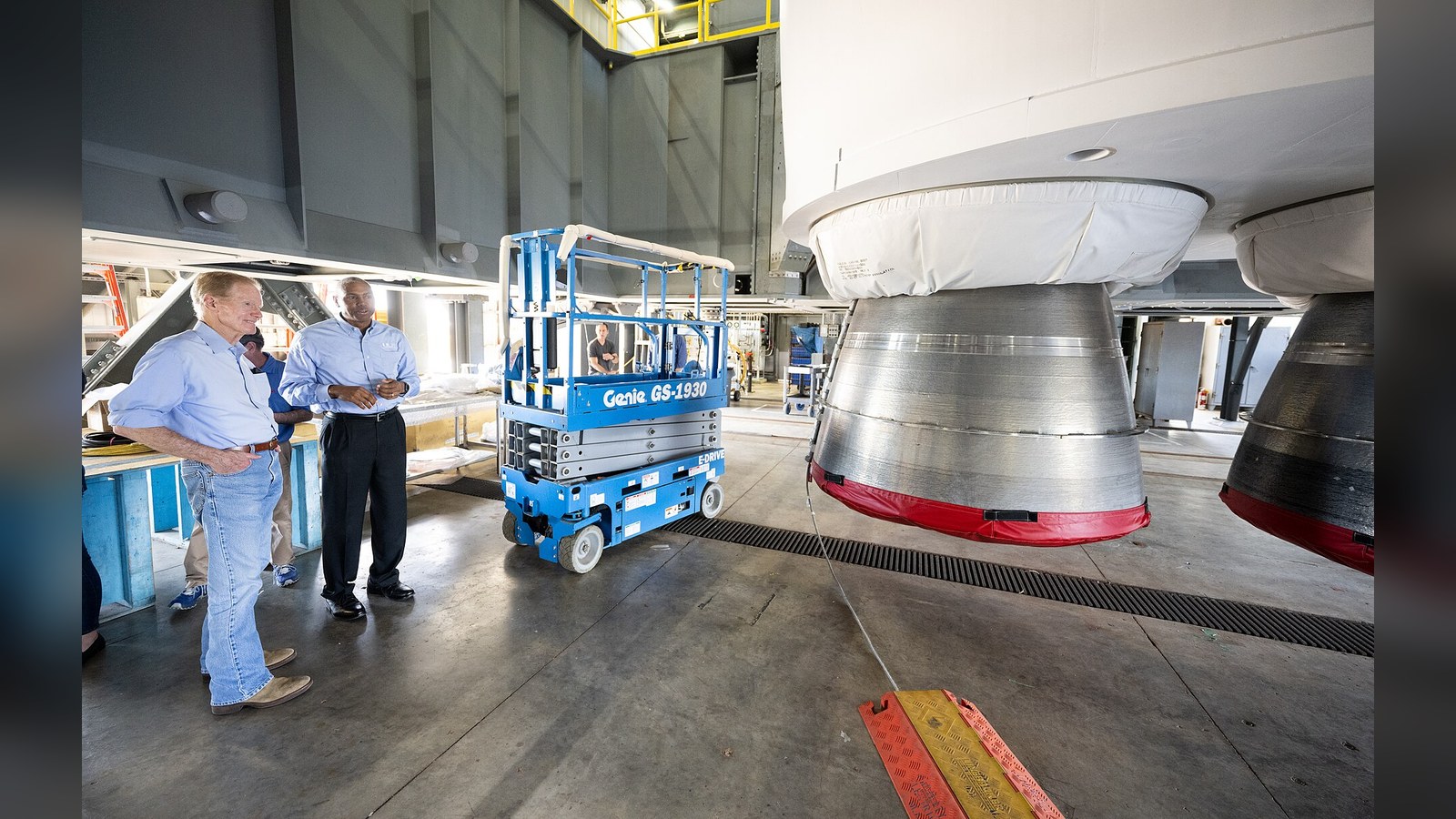
The Vulcan rocket failure on Sunday destroyed 40 Amazon Leo internet satellites and handed United Launch Alliance the first lost mission since Boeing and Lockheed Martin formed the company in 2006. The rocket lifted off from Cape Canaveral at 12:40 p.m. ET. About ten minutes into the flight, ULA says, it suffered an “anomaly” and never delivered its payload to orbit.
What went wrong with Vulcan
ULA has said it has no specific data yet on the cause, and early accounts of the failure don’t fully agree. Ars Technica, citing several sources, reported that the trouble lay in the booster stage rather than the Centaur V upper stage or the six solid rocket boosters. According to that account, the booster’s two BE-4 engines kept firing at least 30 seconds past their planned shutdown, and the rocket’s telemetry animation then showed it beginning to spin.
Spaceflight Now also noted that the first-stage methane engines burned longer than expected. But ULA’s own website indicated the anomaly came during the planned 12.25-minute burn of the hydrogen-fueled Centaur upper stage. Reuters said it was unclear whether the BE-4 engines played any role. Until the investigation produces findings, the cause remains open.
The launch had already been troublesome. A refueling issue scrubbed an earlier attempt on Friday, and controllers held the countdown at T-minus 20 seconds on Sunday before resolving an unspecified technical problem within the launch window. The solid boosters, which caused trouble on two earlier Vulcan flights, appeared to perform normally this time.
Why Blue Origin is watching closely
Blue Origin builds the BE-4 engines on Vulcan’s first stage and is reportedly helping with the investigation. That matters beyond ULA. Blue Origin’s own New Glenn rocket uses a similar engine, and a faulty BE-4 valve was blamed for the launch-pad explosion in May. Blue Origin has already pushed New Glenn’s return to flight to January. Amazon has 24 flights booked on that rocket, so trouble with a shared component could ripple across both of its big-rocket suppliers.
A heavy blow for Amazon Leo
The mission, called LV-01, was the first of 38 Vulcan launches Amazon has purchased for Leo, its rival to SpaceX’s Starlink. Amazon had roughly 390 to 400 satellites in orbit before Sunday, against a first-generation requirement of more than 3,200. It said last month it had built its 1,000th satellite, which means hundreds are sitting on the ground waiting for rides.
Amazon has little slack left. It missed a July milestone to have half its network in service, and the FCC granted more time while removing some spectrum priority. The company still has until July 2029 to finish the first generation. In July it argued that no operator could have foreseen repeated, simultaneous delays across all three core heavy-lift programs. The Vulcan rocket failure adds another one.
Amazon’s public response was measured. “There is risk with any launch, and that’s especially true for inaugural missions like LV-01,” it said, calling ULA a trusted partner it expects to learn from the flight. Its next launch is an Ariane 6 carrying 36 satellites, set for November 23 at the earliest, and it has 10 more missions booked on SpaceX’s Falcon 9.
Pentagon and NASA stakes
The consequences extend to national security. Reuters reported that the Pentagon had not yet cleared Vulcan to resume national security launches, pending Sunday’s result. Ars put Vulcan’s share of those missions at about half over the next few years, with SpaceX taking most of the rest. A prolonged grounding would leave the military leaning even harder on a single provider.
NASA, which chose a version of ULA’s Centaur upper stage for future Space Launch System flights, offered support. “Artemis, Moon Base, and the nation need ULA. We are in your corner and here to help,” its administrator wrote on X.
ULA says it will work with its customer to find the cause, decide on corrective action and return to flight quickly. How quickly depends on what the data show, and on whether the root cause sits with ULA, with Blue Origin’s engines, or somewhere between them.
Explore more on this topic with Vexel Search.
File photo: NASA Administrator Views ULA Vulcan Rocket (NHQ202302210001).jpg by NASA HQ PHOTO, Public domain, via Wikimedia Commons.
WordUp Morning
Ten stories, both sides of each, in five minutes. Free, every weekday at 7am, plus a Saturday weekend edition.
We'll email you a link to confirm. Unsubscribe any time.

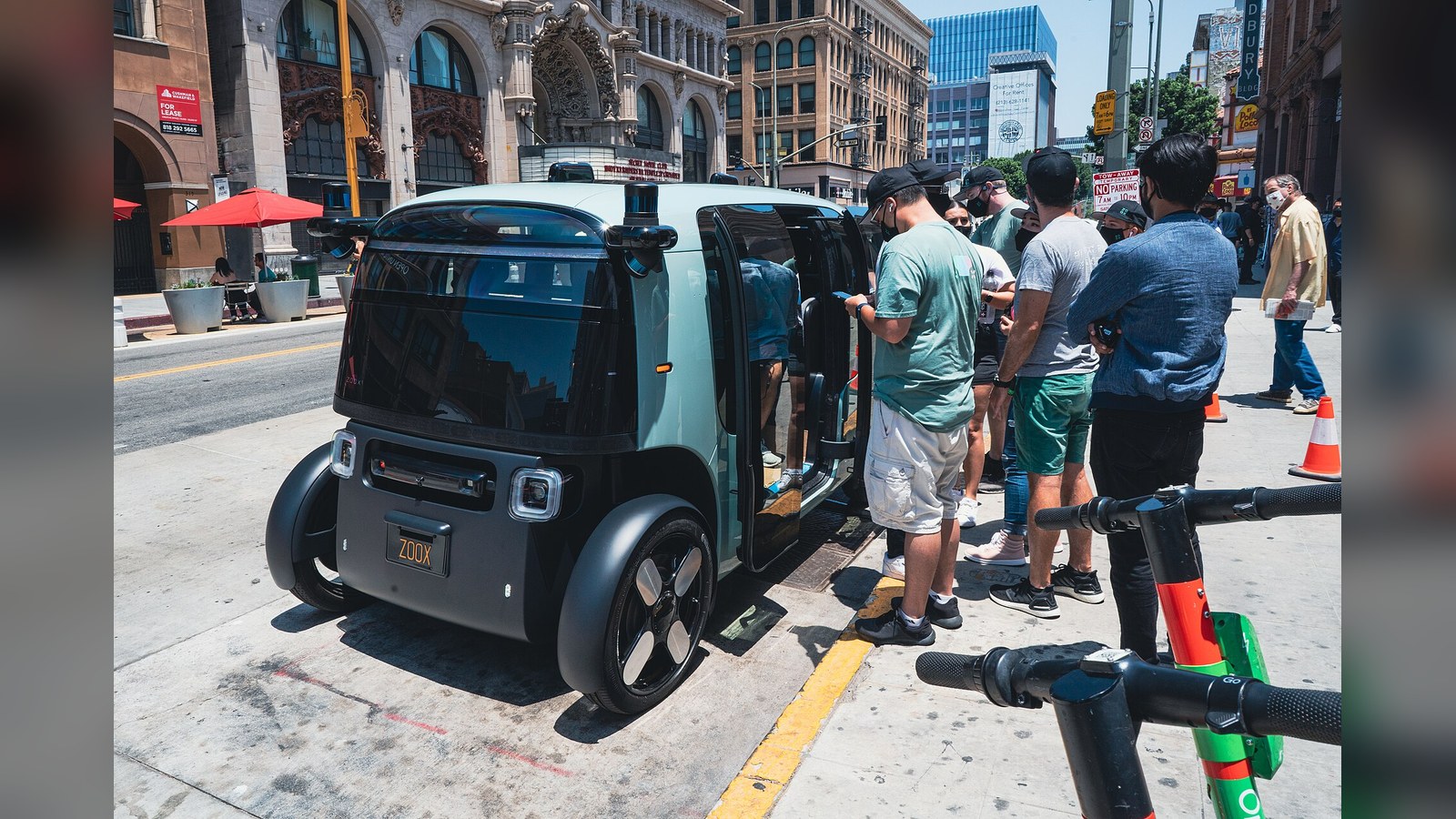
Zoox robotaxis became available on the Uber app in Las Vegas on Monday, putting Amazon’s steering-wheel-free vehicles on someone else’s platform for the first time. For Uber, it is the first purpose-built autonomous car with no steering wheel to join its network.
How riders actually get a Zoox
Riders can’t simply tap a button and summon a Zoox. Anyone ordering UberX, Uber Comfort, Uber Electric, Uber Comfort Electric or Wait & Save may be matched with one at no extra charge. Switching on autonomous rides under “Ride Preferences” in the app’s settings improves the odds, but it doesn’t guarantee a match.
The service area is narrower than a human driver’s. Zoox robotaxis cover resorts and venues on and around the Strip, plus Downtown Las Vegas and the Arts District. Zoox will keep its own app running alongside the Uber integration, and it is starting on Uber with a small fleet that it may grow as operations improve.
Why MGM Resorts is part of the deal
Alongside the launch, Uber and Zoox signed a multiyear agreement with MGM Resorts International. It makes them the official rideshare and robotaxi partners for MGM’s Las Vegas properties. Casino pickup areas are crowded and confusing for people, and probably harder still for a vehicle with no driver to improvise. The companies say they will work on easier pickup and drop-off points, clearer on-property wayfinding, in-app guidance and road changes to help traffic flow.
One detail separates this arrangement from Uber’s other autonomous deals. Uber told TechCrunch it will not provide maintenance or other services for Zoox in Las Vegas, which it does for some of its other self-driving partners. Zoox keeps that operational work in-house.
A crowded Las Vegas robotaxi field
Las Vegas is Zoox’s first commercial market, and it began charging for rides there in August. Uber already offers robotaxi rides in the city with Motional, the Hyundai-backed company, though those cars still carry a safety driver, according to Bloomberg. Earlier this year, Nevada regulators approved a permit allowing Uber to run up to 1,000 robotaxis in Clark County, covering both Motional and Zoox.
CEO Dara Khosrowshahi said on the company’s third-quarter earnings call that Las Vegas “will become the first U.S. city where riders can access two fully driverless partners through the Uber app.” He said Uber would start with limited fleets, expand supply over the coming months and add a dedicated autonomous option in the app. Bloomberg reported he expects Motional’s cars to go fully driverless soon after the Zoox launch.
Waymo is also in the city. It opened driverless rides there in September and operates through its own app. Bloomberg puts its fleet at 4,000 vehicles across the US, a scale none of Uber’s newer partners has matched. TechCrunch notes that Zoox trails market leaders Tesla and Waymo, so access to Uber’s customer base could bring in riders who might never download a separate robotaxi app.
Uber’s shifting relationship with Waymo
The launch comes as Uber’s bond with Waymo loosens. Their exclusive arrangement in Austin and Atlanta ends in January 2028. Waymo co-CEO Tekedra Mawakana has called the tie-up a “crapshoot,” according to reporting from The Verge and Bloomberg. TechCrunch says Uber still plans to host Waymo vehicles for as long as both sides agree.
Uber’s answer is to bet on many partners rather than one. TechCrunch reports it has signed on more than 30 companies working on autonomous tech, though not all have reached commercial deployment. Uber has said it will commit more than $10 billion to robotaxi partners instead of building its own vehicle, and it hopes to have more than 2,000 driverless taxis available to customers in 2027.
What comes next for Zoox robotaxis
Los Angeles is next. Zoox plans initial operations there by the end of 2026, with rides limited to employees, family and friends. Commercial service and the Uber integration are planned for 2027, after Zoox opens rides in its own app. Zoox also began driving in Atlanta on Friday, its newest testing market, again with rides only for employees and their circles for now.
The Las Vegas rollout will test two things: whether Zoox robotaxis can win riders without a dedicated button, and whether Uber’s multi-partner approach can hold up as Waymo moves toward going it alone.
- Amazon’s Zoox robotaxis are now on Uber in Las Vegas, a first for both (thenextweb.com)
- Amazon’s Zoox robotaxis are now available via Uber (The Verge)
- Zoox robotaxis are now on the Uber app in Las Vegas (TechCrunch)
Explore more on this topic with Vexel Search.
File photo: ZOOX Autonomous Car (51262947111).jpg by Nan Palmero from San Antonio, TX, USA, CC BY 2.0, via Wikimedia Commons.
WordUp Morning
Ten stories, both sides of each, in five minutes. Free, every weekday at 7am, plus a Saturday weekend edition.
We'll email you a link to confirm. Unsubscribe any time.
Tech & AI
iPhone Duo face unlock arrives in iOS 27.3 beta with a 45-minute limit, and it isn’t Face ID
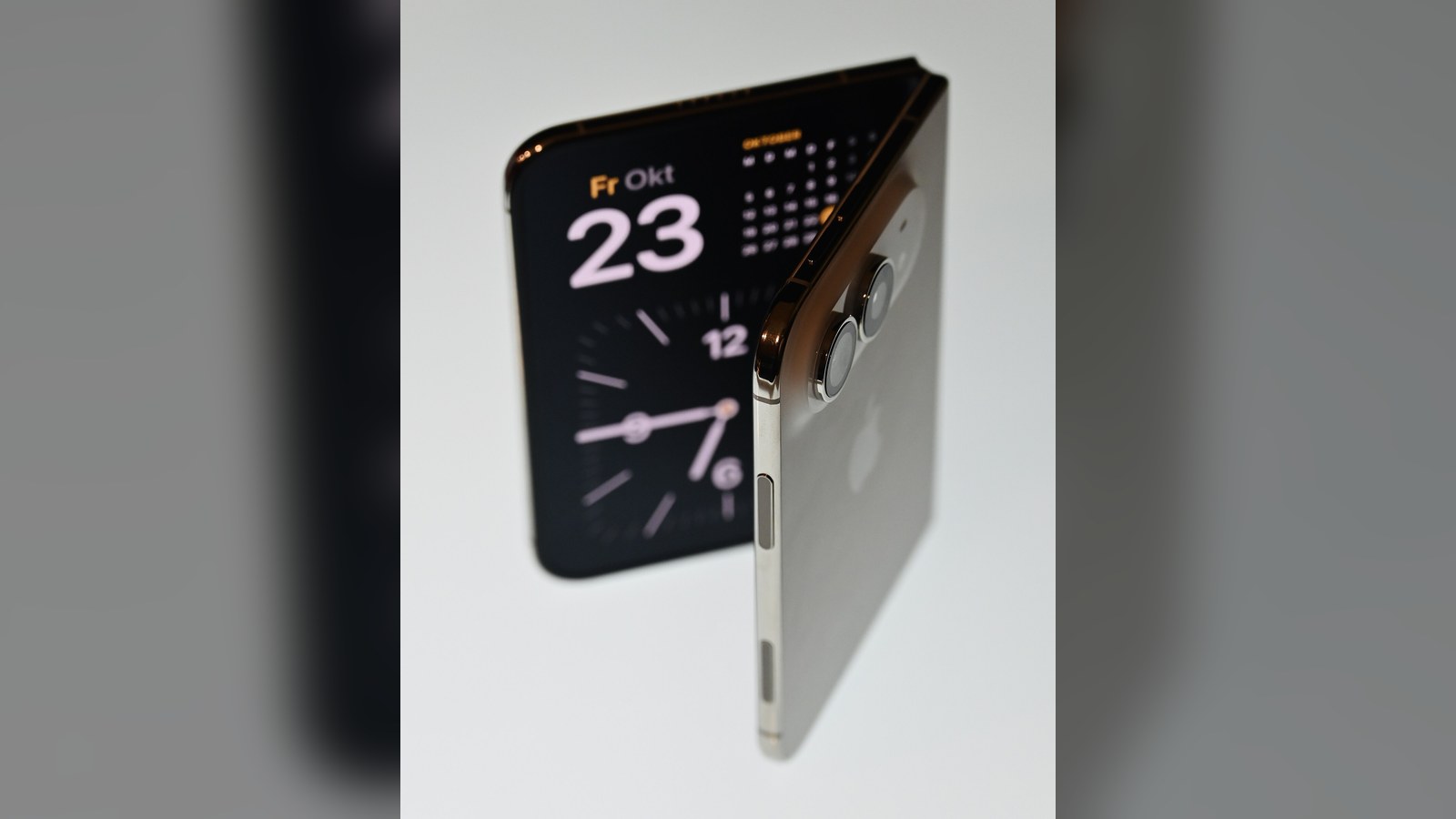
Apple has added iPhone Duo face unlock to the latest iOS 27.3 developer beta. It lets owners of the company’s first foldable get into the phone by looking at it, but it is deliberately a lesser tool than Face ID. It is limited to the lock screen, it lapses after 45 minutes, and it cannot approve payments.
What the new feature does
The iPhone Duo shipped relying on Touch ID, a fingerprint system that most of Apple’s lineup has moved away from. That became one of the most common complaints in early reviews. The beta, released Monday, offers a software workaround. When the phone is closed, it can use the front camera on the outer display to recognize the owner’s face and unlock the device.
According to 9to5Mac, the option is switched on in Settings under Touch ID & Passcode. Apple’s own description in the settings menu says the feature pairs the front camera with a recent Touch ID or passcode authentication, and that face recognition data never leaves the device.
Why it isn’t Face ID
Apple has been explicit about the distinction. Face ID relies on the TrueDepth sensor array, which includes a flood illuminator and a dot projector that casts more than 30,000 invisible infrared dots to build a 3D map of a face. Combined with attention-awareness checks, that system is hard to fool with a photograph. TechCrunch reports that the Duo’s thin, foldable body leaves no room for that hardware.
A standard front camera has no depth-sensing array, and Apple acknowledges the result is less secure than Face ID, Touch ID or a passcode. The company has therefore fenced the feature in with several restrictions:
- It unlocks the phone only. Apple Pay, saved passwords, app unlocking and other sensitive actions still require Touch ID or a passcode.
- It depends on a recent authentication. After 45 minutes of inactivity, the face option switches off until the user verifies with a fingerprint or passcode again.
- It works only when the Duo is closed. With the device unfolded, users must still use Touch ID or a passcode.
The Verge’s account of the 45-minute rule is phrased slightly differently, as a requirement to have used Touch ID or a passcode within that window. The practical effect is the same either way. The face option is a convenience layer on top of a fingerprint or passcode check, not a replacement for one.
A lock-on-close setting, too
The same beta fixes a second irritation. Some early adopters had built their own shortcuts to make the Duo lock when it was folded shut, instead of just switching from the inner display to the outer one. Apple has now built that behavior into Display & Brightness as a toggle. It is a small change, but it reflects the company responding quickly to feedback from the earliest buyers.
What comes next
The beta is available to developers now and is expected to reach public testers soon. The Verge notes that Apple has said iOS 27.3 will launch publicly in December. As with any beta, details could still change before release. Apple also announced that more than 200,000 apps are now optimized for the Duo, double the figure of roughly 100,000 it cited earlier this month.
Looking further ahead, Bloomberg has reported that Apple wants to bring true Face ID to a second-generation Duo. If so, this software approach looks like a stopgap for the first model rather than a permanent answer. The update also adds the ability to ask Siri about a webpage’s content, including parts not yet scrolled into view, and video podcasts in the Apple TV app. Apple News+ puzzles are expanding to subscribers in Australia, the U.K. and French-speaking Canada.
For now, iPhone Duo face unlock is best seen as a way to cut down on fingerprint taps during the day. It does not close the security gap that kept Face ID off the device in the first place.
Explore more on this topic with Vexel Search.
File photo: Apple iPhone Duo.jpg by SimonWaldherr, CC BY 4.0, via Wikimedia Commons.
WordUp Morning
Ten stories, both sides of each, in five minutes. Free, every weekday at 7am, plus a Saturday weekend edition.
We'll email you a link to confirm. Unsubscribe any time.

Header image: AI-generated illustration by WordUp News.
Reports of AI child abuse images have risen by more than 8,400 per cent in just two years, according to a new international study that researchers describe as a warning to governments still working with patchy data. The figures come from the Childlight Global Child Safety Institute, which is based at the University of Edinburgh.
Childlight said referrals of AI-generated child sexual abuse material that technology companies passed to the US-based National Center for Missing and Exploited Children climbed from around 4,700 in 2023 to more than 400,000 in 2025. That is an increase of more than 395,300 reports worldwide. The findings are in the group’s 2026 Into the Light Index, unveiled on Monday at a global ministerial summit on ending violence against children. Representatives of more than 100 governments attended, and one source places the summit in the Philippines.
What the 8,400% figure does and does not show
The headline number measures reports, not confirmed incidents, and the researchers were careful to say so. The study cautioned that changes in detection and reporting may have contributed to the sharp rise. Better scanning tools, or companies becoming more willing to flag material, could push the count up even if the underlying behaviour had grown more slowly.
Professor Debi Fry, Childlight’s global director of data, acknowledged this. Improved detection and reporting “may explain some of that increase”, she said, but the findings still underline why governments and tech firms “must act urgently” to understand these emerging forms of abuse and remove material quickly. She called the speed at which AI is changing the threat to children “deeply concerning”.
Why fake images still cause real harm
Much of the material involves “deepfakes” made with so-called “nudify” apps. These can place a real child’s face onto a sexually explicit image in a realistic way within seconds. The researchers stressed that an image being fabricated does not make the damage to a child any less real. Such images are sometimes used to blackmail children, with offenders demanding money or further images.
The study also said the problem is not confined to the famous. Ordinary people are affected as well as high-profile celebrities.
A wider picture of technology-facilitated abuse
The AI findings sit within a larger set of estimates. Researchers calculated that more than 300 million children worldwide experience at least one form of technology-facilitated sexual exploitation or abuse in a single year. Around one in four young people can expect to face some form of online abuse before turning 18.
Alongside those numbers, Childlight flagged what it sees as a basic weakness in how the world tracks the problem. Of 103 countries and areas examined across three regions, only 22 had representative survey data covering both offline and technology-facilitated abuse. Several groups of children are particularly underrepresented in the evidence: those with disabilities, Indigenous children, migrants, children in humanitarian settings, very young children, and those abused within their own families.
What Childlight wants governments and tech firms to do
Childlight is urging governments to treat sexual exploitation and abuse as a preventable public health issue. It wants investment in reliable, consistent measurement, and evidence used to protect children, support survivors and stop harm before it happens. It is also calling for stronger accountability from the technology sector, laws that keep pace with new threats, and prevention work that starts earlier in childhood.
Chief executive Paul Stanfield said governments are “too often working with an incomplete picture of where harm is happening and who is most at risk”. “What remains invisible risks remaining unaddressed,” he said, adding that there is “nothing inevitable” about child sexual exploitation and abuse.
The report did note some encouraging signs. Several countries are strengthening online safety legislation, improving detection and putting more emphasis on prevention. Researchers said that with better intelligence, coordinated action and sustained investment, governments have a chance to protect hundreds of millions of children. The data on AI child abuse images suggests how little time they may have to act.
Explore more on this topic with Vexel Search.
WordUp Morning
Ten stories, both sides of each, in five minutes. Free, every weekday at 7am, plus a Saturday weekend edition.
We'll email you a link to confirm. Unsubscribe any time.
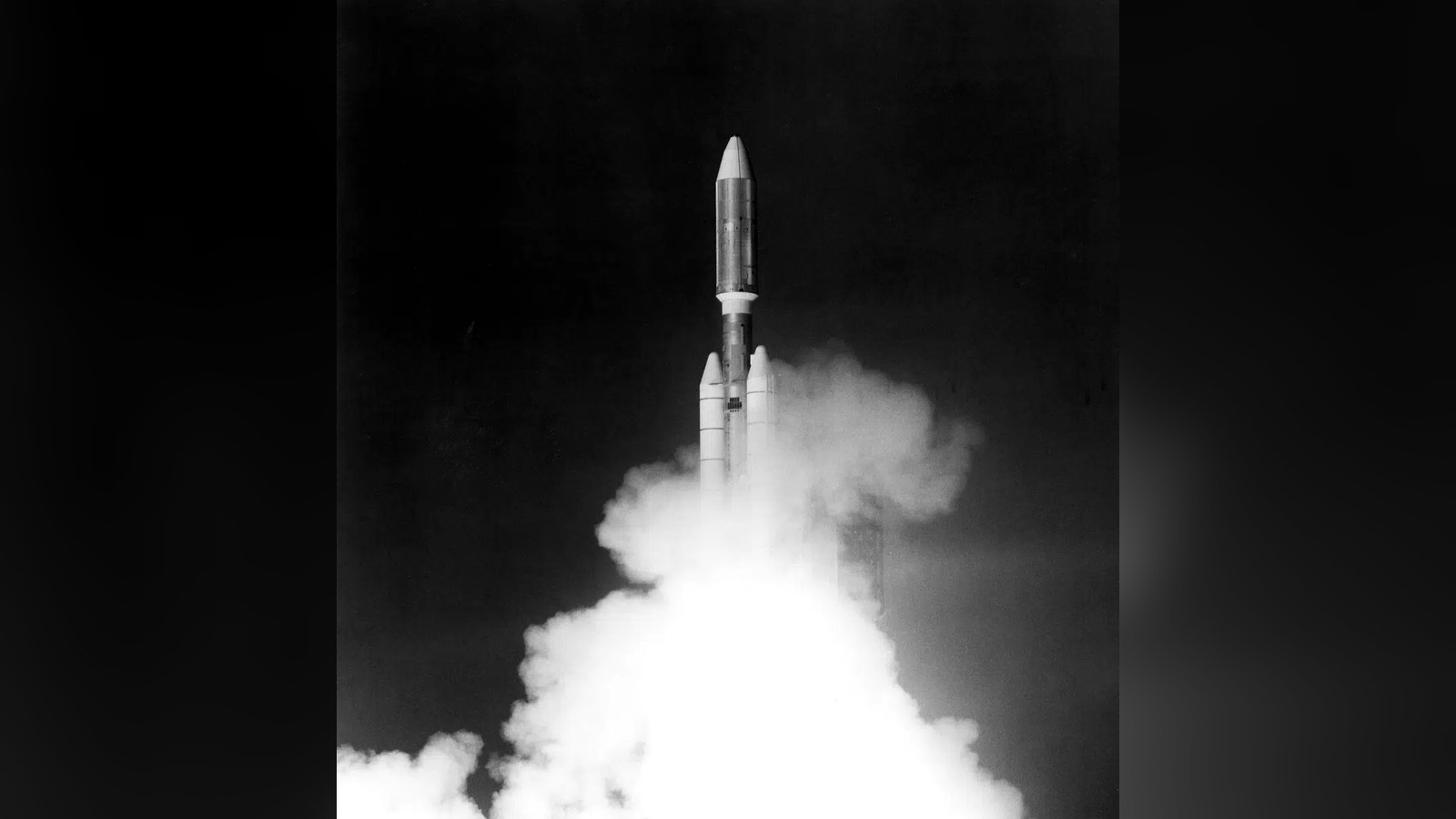
A 49-year-old spacecraft is about to set a new Voyager 1 distance record, one no other human-made object has come close to matching. On Wednesday, NASA’s probe will be one light-day from Earth, meaning a radio signal travelling at the speed of light takes a full 24 hours to cross the gap.
What a light-day means in practice
The figure is more than 16 billion miles, or about 26 billion kilometres. Every command NASA’s engineers send to the spacecraft takes a day to arrive, and the reply takes another day to come back. A simple question put to Voyager 1 therefore gets no answer for two days.
The milestone also puts the vastness of space in perspective. According to NASA, Voyager 1 still needs about 18,000 years to cover a full light-year. It would need more than double that time to come near another star.
Instruments still working in interstellar space
Voyager 1 was launched in 1977, about two weeks after its twin, Voyager 2. It flew past Jupiter in 1979 and Saturn in 1980, then left the solar system. In 2012 it reached what NASA defines as interstellar space, the region between star systems. Voyager 2, which also visited Uranus and Neptune, crossed that boundary in 2018.
Both spacecraft still report back almost daily. They measure the strength and direction of the magnetic field, along with pressure, dust and galactic cosmic rays in a region no probe has explored before. Project manager Suzanne Dodd, who has worked with the Voyagers since 1984, compares the work to that of weather satellites.
Reports differ slightly on Voyager 1’s speed. The Associated Press puts it at about 38,000 mph (61,000 kph), while Al Jazeera cites roughly 36,000 mph. Either way, Voyager 2 is a long way behind on the record: it is not expected to reach one light-day until 2035.
A skeleton crew and an ageing machine
Keeping the plutonium-powered probe alive takes surprisingly little staff. A small flight control team at NASA’s Jet Propulsion Laboratory in Pasadena, California, sends commands about once a week. Activity picks up when something goes wrong, and a couple of retirees who once worked on the project sometimes help out.
Something did go wrong recently. In September, controllers finished the latest effort to conserve the spacecraft’s power. In October, they briefly lost contact with Voyager 1, and they are still working out why. Dodd has likened the probe to “the little engine that could” and called it “a national treasure.”
Why the Voyager 1 distance record resonates
The mission has already collected several Guinness World Records. One is for travelling farther than any other human-made object. Another is for taking the most distant picture of Earth, the “Pale Blue Dot” image captured in 1990 from beyond Neptune. Astronomer Carl Sagan, who was on the imaging team, described Earth in it as “a very small stage in a great cosmic arena.”
Each Voyager also carries a gold-plated record with greetings in 55 languages, plus images and diagrams, as a message to anyone who might find it. “It’s a time capsule of life on Earth from 1977,” Dodd said, adding that she hopes someone finds it perhaps 1,000 years from now.
NASA is inviting the public to mark the occasion. After sunset on Tuesday, people are asked to use a phone or flashlight to flash the Morse code letters V-G-R, Voyager’s call sign, into the night sky. Bill Nye of the Planetary Society, which Sagan co-founded, noted that most people alive today were not yet born at launch, yet “all of us — everyone on Earth — have been touched by these missions.”
Explore more on this topic with Vexel Search.
File photo: This photograph from Sept. 5, 1977, shows the launch of NASA’s Voyager 1 spacecraft from NASA’s Kennedy Space Center at Cape Canaveral, Fla. Original by NASA, CC0 1.0, via Rawpixel (Openverse).
WordUp Morning
Ten stories, both sides of each, in five minutes. Free, every weekday at 7am, plus a Saturday weekend edition.
We'll email you a link to confirm. Unsubscribe any time.
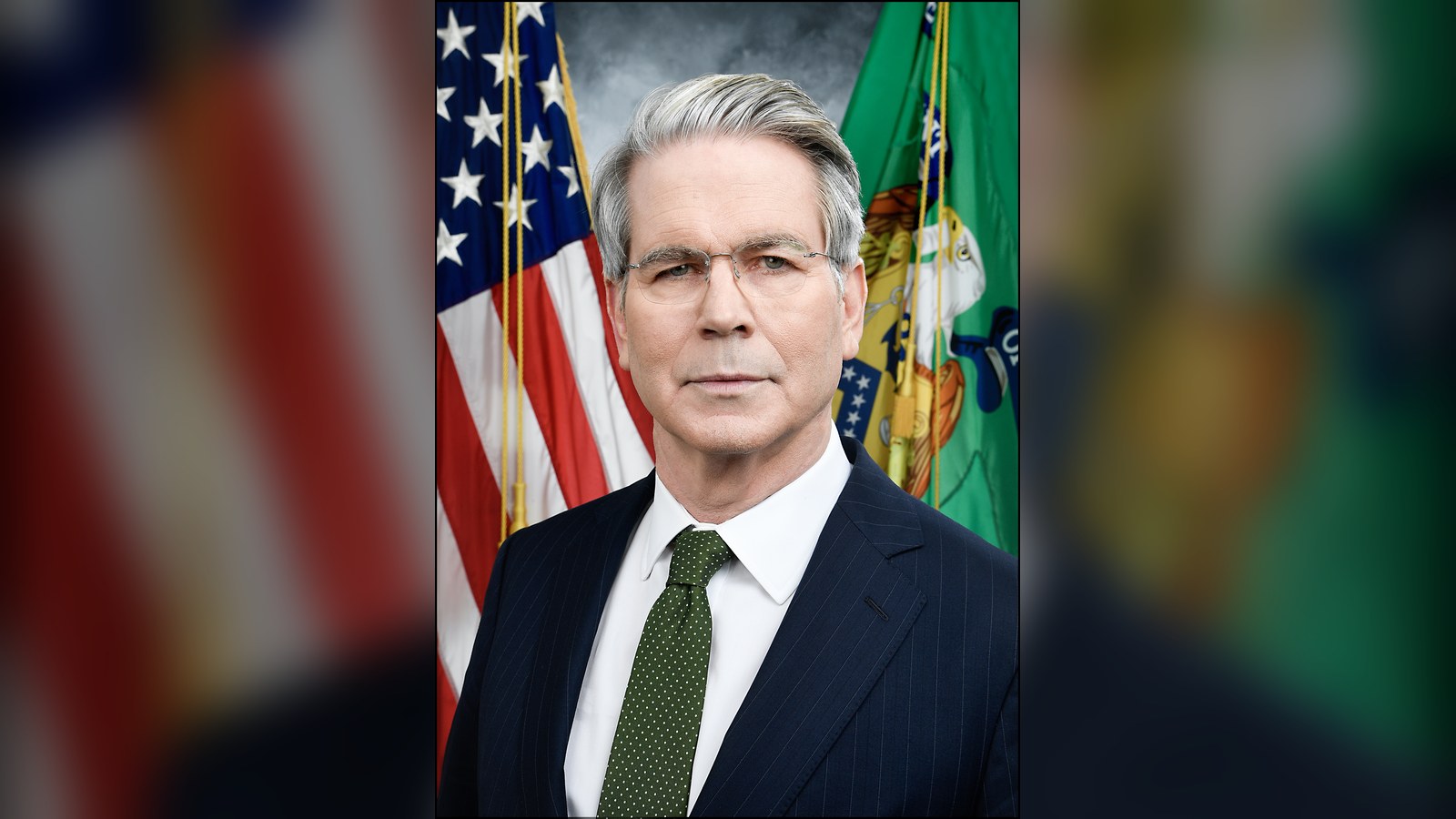
US Treasury Secretary Scott Bessent has weighed in on the Nvidia CEO search, saying the company’s board should focus on candidates from outside the company and that Nvidia needs “a dramatic shake-up.” He made the remarks on Fox’s “Sunday Morning Futures,” according to Business Insider.
What Bessent said about the Nvidia CEO search
Bessent paired his call for an outsider with a pointed demand on regulation. He said Nvidia’s board should answer questions about the company’s compliance with export regulations within the next 10 days. He balanced that with praise, calling Nvidia “a wonderful company” and Jensen Huang “an incredible innovator.” But, he said, that “does not abrogate their duties to compliance.”
The source does not say what specific compliance questions the board faces or what would happen if the 10-day window passes without answers. It also does not say whether Bessent was speaking for the administration or giving a personal view.
How Huang’s exit unfolded
The comments follow Huang’s resignation last week. Nvidia’s board had opened an investigation into whether he was the “target of a foreign intelligence effort.” The same day, Huang acknowledged an extramarital affair in a memo to staff. The New York Times and Reuters later reported that he also had relationships with two Nvidia employees. Those reports are as relayed by Business Insider, which did not detail them further.
The intelligence question traces back to an October New York Times report. It said Huang had developed a “close relationship” with Alice Huang, a former tech executive whom US officials believe may have been passing information to China. China has denied the espionage claims. The US Justice Department has not reached a conclusion. No charges or findings are described in the source, so the allegations remain unproven.
Inside or outside: where the board stands
Nvidia has said it will consider both internal and external candidates, which leaves room for Bessent’s preference but does not commit to it. Chief financial officer Colette Kress is serving as interim CEO. The board has not publicly discussed potential successors, though some analysts and investors have offered their own top picks.
Opinion is not unified. Some people are hoping the board will reinstate Huang until its internal investigation into his affair is finished. A growing number in the tech industry also believe the allegations about Alice Huang may have been deliberately overblown by China hawks in the US who wanted Huang out. Huang had been an advocate for supplying chips to China. That claim is a view held by some industry figures, and the source does not offer evidence for it.
What to watch next
Three questions will shape the next phase of the Nvidia CEO search. The first is whether the board gives the export compliance answers Bessent has requested by his 10-day mark. The second is whether the Justice Department reaches a conclusion on the espionage claims, which could change the debate over Huang’s future. The third is whether the board leans toward an outsider, as Bessent urges, or an internal figure who can offer continuity.
This report relies on a single, partly paywalled source, so many details, including the board’s timeline and the specifics of the compliance concerns, remain unclear.
Explore more on this topic with Vexel Search.
File photo: Official portrait of Treasury Secretary Scott Bessent.jpg by United States Department of the Treasury, Public domain, via Wikimedia Commons.
WordUp Morning
Ten stories, both sides of each, in five minutes. Free, every weekday at 7am, plus a Saturday weekend edition.
We'll email you a link to confirm. Unsubscribe any time.
Tech & AI
Megaspeed Statement Says Alice Huang Left Aug. 30, 2025, Months After Singapore Police Questioned Her
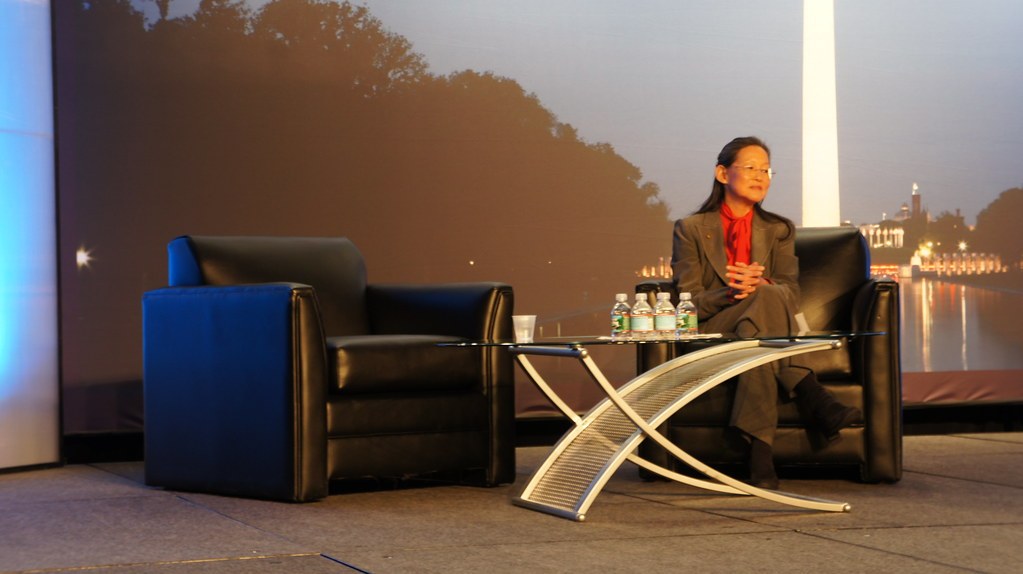
A Megaspeed statement issued Sunday puts a firm date on the departure of Alice Huang, the former executive at the center of the Nvidia scandal: Aug. 30, 2025. The Singapore cloud computing company said she “currently has no role” there and that it does not comment on her personal matters. The date matters because it sits beside a Singapore government timeline that places her in a senior position at the company for much of that year.
What the Megaspeed statement says
The company told The Associated Press by email that it runs a “legitimate and lawful business.” It said media reports about its supply chain and global operations contain claims “not supported by verifiable evidence,” though it did not address specific allegations. It also said it has hired outside legal counsel to run a thorough internal investigation.
Megaspeed is a customer and cloud partner of Nvidia. Media reports have accused it of helping route advanced chips to Chinese companies in violation of U.S. export controls. Nvidia says it cut off Megaspeed in 2025. In a separate statement Thursday, issued under the name of the Singaporean businessman James Tan, the company said it takes U.S. export law “extremely seriously” and had cooperated with inspections by the Commerce Department’s Bureau of Industry and Security.
Where the dates collide
Singapore’s home affairs ministry said Thursday that police investigated Alice Huang as Megaspeed’s then-CEO, chairperson and one of its key controllers. According to the reporting, she was present on June 24, 2025, when U.S. officials checked Megaspeed’s shipments. Police interviewed her that day and held her passport. Authorities later found too little evidence that she had committed an offense, but said she knowingly gave them inaccurate information to downplay her role. She left Singapore on Feb. 26, 2026, and is barred from returning.
Corporate records tell yet another story. They show she was no longer a listed director by November 2023, with her shares moved to an entity owned by Tan. But the short seller Culper Research cited a Megaspeed employee in a May report as saying she was “actually still our boss” and involved in daily operations. The company’s formal paperwork, the Singapore government’s account and the new departure date do not line up neatly, and the Megaspeed statement does not reconcile them.
The wider fallout
The New York Times reported last month that U.S. officials had concluded Alice Huang was a Chinese intelligence asset who had a close relationship with Nvidia’s Jensen Huang. The two are not related. Jensen Huang acknowledged an affair with her and resigned as chief executive Thursday. Nvidia’s board had opened an investigation into his conduct, and the Times separately reported a relationship with an Nvidia executive who reported to him. Nvidia’s stock has fallen about 30 percent from its high, erasing more than $1 trillion in market value.
Her status as a spy remains unproven. Attorney General Todd Blanche said Thursday the Justice Department had not concluded whether she was one, and President Trump said he did not know if that had been determined. Beijing rejects the allegations as unsubstantiated. The AP said it could not reach her for comment.
What remains open
Singapore’s investigation into Megaspeed and six other people continues. Authorities have charged four people and four companies over server deals, and the government has cited possible false declarations tied to server purchases. Malaysia is separately checking whether chips imported by Megaspeed’s local unit were shipped onward.
The Megaspeed statement distances the company from Alice Huang, but its internal investigation is not independent of the company, and the outcomes of the Singaporean and U.S. inquiries are still to come. Until then, the question of who controlled Megaspeed, and when, remains one of the central open issues in the case.
- Megaspeed Says Alice Huang Left Company in August 2025 (nytimes.com)
- Megaspeed says Alice Huang left in August 2025 (thenextweb.com)
- Megaspeed says Alice Huang left in 2025 as company conducts internal probe over Nvidia fallout (The Independent)
Explore more on this topic with Vexel Search.
File photo: Alice S. Huang by Aranami, CC BY 2.0, via Flickr (Openverse).
WordUp Morning
Ten stories, both sides of each, in five minutes. Free, every weekday at 7am, plus a Saturday weekend edition.
We'll email you a link to confirm. Unsubscribe any time.
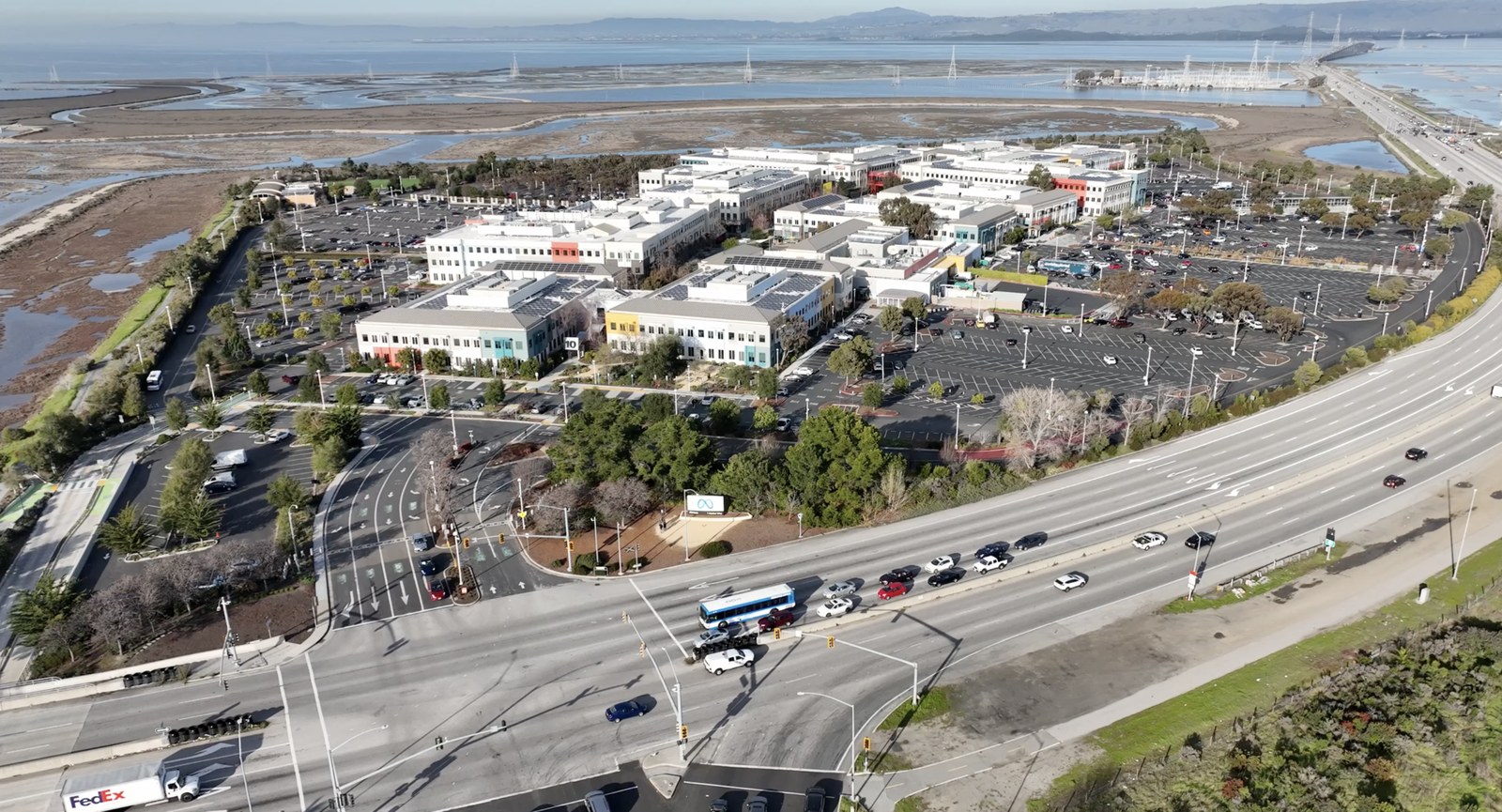
Italy’s data protection regulator has issued an €805m (£670m; $887m) Meta fine over a Facebook feature that accessed Android users’ photos and videos without their specific consent, in one of the largest penalties an Italian authority has ever imposed on a tech company.
What the regulator says Meta did wrong
The case centres on a tool in the Facebook app that suggests pictures and videos from a user’s phone gallery as ideas for posts. According to Italy’s Data Protection Authority, about 20 million smartphone users were not properly told that the app could reach their photos and videos in this way.
The regulator’s argument is about how permission was requested. Facebook asked for access to a user’s photo gallery through a single, app-wide authorisation. The notice shown beforehand, the authority said, did not make clear that granting it would also let Facebook generate suggestions from the images stored on the device.
Why the Meta fine is so large
The authority pointed to several factors behind the size of the penalty. It cited “the high number of people affected” and said the problem is “still ongoing for those who have not updated the app and for those who have already given their consent to the system”. It also noted what it described as “Meta’s lack of co-operation”.
Beyond the money, the regulator has given Meta 60 days to switch the feature off by default and to seek users’ consent for it separately, rather than bundling it into a wider permission.
Meta’s response and the appeal
Meta has said it will appeal. A spokesperson told the BBC the company “strongly disagree[s] with the [regulator’s] assessment of the facts, its application of the law, and the disproportionate level of the fine”.
The company described the tool as “a straightforward feature which helps people post photos and videos to Facebook”. It said users must grant permission on their device before the feature can work, and that they can change that permission at any time in their settings. That sets up a clear dispute: Meta stresses the device-level permission, while the regulator focuses on whether people were told what they were agreeing to.
A difficult run for the company
The Italian decision comes after another costly setback. The BBC reports that last month a US judge in New Mexico ordered Meta to pay $25bn (£18.6bn), the largest fine in the company’s history, after finding that it had spent years misleading the public about how it handled Facebook user data. That case is separate from the Italian one, but the two together show regulators and courts putting more pressure on how the company handles personal information.
The appeal will determine whether the Meta fine stands at its current level. In the meantime, the 60-day deadline means Facebook on Android could look different for Italian users if the order is not suspended or overturned. The source reports do not say whether the same change would apply elsewhere.
Explore more on this topic with Vexel Search.
File photo: Meta HQ 2023.png by InvadingInvader, CC BY-SA 4.0, via Wikimedia Commons.
WordUp Morning
Ten stories, both sides of each, in five minutes. Free, every weekday at 7am, plus a Saturday weekend edition.
We'll email you a link to confirm. Unsubscribe any time.
Tech & AI
Nvidia CEO Search Reaches Arm: Board Reportedly Approached Rene Haas One Day After Jensen Huang Resigned
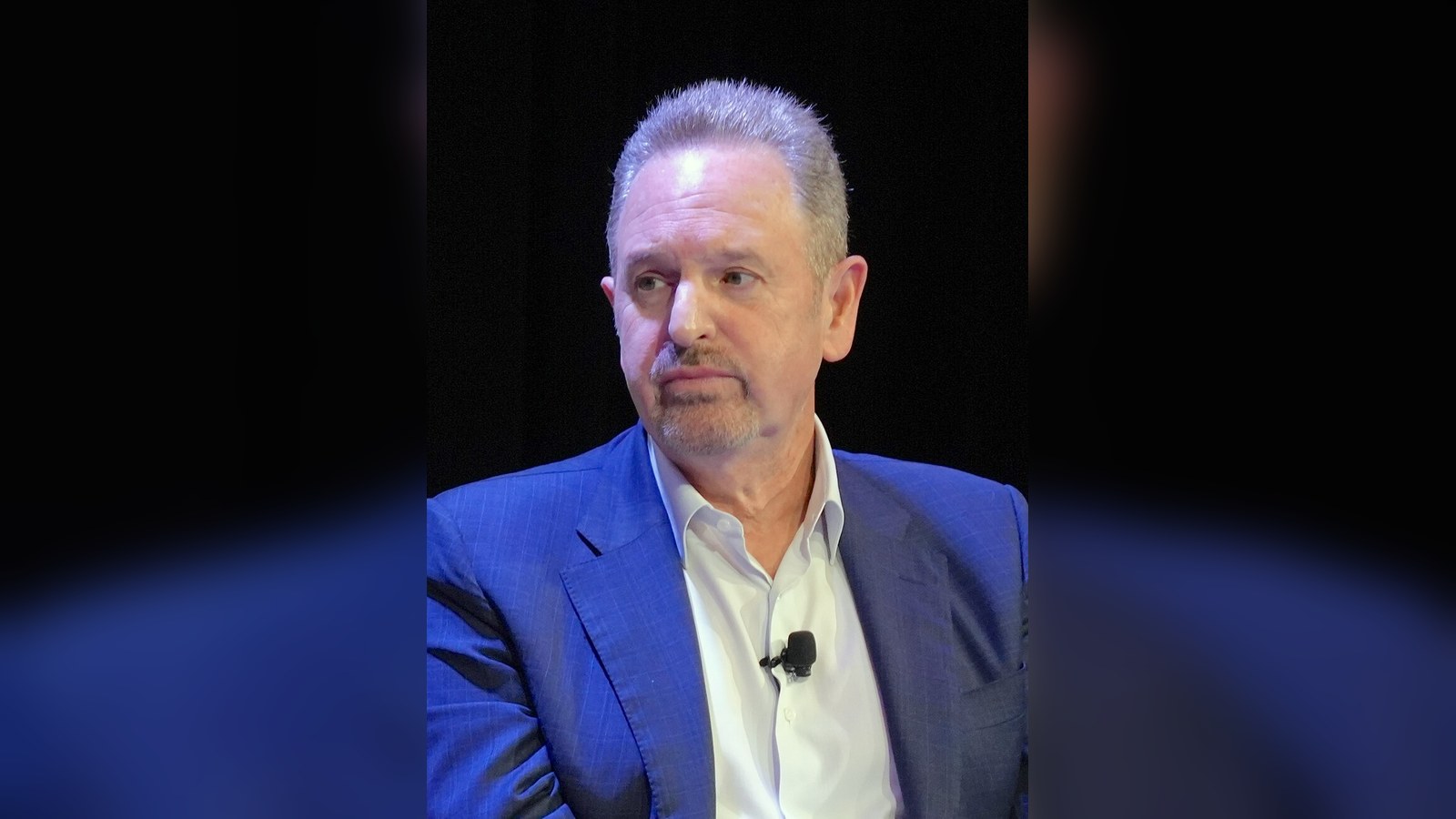
The Nvidia CEO search is already reaching beyond the company’s own walls. According to a Financial Times report cited by Fox Business, Nvidia’s board has approached Rene Haas, chief executive of British chip designer Arm, as it looks for a permanent successor to Jensen Huang. Huang resigned on Thursday, and the report surfaced on Friday, November 13.
Why Rene Haas is on the board’s radar
Haas has run Arm since 2022. Before that, he spent seven years at Nvidia more than a decade ago. The FT, as relayed by Fox Business, says he has a “strong relationship” with Huang and with some current board members. That mix of insider familiarity and outside perspective may explain why the board would consider him, though the sources do not say how far any conversation went or whether Haas is interested.
Arm declined to engage with the report. “It’s a no comment from us,” the company told Fox Business. Nvidia has not publicly confirmed any individual candidate. Its statement said only that the board will “consider internal and external candidates.”
What led to Huang’s exit
Fox Business reports that Huang stepped down after the board investigated his reported affair with a tech executive who is suspected of being a Chinese intelligence source. He is also alleged to have had extramarital relationships with two Nvidia employees. These are allegations as described in the reporting. The sources do not detail the investigation’s findings, and no court has made any determination about them. Nvidia’s own statement was gracious, thanking Huang for his “immeasurable contributions” to the company and the industry.
An interim chief and a divided internal mood
Nvidia has named Colette Kress, its executive vice president and chief financial officer, as interim CEO. Kress joined in September 2013 and has led the finance organization through the company’s period of rapid growth. A Fox Business segment cited an expert who called her “perfectly capable” of steering the company in the meantime.
Not everyone appears to want an outsider. Decrypt reports that some employees are pushing for Huang to return as CEO. That sets up an awkward contrast. The board is formally seeking a successor, while part of the workforce wants the man who just left. Decrypt’s account does not say how widespread that sentiment is.
Markets and politics add pressure
The leadership change is landing amid broader scrutiny. Fox Business coverage points to reports of Nvidia chips allegedly being funneled to China through a firm called Megaspeed, and to a U.S. senator’s plans to tighten limits on China’s access to AI chips. Fox’s market coverage also shows a mixed reaction, with one segment noting that stocks rallied despite the shake-up and another describing a losing streak for Nvidia shares. At the time of Fox’s snapshot, Arm shares were down 4.63% at $190.53. The sources do not say whether that move was tied to the report on Haas.
What to watch in the Nvidia CEO search
The board has set no timetable. Several questions are open: whether Haas is willing to leave Arm, whether the board prefers an insider such as Kress, and how seriously it weighs the employee push for Huang’s return. Because the Haas approach rests on a single FT report that neither company has confirmed, it is best read as a signal of how wide the net is cast, not as a sign that a deal is near.
Explore more on this topic with Vexel Search.
File photo: Rene Haas at SXSW 2025.jpg by Rosiestep, CC BY-SA 4.0, via Wikimedia Commons.
WordUp Morning
Ten stories, both sides of each, in five minutes. Free, every weekday at 7am, plus a Saturday weekend edition.
We'll email you a link to confirm. Unsubscribe any time.
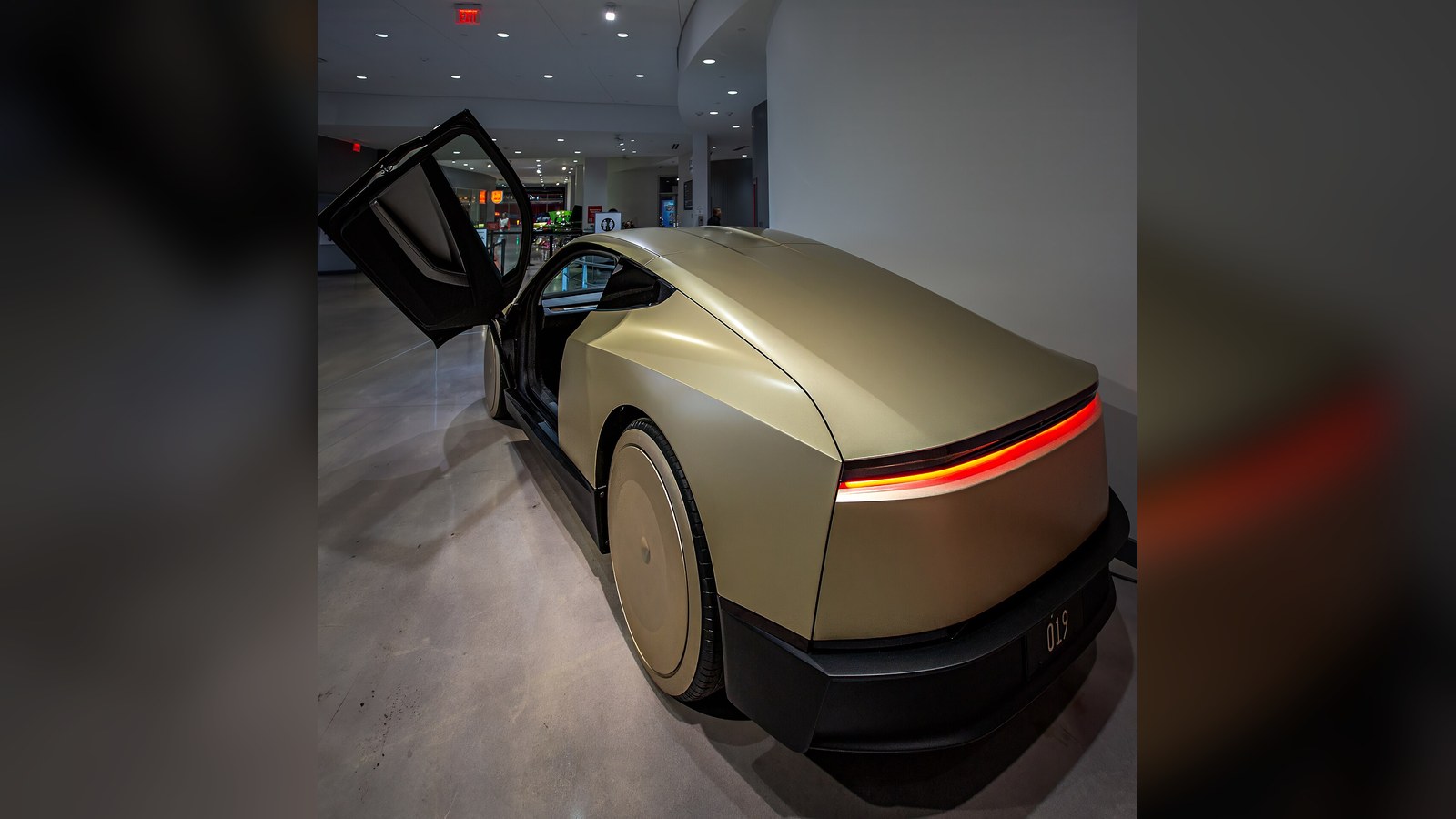
Tesla has begun inviting select customers to order a Cybercab for personal use, but the $29,990 headline price is only the start of what buyers would actually pay, and the restrictions attached to it are considerable.
The offer was announced on Tesla’s Robotaxi account on X, with screenshots of the order page and the invitation email. The steering-wheel-free two-seater was originally pitched as a roughly $30,000 driverless car. The new terms add a mandatory $299-a-month “Autonomy Subscription,” and the car cannot be driven without it.
What the subscription really costs
Tesla already charges $99 a month for its Full Self-Driving feature, so a software fee is not a total surprise. The difference is what happens when you stop paying. Cancel FSD on a regular Tesla and you still have a car you can drive yourself. The Cybercab has no steering wheel, pedals or mirrors, so cancelling the subscription would leave it unusable on public roads.
Over a five-year ownership period, the fee adds $17,940, which pushes the baseline cost toward $48,000 before taxes, charging and insurance. The Verge noted that this is more than a new Model 3 or Model Y, which can be driven anywhere in the country.
Limits on where and how it can be used
The conditions go well beyond price. The Cybercab will be sold only in “supported service areas,” which means the cities where Tesla already runs its Robotaxi service. Engadget lists those as parts of Miami, Orlando and Tampa in Florida, and Austin, Dallas, Fort Worth, Houston and San Antonio in Texas. Tesla AI chief Ashok Elluswamy said the cars will operate unsupervised within the same geographic zones as the Robotaxi fleet, “just serving the owners’ needs.”
Buyers must also put down a $1,000 non-refundable deposit to join the queue for a December delivery window that Tesla does not guarantee. The invitation itself warns that “initial availability is limited.”
Perhaps the biggest letdown involves income. The 2024 “We, Robot” pitch suggested owners could add their cars to Tesla’s network and earn money while they slept or worked. According to The Verge, the order terms explicitly prohibit commercial use, which rules out ride-hailing, delivery work and putting the car on Tesla’s own network to offset the monthly fee. Elluswamy has floated the second quarter of 2027 as a possible target for letting customer cars join the network, so early buyers would pay full price in the meantime.
Regulatory questions remain
Delivery is also not certain on the regulatory side. Engadget reports that shortly after the Cybercab entered commercial service, the National Highway Traffic Safety Administration opened an audit query into how Tesla self-certified the vehicle. The agency pointed to the lack of “permanently attached, conventional manual controls” and said it wants to examine “the process and technical data on which Tesla relied when certifying the Cybercab.”
The Cybercab is not a rarity on the road. Tesla began offering Cybercab rides in Austin in September, and the crowd-sourced Robotaxi Tracker counts 278 in operation, about 40 percent of the fleet. Even so, whether privately owned cars can reach customers on schedule remains unproven.
For now, the Cybercab personal use offer looks less like a mass-market breakthrough and more like a limited, tightly controlled pilot. Buyers would be paying for a car that works only in a few cities, only while they keep subscribing, and, for the time being, only for their own errands.
Explore more on this topic with Vexel Search.
File photo: 2024 Tesla Cybercab Prototype.jpg by RON RAFFETY, CC BY-SA 2.0, via Wikimedia Commons.
WordUp Morning
Ten stories, both sides of each, in five minutes. Free, every weekday at 7am, plus a Saturday weekend edition.
We'll email you a link to confirm. Unsubscribe any time.
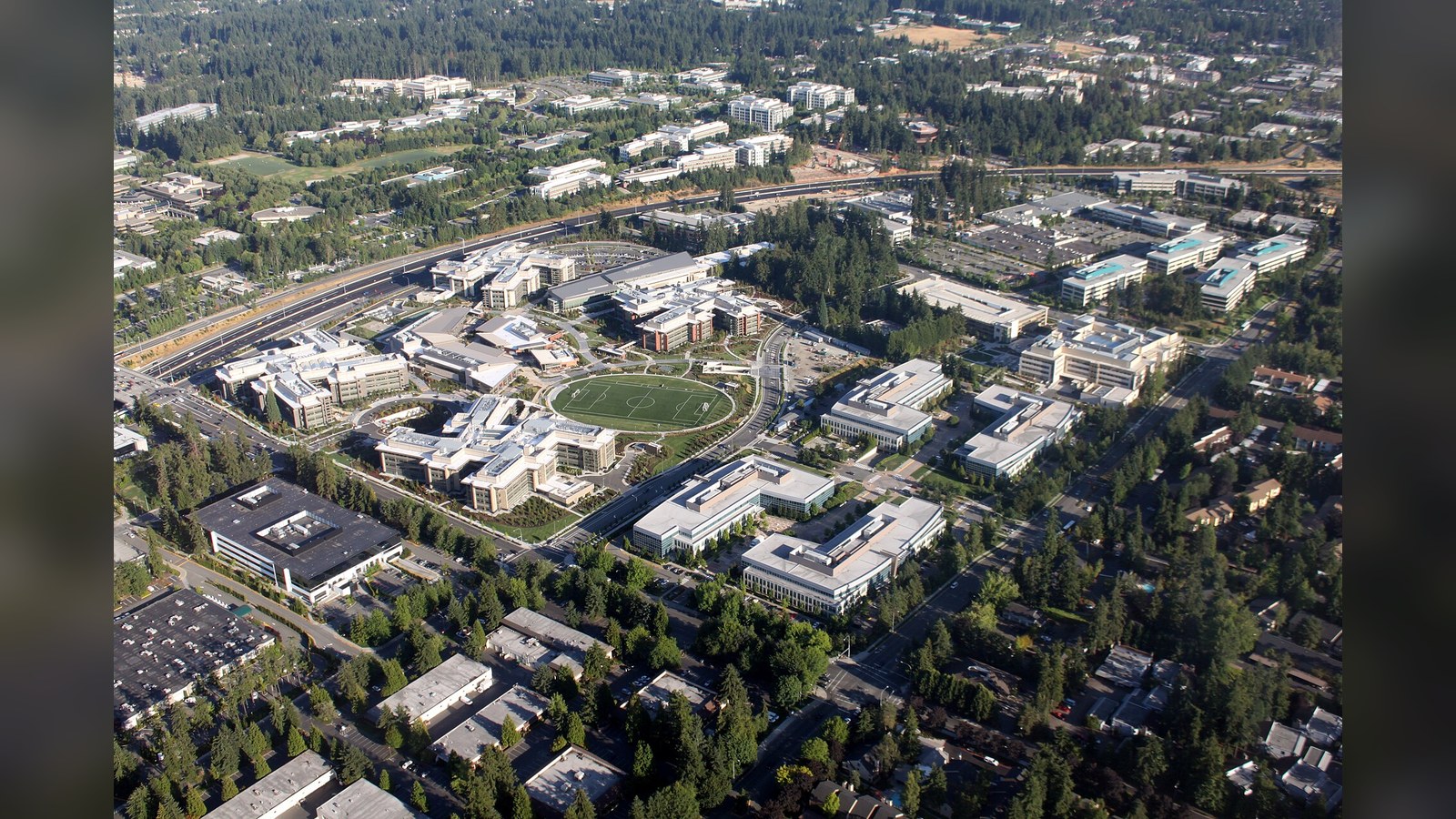
The Microsoft outage that disrupted governments, hospitals, courts and businesses across the world is over, according to the company. On Saturday morning Microsoft said it had restored service to all remaining affected customers and regions, ending one of the most serious IT failures in years.
The company’s Microsoft 365 status page said it had “completed our efforts to address the underlying issue of the incident and restored service to the remaining impacted customers and regions.” It pointed customers to an incident reference, MO1550821, in the Microsoft 365 admin center for further updates.
How the Microsoft outage unfolded
Problems began on Thursday, around midday in the US and about 6pm in the UK. Downdetector, the outage-tracking site, showed a spike in Teams complaints from UK users at roughly 6.15pm. At the peak on Thursday night, more than 130,000 US users reported trouble with Outlook. Overall, the tracker logged reports from users in more than 70 countries and territories.
Outlook, Teams and the Copilot AI assistant were among the affected services, and many customers could not send or receive email. Microsoft says about 430 million people use its 365 apps, so even a partial failure reaches a very large number of workplaces. Some other AI chat services, including ChatGPT and Claude, were also reported as disrupted. The sources do not say whether that was connected to Microsoft’s problem.
Public services forced onto paper and phones
The outage showed how far public institutions now depend on a single software provider. In the UK, NHS England said staff were “enacting long-standing measures” for IT failures, including paper records. One union reported a “serious impact” on ambulance services. The National Pharmacy Association warned of longer waits and delayed prescriptions because doctors might be unable to email them to pharmacies.
Police forces in England and Wales said they could not receive crime reports online. The already backlogged courts were hit too. Some juries were sent home early, some prisoners were not taken to court, and staff at Manchester’s Minshull Street crown court reportedly had to hunt for a fax machine.
The disruption was just as visible elsewhere:
- Japan: government email became unavailable and staff turned to text messaging. Shipping firm Sagawa Express could not accept some online reservations, and drugmaker Taisho took orders by phone.
- Australia: councils, courts and schools lost inbox access. The federal police and the domestic spy agency Asio were affected, though Asio’s chief, Mike Burgess, said its systems were hit “on one level, yes, but not completely.”
- Europe: agencies in the Netherlands, Belgium and France reported problems, and one French municipality told residents to phone rather than email.
- US: school districts asked parents to call or use apps, House of Representatives staffers told Politico they lost a day of work, and a Colorado detention facility could not take online bond payments, so people had to pay in person.
- Elsewhere in Asia: Indian airlines IndiGo and Akasa Air said email support was affected, and Taiwanese financial firms told Reuters that fund management services were disrupted.
What Microsoft and the UK government have said
On Friday Microsoft apologised and said the failure was a “technical issue not related to cyber or AI agents.” The sources do not give a more detailed root cause, so questions remain about what went wrong and why recovery took so long.
UK cyber minister Baroness Lloyd of Effra said the Microsoft outage mainly affected back-office functions and that contingency measures were in place. She acknowledged “limited reports of impact on frontline service delivery” and called the incident “inconvenient and disruptive.” She added that she had spoken to Darren Hardman, chief executive of Microsoft UK.
The wider lesson
Many of the stopgaps were old ones: phone calls, paper records, in-person payments and even a fax machine. They kept essential work going, but with delays and some loss of service. The NHS has a five-year deal to use Microsoft 365, and governments on several continents run on the same platform, so a single fault can disrupt many institutions at once. Microsoft’s all-clear ends this episode, but the detailed explanation customers and governments will probably want has yet to be published.
- Microsoft says services fully restored after global outage (The Guardian)
- Microsoft says service fully restored after major global outage (standard.co.uk)
- Microsoft confirms services fully restored after major global outage (The Independent)
Explore more on this topic with Vexel Search.
File photo: Aerial Microsoft West Campus August 2009.jpg by Jelson25, Public domain, via Wikimedia Commons.
WordUp Morning
Ten stories, both sides of each, in five minutes. Free, every weekday at 7am, plus a Saturday weekend edition.
We'll email you a link to confirm. Unsubscribe any time.

Vulcan rocket failure destroys 40 Amazon Leo satellites and ends ULA’s 20-year clean record

Life sentence for Dublin school knife attack that lasted just 15 seconds and sparked riots

Pokémon Pokopia’s Apples to Applin Event: 80 Syrupy Apples Unlock Every Reward


-

 Crime3 days ago
Eleanor Donaldson placed on sex offender register for five years, with three-year supervision order
-
 Business & Hustles7 days ago
Whitbread Board Seat Bid Fails With At Least 83% of Votes Against Activist Corvex
-
 Tech & AI2 days ago
Nvidia CEO Search Reaches Arm: Board Reportedly Approached Rene Haas One Day After Jensen Huang Resigned
-

 Tech & AI7 days ago
Meta takes AI age checks worldwide on Instagram, months after an up-to-$18bn settlement
-

 Tech & AI7 days ago
Paramount Skydance CEO Calls AI the “Biggest Creative Unlock” in Modern History as $6 Billion in Savings Loom
-

 Fashion6 days ago
Bronco Boot Low Lands Nov. 12 in 4 Colorways as Tyler, The Creator and Converse Expand the 1908 Line
-

 Fashion6 days ago
Tod’s Creative Director Exits After Three Years With No Successor Named
-
 Crypto6 days ago
XRP Ledger’s Quantum-Proof Accounts Would Keep Base Fees Unchanged, With a 2028 Target
-
 Tech & AI6 days ago
Web Summit Day 2 Cancelled in Lisbon as Storm Charles Brings Flood Risk and 120km/h Gusts
-

 Business & Hustles6 days ago
October retail sales rise just 1.5% as shoppers save for Black Friday
-
 Crypto6 days ago
iOS Flaw Puts Wallet Seed Phrases at Risk, and Apple’s Nov. 9 Patch Doesn’t Mention It
-

 Crime6 days ago
Edinburgh Academy abuse: inquiry finds over 40 years of ‘dreadful abuse’ and a school that ignored complaints
-

 Tech & AI5 days ago
Nvidia investigation: Wachtell hired to probe CEO Jensen Huang’s alleged spy link after $500bn share rout
-

 Crypto6 days ago
200 Tokenized Stocks From the UK and EU Hit xStocks, but UK Investors Are Locked Out
-
 Entertainment6 days ago
M John Harrison, 81, Is the Oldest Booker Prize Winner and the First From Science Fiction
-
 Entertainment6 days ago
David Walliams allegations: agent, BBC and Sky cut ties after he loses bid to block investigation
-
 Tech & AI6 days ago
Spotify AI DJ Adds 9 New Voices and a Way to Silence the Chatter
-

 Crypto4 days ago
Binance Hack Seizure: DOJ Targets $1.2B of $6.3B Stolen as FaceStealer Scam Is Disrupted
-
 Tech & AI6 days ago
Gemini on CarPlay Launches Today in Every Supported Gemini Live Language
-

 Fashion5 days ago
Wear a skirt: Prada’s 63-skirt show makes this autumn’s big fashion idea simple
You must be logged in to post a comment Login