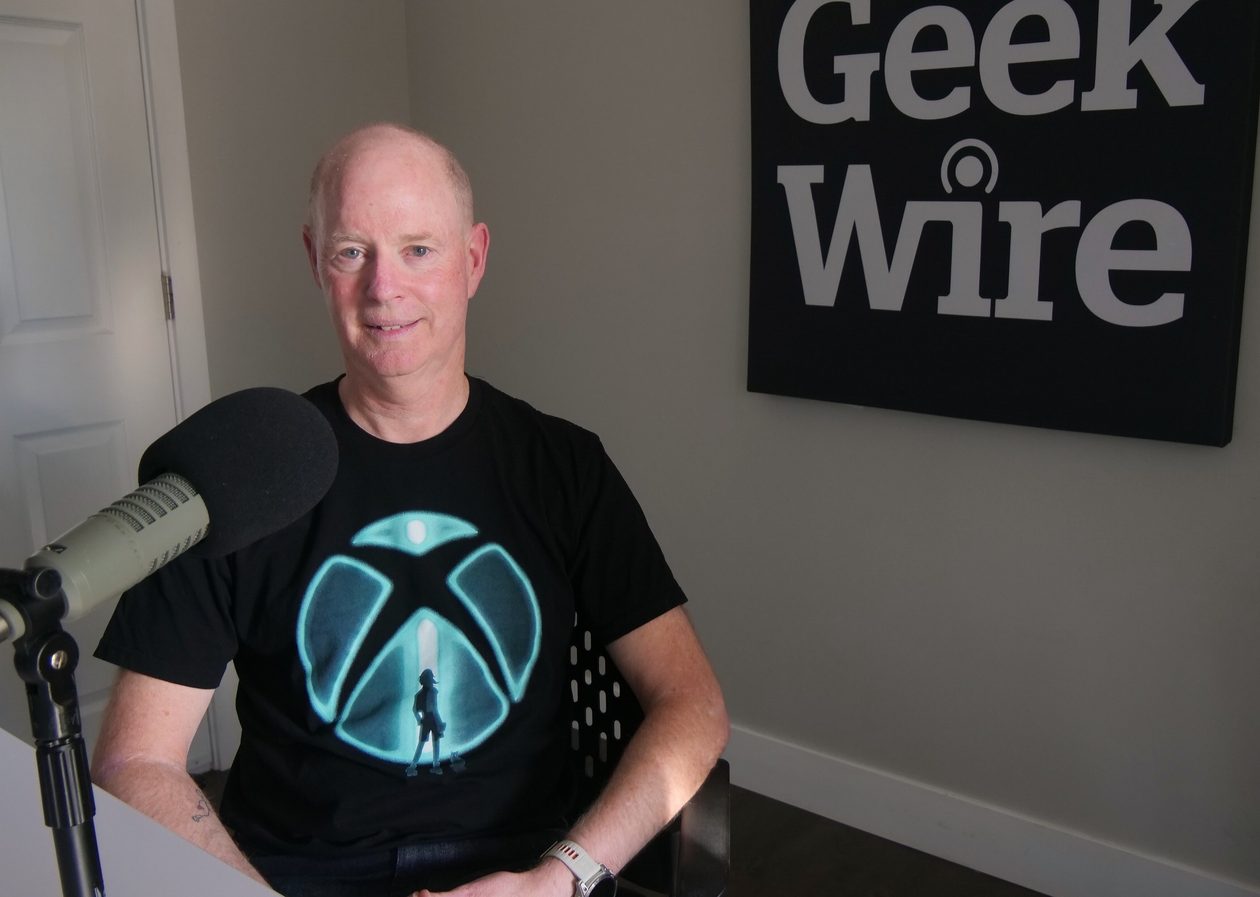
Frank X. Shaw, Microsoft’s longtime communications chief, in the GeekWire studio. (GeekWire Photo / Todd Bishop)
The name Frank X. Shaw isn’t as well known outside the company as those of Microsoft’s other senior leaders, and that’s the nature of the job. But behind the scenes, the company’s longtime communications chief has shaped its public image for nearly three decades, working for all three of its CEOs and handling its biggest stories along the way, from antitrust to AI.
Shaw announced in September that he’s leaving Microsoft at the end of the year. On this week’s GeekWire Podcast, he sits down for what amounts to an exit interview. We’re joined in the conversation by longtime Microsoft beat reporter Mary Jo Foley, editor in chief of Directions on Microsoft and a GeekWire contributing writer.
Shaw talks candidly about working for Bill Gates, Steve Ballmer and Satya Nadella, and about the situations he’d handle differently. He describes his behind-the-scenes dealings with some of the top reporters in tech, from an executive’s objection to a single word to the heated argument that changed how he saw his job.
He also reflects on how communications and media are changing in the AI era, and explains why trust still comes down to a belief in the person telling the story.
Listen below, and continue reading for highlights.
Advertisement
On Microsoft’s three CEOs: Shaw says intensity is what the three have in common, expressed differently: “Steve was outwardly intense. Satya is quietly intense, and Bill is cuttingly intense.”
Ballmer was the hardest to explain to the public, he says, because the loud-salesman caricature hid a thoughtful, detail-oriented leader who often played the boisterous public role because Microsoft’s sales force needed it.
On the clarity of hindsight: Big decisions look obvious once they work out, Shaw says. His example is the board’s choice of Satya Nadella as CEO. It’s seen as a no-brainer now, but at the time there was a lot of debate, there were other candidates, and it was a hard, complicated decision.
“When you get a decision right, it always looks easy afterwards,” he says. “If you get it wrong, you were just an idiot all along.”
Advertisement
On speaking up: A communications leader should weigh in when a decision could damage the brand, Shaw says, and he learned that the hard way.
When Mary Jo asks how he decides when to push back on executives, she raises the Kin as an example. Shaw says he thought the phone would fail. It was late to market, and it would cost more than people expected because it required a data plan. Engineers he talked to had their doubts, too.
But when Ballmer went around the table asking whether to launch it, Shaw stayed quiet, unsure a communications executive had standing to weigh in. Microsoft pulled it within weeks.
In hindsight, he says, framing it as a brand risk would have given him standing to speak: if the Kin failed, it would cause significant brand damage and hurt Microsoft with the younger audience it was trying to reach. He doubts speaking up would have changed the decision, but says he would have felt better about it.
Advertisement
On underestimating a story: A story that doesn’t get much initial attention can still define a company for years. Shaw’s example: Vanity Fair’s 2012 “lost decade” story.
As he recounts it, reporter Kurt Eichenwald told him, “If you don’t give me Steve and Bill, I’m just going to write a hit piece,” and then did. Shaw says he should have escalated to Vanity Fair sooner, and he underestimated how a story that got little immediate pickup would shape how reporters described Microsoft for the next four years.
On narratives: Continuing on that theme, Shaw says facts can be disputed but “narratives are sticky,” and a company can only change one by changing its own behavior. In the 2000s, he says, every story described Microsoft as “a convicted monopolist,” and ending stack ranking was part of how the company moved past the lost-decade image.
On what makes a good story: Shaw recalls having a shouting match with Rob Guth, then a Wall Street Journal reporter, over an article Shaw no longer remembers. It got heated enough that Shaw pulled his car over in Madison Park to keep arguing. (Guth now works as a writer and researcher for Bill Gates.)
Advertisement
Guth told him he was bad at his job because he thought the job was getting positive stories. What Shaw should want, Guth said, were interesting stories that showed something real about the company. Some would be less flattering, but they would be more memorable.
Shaw told him he was wrong. But after thinking it over, he concluded Guth was exactly right. A story about a product built perfectly that everyone loves is boring, he says. “That’s like the plane landed safely. Nobody cares.” The coverage worth hoping for illuminates part of the company in a memorable way, and that always comes with tension.
On taking risks with reporters: Cooperating on a story you can’t control is a risk worth taking when the result shows something real about the company, Shaw says. Asked by Mary Jo for an example, he points to The New Yorker’s long piece on Microsoft’s relationship with OpenAI, featuring Kevin Scott, the Microsoft chief technology officer.
Microsoft agreed to it knowing that the writer, Charles Duhigg, would talk to many people and test a thesis along the way, so there was no telling what would come out. Then Sam Altman’s brief ouster from OpenAI happened right before the story went to press. It was a risky story, Shaw says, but it captured the company at a revealing moment.
Advertisement
On corrections: Shaw’s test is whether something is “irritating” or “damaging.” Only factual errors that matter are worth pursuing, he says.
His example is a Bloomberg story by Dina Bass that described an executive as having “wooed” customers. The executive hated the word and wanted it changed, so Shaw made what he calls the run up the hill, pressing Bass on the exec’s behalf and asking her to check with her editors.
She pointed out that she hadn’t quoted the executive using the word, and the editors left it alone. The executive didn’t like it, Shaw says, but it wasn’t wrong.
On speaking with one voice: Shaw says a big part of his job was trying to ensure that a company of Microsoft’s size made sense to the world.
Advertisement
He recalls a Seattle Times reporter who got 26 pitches from Microsoft in one week and asked him which ones Microsoft thought were important. Sending pitches indiscriminately was a mistake, he says. The company needed to decide what three or four things mattered most and focus its messaging on those.
On building in public: Asked about recent internal memos pointing Microsoft toward more voices and less central messaging as he departs, Shaw says the company already has many employees talking about its products on LinkedIn, X and Reddit, and that’s a good thing.
Someone from Microsoft answering questions in a Reddit Excel thread doesn’t need to be babysat by the communications team, he says. He sees it as a continuation of what Microsoft did with Channel 9 and thousands of MSDN blogs.
At the same time, he says, there are moments, such as a big event or a major launch, when the company needs to break through.
Advertisement
“Every once in a while you want the world to know Microsoft had something to say today,” he says. That’s hard, it takes real effort, and it can’t happen every week or even every month, so the company has to pick those moments and do them right.
On AI and the media: AI can help spokespeople prepare, Shaw says, but asking it what Mary Jo will ask, for example, produces “generic Mary Jo questions.” The best interviewers, he says, deliberately avoid the predictable question.
On reporters’ styles: Preparing a spokesperson means knowing how a particular reporter works, Shaw says, and that comes from people who have sat through many of their interviews. His example is Steven Levy, the veteran tech journalist and Wired editor at large, who Shaw says can lull you with 10 minutes of easygoing conversation, then hit you with one sharp question after another.
Other reporters always sound negative in interviews but write straightforward stories, he says, and an executive who reads too much into the tone risks getting knocked off their game.
Advertisement
Asked to name the toughest reporter he has dealt with, Shaw pushes back on the label. Good reporters are tricky to work with because their job is to find things out and surprise you with what they know, he says. That doesn’t make them tough. What makes a situation difficult is usually a story with real conflict and tension, not the reporter.
On Microsoft in the AI era: Shaw sees AI in a transitional moment, moving away from a constant focus on the models themselves. Right now, he says, every new model release or manifesto makes everyone stop and look.
He hopes the attention will shift from new models to whether AI is actually useful, and he says that’s where Microsoft has historically been strongest.
Acknowledging that he’s still on the payroll and rooting for the company, he offers an analogy that will resonate with anyone who learned to drive a stick shift. The AI model companies want to drop a bigger, more powerful engine into businesses, and the result is often a lot of grinding of gears.
Advertisement
“We’re the clutch,” he says. Microsoft’s infrastructure, in his telling, lets companies absorb that power and get moving without the disruption of a new engine and a demand to go 110 miles per hour.
On journalism: “People trust what they hear because they trust the people,” Shaw says. Deep knowledge of a beat becomes more valuable as the world gets more transactional, he says, even as the business behind it becomes less sustainable.
On what’s next: Shaw plans to take some time off and isn’t making any big decisions. People have suggested consulting, another big communications job or board seats, he says, but he doesn’t want to rush into anything.
Mary Jo has a suggestion: run PR for OpenAI, “because man, they need somebody to help.” Shaw’s characteristically dry reply: “That would be such a low-stress job.”
Bluetooth is a short-range protocol that’s great for peripherals and finding your keys, but it’s limited range is mainly a product of how it’s usually implemented. A recent video from [nktbuilds] demonstrates this by extending its range out to 12 kilometers, or around 7.5 miles.
The secret is twofold: one is the antenna, a parabolic unit that captures far more than the dinky dipole in your phone. The other is a very sensitive receiver with a much lower noise floor. What you won’t see here is any extra power than you get stock out of one of those generic coin-sized Bluetooth tracker tags. It’s kind of obvious, in retrospect: grab more signal, lower your noise floor, and get a better result. Still, it certainly wasn’t obvious it would work out to 1200 m, and it’s an impressive feat by [nktbuilds]. We’re going to have to keep it in mind next time we lose our keys.
Of course this doesn’t mean you should jump to Bluetooth for distance communications. You’re still better off sticking with something like LoRA for that, especially since it’s good to hundreds of miles if you can get line-of-sight — or even tens of thousands with the right setup.
When an ageing fitness tracker finally needs to be replaced, sometimes you’re tempted to switch brands — for example, trading in your ageing slim Fitbit for a bigger running watch. You might be getting a new running watch in the Black Friday sales, or hoping for one under your tree — but a new tracker sometimes that means losing years of data about your workouts, sleep, heart rate, and general activity.
Your historical health data is useful for more than just flexing on your Strava contacts or keeping those fitness rings closed. Changes in your resting heart rate or sleep pattern, for example, can contribute to a fuller picture of your health. That’s why in 2026, many of the best options like the Apple Watch, Google‘s Fitbit lineup and the best Garmin models have made transferring your data remarkably simple – or at least easier than ever.
To help you upgrade to a newer model or switch brands entirely, we’ve broken down the data transfer processes for the major fitness tracker makers.
Advertisement
Latest Videos FromTechRadar
Advertisement
Check what you can transfer before switching
Not every move is tricky: going between different Garmin versions, or upgrading your Apple Watch, is a generally straightforward process that can take moments, due to operating from the same account.
Switching manufacturers, however, is where things can become a little more complicated. Going from a Garmin Forerunner to a COROS Pace 4 can require manually exporting your data and then importing it into a new platform.
Think of it as three distinct processes: backing up your data, syncing new activities between apps, and importing historical records, each with their own requirements.
Advertisement
Before we continue, it’s worth noting that while common activity data (think workouts or routines) are transferable, proprietary metrics like sleep scores are unlikely to make the jump. Not every brand has Strain, Readiness or Sleep scores that are calculated the same way.
Sign up for breaking news, reviews, opinion, top tech deals, and more.
If you are unsure, check which file formats and historical records your new device’s companion app supports could go some way to avoiding disappointment.
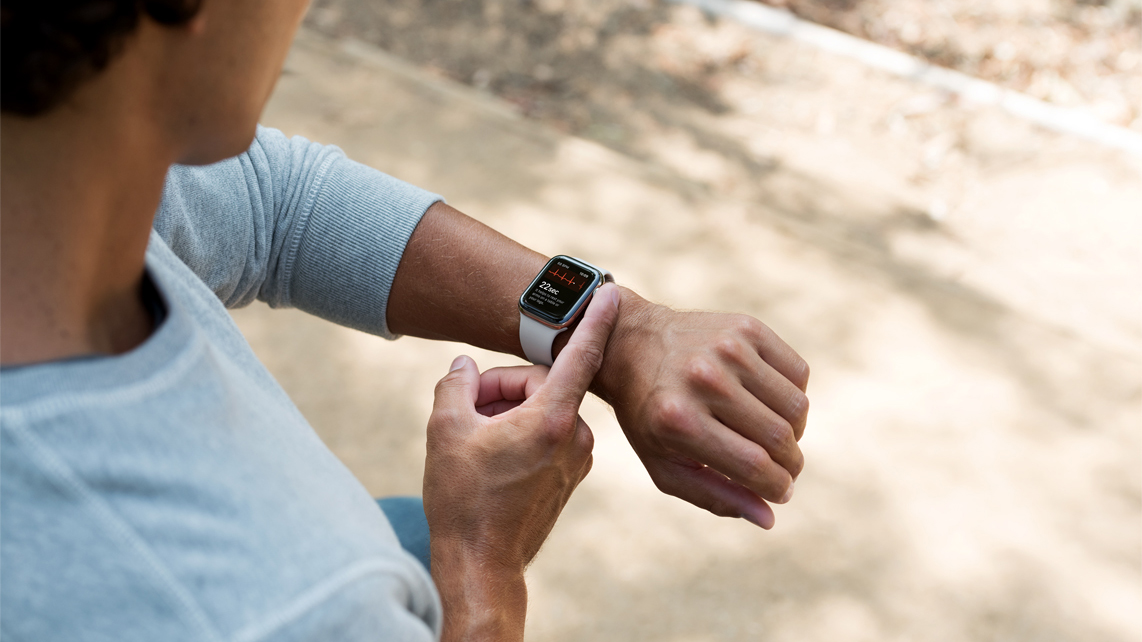
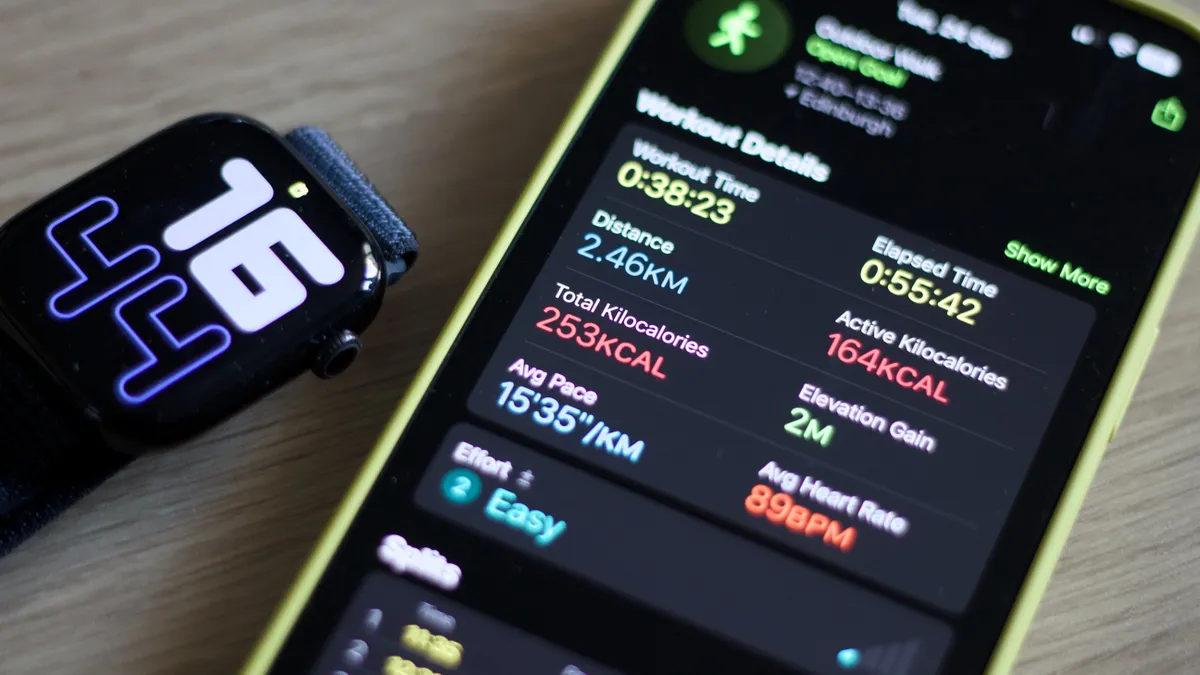
(Image credit: Apple)
Advertisement
Back up your fitness data first
Before doing anything else, make sure that your fitness tracker has synced with its companion app on your smartphone, including any recent workouts and health measurements.
Most major platforms offer ways to export your data, either as an account archive or as individual activity files. Take some time to find out how to access these, and then download a copy somewhere safe and accessible, whether that’s on your computer or in private cloud storage.
For example, Garmin requires you to access Garmin Connect using its web browser, then going to Data Management → Export Your Data. Apple, meanwhile, allows you to tap your profile in Apple Health, and hit Export All Health Data.
Advertisement
Individual activity files commonly come in formats such as FIT, TCX, and GPX, each of which preserves different types of workout information.
Keep your account active until you know the migration is successful and don’t reset your old tracker just yet.
How to transfer data from Apple Health
(Image credit: Future)
If you’re upgrading from one Apple Watch to another, the process is simple. Apple stores your Health and Fitness data in iCloud, provided syncing is enabled.
Advertisement
On your iPhone, head to Settings → your name → iCloud → See All → Health, and make sure Sync this iPhone is switched on. When pairing your new Apple Watch, you can also restore a previous backup to carry over your settings.
As you might expect, switching to another manufacturer takes a little more work. Open the Health app, tap Summary → your profile picture → Export All Health Data, and choose where to save the resulting XML archive.
You can also manage which third-party apps have access to your data under Apps or Devices in your Health profile.
It’s worth noting that not every type of health data will make the journey. The resulting XML archive won’t necessarily work directly with another manufacturer’s app, but services like COROS support transferring historical Apple workouts using third-party apps.
Advertisement
How to transfer Google Health and Fitbit data
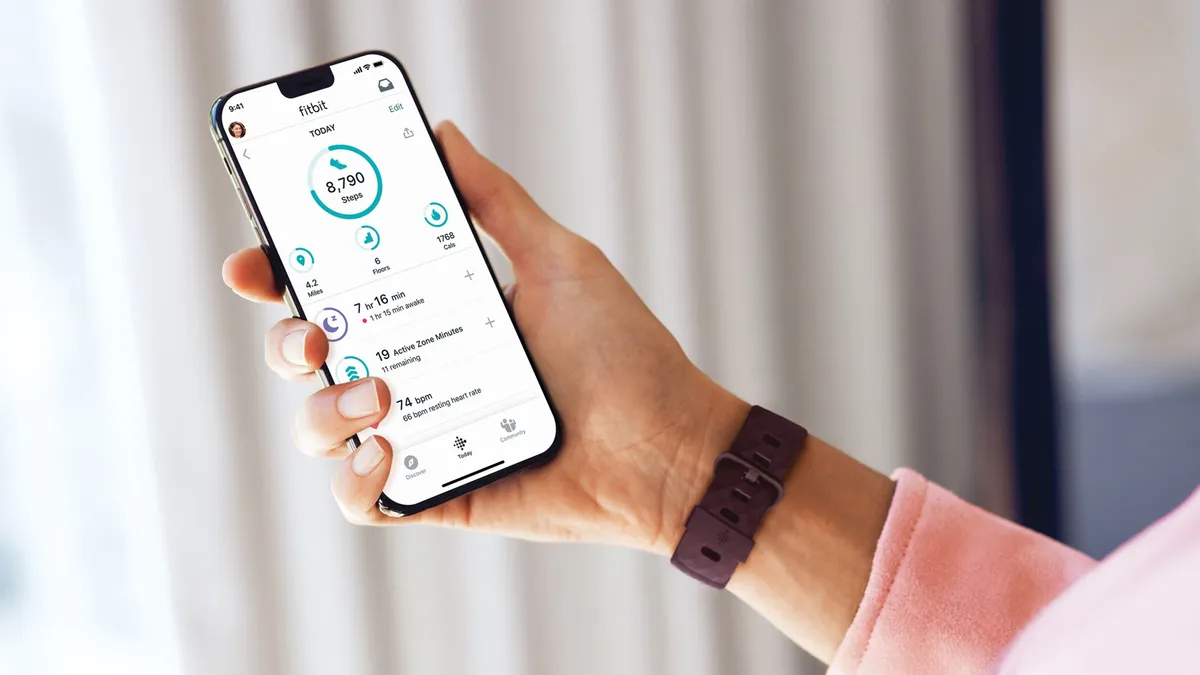
(Image credit: Fitbit)
Google’s fitness ecosystem has changed considerably in 2026, with the old Fitbit app replaced by the snazzy new Google Health platform.
If you’re upgrading to a newer device, such as the Pixel Watch 5, your existing fitness history should remain accessible through the same Google Account.
To download a backup, head to Google Takeout, select Google Health, and follow the instructions to export your records, including any workouts, sleep, and heart rate data.
Advertisement
Google’s Health Connect service is handy if you’re moving between compatible Android apps.
On Android 14 or later, open Settings → Security and Privacy → Privacy Controls → Health Connect → App Permissions. From here, you can choose which apps can access different types of health data. (Some integrations must first be enabled within the destination app itself.)
Google Health also offers direct connections under Connections → Partner Apps or Apps and services. On iPhones, supported information can be shared through Apple Health instead.
As with Apple, there is unfortunately a catch: exporting an archive or connecting two services doesn’t guarantee that years of historical measurements will appear in your new app.
Advertisement
Different integrations support different records, and Health Connect normally grants new connections access to only the previous 30 days unless additional historical permissions are available, so keep this in mind.
How to move Garmin Connect data
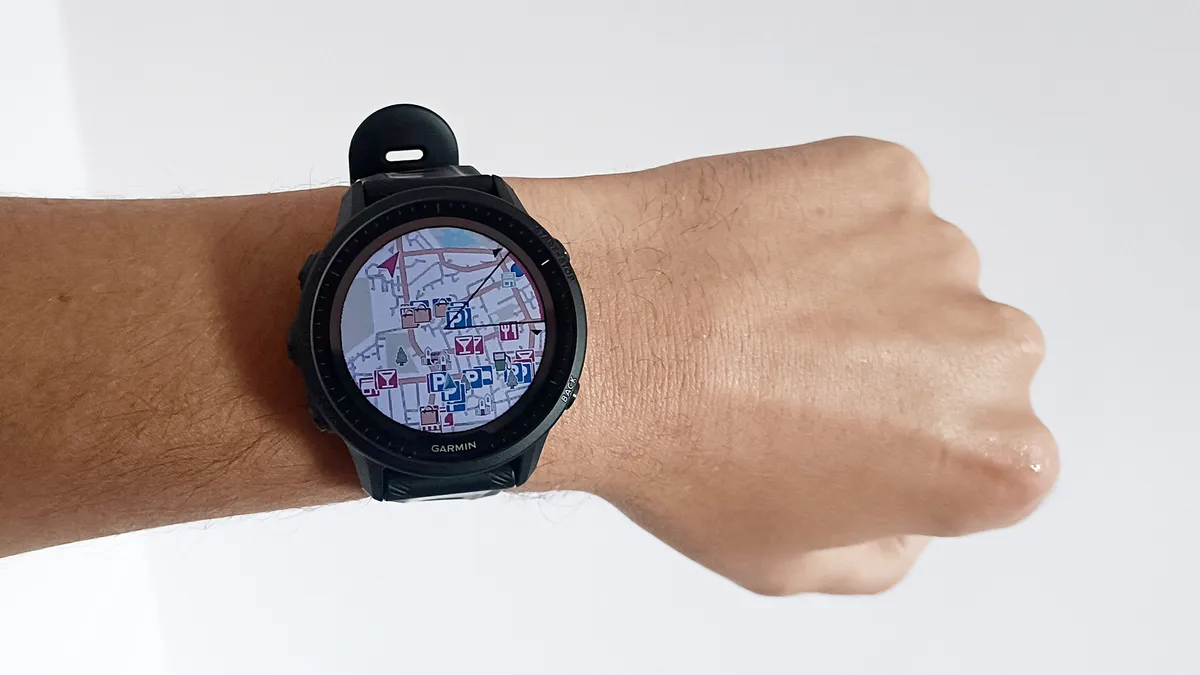
(Image credit: Garmin)
Sticking with Garmin is fairly straightforward, as with Apple and Google.
Whether you’re upgrading an old Forerunner or moving to something like the Garmin Venu 4, your Garmin Connect account preserves your existing fitness history without needing to manually transfer it.
Advertisement
Switching manufacturers takes a little more effort. On the Garmin Connect website, open Activities → All Activities, select a workout, and click the settings cog to export it as a FIT, TCX, or GPX file.
If you have years of workouts, Garmin’s data export service lets you request a complete account archive, with a download link sent by email.
These workout files can then be imported into compatible services, like the COROS Training Hub. However, if you want to move daily health measurements and proprietary recovery metrics, you might be out of luck.
Advertisement
How to preserve your workout history with Strava
(Image credit: Lauren Scott)
For anyone switching between fitness trackers, Strava should be your best friend: the service lets you keep years of running, cycling, and other workout records in one place.
Unlike Apple Health or Garmin Connect, however, it isn’t designed to preserve your complete health history.
To link a compatible tracker, open the Strava app and head to Settings → Connect an App or Device, then follow the instructions for your manufacturer. You can also check out our guide to using Strava with your smartwatch.
For older workouts, visit Strava’s website, click the plus icon → Upload Activity → File, and select your exported FIT, TCX, or GPX files. Free users can upload 15 files at once, rising to 25 for subscribers.
Advertisement
It’s worth remembering that connecting accounts won’t necessarily import older activities automatically – you may need to upload these separately.
Check everything has transferred correctly
(Image credit: Getty Images)
Once you’ve done the hard part, there are a few things to check to make sure your record and workout data made the switch – and then you can enjoy your shiny new fitness tracker.
First, open your fitness app and compare workouts, including any recent sessions, to see what has successfully transferred. Look for missing information (things like routes or heart rate data) and check if proprietary metrics made it.
Advertisement
Make sure to check for duplicates, which can happen if you are connecting multiple services at once, and allow for differences in how devices might track something, like your long-term trends.
Until you are completely happy, it’s worth keeping your original account active and retain any downloaded data in a safe place.
Switching trackers definitely doesn’t mean turning your back on years of data and progress, and we hope this guide has demystified the process. Now go and work on beating that PB!
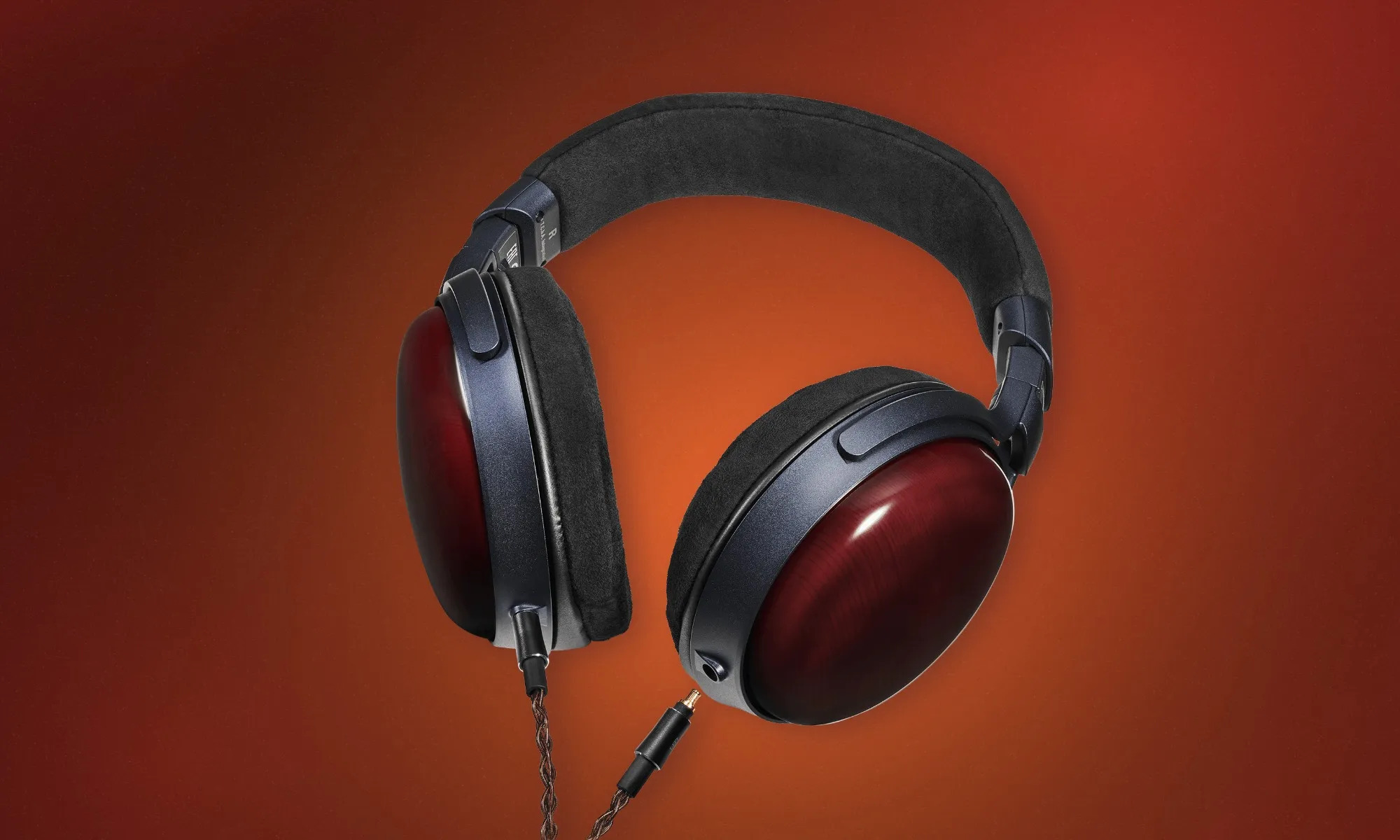
Audio-Technica, a brand well known for making some of the best studio and professional headphones on the market, has just come out with the ATH-AWX7000, which the company itself claims to be its “finest headphones ever.” The new flagship closed-back headphone has debuted at an eye-watering price of $3,799. It combines hand-finished Japanese woodwork with a newly developed 58mm driver.
The earcups are made from Kiso cypress, a prized wood historically used for Shinto shrines and Buddhist temples. Each housing is finished by hand with traditional Echizen lacquer, which brings out the grain and is expected to darken over time. The frame and sliders are finished in a deep navy kachi-iro shade traditionally associated with samurai.
There is a new driver inside all that wood
The ATH-AWX7000 is the first Audio-Technica headphone to use its new Hybrid Matrix Diaphragm, or HMD, technology. The 58mm diaphragm combines a polymer film with a metal dome instead of relying on a single material.
Audio-Technica / Digital Trends
Audio-Technica says the design helps the diaphragm hold its shape when dealing with high air pressure inside the closed-back earcups. It is paired with the company’s HXDT molding process, first used on the ATH-ADX7000, which is designed to make the diaphragm move more uniformly.
In practical terms, Audio-Technica is promising stronger and cleaner bass, better dynamics, and a wider soundstage. The company describes the sound as warm and lush, although those are claims that will ultimately need to be heard rather than taken at face value.
Advertisement
Audio-Technica
Nothing else about them is particularly ordinary
There is no Bluetooth or active noise cancellation here. The ATH-AWX7000 is a fully wired pair of audiophile headphones, and Audio-Technica includes two detachable eight-braid cables using its A2DC connectors. One is a 2.5-meter balanced cable with a four-pin XLR connector, while the other is a 3-meter unbalanced cable terminating in a 6.3mm plug.
The magnesium frame and aluminum sliders help keep the weight to around 353 grams, while Japanese deerskin covers the headband and earpads. Every pair is manufactured in Tokyo and comes with a hard carrying case. The ATH-AWX7000 is available now for $3,799.
One of America’s foremost thinkers hasn’t done enough thinking. Instead, he’s delivered a handful of thoughtful-sounding stuff that simply doesn’t hold up the minute readers start actually thinking about what he’s saying.
Malcolm Gladwell has a new book about gun violence in the United States. I haven’t read it, so I can’t comment on the entirety of his latest work. I have, however, read a particularly atrocious excerpt — one that was published by The Atlantic because even Slate has moved on from Slatepitches.
In this excerpt, Gladwell argues that the reason US law enforcement officers are so violent is because there just aren’t enough of them. You may think I’m paraphrasing. I assure you: I am not. Here’s the headline and subhead from his Atlantic piece:
America Has a Police Shortage
Many Americans have decided that their country’s problem is that it has too many police officers. In fact, it has too few.
That’s a wild conclusion to reach. It’s especially wild when the only outside support you have to offer for your theory are: one (1) study that agrees with your foregone conclusion, and one (1) police official who agrees with your foregone conclusion.
Advertisement
He starts by comparing US cops per capita with European cops per capita. Most people would think the Los Angeles PD is larger than the Berlin (Germany) police force. They’d be wrong.
Berlin has about 18,000 police officers, making its police department twice the size of Los Angeles’s.
American police departments, compared with their counterparts around the developed world, are tiny. Phoenix has 2,500 police officers. Munich—which has a population of roughly the same size—has nearly two and a half times as many. Dallas has 3,100 officers. The Brussels metro area, comparable to Dallas in population, has 6,700.
But would they actually be wrong? Maybe, but not by much. These comparisons only mean as much as Gladwell is willing to share. He doesn’t look at everything else that factors into this, including police spending as a percentage of national/local budgets.
Despite this objective lack of accountability for policing practice, public levels of trust in police remain among the highest in the EU only behind Scandinavian countries and Switzerland.[179] This allows Germany to maintain one of the lowest levels of public order and safety spending in the EU, at 1.5 percent of gross domestic profit, compared to the EU average of 1.8 percent.[180] As a result, Germany has a police force of only 300 officers per 100,000 of its population.
The US has about 243 officers per 100,000 people. That is a smaller number but it’s not so much smaller that it should immediately raise eyebrows, much less overwhelming support for Gladwell’s preferred narrative.
Advertisement
Here’s where Gladwell decides 2+2 equals whatever number he needs it to be.
In 2020, an African American man in Minneapolis named George Floyd was killed by a rogue police officer, setting off an extraordinary wave of protests around the country. The motto of many of the protesters was “Defund the police.”
If the police were badly behaved, the thinking went, it was because there were too many of them.
[…]
Following the [George Floyd] protests, city after city saw their police force shrink. Of the 15 largest police departments in the United States, 12 had a markedly smaller police force in 2025 than in 2019. Philadelphia lost 23.1 percent of its police force during that period; Washington, D.C., lost 21.4 percent; San Francisco, 17.5 percent; Phoenix, 15 percent; and on and on. The reformers won the day. But what they did not understand is that there is a trade-off between certainty and severity: When criminals think they can get away with crimes, policing and punishments need to be more severe to achieve the same deterrent effect. Severity is not something that comes from lots of police. It’s something that comes from having too few police.
First off, Gladwell refuses to call Floyd’s killing a murder, which is extremely fucking strange since the officer who murdered Floyd (Minneapolis police officer Derek Chauvin) was convicted of murder. Calling Chauvin “rogue” is just plain insulting to everyone’s intelligence, considering a handful of other officers were on the scene and not a single one did anything to stop Chauvin from murdering George Floyd.
Advertisement
Second, the sudden disappearance of cops had nothing to do with any “defunding” efforts. While lots of politicians made loud noises about defunding the police, very few of them actually did anything about it. No defunding of the police has taken place. In a few instances, some police funding has been rerouted to mental health professionals, allowing them to respond to incidents cops are poorly trained (if they’re trained at all) to handle.
The drop-off in police staffing is due to the cops themselves. Lots of cops who got into the business for its high octane blend of maximum power and minimum accountability decided they’d rather exit the force than improve or subject themselves to whatever bare minimum of accountability might be inflicted on them as a result of this widespread (but wholly ineffectual) “defund the police” movement. If cities were spending less on cops, it was due to attrition, rather than any funding restrictions enacted by local legislators.
But the most noxious conclusion Gladwell draws from these stats is that the George Floyd protests and the “defund the police” shouting that accompanied it generated police violence. That statement ignores that fact that decades of police violence (a lot of it racist) led to the nationwide protests that greeted George Floyd’s murder. And this was preceded by several other large protests against police violence that were far more severe and violent than those provoked by Officer Derek Chauvin’s actions.
Gladwell wants to connect the dots between calls for defunding police and the understaffing that now plagues many police departments — something that is wholly due to cops not wanting to be cops if it meant a modicum of accountability might be applied to their actions. But cops have been violent for years, and there’s nothing on the record that even slightly suggests having more cops and bigger budgets makes these officers better than those working for departments with less funding and staffing.
Advertisement
While we’re still on the subject of “more cops = better cops,” let’s go back to Gladwell’s quoting of German police staffing stats as evidence of his theory. I mean, I guess? He just dumps this comparison of Berlin to Los Angeles into the mix and then hustles past it to an interview with a Colorado law enforcement official who claims having more officers would somehow make all of these officers better.
But having more cops hasn’t exactly made German cops better.
As law enforcement is vested solely with the states of Germany, each state’s police force (or “Land” police) follows a different system of law. Accordingly, there is an absence of a federal comprehensive register, compiling and publishing regular, uniform, and comprehensive figures on complaints about police ill-treatment.[170]Even though Germany is bound to obligate its many international treaties and conventions, Amnesty International (2002) highlights the authorities failed to protect a range of human rights as guaranteed by international human rights law and standards.[170] A study conducted in 2019 on police brutality in Germany found that it led to complaints in only 9%, and trials in only 13% of the cases. The study was conducted by the Ruhr-University of Bochum and was the biggest study at the time to be conducted on police brutality in Germany. The study found that the low number of complaints was likely due to a low expectation of success.[174] Furthermore, most German states do not require their police force to carry identification, making it difficult for victims to lodge complaints against individuals.[175][176]
Having more officers doesn’t make policing in German better. In fact, the lack of accountability seems to be on par with the United States. The only reason we don’t hear more about this (and I’m speaking for Gladwell as well) is because we don’t live in Germany. What is different is how we train and arm our cops, which means US law enforcement will almost always kill more people than their counterparts in other parts of the Western world.
Evoking the parable of the blind men and the elephant he promises: “chapters on the trunk and the leg and the tusk, and at the end my hope is that by seeing all the parts in one place you will finally get a sense of the whole elephant – and understand that what seems from the outside like an intractable problem need not be intractable at all”.
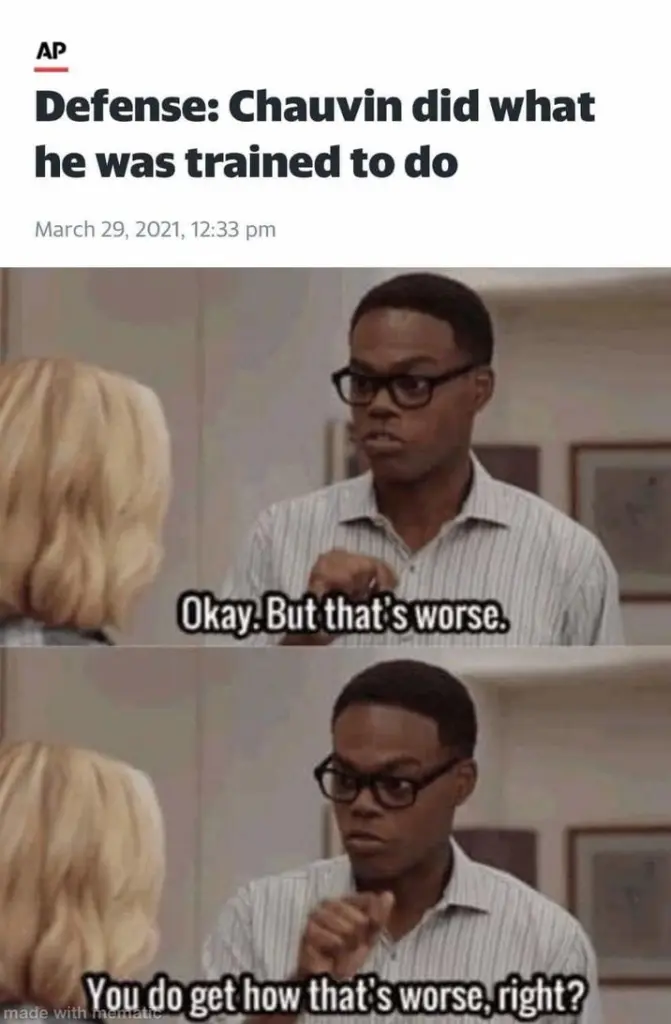
If that’s the defense for his cherry-picking and attempting (and failing) to work backwards from his preconceptions, it’s time for a meme. And not just any meme, but one that hits Gladwell right in his presumptions twice:
The headline — “Defense: Chauvin did what he was trained to do” — points to the origin of a lot of our police violence problems. Adding more cops just means adding more cops trained to treat violence as a first option, no matter how many of them are actually patrolling the streets.
The second part is for Gladwell: you do get how that’s worse, right? Using this parable as a selling point for your book is an incredible self-own. If your best hope is that people will convert your own writing into an Aesopian game of telephone and then still come to the conclusions you want them to draw from this, you’re no longer in the non-fiction game. You’re just telling people what you believe and expecting them to fall in line simply because they might have heard your name somewhere before.
Again, I have not read Gladwell’s book. But if this is the promotional vehicle he’s chosen to drive, I’d rather walk.
Researchers at the National University of Singapore have developed a machine-washable electronic fabric that can turn clothing into an interactive graphical user interface. The prototype reportedly survived 50 gentle machine washes and 1,000 bending cycles, though it still relies on external batteries and controllers. The Register reports: The development could lead – at some point – to a “future in which clothing functions as a pervasive, multimodal human-computer interface,” according to the study published in peer-reviewed science journal Nature this week. The paper shows someone interacting with computing devices using the sleeve of a wool sweater (no jokes about the Windows ugly sweater please, this is serious). The researchers, led by Singapore National University research engineer Fu Heng, claim this is a big leap forward.
“This fiber-centric approach shifts wearable electronics from flexible panels toward truly textile-native architectures, laying the groundwork for fabrics that visualize, sense, communicate and compute as naturally as the garments they inhabit,” the paper says. The researchers claim to have developed a scalable process to make millimeter-thick fibers. Using lasers to strip the insulation from specific spots on the thin copper wires, they attached light-emitting chips to the exposed sections, creating electrical connections to the chips. Thousands of chips were connected to the wires with extreme precision using this process.
The fibers were then fed into a transparent plastic tube, and made pressure-sensitive by adding two strips of a compressible, conductive polymer into a second longitudinal channel in the tube. The paper says they could make fibers 10 meters long using this method, and that they are thin and flexible enough to be woven into or attached to fabrics. The researchers were also able to add “peripherals” such as a microphone, a speaker, a temperature sensor and a light sensor.
Reviewers sometimes have to step outside their comfort zone, listening to artists they’ve either overlooked (for better or for worse) or outright steered clear of for one reason or another. Amidst the onslaught of grunge bands like Nirvana and Pearl Jam, the rich power pop-rock of Weezer, and the emergence of Northern California’s pop-punk heroes Green Day, I admittedly didn’t pay much attention to blink-182. No one I knew was into them, but that doesn’t really matter, as it was clearly music for another generation to enjoy. The band’s 1999 megahit Enema of the State (EOTS) went on to sell 15 million copies globally.
Listening to the new Definitive Sound Series One-Step audiophile edition of EOTS, I hear a well-produced slab of hyperspeed, punk-ish power-pop rock. While it feels familiar, often relying on the same four chords so many bands fall back on, I can’t deny this album’s underlying likability. These guys had something going on, reminding me at times of what a Weezer 33 1/3 RPM LP might sound like played at 45 RPM (sans Chipmunk vocals).
Sonically, EOTS is a surprisingly enjoyable, round-sounding rock record, having been mastered by Chris Bellman at Bernie Grundman Mastering from the original analog tapes. This reissue was pressed on Neotech VR900-D2 180-gram high-definition vinyl using a “one-step” process at one of the best vinyl manufacturing facilities, RTI (Recording Technology, Inc.).
Interscope’s website offers more insights:
“… a specialized manufacturing technique renowned for its superior sound quality. Traditional vinyl pressing involves multiple steps with the potential for quality loss at each stage. The “One Step” process eliminates these steps with the lacquer master being used to create a stamper which is then used to press the records.”
Advertisement
So, you may wonder are there really that many audiophile Blink 182 fans out there to warrant this edition? Clearly there are as this DSS edition is “almost sold out” according to Interscope’s website, which is where you can snag one of these numbered limited edition (of 3,000) copies for $100 (click here). As of this writing, there also seem to be two over at Amazon selling for $129.99.
A very deluxe package inside and out, each Definitive Sound Series (DSS) “One-Step” album is housed in a heavyweight, old-school gatefold “tip-on” style jacket featuring original artwork, which fits into a specially designed hard-shell slipcase. Complete production details are included on the back cover (a transparency I greatly appreciate across the entire DSS series).
If you like blink-182, you should grab one of these before they’re gone. EOTS is a surprisingly strong listen, with great-sounding drums hammering against relentless, overdriven but remarkably warm, densely layered, wall-of-sound electric guitars. Good fun!
Our Ratings
★★★★★★★★★★ Music
Advertisement
★★★★★★★★★★ Sound
★★★★★★★★★★ Packaging
Advertisement. Scroll to continue reading.
Where to Buy:
Mark Smotroff is a deep music enthusiast / collector who has also worked in entertainment oriented marketing communications for decades supporting the likes of DTS, Sega and many others. He reviews vinyl for Analog Planet and has written for Audiophile Review, Sound+Vision, Mix, EQ, etc. You can learn more about him at LinkedIn.
Disclaimer: Unless otherwise stated, any opinions expressed below belong solely to the author.
Singapore’s economy continues to grow at a record pace, fuelled by the AI boom, which has driven enormous demand across the country’s manufacturing and trade sectors.
But besides making things that are important to AI, Singapore is also one of the best places in the world to study AI at one of the local universities.
According to the prestigious ShanghaiRanking, it is actually no. 1 globally.
In the ranking published last month, NTU has successfully defended the top spot it clinched last year, beating competitors from China and North America. It also climbed up by four positions from 6th to 2nd in the related field of Automation & Control.
Advertisement
At this point, you might be thinking that it’s just one ranking, that odd results do happen quite often and depend on invented methodology, but both Singapore universities are doing rather well in other rankings too.
In QS World University Rankings, NTU ranks 4th, and NUS actually jumped over it to take 3rd in Data Science & Artificial Intelligence, trailing only Stanford and MIT.
Both schools are also among the world’s best in other subjects, particularly engineering, where NUS consistently ranks in the Top 3 across multiple fields of study—although NTU does win a few points back in the US News ranking.
Artificial Intelligence is threatening jobs in many fields of human activity, outperforming us especially in areas involving mathematical calculations. Ultimately, however, we are the ones building and making things in real life, which we later trade with other countries.
Image Credit: depositphotos, OpenAI
AI is an extremely powerful tool, but it needs qualified people to put it to use.
You can’t blindly rely on everything an AI bot is going to tell you, especially when lives are at stake, as is the case when building anything, testing new materials or developing new medicines.
Neither can AI tell you what to make—future products have to be conceived by and designed with humans in mind. We are still going to need many, many engineers to make them.
This is why it’s very encouraging to see Singapore excelling not only at manufacturing and moving goods around the world, but also educating the future generations of people who are going to keep the economy going, thanks to its world-class universities.
Advertisement
Read other articles we’ve written on Singapore’s current affairs here.
In most places in the USA (looking at you, South), you really can’t survive the full year without some sort of air conditioning unit. Sure, it’s every homeowner’s dream to get a traditional HVAC, but not everyone has the budget or willpower to suffer through a full-on duct installation. In that case, a mini split is your best friend. It works similarly to a regular HVAC, where the compressor unit circulates the refrigerant via indoor air handlers through just one hole — no ducts required. It might not give you the capacity of a regular duct system, but the mini split is far superior to window units, which are cheap but can only effectively cool a small studio apartment. Since freon is involved, you may be concerned about how long the refrigerant in a mini split lasts.
Good news. A mini split is a closed-loop system (the refrigerant goes in and out of the compressor to the air handler through two lines), so you can expect the same refrigerant to last as long as your entire air conditioner if everything’s working well. That means you won’t have to worry about topping it off seasonally or stressing about its levels unless you develop a leak. What’s the lifespan of a mini split? Another piece of good news. An HVAC can, on average, last anywhere from 15 to 20 years. Since the design is so similar (sans the ducts, of course), with proper care, it will stay alive and happy for about the same amount of time.
Advertisement
What are the signs that my mini split is leaking refrigerant?
DifferR/Shutterstock
If there’s anything positive about refrigerant leaks, it’s that they fall into the category of issues you’re very likely to notice. Although it could theoretically be a sign of other, more benign ailments, if you find yourself reaching for the thermostat a lot more often as the cooling capacity has decreased, that’s your cue to investigate. The energy bills will also be a giveaway, as a potentially outrageous price tag will catch your attention.
Those two can technically result from a poorly maintained system, a dirty filter or evaporator coil, and so on. However, the moment you hear any new noises, especially whistling or gurgling near the outside unit, chances are that one of the lines has developed a pinhole leak and is actively losing refrigerant. It’s the same thing with frozen evaporator coils inside your air handlers – that should be enough evidence that something serious is going on, at which point you may need professional help. Unfortunately, even a skilled DIY-er can’t do this repair. For starters, you need a license to work with refrigerants, and it takes an expert to find the exact place where the fluid is leaking. Ultimately, it requires knowledge of the exact amount of refrigerant that the system needs – not for the faint of heart.
Advertisement
How often do mini splits need to be serviced?
Nonthanat Stock/Shutterstock
A good AC can cost thousands of dollars, and if you really want to squeeze the most value out of each one, then it’s a no-brainer to hire a professional for regular maintenance. With mini split refrigerant leaks, the issue is generally preventable (apart from age, which you can’t do much about), as it’s caused by either improper installation, poor repairs, or a lack of maintenance. How often should an air conditioner be serviced? That will depend on how often you use it, but to be on the safe side, schedule an annual inspection where the pro will give your system a thorough scrub, tighten up some parts, and potentially catch any issues early.
Of course, hiring a pro doesn’t mean your job is done. Between these annual sessions, you should also do simple regular maintenance. Cleaning the filters, the outside unit, and replacing the batteries in the thermostat will go a long way to keep the AC working like a champ all year long. It’s just what comes with the territory of air conditioner ownership. Hopefully, yours will be a stint without any refrigerant leaks.
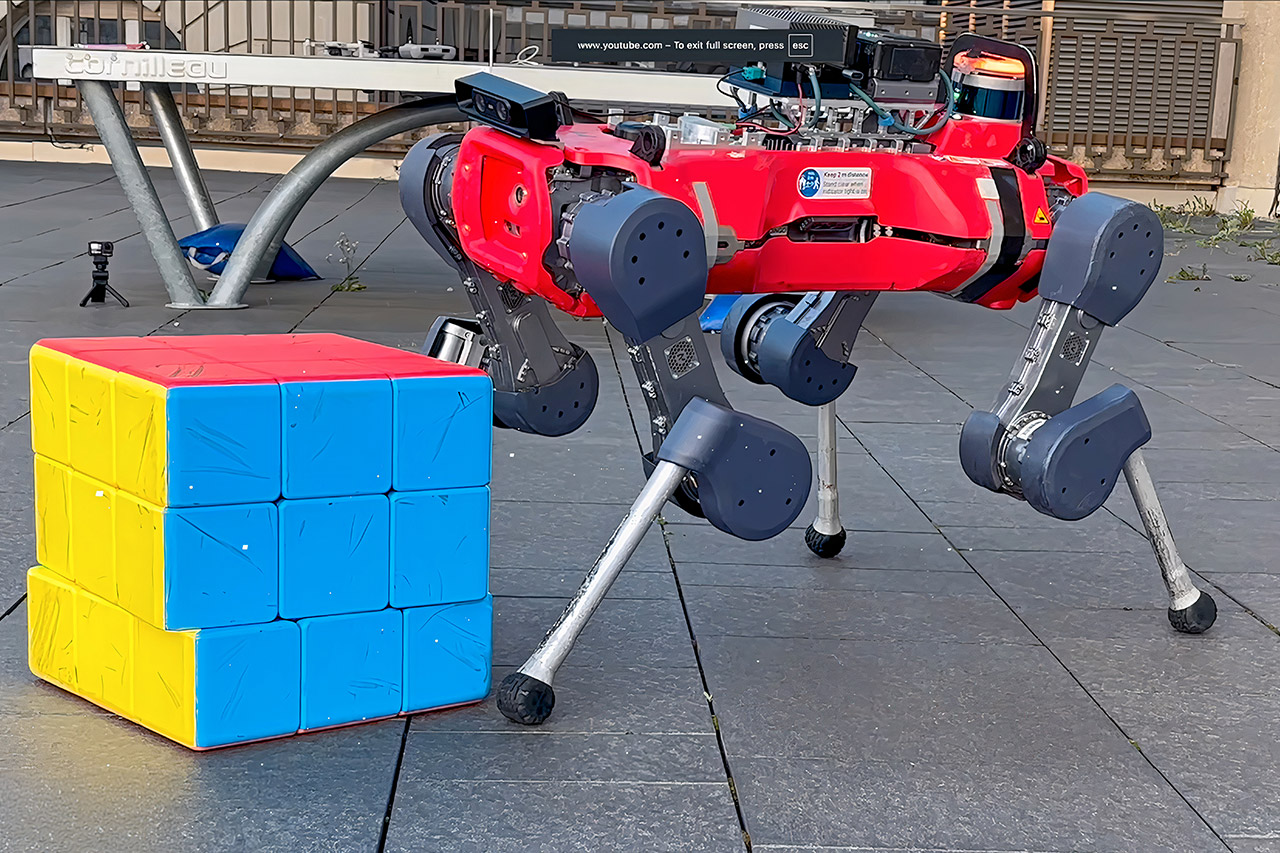
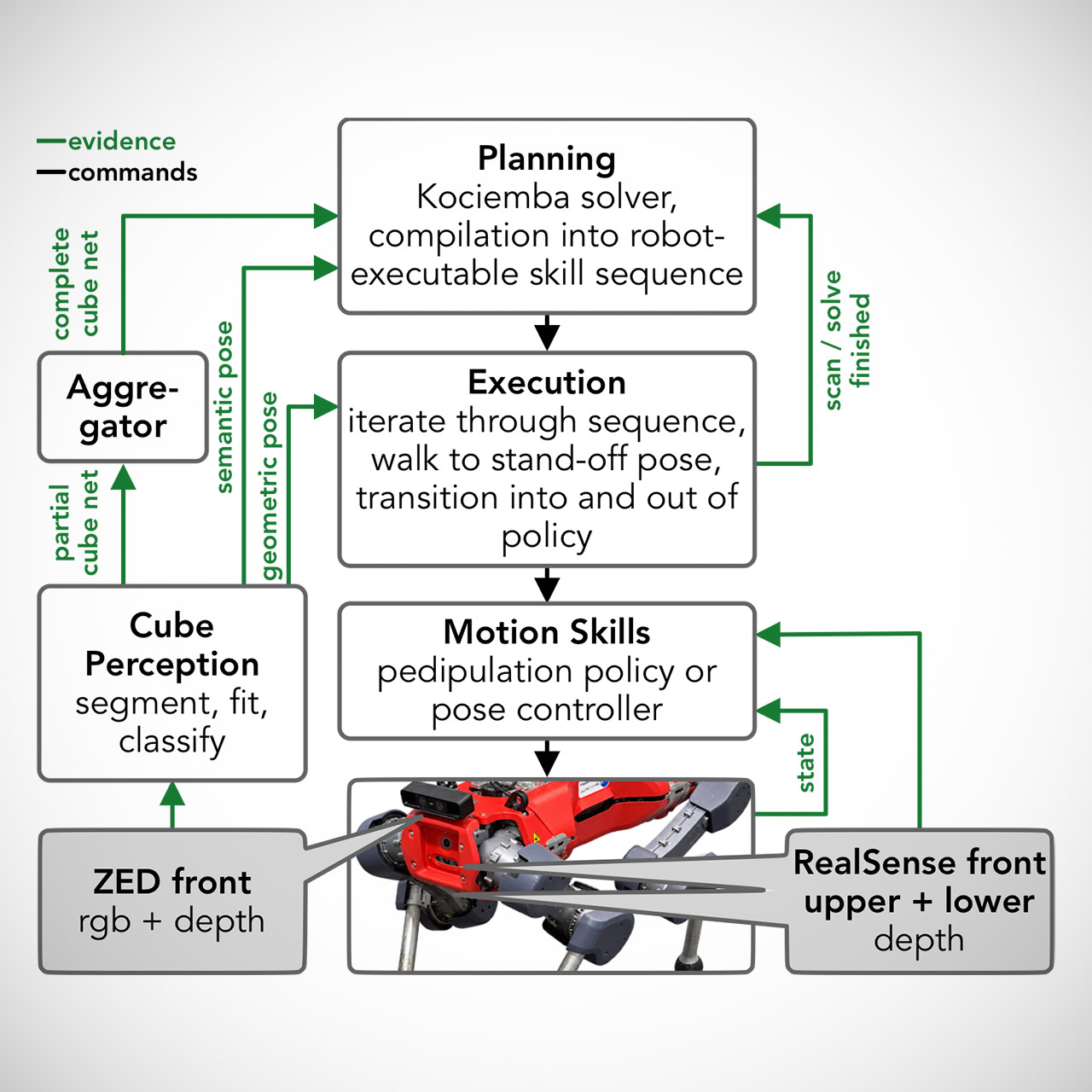
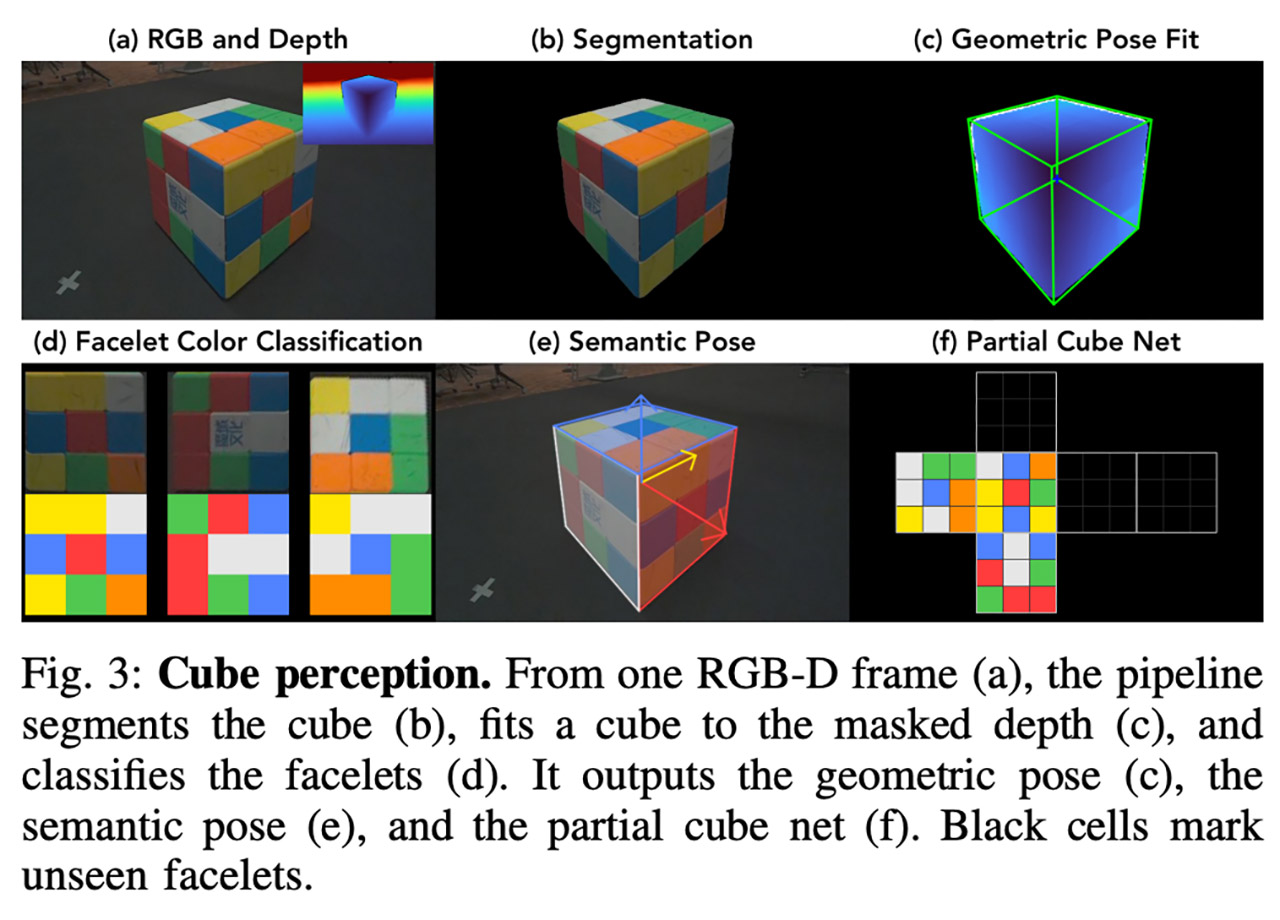
Researchers from ETH Zurich’s Robotic Systems Lab have shown that a standard four-legged inspection robot can fully solve a giant Rubik’s Cube on its own, relying entirely on its feet for every contact with the puzzle. The machine, an ANYmal-D, first walks around the freestanding cube and tips it onto different faces so its onboard depth camera can build a complete picture of the colors. Once it has that map, a planner turns a conventional cube solution into a short list of robot actions, and the machine carries them out without further help from people.
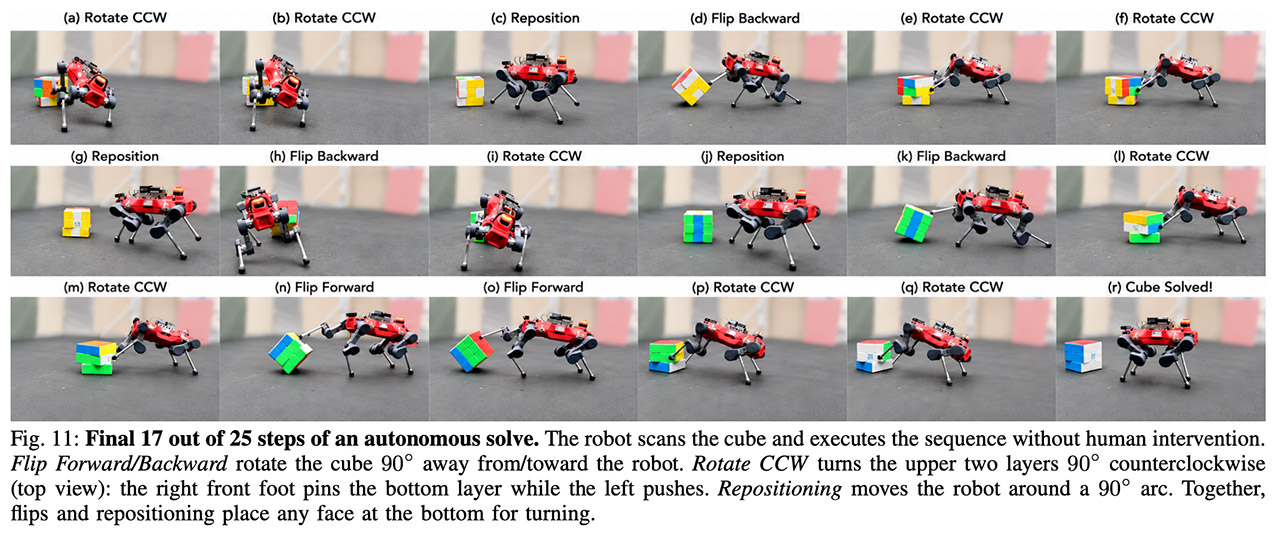
The cube is so heavy that flipping it over and rotating one layer is a completely different ballgame. A single slip-up, such as accidently twisting a layer while tipping, would entirely disrupt the sequence, thus the robot must maintain all of the layers locked in place while reorienting the cube, then consciously release them when it needs to turn a face. To tip the cube 90 degrees forward or backward, simply grasp an edge with one front foot and roll the entire thing onto a new face. To rotate a layer, the right foot firmly plants on the bottom half to keep the cube stable, while the left foot gently pulls the top half through a crisp quarter turn. To turn the layer the opposite direction, simply reverse the motion and repeat.
【Next-Generation Robotic Companion: Meet the Unitree Go2 Robotic Dog】 The Unitree Go2 X is a powerful and intelligent quadruped robot designed for…
【Intelligent Navigation with 3D LiDAR & Obstacle Avoidance】 Featuring ultra-wide 3D LiDAR with 360°x96° perception, the Go2 X detects obstacles…
【High-Definition Vision & Seamless App Integration】 A front HD camera streams 1280×720 video to the app. Control the robot, view real-time data…
Initially, all of these motions were learned in a virtual setting. A teacher policy that could see every joint and contact point had to practice these abilities for several hours, earning prizes for landing its feet in exactly the right location, shifting the layers cleanly, and keeping its body straight.
The policies were then simplified and made into student controllers that run on the real robot, relying just on the depth images from the two front cameras and the robot’s joint readings. The resulting controls can tolerate minor differences in the cube’s position relative to the robot, recover if it slips or is bumped by an outside force, and continue working on low-friction surfaces, cobblestones, and even mossy surfaces.
On the hardware side, the entire procedure consists of about 30 separate actions and lasts approximately 8-9 minutes. The team tested the autonomous system three times, and the robot solved the cube each time. The perception system adjusts the cube’s pose between each part of the sequence, allowing the robot to step into the correct starting position.
While the sequence is being executed, the learnt policy runs constantly and makes modest tweaks as it goes to rectify faults. The beauty of this is that the robot’s feet can also be the only tools that touch the cube, so this video shows how a machine designed for inspection can be taught to do a long chain of accurate, coordinated interactions without the need for any extra arms or grippers.





















































You must be logged in to post a comment Login