
Business & Hustles
Poundland administration deadline: 11,000 jobs and 600 shops hang on a midnight decision

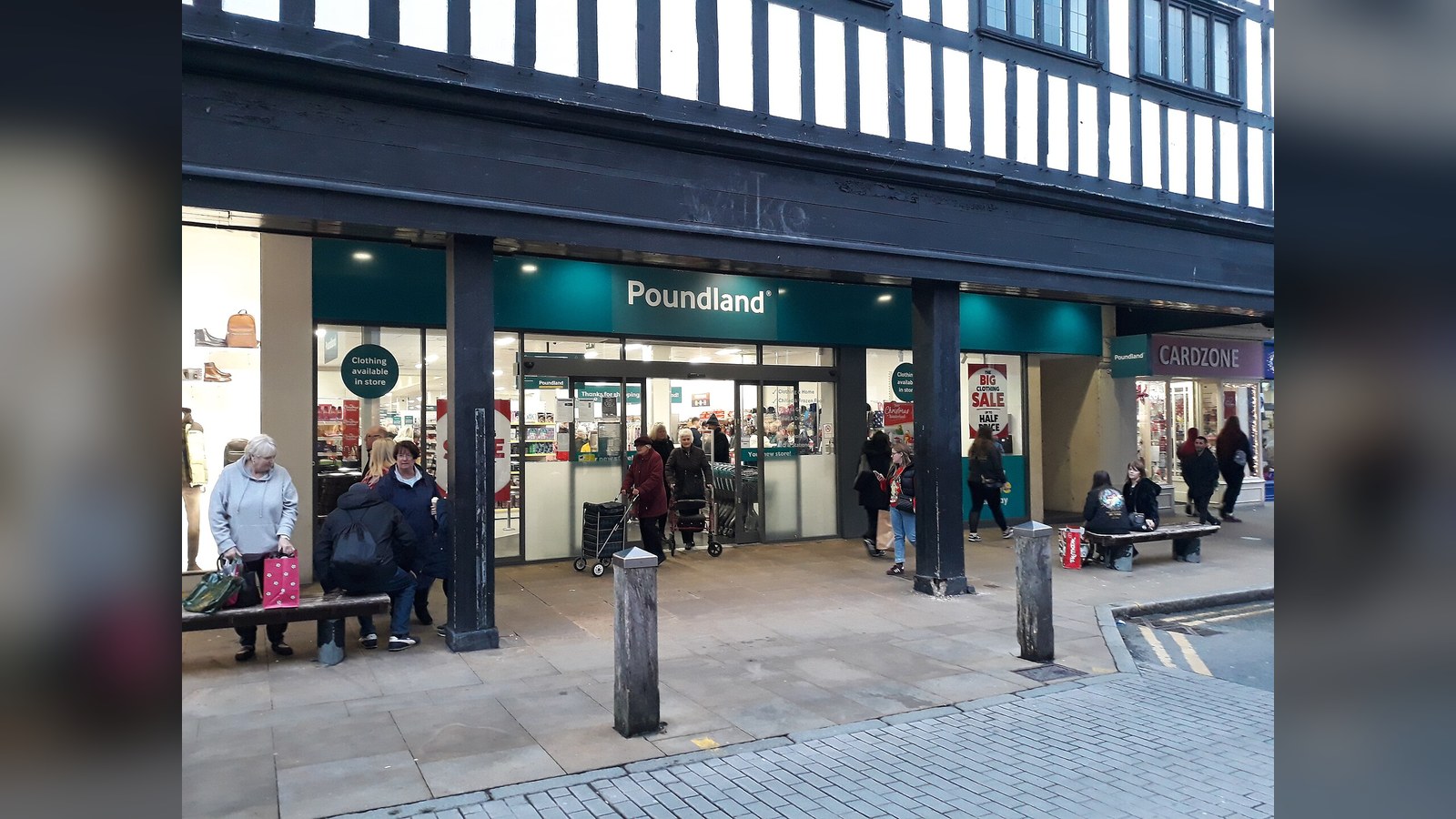
Poundland administration could be confirmed within hours, as the discount chain’s board met on Wednesday night to decide whether a rescue deal can still be saved before a midnight deadline. About 11,000 jobs and roughly 600 shops depend on the outcome.
The retailer filed a notice of intention to appoint administrators at the end of October. That gave it 10 days to find a rescue, and the window closes tonight. Managing director Barry Williams was asked whether the company would enter administration on Thursday. He said only: “We’re going to go and have a board meeting now to have those conversations.”
What happens if the deadline passes
If the deadline is extended, a deal that satisfies creditors stays possible. If it is not, administrators are expected to be appointed, with the advisory firm AlixPartners understood to be lined up. That would put the future of the chain’s stores and staff in doubt just ahead of Christmas, traditionally the busiest trading period for retailers.
Williams spoke after appearing before MPs on the Commons Business, Innovation, Science and Trade Committee. He said he was representing 11,000 colleagues, thousands more in the wider supply chain and “maybe even the retail industry”. Asked whether he could guarantee jobs and keep trading through to Christmas, he said there were “no guarantees at this point”.
Gordon Brothers under pressure
Much of the political heat fell on Gordon Brothers, Poundland’s owner. It is understood to have enabled the release of around £10 million for costs such as wages, taxes and stock suppliers. Committee chairman Liam Byrne was still sharply critical after questioning its representatives.
He said he was “deeply concerned” that the firm’s behaviour “may have jeopardised thousands of jobs”. He alleged that over 17 months it had taken millions out of Poundland while the business was on a knife edge. He also said there were worrying signs Poundland had been “strangled of access to its own funds” just as it appeared to be recovering. He added that Gordon Brothers had refused to say it would put saving jobs ahead of its own financial returns. These are Byrne’s characterisations, and the sources carry no response from Gordon Brothers.
Byrne did strike a more hopeful note, saying the chances of a good outcome had risen thanks to the focus on the business over the past week. He urged the owner to give Poundland access to its own money and to work to protect as many jobs and stores as possible.
Who might buy Poundland
Advisers have been talking to a range of interested parties, some wanting the brand or the whole business and others wanting parts of the store estate. Tesco has discussed buying up to 150 stores, and conversations have also involved Iceland and Lidl. Investment firm Xyra Holdings has emerged as a possible buyer for the entire company. Irish firm Martin Property Group is believed to remain interested. Gordon Brothers had earlier rejected a takeover offer from Martin, but management named it as preferred bidder last month.
Reform UK deputy leader Richard Tice said he hoped directors could extend the notice period to allow a deal with a new buyer. He argued this would protect jobs and keep a value retailer on the high street for consumers worried about rising bills.
For now, the outcome of the Poundland administration decision rests with a board meeting behind closed doors. Staff, suppliers and shoppers will learn the result only once the deadline passes.
- Poundland’s future hangs in balance as administration deadline looms (The Independent)
- Poundland’s future hangs in balance as administration deadline looms (standard.co.uk)
Explore more on this topic with Vexel Search.
File photo: Fomer Wilko store in Chester became Poundland.jpg by Nabokov, CC0, via Wikimedia Commons.
WordUp Morning
Ten stories, both sides of each, in five minutes. Free, every weekday at 7am, plus a Saturday weekend edition.
We'll email you a link to confirm. Unsubscribe any time.


Header image: AI-generated illustration by WordUp News.
UK interest rates will have to climb as high as 5% to bring inflation under control, according to a fresh warning from the National Institute of Economic and Social Research (NIESR), which says ministers and central bankers alike are putting off hard choices.
The think tank’s latest forecasts, published on 11 November, show Consumer Prices Index inflation reaching a peak of around 4.4% in February. That is a notable upgrade on the 3.8% peak it predicted in July. The Bank of England has already responded, lifting its main rate to 4% last week in its first increase for more than three years.
Why NIESR thinks one more rise won’t be enough
NIESR expects the Bank to raise rates once more. In its view, though, that would still fall short, and inflation would not return to the 2% target until late 2030. Its analysis says a rate of up to 5% is needed to head off “second-round” effects. These are the knock-on price and wage increases that tend to appear when firms set their pay and pricing in the early part of next year.
The think tank’s argument is essentially about timing. By holding back now, it says, the Bank is only inviting bigger and more painful increases later. NIESR also stresses who would bear the cost of a drawn-out fight against inflation: poorer households. They have little room to adjust their spending patterns or draw on savings, so they are left simply buying less.
Fiscal policy comes under fire too
The warning is not aimed at the Bank alone. NIESR says choices on both monetary and fiscal policy are being “deferred”, and that this risks worsening inflation and straining the public finances at once. It argues that Chancellor John Healey missed a chance at last month’s autumn Budget to put the public finances on firmer ground, with difficult decisions on tax and spending largely pushed back.
At that Budget, Healey confirmed that fiscal headroom, the buffer against the government’s own borrowing rules, will shrink to £14.5 billion from £23.6 billion. The reduction was linked to a surge in debt interest costs over the past year. NIESR notes that major commitments on defence, social care and disability remain without proper funding. It adds that plans to balance the books lean heavily on restraining public spending in future years.
That reliance is a vulnerability. NIESR calculates that if the plan slips by as much as previous ones have, the fiscal rules would be breached by roughly £30 billion, far more than the headroom now available. In the summer, the institute urged the government to raise or reform taxes, or cut spending, to pay for new cost-of-living and defence commitments.
Growth: a stronger year, then a slowdown
The forecasts are not uniformly grim. NIESR now expects UK GDP growth of 1.6% this year, up from an earlier 1.4%, helped by government spending and business investment, including in artificial intelligence. Next year looks weaker. Growth is projected to slow to 1.1%, down from the 1.3% previously forecast.
What the warning means for households and policymakers
Taken together, the forecasts sketch an uncomfortable picture: inflation rising higher than expected, a central bank that has only just begun tightening, and a government with a thinning cushion and unfunded pledges. If NIESR is right, UK interest rates are not close to their peak, and borrowers could face further increases beyond last week’s move to 4%.
It is worth remembering that this is one think tank’s analysis, not a Bank of England projection, and the path of rates will depend on decisions yet to be made. But the central message is clear. NIESR believes that delaying action on both rates and the public finances will not make the problem go away, and could leave the eventual adjustment larger and costlier.
- UK interest rates could rise to 5%, think tank warns amid 4.4% inflation forecast (business-live.co.uk)
- Interest rates should rise to 5% to control inflation, says think tank (The Independent)
- Interest rates should rise to 5% to control inflation, says think tank (standard.co.uk)
Explore more on this topic with Vexel Search.
WordUp Morning
Ten stories, both sides of each, in five minutes. Free, every weekday at 7am, plus a Saturday weekend edition.
We'll email you a link to confirm. Unsubscribe any time.

Header image: AI-generated illustration by WordUp News.
Britain’s happiest places to live have been ranked for another year, and a leafy south-west London borough has come out on top, though the average asking price for a home there is more than £1 million. Richmond upon Thames took first place in Rightmove’s 15th annual “happy at home index”, which drew responses from more than 24,000 people.
It is a return to form for the borough. Richmond previously won in 2023 and came second last year, when Skipton in North Yorkshire took the crown. Skipton has slipped to seventh but remains in the top 10.
The top 10 and the regional winners
Harrogate in North Yorkshire came second, followed by Cirencester in Gloucestershire. The full top 10 is:
1. Richmond upon Thames; 2. Harrogate; 3. Cirencester; 4. Monmouth; 5. Hove; 6. Chorley; 7. Skipton; 8. Llandrindod Wells; 9. Horsham; 10. Hexham.
Monmouth was the highest-ranked place in Wales, and Llandrindod Wells also made the top 10. Kirkcaldy took the top spot in Scotland. Overall, 81 per cent of respondents said they are happy with where they live.
What makes Richmond a winner
According to Rightmove, Richmond scored particularly well on access to nature and green spaces, essential local services, shops and restaurants, employment opportunities and desirable jobs, and residents’ pride in their area. Harrogate also rated highly for green space, as well as for agreement with the statement “I can be myself”.
Colleen Babcock, a property expert at Rightmove, said Richmond offers a combination many people value: nature without giving up services, places to eat and shop, or jobs. She argued that the wider findings suggest the places people rate most highly “aren’t simply urban or rural, but often bring together some of the best elements of both”. Even people who would ideally live in the countryside, she noted, still care about amenities, parks and public transport.
Local estate agents echoed the point. Amy Reynolds of Antony Roberts said families are drawn by schools and green spaces and stay for the sense of community, while Graham Price of Randall Price described Richmond as a place where people “put down roots”. Richmond’s mayor, Councillor Nancy Baldwin, said the result was meaningful because residents themselves highlighted pride in their area, its parks and its local services.
London’s winners and strugglers
The capital’s results are strikingly uneven. Beyond Richmond, Kensington and Chelsea ranked 12th nationally and Kingston upon Thames 13th, putting three London boroughs in the top 20. Westminster (41st), Wandsworth (53rd) and Camden (60th) round out the next tier of the London top 10.
At the other end, Barking and Dagenham was the lowest-ranked London borough, at 221st nationally. Lewisham, Havering, Harrow and Croydon completed the capital’s bottom five. In other words, the borough with the best score is the one where buying a home costs the most, and several of the lowest-scoring areas are in the same city.
A note of caution on the data
The index is not a representative poll. Participants were recruited by email through Rightmove’s database, which makes the survey self-selecting. People who are active on a property portal may differ from the wider population, and the results reflect how residents feel rather than any objective measure of wellbeing.
Even so, the findings suggest that the happiest places to live are not necessarily the most rural or the most urban. They tend to be the ones that combine green space, services and a sense of pride. For many house-hunters, the harder question is whether that combination is affordable, and in Richmond’s case, the £1 million average asking price answers that.
Explore more on this topic with Vexel Search.
WordUp Morning
Ten stories, both sides of each, in five minutes. Free, every weekday at 7am, plus a Saturday weekend edition.
We'll email you a link to confirm. Unsubscribe any time.
Business & Hustles
Four Brands’ Ads Banned: Why “Carbon Neutral Delivery” Claims Fell Foul of the ASA

Header image: AI-generated illustration by WordUp News.
Four well-known consumer brands have had adverts banned after the UK’s advertising watchdog ruled that their promises of carbon neutral delivery left out something shoppers needed to know: how the claim was achieved. The Advertising Standards Authority (ASA) took action against Grind Coffee, SportsShoes.com, kitchenware retailer ProCook and recycled toilet paper company Who Gives a Crap.
What the ASA objected to
In each case, the ads described product delivery as either “carbon neutral” or “carbon positive”. The regulator found they did not make clear that this status depended on offsetting credits rather than on actually cutting emissions from the delivery itself.
The wording was short and punchy. Grind’s ad, spotted in June, read: “Coffee From The Grind Roastery, Delivered To Your Door Each Month. Carbon Positive Delivery.” SportsShoes.com promoted “Over 12,000 products on site from a wide range of brands … Carbon Neutral Deliveries”, while ProCook advertised “Next Day Delivery Available – Carbon Neutral Delivery.” Who Gives a Crap, meanwhile, used a caption reading “carbon neutral shipping” on a video about the company’s history.
The ASA’s general message was blunt: “Environmental claims must be made clear and supported by evidence. If ads leave out important information, they can risk misleading people.” In Grind’s case, it said it had reminded the company to make the basis of all environmental claims clear, including how far any “Carbon Positive Delivery” claim relied on offsetting credits or on the actual removal of a source of emissions.
Why offsetting matters to the claim
The core issue is how an ordinary shopper reads these phrases. Justine Grimley, the ASA’s investigations manager, said carbon neutral or net zero claims can mislead if it is not clear what they mean or how they were reached. Where offsetting is involved, she said, that must be stated “so that people don’t think what’s being advertised produces no or few emissions.”
In other words, a van still has to drive to the customer’s door. A carbon neutral delivery label may suggest the journey is clean, when the reality described in the rulings is that emissions are balanced elsewhere through credits. Grimley added that the ASA would “continue to take action when these types of claims are misleading or lack the information people need to make informed decisions when it comes to making greener choices.”
The companies’ responses
Two of the four brands responded publicly, and both stressed that the ruling was about disclosure, not about whether their climate schemes were real.
Ted Robinson, chief of staff at Grind, said the company has offset delivery carbon since May 2020 through Shopify Planet and its predecessor, Shopify Offset. He said those schemes estimate emissions from shipment weight and distance and then fund carbon removal. According to Robinson, Grind has funded carbon removal for more than a million orders and sits in the top 0.2% of contributors to the programme. He said the company had already moved away from the phrase “carbon positive delivery” as confusing, now using “carbon neutral delivery” instead, and argued that “the challenge was not that we weren’t able to substantiate the claim, but rather that we didn’t explain it fully in the ad.” Grind has updated its website with a clear definition.
A Who Gives a Crap spokeswoman echoed that framing, saying the finding concerned the level of detail in the ad and that it should have said the claim was achieved through verified offsets. She said the ruling “does not question the validity of our offsetting programme, our methodology or our broader impact commitments.” The company said it had begun reviewing its sustainability communications before the ASA contacted it, and has since removed the ad, changed its website language and added clearer disclosures. It had told the ASA that viewers could now click through to a page explaining the basis of the claim.
The sources provided do not include responses from SportsShoes.com or ProCook.
What this means for green marketing
The rulings do not say these brands’ offsetting is worthless, and the companies that commented say the ASA did not challenge it. What they show is that a short, upbeat environmental claim is not enough on its own. If carbon neutral delivery rests on offsets, advertisers are expected to say so in the ad or make the explanation easy to find. For shoppers, the practical takeaway is to treat “carbon neutral” as a starting question rather than an answer: neutral how, and through what?
- Ads for four brands banned over ‘misleading’ carbon neutral delivery claims (standard.co.uk)
- Four brands' ads banned by ASA over 'misleading' carbon neutral delivery claims (business-live.co.uk)
- Ads for four brands banned over ‘misleading’ carbon neutral delivery claims (The Independent)
Explore more on this topic with Vexel Search.
WordUp Morning
Ten stories, both sides of each, in five minutes. Free, every weekday at 7am, plus a Saturday weekend edition.
We'll email you a link to confirm. Unsubscribe any time.
Business & Hustles
Be Ready campaign lifts hand sanitiser sales 83% and bottled water 67% in 10 days

Header image: AI-generated illustration by WordUp News.
British shoppers noticed the government’s Be Ready campaign, and the tills show it. In the ten days after the emergency preparedness drive launched on 22 October, sales of hand sanitiser rose 83%, bottled water 67% and tinned and jarred goods 37%, all compared with the same period a year earlier, according to Worldpanel by Numerator.
Preparation, not panic
The campaign asks households to be ready for up to three days of disruption to essential services. The headline percentages look dramatic, but the analysts behind the data say they do not describe a rush on the shelves.
Fraser McKevitt, head of retail and consumer insight at Worldpanel, pointed to the detail. The number of people buying tinned meat each day rose by 43%, equivalent to about 400,000 extra shoppers daily. The typical amount in each basket stayed at roughly 500g. In other words, more people added a tin or two, rather than a few people clearing the shelves.
Less than a third of households bought bottled water at all in October. “Growth came from more people adding the recommended items on the Government’s checklist to their weekly shop, not from shoppers piling their trolleys high,” McKevitt said, adding that this was “very much in line with what the Government wanted households to do.”
Grocery inflation edges up again
The surge in essentials landed alongside a small but notable move in prices. Grocery inflation rose to 2.6% in October from 2.5% in September, meaning supermarket prices are now 2.6% higher than a year ago.
That is still slower than at the start of the year, but McKevitt said “the direction of travel has changed.” Household budgets have already been squeezed by the latest rise in the energy price cap, which arrived with colder weather in October. He expects shoppers to watch prices closely at the tills this winter.
Not everything in the basket was about emergencies. Pumpkin sales rose 10% year on year ahead of Halloween, and tubs of sugar confectionery were up 28%.
Who gained from the shopping shift
Among retailers, the picture over the 12 weeks to 1 November was mixed. Lidl posted the biggest market share gain of any grocer. Its sales rose 6.6%, lifting its share by 0.4 percentage points to 8.6%.
Ocado grew sales by 12.3% and reached a record 2.3% market share. Marks & Spencer, which part owns the Ocado retail business, grew grocery sales through its stores by 14.6%. Waitrose was the third retailer to increase its share on a year earlier, edging up to 4.5% from 4.4% as sales climbed 2.2%.
The biggest names moved more modestly:
- Tesco held 27.8% of the market and Sainsbury’s 15.5%.
- Morrisons grew sales by 2%, slightly ahead of the market, for an 8.3% share.
- Asda, where David Potts has just started as chief executive, has an 11.3% share. More than half of households shopped there in the past three months.
- Aldi, Britain’s fourth-largest grocer, grew sales by 0.4% to take a 10.4% share.
- Co-op sales rose 0.7%, giving it 5.3%.
What the figures suggest
For ministers, the early data on the Be Ready campaign will probably read as a success. Awareness has translated into behaviour, and it has done so without the empty shelves that usually come with a scare. The gradual build-up of tins, water and sanitiser in household cupboards is what an awareness campaign is meant to produce.
The harder question is how long it lasts. These figures cover only the first ten days, and the data does not show whether households will keep topping up their supplies or whether the bump fades once the campaign leaves the headlines. With inflation drifting up and energy bills higher, shoppers are also weighing preparedness against a tighter winter budget.
- Demand for tinned goods and bottled water surges amid Be Ready campaign (The Independent)
- Grocery inflation edges up as sales of essentials jump for ‘Be Ready’ campaign (standard.co.uk)
- Grocery inflation rises as shoppers stock up on essentials amid Be Ready campaign (business-live.co.uk)
WordUp Morning
Ten stories, both sides of each, in five minutes. Free, every weekday at 7am, plus a Saturday weekend edition.
We'll email you a link to confirm. Unsubscribe any time.

Header image: AI-generated illustration by WordUp News.
October retail sales in the UK grew by just 1.5% year on year, a modest result that shows many households chose to wait for Black Friday discounts rather than spend in the weeks before. Figures from the British Retail Consortium (BRC) and KPMG show growth edging above the three-month average of 1.2%, but the details point to a cautious consumer.
What the October retail sales figures show
The headline number hides a split between food and everything else. Food sales rose 3.2%, slightly slower than the 3.5% recorded a year earlier but still ahead of the 12-month average of 3%. Two things helped. Halloween fell on a Saturday, lifting spending on snacks, costumes and decorations, and government advice to keep emergency supplies at home gave a modest boost to cupboard staples.
Non-food sales, by contrast, were flat. Big-ticket categories such as furniture and white goods fared badly as shoppers held out for November deals. Clothing and footwear did grow, along with “cosy essentials” like duvets, as cooler temperatures and autumn storms arrived, according to KPMG’s Linda Ellett.
Stockpiling advice divided the industry
City AM reported that the emergency-supplies guidance caught retailers off guard and prompted fears that a rush on shops could cause shortages of essentials. It said Marks & Spencer boss Stuart Machin argued the advice had damaged consumer sentiment by worrying shoppers. The BRC’s own figures suggest the effect on sales was small, a “modest” lift for staples rather than a buying frenzy.
Barclays data shows shoppers spending less per purchase
Separate card data from Barclays painted a similar picture, and in some respects a weaker one. It put retail spending growth at only 0.5% in October. Clothing transactions rose 5.2% while spending on clothing fell 1.8%, which suggests shoppers were buying more often but spending less each time.
Overall consumer card spending grew 2.3% year on year, up from 2% in September and the strongest since July last year. Much of that came from essentials, which rose 3.1% as fuel spending jumped 22.7% after diesel passed £2 a litre for the first time. Non-essential spending edged up 1.9%, with entertainment a bright spot.
Confidence is slipping. All five of Barclays’ consumer confidence measures fell in October ahead of the Chancellor’s Budget on October 28. Confidence in the UK economy dropped to 23% from 26%, and confidence in the ability to spend on non-essentials fell to 50% from 54%. Barclays economist Jack Meaning described the numbers as “resilient” but noted that summer optimism about the economy was starting to fade. He said the Chancellor’s cost-of-living measures would help people at the margins but would not fundamentally change the outlook for many households.
Retailers look to Black Friday and Christmas
BRC chief executive Helen Dickinson said retailers hope pent-up demand will translate into stronger spending in November and December. She warned that shoppers and businesses face rising interest rates and energy bills, and called on the government to move faster in cutting the taxes and regulations that make it harder to keep prices down.
City AM reported that retail bosses had hoped for help with energy and employment costs in the Budget and were angered by the handling of business rates, which it said will still rise in line with inflation despite a claim that they had been frozen for high street firms.
The risk for the sector is that the delayed spending does not fully materialise. KPMG’s Ellett said the sector “desperately needs” strong sales to offset higher costs as the promotional and festive season begins. Weak October retail sales may prove a pause rather than a collapse, but with consumer confidence falling and household bills rising, retailers will be relying heavily on Black Friday and the weeks that follow.
- UK retailers post weak October sales as shoppers hold back ahead of Black Friday (business-live.co.uk)
- Shoppers hold back spending ahead of Black Friday (City A.M.)
- Retailers suffer subdued October as shoppers hold back ahead of Black Friday (The Independent)
- Retailers suffer subdued October as shoppers hold back ahead of Black Friday (standard.co.uk)
Explore more on this topic with Vexel Search.
WordUp Morning
Ten stories, both sides of each, in five minutes. Free, every weekday at 7am, plus a Saturday weekend edition.
We'll email you a link to confirm. Unsubscribe any time.
Business & Hustles
Paul McCartney Billionaire Status: $1.4bn Fortune Makes Him No. 3 Among Musicians

The Paul McCartney billionaire story is now official, at least according to Forbes, which has put the 84-year-old’s net worth at about $1.4bn (roughly £1bn). That places him third among the world’s richest musicians, behind Jay-Z at $2.8bn and Taylor Swift at $2bn.
The ranking was reported on 9 November 2026. Variety noted that it came with the launch of a Forbes newsletter called “The Billie”. Forbes credits the fortune to his song catalogue, legal manoeuvres, touring and art collection. According to the Independent, McCartney has not commented on the estimate.
Where the Paul McCartney billionaire fortune comes from
The biggest engine is MPL Communications, the publishing company he founded in 1969. It manages his own songs alongside other artists’ copyrights, and Forbes says its catalogue acquisitions are worth nearly a quarter of a billion dollars. They include the work of Buddy Holly, Broadway musical scores and seasonal standards such as “It’s Beginning to Look a Lot Like Christmas” and “The Christmas Song”. The Guardian summed up the logic: whenever a high school stages Grease or someone streams “Blue Suede Shoes”, McCartney gets paid.
The Beatles supply a second pillar. As one of the band’s four members, he receives 25% of the earnings of Apple Corps, the group’s holding company, which reportedly generates about $50m a year from streaming, vinyl and merchandise. Forbes estimates that income stream is worth more than $150m to each member or their estate.
A third piece comes from the Beatles’ songwriting copyrights. McCartney earns around $10m annually from his share, which Forbes values at $200m or more. The Guardian notes he fought for that stake in US and UK courts over the past two decades, which is presumably what Forbes means by “legal manoeuvres”.
Touring, property and paintings
The rest of the picture is more conventional wealth. His Got Back tour ran for 79 shows between 2022 and 2025. The estimate also counts real estate, including properties in the UK and the Hamptons, and a art collection that features works by Picasso and Magritte.
The figure arrives during a busy year. McCartney released The Boys of Dungeon Lane, his 20th solo album, in May, and the Standard reports it debuted at number one on the UK albums chart. He was the musical guest on the season finale of Saturday Night Live that month. In July he played “I Want to Hold Your Hand” at Swift’s wedding to Travis Kelce at Madison Square Garden, reportedly for the first time in 60 years. This year also brought Man on the Run, Morgan Neville’s documentary about his life after the Beatles.
Money has rarely been how McCartney describes his motivation. He has called himself a “playaholic” and told Apple Music’s Zane Lowe that he hates it “when making music starts to feel like work”. Whatever the motive, the Forbes numbers suggest the Paul McCartney billionaire milestone owes less to any one hit than to decades of owning, protecting and re-exploiting songs, his own and other people’s.
As with any such ranking, these are estimates rather than audited accounts, and the sources report only what Forbes calculated. Still, the arithmetic is striking: a former Beatle who started a publishing company in 1969 now sits behind only two of today’s biggest stars.
- Paul McCartney becomes a billionaire and world’s third richest musician (The Guardian)
- Billionaire Sir Paul McCartney becomes the world’s third-richest musician (standard.co.uk)
- Sir Paul McCartney 'becomes billionaire and third richest musician in the world' (The Independent)
- Paul McCartney Becomes a Billionaire, Making Him the World’s Third-Richest Musician (Variety)
Explore more on this topic with Vexel Search.
File photo: ACL18051018-122 (43716152470).jpg by Raph_PH, CC BY 2.0, via Wikimedia Commons.
WordUp Morning
Ten stories, both sides of each, in five minutes. Free, every weekday at 7am, plus a Saturday weekend edition.
We'll email you a link to confirm. Unsubscribe any time.
Business & Hustles
Whitbread Board Seat Bid Fails With At Least 83% of Votes Against Activist Corvex
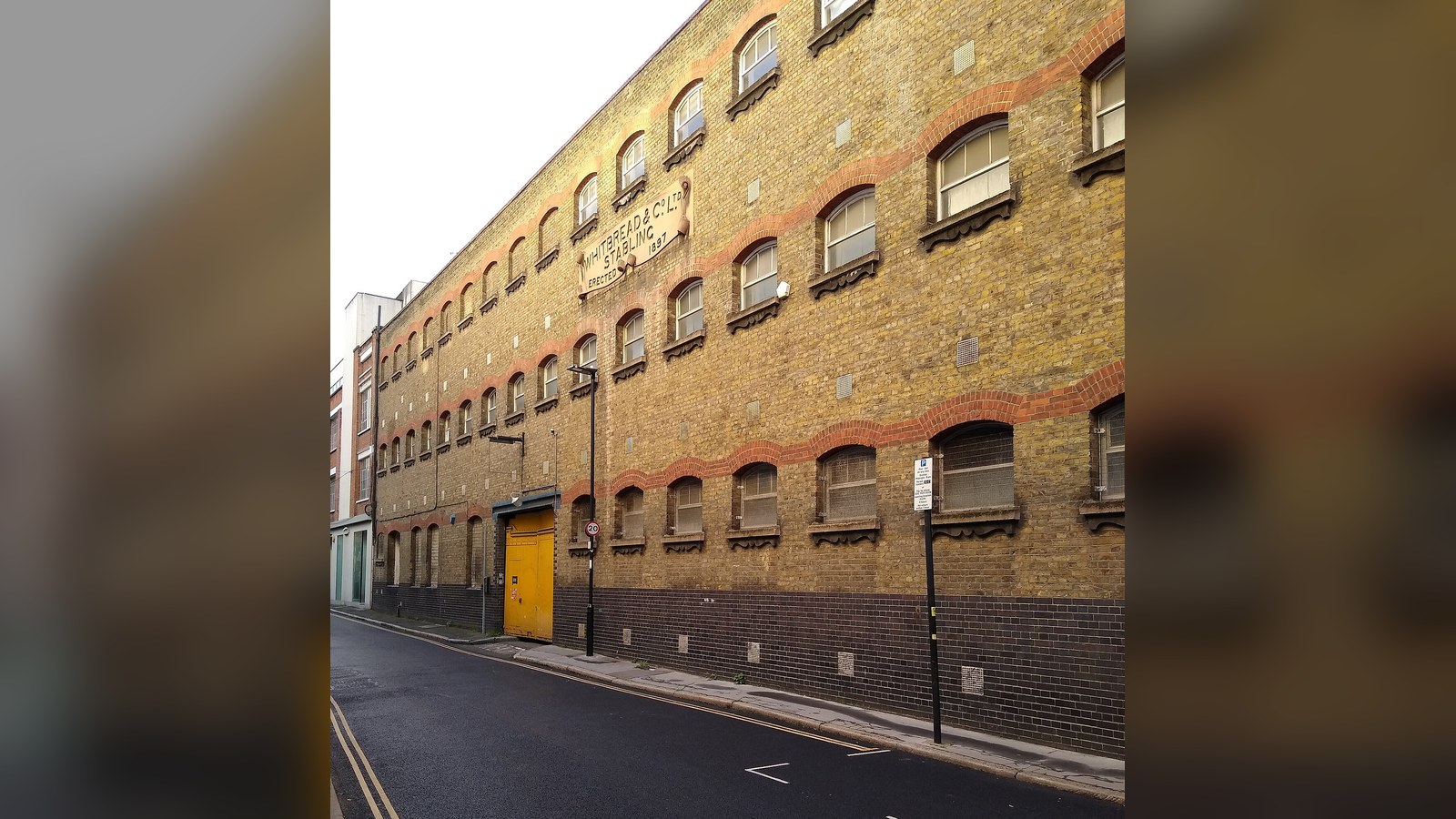
Shareholders in Premier Inn owner Whitbread have thrown out an activist investor’s attempt to win a Whitbread board seat, handing the company’s leadership a clear endorsement of its turnaround strategy at a general meeting on Monday.
Corvex, the New York-based investment firm that holds a 6.4% stake, had wanted its partner James Gemmel appointed as a director. Reports differ slightly on the size of the defeat. City AM said more than 83% of votes were cast against the motion. The PA report, carried by The Independent and The Standard, said 91% voted against once Corvex’s own votes were excluded. Either way, the result was lopsided.
What Corvex wanted from a Whitbread board seat
Corvex’s case was that Whitbread has underperformed its peers and the wider market. Managing partner Keith Meister said the company’s “persistent structural complexity and chronic misallocation of capital” had produced double-digit negative returns over one, three, five and ten years. He said Corvex had raised its concerns repeatedly with the board and management, but they had “remained anchored to the status quo.”
The investor was particularly critical of Whitbread’s £1.1bn expansion into Germany and called for a “rigorous, fact-based review” of how the group spends its money. It said Gemmel would bring a “fresh perspective” on strategy and on plans to return cash to shareholders. Corvex also told investors it was not seeking control of the company and was not demanding a sale.
Whitbread’s defence: the plan is already moving
Whitbread argued that a fresh strategic review was unnecessary. According to City AM, the company called it a “complete waste” of time and money, because its current plans had only just been drawn up. Those plans include selling all its standalone restaurants, such as the Beefeater and Brewers Fayre chains, and raising £1.5bn by selling the freehold rights to more of its hotels. The group operates about 850 Premier Inn hotels in the UK.
The five-year plan also targets £250m of cost savings and a cut of more than £1bn in capital expenditure. It involves job cuts of roughly 3,800, a figure City AM rounded to nearly 4,000. City AM reported that the company attributed the measures partly to the “unexpected” hit from higher business rates, and that it aims to return £2bn to investors.
Chair Christine Hodgson said the “overwhelming majority of shareholders have voted decisively to back the board and our strategy.” She added that the company would keep delivering a plan with “clear and measurable milestones” that it is “already executing at pace,” and that it expects a “step change in margins, cash flows and returns.”
What the result means for investors
The vote shows that most investors, at least for now, prefer to give management’s plan time rather than add an activist voice to the boardroom. The market reaction was muted and a little negative: City AM said Whitbread shares fell 1.9% to 2,774p straight after the result. The stock has still risen about 19% over six months.
The defeat does not settle the argument over returns. Corvex’s criticism of long-term performance and capital allocation is now on the public record, and Whitbread has staked its credibility on the milestones it has set. With the Whitbread board seat question closed, investors will judge the company on whether the savings, disposals and shareholder returns arrive as promised.
Explore more on this topic with Vexel Search.
File photo: Whitbread’s Stables 1.jpg by Mx. Granger, CC0, via Wikimedia Commons.
WordUp Morning
Ten stories, both sides of each, in five minutes. Free, every weekday at 7am, plus a Saturday weekend edition.
We'll email you a link to confirm. Unsubscribe any time.
Business & Hustles
Robinhood Brings US IPO Access to UK Retail Investors: Zero Commission, No Guaranteed Shares

Header image: AI-generated illustration by WordUp News.
Robinhood has launched US IPO access for retail investors in the United Kingdom, letting them request shares in selected American stock market debuts at the offer price before trading begins. The company announced the service on Monday, 9 November.
What UK customers can actually do
Eligible customers can use their existing general investment accounts to browse upcoming offerings in the Robinhood app and submit a request for shares. Robinhood says it will not charge trading commissions for the service. Investors still have to pay for any shares they are allocated, at the official offering price.
The key caveat is that a request is not a guarantee. According to reporting on the announcement, the number of shares set aside for individual investors varies by offering, and allocations depend on how each deal is distributed and on customer demand. Demand for popular listings can easily outstrip what is available to retail buyers.
Research tools and the offer-price advantage
Prospectuses and filings submitted to the US Securities and Exchange Commission will appear on each company’s asset details page. That lets customers read about a company’s finances, business and disclosed risks before committing. The pitch is a chance to seek shares before the market sets a trading price. An opening price on an exchange can differ from the offer price, and that gap can work in either direction.
Such access has historically sat mainly with institutional investors and wealthy individuals, and Robinhood is positioning the product as a way to widen the door.
Transparency gaps remain
Several details are still missing. Robinhood has partnered with a UK Public Offer Platform provider to run the service but has not named it. It has also not said which upcoming US IPOs will be offered to UK customers. Cointelegraph said it asked the company for clarification and had not received a response by publication. Until Robinhood publishes specifics, it is hard to judge how often UK users will see meaningful opportunities.
Building on a US track record and a busy year
Robinhood launched the product in the US in 2021 and says it has taken part in more than 50 IPOs since. The UK rollout follows the company’s August move into UK cryptocurrency trading through Bitstamp, a sign that Robinhood is broadening its British offering beyond digital assets toward mainstream equities.
The timing also comes after a strong quarter. In October, Robinhood reported record third-quarter revenue of $1.42 billion and net income of $476 million. Its shares (HOOD) closed Friday at $80.91, up 3.2%, and traded around $79.50 in premarket trading on Monday, according to Yahoo Finance data cited by Cointelegraph.
What to watch
For UK savers, the appeal of US IPO access is clear: no commission and a shot at the offer price. The practical value will hinge on three things the sources do not yet answer: which listings will be available, how large retail allocations will be, and how the unnamed platform partner handles demand. IPO shares can also trade well above or below their offer price, so a successful request does not mean a profitable one.
- Robinhood opens access to US IPOs for UK retail investors (cointelegraph.com)
- Robinhood expands beyond crypto with US IPO access for UK investors (crypto.news)
Explore more on this topic with Vexel Search.
WordUp Morning
Ten stories, both sides of each, in five minutes. Free, every weekday at 7am, plus a Saturday weekend edition.
We'll email you a link to confirm. Unsubscribe any time.
Business & Hustles
Tesla Will Return Cybertruck Deposits for “a Lot of People” as Production Ends in About 8 Months

Putting money down on a Cybertruck no longer guarantees a truck: Elon Musk said Monday that Tesla will have to return Cybertruck deposits to “a lot of people” because orders far outpace what the company can build before it closes the line in roughly eight months.
Musk made the statement in a post on X, three days after announcing that Tesla would stop making the steel-bodied pickup. “We will try to make as many as possible before shutting down the line,” he wrote, adding that the Cybertruck order rate “far exceeds our production rate.” He did not say how many customers would be refunded or how much money is involved. Business Insider noted that the number of outstanding orders is unclear and that Tesla’s website still appeared to be taking them.
Musk rejects the “unprofitable” narrative
Musk pushed back on reports that the truck was a money-loser. He said the decision was not about profitability but about “opportunity cost”: the complexity of the Cybertruck, in his words, is “vastly outweighed by the value of incremental Cybercab production.” The Cybercab is Tesla’s two-seat robotaxi, which has no steering wheel or pedals. Production began at the Texas factory earlier this year, and paid rides started in Austin in September.
Over the weekend, Musk answered fans who were petitioning him on X to spare the truck. He said Tesla’s engineers can “only do so many things” and that a separate Cybertruck production line, supply chain and engineering team would pull people and factory space away from scaling the Cybercab. He also called the Cybertruck the “best vehicle Tesla has ever made” and described its end as the “end of an era,” according to The Next Web. Reuters, as cited by that outlet, reported that Tesla will add a production shift to work through outstanding orders before the line is dismantled.
From a million reservations to a shrinking market
The gap between the early hype and the actual sales record is stark. Musk once said reservations had reached 1 million and predicted annual sales of around 250,000. Tesla does not break out Cybertruck numbers, but Kelley Blue Book data cited by The Next Web put US sales at 20,237 last year, down 48% from 38,965 in 2024. Sales in the first nine months of this year fell a further 28%. Business Insider put 2026 sales so far at around 16,000, and TechCrunch cited industry estimates of about 71,000 trucks sold since deliveries began in late 2023.
Some of that demand came from within Musk’s own business orbit. According to its S-1 filing ahead of an IPO, SpaceX bought $131 million worth of Cybertrucks from Tesla in 2025. Tesla also raised prices again in August, putting the cheapest version at $74,990, and last month it cancelled reservations in Australia and New Zealand.
What the refunds signal for Tesla’s direction
The refunds are a small piece of a larger strategic shift. Tesla also discontinued the Model S and Model X earlier this year, reportedly to free up factory space for its Optimus humanoid robot. Tesla lists an installed capacity of more than 125,000 Cybercabs a year at its Texas plant, and the Cybercab is central to Musk’s plan to recast Tesla as an AI and robotics company rather than a conventional carmaker.
For buyers, the practical question is who ends up with one of the last trucks. Tesla has not said how it will decide which orders get filled, and it is unclear whether the Cybertruck will be built anywhere other than the Texas factory near Austin. TechCrunch noted that a final “scarcity” bump in demand is possible, but it is unlikely to approach the projections Musk made years ago. For now, anyone holding Cybertruck deposits is waiting to learn whether they will receive a truck or a refund.
File photo: 2024 Tesla Cybertruck, Moab 02.jpg by A1C6, CC0, via Wikimedia Commons.
WordUp Morning
Ten stories, both sides of each, in five minutes. Free, every weekday at 7am, plus a Saturday weekend edition.
We'll email you a link to confirm. Unsubscribe any time.
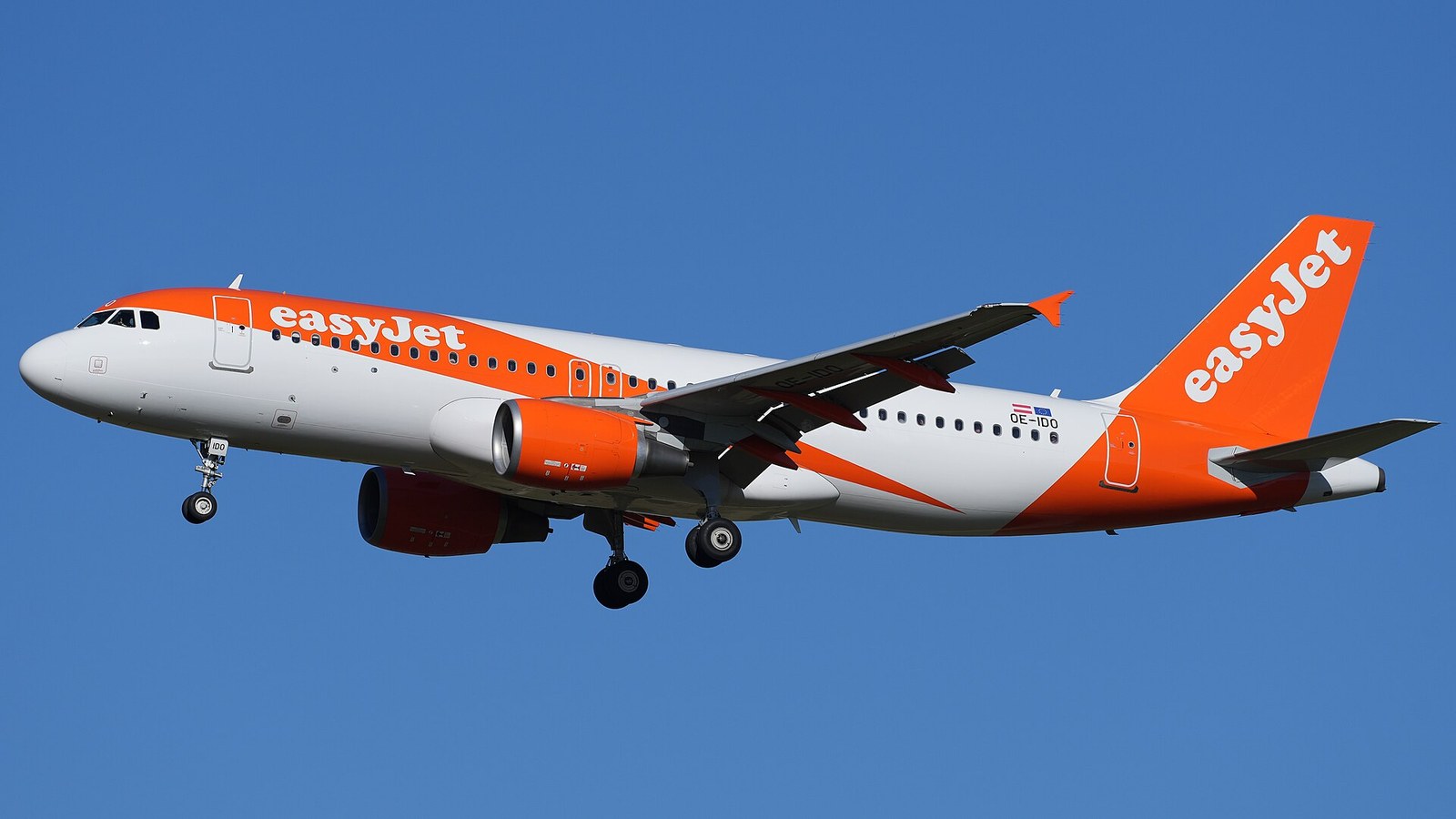
The latest easyJet job cuts proposal puts about 50 head office roles at risk, just days before shareholders vote on the airline’s £5.7bn takeover by US private equity firm Apollo.
The Luton-based carrier has confirmed it is consulting on the plans, which would affect around 50 positions in a head office team of more than 2,300. EasyJet acknowledged the proposals after The Times reported them. The shareholder vote is due on Wednesday, and if the deal is approved, completion is expected in the first quarter of 2027.
What easyJet says about the proposals
The airline has described the plans as modest. A spokesperson said easyJet has to run efficiently as a low-cost operator “so we can keep fares low for our customers and invest in future growth opportunities”, and that the proposals touch “a very small proportion of head office roles” so the business is “best set up to support” its “ambitious plans”. The cuts amount to roughly 2% of the head office team.
The sources say the cuts are understood to be unconnected to Apollo, its planned acquisition or any plans it has for the airline after the deal closes. Apollo is also understood to have played no part in the process or the proposals. The timing is awkward all the same, because unions have been wary of what a private equity owner might mean for staff.
Why unions are watching closely
Unions in the UK and Europe have raised concerns about possible redundancies after the takeover, and about the debt the deal would put on the airline’s balance sheet. Apollo has pledged not to make redundancies for 12 months after completion. That pledge does not directly address the current consultation, which is being run by easyJet before any change of ownership.
The British Airline Pilots Association (Balpa) says “important questions remain regarding the long-term implications of the transaction”. Its main worry is “the extent to which the transaction may affect employees beyond the 12-month period covered by the statements of intention”. In other words, the union’s concern is about what happens once the one-year promise runs out.
The deal behind the headlines
Apollo agreed to buy easyJet in July at 715p a share. It prevailed in a bidding contest with rival US investment firm Castlelake, which had proposed £5.5bn, or 690p a share, before leaving the contest in August. Apollo also owns The Restaurant Group, the parent of Wagamama.
Sir Stelios Haji-Ioannou founded easyJet in 1995 as a low-cost alternative to British Airways. He and his family hold about 15% of the company and have backed the takeover. City AM has also reported that shareholders who keep their stake after completion could face being squeezed out and are unlikely to receive dividends.
For now, the easyJet job cuts are a consultation, not a final decision, and the numbers are small next to the scale of the deal. Wednesday’s vote will settle the ownership question. How the airline treats its staff after the 12-month pledge ends is likely to stay under scrutiny well beyond that.
- EasyJet looks to slash head office roles before £5.7bn takeover (City A.M.)
- EasyJet plans head office job cuts ahead of £5.7bn Apollo takeover (business-live.co.uk)
- EasyJet axing head office roles ahead of £5.7bn takeover (The Independent)
File photo: Berlin Brandenburg Airport easyJet Europe Airbus A320-214 OE-IDO (DSC07809).jpg by MarcelX42, CC BY-SA 4.0, via Wikimedia Commons.
WordUp Morning
Ten stories, both sides of each, in five minutes. Free, every weekday at 7am, plus a Saturday weekend edition.
We'll email you a link to confirm. Unsubscribe any time.

Bob Boone Dead at 78: Seven Gold Gloves and the Catch That Anchored Phillies’ First Title

Irma P Hall, Soul Food’s “Big Mama” and a Cannes Prize Winner, Dies at 91

Poundland administration deadline: 11,000 jobs and 600 shops hang on a midnight decision


-

 Tech & AI4 days ago
Nvidia investigation into Jensen Huang: board probes alleged Chinese intelligence effort targeting its CEO
-

 Tech & AI2 days ago
Nvidia Shares Drop 8% at One Point, Erasing Over $300 Billion, as Board Probes Jensen Huang Scandal
-

 Tech & AI3 days ago
Nvidia investigation into CEO Jensen Huang: shares fall 6% as board weighs a $4.5 trillion question
-

 Business & Hustles2 days ago
Whitbread Board Seat Bid Fails With At Least 83% of Votes Against Activist Corvex
-

 Fashion7 days ago
Piccioli Balenciaga Exit Comes 16 Months In, as Sales Slip an Estimated €180 Million
-

 Fashion5 days ago
Women of the Year 2026: Eleven Honours, From Glenn Close’s Icon Award to Winkleman’s Deadpan Triumph
-

 Crypto5 days ago
Gopax Hacking Threat Freezes Trading and Withdrawals, With No Reopening Date Set
-

 Entertainment6 days ago
Cynthia Erivo Joins Snoop Dogg Biopic as Afeni Shakur, With an August 6, 2027 Release Set
-

 Tech & AI6 days ago
LeBron James’ Lawyers Send Cease and Desist Letter to Bron AI Over Ad Implying He Bets on NBA Games
-

 Fashion6 days ago
Balenciaga Creative Director Martine Rose Starts November 16 as First Woman to Lead the House in 109 Years
-

 Fashion5 days ago
Iowa’s Next Governor Walked for Prada in 2002: Inside Rob Sand’s Modeling Career
-

 Tech & AI5 days ago
Cybertruck Production to Wind Down by Mid-2027, Far Short of Musk’s 250,000-a-Year Goal
-

 Business & Hustles6 days ago
Letterboxd Acquisition Talks: NYT Company Reportedly Offers $330 Million, Over 20x Revenue
-

 Crime4 days ago
Thomas Markle court appearance: 82-year-old tagged and held at home, no plea entered, over child abuse material charge
-

 Business & Hustles7 days ago
Bank of England Rate Rise to 4%: Another Hike Likely Unless Iran War Eases
-

 Gaming4 days ago
Bit Reactor layoffs hit Star Wars Zero Company team a month after rehiring, despite 1 million sales
-

 Crypto5 days ago
US Hits 8 Canadian Money Exchange Firms With Iran Sanctions, Cutting Them Off From the Dollar
-

 Entertainment7 days ago
Scarlett Johansson Says Her Secret Batman Role Brought ‘Existential Angst’ Ahead of 2028 Release
-

 Crypto4 days ago
MEXC FinCEN Order Cites $16 Billion in Illicit Flows, With a 30-Day Fuse to Come
-

 Tech & AI6 days ago
Data Center Protests Hit 15 European Countries as Activists Break Into Microsoft’s Amsterdam Site
You must be logged in to post a comment Login