
Tech & AI
Amazon Drone Crash in Michigan Draws FAA Probe as Prime Air Flies Nearly 6,000 Times a Day

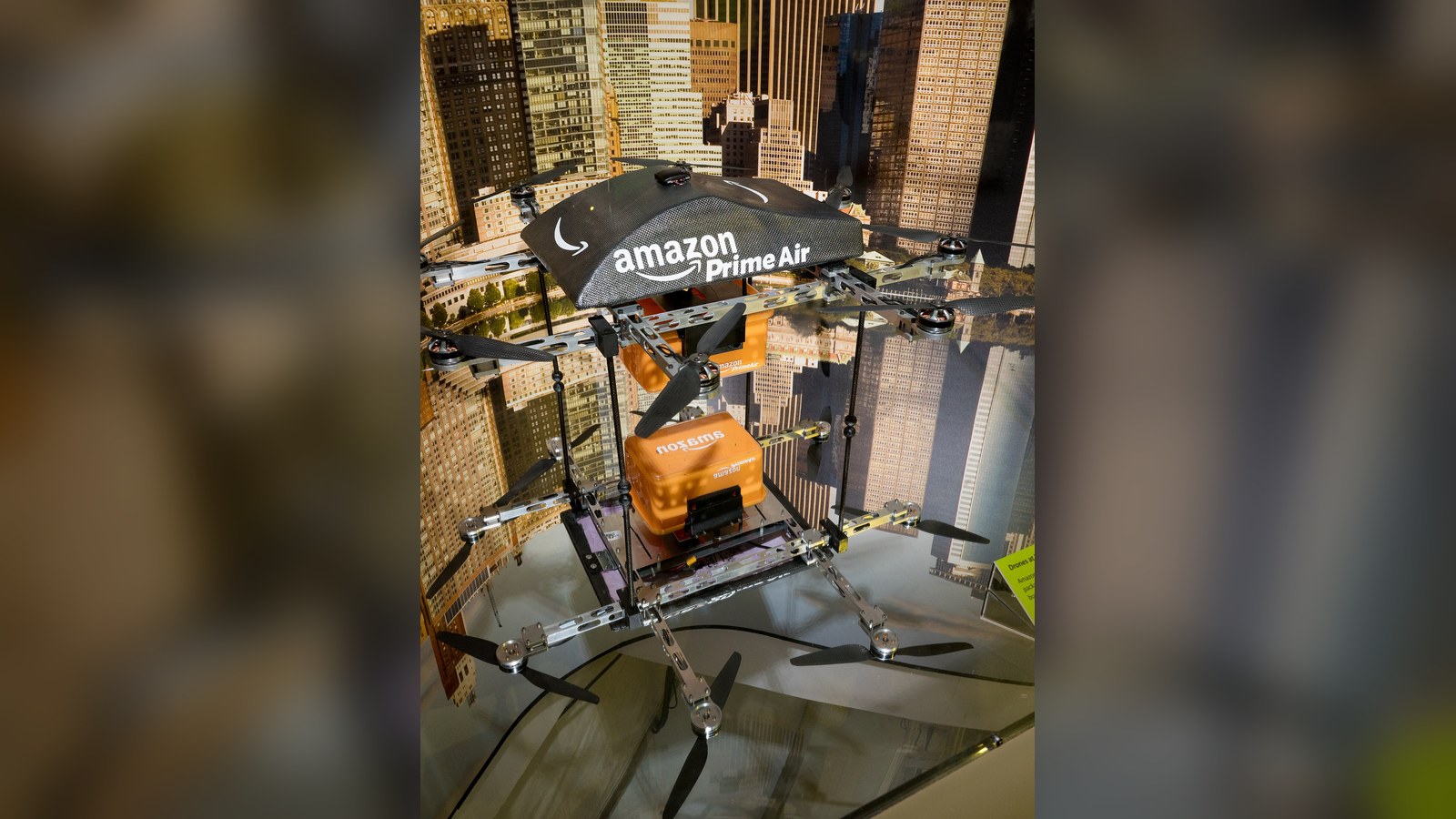
An Amazon drone crash in suburban Detroit has prompted a federal investigation, adding fresh scrutiny to the company’s push to put delivery drones over hundreds of American communities. The Federal Aviation Administration confirmed Monday that it is looking into Friday’s incident in Huntington Woods, Michigan, where a Prime Air aircraft clipped a fiber-optic line and ended up wedged against a garage roof and power lines.
What happened in Huntington Woods
According to WXYZ 7 News Detroit, resident Jim Brennan and his wife ordered shampoo and were surprised to get a notice that it would arrive by drone within about seven minutes. The drone dropped the package in their backyard. As it took off again, it caught a fiber-optic cable and lost a propeller, then drifted sideways. It came to rest pinned between a neighbor’s garage roof and some power lines. Brennan told the station it behaved “like a sick bird,” trying to climb out and failing.
The FAA’s preliminary incident notice, posted November 23, says the unmanned aircraft “struck a fiber cable, a residential garage, and became entangled in power lines during takeoff.” Utility DTE Energy said crews temporarily de-energized a service drop line so the aircraft could be cleared safely, then restored power. The neighbor whose garage was hit, Logan Coomes, told WXYZ that an Amazon team arrived within about 10 minutes and worked with utility crews to remove the drone by early evening. He said the company promised to help pay for roof repairs and handed him a $100 gift card on the spot.
Amazon said no one was hurt and that the drone has been removed. Spokesperson Jack Stelzner said safety is the company’s top priority and that incidents are “extremely rare.” Delivery operations in the Detroit area have continued.
Who is investigating, and what could come next
The FAA told Fox Business it reviews such reports to decide whether corrective or enforcement action is warranted. The National Transportation Safety Board, which has primary responsibility for investigating transportation accidents, is gathering preliminary information but has not decided whether to open its own inquiry, according to CNBC.
Reporting rules explain why an incident like this reaches regulators. Drone operators must report any event involving serious injury or more than $500 in property damage, not counting damage to the aircraft. Amazon also faces additional reporting requirements under its federal operating exemption. A cut fiber line and a damaged garage roof plausibly clear that bar, though the sources do not say which threshold was met.
A growing list of incidents
Amazon says this was its first such crash near Detroit, but it is not the company’s first brush with regulators. Ars Technica notes that two Amazon drones struck a construction crane in Tolleson, Arizona, in October 2025, and another downed an internet cable in Waco, Texas, the following month. The FAA is also still investigating a February 2026 crash involving an apartment building in Richardson, Texas.
The Michigan episode stands out for a specific reason. Amazon’s MK30 drones, which carry packages up to five pounds, are equipped with onboard sense-and-avoid technology meant to steer around obstacles. Here, by Brennan’s account and the incident notice, the aircraft hit a thin cable anyway. Whether that reflects a sensor limitation, a procedural issue or something else is exactly what investigators will have to determine. None of the sources report a cause yet.
Scale raises the stakes
The scrutiny arrives as Prime Air grows quickly. An Amazon spokesperson told CNN the drones make nearly 6,000 flights a day and have delivered “hundreds of thousands” of packages this year. The company is aiming to serve nearly 500 U.S. cities and towns by the end of 2026, and it argues that drone delivery can be faster and potentially lower in cost and emissions than ground vehicles alone.
That volume cuts both ways. A tiny failure rate can still produce a steady stream of video-friendly mishaps when thousands of flights happen daily over residential neighborhoods. Delivery drones have also drawn noise complaints from people living under their flight paths, another sign that the technology’s rollout is no longer a pilot experiment but a feature of everyday suburban life.
For now, the Huntington Woods crash ended with no injuries, a damaged roof, a brief power interruption and a $100 gift card. But the outcome of the FAA’s review, and any decision by the NTSB to step in, may show how regulators plan to hold fast-expanding drone networks accountable.
Explore more on this topic with Vexel Search.
File photo: Amazon Prime Air (36399888471).jpg by William Warby from London, England, CC BY 2.0, via Wikimedia Commons.
WordUp Morning
Ten stories, both sides of each, in five minutes. Free, every weekday at 7am, plus a Saturday weekend edition.
We'll email you a link to confirm. Unsubscribe any time.

Tech & AI
Google’s Personal Intelligence Now Reads Your Wallet in AI Mode, With Drive and Gemini Weeks Away
Google is giving its Search chatbot a much closer look at users’ personal lives. On Monday, the company said it is expanding personal intelligence in AI Mode, starting with Google Wallet now and adding Google Drive and the Gemini app in the coming weeks.
What personal intelligence in AI Mode can see
The feature already lets AI Mode draw on Gmail, Google Calendar and Google Photos to tailor its answers. The new connections widen that pool considerably. Wallet gives the AI a view of spending and the cards a user has stored, and Google says it can use that to suggest ways to trim everyday costs, work toward financial goals and get more out of cash-back and reward points.
Google stresses that the Wallet link is read-only. AI Mode can look at account information, but it cannot move, manage or invest money. That distinction matters for anyone uneasy about handing an AI system a financial footprint.
Drive and Gemini are next
Drive is the more open-ended addition. Google’s pitch is that the details behind a big project or decision are usually scattered across documents, spreadsheets and PDFs. Once Drive is connected, AI Mode can pull from those files to answer questions, and Google’s headline example is building a tailored plan for tax season.
The Gemini app connection tackles a different annoyance: starting over. Ideas worked out in Gemini will carry into AI Mode in Search, and the reverse should hold too. AI Mode could already see Gemini history through personal intelligence, so this link makes the two products feel more like one assistant. Google says Drive and Gemini support should arrive within the next few weeks.
Control, transparency and the ads question
Each connection is opt-in. Users can switch individual apps, or the whole feature, on or off under Connected Apps in Search Personalization. Google is also adding a “Personalization” icon beneath responses, coming soon, that will show what personal context an answer relied on. That should make it easier to see why the AI said what it did.
There is a commercial angle, too. According to The Next Web, Google’s privacy policy has since October allowed content from apps linked to personal intelligence to influence the ads users see. That does not extend directly to the contents of an inbox or photo library. Google’s announcement, as reported, focused on the benefits to users rather than on advertising.
Separately, Google said both AI Overviews and AI Mode will soon pay more attention to a user’s recent search activity, so responses reflect what they were just looking up.
Why it matters, and who gets it
The competitive logic is plain. TechCrunch notes that Google can lean on data people already keep in its services, a kind of personalization that rivals would struggle to copy. Others are moving toward financial data as well: OpenAI has let some ChatGPT users link bank accounts since May. Google brought the same Wallet link to Gemini for US users about ten days before this announcement.
The limits are worth knowing. Personal intelligence works only with personal accounts, and it is not available in Europe or the UK. The sources do not give a full rollout schedule beyond “coming weeks” for Drive and Gemini, so exact timing remains to be seen. For users, the choice is the familiar one: more useful AI answers in exchange for opening more of their digital lives to the system.
Explore more on this topic with Vexel Search.
File photo: Google Logo in Building43 by Robert Scoble, CC BY 2.0, via Flickr (Openverse).
WordUp Morning
Ten stories, both sides of each, in five minutes. Free, every weekday at 7am, plus a Saturday weekend edition.
We'll email you a link to confirm. Unsubscribe any time.

Header image: AI-generated illustration by WordUp News.
The US Commerce Department has placed Megaspeed on its trade blacklist, and the timing is hard to miss. The Megaspeed entity list designation came just a day after Nvidia reinstated Jensen Huang as CEO and president, following an intervention from President Donald Trump.
What the Megaspeed entity list designation does
The listing covers the Singapore-based AI computing firm and its affiliates in Malaysia and Thailand. American companies, Nvidia included, now need a federal license before they can supply Megaspeed with goods, software or technology, including advanced AI chips. In its filing, Commerce cited a “significant risk” that the entities could be or become involved in diverting advanced computing commodities to unauthorized end users.
Megaspeed sells computing power to data centers that train AI models. Fox Business noted that Nvidia’s own website has listed it as a preferred cloud partner.
How the case reached this point
According to a joint statement from Commerce and the Justice Department, Commerce began investigating Megaspeed in 2024 over possible export control violations. Investigators asked Nvidia in May 2025 for records of its direct or indirect sales to the company, and Nvidia put Megaspeed on its internal “no sell” list the following month. That same month, Commerce’s Bureau of Industry and Security worked with Singaporean law enforcement on an in-person check at Megaspeed and interviewed Alice Huang, who was then its CEO. She is no relation to the Nvidia chief.
The Justice Department has since taken the lead, and says its investigation is ongoing. The New York Times reported that a Commerce official who visited a Megaspeed data center in Malaysia found servers still packed in boxes rather than in use, which deepened suspicions about chip smuggling. These are allegations and suspicions; none of the sources report charges or a finding against the company.
The Huang connection
The scandal got its political charge from reports about Jensen Huang’s personal ties. Alice Huang took a controlling stake in Megaspeed in 2023 and left in August 2025. Reports say US officials suspect she was a Chinese intelligence asset, and that she had a relationship with the Nvidia CEO. China has denied the spy allegations. Nvidia’s CEO resigned on November 12 after the reports surfaced.
The board chair, Harvey Jones, said days later that the company did not intend to reinstate him. Then the board met late Sunday, with Trump calling into the meeting, and voted unanimously to bring Huang back. Trump later told CNBC, “I convinced them. I made the deal.”
Pressure on Commerce and Nvidia
The sequence leaves Commerce open to a political reading. Semafor reported that Secretary Howard Lutnick faced mounting pressure to act on Megaspeed. The Times noted that Lutnick has been accused of being too close to Huang and Nvidia and of not policing the company’s China-related chip sales hard enough. The department will now be responsible for enforcing the new restrictions. It has also recently adopted a rule meant to close a loophole that could let Chinese firms reach banned chips remotely.
Scrutiny of Nvidia looks set to continue. Fox Business video segments pointed to lawmakers pressing ahead with an investigation despite Huang’s return and to a subpoena from California’s attorney general over chip sales to China. The same coverage described Nvidia shares sliding amid a national security debate over the reinstatement.
For now, the Megaspeed entity list action cuts off one company at the center of the controversy. It does not settle the broader questions: what the continuing federal investigation will find, and whether Commerce’s enforcement will satisfy critics who doubt its distance from the industry it regulates.
Explore more on this topic with Vexel Search.
WordUp Morning
Ten stories, both sides of each, in five minutes. Free, every weekday at 7am, plus a Saturday weekend edition.
We'll email you a link to confirm. Unsubscribe any time.
Tech & AI
Driverless testing begins for Uber’s Lucid robotaxis, with a 35,000-vehicle plan and a Q1 2027 launch
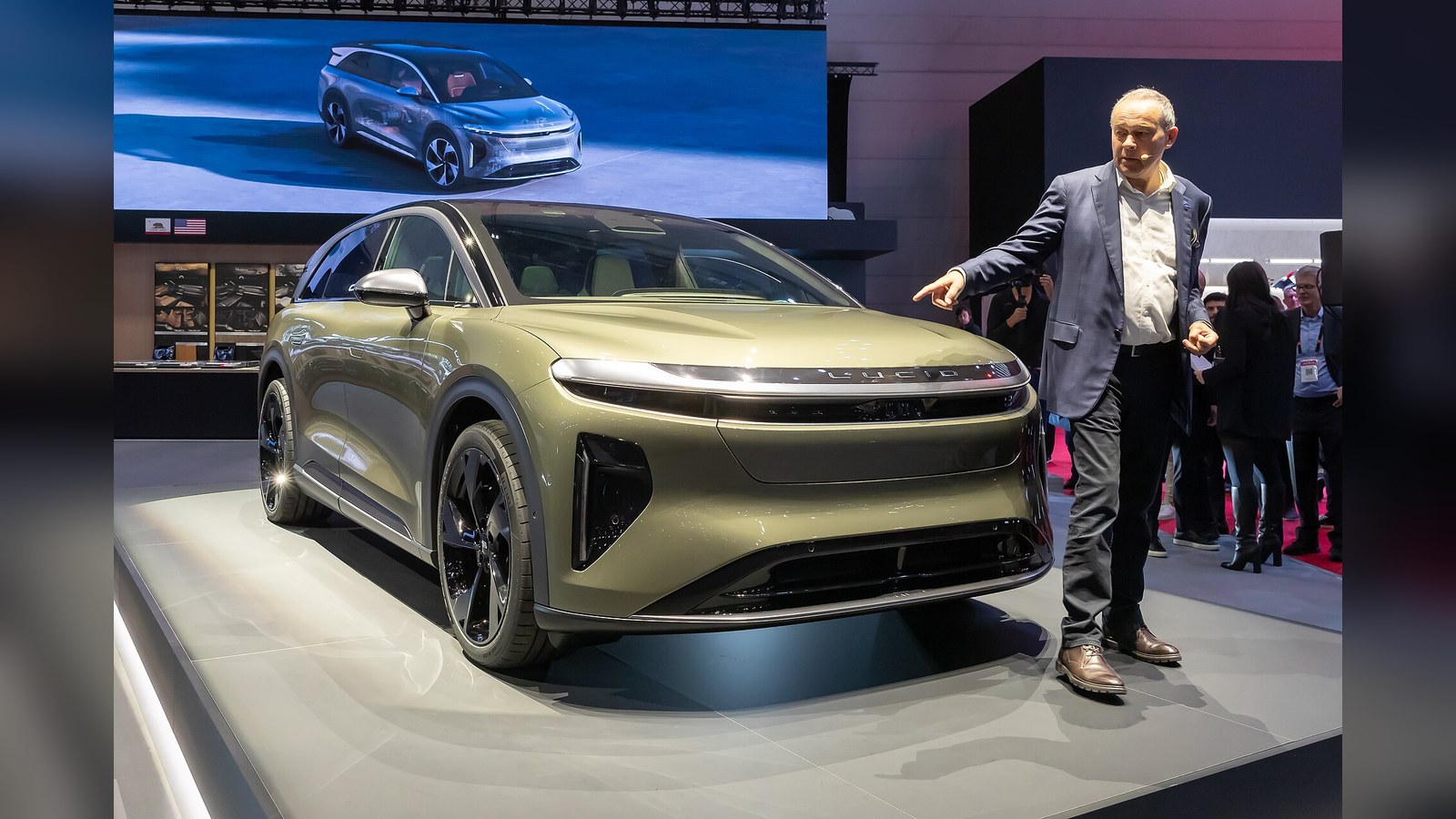
Uber, Nuro and Lucid have started driverless testing of their Lucid Gravity robotaxis on public roads in the San Francisco Bay Area, removing the human safety operator from behind the wheel for the first time. Employee-only rides are due to follow shortly, and a commercial service is planned for the first quarter of 2027.
What driverless testing covers
According to The Verge, the testing is focused on four South Bay cities: Palo Alto, Mountain View, Los Altos and Sunnyvale. It is expected to widen across the broader Bay Area next year. Uber has said Houston will get the service later in 2027. The vehicles run Nuro’s Level 4 “Nuro Driver” software and use cameras, solid-state lidar and radar. A roof-mounted LED “halo” shows a rider’s initials and pickup status.
The companies say the move follows nearly a year of round-the-clock supervised testing in the Bay Area and Houston. Nuro has also run difficult edge-case scenarios on a closed course in Las Vegas, and it relies on simulation to validate the system before public riders step in.
A slightly slower timeline
The 2027 date is a small step back. The Verge notes that the partnership originally targeted a late-2026 debut. The companies have not described that shift as a setback, and Uber’s head of autonomous mobility called the removal of the safety operator “an important milestone.”
Reports differ on the permit details. TechCrunch says California’s DMV granted Nuro a driverless permit in May 2026. CNET reports a DMV driverless testing permit in April, followed in May by a California Public Utilities Commission permit for pilot passenger service with a safety driver. Either way, the permits came more than six months before the vehicles actually went driverless.
The money behind the bet
The partnership was announced in July 2025, and the financial commitments are large. TechCrunch reports that Uber’s planned investment in Lucid has grown from $300 million to $500 million. It also cites sources saying Uber agreed to put nearly $500 million into Nuro. Uber’s vehicle commitment has grown too. The original deal reportedly covered at least 20,000 Gravity SUVs over six years, and the companies now talk of about 35,000 Lucid vehicles, including a future midsize model, deployed in “dozens” of cities.
For Lucid, that is a steadier revenue stream. For Nuro, which pivoted away from delivery vehicles to licensing its technology, it is a flagship customer. Lucid has delivered more than 100 upgraded Gravity vehicles to the program, per The Verge. It began building pre-production models in October and plans to start making the commercial fleet in the coming weeks at its Arizona factory. Uber will own and operate the fleet and says it is concentrating on the in-cabin rider experience.
A crowded, scrutinized field
The newcomers will enter a market where Waymo and Zoox are already established. One differentiator is space: CNET says the Gravity robotaxi can seat up to six passengers, compared with four in Waymo and Zoox vehicles. Uber also works with dozens of autonomous partners, including Waymo and Zoox, so its app could put driverless options in front of riders who might not otherwise seek them out.
The timing coincides with heightened scrutiny of the industry. CNET reports that California’s DMV recently barred Waymo’s robotaxis from state freeways after a series of high-profile incidents, and Waymo paused its freeway rides. Federal regulators have also investigated other AV operators. How the Uber, Nuro and Lucid service performs once real passengers are aboard will be the next test of whether this partnership can hold to its 2027 schedule.
Explore more on this topic with Vexel Search.
File photo: Lucid, GIMS 2024, Le Grand-Saconnex (GIMS0076-3).jpg by Matti Blume, CC BY-SA 4.0, via Wikimedia Commons.
WordUp Morning
Ten stories, both sides of each, in five minutes. Free, every weekday at 7am, plus a Saturday weekend edition.
We'll email you a link to confirm. Unsubscribe any time.

Header image: AI-generated illustration by WordUp News.
The world’s largest trial of AI breast cancer screening has begun recruiting in Cambridge, and almost 700,000 women across the UK are expected to be invited to take part over the next three years. The £10 million study, called EDITH, will test whether artificial intelligence can safely take on part of the job of reading mammograms, a task that is straining an overstretched NHS workforce.
How the EDITH trial will work
Women aged 50 to 71 are invited for a mammogram every three years. Each X-ray is currently examined by two trained NHS specialists. In EDITH, AI will stand in for one of those two readers, and every scan will still be seen by a human specialist.
The trial has two set-ups. In one, an AI programme grades images before they go to NHS experts. In the other, it reviews them afterwards. Four AI systems, which the researchers say have been rigorously tested for accuracy, are involved. The study will run at 30 sites, with Cambridge University Hospitals the first. More sites are due to follow in the coming months.
The screening appointment itself will not change. Women will hear about the trial in their routine invitation, can choose not to take part, and can opt out. The study is funded by the National Institute for Health and Care Research. It is led by the University of Warwick, the University of Cambridge and Cambridge University Hospitals NHS Foundation Trust, working with NHS England.
Why researchers want better detection without overdiagnosis
Smaller studies have already suggested that AI can improve cancer detection rates and pick up subtle patterns that even experienced radiologists might miss. EDITH is meant to show whether those gains hold up at national scale without causing harm.
The main concern is false alarms. If software flags too much, women could be recalled for unnecessary follow-up tests. Professor Sian Taylor-Phillips of the University of Warwick, a co-chief investigator, said the team wants to avoid the overdiagnosis of milder disease that would never have caused symptoms. The trial is designed to measure that risk as well as the benefits.
The stakes are considerable. Breast cancer is the most common cancer among women in the UK, with around 59,000 diagnoses a year. About a third are found through screening, usually early, when treatment is easier. The programme is estimated to prevent around 1,300 deaths a year. NHS figures show 2.75 million women were invited in 2024/25, 10 per cent more than the year before, and about 70 per cent accepted.
A workforce under pressure
Capacity is as much a driver of the trial as accuracy. Professor Fiona Gilbert of the University of Cambridge, the other co-chief investigator, told the BBC there is a “huge shortfall” of radiologists, while imaging examinations are rising by about 8% a year. Fewer than 1% of women screened turn out to have cancer. Automating part of the reading could free specialists to spend more time with patients who do.
The Royal College of Radiologists welcomed the research but warned against expecting too much too soon. Its president, Dr Stephen Harden, said AI could act as a “second pair of eyes” and increase capacity. He added that patients are meanwhile facing long, anxious waits because of a dire shortage of radiologists. The college’s research found more than a fifth of the breast radiology workforce is due to retire by 2030, and the workforce has grown by an average of just 2 per cent over the past five years. In his words, the trial “won’t be a quick fix”.
Safeguards and reaction
Organisers stress that all clinical decisions will stay with NHS staff. Health Secretary Yvette Cooper, visiting the team at Addenbrooke’s Hospital, said the technology could help women get a diagnosis and start treatment much sooner if it succeeds. She also said “proper safeguards” are needed. Professor Peter Johnson of NHS England urged every woman invited to take part, and Breast Cancer Now called the investment encouraging. The charity said that if AI-assisted reading proves as safe and effective as the current process, it could ease workforce pressures.
Shirley Essex, 70, from Cambridgeshire, is not in the trial but illustrates what is at stake. She was diagnosed with early-stage cancer after a routine screening, despite having no symptoms, and had surgery and radiotherapy but no chemotherapy. “My routine mammogram saved my life,” she said.
The answers will take time. With a three-year timeline, EDITH is meant to settle whether AI breast cancer screening can match the current two-reader system on safety and accuracy before anyone considers a wider rollout.
Explore more on this topic with Vexel Search.
WordUp Morning
Ten stories, both sides of each, in five minutes. Free, every weekday at 7am, plus a Saturday weekend edition.
We'll email you a link to confirm. Unsubscribe any time.
Tech & AI
Trump Again Urges Nvidia to Rehire Jensen Huang as Board Says No and Shares Sit Roughly 50% Off Their High
President Donald Trump has once again called on Nvidia’s board to rehire Jensen Huang, the chipmaker’s co-founder, who resigned earlier this month amid scrutiny of his extramarital affairs. The appeal, posted on Truth Social on Sunday, came even though the company’s chair has said Huang will not return as chief executive.
Why Trump wants Nvidia to rehire Jensen Huang
“I hope the Board of Nvidia rehires Jensen Huang,” Trump wrote. “It would be the best thing for the Company, and also, for the U.S.A.” It is the latest in a series of public appeals. Over the past week he called Huang “a brilliant man” in a Fox News interview during his China trip and said “we must take care of our geniuses.” After returning to Washington on Friday, he told reporters the U.S. is “a country of second chances” and said Huang should “make a big apology and go back.”
The scandal centers on Huang’s relationships with several women. One of them is Alice Huang, who is unrelated to him and runs the firm Megaspeed. The New York Times, citing sources familiar with U.S. intelligence assessments, reported that she is suspected of being a Chinese intelligence asset. Trump has publicly played that down. On Wednesday he said he had not heard confirmation that she was a spy, describing her as a businesswoman who bought chips and suggesting that any attractive woman from China tends to be labeled a spy. The allegation has not been publicly substantiated in the coverage reviewed here.
The board has already answered
Nvidia’s board has shown no sign of reversing course. Chair Harvey Jones indicated on last week’s earnings call that Huang would not come back as CEO. Chief financial officer Colette Kress is serving as interim chief executive while a permanent successor is sought, and the company has stressed that it is operating as usual. Fox Business noted the stock has fallen about 50% from its recent high. Huang has reportedly said he is willing to return and that he “owns his mistakes completely.”
The Daily Mail reported that Treasury Secretary Scott Bessent said Sunday that the administration still wants answers about Nvidia’s sales of advanced chips. That puts a wrinkle in the president’s argument, since his own officials are probing the commercial side of the story. Some related-video and headline links on the Fox Business and Daily Mail pages refer to Huang being reinstated, but the article text itself does not describe such a move. Readers should treat the board’s stated position as the last confirmed one.
A wider Sunday posting spree
The Nvidia post was one of many. The Independent reported that Trump also attacked Minnesota’s Somali-American community, claiming Somalis had “completely taken over” the state and that “almost 95 percent are on some form of welfare.” No evidence for the figure was offered in the coverage. The remark echoes a year-old controversy over a YouTuber’s documentary alleging day care fraud in Minneapolis, which claimed losses of up to $100 million. Trump has also repeatedly clashed with Rep. Ilhan Omar, whose Washington home was searched by Homeland Security Investigations agents in October.
He also suggested without evidence that Democrats and Iran worked together to keep oil prices high until the November 3 midterms. Oil prices have since fallen, and he called the election “very strange” and a “Giant Hoax.” The Independent noted there is no evidence for any such coordination. Other posts included a video of him praying with diner patrons and a clip mocking Senate Democratic leader Chuck Schumer’s posture.
For now, the question is whether the president’s pressure changes a board decision that appears settled. Nvidia sits at the center of the AI boom, so who leads it matters to markets and to Washington, and Trump has made clear he will keep pressing his case in public.
- Trump urges Nvidia to rehire Jensen Huang again while randomly going after Somalians in Minnesota (The Independent)
- Trump doubles down on call for Nvidia to rehire Jensen Huang amid alleged Chinese spy scandal (foxbusiness.com)
- Trump urges Nvidia board to rehire ex-CEO Jensen Huang despite love rat's links to alleged Chinese spy (dailymail.com)
Explore more on this topic with Vexel Search.
File photo: Jen-Hsun Huang 2025.jpg by The White House, Public domain, via Wikimedia Commons.
WordUp Morning
Ten stories, both sides of each, in five minutes. Free, every weekday at 7am, plus a Saturday weekend edition.
We'll email you a link to confirm. Unsubscribe any time.
Tech & AI
Jensen Huang reinstated as Nvidia CEO: Trump says he ‘convinced’ the board, and the stock jumps 34%
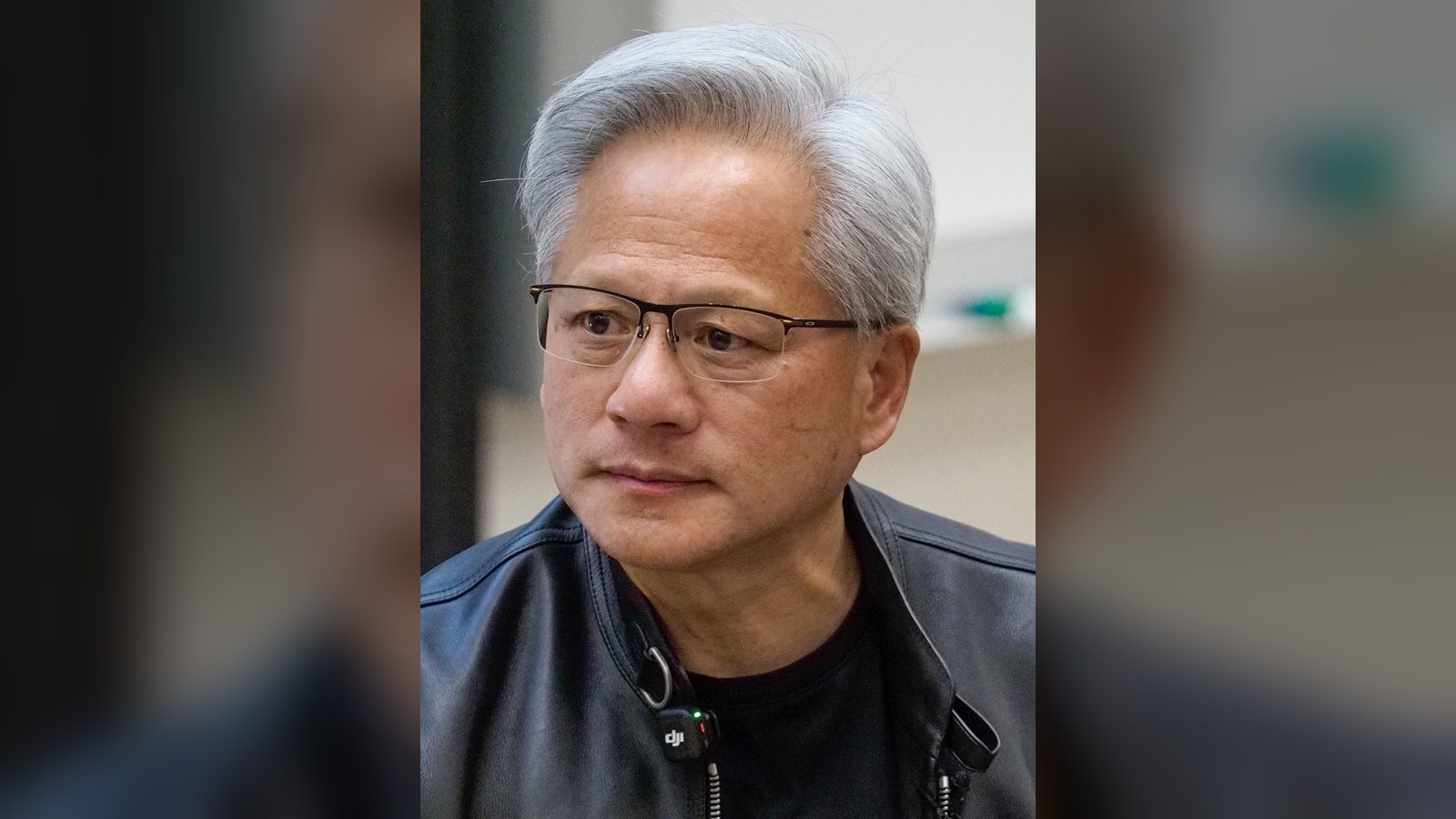
Nvidia has had Jensen Huang reinstated as president, CEO and board member just 11 days after he resigned, and President Donald Trump is openly claiming credit. “I spoke to them, let me put it that way,” Trump told CNBC in a phone interview on Monday. “And I convinced them.”
The turnaround was fast. Huang stepped down on 12 November after reports of multiple extramarital affairs. According to Fortune, two of the relationships were with Nvidia employees. A third was with a Chinese businesswoman, Alice Huang, whom the New York Times reported US intelligence suspects of being a Chinese spy. Beijing denies the claim, and the sources describe it as an allegation, not an established fact. Last week, board chair Harvey Jones said on an earnings call that the board did not intend to bring Huang back.
What Trump and the White House say happened
Nvidia said its directors voted unanimously for the return after input from senior levels of the US government left them confident his presence poses no national security risk. Trump said the board “did ask for assurance on the national security threat,” and that the administration provided it “at least with everything we know. And we know a lot.” He said he spoke to Huang on Sunday night, before the Monday announcement. He also said he was “represented” at the board’s meeting, without saying whether he joined it himself.
White House communications director Steven Cheung told Fortune that Trump “was totally involved,” adding: “We have to protect our geniuses.” Trump has framed the issue as one of strategic value. “People say, is it a threat to have him? No, it’s a threat to lose him,” he said.
Asked whether the sharp fall in Nvidia’s share price after the resignation shaped his decision to step in, Trump conceded it was “probably so, but the bigger impact was the long term.” He added that Huang has “other chips in his brain that nobody else knows about.” The market response was immediate, with Fortune reporting a 34 percent surge in Nvidia shares on Monday.
Statesman or shareholder?
That admission sharpens a question Fortune put plainly: was Trump acting as a statesman or a shareholder? Financial disclosures show the president owns Nvidia stock. The reports differ on the figures. The BBC cites a $265,000 purchase and a sale of as much as $15,000 in September. Fortune says his latest disclosure shows a purchase of as much as $380,000 weeks before the scandal broke. Either way, the White House says outside advisers manage his holdings without direction from him, and a Trump Organization spokesperson said the arrangement is meant to avoid “even the appearance of a conflict of interest.” The disclosures offer no evidence that Trump directed the trades.
Ethics specialists say that is not the end of the matter. Richard Painter, chief White House ethics lawyer under George W. Bush, told Newsweek that such holdings raise the risk that a president or his appointees pursue policies that lift the stock’s value, as well as “the risk of trading on the basis of material nonpublic government information.” Federal conflict-of-interest rules do not formally bind the president, but long-standing guidance from the Office of Government Ethics says presidents should behave as though they did.
Congress prepares to dig in
Opposition has come from both parties. Republican Rep. Don Bacon of Nebraska said Nvidia “should have moved on without Huang and ignored the Administration’s inexplicable desire to save Huang.” He warned: “We cannot say we want to win the AI race and then give China our best technology.”
Democrats, who the BBC reports will control both chambers from January, are promising scrutiny. Sen. Elizabeth Warren, set to chair the Senate Banking Committee, called the move “reckless” and urged passage of bipartisan export control bills. Rep. Hakeem Jeffries, likely the next House speaker, called the decision “indefensible, irresponsible and incomprehensible.” He said Congress would still investigate alleged “business malfeasance” at Nvidia and what he called “corrupt abuse of power” at the Commerce Department.
Huang himself faces a busy start to his second stint. He is due for a closed-door interview with three House committees on 1 December, and the Senate Banking Committee has called him to testify two days later.
With Jensen Huang reinstated, the immediate market panic has eased, but the political fight is just beginning. Investors may be relieved, yet the open questions are about export-control compliance, what the government told Nvidia’s board, and where the line falls between protecting a national champion and protecting a presidential investment.
Explore more on this topic with Vexel Search.
File photo: Jensen Huang Stanford 2026-04-30 010 (cropped).jpg by Anderseidesvik, CC BY-SA 4.0, via Wikimedia Commons.
WordUp Morning
Ten stories, both sides of each, in five minutes. Free, every weekday at 7am, plus a Saturday weekend edition.
We'll email you a link to confirm. Unsubscribe any time.
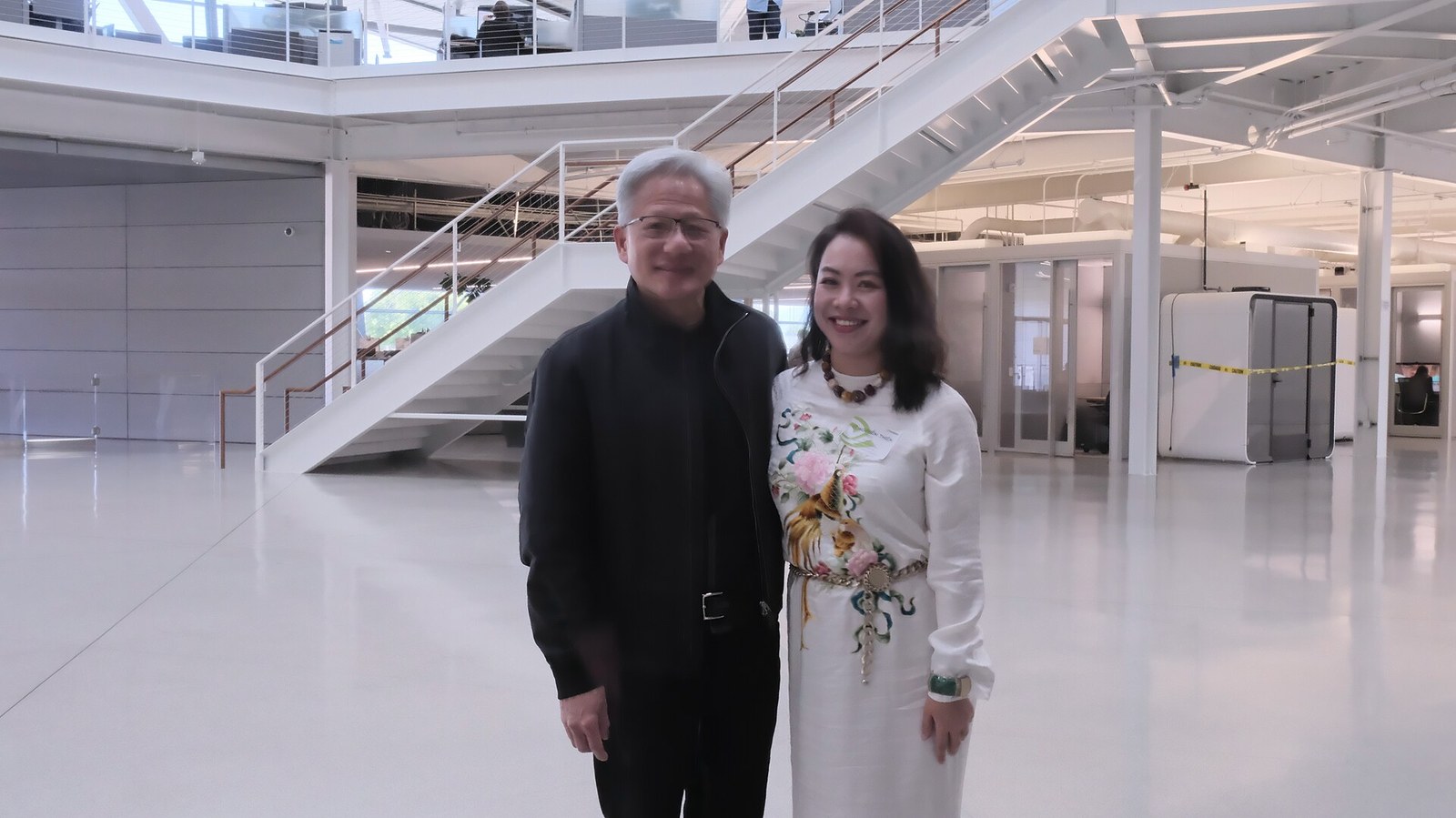
The Jensen Huang return as Nvidia’s chief executive has jolted markets back to life, ending a leadership crisis that helped drive one of the sharpest tech selloffs in years. Nvidia’s board voted unanimously on Monday to reinstate its founder, and investors responded immediately.
Reports differ on the size of the stock move. The Independent put the gain at 33%, while Cointelegraph, citing Yahoo Finance data, said shares were up 28.91% at $161.82 shortly after the open. Either way, the rally spread. The Nasdaq 100 rose more than 6% and the S&P 500 gained over 4%, according to the Independent. Asian and European indexes steadied, gold climbed 4.3% to $3,683 an ounce, and oil fell 2% to $90.7 a barrel.
How the Jensen Huang return unfolded
The turnaround came fast. Huang admitted to being “unfaithful” to his wife after a New York Times report on his relationship with a former executive at Megaspeed, a Singapore-based company and major buyer of Nvidia chips. The report said American officials had concluded the woman was a Chinese intelligence asset, an accusation China has repeatedly denied. Nvidia’s board launched an independent investigation into whether Huang had been the target of a foreign intelligence effort.
Four days later, on November 12, Huang resigned after a further report of an affair with a direct report. Nvidia shares fell as much as 14% intraday. Colette Kress, the chief financial officer, stepped in as interim CEO.
Last Friday brought a broader rout. The Nasdaq Composite fell 5.28% and the S&P 500 lost 3.69%, and the Independent described the Nasdaq’s weekly drop as its worst since March 2020. Bitcoin also slipped below $60,000 for the first time since July, with one analyst blaming weaker sentiment toward AI stocks.
Washington’s role in the reversal
The most striking element is how openly the government was involved. Nvidia said its board received “input from senior levels” of the US government before voting, and that it was confident Huang’s return “poses no national security risk.” President Donald Trump went further, telling CNBC he had spoken to the board “directly and indirectly” and that “the board decided to do what we wanted them to do.” He called Huang a “national treasure” and argued the real threat would be losing him to China.
Not everyone in the administration started from the same place. Treasury Secretary Scott Bessent first said the board should look outside the company, then joked that Huang was now “on the outside.” Business Insider reported that Nvidia employees, investors and tech figures including Elon Musk also pushed for the Jensen Huang return, and a public petition had passed 187,000 signatures by November 16. Cointelegraph reported the board had not initially been weighing a reinstatement.
What remains unresolved
The reinstatement does not close the file. Nvidia said the independent investigation will continue. It also said it has formed a National Security and Export Control Committee of independent directors and plans to appoint a chief compliance officer. Kress goes back to her CFO role, and Harvey Jones stays on as board chair.
Congress is the next test. Huang has agreed to appear before three House committees on December 1 and to testify publicly before the Senate Banking Committee, though no date has been set for that hearing. Sen. Elizabeth Warren called the decision “reckless,” said Nvidia still owes lawmakers answers on export-control compliance, and urged the administration to name the officials who gave input.
For investors, the Jensen Huang return removes an immediate source of uncertainty at the center of the AI trade. The rally also shows how much of the market’s mood now rests on one company and one executive, and on political backing that may bring scrutiny of its own.
- Nvidia shares surge and Wall Street roars back upon Jensen Huang’s return (The Independent)
- Nvidia's board got 'input from senior levels' of US government before bringing back Jensen Huang (businessinsider.com)
- Nvidia reinstates Jensen Huang as CEO amid ongoing intelligence probe (cointelegraph.com)
- Nvidia reinstates Jensen Huang as CEO after "input from senior levels of the US government" (GamesRadar)
Explore more on this topic with Vexel Search.
File photo: Director Lê Nguyễn Thiên Nga and NVIDIA Founder and CEO Jensen Huang.jpg by VQTCS, CC BY 4.0, via Wikimedia Commons.
WordUp Morning
Ten stories, both sides of each, in five minutes. Free, every weekday at 7am, plus a Saturday weekend edition.
We'll email you a link to confirm. Unsubscribe any time.
Tech & AI
Riemann Hypothesis Proof Claimed With Claude: 17 Million Lines of Code, a $1 Million Prize and No Verdict Yet
Header image: AI-generated illustration by WordUp News.
A claimed Riemann Hypothesis proof, produced by an Anthropic mathematician working with the company’s Claude AI, has landed in the middle of the biggest week in the company’s history. Whether it holds up is far from settled.
Levent Alpöge, a member of Anthropic’s technical staff, announced on Friday that he believes he and Claude have proved the 1859 conjecture about how prime numbers are distributed. His public explanation runs just four pages and sits on his personal website. Behind it, he says, is a far larger body of work: the argument is encoded in 17 million lines of Lean, a programming language used to write mathematical proofs in a form a computer can check, and more than 250,000 pages came out of his collaboration with the AI.
What Alpöge is claiming, and how he frames it
Alpöge’s tone is part of the story. He wrote that Claude “far outpaced” him near the finish line, adding that it “flew, and danced, and sparkled.” He also conceded that he is presenting a complete argument “before having mastered a massive neighbourhood around its mathematics.” In other words, he is not claiming to have fully absorbed the result himself.
By his account, the breakthrough came late on a Sunday night. He then messaged Anthropic CEO Dario Amodei about his “ability to announce,” since the company was days away from its stock market debut. Anthropic’s IPO, which raised a record $81 billion at a $1.5 trillion valuation, closed out its first week of trading just before Alpöge went public. Anthropic did not respond to The Associated Press when asked about the claim.
Why verifying the proof will take time
The Riemann Hypothesis is one of seven Millennium Prize Problems, and the Clay Mathematics Institute has offered $1 million for a solution since 2000. Hours after the announcement, the institute still listed it as unsolved. Its president, Martin Bridson, called the news “of historic significance” but cautioned that the “journey from today’s announcement to a place of real understanding will be long and difficult.”
Rutgers mathematician Alex Kontorovich explained why a proof written as code changes the checking process. A traditional paper requires a reader to follow every line and come away understanding why the result is true. Here, he said, the computer is “extraordinarily picky, way pickier” than a human, so a proof that satisfies it has a good chance of satisfying mathematicians too. He was candid about the limits of that. He does not yet understand the argument, and “I have to do the work.”
A second AI math claim in months
The announcement follows a similar one in September, when OpenAI said its technology was key to a breakthrough on Navier-Stokes, the equations governing fluid flow. Kontorovich linked the two, saying “Navier-Stokes fell and now the Riemann Hypothesis,” and described feeling an “out-of-body experience” at hearing himself say it.
For now, the Riemann Hypothesis proof is best read as a major claim, not an established result. The sources do not say who, outside Alpöge and Claude, has reviewed the work, or how long the Clay Institute’s assessment will take. A formal verification in Lean may speed scrutiny, but human mathematicians still have to understand what the code says. Amodei has long predicted that AI will drive advances in math and science while warning of its risks. This claim will test the first half of that vision in public.
Explore more on this topic with Vexel Search.
WordUp Morning
Ten stories, both sides of each, in five minutes. Free, every weekday at 7am, plus a Saturday weekend edition.
We'll email you a link to confirm. Unsubscribe any time.

Header image: AI-generated illustration by WordUp News.
The NO FAKES Act, a bill that would bar unauthorized AI replicas of a person’s voice or face, got a high-profile push on Saturday from one of Hollywood’s most powerful agents. Bryan Lourd, CEO and co-chairman of Creative Artists Agency, used a New York Times guest essay to urge lawmakers to finish the job before the year ends and send the bill to President Trump.
A Pitch Aimed Beyond Hollywood
Lourd’s central argument is that the bill is about far more than celebrities. “Every one of us should have the right to say no to an unwelcome use of our likeness,” he writes. He says the legislation would create a federal prohibition on nonconsensual digital replicas of anyone’s voice or likeness, “famous or not.”
To make that case, he points to examples at both ends of the fame spectrum. Tom Hanks warned followers in 2023 that a dental office was using an AI-generated, younger version of him in an ad. Lourd suggests Hanks probably would have declined, but says the point is that he should have been given the choice. A second example involves a content creator who found out on her honeymoon that a YouTube ad was using an AI version of her to sell supplements. “Is all this legal? Right now, it’s an open question. But it shouldn’t be,” Lourd writes.
Control, Consent and Compensation
Lourd frames the proposal as an extension of existing principles rather than a radical new one. Federal and state rules already say, in his words, that you need permission to use someone’s face, voice, performance or creative work, and that you need to pay for it. The bill, he argues, would apply that “control, consent and compensation” formula to AI. It would also set a single national standard to replace what he calls “outdated, ill-fitting state laws, many of them written with an analog world in mind.”
He is also careful to say that Hollywood is not anti-technology. Many artists are already striking licensing deals with companies that build AI versions of them, with their consent. His objection, he says, is to a world where anyone can use a face or voice without permission. He also writes as a dealmaker rather than a policymaker. CAA helps clients license their likenesses and performances, sometimes to AI companies, and he says those negotiations tell him the pending bill “delivers what the industry needs.”
Where the Bill Stands
The legislative picture is encouraging but unfinished. According to Variety, the NO FAKES Act was introduced by Sen. Chris Coons in May, after an earlier attempt the previous year. Deadline reports that the Senate Judiciary Committee approved it unanimously in June. Even so, Variety notes the full Senate has not yet taken it up. Lourd argues there is momentum to pass it through both chambers before year-end and calls it one of the few AI bills with real bipartisan backing.
The coalition behind it is unusually broad. It includes SAG-AFTRA, the Motion Picture Association, the Recording Industry Association of America, the Recording Academy and the National Association of Broadcasters. It also includes the AFL-CIO and tech companies such as OpenAI, YouTube, Google and IBM. Studios, unions and technology firms rarely line up on AI policy, which helps explain why Lourd calls it a bill with support from “all sides of the table.”
CAA’s Wider Push on AI and Likeness
The essay fits a longer campaign by the agency. CAA has worked with the Cate Blanchett-backed Human Consent Foundation on tools that let people control permissions if their likenesses are scraped by AI models. It also joined that foundation and other entertainment backers in an amicus brief in the New York Times’ lawsuit against OpenAI. The brief points to the active licensing market for likenesses that has developed in the AI era.
Deepfakes have been a steady presence online since large language models arrived in 2022, and many have been used to make unauthorized and sometimes explicit depictions of actors, singers and other public figures. Lourd’s message to Congress is that the window to act is short. “Whether it can continue to protect Americans may be decided in the coming weeks,” he writes. Whether lawmakers move the NO FAKES Act across the finish line before the year closes is now the open question.
Explore more on this topic with Vexel Search.
WordUp Morning
Ten stories, both sides of each, in five minutes. Free, every weekday at 7am, plus a Saturday weekend edition.
We'll email you a link to confirm. Unsubscribe any time.
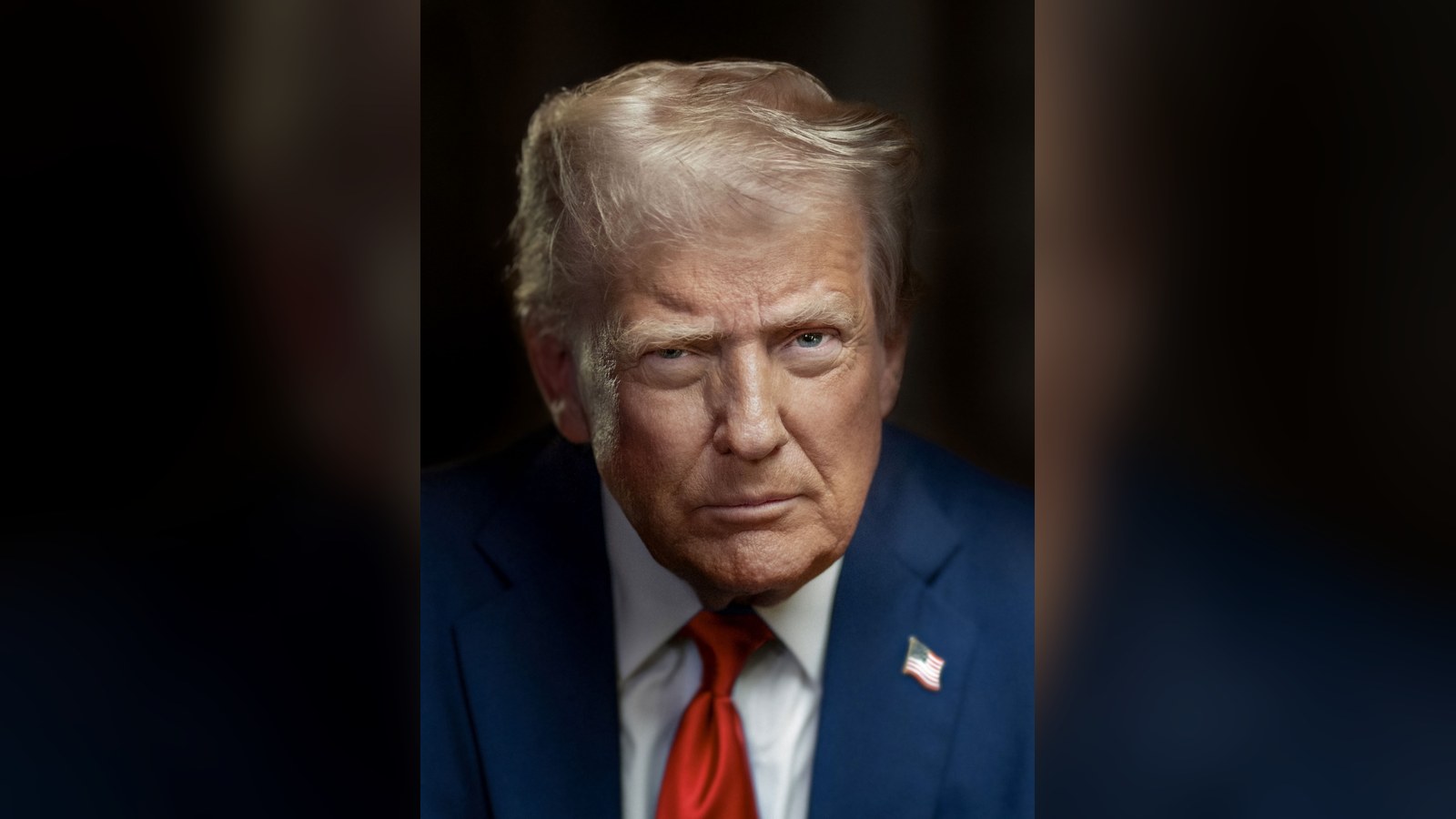
President Donald Trump has threatened to stop American companies from building AI data centres overseas, warning that tech firms who try will face “a tremendous tax.” The announcement came with almost no detail, and by his own account it was news to the officials who would have to carry it out.
Speaking to reporters after returning from a trip to Asia, Trump said the US would “keep it all in this country.” His reasoning was that China would otherwise “take all of them.” He then conceded he hadn’t raised the idea with his own team. “I haven’t even said that to my people. But I’m telling them now, they’re here,” he said. Whether the remark becomes policy is unclear, as is how it would be enforced.
Why AI data centres overseas are now a political target
The threat lands as data centres have become a live political issue at home. They are the vast, warehouse-style facilities that house the chips and servers behind tools such as ChatGPT and Claude. Pew Research Centre figures cited by the BBC put the US total at about 3,000 as of April, with another 1,500 in various stages of approval or construction. Many sit in rural areas, where residents have complained about noise and energy use.
That discontent featured in the 3 November midterm elections, when Democratic candidates promising tougher rules on construction won races. Trump took a different line, urging communities to welcome the projects while squeezing developers for benefits. “Make them pay your community, but take advantage, don’t shut them off,” he said, calling data centres “tremendous assets.”
Tech companies appear to be reading the mood. According to The Independent, Google and Meta are responding to local opposition with promises of greater transparency, environmental commitments and fewer tax breaks.
Finland and Canada in the frame
Some of the largest firms have already begun looking abroad. Meta has broken ground on a data centre in Alberta, and Anthropic has signed a long-term agreement to lease a proposed site in Nova Scotia. Canada has pitched itself as an alternative to the US, with less local resistance so far.
Trump singled out Google’s project in Finland, saying his administration was “not allowing that to happen.” Google announced a €13bn ($15bn) investment in Finnish AI infrastructure in September, including three data centres. Building work on two of them was halted last month over concerns about clearing more than 300 hectares of forest. Both Meta and Google were approached for comment on Trump’s remarks; no responses were reported.
A tightening grip on chips
The comments follow a separate move earlier in the week. Washington said companies would need a licence to buy advanced chips, so officials can check whether they are serving Chinese firms or being smuggled into China. The rules also cover who can access computing power remotely. That hits South East Asian countries that have invested heavily in data centres, where Chinese companies have sought to rent capacity.
Taken together, the two moves suggest a strategy of keeping both the hardware and the infrastructure of AI under tighter US control. Trump framed it as a race, saying he won’t let China beat America on AI, which he calls “super intelligence.”
For now, the idea of banning or taxing AI data centres overseas is a spoken threat rather than a published policy. Without a legal mechanism, a rate or a definition of what counts as building abroad, companies with projects in Finland, Canada and elsewhere are left guessing whether it will ever take shape.
Explore more on this topic with Vexel Search.
File photo: Official Presidential Portrait of President Donald J. Trump (2025) (3×4).jpg by Daniel Torok, Public domain, via Wikimedia Commons.
WordUp Morning
Ten stories, both sides of each, in five minutes. Free, every weekday at 7am, plus a Saturday weekend edition.
We'll email you a link to confirm. Unsubscribe any time.

Amazon Drone Crash in Michigan Draws FAA Probe as Prime Air Flies Nearly 6,000 Times a Day

League Two footballer charged with rape: Barnet’s Isiah Noel-Williams remanded until 22 December court date

The Witcher 4 Promises a GTA 6-Sized Leap After 11 Years, CD Projekt Says


-

 Sports5 days ago
Premier League Legal Costs: 18 of 20 Clubs Back Cover for Board if Man City Sponsors Sue
-
 Tech & AI7 days ago
Jensen Huang Return Unlikely: Nvidia’s Board Isn’t Considering It as Stock Sits 10% Down
-
 Business & Hustles4 days ago
Pensions dashboard to launch summer 2027, with 75 million records already connected
-
 Tech & AI1 day ago
Jensen Huang reinstated as Nvidia CEO: Trump says he ‘convinced’ the board, and the stock jumps 34%
-
 Tech & AI1 day ago
Trump Again Urges Nvidia to Rehire Jensen Huang as Board Says No and Shares Sit Roughly 50% Off Their High
-

 Business & Hustles7 days ago
TG Jones Sale Launched 18 Months After Takeover, With Up to 150 Shops Set to Close
-
 Sports6 days ago
Alonso Dakar Rally return: Aston Martin sends 3 cars into a 12-stage, 6,805km test
-

 Gaming6 days ago
New Zealand trick lets GTA 6 players start up to 18 hours early, but PS5 owners may have to buy it twice
-

 Tech & AI6 days ago
Ofqual Warns Exam Cheating With AI or Smart Glasses Could Cost Students Whole Qualifications
-

 Crime5 days ago
Florida pastor convicted on all 8 counts in Haitian president assassination case, faces up to life
-

 Gaming6 days ago
Expedition 33 Leads GTA 6 in Game Awards Nominations, but Its Narrative Lead Has Already Left Sandfall
-

 Crime6 days ago
Alleged Russia Spy Suspect Moved to US Military Custody: What Happens Next
-

 Sports6 days ago
Prendergast hip-drop tackle citing dismissed, clearing Ireland’s fly-half to face South Africa on Saturday
-

 Fashion6 days ago
Jerry Lorenzo’s TEN Brings Fear of God a First In-House Sneaker and an L.A. Flagship
-
 Tech & AI4 days ago
OpenAI Tests Always-On Dots Agents on Some $20-a-Month ChatGPT Plus Users
-
 Crypto7 days ago
Binance Court Order in Abu Dhabi Targets Frozen Funds From $6.3 Billion Hack
-
 Crypto6 days ago
ARK Invest Sells $85 Million in Nvidia, Buys Nearly $40 Million in Crypto Stocks
-

 Gaming6 days ago
Ocarina of Time Remake Sells 1 Million Physical Copies in a Week, and 3 Tips for Starting Your Adventure
-

 Business & Hustles6 days ago
Six firms now in the CMA’s drip pricing sights as a gym chain and two holiday brands join the probe
-

 Entertainment6 days ago
Warner Bros. Television Studios Will Merge Two Studios and 100+ Productions Under Two Presidents in Early 2027
You must be logged in to post a comment Login