
Business
OpenAI CEO Sam Altman calls Elon Musk’s space data centers ‘ridiculous’

FOX Business correspondent Madison Alworth reports on Lonestar planning A.I. data centers in space, with satellites launching this fall and goals for lunar centers by 2030 on Varney & Co.
OpenAI CEO Sam Altman dismissed the idea of data centers in space being a viable option in the next few years as SpaceX CEO Elon Musk pursues their deployment.
“I honestly think the idea with the current landscape of putting data centers in space is ridiculous,” Altman said in an interview with Indian Express. “It will make sense someday.”
Altman said that space-based artificial intelligence (AI) data center projects would have to deal with high launch costs as well as operational and maintenance challenges, like how to fix a broken or damaged component while the data center is in orbit.
“We are not there yet. There will come a time. Orbital data centers are not something that’s going to matter at scale this decade,” Altman said in the interview.
DATA CENTERS IN OUTER SPACE EMERGE AS SOLUTION TO AI’S MASSIVE ENERGY REQUIREMENTS
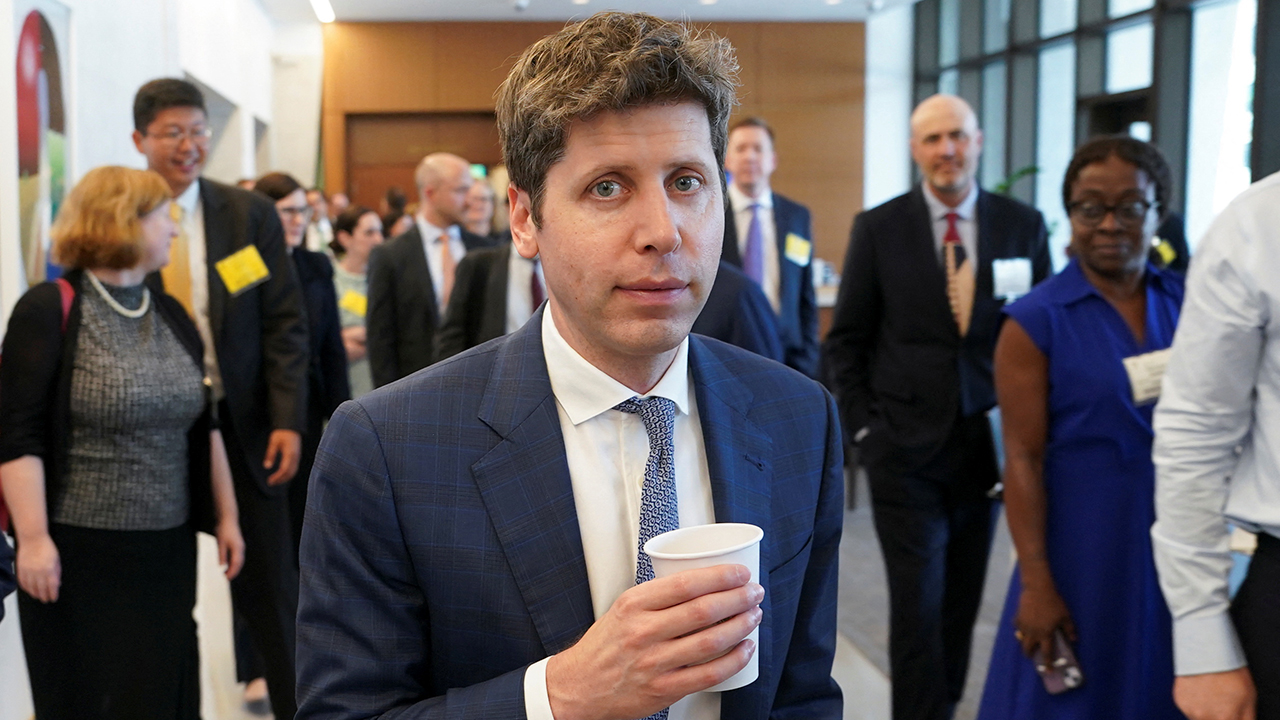
OpenAI CEO Sam Altman said that while space-based data centers may be viable in the future, they aren’t likely to be deployed at scale this decade. (Ken Cedeno/Reuters / Reuters)
SpaceX’s Musk said earlier this month at an event announcing SpaceX’s acquisition of xAI that the energy demands of AI will require moving data centers to space because of the strain it puts on the environment.
“In the long term, space-based AI is obviously the only way to scale,” Musk said. “My estimate is that within 2 to 3 years, the lowest cost way to generate AI compute will be in space.”
SpaceX’s merger with xAI, the AI company Musk founded that went on to acquire the X social media platform, aims to create a more than $1 trillion company ahead of a planned initial public offering that will enable them raise capital and speed up plans to deploy data centers in space.
SPACEX ACQUIRES XAI IN RECORD-SETTING DEAL VALUED AT OVER $1T

SpaceX CEO Elon Musk sees space-based data centers as a solution to environmental challenges they pose on Earth. (Marc Piasecki/Getty Images / Getty Images)
SpaceX recently filed a document with the Federal Communications Commission requesting to launch up to 1 million satellites that would function as data centers in Earth’s orbit.
Musk said in a memo outlining his plans that SpaceX aims to put a million tons of satellites into orbit per year with 100 kilowatts of compute power per ton, adding 100 gigawatts of AI computing capacity per year.
DATA CENTER BOOM POWERING AI REVOLUTION MAY DRAIN US GRIDS – AND WALLETS
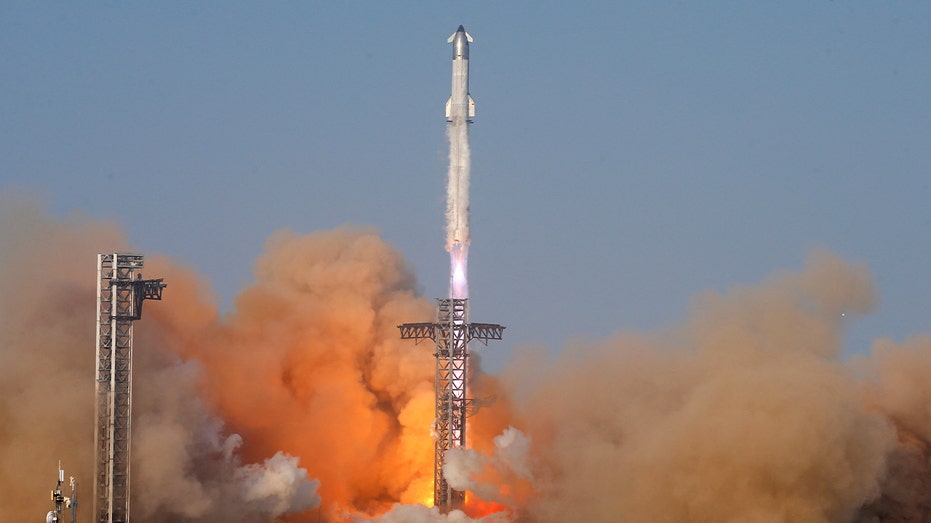
SpaceX is planning a constellation of satellites that can serve as space-based data centers. (Joe Skipper/Reuters)
Other tech companies pursuing space-based data centers include Google, as CEO Sundar Pichai told “Fox News Sunday” that the company could put solar-powered data centers in space as soon as next year as part of what’s known as Project Suncatcher.
Amazon Web Services CEO Matt Garman said at the Cisco AI Summit earlier this month, “there are not enough rockets to launch a million satellites yet, so we’re, like, pretty far from that.”
GET FOX BUSINESS ON THE GO BY CLICKING HERE
“If you think about the cost of getting a payload in space today, it’s massive,” Garman added. “It is just not economical.”


Form S-1/A Bitcoin Depot Inc For: 10 April

Core & Main amends credit agreement, extends maturity to 2031

Sir Keir Starmer’s pledge to forge Britain into an artificial intelligence “superpower” has suffered its most embarrassing setback to date, after OpenAI quietly shelved its flagship Stargate UK data centre project, pointing the finger squarely at ruinous industrial energy prices and a muddled copyright regime.
The ChatGPT developer confirmed on Thursday that it was pausing the scheme, which had been unveiled with considerable fanfare last September during President Trump’s state visit. Stargate UK was meant to be the crown jewel in a £31 billion package of American technology commitments that also included £22 billion from Microsoft and £5 billion from Google. OpenAI, tellingly, never put a figure on its own pledge.
Built in partnership with chip giant Nvidia and London-based Nscale, the project was sold to ministers as a “major step” towards building sovereign British compute capacity, initially deploying some 8,000 graphics processing units in the first quarter of this year and scaling to roughly 31,000 chips thereafter. Sam Altman (pictured), OpenAI’s chief executive, had talked up its potential to turbocharge scientific research, lift productivity and juice economic growth, the very metrics the Labour government has staked its credibility on.
For the hundreds of thousands of small and mid-sized British firms eyeing AI as a route to efficiency and competitiveness, the climbdown is more than symbolic. Without domestic compute power at scale, SMEs risk being pushed further down the queue behind American and European rivals who can plug into cheaper, closer infrastructure.
Sam Richards, chief executive of the pro-infrastructure campaign group Britain Remade, did not mince his words. He described the pause as “a stark warning” that Britain was becoming prohibitively expensive to build in, arguing that no country saddled with some of the developed world’s steepest industrial electricity tariffs could credibly call itself an AI superpower. Investors, he warned, would simply take their chequebooks elsewhere.
An OpenAI spokesman insisted the company remained committed in principle, saying it would press ahead with Stargate UK once “the right conditions” on regulation and energy costs allowed for genuine long-term infrastructure investment. London, the spokesman noted, remained the firm’s largest international research hub, and OpenAI was continuing to expand its local headcount and roll out frontier AI tools within public services.
Behind the diplomatic language, however, lies a more pointed grievance. OpenAI made clear that the government’s U-turn on copyright reform was a significant factor in its decision. The company had been lobbying aggressively for a regime that would have permitted AI developers to hoover up copyrighted material to train their models unless rights holders explicitly opted out. After a fierce backlash from authors, musicians, publishers and much of the wider creative industries, ministers scrapped the proposal and now insist they have “no preferred option” on the way forward.
While the original Stargate announcement pitched the British chip cluster at “specialist use cases” in the public sector, regulated industries such as financial services, academic research and national security, OpenAI pointedly avoided any reference to training models on UK soil. The firm has now conceded it wanted the “freedom and the options” to deploy that local capacity as it saw fit — a euphemism, critics will say, for the very training activity at the heart of the copyright row.
The economics of the decision are, however, harder to spin away. Hyperscale data centres are voracious consumers of electricity, and the United Kingdom continues to lumber large industrial users with some of the highest power prices in the OECD. For a sector in which marginal costs dictate where the next gigawatt of capacity lands, Britain’s energy bill is an increasingly difficult sell in Silicon Valley boardrooms.
A Whitehall spokesman said the government was continuing to work with OpenAI and other leading AI firms “to strengthen UK compute capacity”, though officials privately acknowledge the optics are bruising.
The retreat also dovetails with a broader tightening of focus inside OpenAI itself. Valued at an eye-watering $852 billion at its most recent fundraising, the company is widely expected to press the button on a blockbuster stock-market flotation later this year, and has been busily jettisoning what insiders have dubbed “side quests”. In recent weeks it has pulled the plug on its Sora video-generation app, binned plans for an adult-oriented chatbot and quietly wound down an experiment in e-commerce.
Nscale declined to comment. Nvidia had not responded to a request for comment at the time of writing.
For British business, the message is uncomfortably clear: without urgent action on energy costs and regulatory clarity, the much-vaunted AI gold rush may end up passing these shores by.

Jamie Young
Jamie is Senior Reporter at Business Matters, bringing over a decade of experience in UK SME business reporting.
Jamie holds a degree in Business Administration and regularly participates in industry conferences and workshops.
When not reporting on the latest business developments, Jamie is passionate about mentoring up-and-coming journalists and entrepreneurs to inspire the next generation of business leaders.
Form DEF 14A BUNGE GLOBAL SA For: 10 April
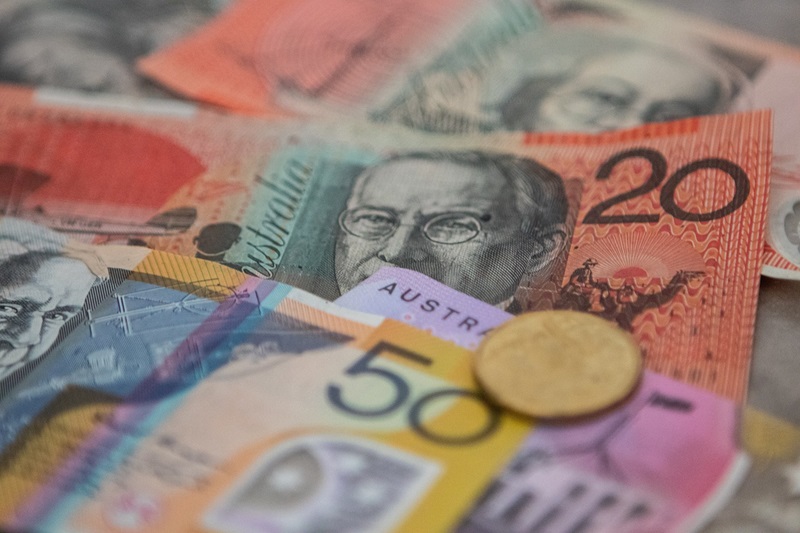
SYDNEY — The Australian dollar has posted solid gains in 2026, climbing more than 10% against the U.S. dollar over the past 12 months and reaching its highest levels in three years near 0.72 USD, driven by aggressive Reserve Bank of Australia rate hikes, resilient commodity prices and a softer greenback amid global geopolitical shifts.

Pixabay
As of April 10, 2026, the AUD/USD pair traded around 0.7065–0.7080, down slightly on the day but holding near recent three-week highs. The currency delivered its strongest weekly performance in months earlier in the year and remains on track for meaningful appreciation in 2026 despite short-term volatility tied to Middle East tensions and U.S. policy signals.
Economists and major banks largely view the Aussie’s upward trajectory as sustainable in the near to medium term. The RBA has already raised rates twice in 2026, lifting the cash rate to 4.10% by March, with markets pricing in a 60% chance of another 25-basis-point hike in May. This has widened the yield advantage over the U.S. Federal Reserve, attracting capital inflows and supporting the currency.
Strong commodity prices have provided additional tailwinds. Australia, a major exporter of iron ore, coal, liquefied natural gas and gold, benefits when global demand and prices rise. China’s gradual economic stabilization and recovering industrial activity have bolstered demand for Australian resources, reinforcing the AUD’s traditional role as a commodity-linked currency.
Analysts at Westpac, NAB, CBA and AMP project the AUD trading in a 0.69–0.73 range for much of 2026, with some upside scenarios reaching 0.75 if risk sentiment improves and the U.S. dollar weakens further. The currency averaged around 0.64 USD throughout 2025 before its strong rebound, marking one of its best starts to a year in recent memory.
Geopolitical developments have played a dual role. The fragile U.S.-Iran ceasefire and ongoing disruptions in the Strait of Hormuz initially weighed on risk assets, but reduced immediate escalation fears have supported commodity currencies like the AUD. A weaker U.S. dollar — down significantly since early 2026 amid shifting global capital flows — has amplified the Aussie’s gains.
The RBA’s hawkish stance stands in contrast to expectations of eventual Fed easing, creating favorable interest rate differentials. Higher Australian yields draw yield-seeking investors, while domestic inflation concerns — still above target — justify continued tightening. Headline inflation is forecast to peak around mid-2026 before easing gradually.
However, risks to the upside remain. A sharper global slowdown, renewed escalation in the Middle East or unexpected U.S. dollar strength could pressure the AUD lower. The currency’s correlation with risk appetite means it can suffer during periods of market stress, as seen in occasional pullbacks earlier in the year.
Major bank forecasts reflect cautious optimism. Commonwealth Bank sees potential for 0.73, while others target 0.70–0.71 by year-end. Longer-term models project stabilization around 0.71 in 12 months, assuming no major external shocks. The trade-weighted index has also strengthened, reflecting broad gains against a basket of currencies.
For Australian businesses and households, a stronger dollar has mixed effects. Exporters face headwinds as their goods become more expensive overseas, while importers and travelers benefit from greater purchasing power. The mining sector, a key economic driver, enjoys higher revenues in local currency terms when commodity prices hold firm.
Market participants are closely watching upcoming data releases, including employment figures, inflation prints and RBA communications. The central bank’s next meeting in May looms large, with any hawkish signals likely to provide fresh support for the currency.
Technical analysts note the AUD/USD pair has broken above key resistance levels and established an uptrend, though it faces hurdles near 0.71–0.72. A decisive move above recent highs could open the door to further gains toward 0.75, while failure to hold current supports might trigger a correction toward 0.68–0.69.
Broader global factors, including U.S. trade policies under the current administration and China’s economic trajectory, will continue influencing the AUD. Any positive developments on the trade front or sustained Chinese recovery would likely bolster the currency further.
In summary, the Australian dollar is indeed strengthening in 2026, building on a powerful rebound from 2025 lows. Supported by higher domestic interest rates, robust commodity fundamentals and external tailwinds, the AUD appears poised for continued resilience — though volatility remains inherent in currency markets. Investors, businesses and consumers alike will monitor central bank decisions and global risk sentiment closely as the year unfolds.

Oatly Group AB schedules annual general meeting for May 20

SEOUL, South Korea — BTS launched its long-awaited “ARIRANG” world tour April 9 in Goyang with explosive energy, remixing hits like “FYA” and “Burning Up (Fire)” before a roaring hometown crowd, signaling the septet’s determination to reclaim the global K-pop crown after completing mandatory military service. Just months after their March 20 album release, the group is mounting what promoters call the largest K-pop tour in history, with more than 80 dates planned across Asia, North America, Europe and beyond through 2027.

The timing sets up one of the most anticipated showdowns in K-pop history: BTS, the genre’s undisputed global ambassadors, versus Stray Kids, the self-producing 4th-generation powerhouse that dominated album sales, tours and Billboard charts during BTS’ hiatus. As both groups operate at full throttle in 2026, industry watchers are asking whether Stray Kids’ raw momentum can withstand BTS’ unmatched legacy and fan army.
BTS’ comeback album “Arirang,” released March 20, blended nostalgic hip-hop roots with fresh pop sensibilities, quickly topping charts and sparking celebrations worldwide. Lead single “SWIM” surged to No. 1 on the Billboard Hot 100 and U.K. charts, proving the group’s cultural clout remains intact despite nearly four years of limited group activity while members fulfilled South Korea’s compulsory military duty. All seven — RM, Jin, Suga, J-Hope, Jimin, V and Jungkook — reunited fully by mid-2025, with solo successes during the break only amplifying anticipation.
The “ARIRANG” tour opener featured high-octane performances and emotional moments, with Jungkook, V and Jimin taking prominent roles in the setlist. Tickets for the multi-city run sold out rapidly, underscoring ARMY’s enduring loyalty. Promoters project the tour could eclipse previous K-pop records in both attendance and revenue, capitalizing on pent-up demand from the hiatus era.
Meanwhile, Stray Kids has spent 2025 and early 2026 in overdrive. The JYP Entertainment act shattered records with its “dominATE” world tour, grossing nearly $186 million from 1.3 million tickets sold across reported shows in 2025 alone — setting regional benchmarks in Latin America, North America and Europe. The group became the first K-pop act to debut eight consecutive albums at No. 1 on the Billboard 200 and claimed the No. 2 spot on IFPI’s 2025 Global Artist Chart, behind only Taylor Swift in some metrics.

Stray Kids’ 2025 album “Karma” dominated U.S. album and CD sales among K-pop releases, with the group sweeping multiple top spots on domestic charts. Their self-produced sound — blending aggressive rap, intricate choreography and genre-bending experimentation — resonated deeply with a younger, highly engaged global fanbase known as STAY. In February 2026 brand reputation rankings, Stray Kids held strong at No. 2 behind BTS, reflecting sustained visibility even as the senior group prepared its return.
Metrics Tell a Tale of Two Eras
Legacy versus momentum defines the 2026 narrative. BTS boasts over 140 million career-equivalent units and more than 500 global awards, including a record number of daesangs (grand prizes) in Korea. The group’s Spotify metrics remain superior, with significantly higher monthly listeners and longer chart dominance. Their influence helped transform K-pop from a niche phenomenon into a worldwide industry force, opening doors for acts like Stray Kids.
Stray Kids counters with superior recent sales velocity. The eight-time Billboard 200 toppers outsold many veterans in physical albums during BTS’ absence, with “Karma” ranking high on IFPI global album charts. Their tour earnings and attendance figures for 2025 marked the highest for any K-pop boy group that year, proving stadium-filling power without the same decades-long buildup. Stray Kids also pioneered self-production, with members Bang Chan, Changbin and Han deeply involved in songwriting and composition — a creative edge that appeals to fans seeking authenticity.
In South Korea, however, BTS retains a massive edge in brand reputation and domestic cultural impact. February and March 2026 rankings placed BTS far ahead, with indices nearly triple those of Stray Kids at times. The group’s national pride symbolism, amplified by military service, gives them an unassailable position at home that younger acts struggle to match.
Globally, the picture is more competitive. Stray Kids excelled in Western markets during the hiatus, breaking attendance records in the Americas and Europe. Yet BTS’ return has already shifted streaming and media conversations. Analysts note that while Stray Kids leads in current active metrics like consistent album cycles and tour scale, BTS’ catalog streaming and overall brand equity provide a deeper reservoir of influence.
Fanbase Dynamics and Industry Shifts
ARMY and STAY represent two distinct but overlapping fandoms. ARMY’s size and organizational power remain legendary, driving record-breaking sales and social campaigns. STAY prides itself on a more hands-on connection, fueled by Stray Kids’ frequent content and member-driven creativity.
The 2026 overlap has sparked lively online debates and some tension. When Stray Kids announced new album and tour plans for 2026, a vocal segment of fans accused the timing of overlapping with BTS’ comeback, though others defended the group’s right to maintain momentum. Stray Kids proceeded with its sixth fanmeeting series “STAY in Our Little House” in April, alongside fashion commitments and preparations for further releases, including potential Japanese projects.
K-pop as a whole has evolved since BTS’ last full-group era. The industry now features deeper competition from 4th- and 5th-generation acts, with diversified revenue streams including solo ventures, acting and global brand endorsements. BTS members themselves thrived individually — Jungkook and Jimin scoring major solo hits — which some observers say strengthened rather than diluted the group’s brand.
Stray Kids’ self-sufficiency positions it well for long-term sustainability. Unlike many idol groups reliant on external producers, the eight members (Bang Chan, Lee Know, Changbin, Hyunjin, Han, Felix, Seungmin and I.N.) control much of their artistic direction, potentially insulating them from industry volatility.
What 2026 Will Reveal
The coming months offer a natural laboratory. BTS’ massive tour will test whether post-hiatus demand matches or exceeds past peaks, while Stray Kids’ continued activity — including rumored new material and festival appearances — will measure its ability to hold or grow market share against the returning giants.
Industry executives suggest coexistence is more likely than outright replacement. BTS’ global platform elevates the entire genre, creating spillover benefits for acts like Stray Kids. At the same time, Stray Kids’ youth and output frequency allow it to capture younger demographics and maintain weekly visibility that a touring-heavy BTS schedule might not match between dates.
Pollstar and Billboard projections already rank both groups among the top global touring acts for 2026. Combined, their activities could push K-pop concert revenues to new heights, benefiting venues, promoters and the broader ecosystem.
Cultural observers note BTS’ role in Korean soft power remains peerless, while Stray Kids exemplifies the genre’s creative maturation. Neither is likely to “dominate” in every metric; instead, 2026 may mark a new chapter of parallel supremacy — BTS as the timeless icon, Stray Kids as the tireless innovator.
For fans, the real winner is abundance. With both groups delivering high-caliber music, visuals and performances, K-pop enthusiasts face a embarrassment of riches. Whether streaming “Arirang” tracks or cheering dominATE-era anthems, global audiences can expect an unforgettable year of boy group excellence.
As BTS takes the stage in city after city and Stray Kids pushes creative boundaries from the studio to the fanmeet hall, the competition elevates everyone. In 2026, the K-pop throne isn’t a zero-sum game — it’s big enough for legends to return and rising stars to shine.
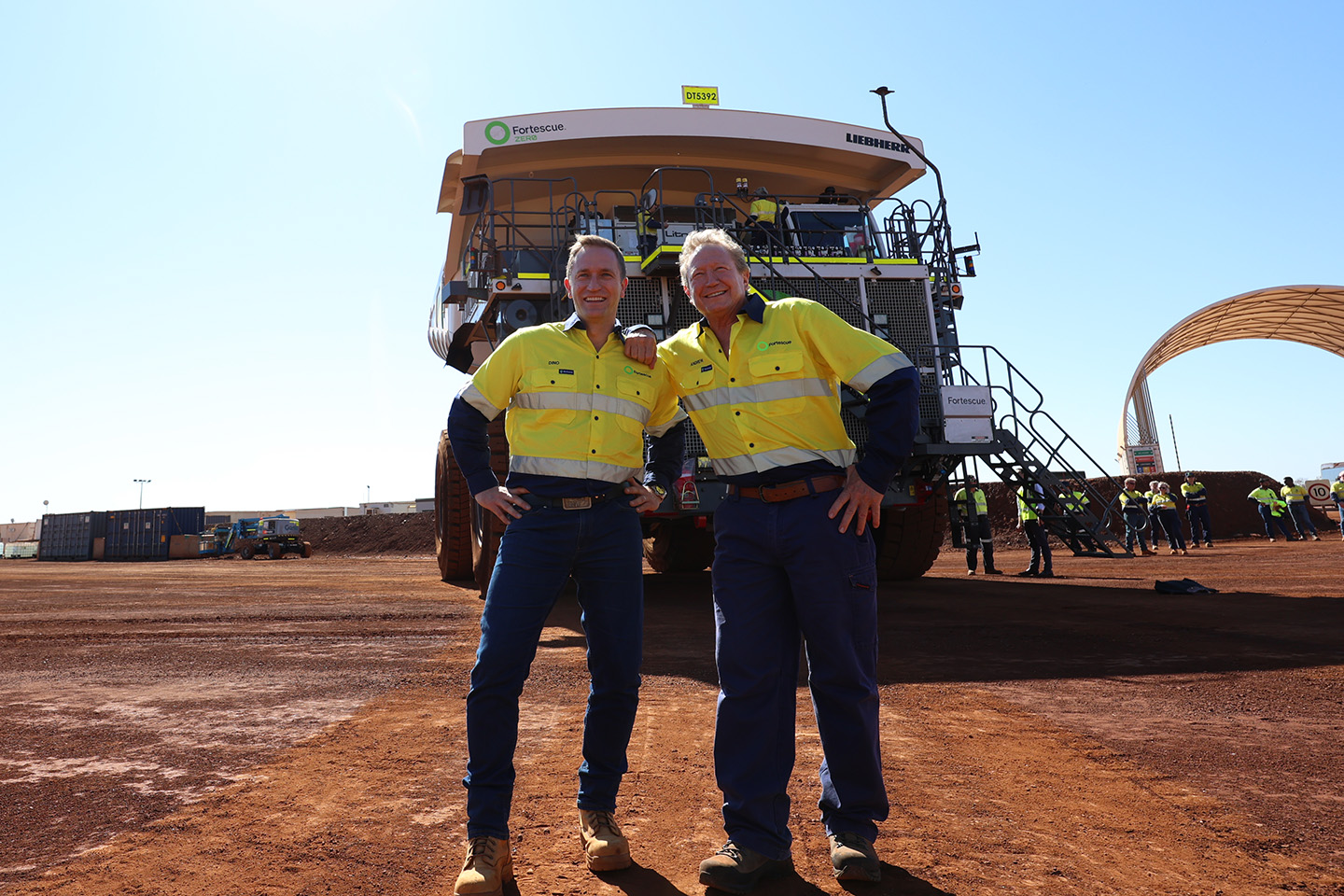
Fortescue expects to be running its Pilbara mining network on green energy by 2028, netting the miner a predicted cost saving of up to $US800 million.
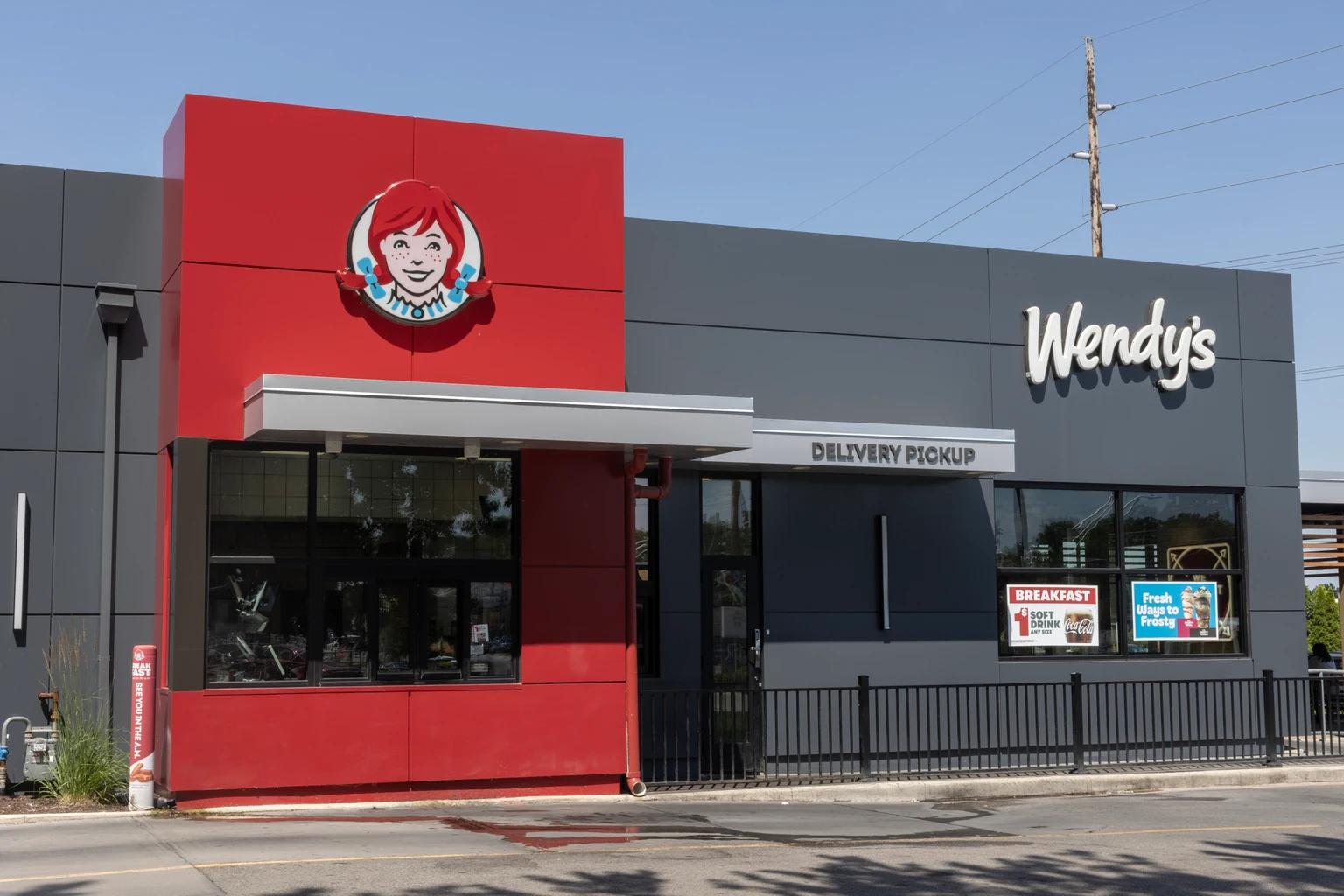
Wendy's: Why The Turnaround Story Still Doesn't Add Up

Barrick Mining: IPO Spinoff Dream Hits Royalty Shocker And Margin Squeeze
Form S-1/A Bitcoin Depot Inc For: 10 April

A Developer Just Built Quantum-Safe Bitcoin Without Changing a Single Line of the Protocol: Is This the Fix BTC?

Hormuz closure unsettles American dominance


-

 Fashion7 days ago
Weekend Open Thread: Spanx – Corporette.com
-

 Business5 days ago
Three Gulf funds agree to back Paramount’s $81 billion takeover of Warner, WSJ reports
-

 Sports6 days ago
India men’s 4x400m and mixed 4x100m relay teams register big progress | Other Sports News
-

 Business6 days ago
Expert Picks for Every Need
-

 Tech3 days ago
How Long Can You Drive With Expired Registration? What Florida Law Says
-

 Business5 days ago
No Jackpot Winner, Prize to Climb to $231 Million
-

 Fashion4 days ago
Massimo Dutti Offers Inspiration for Your Summer Mood Board
-

 Fashion3 days ago
Let’s Discuss: DEI in 2026
-

 Crypto World2 days ago
Bitcoin recovers as US and Iran Agree a Ceasefire Deal
-

 Business6 days ago
Akebia Therapeutics, Inc. (AKBA) Discusses Pipeline Progress and Strategic Focus on Kidney Disease Treatments at R&D Day – Slideshow
-

 Crypto World24 hours ago
Canary Capital Files SEC Registration for PEPE ETF
-

 Politics6 days ago
The UK should not pay a penny in slavery reparations
-

 Fashion7 days ago
Frugal Friday’s Workwear Report: Hammered Metallic Button Sweater Vest
-

 Tech4 days ago
Samsung just gave up on its own Messages app
-

 Tech4 days ago
Haier is betting big that your next TV purchase will be one of these
-

 Fashion7 days ago
Weekly News Update, 4.3.26 – Corporette.com
-
Sports7 days ago
A Kevin O’Connell Theory Can Now Be Retired
-

 NewsBeat7 days ago
Kemi Badenoch talks ‘spring cleaning’ Reform defections
-

 Tech4 days ago
Gamer Restores the Original PlayStation Portal From Two Decades Ago
-

 Tech7 days ago
Flat tire? Dead battery? Speedy’s serves stranded Seattle riders as a quicker e-bike picker-upper
You must be logged in to post a comment Login