Connect with us

Business

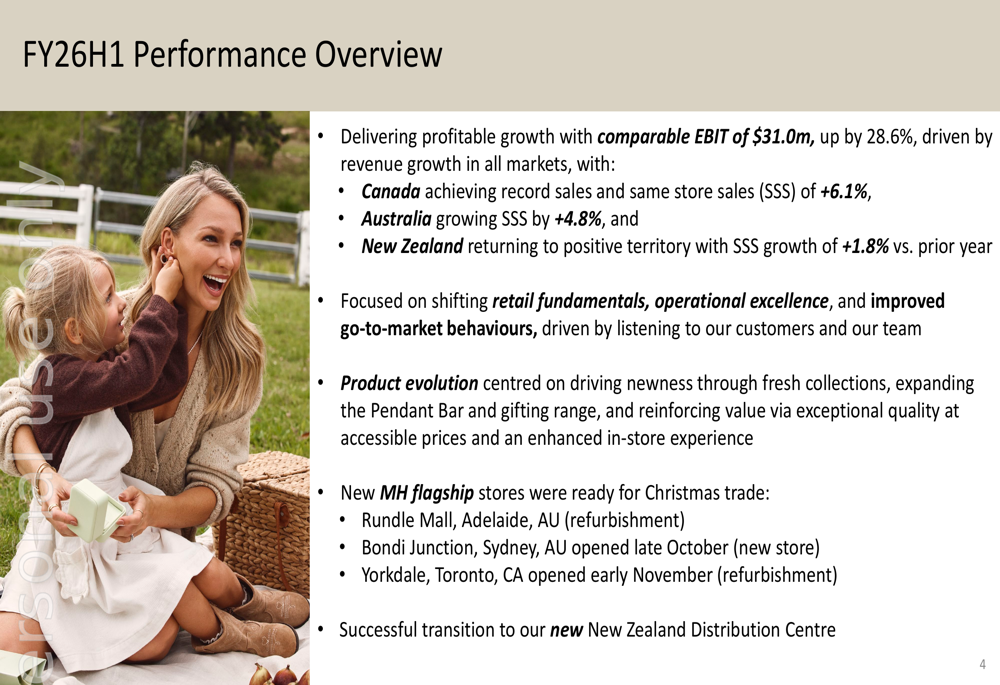
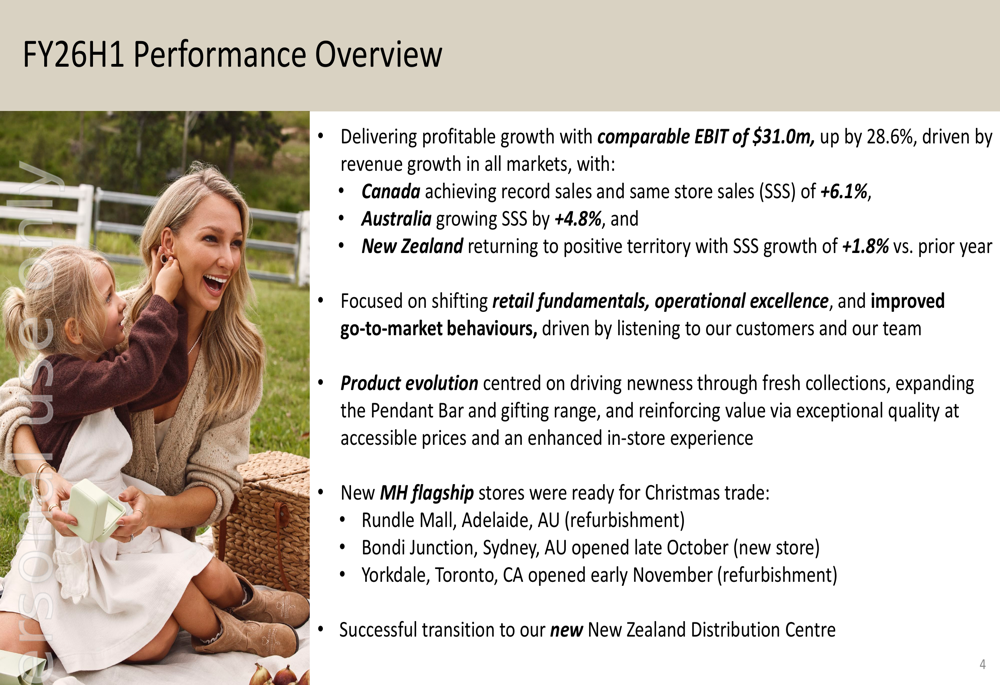
Michael Hill FY26H1 presentation: EBIT surges 28.6% on efficiency gains

Published

on

Michael Hill FY26H1 presentation: EBIT surges 28.6% on efficiency gains
Continue Reading
Click to comment

Leave a Reply

Your email address will not be published. Required fields are marked *

Business

OPEC+ boosts oil production after attacks on Iran and throughout region

Published

on

OPEC+ boosts oil production after attacks on Iran and throughout region
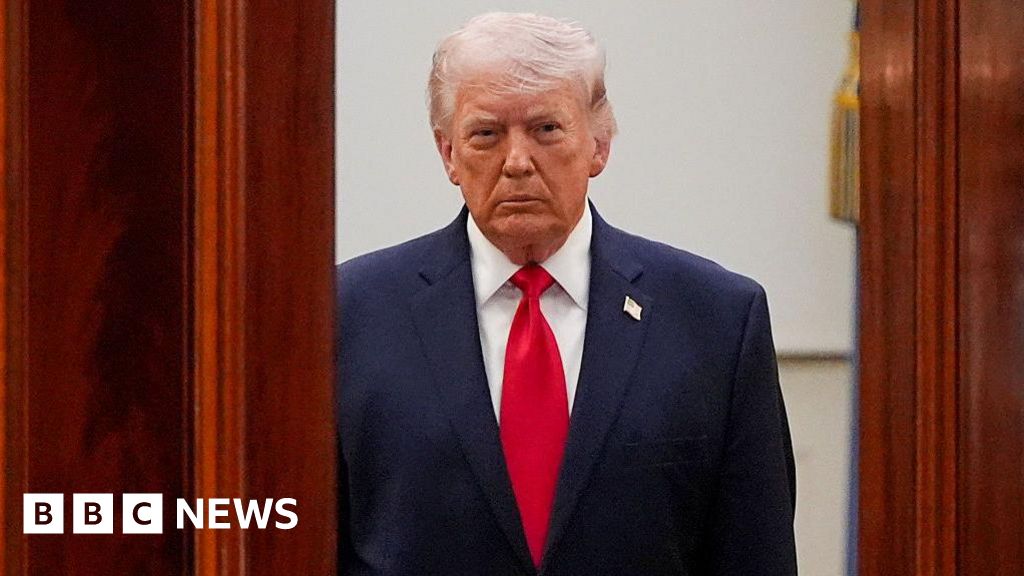
Eight countries that are part of the OPEC+ oil cartel announced Sunday they will boost production of crude as U.S. and Israeli forces launched a major attack on Iran and the country responded with retaliatory strikes against Israel and U.S. military installations around the Gulf, disrupting oil shipments from the region.

The Organization of Petroleum Exporting Countries, in a Sunday meeting planned before the war began, said it would increase production by 206,000 barrels per day in April, which was more than analysts had been expecting. The countries boosting output include Saudi Arabia, Russia, Iraq, the United Arab Emirates, Kuwait, Kazakhstan, Algeria and Oman.

Attacks throughout the region, including on two vessels traveling through the Strait of Hormuz, the narrow mouth of the Persian Gulf, could restrict countries’ ability to export oil to the rest of the world. That would will likely result in higher prices for crude oil and gasoline, according to energy experts.

Roughly 15 million barrels of crude oil per day – about 20% of the world’s oil – are shipped through the Strait of Hormuz, making it the world’s most critical oil chokepoint, according to Rystad Energy. Tankers traveling through the strait, which is bordered in the north by Iran, carry oil and gas from Saudi Arabia, Kuwait, Iraq, Qatar, Bahrain, the UAE and Iran.

Advertisement

Iran had temporarily shut down parts of the strait in mid-February for what it said was a military drill. Further disruptions to that shipping channel could lead to lower supply and higher prices for oil.


“Roughly one-fifth of global oil supply passes through the Strait of Hormuz, a vital artery for world trade, meaning markets are more concerned with whether barrels can move than with spare capacity on paper,” said Jorge Leon, Rystad’s senior vice president and head of geopolitical analysis, in an email. “If flows through the Gulf are constrained, additional production will provide limited immediate relief, making access to export routes far more important than headline output targets.”
Iran exports roughly 1.6 million barrels of oil a day, mostly to China, which may need to look elsewhere for supply if Iran’s exports are disrupted, another factor that could increase energy prices. Energy experts believe oil prices could shoot higher when barrels begin trading late Sunday. Analysts at Rystad anticipate the price of a barrel of Brent crude, the international standard, could increase by $20 when trading opens.

A barrel of Brent crude closed at a seven-month high of $72.87 on Friday.

Continue Reading

Business

OpenAI clinches $840 billion valuation with mega funding from Amazon, Nvidia, SoftBank

Published

on

OpenAI clinches $840 billion valuation with mega funding from Amazon, Nvidia, SoftBank


OpenAI clinches $840 billion valuation with mega funding from Amazon, Nvidia, SoftBank

Continue Reading

Business

Nvidia plans new chip to speed AI processing, WSJ reports

Published

on

Nvidia plans new chip to speed AI processing, WSJ reports


Nvidia plans new chip to speed AI processing, WSJ reports

Continue Reading

Business

Thailand Braces for Economic Ripples as Middle East Conflict Escalates

Published

on

Thailand Braces for Economic Ripples as Middle East Conflict Escalates

Bangkok, March 2, 2026 – As tensions in the Middle East reach a boiling point with US-Israeli strikes on Iran and retaliatory missile attacks across the Gulf, Thailand finds itself on the frontline of indirect economic fallout. Despite being thousands of kilometers away, the Kingdom’s heavy reliance on imported oil, global trade, and tourism exposes it to surging energy prices, market volatility, and supply chain disruptions. With the Strait of Hormuz—a critical chokepoint for 20% of global oil—at risk, experts warn of potential shortages and inflationary pressures that could derail Thailand’s fragile post-pandemic recovery.

Energy Security: The 60-Day Buffer

The Ministry of Energy has declared a state of “total security,” implementing a ban on all petroleum exports to prioritize domestic stockpiles.

  • The Reserve Status: As of today, Thailand holds 7,660 million liters of crude and refined oil—sufficient for 60 days of domestic consumption. This includes 22 days of stock currently in transit, much of which has already cleared the critical Strait of Hormuz.
  • The Price “Risk Point”: While the National Fuel Fund is currently being used to stabilize pump prices, officials have flagged Wednesday, March 4, as a critical tipping point. If global diesel prices break the $100 per barrel mark, retail price hikes in Thailand may become unavoidable.
  • Power Contingency: In a strategic shift, coal-fired and hydroelectric plants have been ordered to maximum capacity to reduce the Kingdom’s reliance on imported Liquefied Natural Gas (LNG), which fuels 60% of Thailand’s electricity.

Trade & Exports: Navigating the “War Surcharge”

The Ministry of Commerce has mobilized 58 Thai Trade Centers worldwide to conduct daily risk assessments. While the Middle East is a high-growth market for Thai goods, the immediate threat is logistical.

  • Shipping & Insurance: Freight rates and maritime insurance premiums are expected to spike. The government is coordinating with state financial institutions to provide liquidity support for exporters facing these rising costs.
  • Export Exposure: Canned fruits, rubber products, and automotive parts are the most vulnerable sectors. In response, Thailand is accelerating a pivot toward “safe-haven” markets in South Asia, Africa, and Latin America.

Tourism: Sentiment vs. Safety

While Thailand remains a geographically distant “safe haven,” the aviation sector is feeling the pressure of a shifting “War Economy.”

  • Rerouted Airways: Thai Airways and other carriers are bypassing Middle Eastern conflict zones, leading to longer flight times and higher fuel surcharges on European routes.
  • Market Shift: High-spending tourists from the GCC (Gulf Cooperation Council) and Israel—who spend an average of 100,000 THB per trip—are seeing significant travel disruptions. Tourism authorities are now monitoring “sentiment shifts” as travelers reconsider long-haul trips amid global instability.

Labor & Humanitarian Response

Prime Minister Anutin Charnvirakul has prioritized the safety of the 77,000+ Thai workers currently in the region, primarily in Israel, the UAE, and Saudi Arabia.

  • Evacuation Readiness: The Royal Thai Air Force (RTAF) has put its Airbus A319/A320 and C-130 Hercules fleet on standby.
  • The Tehran Corridor: A primary evacuation route has been established through India (Indira Gandhi International) to extract the approximately 300 Thai nationals currently in Iran.

Strategic Outlook: Thailand’s Economic Defense

Sector Key Risk Government Response
Energy Strait of Hormuz closure 60-day reserve; Export ban; Coal/Hydro max output
Trade Freight & Insurance spikes Liquidity support; Market diversification (South Asia/Africa)
Currency Baht volatility Bank of Thailand monitoring “safe-haven” capital flows
Tourism Airspace closures Rerouting flights; Focus on APAC regional markets

Energy Sector Under Pressure

Thailand, as a net oil importer heavily reliant on energy supplies from the Middle East, faces heightened vulnerability to the ongoing conflict’s impact on global crude prices. Brent crude has already surged to the $90-$100 per barrel range due to fears of supply disruptions, with diesel prices likely to follow suit. Domestic fuel costs are expected to rise sharply, with a significant increase anticipated around March 4, further straining household and business budgets.If the conflict persists, electricity and cooking gas (LPG) expenses may also climb, contributing to broader inflationary pressures.

Despite this, the government maintains a modest 2026 inflation forecast of 0.3%, relying on measures such as 61 days of oil reserves and the Oil Fuel Fund’s capacity to mitigate price volatility.Additionally, LNG imports are set to increase to 13 million tonnes this year, up from 10 million tonnes previously, offering some diversification and reducing reliance on oil-based energy sources.

The Federation of Thai Industries (FTI) has raised concerns that a closure of the Strait of Hormuz could severely impact Thailand’s oil imports, resulting in rapid depletion, potential shortages, and prolonged high costs.

Advertisement

Tourism and Air Travel Chaos

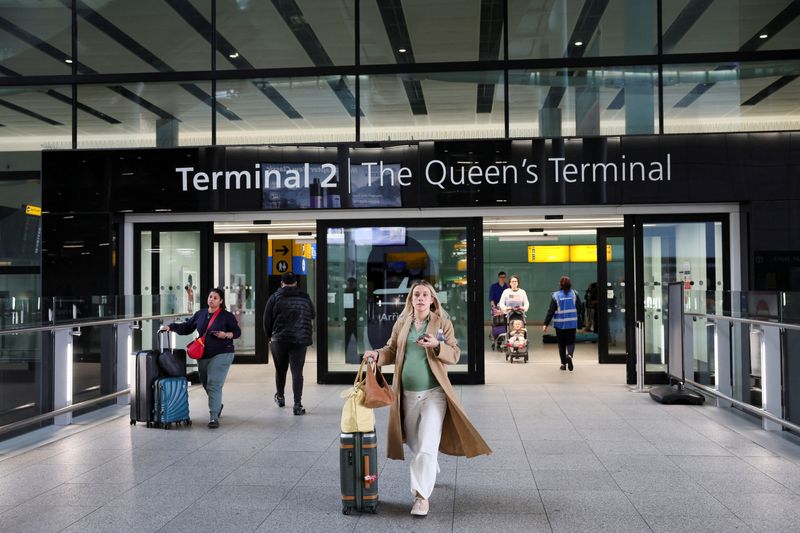
The conflict has triggered mass airspace closures, resulting in 9,600 flight delays and cancellations worldwide.

Thailand’s tourism sector, still in recovery and heavily reliant on high-spending visitors from the Middle East, faces challenges ahead. Airport closures and rising ticket prices may discourage travelers from Israel and Gulf states, resulting in revenue losses. On a brighter note, some tourists might opt for safer destinations like Thailand, but the overall short-term impact is expected to be negative.

Financial Markets

Volatility and Safe Havens Geopolitical jitters are shattering hopes for global rate cuts, with oil prices elevated, equity markets tumbling, and currencies under strain. The Thai baht faces depreciation risks from capital outflows, while gold surges as a safe haven. Meanwhile, central banks are grappling with the challenge of balancing inflation control and economic growth, as uncertainty clouds future monetary policies. Investors are closely watching developments, seeking stability in assets like U.S. Treasuries and the Japanese yen, which have traditionally been viewed as secure during turbulent times.

Thailand is currently better prepared for an energy shock than in previous crises due to its robust fuel fund and strategic reserves. However, the prolonged nature of this conflict could test the limits of these buffers by mid-April.

Advertisement

Continue Reading

Continue Reading

Business

Oil shock, AI worries to weigh on Indian markets amid rising global uncertainty

Published

on

Oil shock, AI worries to weigh on Indian markets amid rising global uncertainty
Mumbai: A risk-off wave is set to sweep across equity markets early this week, as US-Israeli military actions against Iran are expected to drive up oil prices and spark a renewed dash to safe-haven assets. With fresh forecasts pegging crude at as much as $100 a barrel amid the supply disruptions in the oil-rich Persian Gulf, the odds are stacked against Indian stocks, already under pressure from uncertainties over the fallout of artificial intelligence-related disruptions in the country’s software sector.

On Sunday, Saudi Arabia was down 2.5%, Oman fell 1.6%, and Bahrain was down 1%. The sell-off in the Gulf market is a harbinger of what’s in store for other markets, including India, when trading opens on Monday.

“A gap-down opening on Monday remains possible because a spike in oil prices following the closure of the Strait of Hormuz and disruptions in the Gulf could weigh on Indian businesses,” said Sham Chandak, head of institutional equities at Elios Financial Services.

Barclays said Brent crude could hit $100 a barrel, citing the threat of a potential supply disruption. Fears of the US’s attack on Iran drove Brent to a seven-month high of $72.87 on Friday, but markets were hoping that both countries would resume negotiations over the long-running nuclear dispute this week after talks remained inconclusive till the weekend. Oil shipping has been largely disrupted in the Strait of Hormuz – the critical artery linking the oil-rich Persian Gulf to the open seas – after US-Israeli strikes on Iran, with several tanker operators pausing voyages and Iran’s state-media warning that the waterway is effectively closed.

Advertisement

“Markets are likely to move from earnings-driven to oil-driven trading in the near term,” said JM Financial Institutional Securities in a client note. “Indian markets are likely to see a gap-down opening with elevated volatility amid global risk-off sentiment.”


The heightened risk-aversion could drive up prices of gold and silver, while boosting demand for the US dollar. When oil prices surge, it triggers inflationary pressures, making gold and silver more attractive to protect investor wealth. Similarly, when oil prices rise, the demand for the US dollar typically increases because crude is valued in the American currency.
JM said every $ 1 rise in crude increases India’s annual import bill by $2 billion, putting pressure on the trade balance. Upstream energy stocks such as Oil India and ONGC, along with defence names such as Hindustan Aeronautics and Bharat Electronics, may gain, while oil marketing companies, paints, tyres, aviation and chemicals may come under pressure on account of higher oil prices, it said.

March Seasonality
Historically, March has been a relatively stronger month for the markets, but that seasonal trend could face some challenges this time.

“We are entering March with caution despite historically strong positive seasonality, as global and domestic headwinds continue to weigh on Indian markets,” said Sriram Velayudhan, senior vice -president, IIFL Capital Services.

In the past decade, the Nifty 50 and Nifty 500 have remained positive in eight out of 10 years, with average returns of 0.8% for both indices, said Chandan Taparia, head of technical and derivatives research at Motilal Oswal Financial Services

Advertisement

Elios’s Chandak said that if tensions persist, foreign portfolio investors may reduce exposure to risk assets, including emerging markets.

FPIs had turned buyers of equities worth ‘19,782 crore in February after selling in the range of ‘11,000-34,000 crore in the previous three months.

Continue Reading

Business

Oil jumps as Iran conflict escalates, disrupts shipping

Published

on

Oil jumps as Iran conflict escalates, disrupts shipping
SINGAPORE: Oil prices jumped 7% to their highest levels in months on Monday as Iran and Israel stepped up attacks in the Middle East, damaging tankers and disrupting shipments from the key producing region.

Brent crude futures shot up to $82.37, the highest since January 2025, in the first futures trading after the U.S. and Israel launched strikes on Iran and ‌killed its Supreme Leader ⁠Ali ⁠Khamenei on Saturday. As of 0054 GMT, Brent futures were at $78.24 a barrel, up $5.37, or 7.37%.

U.S. West Texas Intermediate crude rose $4.66, or 6.95%, to $71.68 a barrel after touching $75.33 earlier, the loftiest since June 2025.

Israel launched a new wave of strikes on Tehran on Sunday and Iran responded with more missile barrages, a day after the killing of Supreme Leader Ali Khamenei pitched the Middle East and the global economy into deepening uncertainty.

Advertisement

The attacks exposed ships to collateral damage as missiles hit at least three tankers off the Gulf coast and killed one seafarer, shipping sources and officials said on Sunday.


Iran ⁠has said ‌it has closed navigation through the Strait of Hormuz, prompting Asian governments and refiners – key buyers – to assess oil stockpiles.
“With the retaliatory action now evolving to attacks on oil tankers in the Strait of Hormuz, ⁠the threat on oil supplies has substantially risen,” ANZ analyst Daniel Hynes said in a note. Citi analysts expect Brent to trade between $80 and $90 a barrel this week amid the ongoing conflict.

“Our baseline view is that the Iranian leadership changes, or that the regime changes sufficiently as to stop the war within 1-2 weeks, or the U.S. decides to de-escalate having seen a change in leadership and set back Iran’s missiles and nuclear program over the same time frame,” the analysts led by Max Layton said in a note.

Amid the conflict, OPEC+ agreed to a modest oil output boost of 206,000 barrels per day for April on ‌Sunday.

Every OPEC+ producer is essentially producing at capacity except for Saudi Arabia, RBC Capital analyst Helima Croft said.

Advertisement

“The utilization of any spare barrels will be severely limited if critical waterways are rendered inoperable,” she said.

Risks to commercial shipping have surged in ⁠the past 24 hours, with more than 200 vessels including oil and liquefied gas tankers dropping anchor around the strait and surrounding waters, shipping data showed on Sunday.

The International Energy Agency is actively monitoring events in the Middle East and is in touch with major producers in the region and IEA governments, director Fatih Birol said on Sunday. The energy watchdog coordinates the release of strategic petroleum reserves (SPR) from developed countries during emergencies.

“Global total visible oil inventories stand at 7.827 million barrels now, near their historical median when expressed as covering 74 days of global demand,” Goldman Sachs analysts led by Daan Struyven said in a note.

Advertisement

“The oil market could draw inventories, deploy spare capacity once the Strait reopens, and potentially benefit from global SPR releases,” they added.

Continue Reading

Business

Israeli military launches strikes against Hezbollah after group attacks Israel

Published

on

Israeli military launches strikes against Hezbollah after group attacks Israel


Israeli military launches strikes against Hezbollah after group attacks Israel

Continue Reading

Business

Japan’s factory activity hits near 4-year high in February, PMI shows

Published

on

Japan’s factory activity hits near 4-year high in February, PMI shows


Japan’s factory activity hits near 4-year high in February, PMI shows

Continue Reading

Business

Asian airline shares fall as US-Iran conflict disrupts travel, raises oil prices

Published

on

Asian airline shares fall as US-Iran conflict disrupts travel, raises oil prices


Asian airline shares fall as US-Iran conflict disrupts travel, raises oil prices

Continue Reading

Business

gold: Gold climbs 2% as US-Israel strikes on Iran raise regional temperature

Published

on

gold: Gold climbs 2% as US-Israel strikes on Iran raise regional temperature
March 2: Gold prices rose as much as 2% on Monday after the U.S. and Israel launched major strikes on Iran, killing Supreme Leader Ayatollah Ali Khamenei, escalating geopolitical tensions and deepening global economic uncertainty.

Spot gold was up 1.72% at $5,368.09 an ounce, as of 0010 GMT, hitting its highest point in more than ‌four weeks.

U.S. gold ⁠futures ⁠rose 2.58% to $5,382.60 per ounce.

Israel launched a new wave of strikes on Tehran on Sunday and Iran responded with more missile barrages, a day after the killing of Khamenei pitched the Middle East and the global economy into deepening uncertainty.

Advertisement

“Unlike previous escalations in this conflict, there is fairly strong incentive here for both sides to continue to escalate potentially – and that runs the risk of leading to a pretty chaotic, uncertain and therefore volatile environment for more ⁠than just ‌a few days … the dynamic for gold is pretty positive” said Kyle Rodda, senior financial market analyst at Capital.com.


Bullion, a traditional safe-haven asset, has hit ⁠successive record highs already this year due to heightened global political and economic uncertainty.
The latest rally builds on a 64% surge in 2025, driven by strong central bank buying, robust inflows into exchange-traded funds and expectations of U.S. monetary policy easing. Last week, J.P. Morgan and Bank of America reiterated that gold prices could climb toward the key $6,000 level. J.P. Morgan noted that it forecasts enough demand from central banks and investors this year to ultimately push prices to $6,300 an ounce by the end ‌of 2026.

“Gold is perhaps the finest barometer to reflect global uncertainty and, to mix metaphors, the mercury is rising. We should expect gold to be repriced higher to fresh records as ⁠we enter a whole new era of geopolitical uncertainty,” said independent analyst Ross Norman.

Data on Friday showed that U.S. producer prices rose more than expected in January, suggesting inflation could pick up in coming months.

Investors will also watch a series of U.S. labor market readings this week, including the ADP employment report, weekly jobless claims and the non-farm payrolls report.

Advertisement

Spot silver rose 1.68% to $95.35 an ounce after registering a monthly gain in February.

Spot platinum climbed 0.74% to $2,382.15 an ounce while palladium advanced 0.25% to $1,790.60 per ounce.

Continue Reading

Trending

Copyright © 2025