
Business
RWS appoints Stephen Lamb as chief financial officer





Iran war drives up costs, spoils the mood at China’s largest trade fair
Business
Oil Price Today (April 17): Crude oil prices fall on Israel-Lebanon ceasefire, Iran war peace talks. Is the worst over?

Addressing a major hurdle in efforts to end the Iran conflict, which has shut the Strait of Hormuz for seven weeks and disrupted about one-fifth of global oil supply, Trump said Tehran had proposed not pursuing nuclear weapons for more than 20 years. “We’re going to see what happens. But I think we’re very close to making a deal with Iran,” he told reporters outside the White House on Thursday.
Crude oil price on April 17
Brent crude futures dropped $1.34, or 1.35%, to $98.05 a barrel at 0021 GMT. U.S. West Texas Intermediate crude fell $1.65, or 1.74%, to $93.40 a barrel, giving up some of the gains seen in the previous session. Oil prices had surged 50% in March during a record rally and only recently slipped below the $100 per barrel mark. However, they have largely held in the $90 range this week.Israel’s military operations in Lebanon have remained a key stumbling block in securing a broader peace agreement that Trump is seeking to end the Iran war, which he initiated alongside Israel in late February.
Adding to the downward pressure on prices is the 10-day truce between Israel and Lebanon. During an earlier two-week ceasefire, Iran had insisted that Lebanon be included in any agreement, while hostilities between Israel and Lebanon continued.

The latest ceasefire took effect at midnight on Friday in Lebanon, pausing clashes between Israeli forces and the militant group Hezbollah. This development removes a significant obstacle to ongoing U.S.-Iran negotiations.
Officials from both Israel and Lebanon confirmed their participation in the truce, which Trump announced after a diplomatic push by the U.S. government last night. Still, experts suggest that WTI prices are likely to remain volatile within the $80 to $100 range until a formal agreement is reached and normal navigation resumes.
Brokerage firm Macquarie noted that even if tensions ease, oil prices are likely to stay supported in the $85 to $90 range, with a gradual move toward $110 as flows through the Strait of Hormuz normalise. It added that if disruptions extend through April, Brent could still rise to $150 per barrel.
Market experts believe crude may be entering a structurally higher price phase. The current ceasefire is temporary and a return to pre-war levels of $70 to $75 could take several months. Analysts warn that in the near term, he expects crude to remain within a range of $80 to $85 on the downside and $95 to $100 on the upside.
(Disclaimer: Recommendations, suggestions, views and opinions given by the experts are their own. These do not represent the views of The Economic Times)


Exclusive-Ukraine PM says she feels more confident of US support after visit to Washington

Asia FX muted with Iran peace in focus; yen weakens as BOJ dents rate hike bets
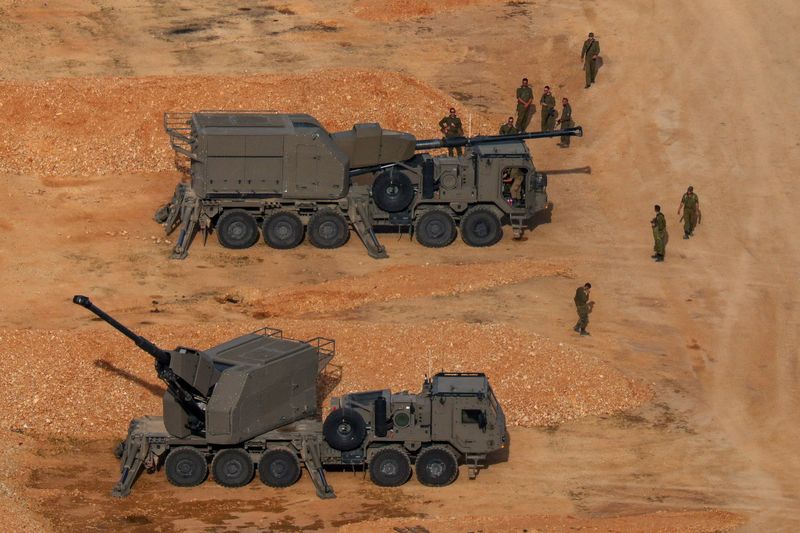

Israel and Lebanon begin ceasefire, Trump says Iran may meet US over weekend
Business
NYT Connections Answers April 17 2026 Revealed as Puzzle #1041 Delights Players With Clever Drink and Piano

NEW YORK — The New York Times Connections puzzle for Friday, April 17, 2026, delivered a satisfying mix of everyday knowledge and wordplay as players grouped 16 words into four clever categories in game #1041, with many hailing the solution as one of the more enjoyable Friday challenges of the year.
The official answers for today’s Connections are:
Yellow (easiest): Vegetable parts — BULB, LEAF, ROOT, STEM Green: Prevailing — COMMON, DOMINANT, GENERAL, POPULAR Blue: Parts of a piano — HAMMER, KEY, PEDAL, STRING Purple (hardest): Second halves of drink names — SODA, STORMY, TAN, TONIC
Players who spotted the vegetable group early often cruised through the puzzle, while the purple category — pairing words that complete drink names like gin and tonic, dark and stormy, tequila sunrise (or simply “tan” in some contexts), and rum and soda — provided the satisfying “aha” moment that Connections fans crave. The piano parts category rewarded music knowledge, linking mechanical components of the instrument in a clean blue grouping.
The 16 words presented were: BULB, COMMON, DOMINANT, GENERAL, HAMMER, KEY, LEAF, PEDAL, POPULAR, ROOT, SODA, STEM, STORMY, STRING, TAN, TONIC. Many solvers noted the puzzle struck an ideal balance — accessible enough for casual players yet tricky enough to separate perfect solvers from those who needed a few mistakes.
Connections, created by Wyna Liu and published daily by The New York Times, challenges players to find the common thread linking four groups of four words each. Categories range from straightforward (yellow) to devilishly subtle (purple), with color-coded feedback helping players adjust their thinking. Friday’s edition kept the difficulty moderate, avoiding overly obscure references while still offering clever misdirection.
Social media lit up with reactions as players shared their grids using the familiar emoji pattern. Many posted perfect solves with the sequence yellow-green-blue-purple, while others celebrated a “reverse rainbow” by cracking the hardest group first. Comments ranged from “Finally a Friday that didn’t destroy my streak” to “The drink one got me good — who thinks of ‘tan’ as a drink half?”
The vegetable parts category proved the most straightforward for most, with BULB, LEAF, ROOT and STEM forming an obvious botanical group. Prevailing synonyms — COMMON, DOMINANT, GENERAL, POPULAR — tested vocabulary nuance, as players had to distinguish them from similar-sounding concepts like “famous” or “widespread.”
The piano group required a bit more domain knowledge or lateral thinking. HAMMER (the felt-covered striker), KEY (the white and black notes), PEDAL (sustain or soft), and STRING (the vibrating wires) form the core mechanical elements inside many pianos. Some players admitted guessing this set only after eliminating other possibilities.
The purple category stood out for its elegance. SODA completes “rum and soda” or “vodka soda,” STORMY finishes “dark and stormy,” TAN pairs with “tequila sunrise” (or simply appears in cocktail contexts), and TONIC famously completes “gin and tonic.” The subtlety of “second halves” made this the most rewarding solve for many.
Hints released ahead of the puzzle guided players without spoiling the fun. Common advice included looking for words that could pair with the same preceding term (as in the drink category) or identifying parts of a larger whole (piano components and vegetable sections). Music lovers and gardeners reportedly had an edge today.
For newcomers, Connections rewards pattern recognition over raw vocabulary size. Strategies that help include scanning for obvious groups first, noting repeated themes like body parts or food items, and using process of elimination once one or two categories click. The game’s one-mistake tolerance before a loss adds tension without excessive frustration.
As of April 2026, Connections continues to grow in popularity alongside Wordle and the Mini Crossword. Millions play daily, with streaks tracked religiously by dedicated fans. The New York Times has expanded the game’s reach through its app and website while keeping the core experience simple and ad-light for subscribers.
Friday’s puzzle followed Thursday’s edition, which many described as tougher, and set a lighter tone heading into the weekend. Solvers who missed today’s groups can try again tomorrow with a fresh set of 16 words, as each puzzle resets at midnight.
Community discussions on Reddit’s r/NYTConnections and social platforms often break down why certain groupings work or mislead. Today’s thread highlighted appreciation for the piano and drink categories, with some calling the purple group “chef’s kiss” for its cleverness. Others shared stories of solving it while drinking their morning coffee, joking that the tonic category felt especially appropriate.
The game’s appeal lies in its shared daily ritual. Families compete over breakfast tables, office workers share scores in group chats, and online strangers bond over commiserating about tough purples or celebrating perfect solves. Unlike some word games that reward obscure knowledge, Connections often feels fair even when challenging.
For those who struggled today, common pitfalls included lumping “KEY” with vegetable or prevailing groups before realizing its musical role, or trying to force “STORMY” into weather-related categories. The beauty of the puzzle is that once the correct threads emerge, everything snaps into place with satisfying logic.
Looking ahead, weekend puzzles sometimes lean more playful or theme-heavy, though the core four-category structure remains consistent. Players hoping to maintain or extend their streaks are advised to approach each new day with fresh eyes and avoid carrying over assumptions from previous games.
The April 17, 2026, edition stands as a strong example of what makes Connections special: clever but not cruel, accessible yet rewarding for sharper minds. Whether solved in one flawless attempt or after a couple of thoughtful mistakes, today’s groups left most players smiling and ready for the next challenge.
As the weekend begins, the global Connections community will reset and return Saturday for puzzle #1042, eager to discover what new connections await. For now, Friday’s vegetable garden, prevailing moods, piano innards and cocktail completions provide plenty to discuss and celebrate.
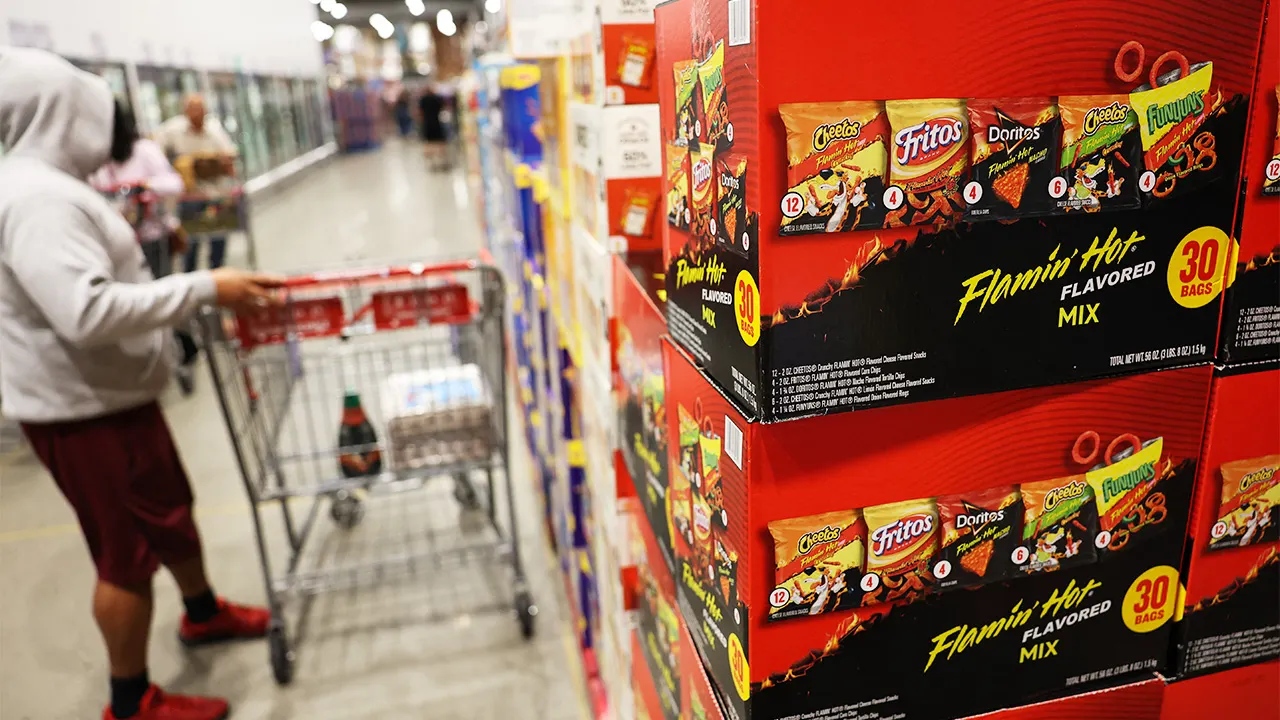
PepsiCo CEO Ramon Laguarta discusses how the food and beverage giant is seeing massive paybacks after slashing consumer prices on ‘The Claman Countdown.’
PepsiCo said Thursday its push to make snacks more affordable is bringing customers back, offering an early sign that consumers are starting to return after pulling back in recent years.
The company reported stronger-than-expected quarterly results, with both revenue and profit rising. A notable change came in its North American food business, where demand for products like chips and snacks showed early signs of recovery.
After a stretch where higher prices weighed on buying habits, PepsiCo said its efforts to improve affordability are beginning to resonate with shoppers. That shift helped drive growth in volumes, indicating consumers are buying more – not just paying higher prices.
PEPSICO TO SLASH PRICES ON POPULAR SNACKS AFTER CONSUMER BACKLASH
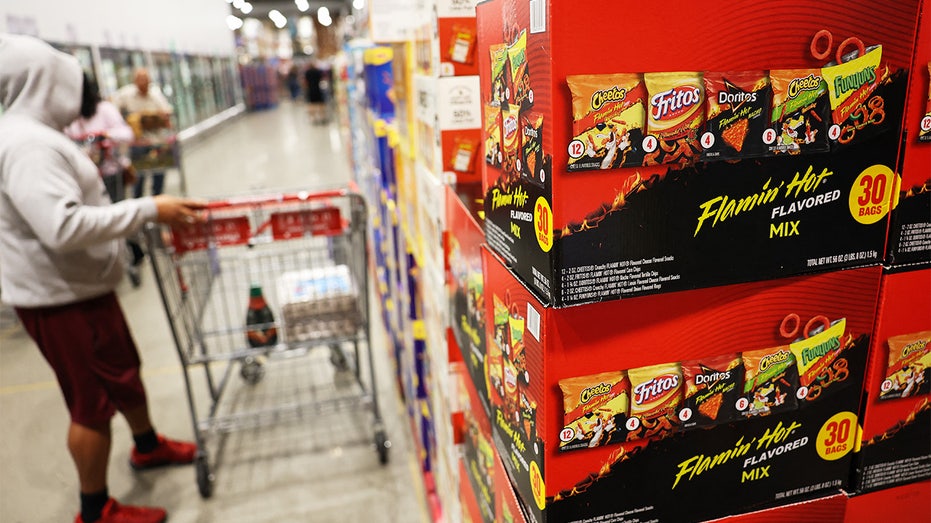
PepsiCo reported stronger-than-expected quarterly results on Thursday morning. (Patrick T. Fallon / AFP via Getty Images)
Executives pointed to a broader strategy that combines pricing adjustments with new products and marketing efforts aimed at keeping brands relevant while easing pressure on consumers.
POTATO CHIP BRAND UNVEILS BIGGEST REDESIGN IN NEARLY 100-YEAR HISTORY
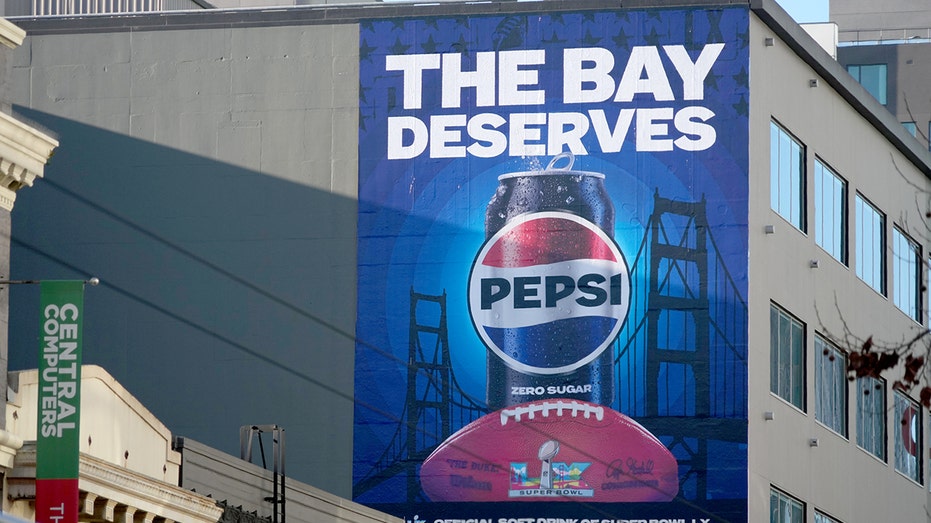
Ads ahead of the Super Bowl are hoping to reach broader audiences. (Kirby Lee-Imagn Images via Reuters)
The turnaround is still early, but it suggests PepsiCo may be finding the right balance after a period when price increases across the industry tested customer loyalty.
CHILI’S TAKES AIM AT MCDONALD’S WITH NEW VALUE DEAL MENU OFFERINGS
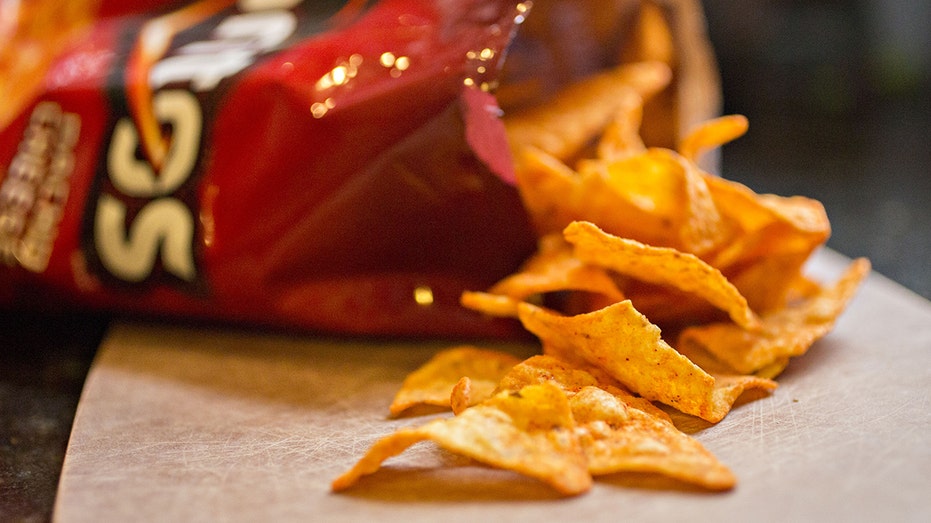
A notable change came in PepsiCo’s North American food business, where demand for products like chips and snacks showed early signs of recovery. (Daniel Acker/Bloomberg via Getty Images)
At the same time, the company’s beverage business in North America remains under pressure, with softer demand highlighting uneven performance across its portfolio.
CLICK HERE TO GET FOX BUSINESS ON THE GO
Going forward, PepsiCo said it expects steady growth this year, even as the broader economic backdrop remains uncertain, and consumer spending patterns remain in focus.

Check out what’s clicking on FoxBusiness.com.
A batch of Xanax XR is being recalled nationwide after the manufacturer found it may not release the medication in the body as intended.
Viatris, Inc. initiated the voluntary recall for ALPRAZolam extended-release tablets, 3 mg, distributed in 60-count bottles under lot number 8177156 with an expiration date of Feb. 28, 2027, according to the U.S. Food and Drug Administration.
Xanax XR is a benzodiazepine used to treat panic disorder and anxiety in adults.
The issue was classified as a Class II recall, meaning it may cause temporary or medically reversible health effects but is unlikely to result in serious harm.
350K SUPPLEMENTS RECALLED FOR PACKAGING FLAW THAT POSES ‘SERIOUS INJURY OR DEATH’ RISK TO CHILDREN

A pharmacy tech pulls medication from a shelf inside a pharmacy in Provo, Utah on Thursday, Aug. 7, 2025. (George Frey/Bloomberg via Getty Images / Getty Images)
“Failed dissolution specifications” indicate the tablets may not dissolve and release the medication at the intended rate. Because Xanax XR is designed to release gradually over time, any variation could affect how the drug is delivered in the body — and how well it works.
The affected product was distributed nationwide in the United States, though the recall applies only to the specific lot identified. The FDA lists the recall as ongoing, with no termination date yet announced.
TOYOTA RECALLS 73K HYBRID VEHICLES OVER PEDESTRIAN WARNING SOUND ISSUE
In this photo illustration, the Viatris Inc. logo is seen displayed on a smartphone screen. (Rafael Henrique/SOPA Images/LightRocket via Getty Images)
A spokesperson for Viatris told FOX Business the recall is limited in scope and does not pose a significant risk to patients.
“The voluntary recall of Xanax XR in the U.S. is specific to one lot of one strength (3mg) of the brand product only, and 51 bottles were distributed to U.S. wholesalers between Aug. 27, 2024, and May 29, 2025,” the spokesperson said. “No other batches of the Xanax XR brand product, or its generics, are impacted.”

A sign for the Food And Drug Administration is seen outside of the headquarters on July 20, 2020, in White Oak, Maryland. (Sarah Silbiger/Getty Images)
The spokesperson added that most patients in the U.S. are prescribed generic ALPRAZolam, which is not affected by the recall.
“The risk to the patient associated with this event is considered to be negligible. To date, no reports of adverse reactions associated with this lot have been received,” the spokesperson said.
Viatris said the recall is being conducted at the retail level, meaning pharmacies and wholesalers have been instructed to return the affected product.
CLICK HERE TO GET FOX BUSINESS ON THE GO
“Patients do not need to take any action,” the spokesperson said.
Evercore ISI Senior Managing Director Mark Mahaney analyzes DoorDash and Booking Holdings on ‘Varney & Co.’
DoorDash is rolling out new advertising features to help restaurants find customers who are more likely to order from them, bring in new diners and expand their business more efficiently.
In a news release shared by the company on Thursday, three new tools have been added to the online food ordering/delivery platform to help restaurants quickly gain regular customers.
“Restaurant brands want to reach customers who will genuinely enjoy their food and hospitality and keep coming back over time,” Vassili Samolis, VP of ad products & AI foundations at DoorDash, said in the release.
“We built these tools to help restaurants connect with the right audience and better understand which menu items, promotions and experiences are driving results so they can make smarter decisions, invest with confidence and grow their business on DoorDash.”
‘DOORDASH GRANDMA’ PRAISES TRUMP TAX BREAK AFTER 11K SAVINGS AMID HUSBAND’S CANCER FIGHT
DoorDash has launched three new tools on its app to better help restaurants target customers. (Thiago Prudencio/SOPA Images/LightRocket via Getty Images / Getty Images)
One of the tools is called Brand Interest Targeting, which allows restaurants to show ads to people who already like similar food or brands.
In tests, ads using this feature performed better, bringing in over 14% more return on ad spend compared to ads without targeting, according to the news release.
DoorDash also introduced the Brand Sales Growth tool that shows how a restaurant’s sales are growing compared to similar businesses. It specifically looks at trends from the past three months and helps restaurants understand whether their ads are actually helping them grow.
The platform has additionally introduced Average Ticket Sizing Reporting, allowing restaurants to target customers based on how much they usually spend.
GRUBHUB LAUNCHES FIRST-EVER COMMERCIAL DRONE FOOD DELIVERY SERVICE IN NEW JERSEY
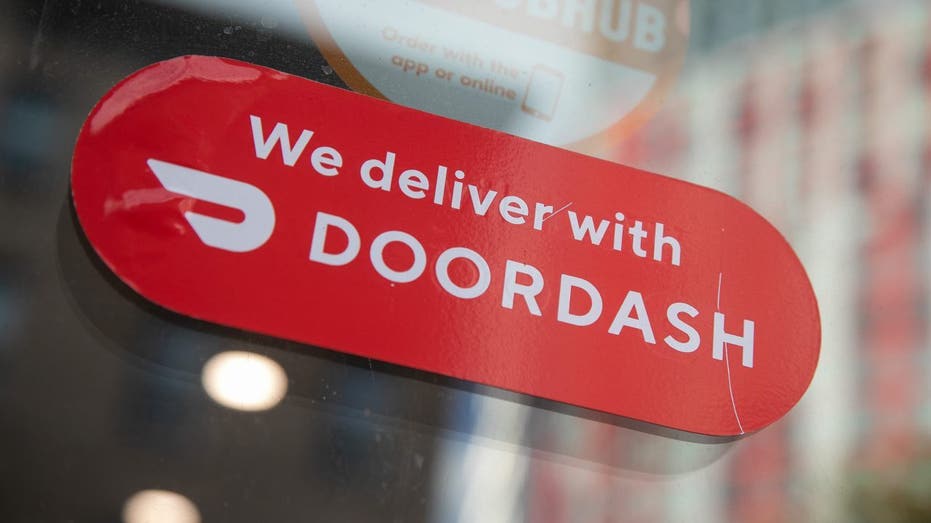
The new DoorDash features for restaurants include the Brand Interest Targeting, Brand Sales Growth and Average Ticket Sizing Reporting tools. (Michael Nagle/Bloomberg via Getty Images / Getty Images)
For example, a restaurant can focus on customers who tend to place bigger, higher-value orders — not just more orders.
The news release reported that, in early tests, targeting high-spending customers increased order size by over 35% and delivered much better returns compared to untargeted ads.
Taken together, the tools signal a shift toward more data-driven competition on the platform, where success may depend less on broad visibility and more on how precisely restaurants can target the right customer.

The World Bank Group’s EAP Economic Update, released today, reports that economic growth in the East Asia and Pacific (EAP) region is projected to slow in 2026 due to external shocks.
Key points
- 📉 Regional slowdown: Growth in East Asia and Pacific is projected to fall from 5.0% in 2025 to 4.2% in 2026, mainly due to energy shocks from the Middle East conflict, trade barriers, and global uncertainty.
- 🇨🇳 China’s deceleration: China’s growth is expected to drop from 5.0% in 2025 to 4.2% in 2026 and 4.3% in 2027, with weak domestic demand and property sector challenges weighing heavily.
- 🌏 Rest of the region: Growth outside China will slow to 4.1% in 2026 but could rebound to 5.0% in 2027 if geopolitical tensions ease.
- ⚡ Energy shock impact: Countries more dependent on energy imports face greater risks. A sustained 50% rise in fuel prices could cut household incomes by 3–4%.
Regional growth is projected to slow to 4.2% in 2026 from 5.0% in 2025, as the energy shock due to the Middle East conflict compounds the adverse impact of elevated trade barriers, global policy uncertainty, and domestic economic difficulties.
China’s economic growth to slow from 5.0% in 2025 to 4.2% in 2026.
Growth in China, the region’s largest economy, is projected to decelerate from 5.0% in 2025 to 4.2% in 2026 and 4.3% in 2027, as weak domestic demand and property sector challenges persist, and the global slowdown dampens export growth. Growth in the rest of the region will slow to 4.1% in 2026 and is projected to rebound to 5.0% in 2027 as geopolitical tensions ease and uncertainty diminishes.
“Growth in East Asia and Pacific continues to outperform much of the world, even in uncertain times,” said Carlos Felipe Jaramillo, World Bank Vice President for East Asia and Pacific. “Yet, sustaining growth levels requires countries to confront structural challenges and seize the opportunity of the digital age to increase productivity and create more jobs.”
Rising fuel prices may lower regional household incomes
The impact of the Middle East conflict depends on each country’s reliance on energy imports, existing vulnerabilities, and economic policy flexibility. Prolonged and intensified conflict may further increase economic distress and reduce regional growth. A sustained 50 % increase in fuel prices could lead to a 3-4% loss in income for households in the region. Targeted support—for both the poor and the vulnerable and the small and medium enterprises—can help those most in need without fiscal strain.
“The region’s past resilience is remarkable, but present difficulties could increase economic distress and inhibit productivity growth,” said Aaditya Mattoo, World Bank Group Director of Research.
“Measured support for people and firms could preserve jobs today and reviving stalled structural reforms could unleash growth tomorrow.”
The report identifies surging AI-related exports and investment as a bright spot in 2025, especially in Malaysia, Thailand, and Viet Nam. AI could also lead to higher productivity growth, but adoption in EAP remains limited because of gaps in connectivity and skills. Only 13 to 17% of multinational subsidiaries in China and Thailand currently use AI, which is one third of the proportion in industrial countries.
Source : Energy Shock and Uncertainty Slow Growth in East Asia and Pacific
Other People are Reading

BINGX VIP IS NOW THE BEST EXCHANGE FOR CRYPTO? (DON’T MISS)

Vitor Reis, summer tour, Ibrahim Maza – your Man City questions answered

Iran war drives up costs, spoils the mood at China’s largest trade fair


-

 Politics6 days ago
US brings back mandatory military draft registration
-
 Sports6 days ago
Man United discover Nico Schlotterbeck transfer fee as defender reaches Dortmund agreement
-

 Fashion6 days ago
Weekend Open Thread: Veronica Beard
-

 Politics7 days ago
Malcolm In The Middle OG Turned Down ‘Buckets Of Money’ To Appear In Reboot
-

 Politics5 days ago
World Cup exit makes Italy enter crisis mode
-

 Business6 days ago
Tesla Model Y Tops China Auto Sales in March 2026 With 39,827 Registrations, Beating Cheaper EVs and Gas Cars
-

 Crypto World3 days ago
The SEC Conditionalises DeFi Platforms to Be Avoided for Broker Registration
-

 Crypto World3 days ago
SEC Signals Exemption for Crypto Interfaces From Broker Registration
-

 News Videos2 days ago
Secure crypto trading starts with an FIU-registered
-
 NewsBeat4 days ago
Pep Guardiola and Gary Neville agree over Arsenal title problem that benefits Man City
-

 Business5 days ago
Ireland Fuel Protests Enter Day 5 as Blockades Spark Shortages and Government Prepares Support Package
-

 Business7 days ago
OpenAI Halts Stargate UK Data Centre Project Over Energy Costs and Copyright Row
-

 Crypto World6 days ago
Federal judge blocks Arizona from bringing criminal charges against Kalshi
-

 Politics7 days ago
LBC Presenter Mocks Trump Over Iran War Failures
-

 NewsBeat3 days ago
Trump and Pope Leo: Behind their disagreement over Iran war
-

 Crypto World3 days ago
SEC Proposes Certain Crypto Interfaces Don’t Need to Register as Brokers
-
 NewsBeat5 days ago
JD Vance announces ‘no agreement’ with Iran over nuclear weapons fear
-

 Business6 days ago
IMF retains floor for precautionary balances at SDR 20 billion
-

 Business6 days ago
Former Liverpool CEO eviscerates FIFA for World Cup ticket pricing
-
 Crypto World4 days ago
Sei Network Enters Quiet Reset Phase as On-Chain Metrics Signal a Slowdown in 2026
You must be logged in to post a comment Login