
Entertainment
13 Eye-Catching Clothes and Accessory to Channel NYFW 2026

Us Weekly has affiliate partnerships. We receive compensation when you click on a link and make a purchase. Learn more!
New York Fashion Week 2026 has come and gone, but the styles have certainly left a lasting impact on local Manhattanites. As a shopping editor in New York City, you can bet I had my sights set on exciting trends showcased on (and off) the runway. One style I saw over and over again? Patterns on patterns on patterns. Designers and labels by the likes of Carolina Herrera, Anna Sui, Khaite, and more all went headfirst into playful polka dots, wild animal prints and vibrant florals, which is inspiring a newfound 2026 look for all the NYC fashion girlies.
To replicate said high-end style, I’m leaning on affordable retailers that deliver the runway look without ever stepping into the showroom. Like the looks seen during NYFW, these pieces feel bold, unconventional, feminine and even vintage-esque — especially when you layer them together. And although I’m opting for picks under $150, that doesn’t mean you can’t find big brands below. I’m talking about Kate Spade, Free People, Sam Edelman, Banana Republic and more. All these finds transition well from winter to spring, so you can wear ’em now and again when spring really is in bloom.
13 NYFW-Inspired Styles to Add to Your Wardrobe
1. Our Favorite: Deep brown hues and floral prints dominated the runway, and this popular maxi dress makes the trend super wearable. Designed with a muted, inspired tone, this dress can be worn from day to night. All you need to do is swap out your shoes, and you’re ready to go.
2. Everyday Essential: With warm weather on the way, it’s time to grab this polka dot dress for upcoming spring activities. While Christian Siriano played with large spots, I like this minimalistic pattern for everyday wear instead. It still presents a stark contrast against the black backdrop, but is more realistic for errands, brunches and the like.
3. Spring Staple: I’m willing to bet that you’ll throw on this long-sleeved dress every second you can get. It has a billowy fit, a sweetheart neckline and a twirl-worthy skirt that’s perfect for date night. Oh, and the pretty floral print is just chef’s kiss.
4. Wild Side: Animal print pieces have definitely been on my radar before New York Fashion Week, but the shows only confirmed my hunch. It’s safe to say that the style is definitely ‘in,’ and this off-shoulder top is an easy way to incorporate the print. This pick skews more fitted, making it ideal for baggy jeans and trousers.
5. Mix and Match: If you’re unsure how to mix patterns together in your ensemble, I’d say start with your base and then throw on these polka dot slingbacks as the cherry on top. The mesh paneling, pointed toe and kitten heel feel so Hollywood glam, but in 2026.

New York Fashion Week always sets the tone for what’s next — and after bouncing between Alice + Olivia, Derek Lam and Christian Siriano, the 2026 mood felt crystal clear. Polka dots looked polished, leopard felt elevated and even caped coats were surprisingly easy to pull off. I saw plush faux-fur layers styled with wide-leg […]
6. Instant Upgrade: Anyone who lives in the northeast knows that spring takes a while to warm up. This cheetah-print shirt jacket keeps you on trend and cozy warm at the very same time. I also love the idea of wearing this shacket with a basic tee and jeans, with the outerwear as the main statement.
7. Work Warrior: Whether you work in fashion or accounting, this button-down shirt is an essential for every workwear wardrobe. Unlike traditional button-ups, this one does away with the point collar, replacing it with a feminine ruffle for a stand-out approach.
8. Flattering Find: Utility dresses, like this cotton option, work just as hard as you do; this one is customizable, has multiple pockets and a waist-defining belt that won’t let your shape get lost behind the zebra print.
9. Cool-Girl Style: Haven’t you heard? Shoulder bags are the cool ‘It’ girl thing, and this animal-print style nails both trends simultaneously. The purse has just enough space for the essentials, like your phone, key and lip gloss.
10. Dreamy Find: While lace isn’t an actual pattern, I noticed that the delicate style kept showing up on the runway. This pretty Free People layering top is one of my favorite ways to zhuzh up an otherwise boring outfit. The floral design gives it an ethereal appearance while looking lovely under tanks, vests, baggy shirts, and dresses.
11. Instant Upgrade: Upgrade your blouse collection with this long-sleeve number that embodies the runway-approved dark floral style with a workwear twist. The pleats at the neckline give the top a little extra something, too!
12. Pretty in Pink: Puffed sleeves, a flowy fit and a ruffle hem are three details that make this dressy top an instant ‘add to cart.’ Another selling point? It’s marked down to just $15 right now.
13. Cocktail Hour: As soon as I saw this Astr the Label dress, I had to shop it. Made with lightweight materials, ruffled tiers and a safari-like print, this elegant dress looks like something showcased this February. Thankfully, it wasn’t and can be at your front door in a few days.

When Amazon drops more than 4,000 new arrivals in one sweep, that’s a fashion writer’s cue to start digging. After doing this for years, I’ve learned to treat it like a treasure hunt — scrolling past the basics to spot the pieces that actually hint at what’s coming next. This batch delivered in a big […]

Continue Reading

By Jonathan Klotz
| Published

Ask anyone on the street to name the greatest movie of all time, and you’ll get a wide range of answers, from Avengers: Endgame to Gone with the Wind, but ask someone to name the greatest sequel ever, and it narrows the field. Star Wars: The Empire Strikes Back is in the conversation, Star Trek II: The Wrath Of Khan is a classic, but nothing compares to The Godfather: Part II, not only is the best sequel ever made, it’s one of the greatest movies in history. Both sequel and prequel, the return of Michael and Vito Corleone pulled off the rare feat of improving on the near-perfection of the original.
The Godfather Part II Is A Cinematic Masterpiece
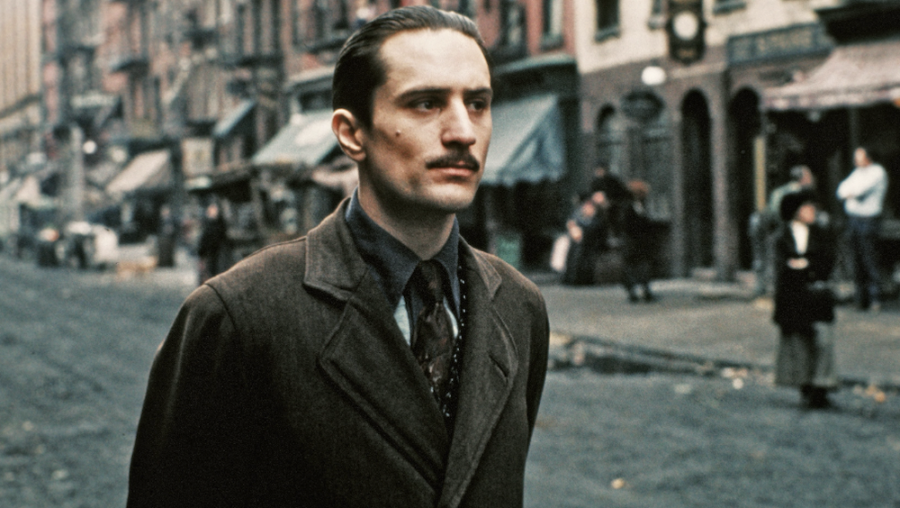
The Godfather: Part II splits its narrative along two timelines: first, the rise of Vito Corleone (Robert De Niro) in Italy as he takes his first steps into the Mafia. De Niro’s award-winning performance shows the struggle of the future Don as he tries to do right by his family when life keeps kicking him down. When we first met Vito, as played by Marlon Brando in the original, he was confident and in control, ruling an empire, but as we learn in the sequel, it’s an empire doomed to fall.
Vito’s sons, Michael (Al Pacino) and Fredo (John Cazale), struggle to hold onto the Corleone’s top spot in the Mafia amid assassination attempts and a traitor from within the family. While Vito’s story is about building an empire, Michael’s is about the struggle to hold onto one, and you can see how the sons of an immigrant are losing touch with their homeland. The Godfather: Part II is, at its heart, a story about the immigrant experience, which also happens to be the movie that defined crime movies for decades.
Defining A Genre
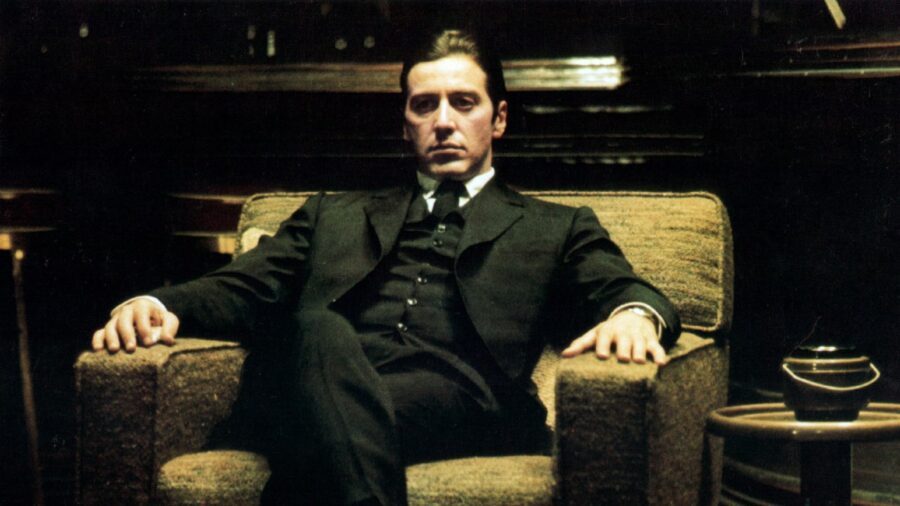
Impressively, The Godfather Part II earned $93 million worldwide in 1974, which is unadjusted for inflation, which means 50 years later, Francis Ford Coppola’s masterpiece outgrossed Borderlands. At the time of its release, the sequel/prequel was slammed by critics for being overly slow, and no less a critic than Roger Ebert slammed the dual-narrative. It didn’t take long, though, for the film to be rightly recognized as a landmark achievement in movie history, to the point that not even Megalopolis could diminish the legend of Coppola.
Every Mafia movie that has come after The Godfather Part II is standing on the shoulders of a giant. The Sopranos owes it a debt for building off of Michael’s story, Boardwalk Empire contains echoes of Vito’s struggle to build his Empire, and even the legendary Goodfellas pulls from the tragedy of Fredo. Few films are so successful that they define an entire genre, but that’s exactly what Coppola’s magnum opus has achieved.
The luxurious pacing of The Godfather Part II sticks out even more today in the era of rapid-fire mini-climaxes every 20 minutes. It isn’t a weakness, though; it’s a strength, because when you give the film all of your attention, each and every detail, every subtle interaction, every inflection of De Niro and Pacino carries weight and meaning. Francis Ford Coppola is one of the greatest directors in history, The Godfather is one of the greatest films in history, and yet, its sequel is required viewing by everyone who has even a passing interest in crime cinema.
The Godfather Part II is now streaming for free on Pluto TV.
By Chris Snellgrove
| Published

Growing up as an ‘80s kid, I had a fairly awesome childhood (thanks, mom and dad!). My nostalgia for that era is quite strong, which is why I’m typing this while surrounded by a small army of GI Joes, Transformers, and Ninja Turtles. It’s no surprise, then, that when friends ask me what movies they should show their children, I typically recommend films from the decade that brought us everything from the Ghostbusters to Big Trouble in Little China.
When a friend recently asked what she should show her two kids, I didn’t hesitate to recommend Labyrinth. Cute songs, wacky muppets, wacky David Bowie, and Jennifer Connelly in a breakout role; what’s not to love? Soon, she reported that her kids were having nightmares about the Goblin King and his monstrous minions. I felt bad for about two seconds before realizing the problem: Jim Henson’s Labyrinth is still a perfect children’s movie. Unfortunately, Hollywood has transformed modern kids’ movies into vibes-based screensavers that no longer allow children to safely explore crunchy concepts like love, death, and even human mortality.
Ziggy Stardust And The Goblins From Mars

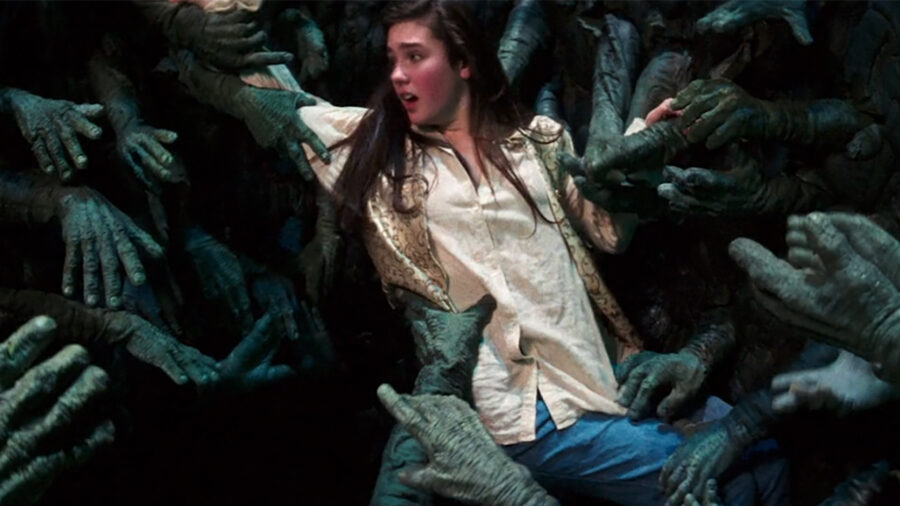
After my friend chided me about my recommendation, I had to be honest with myself: Labyrinth is a pretty scary movie. The central plot involves a mysterious man kidnapping a small child, and poor Jennifer Connelly must navigate a world of increasingly nightmarish Muppets in order to rescue him. The titular labyrinth often feels like a prison with no way out, and things like the “Helping Hands” scene and the masked ball are the stuff of fever-dream nightmares. Hovering over all of this is the fact that the Goblin King is a middle-aged menace trying to secure a child bride, one played by a girl who wasn’t even old enough to get her learner’s permit.
Despite all of that, though, I still think Labyrinth is a great film to share with children. To me, the scary aspects mentioned above are a feature, not a bug. It may be “only” a kids’ movie, but these frightening features infuse Labyrinth with a sense of genuine tension from beginning to end. Tension is, of course, the secret ingredient of any good story because it provides the narrative with real stakes for the characters that we care about. Those characters grow through tension and conflict, but most modern children’s movies have surgically removed everything scary and tense in an effort to make their films less offensive and more palatable.
A Star Is Born

In A Minecraft Movie, for example, no kid thinks the malevolent Malgosha is going to take over the world; they understand the plot is just window dressing for a film trying to squeeze in as many game references as possible into the runtime. Similarly, no youngsters watching Sonic the Hedgehog think Dr. Robotnik will win the day. They’re just here for the in-jokes and slick special effects that precede the inevitable happy ending. Furthermore, no children think Bowser, Jr. is going to conquer the universe in Super Mario Galaxy; they’re just here to appreciate the parade of Nintendo memes onscreen and hope their favorite Smash Bros. characters pop up.
These movies are not designed to challenge children; instead, they serve as two-hour distractions for parents who need some peace and quiet. Unfortunately, the concerted Hollywood effort to make these films inoffensive has also made them bland and creatively bankrupt. It’s functionally impossible for children to enjoy these works as films: instead, they are designed as just another bit of colorful stimuli for an ADHD generation raised more by their iPads than their parents. But Labyrinth is proof that it doesn’t have to be this way and that we can (and should) be giving our children plenty of substance to go with their spectacle.
The World’s Creepiest Muppets

Why, specifically, do I think children should watch Labyrinth? The first reason is that, at the risk of sounding overly blunt, fear is something that everyone must deal with every single day. Watching a spookier children’s movie allows kids to microdose fear and learn to process it within the context of a story that ultimately offers an inevitably happy ending. You know how some people are so nervous that a loud noise can ruin their entire day? That’s what happens when you lead a sheltered childhood protected from all things scary. Conversely, a regular diet of mildly frightening kids’ movies can help the audience grow into well-adjusted adults.
On a related note, movies like Labyrinth are a safe, controlled way to introduce kids to important real-world topics that might just save their lives. This is a film about child abduction, extortion, power imbalances, and so many other ‘dark’ topics, but it’s all wrapped in a shiny wrapper that includes cute songs and cuter creatures. Take it from a parent: you’ll eventually have to talk with your children about how all of this works in the real world to keep them safe. That conversation will be a lot easier for you (and more believable for them) if they have had time to process these scary ideas within a fictional context.
Teaching Kids Lessons (One Scream At A Time)

Finally, if you actually watch the movie with your kiddo instead of just using the TV as a babysitter, you can help teach them the most elusive skill of all: critical thinking. Every moment that makes them cover their eyes in fright is an opportunity for an open and honest conversation, with leading questions like “why did that scare you?” and “what do you think that character should have done instead?” This teaches children to actually engage with and learn from media, all while improving their self-confidence by helping them get over their fears. Not for nothing, they’ll also feel a sense of pride for emerging from a scary movie, stronger than ever.
Want to teach your own child a few important lessons? Or want to relive the glory days of weird ‘80s cinema? Heck, do you just want to jam out to the Goblin King’s impossibly catchy tunes? No matter your motivation, you’re in luck: Labyrinth is streaming on Netflix today. It’s a scary good time that, regardless of what my friend might tell you, is fun for the whole family. Fair warning, though: you might want to make sure nobody’s around before you start dancing your own magic dance in the living room!
Netflix has quite a few fantasy shows to boast of, ranging from The Witcher to Shadow and Bone to Arcane, but few, if any, are quite as good as The Dragon Prince. The 2018 animated fantasy series may not be the most widely known, but it has a 100% on Rotten Tomatoes, which it certainly earned. Over the course of seven seasons, the series takes the characters on a sprawling adventure full of magic and danger as they attempt to unite a divided world and bring peace after a thousand-year-old conflict. Balancing humor and heart, the story explores loyalty, empathy, and how to break the cycle of violence in a way that is accessible to fairly young audience members.
Created by Aaron Ehasz, who is best known for his work as the head writer on Avatar: The Last Airbender, the series thrives on its complex magix system and dynamic characters. The Dragon Prince not only lasted a considerable time, but in July 2025, it was announced that a sequel series titled The Dragon King is in the works. This proves the lasting love for this world, and it’s not hard to see why. With its lovable characters and impeccable worldbuilding, few shows can compete with The Dragon Prince.
What Is ‘The Dragon Prince’ About?
The Dragon Prince stands out because there is no show quite like it. The series tells an ambitious story of friendship and acceptance as it brings together an unlikely group to solve the world’s problems. Following a brutal war between the human kingdoms of Katolis and Xadia’s Dragon King, Moonshadow Elf assassins are sent to kill Katolis’ king, Harrow (Luc Roderique), and his son, Prince Ezran (Sasha Rojen). Though Harrow doesn’t survive the attack, Ezran and his half-brother, Callum (Jack DeSena), escape the attack and discover Dragon King’s unhatched egg. With this, the pair manages to change the heart of the youngest assassin sent after them, Rayla (Paula Burrows), and perhaps, change the course of the war. Ezran, Callum, and Rayla must work together to return it to its mother in hopes of creating a lasting peace, forcing them to set aside their differences and trust each other.
However, their mission is not simple, especially with Harrow’s advisor, Viren (Jason Simpson), angling for power and sending his loyal and talented children, Soren (Jesse Inocalla) and Claudia (Racquel Belmonte), after the trio. However, that is only the beginning of the journey. Throughout the series, Ezran, Callum, Rayla, and their allies must contend with ruthless dark mages, embittered dragons, and a godlike elf set on revenge, which raises the story’s stakes as the characters make difficult decisions. Yet, even with all the danger, the characters never lose their humor. Callum has a never-ending capacity for sarcasm, Ezran carries his grumpy Glow Toad, Bait, with him everywhere, and the magic they encounter doesn’t always make sense. Ultimately, the light-hearted tone and epic story balance each other out, making the series both thrilling and hilarious.

‘The Dragon Prince’ Sets Itself Apart With Compelling Characters and an Intricate World

There is a lot to love about The Dragon Prince, but what stands out the most is its lovable characters and epic worldbuilding. The characters carry the series, with redemption arcs and meaningful development for each of the central players. Ezran, in particular, is forced to take on more responsibility as he becomes the next king, while Callum undergoes important self-discoveries, and Rayla must contend with her past. Yet, none of those contend with Soren’s fascinating arc. Despite being used for comedic relief, Soren slowly becomes one of the most well-rounded characters in the series. These characters are easily the highlight of the series, but their story largely works because of the sprawling magical world they are in.
The Dragon Prince slowly takes the audience to every corner of the world, making Xadia an expansive and captivating world. The kingdoms of Katolis and Xadia couldn’t be more different, as Katolis’ mages are rare, while Xadia is brimming with magic. However, each region has different rules based on six different Primal Sources of magic, and the series slowly explores them all. Moonshadow, Skywing, Sunfire, Earthblood, Tidebound, and Startouch Elves all have different societies and abilities that the characters learn from, showing just how intricate the world is. With its fascinating world and endearing characters, The Dragon Prince proves itself to be an excellent but underrated fantasy series.
The Dragon Prince is streaming on Netflix in the U.S.

- Release Date
-
2018 – 2024-00-00
- Network
-
Netflix
- Showrunner
-
Justin Richmond
- Directors
-
Justin Richmond
- Writers
-
Justin Richmond

Entertainment
33 Years Later, Harrison Ford’s Best Thriller of All Time Is a Free Streaming Sensation
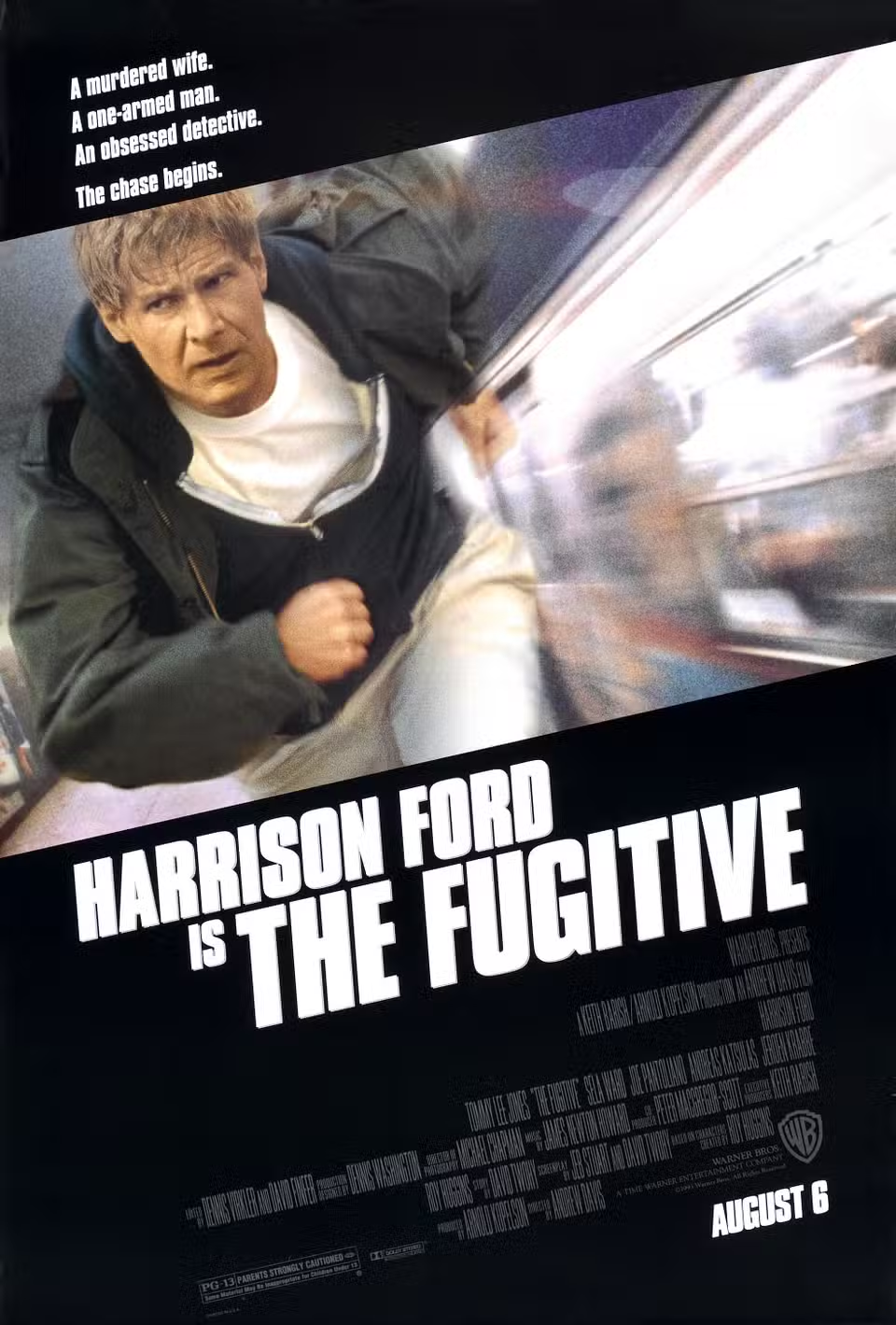
From LAPD officer Jack Traven’s (Keanu Reeves) race against time in Speed and the true story of a plan to break free in The Great Escape, to a battle of minds between Neil McCauley (Robert De Niro) and Vincent Hanna (Al Pacino) in Heat, to the effort to foil a Christmas terrorist plot in Die Hard, some of the very best movies of all time are action thrillers.
Perhaps the finest pure action thriller ever made debuted in 1993, storming to box office triumph and even making its mark at the Academy Awards. The movie in question is The Fugitive, released at the height of Harrison Ford‘s fame and starring the Star Wars icon as Richard Kimble, a man wrongly accused of murdering his wife. Attempting to escape the law, Kimble finds himself tracked in a gripping game of cat-and-mouse by the unflinching Deputy Samuel Gerard (Tommy Lee Jones). If Ford was the draw for the movie, it was Jones who stole the show, even winning the Academy Award for Best Supporting Actor for his trouble.
This was one of seven nominations The Fugitive received at the 66th Academy Awards, including a nod in the coveted Best Picture category. Sadly, The Fugitive came out empty-handed from the biggest category of the night, losing to Steven Spielberg‘s tearjerking masterpiece, Schindler’s List. Just over 32 years since The Fugitive‘s single Oscar win in March 1994, the film is still proving popular. At the time of writing, the film is one of the ten most-streamed films on the free streaming site Tubi in the U.S.
‘The Fugitive’ Smashed Box Office Expectations
1993 was a strong year at the box office, with theaters dominated by the global phenomenon Jurassic Park. With Mrs. Doubtfire finishing the year in second, it was The Fugitive that surprised most by taking third place in the end-of-year box office ranks. Against a reported budget of $44 million, the movie grossed $354 million worldwide, split between a domestic haul of $184 million and a further $170 million from overseas markets. Alongside Ford and Jones, the movie also features Sela Ward as Helen Kimble, Joe Pantoliano as Cosmo Renfro, and Jeroen Krabbé as Charles Nichols.
Harrison Ford’s The Fugitive is one of the ten most-streamed movies on Tubi, and is available to stream now. Make sure to stay tuned to Collider for more streaming stories.

- Release Date
-
August 6, 1993
- Runtime
-
131 minutes
- Director
-
Andrew Davis
- Producers
-
Arnold Kopelson
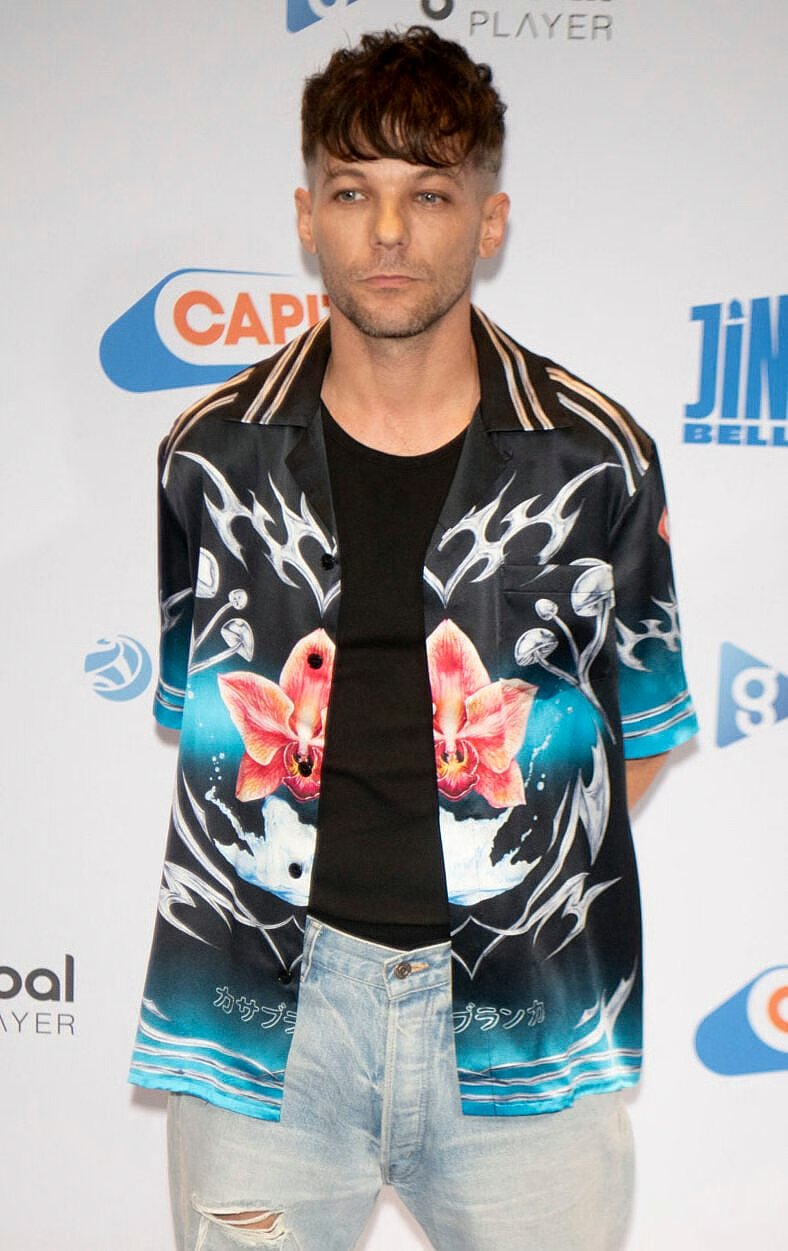
Louis Tomlinson and Zayn Malik may not be on good terms, and fans are starting to notice. The former One Direction bandmates are fueling feud speculation after Tomlinson seemingly “unfollowed” Malik on Instagram, adding weight to recent reports of a serious falling out. While Louis Tomlinson is no longer following Zayn Malik, the “Pillowtalk” singer still appears to be following him, at least for now.
The social media move comes after shocking claims that the two were involved in a physical altercation that reportedly left Tomlinson injured. According to Page Six, the situation escalated while the pair were filming a three-part Netflix docuseries together, eventually turning physical.
“It spiralled into a row then Zayn made a remark about Louis’ mum Johannah [Deakin],” sources said. “Louis was stunned and in shock. As he went to move, Zayn then attacked him. Zayn punched him straight in the face. Because he was wearing rings it cut Louis’ head.”
The alleged fight didn’t just end there. “He was pulled away and Louis was taken for medical treatment. He was left with a concussion,” the source said. “This happened outside in front of so many people. It was shocking.” The reported comment about Tomlinson’s late mother, Johannah Deakin, who died of leukemia in 2016, is said to have been the breaking point.
Reports of a heated clash between Louis Tomlinson and Zayn Malik first began circulating in December 2025, just months after their three-part Netflix docuseries was announced, with insiders sharing a similar version of events at the time.
New Details Emerge As Alleged Fight Timeline Resurfaces
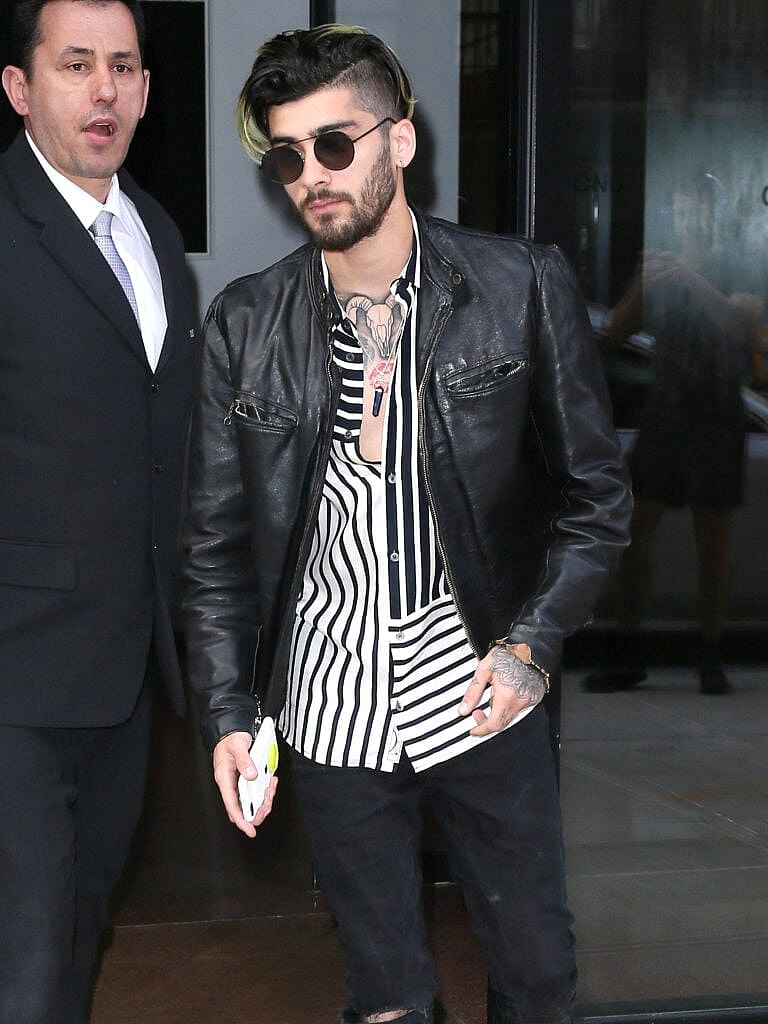
The resurfaced claims come as Malik was also dealing with a separate health scare that forced him to step back from public appearances.
“To my fans, Thank you to all of you for your love & support now & always, been a long week and am still unexpectedly recovering,” Malik wrote via Instagram Stories while sharing a photo from a hospital bed. “Heartbroken that I can’t see you all this week, I wouldn’t be in the place I am today without you guys and am so thankful for your understanding.”
While he didn’t reveal the cause of his hospitalization, Malik took a moment to thank the medical team caring for him. “Thank you to the incredible hospital staff of Drs, nurses, cardiologist, management, admin and everyone who has helped along the way and continue to,” he added. “You are all legends! Big big love xx z”
Netflix Project On Ice As Fallout Between Tomlinson And Malik Deepens
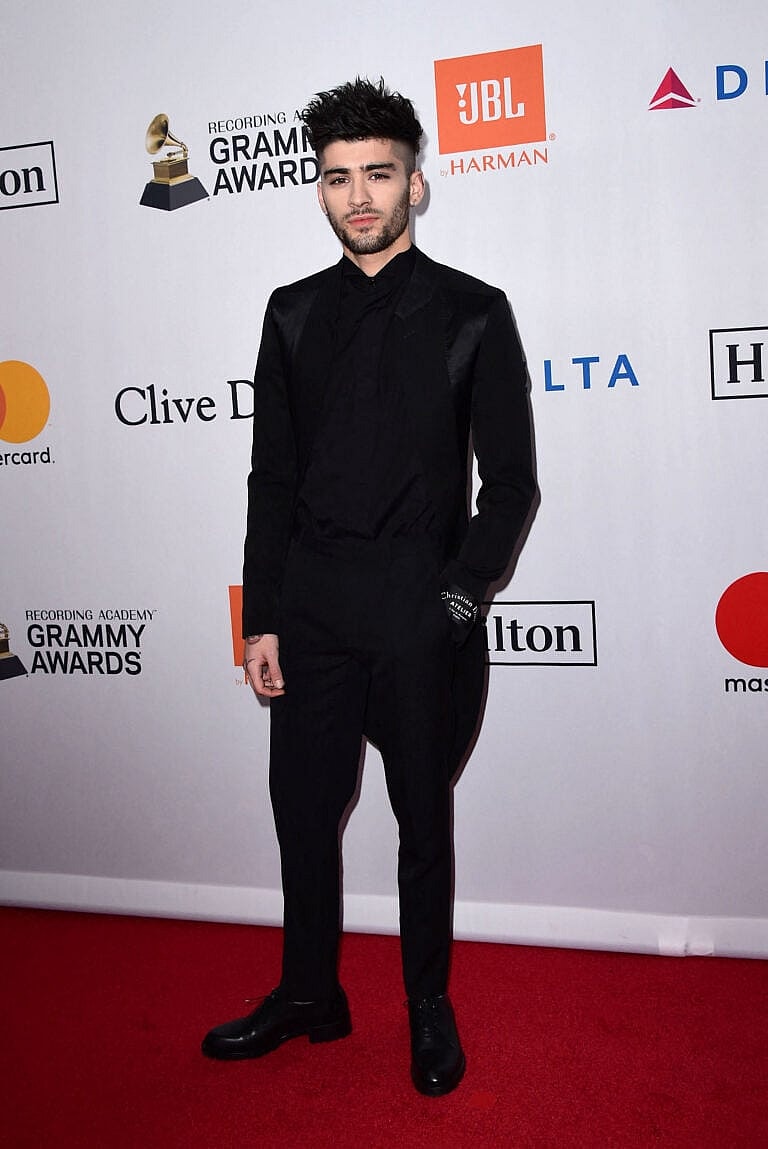
Sources claim the fallout has had major professional consequences as well. The pair reportedly haven’t spoken in the six months since the incident, and their planned Netflix docuseries has now been put on hold.
The project, first announced in October with a projected 2026 release, was expected to follow the two on a road trip across the U.S., where they would reflect on their time in One Direction, including memories of late bandmate Liam Payne.
Liam Payne’s Death Casts Shadow Over Band’s Future
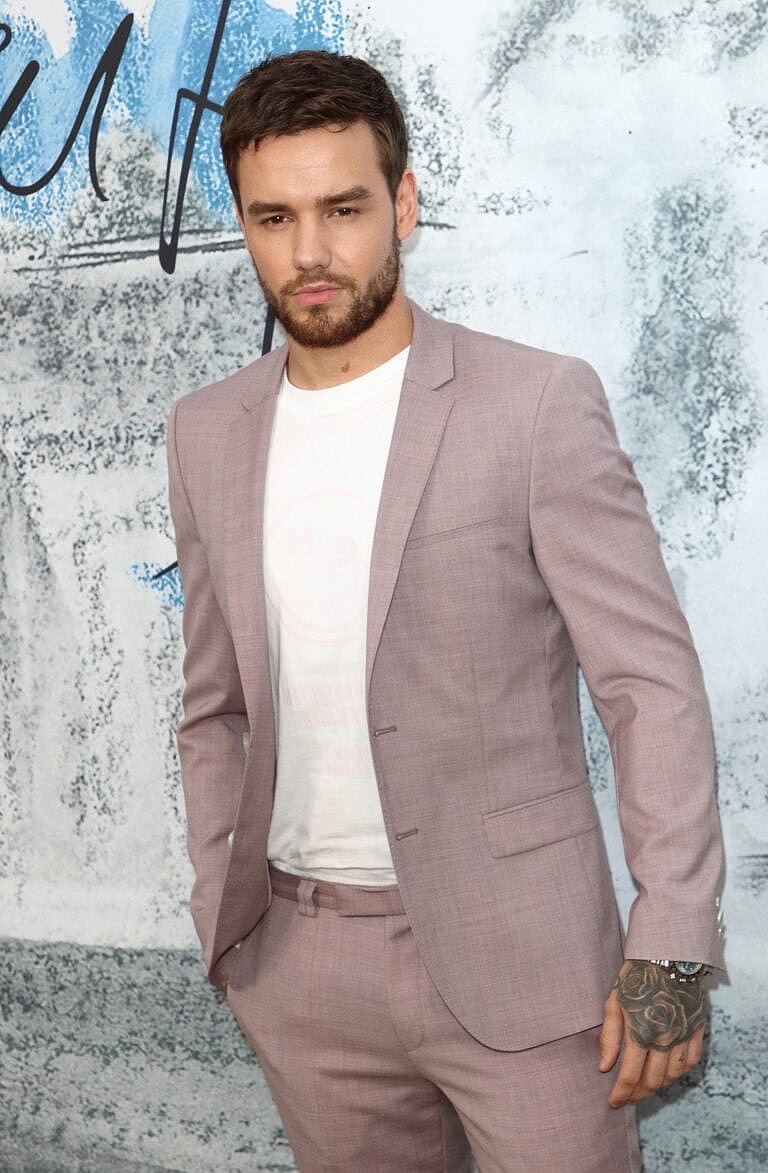
The stalled project also unfolds in the wake of a heartbreaking loss that still hangs over the former One Direction members.
Liam Payne died in October 2024 after falling from the third floor of his hotel room at CasaSur Palermo Hotel in Buenos Aires, Argentina. Toxicology results later revealed multiple substances in his system at the time, including cocaine, crack, and benzodiazepine.
In an emotional moment, Zayn Malik, Louis Tomlinson, Niall Horan, and Harry Styles reunited for Payne’s funeral in the U.K., marking a rare public gathering of the group. The loss was especially devastating as reports suggested the band had been discussing a potential reunion before Payne’s death at just 31.
Future Of Project Remains Uncertain Amid Ongoing Tension With Louis Tomlinson And Zayn Malik
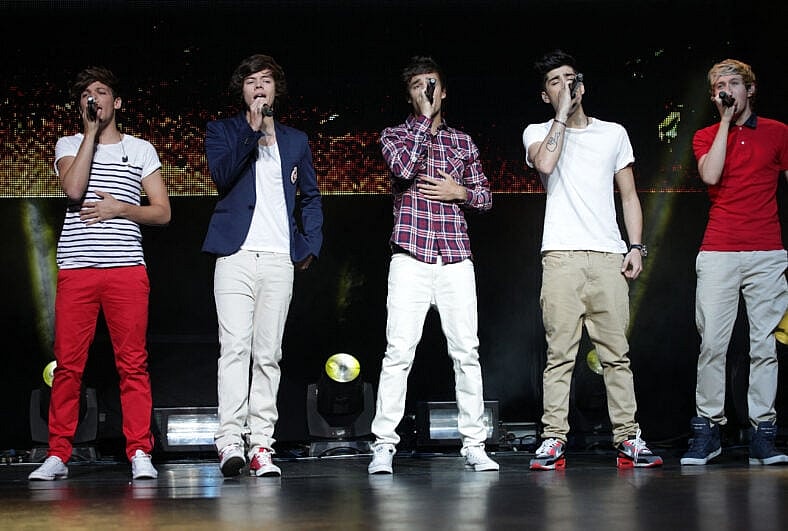
With tensions between Louis Tomlinson and Zayn Malik reportedly still unresolved, the future of their planned project remains up in the air.
As communication between the two appears nonexistent and fallout continues to linger, it’s unclear whether the docuseries will ever move forward, or if this chapter of their story has come to a permanent halt.
The story had been building quietly for months—questions without answers, grief without closure, and a silence that seemed to stretch on longer than anyone expected. Now, that silence is beginning to crack. Two names—Celeste Rivas Hernandez and D4vd—are once again at the center of a case that has gripped attention. Now, new developments pull both a grieving family into the spotlight.
RELATED: Photos Reveal State Of D4vd’s Reported $3.5M Hollywood Home Prior To Arrest In Celeste Rivas Hernandez Case
Celeste Rivas Hernandez’s Family Speaks After D4vd’s Arrest
Celeste Rivas Hernandez’s family is now speaking out after months of unimaginable loss. Her father, Jesus Rivas, broke his silence just two days after D4vd was arrested on suspicion of her murder. “Thank God… Justice for Celeste,” he said through his attorney, Patrick Steinfeld, in a statement shared April 18. Meanwhile, the 21-year-old singer remains in custody without bail under the Los Angeles Police Department, with a court appearance set for April 20.
Footage Shows Singer Being Taken Into Custody
All of this comes amid newly surfaced footage that’s now adding another layer to the case. According to reports, videos show the singer being taken into custody by law enforcement in the Hollywood Hills around 5 p.m. on Thursday, April 16. Furthermore, clips obtained by multiple outlets capture multiple officers placing him under arrest. Additional footage shows him walking down a residential street with his hands behind his back as police escort him away.
D4vd—who had reportedly not been seen publicly for months leading up to the arrest—appears in gray sweatpants and a black hoodie, keeping a blank expression as the situation unfolds. Neighbors in the area claimed there was a noticeable police presence. And, video from the scene includes officers using a loudspeaker to call for a surrender before moving in. Authorities later confirmed the arrest was made on probable cause. Police also noted they had been closely tracking developments in the ongoing investigation tied to Celeste’s death.
RELATED: Footage Of D4vd’s Arrest Surfaces As His Lawyers Speak Out Amid Ongoing Investigation (VIDEO)
What Do You Think Roomies?
What was supposed to be a catchy fast-food jingle of “crispy chickennn, fresh lettuce, three cheeseeeesss” ended up having folks quickly tapping out with a side-eye. And years later, it’s still being talked about in the same breath as one of the most debated celebrity ad moments. Now, Mary J. Blige is reflecting on the 2012 Burger King commercial that sparked all that noise in the first place, and the fallout that followed.
RELATED: Misa Hylton Reportedly Speaks Out After Judge Dismissed Her $5M Lawsuit Against Mary J. Blige
Mary J. Blige Reflects On Burger King Commercial Backlash
In a new sit-down with Scott Evans, Mary J. Blige is revisiting her 2012 Burger King commercial and making it clear the experience still sits heavy with her. She shared that the moment didn’t just stay online—it bled into her real life, costing her friendships and impacting her brand, while emphasizing it’s still “not a laughing matter” to her today. Mary said her true fans never found the commercial funny, and she didn’t hold back on how she felt about the execution, calling everything from how it was shot to how it played out publicly “wrong.” She even suggested the rollout felt set-up to unfold the way it did in the press, turning what was meant to be a promotional moment into a full-blown cultural conversation.
You Already Know Internet Got Jokes About This
Folks quickly ran to TSR’s Instagram comment section to share their thoughts once Mary’s Burger King commercial started trending again. Some users defended it, saying the jingle was actually a “banger.” And, many didn’t understand why it sparked so much controversy or how it led to such a heavy fallout, including her losing friendships. Meanwhile, a few users joked that while it “may not be funny to her,” it’s still hilarious to them, sparking laughs in the comments.
One Instagram user @joseline commented “Was wrong with her getting her money 🤷🏽♀️”
Then Instagram user @bingeworthy added, “Girl its iconic OWN IT 😂😂”
And, Instagram user @thebrooklynjai shared, “Wait ? I’m confused?? She lost friends for a commercial? Were they haters?“
Likewise, Instagram user @idontgetpaidenoughforthis wrote, “Not all of us collectively confused as to why there was backlash 😭”
While Instagram user @stepyaprettyup said, “Lost friends? That sh*t was a banger“
Finally, Instagram user @hmuadom joked, “Everything is not funny…. but this, this is funny.“
Inside Mary J.’s Burger King Ad Controversy
The commercial, which aired April 2, 2012, featured Mary J. Blige singing about Burger King’s chicken wraps inside a tight, stylized setup while product shots played alongside her vocals. Instead of landing as a fun celebrity endorsement, the ad immediately drew criticism, with viewers—especially within the Black community—calling out what they felt were stereotypical undertones. Social media even ran with it, remixing clips and turning the campaign into viral discourse within hours.
By the next day, Burger King pulled the ad entirely, citing a “music licensing issue,” even as backlash was already spreading online. The company pointed to other celebrity collaborations tied to the same product line, including campaigns featuring Salma Hayek and Jay Leno, but the conversation stayed locked in on Mary’s commercial, which remained the most dissected—and debated—of them all.
RELATED: Whew! Tyrese Shares His “Hurt” After Mary J. Blige Rejects Two Song Requests From Him (VIDEO)
What Do You Think Roomies?
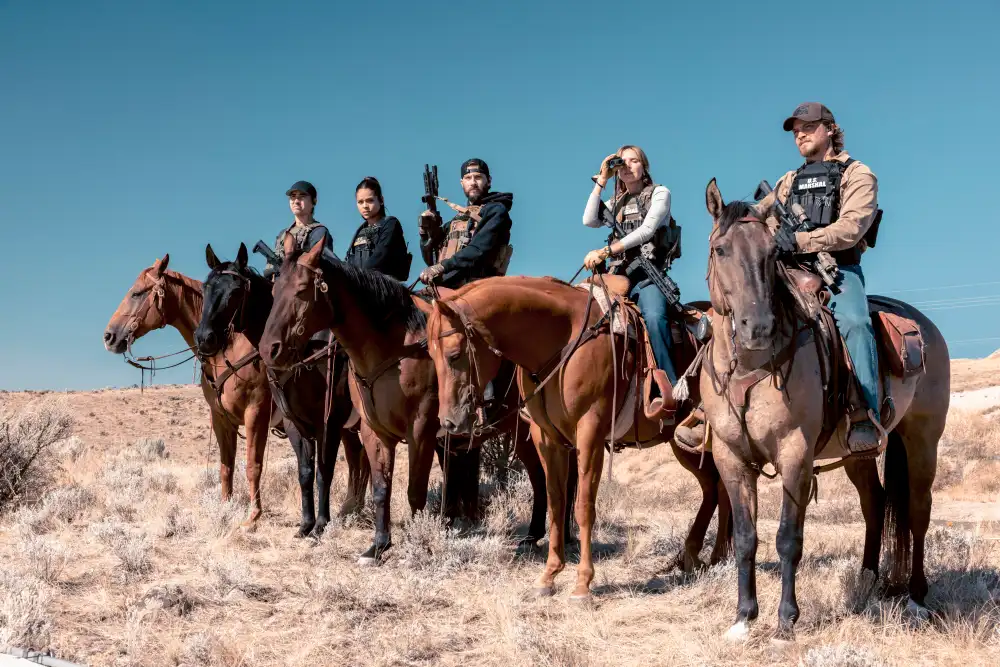
The Marshals cast had plenty to say about those Dutton Ranch romance rumors, the relationships being explored on the Yellowstone spinoff and more.
During CBS Fest on Wednesday, April 15, Arielle Kebbel weighed in on possible Yellowstone cameos, telling Us Weekly, “[We need] all of them. We could go for some more country artists any day. [too]!”
Kebbel remained more tight-lipped about a Dutton Ranch crossover but acknowledged the “rumors.”
“[For Us, the biggest challenge of filming a Yellowstone spinoff] is finding the balance of respecting the why that’s already established and knowing that in that legacy, our job is to also bring these new characters forward,” she explained. “So respecting what’s already been built but also feeling creative and free enough to bring our own character stories forward and really hoping that people join in our world.”
Yellowstone, which aired from 2018 to 2024, introduced Us to the Dutton family. After the show came to an end in 2024, CBS expanded the TV universe with Marshals, which follows Luke Grimes‘ character Kayce as he leaves ranching life behind to join an elite unit of U.S. Marshals.
Then there is Paramount’s Dutton Ranch, which shows Rip (Cole Hauser) and Beth (Kelly Reilly) adjusting to life in Texas. Despite being Yellowstone spinoffs, both shows are expanding with new characters such as Kebbel’s Belle. There are also characters on Marshals played by Logan Marshall-Green, Ash Santos, Tatanka Means, Brecken Merrill, Mo Brings Plenty and Gil Birmingham.

As fans get more attached to the Marshals cast, they have also formed opinions on the characters. The most recent episode of the show took some by surprise when Belle’s friendship with Cal (Marshall-Green) turned into more as they kissed.
“It didn’t feel quick to me, certainly, because of so much they did before,” Marshall-Green, 49, told Us on Wednesday. “It felt earned. I actually wasn’t that surprised.”
Santos, 32, meanwhile, showed support for the fictional couple, adding, “I was ready for it. I was excited when I finally saw it in the script. It was time!” Kebbel, for her part, “wasn’t surprised” by the progression in the relationship either.
“The only reason I wasn’t surprised was because I had a meeting with our creator before the season started and he did tell me. But we had a very good talk, and I said, ‘Tell me what I need to know, and don’t tell me anything else,’” she recalled. “I didn’t know that was coming, but I didn’t actually know a lot of the backstory, so I liked it because there was this intersection of Arielle and Belle that knew some things, but not everything, which was very true to the story as well.”
Kebbel admitted that she didn’t think Marshals was ready for Belle and Cal as a couple yet, noting, “We’re still establishing the team [and] the team environment. Obviously, this kiss throws a whole new layer of awkwardness and feelings into the mix. But I think what’s great about both of them is that they put work first. Where they kind of have similarities or understand one another is that they’re struggling with the balance between work and family because they care about both so much. So I think that’s the layers we’re going to see uncovered in future episodes.”
There is also the possible connection with Kayce and Andrea (Santos).


“I didn’t even go there at first either. Other people brought it up to me and I was like, “Whoa! OK.” But I think it’s really interesting to see that relationship,” she admitted to Us. “They are polar opposites.”
She concluded: “I have [seen edits of them]. There’s a girl on TikTok. She makes so many edits. She’s doing the Lord’s work, honey. The edits are so good.”
Marshals airs on CBS Sundays at 8 p.m. ET.
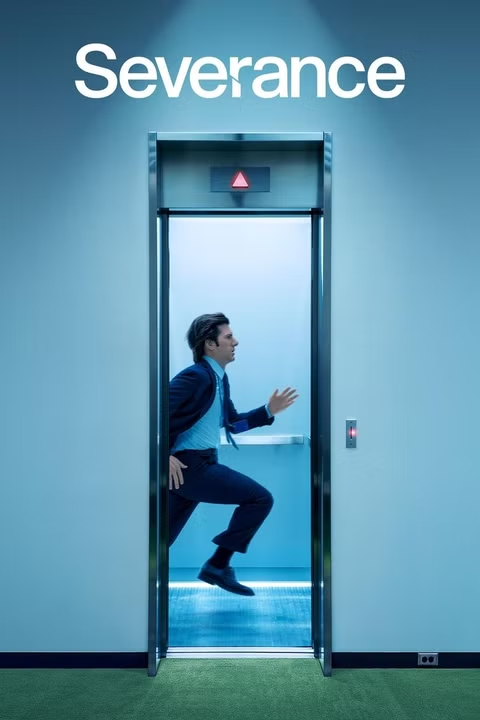
There are some shows that spike, trend, win awards, and then slowly slide out of the weekly conversation. Severance clearly isn’t one of them. Even with Apple TV now stacked with high-profile originals, Dan Erickson’s corporate-nightmare sci-fi drama is still sitting in the platform’s global top 10. On April 14, it held the No. 10 spot worldwide on Apple TV, which is a pretty impressive place for a show that’s already had time to become a full-on prestige fixture. It really does refuse to go away.
The cast is a huge part of why it has that kind of tail. Severance stars Adam Scott, Britt Lower, Patricia Arquette, Tramell Tillman, Zach Cherry, Jen Tullock, Michael Chernus, Dichen Lachman, John Turturro, Christopher Walken, and Sarah Bock, and it’s hard to think of another current sci-fi ensemble that blends deadpan weirdness, emotional damage, and office dread this well.
How Good Is ‘Severance’?
Collider’s review stated that Severance Season 2 does exactly what a great follow-up season should do. It does not rush to answer every question from the first season, but it does deepen the mystery in a way that feels exciting instead of frustrating. The show gets bigger, stranger, and more ambitious, while still keeping its focus on the characters who made Season 1 so compelling.
Severance is, at its core, the kind of TV show that was always going to get people talking thanks to its twisty nature, but with such a long break between seasons, there was also a risk of audience interest waning, especially when there are countless other shows worth tuning in for in the interim. Ultimately, however, Season 2 should silence any lingering concerns viewers might have through its stunning direction, outstanding performances, and sinuous, compelling mysteries. This evolving, mind-bending continuation, as crafted by Erickson and fellow writers Mohamad El Masri, Wei-Ning Yu, Anna Ouyand Moench, Erin Wagoner, Mark Friedman, and Adam Countee, cements Severance as an absolute triumph of television, proving beyond a shadow of any doubt that the best stories are always worth waiting for.
Severance is streaming now on Apple TV.

- Release Date
-
February 17, 2022
- Network
-
Apple TV
- Showrunner
-
Dan Erickson, Mark Friedman
- Writers
-
Anna Ouyang Moench, Wei-Ning Yu
Entertainment
Guy Ritchie’s 10/10 Detective Thriller Loses Box Office Crown to Modern Sci-Fi Masterpiece
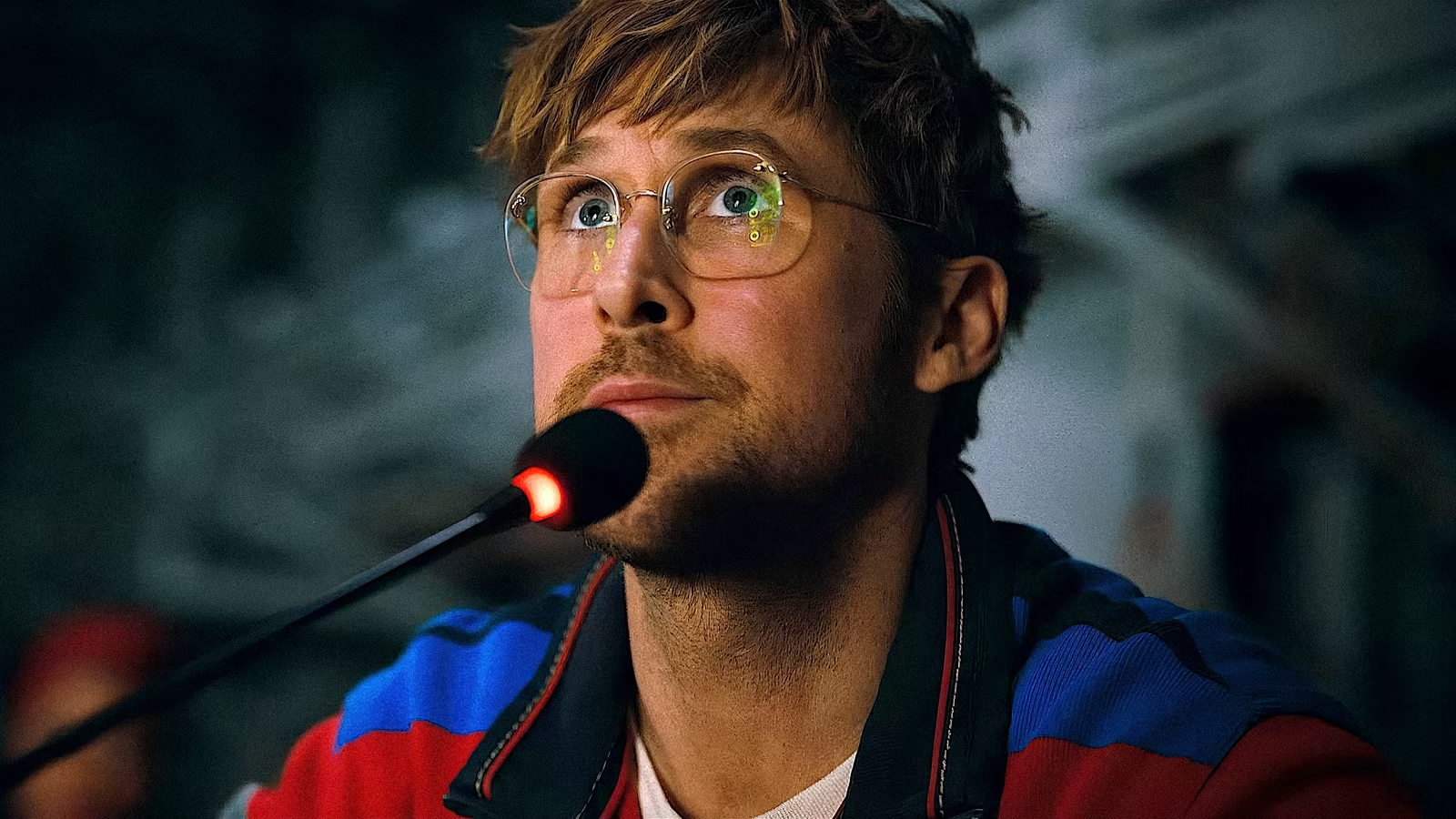

Amazon MGM’s Project Hail Mary exceeded box-office expectations for the fifth weekend in a row, benefiting greatly from the studio’s decision to re-release the movie on IMAX for a week and to delay its debut on Prime Video. Exhibitors weren’t happy about the lean window that Amazon gave to Dwayne Johnson and Chris Evans‘ Red One, the $250 million action-adventure that the studio simply had to release on Prime Video in time for Christmas. Earlier this year, Amazon quickly put the sci-fi mystery Mercy on Prime Video following a poor theatrical run as well. But Project Hail Mary was marketed as a big-screen event, and it aligns with the studio’s newfound determination to produce movies for theaters.
It helps that Project Hail Mary has struck a chord with audiences and critics. Based on the bestseller by Andy Weir, who also wrote the novel that inspired Ridley Scott‘s The Martian, Project Hail Mary was directed by Phil Lord and Christopher Miller. It stars Ryan Gosling as a scientist-turned-schoolteacher who is sent on an intergalactic mission to save the world in a near-future dystopia. The movie holds a “Certified Fresh” 94% critics’ score and a “Verified Hot” 96% audience score on Rotten Tomatoes. The aggregator website’s consensus reads, “A visually dazzling space odyssey that’s carried along effortlessly by the gravitational pull of Ryan Gosling at his most winning, Project Hail Mary is a near-miraculous fusion of smarts and heart.” The movie will likely do gangbusters when it eventually lands on Prime Video.
Here’s How Much ‘Project Hail Mary’ Has Grossed at the Box Office
For now, it can enjoy having overtaken several older blockbusters such as Scott’s Prometheus, Michael Bay‘s Armageddon, and many more. This weekend, Project Hail Mary hit the $285 million mark domestically and the $570 million mark worldwide, against a reported budget of more than $200 million. In doing so, it overtook the $524 million and the $543 million respective global hauls of Guy Ritchie‘s Sherlock Holmes and its sequel, Sherlock Holmes: A Game of Shadows. Both movies starred Robert Downey Jr. as the iconic detective and Jude Law as his right-hand man, Dr. Watson. Even though the films were very successful at the box office and largely well-received by critics, a long-awaited third installment remains stuck in development hell. Ritchie recently executive-produced Young Sherlock, a Prime Video series which is unrelated to the films. Stay tuned to Collider for more updates.

- Release Date
-
March 15, 2026
- Runtime
-
157 minutes
- Director
-
Christopher Miller, Phil Lord
- Writers
-
Drew Goddard, Andy Weir
- Producers
-
Aditya Sood, Amy Pascal, Andy Weir, Christopher Miller, Phil Lord, Rachel O’Connor, Ryan Gosling

Sports2 minutes ago
MLB news: Twins manager Derek Shelton ejected as hot mic catches frustration

Tech3 minutes ago
The 12-month window | TechCrunch

News Videos4 minutes ago
Bitcoin Analyse 19.04. #trading #crypto #forex


-
 NewsBeat7 days ago
Pep Guardiola and Gary Neville agree over Arsenal title problem that benefits Man City
-

 Crypto World6 days ago
The SEC Conditionalises DeFi Platforms to Be Avoided for Broker Registration
-

 Fashion2 days ago
Weekend Open Thread: Theodora Dress
-

 Crypto World6 days ago
SEC Signals Exemption for Crypto Interfaces From Broker Registration
-

 News Videos4 days ago
Secure crypto trading starts with an FIU-registered
-

 Sports2 days ago
NWFL Suspends Two Players Over Post-Match Clash in Ado-Ekiti
-

 Crypto World6 days ago
SEC Proposes Certain Crypto Interfaces Don’t Need to Register as Brokers
-

 NewsBeat5 days ago
Trump and Pope Leo: Behind their disagreement over Iran war
-

 Business5 hours ago
Powerball Result April 18, 2026: No Jackpot Winner in Powerball Draw: $75 Million Rolls Over
-

 Politics2 days ago
Palestine barred from entering Canada for FIFA Congress
-

 Crypto World2 days ago
Russia Pushes Bill to Criminalize Unregistered Crypto Services
-

 Sports6 days ago
NWFL opens Pathway for new Clubs ahead of 2026 Season
-
 Entertainment6 days ago
Brand New Day’ Footage Reveals the Devastating Impact of ‘Now Way Home’
-
 Business3 days ago
Creo Medical agree sale of its manufacturing operation
-

 Politics10 hours ago
Zack Polanski demands ‘council homes not luxury flats for foreign investors’
-

 Crypto World6 days ago
Trump whales load up ahead of Mar-a-Lago luncheon.
-
 Crypto World7 days ago
Sei Network Enters Quiet Reset Phase as On-Chain Metrics Signal a Slowdown in 2026
-
Business7 days ago
Kering slides after Morgan Stanley downgrade, Gucci woes loom
-

 Tech7 days ago
Google adds E2E encryption to Gmail for iOS and Android enterprise users
-

 Tech7 days ago
Apple glasses won’t go brand shopping like Meta did with Ray-Ban and Oakley
You must be logged in to post a comment Login