

Entertainment
The 3-Word DM Rob Rausch Sent Eric Nam After ‘The Traitors’ Concluded

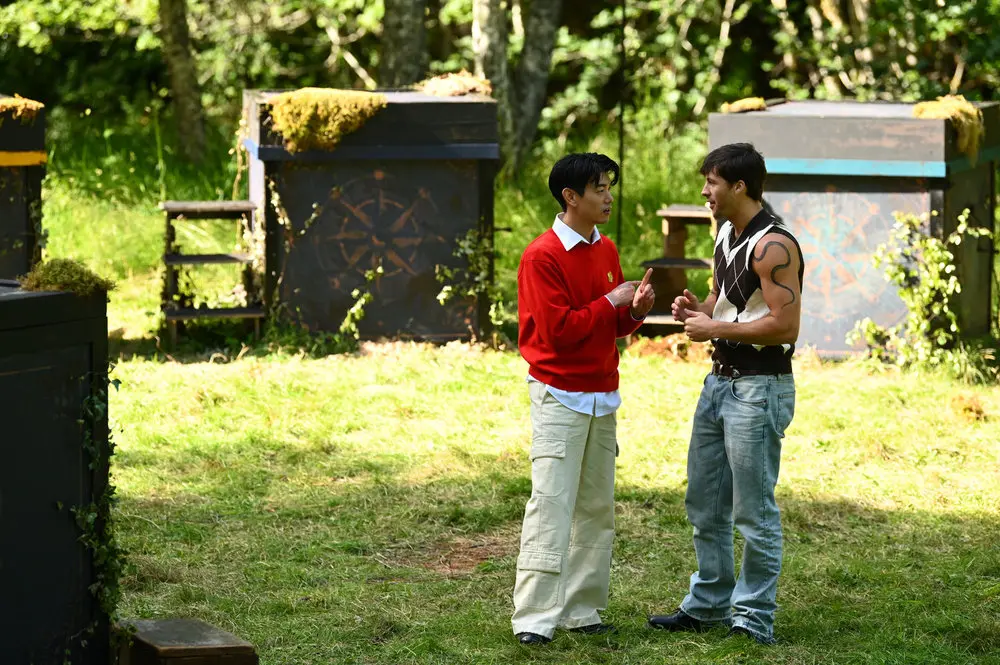
Eric Nam made it until the very end of season 4 of “The Traitors“; however, he left the Scottish castle empty-handed after being betrayed by his co-star, Rob Rausch.
“If I had done that, I just wouldn’t be able to live with myself in that way,” Nam told producers during the finale episode. “It’s just a different line in the sand that we have. Money is great, but I think relationships are more important. And it doesn’t feel good.”
In a new interview, Nam got even more candid about what was going through his mind during the final moments of “The Traitors” finale, and even revealed the three-word DM he received from Rausch after filming concluded.
Article continues below advertisement
Was Eric Nam Expecting Rob Rausch To Betray Him During ‘The Traitors’ Season 4 Finale?
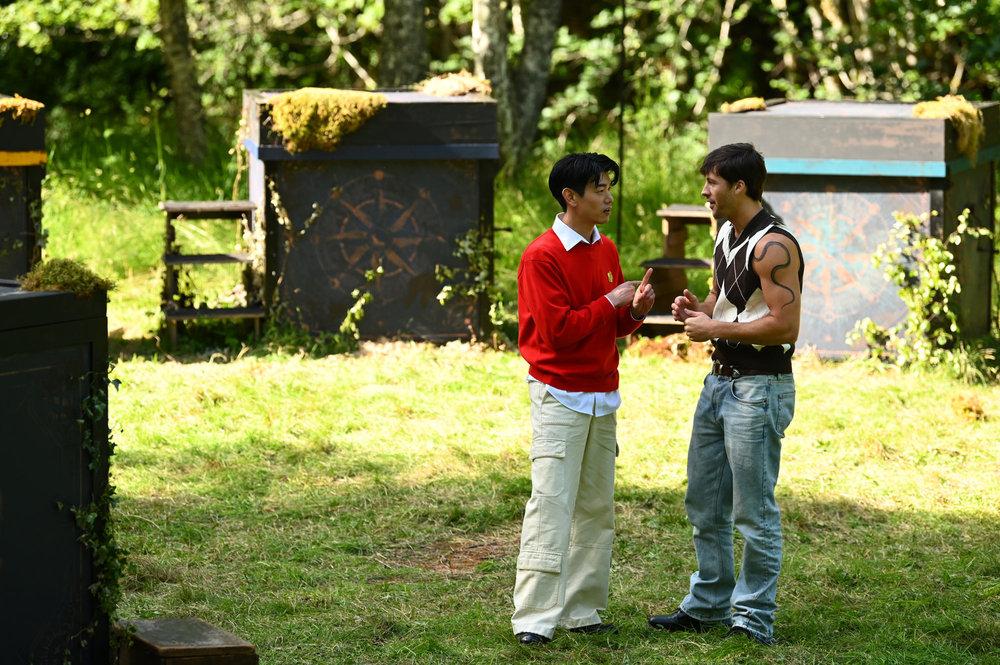
For those who might’ve missed it, Rausch was named the sole winner of season 4 of “The Traitors.” His victory came in the final moments of episode 10 after he and his “Love Island” ally, Maura Higgins, voted to send Olympian Tara Lipinski home, followed by Nam.
Speaking with Entertainment Weekly, Nam discussed what was going through his mind during that moment, including whether he believed Rausch would turn on him.
“At that moment, there was no doubt. I was genuinely floored,” Nam said. “There’s a confessional where I was like, ‘Would he do this?’ And I was like, ‘No.’ And so there were a few times that crossed my mind, but I was like, no.”
Article continues below advertisement
How Was Nam Feeling After He Was Betrayed By Rausch, His Fellow Traitor, During The Final Moments Of The Finale Episode
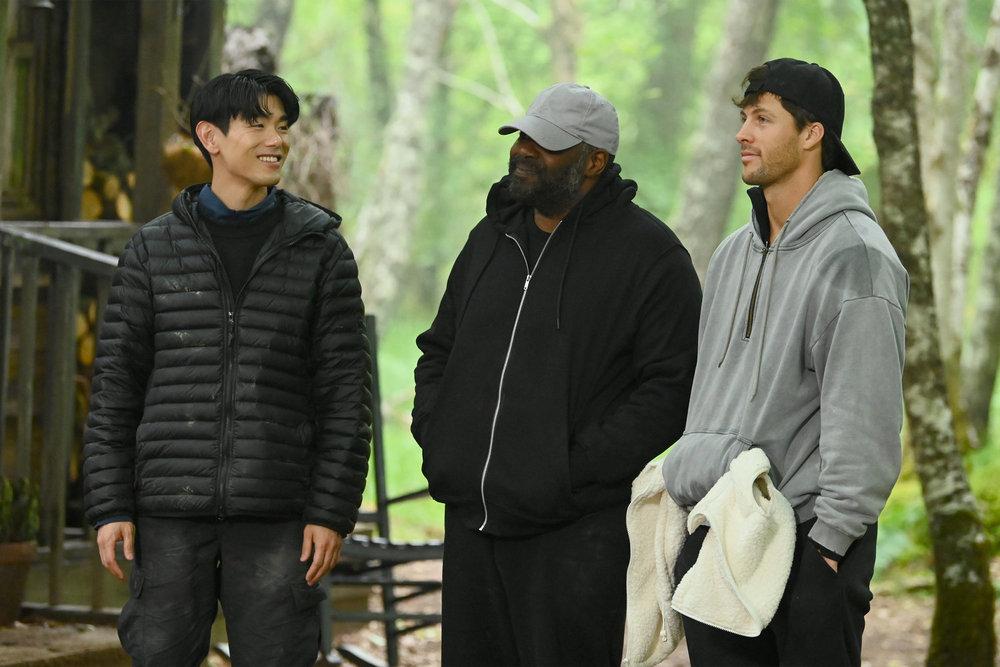
Unfortunately for Nam, the unthinkable happened—something he said made him feel “really dumb” and “very sad.”
The only silver lining was that filming had officially wrapped, and Nam could return to his regular life. “It was three and a half weeks, and mentally and physically just really exhausting to constantly be on edge and constantly paranoid,” he said.
“It was a lot. So I was relieved to be done, but more than anything, I was like, “You know what? I had a really good time. This has been a lot of fun, but I’m so glad it’s over,” he added.
Article continues below advertisement
Inside The Three-Word DM Rausch Sent Nam After Betraying Him During ‘The Traitors’ Final Roundtable Ceremony
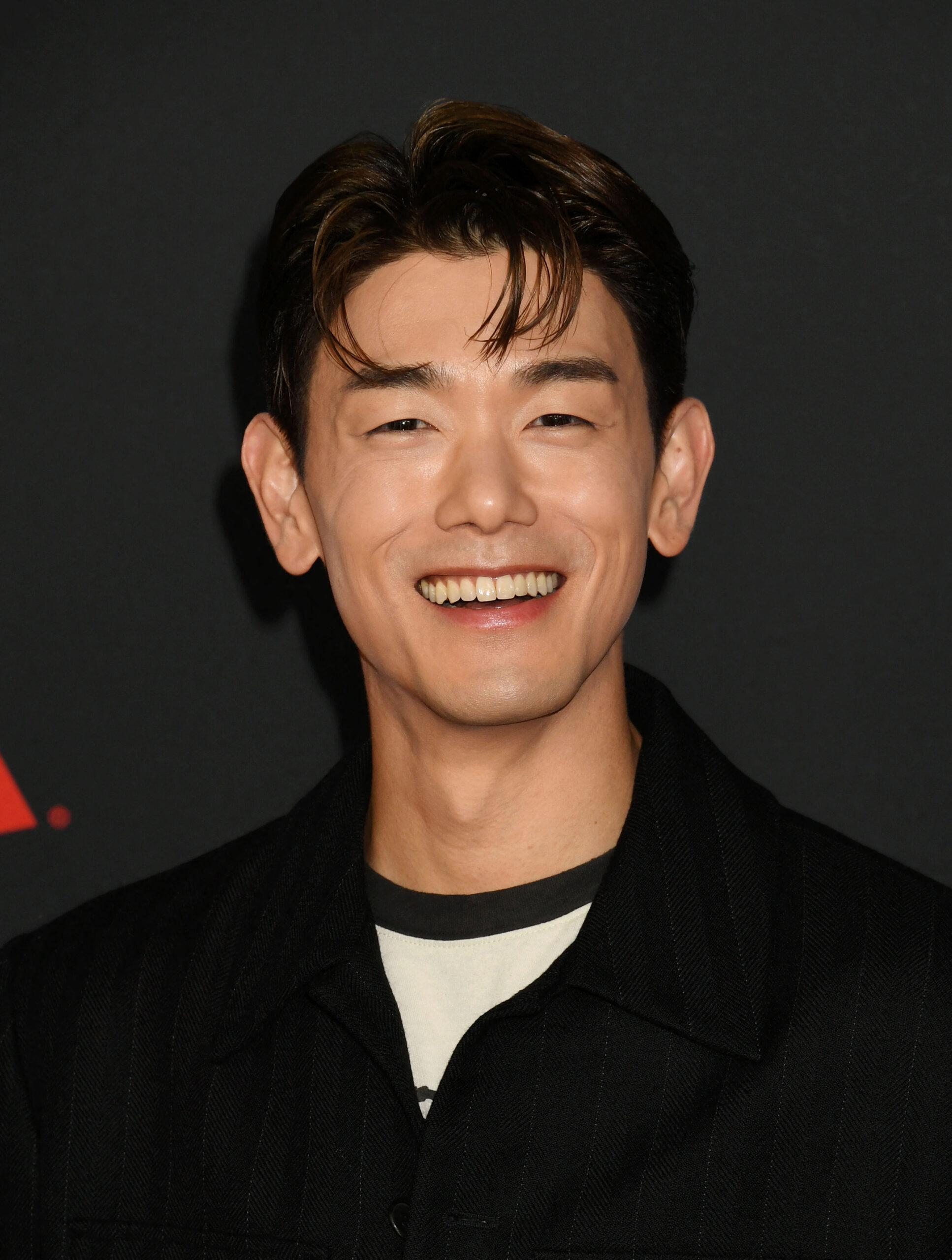
After Nam was eliminated from the series, he said he heard from Rausch through social media DMs a few days after. “… his literal words were, ‘My fault, G,’” Nam, who opened it but chose not to respond right away, said.
After some time, however, Nam said he had come around and had ended up connecting with Rausch, assuring the “Love Island” alum that everything was good between them.
“And then we didn’t talk for a long time until I guess recently because I was like, ‘What do we talk about?’” Nam joked.
Article continues below advertisement
Nam Wasn’t The Only Season 4 Contestant Who Left The Show Crestfallen

Nam wasn’t the only “Traitors” cast member who was disappointed by how things played out during the finale. According to a report from The Blast, Lipinski described herself as “heartbroken” when she realized she was being voted out by her fellow co-stars, specifically Higgins, whom she believed she successfully convinced to vote for Nam and Rausch moments before the final roundtable.
“I was for sure because we had a long conversation about it, and she was like, ‘I am all in. I’m all in. We are gonna get Eric. He’s gonna be so shocked what is gonna happen,’” Lipinski said. “And I went back to Johnny. I was like, ‘We did it! We just we won!’ And so at the roundtable, I was just blown away the first time. Because I believed it!”
Article continues below advertisement
She later explained feeling “bad” when she realized Higgins would soon learn Rausch’s true identity in the game.
“I didn’t know how it was gonna unfold exactly or how Rob would tell her, but I knew it was coming. So it was heartbreaking because at that point, I realized she just blindly trusted him and it was gonna be a huge, huge shock,” she said.
Why Kylie Kelce Was Annoyed With The Show’s Producers
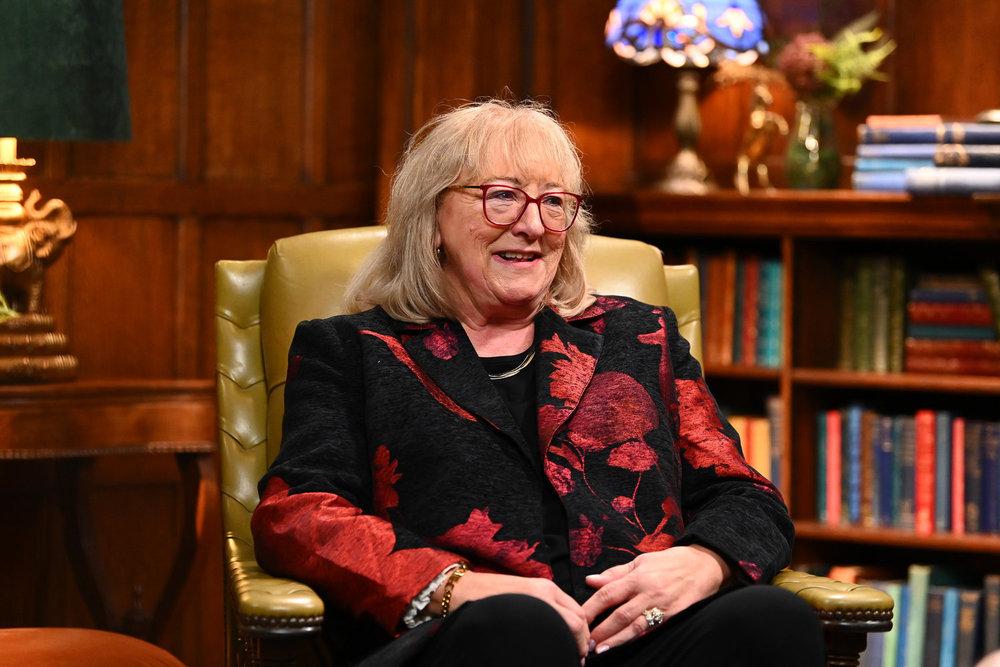
Another report from The Blast details Kylie Kelce’s annoyance with “The Traitors” producers. During an episode of the “Green Light” podcast, Kylie discussed her mother-in-law, Donna Kelce’s, performance on the show and explained why she believed the 73-year-old received an unfair shake.
For those unfamiliar, Donna was the series’ first-ever “Secret Traitor,” meaning she had to plot and kill alone, while the show’s other Traitors, comprised of Candiace Dillard Bassett, Lisa Rinna, and, of course, Rausch, played together.
Donna was eliminated during episode 3 after the majority of the cast sniffed her out, something Kylie said “annoyed” her. “I’m a little annoyed that she was a Secret Traitor,” Kylie said. “For some reason, her being a Secret Traitor has irked me to a degree I can’t explain.”
Article continues below advertisement
“I wanted her to have her best chance to team up with people to really get a little sneaky with things,” she added. “If she were a Traitor, but not the Secret Traitor, I think she would have nailed it.”

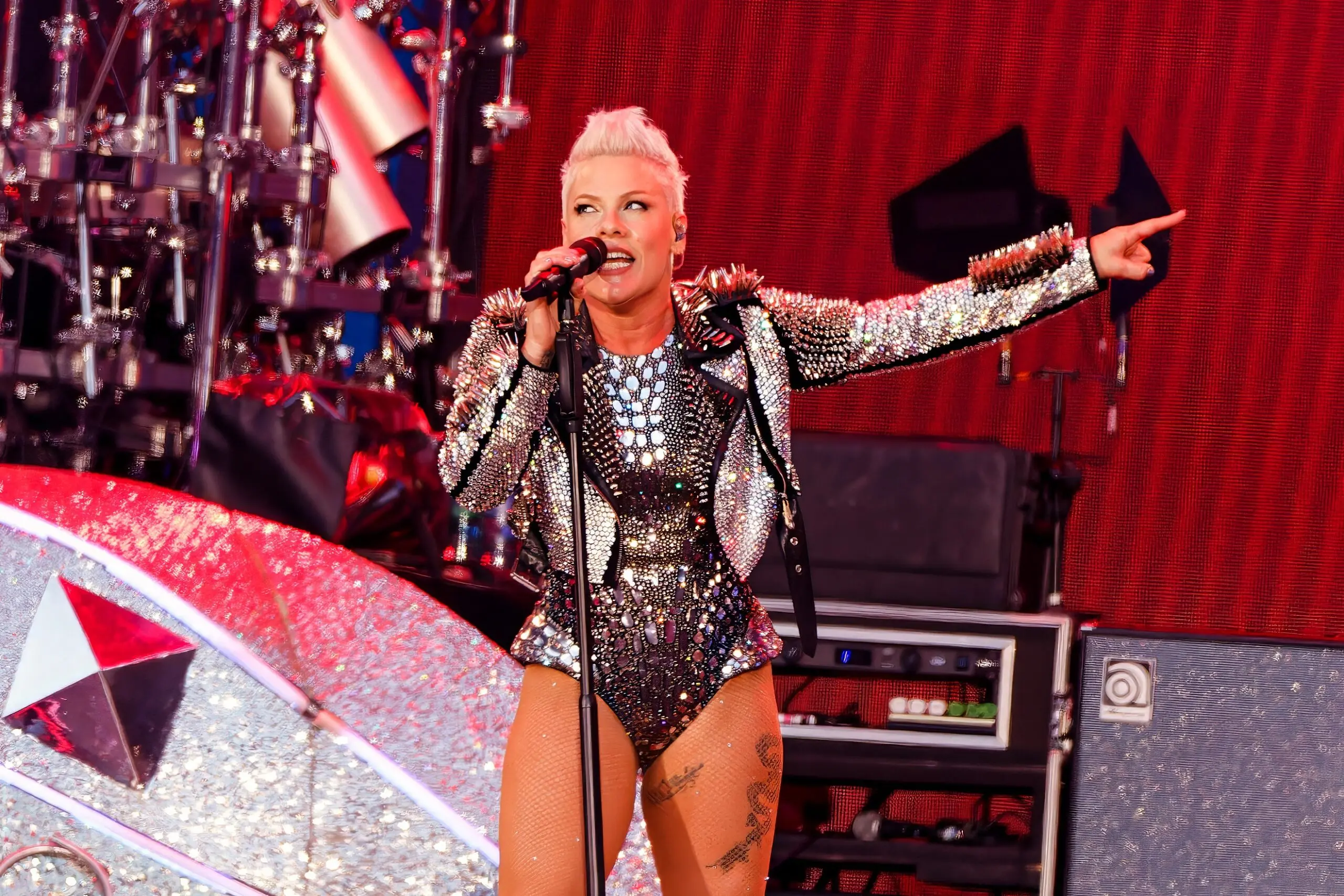
Pink, born Alecia Moore, has shared the real reason why she and her family moved to New York.
She explained that the relocation was motivated by family priorities. She is also addressing and clearing up some rumors about her career, offering fans an insight into her thoughts.
Article continues below advertisement
Pink And Her Family Moved For Her Daughter
March 2 marked Pink’s first day as a guest host for “The Kelly Clarkson Show,” where she revealed why she and her family; husband, Carey Hart and her children, 14-year-old Willow and 9-year-old Jameson, are now calling New York their home.
“We actually moved here because I am an amazing mom,” Pink told the audience. “And also so Willow could study theater and experience more Broadway,” the singer revealed.
In a 2024 interview with People, the singer boasted about her daughter, saying, “She’s got a voice, man. She’s a little bird. She wants to do Broadway and then be a trauma surgeon.” Pink has also given Willow the opportunity to perform in front of big crowds, as they have performed multiple times in the past.
Article continues below advertisement
The Mother And Daughter Sang Together
Willow was able to showcase her vocal prowess and performed the song “Hopeless War” from the musical “The Outsiders” with Pink. The pair delivered a powerful performance accompanied by a guitar and piano.
The performance was met with a resounding applause from the studio audience, and online users also shared their reactions on YouTube.
“Willow has definitely got the music/vocal talent passed down by her amazing mother. I can’t wait to see where she’s going to take her music career in the future,” one wrote. “Willow is such an incredible singer in her own right,” another commented
Others commended Pink for being a wonderful mother, with one writing, “Pink had done it right, parenting is not easy, but you can tell there’s respect toward each other.”
Article continues below advertisement
Pink Has A Close Relationship With Her Children
Despite being a global pop-rock superstar, Pink has always prioritized her children. In an appearance on “The Drew Barrymore Show” in 2023, the singer opened up about parenting and her relationship with her kids.
Pink often brings her two children on tour with her, and while it can be exhausting for them, she said they are great with traveling. It’s a big advantage for her, as she gets to spend time with them while working.
She shared with Barrymore that she and Willow had an emotional conversation at one point, where she told her daughter that while her career was important to her, it doesn’t mean it’s more important than her childhood. “I’ll walk away tomorrow, if that’s what you want. I’ll walk away tomorrow,” Pink told Willow.
Article continues below advertisement
Fortunately, it didn’t have to come to that, and her children understand the demands of Pink’s work.
Article continues below advertisement
Pink Addresses Rumor About Hosting Gig
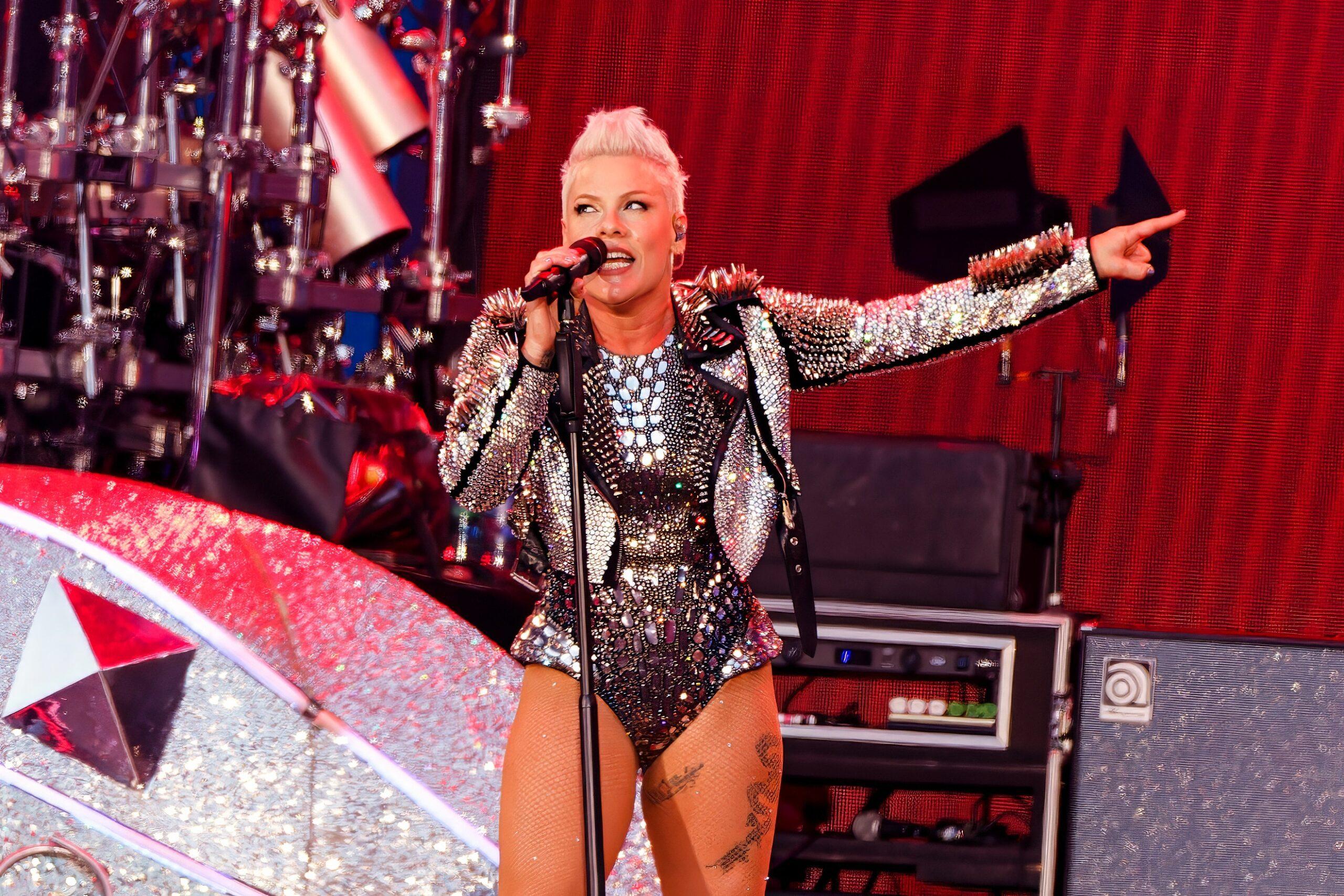
Pink is hosting “The Kelly Clarkson Show” for the first week of March, and with Clarkson leaving the show for good, many are speculating that the singer’s hosting stint is a more permanent one.
As The Blast previously reported, Clarkson has made the difficult decision to end her show after seven seasons to spend more time with her children.
Pink addressed the rumors that she will be taking over permanently for Clarkson. In an Instagram video, which has since been deleted, the “So What” singer said that hosting is only a temporary gig, which she is doing because it’s “fun.”
“If I wanted a talk show, I would not have to audition. I would just have one, and it would be amazing, not something I’m currently researching or looking for in my busy, busy, busy world,” Pink continued.
Pink Denies Split From Carey Hart
On February 27, several news outlets reported that Pink and Hart were getting a divorce after 20 years of marriage. The singer responded by uploading a video on social media, refuting the claims.
In the video, Pink said, “So I was just alerted to the fact that I’m separated from my husband. I didn’t know. Thank you for letting me know. I was wondering, would you also like to tell our children?” She then went on to list some topics that she deemed more worthy of reporting than her alleged split with Hart.
“Like I always say. If you don’t hear it from me, don’t believe the hype. Stay tuned, though! Who knows what could happen next!?!” she captioned the post.
By Robert Scucci
| Published

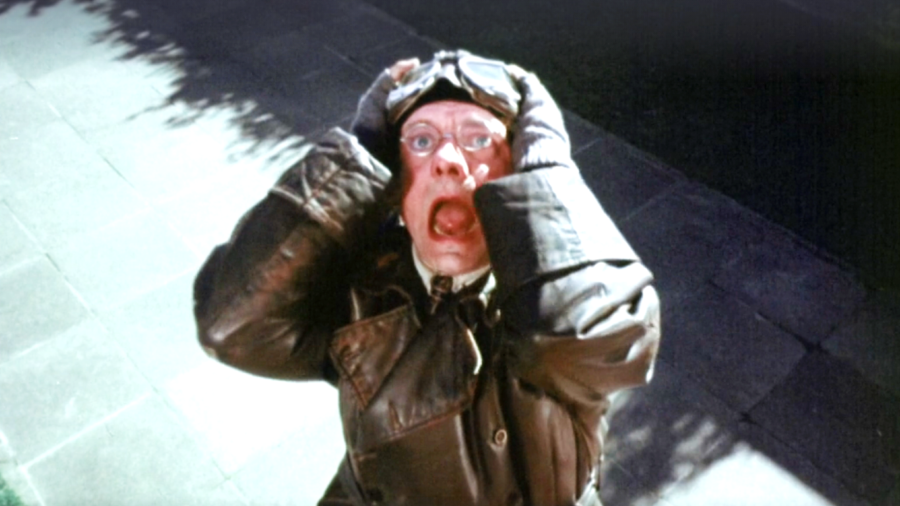
Here’s a little unsolicited life advice. If your wife or partner decides to leave you and you suddenly feel like you no longer want to live in this world, do not make any brash decisions. You may feel like hiring a hitman to take you out so you do not have to live another minute without your dearest love. Those feelings, while extreme, can hit hard in the moment. However, if your wife comes back and wants to reconcile after you have already paid the hitman to eliminate you, it is in your best interest to make sure you have a kill clause in your contract so he does not continue trying to finish what he started, like in 1978’s The Odd Job.
The Odd Job, more affectionately known as “the film Graham Chapman (of Monty Python fame) starred in that everyone forgets exists,” has more fun with its farcical concept and execution than its reputation suggests. It is a shame how overlooked this film truly is. Presently, it does not even have a critical score on Rotten Tomatoes. Even worse, it has clocked an unthinkably low 12 percent approval score on the Popcornmeter across fewer than 50 ratings.

I have seen a lot of clunkers in my day, and I am here to tell you that this movie is not 12 percent bad. It is not even 30 percent bad. I would give it at least a C+ for its willingness to build a comedy of errors around suicidal ideation, rash decision making, and the absolute chaos that follows. It is not Airplane!, sure, but it is also not The Room.
One Man’s Dread Is Another Man’s Bread
When Arthur Harris (Graham Chapman) is left by his wife, Fiona (Diana Quick), for another man, he is absolutely devastated and can think of only one solution for his pain. He is going to kill himself. After learning just how incompetent he is with a samurai sword, he attempts to build a homemade electric chair by rigging a lamp to its metal arms, with equally disastrous results. In a stroke of luck, The Odd Job Man (David Jason), who frequents his apartment building, makes an appearance looking for work.

Arthur has what he believes is a genius idea. He will pay The Odd Job Man to kill him, and call it a day. After a brief discussion about compensation, the handyman accepts the offer. Arthur has one condition: he does not want to see it coming. The Odd Job Man, now fully committed to assassinating Arthur at some unspecified time, gets to work.
Things fall apart almost immediately when Fiona arrives unannounced, telling Arthur she has made a mistake and wants to reconcile. Elated that his wife is willing to give their marriage another shot, Arthur now has one glaring problem. The Odd Job Man has already accepted payment and was clearly told at the start of this professional arrangement that he must follow through. The only “kill clause” in Arthur’s verbal agreement with The Odd Job Man is that he will be killed at some point.

Not knowing what else to do, Arthur contacts the authorities and becomes increasingly paranoid as The Odd Job Man’s assassination attempts grow more unhinged. This culminates in a live grenade tossed into a public restroom, a milkman delivery tainted with cyanide, and various other slapstick-inspired methods of annihilation, all of which prove to be unsuccessful. Never knowing when the next attempt will strike, Arthur realizes he must confront his killer before he is caught off guard and loses the life he now very much wants to keep.
A Valiant Effort From A Comedy Legend
While The Odd Job does not have a lot going for it narratively, it remains a solid feature that benefits from Graham Chapman’s physical comedy, elastic facial expressions, and willingness to fully commit to the bit. It is a farce through and through, and it is not pretending to be anything else. The characters are one-dimensional by design. How else could the film justify an intelligent, affluent man like Arthur making so many misguided decisions in such a short span of time?


You do not need big-brain energy to enjoy The Odd Job, currently streaming for free on Tubi, and there is nothing wrong with that. It is a simple assassination plot gone wrong, escalating steadily until it hits its breaking point. That is all it ever needs to be.
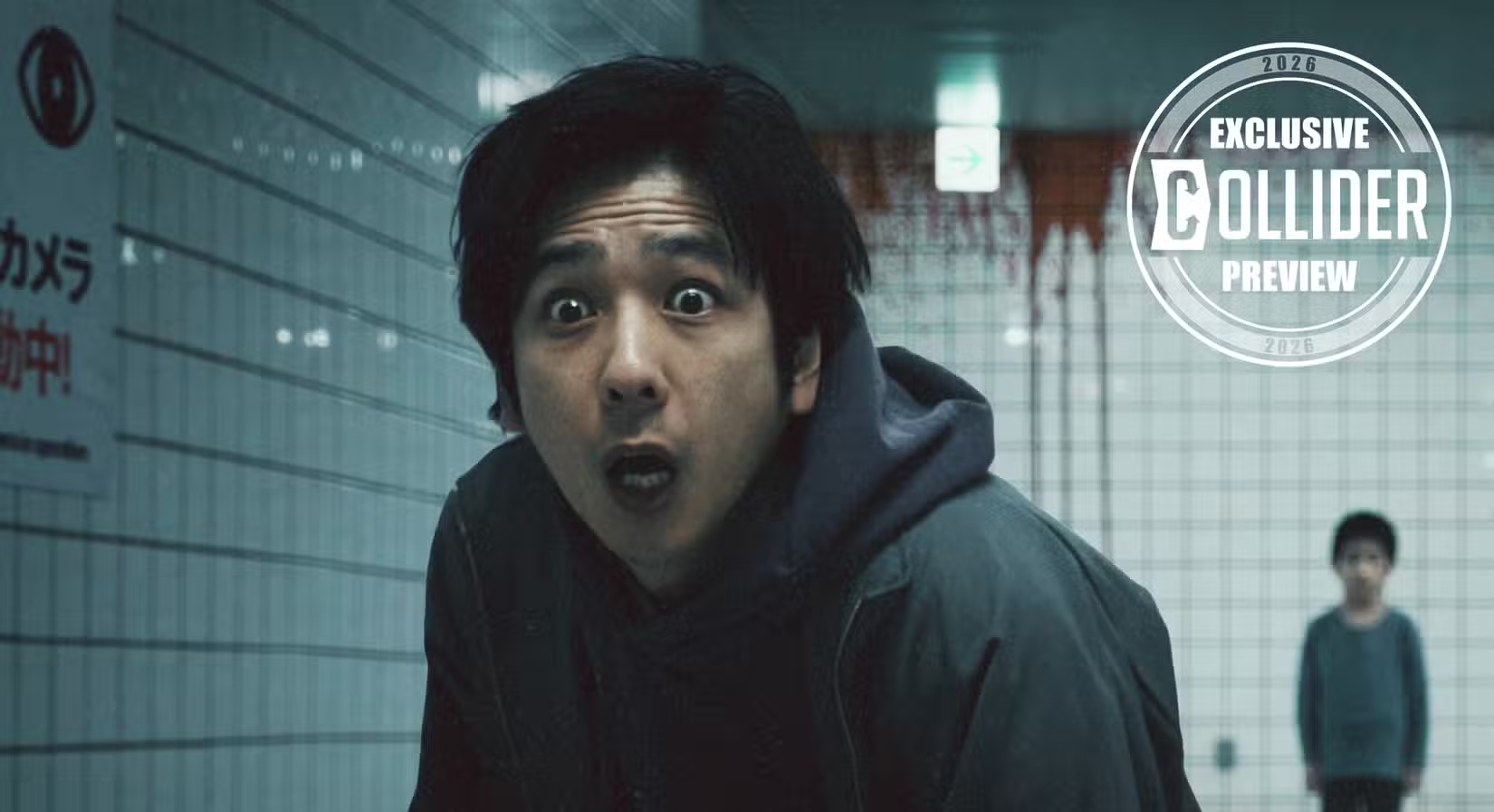
Game lovers have a lot to look forward to over the next year and beyond, thanks to an onslaught of adaptations that will take their favorite titles and adapt them into on-screen form. While 2025 closed out with Five Nights at Freddy’s 2, 2026 will see the arrival of Zach Cregger’s unique take on the Resident Evil franchise, and beyond that, Prime Video is busy chipping away at a live-action God of War project. In the midst of the excitement about the aforementioned productions, one might have slipped under the radar for some, and it’s already shaping up to be one of the most celebrated game-to-cinema makeovers that we’ve ever seen. Helmed by Genki Kawamura, Exit 8 serves as a theatrical adaptation of the fan-favorite 2023 video game that hailed from Kotake Create. Today, as part of Collider’s Exclusive Preview event, we’ve got a fresh look at the movie that will soon make its North American debut after a promising run in Japan late last summer.
Starring Kazunari Ninomiya (Last Samurai Standing), Exit 8 follows one man’s struggle to make it home alive after his everyday run-of-the-mill, mundane commute is flipped upside down and turned into a life-or-death situation. Searching for the titular door, the protagonist, known only as The Lost Man (Ninomiya), is given a multitude of rules and faced with hurdles on his journey to find a way out. Filling out the call sheet alongside Ninomiya is a lineup that includes Yamato Kochi (Hitman from Today), Nana Komatsu (The World of Kanako), Kotone Hanase (A Far Shore), and Naru Asanuma (The Night After the Divorce).
Capturing the immense panic and terror of The Lost Man’s hopeless situation, our exclusive new look at Exit 8 perfectly sets the tone for the feature. Looking at something in front of him that we can’t see, The Lost Man appears absolutely mortified in the image with his eyes bulging and fear washing over his face. Behind him, a little boy stands calmly against a tiled subway wall that appears to be dripping with blood.
NEON Celebrates Its First Video Game Adaptation with ‘Exit 8’

With a string of smash hits over the last few years that include Academy Award favorite Anora and horror standout Longlegs, NEON has been at the top of its game as a production studio. The company will handle the distribution of Exit 8 in the United States, making it the first video game adaptation to hail from the longtime favorite indie studio.
Check out our exclusive new shot from Exit 8 above and see it in cinemas in the United States on April 10. Stay tuned for more to come from Collider’s Exclusive Preview event.

Three to Tango — The Collider Movie Quiz!
Can you identify the movie from a trio of its stars? Matthew Perry, Neve Campbell, and Dylan McDermott hope you can.

- Release Date
-
April 10, 2026
- Runtime
-
95 Minutes
- Director
-
Genki Kawamura
- Writers
-
Genki Kawamura, Kentaro Hirase
-

Kazunari Ninomiya
The Lost Man
-
Yamato Kochi
The Walking Man
Texas Rescue
What a Hot (Air) Mess!!!
Balloon Snags on 900-Foot Tower
Published

Longview Fire Department via Storyful
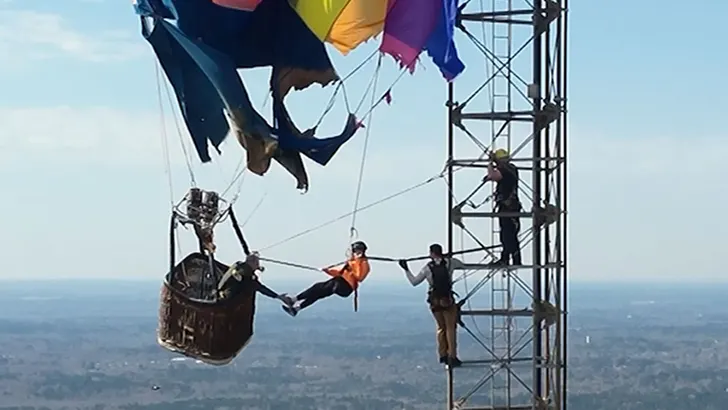
It’s a bird! It’s a plane! It’s a hot air balloon tangled up in a communications tower! Firefighters in Longview, Texas, rescued 2 hot air balloonists Saturday after they crashed into a 900-foot-tall structure … and the harrowing mission was all caught on video.
Watch the clip … you can see the balloon is basically ripped to shreds … which makes you think they may have been lucky to get caught hanging hundreds of feet above ground –instead of hurtling towards the earth!
In an interview with KLTV, the Longview Fire Department said its firefighters had trained for a hot air balloon incident … but not like this. Due to the height of the tower, 6 different rope systems had to be used, KLTV reported. A total of 35 firefighters reportedly responded, including 14 that were deployed on the tower and 21 on the ground.

Thankfully, both balloonists reportedly were able to get safely to the ground.
And we’re guessing they might want to stay on terra firma for a while!
By Jonathan Klotz
| Published

Comedy is hard. Dying is easy. That could explain why comedy movies have fallen out of favor over the last decade while horror remains as hot as ever. It also explains the enduring appeal of 2009’s Zombieland, which is back on Netflix.
The horror comedy decided to get in on the joke by acknowledging the absurdity of zombie movies right off the bat with the Rules to Surviving a Zombie Apocalypse. It’s offbeat, it’s a little weird, and nearly 20 years later, it’s still one of the best horror comedies of all time.
How To Survive Zombieland

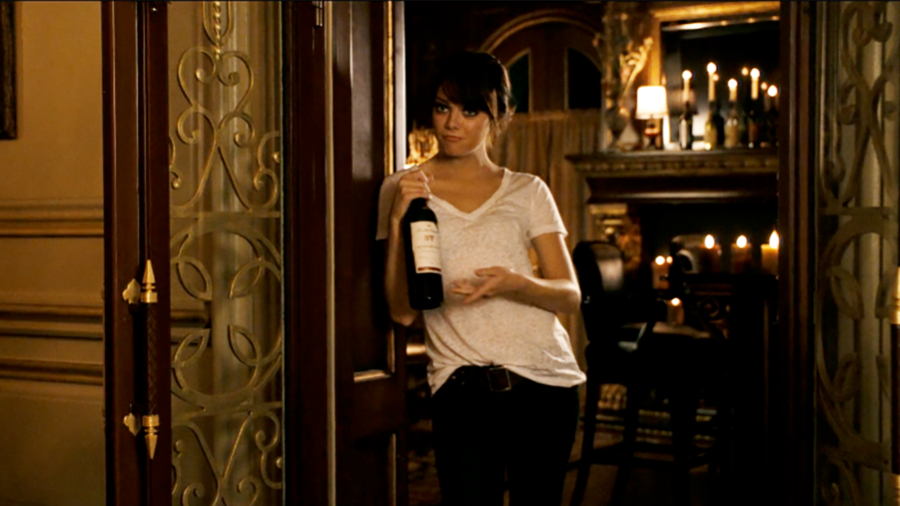
Zombieland keeps its focus tight on a group of four survivors, known only by their hometowns to keep from becoming attached: Columbus (Jesse Eisenberg), Tallahasse (Woody Harrelson), Wichita (Emma Stone), and Little Rock (Abigail Breslin). The group travels across the U.S., originally first to Columbus, but upon hearing it’s been overrun, the guys agree to go with the sisters to Los Angeles and Pacific Playland. Zombie survival movies don’t need high stakes; they need personal ones. Giving Little Rock a sense of normalcy in the face of the end of the world is enough.
Columbus makes sure to share his rules for survival along the road and points out examples of when other survivors weren’t following them. If that sounds like you and your friends while watching the Dawn of the Dead remake, 28 Days Later, or any serious zombie movie ever, then you know why it was so refreshing to see a film getting in on the fun of horror. Zombieland includes its fair share of dumb decisions, but it’s usually with a wink and in one case, with the greatest cameo in movie history.
Zombieland Was So Good They Did It Again

At the time of its release in 2009, Zombieland was the most successful zombie movie in history with a worldwide take of $102 million. If that seems low, it is, but as with most horror movies, the production budget was only $25 million, and it did gangbusters on DVD. The sequel, which came out a decade later in 2019, Zombieland: Double Tap, was as successful and succeeded in expanding the world with new survivors, new zombies, and a monster truck.
Director Ruben Fleischer had to have enjoyed working with the cast since he keeps bringing them back for his other movies. He worked with Emma Stone again in Gangster Squad, Jesse Eisenberg in 30 Minutes or Less, Woody Harrelson in Venom: Let There Be Carnage (Fleischer directed the first, produced the second), and both Eisenberg and Harrelson in Now You See Me: Now You Don’t. Recently, he’s been talking about a third Zombieland film.

For the curious, it’s possible to go to Pacific Playland, in reality, Wild Adventures in Valdosta, Georgia, which includes rides not featured in Zombieland, including the inverted coaster Hangman and the Boomerang, a simple ride that sends you upside down going forwards, and then winds up and does it again backwards. For everyone else, it’s always a good time to give the original a rewatch and wonder why Hollywood stopped being able to produce anything this self-aware and funny ever since.
Entertainment
Investigators are 'definitely closer' to finding answers about whereabouts of Savannah Guthrie's mom Nancy
:max_bytes(150000):strip_icc():format(jpeg)/Sheriff-Chris-Nanos-savannah-guthrie-nancy-guthrie-030326-df286e0347bb4f7aaeeee53f15858342.jpg)
The “Today” anchor and her siblings recently increased the reward for their mother’s recovery to $1 million.
A good action movie keeps our adrenaline pumping as the battles rage on. Whether it’s a hero on a mission or a team battling a disaster, the action must keep audiences glued to their screen from start to finish. When a great action movie leaves you eager for more, you know it was a success that future films will try to replicate. They’re the films that stick with you for a lifetime.
But sometimes, when an action flick is good, not great, it falters in earning that perfect status because it’s missing something; maybe it’s a plot hole or a character choice, ort could be lost to time or mixed in the shuffle. Whatever it is, it makes the movie forgotten by modern audiences. We’re here to discuss those, the action movies that come close to perfection and are still all but forgotten today. These near-perfect films are the ones that miss out on the all-time great list, and thus have been lost to time.
10
‘Con Air’ (1997)

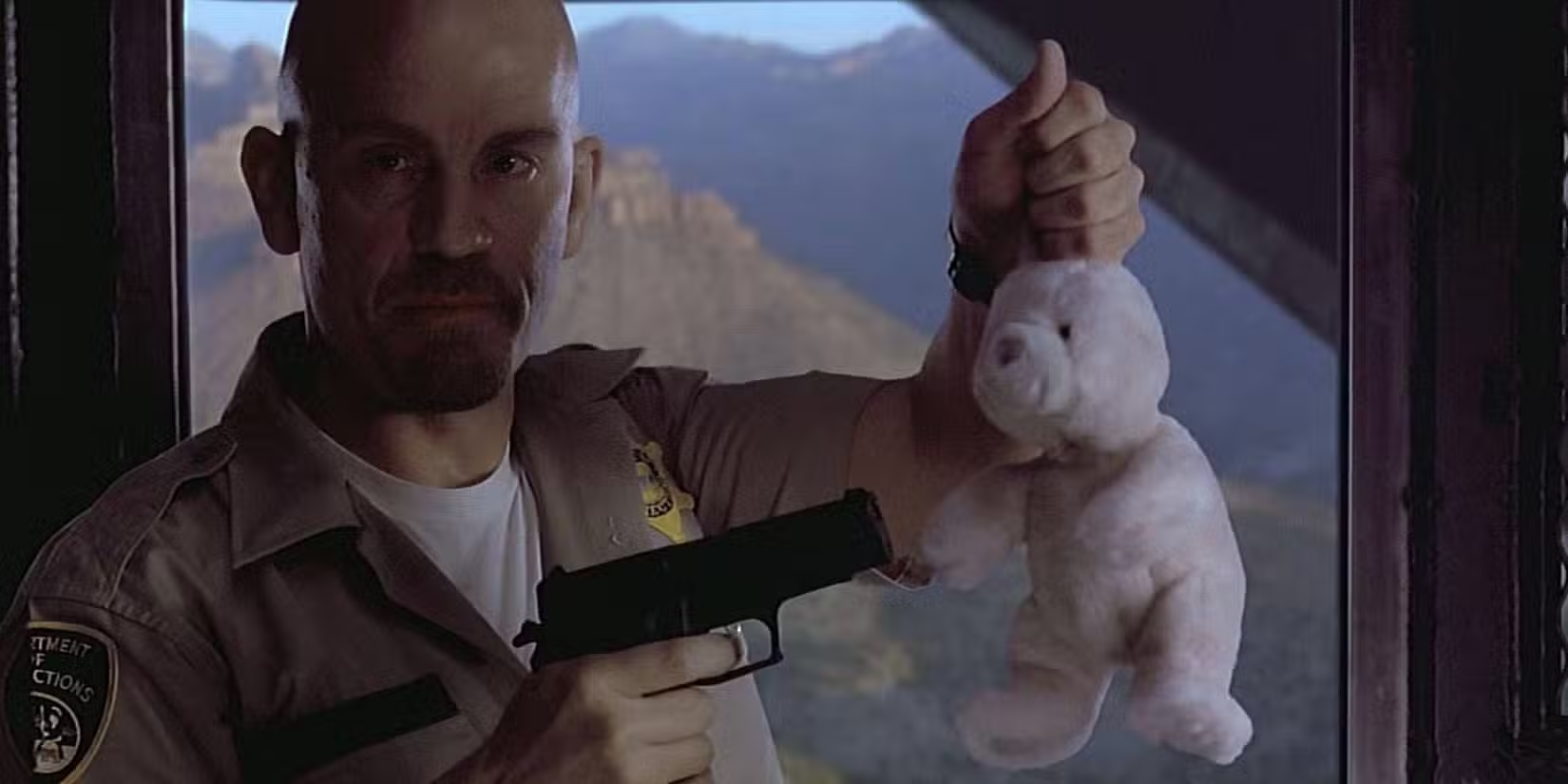
If there is one actor who has had a wild and versatile career, it’s Nicolas Cage. Unafraid of making bold choices, Cage puts his full self in his films, but that doesn’t always mean it’s always right. For instance, if there was one thing that pulled you out of Con Air, it’s the country-fried dialect Cage gave to Cameron Poe. The epitome of ’90s action films, Con Air follows Poe, a paroled Army Ranger, as he’s transported home aboard a prison transport plane called the Jailbird. On board, the passengers include some of the worst prisoners, many of whom plan a heist to hijack the plane. Poe must use his skills to defeat Cyrus “The Virus” Grissom (John Malkovich) and his gang so he can make it home alive.
An over-the-top, formulaic action thriller, Con Air is brilliant in concept and execution. Looking at the casting, which also includes John Cusack, Ving Rhames, Steve Buscemi, and more, you’d think Con Air would be perfect. But Cage’s accent is simply too distracting, especially when he’s delivering hard-hitting bits of dialogue. You can certainly appreciate Cage for crafting a fully-rounded character, but it detracts from an overall masterpiece.
9
‘The Rocketeer’ (1991)

Directed by Joe Johnston and set in 1938 Los Angeles, The Rocketeer sees stunt pilot Cliff Secord (Billy Campbell) find a stolen, top-secret Nazi-coveted rocket pack. After earning the attention of Howard Hughes (Terry O’Quinn) and the FBI, Secord uses it to become a hero, fighting Nazi agents, while protecting his girlfriend, Jenny Blake (Jennifer Connelly), and his mechanic mentor, A. “Peevy” Peabody (Alan Arkin). Based on the comic book character of the same name by Dave Stevens, The Rocketeer is a sleek film that celebrates an ordinary man who becomes extraordinary.
Rooted in nostalgia with a glamorous ’30s Art Deco tribute, The Rocketeer is a retro throwback that came out way before it was ready. There is a sense of marvel, the heroes are charming, the villains are dastardly, and the cinematography, for its time, is a wonder. But with high-flying effects central to the film, The Rocketeer became extremely dated, unable to earn masterpiece status to prevent us from giving it a pass. It’s a sleeper hit that became a beloved cult classic, but when you can sense the green screen, you’re taken out of the wonderment. Though it may have to be adjusted in the story, The Rocketeer is a film that deserves a remake.
8
‘Last Action Hero’ (1993)

In the ’80s, Arnold Schwarzenegger was a full-on action hero. The films he brought to life were full-fledged action thrillers, jam-packed with action, drama, and destruction. Then, in the ’90s, Schwarzenegger opted to shift and flex his comedic skills, appearing in films that toed the line between action and comedy. Last Action Hero almost worked. The fantasy adventure film follows a young boy named Danny Madigan (Austin O’Brien), who is obsessed with the Jack Slater films. With the help of a golden ticket, Danny is magically transported into the latest film, teaming up with the fictional, invincible Slater to fight villains. When Mr. Benedict (Charles Dance), a ruthless assassin, grabs the ticket and escapes to the real world, Danny and Arnold’s Jack Slater are forced to save the day.
A delightful film, it gets a bit too meta to be completely believable. While it serves as a brilliant exploration of the action genre as a self-aware deconstruction, balancing satire and a love letter to cinema, the actual action genre gets muddied at times, and it comes with Schwarzenegger’s attempt to parody himself. Last Action Hero didn’t necessarily earn iconic status just yet. That said, if you can forgive the in-jokes and appreciate the film for what it is, Last Action Hero is one of the actor’s underappreciated hits.
7
‘The Long Kiss Goodnight’ (1996)

Nothing can kill a potentially brilliant action film like some sloppy storytelling. Such was the case for Renny Harlin’s The Long Kiss Goodnight. The film tells the story of Samantha Caine (Geena Davis), a suburban schoolteacher with amnesia, who, after a car accident, triggers memories of her violent past, discovers she is actually a highly skilled government assassin named Charly Baltimore. When her past catches up with her, she teams up with a private investigator (Samuel L. Jackson) to uncover a conspiracy.
A story about the rebirth of an identity, The Long Kiss Goodnight is a fast-paced thriller that’s exceptionally well-led. It is highly regarded, thanks to the wonderful chemistry between Davis and Jackson. With Davis as the focal point, the film satisfied the itch for female-driven action thrillers. Today, the government’s plot to blame a Niagara Falls attack on terrorists to gain military funding doesn’t play well. Then, if you can get past an amnesiac school teacher who once was an assassin, you’ll be fine, but the premise often leads to moments when you ask yourself, “What?” Luckily, Davis overcomes a split-personality performance, with Jackson anchoring her.
6
‘To Live and Die in L.A.’ (1985)

If you ask director William Friedkin, To Live and Die in L.A. was as close as he’s ever been to his perfect vision. And yet, it’s still underrated compared to his other efforts. From the visionary behind The Exorcist, To Live and Die in L.A. follows Richard Chase (William Petersen), a reckless Secret Service Agent who becomes obsessed with avenging his partner’s murder by a dangerous counterfeiter, Rick Masters (Willem Dafoe). A story of blurred morality through the lens of corruption and revenge, To Live and Die in L.A. is a style-over-substance masterclass that dreams of being The French Connection.
A daring and sometimes erratic cop thriller, Friedkin pushes bullets, betrayals, and forgeries as an allegory for obsession and the drive to become whole again. If you’re willing to set aside your desire for action to focus on the film’s deeper meaning, To Live and Die in L.A. is a great work of art. Yet the ending also makes you feel as if injustice is something you have to get over. Nevertheless, it’s a stunning film with utterly visceral action. If you love a good car chase, To Live and Die in L.A. delivers. Between a gritty, unforgiving appearance and the Wang Chung soundtrack, it feels like an ’80s classic that falls short of perfection.
5
‘Dredd’ (2012)

If you were a comic book blockbuster arriving anywhere between The Avengers and Justice League, I’m sorry, you’ve simply been forgotten with time. Such is the case for 2012’s Dredd. Based on the 2000 AD comic strip, the Pete Travis-directed, Alex Garland-written film stars Karl Urban as Judge Dredd, a law enforcer given the power of judge, jury, and executioner in a vast, dystopian metropolis called Mega-City One. Dredd is partnered with Cassandra (Olivia Thirlby), a rookie with powerful psychic abilities, and together, they seek out Ma-Ma (Lena Headey), a drug lord who will stop at nothing to protect her empire in the 200-story high-rise apartment block.
Brought to life with such force and fidelity to the source material, Dredd is an intelligent and immersive film that may have been too gritty for the PG-13 superhero world of the 2000s. Though the helmet stayed on, Urban maintained the integrity of the source material while also nailing a phenomenal performance. The pacing clips along, and when it’s deliberately slowed, Travis meticulously delivers visually stunning moments amid the horrific violence. Perhaps Dredd doesn’t get the adoration it deserves because it’s not a full-scale save-the-world feature, but rather focuses more on a day in the life of Dredd.
4
‘Backdraft’ (1991)

Directed by Ron Howard, Backdraft follows two Chicago firefighter brothers, Stephen (Kurt Russell) and Brian McCaffrey (William Baldwin), estranged years after the tragic death of their legendary firefighter father, as they navigate intense sibling rivalry and a series of fatal, oxygen-induced arson fires. While senior firefighter Stephen leads the dangerous jobs, rookie Brian joins the arson investigation unit, led by Donald “Shadow” Rimgale (Robert De Niro), to solve the mystery of the “backdraft” fires. They uncover a political conspiracy by corrupt politician Martin Swayzak (J.T. Walsh), who is cutting fire department budgets, and a pyromaniac who is setting fires to eliminate those opposing the politician.
In disaster films, the actual disaster happens, leaving the rest of the film as an aftermath saga; not in Backdraft. The threat here is unrelenting, keeping the stakes up throughout. But when seeking a blockbuster of grandeur, fires just didn’t have the same appeal. Perhaps now, with television’s love for shows like Chicago Fire, Backdraft might have been fondly remembered. Unfortunately, even with a top-tier team of actors and creators, it wasn’t enough to heat our memories in a glorious blaze.
3
‘Sudden Death’ (1995)
For better or worse, hockey is back in the mainstream, trending now more than ever. The ’90s have their fair share of hockey flicks, including Sudden Death. Directed by Jean-Claude Van Damme‘s longtime collaborator, Peter Hyams, the action thriller follows Van Damme as Darren McCord, a firefighter-turned-arena security officer at the Pittsburgh Civic Arena. Hoping to impress his children, Emily and Tyler (Whittini Wright and Ross Malinger), Darren scores tickets to the Stanley Cup finals, unaware that the entire arena has been overtaken by a group of terrorists. Former CIA agent Joshua Foss (Powers Boothe) holds Vice President Daniel Bender (Raymond J. Barry) hostage in a press box, with plans to blow up the entire arena if the ransom is not paid. But when McCord learns of the plot, he jumps into action to save the day.
A high-octane thriller, it’s Van Damme doing what he does best: kicking ass and taking names. Sudden Death was riding high on the earlier success of Die Hard, but every attempt to replicate the blueprint sadly fell short. The “one man, one building” format works for a claustrophobic, high-stakes action thriller, but Sudden Death opted for a silly but fun approach that didn’t appeal to all viewers. Though Sudden Death is a truly dated film, a newfound appreciation for hockey might give you a reason to rediscover it.
2
‘Attack the Block’ (2011)

When it comes to overlooked science fiction action movies, Attack the Block tends to make the most. The 2011 film, directed by Joe Cornish, follows a teenage street gang in South London as they defend their housing estate against a sudden alien invasion on Bonfire Night. After initially mugging a nurse named Samantha Adams (Jodie Whittaker), the group, led by Moses (John Boyega), teams up with her to battle black, glowing-toothed, furry, gorilla-like extraterrestrials. With a then largely unknown cast, Attack the Block never found an audience until it reached cult classic status.
A modern, edgy film with a retro vibe, Attack the Block is one of those titles that sounds ridiculous, but with an effective plot, earns its premise. Almost immediately, the group must outrun the police, local drug lords, AND monstrous aliens, resulting in an unnerving, action-packed joyride. By commenting on the misjudgment of the evil youth trope being broken open, audiences relate to the protagonists and their crusade. Whether standalone or as a unit, the entire cast shines, even Nick Frost as local drug lord Ron. Looking back at the cast and where they are now, perhaps we’d remember the film fondly for what it was.
1
‘Monkey Man’ (2024)

Monkey Man came out less than 24 months ago, but that doesn’t mean it hasn’t completely skipped our minds. Dev Patel’s directorial debut tells the story of an anonymous young man who unleashes a bloody revenge campaign against corrupt leaders in Mumbai who murdered his mother and oppressed his village. Taking inspiration from the legend of Hanuman, Monkey Man is a stylish film about trauma, faith, and social caste.
Monkey Man is all Patel, all the time. Between his vision and performance, you can sense how deep he goes to make it work. In front of the camera, Patel delivers a magnetic, emotive performance, evoking deep trauma and rage through his eyes. Behind the camera, he’s still a fledgling filmmaker, but he still delivers a raw film with inventive, claustrophobic, and intense hand-to-hand combat. Monkey Man is an enriching film, steeped in faith and culture, that serves as a beacon for marginalized communities. If you’re willing to go with Patel and his mission to overstuff his debut with everything and the kitchen sink, you’ll wish you hadn’t forgotten Monkey Man existed.
By Chris Snellgrove
| Published

Sherlock Holmes is one of the most popular characters ever made, and for writers and directors, that’s a problem. The character has already been reconceived as a kind of action hero in the 2009 Sherlock Holmes film, and the character has been transported to a modern setting in the highly successful 2010 Sherlock show. Between these projects and nearly 140 years of Sherlock media, it’s difficult to imagine that anyone could ever do anything new with this character.
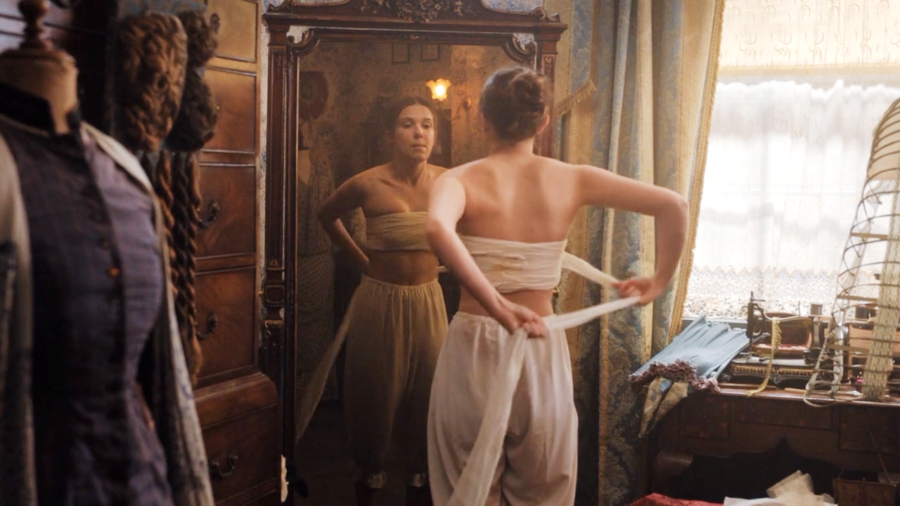
A few years back, though, Netflix solved this problem in the most unconventional way: by focusing on Sherlock’s sister instead! Enola Holmes (2020) is a relentless comedy caper that stars Superman icon Henry Cavill as Sherlock and Stranger Things icon Millie Bobby Brown as his sister, the titular Enola Holmes. The film will change how you see both of these legendary actors, and it won’t take long before you get caught up in the best mystery comedy (sorry, Knives Out, I said what I said) of modern cinema.
Elementary, My Dear Eleven

The premise of Enola Holmes is that the titular character is a precocious, wildly intelligent girl who wakes up one day to a mystery: her mother has suddenly gone missing. She has the same mystery-solving moxie as her famous brother, and it doesn’t take her very long to seek out the help of Sherlock Holmes. There’s only so much he can do, however, leaving his little sister to use all of her wits and more than a bit of luck to solve a case that may very well affect all of England before everything is said and done.
As you might expect, Enola Holmes is filled with some familiar British actors, including Burn Goreman (best known for Beetlejuice Beetlejuice). If you’re not a huge fan of UK television, though, you’ll be far likelier to recognize big names like Helena Bonham Carter (best known for Fight Club) and Henry Cavill (best known for Man of Steel). But the real star of this particular show is Millie Bobby Brown (best known for Stranger Things), whose charismatic performance as the titular Enola Holmes allows her to let her hair down and show just how funny she can be when she’s not stuck in an ‘80s pastiche horror show.
It’s No Mystery Why Audiences Love Enola Holmes

Enola Holmes is exclusive to Netflix, which is historically very cagey about streaming numbers. However, the film was very clearly a major success, which is why we got Enola Holmes 2 just a couple of years later. Netflix has since confirmed that they are working on Enola Holmes 3, so we may see a third cinematic outing for Sherlock Holmes’ sister quicker than you can say “the game is afoot.”
When Enola Holmes came out, reviewers decided that this fresh take on the Sherlock formula was exactly what they had been looking for. On Rotten Tomatoes, it has a 91 percent, and critics praised the film for breathing such new life into the Sherlock mythos. They also singled out Millie Bobby Brown for giving an utterly charming performance full of all the grace and humor that she never really gets to display in Stranger Things.
A Modern Twist On A Classic Franchise

During my initial viewing of Enola Holmes, I generally agreed with the critics that this is a fun, lighthearted take on the Sherlock Holmes mythos. It’s less interested in pure spectacle than the Robert Downey Jr. film and far less invested in broody drama than the Benedict Cumberbatch TV show. Instead, this movie invites you to just vibe out in one of the most popular fictional universes ever made, all while reminding you why so many fell in love with Sherlock in the first place.
While it may sound pretty weird on paper, Enola Holmes is also highly effective precisely because it was designed as a comedy caper rather than a serious mystery. In the wrong hands, this would have been a disaster, and it’s easy to imagine the whole thing coming across like a dead-on-arrival Saturday Night Live skit. But director Harry Bradbeer (best known for his work on Killing Eve and Fleabag) perfectly channels the playful energy of the film to create a manic adventure that barely leaves you any time to breathe.
Millie Bobby Brown’s Best Work

Rewatching Enola Holmes crystallized something that I suspected on my first viewing: this is, by far, the best acting Millie Bobby Brown has ever done. She is obviously most famous for Stranger Things, a show where she spends far too much time just mutely making weird faces and trying to look like she’s channeling psychic forces. Enola Holmes allows her to showcase a full range of acting abilities, and I was astonished at how effortlessly funny she could be. Before this, I wasn’t sure if she was a very good actor at all; by the time the credits rolled, though, I was ready for more films to cast her as the lead!
Will you agree that Enola Holmes is Netflix’s best mystery comedy, or would you rather go look for a new deerstalker hat than watch this from beginning to end? The answer to that question is elementary, my dear Watson: to find out, you just need to grab your remote and start streaming! If you like what you see, don’t forget that you can keep the mystery party rolling with Enola Holmes 2, a sequel that brings you even more of the quirkiest take on the Sherlock mythos to ever grace the small screen.
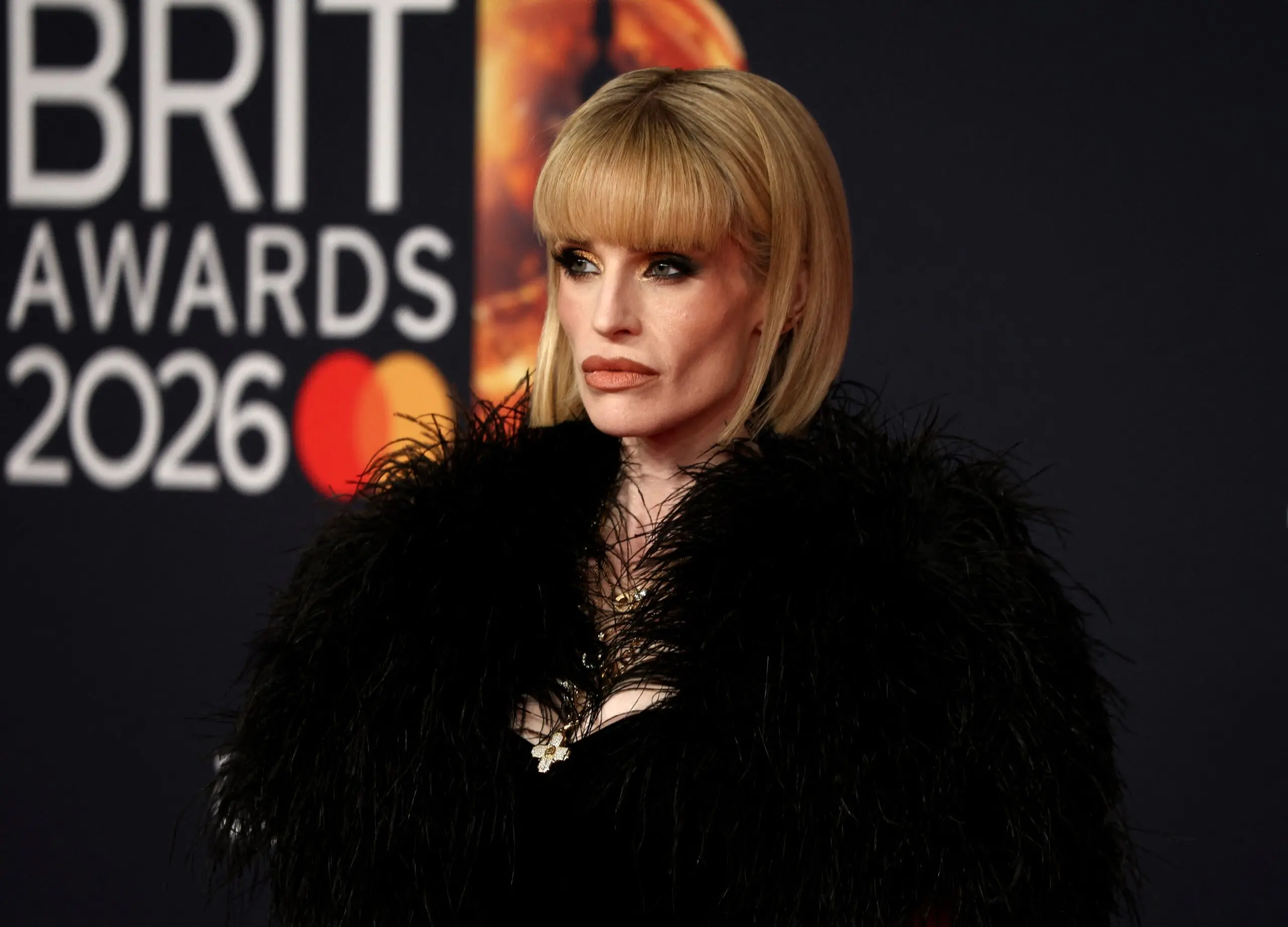
Kelly Osbourne walked onto the BRITs stage carrying more than a trophy.
Just months after losing her father, Ozzy Osbourne, she stood before a packed arena to honor his legacy, only to log on later and find her own body picked apart online.
What should have been a powerful family moment quickly turned sour. Now, the 41-year-old star is calling out the cruelty, refusing to let grief become gossip fodder.
Article continues below advertisement
Kelly Osbourne Faced Brutal Comments After Honoring Ozzy
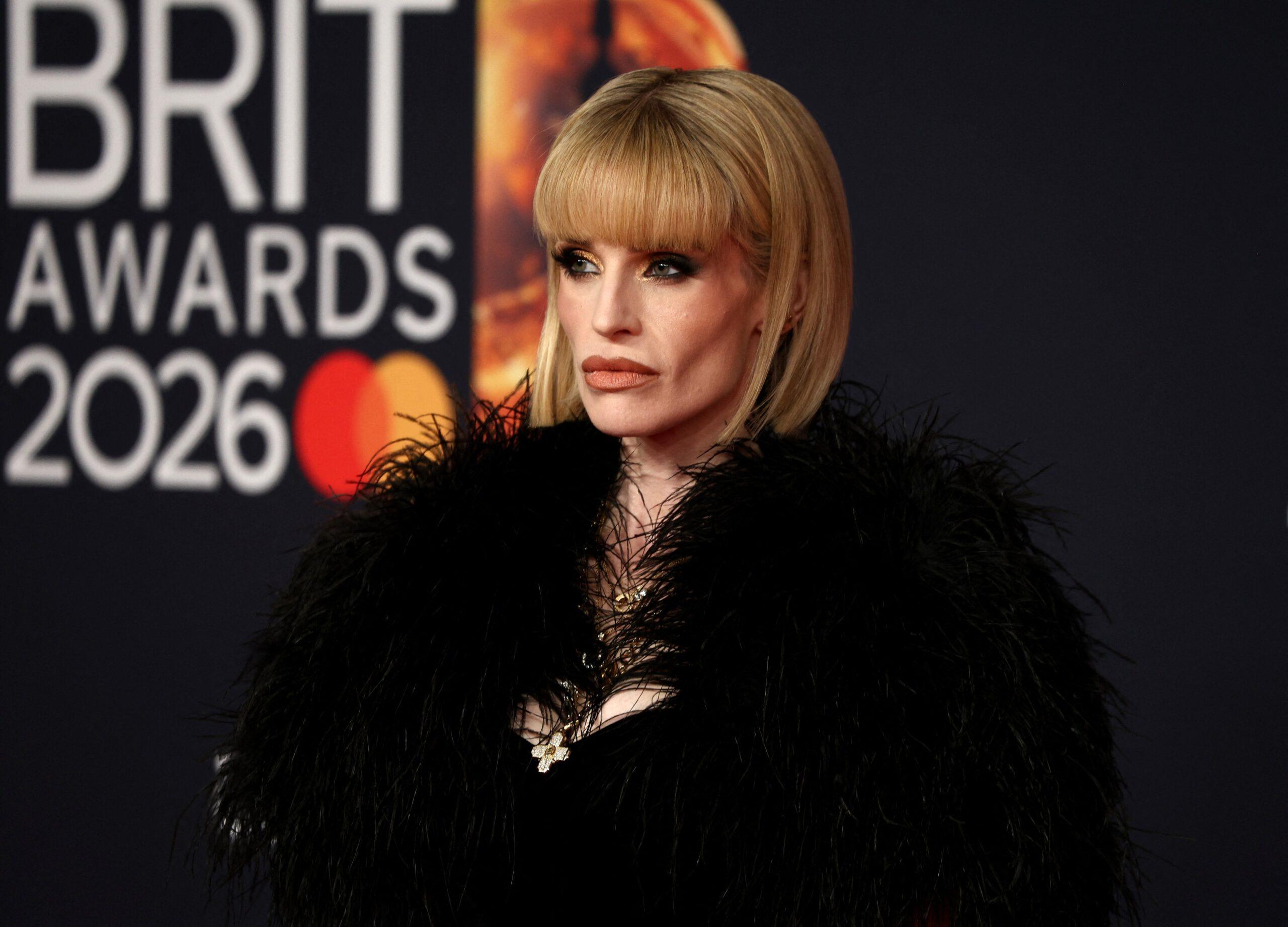
Kelly Osbourne attended the BRIT Awards in Manchester to accept a posthumous Lifetime Achievement award on behalf of her late father, Ozzy, who passed away in July 2025.
The night was meant to celebrate his legendary career. Instead, it became another example of how public figures are scrutinized at their most vulnerable.
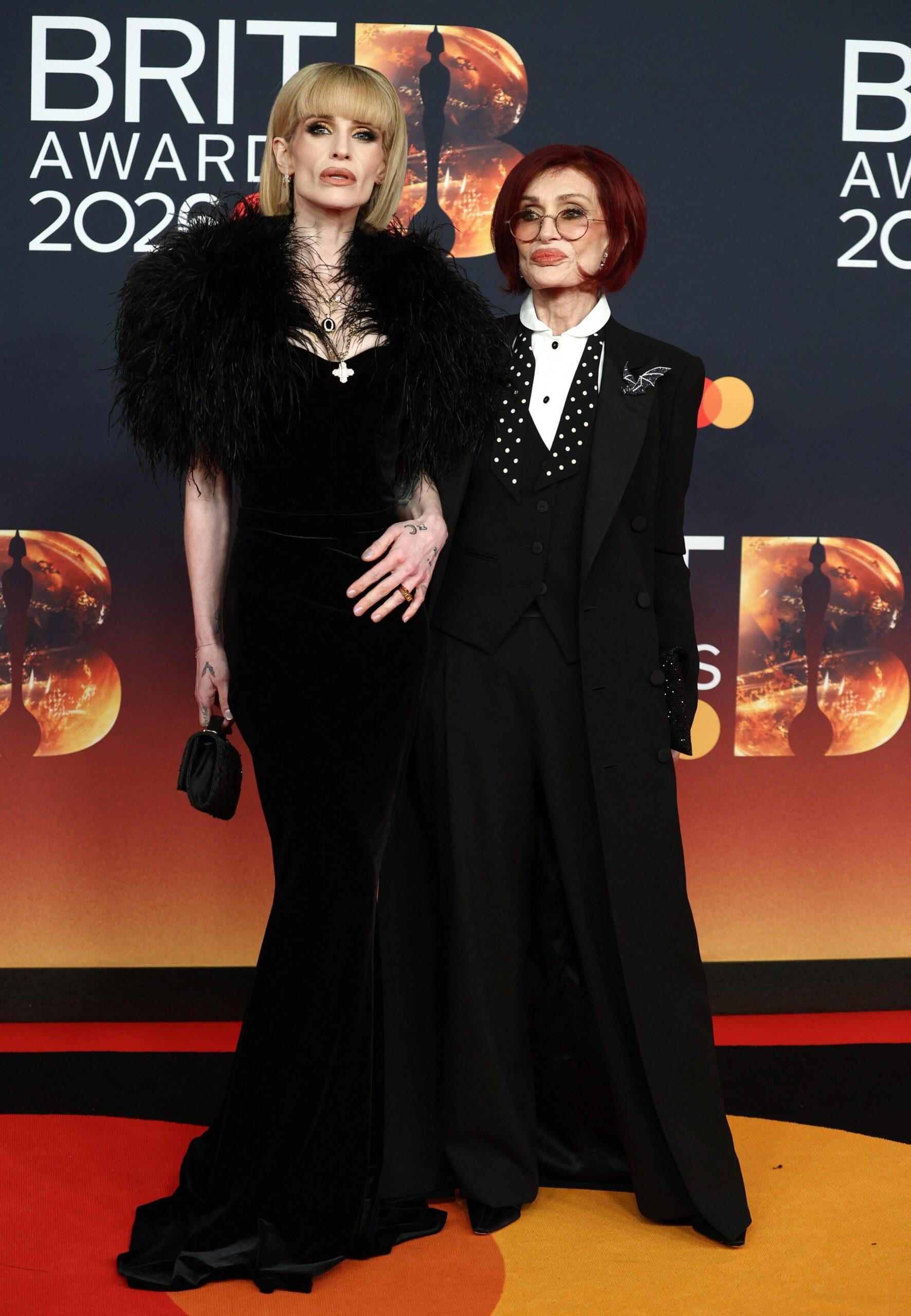
Dressed in a black gown with a feathered jacket, she posed for photos before stepping inside to mark an emotional milestone for her family.
While Kelly stood proudly beside her mother, Sharon Osbourne, at the Co-op Live Arena, social media lit up with commentary about her appearance.
The online reaction focused less on Ozzy’s legacy and more on Kelly’s slimmer frame, sparking a wave of commentary that quickly crossed the line from curiosity into cruelty.
Article continues below advertisement
Kelly Says The Timing Made It Worse
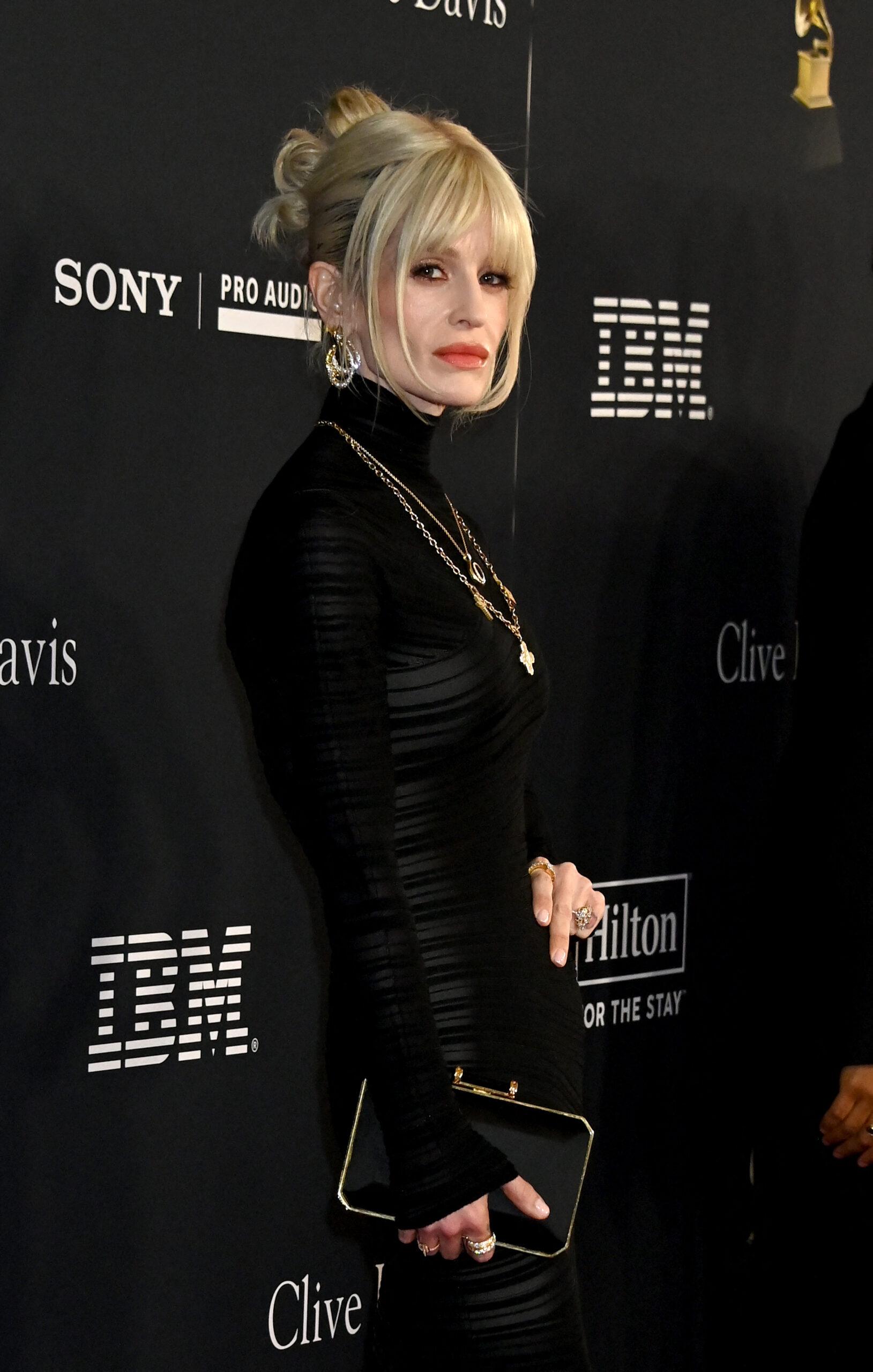
In the aftermath, Kelly Osbourne didn’t stay silent. She addressed the backlash directly, making it clear that the criticism hit during an already painful chapter in her life.
“There is a special kind of cruelty in harming someone who is clearly going through something,” she shared after the event, per the Daily Mail.
The singer went on to describe feeling attacked at her lowest point, adding, “Kicking me while I’m down, doubting my pain, spreading my struggles as gossip, and turning your back when I need support and love most.”
Kelly emphasized that such kind of behavior doesn’t demonstrate toughness. “None of it proves strength; it only reveals a profound absence of character,” she said.
Article continues below advertisement
Opening up further, she admitted she was going through the hardest time in her life, and the timing wasn’t appropriate for her to defend herself.
However, Kelly clarified that she won’t sit and allow herself to be dehumanised in any way. For the star, the issue wasn’t simply about appearance; it was about empathy.
Article continues below advertisement
Kelly Osbourne Receives Support Amid Trolling
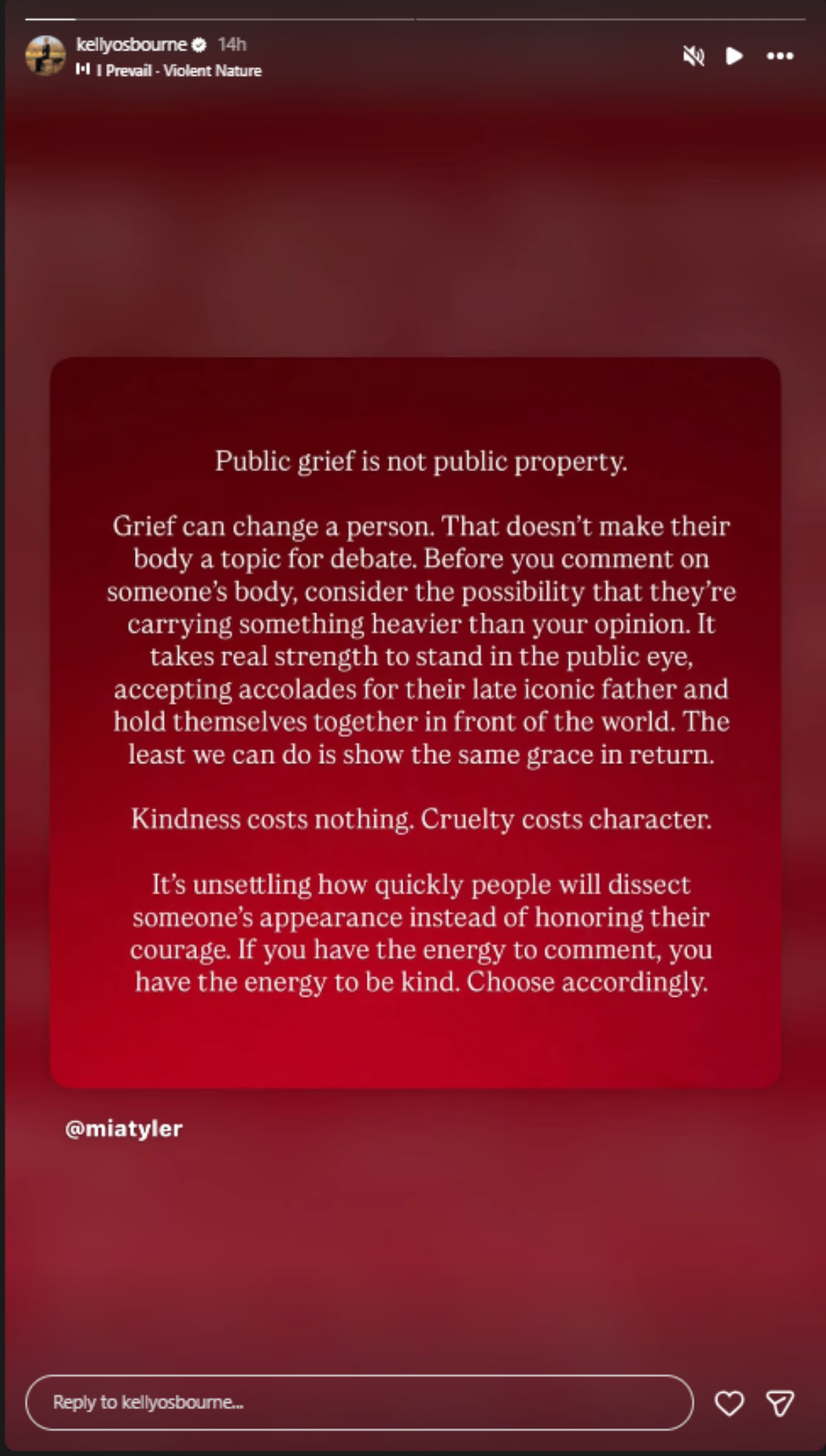
Amid the negative comments about Kelly’s appearance, support poured in, including from Mia Tyler, daughter of Aerosmith’s Steven Tyler.
Mia posted a passionate message backing Kelly and captioned it, “How hard is it to not be a d**k?”
Kelly reposted the model’s post on her Instagram stories. In the write-up, Mia urged people to show more empathy and reminded critics that “public grief is not public property.”
“Grief can change a person. That doesn’t make their body a topic for debate. Before you comment on someone’s body, consider the possibility that they’re carrying something heavier than your opinion,” she continued.
Article continues below advertisement
Tyler also praised Kelly’s strength, saying there is “real strength” in standing in the public eye while coping with personal loss, and urged that the least the public could do was to show the same grace in return.
“Kindness costs nothing. Cruelty costs character. It’s unsettling how people will dissect someone’s appearance instead of honoring their courage. If you have the energy to comment, you have the energy to be kind. Choose accordingly,” she finished.
Kelly Has Been Battling Body-Shaming For Months
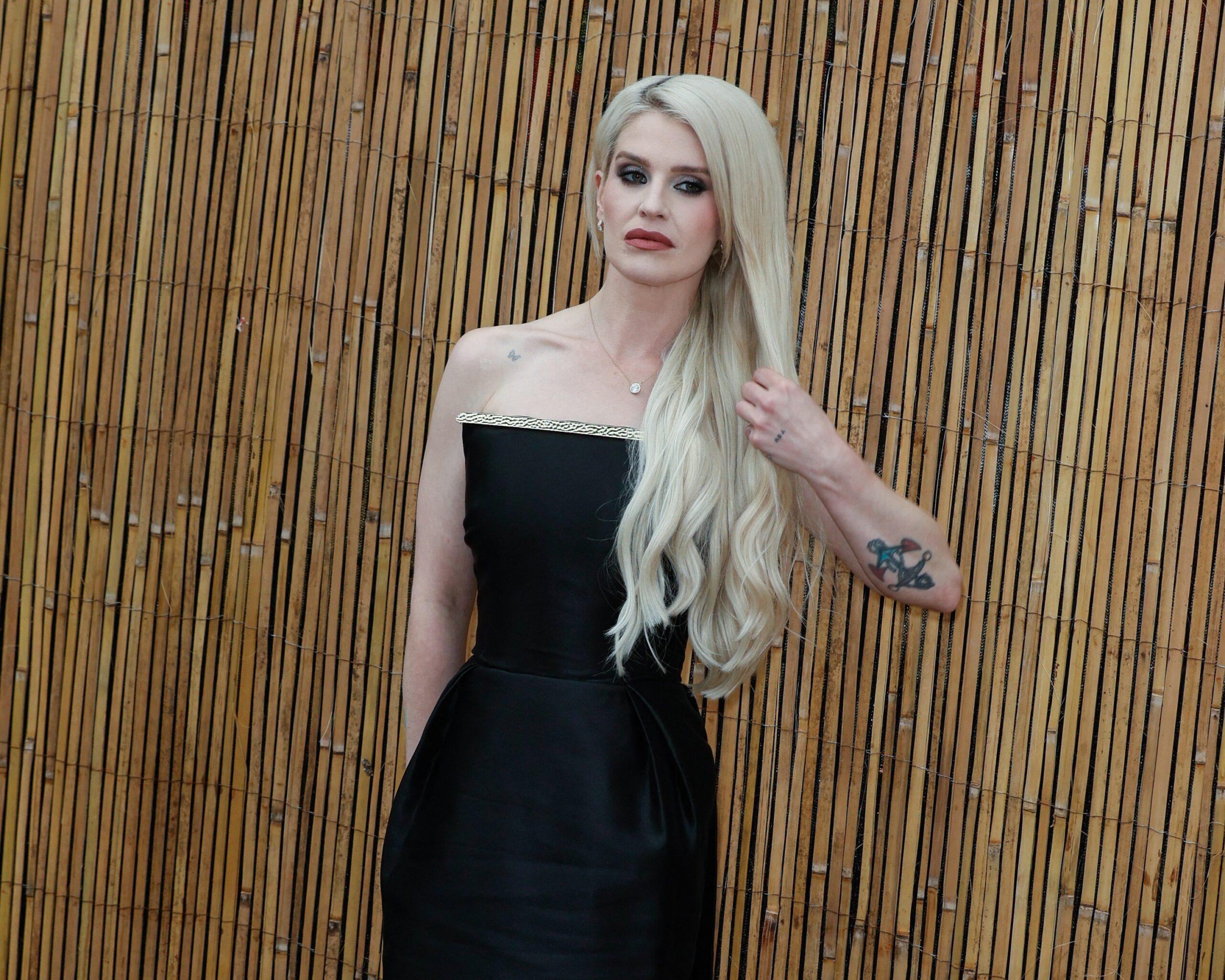
The BRITs controversy isn’t the first time Kelly Osbourne has dealt with scrutiny over her appearance.
In recent months, her noticeable weight loss has sparked speculation and concern, particularly during a front-row appearance at London Fashion Week.
Attending the Ascot Millinery Collective’s presentation at Claridge’s in Mayfair in February, Kelly appeared slimmer, prompting whispers about her health.
As The Blast reported, Kelly later posted a screenshot of one particularly disturbing message that read, “Looks like a dead body. She’s too thin and fragile. Looks like she’s going to see her dad soon,” followed by laughing emojis.
Article continues below advertisement
Her reaction was swift and furious. “Literally can’t believe how disgusting some human beings are! No one deserves this sort of abuse!” she noted, also sharing responses from followers who were equally appalled.
Sharon Osbourne Slams The Body-Shaming Comments About Kelly Osbourne
Sharon isn’t pleased with the constant trolling Kelly has received over her weight loss.
As The Blast reported in December, the icon addressed body-shaming of her daughter in an episode of “Piers Morgan Uncensored.”
Sharon explained that the obvious reason for her dramatic weight loss is that Kelly “can’t eat right now” as she was grieving the death of her father.
The TV personality told host Piers Morgan that Kelly had been struggling with appetite and emotional pain after Ozzy’s passing and that critics should consider her grief-driven situation before judging her appearance.
In the interview, she questioned why people would spend time making hurtful comments online, suggesting that those attacking Kelly were unhappy individuals using social media as a “shield” to spread negativity.
Article continues below advertisement
Sharon’s defense emphasized that Kelly’s recent weight loss isn’t about drugs or deliberate transformation, but rather a very human response to profound loss.
Entertainment
Everything we know about “Industry ”season 5 (and what the creators have said about the show's conclusion)
:max_bytes(150000):strip_icc():format(jpeg)/industry-Marisa-Abela-Kit-Harington-030226-4ce2ac9a79654b50a6211eb00fda533b.jpg)
HBO has revealed that season 5 will be the series’ last outing.
5 picks our expert loves

Big screen, real OLED, huge discount: this LG deal is easy to like

‘Facing the unimaginable’: Community rallies to support family after sudden death of young mum


-

 Politics5 days ago
ITV enters Gaza with IDF amid ongoing genocide
-

 Fashion4 days ago
Weekend Open Thread: Iris Top
-

 Politics11 hours ago
Alan Cumming Brands Baftas Ceremony A ‘Triggering S**tshow’
-

 Tech3 days ago
Unihertz’s Titan 2 Elite Arrives Just as Physical Keyboards Refuse to Fade Away
-

 Business7 days ago
True Citrus debuts functional drink mix collection
-

 NewsBeat6 days ago
Cuba says its forces have killed four on US-registered speedboat | World News
-
Sports4 days ago
The Vikings Need a Duck
-
 NewsBeat3 days ago
Dubai flights cancelled as Brit told airspace closed ’10 minutes after boarding’
-
 NewsBeat6 days ago
Manchester Central Mosque issues statement as it imposes new measures ‘with immediate effect’ after armed men enter
-
 NewsBeat3 days ago
The empty pub on busy Cambridge road that has been boarded up for years
-

 NewsBeat2 days ago
‘Significant’ damage to boarded-up Horden house after fire
-

 NewsBeat3 days ago
Abusive parents will now be treated like sex offenders and placed on a ‘child cruelty register’ | News UK
-
 NewsBeat7 days ago
Police latest as search for missing woman enters day nine
-

 Entertainment1 day ago
Baby Gear Guide: Strollers, Car Seats
-

 Business6 days ago
Discord Pushes Implementation of Global Age Checks to Second Half of 2026
-

 Business5 days ago
Only 4% of women globally reside in countries that offer almost complete legal equality
-
 Tech4 days ago
NASA Reveals Identity of Astronaut Who Suffered Medical Incident Aboard ISS
-
Politics3 days ago
FIFA hypocrisy after Israel murder over 400 Palestinian footballers
-

 Crypto World7 days ago
Entering new markets without increasing payment costs
-
 NewsBeat2 days ago
Emirates confirms when flights will resume amid Dubai airport chaos