

Business
CEO Michael Fiddelke merchandise plans

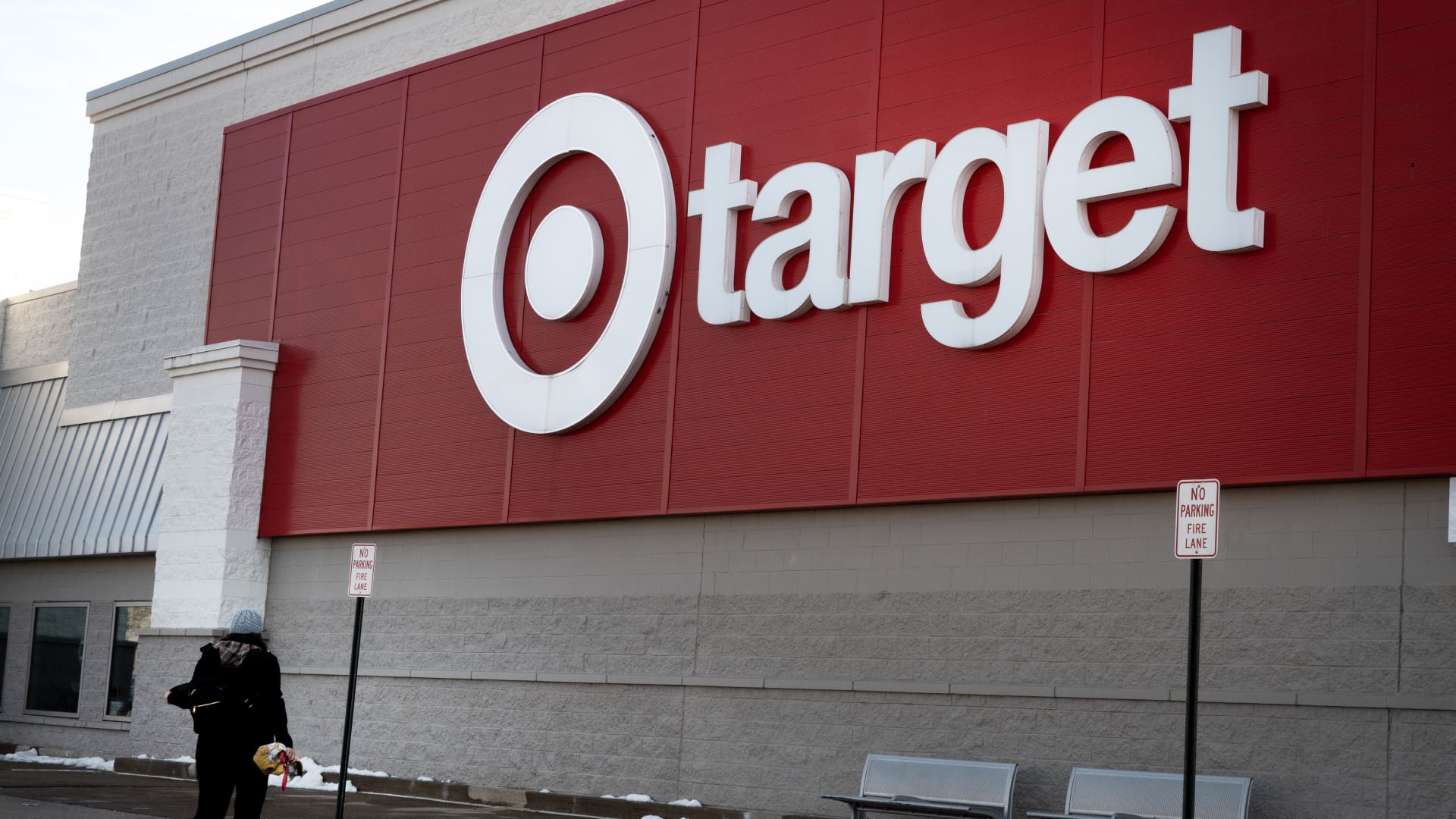
A sign hangs outside of a Target store on Feb. 10, 2026 in Chicago, Illinois.
Scott Olson | Getty Images
MINNEAPOLIS — Target customers will soon see changes on the retailer’s shelves, as the company tries to woo back shoppers during a turnaround effort that has started to catch Wall Street’s eye.
Among those shifts, Target will add more fresh and trendy groceries, a dedicated display for higher-end makeup and a larger array of merchandise for sports fans.
At the big-box retailer’s Minneapolis headquarters on Tuesday, Target’s merchandising leaders previewed the company’s ambitious plans to overhaul key categories, including home and apparel, which have posted year over year sales declines. The company held an investor meeting to share its holiday-quarter results and its turnaround strategy for this year, which hinges in part on regaining its reputation for stylish and unique items.
CEO Michael Fiddelke, a Target veteran who stepped into the top role on Feb. 1, told investors on Tuesday that the company is making changes that “don’t happen overnight.” But, he added, they include many tweaks that customers “will see and feel right away.”
“If I were to step back and draw a heat map of the entire store highlighting where we’re making changes this year, you’d see more change to what we sell and how we sell it than you’ve seen in a decade,” he said.

The success of Target’s merchandise makeover will help determine whether the company meets its sales and earnings outlook for the current year and whether it can reverse four consecutive quarters of declining customer traffic. The company’s revenue fell slightly in fiscal 2025 and has been stagnant for four years.
Target said Tuesday that it expects net sales for the current fiscal year to rise about 2% compared with the previous year and anticipates that sales will grow in every quarter of the year.
Wall Street had a positive early read on Target’s turnaround progress: the company’s stock climbed more than 6% on Tuesday, and was trading higher on Wednesday.
Here’s a closer look at Target’s merchandising changes:
Putting a fresher spin on grocery
Target is expanding the fresh department and adding more prominent signage for its Good & Gather private brand as it tries to draw more customers to stores for grocery shopping. This rendering shows what the expanded fruit, vegetable and meat displays will look like.
Courtesy of Target
One of the top reasons for customers’ Target trips is a simple one – running in for a quick grocery item like a gallon of milk or box of pasta. The challenge is getting shoppers to buy more of their food there.
Food is the number one traffic driver for Target, and over half of customers have food in their shopping basket, said John Conlin, senior vice president of merchandising, food and beverage. Target’s grocery category, which it labels food and beverage, drew higher sales than any of Target’s merchandising segments in the past fiscal year. It grew by about 1% year over year and totaled $24.14 billion — or roughly 23% of Target’s net sales for the fiscal year.
Yet for many customers, Target is a destination for buying just a few grocery items rather than a fuller basket of food for the week. Plus, the company’s competition has grown fiercer — not only from the nation’s largest grocer by revenue, Walmart, but also from Amazon and fast-expanding discounter Aldi.
“We don’t want food to just be a business that guests are shopping while they’re at Target,” he said. “But increasingly, we want to be a business that is why guests are at Target.”
He said Target is “trying to carve our own lane with our assortment strategy” rather than copy the grocers down the street.
Going forward, Target will expand the square footage it devotes to grocery as it remodels stores and builds new ones, Conlin said. In over half of the stores that the company remodels, Target will double the square footage for fresh foods like fruits, vegetables and meats, he added.
The company also plans to add more brands that shoppers haven’t yet discovered and lean on seasonal items and private brands. To stand out from competitors, Target is going to ramp up the amount of new items by up to 50% in key categories like snacks and dry groceries, Conlin said.
But he acknowledged a challenge that has tripped up Target in recent years, which it’s tried to fix by owning its supply chain and opening a new facility in Colorado in the next year.
“None of this comes to light if we’re not in stock for our guests,” he said.
He also declined to share a key detail about some items and brands that Target is adding: Their price points.
Giving beauty a glow up
In many of Target’s stores, customers buy lip gloss and other items from Ulta Beauty. That will change in August, after the two brands announced the end of a deal that brought the mini beauty shops to nearly a third of Target’s big-box stores.
On Tuesday, Target said it plans to give its own beauty assortment a glow up. This fall, it will open what it is dubbing its Beauty Studio in more than 600 stores and online, said Amanda Nusz, senior vice president of merchandising for essentials and beauty at Target.
Beauty Studio will replace Ulta Beauty at Target. It will be a dedicated shop within the store with prestige beauty brands, elevated lighting, enhanced service and a specific loyalty program tied to beauty, Nusz said. In renderings, the beauty shop looks similar to Ulta Beauty at Target, but without the beauty retailer’s branding.
Starting this fall, Target will open Beauty Studio in more than 600 stores and online. The prestige beauty shop will replace Ulta Beauty at Target.
Courtesy of Target
Nusz declined to share the national brands that the Beauty Studio will carry and if it will offer some of the same brands sold by Ulta Beauty and other competitors like Sephora.
Beauty “has been one of the strongest growth engines for Target,” Nusz said. She said it was also the top growth category for Target’s curbside pickup service, Drive Up, and in-store pickup of online orders in the fourth quarter. A bonus for Target: it tends to draw in younger shoppers.
The segment’s sales were roughly flat year over year in the most recent fiscal year, but accounted for about 13% of Target’s overall net sales for the period.
Along with rolling out Beauty Studio, Nusz said Target will add more well-recognized national brands like sunscreen brand Supergoop, lean into trends like Korean beauty and invest more in men’s beauty, such as grooming and fragrance items.
Adding fun and pop culture relevance
Target has overhauled its hardlines category, which includes items like consumer electronics, books and toys. The category, which it now calls Fun101, now carries more items related to sports and pop culture. For example, it has a line of merchandise for the 30th anniversary of the movie, “Space Jam.”
Melissa Repko | CNBC
In the back of Target’s stores, the retailer is giving an overhaul to a department that’s typically known for selling consumer electronics, toys and books.
Instead of calling it the traditional name, hardlines, Target coined the category Fun101.
Cassandra Jones, senior vice president of merchandising for Fun101, said the goal went beyond the new name, however. Target wanted to turn around a category that was falling flat.
Starting in late 2024, Target has had a tighter focus on four key areas: play, which includes toys like plush stuffed animals and popular brands like LEGO; pop, which includes culturally inspired items like a limited-edition collection tied to Netflix’s “Stranger Things” and another linked to the 30th anniversary of the movie “Space Jam”; sport, which includes items like water bottles and licensed sports apparel for professional teams; and gadget, which includes more trendy takes on products like phone cases and headphones.
On the other hand, Jones said Target has cut back on items like TVs and laptops where it’s harder to stand out from retail competitors or inject a sense of style.
Sales of Fun101 merchandise were roughly flat year over year in the most recent fiscal year, but drove $15.8 billion, or 15%, of Target’s net sales for the period.
Jones said shoppers will see the category go bigger in the second half of the year. Target plans to open a fan shop in stores and online with licensed sports gear, expand its position as a “trading card destination” and open a “collectibles zone” for other types of merchandise.
Target’s home category has been one of its weakest performers. The retailer is overhauling the category and redoing the display area in stores, too. It showed off some of its newer items at an investor event in Minneapolis.
Melissa Repko | CNBC
Rebuilding home goods
Target used to be known for its fashion-forward yet affordable throw pillows, lamps, bedding and other home decor. The category, however, is now one of the retailer’s weaknesses — particularly as it competes with digital players like Wayfair, big-box competitors like Walmart and Costco, off-price chains like TJX‘s HomeGoods and specialty players like Crate & Barrel or Pottery Barn.
Sales in the home furnishings and decor category totaled $15.61 billion in the most recent fiscal year, sinking by nearly 7% year over year. That’s a deeper sales drop than in any of Target’s other key merchandise categories.
The big-box retailer is working to become a destination for the category again, said Mara Sirhal, senior vice president of merchandising for home, who stepped into the role about three months ago.
“Our home business has not delivered to its potential, point blank,” she said. “The industry grew. Target home underperformed. We lost meaningful share over the last two years and our authority and style inspiration has weakened. That is on us.”
Among the problems, she said Target “lost clarity in our point of view,” with a blander assortment rather than a stylish, eye-catching one.
Sales of home goods at Target have also been hurt by economic factors, including higher interest rates and pricier homes in the U.S., which have led to a much older first-time homebuyer, she said.
Starting in June, Target will rebuild the category as part of a multi-year turnaround effort, she said. One of its first moves this summer will be redoing about 75% of its assortment in decorative home, which includes items like candlesticks, throw pillows and greenery. By the fall, she said three-quarters of its bedding assortment will be reinvented. And next year, she said, Target will overhaul its kitchen and dining merchandise.
It won’t just be the products changing, she said. Shoppers should expect to see new fixtures in stores, too, such as elevated wood displays. It will also use its third-party marketplace, Target Plus, to sell large items that are easier to carry online, such as rugs, mattresses and furniture, she said.
To try to turn around its apparel sales, Target is using an artificial intelligence tool, Trend Brain, to help the company spot the styles that customers want earlier and speed those looks to shelves. The tool helped the company develop a collection of Western-inspired clothing and accessories.
Melissa Repko | CNBC
Speeding up fashion and raising the bar on basics
Another well-known category in Target stores has become a weaker link, too. Apparel and accessories sales at the company fell to $15.74 billion in the most recent fiscal year, down about 5% from the prior year.
To drive sales growth again, the big-box retailer aims to spot trends earlier, speed up the time it takes for new looks to hit shelves and sharpen the clothing that it carries — even for basics like tank tops, said Gena Fox, senior vice president of apparel and accessories at Target.
She said the company’s performance “has not been where we want it to be over the past year.”
Denim, T-shirts and tanks make up about 25% of Target’s total assortment, Fox said. Last year, it overhauled its denim to raise the quality and style, which led to a 10% year over year lift in sales for that category.
This year, she said Target plans to take that same approach to fix T-shirts and tanks, which have had weaker sales. Some of those refreshed closet staples are starting to hit store shelves and Target’s website.
Target is also working to get ahead of trends, which it features in collections in stores and online, she said. To spot trends, it’s using a new artificial intelligence-powered tool called Target Trend Brain, which helps the company’s designers and merchants identify the styles, colors and materials that customers may want.
For example, insights from Trend Brain helped inspire a Western edit of clothing and accessories like purses with fringe and belts with embroidery, with all items under $40. That area will soon rotate to a collaboration with Roller Rabbit, a colorful and brightly patterned pajama brand, that will include swimwear, sundresses and pool accessories.
Target is known for its limited-time brand collaborations. For the spring, it has a new line of swimsuits, pool accessories and more developed with pajama brand, Roller Rabbit.
Melissa Repko | CNBC
Fox said the apparel and accessories timeline is now about 40% faster as the company reacts more in the moment rather than planning six to 12 months in advance.
Along with those trend-driven items, Target will expand national brands and add new partnerships. Last week, the company announced it would bring Levi’s to more stores, which will mean the denim brand is in more than 1,000 — or roughly half — of its stores, Fox said. It also developed an exclusive clothing line with country music singer Megan Moroney, which will coincide with her upcoming tour.


Sabre completes redemption of $91.6 million in senior secured notes

SanDisk Corporation (NASDAQ: SNDK) stock experienced sharp fluctuations in recent sessions, reflecting broader market dynamics in the semiconductor sector driven by artificial intelligence infrastructure needs and geopolitical uncertainties.

As of midday trading on March 4, 2026, SanDisk shares were trading around $599, up approximately 6% from the previous close of $565.41. The stock opened higher at about $586.84, reaching an intraday high near $607 before moderating. Volume exceeded 9 million shares, well above average, signaling strong investor interest.
The previous session on March 3 saw a steep decline of 8.67%, closing at $565.41 after dropping from a prior level around $619. Analysts attributed the pullback partly to broader tech sector pressure from rising energy costs and tensions in the Middle East, which impacted memory chip players including SanDisk and rival Micron Technology.
SanDisk, a leading provider of NAND flash memory and storage solutions, has emerged as a standalone public company following its separation from Western Digital Corporation in February 2025. The spin-off positioned SanDisk to capitalize directly on surging demand for high-performance memory in AI data centers, enterprise storage and consumer devices.
The company’s fiscal second-quarter results, reported in late January 2026, exceeded expectations significantly. Revenue reached $3.03 billion, up 31% sequentially and 61% year-over-year. GAAP net income stood at $803 million, reflecting robust gross margins that climbed to over 51% from under 30% in the prior quarter.
Guidance for the third quarter pointed to revenue between $4.4 billion and $4.8 billion, with earnings per share projected at $12 to $14. Management highlighted sustained pricing strength in NAND flash, driven by constrained supply and AI-related demand that shows no signs of easing.
“AI workloads are elevating NAND’s role in performance-critical applications,” one analyst noted in a recent client update, emphasizing potential for continued pricing momentum through 2026 and into 2027. Industry observers point to supply agreements extending to 2028 as evidence that customers are locking in capacity amid shortages.
SanDisk’s stock has delivered extraordinary returns since the spin-off. Year-to-date in 2026, shares have gained substantially, building on a more than 1,200% surge over the past 12 months in some measurements. The 52-week range spans a low of $27.89 to a high of $725, underscoring the volatility tied to memory cycle dynamics and AI hype.
Recent corporate actions have also influenced trading. In February 2026, Western Digital announced plans to sell a portion of its remaining stake in SanDisk through a secondary offering valued at around $3.09 billion to $3.17 billion. The move aimed to reduce debt but introduced temporary selling pressure. Despite this, shares rebounded in subsequent sessions as investors focused on underlying fundamentals.
Analyst sentiment remains largely positive, with a consensus “Moderate Buy” rating. Price targets vary widely, from lows around $300 to highs exceeding $1,000, with averages hovering near current levels or higher. Firms have raised targets recently, citing SanDisk’s positioning in AI infrastructure compared to peers.
Comparisons to competitors like Micron highlight sector trends. Both companies have benefited from NAND and DRAM price increases, though SanDisk’s focus on NAND has given it an edge in certain AI applications. However, risks persist, including potential oversupply if demand moderates, geopolitical disruptions affecting supply chains, and high valuations that leave little room for error.
Market capitalization stands at approximately $88 billion, reflecting the company’s rapid revaluation post-spin-off. Shares outstanding total about 147.6 million.
Investors continue to monitor upcoming catalysts, including participation in investor conferences and any updates on capacity expansions or partnerships. While memory stocks face periodic digestion phases, current indicators suggest SanDisk remains well-positioned amid the ongoing AI buildout.
The stock’s performance illustrates the high-stakes nature of the semiconductor industry in 2026, where innovation in storage technology intersects with massive capital spending on data centers. As AI adoption accelerates, companies like SanDisk could see extended cycles of strong demand, though volatility is likely to remain a feature.

Leverage makes derivatives exciting for traders but unforgiving for the systems that manage them. A few ticks against a position can quickly drain margin, so developers treat risk as a real-time engine rather than a background task.
When algorithms run across markets or overnight, code must continuously defend the account, catching issues before the exchange or broker does. This article outlines how to embed protections into trading architecture using live data flows, automated rules, and safeguards that keep exposure controlled even when markets turn volatile.
Understanding Leverage Risk in Derivatives
Anyone working with futures, options, or CFDs knows how quickly notional exposure multiplies. Under UK and ESMA rules, leverage caps help, but even at those levels, a mild move in the underlying can create a sharp swing in account equity. Systems often fail when correlated instruments start moving together, or volatility jumps unexpectedly. In that environment, relying on manual oversight is a luxury you simply do not have.
Programmatic controls act as your first responder, enforcing boundaries the moment conditions drift beyond safe limits. This is just as relevant for spread betting, where leveraged exposure behaves similarly to CFDs and can accelerate both gains and losses if not tightly managed by automated risk logic.
Position Sizing as a Coded Constraint
Good risk engineering starts with sizing. Instead of letting strategies submit any quantity they like, you define exactly how size is calculated and make every order pass through that logic. Many teams use a mixture of equity, volatility, and margin requirements to determine exposure, shrinking sizes when markets heat up or when the account approaches internal leverage ceilings. The rule is in code, so it behaves consistently across strategies, timeframes, and asset classes. It also prevents the classic failure mode where a single miscalculated signal submits a position ten times larger than intended.
Volatility Adjusted Exposure and Automated Stop Logic
Stops are the structural supports of any derivatives strategy. Rather than adding them after a fill, a safer approach is to require them at order creation. The key is setting distances that reflect market conditions. Volatility-adjusted stops help place levels where the market expects them, while trailing stops add protection by moving with the price to lock in profit.
Real-Time Margin Monitoring and Liquidation Rules
Margin can deteriorate sharply, especially during overlapping market hours. To avoid falling into ESMA’s 50 per cent margin close-out zone, a risk engine needs to keep a live view of margin usage and equity. Systems commonly implement multiple stages of defence—early warnings, partial trading restrictions, and finally deterministic liquidation if thresholds are breached. The important part is that liquidation rules are transparent. Whether your logic closes the largest positions first or trims proportionally across the board, your team should be able to replay the behaviour in backtests and see exactly why the system reacted the way it did.
Streaming VaR and Real-Time Risk Metrics
While position and margin rules operate at the micro level, VaR offers a wider lens on risk. For real-time applications, a lightweight parametric VaR is usually enough. It can run every second if needed, capturing how the live portfolio responds to shifting volatility and correlations. When VaR breaches a preset share of equity, the system can automatically block new exposure or scale positions down. For more nuanced insights, Conditional VaR or stress-based metrics can run on slower intervals, adding depth without overloading compute resources.
Aggregating Portfolio Level Exposure
A portfolio can look safe on a position-by-position basis and still carry dangerous concentration. Developers often discover this when two independent strategies accidentally lean in the same direction. Mapping instruments to risk factors helps surface these hidden pressures. Equity index futures tie into beta; rate products carry duration; FX pairs contribute directional exposure. By summing exposure across these factors, the system can spot when investment themes are unintentionally stacking up. Once limits are defined, the risk layer automatically enforces them, reshaping or rejecting orders that would push the portfolio beyond comfort.
Stress Testing and Scenario Simulation
Stress testing introduces a different kind of thinking. Instead of asking “What is happening right now?” it asks “What would happen if things suddenly changed?” Developers typically run scenarios where markets gap down, volatility leaps, or rates shift abruptly. It is even more illuminating to run historical scenarios like the 2016 sterling flash crash or the extreme volatility clusters in 2020. If projected losses exceed policy limits, the system raises flags or automatically reduces leverage. These checks help ensure the portfolio will survive situations that are rare but absolutely possible.
Circuit Breakers and Kill Switch Mechanisms
Every robust trading architecture includes a way to say “stop everything.” Circuit breakers handle unusual states: repeated margin warnings, abnormal slippage, or conflicting data streams. When triggered, they pause trading or flatten positions until a human reviews the situation. In the UK retail derivatives environment, these features also satisfy regulatory expectations around client protection and system resilience. A kill switch is simple in idea but powerful in practice; it prevents a momentary glitch from cascading into a major loss.
Integrating Regulatory Context Into System Design
FCA and ESMA rules aren’t constraints to bolt on at the end. They shape how your architecture must behave. Retail accounts require negative balance protection, stricter leverage caps, and mandatory close-out thresholds. Institutional accounts offer more flexibility but still demand that risk monitoring is demonstrably robust. Codifying these requirements ensures the engine behaves predictably regardless of market conditions or strategy design.
Embedding Risk Management as an Independent System Layer
When risk lives as a separate service rather than a feature embedded inside strategies, everything becomes easier, including testing, auditing, updating rules, and verifying behaviour. The risk layer continuously processes data and outputs constraints that the execution layer must obey. This separation mirrors good software design principles and prevents strategies from ever bypassing the protections that keep the account safe.
Final Thoughts
Programmatic risk management turns a derivative trading system from a reactive tool into a defensive, self-correcting engine. With position sizing, margin controls, VaR limits, stress tests, and circuit breakers working together, exposure becomes both measurable and manageable. For UK developers and fintech teams, this isn’t just best practice; it is essential for operating safely in a regulated, high-leverage environment. When built well, risk management becomes the silent architecture that keeps strategies alive long enough to prove themselves.
Business
Coinbase Global Shares Surge 15% as Bitcoin Rally and Regulatory Optimism Fuel Crypto Stock Gains
Coinbase Global, Inc. (NASDAQ: COIN) stock surged more than 15% in midday trading on March 4, 2026, leading gains among cryptocurrency-related equities as Bitcoin climbed above key levels and positive signals emerged from Washington on digital asset regulation.
As of approximately 12:00 p.m. EST, COIN shares traded at around $210, up $27.90 or 15.3% from the previous close of $182.36. The stock opened at $195.43, hit an intraday high near $210.74 and saw volume exceed 14 million shares, far above the average daily trading levels. The rally extended premarket momentum, where shares rose on reports of Bitcoin’s overnight advance.
The sharp move came amid a broader recovery in digital assets. Bitcoin rose roughly 4% in recent sessions, surpassing $71,000 in some measurements, driven by renewed institutional inflows into spot Bitcoin exchange-traded funds and improving macroeconomic sentiment. Coinbase, as the largest U.S.-based cryptocurrency exchange, benefits directly from higher trading volumes and asset prices that boost transaction fees and user activity.
CEO Brian Armstrong reinforced optimism in recent statements, declaring that “the business of crypto has never been stronger.” The comment highlighted sustained user engagement and product expansion despite earlier volatility. Coinbase has diversified beyond pure trading, with growth in its Base layer-2 network, institutional services and international operations contributing to resilience.
Recent political developments added fuel to the rally. Reports indicated President Trump met privately with Armstrong and publicly urged banks to support pending cryptocurrency market structure legislation, including the CLARITY Act. The bill aims to provide clearer regulatory guidelines for digital assets, a long-standing priority for Coinbase and the industry. Armstrong visited the White House to discuss delays attributed to banking sector resistance. Investors interpreted the signals as increasing likelihood of favorable legislation under the current administration, reducing long-term uncertainty that has weighed on crypto stocks.
The surge contrasts with Coinbase’s recent earnings challenges. In its fourth-quarter 2025 results reported earlier in 2026, the company posted a surprise net loss of $667 million, snapping a streak of eight profitable quarters. Revenue declined 21.5% year-over-year amid a broad crypto selloff and lower trading volumes. The results missed analyst expectations, reflecting sensitivity to market cycles.
Despite the setback, analysts note Coinbase’s strategic positioning. The company has expanded its role in traditional finance, including 24-hour commission-free trading for certain securities and efforts to integrate more assets onto its platform. Base, its Ethereum layer-2 solution, continues to gain traction, though Armstrong acknowledged that some SocialFi features tested in the app “didn’t quite work” as planned.
Year-to-date in 2026, COIN shares have shown volatility but remain well above recent lows. The 52-week range spans $139.36 to $444.65, with the all-time high reached in July 2025 during a prior crypto bull phase. Market capitalization hovers near $54 billion, with approximately 223 million shares outstanding.
Analyst sentiment leans positive, with a consensus leaning toward “Buy” ratings. Average price targets sit around $250, implying upside from current levels, though forecasts range from $120 lows to $440 highs. Firms cite potential regulatory tailwinds, Bitcoin’s performance and Coinbase’s market dominance as key drivers.
Broader sector peers also advanced, with companies tied to crypto infrastructure and stablecoins participating in the upswing. The rally underscores the interconnected nature of crypto equities and underlying asset prices, where sentiment shifts rapidly based on macroeconomic factors, ETF flows and policy news.
Risks remain prominent. Crypto markets are notoriously cyclical, and any reversal in Bitcoin or regulatory setbacks could pressure shares. Coinbase faces ongoing scrutiny from regulators, though recent political engagement suggests improving relations. High valuation multiples leave the stock vulnerable to corrections if trading volumes soften again.
Investors continue watching for upcoming catalysts, including potential progress on the CLARITY Act, quarterly updates on user metrics and any announcements around new products or partnerships. As institutional adoption of digital assets grows and regulatory clarity potentially emerges, Coinbase appears positioned to capture significant market share in the evolving landscape.
The performance on March 4 illustrates the high-beta nature of crypto-linked stocks in 2026, where policy signals, asset price momentum and executive commentary can drive outsized daily moves. With Bitcoin stabilizing at higher levels and Washington showing renewed engagement, Coinbase’s trajectory may hinge on sustained momentum in both crypto markets and legislative progress.

Cheniere, Exxon, Chevron Stocks Rise Again. The Energy Shock Is Upending Markets.
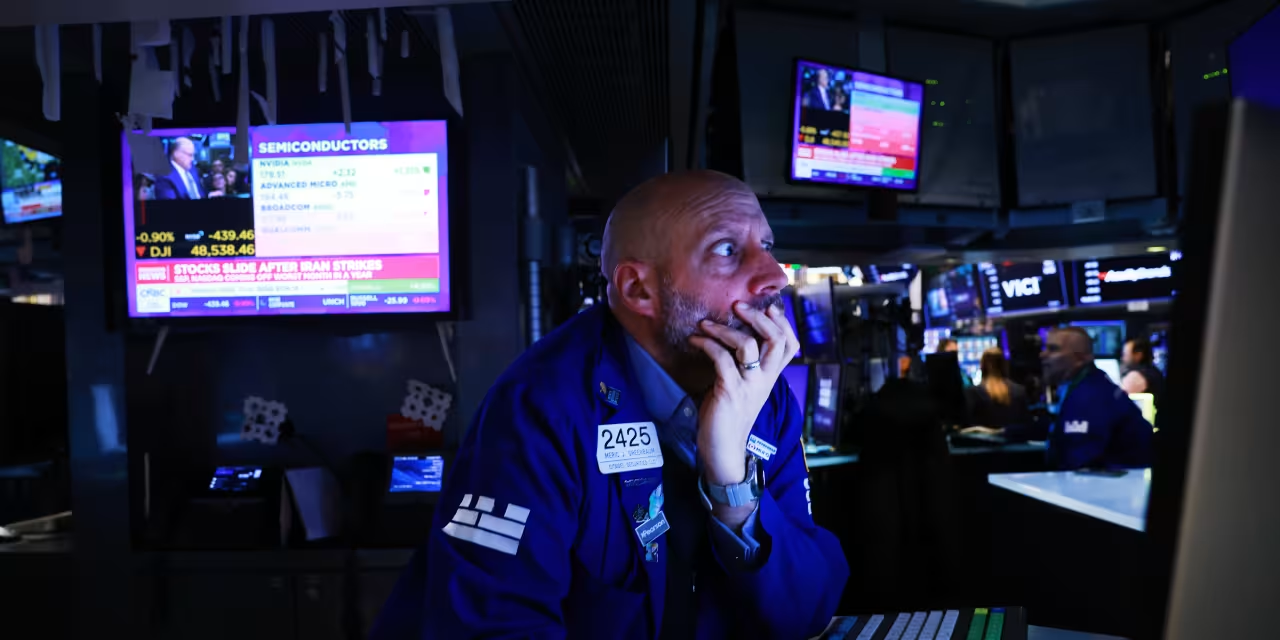
Stock Volatility Surges as U.S.-Iran Conflict Stokes Oil Price Shock Fears
Business
Rubio spoke with Turkish foreign minister and pledged full US support, State Department says
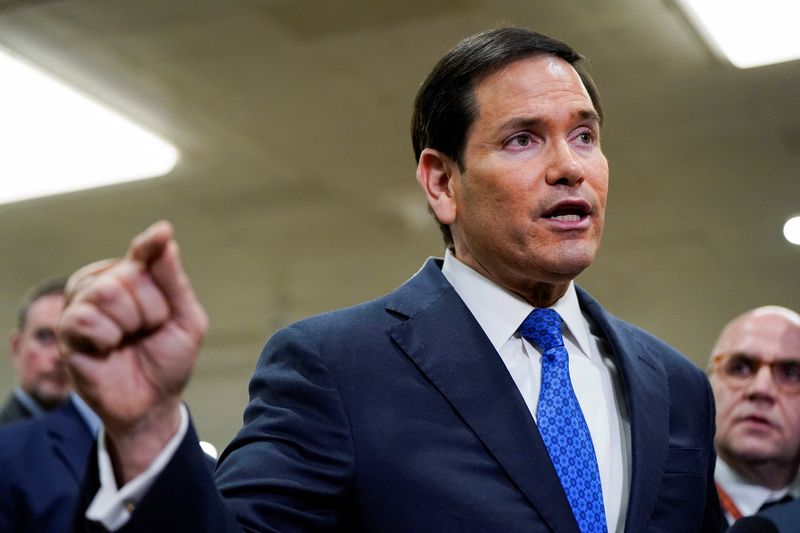

Rubio spoke with Turkish foreign minister and pledged full US support, State Department says
Business
(VIDEO) Los Angeles Rams Acquire All-Pro CB Trent McDuffie From Kansas City Chiefs in Blockbuster Trade

The Los Angeles Rams have acquired star cornerback Trent McDuffie from the Kansas City Chiefs in a major trade that bolsters their secondary and signals an aggressive push to contend in the NFC, multiple sources confirmed Wednesday.
The deal, reported by ESPN’s Adam Schefter and NFL Network’s Ian Rapoport among others, sends McDuffie to the Rams in exchange for the 29th overall pick in the 2026 NFL Draft, a fifth-round selection and a sixth-round pick this year, plus a third-round pick in 2027.
The transaction marks a significant shift for both franchises. For the Rams, it addresses a glaring weakness in pass defense that plagued them during the 2025 season and playoffs. Los Angeles ranked 19th in passing yards allowed per game (216.7) and surrendered 26 passing touchdowns, exposing vulnerabilities in coverage despite a strong offensive output led by quarterback Matthew Stafford.

McDuffie, 25, arrives as one of the league’s premier young cornerbacks. A first-round pick (21st overall) by the Chiefs in 2022 out of Washington, he has developed into a versatile defender capable of playing outside or in the slot. He earned first-team All-Pro honors in 2023 as a slot corner and has been named to the All-Pro team twice in four seasons. McDuffie contributed to Kansas City’s back-to-back Super Bowl victories following the 2022 and 2023 campaigns.
“Trent McDuffie is a proven difference-maker who brings elite coverage skills, physicality and championship experience,” Rams general manager Les Snead said in a statement. “This move aligns with our commitment to building a complete roster around Matthew Stafford and our core veterans. We’re excited to welcome him to Los Angeles.”
The trade reunites McDuffie with Rams assistant coach Jimmy Lake, who recruited and coached him at Washington before Lake joined the Rams staff this offseason. That connection added fuel to speculation in recent weeks, as reports noted McDuffie’s familiarity with Lake’s schemes could ease his transition.
Kansas City, facing salary cap constraints entering the 2026 league year, opted to move McDuffie rather than commit to a lucrative long-term extension. He was set to count $13.6 million against the cap in 2026 under his fifth-year option, which the Chiefs exercised last year. The Chiefs remain in their Super Bowl window with Patrick Mahomes but have made similar moves in the past, including trading Tyreek Hill in 2022 and L’Jarius Sneed in 2024 to manage finances and acquire draft capital.
The haul provides Kansas City with valuable assets to address other needs or maneuver in the draft. General manager Brett Veach has emphasized retaining core players but has shown willingness to pivot when economics dictate.
Rumors of McDuffie’s availability intensified earlier this week after Snead told reporters the Rams were actively exploring trades and open to using one of their first-round picks — they held the 13th and 29th overall selections entering the deal — for an impact player. Analysts quickly linked the comments to McDuffie, given the Rams’ secondary needs and his market value.
Speculation had circulated for months, with mock trades from ESPN’s Bill Barnwell and others proposing similar packages centered on a late first-round pick. Some observers questioned whether McDuffie, often deployed in the slot, fit perfectly with the Rams’ current personnel, including extended slot specialist Quentin Lake. However, his ability to play outside mitigates those concerns, and the trade’s completion indicates the front office views him as a flexible, high-upside addition.
McDuffie is expected to sign a new long-term contract with the Rams soon, sources indicated. His impending free agency in 2027 made the timing critical for Kansas City, which could not risk losing him for minimal compensation next year.
The move underscores the Rams’ “all-in” mentality under head coach Sean McVay. After reaching the playoffs in recent seasons but falling short of deep runs, Los Angeles has pursued upgrades to complement Stafford, wide receiver Cooper Kupp and a stout offensive line. Adding an All-Pro corner elevates the defense, potentially pairing McDuffie with safeties and other backs to create matchup problems for opposing quarterbacks.
For Chiefs fans, the trade represents a bittersweet moment. McDuffie embodied the team’s recent defensive identity — tough, smart and clutch in big games. His departure thins the secondary, though Kansas City retains pieces like Trent McDuffie replacements in development and incoming draft prospects.
League analysts praised both sides. The Rams gain a cornerstone defender at a reasonable cost relative to free agency prices for comparable talent, while the Chiefs stockpile picks to sustain competitiveness amid cap pressures.
The trade highlights the fluid nature of the NFL offseason, where cap realities, positional value and championship aspirations intersect. As free agency approaches and the draft nears, this deal could spark further movement across the league.
McDuffie’s arrival in Los Angeles positions the Rams as a legitimate threat in a competitive NFC West, where they seek to reclaim dominance. For Kansas City, the acquired selections offer flexibility to reinforce other areas and maintain their perennial contender status.


In the free Baking & Snack webinar, industry experts assert that regardless of outlook, bakers feel the need to invest to remain competitive.
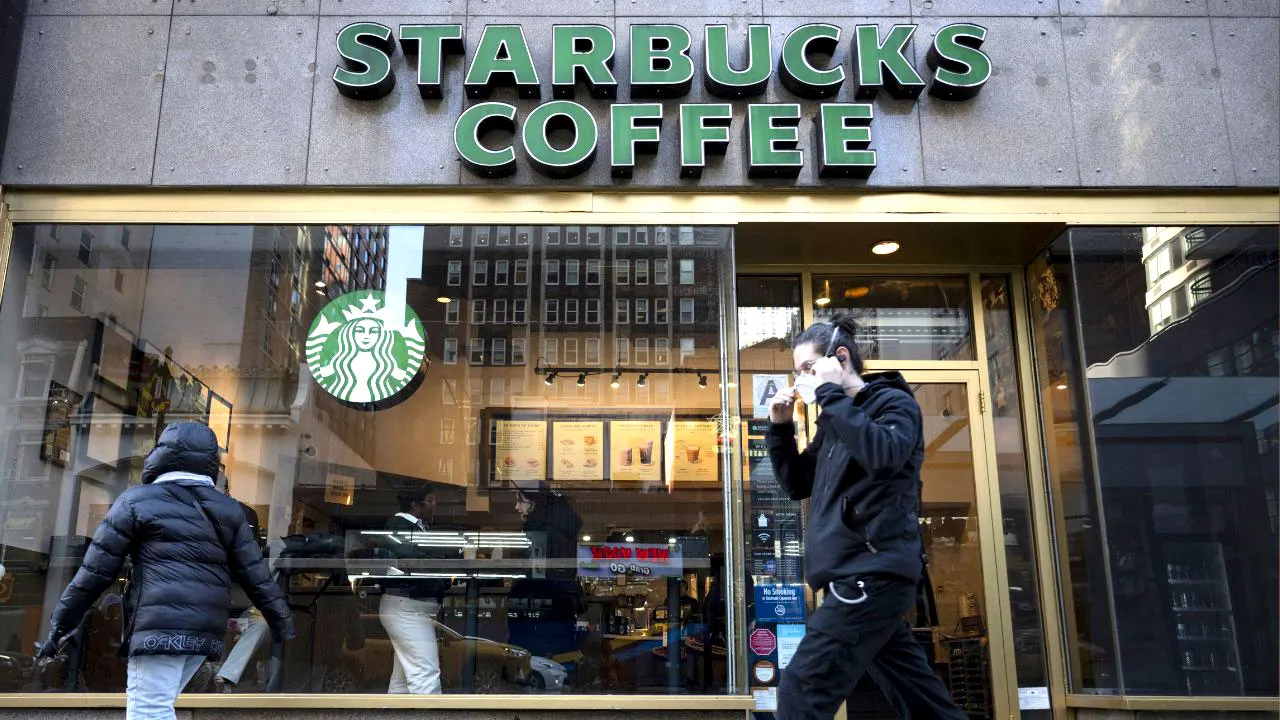
FOX Business’ Lauren Simonetti reports on the latest lawsuits hitting Starbucks as baristas in multiple states claim the company’s new dress code is illegal and forcing them to pay out of pocket.
Starbucks is growing its corporate footprint and plans to open a new office in the South later this year.
The Seattle-based coffee company will establish an office in Nashville, Tennessee, as part of its broader plan to expand across North America, especially in the central U.S., the South and parts of the Northeast, according to an internal message sent Tuesday and reviewed by FOX Business.
“To support these ambitions, we have made the decision to establish a strategic presence in the Southeast region of the U.S., and will be opening an office in Nashville, Tennessee, later this calendar year,” the company said.
A sign with the Starbucks logo hangs near the entrance to a Starbucks coffee shop in Aspen, Colorado. (Robert Alexander/Getty Images)
FORMER STARBUCKS EXEC SAYS SHE WAS FIRED AFTER RAISING CONCERNS OVER MAGGOTS, SAFETY: LAWSUIT
The new Nashville office will be home to some of the teams that manage Starbucks’ supply chain across North America.
“We see Nashville, Tennessee, as an ideal location to open an office and establish a more strategic presence in the Southeast region of the U.S.,” Starbucks Chief Operating Officer Mike Grams said in a statement. “The city offers a deep, talented and growing workforce, making it a desirable location for us.”
The plans were first reported by The Wall Street Journal.
“Included in this office will be our direct and indirect sourcing and sourcing operations teams, which will serve our North America operations, bringing together current and future sourcing roles in a geographic location that offers access to great talent and better proximity to key suppliers,” the company said.
Seattle will remain the chain’s North America and global support headquarters.

The Starbucks Corp. headquarters in Seattle, Washington. (David Ryder/Bloomberg via Getty Images)
Starbucks plans to offer relocation opportunities to dozens of Seattle-based employees, while also opening additional roles in the Nashville market over time, according to the Journal.
STARBUCKS’ TURNAROUND PLAN SHOWS PROMISE IN US AS SALES GROWTH RETURNS FOR FIRST TIME IN 2 YEARS
Employees who choose not to move may receive severance pay and can apply for other open roles within the company, the Journal reported.
| Ticker | Security | Last | Change | Change % |
|---|---|---|---|---|
| SBUX | STARBUCKS CORP. | 96.68 | -0.08 | -0.08% |
Tennessee Gov. Bill Lee welcomed the announcement, saying the state’s business-friendly environment continues to attract major companies.
“Companies across the nation recognize that Tennessee’s strong values and fiscally-conservative approach are good for business, and we are proud to welcome another Fortune 500 company like Starbucks to our state,” Lee said in a statement on Tuesday. “We’re grateful they have chosen to build a future in the Volunteer State and will create quality jobs for Tennesseans.”
STARBUCKS CEO CALLS AI ‘CO-PILOT,’ NOT REPLACEMENT FOR WORKERS AMID COMPANY TURNAROUND EFFORTS
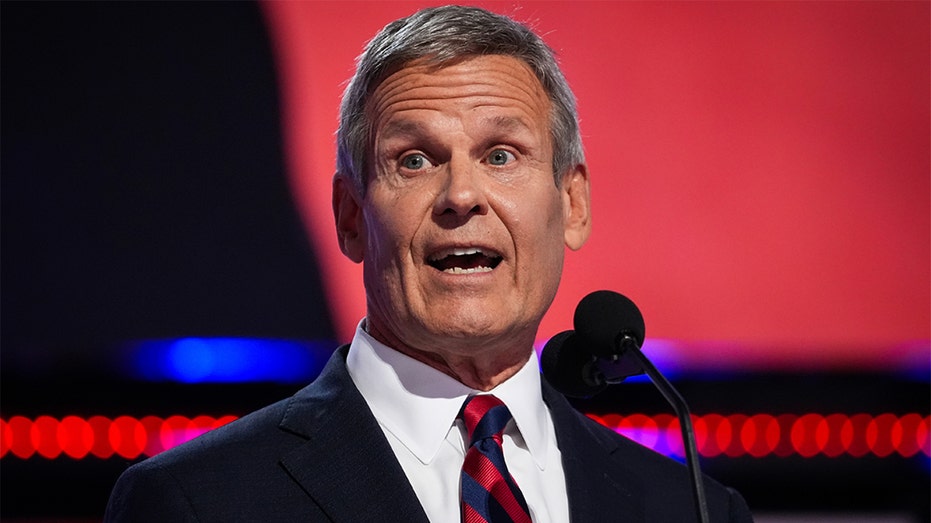
Tennessee Gov. Bill Lee welcomed Starbucks’ announcement. (Andrew Harnik/Getty Images)
Nashville is already home to large employers such as Bridgestone and HCA Healthcare.
GET FOX BUSINESS ON THE GO BY CLICKING HERE
In-N-Out is also expected to open a 100,000-square-foot eastern territory office near Nashville late this year.

Aesthetica and York St John bring back business academy
Sabre completes redemption of $91.6 million in senior secured notes

RedStone deploys price oracle to bolster Stellar DeFi security


-

 Politics6 days ago
ITV enters Gaza with IDF amid ongoing genocide
-

 Politics2 days ago
Alan Cumming Brands Baftas Ceremony A ‘Triggering S**tshow’
-

 Fashion5 days ago
Weekend Open Thread: Iris Top
-

 NewsBeat7 days ago
Cuba says its forces have killed four on US-registered speedboat | World News
-

 Tech4 days ago
Unihertz’s Titan 2 Elite Arrives Just as Physical Keyboards Refuse to Fade Away
-
Sports5 days ago
The Vikings Need a Duck
-
 NewsBeat4 days ago
Dubai flights cancelled as Brit told airspace closed ’10 minutes after boarding’
-
 NewsBeat7 days ago
Manchester Central Mosque issues statement as it imposes new measures ‘with immediate effect’ after armed men enter
-

 NewsBeat3 days ago
‘Significant’ damage to boarded-up Horden house after fire
-
 NewsBeat4 days ago
The empty pub on busy Cambridge road that has been boarded up for years
-

 NewsBeat4 days ago
Abusive parents will now be treated like sex offenders and placed on a ‘child cruelty register’ | News UK
-

 Entertainment3 days ago
Baby Gear Guide: Strollers, Car Seats
-

 Business7 days ago
Discord Pushes Implementation of Global Age Checks to Second Half of 2026
-

 Business6 days ago
Only 4% of women globally reside in countries that offer almost complete legal equality
-
 Tech5 days ago
NASA Reveals Identity of Astronaut Who Suffered Medical Incident Aboard ISS
-
Politics4 days ago
FIFA hypocrisy after Israel murder over 400 Palestinian footballers
-
 NewsBeat3 days ago
Emirates confirms when flights will resume amid Dubai airport chaos
-

 Crypto World6 days ago
From Crypto Treasury to RWA: ETHZilla Retreats and Relaunches as Forum Markets on Nasdaq
-

 NewsBeat2 days ago
Is it acceptable to comment on the appearance of strangers in public? Readers discuss
-

 Tech4 days ago
Viral ad shows aged Musk, Altman, and Bezos using jobless humans to power AI