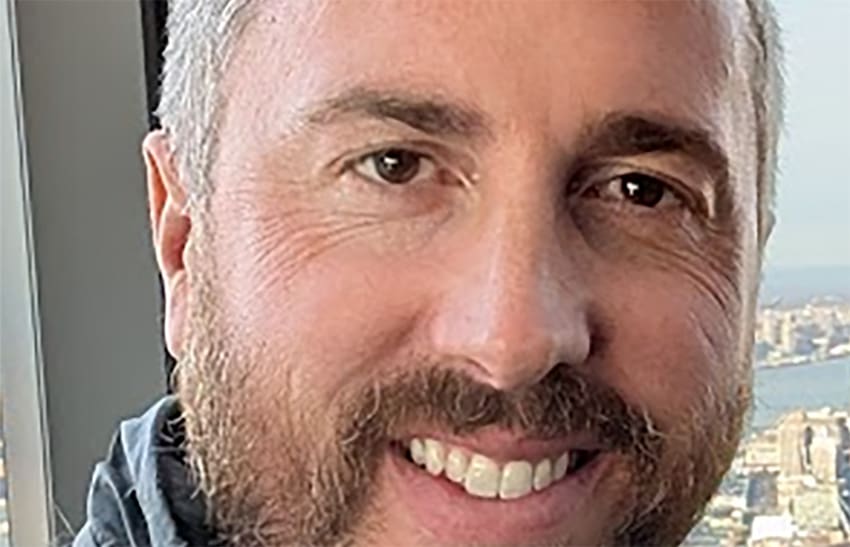
Matthew V. Blackwell grew up in Connecticut as the oldest of four siblings in a close-knit family that believed in hard work and personal responsibility. From an early age, he saw what it meant to build something from the ground up. That mindset shaped the way he approaches life today.
He graduated from high school with honors and went on to earn a degree in Industrial Engineering from Union College. His career began in data analytics before he stepped into operations leadership within his family’s business. Later, he took a leap and launched his own electric bike company. It was a bold move filled with long days and real risk. When the market changed, he adjusted. He learned. He kept moving forward.
Today, Matthew leads Woodbridge Farms, a growing e-commerce company focused on steady growth and strong customer relationships. He also manages SeaSide Properties, overseeing a portfolio of real estate investments. His path has included both wins and setbacks, but he does not dwell on either for long.
At home, Matt is not the kind of dad who watches from a distance. He is in it. His weeks move from Scout meetings to dance recitals, from swim meets to MMA competitions, cheering just as hard at the end as he did at the start.
For Matt, success is not flashy. It is steady. It is family. And it is showing up every single day.
Q: When you think about inspiration, where does it start for you?
For me, it starts with family. I grew up in Connecticut as the oldest of four. Being the oldest meant I was always a few steps ahead—first to try things, first to mess up, first to figure it out. That sticks with you. I learned early that people are watching what you do more than what you say.
I also watched a business grow from the inside. When you see something built over time, you understand that success is not one big moment. It’s small decisions made daily.
Q: You’ve had both wins and setbacks in business. How have those shaped you?
I’ve seen both sides. I helped lead operations in a family business for years. Then I stepped out and started my own electric bike company, CyclElectric. We sold conversion kits and pre-built bikes. It was exciting at first. I believed in the product.
But competition from overseas ramped up. Margins shrank. Sales became inconsistent. Eventually, I had to shut it down.
That experience changed me. It taught me that passion is important, but so is timing and market reality. I learned to read numbers differently after that. I also learned that closing a company is not a failure. It’s data. It tells you what works and what doesn’t.
Q: You’ve had personal challenges as well. How did you move forward from those?
Like most people, I’ve had seasons that tested me. There were moments where I had to confront mistakes, accept responsibility, and decide what kind of future I wanted to build. Those experiences forced me to slow down and reflect in a way I hadn’t before.
Instead of seeing that time as defining me, I chose to treat it as a turning point. I read more. I studied business and leadership more seriously. I wrote out clear goals—not just financial ones, but personal standards for how I wanted to operate each day. I became more intentional.
Challenges can either harden you or refine you. I chose to let mine refine me. They gave me clarity about what matters most—my family, my integrity, and building something sustainable over time.
Q: What did rebuilding look like in practical terms?
It looked like structure. I returned to operations leadership roles. I focused on process improvement and cost controls. I paid attention to details I may have brushed past before.
When I started Woodbridge Farms in 2023, I approached it differently from CyclElectric. I didn’t chase hype. I focused on steady demand, supplier relationships, and cash flow discipline. Boring things. But boring builds stability.
At the same time, I began managing our family’s real estate portfolio through SeaSide Properties. Real estate forces patience. You think in decades, not quarters.
Q: How do you inspire confidence in your ideas now?
I don’t try to inspire with big speeches. I show numbers. I show consistency.
If I tell someone we can grow revenue 10%, I’ll explain exactly how. Here’s the supplier shift. Here’s the margin change. Here’s the marketing test. Confidence comes from preparation.
At home, it’s similar. When I built a tree fort for my kids, I didn’t just start hammering boards. I drew it out. Measured twice. Planned weight loads. That’s how I approach business now. Creativity backed by structure.
Q: You’re very hands-on at home. Does that connect to how you lead?
Absolutely. I’ve built a chicken coop. Installed solar panels and a battery system so parts of our house run off the grid. I manage raised garden beds and a small food forest.
Those projects remind me that results take time. You can’t rush a tomato plant. You can’t shortcut wiring without consequences. You do the work correctly, and you wait.
Leadership is similar. You set systems. You nurture people. You adjust when something isn’t producing.
Q: You also race cars. That seems different from gardening.
It’s different on the surface. But racing my older BMW M3 requires focus, discipline, and self-control. If you overcorrect, you spin out. Business can be the same. You don’t react emotionally. You respond strategically.
Racing also clears my head. It reminds me that calculated risk is healthy. Reckless risk is not.
Q: What would you tell someone who doubts themselves?
The world doesn’t pause because you feel insecure. I’ve learned that firsthand. There were days I didn’t feel ready to lead, to rebuild, to show up publicly again. But you move anyway.
Success isn’t one-dimensional. It rises and falls. For me, success is family first. A career is a tool to support that. When you define success clearly, decisions get easier.
You won’t avoid mistakes. I haven’t. But you can decide what you do next. And that decision, repeated over time, is what changes your life.