

Business
Investigation Remains Active with No Breakthroughs as Family Pleads for Answers

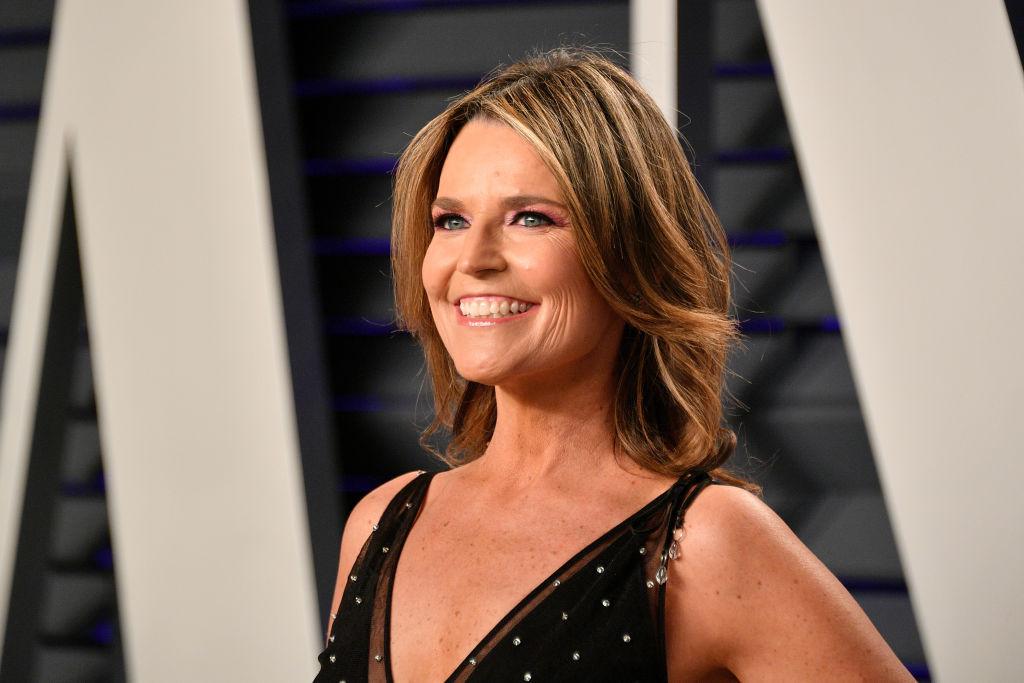
More than a month after 84-year-old Nancy Guthrie vanished from her home in Tucson’s Catalina Foothills area, the high-profile disappearance case continues to grip national attention with no confirmed arrests or definitive leads announced as of March 6, 2026. The mother of NBC’s “Today” show co-anchor Savannah Guthrie was last seen on the evening of January 31, 2026, when family members dropped her off around 9:30 p.m. local time. She was reported missing the following day after failing to appear for a planned church service livestream.

Authorities with the Pima County Sheriff’s Department and FBI have classified the incident as an abduction, citing evidence including blood found on the front porch and chilling doorbell camera footage showing a masked individual tampering with security equipment outside her residence in the early hours of February 1. The suspect appeared armed and wore a ski mask, obscuring identification despite extensive analysis of the video.
The investigation, now in its second month, has shifted focus from large-scale ground searches to forensic review, digital evidence processing and tip follow-up. Officials report examining over 10,000 hours of surveillance footage from the neighborhood and surrounding areas, with AI-assisted tools aiding in gait analysis, height estimation and potential data recovery from deleted files. Forensic testing on physical evidence, including possible DNA from the scene, remains ongoing, though experts have raised concerns about early handling of the crime scene, including potential contamination due to lack of strict access controls.
No suspects or persons of interest have been publicly named, and investigators have not ruled out involvement of multiple individuals. The case prompted an initial flood of tips — more than 1,000 in a single 24-hour period after video release — but many proved unsubstantiated. A $100,000 FBI reward for information leading to her location or an arrest was later supplemented by the Guthrie family’s offer of up to $1 million, announced in late February via a video plea from Savannah Guthrie.
In that emotional message, Savannah acknowledged the grim possibility that her mother “may already be gone,” renewing calls for any proof of life or information that could bring closure. The family posted a sign outside Nancy’s home reading “Do the right thing,” directed at potential kidnappers, and emphasized their willingness to cooperate fully.
Nancy Guthrie, described as mentally sharp despite limited mobility from age-related issues, relied on a pacemaker, daily medication and hearing aids. Authorities repeatedly warned that missing her required doses could pose life-threatening risks, heightening urgency in the early weeks. Friends portrayed her as independent and socially active, rarely missing book club or church events, even walking to retrieve mail shortly before her disappearance.
The case has sparked widespread media coverage, live updates from networks like NBC, CNN and Fox, and YouTube breakdowns analyzing developments. Discussions range from forensic critiques — including scene contamination and DNA challenges — to speculation about motives, from random crime to targeted abduction. Some observers note the absence of a clear ransom demand pattern, though unverified reports of notes surfaced early on.
As of early March 6, 2026, the Pima County Sheriff’s Department described the probe as active, with detectives pursuing leads despite scaled-back on-ground operations. The FBI maintains involvement, having relocated some command resources to Phoenix for logistical reasons, though no official declaration of the case turning “cold” has occurred. Experts stress that with no body or confirmed harm, hope persists for a safe return.
The disappearance has highlighted vulnerabilities for elderly residents in affluent areas and the power of public appeals in generating tips. Savannah Guthrie has returned to on-air duties intermittently, balancing professional commitments with family advocacy.
Community support in Tucson includes neighborhood watch enhancements and calls for more home security sharing. The Guthries continue urging anyone with information — no matter how small — to contact authorities at 520-351-4900 or the FBI tip line.
As the investigation presses forward without resolution, the case remains a poignant reminder of uncertainty amid high-profile scrutiny. Family, friends and investigators alike await developments that could finally answer what happened to Nancy Guthrie on that fateful night.


The February Jobs Drop: Outlier Or New Trend

More traffic sounds like the right move. It feels like progress. More clicks should mean more sales. Many founders learn the hard way. Traffic is not the problem. The buying path is the problem. Fixing conversion first often unlocks growth with the same budget.
This topic matters more now. Ad costs rise. Competition is tighter. Buyers also have less patience. A store can attract the right visitors and still lose them. The leak usually sits on product pages, cart, and checkout.
The right question is simple. Should the next effort go into traffic or conversion? The answer depends on where money is lost today.
The Fast Test That Shows the Real Bottleneck
Start with a basic check. Look at sessions and orders. If traffic is rising but sales are flat, conversion is the bottleneck. If conversion is strong but traffic is low, traffic is the bottleneck. Many stores sit in the first case.
A quick way to confirm this is a funnel review. Check the add to cart rate. Check the checkout start rate. Check purchase rate. One step is usually weak, and Baymard’s cart abandonment rate research highlights how often checkout friction drives drop-offs.
Do not guess. Do not change five things at once. Find the step with the biggest drop. Fix that step first.
Traffic Can Hide Problems and Make Them Worse
More traffic can hide broken pages. It can also hide weak offers. A store can still get orders. The store still loses profit. The ad account then gets blamed. The real issue stays in place.
Traffic also creates noisy data. Low conversion means fewer purchases. Fewer purchases mean weaker learning. That slows ad improvement. It also slows product decisions.
Traffic should scale after the basics work. Otherwise, the store pays for visitors who never had a chance.
Fix the Leak Before Buying More Clicks
Conversion work starts with friction. Friction is anything that makes buying feel hard. It can be slow pages. It can be unclear shipping. It can be weak trust. It can be a messy checkout.
Start with a founder style audit. Open the store on mobile. Add a product to the cart. Start checkout. Count the steps. Watch for surprises. Note every moment that feels annoying.
Checkout and upsell structure also affects conversion. Some stores improve this by using funnel-style pages. Funnel pages reduce distractions and keep focus on one offer. For context, Funnelish is positioned as an all-in-one platform for fast funnels, optimized checkouts, and one-click upsells. The aim is higher conversion and higher average order value.
The Conversion Basics That Pay Off First
Page speed is a conversion lever, and Google explains why mobile site speed matters for growth in retail. Slow pages reduce trust fast. Mobile makes this worse. Heavy themes and stacked apps often cause it. Speed work should target product pages and checkout first.
Clarity is the next lever. Buyers need answers fast. What is included? How long does delivery take? What do returns look like? If these details are hidden, buyers pause. Pauses turn into exits.
Trust is the third lever. Add real signals near the buy action. Show support contact. Show returns window. Show payment icons early. Avoid a wall of badges. Keep it clean and believable.
Raise AOV Before Raising Budget
Conversion is not only about more orders. It is also about more profit per order. Average order value protects margins. It also makes ads easier to scale.
AOV improves with relevant add-ons. It improves with bundles. It improves with post-purchase offers. It drops when offers feel pushy. It also drops when checkout feels noisy.
A simple rule helps. Offer one clear add-on. Make it match the product. Make the value easy to understand. Keep it optional.
For a practical view of funnel steps and offer timing, check out this blogpost: eCommerce funnel and checkout flows. It explains order bumps, upsells, and testing in one system. That supports higher-order value without more traffic.
When Traffic Should Come First
Sometimes, traffic is the real issue. This happens when conversion is already healthy. It also happens when the offer is proven. The store has reviews. The store has strong repeat buyers. The store has a stable checkout.
In that case, traffic work can be smart. The goal is still controlled growth. Add one traffic channel at a time. Track blended return. Watch for margin drop.
Traffic should also match intent. A cold audience needs a clear promise. A warm audience can handle more product depth. Bad targeting creates low-quality clicks. Those clicks will never convert.
A Practical Decision Framework for Founders
A simple framework keeps focus. Use it every month. It prevents random work.
If conversion is low, fix conversion first. If conversion is solid, test new traffic. If both are weak, start with offer clarity and page flow.
This table helps decide fast:
| Signal | What it means | What to fix first |
| High sessions, low orders | Leak in product, cart, or checkout | Conversion |
| High add to cart, low purchase | Checkout friction or surprise costs | Conversion |
| Healthy purchase rate, low sessions | Not enough reach | Traffic |
| Strong conversion, weak profit | AOV too low | AOV and upsells |
The Metrics That Matter More Than Vanity Numbers
Traffic numbers feel good. Sessions can still lie. The store needs metrics tied to money.
Track purchase rate by device. Track checkout drop by step. Track page load time on mobile. Track refund rate. Track average order value. Track contribution margin.
Also, track repeat purchase rate. A store with strong repeat buyers can pay more for traffic. A store with weak retention must protect its margin.
Growth gets easier when these numbers improve. Ads become simpler. Inventory planning becomes safer. Cash flow becomes calmer.
Conclusion
Traffic and conversion are not rivals. They are a sequence. Conversion comes first for most stores. Fix the buying path. Fix clarity. Fix trust. Fix speed. Then scale traffic with confidence.
A founder does not need more noise. A founder needs fewer leaks. Fewer leaks create better profit. Better profit creates more options. That is the real win.


The Value Investor has a Master of Science with specialization in financial markets and a decade of experience tracking companies via catalytic company events.
As the leader of the investing group Value In Corporate Events they provide members with opportunities to capitalize on IPOs, mergers & acquisitions, earnings reports and changes in corporate capital allocation. Coverage includes 10 major events a month with an eye towards finding the best opportunities. Learn more.
Analyst’s Disclosure: I/we have no stock, option or similar derivative position in any of the companies mentioned, and no plans to initiate any such positions within the next 72 hours. I wrote this article myself, and it expresses my own opinions. I am not receiving compensation for it (other than from Seeking Alpha). I have no business relationship with any company whose stock is mentioned in this article.
Seeking Alpha’s Disclosure: Past performance is no guarantee of future results. No recommendation or advice is being given as to whether any investment is suitable for a particular investor. Any views or opinions expressed above may not reflect those of Seeking Alpha as a whole. Seeking Alpha is not a licensed securities dealer, broker or US investment adviser or investment bank. Our analysts are third party authors that include both professional investors and individual investors who may not be licensed or certified by any institute or regulatory body.

Form 8K Neonc Technologies Holdings Inc For: 6 March
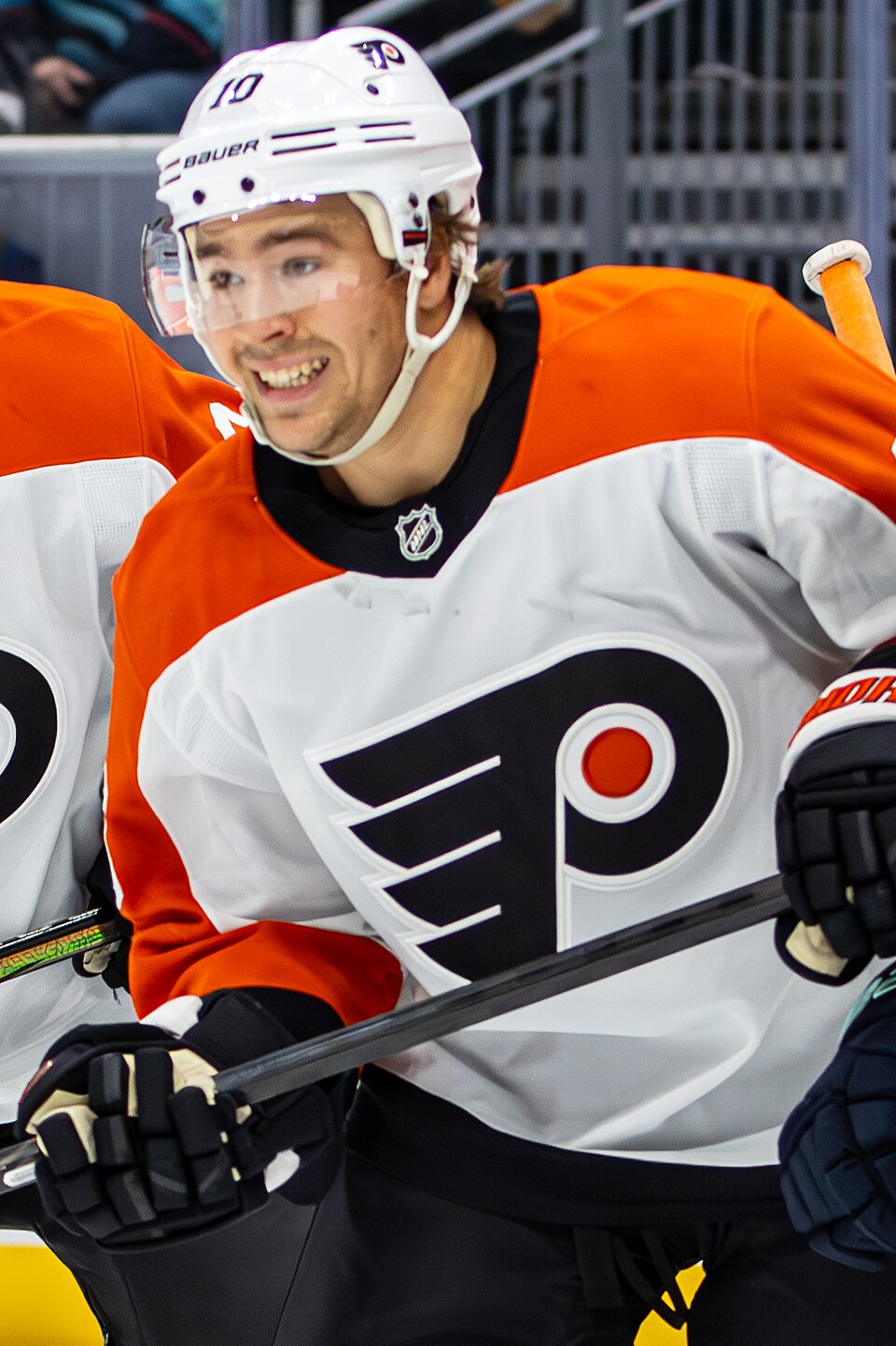
The 2026 NHL Trade Deadline was defined by high-stakes movement, but few deals carried as much sentimental and strategic weight as the homecoming of Bobby Brink. On Friday, March 6, 2026, the Philadelphia Flyers traded the 24-year-old forward to his hometown team, the Minnesota Wild, in a one-for-one swap for defenseman prospect David Jiříček.

As Brink swaps the orange and black for the forest green and wheat, here are the 10 things you must know about the dynamic winger as he enters this new chapter of his career.
1. He’s Finally Coming Home
Born in Minnetonka, Minnesota, Brink grew up in the heart of “State of Hockey” territory. Before becoming a pro, he was a local legend for the Minnetonka Skippers, leading them to an MSHSL State Championship in 2018. Returning to Minnesota isn’t just a business move; it’s a full-circle moment for a player who spent his childhood dreaming of playing at the Xcel Energy Center.
2. The “David Jiříček” Swap
The trade that brought Brink to Minnesota was a rare “hockey trade” between two young assets. The Flyers, facing a logjam at right wing with the emergence of Matvei Michkov and Travis Konecny, traded Brink to address their need for a high-end blueliner. In return, they received David Jiříček, a 22-year-old former No. 6 overall pick with a massive slapshot. For Minnesota, the deal adds immediate scoring depth to their middle-six forward group.
3. A Hobey Baker Pedigree
Brink isn’t just another prospect; he was arguably the best player in college hockey during his tenure at the University of Denver. In 2022, he led the entire NCAA in scoring with 57 points in 41 games and was a “Hat Trick” finalist for the Hobey Baker Award. He capped that season by leading the Pioneers to a National Championship before turning pro.
4. He Survived the “Tortorella School of Coaching”
Perhaps the most impressive part of Brink’s development was his relationship with former Flyers head coach John Tortorella. Known for being notoriously hard on offensive-minded “small” players, Tortorella famously challenged Brink’s defensive game, once even quipping that Brink probably didn’t know how to spell “checking.” However, by early 2025, Brink had won him over, becoming a staple on what was nicknamed the “Most Tortorella Line” alongside Noah Cates and Tyson Foerster.
5. Elite Skating Speed (The 94th Percentile)
While Brink stands at a modest 5-foot-8, his speed is elite. According to NHL EDGE data for the 2025-26 season, Brink’s top skating speed reached 23.30 MPH, placing him in the 94th percentile of the entire league. This explosive burst allows him to win puck battles and create odd-man rushes despite being smaller than most defenders.
6. Current 2025-26 Season Stats
Before being traded on Friday, Brink was having a solid, consistent year in Philadelphia. In 55 games this season, he recorded 26 points (13 goals, 13 assists). His shooting percentage of 14.4% remains well above the league average, proving his efficiency when he gets into high-danger scoring areas.
7. Contract Status: RFA Imminent
Brink is currently in the final year of a two-year, $3 million contract ($1.5M AAV) he signed in July 2024. He is set to become a Restricted Free Agent (RFA) with arbitration rights on July 1, 2026. This gives the Minnesota Wild team control over his rights, but they will likely need to negotiate a multi-year extension this summer if he performs well in the upcoming playoff push.
8. A World Junior Gold Medalist
Brink has a history of winning on the international stage. He was a key member of the Team USA squad that won the Gold Medal at the 2021 IIHF World Junior Championships. His experience in high-pressure, short-tournament formats makes him a valuable asset for a Wild team looking to make noise in the 2026 Stanley Cup Playoffs.
9. He Overcame Major Injury Setbacks
Brink’s path to the NHL wasn’t seamless. Shortly after signing his entry-level contract in 2022, he underwent hip surgery that sidelined him for a significant portion of his first full professional season. His ability to regain his elite skating speed and lateral agility after such a procedure is a testament to his work ethic and the modern sports medicine available to NHL athletes.
10. Versatility in the Lineup
One of Brink’s greatest strengths is his ability to play anywhere in the top nine. In Philadelphia, he spent time on the top-line power play but was also trusted in defensive “grind” situations. Minnesota Wild fans can expect to see him slot in on the right wing, likely alongside a playmaker like Marco Rossi or as a creative spark for the second power-play unit.
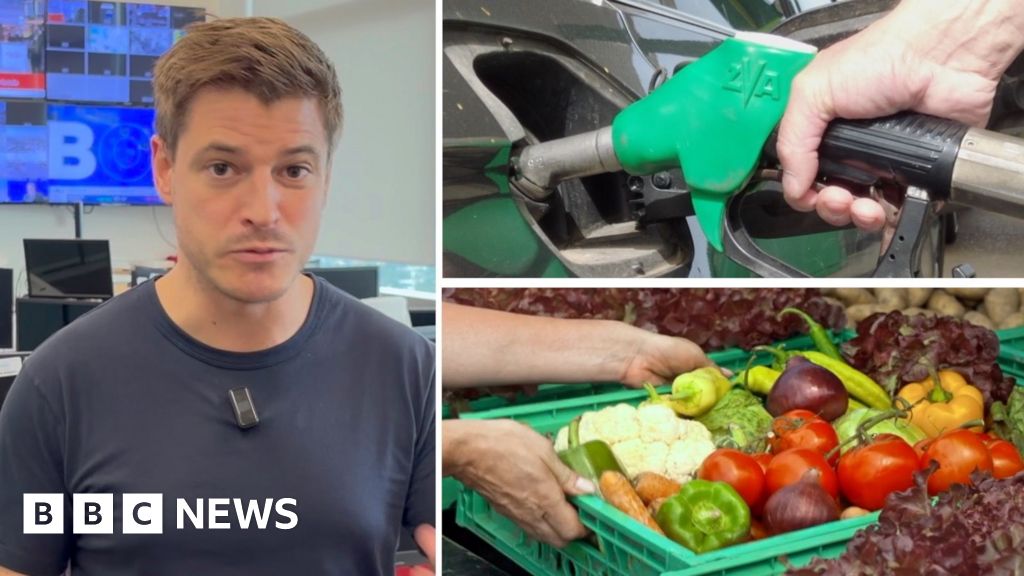
As the US and Israel continue strikes on Iran, and with retaliatory strikes hitting nearby Middle East states, key shipping routes are being disrupted. Oil and gas production in the region is also being affected.
The BBC’s Nick Marsh examines how the war could cause a rise in living costs around the world.
European Commission approves Zynyz for anal cancer treatment
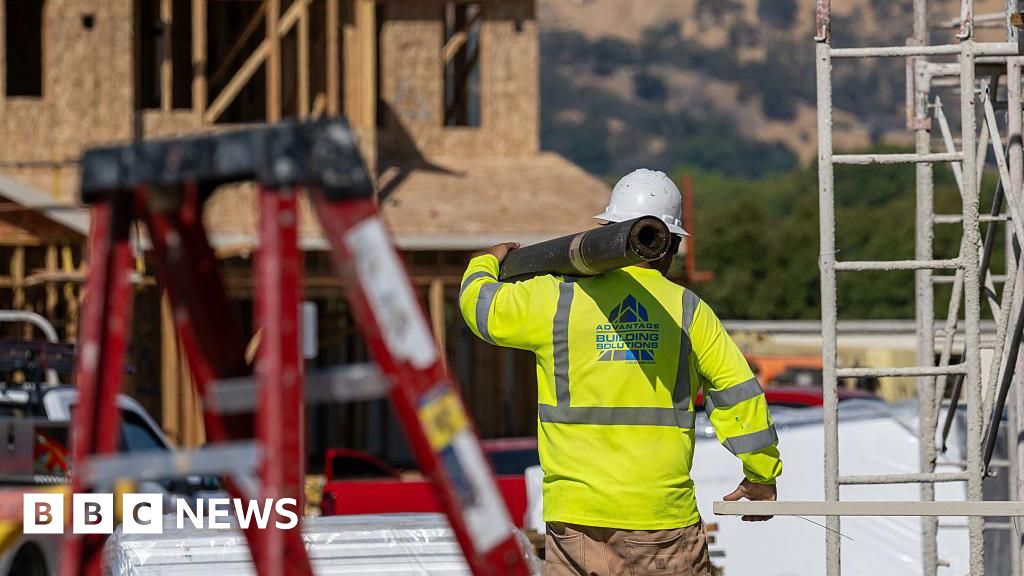
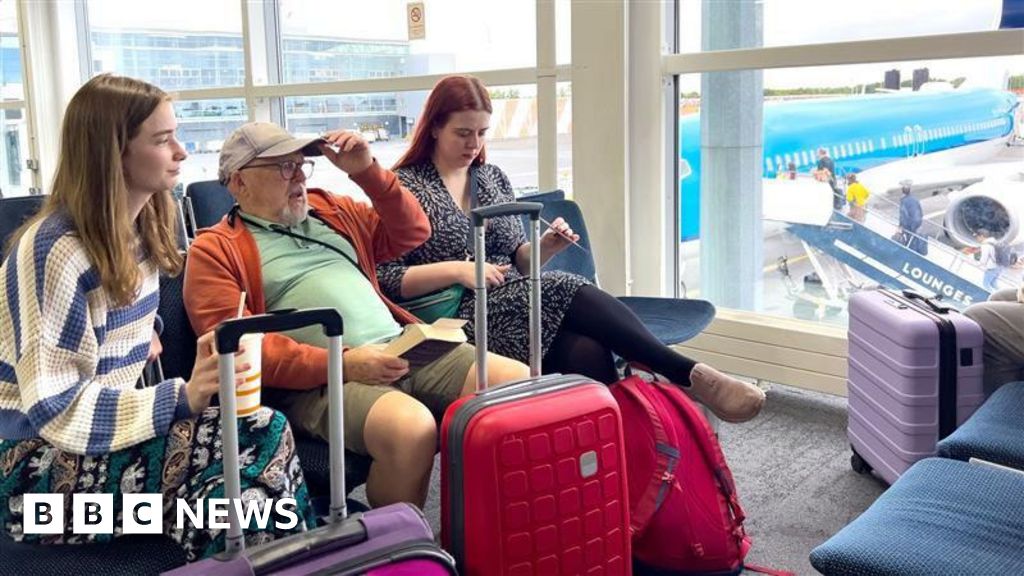
The contraction came as a surprise with payrolls down in nearly every sector.
Disruption to supplies from the Gulf due to the Middle East conflict has pushed the cost up by more than 80%.
.webp?t=1741267664)
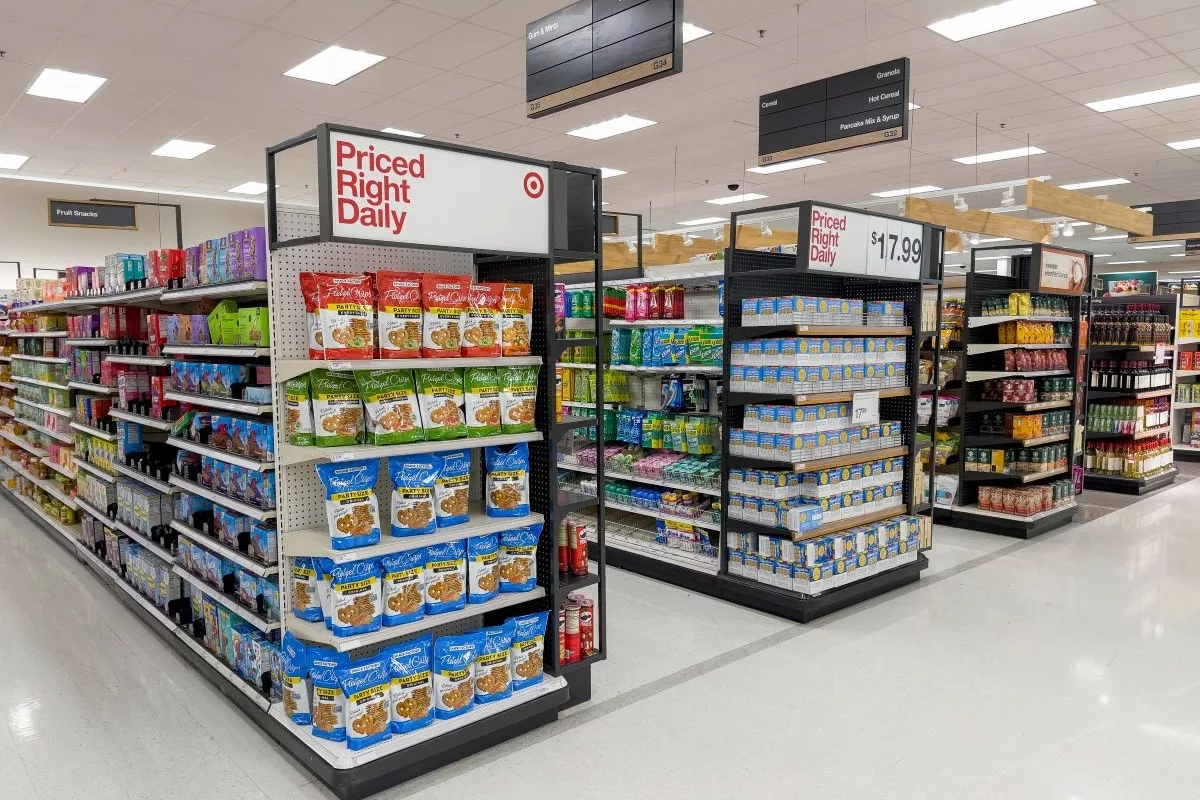
Retailer seeks to lead with merchandising authority.

David and Victoria Beckham put on united front as Brooklyn ignores latest olive branch

The February Jobs Drop: Outlier Or New Trend
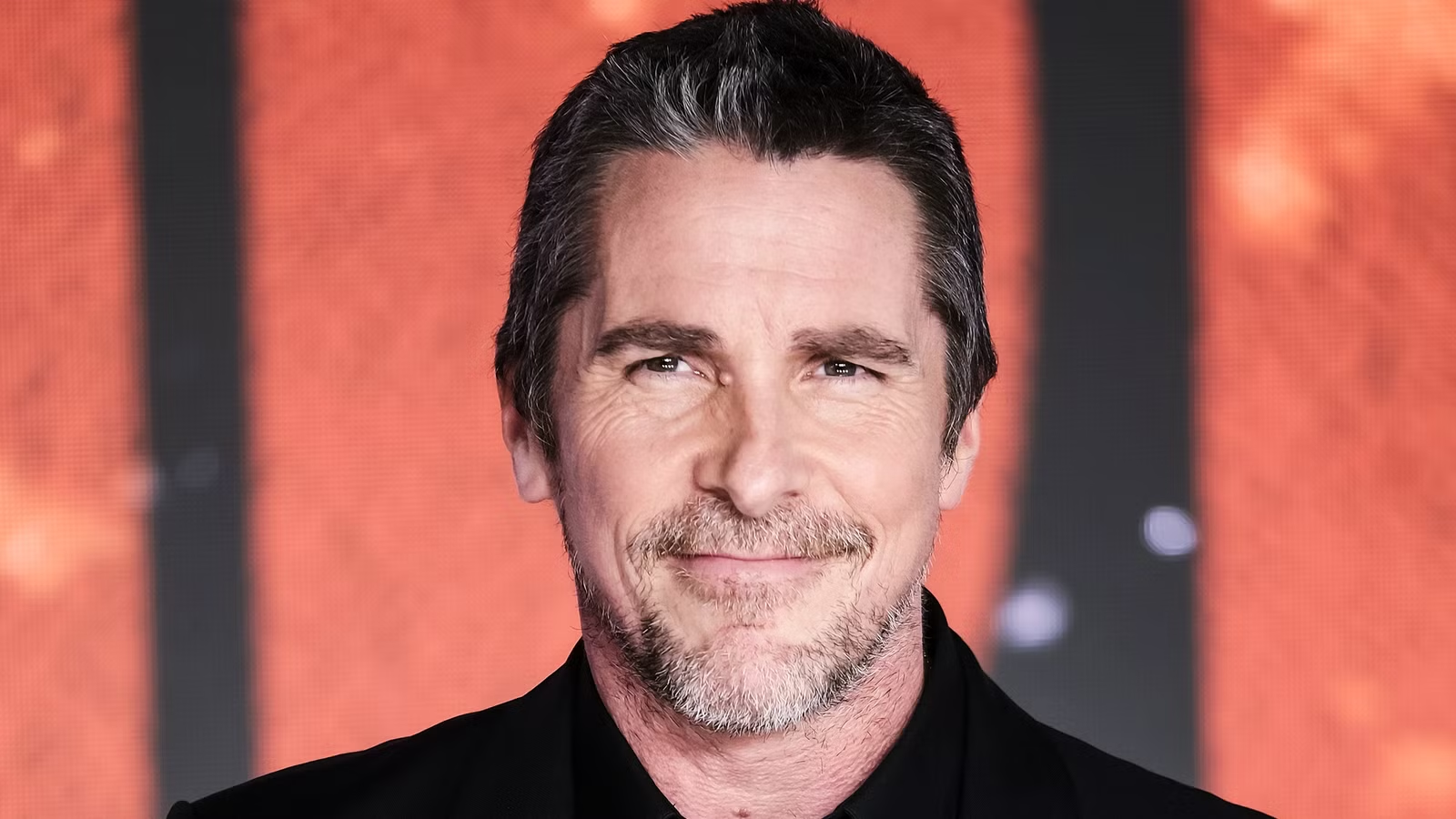
Christian Bale’s Favorite Movie Monster Roars on HBO Max as 2027’s Sci-Fi Sequel Looms


-

 Politics4 days ago
Alan Cumming Brands Baftas Ceremony A ‘Triggering S**tshow’
-

 Tech6 days ago
Unihertz’s Titan 2 Elite Arrives Just as Physical Keyboards Refuse to Fade Away
-

 NewsBeat6 days ago
Abusive parents will now be treated like sex offenders and placed on a ‘child cruelty register’ | News UK
-
Business8 hours ago
Form 8K Entergy Mississippi LLC For: 6 March
-
 NewsBeat6 days ago
Dubai flights cancelled as Brit told airspace closed ’10 minutes after boarding’
-
Sports7 days ago
The Vikings Need a Duck
-
 NewsBeat6 days ago
The empty pub on busy Cambridge road that has been boarded up for years
-

 NewsBeat5 days ago
‘Significant’ damage to boarded-up Horden house after fire
-

 Tech2 days ago
Bitwarden adds support for passkey login on Windows 11
-

 Entertainment5 days ago
Baby Gear Guide: Strollers, Car Seats
-
 Sports1 day ago
499 runs and 34 sixes later, India beat England to enter T20 World Cup final | Cricket News
-
Politics6 days ago
FIFA hypocrisy after Israel murder over 400 Palestinian footballers
-
 NewsBeat6 days ago
Emirates confirms when flights will resume amid Dubai airport chaos
-

 NewsBeat4 days ago
Is it acceptable to comment on the appearance of strangers in public? Readers discuss
-

 Tech6 days ago
Viral ad shows aged Musk, Altman, and Bezos using jobless humans to power AI
-
 Video5 days ago
How to Build Finance Dashboards With AI in Minutes
-

 Fashion5 days ago
On the Scene at the 57th Annual NAACP Image Awards: Teyana Taylor in Black Ashi Studio, Colman Domingo in Yellow Sergio Hudson, Chloe Bailey in Christian Siriano, and More!
-

 Fashion4 hours ago
Weekend Open Thread: Ann Taylor
-

 Business3 days ago
Guthrie Disappearance Enters Fifth Week as Family Visits Memorial
-
 Crypto World6 days ago
US Judge Lets Binance Unregistered Token Class Action Proceed