Connect with us

Business & Hussles

Best AI Governance Tools for the UK: 5 Picks for 2026

Published

on

Best AI Governance Tools for the UK: 5 Picks for 2026

A UK organisation deploying AI in 2026 answers to three regimes at once, and they don’t agree on a method. Westminster has passed no AI statute; it asks existing regulators to apply a set of principles within their current remits.

Brussels legislated, and the EU AI Act follows UK firms across the Channel whenever their systems reach EU users. Alongside both sits the ICO, which treats most corporate AI as personal-data processing under UK GDPR. A credible list of the best AI governance tools for the UK has to start from that split, because a platform that shines against one regime can leave you exposed under the other two.

Most published advice on this subject comes from the US and treats Brussels as the one regulator worth naming. The five picks below face a different test: do they map controls to the rules a British firm answers to, and can they show a regulator or an enterprise buyer the evidence? The list opens with Scytale, whose answer to all three regimes is the same: turn AI governance into certifiable audit evidence rather than a shelf of policy PDFs.

Three regimes, one governance programme

Tool selection follows from the ground rules, so the ground rules come first.

  • The UK’s principles-based approach. The 2023 white paper from the Department for Science, Innovation and Technology (DSIT) chose supervision through existing regulators over a new statute. Five cross-sector principles, from safety through to contestability and redress, guide how bodies such as the ICO and the FCA police AI within their current powers. The FCA, for its part, supervises AI in financial services through its existing rulebook, which means firms under its scrutiny should prioritise audit-trail depth when they shortlist.
  • The EU AI Act’s extraterritorial reach. Brexit didn’t put UK firms outside the Act. It binds any provider placing an AI system on the EU market, and it reaches UK firms whose system outputs land in front of EU users. A Manchester SaaS company with customers in Dublin carries EU AI Act obligations, and for high-risk systems the duties in force from 2026 include technical documentation and human-oversight records that an assessor can inspect.
  • ICO expectations under UK GDPR. Where AI consumes personal data, the ICO’s guidance on AI and data protection applies. It expects a lawful basis settled before processing begins and a data protection impact assessment (DPIA) wherever the risk runs high. It also expects organisations to explain automated decisions to the people on the receiving end.

One standard cuts across the whole picture. ISO/IEC 42001 defines an AI management system an organisation can certify against, and the certificate travels: it demonstrates the accountability the UK’s principles ask for while supporting the documentation the EU AI Act demands. That’s why certifiable-framework support carries so much weight in the order below.

The best AI governance tools for the UK at a glance

The table gives the short version; the entries that follow give the reasoning.

Advertisement
Tool Governance focus Suited to


Scytale Certifiable AI compliance with automated evidence UK firms proving AI governance to auditors and enterprise buyers
Credo AI Policy packs and AI registries Regulated enterprises running many AI initiatives
Holistic AI Lifecycle oversight with regulatory change tracking Multi-jurisdiction portfolios; London-founded vendor
OneTrust AI governance layered on privacy workflows Teams running OneTrust for UK GDPR work
IBM watsonx.governance Enterprise model risk management Regulated giants with hybrid or on-premise estates

The 5 best AI governance tools for UK organisations in 2026

Capability and pricing notes draw on vendor documentation and published third-party coverage, current as of July 2026, with sources named wherever a claim rests on someone else’s reporting. Few vendors here publish prices; the Cost lines say so when that’s the case.

1.    Scytale

Scytale approaches AI governance as compliance work with a finish line; the AI GRC platform treats a framework as something you evidence, not something you file. It covers the EU AI Act and ISO/IEC 42001 within a catalogue of more than 80 supported frameworks, and it automates the evidence those obligations generate: the platform gathers proof from connected systems and holds it against the relevant controls, so audit preparation stops being a screenshot exercise.

Advertisement

Two capabilities matter most for the UK buyer. The first is AI security questionnaires: when an enterprise customer sends an AI assurance questionnaire during procurement, the platform drafts responses from compliance data it holds, with human review before anything goes out. The second is evidence automation for EU AI Act obligations. Scytale maps the Act’s requirements as controls and collects supporting evidence through the same connectors, so a UK firm selling into the EU can show its conformity work rather than describe it. Controls mapped for one framework serve the next, which shortens the road from an existing ISO 27001 certification to ISO 42001 readiness, with dedicated GRC professionals on hand across the programme.

Scytale operates on frameworks and evidence rather than live model telemetry, so teams with high-risk systems in production will want an observability partner from further down this page. Budget holders should know the company keeps pricing off its website, and that certain capabilities sit in the upper plans.

Suited to: UK organisations that need to demonstrate AI governance to someone else, whether an auditor or an enterprise customer, and want the evidence gathered for them.

Cost: On application; budgeting starts with a scoping conversation rather than a public rate card.

Advertisement

2.    Credo AI

Credo AI runs governance from a central registry that logs every model and AI initiative an enterprise operates. Policy Intelligence Packs translate regulation into ready-made requirements, with mappings that span the EU AI Act and ISO/IEC 42001 among others, and netwrix.com describes a policy-as-code engine that stops a non-compliant model from shipping. domo.com credits GAIA with putting autonomous agents under the same oversight, agent inventories and tool-use permissions included.

For a UK buyer the appeal is documentation depth. The platform outputs the documents assessors ask for first, impact assessments and model cards among them, per reco.ai, which is the paperwork an EU AI Act conformity review or an ICO enquiry will want to see. Deployment options stretch from public cloud to self-hosting for data-sensitive environments.

The scope has edges. netwrix.com reports that coverage extends to models an organisation builds and manages itself, leaving third-party vendor AI outside the fence, and that full deployment wants a capable technical team behind it. strac.io adds that it sits at the expensive end next to usage-focused alternatives.

Suited to: Regulated enterprises coordinating AI oversight across legal and data science teams at once.

Advertisement

Cost: Contract terms only; reco.ai reports procurement through AWS Marketplace or direct agreements.

3.    Holistic AI

Holistic AI began in London, which makes it the nearest thing this category has to a home-grown UK option, though the product aims at multinationals rather than the domestic mid-market. Its command centre gives one view of an organisation’s AI estate, with an inventory that sweeps up shadow deployments and a risk-classification engine that sorts systems into EU AI Act tiers, as domo.com describes.

Regulation is the product’s organising idea. It watches rulebooks across jurisdictions and flags what’s coming before it lands, a capability domo.com singles out, and its bias auditing draws on a bank of validated fairness metrics, per reco.ai, which speaks to the fairness principle UK regulators supervise. Automated model cards and audit evidence round out the compliance output, per netwrix.com.

netwrix.com sounds two cautions. The audit tooling assumes technical depth, so governance teams without it face a slower start, and newer jurisdictions can need custom configuration before the mappings fit.

Advertisement

Suited to: Enterprises holding AI portfolios across several jurisdictions, with the technical staff to match.

Cost: On application; reco.ai notes a demo stands between you and a number.

4.    OneTrust

OneTrust extends a privacy platform many UK compliance teams know well into AI territory. The AI governance module inventories AI systems and records what sits behind each one, down to the models and third-party APIs involved. Ready-made assessments align with the EU AI Act and with ISO 42001, netwrix.com reports, and regulatory mapping flags documentation gaps before an assessor finds them.

The strongest UK argument is the assessment machinery. DPIAs sit alongside the AI risk templates, per domo.com, so a team that owes the ICO an impact assessment for high-risk processing can produce it from the same system that inventories the AI estate. Privacy and AI oversight end up on one surface instead of two.

Advertisement

domo.com notes the AI module is younger than the privacy core it grew from, and that buyers get the most from it inside OneTrust’s wider platform. truefoundry.com draws a sharper line: with no model access controls or inference logging, it serves legal and privacy teams better than engineering ones.

Suited to: UK teams running OneTrust for UK GDPR compliance who’d rather extend one platform than buy a second.

Cost: On application; the vendor routes every pricing enquiry through sales, per zapier.com.

5.    IBM watsonx.governance

IBM watsonx.governance treats the category as model risk management at industrial scale. One catalogue holds every model together with its lifecycle stage, and automated mapping lines systems up against ISO/IEC 42001, with EU AI Act coverage alongside; IBM’s own product pages claim more than 200 frameworks in total. netwrix.com describes a Guardrail Manager that scans prompts for injection and leakage attempts, plus monitoring for agentic AI workloads.

Advertisement

The deployment story travels well in the UK. Banks and insurers that keep workloads on-premise can run governance there too, since the platform spans SaaS, on-premise and hybrid setups. For a firm under FCA scrutiny, the documentation output anchors the audit trail existing rules expect, and a FedRAMP option exists for the US side of a transatlantic estate, per netwrix.com.

The costs of that depth are the usual IBM ones. domo.com calls implementation complex, with real ecosystem investment assumed, and finds the platform over-engineered where needs run simpler. truefoundry.com adds that capability thins once workloads leave IBM’s stack, with a steep learning curve on the way in.

Suited to: Large regulated enterprises, above all existing IBM shops with hybrid estates and formal model-risk teams.

Cost: IBM prices the software by virtual processor core; reco.ai records an Essentials SaaS plan billed at USD 0.60 for each resource unit.

Advertisement

Which AI governance tools serve UK organisations best in 2026

Match the tool to the regime that binds you. An engineering team with models in production needs specialized observability whatever else it buys. For the larger group of UK firms whose exposure arrives through enterprise procurement, EU market access and regulator scrutiny, the best AI governance tools for the UK are the ones that convert principles into evidence, and on that ground the strongest answer is Scytale: certifiable frameworks, automated proof and questionnaire answers drawn from real compliance data. The UK’s principles-based experiment won’t stand still, and Westminster has kept the option of legislation open. Every rule added from here raises the value of governance you can prove rather than describe, so buy the evidence engine first and the dashboards second.

AI governance in the UK: your questions

Does the UK have an AI law equivalent to the EU AI Act?

No. The UK chose a principles-based route: the DSIT white paper asks existing regulators, the ICO and FCA among them, to supervise AI within their current powers instead of creating a single statute or a new AI regulator. UK obligations therefore sit spread across regimes firms know, UK GDPR first among them, rather than gathered in one act. The approach can change, and ministers have kept legislation on the table, but as of 2026 no UK equivalent of the EU AI Act exists.

Do UK companies need to comply with the EU AI Act?

Many do. The Act reaches beyond EU borders: a UK provider placing an AI system on the EU market falls in scope, and so does a UK firm whose system output ends up in front of EU users. Brexit changed nothing about that reach. Firms in scope face documentation and oversight duties for high-risk systems, and an AI GRC platform like Scytale turns those duties into mapped controls with evidence collected against them, which is easier to show a conformity assessor than a folder of policies.

What does the ICO expect from companies using AI under UK GDPR?

The ICO treats AI that processes personal data as its own business. Its guidance on AI and data protection expects a lawful basis settled before processing begins, and a DPIA wherever the risk runs high. It also expects organisations to explain automated decisions to the people on the receiving end, and to show their working when asked. Documented controls and retained evidence keep that conversation short; improvised answers stretch it out, and the ICO’s enforcement powers under UK GDPR give it the last word.

Advertisement

What does ISO 42001 mean for UK firms?

ISO/IEC 42001 is the international standard for AI management systems, and what sets it apart for UK firms is that an accredited body can certify against it. The certificate demonstrates the accountability the UK’s principles call for while supporting EU AI Act conformity work in the same stroke, and it shortens enterprise security reviews because a certificate answers what a questionnaire would otherwise ask. Scytale supports ISO 42001 readiness with automated evidence collection and GRC expert support, so a UK team can reach certification without building a governance department first.

Advertisement
Continue Reading
Click to comment

You must be logged in to post a comment Login

Leave a Reply

Business & Hussles

Accountancy firm Hazlewoods move to larger offices in Cardiff to support expansion

Published

on

Business Live

The firm has relocated to the South Gate House office scheme

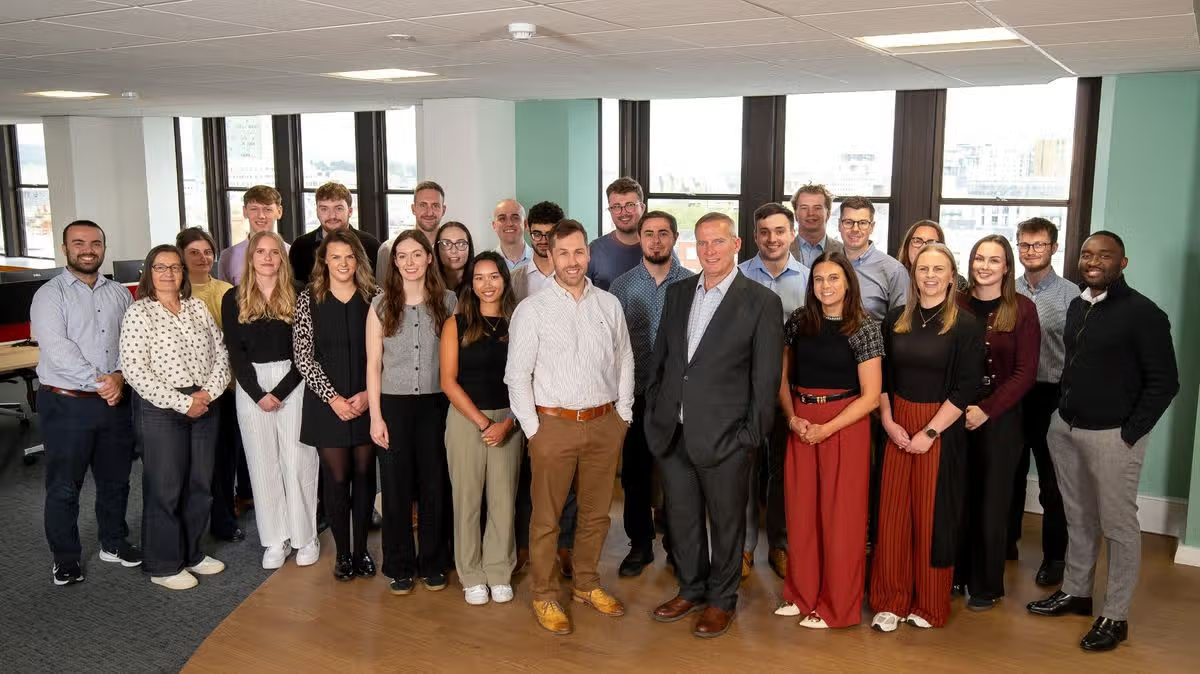
The Cardiff team of Hazlewoods

Accountancy and business advisory firm Hazlewoods has relocated to larger offices in Cardiff to support expansion plans.

Having set up its first office in Wales at the Capital Tower office building in 2024, it has now moved its team of 34 to South Gate House.

Advertisement

Tom Davies, director at Hazlewoods Cardiff, said: “This is an exciting step for Hazlewoods and reflects the progress we have made since launching in the city less than two years ago. We have built a very strong team here and have been really encouraged by the response from both new and existing clients, reflecting our commitment to developing deep relationships across the region.

“The new office gives us the space to continue growing while maintaining the collaborative approach that is such an important part of the way we work.”

Bruce Black, corporate tax director, said: “This move creates the environment we need to continue finding and developing local talent to build the team, while maintaining the high level of service our clients expect from Hazlewoods. It reflects just how positively the Cardiff office has developed in such a short space of time.

“The team in Cardiff has done a great job of growing the business and I look forward to seeing that continue. We have the expertise, ambition and people to build a really strong presence in Wales, and the new office gives the team a great base from which to do that.”

Advertisement

Hazlewoods is one of the largest independent accountants and business advisers in the South West and Wales, with more than 600 employees and a growing presence in Cardiff, alongside its offices in Cheltenham and Bristol.

The firm provides audit, accounting, tax and advisory services to corporate and private clients and is particularly well known for its specialist sector expertise across the UK. Last year, the firm recorded a turnover of £54.3m.

Its managing partner, James Morter, said: “It has been very gratifying to see the way that Hazlewoods has been welcomed into Cardiff. Early on, we identified a gap in the Welsh market for a firm of our size and experience, and when you combine that with the talent pool in the city, it felt like a natural next step.”

Property advisory firm Knight Frank represented Hazlewoods on the deal, while its building consultancy team supported the fit-out of the new space.

Advertisement

Mark Sutton, office agency partner at Knight Frank’s Cardiff office, said: “Hazlewoods was looking for a space that could support its continued growth in Wales, while offering excellent connectivity and the flexibility to create a workplace suited to its needs.

“South Gate House provided the right combination of quality space and a prime city-centre location, and it has been a pleasure to support the team through the move.”

Continue Reading

Business & Hussles

Perpetua Resources at Mining Forum Americas 2026: shift to construction

Published

on


Perpetua Resources at Mining Forum Americas 2026: shift to construction

Continue Reading

Business & Hussles

What Trump’s potential US diesel export ban could mean for you

Published

on

A driver returns a fuel nozzle after refueling a tractor trailer with diesel fuel at a Chevron truck stop in Tracy, California.

For the US economy, a ban could deliver short-term relief at the pump by flooding the domestic market with excess supply.

However, energy analysts warn it could backfire.

David Fyfe, chief economist at Argus Media, notes that cutting off American supply would likely cause international prices to skyrocket.

That would push up global freight, food, and industrial costs, ultimately “feeding inflation back into the global economy”.

Advertisement

“At a stroke, the US’s reputation as a reliable supplier of energy to the world would be shot,” Fyfe added.

Removing more than a million barrels of daily American supply would trigger a fierce bidding war among importing nations in Latin America and Europe.

Sarah Raffoul, analytics manager at Argus Media, noted that while higher international prices would eventually curb demand, the immediate gap would severely strain trade relationships and accelerate global inflation.

Advertisement
Continue Reading

Business & Hussles

Greatland Resources at Mining Forum Americas 2026: cash-rich growth push

Published

on


Greatland Resources at Mining Forum Americas 2026: cash-rich growth push

Continue Reading

Business & Hussles

Canadian defence creating 250 jobs in Merthyr in new research alliance

Published

on

Business Live

Its new research alliance is with two Welsh universities and one in Canada

Marshall Land Systems

Marshall Land Systems

A Canadian-owned defence firm which is relocating its UK production from Cambridge to South Wales has forged a new research alliance with universities on both sides of the Atlantic.

Marshall Land Systems, whose new factory site in Merthyr will reach production capacity at the end of the year with 160 staff, has set up the Marshall Land Research Alliance alongside the universities of Cardiff, South Wales, and New Brunswick in Canada.

Advertisement

The firm’s deployable infrastructure ranges CT scanners and medical facilities to mechanical maintenance and command centres. Its new assembly plant was chosen after a UK-wide search, and will produce deployable infrastructure that will protect NATO personnel on operations, humanitarian missions, and on bases.

The alliance together leading academics and technology experts to explore new technologies in the field of deployable infrastructure for military and humanitarian use.

A signed memorandum of understanding will unable technology transfer, staff exchanges and joint research and development work.

Over the next five years, based on its current order book alone, Marshall is confident of growing its workforce in Merthyr to 250. However, with the UK Government and other countries committing more of their budgets to defence and security, Marshall is well positioned to win additional contracts that could see even more jobs created at its Merthyr site.

Advertisement

The firm’s deployable infrastructure ranges CT scanners and medical facilities to mechanical maintenance and command centres.

Its new assembly plant was chosen after a UK-wide search, and will produce deployable infrastructure that will protect NATO personnel on operations, humanitarian missions, and on bases.

The average salary at the factory will be around £32,000, while Marshall is also looking to take on around 15 apprentices.

The firm has entered into a 15-year lease with the owner of the building, Figsand, with an option to acquire it. The Merthyr site extends to 191,600 sq ft and occupies 8.2 acres at Merthyr Industrial Park.

Advertisement

Marshall Land Systems chief executive, Gareth Williams, said: “In an increasingly volatile world, the long-standing and fundamental alliance between Canada and the UK is becoming ever more important. As NATO allies invest to protect our way of life, this transatlantic research alliance will bring together the smartest brains in support of the effort to keep us safe and the world stable.

“We’re proud to be convening this vital joint work between Wales and New Brunswick under the Marshall Land Research Alliance.”

Professor Louise Bright, pro vice chancellor for enterprise, engagement, and partnerships at the University of South Wales, said:“We are proud to be a founding partner in the Marshall Land Research Alliance, a bold collaboration that will help shape the future of innovation, skills and advanced manufacturing in South Wales.

” USW’s strengths in research, advanced manufacturing and skills development position us to connect industry, talent and innovation in ways that deliver real impact.

Advertisement

“This partnership will create valuable opportunities for our students and staff to work alongside leading industry partners on real-world challenges, while helping businesses develop the skills and expertise they need to grow.

“With Marshall Land Systems establishing a major new facility in South Wales, this Alliance comes at a pivotal moment for the region. Together, we can support innovation, expand opportunities for graduates and help drive long-term economic growth across Wales.”

Professor Roger Whitaker, Cardiff University’s pro vice-chancellor for research, innovation and enterprise, said: “Cardiff University is pleased to be a founding partner in the Marshall Land Research Alliance, bringing together academic and industry expertise to support research, innovation and skills development in areas including advanced manufacturing, engineering and defence.

The alliance provides opportunities for our staff to work with partners on research, innovation and workforce development. It also comes at an important time for South Wales, with the potential to support new collaborations between universities, industry and government.

Advertisement

Through research, knowledge exchange and skills development, we hope to contribute to opportunities for students, graduate employment, businesses and communities, while supporting the long-term strength and resilience of the Welsh economy through research and innovation.”

Dr David MaGee, vice president research at the University of New Brunswick said: “We take great pride in fostering strong, mutually beneficial partnerships that help us make a meaningful impact in Canada and around the world. I look forward to working with Marshall Land Systems, Cardiff University, and the University of South Wales to advance innovative technologies and contribute to Canada’s NATO commitments.

“By leveraging our academic expertise and learning from our collaborators, we will address common challenges and create lasting benefits for our institutions, our industries, and our countries.”

As well as its Canadian and UK operations, Marshall Land Systems has a factory in the Netherlands. It currently has a global workforce of 600.

Advertisement
Continue Reading

Business & Hussles

Andreessen Horowitz backs AI-era college alternative with $42M

Published

on

Andreessen Horowitz backs AI-era college alternative with $42M

Andreessen Horowitz is putting $42 million behind a new education venture aimed at young tech builders who might otherwise head to college, betting that the artificial intelligence boom is creating demand for a different path into Silicon Valley.

The Horowitz Andreessen Academy, a for-profit company incubated by the venture capital firm known as a16z, plans to bring its first class of roughly 50 students to San Francisco in September 2027 for a tuition-free, one-year fellowship.

Advertisement

Instead of relying heavily on traditional academic credentials, the academy says admissions will focus on what applicants have already built, shipped or earned. Students will spend much of the program working on projects and learning from technology executives and entrepreneurs rather than taking traditional tests and completing homework.

EMPLOYEES AT AI COMPANIES BACK BERNIE SANDERS BILL CRACKING DOWN ON DEVELOPMENT

Gagan Biyani speaks onstage at TechCrunch Disrupt SF 2015 in San Francisco in 2015

Gagan Biyani speaks at TechCrunch Disrupt SF 2015 in San Francisco on Sept. 23, 2015. (Steve Jennings/Getty Images for TechCrunch)

The approach represents a Silicon Valley experiment in how education could change as AI reshapes the skills companies seek from workers and founders.

“In our estimation, the AI revolution is going to be as transformational to jobs as the Industrial Revolution was to the agricultural society that came before it,” said Ben Horowitz, co-founder and general partner at a16z. “The training that worked for the Industrial Revolution isn’t going to map perfectly onto the AI revolution, so somebody has to pioneer how you train a person for this new world. That’s what we built the Academy to do. This isn’t just an investment idea for us. It’s an investment in the future of the country.”

Advertisement

A16z is joined in the $42 million investment by technology executives and investors including Shopify CEO Tobi Lütke, DoorDash CEO Tony Xu, Quora co-founder Adam D’Angelo, Y Combinator CEO Garry Tan and Palantir Chief Technology Officer Shyam Sankar.

NEW YORK OVERTAKES SAN FRANCISCO BAY AREA AS LARGEST US TECH TALENT MARKET BY WORKFORCE SIZE

Ben Horowitz walks outside in Sun Valley, Idaho.

Co-founder of Andreessen Horowitz, Ben Horowitz walks to a morning session at the Allen & Company Sun Valley Conference on July 9, 2021 in Sun Valley, Idaho. (Kevin Dietsch/Getty Images)

The venture has also lined up Google, Meta, Nvidia, OpenAI, Anthropic, Coinbase, Palantir, Stripe, Anduril and Replit as founding partners. The companies will provide resources and expertise, including software, hardware and computing power, according to the academy.

Ticker Security Last Change Change %
GOOGL ALPHABET INC. 343.92 +1.56 +0.46%
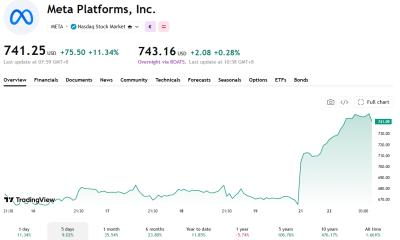
META META PLATFORMS INC. 723.05 -28.61 -3.81%
NVDA NVIDIA CORP. 231.55 +6.48 +2.88%

Each student is expected to receive more than $50,000 in computing credits and other technology resources, along with a $5,000 travel and exploration budget. Courses will cover areas including AI systems, sales, fundraising, finance and startup formation.

Advertisement

Gagan Biyani, who co-founded online learning company Udemy and later founded Maven, is leading the academy as founder and CEO. Marc Andreessen and a16z general partner Erik Torenberg will join him on its board.

College students sit in a lecture hall as a student takes notes during class.

College students attend a lecture in a classroom. (iStock)

CLICK HERE TO GET FOX BUSINESS ON THE GO

The fellowship is designed primarily for high school graduates and can serve as a gap year or college deferral. The academy plans to seek regulatory approval for a two-year program that could begin in fall 2028, with tuition expected to be comparable to elite private universities.

The company is separate from Andreessen Horowitz despite its close ties to the venture capital firm.

Advertisement
Continue Reading

Business & Hussles

Bob Chapek on Disney Bob Iger power battle: Raised concerns weekly

Published

on

Bob Chapek on Disney Bob Iger power battle: Raised concerns weekly

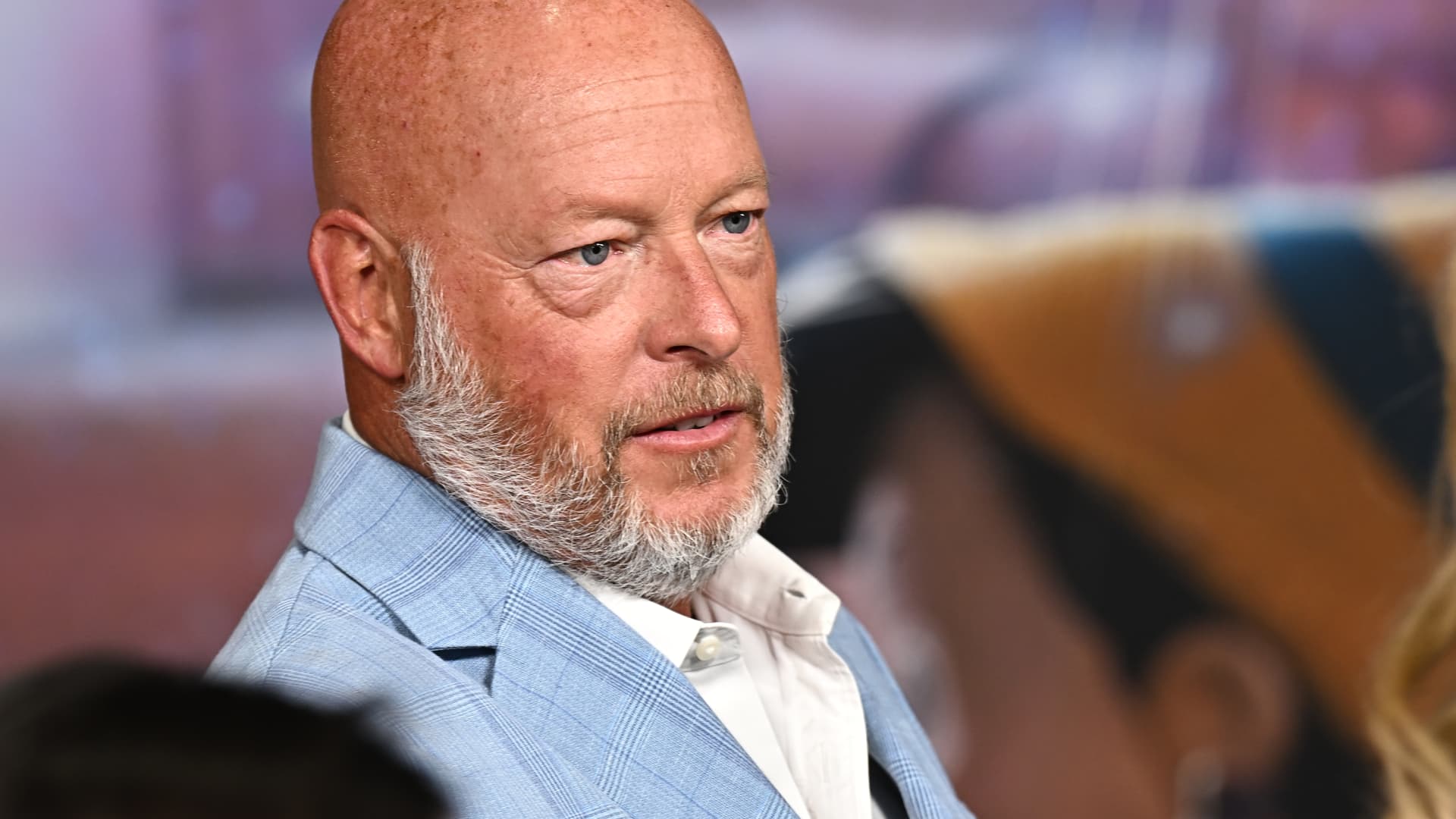
Former Disney CEO Bob Chapek said Monday he voiced concerns about then-Executive Chairman Bob Iger to the company’s board “weekly” during his brief tenure as head of the House of Mouse.

Chapek has remained tight-lipped about his firing from the media giant nearly four years ago, but opened up about his experience in a new tell-all memoir, “Behind the Castle Walls: My Thirty Years at the Happiest Place on Earth,” and in an interview with CNBC’s “Squawk Box.”

Once head of Disney’s theme park and experiences division, Chapek was tapped to take the helm of the company just weeks before the Covid pandemic shuttered movie theaters and amusement parks around the globe in 2020. As Chapek worked to navigate these challenges, Iger remained with the company to handle Disney’s content initiatives like Disney+.

However, Iger slowly began to reassert control, Chapek says. The ensuing power struggle was detailed in a CNBC report in 2023.

Advertisement

“When I started hearing about lunches that he had and dinners that he had where he was absolutely trashing me, and I’d hear it two, three times in the same week, the same bullet points, the same talking points, I was like, ‘I’ve got a problem,’” Chapek told CNBC.

He noted that when he brought concerns to the Disney board about Iger, he was told, “‘He’ll be gone in two years. It’s OK. That’s Bob being Bob.’”

But almost three years after being named CEO, Chapek was ousted and replaced by Iger, who returned to the post until March 2026.

“It would have been great if, like other CEOs, he acted as a steward of my new role,” Chapek said. “It would have been one thing if he was neutral, but to be actually working against me, actively, I thought was just unbelievable.”

Advertisement
Continue Reading

Business & Hussles

Romania, Georgia and Latvia Lead Latest WHO-Based Ranking

Published

on

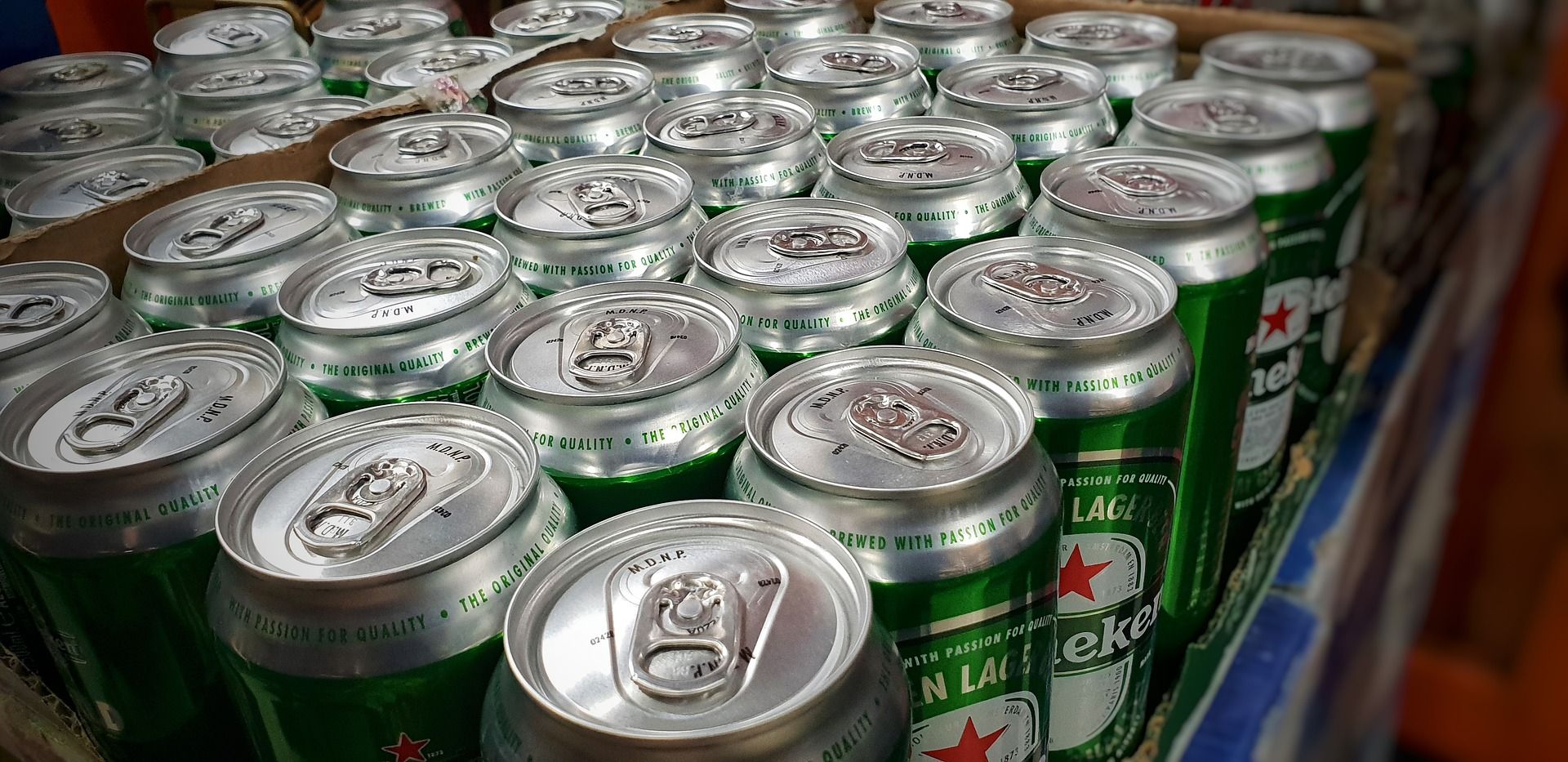
Representation. Beer cans.

Romania drinks more alcohol per person than any other country, followed by Georgia and Latvia, according to the most recent internationally comparable data, which draws on World Health Organization figures. The sources reviewed contain no country-by-country count of alcohol consumed in 2026 so far; the newest full dataset is a three-year average labeled 2022 that was retrieved from the WHO’s Global Health Observatory this year.

The ranking, published by The Facts Institute and updated on August 31, measures average annual recorded consumption per person aged 15 and older in liters of pure alcohol. On that measure, the ten heaviest-drinking countries are:

  1. Romania, 17.1 liters
  2. Georgia, 15.5 liters
  3. Latvia, 14.7 liters
  4. Moldova, 14.1 liters
  5. Czechia, 13.7 liters
  6. Lithuania, 12.2 liters
  7. Namibia, 12.0 liters
  8. Poland, 11.9 liters
  9. Austria, 11.8 liters
  10. Bulgaria, 11.5 liters

Belarus, Saint Lucia and Seychelles follow, tied at 11.4 liters each, according to the WHO figures in the Facts Institute table. World Population Review, which also treats 2022 as the most recent data available as of 2026, reports the same leaders: Romania at 17.1 liters, then Georgia at 15.5, Latvia at 14.7, Moldova at 14.1 and Czechia at 13.7. It says Lithuania, Poland, Bulgaria, Belarus, Hungary and Slovakia all reported annual consumption above 11 liters per person.

The gap between Romania and the global picture is wide. The Facts Institute noted that consumption above 14 liters of pure alcohol per person per year is roughly equivalent to about three standard bottles of wine per person each week. Because drinks vary in strength, the WHO measures pure alcohol rather than volumes of beer, wine or spirits. The site explained that a liter of wine, at about 12% alcohol by volume, contains roughly 0.12 liters of pure alcohol, so a person consuming 6 liters of pure alcohol a year would drink the equivalent of about 50 liters of wine, or about a liter a week.

Europe dominates the list. Central and Eastern European countries lead the rankings, and 22 of the top 30 countries are in Europe, according to the Facts Institute. Namibia, in seventh place with 12 liters, is the highest-ranked country outside Europe, and Seychelles and Saint Lucia also record some of the world’s highest levels, making them exceptions to the largely European pattern. World Population Review said beer, wine and spirits all play major cultural roles across much of Eastern and Central Europe, and that higher-income countries generally report higher consumption because alcohol is more affordable and widely available, though wealth alone does not determine drinking habits.

Advertisement

Several large economies sit just outside the top ten. According to the WHO table, Germany, France, Australia and Portugal each recorded 11.2 liters, the United Kingdom 10.9 liters, Russia 10.5 liters and the United States 9.8 liters. Russia, long associated with heavy drinking, has fallen well down the list, WorldRankd noted in a separate ranking. Canada recorded 10.0 liters, and Spain and Slovakia 11.0 liters each.

At the other end of the scale, consumption is close to zero in parts of North Africa and the Middle East, where religious and cultural norms discourage or prohibit drinking, the Facts Institute said. Yemen, Somalia, Bangladesh, Sudan, Mauritania, Libya, Afghanistan, Syria, Pakistan and Kuwait are among the countries with the lowest recorded consumption, and Iran, Indonesia and Egypt also round to near zero.

The numbers are estimates, and the WHO publishes confidence intervals. Romania’s figure of 17.1 liters, for example, carries a range of 14.6 to 19.8 liters, and Georgia’s 15.5 liters ranges from 12.9 to 17.9. Those ranges overlap with countries lower on the list, which means the ordering among places with similar totals is not exact. That is why some countries share a rounded figure and why the Facts Institute listed 13 countries in its top group.

Different sources produce slightly different results. StatsPanda, which uses a World Bank series compiled from WHO data and includes estimated unrecorded consumption, puts Romania at 16.8 liters, Georgia at 14.4 liters and Latvia at 12.9 liters, using the latest available year from 2015 onward. Another ranking of 2025 data listed Latvia in fourth place at about 13.1 liters, followed by Uganda at 12.2 and Germany at 12.2, and it named Lithuania as tenth at 11.8 liters. Such differences reflect vintage, methodology and whether unrecorded, homemade or informal alcohol is counted.

Advertisement

The global context is lower. Worldwide annual consumption in 2019 was equal to 5.5 liters of pure alcohol per person aged 15 and older, down from 5.7 liters in 2010, according to the WHO figures summarized on Wikipedia. The WHO European Region had the highest regional average at 9.2 liters, followed by the Region of the Americas at 7.5 liters. About 44% of the population aged 15 and older were current drinkers in 2019. Alcohol use is estimated to cause about 2.6 million deaths a year worldwide, according to the WHO’s 2024 global report as cited by Statsipedia and the Facts Institute. The Facts Institute added that the countries that drink the most can suffer more alcohol-related health and social problems.

None of the sources reviewed included statements from health officials or the countries ranked, and the WHO’s own data has a lag of several years, so the list does not capture changes in drinking habits since 2022.

Readers looking for a 2026 tally will not find one in the sources reviewed. Until the WHO updates its indicator, the Romania-led list remains the most recent international snapshot of who drinks the most.

Advertisement
Continue Reading

Business & Hussles

Energy bills: What is happening to gas and electricity prices?

Published

on

A woman with shoulder-length blonde hair talks into a microphone

Although the price cap sets the unit prices for gas and electricity, your household’s actual bill depends on the overall amount of energy you use, and how you pay for it.

Where you live, the type of property you have, how energy efficient it is, how many people live there, and the weather all make a difference.

The Ofgem cap is based on “typical” household energy use in a year with a single bill for gas and electricity settled by direct debit.

The vast majority of people pay their bill this way to help spread payments across the year.

Advertisement

In July, Ofgem reduced what it believes to be a “typical” level of energy use, because many homes have cut back due to high prices in recent years while energy efficiency has improved.

Its new estimate is 9,500 kWh of gas and 2,500 kWh of electricity a year.

Continue Reading

Business & Hussles

Trump approves new fuel economy standards, reversing Biden’s EV push

Published

on

Trump approves new fuel economy standards, reversing Biden's EV push
Executive Edge: Trump says he approved new fuel economy standards, rolling back Biden-era rules

President Donald Trump on Saturday said he approved new fuel economy standards, reversing former President Joe Biden’s stricter policies meant to fuel electric vehicle adoption.

Since the Corporate Average Fuel Economy, or CAFE, standards were established in 1975, they have been periodically updated, typically to make vehicles more efficient. Under former President Joe Biden’s standards, automakers would have had to increase the fuel efficiency of their passenger cars and light trucks to roughly 50 miles per gallon by 2031. The stricter standards were designed to incentivize electric vehicle production and sales in the U.S.

Trump presented the policy change as a boon for both automakers and consumers, though the final standards have not yet been publicly detailed.

“These new Standards will take the waste out of building cars in America. That means LOWER PRICES, saving families thousands on a new, beautiful, and safe car — Far better than the Environmental Monsters that we were building heretofore,” he wrote in the Truth Social post. “Every Manufacturer, from General Motors to Ford to Stellantis, has called me wanting to build here, and now they can!”

The regulatory change would fulfill a campaign promise from Trump to rescind policies that encouraged or incentivized electric vehicles.

Advertisement

It is unclear what the final fuel economy standards will be, although Transportation Secretary Sean Duffy previously said that they would be sharply lower than the Biden-era policies.

Weaker fuel economy standards mean that automakers can produce more pickup trucks and SUVs, which are much more profitable than smaller cars but have worse gas mileage. Electric vehicles also become much less attractive to automakers, although some companies, like General Motors, have said that they will still make them.

Continue Reading

Trending

Copyright © 2025