Business & Hustles
Mortgage Rates Hit 6% High as 1,500 Cheap Deals Vanish in a Month

Mortgage rates in the UK have climbed to their highest level in three years, with the average five-year fixed deal now standing at 6% for the first time since September 2023, according to new figures that paint a grim picture for homeowners and prospective buyers alike.
Financial information provider Moneyfacts reports that two-year fixed deals are not far behind, averaging 5.98% — their highest point since December 2023. The speed of the increase has stunned industry watchers: since the start of September, roughly 1,500 fixed-rate mortgage deals priced below 5% have disappeared from the market. Today, just nine such deals remain, a collapse of 99% in little more than a month.
Rachel Springall, a finance expert at Moneyfacts, did not mince words about the impact. “Average fixed mortgage rates rising back to three-year highs will be disastrous news for borrowers,” she said. “Borrowers who were hoping mortgage rates would stabilise will be disappointed.” She added that rising rates were “inevitable” given the pressure lenders are facing from higher wholesale funding costs.
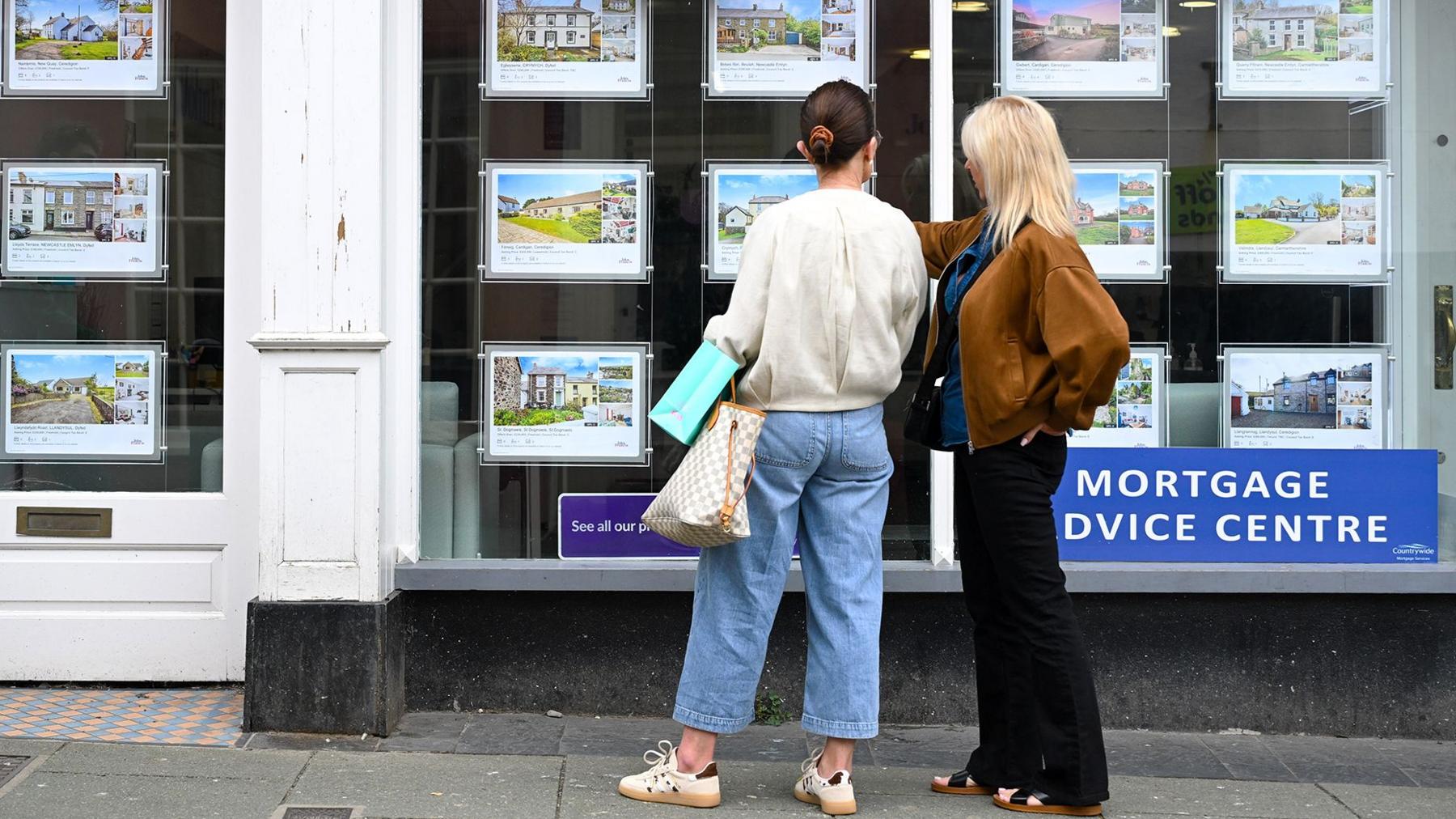

Why mortgage rates are climbing so fast
The surge is not being driven by a change in the Bank of England’s base rate, which has remained untouched since December last year. Instead, turmoil in global bond markets is pushing up gilt yields — the cost of government borrowing — which in turn affects the swap rates lenders use to price fixed mortgage deals.
Much of this volatility has been linked to the ongoing war in Iran, which has rattled international markets and fuelled broader economic uncertainty. Major High Street lenders including Barclays, HSBC, Lloyds Bank, Nationwide, NatWest, Santander and TSB have all repeatedly hiked their fixed rates in recent weeks, with Barclays alone making four separate rounds of increases in September.
For borrowers, the mechanics matter: once a fixed mortgage rate is locked in, it typically stays the same for two or five years, regardless of what happens in the wider market. But when that term ends, homeowners must shop for a new deal — and many are about to find the market has shifted dramatically beneath them.
Who stands to be hit hardest
According to Bank of England forecasts, just over five million homeowners are expected to see their monthly mortgage repayments rise by the end of 2028 as their current fixed deals expire and they’re forced to refinance at today’s higher mortgage rates.
The financial toll is significant. Figures from the HomeOwners Alliance show that a £250,000 loan fixed at 6% for five years now costs £158 more per month than the same loan would have cost at the 4.94% average rate recorded back in February. For families already stretched by other rising costs, that gap could prove decisive.
Springall advised borrowers nearing the end of a fixed term to act early. “It would be wise to seek advice and compare deals carefully,” she said, noting that some lenders allow customers to lock in a new rate as much as six months before their existing deal expires — a window that could help homeowners dodge further increases if rates continue climbing.
Not everyone is locking in, however. Springall noted that while the number of sub-5% fixed deals has collapsed, variable-rate mortgages priced below 5% have remained comparatively stable, prompting some borrowers to consider tracker mortgages tied to the Bank of England’s base rate instead of fixed terms.
Ripple effects across the housing market
The consequences are already visible beyond individual household budgets. Nationwide building society recently reported that annual house price growth had halved in September, a sign that buyers are growing increasingly cautious as borrowing costs climb.
Ian Harris, president of the estate agents’ body NAEA Propertymark, said members were seeing the squeeze firsthand. “For some buyers, even a relatively small increase in monthly repayments can mean they have to reduce their budget or step back from a purchase altogether,” he said. “Equally, homeowners coming off fixed-rate deals may face significantly higher repayments, which could affect their decision to move.”
The pressure on mortgage rates comes against a backdrop of wider cost-of-living strain. Diesel prices passed £2 a litre in the UK for the first time on Friday, domestic energy prices rose 4% at the start of October, and regulator Ofgem is expected to announce a further 16% increase to the energy price cap in January.
With household budgets being squeezed from multiple directions, the government is facing mounting pressure to offer targeted support in this month’s Budget. For now, though, the message from the mortgage market is unambiguous: after a year in which many borrowers hoped for relief, rates are heading firmly in the wrong direction.
Explore more on this topic with Vexel Search.
You must be logged in to post a comment Login