



Connect with us
DAPA Banner
DAPA Coin
DAPA
COIN PAYMENT ASSET
PRIVACY · BLOCKDAG · HOMOMORPHIC ENCRYPTION · RUST
ElGamal Encrypted MINE DAPA
🚫 GENESIS SOLD OUT
DAPAPAY COMING

Business

1,500 ships trapped in Gulf of Hormuz are quietly multiplying an underwater army that could unleash World’s biggest bioinvasion event

Published

on

1,500 ships trapped in Gulf of Hormuz are quietly multiplying an underwater army that could unleash World's biggest bioinvasion event
Nearly 1,500 ships have been sitting idle in the Persian Gulf for close to five months, trapped since fighting between the US and Iran shut down movement through the Strait of Hormuz on February 28, 2026. Marine scientists now say the real danger from this standoff may not be on these ships at all, it could be growing right beneath them.

A new study in the journal Biological Invasions warns that the hulls of these stranded vessels have turned into breeding grounds for barnacles, mussels, algae and other sea creatures. Led by 24 scientists from the University of Maryland Center for Environmental Science and the Woods Hole Oceanographic Institution, the research says this build-up could trigger what it calls a “bioinvasion super-spreader event” the moment the ships finally start moving again.

The World’s Busiest Bottleneck, Stuck

The Strait of Hormuz isn’t just any stretch of water. It’s the only open-sea exit for oil giants like Saudi Arabia, Iran, Iraq, Kuwait and the UAE, and it usually carries around $600 billion worth of energy trade every year. Since the war began, roughly 1,500 vessels have been stuck inside the Persian Gulf, with several hundred more waiting it out in the neighbouring Gulf of Oman.
Also Read: In 1907, an Indian govt accountant challenged Newton’s ideas. Years later, he changed physics forever and won the Nobel Prize

Gulf of Hormuz’s Underwater Army: A Slimy Situation Underwater

Ships that stay parked in one spot don’t stay clean for long. Scientists call the build-up “biofouling”, a process that starts with a thin film of slime and microorganisms, then thickens into algae, barnacles, mussels and small crustaceans clinging to the hull. The International Maritime Organization says any ship idle for more than 30 days needs urgent hull-cleaning attention. These ships have been sitting for nearly four months, right through the season when marine life grows and breeds the fastest.

Advertisement

Carolyn Tepolt, a biologist at Woods Hole who studies how invasive sea life spreads, points out just how hard these hitchhikers are to get rid of once they settle down. As she put it, “Marine invasive species have profound ecological and economic impacts on coastlines across the globe”.

Burning More Fuel Just to Move

A dirty hull doesn’t just carry unwanted guests, it also drags. Research cited by the IMO shows that even a thin layer of slime can push up a ship’s emissions by 20 to 25 percent. Add a light coating of barnacles, and fuel use can jump by more than 50 percent. Across the shipping industry, roughly one-tenth of all fuel burned is simply spent fighting this drag.

The Mussel That Travelled the World

This isn’t a hypothetical worry. The Asian green mussel, native to the warm waters of the Indian and Pacific oceans and common in the Gulf, has already hitched rides on ship hulls to the Caribbean and the South Atlantic, pushing out local mussel species wherever it lands. Clam and worm species have made similar journeys before, damaging port infrastructure and displacing native life in the Atlantic and Pacific.

Divers Are Already Scrubbing Away

Ports across the Gulf aren’t waiting around. Divers are being sent underwater to scrape hulls and propellers clean before ships are allowed to sail out. It isn’t cheap, cleaning a single vessel now costs close to $8,000, a jump of nearly 60 percent, as shipping operators scramble to get their fleets moving again.

From Theory to Reality

The episode has also rattled the insurance world. Justus Heinrich, who heads marine underwriting at Allianz, says the industry always treated chokepoint disasters as something on paper. Now, in his words, “theoretical risks have turned into practical risks.”

Advertisement

Also Read: Bengaluru’s ancient rock older than dinosaurs and Himalayas: 3.4-billion-year-old Peninsular Gneiss in Lalbagh is among Earth’s oldest exposed crust; formed before oxygen

The study’s authors aren’t just sounding an alarm, they’re pushing for action. They want shipping companies, port authorities and regulators to tighten hull-cleaning rules, watch high-risk ports more closely, track vessel movements better and coordinate a rapid response once ships start sailing out. Their strongest recommendation: clean the hulls before departure, not after arrival. Once an invasive species sets up shop on a new coastline, the study notes, it is nearly impossible to remove.

For now, the world’s busiest oil route remains jammed, and somewhere beneath all those anchored hulls, an entirely different kind of traffic is quietly building up, waiting for its own chance to set sail.

Continue Reading
Click to comment

You must be logged in to post a comment Login

Leave a Reply

Business

SpaceX’s Latest Growth Opportunity Isn’t About Starship. And It Isn’t Helping the Stock.

Published

on

SpaceX’s Latest Growth Opportunity Isn’t About Starship. And It Isn’t Helping the Stock.

SpaceX’s Latest Growth Opportunity Isn’t About Starship. And It Isn’t Helping the Stock.

Continue Reading

Business

Retention, pathways critical for sport sector

Published

on

Retention, pathways critical for sport sector

SportWest chief executive Troy Kirkham says there is an importance for WA’s sport and recreation sector to ensure high-quality staff are retained and able to fulfil their potential.

Continue Reading

Business

Q1 Results today: SBI Life, Tata Consumer, Hindustan Zinc among 86 companies to announce earnings

Published

on

Q1 Results today: SBI Life, Tata Consumer, Hindustan Zinc among 86 companies to announce earnings
As many as 86 companies are set to announce their April-June quarter results for the ongoing financial year 2027 today. The list includes FMCG major Tata Consumer, SBI Life Insurance and Vedanta-backed Hindustan Zinc, among several others.

Other key companies scheduled to report their earnings include Shriram Finance, ACC, Bank of Baroda, Bank of India, Shakti Pumps, Concor, CreditAccess Grameen, Jindal Steel, Kfin Technologies, Jindal Hotels, Laurus Labs, Lodha Developers, SBI Cards, SAIL, Ramkrishna Forgings, Welspun Corp and Sterlite Technologies.

Today, the market is reacting to IT major InfosysQ1 results. Shares dropped 3% after a host of global brokerages issued bearish calls on the stock after the company trimmed the upper end of its revenue growth guidance to 1.5%-3% in constant currency, while maintaining its operating margin outlook at 20-22%.

Meesho dropped as much as 5%to their day’s low of Rs 181.30 on Friday after announcing that it expects on-year growth in net merchandise value (NMV) to dip in the July-September quarter, and plans to increase spending on acquiring new users as it builds up to the festive season.

Advertisement

Market outlook

Wall Street major Goldman Sachs sees the Nifty 50 rebounding to 26,500 by June 2027, a level above its current record high of 26,373, as it turns more constructive on India following an improvement in the recent macro backdrop.

The brokerage said lower commodity prices, a stabilised currency, resilient domestic growth, healthy second-quarter earnings expectations and the potential recovery in select domestic sectors have improved the outlook for Indian equities.
Goldman Sachs expects a shift in market leadership in the second half of the year, with investors rotating from growth stocks to value plays. The brokerage said valuation de-rating weighed on market returns in the first half amid concerns over an economic slowdown, while growth stocks outperformed because of the scarcity of earnings.
Looking ahead, it expects investors to increasingly favour reasonably valued segments as expectations of an economic recovery improve. Goldman Sachs also believes that as foreign outflows reverse in the second half, the biggest beneficiaries are likely to be the most-sold and attractively valued pockets of the market, particularly large-cap stocks and banks.
(Disclaimer: Recommendations, suggestions, views and opinions given by the experts are their own. These do not represent the views of The Economic Times)

Continue Reading

Business

Welsh retailers report a fall in shoppers

Published

on

Business Live

The Welsh Retail Consortium has released footfall figures for June

Shoppers.(Image: Mark Lewis)

Welsh retail footfall fell in June but not as steeply as May shows new research from the Welsh Retail Consortium.

Year-on-year the number of shoppers on the high street, retail parks and shopping centres was down 2.3% on June last year – compared to a 5% fall in May.

England experienced a 4.3% fall and Northern Ireland 0.9%. The only UK nation or region to experience a rise in footfall was Scotland, up 1.7%. The biggest year-on-year decline was in London, down 6.8%.

Of the 11 core UK cities the biggest fall was in Liverpool, down 9%, while Glasgow was up 6.1%. The only other city to experience a rise was Manchester, with 1%. Year-on-year footfall in Cardiff declined by 3.9%, although an improvement on the 6.9% fall in May.

Advertisement

Welsh shopping centre footfall decreased by 3.5% in June with retail park footfall decreasing by 0.9%.

Sara Jones, head of the Welsh Retail Consortium, said; “June brought some much-needed relief for Welsh retail destinations, with the pace of footfall decline easing after a difficult May. Welsh footfall was down 2.3% year-on-year, compared with a 5.0% fall the previous month.

“Warmer weather, events, and the start of the summer trading period encouraged more shoppers back onto high streets and into retail destinations, but this is recovery is in fragile form, not a full rebound.

“The direction of travel is better, but shopper numbers remain down year on year and retailers are under relentless pressure from rising costs and squeezed household budgets. If Wales wants thriving town and city centres, retail needs action, not warm words: lower cost burdens, stronger investment support, better high street access, and a clear plan.

Advertisement

“With the new Welsh Government’s encouraging commitment to a town centre task force, retailers are ready to work with decision makers, but their voices must be heard and real change must follow. We now look forward to seeing how government turns that commitment into progress over the coming months.”

FOOTFALL BY NATION AND REGION

GROWTH RANK

NATION AND REGION

Advertisement

Jun-26

May-26

1

Scotland

Advertisement

1.7%

0.4%

2

Northern Ireland

Advertisement

-0.9%

-1.0%

3

North East England

Advertisement

-1.3%

-3.4%

4

North West England

Advertisement

-2.2%

-5.0%

5

Wales

Advertisement

-2.3%

-5.0%

6

Yorkshire and the Humber

Advertisement

-2.4%

-3.7%

6

East of England

Advertisement

-3.1%

-1.5%

8

West Midlands

Advertisement

-3.8%

-2.5%

9

East Midlands

Advertisement

-4.1%

-3.0%

10

South West England

Advertisement

-4.1%

-5.3%

11

England

Advertisement

-4.3%

-3.0%

11

South East England

Advertisement

-5.9%

-4.4%

13

London

Advertisement

-6.8%

0.0%

TOTAL FOOTFALL BY CITY

GROWTH RANK

Advertisement

CITY

Jun-26

May-26

1

Advertisement

Glasgow

6.1%

-0.6%

2

Advertisement

Manchester

1.0%

-3.3%

3

Advertisement

Edinburgh

0.0%

2.5%

4

Advertisement

Sheffield

0.0%

-1.8%

5

Advertisement

Belfast

-1.9%

0.1%

6

Advertisement

Leeds

-2.8%

-2.8%

7

Advertisement

Bristol

-2.9%

-3.3%

8

Advertisement

Cardiff

-3.9%

-6.9%

8

Advertisement

Birmingham

-4.1%

-1.6%

10

Advertisement

London

-6.8%

0.0%

11

Advertisement

Liverpool

-9.0%

-9.4%

Andy Sumpter, retail consultant with Sensormatic, which conducted the research, said: “June saw an improved performance for Welsh retail, with footfall down 2.3% year-on-year, marking the second strongest month of 2026 so far. As we pass the halfway point of the year, this brings the year-to-date figure to -4.4%, highlighting that while challenges remain, there are signs of stabilisation compared to earlier in the year.

Advertisement

“As elsewhere in the UK, exceptionally high temperatures are likely to have influenced behaviour. Wales recorded its hottest June day on record, which may have discouraged shopping trips and shifted activity towards leisure or local destinations. At the same time, consumer confidence is improving slightly but remains subdued, with wider uncertainty continuing to weigh on discretionary spend.

“Shopping patterns also reflect a more cautious and deliberate consumer. While fewer trips are being made overall, those that do take place appear more purposeful. As we move into the second half of the year, retailers will be looking to build on June’s relative improvement by converting more deliberate visits into meaningful spend.”

For the survey footfall is defined by anyone entering a shop.
Advertisement
Continue Reading

Business

Warrant issued for businessman who missed sentencing

Published

on

Warrant issued for businessman who missed sentencing

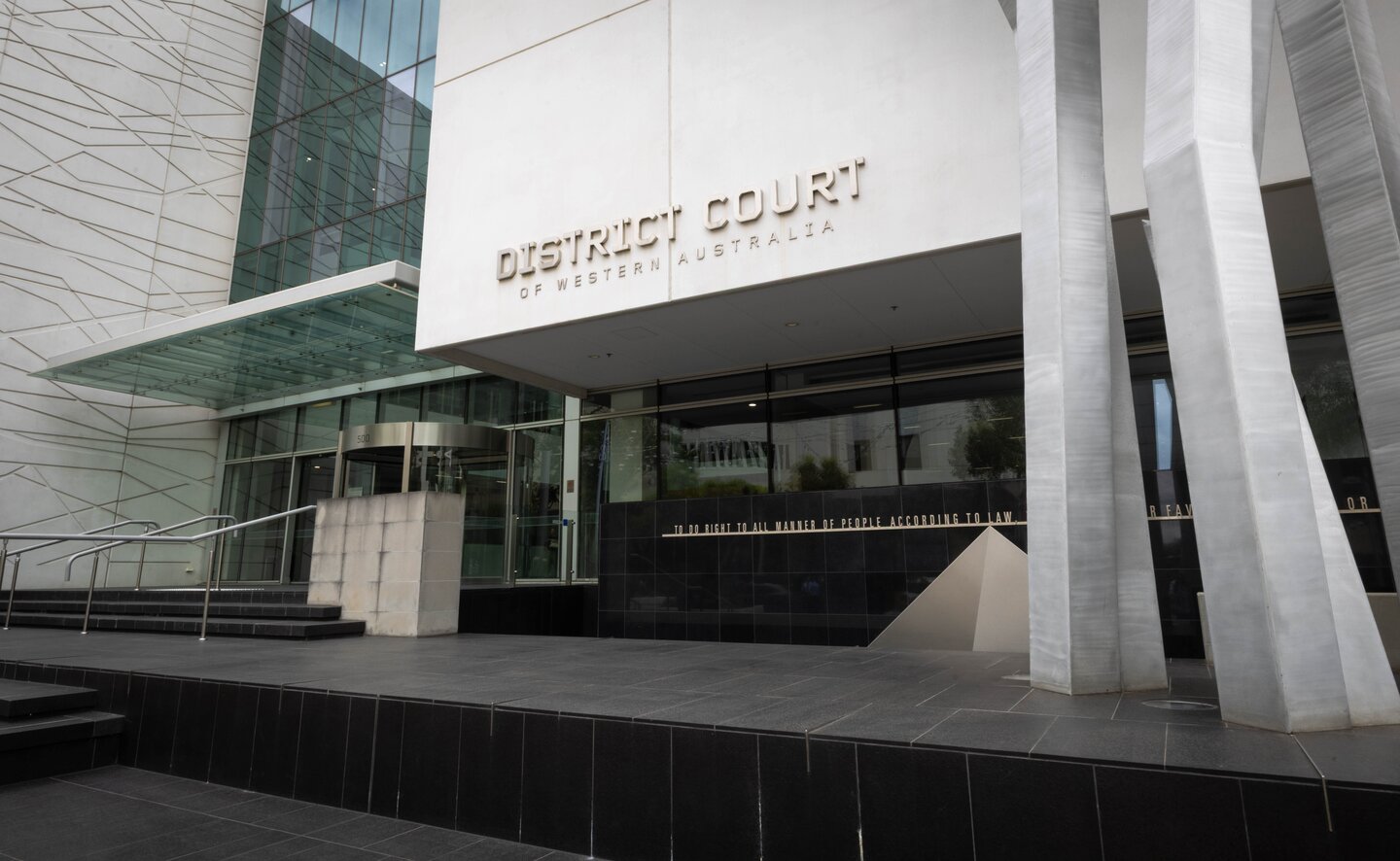
The District Court has issued an arrest warrant for WA and Bali businessman Stephen Robert Bruce after he failed to turn up at his sentencing hearing on Friday morning, claiming he had COVID.

Continue Reading

Business

At Close of Business podcast July 24 2026

Published

on

At Close of Business podcast July 24 2026

Tom Zaunmayr and Sam Jones discuss a Pilbara council’s use of a futurist and AI to develop its future plan.

Continue Reading

Business

Aussie shares post worst day in a month as oil soars

Published

on

Aussie shares post worst day in a month as oil soars

Australia’s share market has had its worst session in five weeks as oil surges and optimism fades for a timely resolution to the renewed US-Iran conflict.

Continue Reading

Business

Form 4 McKesson For: 24 July

Published

on


Form 4 McKesson For: 24 July

Continue Reading

Business

Investing In America's Backbone: A Small-Cap Opportunity

Published

on

Investing In America's Backbone: A Small-Cap Opportunity

Investing In America's Backbone: A Small-Cap Opportunity

Continue Reading

Business

British Gas owner confirms 1,300 jobs to go at six centres

Published

on

Business Live

Jobs in Wales will be cut as part the restructuring

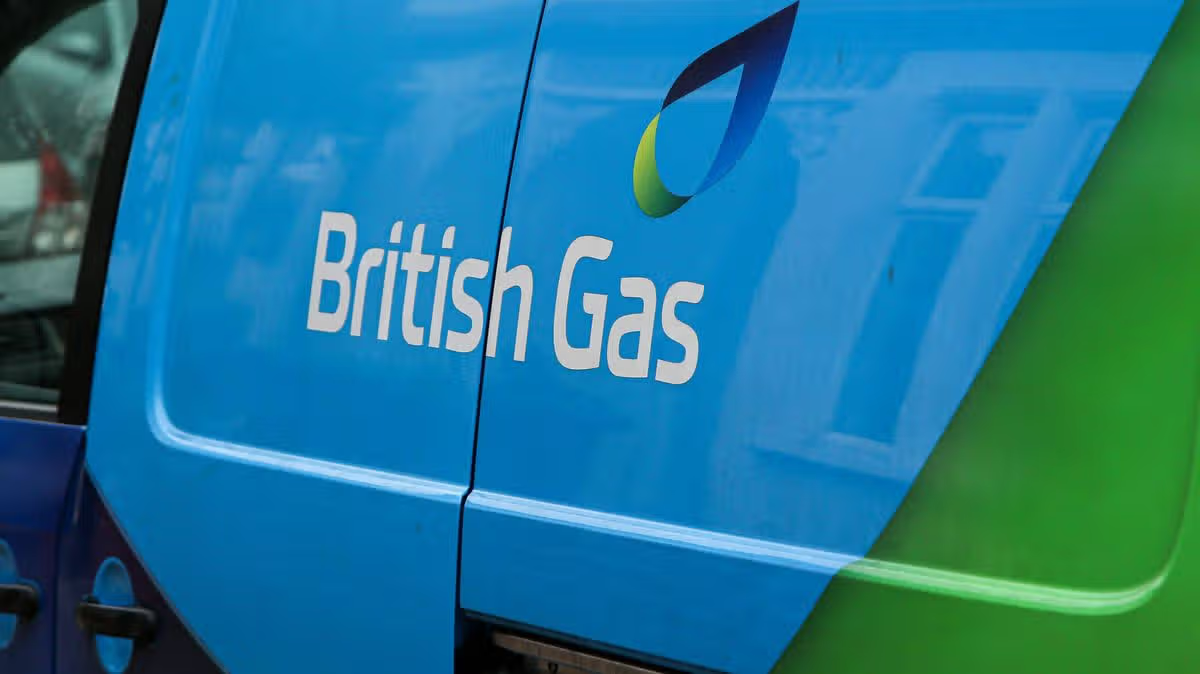
LONDON, UNITED KINGDOM - 2022/02/03: A British Gas van parked on a London street. Energy bills will rise as regulator Ofgem lifts the price cap. (Photo by Dinendra Haria/SOPA Images/LightRocket via Getty Images)

British Gas(Image: Dinendra Haria/SOPA Images/LightRocket via Getty Images)

British Gas owner Centrica has announced that it will be cutting around 1,300 jobs including within call centres in Wales. The job cuts come as the company recorded an earnings decrease in its half-year report.

Advertisement

The workforce reduction totals around 14% of the customer operations team as Centrica announced a ‘customer service transformation’ scheme last month. Five hundred call centre roles will be cut including many in Cardiff as well as in Glasgow, Edinburgh, Leicester, Stockport and Leeds.

A further 800 roles are being cut from support functions across the business.

A spokesman for Centrica said: “We have been transforming the business for a number of years to ensure we have the right roles in the right places for the future. This means making changes to improve efficiency, drive commercial performance and give our customers the service they want.

“At the same time, we continue to invest in the skills where there is demand, including recruiting more engineers to meet growing demand and hiring 500 apprentices this year alone.”

Advertisement

The GMB union has made accusations that the 500 call centre roles being cut will be replaced by AI technology, however Centrica has called these claims “simply wrong”.

Charlotte Brumpton-Childs, GMB national secretary, said: “It’s an absolute disgrace British Gas is slashing hundreds of human jobs and giving them to chatbots.

“These staff are massively overworked and underpaid, yet do their level best to keep customers happy. Now, instead of being rewarded, they’re being replaced by artificial intelligence.”

Advertisement
Continue Reading

Trending

Copyright © 2025