
Business
1kpartners Accelerates Innovation Strategy with Dedicated R&D Expansion

Introduction
1kpartners has announced the expansion of its research and development operations to accelerate its innovation strategy and strengthen enterprise technology capabilities across global markets. The initiative focuses on enhancing technical research, advancing system design, and enabling organizations to respond effectively to evolving technological demands. Through this expansion, 1kpartners reinforces its commitment to delivering scalable, high-performance solutions aligned with modern enterprise requirements and long-term digital transformation objectives.
As digital transformation continues to reshape industries, organizations are increasingly investing in research-driven innovation to maintain competitiveness. The need for dedicated development environments that support experimentation, testing, and scalable deployment has become essential. Expanding R&D capabilities allows enterprises to explore emerging technologies, improve operational efficiency, and ensure that systems remain adaptable within complex and rapidly changing digital ecosystems.
R&D Expansion Strategy
The expansion introduces a structured strategy focused on identifying emerging technologies, developing scalable frameworks, and improving system capabilities across enterprise environments. This strategy emphasizes aligning research initiatives with operational requirements, ensuring that innovations can be effectively implemented within existing infrastructures. By adopting this approach, 1kpartners supports organizations in advancing their technology systems while maintaining consistent operational performance across diverse industries globally.
The strategy also prioritizes continuous evaluation of technological trends, enabling organizations to adapt quickly to new developments. By combining analytical research with practical application, enterprises can accelerate the transition from concept to deployment. This approach supports sustainable innovation while maintaining system reliability and efficiency.
Innovation Development
Innovation development is a central component of the expanded R&D capabilities, enabling organizations to explore advanced technologies and refine system architectures. Development processes focus on improving efficiency, optimizing workflows, and creating solutions that support enterprise operations. Through these efforts, 1kpartners supports organizations in building advanced systems capable of meeting evolving technological requirements across global markets.
These initiatives also include testing and validation processes to ensure that new technologies deliver consistent performance. By focusing on practical outcomes, organizations can implement innovations that enhance operational efficiency. Innovation development plays a critical role in enabling enterprises to remain competitive within rapidly evolving digital environments.
Technology Integration
Technology integration ensures that newly developed solutions can be implemented seamlessly within existing enterprise environments. Integration frameworks enable communication between systems, allowing organizations to adopt new technologies without disrupting operations. Through this approach, 1kpartners supports organizations in creating cohesive digital ecosystems that enhance efficiency and performance across global operations.
Effective integration aligns new technologies with existing workflows and infrastructure, reducing complexity and supporting smoother transitions. This capability ensures that enterprises can maximize the value of innovation while maintaining system stability. Technology integration is essential for enabling organizations to leverage research outcomes effectively.
Scalable Solutions
The development of scalable solutions is a key objective of the R&D expansion, enabling organizations to grow their operations without compromising system performance. Scalable architectures allow infrastructure to adapt to increasing workloads while maintaining efficiency and reliability. Through these developments, 1kpartners supports organizations in building flexible systems capable of supporting long-term growth across diverse digital environments.
Scalability also enables dynamic resource allocation, ensuring optimal performance during peak operational periods. This capability supports sustained operational efficiency and allows infrastructure to evolve alongside business requirements. Scalable solutions play a critical role in maintaining performance within complex enterprise ecosystems.
Automation Systems
Automation technologies are a focus within the expanded R&D framework, enabling organizations to streamline workflows and improve operational efficiency. These technologies reduce manual processes, enhance accuracy, and ensure consistent execution across business functions. Through automation development, 1kpartners supports organizations in optimizing processes and improving productivity across global operations.
Automation also enables real-time responsiveness, allowing systems to adjust processes based on changing operational conditions. This capability ensures that workflows remain efficient and adaptable. By improving execution speed and minimizing delays, automation systems contribute to enhanced operational performance and support organizations in achieving efficiency objectives.
Data Analytics
Data analytics plays a significant role in supporting R&D expansion, enabling organizations to gain insights into system performance and operational trends. Advanced analytics frameworks support real-time data processing and improve decision-making across enterprise environments. Through these capabilities, 1kpartners supports organizations in enhancing visibility and control across their operations globally.
Analytics systems also enable predictive capabilities, allowing organizations to anticipate challenges and optimize resource allocation. These insights contribute to improved planning and more efficient execution across business functions. Data analytics frameworks are essential for supporting innovation and enabling organizations to operate effectively within complex digital ecosystems.
Security Framework
Security is an integral component of the R&D expansion, particularly as organizations adopt new technologies within interconnected environments. Advanced security protocols are integrated into development processes to ensure that systems meet data protection standards and maintain operational reliability. By implementing these measures, 1kpartners supports secure enterprise environments that enable organizations to innovate with confidence.
Security frameworks include monitoring systems that identify potential risks and ensure that new technologies are developed with resilience in mind. These measures support the safe integration of innovative solutions and maintain system stability. Strong security infrastructure is essential for supporting sustainable technological development.
Enterprise Collaboration
The expansion of R&D capabilities promotes collaboration across enterprise environments, enabling teams to work together on developing and implementing new technologies. Collaborative frameworks support knowledge sharing, improve coordination, and enhance the efficiency of development processes. 1kpartners emphasizes collaboration as a key factor in driving innovation and ensuring successful implementation across global operations.
Collaboration enables organizations to combine expertise from multiple domains, resulting in more comprehensive solutions. This approach supports faster development cycles and ensures that innovations align with operational requirements. Enterprise collaboration plays a vital role in maximizing the value of research initiatives.
Industry Outlook
The demand for research-driven innovation continues to grow as organizations seek to remain competitive within rapidly evolving technological markets. Expanding R&D capabilities enables enterprises to explore new opportunities, improve system performance, and adapt to changing industry conditions. These developments highlight the importance of structured research initiatives in driving long-term technological advancement across global industries.
As digital transformation continues to accelerate, 1kpartners remains focused on delivering solutions that support sustained growth and operational resilience. The company continues to refine its research framework to align with industry developments, enabling organizations to navigate complex digital environments and achieve consistent performance outcomes across global markets.
About 1kpartners
1kpartners is a technology and software development company specializing in digital transformation, cloud infrastructure, and enterprise solutions. The company delivers scalable, high-performance systems that help organizations improve efficiency, modernize operations, and adapt to evolving technological demands. With a focus on innovation, reliability, and long-term growth, 1kpartners serves clients across multiple industries globally.
Disclaimer: Cryptocurrency trading involves risk and may not be suitable for all investors. This content is for informational purposes only and does not constitute investment or legal advice.



Seeking Alpha’s transcripts team is responsible for the development of all of our transcript-related projects. We currently publish thousands of quarterly earnings calls per quarter on our site and are continuing to grow and expand our coverage. The purpose of this profile is to allow us to share with our readers new transcript-related developments. Thanks, SA Transcripts Team
BOSTON — Fidelity Investments faced a wave of customer complaints Monday as users reported widespread issues accessing the brokerage’s mobile app and website, preventing many from viewing accounts, executing trades or monitoring portfolios during a busy trading session marked by swings in major indices.
Downdetector and social media platforms lit up with reports starting around 9:43 a.m. EDT, with hundreds of users describing login failures, error messages such as “Sorry, we can’t complete this action right now,” and complete unavailability of the Fidelity app. Problems appeared concentrated on the mobile platform, which accounted for roughly two-thirds of complaints, followed by website access and trading functions.
The timing amplified frustration: the outage coincided with active market hours as investors reacted to corporate earnings, cryptocurrency movements and broader economic signals. Some users claimed they missed opportunities or incurred losses because they could not adjust positions in real time. One poster on X wrote, “@Fidelity your app is down and it’s causing me to lose money smh,” while another said the disruption made them “look absolutely retarded” while trying to demonstrate the app to family members.
Fidelity has not issued an official public statement as of mid-afternoon Monday, though the company has responded to similar incidents in the past via its Reddit community forum with acknowledgments and apologies. In previous outages, including one on April 9, Fidelity told affected customers the issues were resolved and expressed regret for the inconvenience.
This is not the first time Fidelity customers have encountered technical difficulties in 2026. Outages were reported on April 1, April 9 and April 10, often involving login problems or temporary unavailability of the website and app. Downdetector data showed spikes in reports during those episodes, sometimes reaching thousands of complaints within hours. The pattern has raised questions about the platform’s capacity to handle peak demand, especially as more investors shift to mobile trading and rely on real-time data during volatile periods.
Fidelity Investments, one of the nation’s largest brokerage firms with trillions in customer assets, serves millions of retail and institutional clients. Its platforms handle everything from mutual funds and ETFs to active trading, retirement accounts and wealth management services. The company has invested heavily in digital tools in recent years, but critics say recurring outages highlight vulnerabilities in an industry where milliseconds can matter during market moves.
Monday’s disruption occurred against a backdrop of heightened market activity. Bitcoin traded above $71,000, Oracle shares rose on AI-related news, Goldman Sachs reported earnings, and Revolution Medicines stock surged on positive clinical trial data. Such days typically see elevated trading volumes as investors reposition portfolios.
Outage tracking sites presented a mixed picture. While some monitors like IsItDownRightNow and DownForEveryoneOrJustMe reported Fidelity.com as reachable with normal response times, user-generated reports on Downdetector told a different story, indicating localized or intermittent problems that may not affect all users equally. Issues often stem from server overload, authentication glitches or backend maintenance that surfaces during high-traffic periods.
Industry experts note that brokerage outages have become more visible — and more costly to reputation — as trading democratizes and customers expect 24/7 seamless access. Similar problems have hit competitors including Charles Schwab in past years, particularly during sharp market sell-offs or rallies when traffic surges.
For affected customers, workarounds included attempting desktop access via fidelity.com, using the Active Trader Pro desktop platform (when available), or contacting customer service by phone. However, many reported long wait times or automated systems unable to resolve digital access issues quickly. Fidelity’s customer service lines generally remained operational even when digital channels faltered.
The incident underscores broader challenges for fintech and traditional finance firms balancing innovation with reliability. As artificial intelligence, real-time analytics and mobile-first experiences become standard, the underlying infrastructure must scale without compromising uptime. Fidelity has rolled out features like enhanced AI-driven insights and improved app interfaces in recent quarters, but technical hiccups continue to draw scrutiny.
Investors expressed a mix of annoyance and resignation on social platforms. Some viewed the outage as minor and temporary, while others called for greater transparency or regulatory oversight of brokerage platform reliability. “How is the app down?” one user asked simply, capturing widespread bewilderment during what should be routine access.
Fidelity’s scale makes it a bellwether for the industry. With robust security protocols, including multi-factor authentication, the company prioritizes protecting customer data — sometimes at the expense of speed during peak loads or when systems undergo updates. Past outages have typically resolved within one to two hours, though Monday’s reports persisted into the early afternoon for some users.
No widespread security breach or data compromise has been linked to the current issues. Complaints centered on access rather than lost funds or unauthorized activity. Fidelity maintains strong cybersecurity standards and regularly updates its platforms to address emerging threats.
For long-term clients, the disruption served as a reminder to maintain alternative access methods, such as backup devices, desktop logins or diversified brokerage relationships. Financial advisers often recommend having contingency plans, especially for those managing retirement accounts or executing time-sensitive trades.
As markets continued trading Monday, the broader financial ecosystem showed resilience. Major indices moved modestly, with tech and biotech names drawing attention following earnings and clinical news. Cryptocurrency enthusiasts monitored Bitcoin’s consolidation near recent highs, while traditional investors eyed upcoming economic indicators.
Fidelity has not commented on potential root causes. In earlier episodes, the firm attributed problems to “technical issues” without providing detailed post-mortems. Customers have occasionally called for more proactive communication, including real-time status updates on the company’s official channels.
The episode also highlights growing reliance on digital brokerage platforms. Millions of Americans now manage investments primarily through apps, making even brief downtime a significant inconvenience. Regulators have occasionally examined brokerage reliability following high-profile outages, though no major enforcement actions have targeted Fidelity specifically in recent years.
Looking ahead, Fidelity is expected to continue enhancing its digital offerings, including deeper integration of AI tools for personalized advice and streamlined trading experiences. Whether Monday’s outage prompts accelerated investments in redundancy or capacity remains to be seen.
For now, many users simply want confirmation that their accounts and orders are secure once access resumes. Most reported that once logged in after previous outages, portfolios appeared intact with no erroneous transactions.
The situation serves as a timely case study in the tension between rapid technological adoption and operational stability in consumer finance. As more capital flows into self-directed investing, platforms like Fidelity must deliver not only competitive features and low costs but also unwavering reliability.
Customers experiencing ongoing issues are advised to try clearing browser caches, updating the app, switching networks or using alternative devices. Fidelity’s phone support remains a reliable fallback, though volume may be elevated during outages.
As the trading day progressed, reports on social media suggested gradual resolution for some users, though others continued posting about persistent problems. The full scope of impact — including any delayed trades or missed opportunities — may not be clear until after markets close.
Fidelity’s long history as a trusted name in investing rests on its customer-first approach and vast product lineup. Occasional technical glitches test that reputation, reminding both the firm and its clients of the high expectations in today’s always-on digital economy.
REDWOOD CITY, Calif. — Revolution Medicines Inc. shares skyrocketed nearly 39% Monday to $134.18, the biotech company’s biggest one-day surge in years, after it announced that its lead drug daraxonrasib achieved an unprecedented overall survival benefit in a pivotal Phase 3 trial for patients with metastatic pancreatic cancer, a notoriously hard-to-treat disease with limited options.

The stock jumped as much as $39 or more in early trading on the Nasdaq, with volume surging far above average as investors piled into the precision oncology developer. At one point shares touched an intraday high near $135.81, reflecting Wall Street’s enthusiasm for what analysts called potentially practice-changing data in second-line metastatic pancreatic ductal adenocarcinoma (PDAC).
Revolution Medicines said daraxonrasib, a RAS(ON) G12D-selective inhibitor, met all primary and key secondary endpoints in the global RASolute 302 trial, including statistically significant improvements in progression-free survival and overall survival. The company described the survival benefit as “unprecedented” for this patient population and signaled plans to include the results in a future New Drug Application submission to the U.S. Food and Drug Administration.
Pancreatic cancer remains one of oncology’s toughest challenges, with five-year survival rates below 10% and few effective therapies once the disease has spread. RAS mutations, particularly G12D, drive a large portion of cases, making Revolution Medicines’ tri-complex inhibitor approach a focal point for investors betting on targeted therapies that directly attack the “undruggable” RAS protein.
“Today’s results represent a major milestone not only for daraxonrasib but for patients with RAS-addicted cancers and for our broader RAS(ON) platform,” said Mark Goldsmith, M.D., Ph.D., Revolution Medicines’ chief executive officer and chairman, in a statement accompanying the data release.
The positive readout comes as the company advances a deep pipeline of RAS(ON) inhibitors designed to toggle the protein into its active “ON” state, a novel strategy compared with earlier generations of RAS inhibitors that targeted the inactive “OFF” form. Daraxonrasib is the most advanced candidate, with ongoing or planned Phase 3 trials in both second-line and first-line metastatic PDAC as well as other tumor types.
Revolution Medicines has three RAS(ON) inhibitors with FDA Breakthrough Therapy Designation: daraxonrasib (G12D), zoldonrasib (G12D) and elironrasib (another mutant-selective agent). The designations underscore regulatory confidence in the platform’s potential to address significant unmet needs in lung, pancreatic and other RAS-mutant cancers.
Analysts reacted swiftly. Several firms raised price targets, with some projecting peak sales for daraxonrasib alone in the billions if approved across multiple indications. The strong data could also boost partnering interest or position the company as an acquisition target in a sector hungry for late-stage oncology assets with clear paths to market.
The stock’s dramatic move Monday reversed recent consolidation after the shares had traded around $95-$100 in the days leading up to the announcement. Year-to-date, RVMD had already shown strength on pipeline progress, but the Phase 3 success triggered fresh buying from both retail and institutional investors.
Revolution Medicines ended 2025 with approximately $2 billion in cash, bolstered by a $250 million royalty tranche and additional committed funding, providing a substantial runway to support its ambitious clinical program. The company guided to 2026 operating expenses of $1.6 billion to $1.7 billion as it ramps multiple registrational trials, including RASolute 303 in first-line PDAC and studies in non-small cell lung cancer (NSCLC).
Earlier this year, the FDA granted Breakthrough Therapy Designation to zoldonrasib for previously treated KRAS G12D-mutated locally advanced or metastatic NSCLC based on encouraging Phase 1 data showing robust antitumor activity and manageable safety. The company is also advancing RMC-5127, a G12V-selective inhibitor, with dosing underway in early 2026.
Monday’s news arrives ahead of the American Association for Cancer Research (AACR) annual meeting, where Revolution Medicines plans multiple presentations showcasing progress across its RAS(ON) pipeline. Investors will watch for updated durability data and combination results that could further validate the platform.
Wall Street’s consensus on Revolution Medicines has been strongly bullish, with an average price target around $120-$140 before the surge, implying continued upside even at elevated levels. The company carries a “Strong Buy” rating from covering analysts, who cite the differentiated science, broad pipeline and cash position as key strengths.
Yet risks remain typical for clinical-stage biotech. Pancreatic cancer trials can be unpredictable, and competition in the RAS space is intensifying from players like Amgen, Bristol Myers Squibb and smaller innovators. Regulatory review, manufacturing scale-up and eventual commercialization will require significant additional capital, though the current cash balance offers breathing room.
The broader oncology sector has seen renewed interest in targeted therapies amid a wave of precision medicine advances. Revolution Medicines’ focus on RAS — long considered one of the most important yet elusive targets in cancer — positions it at the forefront of that trend. Roughly 30% of all human cancers harbor RAS mutations, with particularly high prevalence in pancreatic, lung and colorectal tumors.
For patients, the potential approval of daraxonrasib could represent the first major targeted advance in second-line metastatic PDAC in years. Current standard-of-care options offer modest survival extensions, leaving many patients with rapidly progressing disease and limited hope.
Revolution Medicines was founded to tackle RAS-driven cancers through innovative small-molecule chemistry. Its platform aims to overcome historical challenges in drugging the protein by stabilizing it in the active state and disrupting downstream signaling more effectively.
Monday’s trading frenzy highlighted the high-stakes nature of biotech investing. While the data appear transformative, full details — including exact hazard ratios, median survival figures and subgroup analyses — will be scrutinized when presented at a medical meeting or in a peer-reviewed publication. The company said it intends to share more comprehensive results soon.
Shares of other RAS-focused companies saw sympathetic moves, though none matched RVMD’s percentage gain. The Nasdaq Biotechnology Index traded mixed amid the broader market’s attention on individual catalysts.
Looking ahead, key milestones include the first-half 2026 readout from RASolute 302 (already delivered positively), initiation and progress on additional Phase 3 studies, and potential regulatory filings. Success could transform Revolution Medicines from a clinical developer into a commercial-stage oncology player with multiple shots on goal.
For now, investors are celebrating what appears to be a rare win in a field littered with setbacks. Pancreatic cancer has frustrated drug developers for decades; any meaningful survival improvement draws intense scrutiny and enthusiasm.
As trading continued Monday, Revolution Medicines’ market capitalization climbed toward $20 billion territory, reflecting the premium the market places on late-stage assets with strong efficacy signals in difficult indications.
The company’s journey underscores both the promise and volatility of biotech. From earlier pipeline setbacks and wider-than-expected losses in 2025 to today’s breakout, RVMD has rewarded patient shareholders while testing others. With a robust cash position, multiple clinical shots and now compelling Phase 3 data, the firm enters a pivotal phase that could define its future and bring new hope to cancer patients worldwide.
Business
Super Mario Galaxy Movie Rockets to $629 Million Worldwide as Sequel Soars Past Domestic $300 Million

LOS ANGELES — “The Super Mario Galaxy Movie” blasted past $629 million in global ticket sales Monday, cementing its status as Hollywood’s highest-grossing release of 2026 so far and proving that families still flock to theaters for colorful Nintendo adventures despite mixed critical reviews.

The animated sequel from Universal Pictures and Illumination added an estimated $69 million in its second weekend from 4,284 North American theaters, bringing its domestic total to $308.1 million. International markets contributed roughly $84 million over the weekend, pushing the worldwide cumulative to $629 million after just 12 days in release, according to studio estimates Sunday.
Produced on a budget of about $110 million, the film has already become the second-highest grossing movie of the year behind China’s “Pegasus 3” and the top animated title of 2026. It ranks as the ninth-highest grossing Illumination film ever and the third-biggest video game adaptation worldwide, trailing only “The Super Mario Bros. Movie” ($1.36 billion) and “A Minecraft Movie.”
Directed by Aaron Horvath and Michael Jelenic with a screenplay by Matthew Fogel, the movie expands the Mushroom Kingdom into cosmic territory inspired by Nintendo’s 2007 “Super Mario Galaxy” game. Chris Pratt reprises his role as Mario, joined by Anya Taylor-Joy as Princess Peach, Charlie Day as Luigi, Jack Black as Bowser and Keegan-Michael Key as Toad. New voices include Brie Larson as Rosalina, Donald Glover as Yoshi, Benny Safdie as Bowser Jr. and Glen Powell as Fox McCloud from the “Star Fox” series.
The story follows Mario and friends as they venture through gravity-defying planets, battling Bowser’s latest scheme with help from cosmic allies and plenty of power-ups. Reviewers noted the film’s dazzling visuals, faithful Nintendo Easter eggs and breakneck pace, though some criticized a thin plot and reliance on nostalgia. Audience scores proved far stronger: families gave it perfect marks on PostTrak exit polls, while general viewers awarded an A- CinemaScore.
The film launched with explosive force over the Easter holiday. It earned $131.7 million over its three-day opening weekend and $190.8 million in five days domestically — the biggest opening of 2026 and the fourth-largest five-day debut ever in the U.S. and Canada. Globally, it opened to an estimated $372.5 million across 80-plus markets, setting records as the largest MPA animated opening since the first Mario movie and the only animated franchise with two films debuting above $350 million worldwide.
Mexico led international markets with $29.1 million, followed by the U.K. and Ireland. Strong turnout came from families taking advantage of spring break, with heavy play in premium large formats and IMAX screens that generated $15 million domestically in the opening frame alone.
In its second weekend, the movie held remarkably well with a 48% domestic drop — solid for a family film facing no major new competition. Overseas it added another $83 million to $84 million, showing resilience in key territories. Analysts project the film will comfortably surpass $700 million globally next weekend and could approach or exceed $1 billion with strong legs through the summer, especially as it rolls into Japan on April 24 and South Korea on April 29.
The success underscores Nintendo’s growing clout in Hollywood following the record-breaking 2023 original. That film, also from Illumination, became one of the highest-grossing animated features ever and helped fuel expansion of Super Nintendo World attractions at Universal theme parks in Hollywood and Orlando. Universal Products & Experiences launched fresh merchandise tied to “Galaxy,” while parks offered limited-time experiences including Yoshi meet-and-greets and themed food through mid-April.
Illumination CEO Chris Meledandri, who has overseen 16 consecutive hits for the studio, called the performance “extraordinary” in early comments. The company’s partnership with Nintendo continues to deliver crowd-pleasing spectacles that translate game worlds into cinematic joyrides.
Industry observers noted the film’s broad appeal. While critics landed at around 40% on Rotten Tomatoes, ticket buyers — especially parents with young children — embraced the colorful spectacle. The audience skewed 61% male overall but families showed near-even splits between moms and dads. Strong word-of-mouth and repeat viewings from kids powered the second-weekend hold.
Competitors felt the gravitational pull. Ryan Gosling’s sci-fi drama “Project Hail Mary” held second place with about $24.6 million in its third weekend, pushing its worldwide total above $500 million. A24’s “The Drama,” starring Zendaya and Robert Pattinson, opened in third with roughly $8.7 million to $14 million depending on final tallies.
The box office dominance arrives amid a strong 2026 start for theaters, up significantly from the same period last year. “The Super Mario Galaxy Movie” has provided a much-needed tentpole in early April, traditionally a softer month before summer blockbusters arrive.
Analysts credit several factors for the haul. Nostalgia for the Mario franchise remains potent, especially among millennials now raising families. The film’s PG rating and family-friendly tone make it an easy choice for group outings. Vibrant animation, catchy score by Brian Tyler and imaginative set pieces — including gravity-flipping planets and orchestral remixes of classic Mario tunes — deliver the spectacle audiences expect from Illumination.
Yet challenges loom for long-term legs. The second-weekend multiplier trails the original Mario movie, which benefited from fresher franchise novelty and stronger reviews. Some parents noted the story felt more like a greatest-hits compilation than a tightly plotted adventure. Still, the film’s modest budget relative to its earnings ensures robust profitability even if it falls short of the first film’s $1.36 billion benchmark.
Nintendo and Universal have signaled confidence in the franchise’s future. Shigeru Miyamoto, the legendary creator of Mario, remains closely involved as a producer. Plans for additional sequels or spin-offs could follow if “Galaxy” maintains momentum.
For theater chains, the movie provided a welcome boost. AMC Theatres CEO Adam Aron praised it as the “kind of broad, crowd-pleasing release that brings people into theatres.” Chains reported healthy concession sales tied to Mario-themed promotions.
Internationally, performance has been uneven but generally solid. Strong openings in Latin America contrast with more modest results in parts of Asia ahead of key market debuts. Japan, home to Nintendo’s headquarters, is expected to deliver a major surge later this month during Golden Week holidays.
As “The Super Mario Galaxy Movie” continues its theatrical run, it faces upcoming competition from tentpoles including “Spider-Man: Brand New Day,” Christopher Nolan’s “The Odyssey,” “Toy Story 5” and “Avengers: Doomsday.” Whether it can hold the crown as 2026’s top Hollywood earner will depend on sustained family turnout through May and June.
For now, the plumbers’ cosmic journey has delivered another financial supernova. What began as a beloved 2007 Wii game has become a box-office force that continues to defy gravity, pulling in audiences worldwide with its signature blend of whimsy, music and Italian-accented heroism.
The film’s rapid climb to $629 million in under two weeks reaffirms animation’s enduring power at the multiplex and Nintendo’s knack for turning pixels into profits. In an era of streaming fragmentation and superhero fatigue, simple joys — jumping on Goombas, collecting stars and saving the galaxy — still pack theaters.
With more markets yet to open and strong audience scores fueling repeat business, “The Super Mario Galaxy Movie” appears headed for a lengthy orbit. It’s-a me, Mario — and it’s-a big hit once again.
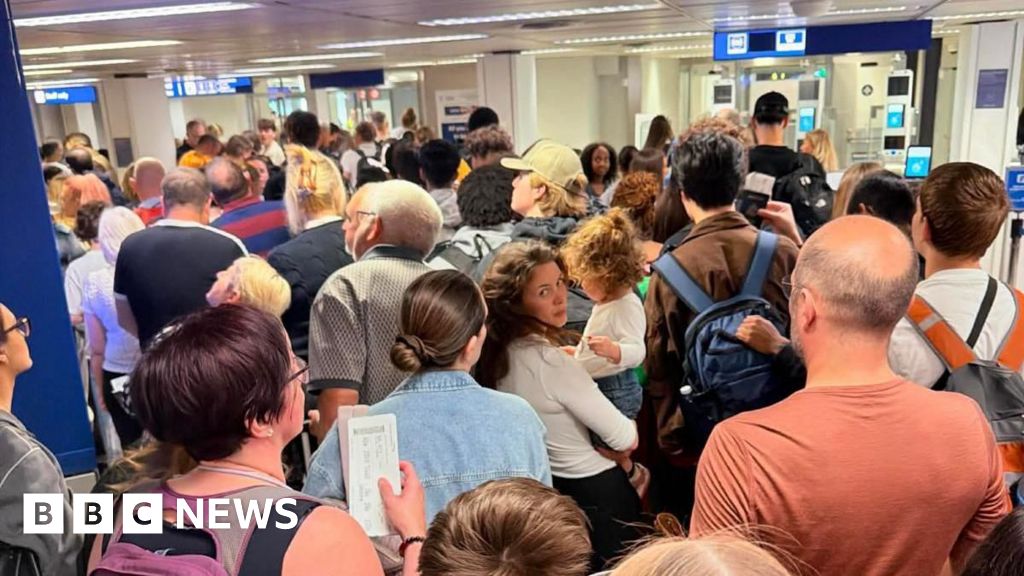
Airlines warn of further disruption due to the introduction of a new EU digital border control system.

Sends reported Q1 2026 updates sharing news on digital cards, app redesign, ClearBank integration, and fintech industry recognition.
Sends, a fintech platform operated by Smartflow Payments Limited, announces its business updates for the first quarter of 2026, marked by steady product development, infrastructure improvements, and active participation in the fintech community.
During the first quarter, Sends introduced customisable digital cards for personal accounts available in Apple Wallet and Google Wallet. Giving customers more flexibility and control over their experience with Sends is one of teams priority. At the same time, Sends continued to expand its product roadmap, with corporate digital and physical cards currently in development and expected to be launched soon, strengthening the offering for business clients.
Another important milestone for the quarter is the redesign of the Sends mobile application. The updated app includes new features, improved navigation, and an improved overall user experience. The new version is scheduled to be available for download starting 20 April 2026, representing a significant step forward in the platform’s usability and functionality.
Sends has also made progress on the infrastructure side through its integration with ClearBank to improve account opening services. This integration supports faster onboarding processes and provides reliable service delivery.
Beyond product and technical developments, Sends remained actively engaged in the fintech community. The company participated in Pay360, where it hosted a stand and presented its solutions to industry peers and partners. CEO Alona Shevtsova also spoke at the event, sharing insights on current trends and the future of digital payments.
In addition, Sends CEO, Alona Shevtsova, was recognised in the Women in FinTech Powerlist by Innovate Finance, highlighting her contribution to the industry and leadership within the fintech space.
Commenting on the results, Alona Shevtsova, CEO of Sends, said: “This quarter has been focused on building and improving — from launching new features for our customers to strengthening our infrastructure and engaging with the industry. We are continuing to move forward step by step, with a clear focus on delivering practical and reliable financial solutions.”
As Sends enters the next quarter, the company will continue working on expanding its product range, including the upcoming launch of corporate cards, and further enhancing its platform.
Sends is a trade name of SMARTFLOW PAYMENTS LIMITED, registered in England and Wales (Company No.11070048). For more information, visit sends.co.


With over three years of finance and consulting experience, Nikola is laser focused on finding value in North American public equities and ETF’s. His professional experience includes corporate credit risk analysis, consulting for government entities, and venture capital analysis in the med-tech space. More recently, Nikola has helped investors narrow down better options for ETF’s – every asset manager seems to have similar offerings these days. Nikola is not a licensed financial advisor and nothing in his commentary here on Seeking Alpha should be regarded as advice. All of his opinions are his own, and not on behalf of any other entities.
Analyst’s Disclosure: I/we have no stock, option or similar derivative position in any of the companies mentioned, and no plans to initiate any such positions within the next 72 hours. I wrote this article myself, and it expresses my own opinions. I am not receiving compensation for it (other than from Seeking Alpha). I have no business relationship with any company whose stock is mentioned in this article.
Seeking Alpha’s Disclosure: Past performance is no guarantee of future results. No recommendation or advice is being given as to whether any investment is suitable for a particular investor. Any views or opinions expressed above may not reflect those of Seeking Alpha as a whole. Seeking Alpha is not a licensed securities dealer, broker or US investment adviser or investment bank. Our analysts are third party authors that include both professional investors and individual investors who may not be licensed or certified by any institute or regulatory body.

TD Cowen raises AerCap stock price target on strong sales activity

NEW YORK — Travelers at John F. Kennedy International Airport faced moderate security lines Monday as TSA wait times ranged from as little as 1 minute to around 24 minutes depending on the terminal, according to real-time data from the airport’s official website and monitoring services.
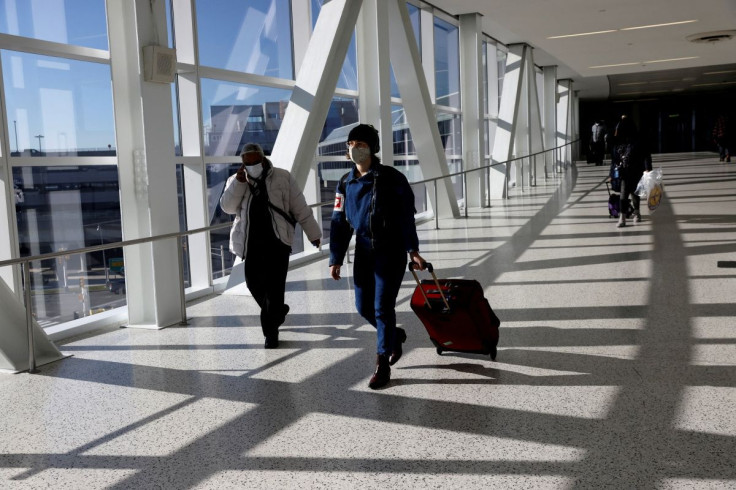
As of mid-morning on April 13, 2026, general security lines showed the shortest waits in Terminal 1 at approximately 1 minute and Terminal 7 at 5 minutes. Terminal 4 reported around 12 minutes for standard lanes, while Terminal 5 stood at 13 minutes and Terminal 8 reached 24 minutes — the longest among active checkpoints. TSA PreCheck lanes moved significantly faster, often under 10 minutes or with no wait reported in several terminals.
Airport officials noted that posted times represent estimates and can change rapidly based on passenger volume and TSA staffing levels. The technology used for these figures is most accurate when lines remain within designated queue areas, and staff actively monitor extensions beyond checkpoints to provide updated information.
JFK, one of the nation’s busiest gateways handling millions of passengers annually, typically sees average security waits of 15 to 35 minutes on regular days. Peak periods — generally 5-9 a.m. and 3-7 p.m. — can push general lines toward 30-45 minutes or longer during high-traffic surges, while off-peak hours like early morning before 7 a.m. or late evening after 8 p.m. often drop to 10-15 minutes.
Monday’s moderate conditions align with typical post-weekend patterns, though international flights concentrated in Terminal 4 and domestic-heavy Terminal 5 can create uneven distribution. Delta Air Lines, JetBlue, American Airlines and other carriers operating out of JFK advise passengers to arrive at least two to three hours before international departures and 90 minutes to two hours for domestic flights to account for potential variability.
TSA PreCheck and CLEAR services continue to offer substantial time savings for enrolled travelers. PreCheck lanes frequently clear in 1-9 minutes, making membership particularly valuable during busier periods. CLEAR, which uses biometric screening to expedite the initial identification step, pairs well with PreCheck for even smoother experiences at participating checkpoints.
Travelers without expedited options should prepare for standard screening protocols, including the 3-1-1 liquids rule, removal of laptops and large electronics, and potential additional checks. TSA staffing shortages have occasionally contributed to fluctuating lines in recent months, though airport and federal officials report ongoing efforts to maintain efficient throughput.
Social media and passenger reports on platforms like Reddit and Instagram reflect mixed experiences. Some early-morning travelers Monday praised quick passages through Terminal 4 and 1, while others in Terminal 8 noted longer queues during mid-morning hours. Occasional complaints of lines exceeding posted estimates highlight the importance of checking multiple sources before heading to the airport.
The MyTSA mobile app from the Transportation Security Administration provides additional real-time crowd-sourced data and general airport delay information. Passengers can also monitor the official JFK website, which updates security wait times regularly throughout the day. Third-party trackers like takeofftimer.com and airlineairport.com offer supplementary estimates, though official airport figures remain the most authoritative.
JFK’s five terminals each operate independent security checkpoints, meaning wait times can differ dramatically depending on departure location. Terminal 4, a major international hub for Delta and others, often sees higher volumes but benefits from multiple lanes. Terminal 8, used primarily by American Airlines, has shown longer waits at times due to concentrated domestic and some international traffic.
Beyond security, travelers should factor in additional time for check-in, baggage drop, customs and border protection for international flights, and ground transportation to the airport. Traffic on major routes like the Van Wyck Expressway and Belt Parkway can add significant delays, especially during weekday rush hours. Ride-share services, taxis and the AirTrain provide options, but planning ahead is essential.
Airport authorities recommend downloading the JFK app or visiting jfkairport.com for the latest updates on security, gates, parking and other services. Real-time flight status information helps passengers adjust arrival times based on any delays.
For frequent flyers, enrolling in TSA PreCheck or Global Entry can dramatically reduce stress and time at security. These programs use pre-screening and biometrics to expedite the process, with many users reporting near-instant clearance even on busier days.
Monday’s relatively manageable lines come amid a busy spring travel season, with spring break crowds largely passed but summer vacation planning underway. International travel continues to rebound strongly, adding pressure to terminals handling overseas flights.
TSA emphasizes that wait times are estimates and encourages patience and compliance with screening procedures to keep lines moving efficiently. Prohibited items or secondary screenings can create temporary backups, though most passengers clear without issue when prepared.
As the day progresses, afternoon and evening rushes may increase volumes, particularly if multiple wide-body international departures align. Travelers departing later Monday or early Tuesday should monitor updates closely.
JFK remains a vital economic engine for the New York region, supporting tourism, business travel and cargo operations. Efficient security processing plays a key role in maintaining its reputation as a world-class gateway despite occasional challenges from high passenger throughput.
Passengers with questions about specific terminals or needing accessibility assistance can contact airport customer service or airline representatives. Ground staff and TSA officers are positioned to help direct travelers and manage flow.
For those connecting through JFK or arriving from other flights, internal transit times between terminals via AirTrain or walking should also be considered when calculating overall airport time.
In summary, current TSA security wait times at JFK on April 13, 2026, remain within typical moderate ranges for a weekday, with most terminals under 25 minutes for general screening and under 10 minutes for PreCheck. Travelers are advised to check real-time sources, arrive with ample buffer time, and use expedited programs when possible to ensure a smooth experience.
Whether heading out on business, leisure or international adventures, staying informed about JFK’s dynamic security environment helps minimize stress in one of the world’s busiest airports.
Leerink reiterates Spyre stock rating on positive trial data

Ligue 1: Lyon finally win to reignite their European ambitions – Sports

No, you don’t need a new turntable this Record Store Day, just use this cheap extra to clean your vinyl

Northern Rail delays after medical emergency near Bolton


-

 Politics3 days ago
US brings back mandatory military draft registration
-

 Fashion3 days ago
Weekend Open Thread: Veronica Beard
-
 Sports3 days ago
Man United discover Nico Schlotterbeck transfer fee as defender reaches Dortmund agreement
-

 Tech6 days ago
How Long Can You Drive With Expired Registration? What Florida Law Says
-

 Politics24 hours ago
World Cup exit makes Italy enter crisis mode
-

 Crypto World4 days ago
Canary Capital Files SEC Registration for PEPE ETF
-

 Business3 days ago
Tesla Model Y Tops China Auto Sales in March 2026 With 39,827 Registrations, Beating Cheaper EVs and Gas Cars
-

 Politics3 days ago
Malcolm In The Middle OG Turned Down ‘Buckets Of Money’ To Appear In Reboot
-

 Crypto World5 days ago
Bitcoin recovers as US and Iran Agree a Ceasefire Deal
-

 Fashion6 days ago
Let’s Discuss: DEI in 2026
-
 NewsBeat16 hours ago
Pep Guardiola and Gary Neville agree over Arsenal title problem that benefits Man City
-

 Business3 days ago
OpenAI Halts Stargate UK Data Centre Project Over Energy Costs and Copyright Row
-

 Business2 days ago
Ireland Fuel Protests Enter Day 5 as Blockades Spark Shortages and Government Prepares Support Package
-

 Politics3 days ago
LBC Presenter Mocks Trump Over Iran War Failures
-

 Crypto World3 days ago
Federal judge blocks Arizona from bringing criminal charges against Kalshi
-

 Tech4 days ago
A version of Windows 10 released a decade ago is now eligible for additional security patches
-
 NewsBeat1 day ago
JD Vance announces ‘no agreement’ with Iran over nuclear weapons fear
-
 Entertainment5 days ago
Alfred Hitchcock’s 10 Most Suspenseful Masterpieces, Ranked
-
 Entertainment3 days ago
A ‘Bridgerton’ Star’s New Survival Thriller Is a Must-Watch on Netflix This Weekend
-

 Business3 days ago
IMF retains floor for precautionary balances at SDR 20 billion
You must be logged in to post a comment Login