

Business
3M sued for $2 billion over PFAS chemicals




Moschino names Loris Messina and Simone Rizzo as creative directors
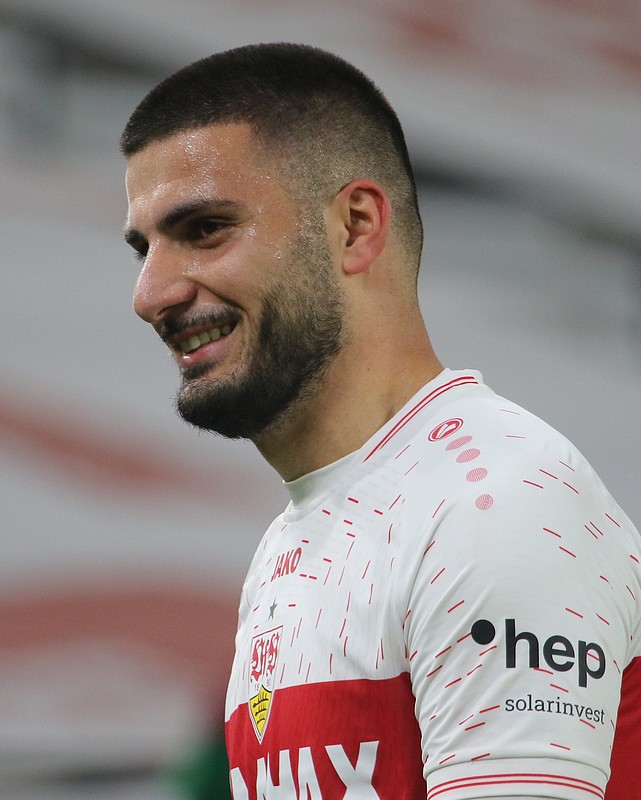
TORONTO — Substitute Deniz Undav emerged as Germany’s hero with a dramatic 94th-minute winner that completed his side’s stunning comeback win against Ivory Coast and booked their place in the World Cup knockout stages.
The four-time winners endured a frustrating outing after going behind to a 30th-minute goal from Ivory Coast captain Franck Kessie, but Julian Nagelsmann turned to his bench in search of a response — and Undav delivered emphatically with a second-half double.
Undav’s Decisive Impact off the Bench
The Stuttgart forward applied a smart finish to fellow substitute Nadiem Amiri’s cross to break Ivory Coast’s resistance in the 68th minute before scoring the winner in the 94th minute to inflict a painful defeat on the African nation. Undav had also scored a goal and provided two assists after coming off the bench in Germany’s 7-1 opening win against Curaçao, continuing a remarkable pattern of impact substitute appearances through the tournament’s early stages.
Ivory Coast’s Path Still Open
Despite the painful late defeat, the dejected Ivorians can still progress from Group E behind Germany with a win against World Cup debutants Curaçao in their final game, leaving their tournament hopes alive heading into the decisive final round of group matches.
An Energetic Start From the Ivorians
Emerse Fae’s side impressed with their energy and directness early on in Toronto, but it was Germany who carved out the clearer of chances in the opening stages. The Germans had the ball in the back of the net in the 22nd minute through Aleksandar Pavlovic, but his header from a corner was ruled out for a foul on goalkeeper Yahia Fofana.
Kessie Breaks Through
Ivory Coast then took the lead as their exciting 19-year-old winger Yan Diomande found Amad Diallo, whose close-range effort was blocked by Nathaniel Brown, only for Kessie to convert the rebound and put the Ivorians in front.
A Second Disallowed Goal Compounds Germany’s Frustration
Germany’s frustration grew as Kai Havertz had a goal disallowed for a foul on Emmanuel Agbadou by Jamal Musiala in the build-up, while an unmarked Christ Inao Oulai and Kessie spurned chances to double the Ivorians’ lead. Those misses ultimately proved costly as Germany were undone by the injury-time winner from Undav.
Fofana had kept out efforts from Brown and Amiri late on, but there was nothing he could do as Undav expertly trapped a pass from Felix Nmecha and slotted past the goalkeeper on the turn to break Ivorian hearts in the dying seconds.
Nagelsmann’s Bench Comes Through Again
Germany put on a show in their opener as they delivered a thrashing of Curaçao for the biggest win of the opening round. But an exciting Ivory Coast side, brimming with confidence from a late victory against Ecuador in their opener, posed an altogether different challenge.
Diomande, linked with a move to Liverpool, showcased his pace and raw ability on the left flank for the Ivorians, while Manchester United winger Amad, Kessie, and 20-year-old Oulai all caused problems for the German defense, which has now kept just one clean sheet in its past six matches.
Ultimately, though, Germany were rescued by the quality of their substitutes. With his side trailing 1-0, Nagelsmann made a triple change in the 60th minute, bringing on Jamie Leweling, Amiri, and Undav, with the latter duo combining for the equalizer only eight minutes later.
Undav’s Rising Profile
Undav then struck a second to take his tally to nine goals in just 11 appearances for Germany and make his case for a starting spot again, helping his side put embarrassing group-stage exits in 2018 and 2022 behind them. That scoring rate places him among the most efficient finishers in the current squad, despite his role so far in the tournament being limited primarily to appearances off the bench.
Heartbreak for Ivory Coast, but Genuine Promise Remains
Ivory Coast, meanwhile, can take a lot of heart from their performance despite the last-gasp defeat. This group of players remains well-placed to achieve a feat that eluded the likes of Didier Drogba, Yaya Touré, Kolo Touré, and Salomon Kalou before them — taking their country to the knockout stages of a World Cup.
With the result, Germany have secured their place in the knockout rounds and put two consecutive disappointing group-stage exits behind them, a significant marker of progress for Nagelsmann’s side after the team’s struggles at the previous two tournaments. For Ivory Coast, the final group match against Curaçao now represents a must-win scenario to keep their own knockout-stage ambitions alive, with the Elephants still well-positioned despite Sunday’s heartbreaking finish, given the broader competitiveness and quality they displayed for long stretches against one of the tournament’s traditional powerhouses.
3M Company: AI Infrastructure Buildout Demand Remains Wait-And-See
With SpaceX commanding a valuation north of $2 trillion following its blockbuster Nasdaq debut, a growing chorus of market analysts is making the case that investors chasing space-and-AI exposure may find better value, lower risk, or stronger growth elsewhere. Here are five stocks repeatedly cited as alternatives worth considering instead.
1. Nvidia (NVDA)
While SpaceX’s valuation is based on moonshot bets, Nvidia is the dominant player in artificial intelligence infrastructure. It trades at a forward price-to-earnings ratio of just 16 and grew its revenue by 85% in the first quarter to $81.6 billion. Its adjusted quarterly profits of $45.5 billion were nearly 2.5 times SpaceX’s entire 2025 revenue.
That comparison underscores the core argument bulls make for Nvidia over SpaceX: Nvidia is already generating the kind of cash flow that SpaceX’s AI ambitions remain years away from matching, all while trading at a multiple analysts consider reasonable relative to its growth.
2. Amazon (AMZN)
Amazon offers investors a comparable blend of established AI infrastructure and direct competition with SpaceX’s own satellite ambitions. While SpaceX is trying to become a leading AI company, Amazon already is one. Its Amazon Web Services is seeing accelerating revenue growth, and its custom chip business gives it a cost edge.
The company also has its own space ambitions, looking to challenge SpaceX’s Starlink satellite internet service with its own offerings, while the acquisition of Globalstar gave it important spectrum and direct-to-device capabilities. One analyst argued Amazon “is a great company with two proven and growing businesses” that “should be worth much more than SpaceX’s moonshot bets.”
3. Alphabet (GOOGL)
Alphabet’s case rests on a similar logic: a company with already-proven AI infrastructure, plus its own under-the-radar space project. While SpaceX is trying to become a leading AI company, Alphabet is already the most complete one. Its Gemini model is a top-tier foundation model, while its Tensor Processing Units give it a significant advantage by reducing training and inference costs.
Notably, Alphabet isn’t ignoring space either. It actually owns a large stake in SpaceX, and its Project Suncatcher is developing a constellation of solar-powered satellites powered by TPUs and free-space optical links to perform machine learning in space. The company believes the cost of a space-based data center could become comparable to a land-based one by the mid-2030s.
4. Rocket Lab (RKLB)
For investors who specifically want direct exposure to the launch and space-infrastructure business SpaceX dominates, analysts point to Rocket Lab as a far cheaper way to participate in the same trend. Rocket Lab is a space stock with huge potential at a fraction of its market capitalization. It’s pulling in record revenue, with $200 million in the first quarter alone, up more than 63% year over year, and has a backlog of $2.2 billion.
Rocket Lab’s highly anticipated medium-lift reusable rocket, the Neutron, is slated for its debut late this year. It will immediately scale up Rocket Lab’s payload capacity to roughly 13,000 kilograms, allowing it to compete directly for the high-margin national security and deep-space missions currently monopolized by SpaceX. The company has already locked in a five-launch deal for the Neutron before it even leaves the pad.
5. Redwire (RDW)
For investors seeking a “picks and shovels” approach to the space economy rather than a bet on any single launch provider, several analysts have pointed to Redwire as an appealing option. One closely followed view calls Redwire the best SpaceX alternative, and its product explains why. It builds the space-grade solar arrays that power satellites and spacecraft in orbit. That hardware is hard to copy, so even SpaceX would likely source it rather than build it. So Redwire grows by supplying the sector, not by competing.
Redwire’s first-quarter revenue rose 58% year-over-year to $97 million, with gross margin expanding to 26.6% from 14.7% a year prior, and the company reported a record backlog of $498.1 million. On a positive note, Redwire trades at 7 times trailing sales, the lowest valuation cited among comparable space stocks — though it’s worth noting the company is still losing money, posting first-quarter earnings of negative $0.40 per share that missed expectations, with a large portion of that loss tied to equity-based compensation.
The Bull Case for SpaceX, for Balance
Not every analyst agrees the alternatives are clearly superior. SpaceX’s business model carries genuine offsetting strengths: Starlink already gives the company a large recurring revenue base, while Starship can help lower launch costs. The xAI merger gives SpaceX its own AI products, including Grok. Colossus is SpaceX’s large AI data center system, giving the company a way to sell computing capacity to AI customers such as Anthropic. SpaceX has multiple growth engines and may be less affected by weakness in any one business line than a single-focus competitor would be.
SpaceX’s AI infrastructure business is also gaining real momentum through outside partnerships. The company has entered into a cloud services agreement with Alphabet, under which Google will pay $920 million per month from October 2026 to June 2029 for access to AI compute capacity. Anthropic has also agreed to lease the full computing power of SpaceX’s Colossus 1 data center.
The Case Against
Skeptics counter that SpaceX’s valuation still requires near-flawless execution to justify. Elon Musk has predicted $1 trillion in revenue by 2030, but he has a long history of overly optimistic forecasts, and the chances of the company coming anywhere close to that number are slim. There are major technical hurdles that need to be overcome to have data centers in space, and no one can be certain this is a good business, let alone one that is right around the corner.
SpaceX also carries substantial financial risk regardless of its strategic positioning. Its AI business is still losing money. SpaceX’s business model is also capital-intensive, with capital expenditures reaching $20.7 billion in 2025 and $10.1 billion in the first quarter of 2026 alone.
The Bottom Line
There is no single consensus answer on whether SpaceX or one of these alternatives represents the smarter investment, and the dispersion in analyst opinion reflects genuine, substantive disagreement about how to value a company straddling rocketry, satellite connectivity, and unproven orbital AI ambitions simultaneously. Some analysts favor established mega-cap technology names like Nvidia, Amazon, or Alphabet for their proven cash flow and lower relative valuations. Others favor smaller, more direct space-sector plays like Rocket Lab or Redwire that offer cheaper entry points into the same secular growth trend SpaceX represents, without SpaceX’s premium price tag.
As with any investment decision, particularly involving newly public or rapidly evolving sectors like commercial space and AI infrastructure, it’s worth doing your own research, weighing your personal risk tolerance and time horizon, and consulting a qualified financial advisor before deciding where to put your money. This overview is intended to summarize the competing perspectives currently circulating among market analysts, not to tell you what to buy or sell.
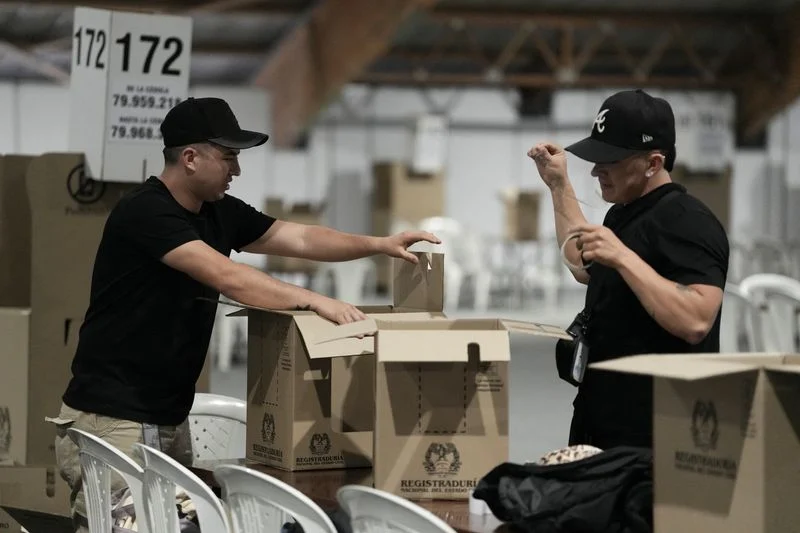

Colombia votes in runoff pitting leftist reformer against law-and-order newcomer
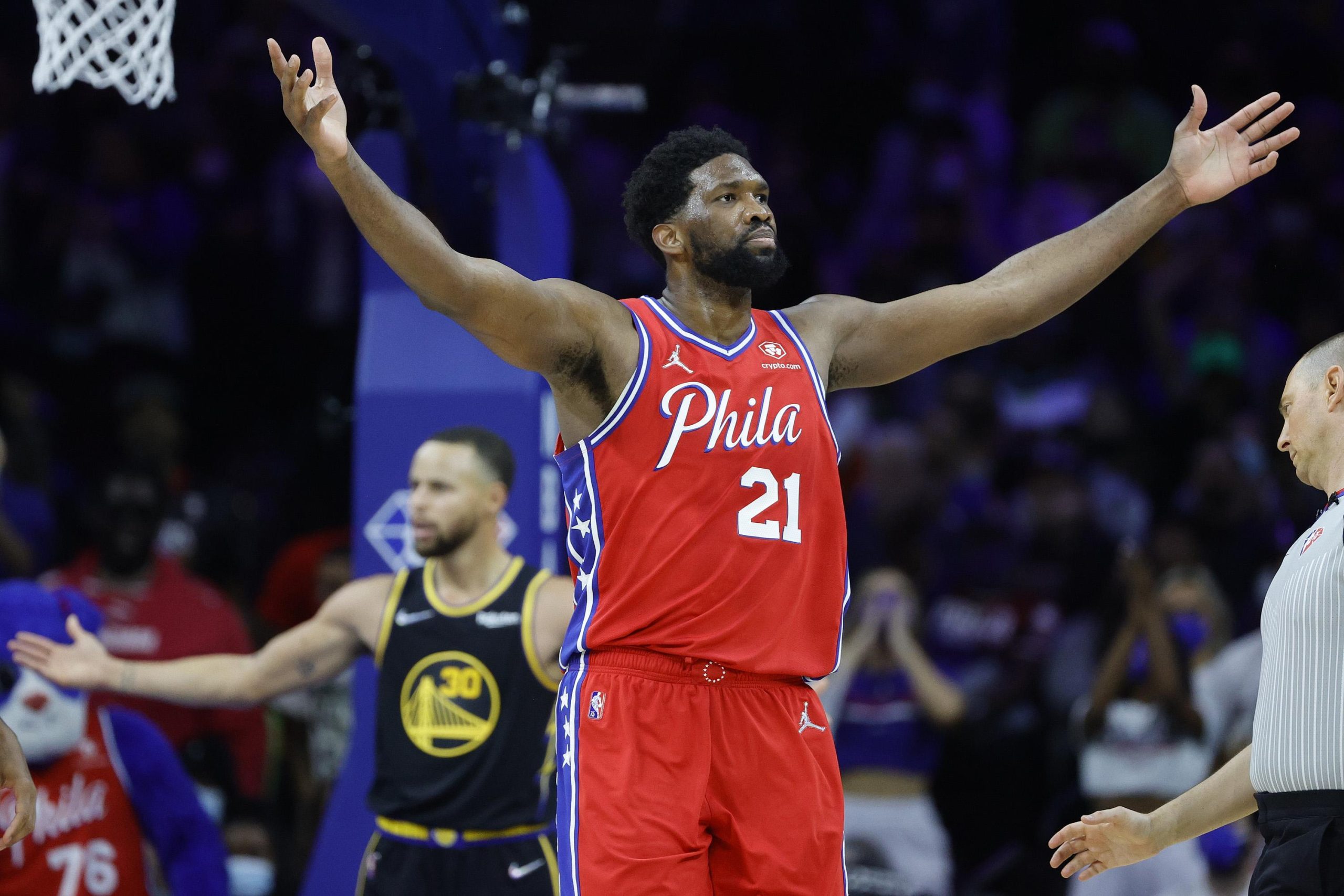
The NBA offseason is heating up across the Atlantic Division, with the Boston Celtics still wrestling with whether to pursue Milwaukee Bucks superstar Giannis Antetokounmpo, the Philadelphia 76ers signaling they intend to build around an aging but still productive Joel Embiid, and the defending champion New York Knicks facing difficult financial decisions despite their first title in over five decades.
Boston’s High-Stakes Dilemma
Jaylen Brown is coming off arguably the best season of his career, earning All-NBA honors for the second time while remaining firmly in his prime. Trading a player of that caliber for a star on the other side of 30 always carries some risk. At the same time, Boston could be looking at a classic sell-high opportunity.
The Celtics’ season ended in stunning fashion after blowing a 3-1 first-round series lead to Philadelphia. As the series progressed, Boston had no answer for Joel Embiid, who averaged 28.7 points, 8.7 rebounds, and 7.3 assists over the final three games. The collapse exposed Boston’s need for more size, physicality, and star power in the frontcourt. There are few players in basketball capable of addressing those shortcomings more dramatically than Antetokounmpo.
Any potential Giannis deal would likely force the Celtics to weigh the value of young assets such as Hugo Gonzalez against the immediate championship upside Antetokounmpo would provide, according to The Athletic’s Jay King.
A Complicated Negotiating Posture From Boston
Despite the persistent reports linking Boston to Antetokounmpo, recent reporting suggests the Celtics are approaching any potential deal cautiously. NBA insider Jake Fischer reported that Boston is reluctant to attach much more alongside Brown in a potential Antetokounmpo deal. The Celtics understand that any realistic path toward acquiring the two-time MVP likely begins with their 29-year-old All-NBA wing, but they have reportedly established a high threshold for how much additional talent and draft capital they are willing to surrender.
That cautious posture comes as Milwaukee appears to be using a competing offer to drive up the price. The perception around the league is that the Bucks are operating as though they have a passable trade offer from the Miami Heat and are attempting to see if they can improve upon it before the start of the draft, assuming they still view that as a self-imposed deadline. Miami’s offer is reportedly built around Tyler Herro, Kel’el Ware, Jaime Jaquez Jr., and the 13th overall pick, with more draft picks and players potentially included as well. Fischer has also heard that the Bucks would like to send out Bobby Portis as part of any Giannis trade.
Notably, recent reporting suggests Milwaukee may have genuine interest in Brown himself rather than simply viewing him as a mechanism for acquiring more draft assets — a distinction that, if accurate, could meaningfully shift the calculus for both franchises.
Philadelphia’s Commitment to Embiid
Unlike Boston’s open-ended star pursuit, the Sixers appear to have settled on a clear, if more conservative, plan for their own franchise centerpiece. The Sixers don’t appear to have many alternatives when it comes to Joel Embiid. In a recent mailbag, Gina Mizell of The Philadelphia Inquirer suggested Philadelphia is unlikely to find a trade market for the former MVP given his contract and ongoing injury concerns. Instead, the organization appears committed to finding ways to maximize Embiid’s availability moving forward.
That commitment is grounded in encouraging on-court evidence from this past season. The good news is that when Embiid played for the Sixers this season, he looked nearly as good as ever, at least on the offensive side of the floor, according to Keith Smith’s offseason preview for Spotrac. Paul George also had strong stretches of play after his return from suspension.
However, the team’s options to add quality depth this summer are limited, and it’s likely that they pick up three players on team options, bring back one of Kelly Oubre Jr. or Quentin Grimes, and fill out their remaining roster spots with veteran minimum deals.
New York’s Apron Squeeze
For the Knicks, the challenge looks different entirely: managing the financial consequences of success rather than searching for a path back to contention. Knicks owner James Dolan’s comments about looking to avoid the second apron have raised eyebrows around the league, according to James L. Edwards III of The Athletic, who notes that while the penalties for going into the second apron are indeed onerous, teams with the ability to win the championship should be more open to operating in that range.
Six players from this year’s championship team will be free agents this summer: Mitchell Robinson, Landry Shamet, Jordan Clarkson, Ariel Hukporti, Mohamed Diawara, and Jeremy Sochan. Edwards predicts that Diawara will be back next season after a strong rookie year, but the futures of others — especially New York’s two highest-profile free agents, Robinson and Shamet — are less clear.
Jose Alvarado picking up his $4.5 million player option would further tighten the financial picture, which is why Edwards speculates that the New York native could decline his option and re-sign on a multiyear deal with a lower starting salary instead.
Ultimately, Dolan’s edict suggests that one or both of Robinson or Shamet won’t be back next season, unless the team trades a player already on a guaranteed deal — or the Knicks owner changes his mind about surpassing the second apron.
An Internal Celtics Question Beyond Brown
Beyond the financial and roster calculations facing all three franchises, Boston’s decision also carries a significant internal relationship dimension tied to the team’s other star. As the Celtics weigh how to improve their roster to compete with the champion Knicks, their decision on whether to enter the Antetokounmpo sweepstakes or keep their Tatum-Brown tandem intact has set the tone for an intriguing offseason of change. Jayson Tatum, who returned from a ruptured Achilles earlier than expected last season, is widely expected to be consulted, even informally, given how directly any Giannis trade would reshape the roster around him.
With the NBA Draft fast approaching and Milwaukee reportedly working against a self-imposed deadline to finalize a deal, the Celtics face a genuinely consequential decision in the coming days: whether to part with their All-NBA wing in pursuit of a two-time MVP, or to keep their existing core intact and look elsewhere to address the frontcourt deficiencies exposed in their playoff collapse against Philadelphia. Meanwhile, the Sixers appear set on a steadier, lower-variance path centered on maximizing Embiid’s health and availability, while the Knicks will need to navigate one of the more complex financial offseasons of any recent championship team, with at least one significant free agent departure looking increasingly likely as Dolan holds firm on avoiding the second luxury tax apron.
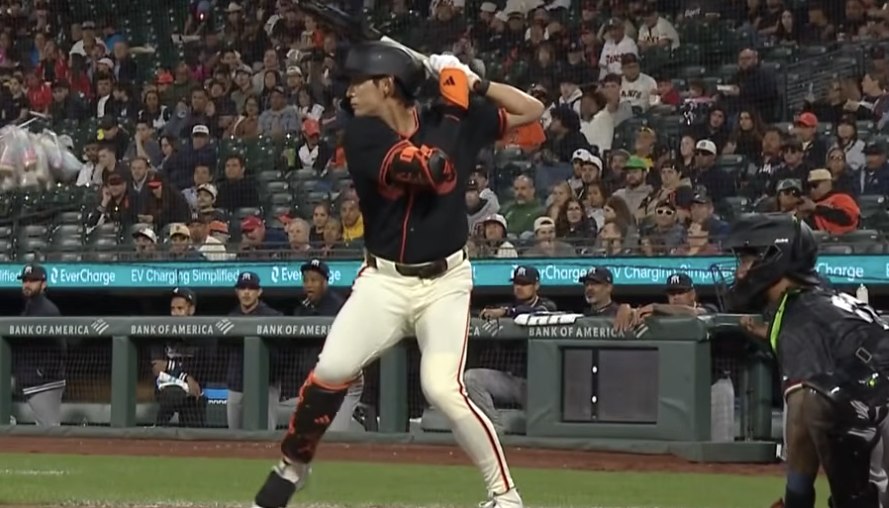
MIAMI — San Francisco Giants outfielder Lee Jung-hoo continued his strong debut Major League Baseball season, collecting two hits in a 6-3 loss to the Miami Marlins on Saturday and narrowing the gap with the National League batting leader to a single point.
Lee went 2 for 4 with two doubles and two runs scored, raising his batting average to .331 through 260 at-bats. The performance came as the Giants committed four errors in the defeat at loanDepot park.
The 27-year-old Korean star led off the second inning with a double off Marlins starter Max Meyer, then added another two-bagger in the eighth against reliever Cade Gibson. His consistent contact and extra-base power have been hallmarks of his transition to the major leagues.
Miami’s Otto Lopez, currently the National League batting leader, went 1 for 5, maintaining a .332 average. The slim margin of .001 between the two players underscores the competitiveness of the race as the season progresses toward its midpoint.
Lee’s two doubles contributed to San Francisco’s offensive output, but defensive miscues proved costly. The Giants’ errors allowed Miami to capitalize on opportunities and secure the victory despite Lee’s contributions.
The South Korean native has adapted remarkably well to Major League Baseball since signing with the Giants. His plate discipline and ability to drive the ball to all fields have drawn praise from teammates and coaches. The two-hit game marked another step in his development as a consistent offensive threat.
Giants manager Bob Melvin highlighted Lee’s growth. The outfielder’s work ethic and willingness to learn have impressed the coaching staff as he navigates the challenges of his first full major league campaign.
Lopez has been a revelation for the Marlins this season, establishing himself as a steady presence in the lineup. His ability to make consistent contact has kept him atop the batting average leaderboard for much of the year.
The tight race between Lee and Lopez adds intrigue to the National League batting title pursuit. With several months remaining in the regular season, both players will face pressure to maintain their high averages while their teams compete for playoff positioning.
Lee’s performance comes amid a challenging stretch for the Giants. The team has dealt with injuries and inconsistency but remains competitive in the National League West. His contributions provide stability in the lineup during difficult periods.
The Marlins capitalized on San Francisco’s defensive lapses to secure the win. Despite the loss, the game showcased baseball’s unpredictability and the importance of fundamental execution across all nine innings.
As the season unfolds, Lee’s adjustment to major league pitching continues drawing attention. His success reflects broader trends of international players making significant impacts in Major League Baseball. Asian talent has enriched the league’s diversity and competitiveness.
The Giants’ front office invested heavily in Lee during the offseason, viewing him as a cornerstone for their lineup. His early performance validates that decision while raising expectations for continued production.
Lopez’s emergence as a batting leader represents another success story for player development within the Marlins organization. His consistency provides a foundation for Miami’s lineup as the team navigates a rebuilding phase.
The batting race adds narrative depth to the 2026 season. With multiple contenders capable of challenging for the title, fans can expect compelling storylines as players pursue individual excellence amid team objectives.
Lee’s two doubles demonstrated his ability to drive the ball with authority. His plate approach combines patience with aggressive swings when pitches enter his zone, characteristics that have defined successful major league hitters.
The Giants will look to build on Lee’s contributions as they face a demanding schedule. Consistent offensive production from their outfield remains crucial for playoff aspirations in a competitive division.
For the Marlins, the victory provided a much-needed boost. Strong pitching and timely hitting helped overcome San Francisco’s offensive threats while capitalizing on defensive opportunities.
Baseball’s international appeal continues growing through players like Lee. His success bridges cultural gaps while inspiring young athletes in South Korea and across Asia to pursue major league dreams.
As the season reaches its midpoint, both Lee and Lopez will face increased scrutiny. Maintaining high batting averages requires sustained focus and adaptation to opposing strategies throughout the long campaign.
The Giants’ loss highlighted areas needing improvement, particularly defensive fundamentals. Addressing such issues will be critical as the team positions itself for a strong second half.
Lee’s performance provides optimism for San Francisco fans. His ability to produce in crucial situations makes him a valuable asset as the Giants pursue postseason qualification.
The close batting race promises continued excitement. With Lee trailing by the slimmest of margins, every at-bat carries significance as players chase individual honors alongside team success.

Glenn Spacht, 79, and wife, Carole Ann, 78, moved to The Admiral at the Lake in Chicago more than four years ago from Florida, when he was no longer able to care for her Alzheimer’s disease.
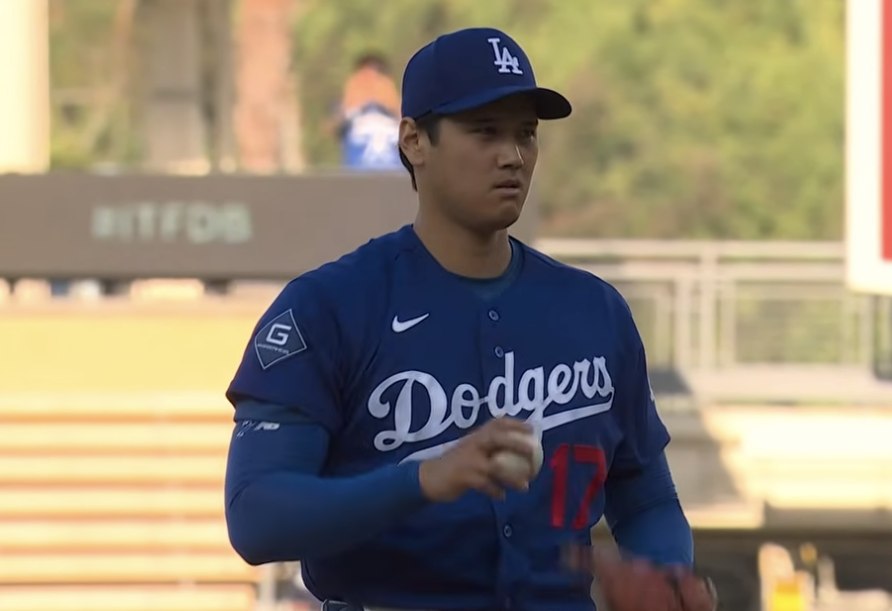
With the 2026 MLB season past its midpoint, several significant injury developments have emerged involving some of the league’s biggest names. Here is a breakdown of the five most notable injury storylines currently shaping rosters across the league.
1. Ronald Acuña Jr. Faces an Uncertain Timeline
The Atlanta Braves are proceeding with caution regarding the return timeline for their star outfielder. Braves manager Walt Weiss indicated that it will be some time before Ronald Acuña Jr. is back on an MLB field. Weiss noted that the Braves will exercise caution with Acuña Jr., as this is the second time that he’s injured his hamstring in that particular spot. Acuña Jr. was placed on the IL with a Grade 1 hamstring strain last week.
The recurring nature of the injury appears to be the central factor driving Atlanta’s conservative approach, with the organization seemingly unwilling to rush their star back onto the field given the history of hamstring trouble in that same location.
2. Shohei Ohtani Pitches Through Knee Inflammation
Despite ongoing knee concerns, Los Angeles Dodgers two-way star Shohei Ohtani has continued taking the mound, with the team now actively managing his workload around the lingering issue. Dodgers two-way player Shohei Ohtani picked up a win on June 17 against the Rays. However, Ohtani was doing so as he continues to deal with knee inflammation from the injury he suffered last week. Manager Dave Roberts indicated that Ohtani’s knee will need to be managed moving forward.
The situation adds a layer of uncertainty to one of the most closely watched storylines in baseball this season, given Ohtani’s historic two-way workload and the Dodgers’ careful, six-man rotation approach designed specifically to protect his arm and overall health.
3. Max Scherzer Returns to the Injured List
Veteran right-hander Max Scherzer’s season has hit another setback after a recurrence of a previous issue forced him from his scheduled turn in the rotation. Max Scherzer was scratched from his scheduled start versus the Red Sox on the 17th, as he is now back on the injured list. The Toronto Blue Jays placed Scherzer on the injured list with back spasms, marking the latest interruption in what has been an injury-affected campaign for the future Hall of Famer.
4. Gleyber Torres Lands Back on the IL With Oblique Strain
The Detroit Tigers have lost a key infielder to a recurring type of injury that has sidelined numerous players across the league this season. Tigers infielder Gleyber Torres is back on the IL with an oblique injury. Torres was placed there on June 18, retroactive to June 16, with a left oblique strain, removing an important offensive piece from Detroit’s lineup as the team continues its push through the second half of the season.
5. A Wave of Pitchers Moved to the 60-Day IL
Beyond the individual headline cases, several pitchers across multiple organizations were formally transferred to longer-term injured list designations this week, reflecting the cumulative toll of a long MLB season on pitching staffs. Cole Ragans and Spencer Strider were transferred to the 60-day IL, dealing with an elbow impingement and elbow inflammation, respectively. Andrew Nardi of the Marlins, Griffin Conine of the Marlins, Welinton Herrera of the Rockies, and Robert Garcia of the Rangers were also transferred to the 60-day IL, a procedural move that typically signals an extended absence is now expected for each player.
Other Injuries Worth Watching
Beyond the top five storylines, several other significant injuries have continued to develop across the league in recent days. Braves outfielder Michael Harris II and Mariners outfielder Luke Raley both sat out with back issues, while Mariners outfielder Julio Rodríguez was removed from a game against the Orioles on the 17th with an unknown, apparent injury — a situation that will require further evaluation before his status becomes clear.
In Los Angeles, the Dodgers continue managing an unusually deep list of pitching injuries. Catcher Will Smith, dealing with a stiff neck, went through a full workout on June 16 but remains unlikely to be activated as soon as he becomes eligible. Outfielder Teoscar Hernández, recovering from a left hamstring strain, is set to take part in a simulated game before potentially beginning a rehab assignment. Right-hander Tyler Glasnow, dealing with lower back spasms, has made little progress in his rehab and is currently not throwing, with an expected return now pushed to mid-July at the earliest.
Detroit Tigers ace Tarik Skubal, recovering from surgery to remove loose bodies from his elbow, indicated he felt great after a recent bullpen session and could be in line to make a rehab start with Triple-A Toledo in the coming days — a notable development given Skubal’s standing as one of the most coveted names on this summer’s trade market, contingent on his health.
Cincinnati Reds shortstop Elly De La Cruz, dealing with a hamstring strain suffered in late May, was expected to be sidelined for two to four weeks, according to manager Terry Francona, representing a significant loss for the Reds’ infield during that stretch.
With the trade deadline now less than two months away, the health status of several of these players — particularly Skubal, given his rumored availability, and Ohtani, given his unprecedented two-way workload — will likely continue drawing significant attention from front offices, fantasy baseball players, and fans alike. Teams across the league will be closely monitoring rehab assignments and return timelines in the coming weeks as rosters continue adjusting to accommodate the wave of injuries that has affected nearly every contender’s pitching staff and lineup depth heading into the second half of the season.

FOX Business’ Madison Alworth joins ‘Varney & Co.’ to report on parents’ growing fears that AI deepfake videos like OpenAI’s Sora are blurring reality for kids and raising major concerns about their mental health.
A teething toy that has been sold on Amazon for years is being recalled after at least three reports of choking, according to the U.S. Consumer Product Safety Commission (CPSC).
The GOPO TOYS Pull String Teething Toys “violate the mandatory standard for toys because the silicone strings are smaller and longer than permitted,” the commission said in an alert. “The strings can reach the back of children’s throat and become lodged, posing a serious risk of respiratory distress and deadly choking hazard.”
The recall was issued on Thursday and includes more than 70,000 units of the product.
Consumers should immediately stop children from using the toy and contact GOPO Toys for a full refund, the commission said, adding that consumers will be asked to destroy it by cutting all the silicon strings and writing “DESTROYED” in permanent marker on the toy.
CHOKING EMERGENCY? HOW TO DO THE HEIMLICH MANEUVER — AND WHEN TO AVOID IT

A teething toy that has been sold on Amazon for years is being recalled after at least three reports of choking, according to the U.S. Consumer Product Safety Commission. (U.S. Consumer Product Safety Commission / Unknown)
A photo should be sent to recalls@gopotoys.com and the teething tooth thrown out.
The toys were sold on Amazon between August 2023 and March 2026 and were distributed from San Bernardino, California, and made in China.
500K PACKAGES OF MACARONI AND CHEESE SOLD AT ALDI RECALLED OVER UNDECLARED SOY LECITHIN

The toys were sold on Amazon between August 2023 and March 2026 and were distributed from San Bernardino, California, and made in China. (U.S. Consumer Product Safety Commission)
At least three children had the toy reach the back of their throat, “resulting in respiratory distress or choking,” the CPSC said.
| Ticker | Security | Last | Change | Change % |
|---|---|---|---|---|
| AMZN | AMAZON.COM INC. | 244.39 | +6.89 | +2.90% |
Earlier this month, 40,000 reusable baby bottles sold at Walmart were recalled over a potential choking hazard.
And in January, the CPSC announced a recall of another teething toy that also had a choking risk after dozens of incidents.

The recall was announced by the United States Consumer Product Safety Commission. (Pavlo Gonchar/SOPA Images/LightRocket via Getty Images)
Approximately 6,800 Yetonamr pull-string teething toys were recalled at the time due to violations of mandatory toy safety standards.
CLICK HERE TO DOWNLOAD THE FOX NEWS APP
The Yetonamr toy is similar in design to the GOPO TOYS product.

Moschino names Loris Messina and Simone Rizzo as creative directors

Polymarket Accused of Using Fake Winning Bets to Fuel Viral Growth

Courteney Cox Honors Late ‘Friends’ Director James Burrows


-

 Business7 days ago
No Jackpot Winner as $257 Million Prize Rolls Over to $269 Million Monday Draw
-

 Fashion2 days ago
Weekend Open Thread: Miami – Corporette.com
-
 Crypto World6 days ago
Zimbabwe Requires Crypto Businesses to Register Annually Under New FIU Regulations
-
 Business1 day ago
Wall Street Week Ahead: Investors see Micron earnings as pulse check of AI rally momentum
-
 Entertainment7 days ago
Matt Damon’s Viral Sci-Fi Thriller Has Taken Over HBO Max
-

 Tech7 days ago
As AI companies race to go public, who else is along for the ride?
-

 Business7 days ago
Anthropic staff to meet White House officials next week, Axios reports
-

 Crypto World1 day ago
HIVE shares jump as $220M AI deal speeds Bitcoin mining pivot
-
 Crypto World7 days ago
Bitcoin could crash to $48,000, if this historical pattern is triggered
-
 NewsBeat7 days ago
what doctors are seeing in ebike crashes
-
 NewsBeat7 days ago
Warning of disruption as Cardiff Crossrail works to start
-
 NewsBeat7 days ago
Tributes to former deputy head teacher at Cambridge school among death and funeral notices
-
 Entertainment7 days ago
Kate Middleton Glare Goes Viral After Kids Booed At Royal Event
-

 Politics7 days ago
“Israel’s” ban on ICRC visits ruled illegal, but Knesset moves to stop them permanently
-

 News Videos7 days ago
Financial Accounting | Last Day Revision Strategy and Booster | CMA Inter – June 2026
-

 Crypto World7 days ago
XRP ETFs Outperform As Bitcoin And Ethereum Funds Extend Outflow Trend
-

 Tech6 days ago
Over 400 Arch Linux packages compromised to push rootkit, infostealer
-

 Business7 days ago
Invesco Quality Income Fund Q1 2026 Commentary
-

 NewsBeat7 days ago
Singer Oliver Tree dies aged 32 in helicopter crash in Brazil
-
 Crypto World7 days ago
Market Preview: SpaceX (SPCX) IPO Record, Federal Reserve Meeting, and Iran Nuclear Agreement
You must be logged in to post a comment Login