

Business
5 big analyst AI moves: Buy Samsung pullback, Nvidia back as top chip pick



Tencent has reportedly begun internal testing of QClaw

The escalation of military conflict between the United States and Iran has driven global oil prices above $100 per barrel, sparking a significant surge in the U.S. dollar as investors pivot toward safe-haven assets.
This geopolitical instability has disrupted energy supplies in the Middle East and triggered a sell-off in global stock markets and major international currencies, leading to widespread concerns regarding prolonged inflation and a potential slowdown in global economic growth.
Key Points
- The U.S. dollar reached a three-month peak against the euro and saw sharp gains against the yen, sterling, and the Australian and New Zealand dollars.
- Safe‑haven shift: The dollar is outperforming gold as the preferred safe‑haven asset during this crisis.
- The surge in global oil prices has exerted significant downward pressure on the Thai baht, driven by Thailand’s status as a net oil importer.
- Brent and U.S. crude futures jumped to over $108 per barrel, with analysts warning that prices could reach $150 if Gulf energy producers are forced to shut down exports.
- Approximately one-fifth of the world’s crude and natural gas supply has been suspended due to Iranian attacks on energy infrastructure and shipping in the Strait of Hormuz.
- Iran has signaled a continued hardline stance by naming Mojtaba Khamenei as the successor to the Supreme Leader amidst the ongoing conflict with the U.S. and Israel.
The surge in global oil prices has exerted significant downward pressure on the Thai baht, driven by Thailand’s status as a net oil importer. High energy costs increase the country’s import bill, which threatens to flip its trade surplus into a deficit and encourages capital flight toward safe-haven assets like the U.S. dollar.
Currency impact
- The U.S. dollar surged to a three‑month high against major currencies (euro, yen, sterling, AUD, NZD).
- The Thai baht weakened sharply due to Thailand’s reliance on oil imports.
Financial markets are increasingly concerned that high energy prices will act as a “tax” on growth and stoke inflation, potentially preventing central banks from lowering interest rates. Economic repercussions are being felt globally, evidenced by a 1.6% drop in S&P 500 futures and a projected 40 billion baht revenue loss for the Thai tourism industry.
Thai economy effects
- Rising oil costs threaten to flip Thailand’s trade surplus into a deficit.
- Tourism revenue losses projected at 40 billion baht.
- Kasikorn Research warns the baht could slide to ~33 per USD if oil stays above $100.
- Bank of Thailand estimates each $10/barrel increase cuts GDP by 0.1–0.15 percentage points.
Kasikorn Research Center(K-Research) warns that if oil prices remain above $100 per barrel, the Thai bahtcould slide to nearly 33 to the dollar. This volatility is intensified because Thailand spends roughly 5% to 6% of its GDP on oil imports, a higher proportion than its Southeast Asian neighbors. Bank of Thailandgovernor Vitai Ratanakorn stated that these price hikes directly impact the economy, with every $10 increase per barrel potentially shaving 0.1 to 0.15 percentage points off the GDP.
Global repercussions
- Stock markets fell (S&P 500 futures down 1.6%).
- Economists warn of stagflation risks (high inflation + stagnant growth).
- Shipping costs and war‑risk premiums are rising.
The escalating Middle East conflict has triggered significant volatility in global energy markets, characterized by surging oil and gas prices and the effective closure of the vital Strait of Hormuz. Following U.S. and Israeli strikes on Iran, international benchmark oil prices like Brent crudehave jumped by nearly 30% in a week, surpassing $110 per barrel as traders fear a long-term disruption to the 20% of global seaborne oil that transits the region.
Energy market disruption
- Brent and U.S. crude futures jumped past $108 per barrel, with warnings prices could hit $150 if Gulf exports halt.
- About 20% of global crude and natural gas supply is suspended due to Iranian attacks in the Strait of Hormuz.
Economists warn that the current crisis could lead to global stagflation, a combination of high inflation and stagnant economic growth, particularly if energy infrastructure or shipping routes remain blocked for an extended period. While some analysts believe a global supply surplus may moderate long-term impacts, the immediate fallout includes skyrocketing maritime freight costs, increased war-risk premiumsfor shipping, and a shift in investor sentiment toward safe-haven assets like gold. National governments are responding by tapping strategic reserves and seeking alternative fuel sources from the U.S. and West Africa to mitigate the energy price shock.
Other People are Reading
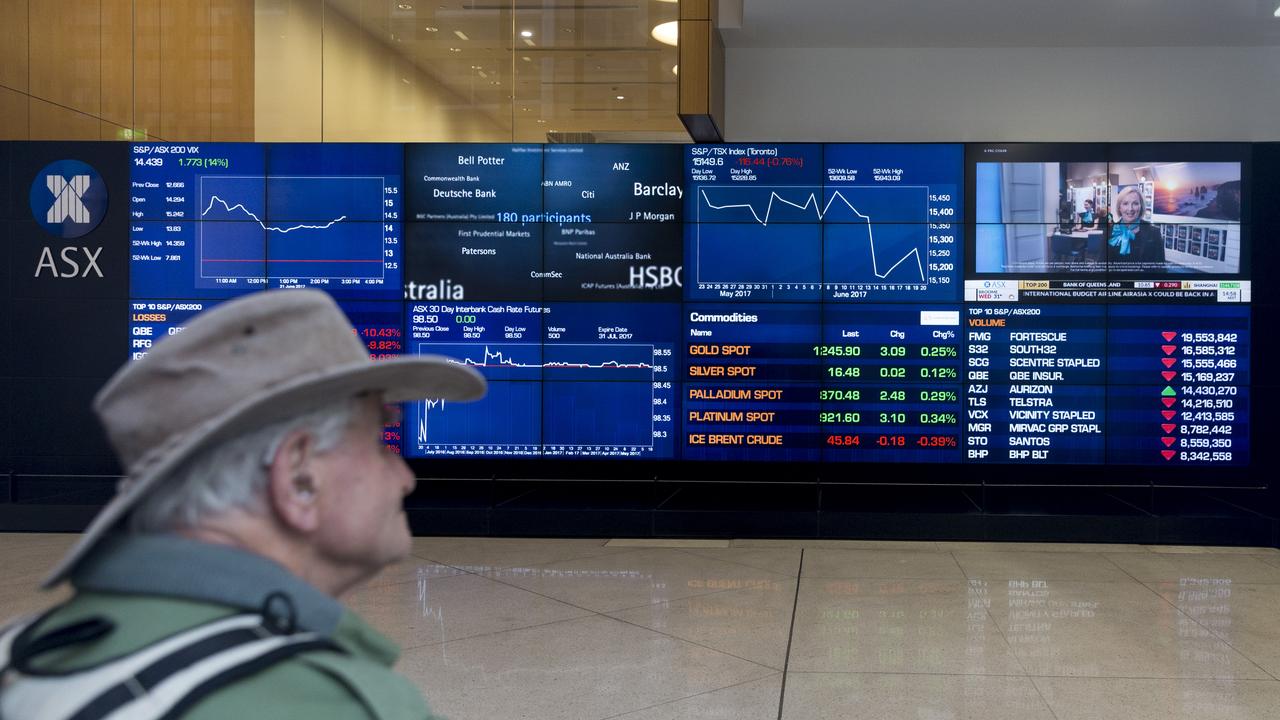
The local share market has suffered its worst single-day loss in 11 months amid the widening war in the Middle East and a spike in oil prices.
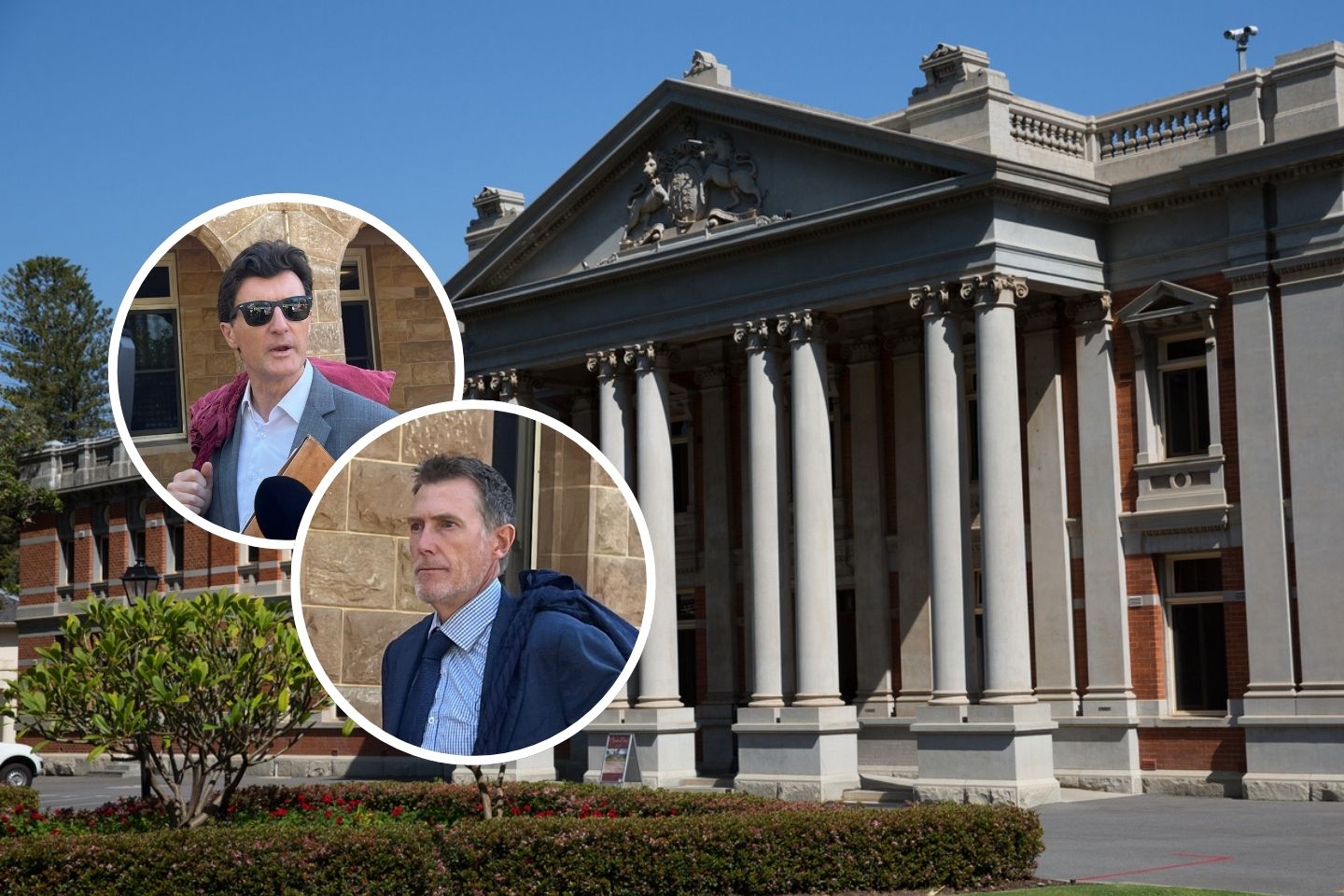
Investors of a failed housing scheme will have to wait more than a year for a trial against three men linked to Sterling First to play out in the Supreme Court.

The risk-off mood has been visible across asset classes. Asian markets witnessed steep declines, with Japan’s benchmark plunging sharply while Hong Kong and mainland Chinese indices also slipped. Futures for Indian equities signalled a weak start as investors reacted to the negative global cues and uncertainty surrounding the trajectory of the conflict.
Market participants say the biggest concern now is that the conflict, which many initially believed would be short-lived, could drag on longer and create broader economic disruptions. According to Rajeev Agrawal from DoorDarshi India Fund, the consequences could be particularly severe if oil prices remain elevated for an extended period.
“This war was initially expected to be short, but things are becoming worse by the day,” Agrawal said, warning that tight oil markets could quickly create problems for many economies, including India.
The sharp fall in global equities has left investors grappling with a critical question: whether to protect capital by booking profits or to use the correction to deploy fresh money.

Rather than reacting impulsively to volatility, Agrawal emphasised the importance of portfolio rotation. “In such situations we rotate our capital,” he said, explaining that investors should gradually sell stocks that appear fully valued and redeploy the proceeds into companies that have become more attractive after the correction.
Periods of broad market stress, he noted, often push down prices across sectors, creating opportunities for long-term investors willing to look beyond near-term turbulence.Agrawal believes that certain sectors could prove relatively resilient despite the challenging macro environment. Financials, for instance, may not be as directly affected by rising oil prices compared to other parts of the economy.
“Financials will of course feel the impact if the economy slows, but the downside can sometimes be exaggerated in such market conditions,” he said, adding that this is where investors can selectively “cherry pick” opportunities.
Another theme he highlighted is renewable energy. With oil prices surging, the push for alternative energy sources could gain momentum, particularly in countries like India that are heavily dependent on energy imports. Investments in renewable energy, he said, could therefore benefit from the current global backdrop.
Even so, Agrawal cautioned against trying to perfectly time the market bottom. “It is very hard to know when the dust will settle,” he said, noting that unexpected developments can quickly change market direction.
Instead, he advocates a disciplined investment approach—maintaining some cash while gradually deploying capital during market declines. Investors should “start nibbling into positions” that have become compelling while also ensuring they retain enough liquidity to act on future opportunities.
In an environment where geopolitical shocks and energy markets are driving volatility, the strategy for investors may not lie in predicting the next market move, but in staying patient, disciplined and prepared to rotate capital as opportunities emerge.


Analysis-Activist threat pushes Japanese companies to unwind cross-shareholdings

Calamos Investments is a diversified global investment firm offering innovative investment strategies including U.S. growth equity, global equity, convertible, multi-asset and alternatives. The firm offers strategies through separately managed portfolios, mutual funds, closed-end funds, private funds, an exchange traded fund and UCITS funds. Clients include major corporations, pension funds, endowments, foundations and individuals, as well as the financial advisors and consultants who serve them. Headquartered in the Chicago metropolitan area, the firm also has offices in London, New York and San Francisco. For more information, please visit www.calamos.com.
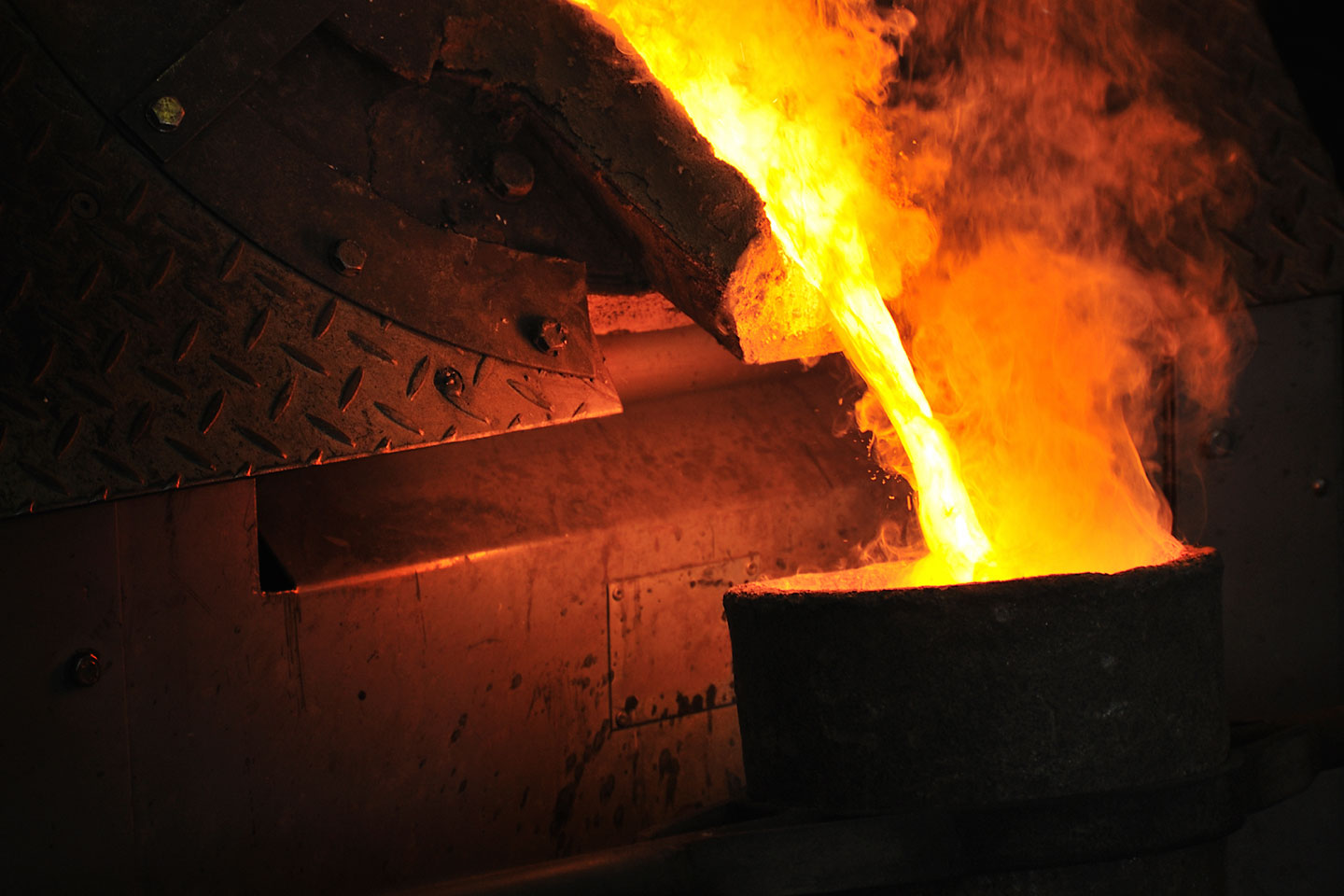
Toubani Resources has achieved a positive final investment decision at its Kobada gold project, following board approval.

Linked Support Solutions has been pulled out of administration by its sole director after the disability support services provider succumbed to heavy financial losses and NDIS registration difficulties.


The Value Portfolio specializes in building retirement portfolios and utilizes a fact-based research strategy to identify investments. This includes extensive readings of 10Ks, analyst commentary, market reports, and investor presentations. He invests real money in the stocks he recommends.
He is the leader of the investing group The Retirement Forum with features including: model portfolios, macro overviews, in-depth company analysis and retirement planning information. Learn more.
Analyst’s Disclosure: I/we have a beneficial long position in the shares of UPS either through stock ownership, options, or other derivatives. I wrote this article myself, and it expresses my own opinions. I am not receiving compensation for it (other than from Seeking Alpha). I have no business relationship with any company whose stock is mentioned in this article.
Seeking Alpha’s Disclosure: Past performance is no guarantee of future results. No recommendation or advice is being given as to whether any investment is suitable for a particular investor. Any views or opinions expressed above may not reflect those of Seeking Alpha as a whole. Seeking Alpha is not a licensed securities dealer, broker or US investment adviser or investment bank. Our analysts are third party authors that include both professional investors and individual investors who may not be licensed or certified by any institute or regulatory body.

James Van Der Beek Honored By Family On First Posthumous Birthday

Dear Dicky – I’m running out of patience over hubby’s hobby
Tencent has reportedly begun internal testing of QClaw


-

 Politics6 days ago
Alan Cumming Brands Baftas Ceremony A ‘Triggering S**tshow’
-
Business3 days ago
Form 8K Entergy Mississippi LLC For: 6 March
-

 Fashion3 days ago
Weekend Open Thread: Ann Taylor
-

 Entertainment7 days ago
Baby Gear Guide: Strollers, Car Seats
-

 Tech4 days ago
Bitwarden adds support for passkey login on Windows 11
-
 Sports4 days ago
499 runs and 34 sixes later, India beat England to enter T20 World Cup final | Cricket News
-

 NewsBeat7 days ago
Is it acceptable to comment on the appearance of strangers in public? Readers discuss
-

 News Videos7 days ago
How to Build Finance Dashboards With AI in Minutes
-

 Sports1 day ago
Three share 2-shot lead entering final round in Hong Kong
-

 Sports1 day ago
Braveheart Lakshya downs Lai in epic battle to enter All England Open final | Other Sports News
-

 Business5 days ago
Guthrie Disappearance Enters Fifth Week as Family Visits Memorial
-

 Crypto World7 days ago
Why Nexo Is Reentering the US After the 2023 Crypto Lending Crackdown
-

 NewsBeat4 days ago
Piccadilly Circus just unveiled ‘London’s newest tourist attraction’ and it only costs 80p to enter
-

 Business13 hours ago
Search for Nancy Guthrie Enters 37th Day as FBI Probes Wi-Fi Jammer Theory
-

 Tech6 days ago
Cynus Chess Robot: A Chess Board With A Robotic Arm
-

 Entertainment2 days ago
Hailey Bieber Poses For Sexy Selfies In New Luscious Lip Thirst Traps
-

 Politics3 days ago
Top Mamdani aide takes progressive project to the UK
-
 NewsBeat7 days ago
Handcuffed presenter Jonathan Ross’ sweet admission about marriage to wife of 38 years
-
 Sports6 days ago
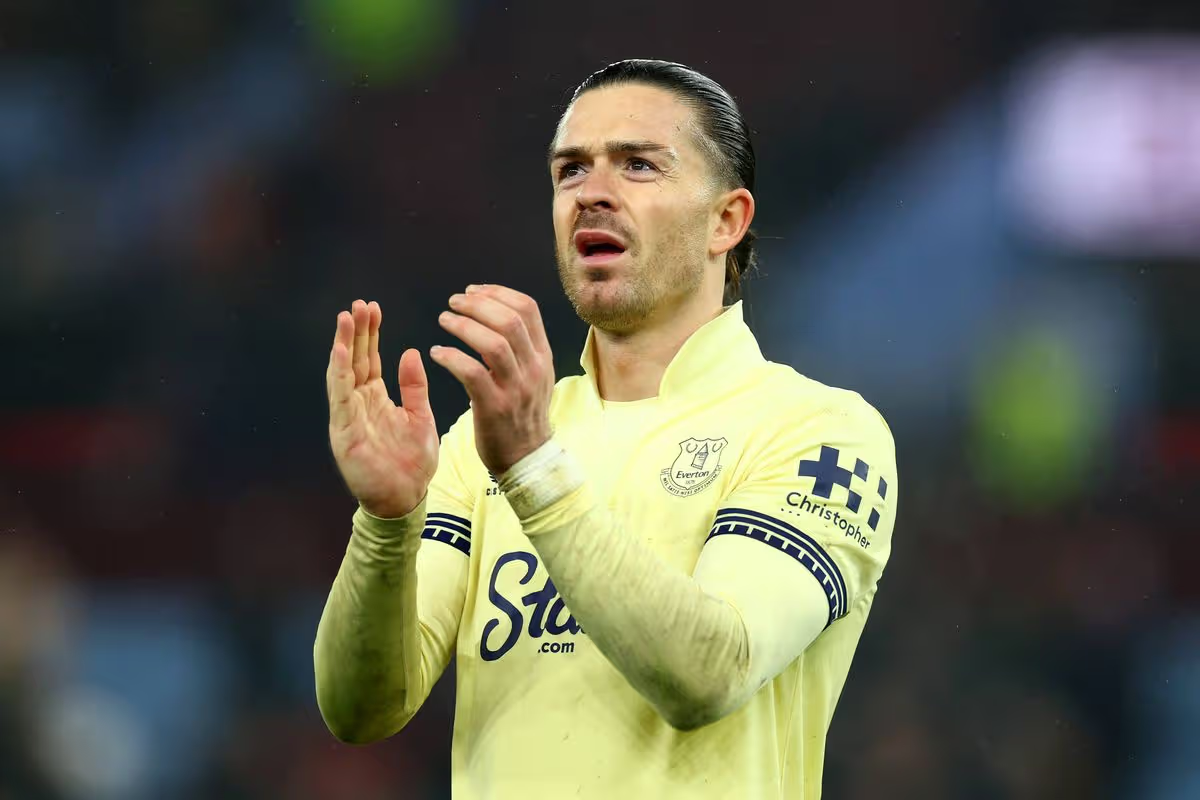
Jack Grealish posts new injury update as Man City star enters crucial period
-

 Crypto World4 days ago
New Crypto Mutuum Finance (MUTM) Reports V1 Protocol Progress as Roadmap Enters Phase 3