
Business
A Career Built on History, Images, and Discipline


Alysia Steele did not build her career overnight.
It was shaped over decades of showing up, meeting deadlines, and doing the work when no one was watching. Her path moved through newsrooms, classrooms, archives, and communities. At each step, she focused on craft, responsibility, and people.
Today, Steele is recognized as a leader in photojournalism and oral history. Her work preserves stories that might otherwise be lost. It also reflects how long-term careers are built in media and academia.
Early Life and the Discipline That Shaped Her Career
Steele grew up in Harrisburg, Pennsylvania. Raised primarily by her paternal grandparents, they taught her structure and accountability.
“School and grades came first,” she says. “Hard work was a must. Respecting elders was non-negotiable.”
She attended the now defunct Harrisburg Arts Magnet School and focused on photography and visual storytelling. Mornings were spent in college-prep classes at her high school, John Harris High School, and afternoons were dedicated to learning composition, light, and developing film. By her junior year of high school, Steele was already winning state photography awards and earning scholarships.
She also earned a spot at the prestigious Pennsylvania Governor’s School for the Arts, where she studied photography during the summer at Bucknell University as a teenager. Still, her path forward was not smooth.
Education Earned Through Persistence
Steele left college early after a difficult experience at a rural Pennsylvania campus. The environment was isolating, and the experience left a lasting mark.
“I was smart, but scared,” she says. “There was a lot of racial trauma. I wasn’t ready then. I wore a baseball cap that covered my face. Many times I was the only student of color in any given class I enrolled in.”
She had earned an associate degree in photography, where she learned studio, food, event, and portrait photography. Steele worked with formats from 35mm to large-format cameras and spent long hours in darkrooms developing film and printing her own photographs.
She later completed her bachelor’s degree in journalism, returning to the same school she once left. The turnaround was significant.
“I went back to face my fears,” Steele says. “I didn’t want that moment to define me.”
She completed competitive photography internships in several Michigan newsrooms, where speed and accuracy mattered. These roles prepared her for high-pressure environments in larger newsrooms.
Building Authority in Newsrooms
Steele spent years working in daily newspapers. She started as a staff photographer and later moved into picture editing and leadership roles. Her assignments ranged from local features to international reporting.
She was part of The Dallas Morning News photo team that earned the 2006 Pulitzer Prize for Breaking News Photography for its coverage of Hurricane Katrina.
“I was watching the news at the picture desk – I was one of two night photo editors that worked at night, and the storm seemed bigger and indicated it would hit land harder than anticipated on the night I was working, Steele explained. “I called my boss, William Snyder, the director of photography, and advised him I thought we needed to move to New Orleans earlier than we originally planned. He told me to make a decision. So, I did, and called staff to travel to New Orleans. As a result, we captured when the storm hit and its initial impact.”
“In newsrooms, decisions are made fast,” she says. “You learn to trust your judgment and your team.”
She later became deputy director of photography at another major metropolitan paper, the Atlanta Journal-Constitution. In that role, she helped managed staff, hired interns and freelance photographers, and elevated visual standards for the paper.
Leadership, she says, came down to consistency. “You can’t cut corners and expect good results.”
From Journalism to Historical Record
In 2015, Steele published Delta Jewels: In Search of My Grandmother’s Wisdom. The book combined formal portraits with oral histories of elder Black church women across the Mississippi Delta. She traveled 6,000 miles to interview 54 elder women about their life experiences during Jim Crow in Mississippi. It is the only book that highlights a collective of Black women’s living experience in Mississippi, the epicenter for the Civil Rights Movement. Steele preserved stories that were rarely documented.
Activist Gloria Steinem endorsed the book. Best-selling author Roy Blount, Jr., endorsed the book. Civil rights activist Reena Evers, the daughter of Medgar and Myrlie Evers, endorsed the book. Steele went on to complete 96 speaking engagements over six years, including international, national, regional, and local academic conferences, churches, community centers, museums, and universities.
“The women trusted me with their stories,” Steele says. “That responsibility stays with you.”
The book earned a top Humanities award for cultural preservation in Mississippi. It also marked a shift in her career toward long-form historical work.
She later completed a Ph.D. in U.S. History, focusing on the Civil Rights Movement and Black women’s labor. Her dissertation became her second book, Traces of Elaine, which is under contract and scheduled for publication in 2028.
Teaching, Leadership, and Long-Term Impact
Alongside her writing, Steele spent more than a decade teaching journalism, multimedia production, podcasting, and layout and design. She became the first Black tenured professor in her The University of Mississippi’s School of Journalism and New Media’s history in 2020.
“I set my own standards,” she says. “I don’t believe in shortcuts for good work.” It was not the most welcoming environment but Steele focused on her work and setting her goals for excellence.
She also founded a national multimedia workshop, Lens Collective, that brought students from a dozen universities together with working, award-winning photojournalists who served as mentors by volunteering their vacation time for the workshop. Steele and the educator cohorts helped secure stories, while Steele managed funding, balanced budgets, and delivered measurable outcomes to the various deans who sponsored the workshop.
Beyond the classroom, Steele continues to teach community history courses and is co-authoring an oral history book with her husband, Bobby D. Steele, Jr. They have spent years interviewing some of the last generation to handpick cotton in Mississippi. Her husband decided to help co-author the book once Steele’s life was threatened for doing this critical work. Some in the state told her to leave the stories alone, but she is persisting because the work has never been done, and people want to talk to her. Their living experiences and memories deserve to be heard.
Work Ethic Over Recognition
Steele defines success in practical terms.
“Being happy with my career and making my family proud,” she says. “My family taught me to be humble and let my work speak for itself. I live by that example every day. I know who I am.”
She is known for finishing tasks early and managing priorities carefully. “I don’t procrastinate,” Steele adds. “I start a task and finish it.”
Time management, she says, was critical to completing her doctorate while working. “I had to stay organized because my study workload was heavy, as well as my normal professorial duties, and I didn’t want to drop the ball on my studies. Earning that doctorate was critically important for me,” she explained.
A Career Built to Last
Alysia Steele’s career reflects long-term thinking. She built credibility by doing the work, not by chasing attention. Her leadership comes from consistency, discipline, and respect for history.
“What we put into the world is what we get back,” she says. “I have more to share.”
For Steele, that approach has created a career with depth, durability, and impact.


The World Bank Group’s EAP Economic Update, released today, reports that economic growth in the East Asia and Pacific (EAP) region is projected to slow in 2026 due to external shocks.
Key points
- 📉 Regional slowdown: Growth in East Asia and Pacific is projected to fall from 5.0% in 2025 to 4.2% in 2026, mainly due to energy shocks from the Middle East conflict, trade barriers, and global uncertainty.
- 🇨🇳 China’s deceleration: China’s growth is expected to drop from 5.0% in 2025 to 4.2% in 2026 and 4.3% in 2027, with weak domestic demand and property sector challenges weighing heavily.
- 🌏 Rest of the region: Growth outside China will slow to 4.1% in 2026 but could rebound to 5.0% in 2027 if geopolitical tensions ease.
- ⚡ Energy shock impact: Countries more dependent on energy imports face greater risks. A sustained 50% rise in fuel prices could cut household incomes by 3–4%.
Regional growth is projected to slow to 4.2% in 2026 from 5.0% in 2025, as the energy shock due to the Middle East conflict compounds the adverse impact of elevated trade barriers, global policy uncertainty, and domestic economic difficulties.
China’s economic growth to slow from 5.0% in 2025 to 4.2% in 2026.
Growth in China, the region’s largest economy, is projected to decelerate from 5.0% in 2025 to 4.2% in 2026 and 4.3% in 2027, as weak domestic demand and property sector challenges persist, and the global slowdown dampens export growth. Growth in the rest of the region will slow to 4.1% in 2026 and is projected to rebound to 5.0% in 2027 as geopolitical tensions ease and uncertainty diminishes.
“Growth in East Asia and Pacific continues to outperform much of the world, even in uncertain times,” said Carlos Felipe Jaramillo, World Bank Vice President for East Asia and Pacific. “Yet, sustaining growth levels requires countries to confront structural challenges and seize the opportunity of the digital age to increase productivity and create more jobs.”
Rising fuel prices may lower regional household incomes
The impact of the Middle East conflict depends on each country’s reliance on energy imports, existing vulnerabilities, and economic policy flexibility. Prolonged and intensified conflict may further increase economic distress and reduce regional growth. A sustained 50 % increase in fuel prices could lead to a 3-4% loss in income for households in the region. Targeted support—for both the poor and the vulnerable and the small and medium enterprises—can help those most in need without fiscal strain.
“The region’s past resilience is remarkable, but present difficulties could increase economic distress and inhibit productivity growth,” said Aaditya Mattoo, World Bank Group Director of Research.
“Measured support for people and firms could preserve jobs today and reviving stalled structural reforms could unleash growth tomorrow.”
The report identifies surging AI-related exports and investment as a bright spot in 2025, especially in Malaysia, Thailand, and Viet Nam. AI could also lead to higher productivity growth, but adoption in EAP remains limited because of gaps in connectivity and skills. Only 13 to 17% of multinational subsidiaries in China and Thailand currently use AI, which is one third of the proportion in industrial countries.
Source : Energy Shock and Uncertainty Slow Growth in East Asia and Pacific
Other People are Reading
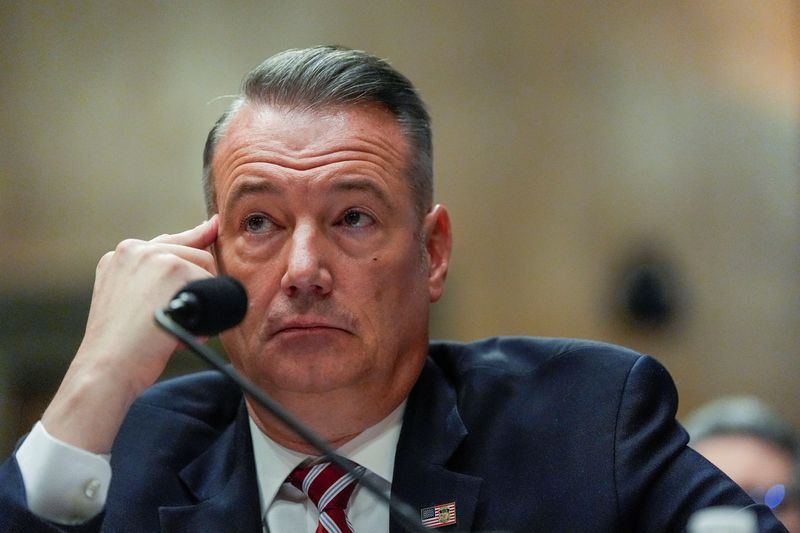

Acting US ICE head Todd Lyons to leave agency at end of May
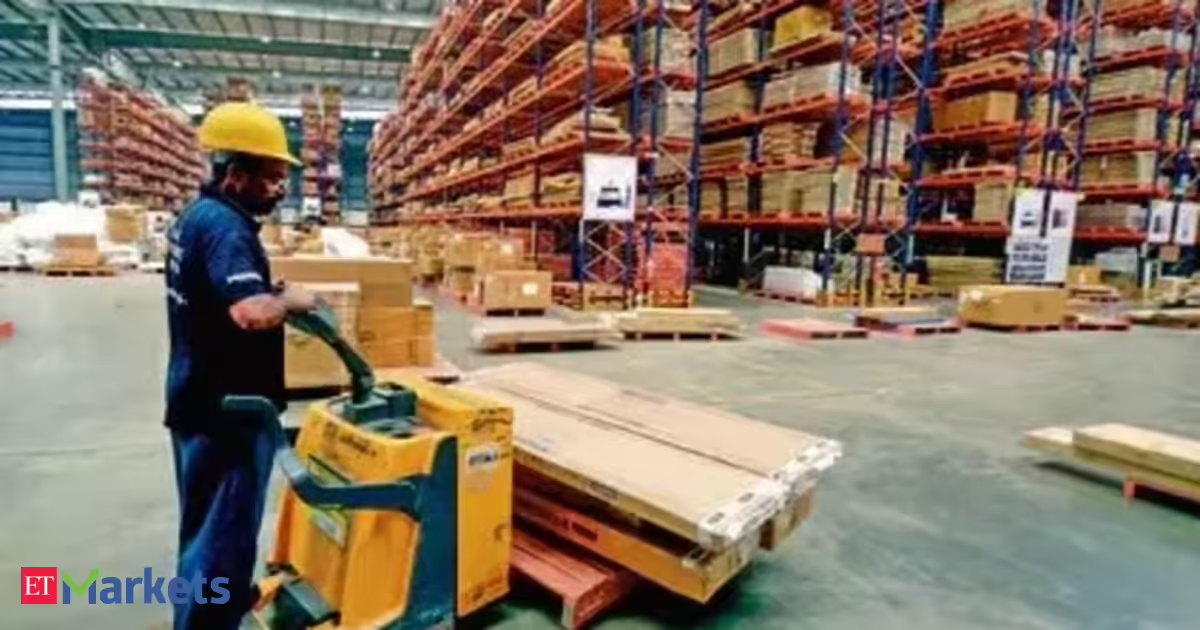
Skyways Air Services, CJ Darcl Logistics, Leap India, Caliber Mining & Logistics, Shiprocket, Horizon Industrial Parks and Yatayat Corporation India Ltd have filed draft red herring prospectuses (DRHPs) with the Securities and Exchange Board of India (Sebi).
Together, these firms are expected to raise roughly ₹8,000-9,000 crore over the next few quarters.
 ET Bureau
Investor Confidence Rises in Sector’s Structural Growth
Horizon Industrial Parks is likely to anchor the fundraising wave with a planned issue size of around ₹2,600 crore, followed by Leap India Ltd and Shiprocket that are planning to raise around ₹2,400 crore each, while Skyways Air Services, CJ Darcl Logistics and Yatayat Corporation India are expected to launch mid-sized offerings.

The upcoming logistics IPO pipeline reflects increasing confidence in the sector’s structural growth story, said Dharmesh Mehta, managing director & CEO — DAM Capital Advisors.
“Achieving India’s projected growth trajectory will be difficult without a meaningful scale up of the logistics eco system, which in turn requires access to growth capital,” he said.Skyways Air Services, CJ Darcl Logistics, Leap India, Caliber Mining & Logistics and Shiprocket have already received regulatory approval to launch their IPOs.
The rush to public markets comes at a time when logistics companies are expanding capacity to cater to rising demand from e-commerce, manufacturing and infrastructure sectors.
Logistics Firms Enter the Last Mile for IPO Delivery
“Demand visibility has improved significantly over the past few quarters, driven by strong consumption trends and industrial activity,” said Deep Shah, a senior manager at Unistone Capital Pvt Ltd, a merchant banking firm. “Companies are now looking to strengthen their balance sheets and fund expansion through public capital. At the same time, global geopolitical tensions and disruptions in key trade routes have added complexity to supply chains.”
Higher freight and insurance costs, along with volatility in fuel prices, have forced companies to recalibrate pricing strategies and optimize operations, said Shah.
The valuation benchmark that looms over the current pipeline is Delhivery, which raised ₹5,235 crore in its May 2022 IPO but spent nearly two years trading below its issue price before recovering. That experience may prompt institutional investors to be choosy.
“The market has a longer memory now,” said Dev Chandrasekhar, partner at Transcendum, a valuations branding advisory. “Logistics remains a great sector, but pricing needs to reflect the capital intensity honestly.”

NRW subsidiary Fredon has secured five electrical and mechanical contracts, valued at around $160 million.

SAN FRANCISCO — Bluesky experienced a partial outage Thursday, with users across multiple regions reporting difficulties accessing feeds, loading posts and connecting to the decentralized social media platform as its official status page confirmed an ongoing incident.

Bluesky’s status page updated at 06:42 GMT that it was investigating a service disruption in one of its regions, noting that some systems were down while engineers implemented fixes and continued monitoring. The company reported early signs of recovery later in the morning but acknowledged that many users and services remained impacted as of mid-morning Pacific Time.
Downdetector and other outage trackers showed elevated user reports beginning around 2:39 a.m. EDT, with complaints centered on inaccessible feeds, slow loading and blank timelines. While not a full platform-wide failure, the issues affected a significant portion of users, prompting widespread discussion on alternative platforms including X and Threads.
Bluesky, the Jack Dorsey-backed decentralized social network built on the AT Protocol, has grown rapidly as an alternative to legacy social media. The platform emphasizes user-controlled data and federation, but Thursday’s incident highlighted ongoing challenges in scaling infrastructure amid surging adoption.
Company engineers had previously published a detailed post-mortem on an earlier April 2026 outage that occurred earlier in the month, which affected roughly half of users for about eight hours. That incident, detailed by systems engineer Jim Calabro on April 10, stemmed from a combination of ephemeral port exhaustion on backend TCP/IP connections and memory saturation triggered by a new internal service that unexpectedly sent large batches of requests.
The earlier outage prompted apologies from the team and underscored the complexities of operating a distributed system even with decentralized principles. Thursday’s regional disruption appeared separate but added to user frustration with reliability as the platform competes for attention in a crowded social media landscape.
Users reported a range of symptoms: some could not refresh their timelines, others saw error messages when trying to post or interact, and a subset experienced complete inability to load the app or website. The issues seemed concentrated in certain geographic regions or tied to specific backend services, consistent with the status page’s acknowledgment of a regional incident.
Bluesky’s decentralized architecture, which allows users to run their own servers or connect across federated instances, did not fully shield the platform from centralized points of failure in its core services. Critics noted that while the protocol aims for resilience, many users still rely on Bluesky’s hosted infrastructure for the primary experience.
The timing of the outage coincided with heightened global interest in alternative social platforms, as users seek spaces less influenced by traditional algorithms and moderation controversies. Bluesky has positioned itself as a more open and community-driven option, attracting millions of users fleeing other networks.
Platform representatives have not yet issued a full public statement beyond the status updates, but the team has a track record of transparent communication during incidents. The earlier April outage post-mortem was praised in technical communities for its candor, detailing root causes including unexpected request patterns from a recently deployed service that overwhelmed available network ports.
Technical observers pointed to classic scaling challenges: even small changes in request volume or batching behavior can cascade into widespread saturation when systems operate near capacity. In the prior incident, a service sending batches of 15,000-20,000 URIs at once — despite low overall requests per second — exhausted the 65,000 available ephemeral ports on localhost connections, leaving them in TIME_WAIT status and blocking new connections.
Engineers mitigated the earlier problem temporarily by randomizing localhost addresses to expand the effective port pool, then addressed the root cause. Thursday’s regional issue may stem from similar infrastructure strain, though details remain under investigation.
For affected users, common troubleshooting steps include refreshing the app or browser, clearing cache, checking internet connectivity, or trying the web version if the mobile app fails. Some reported success by switching to Wi-Fi from cellular data or vice versa, suggesting possible edge network or CDN involvement.
Bluesky’s rapid growth has tested its engineering team repeatedly in 2026. The platform, which allows custom feeds and algorithmic choice, has seen user numbers climb as it differentiates from more centralized competitors. However, outages — even partial or regional — can erode trust, especially among users who migrated seeking greater stability or freedom.
The incident drew immediate reactions online, with users sharing screenshots of error messages and speculating on causes ranging from DDoS attempts to routine maintenance gone awry. Many turned to X to vent or ask if others were experiencing the same problems, creating a secondary wave of meta-discussion about platform reliability.
Bluesky’s uptime over the past 90 days stood at approximately 99.98 percent before Thursday’s event, according to its status dashboard, indicating generally strong performance punctuated by occasional disruptions. The company has invested in redundancy and monitoring, yet the decentralized model introduces unique operational complexities compared to traditional monolithic services.
As the day progressed, the status page indicated progress with fixes deployed and recovery underway. Users were advised to remain patient while monitoring official channels for updates. No estimated full resolution time was provided initially, though early signs suggested the impact was easing for some regions.
This marks the latest in a series of visibility challenges for Bluesky in April 2026. The earlier multi-hour outage generated significant discussion in developer communities, with Hacker News threads analyzing the technical details and praising the transparency of the post-mortem.
Industry analysts note that social platforms of all sizes face increasing scrutiny over uptime as users depend on them for real-time news, community engagement and professional networking. Even brief disruptions can amplify perceptions of unreliability, particularly for newer entrants challenging established players.
Bluesky continues to iterate on features, including enhanced moderation tools, custom feed algorithms and improved federation capabilities. The team has emphasized building a more resilient infrastructure to support long-term growth without compromising the decentralized ethos.
For now, affected users can check the official status page at status.bsky.app for the latest updates or follow Bluesky’s account for announcements. The company typically provides post-incident summaries to help the community understand and learn from events.
As social media usage evolves toward more distributed models, incidents like Thursday’s serve as reminders that technical challenges persist regardless of architecture. Bluesky’s response — combining rapid fixes with eventual transparent reporting — will likely shape user sentiment in the coming days.
The platform’s leadership has previously stressed a commitment to reliability as a core value, especially as it positions itself as a viable long-term alternative. Whether Thursday’s regional outage resolves quickly and without further recurrence could influence ongoing migration trends among disillusioned users from other networks.
As of late morning on April 16, partial recovery was underway, but full service restoration for all users remained in progress. The incident, while not catastrophic, underscores the delicate balance required to scale innovative social technologies amid growing demand.

The MSCI Asia Pacific Index dropped 0.4%, snapping a three-day rally. The cautious end to the week followed a 10-day rally in global equities that pushed markets to a record high, as traders bet easing tensions will lower oil prices and support economic growth. Wall Street gauges also closed at an all-time high for a second consecutive day.
Global crude benchmark Brent slipped 1.3% to $98.14 a barrel after President Donald Trump expressed optimism about securing a permanent ceasefire with Iran ahead of the expiry of the current truce next week. Gold edged higher, while Treasuries were little changed
Investors are awaiting progress in talks that could reopen the Strait of Hormuz, easing crude flows and relieving pressure on economies after oil prices surged following the conflict’s onset in late February. While oil has pared its war-driven premium and stocks have climbed to record highs, economists are warning that markets may be underestimating the war’s economic toll.
“Markets head into the final session of the week sitting at key technical and psychological levels, with conviction still lacking as traders wait for clearer signals out of the Middle East,” Nick Twidale, chief market analyst at AT Global Markets, wrote in a note.
Trump claimed, without evidence, that Iran had agreed to terms it has long resisted, including giving up ambitions for a nuclear weapon and turning over nuclear material. The deal would also include “free oil” and an opening of the Strait of Hormuz, the President said. Tehran hasn’t confirmed it’s made those concessions.
The prospects for a deal with Iran are “looking very good.” Trump said.Earlier, Trump announced a 10-day ceasefire between Israel and Lebanon. His announcement on Thursday made no mention of Hezbollah. Israeli Prime Minister Benjamin Netanyahu confirmed in a video message that he’d agreed to the truce.
Traders are also focused on the dollar, which has weakened after rallying on haven demand since the war began in late February. Deutsche Bank AG and Wells Fargo & Co. are among banks declaring the greenback’s war-driven haven rally is likely over as the fragile ceasefire between the US and Iran prompts investors to seek riskier assets.
Elsewhere, Netflix Inc. slid in after-hours trading after issuing a second-quarter forecast that missed analysts’ expectations. US equity-index futures were mixed with contracts for the S&P 500 Index edging up 0.1%, while contracts for the Nasdaq 100 was flat.
US stocks were buoyed by cooler-than-expected US producer and import prices this week, and got another lift after initial jobless claims for the week ending April 11 came in below economist forecasts.
“This is yet another sign of headline fatigue as it relates to the war in the Gulf region,” said Ian Lyngen at BMO. “The prevailing consolidation pattern is also suggestive that the influence of fresh geopolitical headlines is waning.”

The property developer behind the 82-apartment Halcyon development in Subiaco is pursuing the construction company tasked with building it for $3.8 million in allegedly unpaid loans, among other issues.


IMF, World Bank say they are resuming dealings with Venezuela
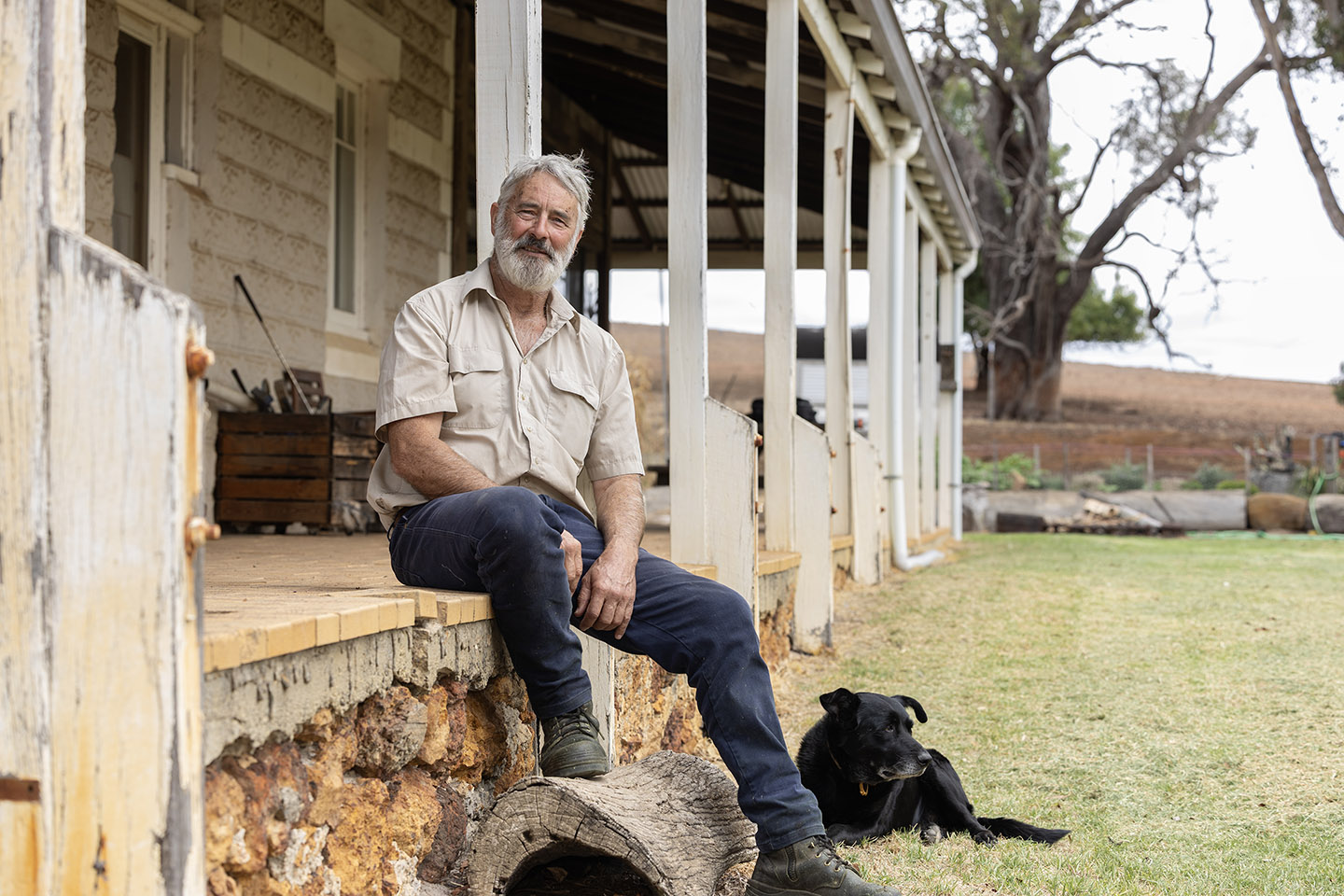
The new agriculture lobby leader is balancing an overhaul of the organisation and a sweeping policy agenda.
Business
LIV Golf 2026 Season Pushes Forward Despite Saudi Funding Uncertainty and Billions in Losses

NEW YORK — LIV Golf’s 2026 season will proceed as scheduled and “at full throttle” despite swirling reports that Saudi Arabia’s Public Investment Fund may cut financial support after this year, league CEO Scott O’Neil assured players and staff in a memo Wednesday amid mounting speculation about the breakaway tour’s long-term viability.
O’Neil’s message, obtained by multiple outlets including The Associated Press, sought to quell concerns after the Financial Times and other publications reported that the PIF is on the verge of ending its backing for the league it has funded since its launch in 2022. The Saudi sovereign wealth fund has poured more than $5.3 billion into LIV Golf, with cumulative losses projected to exceed $6 billion by the end of 2026, according to industry estimates.

“We are heading into the heart of our 2026 schedule with the full energy of an organization that is bigger, louder, and more influential than ever before,” O’Neil wrote. “I want to be crystal clear: Our season continues exactly as planned, uninterrupted and at full throttle.”
The memo followed a day of intense speculation triggered by the PIF’s announcement of a new five-year investment strategy that emphasizes domestic priorities, efficiency and a slowdown in certain global projects. Reports indicated the fund, strained by the ongoing Iran conflict and reduced oil revenues from disruptions in the Strait of Hormuz, is reassessing expenditures on ventures that have yet to show returns.
Sources close to the situation told Reuters and others that funding for the remainder of the 14-event 2026 schedule remains secure, with the next tournament set for early May at Trump National Golf Club in Washington, D.C. However, multiple outlets including Fox News reported that PIF backing is expected to end after the 2026 season, citing a shift in Saudi priorities.
LIV Golf, which features a team-based format with 54-hole events and shotgun starts, has attracted star players such as Bryson DeChambeau, Sergio Garcia, Cameron Smith and Jon Rahm with massive guaranteed contracts. Yet the league has struggled with viewership, sponsorships outside Saudi interests and integration with the broader golf ecosystem.
Critics, including Golf Channel analyst Brandel Chamblee, have been vocal. Chamblee described LIV as an “ill-conceived” and “lame-brained tour” that has lost billions while delivering a product with limited appeal. “Would it surprise anyone if the Saudis came to their corrupted senses and finally euthanized the whole lame-brained tour?” he posted on social media.
Player reactions have been mixed. Garcia told reporters that players were informed earlier in the year that funding was in place for “many years,” potentially through 2032. Some participants expressed confusion and sought reassurances from league officials as rumors spread following the Masters Tournament.
The financial pressures come as LIV continues its fifth season. Prize funds increased in 2026, adding to the cost base at a time when monthly net spending has averaged around $100 million in recent years. A $266.6 million capital injection approved by PIF Governor Yasir Al-Rumayyan in February brought the total investment past $5.3 billion.
O’Neil has previously acknowledged that profitability could be five to 10 years away. The league has failed to attract significant outside investors for its teams despite efforts to build franchise value.
The uncertainty coincides with broader Saudi economic challenges. The Iran war has impacted oil exports, leading to shutdowns of offshore fields and petrochemical facilities. PIF’s new strategy reportedly focuses on increasing investment efficiency and prioritizing domestic programs over high-profile international sports ventures that have not yet delivered clear returns.
LIV officials and sources with knowledge of operations pushed back against immediate collapse narratives. A high-ranking league source told one outlet that “funding and operations for LIV Golf are continuing as planned” for at least the remainder of 2026. Reuters cited sources confirming the remaining nine events would proceed with full PIF support.
The league’s relationship with the PGA Tour remains complicated. While talks of a potential framework agreement have occurred in the past, no full merger or comprehensive deal has materialized. Some view LIV’s model as a disruptive force that has forced the traditional tour to increase purses and innovate, while others see it as a divisive experiment that has fractured the sport.
As the 2026 schedule advances, questions linger about player contracts, team stability and the future of events in locations such as Adelaide, Australia, and other international stops that have drawn strong local support.
League leadership has emphasized growth in influence and fan engagement, pointing to larger crowds at certain events and the global platform provided to players. Yet television ratings and digital metrics have generally lagged behind PGA Tour benchmarks, contributing to the financial strain.
For players with multi-year deals, the immediate focus remains on competition. Many have expressed loyalty to the LIV format, citing the team atmosphere, no-cut events and substantial compensation. However, the prospect of funding changes beyond 2026 has introduced anxiety, particularly for those without PGA Tour pathways secured.
Golf insiders note that even with reduced or ended PIF support, alternative funding models could emerge, though finding investors willing to absorb ongoing losses would prove challenging. Some speculate about potential restructuring, sale of assets or a scaled-back operation if Saudi backing fully withdraws.
The PIF’s broader sports portfolio includes investments in soccer, Formula 1 and other properties. Observers suggest the fund is applying more rigorous return-on-investment criteria across its holdings as it navigates fiscal realities.
As of Thursday, no official announcement had come from the PIF regarding LIV Golf’s future. League events continue uninterrupted, with players preparing for the upcoming leg of the season.
The situation highlights the high-stakes nature of sportswashing debates and the intersection of geopolitics, economics and professional athletics. LIV Golf was launched with the stated goal of growing the game globally, but its reliance on a single sovereign fund has left it vulnerable to shifts in national priorities.
O’Neil’s assurances aim to project stability heading into the heart of the 2026 campaign. Whether that confidence holds through the season — and what comes after — will depend on decisions made in Riyadh and the league’s ability to demonstrate sustainable value.
For now, the show goes on, as O’Neil declared. The 2026 season remains fully funded and operational, but the long-term future of LIV Golf hangs in a delicate balance amid financial uncertainty and evolving Saudi investment strategies.

Lena Dunham Wants Fans To Take Her Adam Driver Comments ‘In Context’

Cambridgeshire man ‘stranded’ in Turkey after being denied travel back to UK

Energy Shocks and Uncertainty Hamper Growth in East Asia and the Pacific


-

 Politics6 days ago
US brings back mandatory military draft registration
-
 Sports6 days ago
Man United discover Nico Schlotterbeck transfer fee as defender reaches Dortmund agreement
-

 Fashion6 days ago
Weekend Open Thread: Veronica Beard
-

 Politics7 days ago
Malcolm In The Middle OG Turned Down ‘Buckets Of Money’ To Appear In Reboot
-

 Politics5 days ago
World Cup exit makes Italy enter crisis mode
-

 Business6 days ago
Tesla Model Y Tops China Auto Sales in March 2026 With 39,827 Registrations, Beating Cheaper EVs and Gas Cars
-

 Crypto World3 days ago
The SEC Conditionalises DeFi Platforms to Be Avoided for Broker Registration
-

 Crypto World3 days ago
SEC Signals Exemption for Crypto Interfaces From Broker Registration
-

 News Videos2 days ago
Secure crypto trading starts with an FIU-registered
-
 NewsBeat4 days ago
Pep Guardiola and Gary Neville agree over Arsenal title problem that benefits Man City
-

 Business5 days ago
Ireland Fuel Protests Enter Day 5 as Blockades Spark Shortages and Government Prepares Support Package
-

 Business7 days ago
OpenAI Halts Stargate UK Data Centre Project Over Energy Costs and Copyright Row
-

 Crypto World6 days ago
Federal judge blocks Arizona from bringing criminal charges against Kalshi
-

 Politics7 days ago
LBC Presenter Mocks Trump Over Iran War Failures
-

 NewsBeat3 days ago
Trump and Pope Leo: Behind their disagreement over Iran war
-

 Crypto World3 days ago
SEC Proposes Certain Crypto Interfaces Don’t Need to Register as Brokers
-
 NewsBeat5 days ago
JD Vance announces ‘no agreement’ with Iran over nuclear weapons fear
-

 Business6 days ago
IMF retains floor for precautionary balances at SDR 20 billion
-

 Business6 days ago
Former Liverpool CEO eviscerates FIFA for World Cup ticket pricing
-
 Crypto World4 days ago
Sei Network Enters Quiet Reset Phase as On-Chain Metrics Signal a Slowdown in 2026
You must be logged in to post a comment Login