
Business
Aflac: Reliable Dividend Compounder, Premium Justified, But Meaningful Upside Unlikely


Formerly known as “The Dividend Collectuh.” Top 1% of financial experts on TipRanks. Contributing analyst to the iREIT+Hoya Capital investment group. Dividend Collection Agency is not a registered investment professional nor financial advisor and these articles should not be taken as financial advice. This is for educational purposes only and I encourage everyone to do their own due diligence. I’m a Navy veteran who enjoys dividend investing in quality blue-chip stocks, BDCs, and REITs. I am a buy-and-hold investor who prefers quality over quantity and plans to supplement his retirement income and live off dividends in the next 5-7 years. I aspire to reach and help the hard working, lower and middle class workers build investment portfolios of high quality, dividend-paying companies. I also hope to give investors a new perspective to help them reach financial independence.
Analyst’s Disclosure: I/we have no stock, option or similar derivative position in any of the companies mentioned, and no plans to initiate any such positions within the next 72 hours. I wrote this article myself, and it expresses my own opinions. I am not receiving compensation for it (other than from Seeking Alpha). I have no business relationship with any company whose stock is mentioned in this article.
Seeking Alpha’s Disclosure: Past performance is no guarantee of future results. No recommendation or advice is being given as to whether any investment is suitable for a particular investor. Any views or opinions expressed above may not reflect those of Seeking Alpha as a whole. Seeking Alpha is not a licensed securities dealer, broker or US investment adviser or investment bank. Our analysts are third party authors that include both professional investors and individual investors who may not be licensed or certified by any institute or regulatory body.

Business
(VIDEO) Man Spotted Living Inside Furnished Billboard on Sunset Boulevard for Netflix’s ‘The Last House’
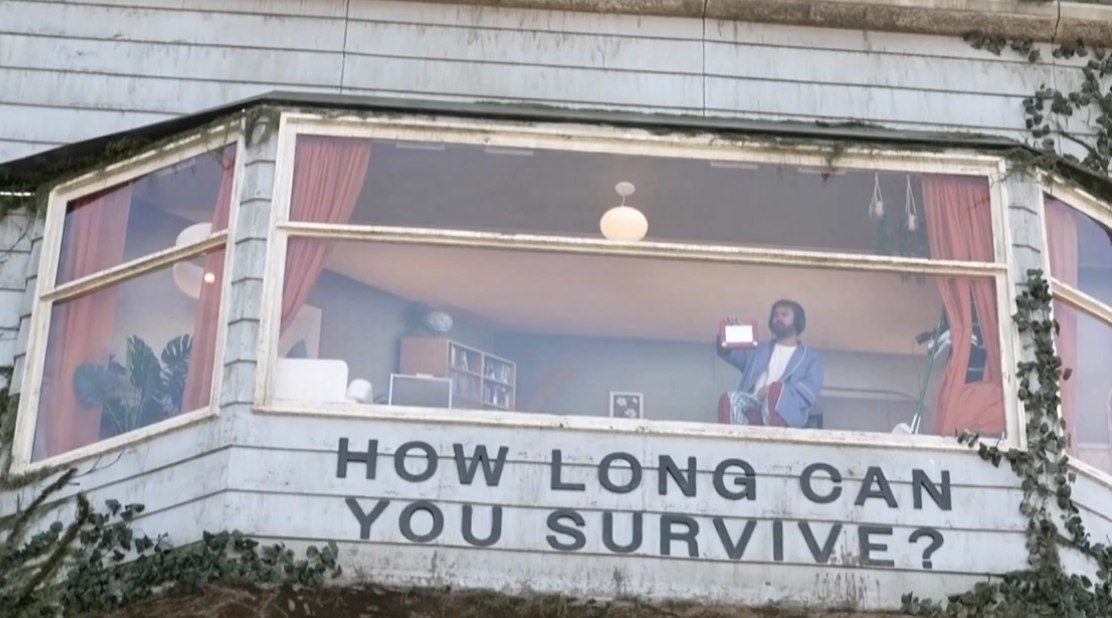
LOS ANGELES — Drivers along Sunset Boulevard got an unusual sight this week: a man living inside a fully furnished room built into a billboard 30 feet above the street, part of an elaborate marketing stunt for Netflix’s new sci-fi thriller “The Last House.”
The installation, located at the intersection of Sunset Boulevard and Selma Avenue, features a bay-window-style structure with a complete living room built into the billboard, including a lounge chair, a table, books and curtain-adorned windows with plants. The performer entered the enclosed space Thursday, Aug. 6, and remained there through Saturday, Aug. 8, interacting with commuters and passersby below using a whiteboard while attempting to maintain a normal daily routine.
A man was spotted living inside a fully furnished room built into a billboard along Los Angeles’ Sunset Boulevard as part of a promotion for Netflix’s new sci-fi thriller “The Last House.” pic.twitter.com/qASoiK4uKq
— Breaking911 (@Breaking911) August 9, 2026
Recreating the film’s premise, 30 feet in the air
Netflix confirmed the details of the stunt in a statement shared through its Tudum platform. “A performer will ‘live’ inside a fully furnished living room built into a billboard 30 feet above the ground at the intersection of Sunset Boulevard and Selma Avenue in Hollywood,” the statement read, according to E! News. “While attempting to carry on as normally as possible inside the enclosed space, he’ll communicate with commuters and passersby below using a whiteboard.”
The company described the installation as intended to serve as “an eerie echo” of the film’s plot, according to E! News’ coverage. “The Last House” follows a married couple, played by Greta Lee and Wagner Moura, along with their two children, as they become suddenly sealed inside their home with no way out, forced to survive against dwindling resources and a mysterious, looming threat keeping them trapped.
In a more detailed statement provided to The Hollywood Reporter, Netflix explained the performer’s task further: “He’ll attempt to maintain a sense of normalcy over extended periods of time while ‘stuck’ in his elevated, enclosed set 30 feet above the ground at Selma Avenue and Sunset Blvd — communicating with commuters and passersby below via whiteboard as an eerie nod to the family’s own isolation in the film.”
What passersby actually saw
Throughout the multi-day performance, the man was observed engaging in ordinary domestic activities visible to the street below. Footage shared by Netflix on social media showed him dressed in a bathrobe eating what appeared to be cereal, and using binoculars to take in views overlooking the Sunset Strip. Local news coverage from CBS Los Angeles described him later in the evening wearing a red robe and pajamas, appearing to settle in for the night inside the elevated space.
The installation itself included a phrase reading “How long can you survive?” displayed below the window, directly tying the visual stunt back to the film’s central premise, according to NBC Los Angeles’ coverage of the display.
A traffic-stopping reaction from the public
The unusual sight quickly drew attention from residents and drivers passing through one of Los Angeles’ most heavily trafficked entertainment corridors. Miro Markarian, who visited the site after receiving a notification through a neighborhood safety app, described the reaction to CBS Los Angeles. “I was just around the corner and I got a notification on the Citizen App,” Markarian said. “I said, ‘I’m gonna drive over and check it out.’ It’s pretty cool. It’s a good marketing stunt, very creative.”
Another passerby quoted by KTLA described the display as “amazing” and “completely surreal,” adding, “It’s bringing the movie alive, and I think that that’s what Sunset’s about.”
A local resident identified by NBC Los Angeles as Yuck Stew offered a similarly surprised reaction after noticing a crowd gathering to look up at the structure. “I was just riding by, and I saw a bunch of people looking up, so I turned around and, apparently, there’s a live man up in this billboard,” the resident said. “I’ve never seen anything like this.”
About the film itself
“The Last House” premiered on Netflix on Aug. 7, directed by Louis Leterrier, known for directing “Fast X.” Beyond Lee and Moura, the film’s cast includes actor Gabriel Barbosa. According to The Hollywood Reporter, the movie carried a 36% positive critics’ score on Rotten Tomatoes based on early reviews, though that figure was based on a limited sample of 22 reviews at the time and was described as likely to shift as additional reviews were published.
The Hollywood Reporter’s own critic offered a more favorable assessment of the film, writing that despite its sci-fi and horror elements, “The Last House” functions “as much a psychological chamber drama and survival thriller about four people using their wits and dwindling resources to stay alive, even as their close-knit ties start fraying.”
A creative approach to standing out
Marketing observers noted that the stunt reflected an increasingly competitive push among streaming platforms to generate organic buzz in a media landscape saturated with traditional advertising. According to Time Out’s coverage of the installation, Netflix opted to build a fully furnished, air-conditioned living space rather than rely on a standard poster campaign, moving an actual human performer into the structure for three full days to draw attention to the film’s release.
The identity of the performer inside the billboard was not officially disclosed by Netflix, though speculation online pointed to members of the production and marketing team potentially involved in conceiving the stunt, according to reporting from Just Jared, which noted comments from a producer who had previously worked on segments for “Jackass: Best and Last” and described enjoying the challenge of bringing unconventional promotional ideas to life.
A sourcing note: all quotes above are confirmed and on the record via Netflix’s official statements to E! News and The Hollywood Reporter, along with on-camera interviews with passersby conducted by CBS Los Angeles, NBC Los Angeles and KTLA. Nothing was invented to fill gaps in the reporting.

MySpace launched in 2003 and quickly became a cultural hub, helping artists like Arctic Monkeys, Adele, and Nicki Minaj find early audiences.
But its highly customised pages, auto-playing music, and busy layouts eventually became a liability.
Facebook’s cleaner, simpler design pulled users away, and MySpace struggled through redesigns and ownership changes before fading from mainstream use.
Marketing experts say any comeback will depend on learning from that history.
Dr Alexa Fox, a marketing professor at the University of Akron, says the platform was a “first mover” in social media, but one that became too complex for many users.
She believes MySpace’s original strengths – music, creativity, and personal expression – could still resonate, but only with more accessible design.
“It could be more user-friendly, with less coding involved,” she says.
Alex Mills, a social media strategist who has led campaigns for Spotify and Adobe, says the very thing people are nostalgic for, a feed without algorithms, was also “the thing that killed it.”
“People still want a feed,” Mills says. “They just want a better one than the ones optimising for rage bait.”
Kevin McClary, head of performance marketing at Gorilla 76, believes MySpace should not try to compete directly with Meta, TikTok, or X.
“They can be successful and sustainable even as a niche platform,” he says, arguing it should be rooted in 2000s culture.
McClary says leaning into MySpace’s music identity could be a smart move, from profile songs to 2000s-themed festivals and merchandise.
He believes the audience could be broader than former users, with younger generations embracing the early-2000s aesthetics they never experienced firsthand.
“You see younger generations now buying old point-and-shoot digital cameras, MP3 players, even film cameras,” McClary says. “They clearly have an interest in the past.”
MySpace could meet users where that trend is growing by becoming a place rooted in a “specific time,” he says. He noted that creators making 2000s-style content on other platforms are often at the “mercy” of algorithms.
Fox agrees that differentiation is essential.
“MySpace shouldn’t hang their hat on features other platforms already dominate,” Fox says, pointing to Reels and short-form videos.
Popular formats can be added, she says, but they should not define the platform.
She also sees an opportunity to offer a calmer experience. Today’s feeds, she notes, are “algorithmic-driven AI, constantly in your face.”
A platform where users have more control, or simply feel less overwhelmed, could stand out in a crowded market.
For fans like Hawkins and Kristin, the appeal is emotional as much as practical. Both say they would return if MySpace kept its original spirit.
For now, its comeback exists mostly as a promise – a reminder of a time when social media felt a little less polished and a lot more personal.
“Are you still gonna have that same feeling?” Hawkins says. “Are you still gonna feel like, ‘oh my god, somebody loves me?’”
Hub Group earnings ahead: Can execution match freight rebound?
Silicon Labs faces earnings test amid Texas Instruments deal
Trimble earnings on deck amid portfolio simplification push

DoorDash Chief Analytics Officer Jessica Lachs breaks down how everyday items — from fries to fresh produce — help illustrate the real cost of living across America.
For Americans looking for an affordable meal out, geography can make a big difference in what they pay for a cheeseburger, fries and a soda.
A $15 bill is still enough to cover a cheeseburger, fries and a soda in some U.S. cities, but not everywhere.
A recent DoorDash State of Local Commerce report found that just four of the cities it analyzed had an average price below $15 for the meal: Austin and Laredo, Texas; Lincoln, Nebraska; and Detroit, Michigan.
Austin was the cheapest at $12.94, according to DoorDash’s so-called Cheeseburger Index, which tracks the average cost of a cheeseburger, fries and a soda across U.S. cities.
ONE LITTLE-KNOWN MEETING HELPS DECIDE WHAT AMERICANS CAN AFFORD — AND WHAT THEY CAN’T
“The Cheeseburger Index is a really great way to distill the information into a simple, fun and relatable metric,” Jessica Lachs, chief analytics officer at DoorDash, told Fox News Digital.
And while prices varied significantly by region, DoorDash said cities in the South and Southeast tend to benefit from structurally lower operating costs, helping the region rank among the most affordable for both restaurant meals and groceries.
At the other end of the spectrum, the same cheeseburger combo costs an average of $28.28 in Anchorage, Alaska — more than twice the price in Austin.
The 10 best-value cities in the study are concentrated in the Midwest and Texas, with four cities in the Lone Star State making the list — Laredo, Texas ($13.39); Lincoln, Nebraska ($13.86); Detroit ($14.99); and Philadelphia ($15.41) rounded out the top five.
THE COST OF THIS GROCERY STAPLE IS NEARING RECORD HIGHS — AND AMERICANS CAN’T GET ENOUGH
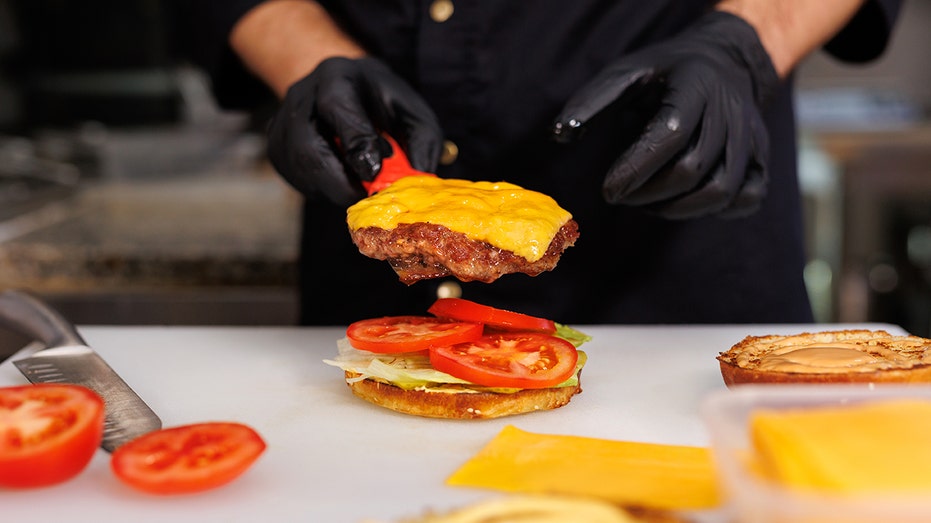
DoorDash’s annual Cheeseburger Index reveals where Americans can still grab a full burger meal under $15. (iStock / iStock)
The rankings come as eating out continues to get more expensive, even as prices for many grocery and household staples have stabilized.
DoorDash found the average price of a cheeseburger, fries and soda climbed 3.2% over the past year.
While rising beef prices have drawn attention this year, DoorDash said higher restaurant prices appear to reflect broader operating costs — including labor, rent and energy — rather than food costs alone.
“There isn’t one economy. There are a lot of local economies,” Lachs said.
“The same basket of goods, a cheeseburger, fries and a drink, costs $12.94 on average in Austin, Texas, but $28.28 in Anchorage, Alaska,” she said.
CLICK HERE TO DOWNLOAD THE FOX NEWS APP
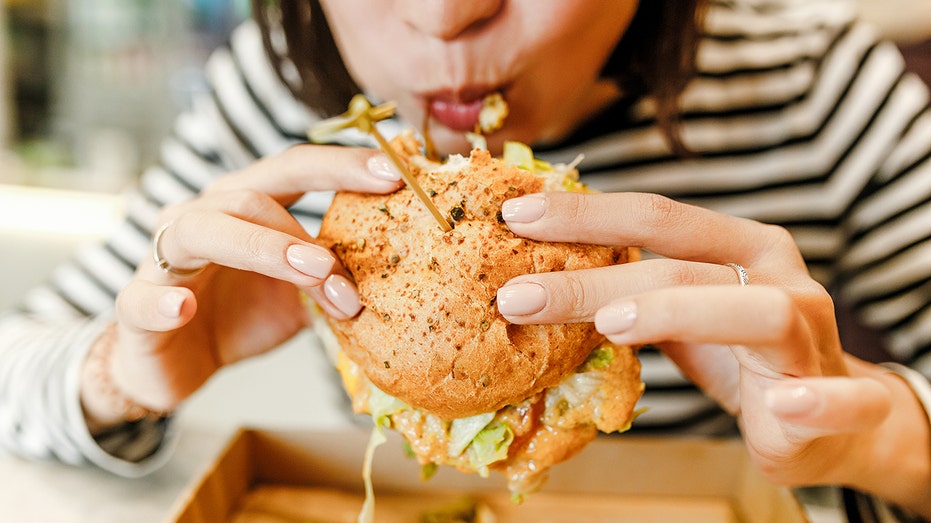
The DoorDash report shows inflation easing across several categories. (iStock)
For diners, that means the same $15 that can cover the entire meal in Austin would barely pay for half of it in Anchorage.
Business
Taylor Swift Songs Removed From Trump Campaign and White House Social Media Posts, Reuters Confirms
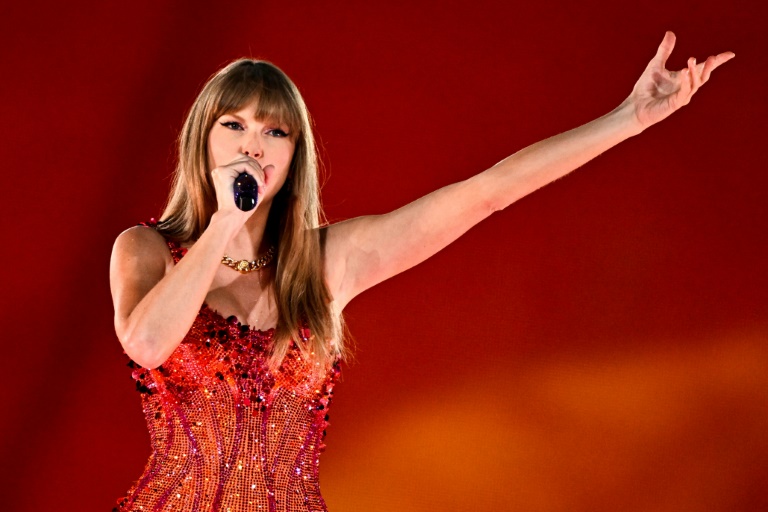
WASHINGTON — Several Taylor Swift songs have been pulled from social media videos posted by President Donald Trump’s campaign and the White House after copyright claims, according to Reuters, in the latest chapter of an increasingly public standoff between the pop superstar and the president’s communications team.
The removals affected multiple posts published over the past several weeks across TikTok accounts affiliated with Trump’s campaign and the White House, which had used at least three different Swift songs in videos featuring the president over that stretch.
‘August’ pulled after a pointed caption
The most recent removal involved “August,” a track from Swift’s 2020 album “Folklore.” The song had been used in a video posted by the Team Trump TikTok account showing Trump and first lady Melania Trump watching a fireworks display. The post tagged Swift directly and included the caption, “I’m sure @Taylor Swift is going to be super excited we used her song!” according to CelebrityAccess.
That caption appeared to intentionally provoke a reaction from Swift, according to AOL’s reporting, which noted on-screen text in the video reading, “Mood because it’s August and Donald Trump is your president.” Following a copyright claim, the song has since been removed from the video, with the platform now displaying a message stating that the audio isn’t available.
Not the first Swift track to disappear from Trump content
According to Billboard and Variety’s reporting, “August” was not the first Swift song removed from Trump-affiliated content. Two additional tracks from her 2025 album “The Life of a Showgirl” — “Father Figure” and “Opalite” — have also vanished from earlier posts after similarly being flagged.
One of those videos, posted in November 2025, used “Father Figure” as the soundtrack for a clip featuring Trump alongside his youngest son, Barron, according to AOL’s detailed account of the post. The video paired the lyric “I was your father figure” with footage of Trump and his son, followed by the lyric “You pulled the wrong trigger” set against a clip referencing the alleged assassination attempt against Trump in July 2024. The video closed with the lyric “This empire belongs to me” set against footage of Trump waving to a crowd from a helicopter outside the White House.
A White House spokesperson previously told multiple news outlets that the video was created because the administration knew news outlets “would breathlessly amplify” the content, according to Reuters.
Trump’s team responds with a mocking post
Rather than avoiding Swift’s music altogether following the removals, Trump’s campaign team appeared to lean into the conflict. According to TMZ, the Team Trump TikTok account later posted a mocked-up version of the artwork from Swift’s 2012 album “Red,” superimposing Trump’s face onto the cover and captioning it, “Did you know Taylor Swift wrote a whole album about the color of the Republican Party.” The post referenced a live performance version of Swift’s song “Red,” presenting it as “Red (Trump’s Version).”
That track, too, was later removed from the account, with a message indicating the copyright owner had not made the audio available for use, according to i24NEWS.
Broader pattern of using popular music in political content
The Trump communications team, which is highly active on social media, has regularly posted videos featuring hit songs alongside politically charged imagery covering topics including the administration’s immigration crackdown, U.S. military operations against Iran, and the arrest of former Venezuelan President Nicolás Maduro, according to Reuters. Swift’s music is not the only artist catalog to appear in such videos, and the pattern has drawn criticism from a broader coalition of musicians.
According to i24NEWS, dozens of artists, including Sabrina Carpenter and Ariana Grande, have separately called on the Trump administration not to use their music in political content.
A long-running tension between Swift and Trump
Swift has not commented publicly on the recent song removals, according to multiple outlets, and neither the White House nor a representative for Swift immediately responded to requests for comment from Reuters or other news organizations covering the story.
The dispute is the latest flashpoint in a yearslong tension between the two public figures. Swift endorsed Trump’s 2024 Democratic rival, then-Vice President Kamala Harris, ahead of last year’s election. During the 2020 campaign cycle, Swift posted on social media that voters should be “WELL AWARE we do not want him as our president,” referring to Trump.
Trump has repeatedly criticized Swift in turn. After her endorsement of Harris, Trump wrote on social media, “I HATE TAYLOR SWIFT!” He later wrote, “Has anyone noticed that, since I said ‘I HATE TAYLOR SWIFT,’ she’s no longer ‘HOT?’”
The tension has also extended into more direct territory involving Swift’s public image. Trump previously shared AI-generated images on his social media platform Truth Social that falsely suggested Swift and her fans supported his 2024 campaign, including one image depicting Swift as Uncle Sam accompanied by text reading, “Taylor wants you to vote for Donald Trump.” When asked about the origin of those images by a Fox Business correspondent at the time, Trump said, “I don’t know anything about them other than somebody else generated them. I didn’t generate them. These were all made up by other people.”
As of this writing, it remains unclear whether Trump’s campaign and White House social media accounts will continue using Swift’s music in future content despite the repeated copyright removals, or whether the recent mocking response involving the “Red” album artwork signals an intent to keep testing the boundaries of that conflict. Neither Swift’s team nor the White House has issued a formal statement addressing the pattern of removals as of Sunday.
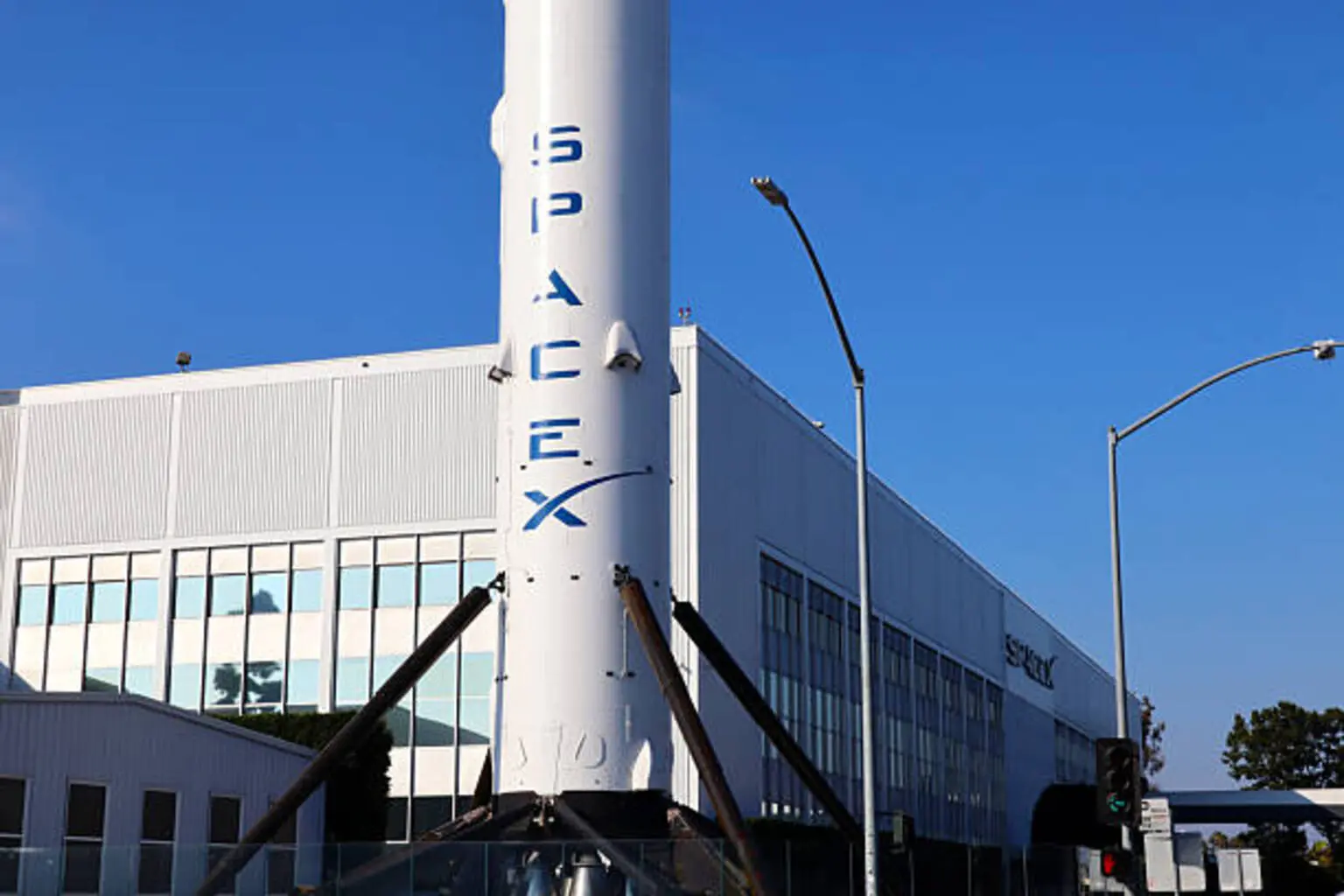
SpaceX: Weathering Lockup Expirations
Business
After Warren Buffett’s Exit, Greg Abel Starts Deploying Berkshire Hathaway’s $365 Billion Cash Pile
OMAHA, Neb. — Berkshire Hathaway’s enormous cash reserve is beginning to shrink under new chief executive Greg Abel, signaling a potentially significant shift in investment strategy at the conglomerate long led by Warren Buffett.
Berkshire reported Saturday that it held $365.5 billion in cash and Treasury bills at the end of June, down from $397.4 billion at the end of March. Excluding Treasury payables, the company’s cash and short-term government securities fell from roughly $380 billion to $365 billion during the quarter — the clearest sign yet that Abel, who formally succeeded Buffett as CEO at the start of this year, is beginning to put the company’s vast financial reserves to work.
A renewed pace of buybacks and stock purchases
During the April-to-June quarter, Berkshire repurchased approximately $4.5 billion of its own shares, and continued that pace into July with more than $3.3 billion in additional buybacks. The company had resumed share repurchases in March following an almost two-year pause.
Berkshire also made a notable shift in its broader investment activity, purchasing nearly $20 billion more in stocks than it sold during the quarter. According to Yahoo Finance’s reporting on the results, Berkshire bought $23.5 billion in stocks while selling only $3.7 billion — ending a streak of 14 consecutive quarters in which the company had been a net seller of equities. The last time Berkshire had a larger net outlay on stocks was in the first quarter of 2022.
Among the notable purchases was an additional $10 billion investment in Alphabet, the parent company of Google and YouTube, which has made Alphabet one of Berkshire’s largest equity holdings, alongside long-standing positions in Apple, Coca-Cola, American Express and Bank of America.
Strong operating results beat expectations
Berkshire’s underlying business performance was also stronger than expected. Quarterly operating profit rose 16% to $12.98 billion, exceeding analysts’ forecasts. Improved results at BNSF, the company’s railroad operation, along with service businesses such as NetJets and TTI, helped offset weaker performance at Geico, Berkshire’s auto insurance unit.
Net income surged to $25.6 billion, more than double the $12.3 billion reported during the same period a year earlier. Revenue also improved, rising 10% to $101.81 billion following a period of stagnation.
Abel signals a philosophy of disciplined but active investing
Abel, who formally assumed the CEO role in January, laid out his approach to capital allocation in his first letter to shareholders in February. According to Yahoo Finance, Abel wrote that Berkshire pursues opportunities where the reward matches the risk, pledging continuity with Buffett’s signature approach of disciplined capital allocation while pushing back on the notion that the company’s substantial cash position signaled hesitancy.
“Many times in Berkshire’s history, some observers have suggested that our substantial cash position signals a retreat from investing. It does not,” Abel wrote in that letter, according to CNBC’s coverage. “We continue to evaluate many opportunities and will remain patient and disciplined in pursuing the right ones for the benefit of our owners.”
Abel also described Berkshire’s balance sheet in strategic terms, framing the company’s liquidity as a source of flexibility rather than caution. According to Barchart’s reporting on the letter, Abel wrote, “Our balance sheet is a strategic asset to be deployed at the right time. It allows us to act decisively, invest when others are tentative or fearful, and stand firm when financial storms roll through.”
Caution alongside the deployment
Despite the more active investment posture, Berkshire cautioned shareholders that substantial uncertainty remains surrounding the global economic and geopolitical environment. The company pointed to factors including tariffs and ongoing wars, while also flagging weaker demand across several consumer-facing businesses.
Berkshire said changing consumer confidence was affecting operations including its network of 103 car and truck dealerships, its Fruit of the Loom apparel business, and its Forest River recreational vehicle operations — a reminder that even as Berkshire deploys more capital into equities, some of its underlying operating businesses continue to face softer demand conditions.
A notable acquisition completed during the quarter
Beyond its stock purchases, Berkshire also completed its acquisition of Taylor Morrison Home Corporation on July 24, though the company did not disclose the transaction’s valuation in its earnings report.
The second quarterly report under new leadership
Saturday’s results mark the second quarterly report since Abel took over as CEO, succeeding Buffett, who continues to serve as Berkshire’s chairman. The company’s shrinking cash hoard represents a notable change for a business that had accumulated enormous reserves during the final years of Buffett’s leadership, a period in which Buffett developed a reputation for patiently holding cash until sufficiently attractive investment opportunities emerged.
What it signals going forward
Berkshire’s recent buying activity suggests that under Abel, the conglomerate may be increasingly willing to put its vast resources to work when management identifies compelling opportunities — a meaningful, if measured, departure from the extended cash accumulation that characterized much of Buffett’s final years at the helm. Whether this pace of deployment continues in coming quarters will likely serve as an early test of how closely Abel’s investment philosophy tracks with, or diverges from, that of his predecessor.
A sourcing note: all direct quotes above from Greg Abel are confirmed and on the record via his February shareholder letter, as reported by CNBC, Yahoo Finance and Barchart’s coverage of that letter. Financial figures for the quarter are drawn directly from Berkshire’s own earnings disclosure, as reported by Mint.
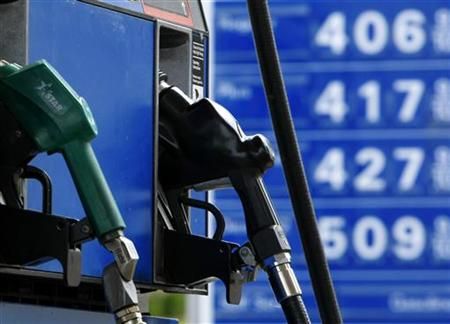
Global oil prices remained volatile heading into the weekend, trading well below recent highs as investors weighed conflicting signals from Iran and the United States over a potential agreement to restore shipping through the Strait of Hormuz, one of the world’s most critical energy chokepoints.
West Texas Intermediate futures opened at $78.31 a barrel on Aug. 7, according to Forbes Advisor, while Brent crude opened at $83.49 a barrel that same day. As of Sunday, live pricing data from PriceOfOil.com showed both benchmarks continuing to trade in that general range, with Brent hovering near $83 and WTI near $78, according to tracking from Trading Economics and Oilprice.com.
A market still reacting to the Hormuz standoff
Brent crude has swung sharply in recent sessions as traders try to gauge the likelihood of a breakthrough in talks between Iran and Oman over managing navigation through the strait. According to Trading Economics, Brent traded below $82 a barrel on Friday, moving between gains and losses throughout the session as investors weighed the state of those negotiations.
Optimism over a potential partial reopening of the waterway faded after reports that Iran was seeking to exclude U.S. and Israeli vessels from the strait entirely and impose fees on countries it considers hostile — terms that stand in sharp contrast to Washington’s push for unrestricted transit and a full return to pre-war shipping conditions. President Donald Trump has maintained an optimistic public tone throughout the negotiations, saying the broader conflict could end “pretty soon” and that discussions were progressing, according to Trading Economics’ market coverage.
Adding to the uncertainty, Abu Dhabi National Oil Co. reported attacks on multiple vessels transiting the strait, with Iran reportedly targeting ships it considers hostile even as diplomatic talks continued. Iran-backed Houthi militants separately claimed a large-scale attack against Saudi-aligned forces in Yemen, further complicating the security picture across the broader region.
A proposed Iranian framework worries markets
Trading Economics reported that Iran has proposed penalties equal to 20% of a vessel’s cargo value for violations of its terms, while insisting the strait would only be fully reopened once the U.S. maritime blockade of Iran is lifted. That draft proposal, outlining stricter conditions for commercial shipping than markets had anticipated, remains under review by the Iranian parliament.
Oil briefly reversed some gains in post-settlement trading last week following reports that the U.S. could lift its naval blockade once commercial shipping through the strait resumes without restrictions — a potential off-ramp that traders continue to watch closely for signs of a genuine breakthrough.
Prices well off their April peak, despite the conflict
Even with the ongoing disruption, oil prices remain considerably below levels seen earlier this year. According to the U.S. Energy Information Administration’s Short-Term Energy Outlook, published July 7, the Brent crude spot price averaged $85 a barrel in June, down $22 a barrel from May and $32 a barrel from its recent April 2026 peak.
The EIA’s forecast, issued before the current wave of Hormuz-related volatility intensified, projected Brent averaging $74 a barrel in the third quarter of 2026 — a $27-a-barrel reduction from the agency’s prior monthly outlook at the time — citing expectations of ongoing oil inventory accumulation that would continue pressuring prices lower. The agency’s outlook had assumed that a June 18 memorandum of understanding between the U.S. and Iran to end the conflict and reopen the strait would hold, projecting most crude oil production would return to near pre-conflict averages by the end of the year. Given the subsequent breakdown in that agreement and the renewed attacks on shipping, market conditions have shifted meaningfully since that forecast was published, and the EIA’s next outlook, due Aug. 11, is likely to reflect the changed picture.
What it means at the pump
Lower crude prices earlier in the summer had been expected to translate into cheaper gasoline for American drivers. The EIA’s July forecast projected U.S. gasoline prices averaging $3.80 a gallon in the third quarter, down from more than $4.20 a gallon in the second quarter, though the agency cautioned that a portion of the crude-driven savings could be offset by rising wholesale and retail margins tied to low gasoline inventories.
Broader market ripple effects
The prolonged uncertainty over Middle East energy supply has also influenced other markets. According to Oilprice.com’s broader coverage, lower oil prices in recent weeks have helped boost gold, as easing inflation concerns and softer U.S. economic data reduce expectations for further Federal Reserve policy tightening. Separately, some governments have leaned more heavily on coal in the short term while accelerating investments in renewable energy, as the ongoing Middle East conflict tightens global liquefied natural gas markets and raises broader concerns about energy security.
Looking ahead
With Iran’s parliament still reviewing its proposed shipping framework and no finalized agreement between Tehran and Washington in place, analysts expect oil prices to remain highly sensitive to any fresh developments out of the Strait of Hormuz talks in the days ahead. Traders are likely to continue closely tracking statements from Iranian officials, the Trump administration, and Gulf shipping authorities for signs of whether a genuine de-escalation — or a further breakdown — is more likely in the near term.

Queen Naija Claps Back At Comments About ClarenceNYC

2026 Wyndham Championship money: Payout breakdown, winner’s share

Locals argue ‘tree was there long before houses’ after historic tree cut down


-

 Politics7 days ago
Zack Polanski: an incitement to murder Nigel Farage?
-

 Fashion2 days ago
Frugal Friday’s Workwear Report: Cap-Sleeve Pointelle Crewneck Sweater
-

 Fashion2 days ago
Weekend Open Thread: Mattifying Sunscreen
-

 Business7 days ago
DTCR: Deleveraging And A Hedge Fund Collapse Point To A Possible AI Bottom
-

 Crypto World7 days ago
XRP Ledger urges node upgrade after manifest flood
-

 Sports4 days ago
Jordan Coyle & Cordiamo take Laya Arena Stakes at RDS
-

 News Videos1 day ago
Can Astrology Help Find Gold and Silver Trends? A Financial Astrology Guide
-
 Crypto World6 days ago
US Tech Stocks See Largest 5-Week Inflow in History: Can Nasdaq Break Its Downtrend?
-
 Business4 days ago
US stocks: Dow closes at record on Mideast optimism; SpaceX, AMD drag Nasdaq
-

 Politics3 days ago
Reform UK And Greens Sink To Lowest Favourability Ratings To Date
-

 Business5 days ago
Nvidia Stock Climbs 2.5% as Chip Sector Rally Builds Ahead of AMD Earnings, Nvidia’s Own Report Looms
-

 Tech7 days ago
OpenAI teases Astra, its next major AI model, after it solves 10 long-standing math problems
-

 Crypto World5 days ago
Polymarket targets $20 billion valuation as competition heats up in prediction market sector
-

 Tech5 days ago
OpenAI, Anthropic AI agents targeted real people and systems in cyber tests
-

 Business4 days ago
Supply chain issues impact Ingredion
-

 News Videos7 days ago
#crypto #cryptocurrency #cryptonews #cuet2026 #ceuta
-

 Business7 days ago
Myspace owners announce plans to relaunch the once-popular platform
-

 News Videos7 days ago
Crypto.com Partners with UFC for UFC 331 Event
-
 Crypto World5 days ago
CLARITY Act Senate Vote Locked In, But 60-Vote Hurdle Looms Large
-

 News Videos7 days ago
Huge SPINS!! (for me) #slots #casino #gambling #money #jackpot
You must be logged in to post a comment Login