Connect with us

Business

American ranchers facing cattle shortage as Trump vows to lower beef prices

Published

on

American ranchers facing cattle shortage as Trump vows to lower beef prices

WILLIAMSPORT, Tenn. – American ranchers are facing the smallest cattle herd in 75 years as the Trump administration rolls out a plan to lower beef prices and rebuild the herd. 

President Donald Trump on Friday revealed his plan to waive higher tariffs on beef imports for 90 days. The plan would allow 300,000 metric tons of foreign beef to be sold 25% below the current market value. A pound of USDA Choice beef cost an average of $10.49 in August.

Advertisement

“This deal will reduce prices for Americans while giving space for our Great American Beef Herd to grow again,” Trump posted to Truth Social.

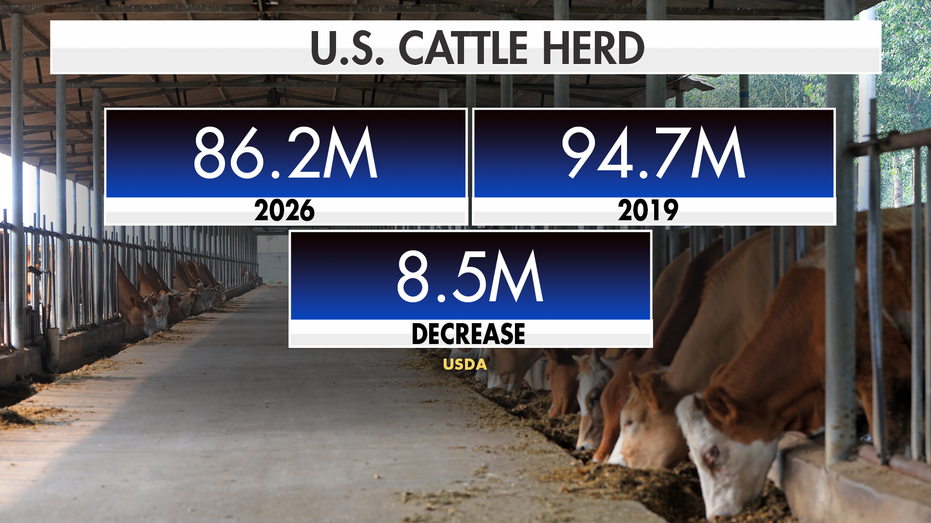
According to the USDA, the United States entered 2026 with 86.2 million cattle and calves, which is the smallest cattle herd since the 1950s. That’s down from about 94.7 million since 2019.

TRUMP’S FOREIGN BEEF PUSH TO CUT GROCERY COSTS SPARKS GOP REVOLT FROM RANCHING COUNTRY

USDA Cattle Shortage

The USDA reported the United States entered 2026 with 86.2 million cattle and calves, which is the smallest cattle herd since the 1950’s.  (FOX / Fox News)

The National Cattlemen’s Beef Association’s CEO, Colin Woodall, came out against Trump’s announcement, saying he was “disappointed” in the plan. 

Advertisement

“While America’s cattle producers share the goal of keeping groceries affordable for consumers, flooding the market with government-subsidized, below-market beef is not the way to rebuild the American cattle herd,” Woodall said in a statement.

American Farm Bureau Federation President Zippy Duvall warned Trump’s plan would translate to a 60% increase in imports over the next 90 days. 

“We appreciate the president’s goal of reducing grocery costs, but short-term measures could have long-term negative effects for consumers and for ranchers who are making decisions on whether to retain or expand their herd. Growing dependence on foreign-grown food could ultimately lead to even higher grocery costs and reliance on other nations for our food security. We urge the president to strongly reconsider his plan,” Duvall said in a statement. 

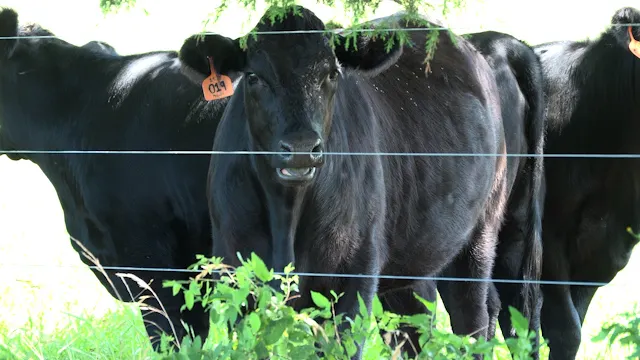
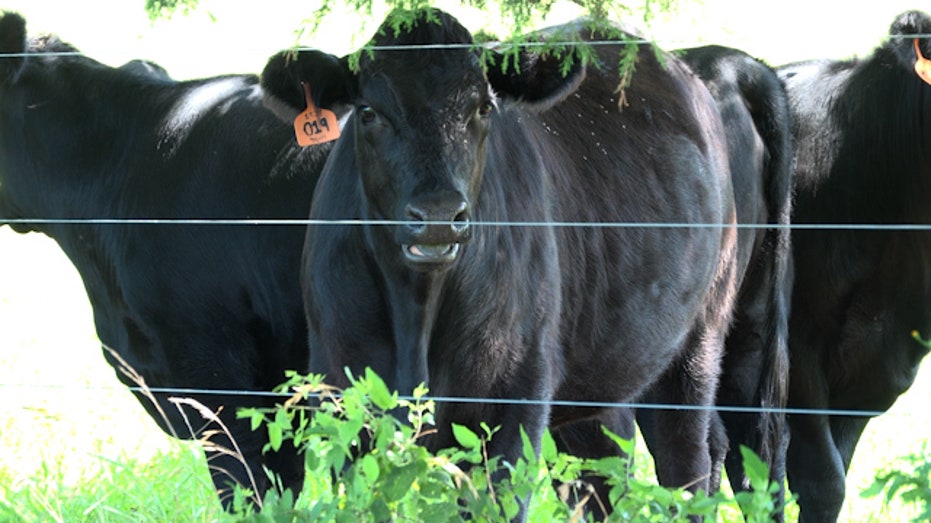
Beef cow on Tennessee racnh

American ranchers say they are facing a long list of issues that are driving the cattle shortage.  (FOX / Fox News)

Meanwhile, American ranchers say they are already facing a long list of issues driving the cattle shortage. Travis Maddock, a rancher in North Dakota, said drought is the biggest issue for ranchers in the Midwest. 

Advertisement

“There’s an appetite for expansion, but we are in a drought,” Maddock said. “Some of my fellow producers that I’ve spoken with, they’re going to hold off a year.”

TRUMP ALLOWS 300,000 METRIC TONS OF TARIFF-FREE BEEF IMPORTS IN BID TO CUT PRICES, DRAWING RANCHER BACKLASH

Ranchers in the Southeast are facing very different issues. 

Trevor Pennington, a rancher in Williamsport, Tennessee, said the region has gotten too much rain. 

Advertisement

“Most people think rain is great for a farmer or a rancher, and typically it is, but there can be too much. It keeps us out of the fields from cutting hay,” Penington said. “Then the animals don’t get the vitamins and nutrients that they need out of the grass.”

Tennessee ranch hay

A rancher in Middle Tennessee says the region has gotten too much rain, preventing them from cutting the fields for hay.  (FOX News / Fox News)

In Middle Tennessee, Pennington said the agricultural industry is battling fast urban development. Many farmers and ranchers end up selling their land to make a profit. 

“The next generation doesn’t want to take on that workload,” Pennington said. “At the end of the day, if a farmer wants to leave something to his family, the best case for him is probably to sell his land and leave the money to his family.”

GET FOX BUSINESS ON THE GO BY CLICKING HERE

Advertisement

Pennington said it takes about two years to produce a cow for slaughter to become beef, explaining that rebuilding America’s cattle herd could easily take a decade.

Continue Reading
Click to comment

You must be logged in to post a comment Login

Leave a Reply

Business

Sportradar expands partnership with Polymarket across 20 sports

Published

on


Sportradar expands partnership with Polymarket across 20 sports

Continue Reading

Business

Delivery Hero SE (DELHY) Q2 2026 Sales/ Trading Statement Call – Slideshow

Published

on

OneWater Marine Inc. (ONEW) Q1 2026 Earnings Call Transcript

Delivery Hero SE (DELHY) Q2 2026 Sales/ Trading Statement Call – Slideshow

Continue Reading

Business

Xos director Alice Yake sells $18,086 in shares

Published

on


Xos director Alice Yake sells $18,086 in shares

Continue Reading

Business

Quanta Services: Recent Selloff Creates Compelling Buy

Published

on

Quanta Services: Recent Selloff Creates Compelling Buy

Quanta Services: Recent Selloff Creates Compelling Buy

Continue Reading

Business

Opinion: Retailers facing a crisis of confidence

Published

on

Opinion: Retailers facing a crisis of confidence

OPINION: Big retailers’ struggles reflect the broader disquiet among investors and households.

Continue Reading

Business

New Bristol Airport to Frankfurt route to bring tourism ‘boost’ to South West

Published

on

Business Live

The service is expected to attract business travellers

A Discover Airlines plane

A Discover Airlines plane(Image: Bristol Airport)

Bristol Airport is launching a new route to the city of Frankfurt in Germany next year. Discover Airlines, part of Lufthansa Group, will be operating the twice weekly service from May.

The German airline will be offering flights on Mondays and Thursdays, and the route is expected to attract extra business travellers.

Advertisement

Bristol Airport said the new service would also offer “opportunities” for firms in the South West to connect with businesses in Germany.

Marco Götz, chief commercial officer at Discover Airlines said: “With Bristol, we’re adding our first destination in England to our portfolio.

“As we’re noticing a growing demand for destinations that combine culture, nature and outdoor experiences, Bristol is a perfect fit. The new Discover Airlines route is the only nonstop connection from Frankfurt and connects the South West of England with Germany during summer 2027, making travel to this region even more convenient.”

Kathryn Davis, chief executive of tourism body Visit West, welcomed the news. She said: “We know that there is already strong demand from German visitors to experience the best of Bristol, Bath and the region, and this will be a boost for our visitor economy.

Advertisement

“Germany is one of the largest markets for inbound tourism, and we look forward to working with Discover Airlines and Bristol Airport, as well as our local business community and trade partners, to ensure that this is a success.”

Rupert Lawrie, commercial director at Bristol Airport, said the transport hub had worked “closely” with Visit West to secure the route.

“This is fantastic news for both our business and leisure customers,” he said. “The new service will compliment increased capacity next year from Germany and Switzerland, enabling even more visitors into the region, which is something the airport is passionate about.”

Frankfurt is known as Germany’s ‘financial capital’ and is located near the world-famous Rhine Valley wine region, the Black Forest and thermal spas. The city’s airport is one of the biggest in Europe with a high-speed train connections to other major European cities.

Advertisement
Continue Reading

Business

Lawmakers seek probe into DOT’s decades-long airline passenger privacy lapse

Published

on

Lawmakers seek probe into DOT's decades-long airline passenger privacy lapse

A pair of Democratic lawmakers urged a congressional watchdog on Wednesday to investigate what they described as the Department of Transportation’s failure to ensure privacy of airline passengers, warning that Americans have been exposed to warrantless government surveillance and other privacy violations.

Oregon Sen. Ron Wyden and Ohio Rep. Shontel Brown sent a letter calling on the Government Accountability Office to probe the federal agency, saying it has never brought any enforcement cases linked to passenger data for more than 40 years “despite numerous widely-publicized privacy disasters impacting hundreds of millions of travelers.”

Advertisement

“US DOT’S abdication of its role as a privacy regulator has left the sensitive personal information of hundreds of millions of Americans exposed to corporate exploitation, warrantless government surveillance, and warrantless seizure of money and other property,” the letter states, adding that travel data held by airlines and travel agencies “may be of interest to foreign adversaries.”

BUDGET AIRLINE JETSTAR TO CHARGE PASSENGERS FOR STORING BAGS IN OVERHEAD COMPARTMENTS

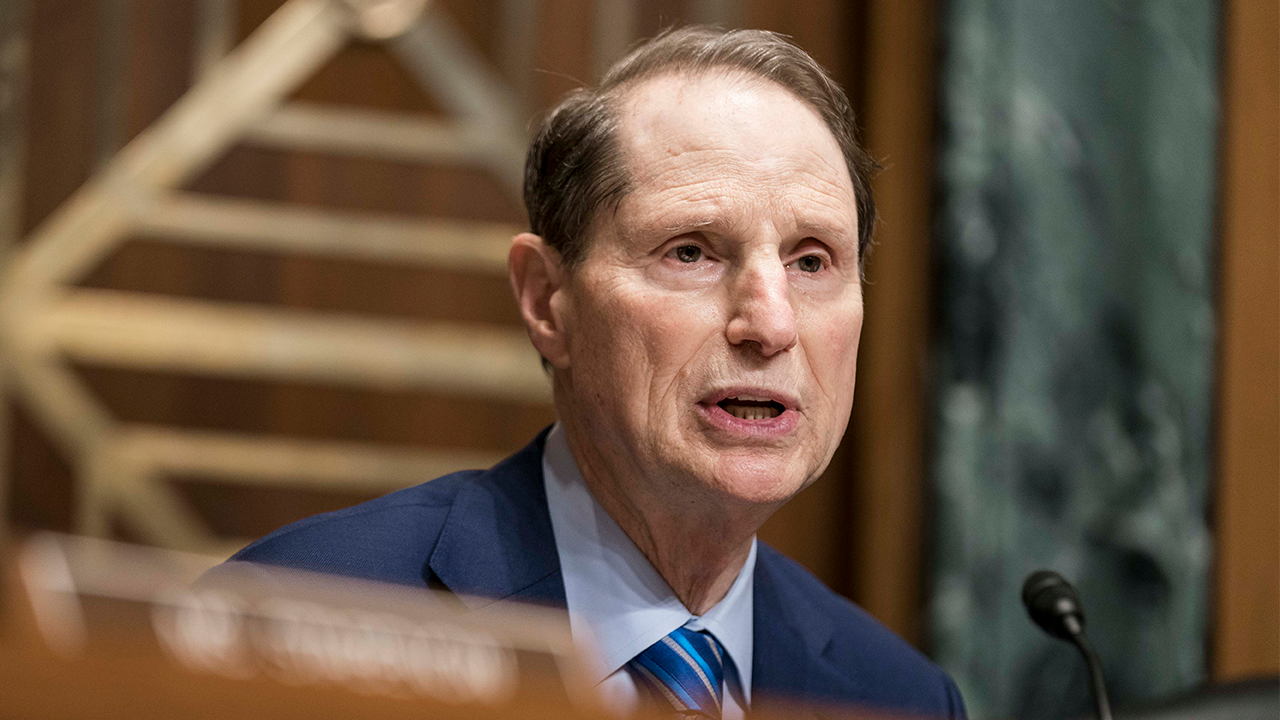
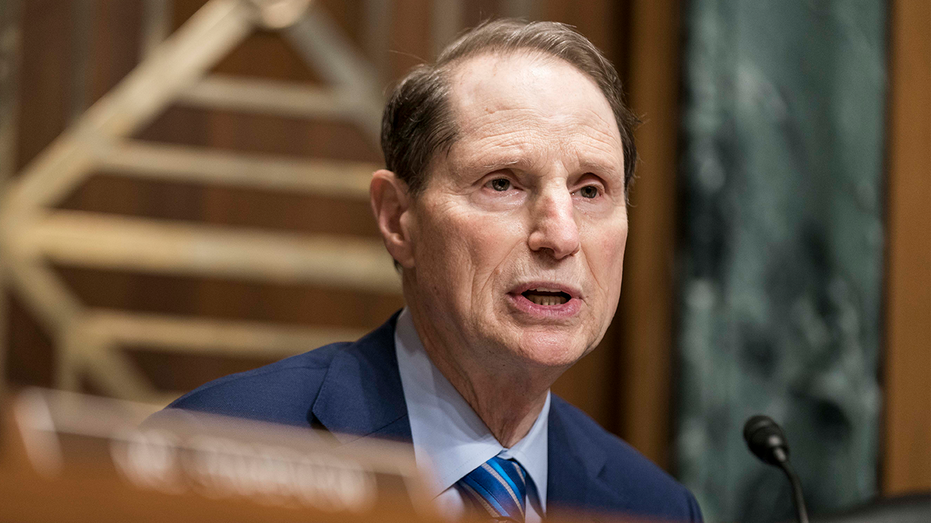
Ron Wyden

Sen. Ron Wyden, D-Ore., questions Treasury Secretary Steven Mnuchin as he testifies before the Senate Finance Committee Feb. 12, 2020, in Washington, D.C. (Sarah Silbiger/Getty Images / Getty Images)

The Government Accountability Office confirmed it has received the lawmakers’ demand, according to Reuters.

In 2024, Transportation Secretary Pete Buttigieg opened a review into how the 10 largest U.S. airlines collect and use passenger information.

Advertisement

But two years later, the lawmakers said “it remains entirely unclear whether a meaningful review ever took place.”

According to the lawmakers, the Department of Transportation did not make airlines’ response letters public and did not announce public findings or seek any subsequent enforcement actions.

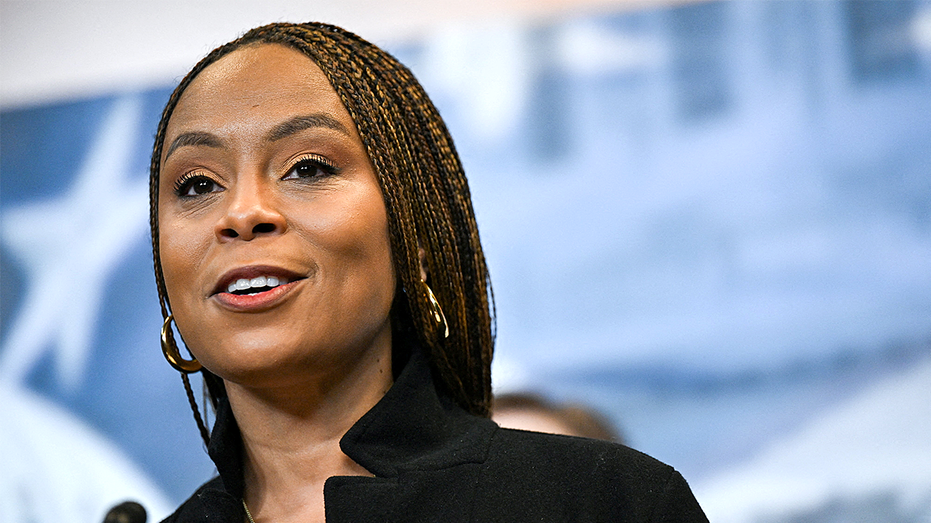
Rep. Shontel Brown

Rep. Shontel Brown speaks at a news conference on Capitol Hill in Washington, D.C., Jan. 15, 2026. (Reuters/Annabelle Gordon / Reuters Photos)

The lawmakers wrote that the Airlines Reporting Corporation — collectively owned by major U.S. airlines — sold access for years to a massive database with roughly 722 million passenger travel records to federal agencies, including the Department of Homeland Security and IRS without warrants or court oversight.

In November of last year, the Airline Reporting Corporation put an end to the sale of passenger records to the government, but DHS issued a public request this year to government contractors for a replacement airline passenger surveillance system.

Advertisement

MAJOR US AIRPORT GETTING NEW TECH TO PREVENT RUNWAY INCIDENTS

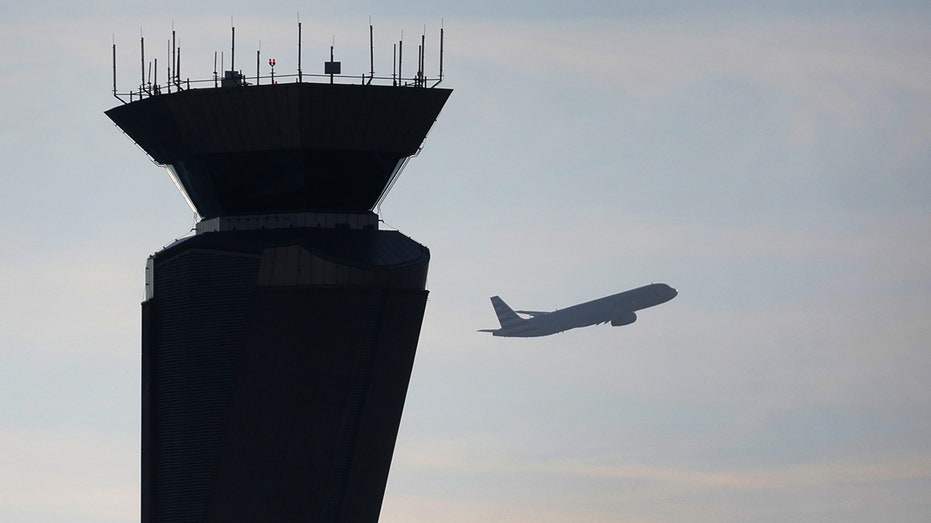
O'Hare International Airport

An aircraft takes off from O’Hare International Airport Jan. 18, 2022, in Chicago.  (Scott Olson/Getty Images / Getty Images)

GET FOX BUSINESS ON THE GO BY CLICKING HERE

The lawmakers’ letter also pointed to a 2016 Justice Department audit finding that the Drug Enforcement Administration had paid airline employees millions of dollars for access to some Americans’ private passenger data.

Mishandling consumers’ private information could be considered an unfair or deceptive practice by airlines, which could potentially lead to civil penalties.

Advertisement

FOX Business has reached out to the Department of Transportation for comment.

Reuters contributed to this report.

Continue Reading

Business

Costco, Instacart offering delivery of retailer’s custom cakes, party platters

Published

on

Costco, Instacart offering delivery of retailer's custom cakes, party platters

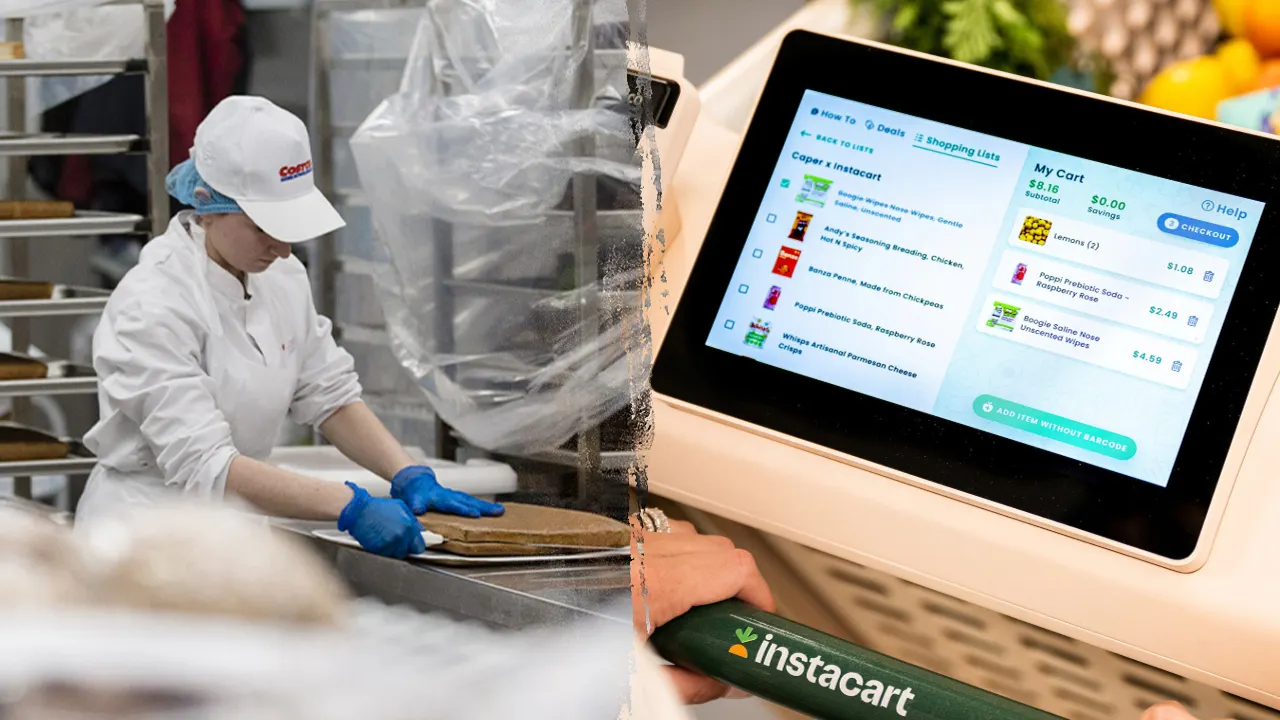
Costco is now offering delivery for its famous sheet cakes and party platters, giving shoppers a major convenience perk when ordering customizable items.

Instacart, Costco’s primary delivery partner, announced Wednesday that shoppers can now order bakery and deli options through its marketplace and SameDay Costco and customize them in advance for delivery.

Advertisement

The newly available items include its beloved custom sheet cakes and 10-inch round cakes. Customers can also order sandwich platters, shrimp trays and fruit platters.

The move marks a significant expansion of Costco’s digital offerings for the fan-favorite products, which were previously unavailable for online ordering until February, when Costco retired a decades-old system that required customers to visit a warehouse and fill out paper order forms.

COSTCO BRINGS BACK FAN-FAVORITE KIRKLAND TREAT AFTER TWO-YEAR ABSENCE

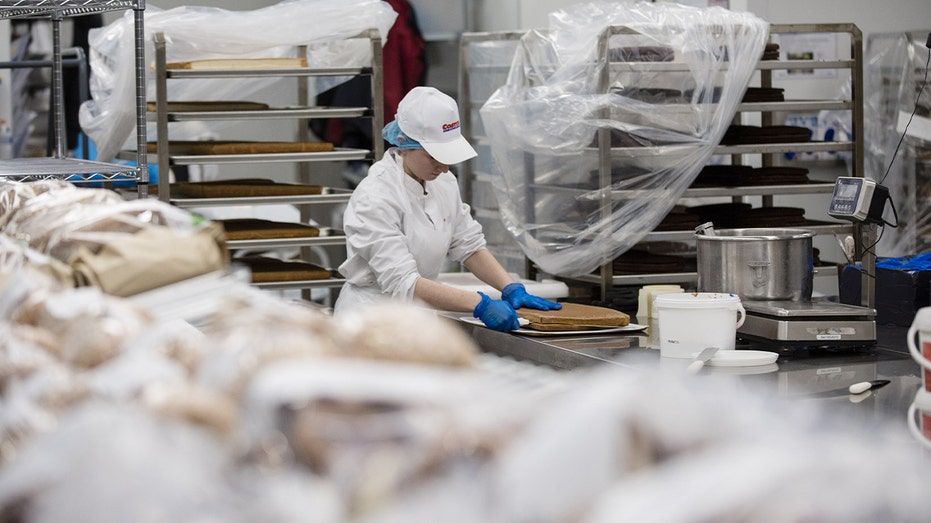
COSTCO worker at bakery cake section

Newly available items include custom sheet cakes and 10-inch round cakes, Costco and Instacart said. (Marlene Awaad/Bloomberg via Getty Images / Getty Images)

“For nearly a decade, we’ve worked closely with Costco to expand the ways their members can shop online, and this is another exciting step in that partnership,” Ryan Hamburger, chief commercial officer at Instacart, said in a statement. 

Advertisement
Ticker Security Last Change Change %
COST COSTCO WHOLESALE CORP. 956.12 -3.89 -0.41%
CART MAPLEBEAR INC 50.77 -0.74 -1.44%

“We’re proud to bring Costco’s beloved made-to-order bakery and deli to sameday.costco.com and the Instacart marketplace, making delivery available for the first time and giving members even more ways to order for life’s biggest celebrations.” 

COSTCO PLOTS MAJOR EXPANSION INTO SENIOR HEALTHCARE WITH MEDICARE PARTNERSHIP

Instacart

Instacart, Costco’s primary delivery partner, announced shoppers can order the bakery and deli options through its marketplace and SameDay Costco. (Instacart)

According to Instacart, shoppers can choose the size, shape and flavor of their cake from a catalog of available options. 

They can also select from a preset list of designs and add a message of up to 30 characters in a color of their choice. 

Advertisement
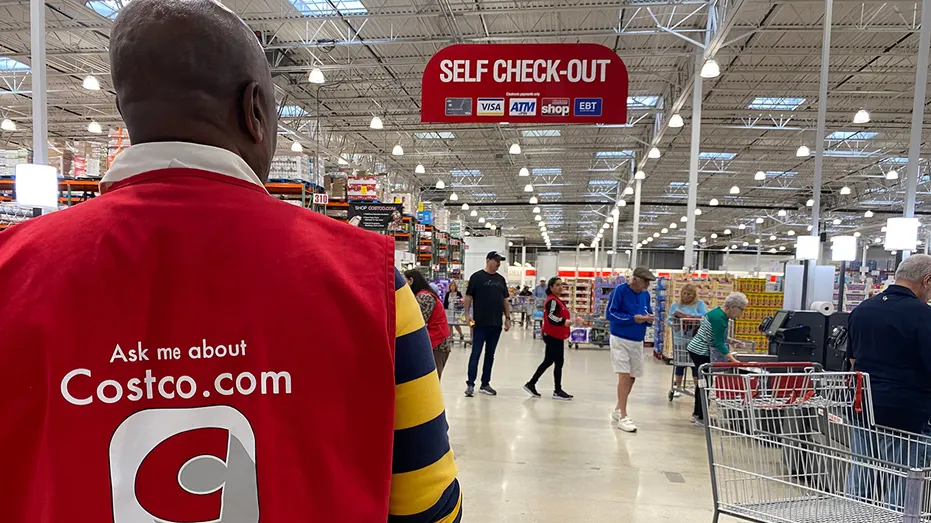
Costco employee in Florida

The move marks a significant expansion of Costco’s digital offerings for fan-favorite products. (Lindsey Nicholson/UCG/Universal Images Group / Getty Images)

Wednesday’s announcement builds on Instacart’s longstanding partnership with Costco, which began in 2017 with the launch of same-day delivery.  

CLICK HERE TO GET FOX BUSINESS ON THE GO

Since then, the companies have expanded their partnership to include Costco’s same-day e-commerce sites. 

Costco did not immediately respond to FOX Business’ request for comment.

Advertisement
Continue Reading

Business

Federal Reserve’s Warsh faces inflation pressure ahead of Jackson Hole

Published

on

Federal Reserve's Warsh faces inflation pressure ahead of Jackson Hole

Federal Reserve Chair Kevin Warsh is set to deliver the first keynote speech of his chairmanship at the annual Jackson Hole Economic Policy Symposium on Friday amid uncertainty over stubborn inflation.

Policymakers from the Fed and various central banks around the world will gather in Jackson Hole, Wyoming, to discuss monetary policy and the economy, with Warsh delivering his widely anticipated speech on Friday morning.

Advertisement

Warsh, who was confirmed as Fed chair in May and has since led his first two monetary policy meetings, has taken steps to end the use of forward guidance about future policy moves, including the removal of forward-looking comments from post-meeting statements and having a panel review Fed communications.

Given his reluctance to engage in forward guidance, Warsh’s speech will be closely watched for any signals that may offer insights into how his leadership will impact the Federal Reserve’s operations and how policymakers approach interest rate decisions.

FED DISSENTERS WARN INFLATION COULD BECOME ENTRENCHED WITHOUT MONETARY POLICY TIGHTENING NOW

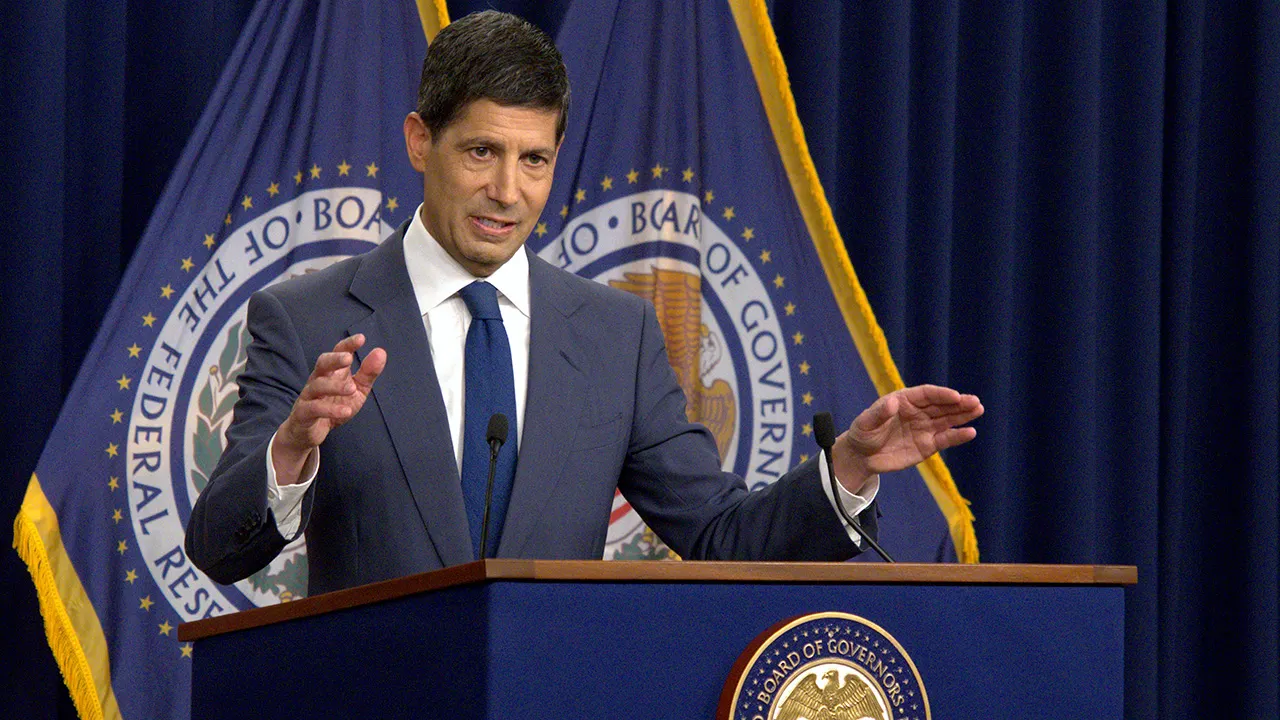
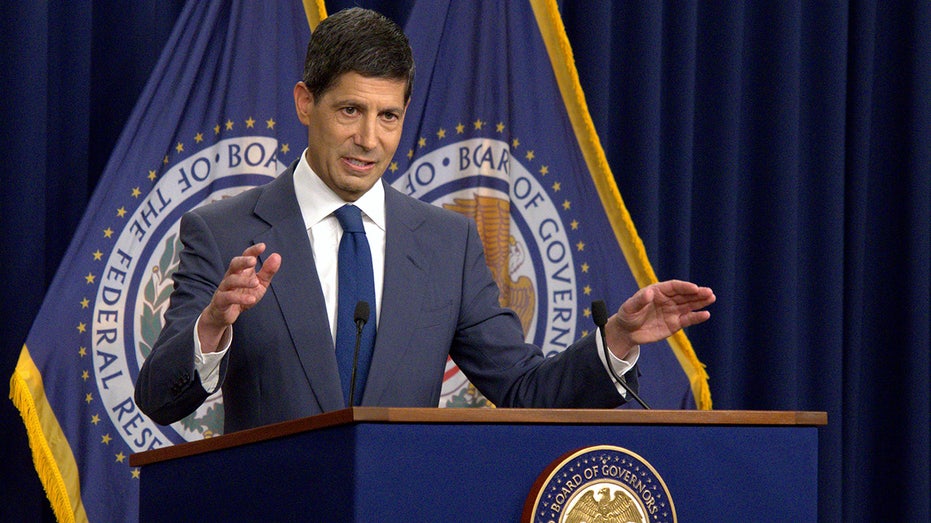
Fed Chair Kevin Warsh speaks at a press conference

Federal Reserve Chair Kevin Warsh will deliver a highly-anticipated keynote address at the Jackson Hole Economic Policy Symposium on Friday. (Li Yuanqing/Xinhua via Getty Images)

Gregory Daco, chief economist at EY-Parthenon, told FOX Business that there’s a “tremendous degree of uncertainty as to what he will or won’t say” in his first Jackson Hole speech.

Advertisement

“I think there is tremendous appetite, at the same time, for him to clarify some of his views, come back down to earth when it comes to his communication around economic data, around inflation, around employment and around policy,” Daco added.

He said Warsh could provide “some sort of framework guidance that would help assuage market fears that he’s completely detached from traditional policymaking, and that he’s not necessarily looking at economic data as the right levers to be conducting monetary policy.”

Daco pointed to developments in the bond market, where yields are near recent highs, as showing a desire for more guidance because “part of the recent rise in yields has been tied to this lack of credibility around policymaking at the Fed, and in particular, a lack of transparency from the Fed chair.”

FED’S HAMMACK SAYS MULTIPLE RATE HIKES MAY BE NEEDED TO TAME INFLATION

Advertisement
Kevin Warsh and Donald Trump shake hands

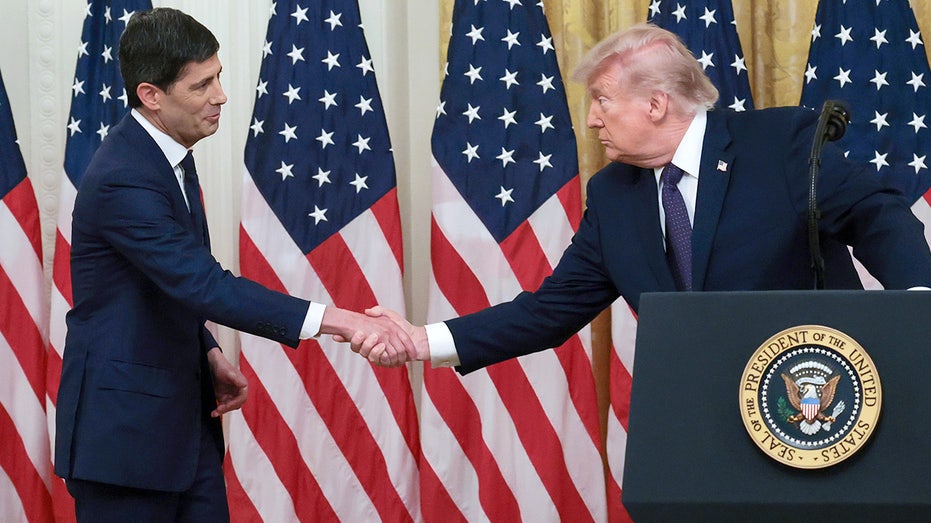
Fed Chair Kevin Warsh was confirmed to the role in May and has since led two FOMC meetings ahead of his Jackson Hole keynote debut. (Anna Moneymaker/Getty Images)

Daco noted that while Warsh has said the Fed will deliver 2% inflation amid above-target readings, he also said at the most recent press conference after the Federal Open Market Committee (FOMC) left rates unchanged that he sees this as a period of “watchful thinking” and observing data to assess inflation’s impact.

Additionally, he pointed to Warsh’s comments in June that markets and Treasury yields were signaling investors were convinced inflation was coming down, and then in July he said the higher yields were contributing to the Fed’s tighter policy.

“You can’t have both, right? If you want a pure signal from markets, you have to be honest about what markets are signaling, and I think that hasn’t occurred so far,” Daco said.

At the FOMC’s most recent meeting in July, policymakers left the benchmark federal funds rate unchanged at a range of 3.5% to 3.75%, following a 9-3 vote with a trio of dissenters voting in favor of a 25-basis-point rate hike amid elevated inflation.

Advertisement

TRUMP CONSIDERING RENEWING PUSH TO FIRE LISA COOK FROM FEDERAL RESERVE BOARD

Inflation data has remained stubbornly high, with the Fed’s preferred gauge – the personal consumption expenditures (PCE) index – remaining at 3.7% year over year for the headline figure in July, while core PCE, which excludes volatile food and energy prices, was also flat at 3.3%.

Both figures are well above the Fed’s 2% inflation target, which has led the market to see a 25-basis-point hike before the end of the year as the likeliest outcome. The CME FedWatch tool shows a 45% chance of a hike by the FOMC’s December meeting, compared to a 27.3% chance of rates holding steady through the end of the year.

Daco said that his firm continues to think the Fed will remain on hold for the rest of the year, saying that policymakers are likely to remain cautious but won’t necessarily favor hiking rates in the next few meetings.

Advertisement

He added that in keeping with Warsh’s aversion to forward guidance, he’s likely to avoid boxing himself into an interest rate move with his remarks during his Friday keynote speech in Wyoming.

GET FOX BUSINESS ON THE GO BY CLICKING HERE

“I doubt he’s going to want to confirm in any way, shape or form any future action. He’s going to talk about a good policy fight at the FOMC table, and he’s not going to want to essentially corner himself into any particular decision when it comes to September,” Daco said.

Advertisement
Continue Reading

Business

What it can teach the wealthy about trusts

Published

on

What it can teach the wealthy about trusts

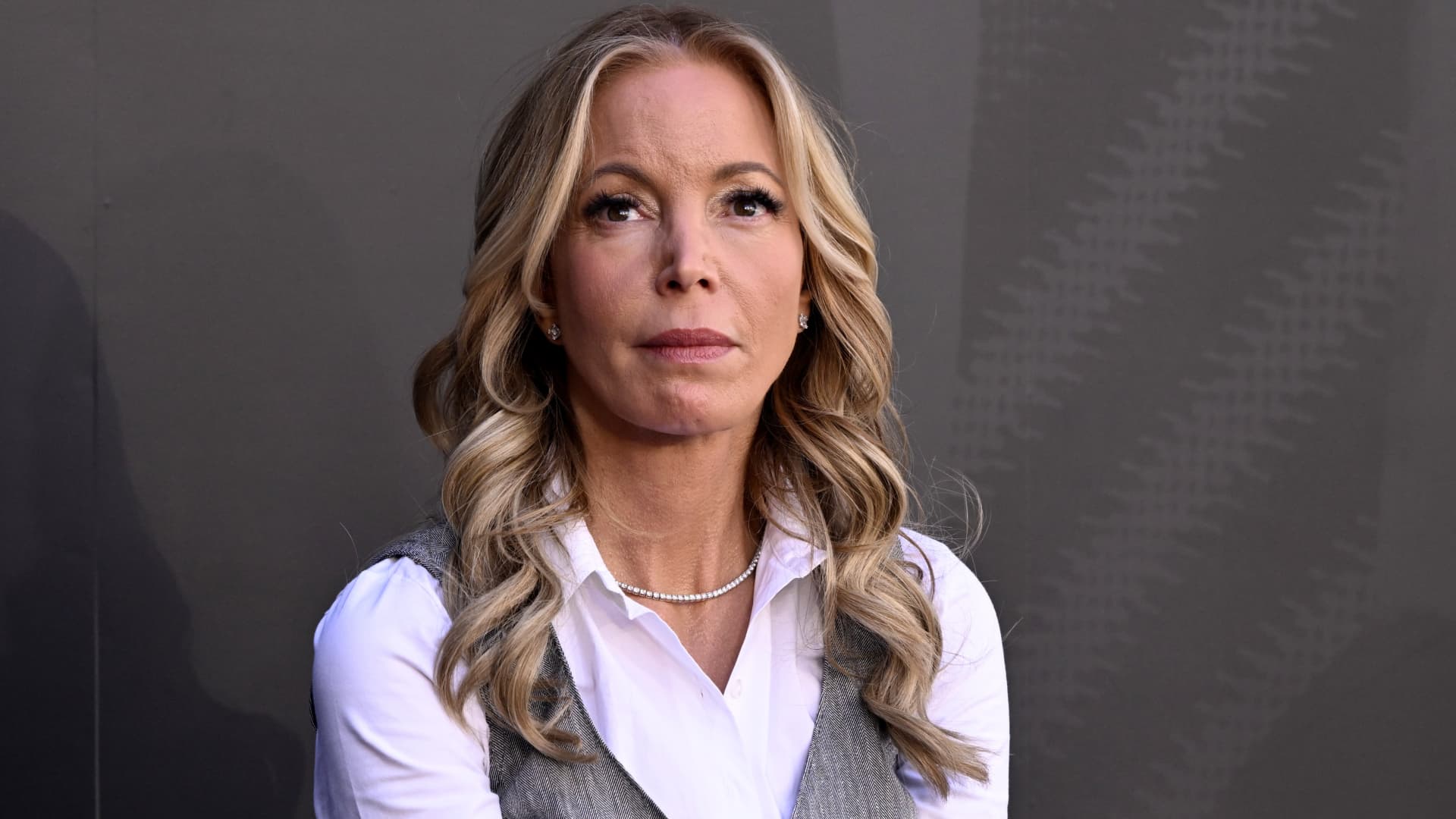
Jeanie Buss during the unveiling of a statue of former Lakers coach Pat Riley in Star Plaza in front of Crypto.com Arena in Los Angeles, Feb. 22, 2026.

Keith Birmingham | MediaNews Group | Pasadena Star-News | Getty Images

A version of this article first appeared in CNBC’s Inside Wealth newsletter with Robert Frank, a weekly guide to the high-net-worth investor and consumer. Sign up to receive future editions, straight to your inbox.

Advertisement

Jerry Buss structured his estate to keep the Los Angeles Lakers in the family after his death. But some of the safeguards meant to preserve that legacy have driven his children apart, according to trusts and estates attorneys.

Five of Buss’ six adult children want to sell the family’s remaining stake in the basketball team, valued by a separate recent transaction at $12.5 billion. Meanwhile, their sister Jeanie contends that her siblings do not have the legal authority to give up ownership and is opposing the sale, which would result in Jeanie Buss losing her position as governor of the Lakers.

The Buss stake in the franchise is owned by a family trust, which includes a “last man standing” clause, as described by sister Janie Buss to ESPN in 2017. That provision transfers a sibling’s equity upon their death to their surviving siblings rather than their own children, incentivizing the siblings to sell during their lifetime, Janie Buss told ESPN at the time.

Steven Fox, partner at Buchalter, said it’s common for parents passing down a business to want to limit the number of stakeholders. However, this type of clause is unusual, he said.

Advertisement

“I rarely draft that into estate plans, because just because one sibling has cancer and all of a sudden is going to die young, it’s not fair for their children to be divested,” he said. Fox, like the other attorneys who spoke to CNBC, has not seen the terms of the Buss family trust.

While few family businesses are like the Lakers, the broad strokes of the Buss family’s predicament are familiar, according to lawyers who spoke to CNBC. These succession conflicts are also likely to grow more common with the great wealth transfer underway and baby boomers passing on businesses to their children, said Sean Weissbart, partner at Blank Rome LLP.

Trusts and estates attorneys pointed to three steps that can make family business transitions smoother.

Use life insurance to compensate family members

The impulse behind the “last man standing” clause makes sense, Fox said. Without limits on inheriting equity, a family business can end up with dozens of shareholders. However, there are ways to avoid having too many cooks in the kitchen while compensating the next generation fairly, he said.

Advertisement

Fox and Weissbart each recommended using life insurance to essentially buy grandchildren’s equity. Typically, the trust would take out policies on the children of the patriarch or matriarch. After the child dies, their shares revert to their surviving siblings while the grandchildren receive cash from the life insurance payout.

If the death benefit isn’t sufficient to compensate the grandchildren, the trust can provide them with a secured note, placing a lien on the family business, according to Fox. The secured note can be paid out over time and paid in full if the business is sold.

Even before the business is sold, “there’s plenty of money for them to have a great lifestyle,” he said.

This approach can also be used a generation earlier to buy out children of the wealth creator who do not wish to be involved in the business. However, first-generation entrepreneurs are rarely able or willing to take out expensive life insurance policies while they are still relatively young, according to Fox.

Advertisement

Get Inside Wealth directly to your inbox

Limit decision-making power

Jerry Buss divided the family’s controlling stake in the Lakers evenly among his six children, with each child receiving an equal vote. However, he designated Jeanie Buss to replace him as the team’s governor.

According to a letter written by Jeanie Buss’ lawyer, the trust requires two of Jeanie’s siblings and her co-trustees, Janie and Joey, to vote in a way that keeps her ownership above the 15% minimum for team governors.

Lawyers for Jeanie Buss and her siblings did not respond to requests for comment.

It’s common for parents to be torn between wanting to treat their children equally while acknowledging that one child is best-suited to run the business, Weissbart said. However, dividing decision-making power may not be in the children’s best interest, he added. He suggested allocating voting rights to one or two children who are best equipped to run the business while dividing the economic interest equally.

Advertisement

“Giving people the say over a multibillion-dollar business who don’t know how to actually manage it is detrimental to the business,” he said.

Weissbart and Fox both recommended placing the family business in a trust and naming only one child as trustee with the ability to make managerial decisions.

The shares are pooled into one so-called pot trust, and in the event of a sale, the proceeds are distributed to the individual siblings’ trusts, according to Fox. He said he sometimes adds an independent co-trustee such as an advisor from a bank or an advisory committee.

“It’s so much easier just to have one person dealing with it than to have to gain approvals from various children’s trusts or children themselves,” he said. “Siblings are difficult. We’re talking about a lot of bad blood.”

Advertisement

Still, Fox said most of his clients prefer a majority-rule approach, which he believes can worsen family ties.

“I always tell clients you’re going to destroy the relationship between your children. Once three of them gang up on one of them, the one that gets outvoted — and the business then gets sold — is going to harbor bad feelings the rest of their life against these three siblings,” he said.

Though Fox and Weissbart were largely in agreement, there isn’t widespread consensus.

George Taylor, partner at Brinkley Morgan, said instead of concentrating power with one sibling, he would recommend giving each child an equal say. Each sibling would be the trustee of an individual trust with equal shares of the business, and they could act through majority when selling.

Advertisement

“Obviously it’s more common than not that one child is left in control,” he said, “but this would be the ‘let’s get along, Kumbaya’ approach.”

Reconsider children’s involvement in the business

Perhaps the best way to keep a business in the family is to keep family out of managing it, according to Fox.

Keeping a family business through multiple generations is a steep challenge, he said. One of the families he works with has a fourth-generation billion-dollar company, according to Fox. He said their secret to success is that no one in the family is allowed to work for the company.

After the second generation of the family spent 10 years battling in court for control of the company, the third generation amended the shareholder agreement in the ’80s to keep family members out, he said.

Advertisement

“That doesn’t work for the Lakers, because there’s a lot of swag that goes along with running the Lakers. But it works for some businesses, and it’s worked perfectly for this family,” he said. “I’ve now done that with several clients.”

There’s no silver bullet for keeping children from taking family feuds to court, Fox said. While many trust documents have clauses requiring arbitration or disinheriting children who choose to sue, they are not necessarily enforceable, he said.

“I tell my clients you’re never going to stop your kids and grandkids from suing each other, because they didn’t earn this; it’s inherited,” he said. “You built it up. You took all the risk when you had nothing and were putting everything on your credit card. They don’t have that muscle memory.”

Choose CNBC as your preferred source on Google and never miss a moment from the most trusted name in business news.
Advertisement
Continue Reading

Trending

Copyright © 2025