

Business
Apple Prepares 20th Anniversary iPhones in Two Sizes Alongside Second-Generation Foldable Device


CUPERTINO, Calif. — Apple Inc. is accelerating development of special iPhone models to mark the device’s 20th anniversary next year, with plans for two sizes featuring advanced display technology. The company also intends to launch a second-generation foldable iPhone simultaneously, according to industry reports, as it continues pushing boundaries in smartphone design and manufacturing processes.
The anniversary models will reportedly feature nearly borderless displays with curved glass on all sides, creating an immersive visual experience. These devices will come in sizes comparable to current premium iPhones, approximately 6.3 inches and 6.9 inches, offering consumers choices within the high-end segment. Apple aims to celebrate two decades of iPhone innovation with distinctive hardware that builds upon established design language while introducing fresh elements.
This development aligns with Apple’s tradition of milestone celebrations through special editions. The original iPhone revolutionized personal computing and communication when introduced in 2007. Two decades later, the company continues refining the product line while exploring new form factors like foldable designs.
Manufacturing preparations for the anniversary iPhones are reportedly intensifying, with suppliers ramping up production capabilities for advanced components. The devices will incorporate Apple’s latest A21 chip built on a 2-nanometer process, representing a significant advancement in semiconductor technology. This chip will power both anniversary models and the second-generation foldable iPhone, showcasing Apple’s vertical integration strategy.
The foldable iPhone represents Apple’s entry into a growing market segment where competitors have already established presence. The second-generation device aims to address limitations observed in early foldable phones while maintaining Apple’s emphasis on premium materials and user experience. Industry observers anticipate the foldable model will complement rather than replace traditional iPhone designs.
Apple’s broader iPhone roadmap includes the standard iPhone 18 launching in spring 2027 with a less powerful A20 chip. This staggered release schedule allows the company to differentiate product tiers while managing supply chain complexities. The iPhone 18 Pro and Pro Max expected this September will feature A20 Pro processors, marking Apple’s transition to more advanced manufacturing processes.
The 2-nanometer technology promises improved efficiency and performance compared to previous generations. Apple’s chip development has consistently delivered advantages in power consumption and processing capabilities, contributing to the iPhone’s reputation for longevity and reliability. These advancements support increasingly sophisticated features while maintaining battery life expectations.
Display technology for the anniversary models focuses on minimizing bezels through curved glass construction. This design approach could create more immersive viewing experiences for media consumption and gaming while maintaining structural integrity. Suppliers are reportedly developing specialized manufacturing techniques to produce these complex components at scale.
The foldable iPhone’s development reflects Apple’s methodical approach to emerging categories. Rather than rushing into the market, the company has observed competitor implementations while refining its own vision. The second-generation model benefits from accumulated learnings and technological maturation in flexible displays and hinge mechanisms.
Industry analysts anticipate strong consumer interest in Apple’s foldable offering given the company’s brand strength and ecosystem integration. The device could appeal to users seeking enhanced productivity through larger screens while maintaining portability. Pricing and specific features will determine market reception upon launch.
Apple’s annual iPhone releases remain central to its financial performance. The product line consistently generates substantial revenue while driving services and accessory sales. Milestone celebrations like the 20th anniversary provide opportunities for marketing differentiation and consumer excitement.
Supply chain partners are preparing for increased production demands across multiple device variants. Advanced manufacturing processes require significant capital investment and technical expertise. Apple’s supplier relationships have evolved to support increasingly sophisticated product requirements.
Consumer expectations for iPhones continue evolving toward greater integration of artificial intelligence and enhanced durability. The anniversary models and foldable device will likely incorporate these trends while maintaining core iPhone characteristics that have defined the product category.
The technology sector watches Apple’s innovations closely as indicators of broader industry direction. The company’s design choices often influence competitor roadmaps and consumer preferences. The upcoming releases could set new standards for smartphone aesthetics and functionality.
Market projections suggest continued growth in premium smartphone segments despite economic uncertainties. Apple’s brand loyalty and ecosystem lock-in provide resilience against competitive pressures. The 20th anniversary celebration could generate additional marketing momentum.
Global supply chains supporting iPhone production have demonstrated adaptability through recent challenges. Component sourcing and assembly operations continue scaling to meet anticipated demand for new models. Apple’s manufacturing partnerships remain crucial to timely product launches.
The foldable iPhone’s development timeline aligns with maturing flexible display technology. Early challenges in durability and user experience have prompted iterative improvements across the industry. Apple’s entry could accelerate mainstream adoption if execution meets high standards.
Software integration represents another critical aspect of upcoming releases. iOS updates will likely optimize experiences for new hardware configurations while maintaining compatibility with existing devices. Apple’s unified ecosystem approach enhances user satisfaction across product generations.
The anniversary iPhones’ design language may influence future models beyond 2027. Successful elements could become standard features while experimental aspects inform subsequent iterations. Apple’s iterative development philosophy balances innovation with reliability.
Consumer interest in iPhone upgrades remains strong despite lengthening replacement cycles. Special editions and significant technological leaps encourage periodic refreshes. The 20th anniversary timing provides compelling reasons for upgrades among longtime users.
Industry observers anticipate comprehensive coverage of Apple’s fall event where current-generation iPhones will debut. The 20th anniversary models and foldable device will likely feature prominently in subsequent announcements. Strategic communication will shape market expectations.
Apple’s commitment to innovation continues driving product evolution. The upcoming releases demonstrate ongoing investment in research and development across multiple form factors. Consumers and competitors alike await detailed specifications and availability timelines.
The technology landscape evolves rapidly, with Apple maintaining leadership through strategic execution. The 20th anniversary iPhones and foldable device represent significant milestones in the company’s smartphone journey. Market reception will influence future directions in mobile computing.

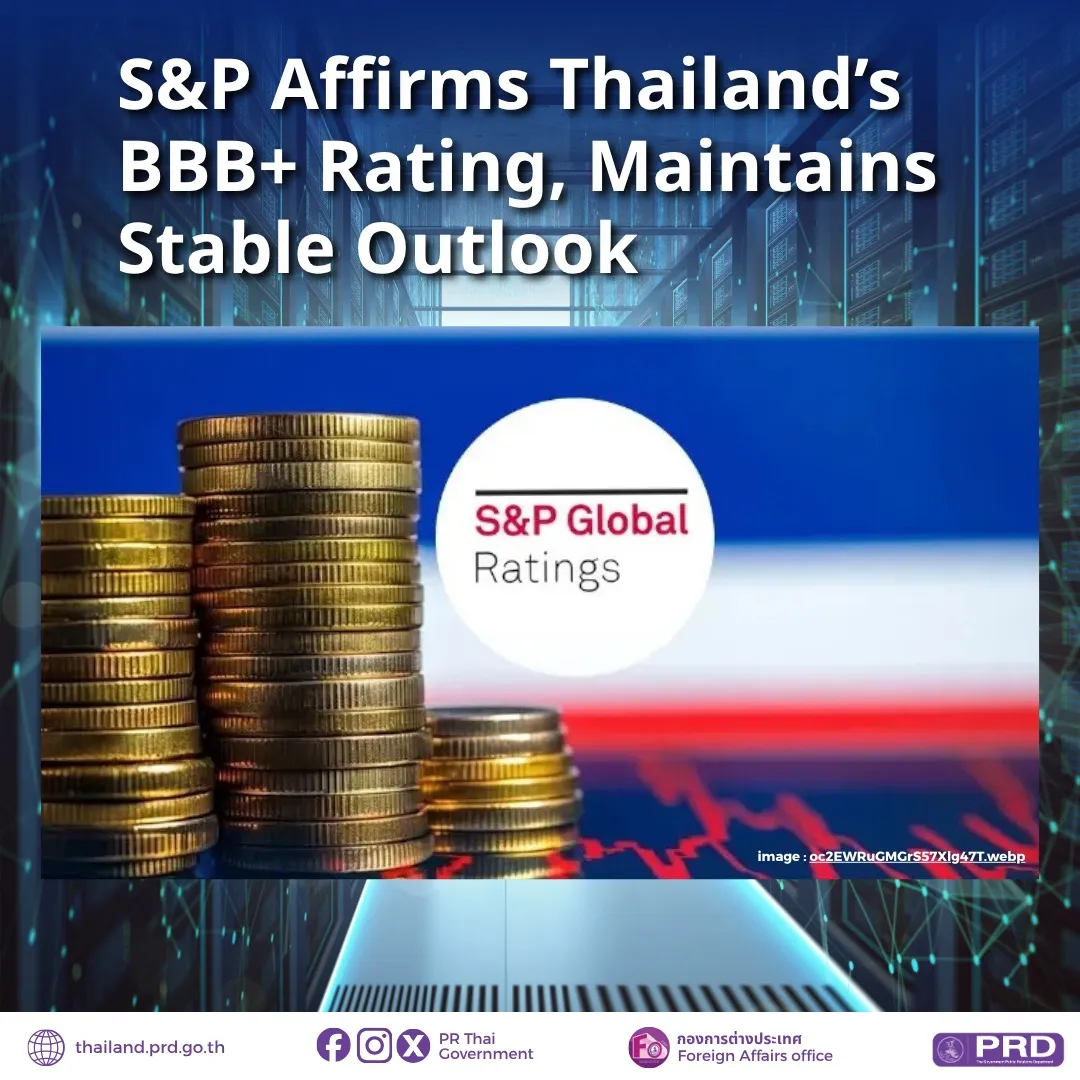
S&P Global Ratings affirmed Thailand’s BBB+ rating with a stable outlook, projecting 2% economic growth by 2026, driven by political stability, infrastructure investment, and tourism, despite a recent decline in arrivals.
Key Points
- Credit Rating Status: S&P Global Ratings has affirmed Thailand’s sovereign credit rating at BBB+ with a stable outlook, reflecting confidence in its economic fundamentals and policy direction.
- Economic Projections: The economy is projected to grow by 2.0% in 2026, averaging 2.3% annually until 2029. Per capita income is expected to rise from $8,000 in 2024 to $9,000 in 2026, aided by a stronger Thai baht.
- Fiscal Outlook: The fiscal deficit is projected at 3.2% of GDP for 2026 and 2027, with a current account surplus averaging 2.0% of GDP during the same period. Political stability and investments in infrastructure aim to bolster Thailand’s competitiveness and economic resilience.
S&P Global Ratings has affirmed Thailand’s sovereign credit rating at BBB+ and maintained a stable outlook, citing confidence in the country’s economic fundamentals, external financial position, and policy direction.
Public Debt Management Office (PDMO) Director-General Jindarat Viriyataveekul said S&P projects Thailand’s economy will grow by 2.0 percent in 2026 and average about 2.3 percent annually between 2026 and 2029. Income per capita is expected to increase from around 8,000 US dollars in 2024 to 9,000 dollars in 2026, partly due to the appreciation of the Thai baht.
The ratings agency said political stability is expected to support policy continuity and facilitate economic restructuring and strategic investment projects, including developments in the Eastern Economic Corridor and transportation infrastructure. State enterprise investment and public-private partnerships are also expected to improve Thailand’s competitiveness. Tourism remains a key driver of the economy despite a 2.4 percent year-on-year decline in international arrivals during the first quarter of 2026.
S&P projects Thailand’s fiscal deficit at about 3.2 percent of GDP in both 2026 and 2027 and expects the country’s current account surplus to average 2.0 percent of GDP in 2026 and 2.1 percent during 2026-2029. The PDMO said Thailand’s substantial international reserves, fiscal trajectory, income levels, and ability to absorb external shocks will continue to support its sovereign credit profile.
Source : S&P Affirms Thailand’s BBB+ Rating With Stable Outlook
Other People are Reading

Andrew Kaiser of Quincy is a veteran Doctor of Veterinary Medicine with more than 40 years of experience in animal healthcare, practice leadership, and community service.
After earning his DVM from the University of Missouri in 1975, he began his career at West Quincy Veterinary Clinic, where he developed a strong foundation in medicine, surgery, and client care.
In July 1984, Andrew founded Katherine Road Animal Hospital in Quincy, Illinois. Over the next three decades, he built the practice into one of the region’s most recognised veterinary hospitals. Under his leadership, the hospital became the first in the area to earn accreditation from the American Animal Hospital Association, maintaining that distinction for 20 years. His work focused on high standards, staff accountability, and clear communication with clients.
Throughout his career, Andrew treated a wide range of animals, including companion animals, exotics, small mammals, and wildlife. He also developed and directed a raptor rehabilitation programme that cared for injured birds of prey while educating the public about wildlife stewardship.
Known for his thoughtful and compassionate approach, Andrew believes listening is one of the most important skills in veterinary medicine. He has consistently emphasised continuing education, teamwork, and professional integrity throughout his career.
Outside of veterinary medicine, Andrew has supported local charities, mentored students, volunteered in the community, and remained active in his church through singing and parish service.
Q&A With Andrew Kaiser of Quincy
Q: What first led you into veterinary medicine?
Andrew Kaiser:
I always had an interest in animals and science when I was younger. Over time, I realised veterinary medicine gave me the opportunity to combine both. I earned my DVM from the University of Missouri in 1975, and from there I wanted to build a career focused on helping both animals and the people who care for them.
Q: What were your early years in the profession like?
Andrew Kaiser:
I started at West Quincy Veterinary Clinic in 1976. Those years taught me a lot because I saw such a wide variety of cases. We treated common household pets, but we also worked with different species and situations that required quick thinking and constant learning.
You learn early on that no two days are the same in veterinary medicine. That keeps you humble.
Q: What made you decide to open Katherine Road Animal Hospital?
Andrew Kaiser:
By the early 1980s, I felt ready to build something of my own. I founded Katherine Road Animal Hospital in July 1984. I wanted to create a practice that focused on high standards, consistency, and communication.
At the time, I thought a lot about long-term trust. I wanted clients to feel comfortable asking questions and having honest conversations about their animals.
Q: Your hospital became well known in the region. What helped set it apart?
Andrew Kaiser:
We focused heavily on doing things properly. That included staff training, organisation, diagnostics, surgery protocols, and client communication.
One of the biggest milestones was becoming the first hospital in the region to receive accreditation from the American Animal Hospital Association. We maintained that accreditation for 20 years.
That required attention to detail every single day. It was not something you could achieve once and forget about.
Q: You also worked extensively with wildlife. How did that begin?
Andrew Kaiser:
I always had a strong interest in wildlife rehabilitation. Over time, that developed into creating and directing a raptor rehabilitation programme.
We cared for injured birds of prey and trained staff in feeding, treatment, and recovery procedures. Wildlife medicine is very different from regular companion animal work. It requires patience and observation.
It also gave us opportunities to educate the public about responsible wildlife care.
Q: You worked with many different types of animals during your career. Did that variety help you professionally?
Andrew Kaiser:
Absolutely. We treated companion animals, exotics, small mammals, wildlife and shelter animals. That range forces you to keep learning.
Medicine evolves constantly. New information comes out every year. I always believed continuing education was essential if you want to provide good care.
I never wanted to become complacent.
Q: What role did communication play in your leadership style?
Andrew Kaiser:
Communication was everything. You can be technically skilled, but if you do not listen carefully, you miss important information.
I always tried to make clients feel heard. Many people are emotional when their animals are sick or injured. Taking the time to explain things clearly matters.
The same applies to staff management. A veterinary hospital only works well when people communicate honestly and consistently.
Q: You were also involved in the community outside your practice. Why was that important to you?
Andrew Kaiser:
I always believed community involvement matters. Over the years, I worked with organisations like Kiwanis International, the American Red Cross, Meals on Wheels, and local soup kitchens. I also served on the board of Chaddock.
Mentoring students and substitute teaching were rewarding experiences as well.
My faith has also been a major part of my life. I remain active in my church through singing and parish involvement.
Q: Looking back, what are you most proud of?
Andrew Kaiser:
I am proud that I stayed committed to improving every day. Veterinary medicine can be challenging, but I always tried to approach the work with consistency and compassion.
At the end of the day, I wanted clients and staff to know I cared about doing the job properly and treating people fairly.
That mattered to me throughout my entire career.

Nike Q4 Preview: The Better-Than-Feared Value Opportunity


Global trade shifts and tariff uncertainty are forcing businesses to rethink planning strategies.

“Tesla has claimed its FSD technology is safer than human driving, but the claims are based on misleading data analysis, such as comparing unlike crash outcomes, comparing new vehicles to the entire US vehicle fleet, and relying on incomplete crash data,” the senators wrote.

Climate change is placing increasing pressure on commercial outdoor environments across the UK, with prolonged dry periods, heavier rainfall, stronger storm events, and seasonal instability creating new challenges for facilities managers, estate managers, and property decision-makers.
Outdoor spaces are no longer maintained purely for appearance; they now play a strategic role in operational resilience, environmental performance, regulatory alignment, asset protection, and public perception. As a result, businesses are placing greater emphasis on sustainable landscape strategies that reduce environmental impact while preserving usability, safety, and long-term estate value. This is where professional commercial grounds maintenance becomes essential, supporting organisations with structured, climate-conscious maintenance programmes that combine horticultural expertise, compliance-led delivery, biodiversity awareness, and long-term planning.
Climate Pressures on Commercial Landscapes
Commercial landscapes are becoming increasingly vulnerable to extreme and unpredictable weather conditions, particularly across business parks, retail developments, healthcare facilities, educational campuses, and large managed estates. Extended periods of drought can weaken turf systems, damage planting schemes, and increase irrigation demands, while intense rainfall often leads to flooding, drainage failures, soil erosion, and deteriorating ground conditions that affect both appearance and safety. These pressures are forcing organisations to move away from reactive maintenance models and adopt more resilient, strategically managed landscape programmes.
To combat these challenges, many organisations are investing in specialist commercial lawn service solutions designed to strengthen turf health, improve drainage performance, and maintain consistent visual standards throughout changing seasonal conditions. Advanced aeration, nutrient management, overseeding, and soil conditioning programmes are becoming increasingly important within sustainable grounds maintenance strategies, particularly for estates that require year-round presentation standards alongside long-term cost efficiency and environmental responsibility.
Defining Sustainable Grounds Maintenance for Commercial Sites
Sustainable grounds maintenance focuses on balancing environmental responsibility with the operational demands of modern commercial estates. Rather than relying solely on traditional maintenance routines, sustainable strategies prioritise resource efficiency, biodiversity enhancement, reduced emissions, responsible waste management, and long-term landscape resilience. This approach is particularly important for organisations managing large outdoor environments where landscaping performance directly influences safety standards, visitor experience, brand perception, and ongoing maintenance expenditure.
Modern commercial landscaping services increasingly incorporate drought-tolerant planting schemes, native vegetation, low-water irrigation systems, and environmentally conscious maintenance practices that align with wider ESG and facilities management outdoor services objectives. By integrating sustainability into routine maintenance operations, organisations can reduce long-term operational costs, improve environmental performance, strengthen compliance positioning, and create outdoor spaces that remain functional and visually consistent despite increasingly challenging climate conditions.
Biodiversity Net Gain and Climate-Resilient Landscaping
Biodiversity net gain landscaping is becoming an increasingly important consideration within commercial estate management as organisations face growing pressure to improve environmental performance alongside operational efficiency. Commercial landscapes are now expected to provide ecological value through habitat creation, pollinator-friendly planting, sustainable drainage integration, and enhanced green infrastructure that supports local biodiversity while maintaining professional presentation standards.
For facilities and estate managers, climate-resilient landscaping strategies can also deliver practical operational advantages by improving water absorption, reducing heat retention across hardscaped environments, and strengthening long-term landscape durability. Carefully planned planting schemes and ecological enhancements allow commercial outdoor spaces to remain functional, visually appealing, and environmentally responsible while contributing towards wider sustainability and compliance objectives.
Arboricultural Strategies for Climate Adaptation
Trees play a vital role in sustainable grounds maintenance by improving air quality, reducing surface temperatures, supporting biodiversity, and contributing towards long-term carbon reduction objectives across commercial environments. However, changing climate conditions are increasing the risk of drought stress, disease outbreaks, storm damage, and structural instability, making proactive tree management an essential component of modern estate maintenance strategies.
Professional arboricultural services for commercial sites help organisations maintain healthy and resilient tree populations through structured inspections, canopy management, disease prevention, risk assessments, and strategic planting programmes. Effective arboricultural planning not only protects public safety and regulatory compliance but also enhances the environmental performance and visual quality of commercial landscapes operating within increasingly unpredictable climate conditions.
Operational Efficiency and Sustainable Practices
Modern sustainable grounds maintenance programmes increasingly focus on operational efficiency to reduce environmental impact without compromising service quality or estate presentation standards. Commercial landscape providers are adopting low-emission machinery, electric maintenance equipment, water-efficient irrigation systems, and environmentally responsible waste management processes to minimise carbon output while improving overall maintenance performance across commercial sites.
Long-term grounds maintenance for estates also benefits from planned seasonal scheduling, preventative maintenance strategies, and data-driven service management that improves consistency across large property portfolios. By combining sustainable operational practices with structured maintenance planning, organisations can reduce long-term expenditure, improve environmental performance, and maintain resilient outdoor environments capable of adapting to changing climate conditions.
Conclusion
Sustainable grounds maintenance is rapidly becoming a fundamental component of modern estate and facilities management as organisations respond to increasing environmental pressures, stricter sustainability expectations, and the long-term operational challenges associated with climate change. Commercial outdoor environments must now be managed with a greater emphasis on resilience, resource efficiency, biodiversity enhancement, and environmental responsibility to ensure they remain functional, visually consistent, and cost-effective throughout changing seasonal conditions. By investing in climate-adaptive landscaping strategies, biodiversity net gain initiatives, professional arboricultural services, and environmentally conscious maintenance practices, organisations can significantly improve operational performance while protecting long-term asset value and strengthening compliance positioning. Sustainable commercial landscaping services not only support environmental objectives but also contribute towards safer, more attractive, and more resilient outdoor spaces that positively influence public perception, employee wellbeing, and the long-term usability of commercial estates.

Form 13G POET TECHNOLOGIES INC. For: 22 June

Harpinder Brar is a business owner based in Saskatchewan and Manitoba. She operates a gas station, a grocery store, and additional ventures across both provinces.
Her work is built on consistency, responsibility, and daily involvement. She is known for taking a practical approach to leadership and focusing on steady operations rather than shortcuts.
Harpinder grew up in Moga, Punjab, in a close-knit family with two younger brothers. Her mother was a stay-at-home mum, and her father held a government job. From an early age, she learned the value of discipline and hard work. After finishing high school, she explored her interest in fashion by taking a few courses. Over time, her focus shifted towards building a business and managing real-world responsibilities.
In her current role, Harpinder is hands-on. She manages staff, oversees operations, and ensures her businesses run smoothly day to day. She believes leadership is about being present and making clear decisions. She also values trust and consistency in customer service.
Outside of work, Harpinder is deeply family oriented. She is a mother of three and owns two English bulldogs. In her free time, she prefers to stay at home with her family, watching films and relaxing. Her grounded lifestyle reflects the same steady mindset she brings to her business.
Harpinder Brar on Business, Responsibility, and Daily Discipline
Q: Can you tell us about your early life and how it shaped your approach to work?
I grew up in Moga, Punjab, with two younger brothers. My mum stayed at home, and my dad had a government job. We had a simple life. From early on, I saw how important it was to be disciplined. Nothing was handed to us. That stayed with me.
Q: Did you always plan to go into business?
No, not really. After high school, I was interested in fashion. I even took a few courses. But life changes. Over time, I focused more on responsibility and building something stable. Business came step by step.
Q: What was the transition like from that stage to becoming a business owner?
It was gradual. I didn’t jump into it all at once. I took on more responsibility over time. You learn by doing. There is no perfect moment to start. You just begin and adjust as you go.
Q: You now run a gas station and grocery store. What does a typical day look like?
Every day is different, but the structure is the same. I check operations, staff, and inventory. I make sure everything is organised. People think it’s just selling products, but there is a lot behind the scenes.
Q: What do you think people misunderstand about running these types of businesses?
They only see the front. They don’t see the planning or the pressure. You have to manage staff, deal with suppliers, and keep everything running smoothly. It’s constant work.
Q: What qualities have helped you stay consistent in business?
Discipline is the biggest one. You have to show up every day. Even when things are stressful, you still open the doors. You cannot ignore your business.
Q: How would you describe your leadership style?
I try to be firm but fair. I expect people to do their job properly, but I also treat them with respect. Clear communication matters. If you are not clear, problems build up.
Q: How do you approach decision-making?
You have to be direct. Some decisions are not easy, but delaying them makes things worse. I try to stay practical and focus on what needs to be done.
Q: You manage businesses across Saskatchewan and Manitoba. Has that brought any unique challenges?
Yes, because you are not always in one place. You need structure. You need to trust your systems and your team. But you still have to stay involved.
Q: What keeps you grounded through all of this?
My family. I have three kids, and they are my priority. I also have two English bulldogs. When I am home, I just relax. That balance is important.
Q: How do you define success at this stage in your career?
For me, it’s stability. If the business is running properly and my family is doing well, that’s enough. I don’t look for anything flashy.
Q: What have you learned from running businesses over time?
That consistency matters more than anything. You cannot expect quick results. You just keep going and improve little by little.
Q: What advice would you give to someone thinking about starting a business?
You need to be ready to work every day. It’s not easy. You have to take responsibility and stay focused.

Economic Growth and Structural Reform
Thailand has set an ambitious target to raise its annual economic growth potential to 3% by 2030, according to Finance Minister statements reported by both Reuters and The Star. Achieving this will require significant structural reforms across multiple sectors. Separately, the government has outlined a 12-year roadmap to achieve high-income country status, signaling long-term ambitions to transform Thailand’s economic standing within the region. The Finance Minister confirmed these goals are tied to deliberate policy shifts rather than short-term stimulus measures.
Complementing these growth targets, Thailand is positioning itself as a regional semiconductor hub, with plans advancing to make the country ASEAN’s leading center for microelectronics manufacturing. Qazinform reported on Thailand’s strategic push in this sector, which aligns with broader efforts to attract high-value investment and diversify the industrial base.
Investment Climate and Business Environment
The Thai government has launched a new Thailand Fast Pass, designed to streamline the investment process and reduce bureaucratic friction for foreign investors, as reported by the Bangkok Post. This initiative is part of a wider effort to make Thailand more competitive against regional peers in attracting foreign direct investment.
However, challenges persist. Thailand’s Department of Business Development (DBD) is intensifying a crackdown on nominee structures, targeting foreign companies that use local proxies to circumvent ownership laws. Authorities have seized assets worth THB 24 billion as part of this expanding enforcement operation, with finance checks now central to investigations. This crackdown is also exposing significant loopholes in Thai property law, raising uncertainty for foreign investors interested in real estate in destinations like Phuket and Koh Samui.
Tourism: Growth, Regulation, and New Opportunities
Thailand’s tourism sector remains a dominant headline theme. The country is tightening entry rules, reverting visa-free stays to 30 days for travelers from 93 countries, including India, China, the United States, the United Kingdom, and Australia, as part of a broader security crackdown and quality tourism strategy, according to Travel and Tour World. At the same time, the five-year Destination Thailand Visa continues to attract digital nomads and long-stay travelers.
To ease airport congestion, Thailand is launching a new immigration app to cut processing times, reported by Time Out Worldwide. The government is also deploying AI tools to enhance tourist safety and block illegal content, including over 13,000 gambling URLs during the FIFA World Cup period. These measures reflect Thailand’s commitment to balancing openness with regulatory control.
Pattaya is being repositioned as a luxury sailing and marine lifestyle destination, while wellness tourism is experiencing a significant surge, with Bangkok’s spa and retreat industry projected to expand toward a one-billion-dollar market. The Tomorrowland Festival is also driving international tourism demand, boosting Thailand’s profile as an events destination.
Infrastructure and Regional Connectivity
Thailand is reviving a USD 30 billion coast-to-coast land bridge corridor intended to rival the Malacca Strait as a key regional trade and logistics route, as reported by Reuters and DredgeWire. This project, if realized, could significantly reshape regional supply chains and elevate Thailand’s strategic importance in Southeast Asian trade.
On aviation, Norse Atlantic Airways has added further routes to Thailand, and Vietjet Thailand is increasing Bangkok flight frequencies and restoring Indian routes. These expansions reflect growing demand for connectivity, particularly from South and East Asian markets.
Legal, Political, and Border Issues
The Cambodia-Thailand maritime dispute has escalated to UN-backed conciliation proceedings, with both countries formally entering an UNCLOS arbitration process. Thailand has called for joint fact-finding, while colonial-era maps are reportedly playing a diplomatic role in negotiations, as noted by Intelligence Online.
On the northern border, the Thai Army has closed a school in Tak province following spillover clashes from Myanmar. This reflects ongoing instability along the Myanmar border, which continues to affect local communities.
Former Prime Minister Thaksin Shinawatra has been freed early from parole after receiving a royal pardon, marking a significant political development, according to AP News.
Social, Cultural, and Expat Life
Thailand continues to attract international attention as a relocation destination, with expat stories highlighting lower living costs, quality healthcare, and lifestyle benefits. An Indian couple documented their move, noting they enjoy a better lifestyle for the same rent compared to India, per NDTV. Meanwhile, one expatriate turned a personal caregiving experience into a professional care facility in Chiang Mai, highlighting a growing elderly care sector.
Culturally, the vibrant Phi Ta Khon Ghost Festival is drawing over 100,000 visitors, generating THB 188 million for local tourism. Thailand’s same-sex romance dramas continue gaining global audiences, and a Thai art exhibition has made its debut at Seoul’s National Museum of Korea. The country also mourns the passing of Princess Bajrakitiyabha, who died aged 47 after years in a coma, as reported by The Guardian.
Environment and Sustainability
Thailand is collaborating with Swedish expertise to build a greener timber industry, according to the Stockholm Environment Institute. However, erratic weather is expected to slash the lychee harvest by 39% in 2026, underscoring climate-related agricultural risks. Separately, EUDR regulations are placing pressure on small-scale rubber farmers, prompting private-sector support initiatives.
Source : Google News – Search
Other People are Reading

Business leaders spend significant time planning for growth, improving productivity, and managing financial performance. Yet one area that can often be overlooked until it becomes urgent is workplace safety.
Whether operating from an office, warehouse, retail unit, or industrial facility, every organization has a responsibility to protect employees, visitors, and physical assets from preventable risks.
Among the most important aspects of workplace safety is fire prevention and emergency preparedness. A single fire-related incident can disrupt operations, damage property, harm employees, and create significant financial consequences. As businesses continue to adapt to evolving regulations and workplace expectations, investing in comprehensive fire safety measures has become an essential part of responsible management.
Why Fire Safety Matters for Modern Businesses
Fire incidents can occur in virtually any workplace environment. Electrical faults, faulty equipment, unattended appliances, combustible materials, and human error remain common causes of workplace fires.
The consequences often extend beyond immediate property damage and may include:
- Business interruption
- Lost productivity
- Insurance complications
- Regulatory penalties
- Reputational damage
- Employee welfare concerns
For growing companies, these risks can be particularly significant because unexpected disruptions can affect both revenue and customer confidence.
A proactive fire safety strategy helps reduce these risks while demonstrating a commitment to employee wellbeing.
What Are the Key Components of Workplace Fire Protection?
Effective fire safety involves much more than installing alarms and hoping they are never needed.
A comprehensive strategy typically includes:
| Fire Safety Element | Purpose |
| Risk assessments | Identify hazards and vulnerabilities |
| Detection systems | Provide early warning |
| Emergency planning | Improve evacuation procedures |
| Staff training | Increase preparedness |
| Equipment maintenance | Ensure reliability |
| Fire suppression tools | Help control small incidents |
Each component plays an important role in creating a safer workplace environment.
Why Prevention Is Better Than Response
While emergency equipment is essential, preventing incidents remains the most effective approach.
Businesses can significantly reduce risk through:
- Regular electrical inspections
- Equipment maintenance programs
- Safe storage procedures
- Housekeeping standards
- Employee awareness training
- Hazard identification processes
Many workplace fires result from issues that could have been identified and addressed before they became emergencies.
Organizations that prioritize prevention often experience fewer incidents and lower long-term safety costs.
How Risk Assessments Improve Business Resilience
Fire risk assessments form the foundation of workplace fire safety.
These assessments help identify:
Potential Ignition Sources
Electrical equipment, machinery, heating systems, and cooking facilities can all present risks.
Fuel Sources
Paper, packaging, chemicals, textiles, and other combustible materials may contribute to fire spread.
Occupancy Considerations
Understanding how people use a building helps improve emergency planning.
Existing Control Measures
Assessments evaluate whether current protections remain effective and compliant.
Regular reviews ensure safety measures continue meeting the needs of a changing workplace.
Why Employee Training Is Essential
Even the most sophisticated fire safety systems rely on informed employees.
Training helps staff understand:
- Emergency procedures
- Evacuation routes
- Alarm protocols
- Hazard recognition
- Equipment awareness
When employees know how to respond during an emergency, evacuation processes tend to be faster and more organized.
Confidence and preparation can make a significant difference during high-pressure situations.
How Technology Is Transforming Workplace Safety
Modern businesses increasingly use technology to strengthen safety programs.
Examples include:
- Smart monitoring systems
- Connected alarm networks
- Automated testing solutions
- Digital compliance records
- Remote inspection capabilities
These technologies help organizations improve oversight while simplifying maintenance and reporting requirements.
The growing integration of safety technology reflects a broader trend toward proactive risk management across multiple industries.
Why Early Detection Saves Lives
One of the most critical factors during a fire emergency is time.
Early warning systems provide occupants with valuable time to:
- Identify danger
- Initiate evacuation procedures
- Contact emergency services
- Reduce exposure to hazardous conditions
This is particularly important because many fire-related fatalities result from smoke inhalation rather than direct flame exposure.
Reliable detection systems remain among the most effective safety investments available to businesses.
Understanding Hidden Workplace Hazards
While visible fire risks often receive attention, some threats are less obvious.
Combustion appliances, heating equipment, and poorly ventilated areas can sometimes create dangerous conditions without obvious warning signs.
A properly installed carbon monoxide detector helps identify the presence of this invisible and odorless gas before it reaches dangerous levels.
Workplaces that use fuel-burning equipment should consider monitoring systems as part of a broader health and safety strategy. Early detection can provide critical warning and support safer working environments.
What Role Does Emergency Equipment Play?
No fire safety strategy is complete without appropriate emergency response tools.
While prevention remains the primary objective, businesses must also prepare for situations where incidents occur despite precautions.
Emergency equipment supports:
- Initial incident response
- Occupant protection
- Damage limitation
- Regulatory compliance
The type of equipment required depends on the nature of the workplace and the risks identified through assessment processes.
Regular inspections help ensure equipment remains operational when needed.
Why Fire Extinguishers Remain Essential
Although modern buildings often include sophisticated alarm and suppression systems, Fire Extinguishers continue to play an important role in workplace safety.
When used appropriately by trained personnel, they may help control small fires before they escalate into larger incidents.
Different types are designed for specific hazards, including:
- Electrical equipment
- Flammable liquids
- Paper and wood materials
- Commercial kitchens
- Industrial environments
Selecting suitable equipment and ensuring proper staff training are essential for maximizing effectiveness.
Organizations should never assume that a single extinguisher type is appropriate for every workplace situation.
How Fire Safety Supports Business Continuity
Business continuity planning focuses on maintaining operations despite unexpected disruptions.
Fire safety contributes directly to this objective by helping businesses:
- Reduce operational downtime
- Protect critical infrastructure
- Safeguard employee welfare
- Minimize financial losses
- Improve insurance outcomes
Companies that invest in preparedness often recover more quickly from emergencies than those relying solely on reactive measures.
As organizations become increasingly dependent on technology and interconnected systems, resilience planning continues to grow in importance.
Creating a Culture of Safety
Strong safety performance is rarely achieved through equipment alone.
Successful organizations often cultivate a workplace culture where safety becomes part of everyday operations.
Characteristics of effective safety cultures include:
- Leadership commitment
- Employee engagement
- Open communication
- Continuous improvement
- Regular training
- Accountability at all levels
When safety is embedded into organizational decision-making, compliance and preparedness naturally improve.
Choosing Reliable Safety Partners
The effectiveness of a fire safety strategy often depends on the quality of products and expertise supporting it.
Businesses benefit from working with suppliers that offer:
- Industry knowledge
- Regulatory expertise
- Comprehensive product ranges
- Ongoing support
- Reliable compliance guidance
Within the UK safety sector, SafeLincs has established a reputation for helping organizations access a wide range of workplace safety solutions, including fire protection equipment, detection systems, and compliance resources. Their focus on education and practical safety guidance supports businesses seeking to strengthen risk management programs.
Access to expert advice can help organizations make informed decisions while navigating changing regulations and evolving workplace requirements.
How Regulations Continue to Evolve
Fire safety regulations continue to develop as governments and industry bodies seek to improve workplace standards.
Business owners should remain aware of:
- Inspection requirements
- Equipment maintenance obligations
- Employee training expectations
- Documentation standards
- Building-specific responsibilities
Regular reviews help ensure organizations remain compliant while adapting to operational changes.
Compliance should be viewed not simply as a legal requirement but as part of broader risk management and corporate responsibility efforts.
The Future of Workplace Fire Safety
Emerging technologies, increased regulatory focus, and growing awareness of employee wellbeing are shaping the future of workplace safety.
Key trends include:
- Greater automation
- Improved monitoring capabilities
- Data-driven risk management
- Enhanced employee training platforms
- Smarter compliance systems
Businesses that proactively embrace these developments are often better positioned to manage risks while supporting sustainable growth.
Conclusion
Fire safety remains one of the most important responsibilities facing modern organizations. Effective prevention, early detection, employee training, and emergency preparedness all contribute to safer workplaces and stronger business resilience.
By incorporating tools such as a carbon monoxide detector and maintaining appropriate Fire Extinguishers, businesses can strengthen their overall safety framework while protecting employees, customers, and assets.
As organizations continue to grow and evolve, investing in fire safety is not simply a compliance exercise—it is a strategic decision that supports continuity, reputation, and long-term success.

Six types of debt DWP can take from your benefit

S&P Affirms Thailand BBB+ Rating With Stable Outlook and 2% Growth

Bitcoin or AI? BlackRock and JPMorgan Split Over Where Capital Flows Next


-

 Fashion3 days ago
Weekend Open Thread: Miami – Corporette.com
-

 Tech6 days ago
The Adder At The Heart Of Intel’s 8087 FPU
-

 Entertainment2 days ago
Renter of Home in Anne Heche Crash Denies Settlement With Son
-

 Tech10 hours ago
Microsoft accidentally kills epic Outlook email threads
-

 Business2 days ago
Soccer-U.S. defends Iran World Cup travel restrictions, says discussions ongoing
-
 Business3 days ago
Wall Street Week Ahead: Investors see Micron earnings as pulse check of AI rally momentum
-

 Politics4 days ago
BBC Reporter Discusses Cross Party Criticism Of Trumps Iran Deal
-

 Tech4 days ago
AWS enters the context layer race with a graph that learns from agents, not manual curation
-

 Crypto World3 days ago
HIVE shares jump as $220M AI deal speeds Bitcoin mining pivot
-

 Crypto World2 days ago
Jake Chervinsky accuses CME of protecting derivatives monopoly
-
 Crypto World2 days ago
Can Charles Hoskinson Really Rescue Cardano?
-

 Tech2 hours ago
Nearly 7,000 fake Amazon domains registered ahead of Prime Day 2026, researchers warn
-

 Sports4 days ago
FIFA World Cup 2026: Canada beat 9-men Qatar 6-0 to register first ever win | FIFA World Cup 2026
-

 Business2 days ago
MHP SE 2026 Q1 – Results – Earnings Call Presentation (OTCMKTS:MHPSY) 2026-06-20
-

 Business4 days ago
Brexit cost 6% of UK economy, Bank of England company data suggests
-

 Politics3 days ago
Andy Burnham and the meaning of Makerfield
-
 Crypto World5 days ago
Anthropic’s Dario Amodei Urged AI Unity at G7, Even as US Banned His Models
-
 Tech1 day ago
Signal’s Meredith Whittaker says AI chatbots ‘are not your friends’ and calls Copilot agents a backdoor
-

 Crypto World7 days ago
Robinhood opens AI-powered trading to all users, sending HOOD stock past $100
-

 Tech5 days ago
Weeks Of In-The-Field Testing And A Verdict
You must be logged in to post a comment Login