






Connect with us
DAPA Banner
DAPA Coin
DAPA
COIN PAYMENT ASSET
PRIVACY · BLOCKDAG · HOMOMORPHIC ENCRYPTION · RUST
ElGamal Encrypted MINE DAPA
🚫 GENESIS SOLD OUT
DAPAPAY COMING

Business

Ares Capital's Fat Yield Makes It Worth Keeping

Published

on

Ares Capital's Fat Yield Makes It Worth Keeping
Continue Reading
Click to comment

You must be logged in to post a comment Login

Leave a Reply

Business

At Close of Business podcast July 27 2026

Published

on

At Close of Business podcast July 27 2026

Sam Jones speaks with Jack McGinn about a decision for no full investigation into Qantas’ recent data breach.

Continue Reading

Business

What Happens After You’re Indicted in Georgia?

Published

on

What Happens After You're Indicted in Georgia?

Being indicted for a criminal offense in Georgia can be an overwhelming experience. Many people misunderstand what an indictment actually means, often assuming it is the same as a conviction. In reality, an indictment is simply a formal accusation that allows a criminal case to move forward through the court system. It does not determine guilt or innocence.

After an indictment is issued, several important legal steps follow before a case ever reaches trial. Understanding these procedures can help defendants make informed decisions and better protect their rights throughout the criminal justice process.

Understanding What an Indictment Means

An indictment is a formal charging document issued by a grand jury. In Georgia, prosecutors present evidence to a grand jury, which determines whether there is probable cause to believe a crime was committed and that the accused person committed it.

Unlike a trial, grand jury proceedings are conducted in private, and the defendant generally does not have the opportunity to present evidence or cross-examine witnesses.

Advertisement

An indictment does not establish guilt. Instead, it authorizes prosecutors to proceed with the criminal prosecution. The prosecution must still prove every element of the alleged offense beyond a reasonable doubt during later court proceedings.

Understanding this distinction is important because many defendants mistakenly believe that an indictment means their case is already lost.

The Defendant Is Formally Notified of the Charges

Once the indictment has been returned, the defendant is formally notified of the criminal charges. If the person has already been arrested, they may receive the indictment while the case is pending. If they have not yet been taken into custody, law enforcement may execute an arrest warrant based on the indictment.

The charging document outlines

  • The alleged offenses
  • The applicable criminal statutes
  • The dates of the alleged conduct
  • The jurisdiction where the offense occurred
  • Any additional counts included by prosecutors

Reviewing the indictment carefully allows the defense to understand exactly what the prosecution intends to prove.

Errors or inconsistencies within the indictment may also become important issues later in the case.

Advertisement

Arraignment and Entering a Plea

Following an indictment, the defendant usually appears in court for an arraignment. During this hearing, the judge formally advises the defendant of the charges and asks for a plea.

The defendant generally has three options

  • Guilty
  • Not guilty
  • Nolo contendere (where permitted)

In most contested criminal cases, defendants initially enter a not guilty plea. This allows the defense time to investigate the allegations, review evidence, negotiate with prosecutors, and prepare for trial if necessary.

The arraignment itself is typically brief, but it officially moves the criminal case into the next stage of litigation.

The Discovery Process Begins

After arraignment, prosecutors and defense attorneys begin the discovery process. Discovery allows both sides to exchange information relevant to the case.

Common discovery materials include

  •     Police reports
  •     Witness statements
  •     Surveillance videos
  •     Body camera footage
  •     Laboratory reports
  •     DNA evidence
  •     Medical records
  •     Digital evidence

The defense carefully reviews every piece of evidence to identify weaknesses in the prosecution’s case.

Attorneys often uncover inconsistencies, missing evidence, or constitutional issues that may affect the admissibility of certain evidence at trial.

Advertisement

A thorough review during discovery frequently shapes the overall defense strategy.

Pretrial Motions and Negotiations

Before trial begins, attorneys may file numerous pretrial motions seeking favorable rulings from the court.

Examples include motions to

  • Suppress illegally obtained evidence
  • Exclude unreliable witness testimony
  • Dismiss defective charges
  • Compel additional discovery
  • Limit certain evidence during trial

At the same time, plea negotiations often occur between prosecutors and defense attorneys.

Depending on the strength of the evidence, prosecutors may agree to reduce charges or recommend a lesser sentence in exchange for a negotiated plea agreement.

Every case is unique, and decisions regarding plea negotiations should be made only after carefully evaluating the available evidence and potential trial risks.

Advertisement

Trial Preparation Is Critical

If the case is not resolved through dismissal or plea negotiations, both sides begin preparing for trial.

Defense attorneys may

Interview witnesses

  • Hire expert witnesses
  • Review forensic evidence
  • Examine surveillance footage
  • Develop cross-examination strategies
  • Prepare opening and closing arguments

The seriousness of the alleged offense often influences the complexity of trial preparation. For example, cases involving allegations that carry a lengthy aggravated assault sentence in Georgia require careful examination of witness testimony, forensic evidence, and the specific legal elements prosecutors must prove.

Because criminal convictions can carry severe consequences, thorough preparation is essential before presenting a case to a jury.

The Case Moves Toward Trial or Resolution

As trial approaches, both parties continue evaluating the strengths and weaknesses of the case.

Advertisement

Some criminal cases resolve shortly before trial through negotiated plea agreements. Others proceed before a judge or jury, where prosecutors must prove guilt beyond a reasonable doubt.

Throughout this process, experienced Savannah criminal defense attorneys work to protect their clients’ constitutional rights, challenge questionable evidence, negotiate favorable resolutions when appropriate, and prepare strong defenses for trial if necessary.

Even after an indictment, numerous legal opportunities remain available to challenge the prosecution’s case. An indictment simply marks the beginning of formal criminal proceedings not the final outcome.

Conclusion

An indictment is a significant milestone in a Georgia criminal case, but it should never be viewed as a determination of guilt. After an indictment, defendants typically move through several important stages, including arraignment, discovery, pretrial motions, plea negotiations, and potentially trial.

Advertisement

Each phase presents opportunities to evaluate evidence, protect constitutional rights, and build an effective defense strategy. The decisions made during these stages can have a substantial impact on the outcome of the case.

Understanding what happens after an indictment helps defendants navigate the criminal justice system with greater confidence. By responding promptly, working closely with experienced legal counsel, and carefully preparing for each stage of the proceedings, individuals facing criminal charges can better protect their rights and pursue the best possible outcome.

Continue Reading

Business

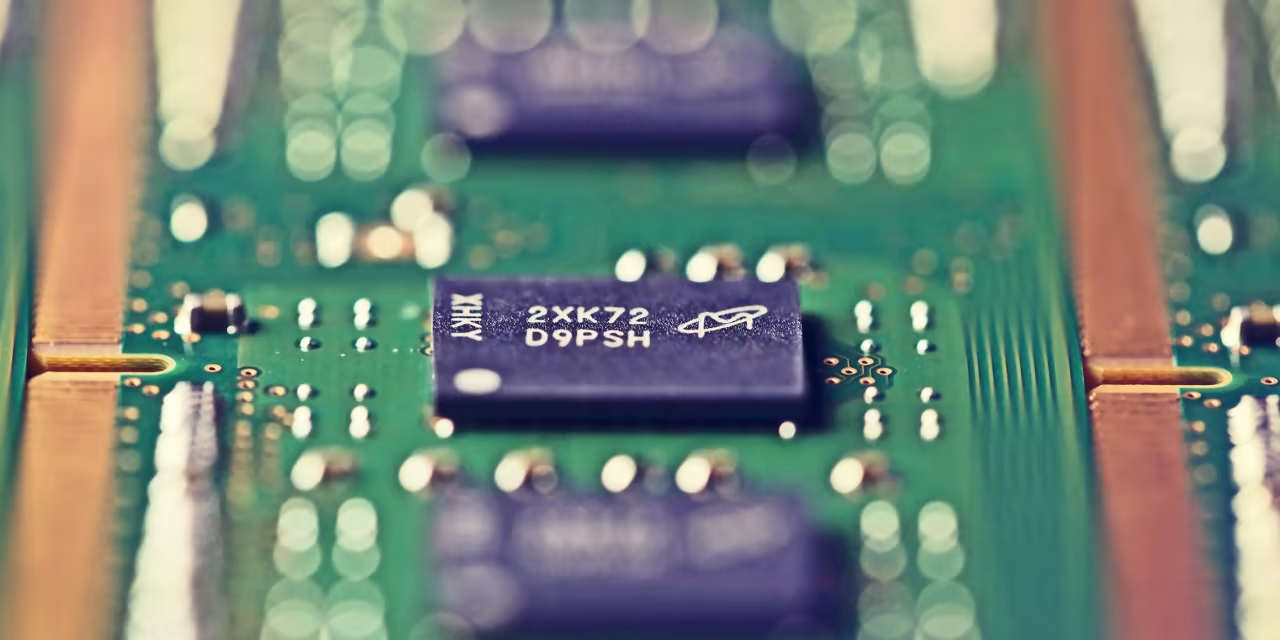
Micron Rival CXMT’s Stock Soars 466% After IPO as the Memory Boom Takes a Twist

Published

on

Micron Rival CXMT’s Stock Soars 466% After IPO as the Memory Boom Takes a Twist

Micron Rival CXMT’s Stock Soars 466% After IPO as the Memory Boom Takes a Twist

Continue Reading

Business

3 Stocks For Latin America’s Renewable Power Boom

Published

on

3 Stocks For Latin America’s Renewable Power Boom

3 Stocks For Latin America’s Renewable Power Boom

Continue Reading

Business

Bank of England Some Way Off A Rate Hike Despite Energy Price Spike

Published

on

Bank of England Some Way Off A Rate Hike Despite Energy Price Spike

Bank of England Some Way Off A Rate Hike Despite Energy Price Spike

Continue Reading

Business

Centuria replaces retail boss Bruce McCully with another Perth recruit

Published

on

Centuria replaces retail boss Bruce McCully with another Perth recruit

ASX-listed real estate fund manager Centuria has chosen the replacement of its former retail fund manager Bruce McCully, keeping the national role in Perth.

Continue Reading

Business

Lack of business succession planning poses threat to Welsh economy

Published

on

Business Live

New research from the Economic Intelligence Wales is calling for a new support regime for owners seeking to exit their businesses

Co-author of the report Professor Max Munday.

A lack of ownership succession planning could be putting indigenous firms and thousands of jobs at risk, claims a new report.

Research from Economic Intelligence Wales – based at Cardiff Business School – is calling for a national support offer to help SME owners plan earlier, access practical guidance and prepare for ownership transition before it becomes urgent.

Advertisement

The report, entitled Small Business Ownership Succession Planning Strategies, has been penned by Mark Lang, Max Munday, Annette Roberts, and Neil Roche.

Its findings reflect a wider challenge facing businesses across Wales and the UK. A 2025 study by Hymans Robertson Personal Wealth showed that only 34% of family business owners in the UK have a formal succession plan in place, while analysis by ExitRadar, based on 2025 data, found that more than 800,000 UK companies have directors aged over 60 with no succession plan.

The same study estimates that more than 90% of small businesses brought to market never complete a sale.

The Welsh picture is equally concerning. Previous research referenced in the report found that just 16% of Welsh SMEs had considered succession planning in the longer term, while 47% of family-owned Welsh SMEs had no formal succession plan in place.

Advertisement

The report concludes that succession planning remains significantly underdeveloped the Welsh SME sector. The key recommendation of the report says a single, visible and accessible national support system would help business owners understand their options, access specialist advice and finance, and begin planning much earlier.

Adam Price, Cabinet Minister for Enterprise, Connectivity and Energy, said: “This research highlights the importance of helping business owners plan for the future and ensuring they can access the right support at the right time. Too often, succession planning is seen as something to consider later, when in reality early planning can be critical to securing jobs, investment and long-term business success.

“We want to create a simpler and more visible business support system that helps enterprises at every stage of their journey. That includes providing clearer pathways to advice, finance and specialist support for business owners considering succession, management buyouts, employee ownership or other transition options.

“By bringing support together and making it easier to navigate, we can help more Welsh businesses remain locally rooted, safeguard quality jobs and continue contributing to the growth and prosperity of communities across Wales.”

Advertisement

Prof Munday said “Too many business owners, busy with the day-to-day challenges of running their businesses, risk leaving succession planning until the last minute putting years of their hard work and their critical economic value at risk.

“The evidence is stark. Hundreds of thousands of businesses across the UK are approaching a critical ownership transition without a formal plan in place. Many owners assume they will simply sell when the time comes, but the reality is that most businesses brought to market never complete a sale.

“This report demonstrates the importance of ensuring that business owners have access to the advice, support and funding they need to plan for the future.”

Giles Thorley, chief executive of the Development Bank of Wales, said: “Wales has thousands of successful locally owned businesses that are central to jobs, supply chains and communities, but too many are approaching ownership transition without a clear plan.

Advertisement

“Successful transitions do not happen by accident. They require early planning, good advice and access to appropriate finance. Unless support is simple to find and easy to navigate, otherwise strong businesses can struggle to realise their value or secure their future.

“Since 2017, we have funded 379 succession deals with £157m, supporting management buyouts, employee ownership trusts and other succession routes that help businesses remain strong, independent and embedded within their communities.

“We have seen first-hand how succession funding can protect jobs, preserve local ownership and create the platform for future growth. A single, visible national support offer, backed by practical guidance and targeted awareness, would help more Welsh SME owners plan earlier and give viable businesses the best chance of remaining rooted in Wales for the long term.”

Economic Intelligence Wales is a collaboration between Cardiff Business School, Bangor Business School, the Enterprise Research Centre, the Office for National Statistics and the Development Bank of Wales. The partnership provides independent insight into the opportunities and challenges facing the Welsh economy.

Advertisement
Continue Reading

Business

The Motor Ombudsman opens new hub in Liverpool

Published

on

Business Live

The new hub will support meeting growing demand for its alternative dispute resolution service

The Motor Ombudsman.

The Motor Ombudsman has opened a new hub in Liverpool as the independent body approaches a decade of serving the automotive sector.

Complementing its existing headquarters in London, the move into a facility on Mann Island, next to the River Mersey, will allow the body to meet growing demand from motorists and businesses using its alternative dispute resolution (ADR) service.

In the first five months of 2026 alone, The Motor Ombudsman received 23,499 unique consumer cases – a 22% rise compared with the same period in 2025.

The first phase of recruitment at the hub will see the creation of 17 new jobs, taking the ombusdman’s total headcount to nearly 90.

Advertisement

The new staff will be working alongside colleagues in Westminster within two teams of the body’s dispute resolution department to further drive down the time needed to review cases and deliver decisions.

These are case administration, which gathers evidence from consumers and businesses involved in disputes, and adjudication, which reviews the evidence and issues decisions.

The hub will also play a key role in forging new relationships and supporting closer engagement with existing code-accredited garages, dealerships, vehicle manufacturers and warranty providers, while increasing the Motor Ombudsman visibility in the north west and beyond.

Bill Fennell, chief ombudsman and managing director of the Motor Ombudsman, said: “The opening of a hub in Liverpool is a significant and exciting step forward for The Motor Ombudsman, and marks another important milestone in our continued growth.

Advertisement

“As demand for our ADR service continues to rise, expanding our presence beyond London gives us access to a wider pool of talent, supports the creation of new local jobs in Merseyside, and strengthens the capacity and expertise we need to support consumers and businesses across the automotive sector.”

Continue Reading

Business

OPEC Monthly Oil Market Report, July 2026

Published

on

Kimbell Royalty Partners: Upgrading To Buy As Growth Accelerates (NYSE:KRP)

OPEC Monthly Oil Market Report, July 2026

Continue Reading

Business

Toyota, Nissan and Honda Suffer Steep China Sales Declines as Homegrown EV Makers Surge Ahead This Year

Published

on

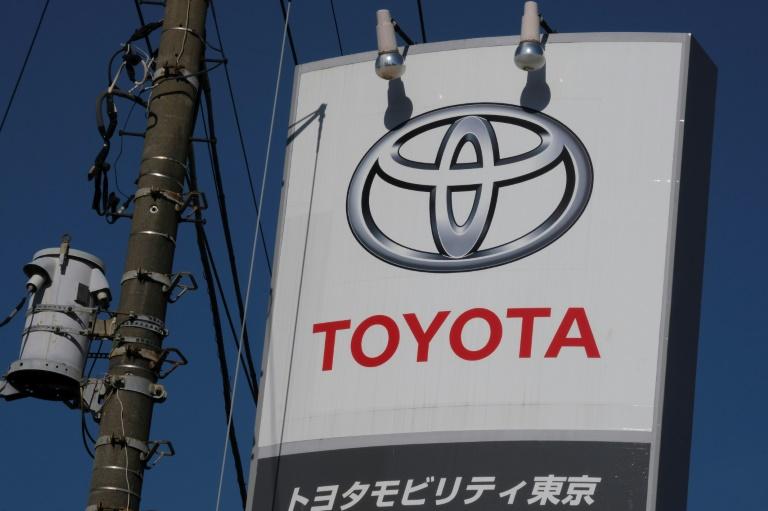
toyota logo

Japan’s three largest automakers are losing ground rapidly in China, the world’s largest auto market, as homegrown electric vehicle manufacturers accelerate past them and reshape the competitive landscape that Japanese brands once dominated.

Sharp declines across the board

Toyota, Nissan and Honda all posted double-digit sales declines in China during the first half of 2026, according to Japan’s Kyodo News and China’s state-run Global Times. Toyota’s sales totaled 694,700 vehicles, down 17.1% from the same period a year earlier. Nissan’s sales fell 15% to 237,000 vehicles. Honda suffered the steepest decline, with sales plunging 34.7% to 205,800 vehicles, extending a streak of year-over-year monthly declines that has now stretched 29 consecutive months through June.

Honda’s struggles have been particularly acute at the brand level. Its joint venture GAC Honda saw sales fall 46% year-over-year, while Dongfeng Honda’s sales dropped 22%. In June alone, Honda’s retail sales in China plunged 44.5% year-over-year. The severity of the decline has prompted structural changes within the company: GAC Honda’s Huangpu plant in Guangzhou, which has produced models including the ZR-V and Fit, is scheduled to end production this June, while Dongfeng Honda’s Wuhan plant is expected to close in 2027. Honda’s overall sales volume in China has collapsed from roughly 1.66 million vehicles in 2020 to approximately 650,000 today.

Advertisement

A steep decline in Japanese market share

The combined slump reflects a broader, multiyear erosion of Japanese automakers’ position in China. According to the China Association of Automobile Manufacturers, Japanese brands’ collective market share in China fell steadily from 24% in 2020 to the single-digit range last year, a five-year collapse that industry analysts describe as a generational shift in the market rather than a temporary downturn.

Falling behind on electrification

Analysts and industry observers point to Japanese automakers’ slow transition to electric and plug-in hybrid vehicles as the central driver of their declining fortunes in China. Cui Dongshu, secretary-general of the China Passenger Car Association, offered a blunt assessment of the shift to the Global Times. “Japanese companies relied too heavily on conventional hybrid vehicles and failed to respond properly to changing demand for plug-in hybrids,” Cui said, adding that Japanese brands have also lagged in new model development, China-specific product strategies, and smart vehicle features aimed at attracting younger buyers.

Advertisement

That assessment echoes concerns raised in a 2025 report by global consulting firm Roland Berger, which found that Japan’s broader auto industry had failed to keep pace with the global shift toward electrification even as other major markets accelerated their transition. The slower pivot has left Japanese brands increasingly reliant on gasoline and conventional hybrid vehicles at a moment when Chinese consumers have rapidly shifted toward pure electric and plug-in hybrid alternatives.

Chinese brands capture the momentum

While Japanese automakers have struggled, Chinese homegrown manufacturers have moved aggressively to capture market share through electric and smart vehicle offerings. According to the China Passenger Car Association, BYD led China’s passenger car market with a 13.2% share as of April, followed by Geely and Changan. Newer electric vehicle makers, including Leapmotor and Xiaomi, have also gained visibility in the market, adding further competitive pressure on established automakers, both foreign and domestic.

China’s broader new energy vehicle market has continued expanding rapidly even as the overall auto market has softened. The China Association of Automobile Manufacturers reported that the country produced 7.438 million new energy vehicles and sold 7.446 million in the first half of 2026, both figures surpassing 7 million and marking increases of 6.7% and 7.3%, respectively, from a year earlier. New energy vehicles accounted for 49.6% of total new car sales during the period, with the technology’s penetration rate reaching 58.5% as of June, up roughly 13 percentage points from a year earlier. Separate industry tracking had shown that penetration briefly surpassed 60% for the first time in April, underscoring how quickly the shift away from conventional gasoline vehicles has taken hold.

Advertisement

Broader market weakness compounds the pressure

The struggles facing Japanese automakers have also coincided with broader softness across China’s overall passenger vehicle market. According to Reuters, China’s domestic passenger vehicle sales fell 23.4% year-over-year to 1.62 million units in June, marking the ninth consecutive month of year-over-year decline for the broader market. Rising oil prices tied to tensions in the Middle East have further dampened demand for gasoline-powered vehicles specifically, compounding the challenges already facing Japanese brands that remain more dependent on conventional powertrains than many of their competitors.

German luxury brands face similar headwinds

Japanese automakers are not alone in facing steep declines in China. German luxury manufacturers have also reported significant year-over-year drops, with Mercedes-Benz falling 28%, BMW down 20.4%, and Volkswagen decreasing 25.9% during the same period. The combined sales of Mercedes-Benz, BMW and Audi were only slightly higher than Volkswagen’s China sales alone during the same period a year earlier, according to industry data, illustrating how broadly the shift toward domestic EV brands has squeezed established international automakers across price segments, not just in the mainstream market where Japanese brands have traditionally competed.

Advertisement

A difficult road back

Industry analysts widely agree that reclaiming lost ground in China will not come easily for Japanese automakers. Cui said Chinese homegrown brands have already established a firm position in the electric and smart car markets, making it unlikely that Japanese companies will recover their previous market standing in the near term. Toyota has shown some signs of adaptation, with localized electric vehicle sales in China surging 88% in April, suggesting the company may have more success than its rivals in adjusting its strategy, even as its overall China sales volumes have continued to decline.

With China’s new energy vehicle penetration continuing to climb and domestic brands showing no signs of ceding the ground they’ve gained, Japanese automakers face a critical period in determining whether they can meaningfully accelerate their own electrification strategies or risk further erosion of their once-dominant position in the world’s largest auto market. How quickly Toyota, Nissan and Honda can bring competitive electric and plug-in hybrid models specifically tailored to Chinese consumer preferences is likely to shape their trajectory in the market for years to come.

Advertisement
Continue Reading

Trending

Copyright © 2025