




Sweet collab serves up a taste of nostalgic Portrush summers

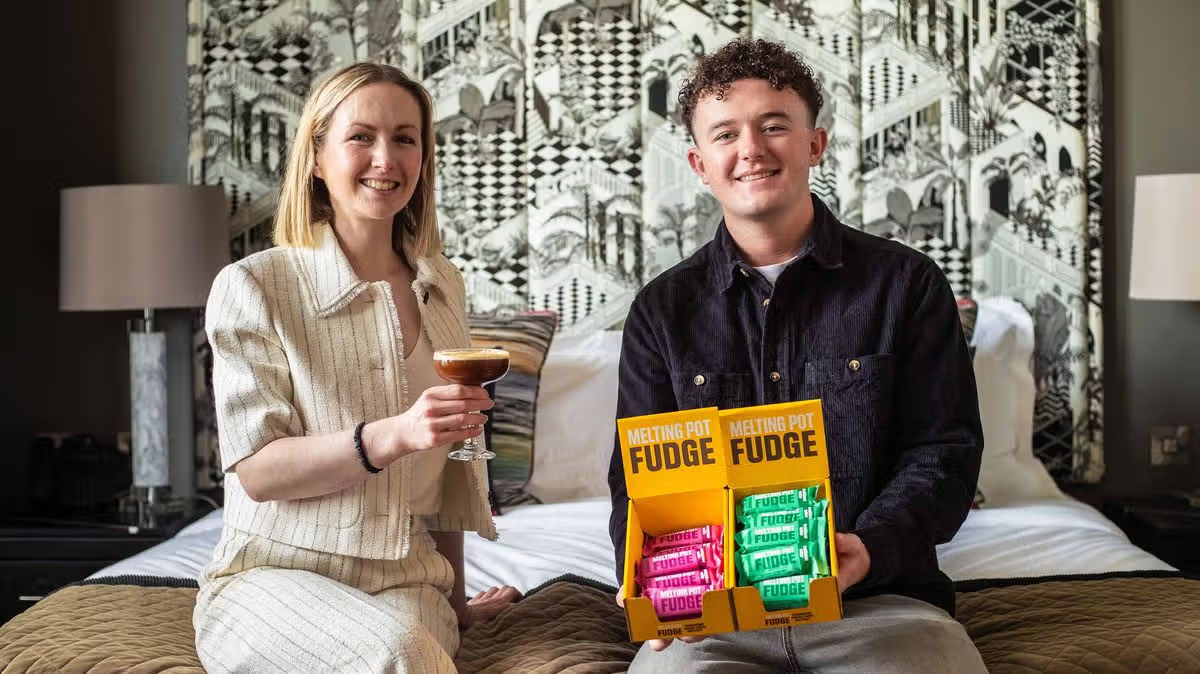
Celebrating the Elephant Rock Boutique Hotel and Melting Pot Fudge collaboration are, from left, Charlotte Dixon, Managing Director, Elephant Rock Boutique Hotel and Jack McAdorey, General Manager, Melting Pot Fudge.
Two of Northern Ireland’s standout independent hospitality and food brands are joining forces for a limited-edition summer treat designed to make August stays in Portrush even sweeter.
Guests who book an overnight stay directly with Elephant Rock Boutique Hotel will receive a complimentary 50g bar of Melting Pot Fudge, the Belfast-born handmade fudge brand known for its bold personality, indulgent flavours and “Fudge it ’til you make it” attitude.
Elephant Rock will also be serving an Espresso Fudgetini – a bespoke cocktail created using Melting Pot Fudge, bringing together rich coffee, smooth sweetness and a playful coastal twist.
Elephant Rock, twice named Ulster’s Romantic Hotel of the Year, has become one of Portrush’s most distinctive places to stay, combining beautifully designed rooms, coastal charm, standout food and drink, and warm hospitality just moments from the sea.
With Portrush continuing to attract visitors for its beaches, restaurants, golf, coastal walks and access to the wider Causeway Coast, the hotel is perfectly placed for people looking to make the most of a Northern Ireland summer escape.
The award-winning Melting Pot Fudge has been building momentum with new retail listings, refreshed branding and a growing reputation for fudge that feels fun, modern and proudly local.
Jack McAdorey, General Manager, Melting Pot Fudge, said: “This is exactly the kind of collaboration we love. Elephant Rock is one of Northern Ireland’s most beautiful boutique hotels and Portrush in August is hard to beat. We wanted to give guests a little taste of Melting Pot Fudge when they arrive and then bring the brand to life in a fun way through the Espresso Fudgetini.
“For us, it’s about working with brilliant local partners who know how to create an experience people remember.”
Charlotte Dixon, Managing Director, Elephant Rock Boutique Hotel, said: “When I think of August in Portrush, I think of those nostalgic summer holidays by the sea, where a visit to a traditional sweet shop was always part of the experience.
“This collaboration feels like a lovely nod to that. Portrush has such a strong connection with people across Northern Ireland – it feels like almost everyone has a childhood memory of this place, from family picnics and days at the beach to seaside treats, sticks of rock, toffee and the little indulgences people remember from family getaways.
“Melting Pot Fudge brings that feeling into the hotel in a really fun, modern way. Our rooms, food, cocktails and location all come together to create happy memories for the guests who choose to stay with us. And of course, those memories can now be topped off with a delicious Espresso Fudgetini.”
The Melting Pot Fudge x Elephant Rock Boutique Hotel collaboration will run throughout August, with complimentary 50g bars available for direct booking guests and the Espresso Fudgetini available from the hotel bar for a limited time only.























































You must be logged in to post a comment Login